Iran Day 4: Yazd (4 Mar 11) – The Dessert Town: From Zoroastrain Temple to the Tower of Silence

Centre of Yazd – Jumeirah Mosque

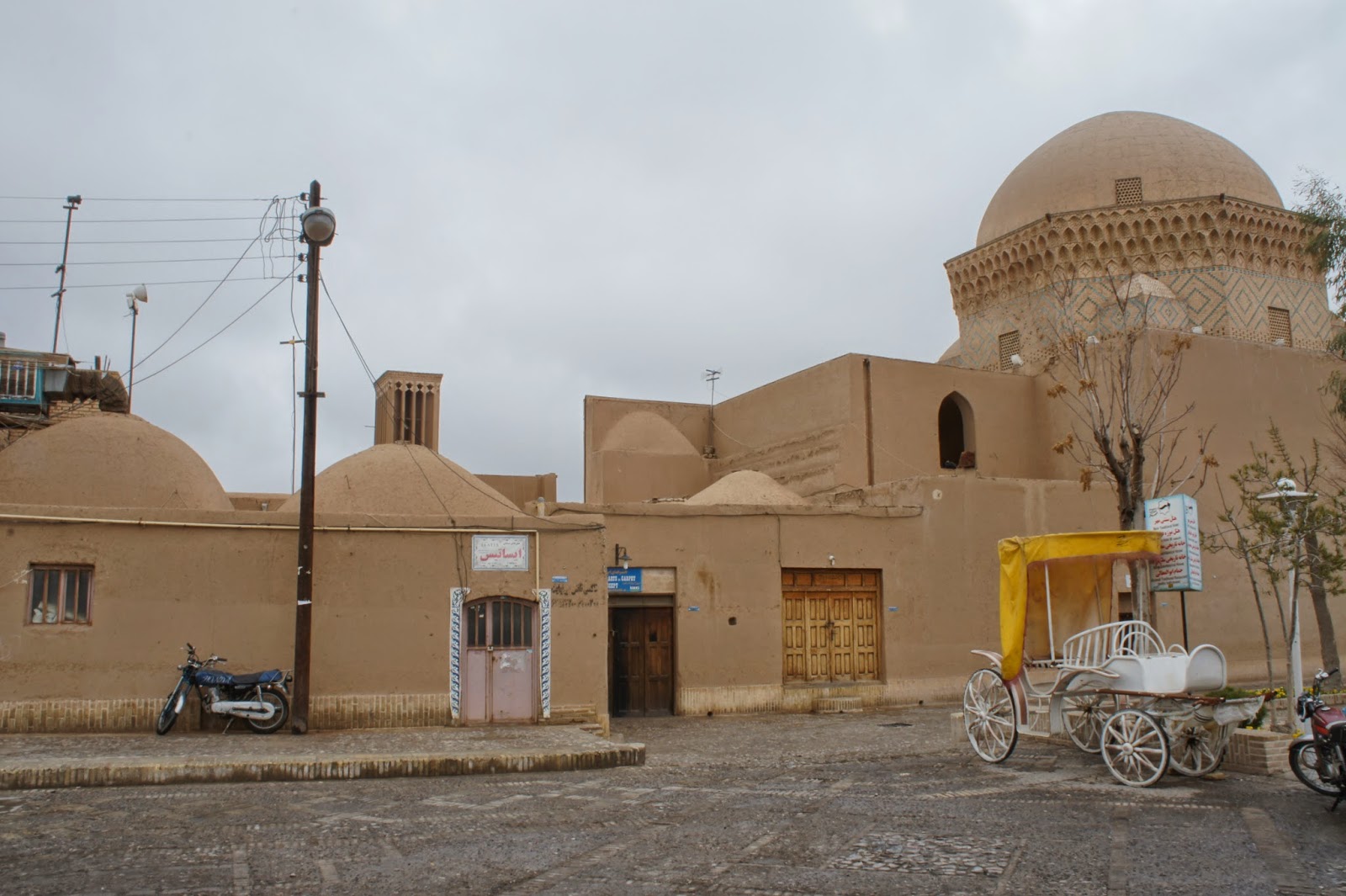
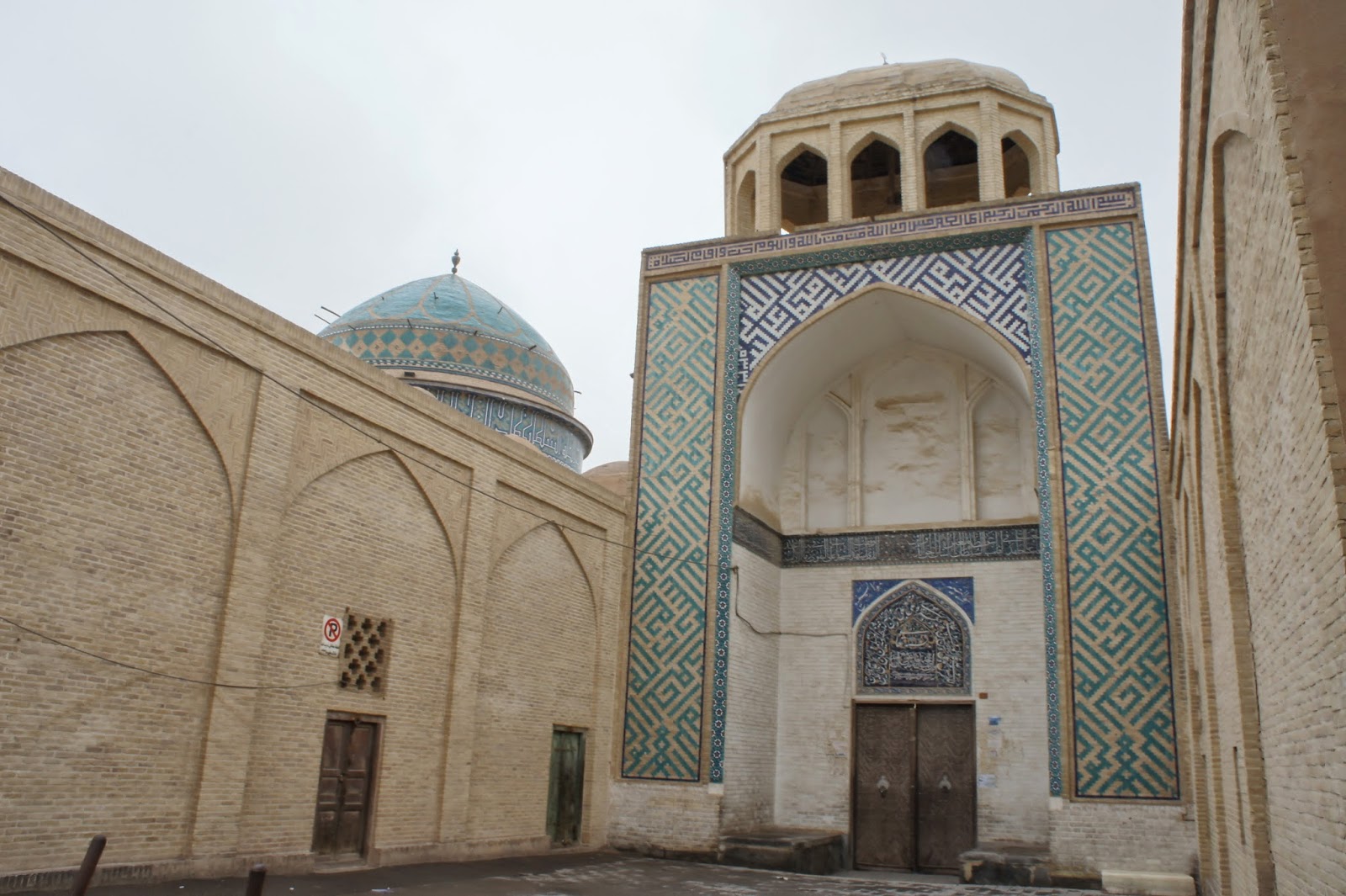
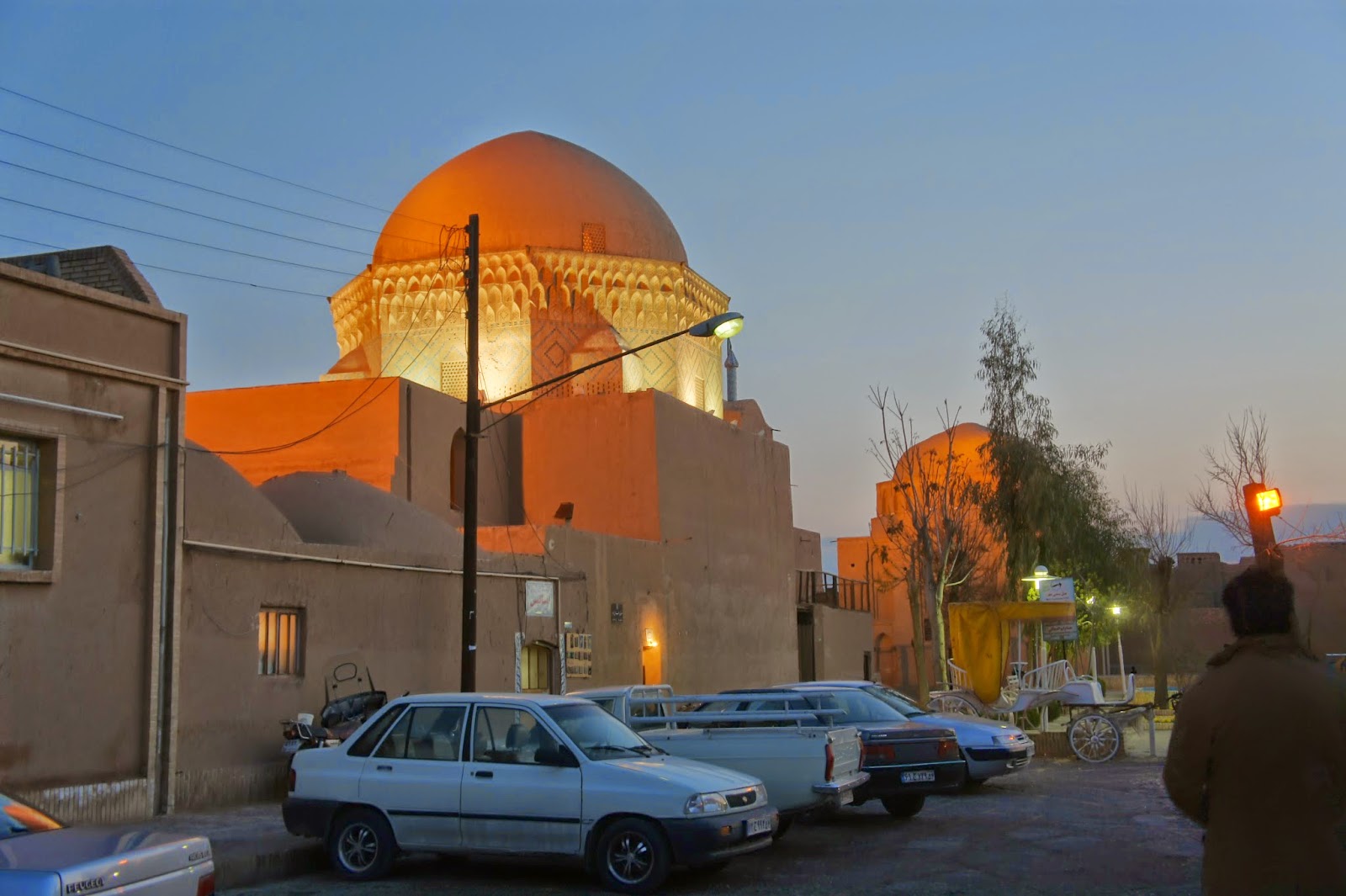
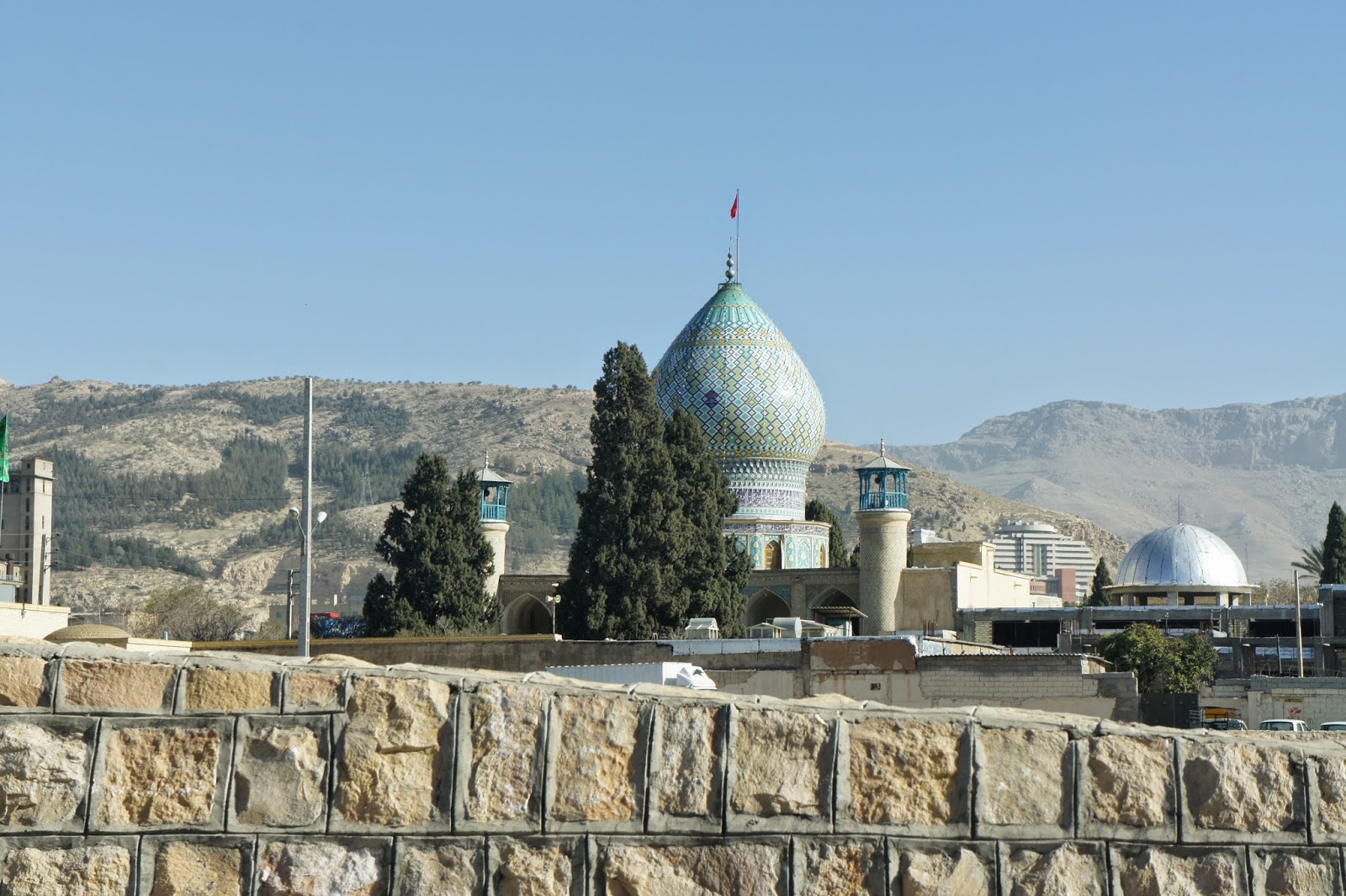
Our first stop for the day is the Jumeirah Mosque in Yazd. As with Shiraz, this mosque used to be their gathering place for prayers and ceremonies. However, the difference in terms of structure is the height of the minarets of these mosques. Our guide told us that these minarets have another purpose other than calling for prayers, they are used as guidance for travellers in the old days. As Shiraz is surrounded by mountains, they have no use for tall minarets. Yazd, on the other hand, is in the desert, as such they have higher minarets to aid travellers finding this town. The other difference with the Jumeirah Mosque in Shiraz is that his mosque is no longer used for prayer purposes, it is used solely for ceremonial purposes. Nothing much was around here other than a reservoir across the street from this Mosque monument.

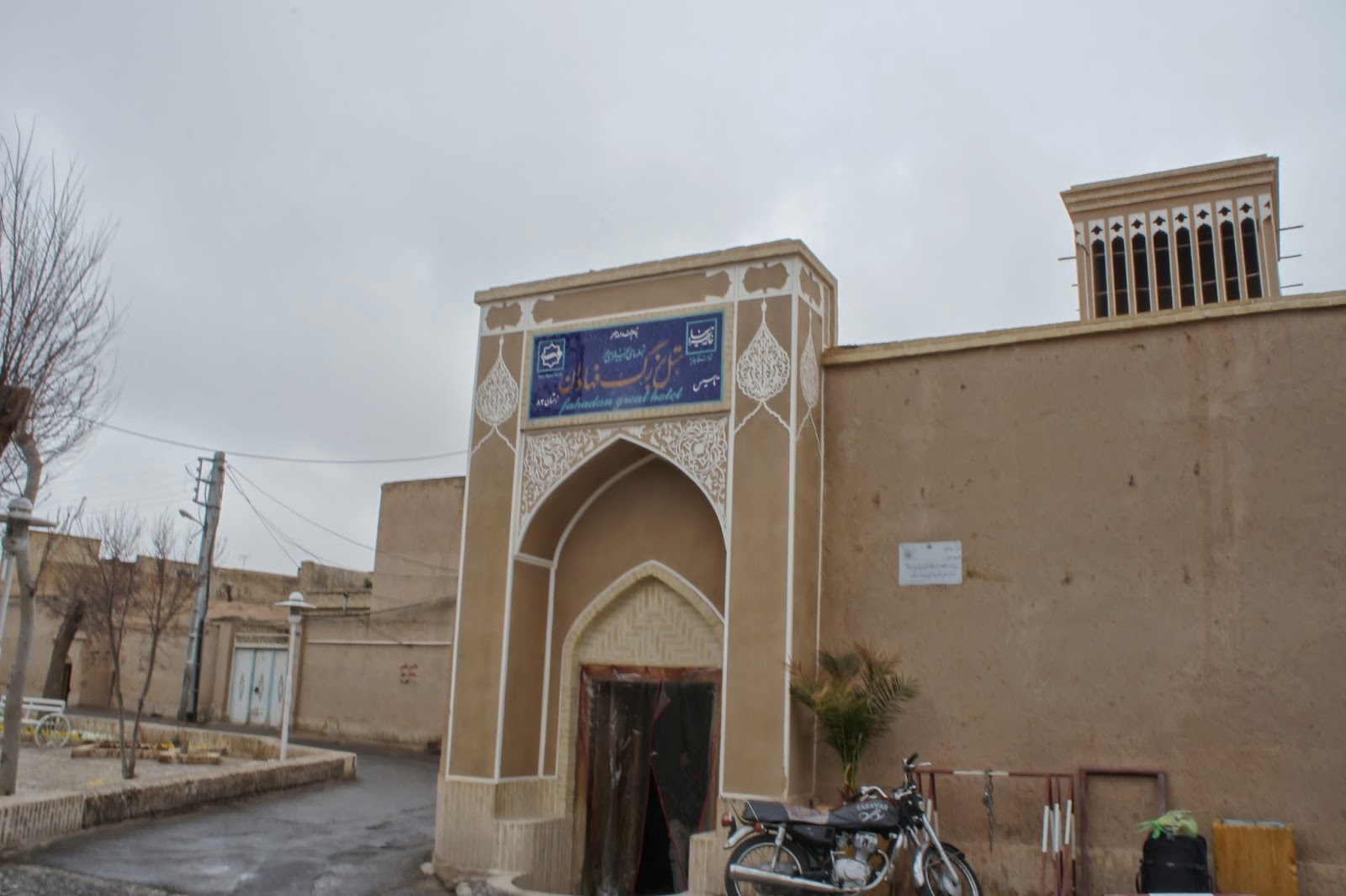
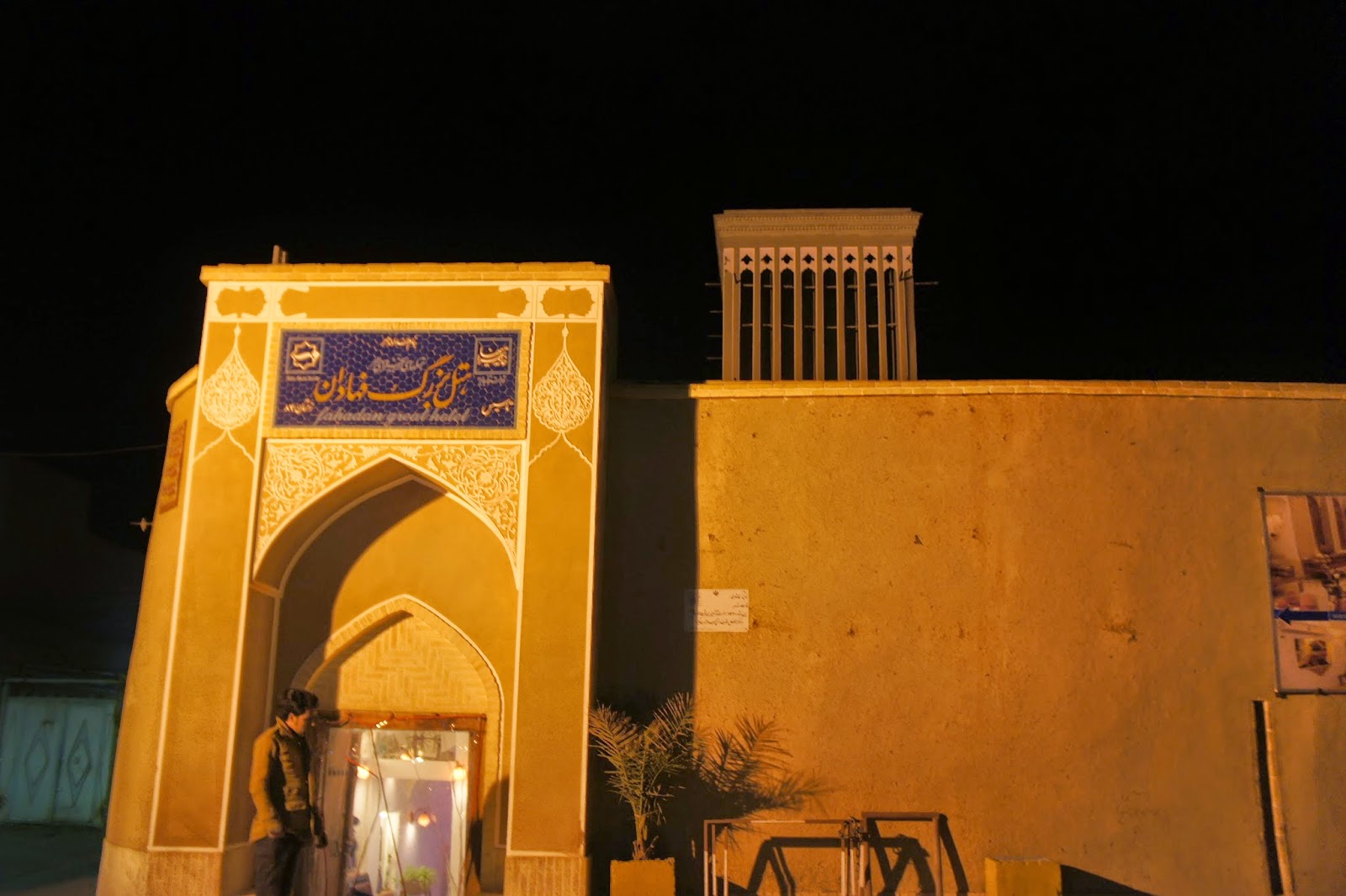
The facade of the hotel we slept last night
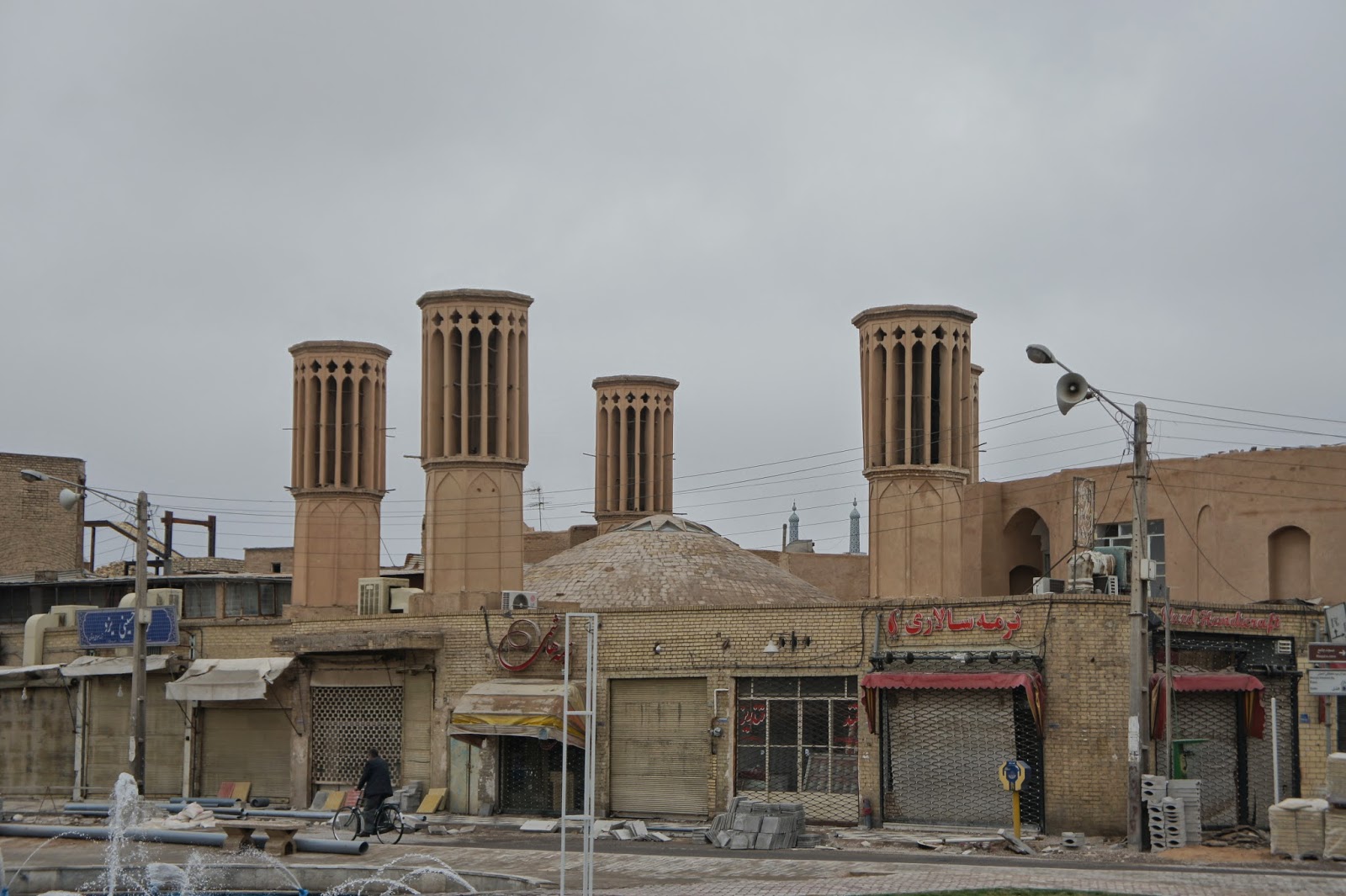
Traditional Iranian Building with wind tower
The reservoir opposite Jumeirah Mosque
Jumeirah Mosque
Part of the Jumeirah Mosque

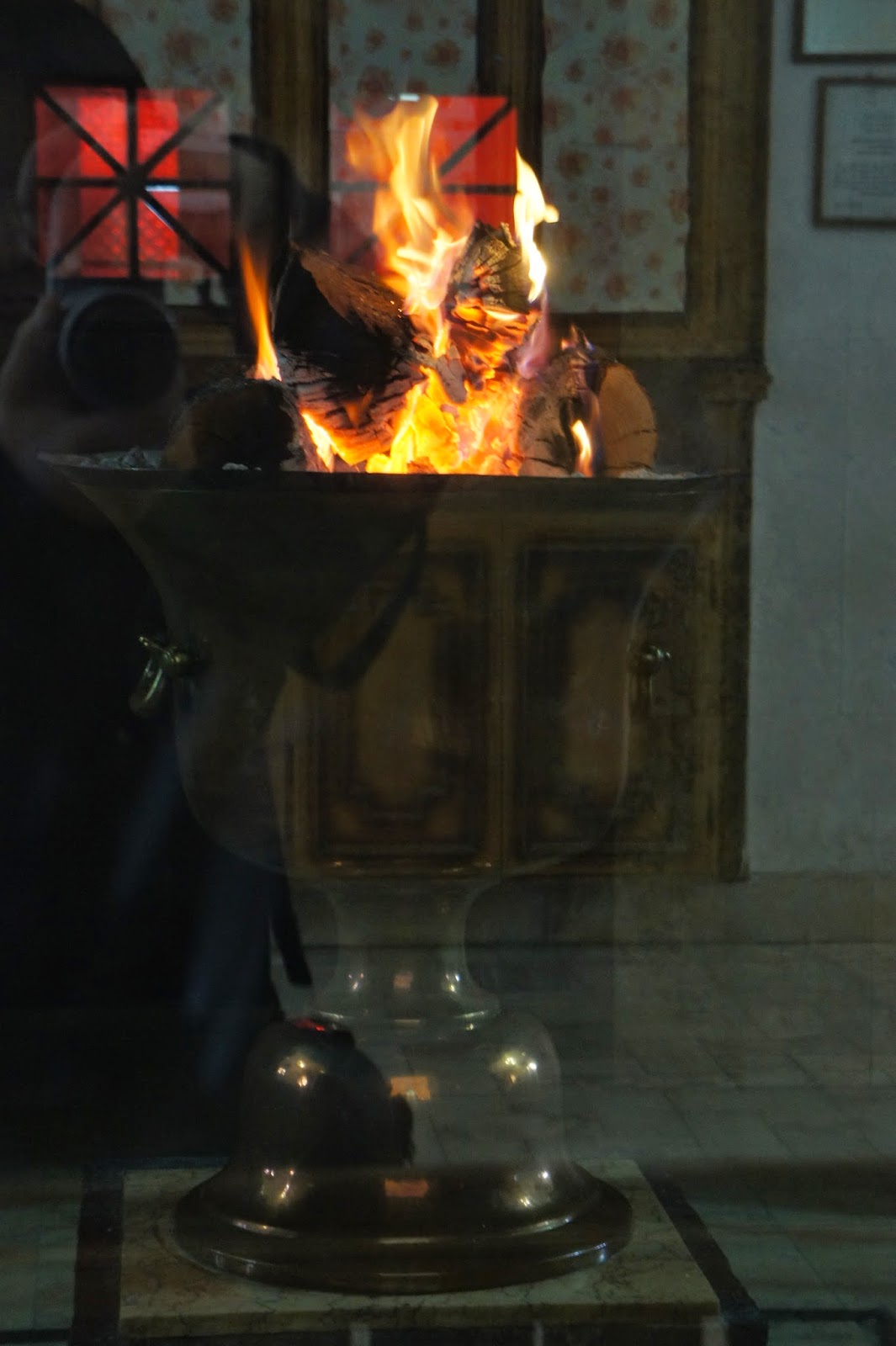
The 7 Centuries Fire in Zoroastrian Temple

We headed for the Zoroastrian temple, where it housed the holy fire that was burning for more than 700 years. As we arrived, there was a group of school girls here for a field trip. We walked passed them and they were giggling at us. Out of a sudden, someone from that group shouted: “Hello”, then came the “Welcomes” at us. As the girls are finishing the tour they left the temple grounds, and tranquillity was restored once the girls cleared the temple. We entered into the temple and saw only one glass panel and a small corner selling Zoroastrian items and that’s it to the temple. A rather modest temple with such a significant purpose. Back to the fire, it is burning on a goblet behind this glass panel. Too bad the reflections of the glass makes taking pictures frustrating. We did not spend a lot of time in the temple, as it is really small and the purpose is to see the 700-year-old fire and we did that.

Zoroastrian Symbol
The holy fire that has been kept burning for 700 years
The Zoroastrian Temple

Tower of Death – The Tower of Silence

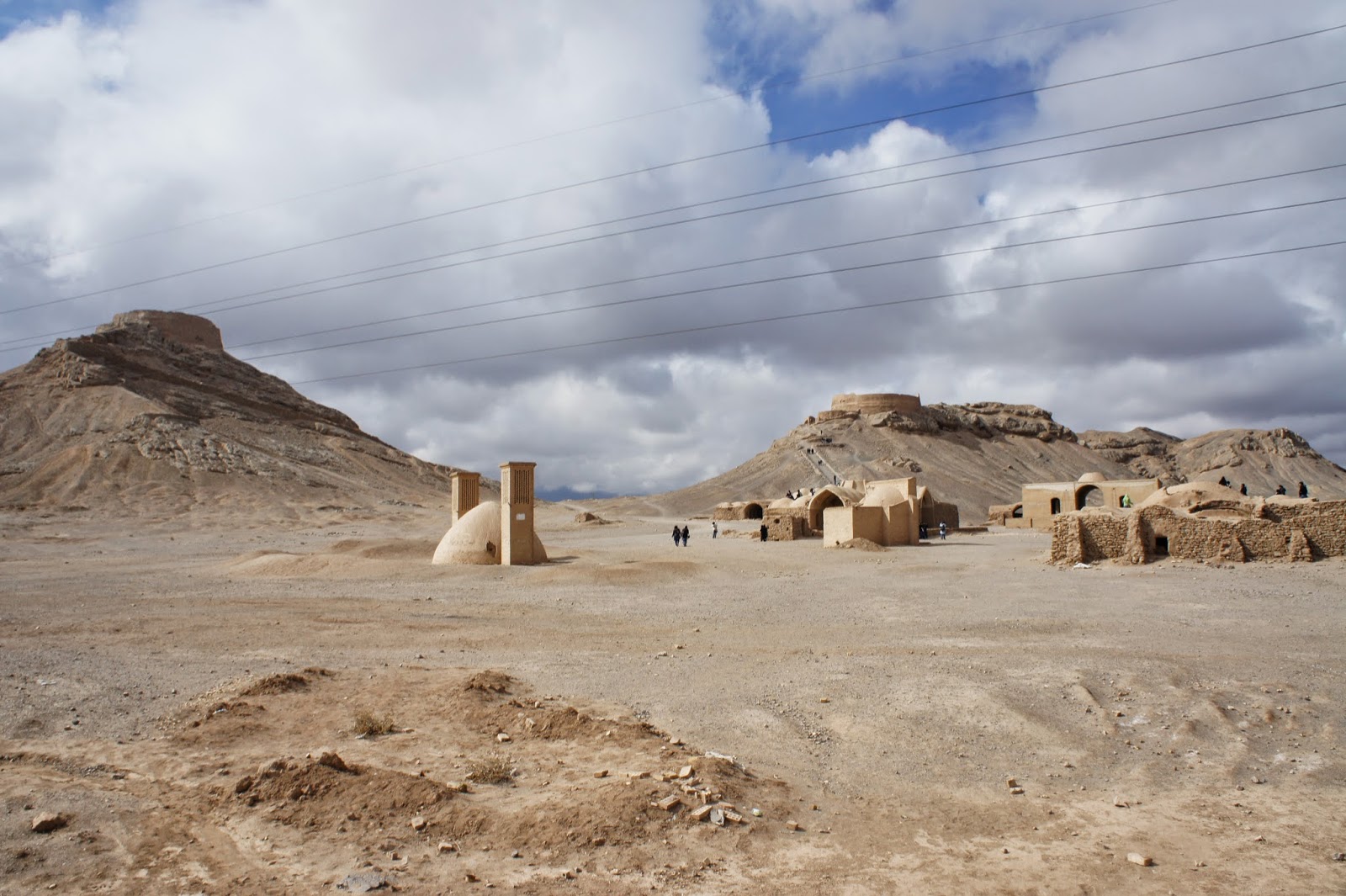
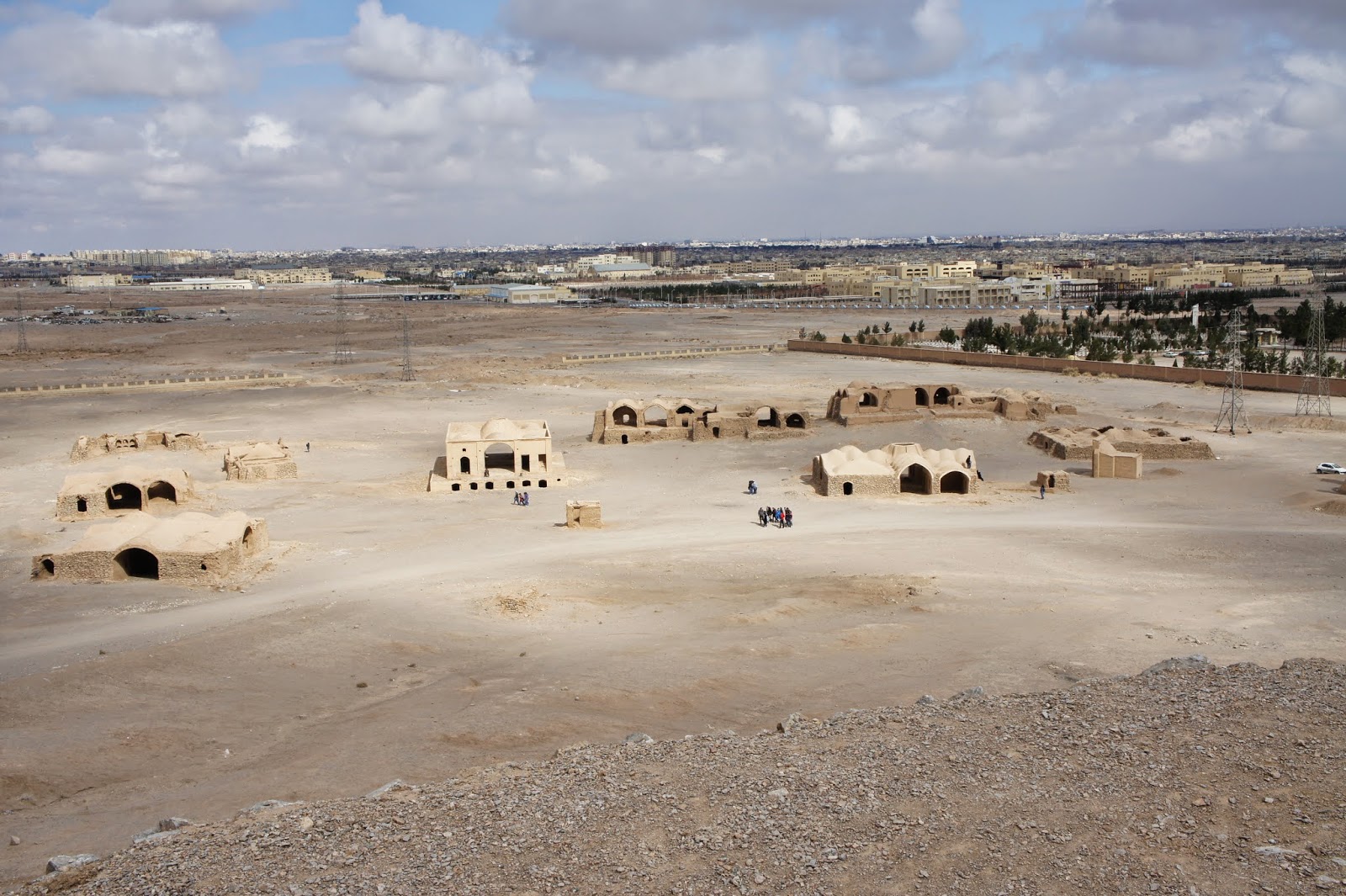
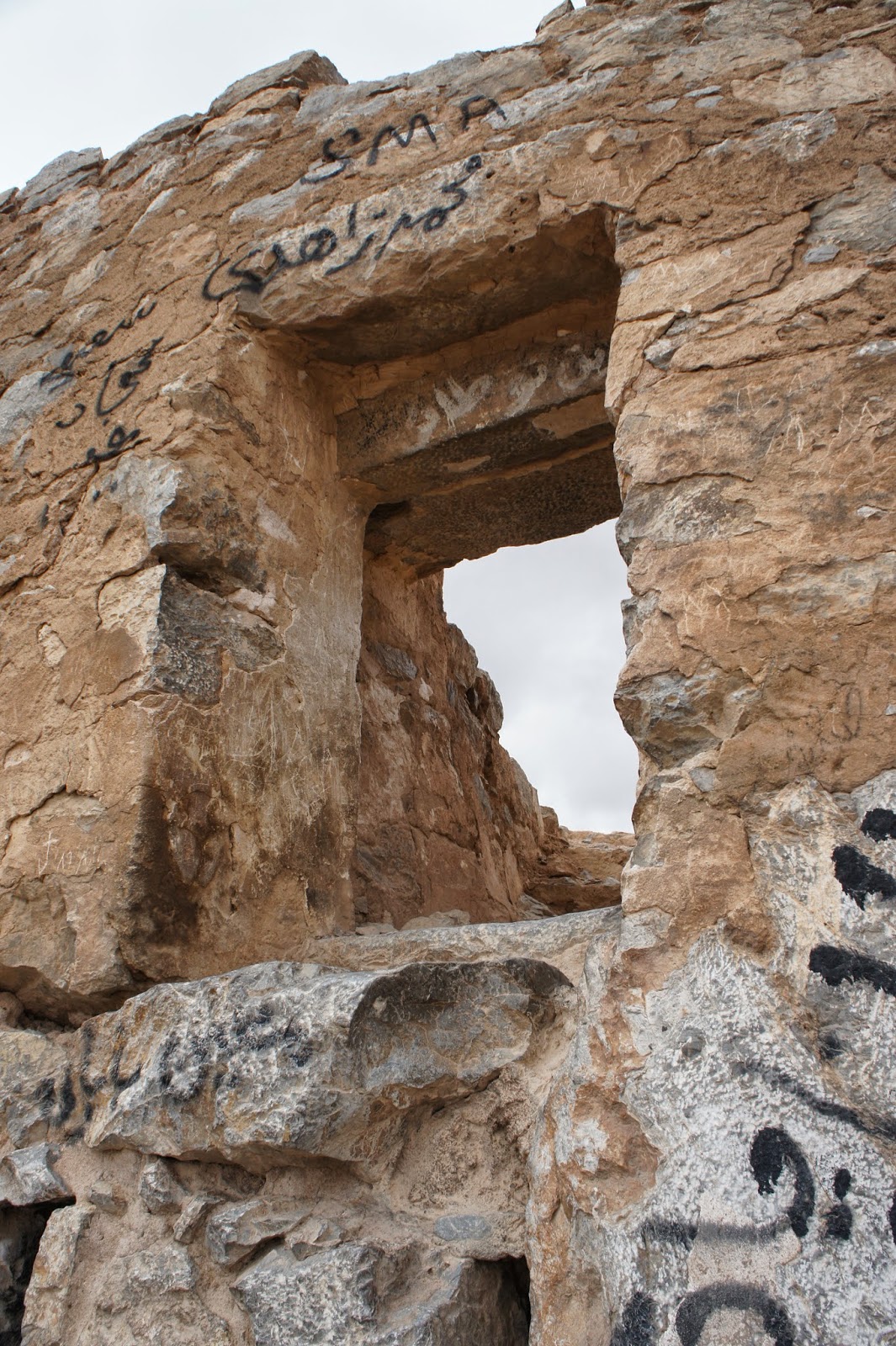
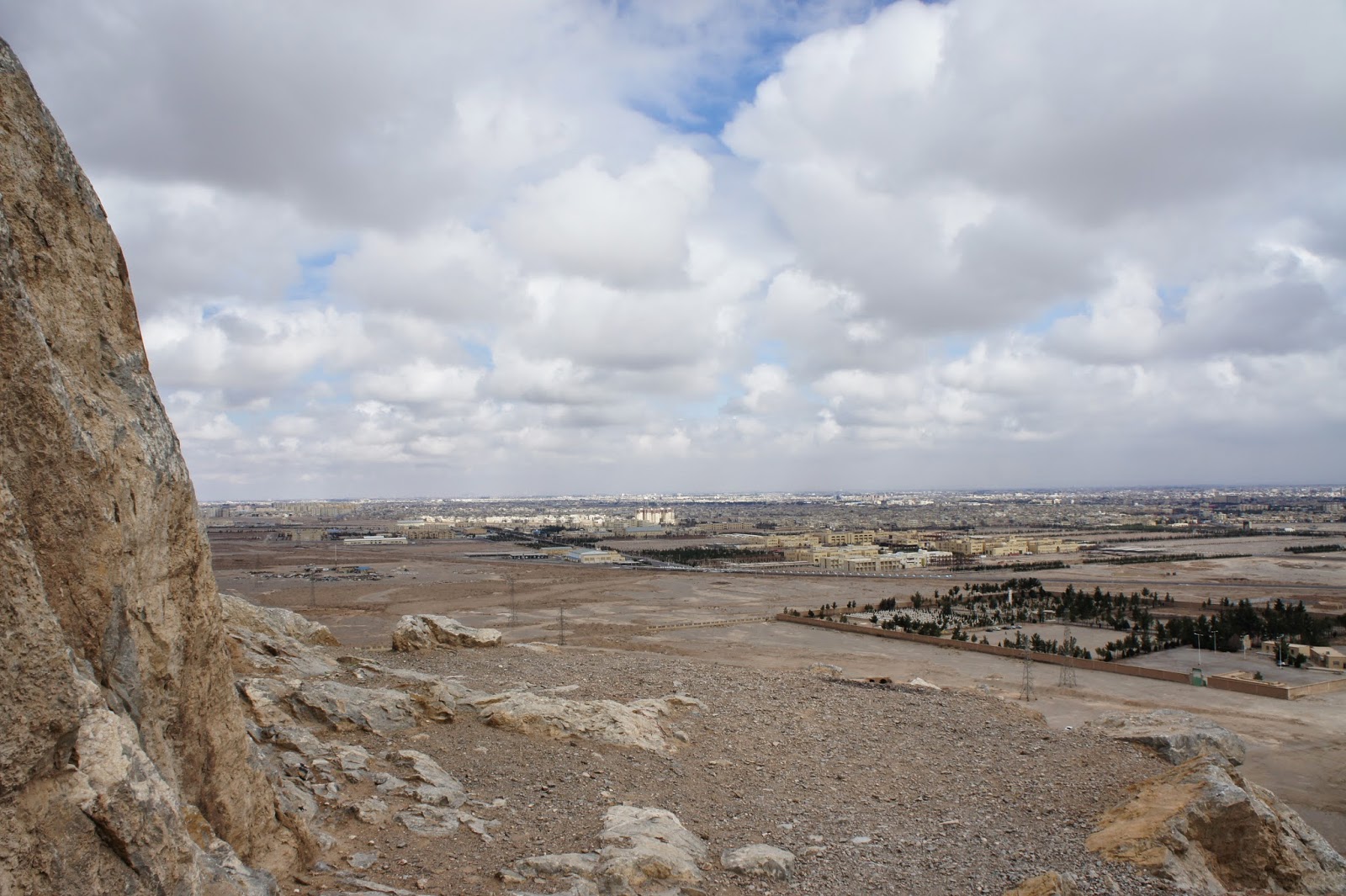
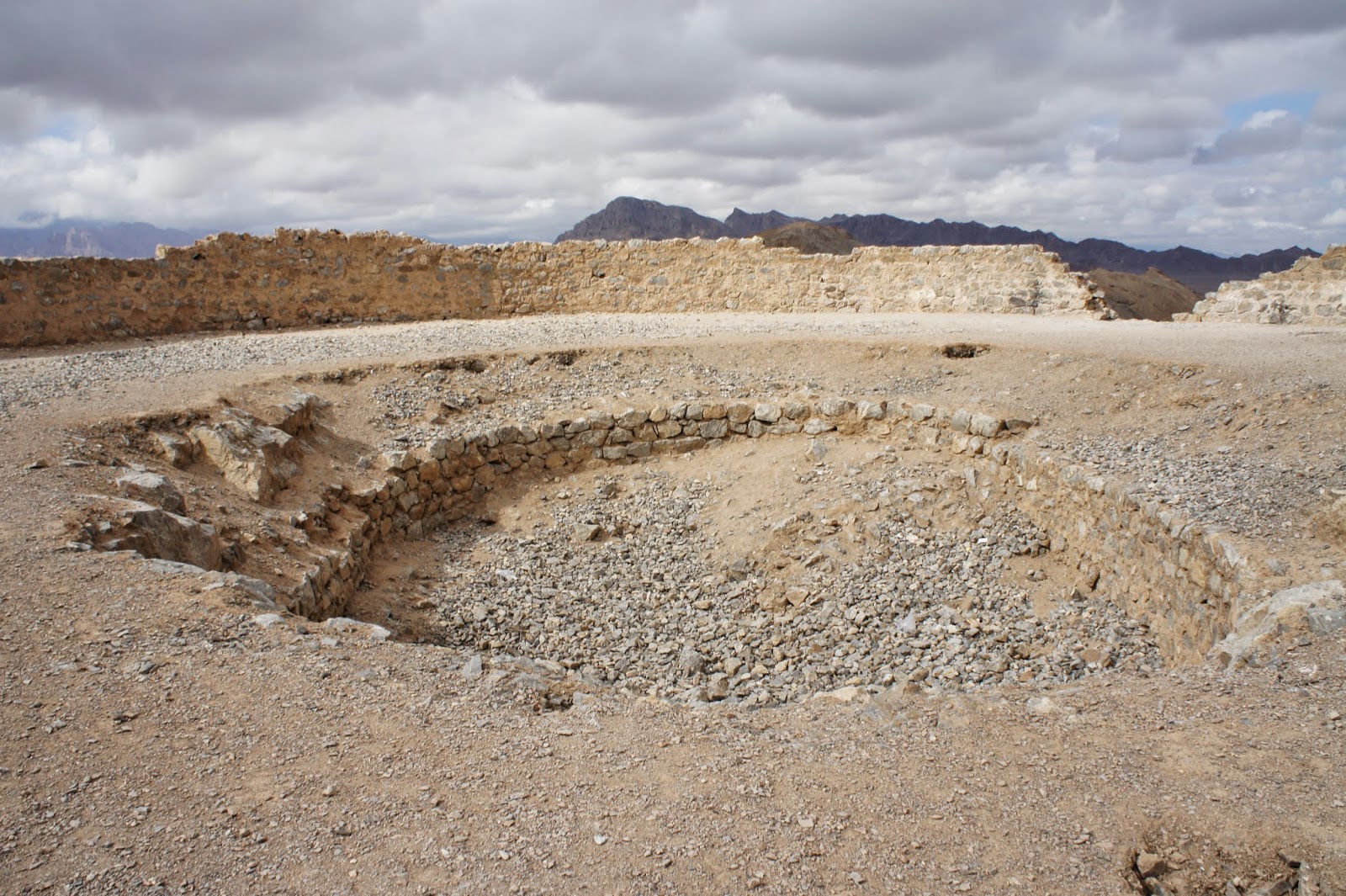
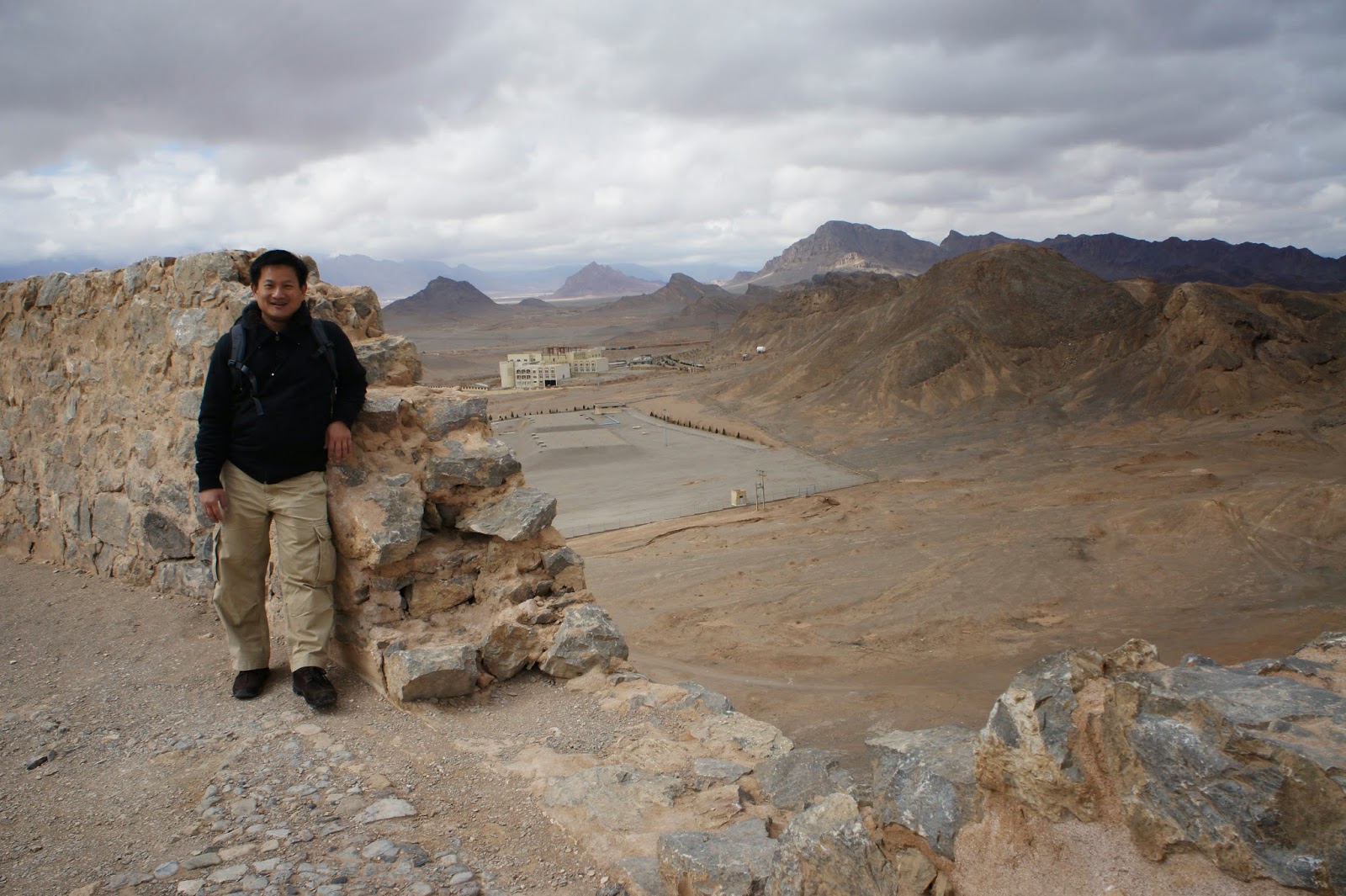
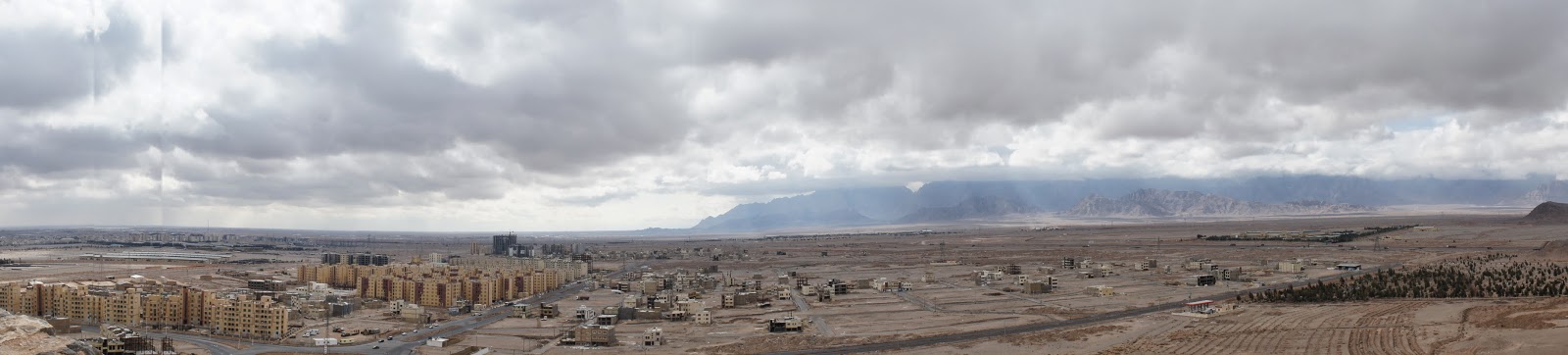
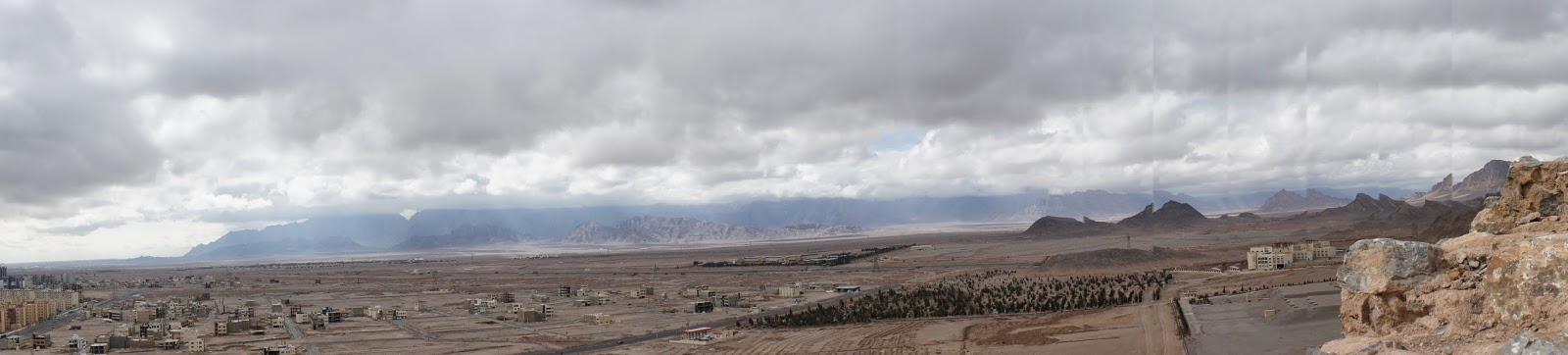
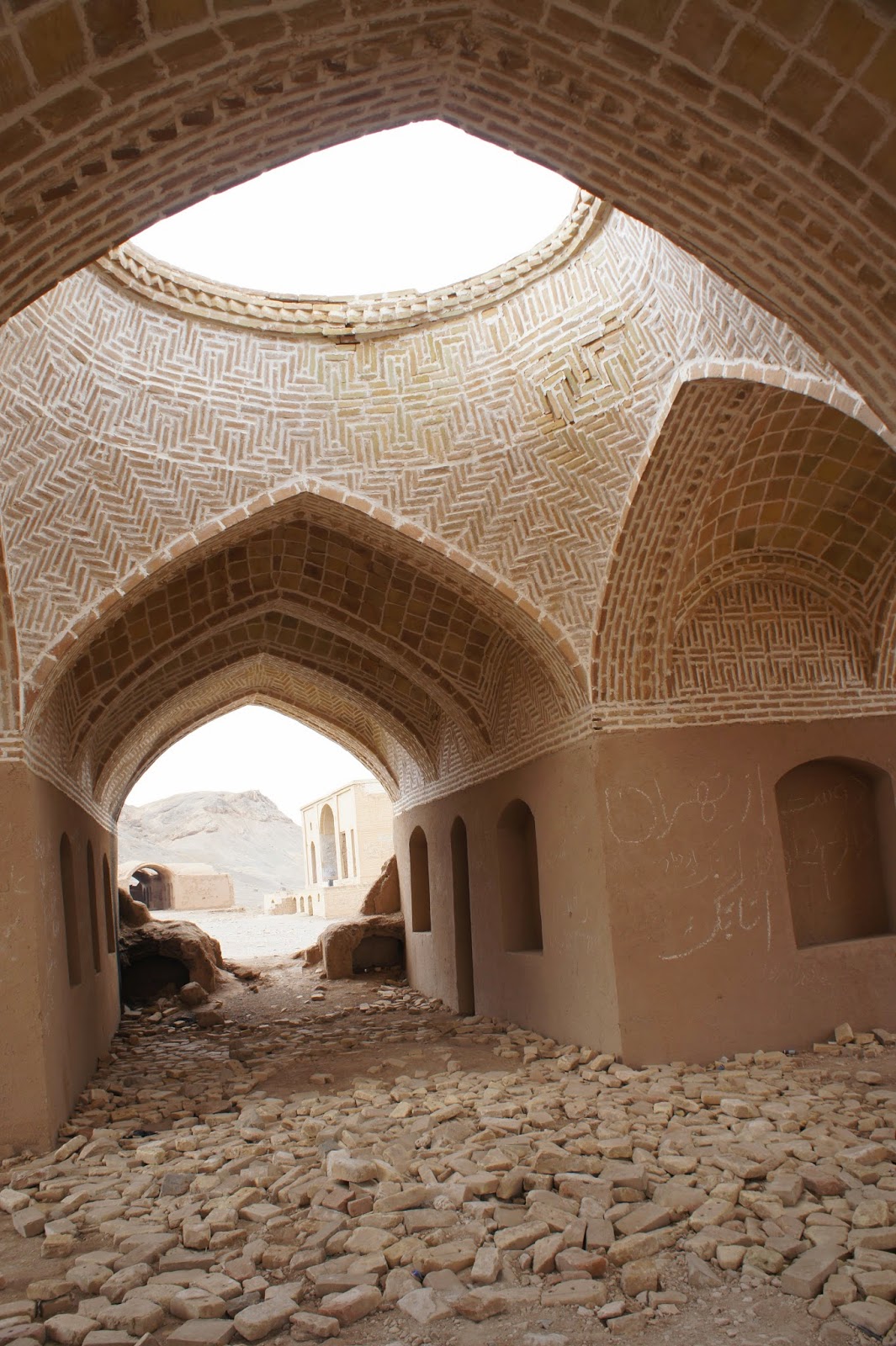
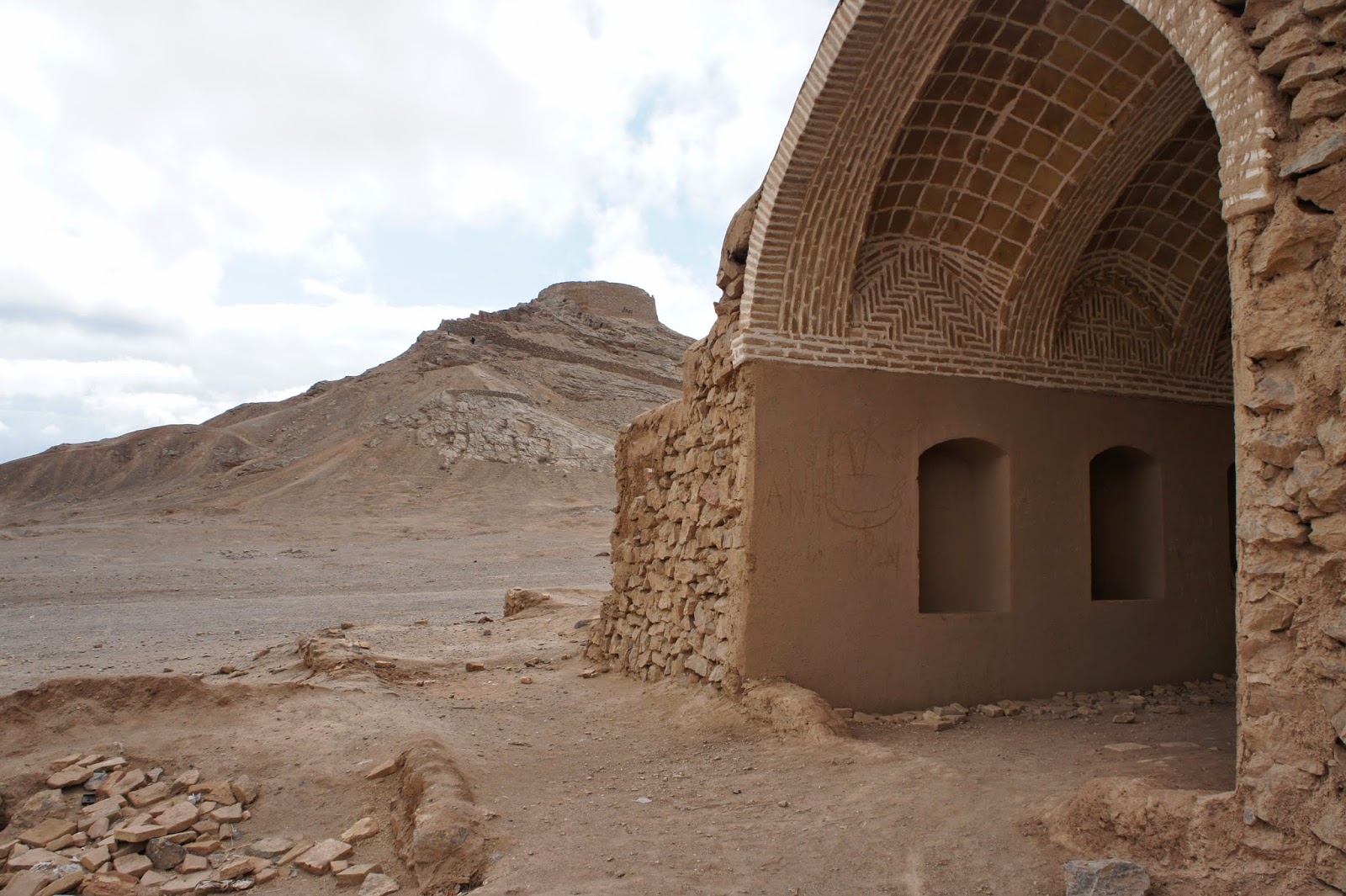
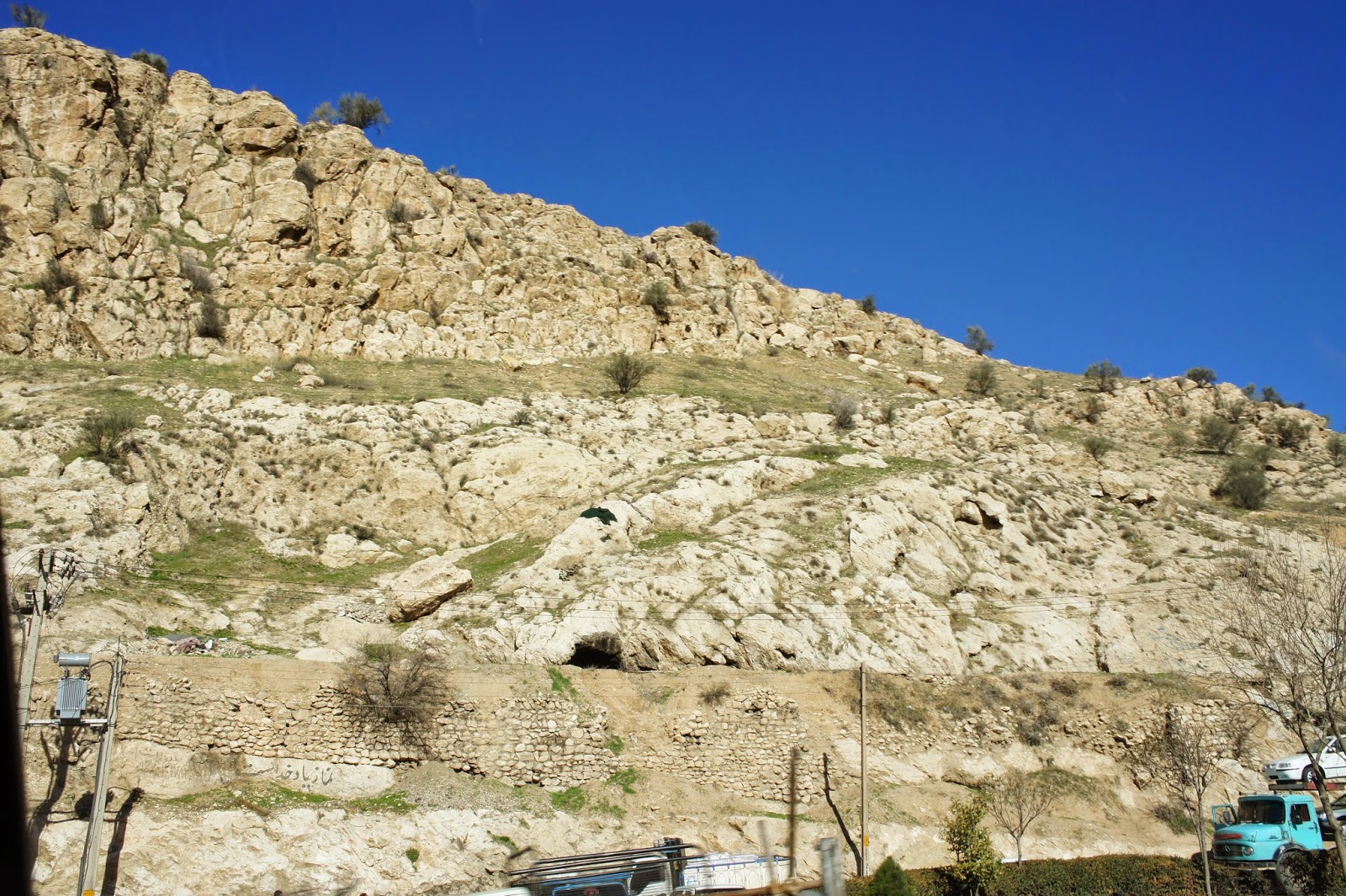
We headed for the next stop – The tower of Silence, which is located in the outskirts of Yazd. The tower of silence is an ancient burial method for the Zoroastrians, as they once believed that cremating the dead will pollute the air and earth burial will pollute the earth. Thus they built these towers on a couple of hills, brought the dead up to these towers and allow the vultures to clean the corpse. After the vultures had reduced the bodies to bones, these are swept into the big pit in the middle of the tower.  Once a tower is filled up, another tower on the nearby hill is built and the burial will be done there. We pulled up to the base of the Towers of Silence, there are a few mud clay houses at the base and a reservoir. We were told that in the olden days, the families will accompany the dead in those houses for 3 days to help them cross over to the other world. As the houses are of different sizes, the bigger houses will be used by the richer ones. Before us was 2 hills both with the towers of silence. As the shorter one is full of local students coming for their field trip, we opted to climb the taller ones. As we were walking towards the hill, our guide said something. It was rather inaudible to me so I just followed them. The climb was more direct, but tiring as it was steep. We did not take long to climb up the tower, as it is not that crowded and we took a faster route. The entrance to the tower was about 3m from the ground, so we had to climb up that last ledge to reach into the towers. Inside the tower was a huge pit, where they used to push the skeletons of the dead in. The walls of the tower were damaged at one side, however, this gave us a very good view of the mountains afar as well as the tower on the shorter hills. We also caught a glimpse of Yazd city from up here. The view is just stunning and picturesque. We took some pictures here, caught some rest and headed down towards the car. As we were descending, I saw this route that is easier to climb, the slope is gentler and it felt more like a walk than a climb, but the only thing is it is round the back of the hill. Our guide told us the hill we just been up to was about 300m.

Tower of Silence and accommodation for locals to put up during funerals for their loved ones
A reservoir at the base of the Tower of Silence
View on the way up the Tower of Silence
View on the way up the Tower of Silence 
Entrance to the Tower of Silence
View from the Tower of Silence
The pit in the Tower of Silence where the locals lay their loved ones to rest
View from the Tower of Silence
Me at the Tower of Silence 
View from the Tower of Silence
Inside the accommodation at the base of the Tower of Silence
Accommodation at the base of the Tower of Silence

The Tallest Wind Tower in Yazd- Dowlatabad Garden

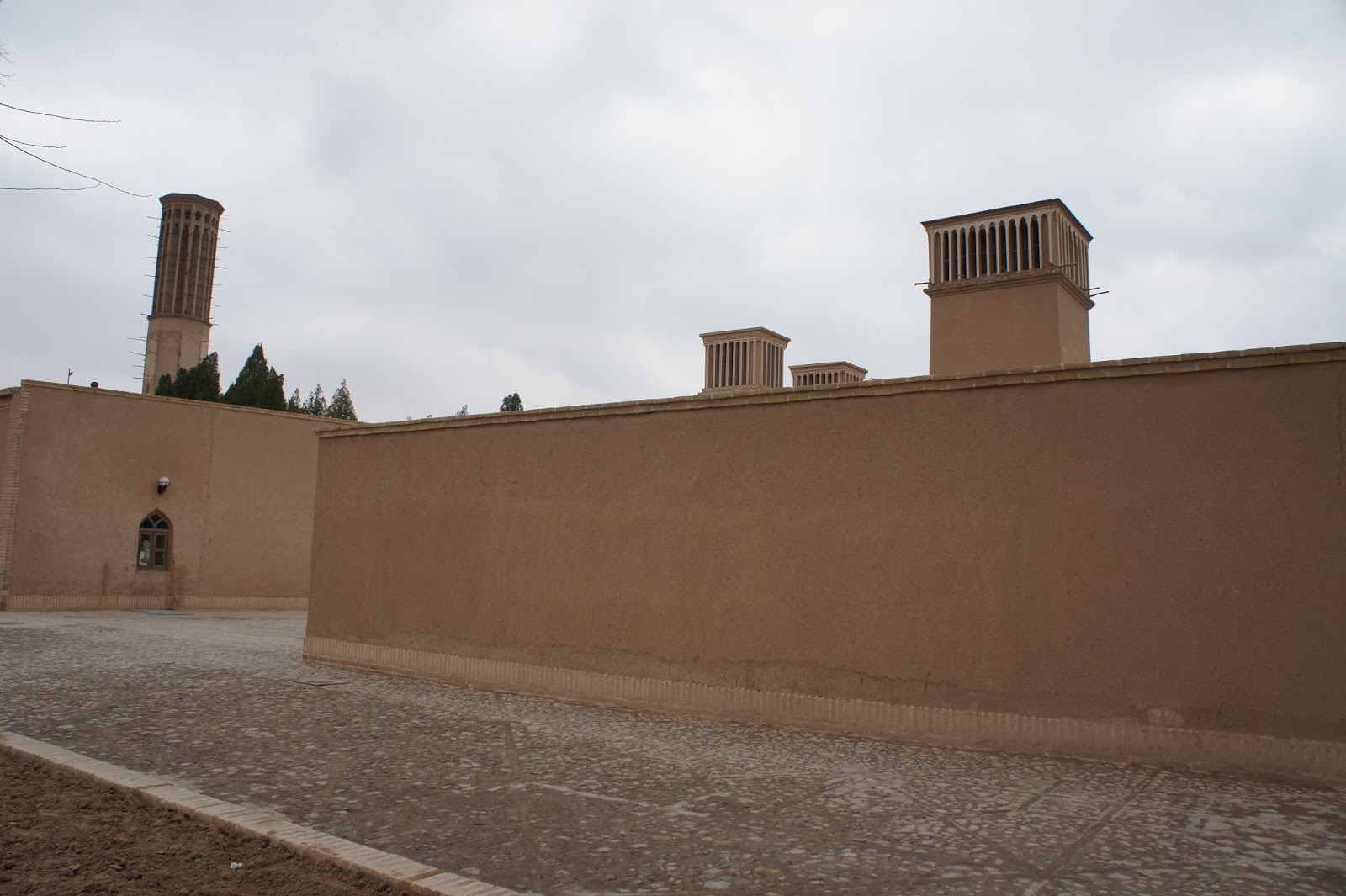
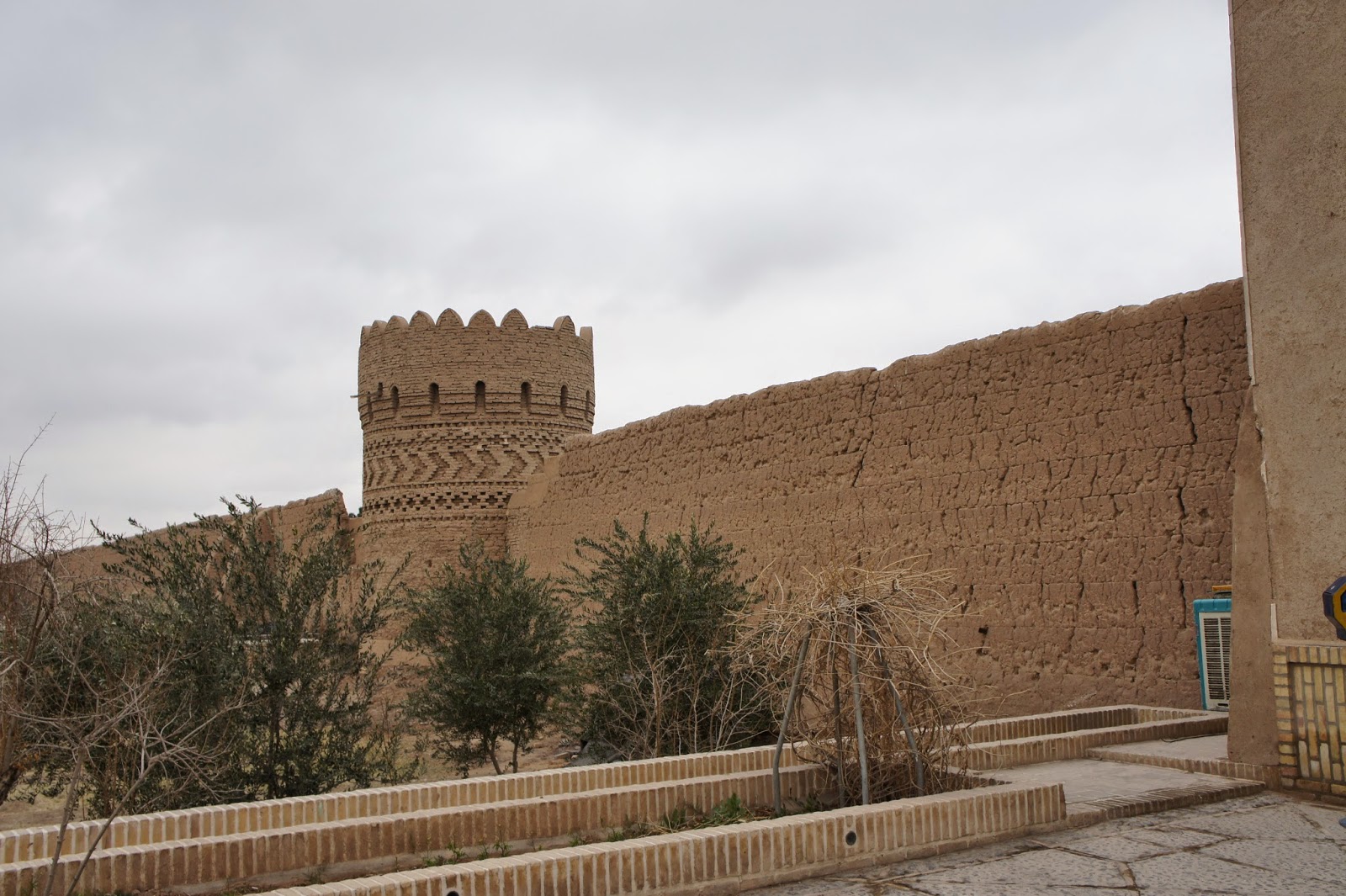
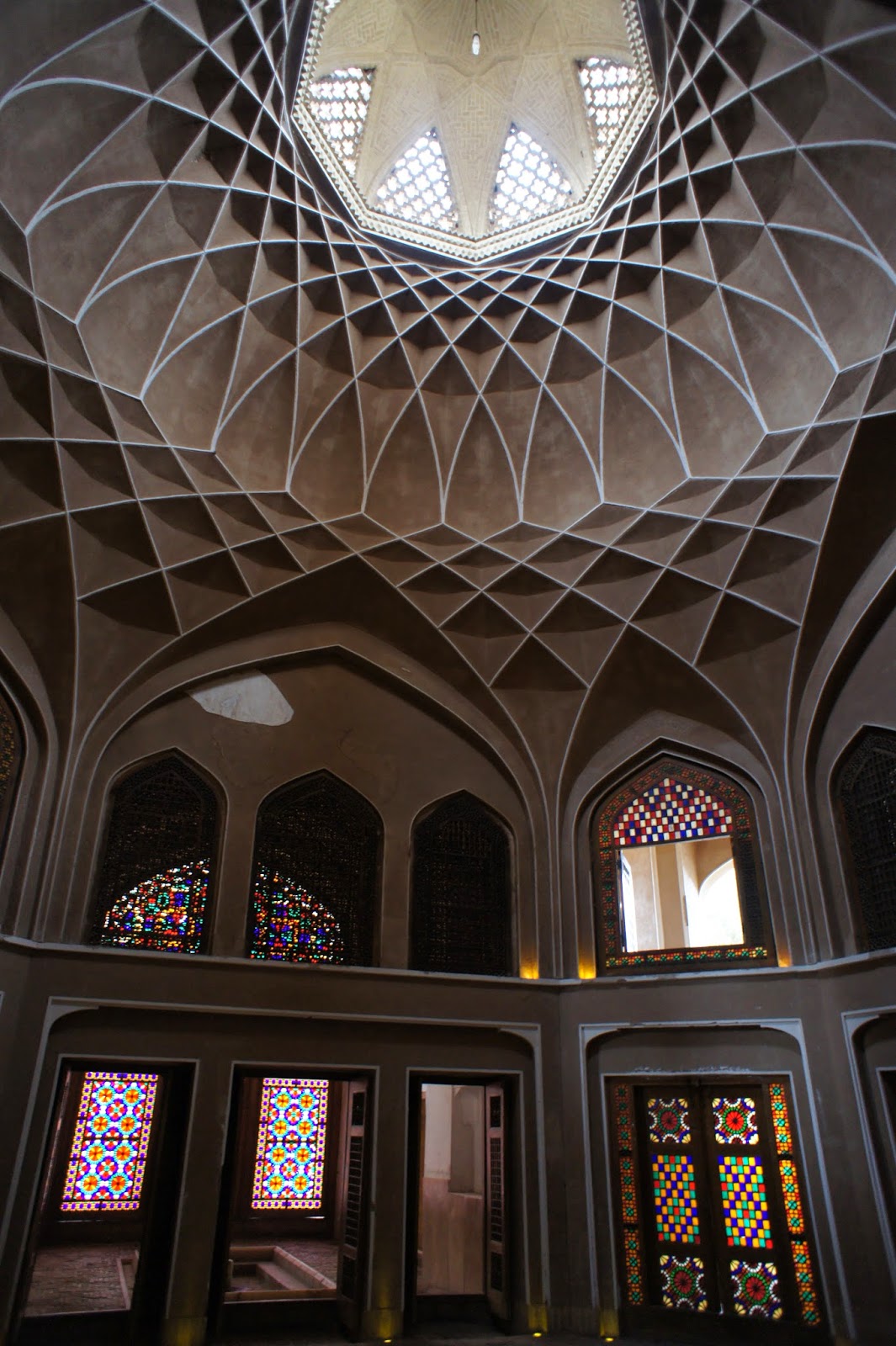
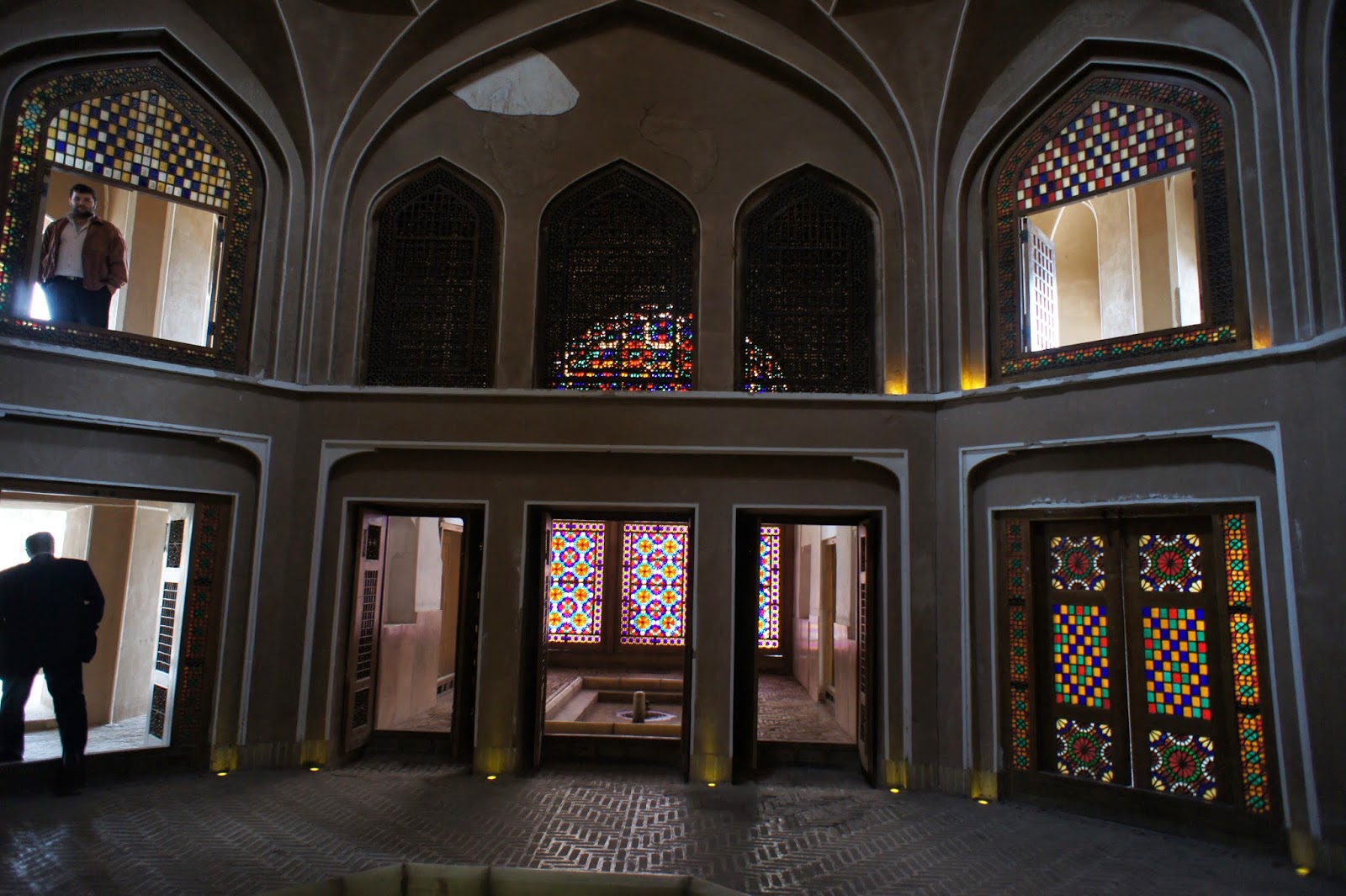
After leaving the Tower of Silence, we headed for the Dowlatabad Garden, which housed the tallest wind tower in Yazd. For the first time, I got to see what is inside the wind tower and felt the effect of the tower catching the wind. Standing beneath the tower is cooling as the wind just gashes down towards you. The garden has 2 parts, at the end where we were, is opened to the public; while the other end is private property. The garden looked rather unexciting to me, probably due to it being winter the plants are sleeping I guess. Our guide took us to this watchtower within the gardens. From here we can see the garden compounds and the area outside. Nothing else fascinates me here other than the wind tower. We left Yazd for Na’in shortly.

The wall around Dowlatabad Garden
Me at Dowlatabad Garden
The wall around Dowlatabad Garden
The tallest Wind Tower in Yazd
Inside the Wind Tower
The base of the Wind Tower
The building that the Wind Tower was housed
View of Dowlatabad Garden

An Ancient Mosque in Na’in

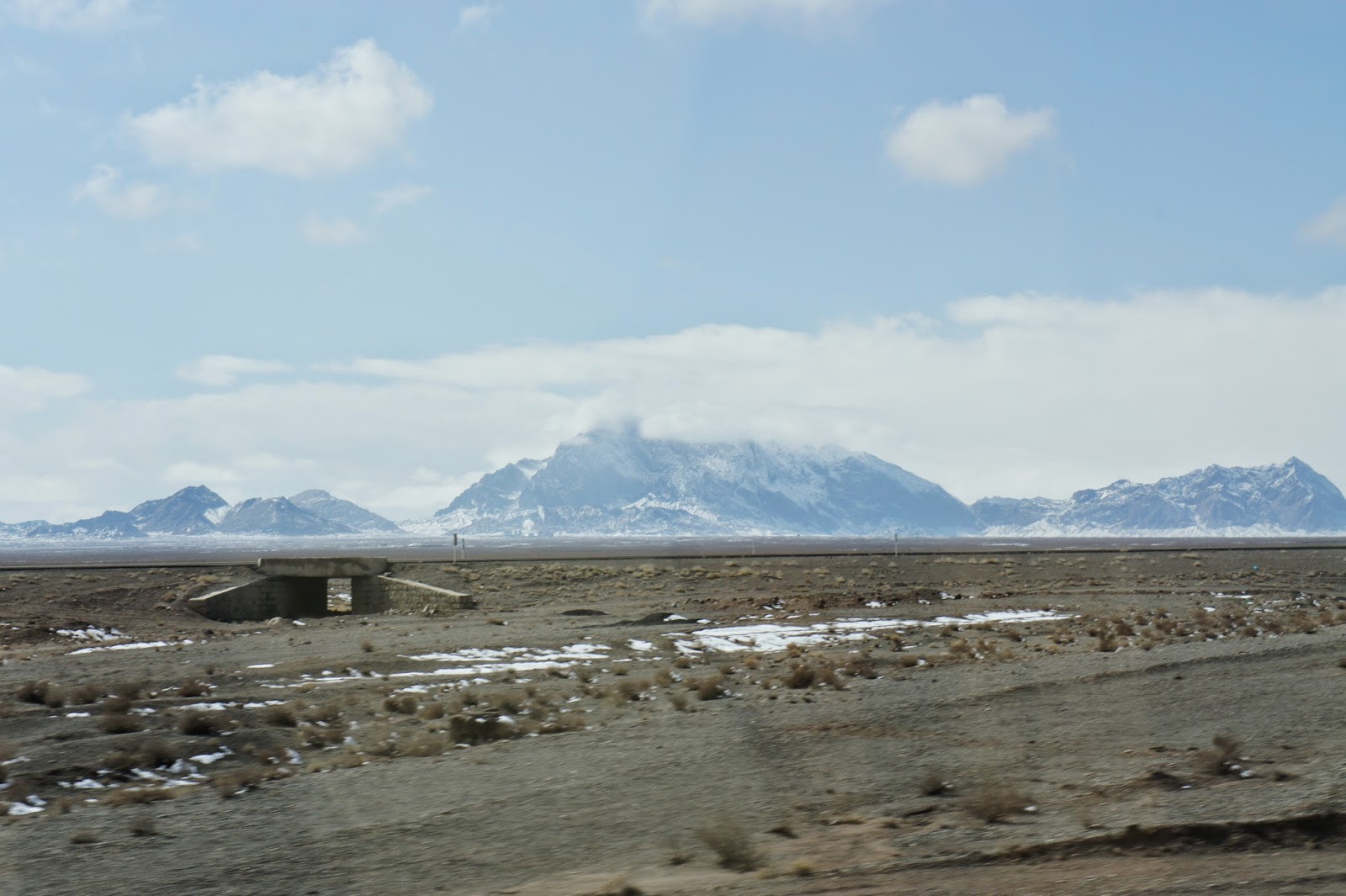
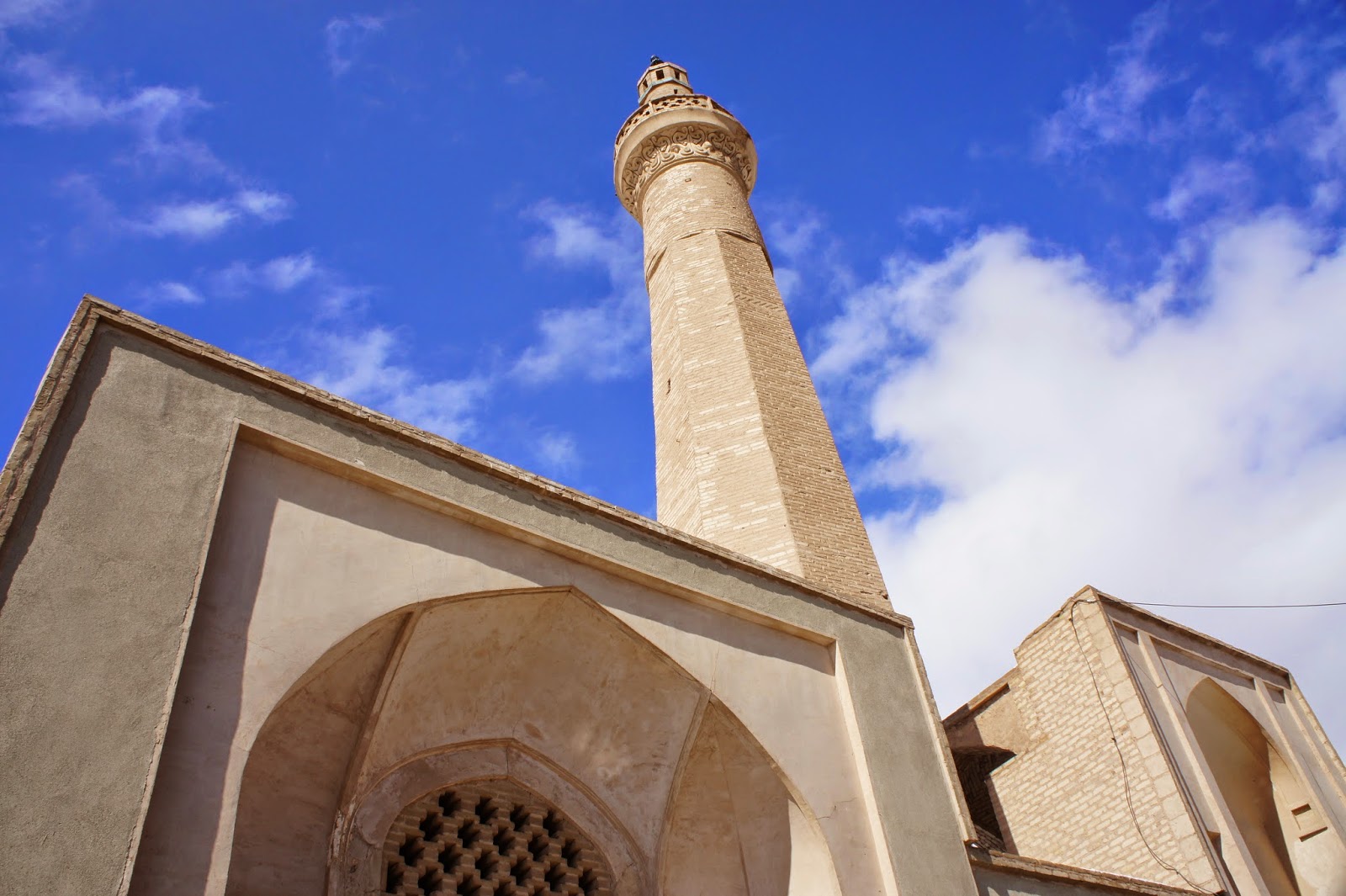
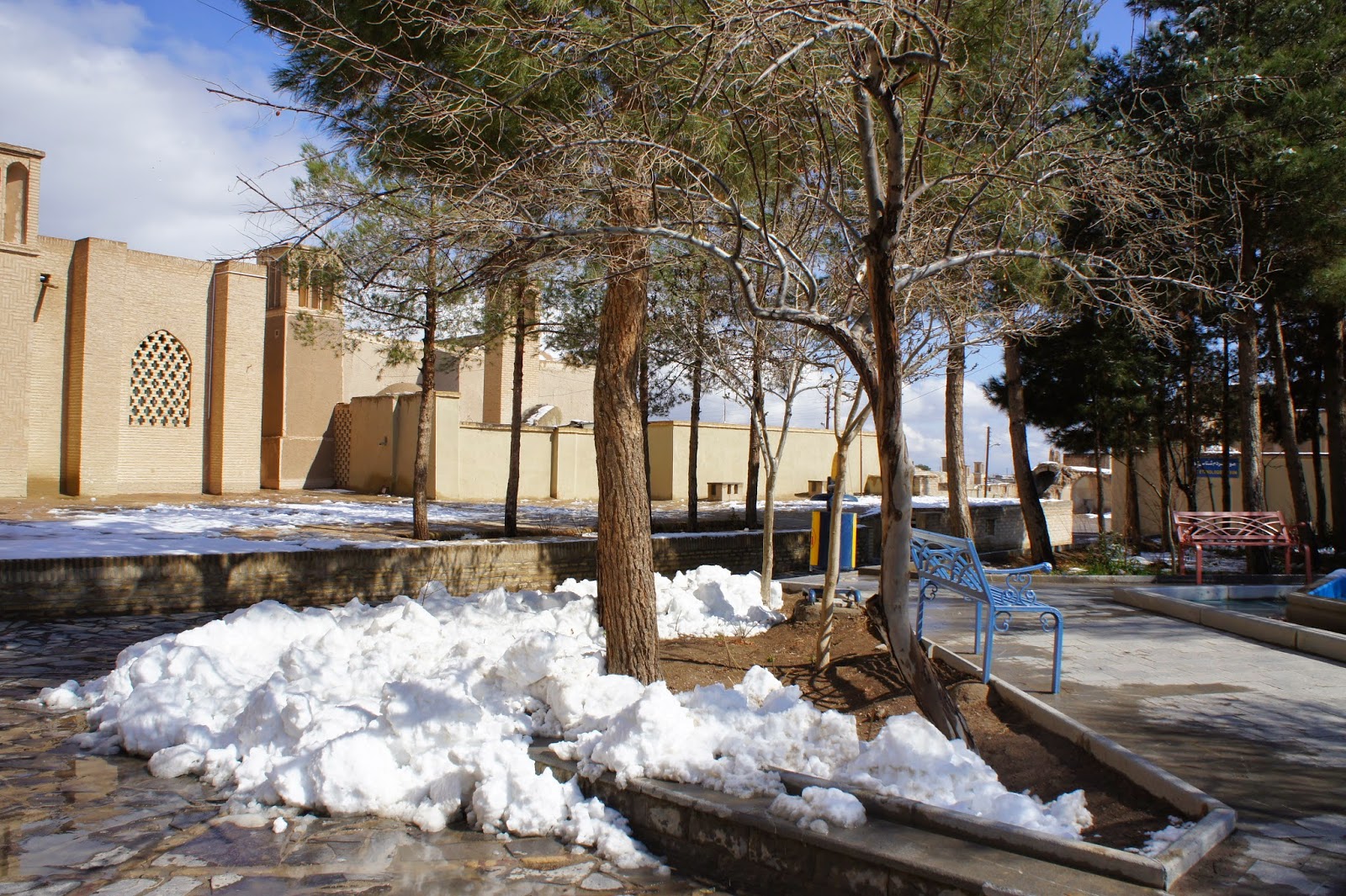
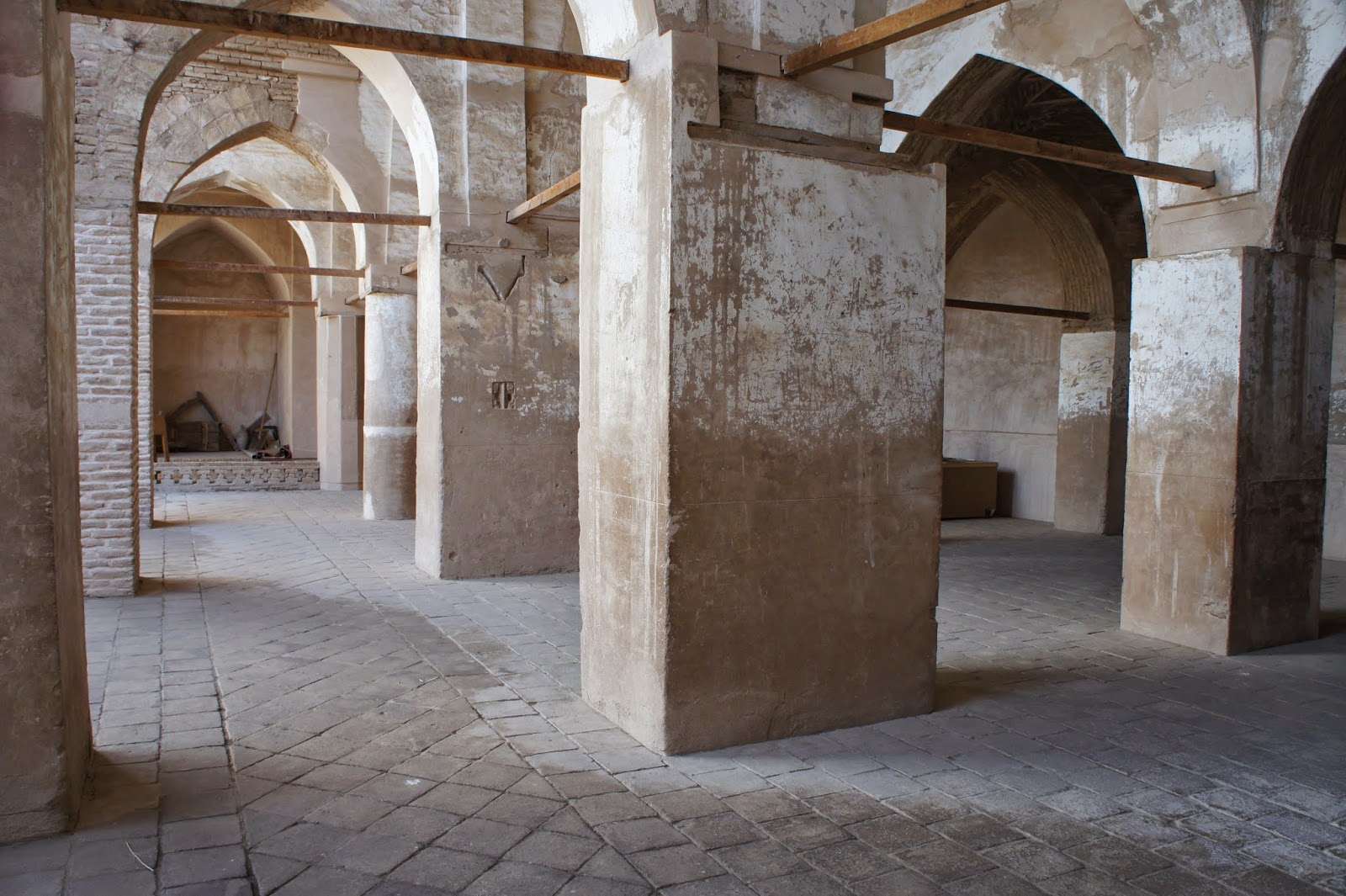
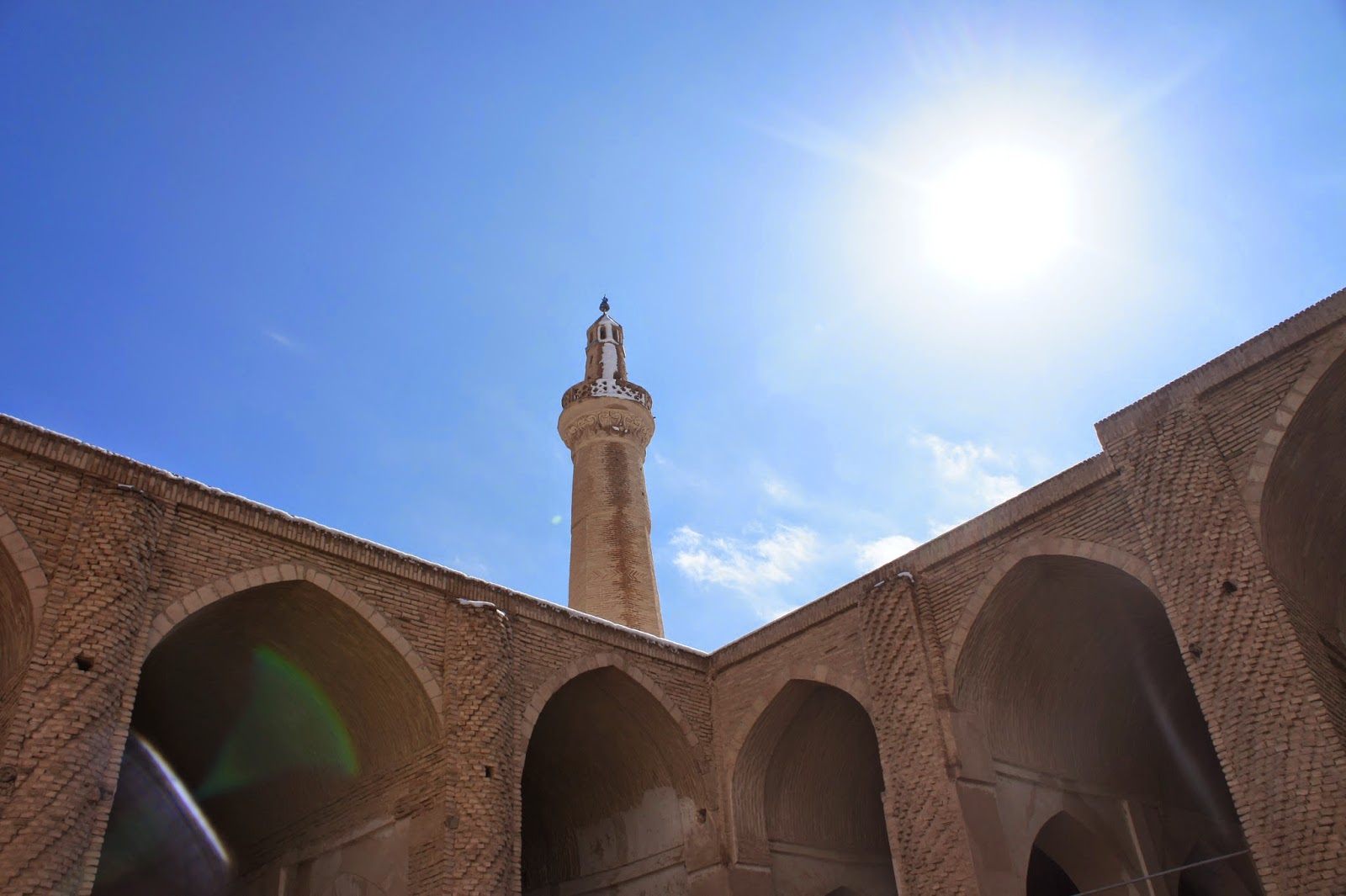
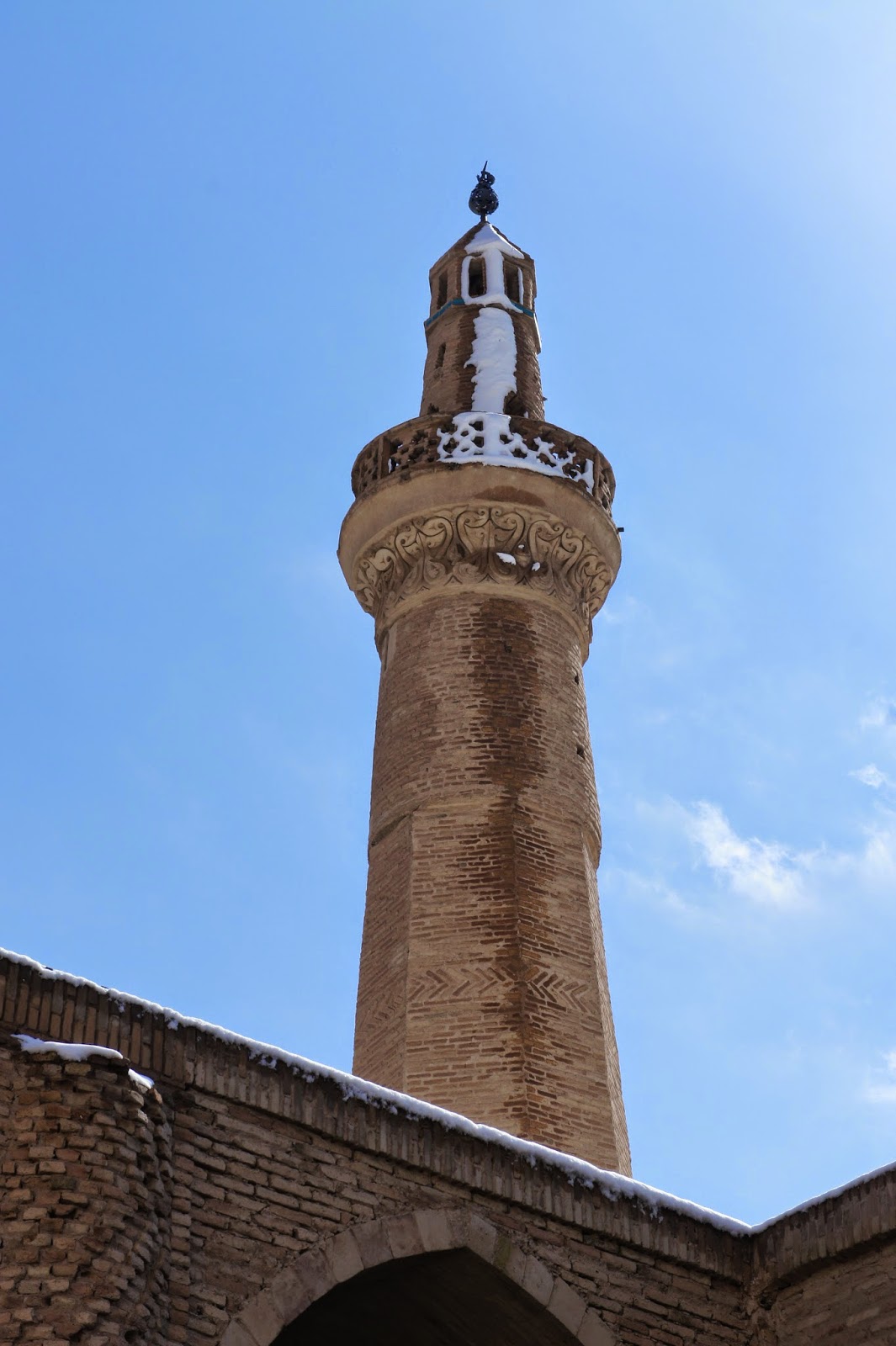
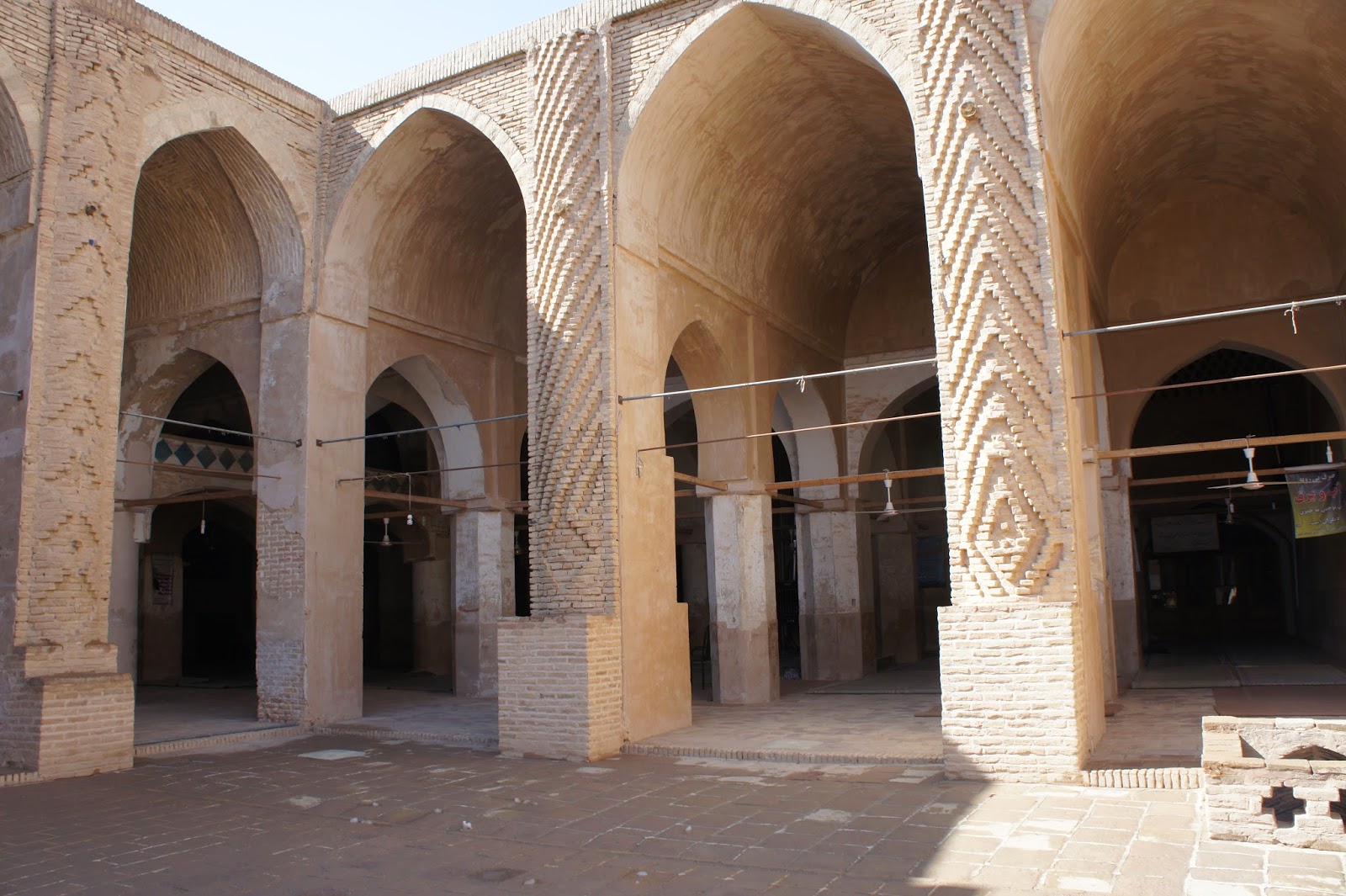
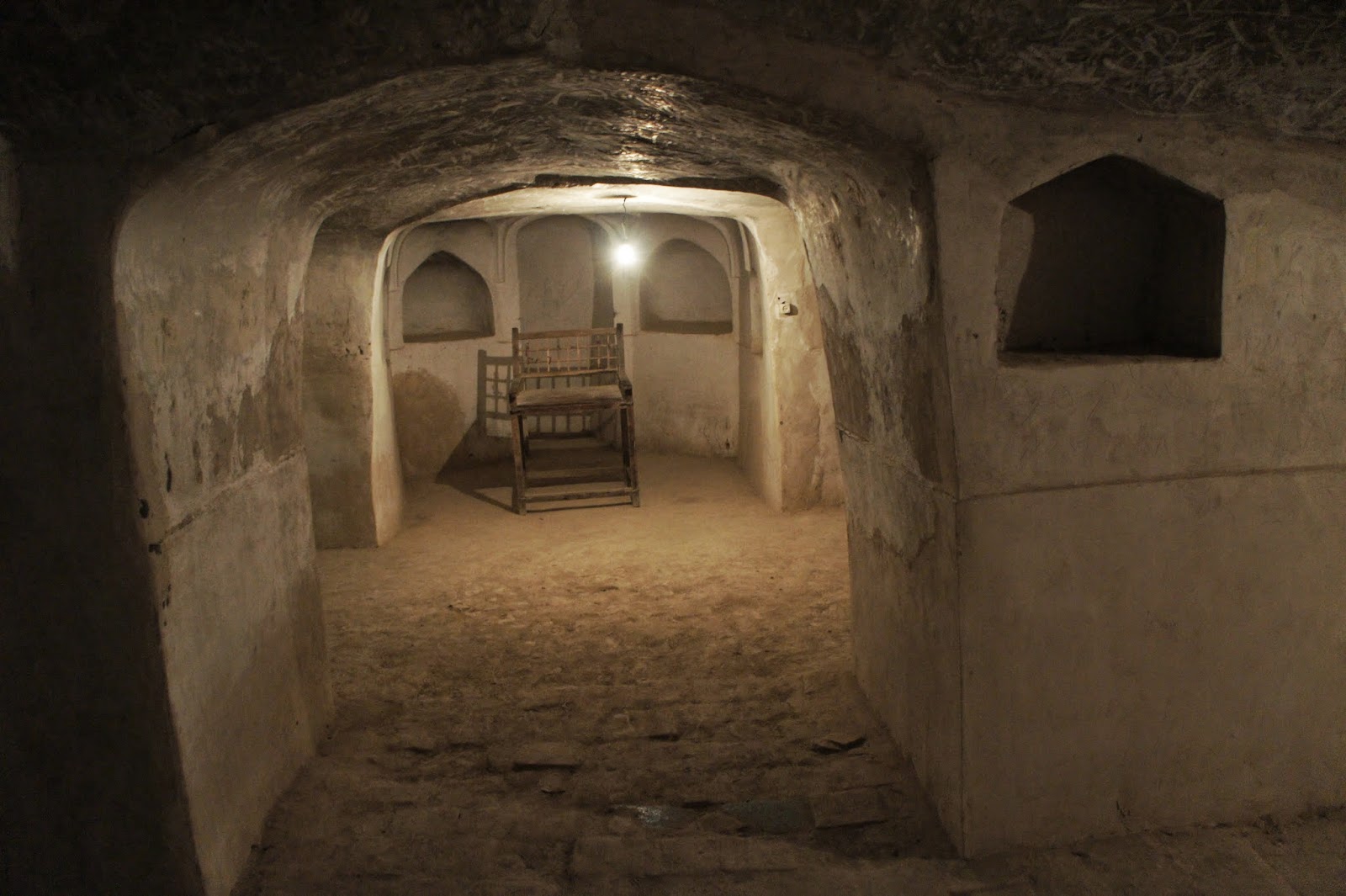
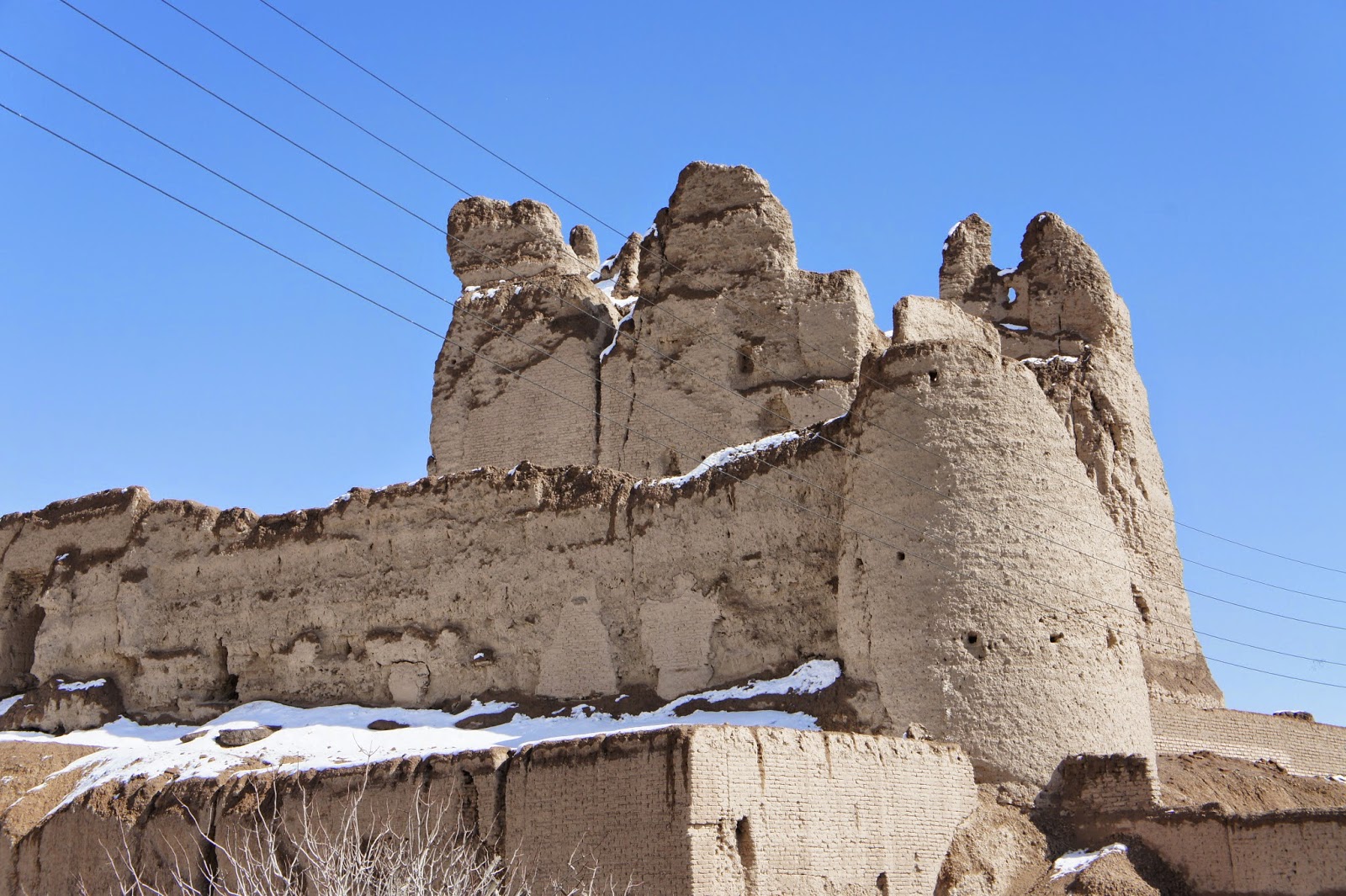
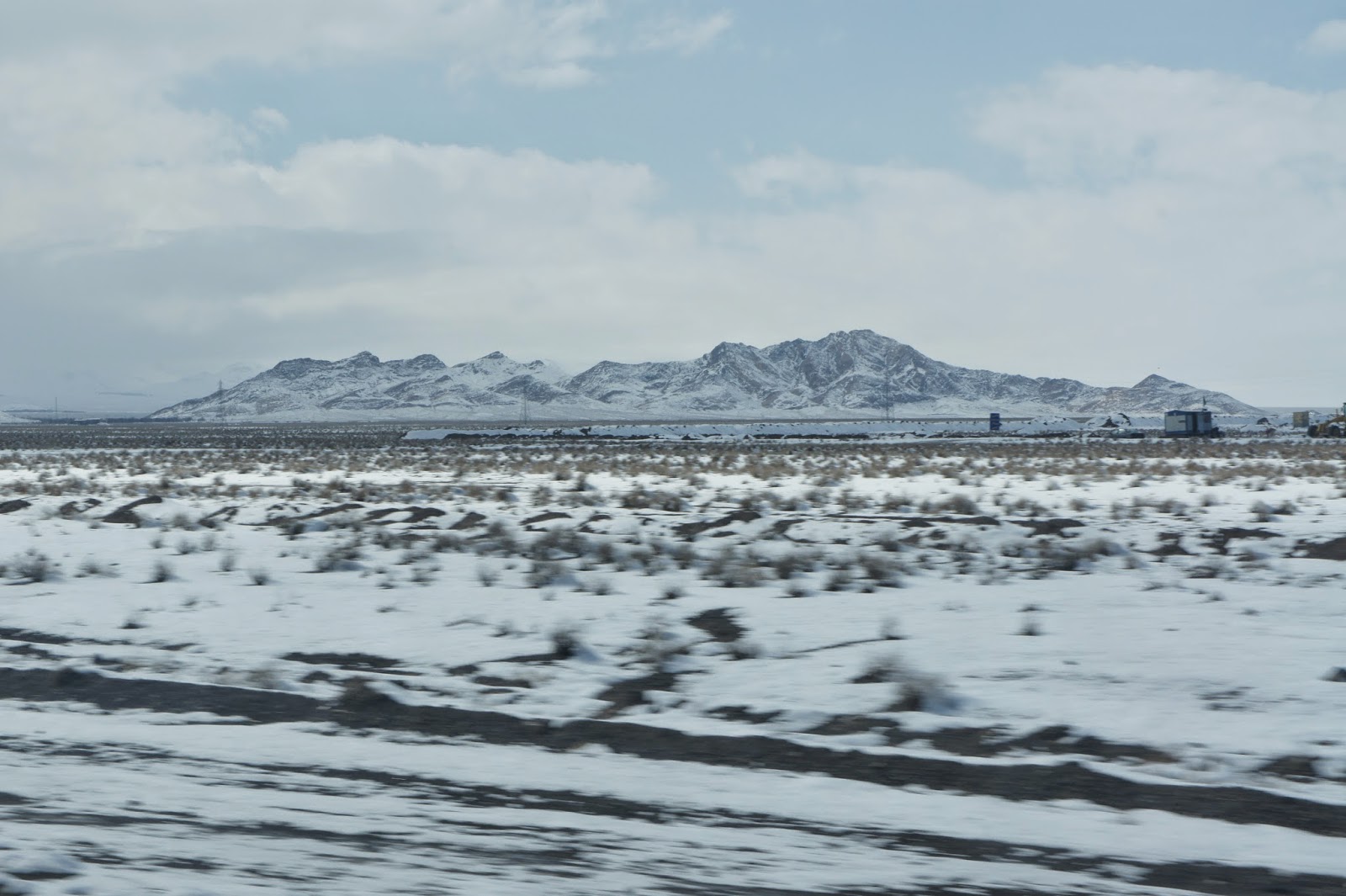
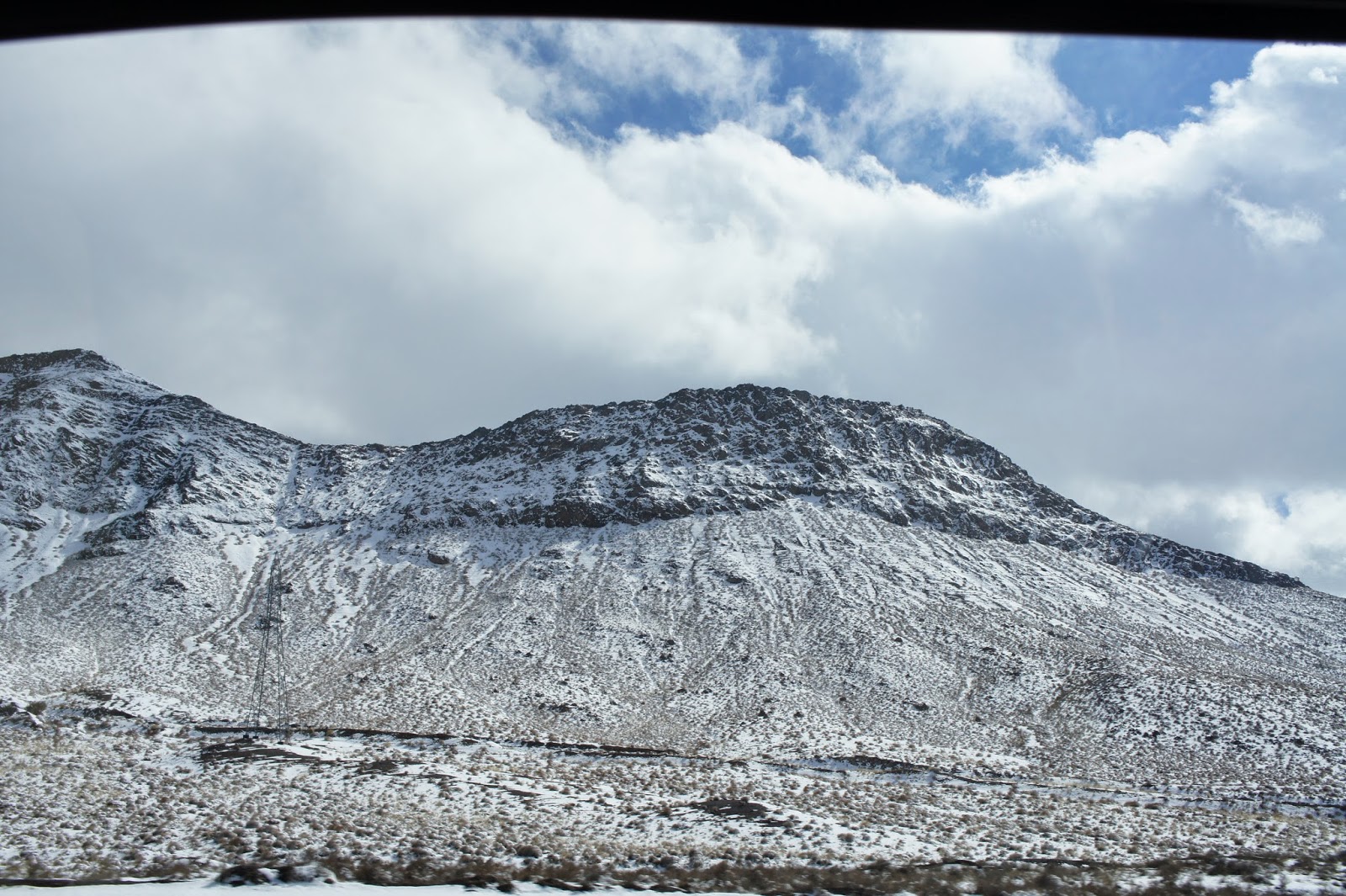
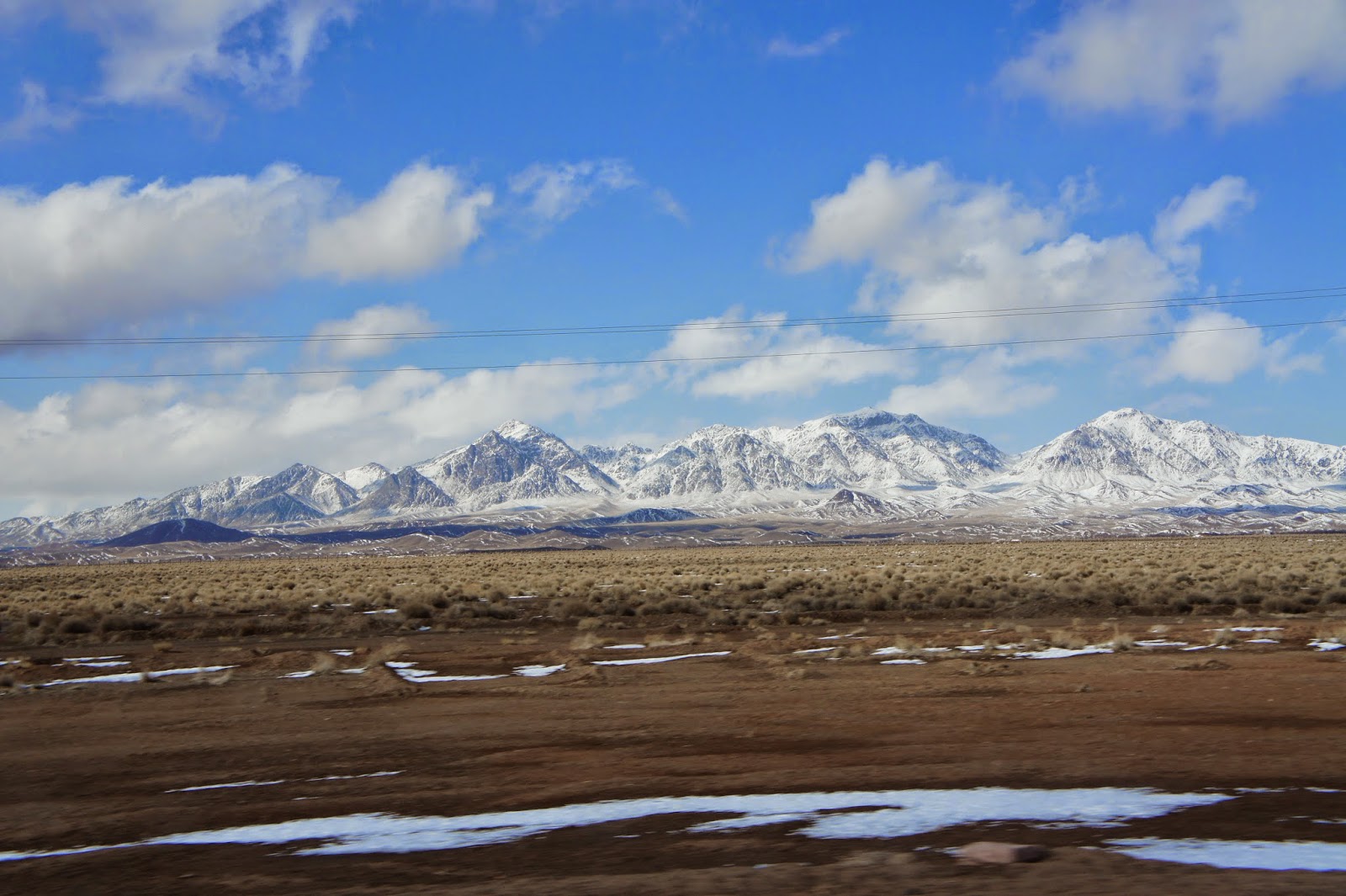
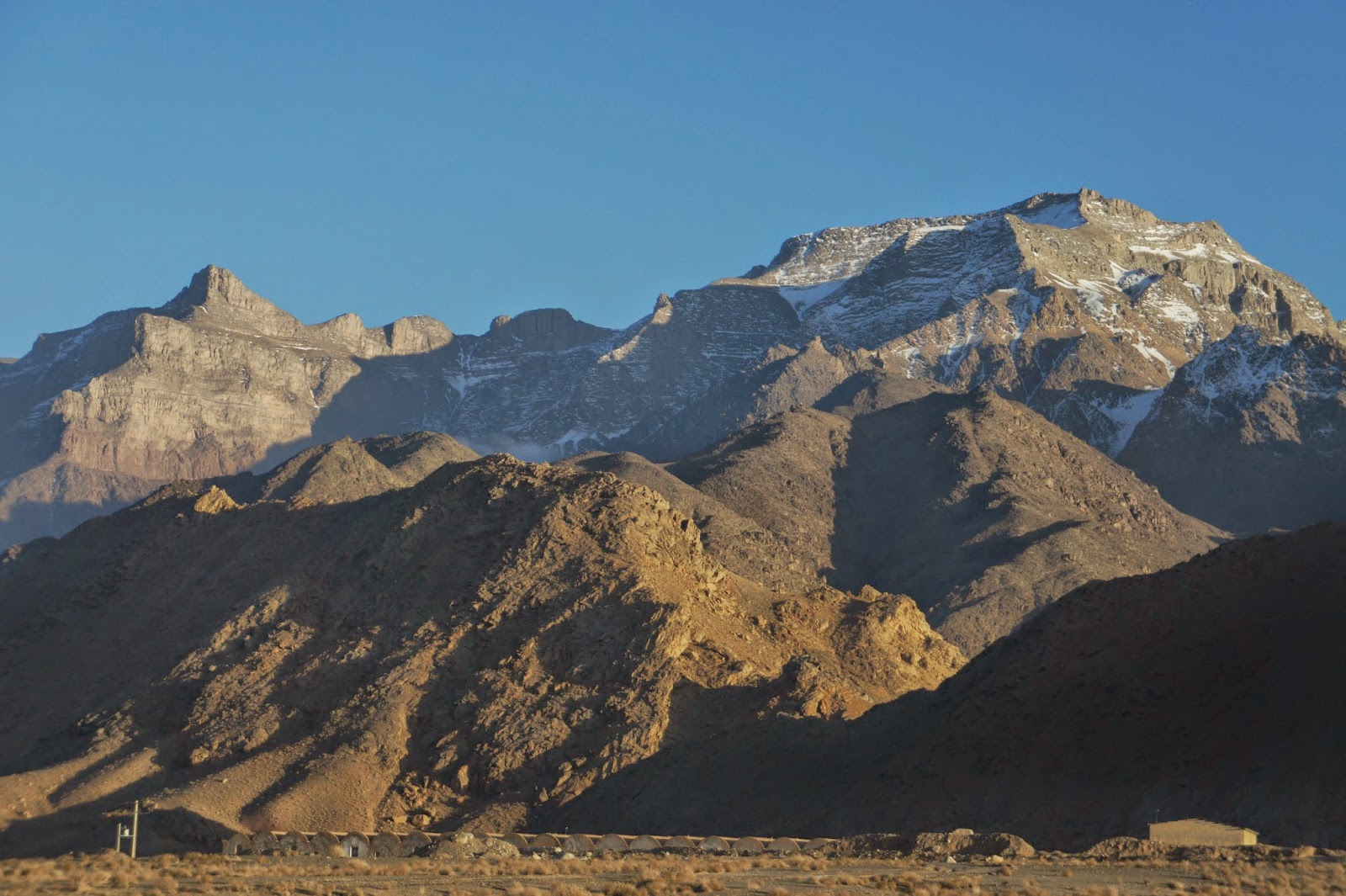
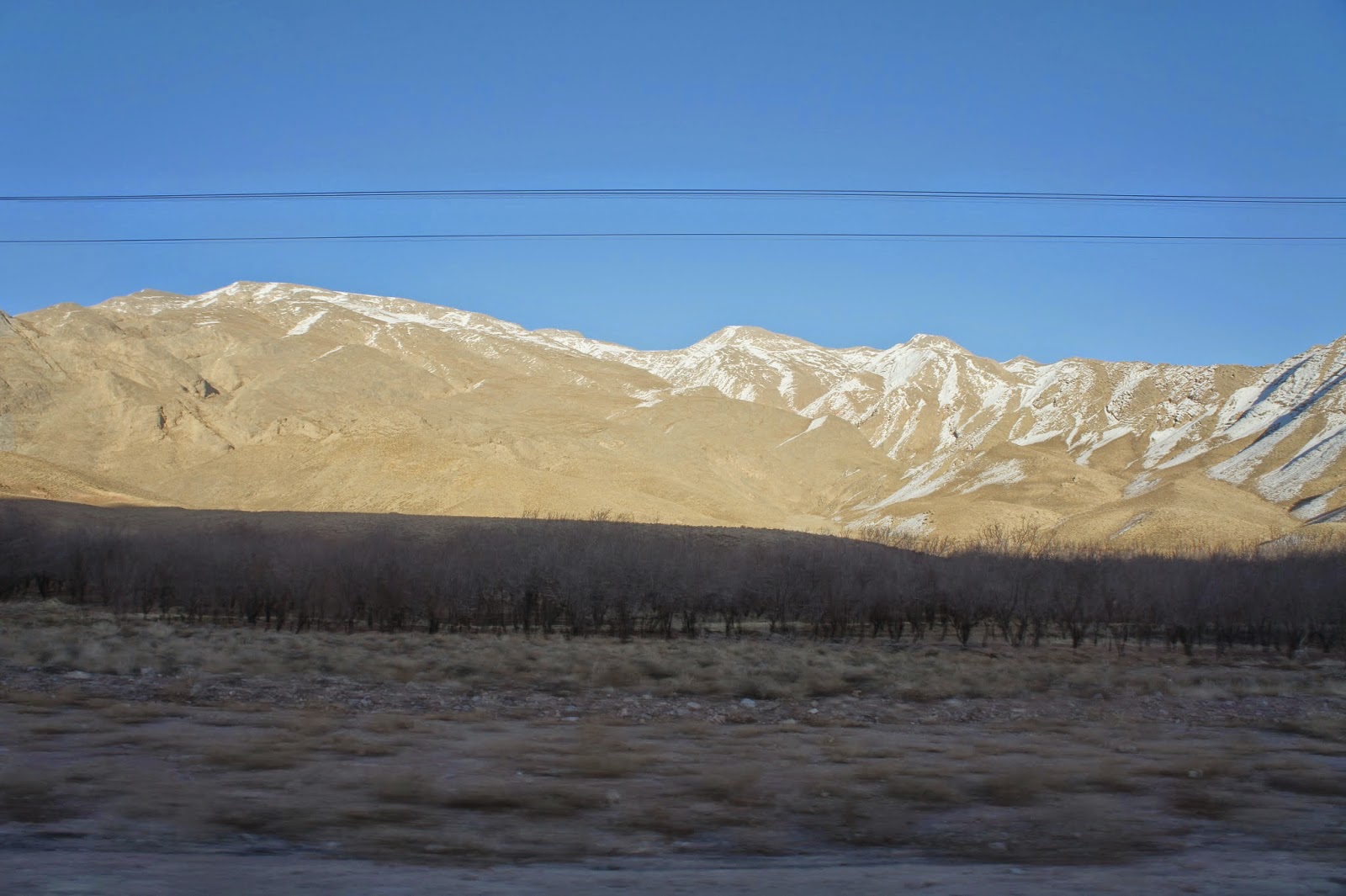
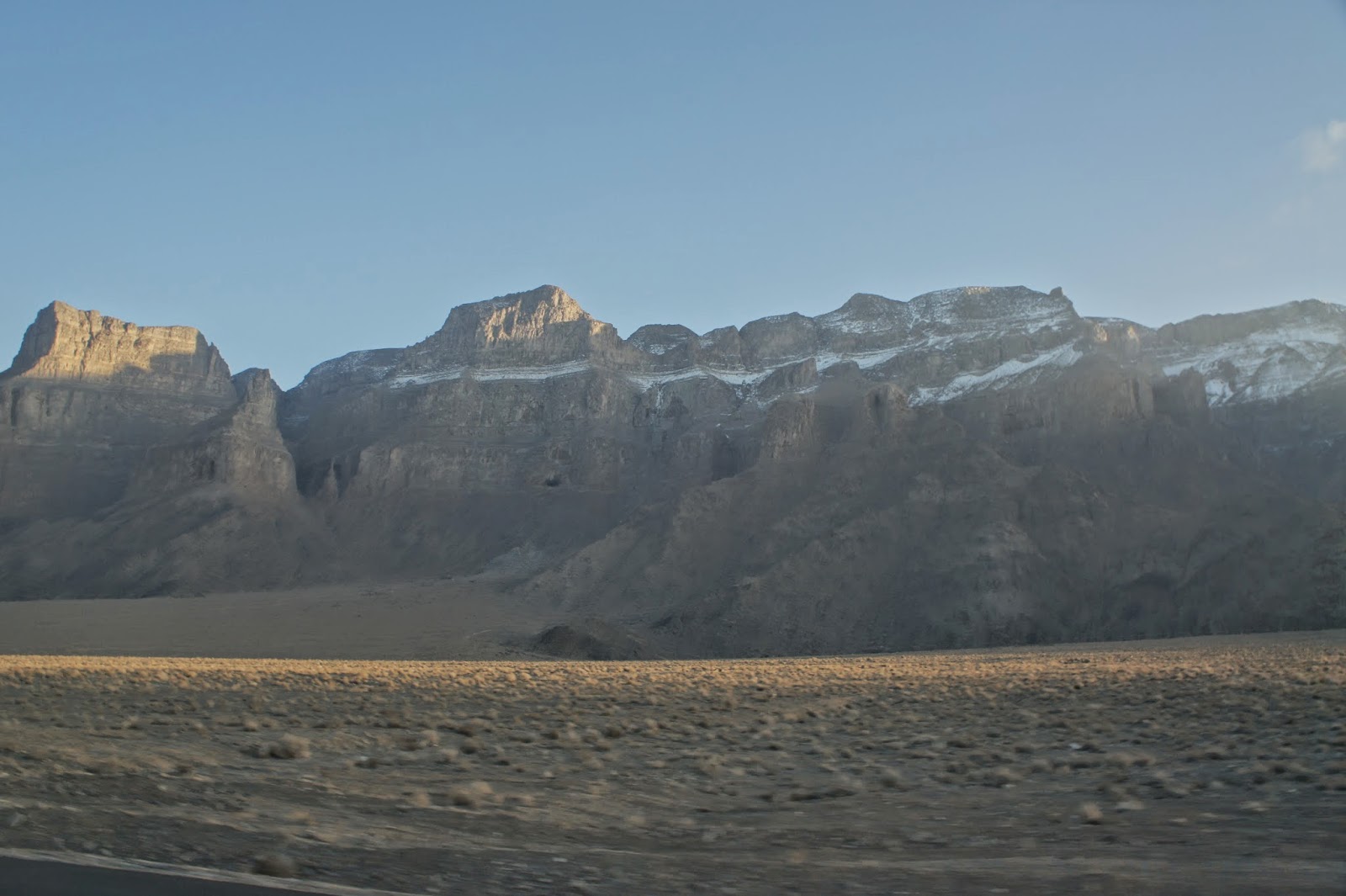
The drive to Na’in was scenic. This is the first time since my stay in Iran I have seen snow on the ground. As we approached Na’in, I was excited to see snow scattering all over the place. The purpose of driving to Na’in is for the Jame Mosque there. This Mosque, though not as big as the one in Shiraz, is decent in size. This is believed to be one of the oldest mosque in Iran, dating back to 8th century A.D. This mosque has only 1 minaret, which is rather tall and doubled up as guidance for travellers back then. Our guide pointed to some marble pieces on the ground and told us the significance of this marble is to illuminate the basement of this mosque, which was used during summer when it is hot to do prayers in the courtyard. We were lead to the basement, and it looked like a series of cave tunnels. We did not spend too much time around this mosque as it is rather small, plus we were more excited about playing with the snow outside the mosque then the mosque itself. Our guide led us to nearby ruins (about 2 mins walk from the mosque) and told us that this ruin was formerly a castle. I can still see the outline of the structure of the castle with some towers at the side, that is probably the watchtowers. As we were walking back to the car, I purposely walked on the snow and to play with it. We drove towards Isfahan, and on the way, the scenic snow mountain views never failed to captivate me. I was wondering to myself if I take this picture and not reveal the location to people, would they have thought this is Europe or Russia? As the snowy scenes zoomed past us, I would not have thought that I would see snow during this trip.

We saw snow on our way to Na’in
This mosque in Na’in is believed to be the oldest in Iran
SNOW!!
Inside the mosque in Na’in
The ancient mosque in Na’in
Snow-capped minaret
Inside the mosque
The prayer room in the basement of the mosque 
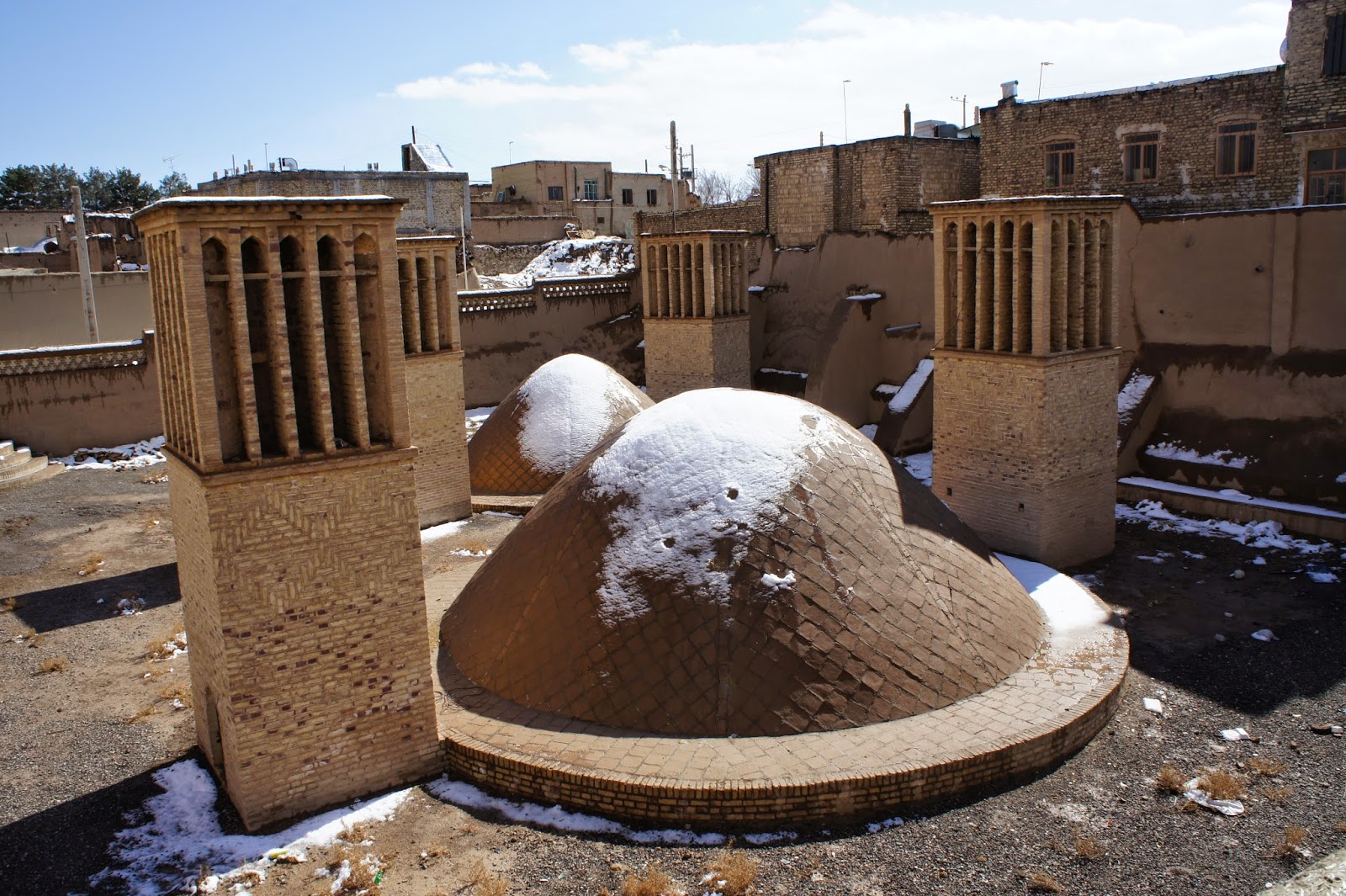
A typical Persian Reservoir nearby the mosque
A castle ruin near the mosque in Na’in
View of the castle and the reservoir
Snow everywhere on our way to Isfahan
Some of the beautiful scenery on our way to Isfahan

Arrival in Isfahan

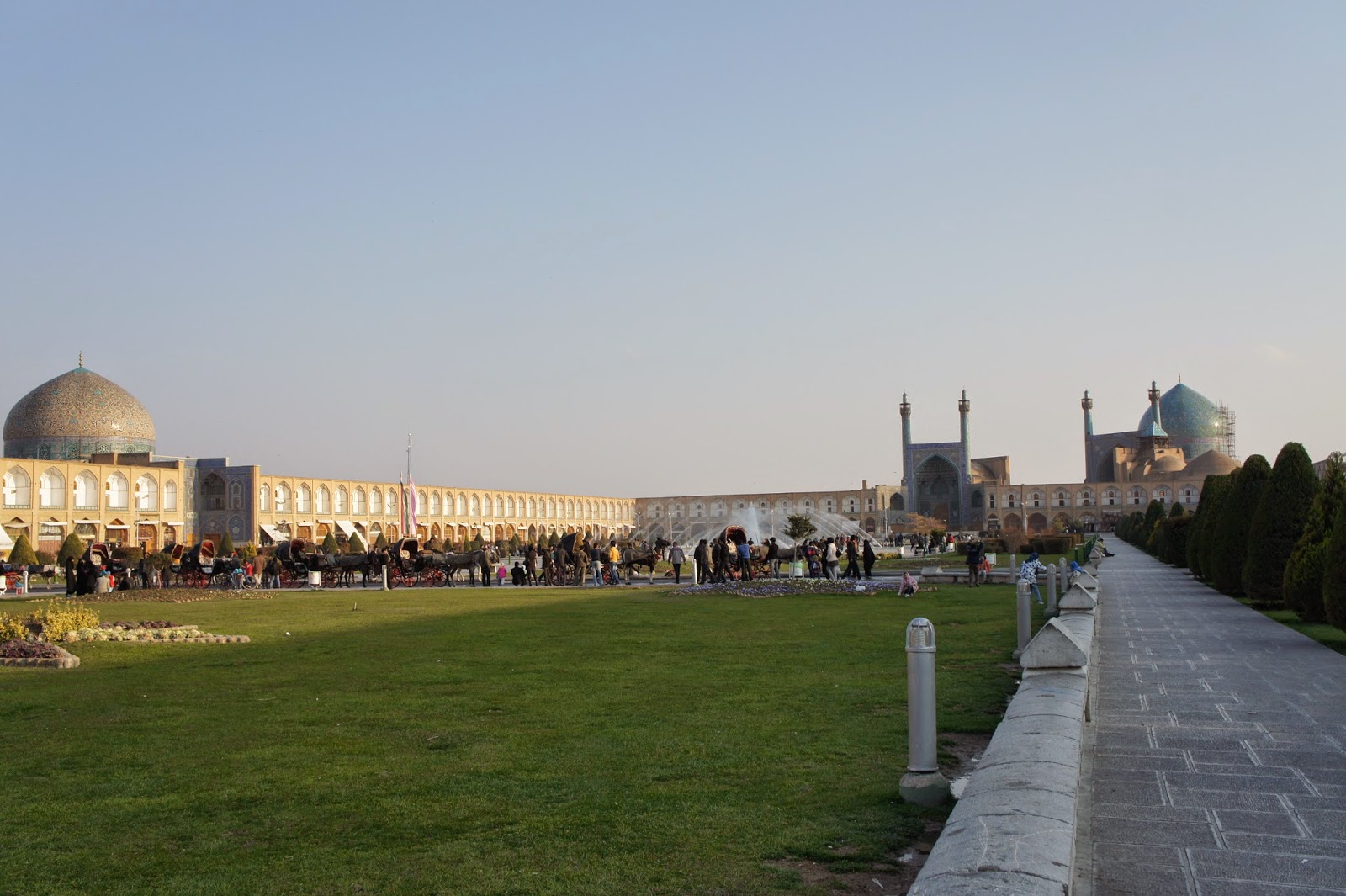
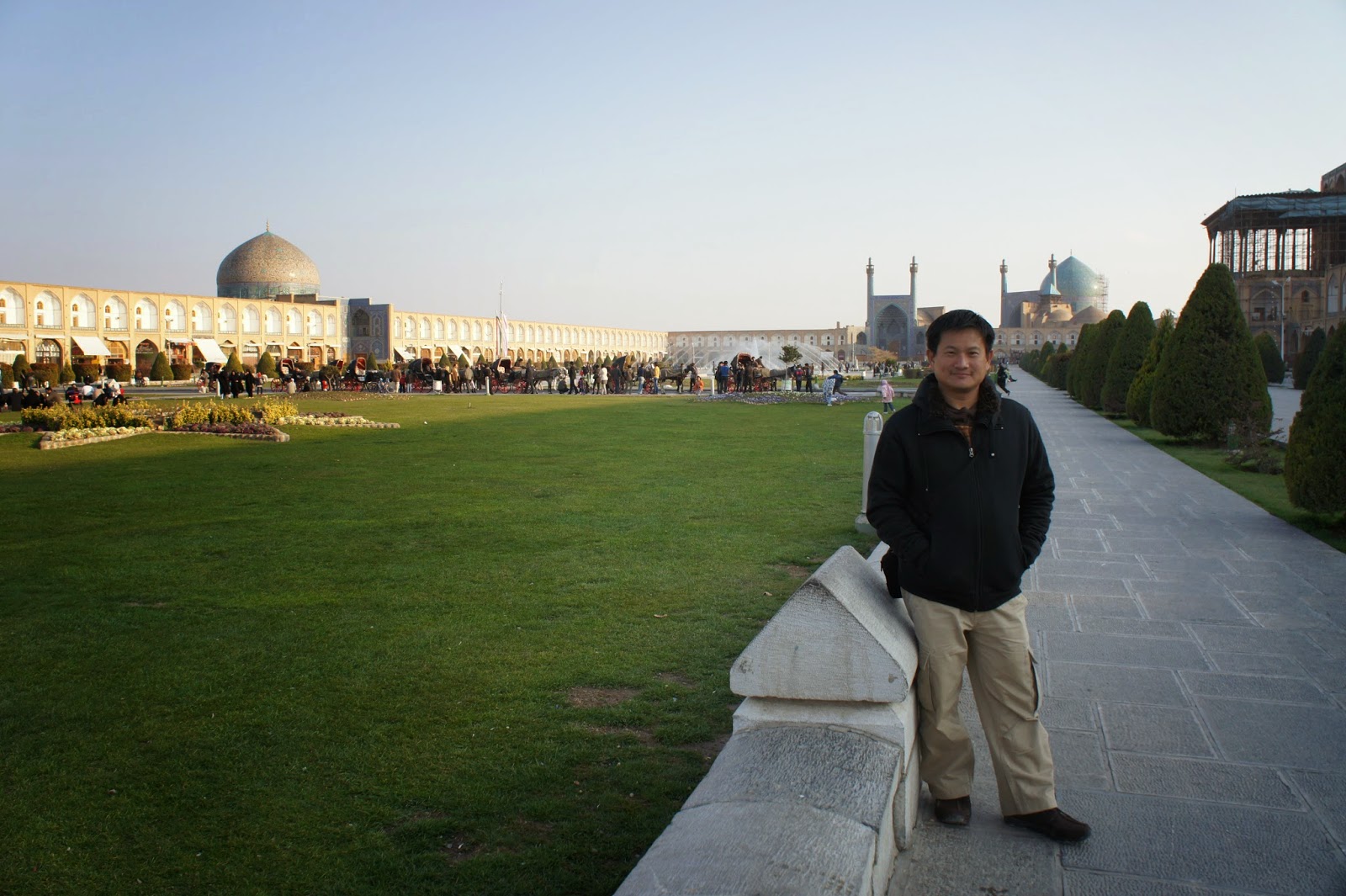
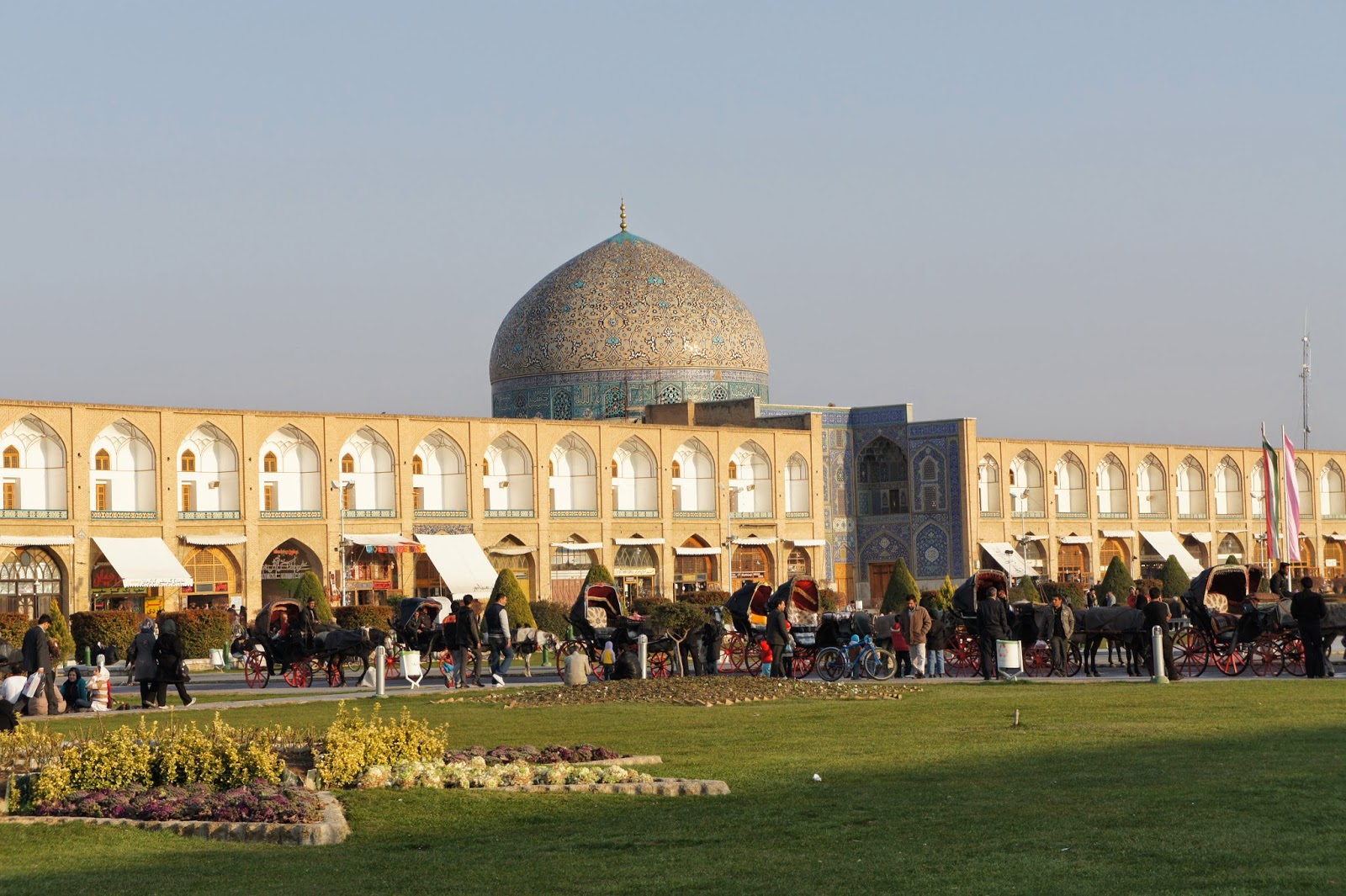
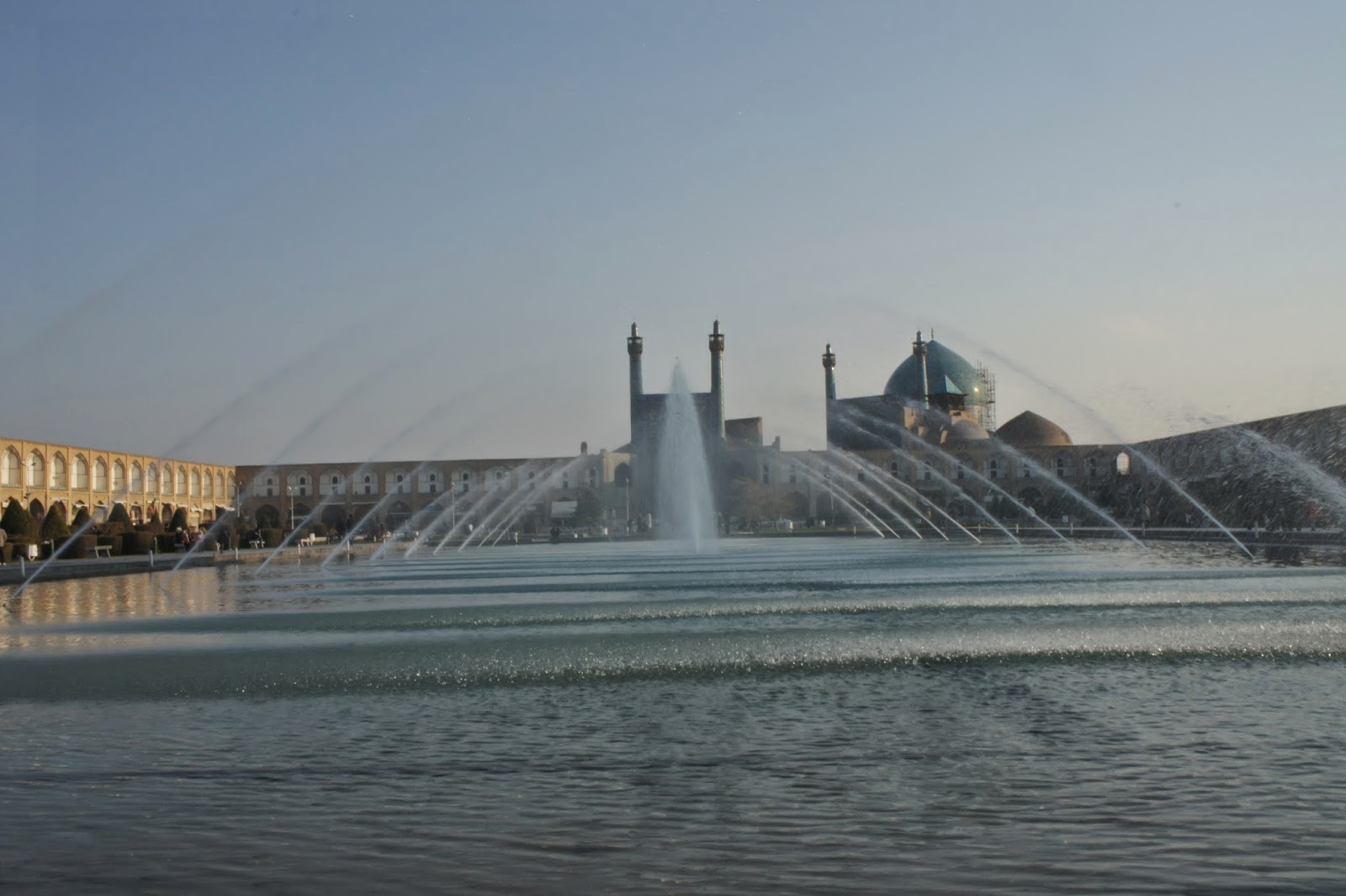
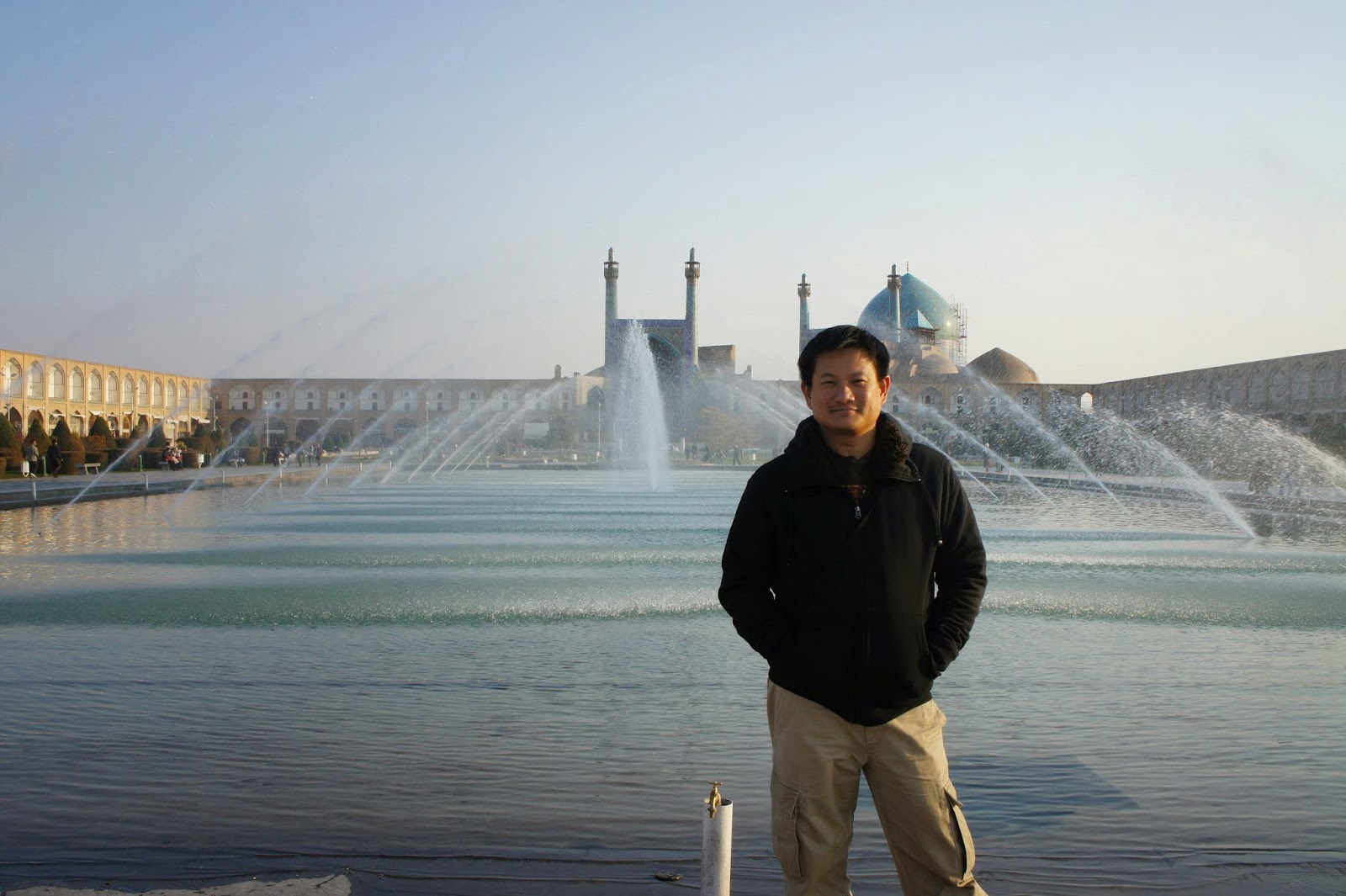
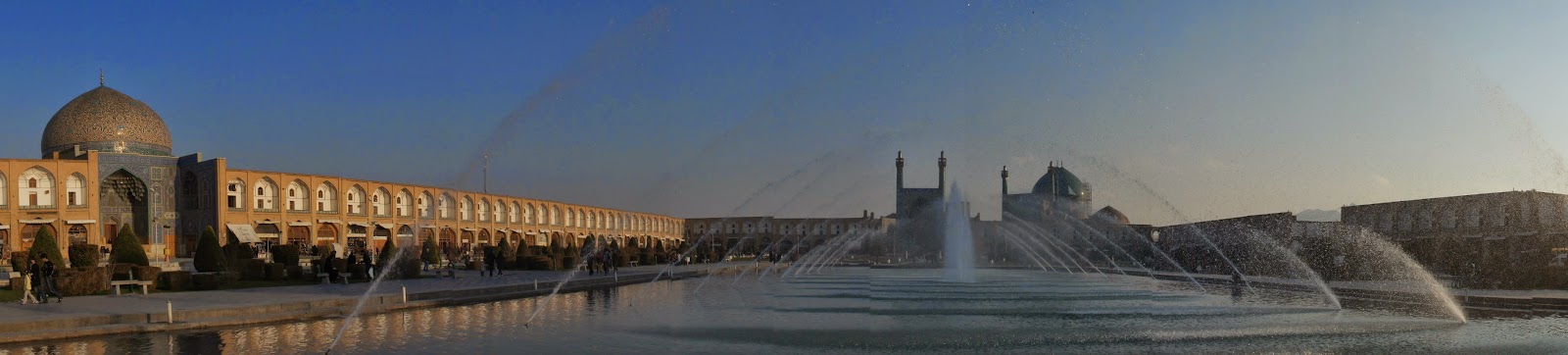
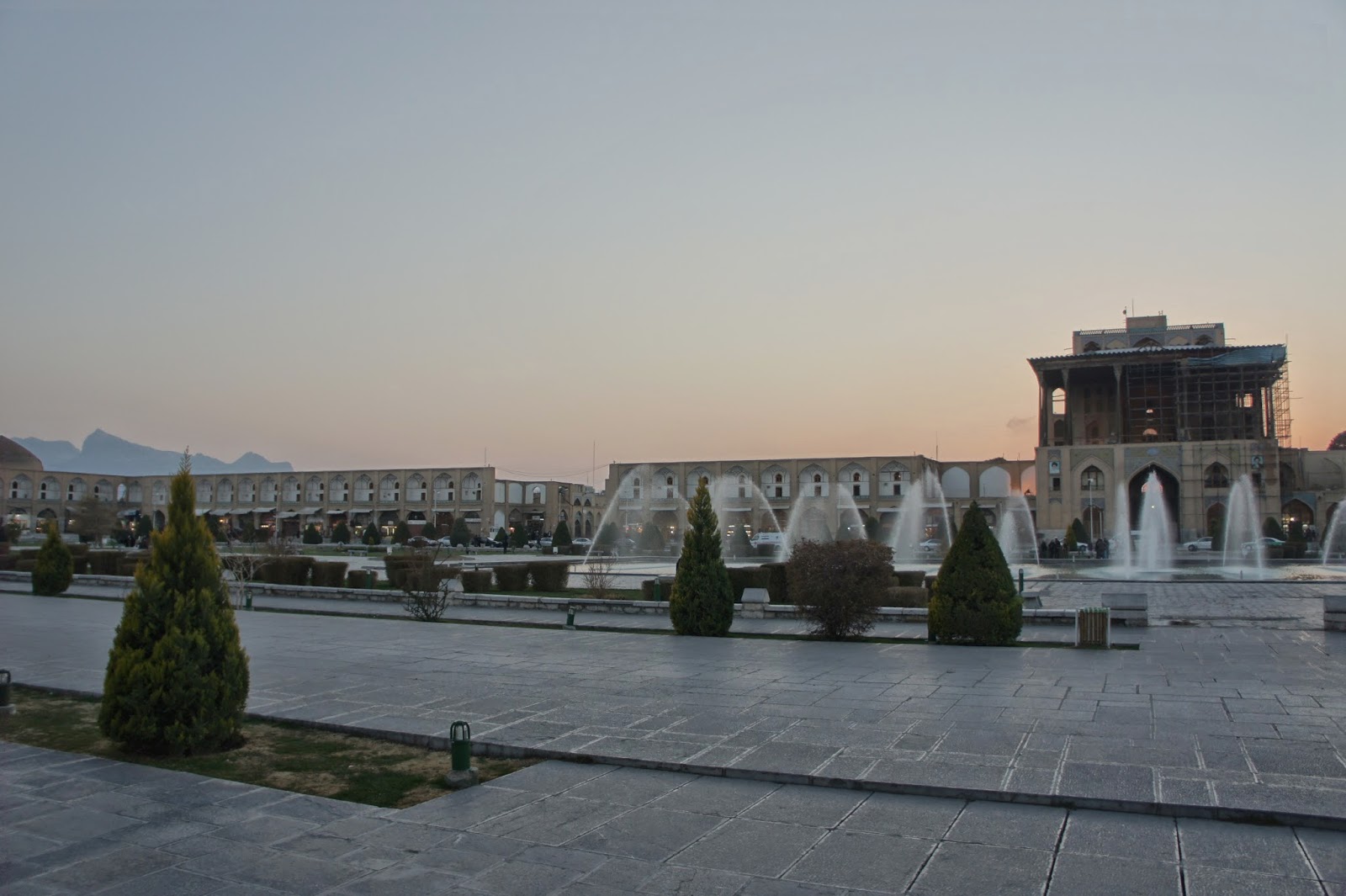
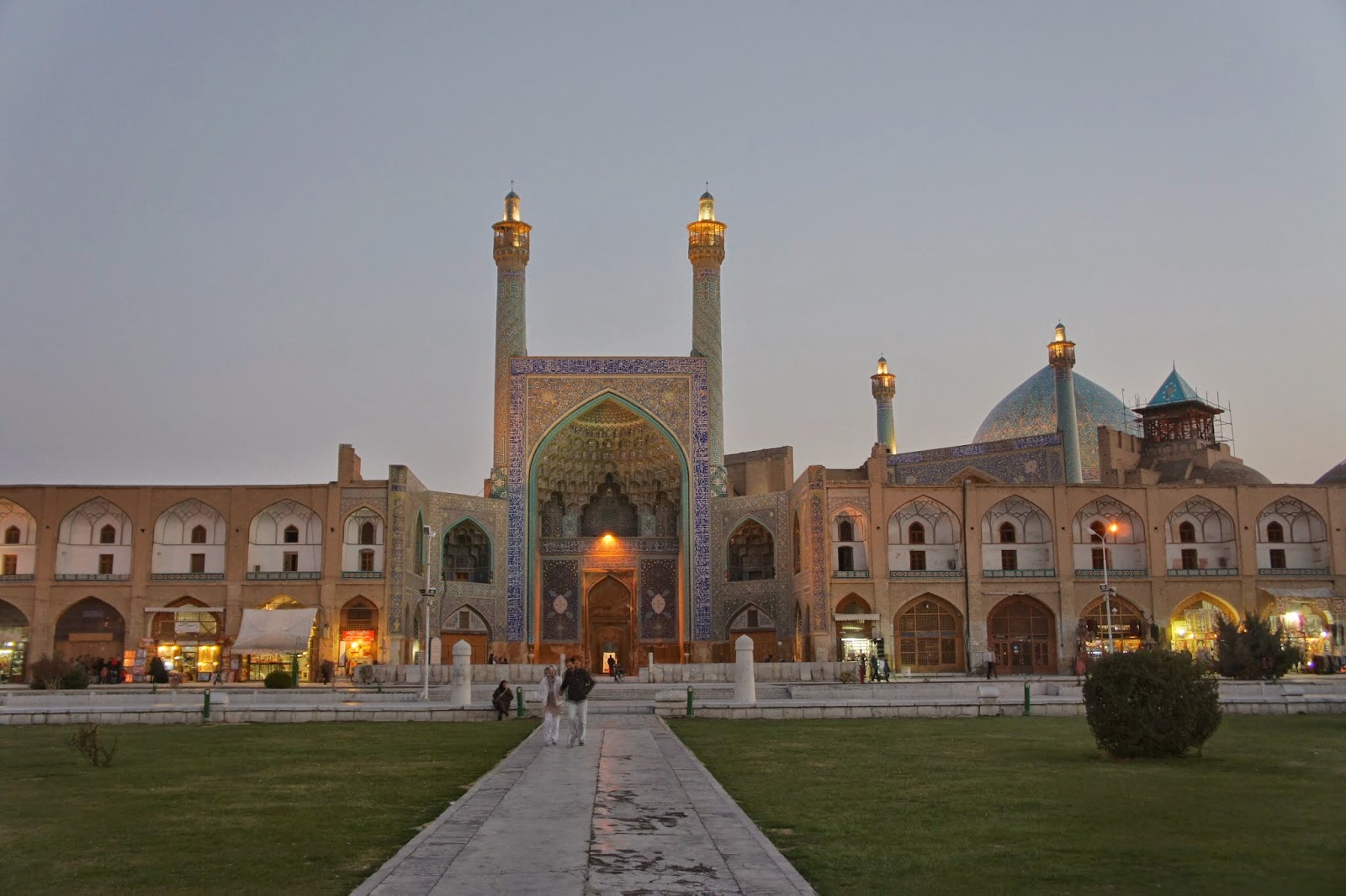
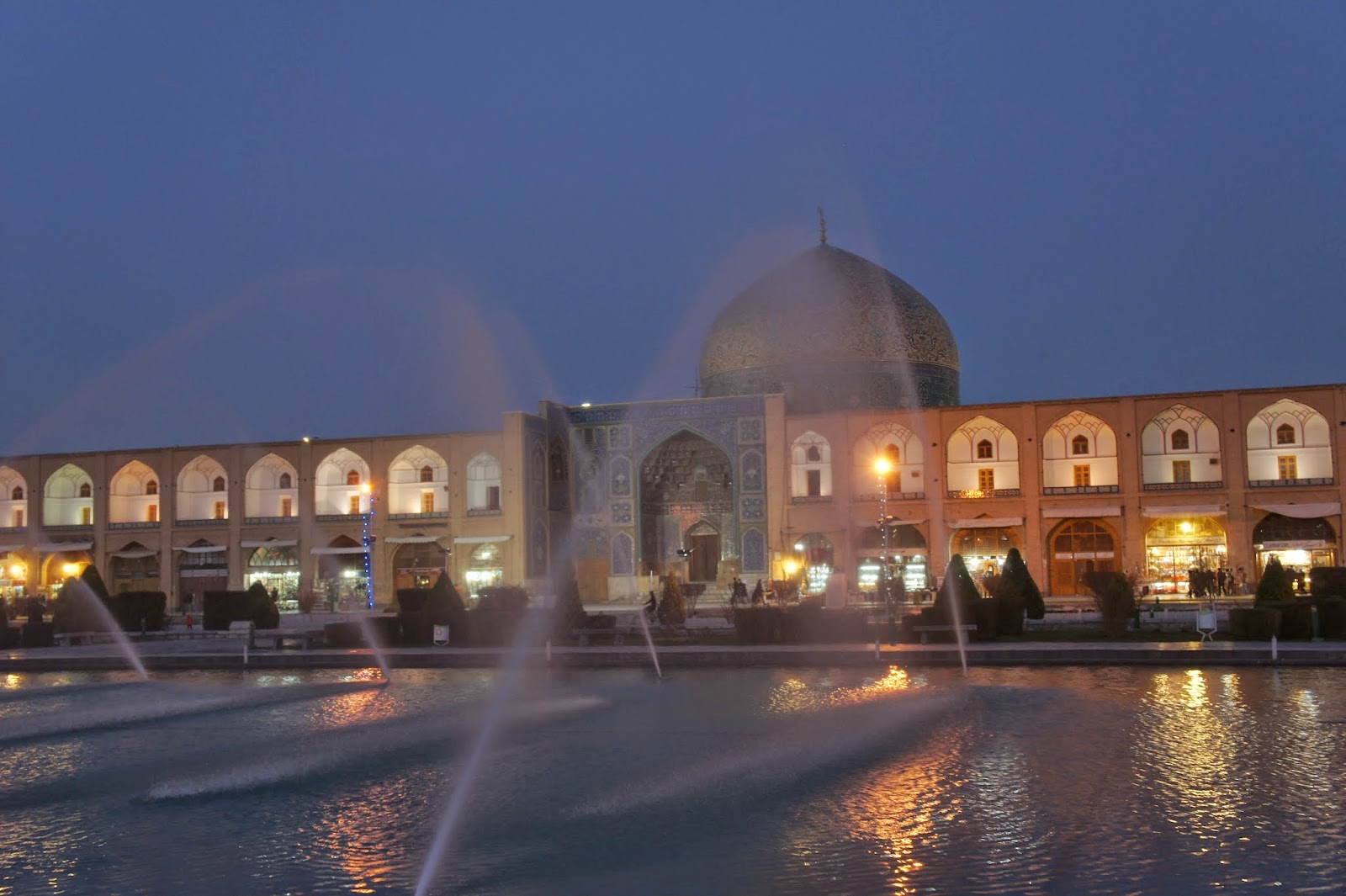
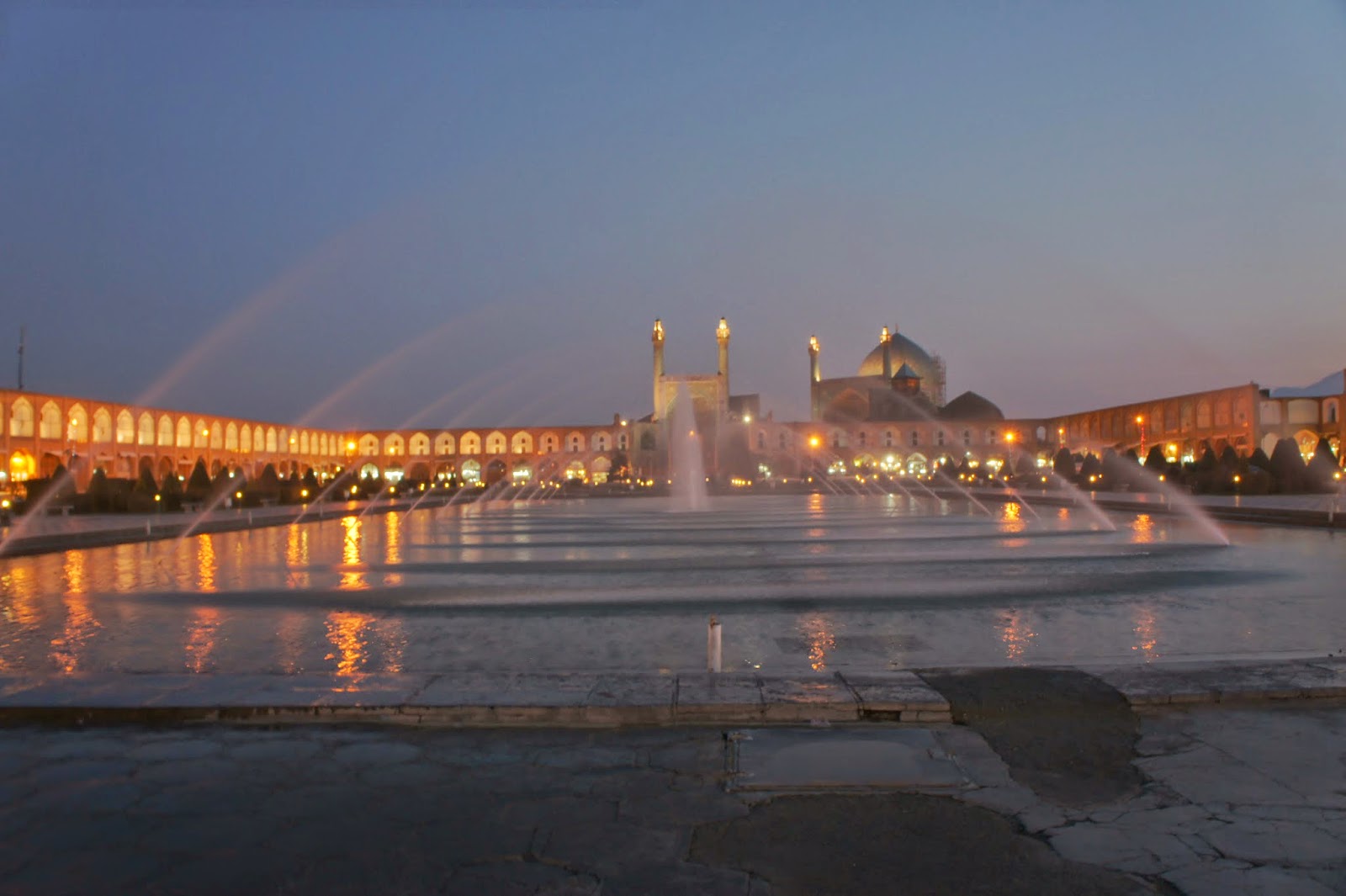
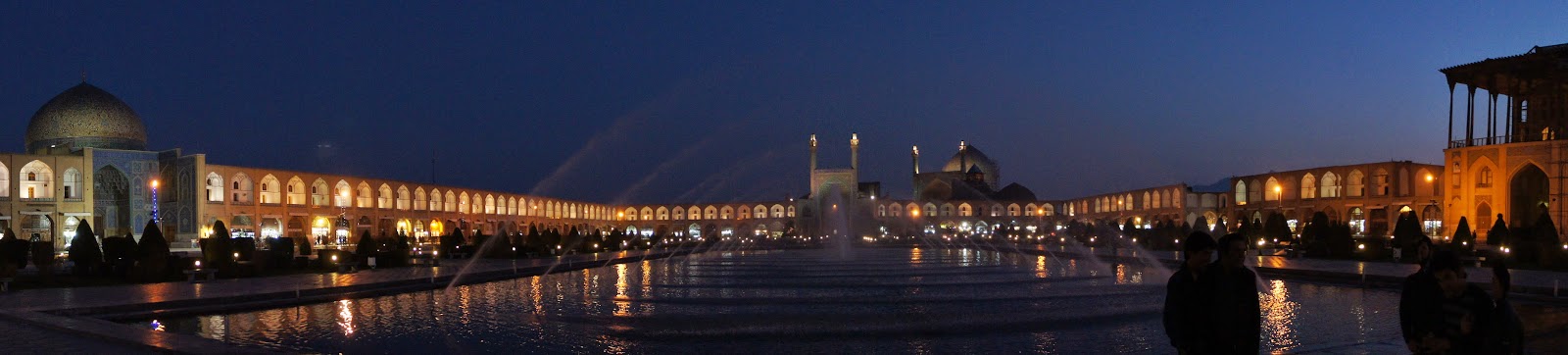
The drive from Na’in to Isfahan is not too long (about 2 hours), we checked into the hotel and got settled down. As the sun has not set yet, we decided to head for the Imam Square to take some pictures and to walk around. Imam Square was known as “Half of the World” the time it was built due to the diversity of people and religion that was found here. Today it became a favourite hang out for Iranians and tourists alike. As we were walking in the square, we get curious looks and the usual “Hellos” thrown at us. We met this girl (about 12, 13 years old) coming up to us with her dad and her brother and started to strike a conversation with us. I can see that she is trying to practice her English and we allowed her to do so. As her vocabulary is not very strong (I can tell by the repetitive words she used), we engaged her in simple English. She looked very nervous about engaging us. I applauded her willingness to learn and her wanting to seize any opportunity she can get to brush up on her English. Reminded me when I was learning Thai, till now I still don’t dare to approach a Thai and talk to them in Thai. After we bided the girl and her father farewell, we went around taking pictures of the square during sunset. We ran into this group of 5 guys, who wanted to take pictures with us in front of the fountain.  We chatted a little and they told us that they were from Persepolis. From our trip to Persepolis earlier on, I did not recall seeing a town nearby. I thought they are taking us for a ride (which later I checked with my guide, and there is indeed a town nearby Persepolis. These guys are not lying after all). After chatting, the guys wished us luck and walked in the other direction.

Arrival at Isfahan
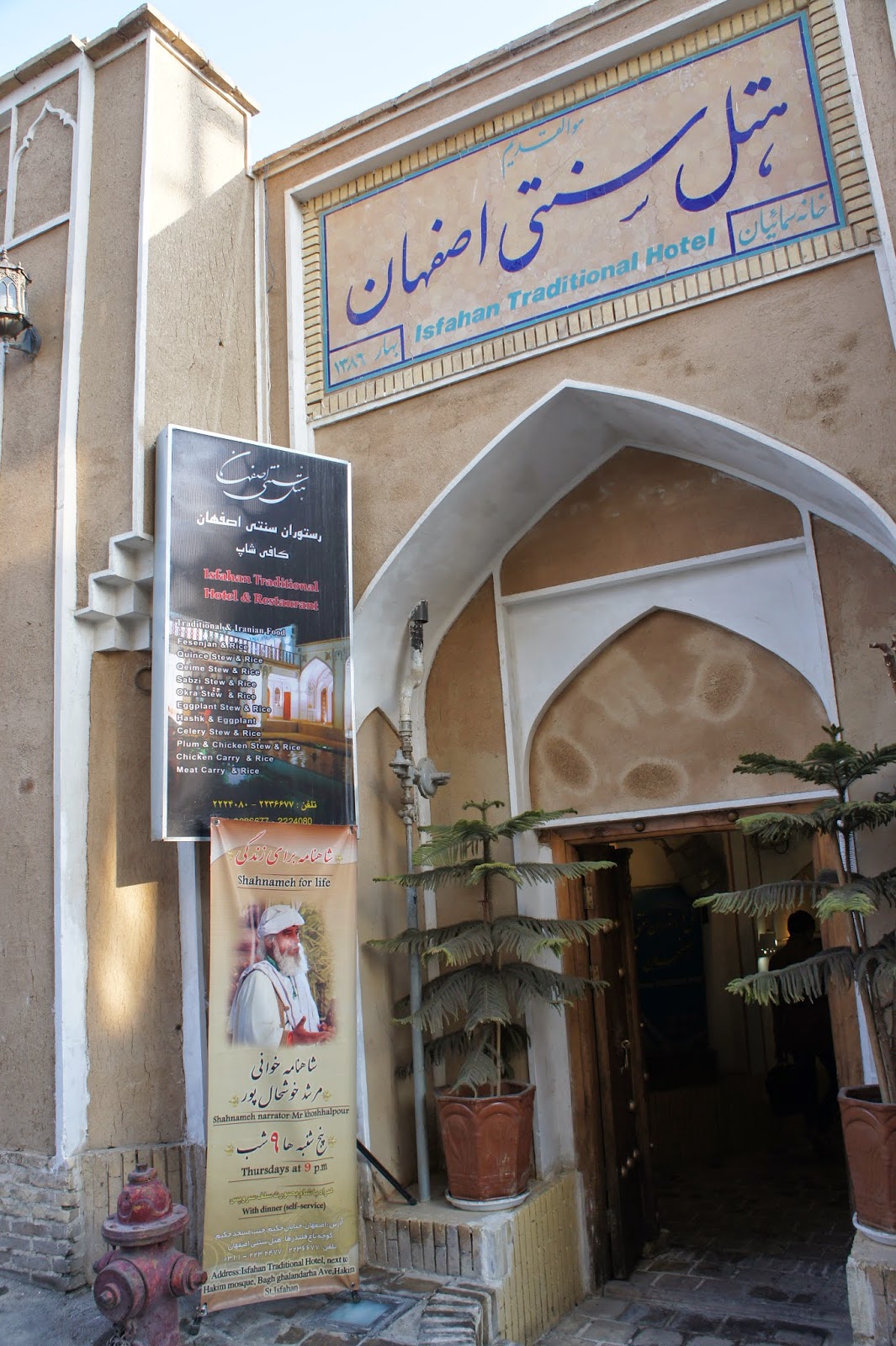
Entrance to the hotel we will be putting up
Imam Square in Isfahan
Picture of me in Imam Square
Lady Mosque in Imam Square
Fountain in Imam Square with Imam Mosque in the background
Picture of me in Imam Square
Panoramic shot of  Imam Square
Ali Qapu Palace
Imam Square
Close up of the Lady’s Mosque
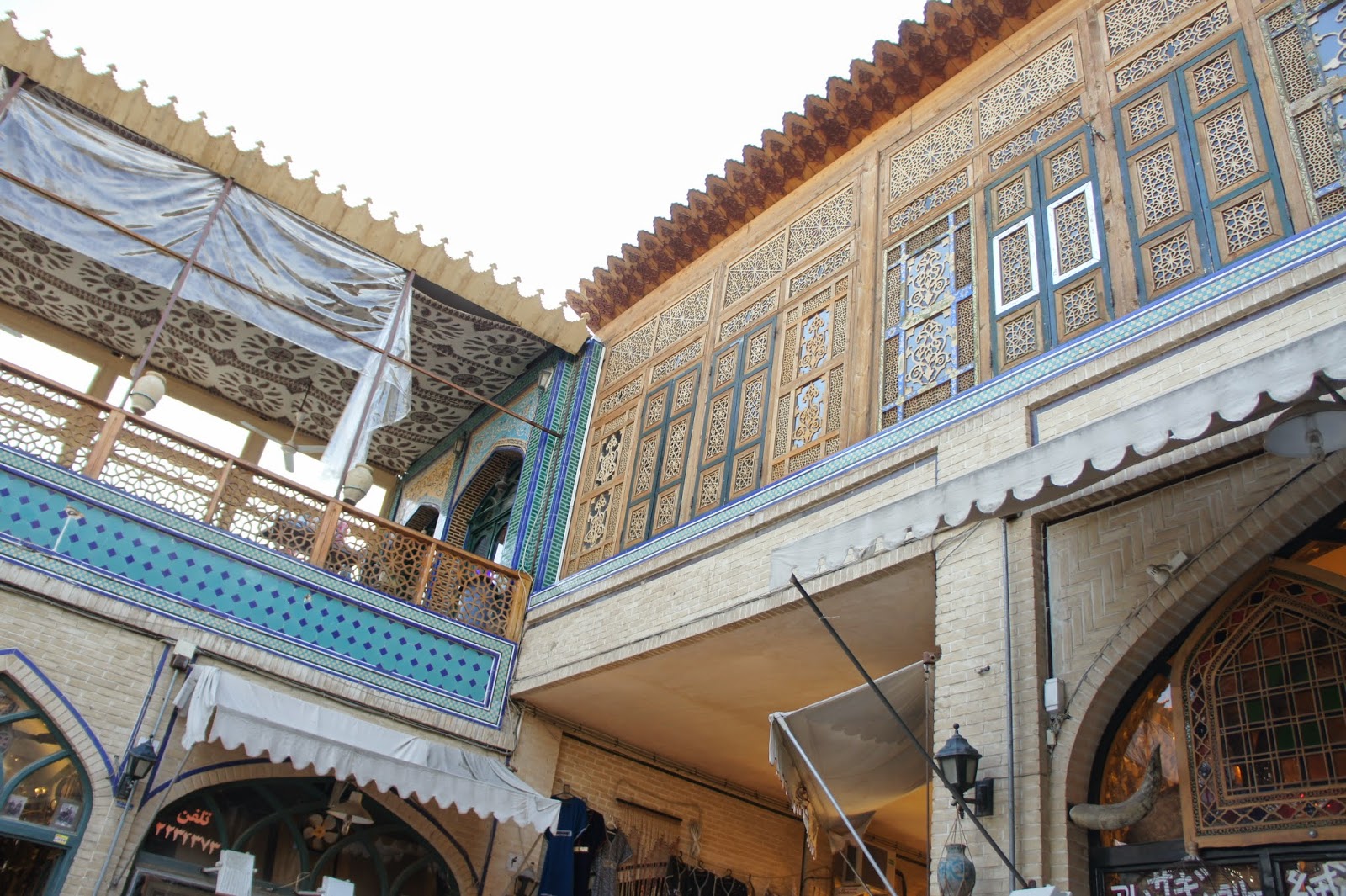
Around the bazaar in Imam Square
Imam Square
An alley behind Ali Qapu Palace
Shot of Ali Qapu Palace in Imam Square
Shot of Imam Mosque in Imam Square
Imam Mosque lighting up for the night
Ali Qapu Palace lighting up for the night
Lady’s Mosque lighting up fr=or the night
Imam Mosque at night
Panoramic shot of Imam Square at night

We felt a little tired and walked back to our hotel. As we were walking back, we met 2 French travellers. We found out that we were staying in the same hotel, and we chatted along the way. We spoke about the places we have been to and the places that we are going, our countries and what we felt about Iran and the Iranians. The 4 of us agreed that Iran is a nice country to visit and the people are simply fantastic! What a nice way to end the day.

Iran Day 3: Shiraz & Yazd (3 Mar 11) – The Ancient Wonder of Persepolis, Necropolis and Pasargadae

Persepolis – The Richest Palace Under the Sun

Today marks the start of our Iranian road trip and certainly the first of 3 climaxes of the trip. Our first stop is some 70 km away from Shiraz and we will end up in the next town at the end of the day for a well-deserved rest. Persepolis, the greatest treasure of the ancient Persian Empire was built at around 515 BC! When we arrived at Persepolis, we saw a large group of students on their field trip here as well. As we walked past them, we attracted a lot of attention as though as we are some sort of celebrities. The students are thrilled to see us and we had a lot of “Hellos” and “Welcome to Iran” thrown our way. The guide books are right, the Iranians are a bunch of welcoming people!

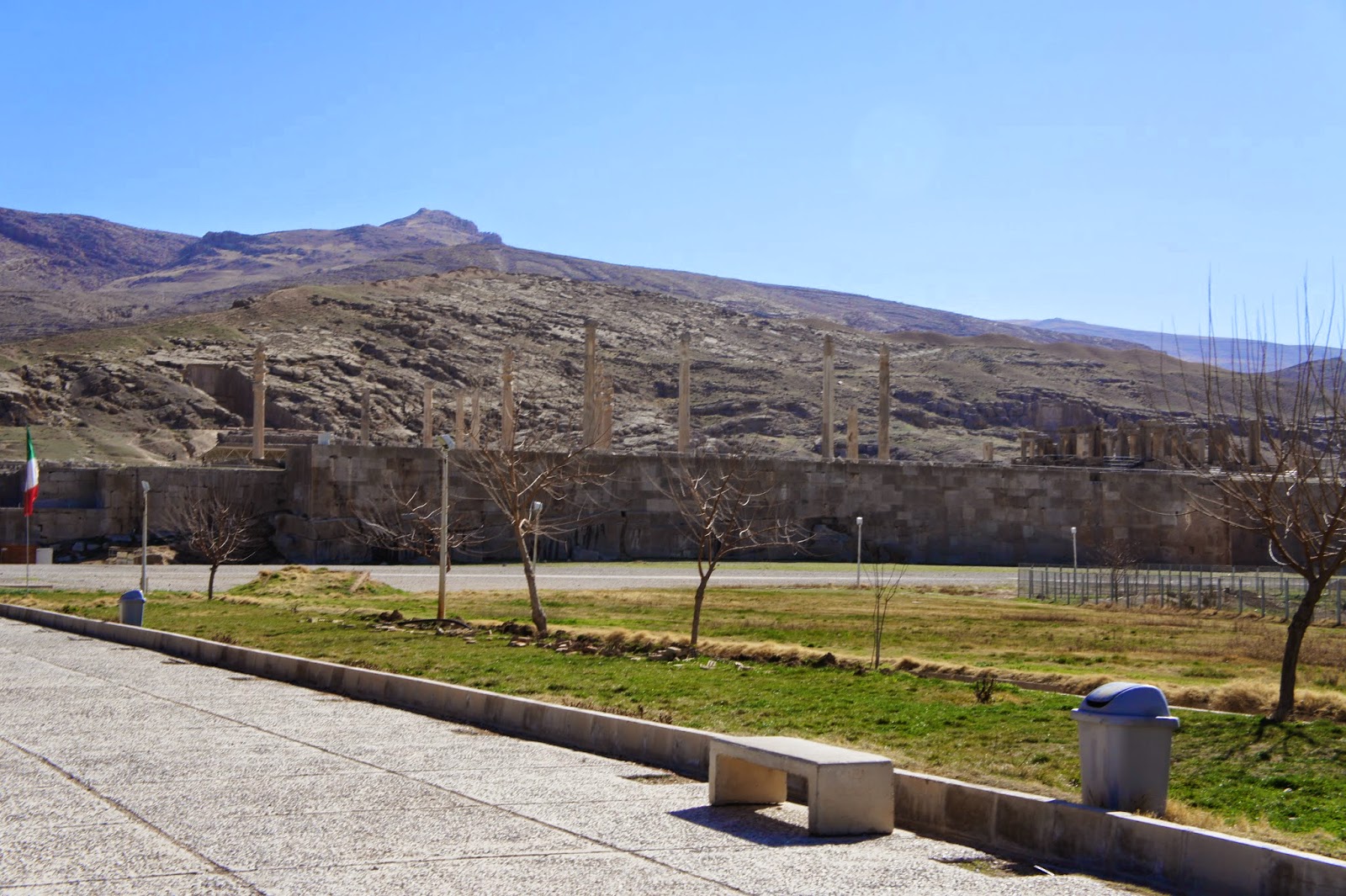
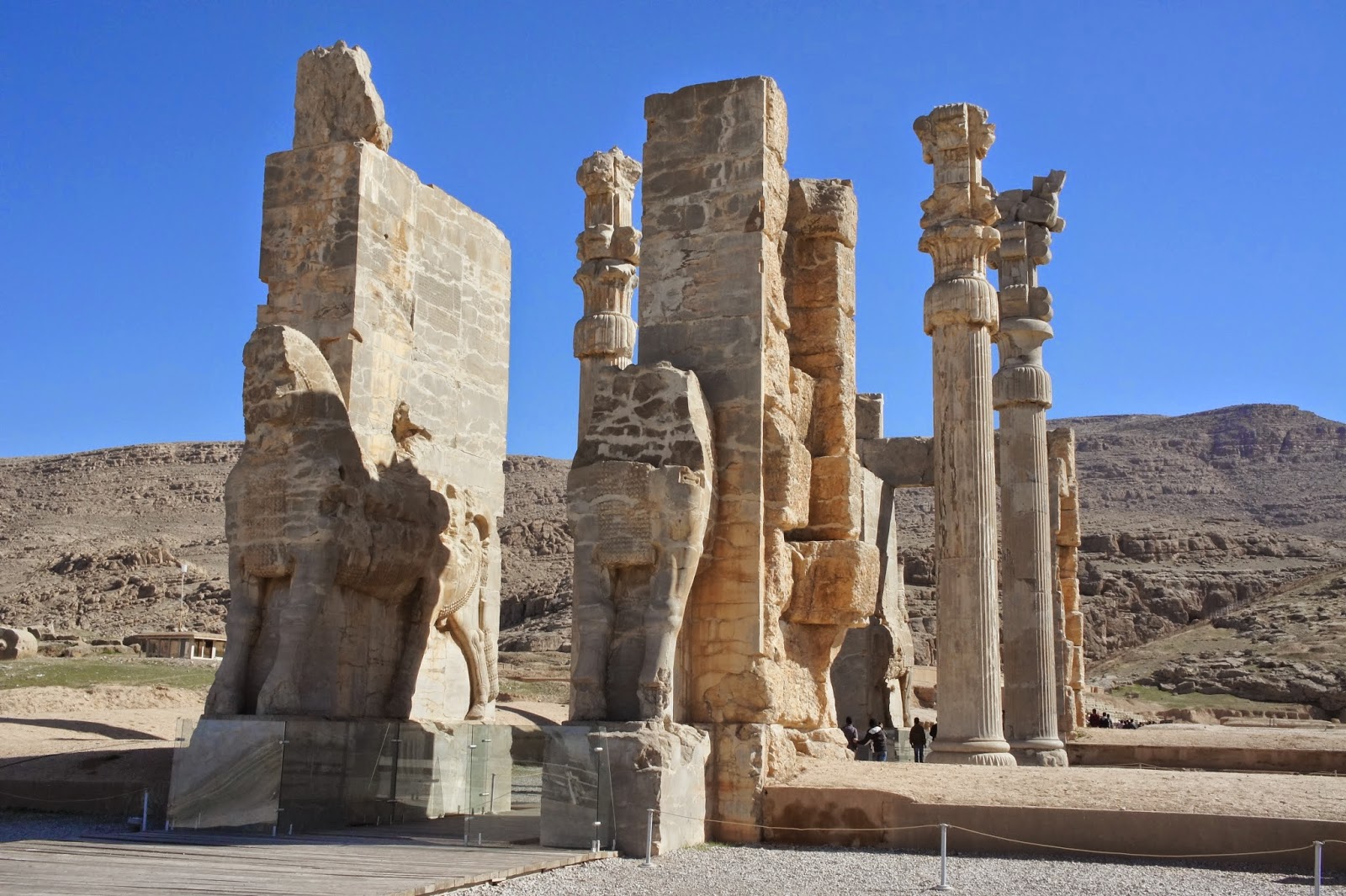
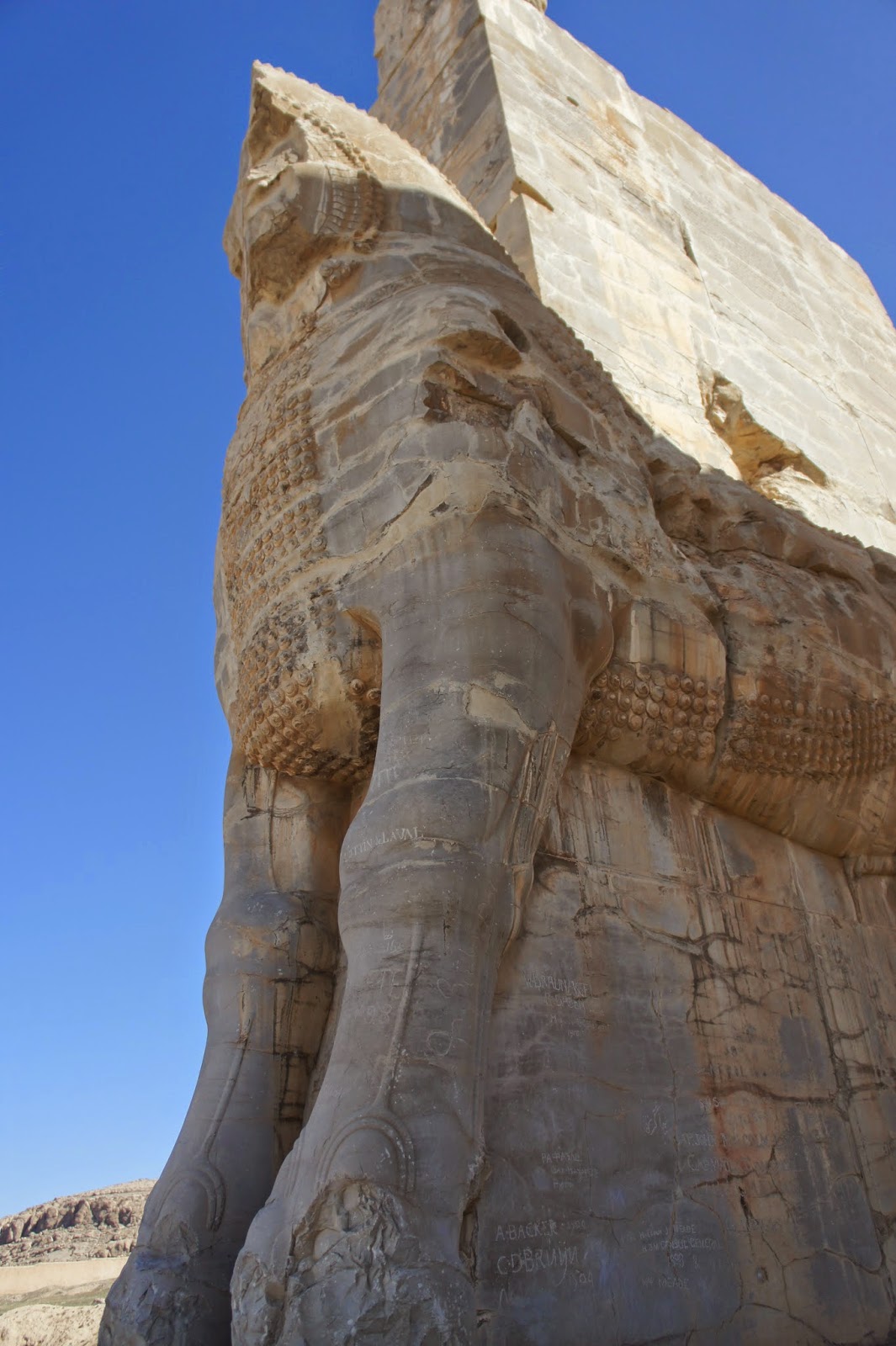
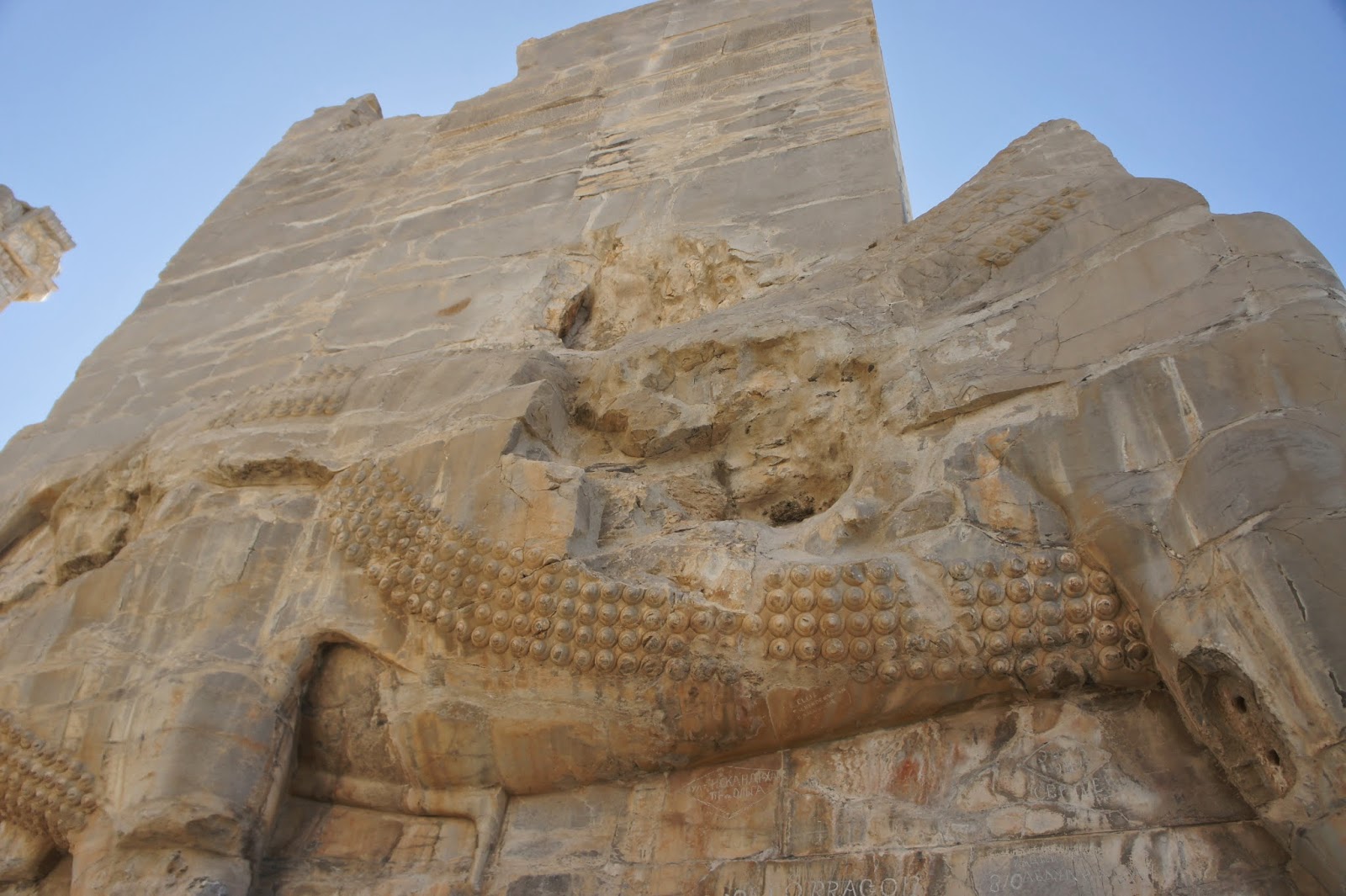
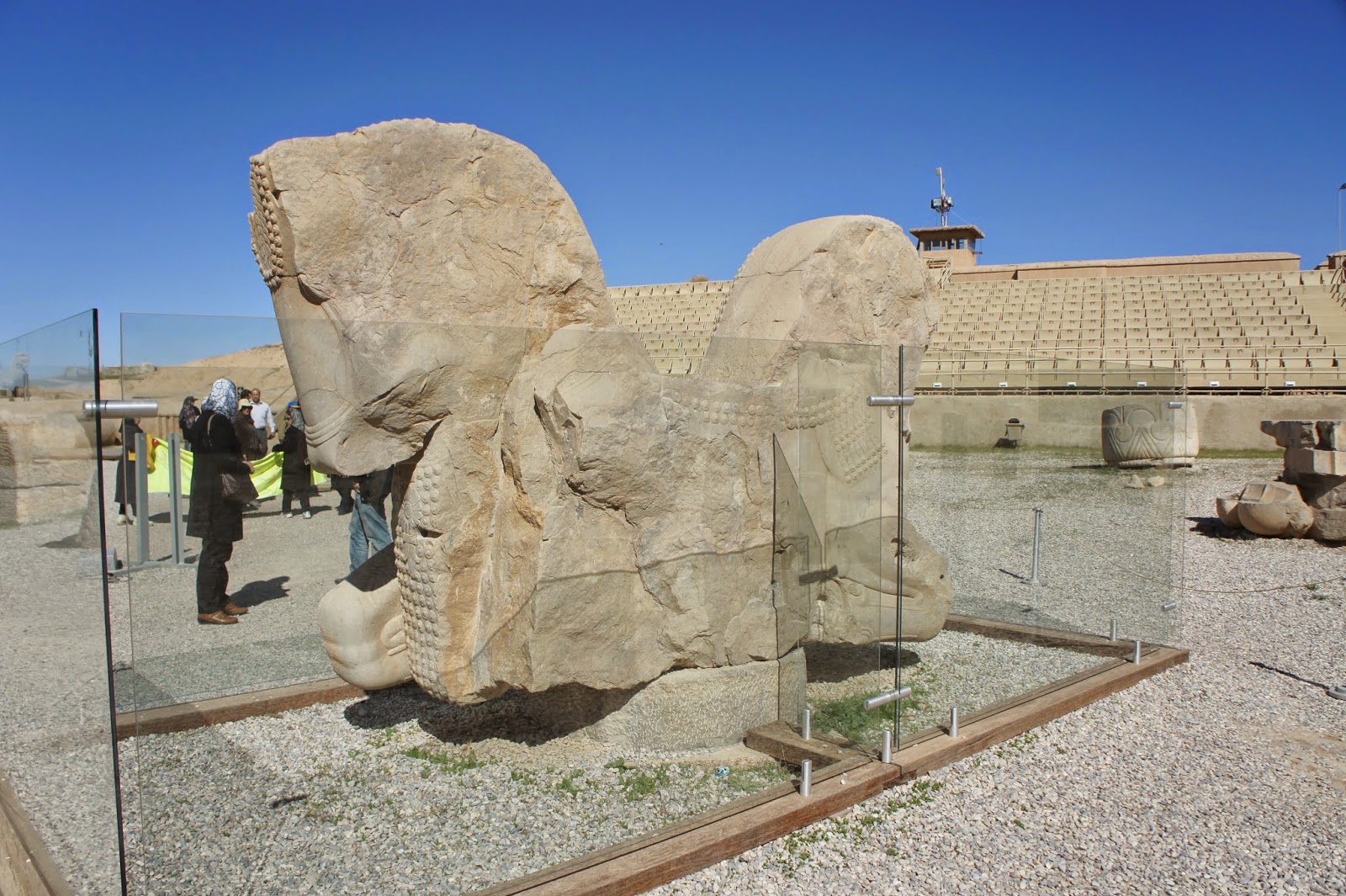
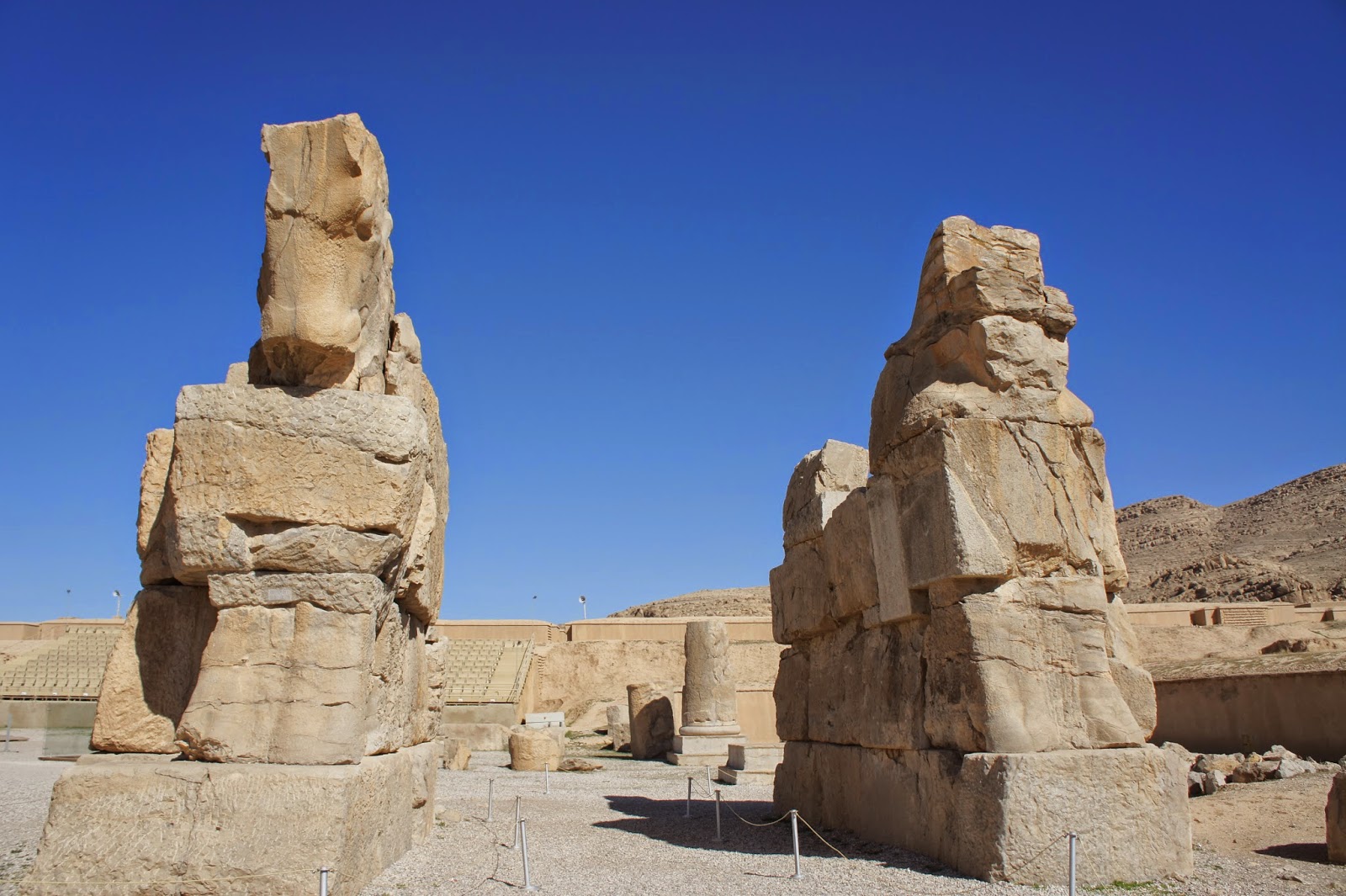
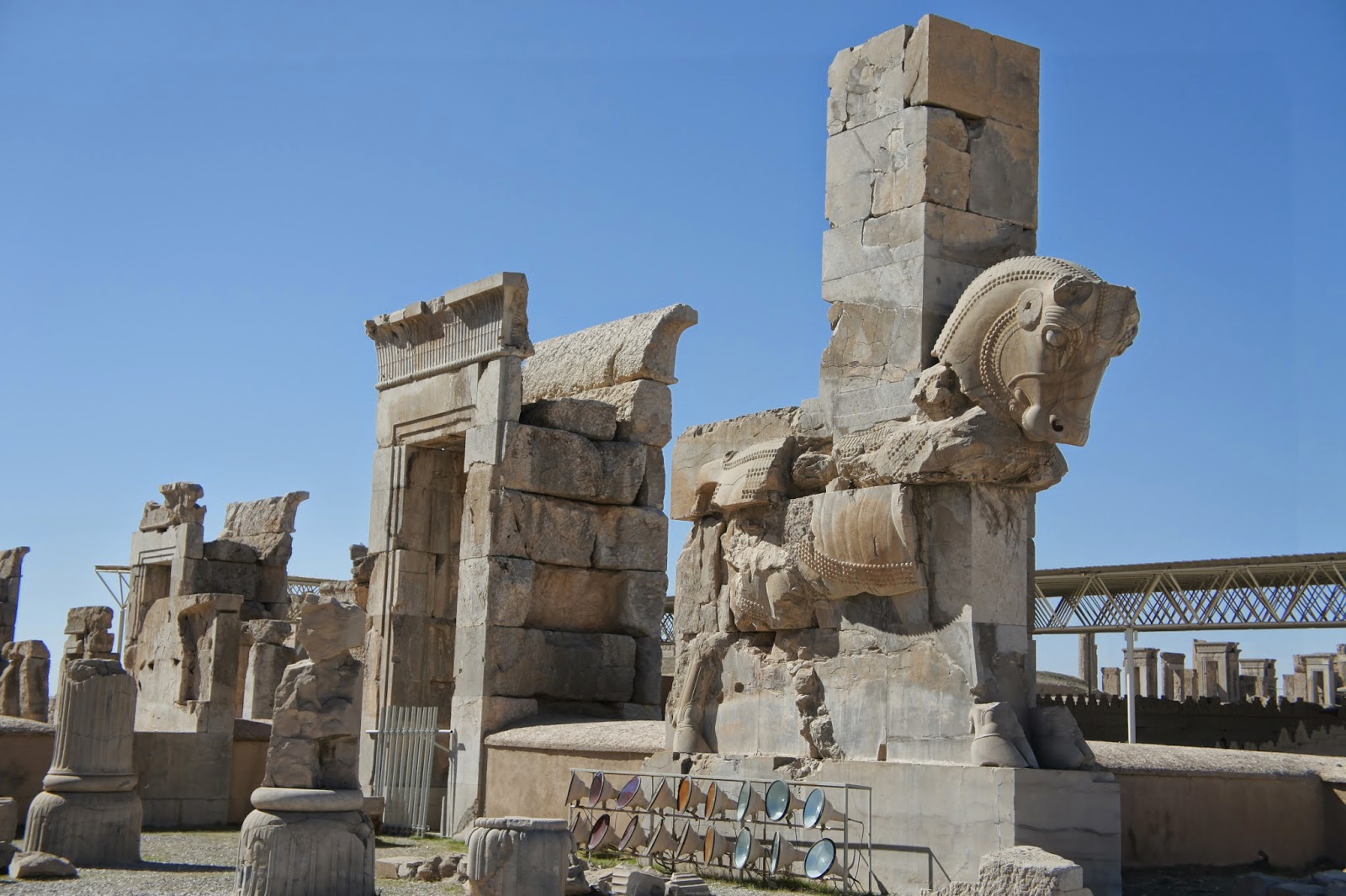
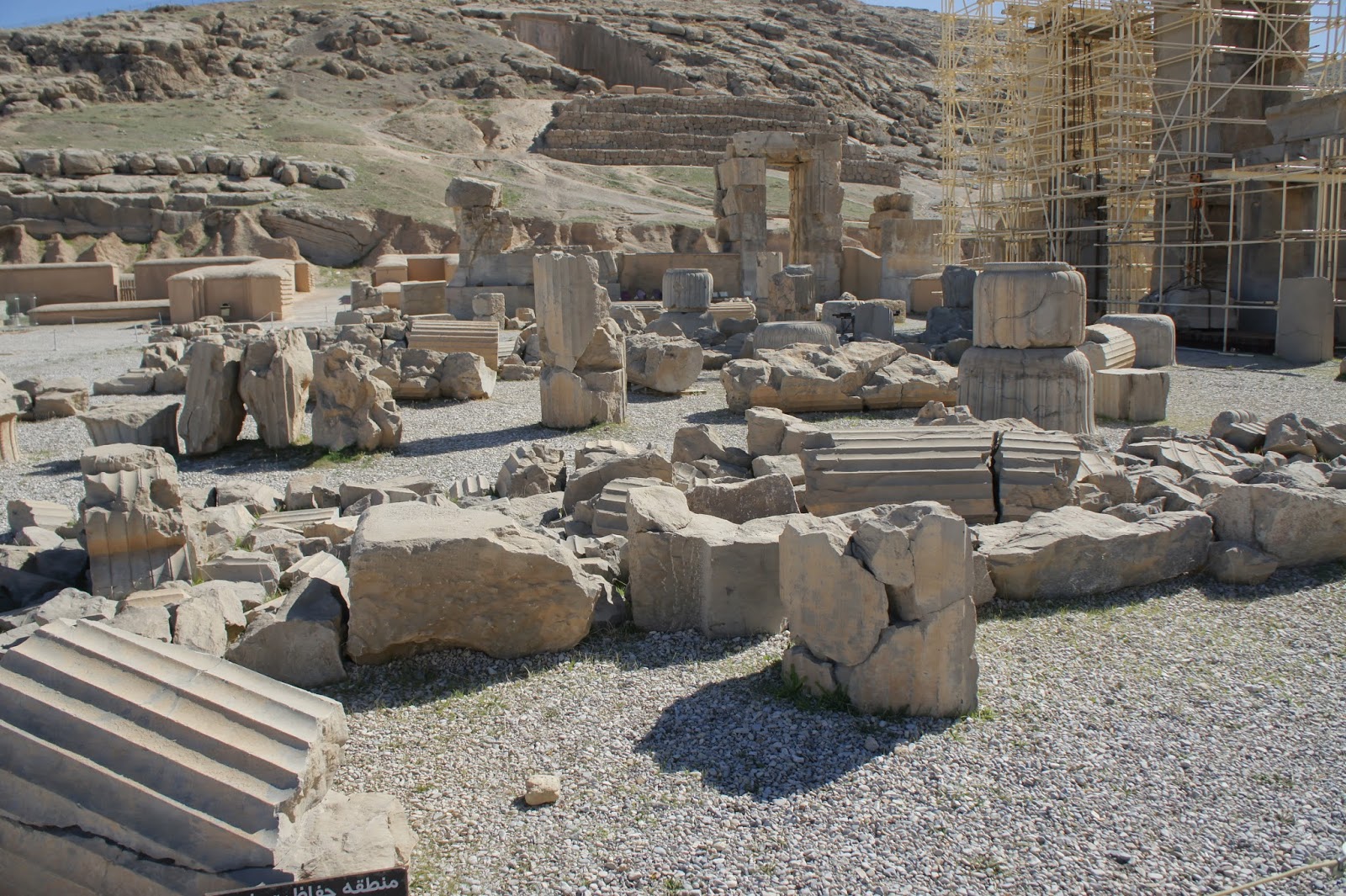
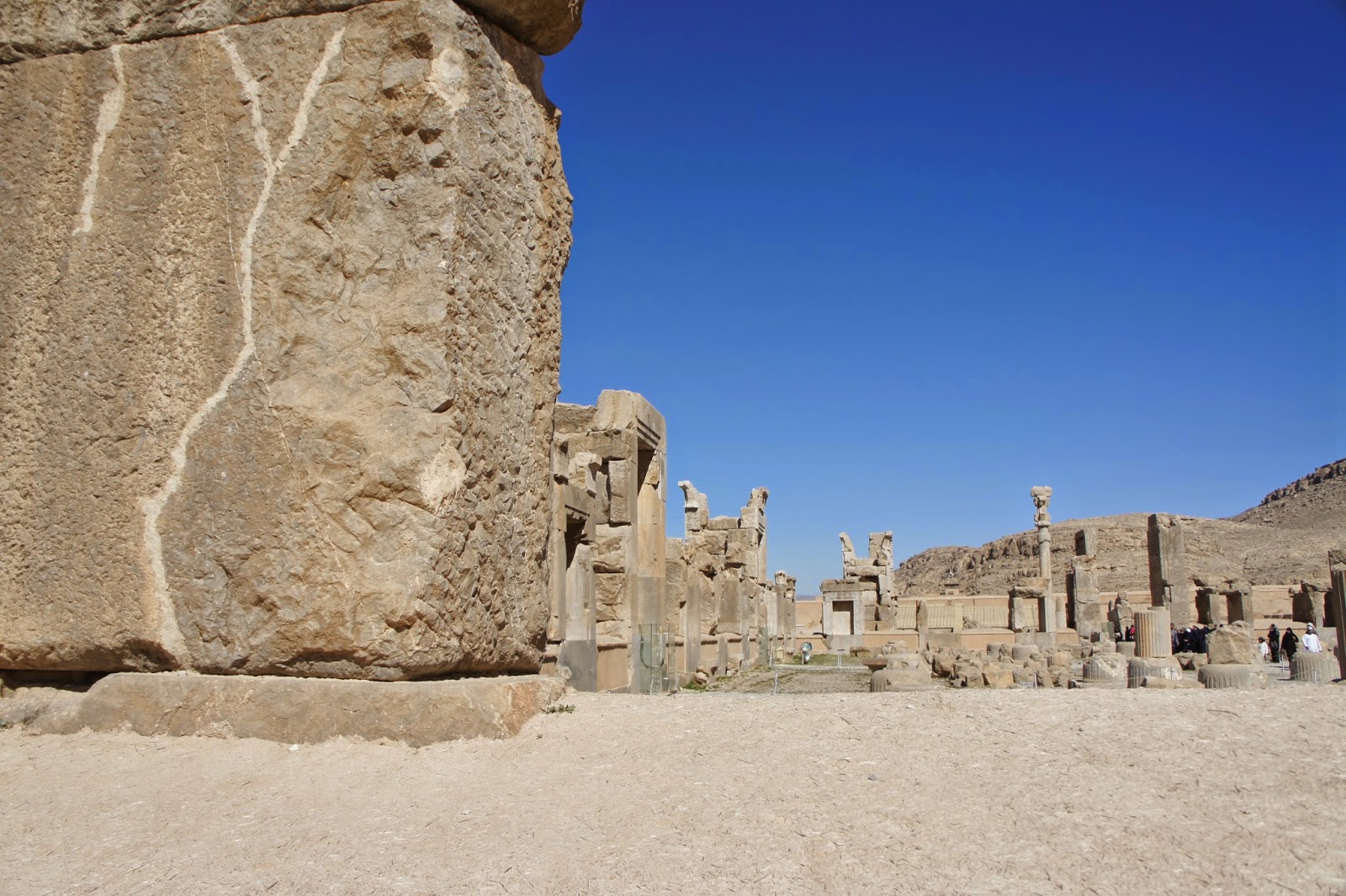
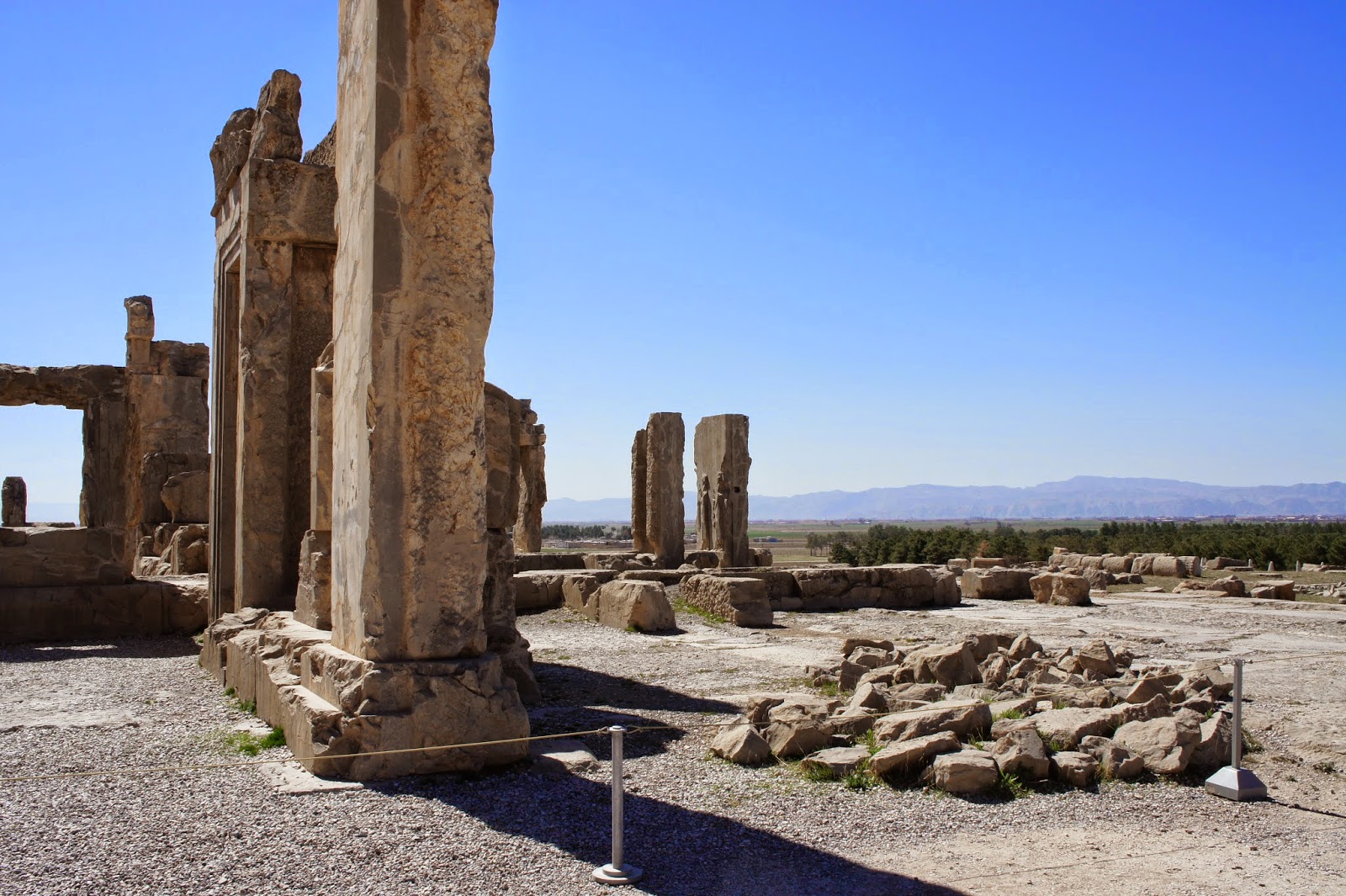
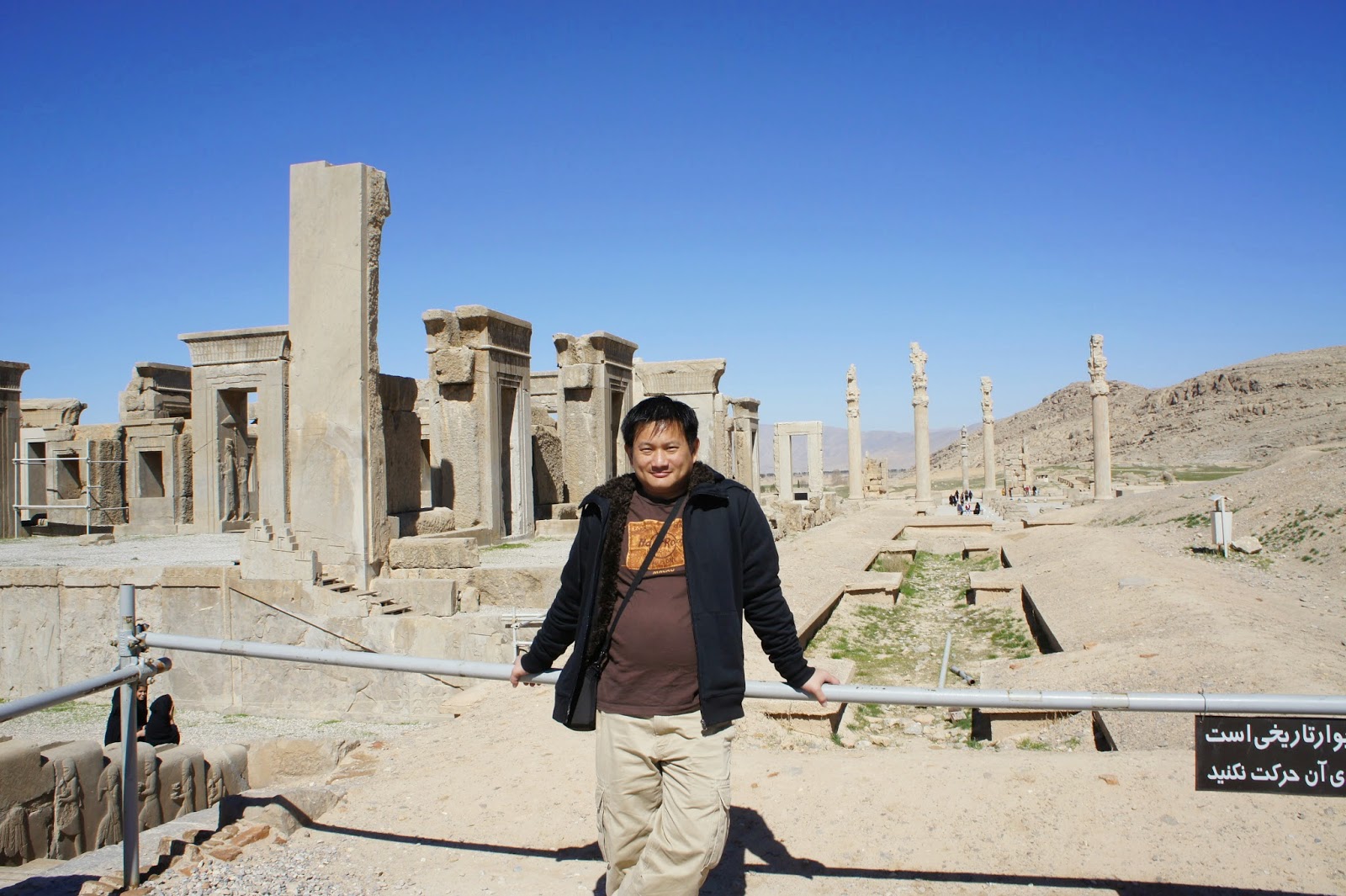
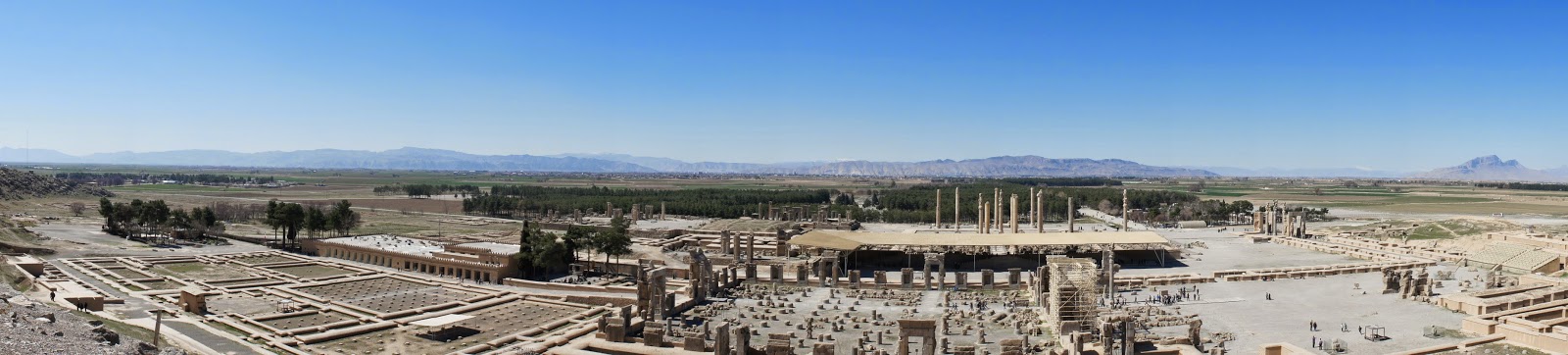
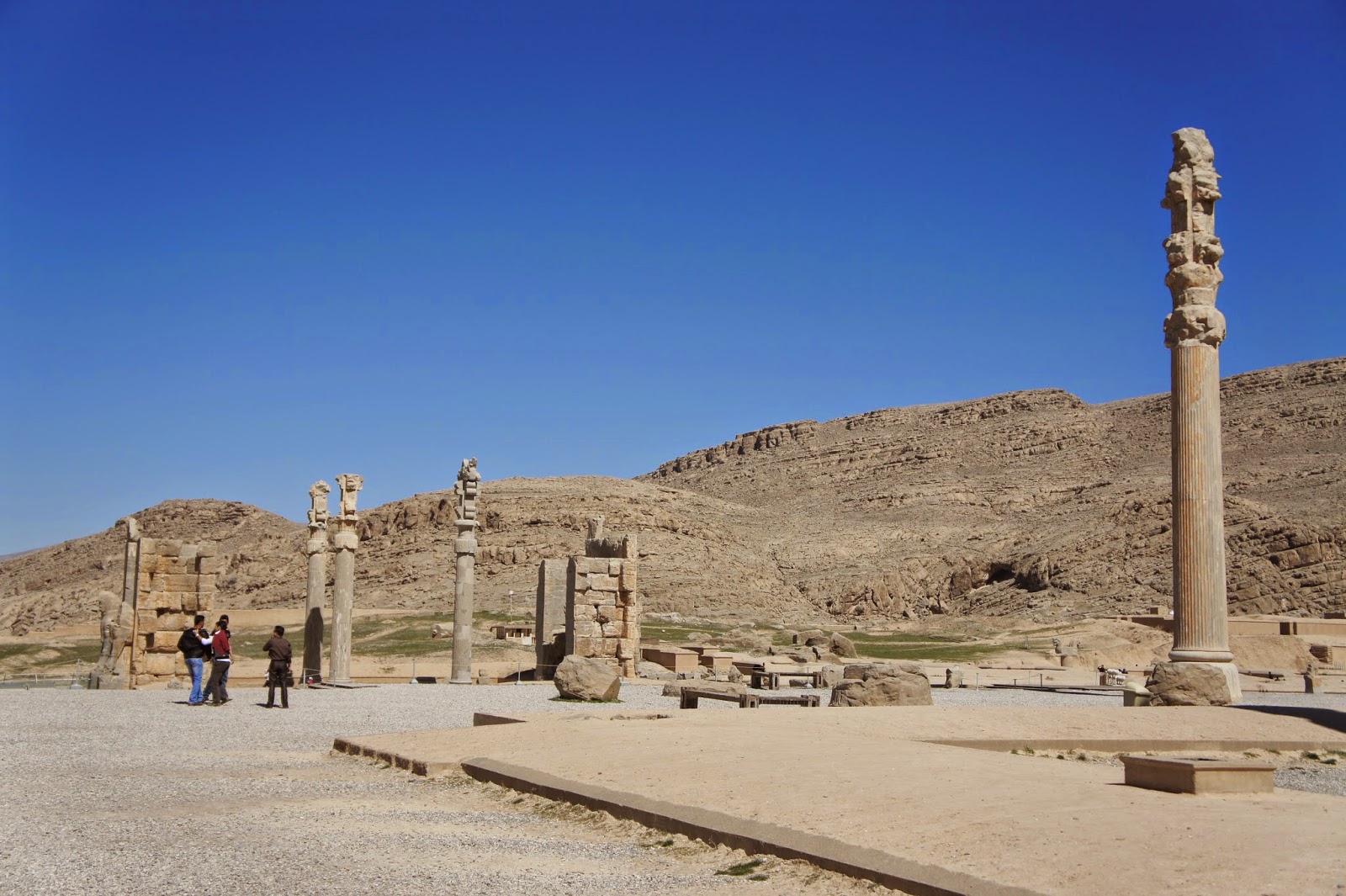
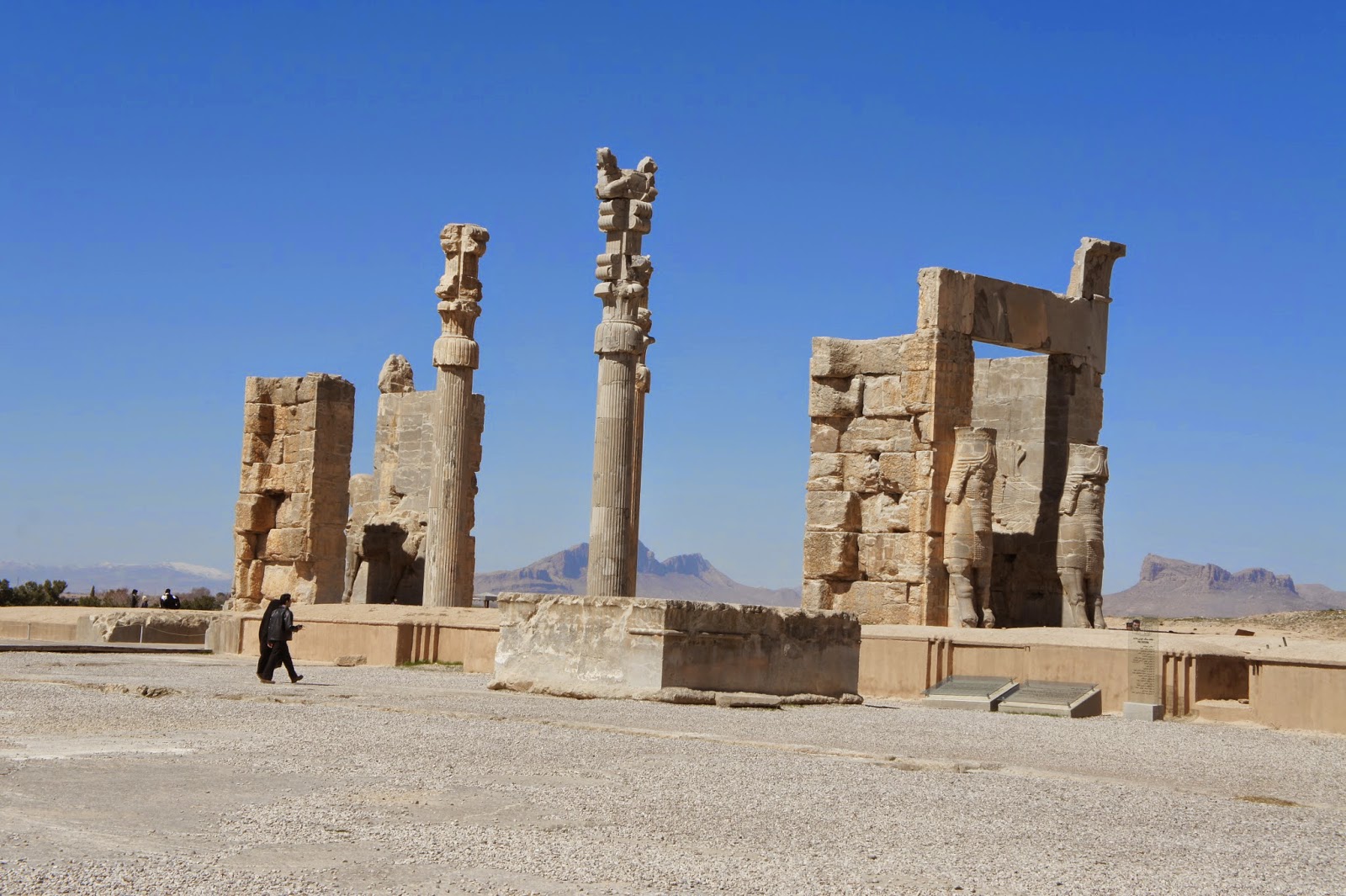
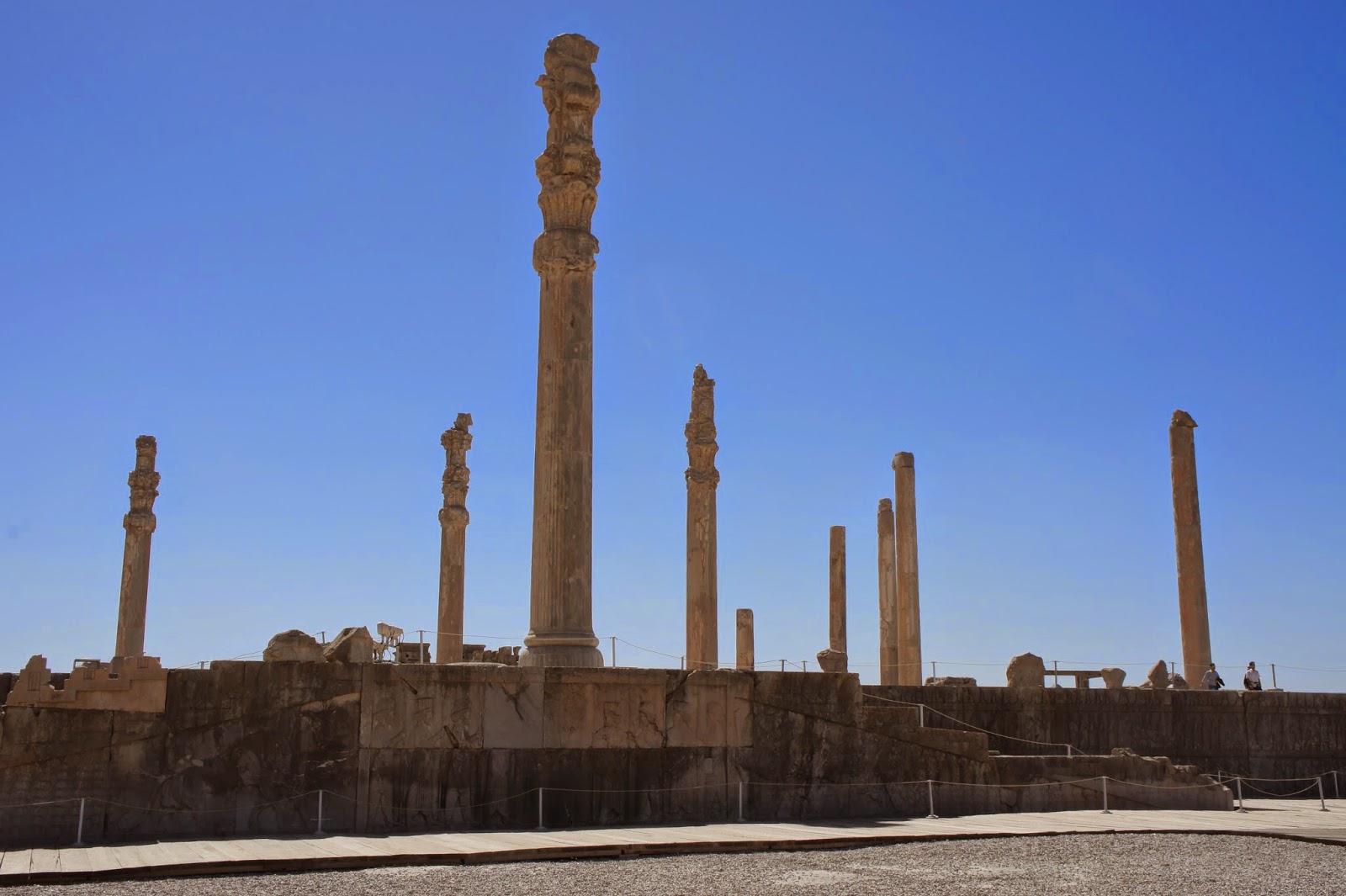
We arrived at the entrance of Persepolis, from here I can already feel the majestic of this palace, the 2 stairways leading up to the palace were designed in such a way that the host will always arrive first to welcome their guests despite setting off at the same time. Such ingenuity that was heavily embedded into the design and construction was seen throughout this palace. We ascended the stairs and what I saw at the top of the stairs was this vast landmass that once housed the greatest creation of the Persian Empire. The massiveness of Persepolis could be on par with the Forbidden City in Beijing. However, it is now reduced to ruins by Alexandra The Great during one of the wars. The first gate that caught my sight was the Gate of all nations, as it is here that all people, regardless of where you come from, has to pass through to access into the palace grounds. At this gate, I can see 2 huge horse-like statues. According to our guide, these statues have the head of a human, which symbolises wisdom, and the body of a bull, which symbolises strength. On these entrance, I can see it was heavily vandalised since 1800! It is a good thing that they had glassed up the lower portion of this gate to prevent more vandalism.

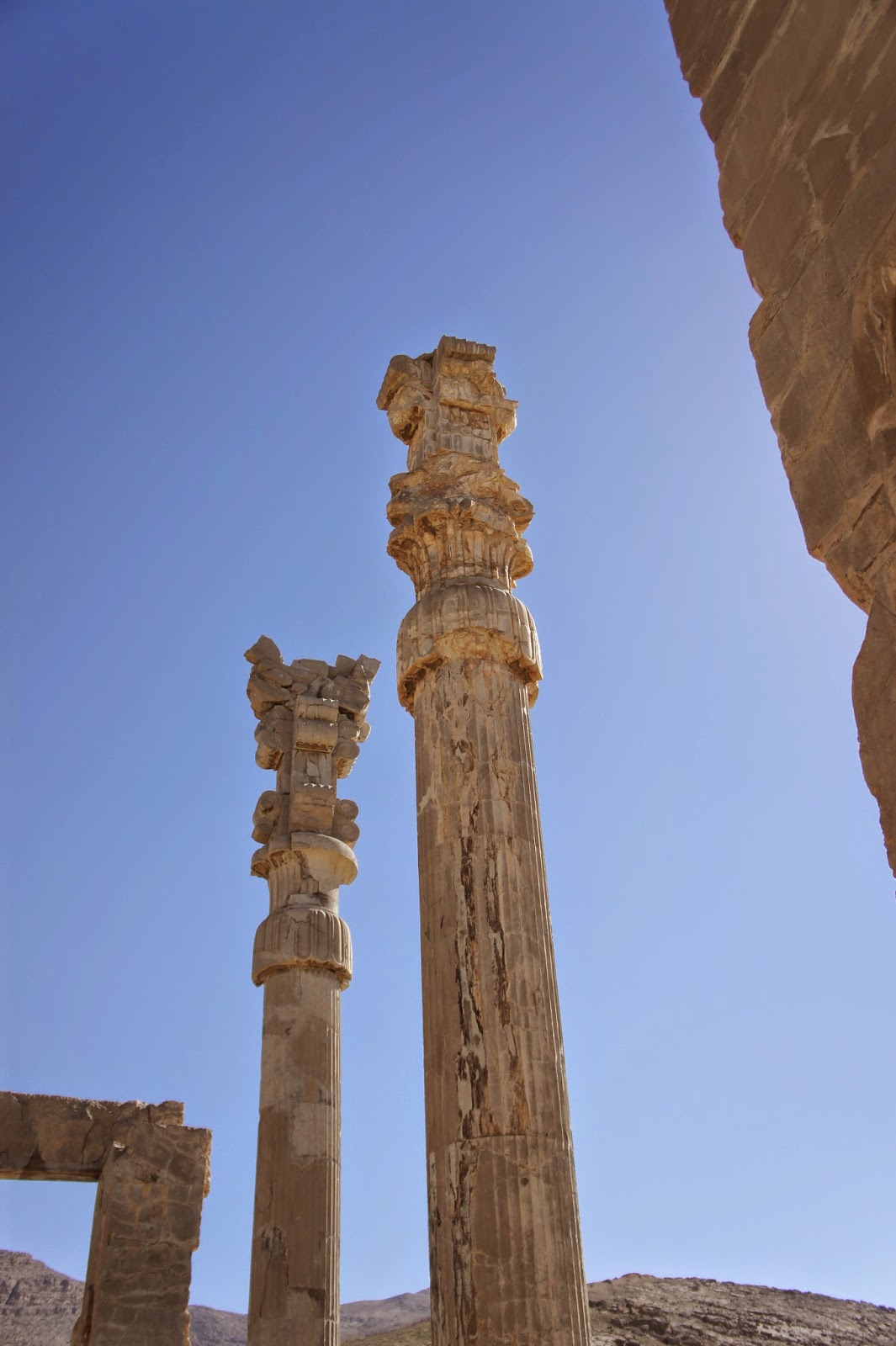
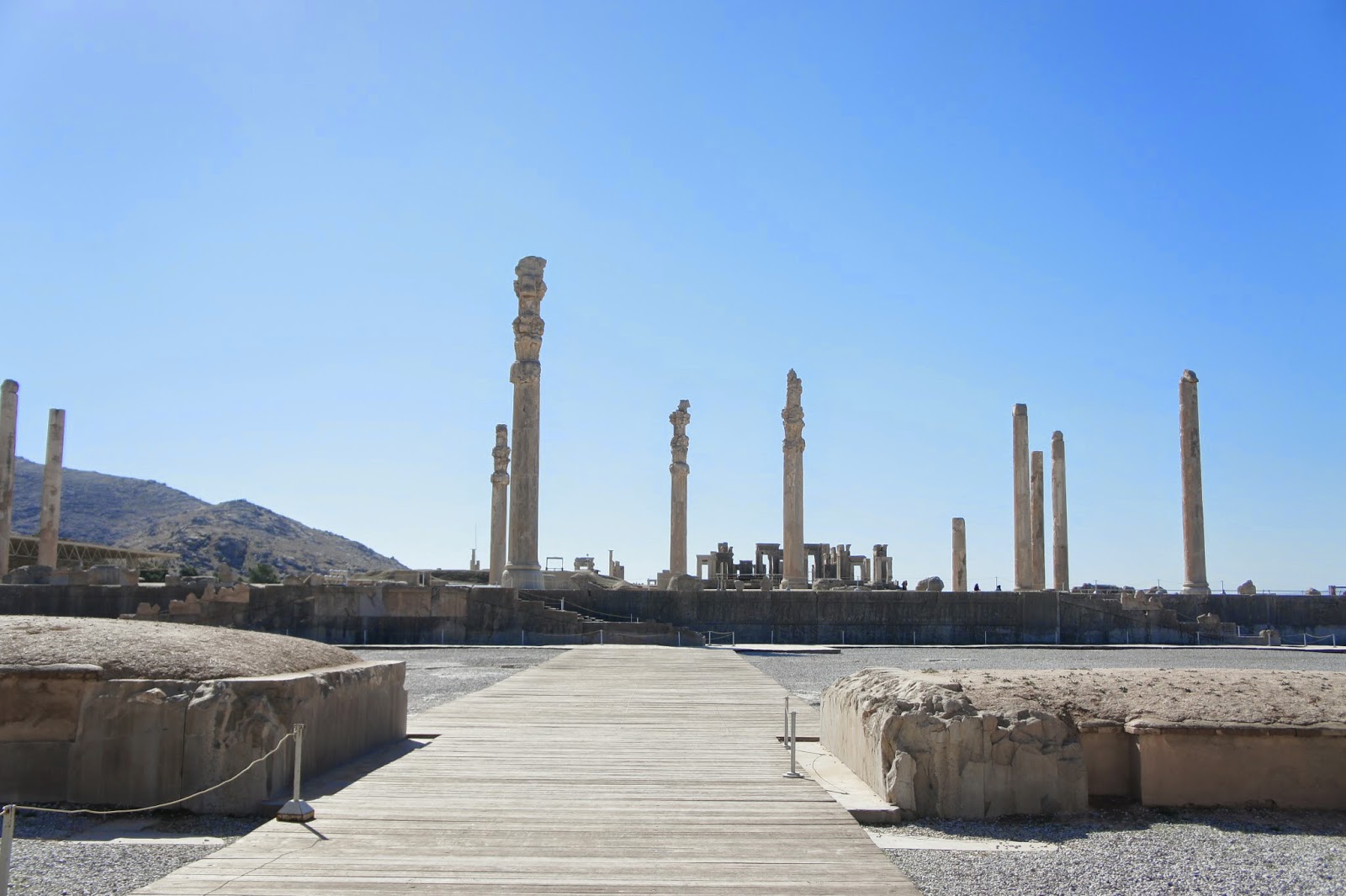
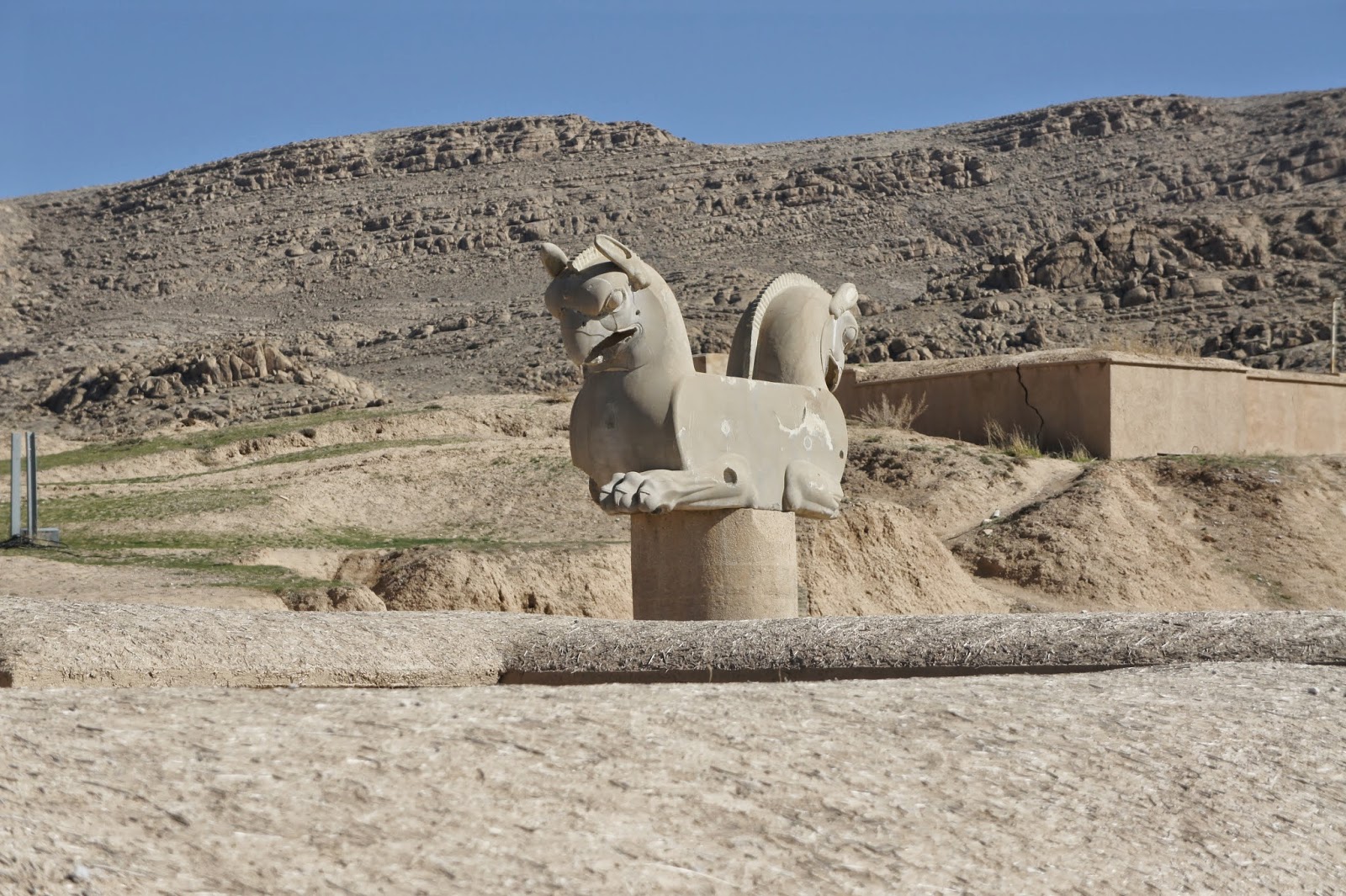
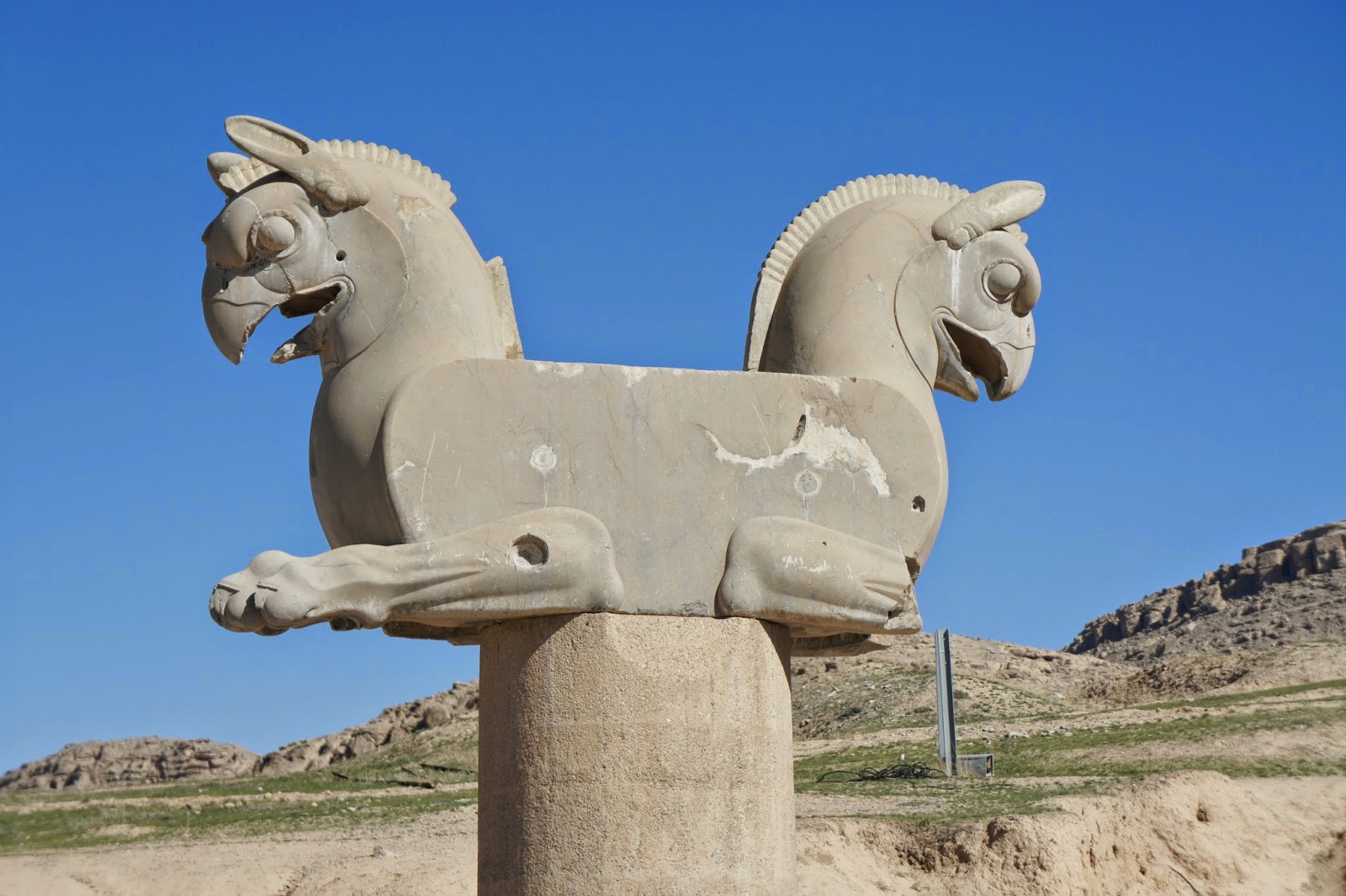
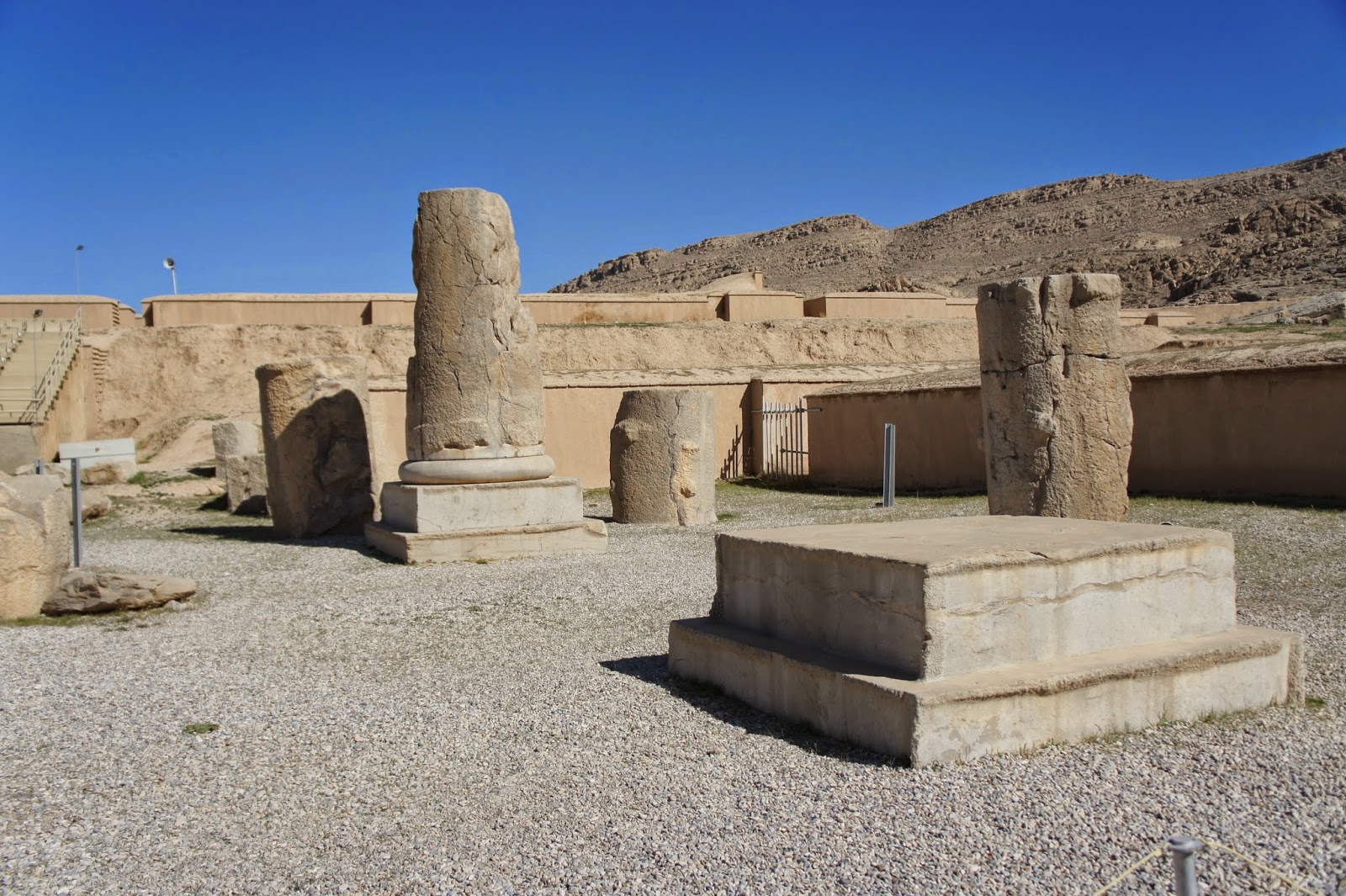
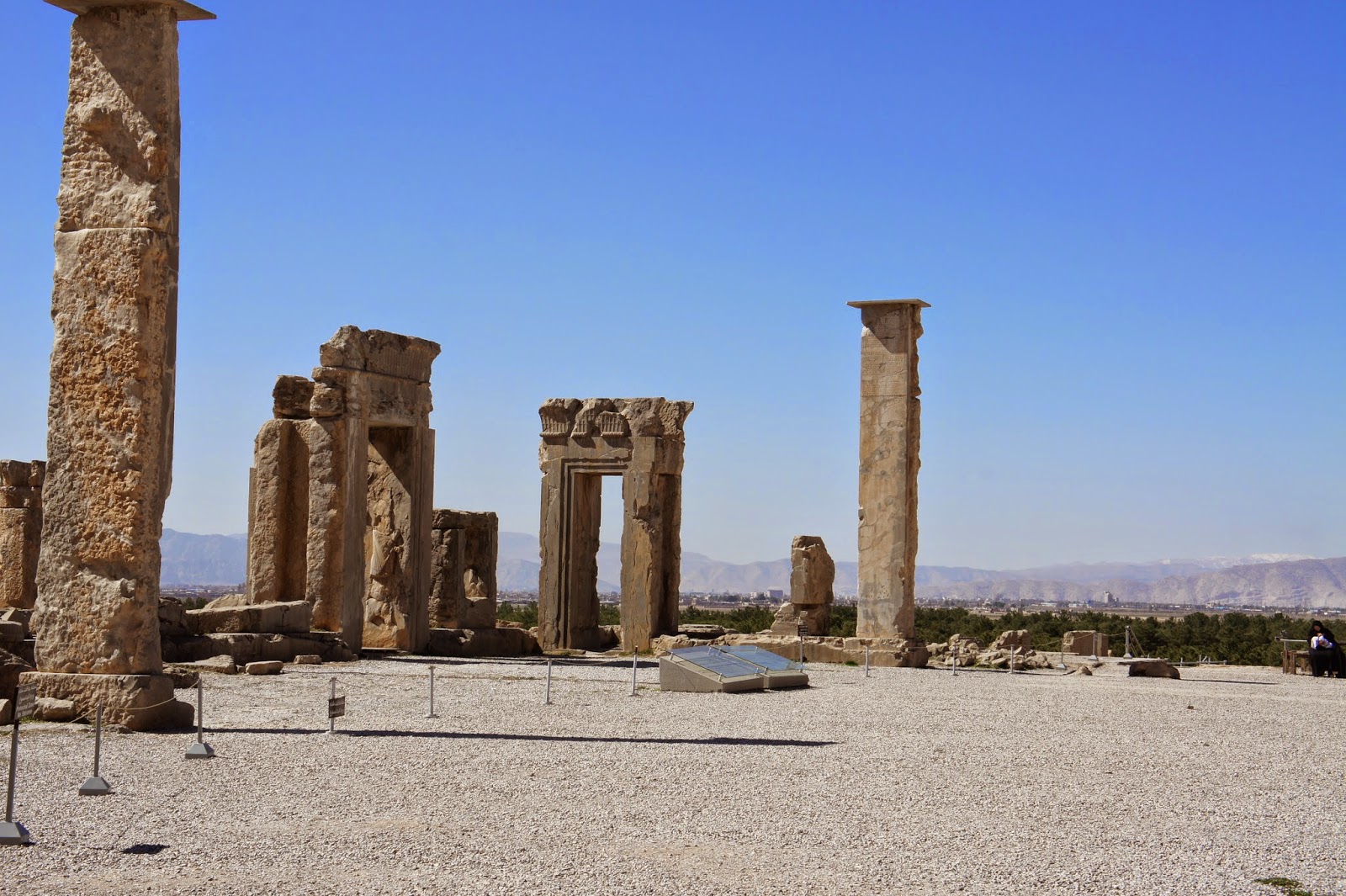
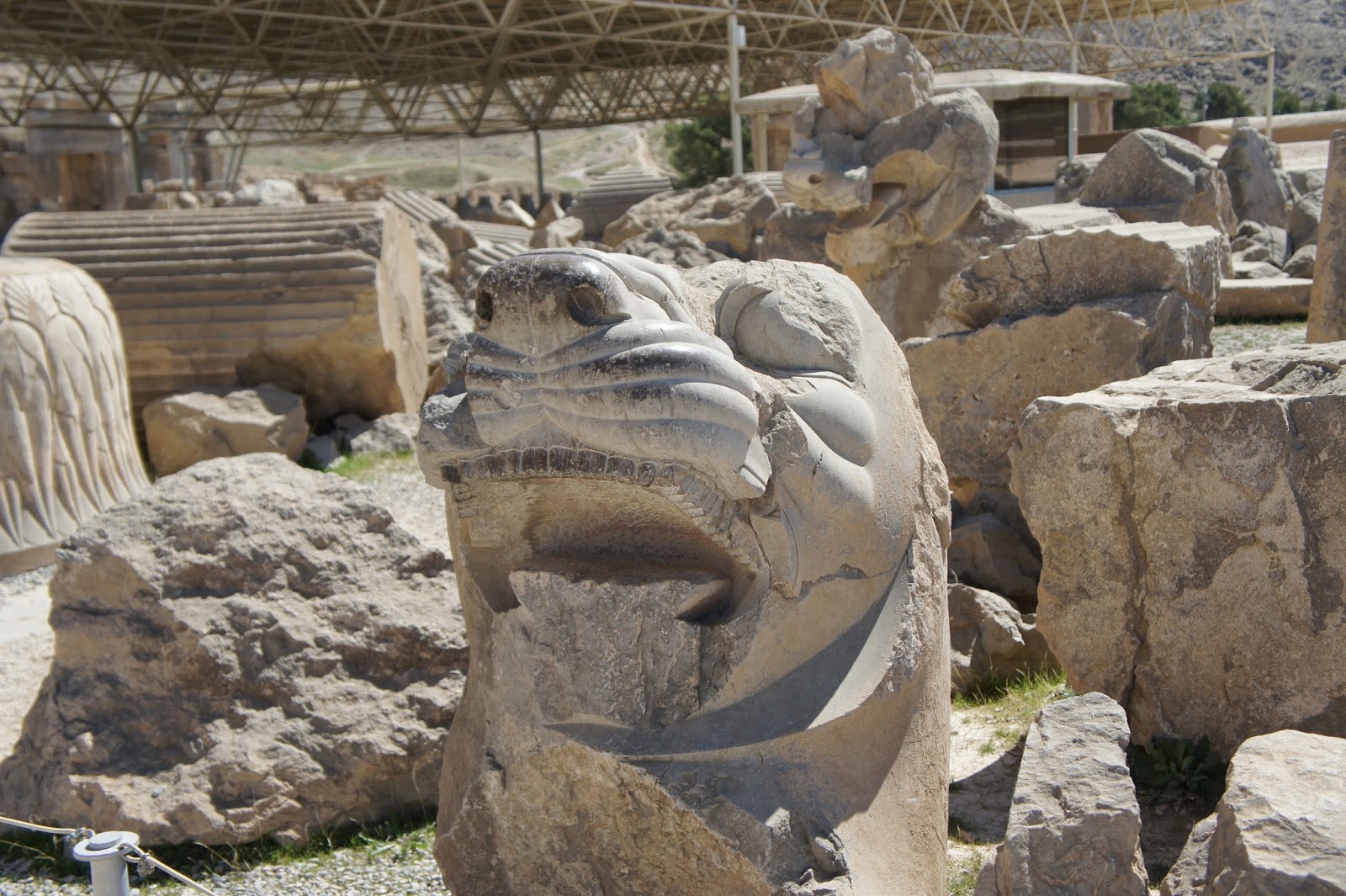
Passing this gate, there were some pillars on leading to the next gateway. These pillars are at least 20 metres tall and seemed to be used to support some shelter back in 500 BC. The next gate is similar to the first gate we see. However, the key difference is the statue being carved into the walls of these 2 gates. They too have the human head and the bull body, but they also have extra wings, which symbolises the Persian Power. Passing these gates are 2 Homas on display at a distance. Homas are the Persian version of a Gryphon, an Eagle head, lion body creature. These are the only Homas I see throughout the Persepolis. We came across this statue (actually a lot of them throughout Persepolis) that has a horse head and bull body. Our guide told us that this is a statue of a bull, though the head resembles a horse. There is a gate that showcased how this carving was being done on the gates. Pass this area was more ruins, practically the whole area was in ruins, every wall, every pillar. Some walls are better preserved with carvings of the kings and the soldiers seen on the wall, while others are not so well preserved.

Driving out of Shiraz
Some Mountains we saw at outskirt Shiraz
Walking towards Persepolis
Gate of All Nations
Gate of All Nations, which served as the main entrance into Persepolis
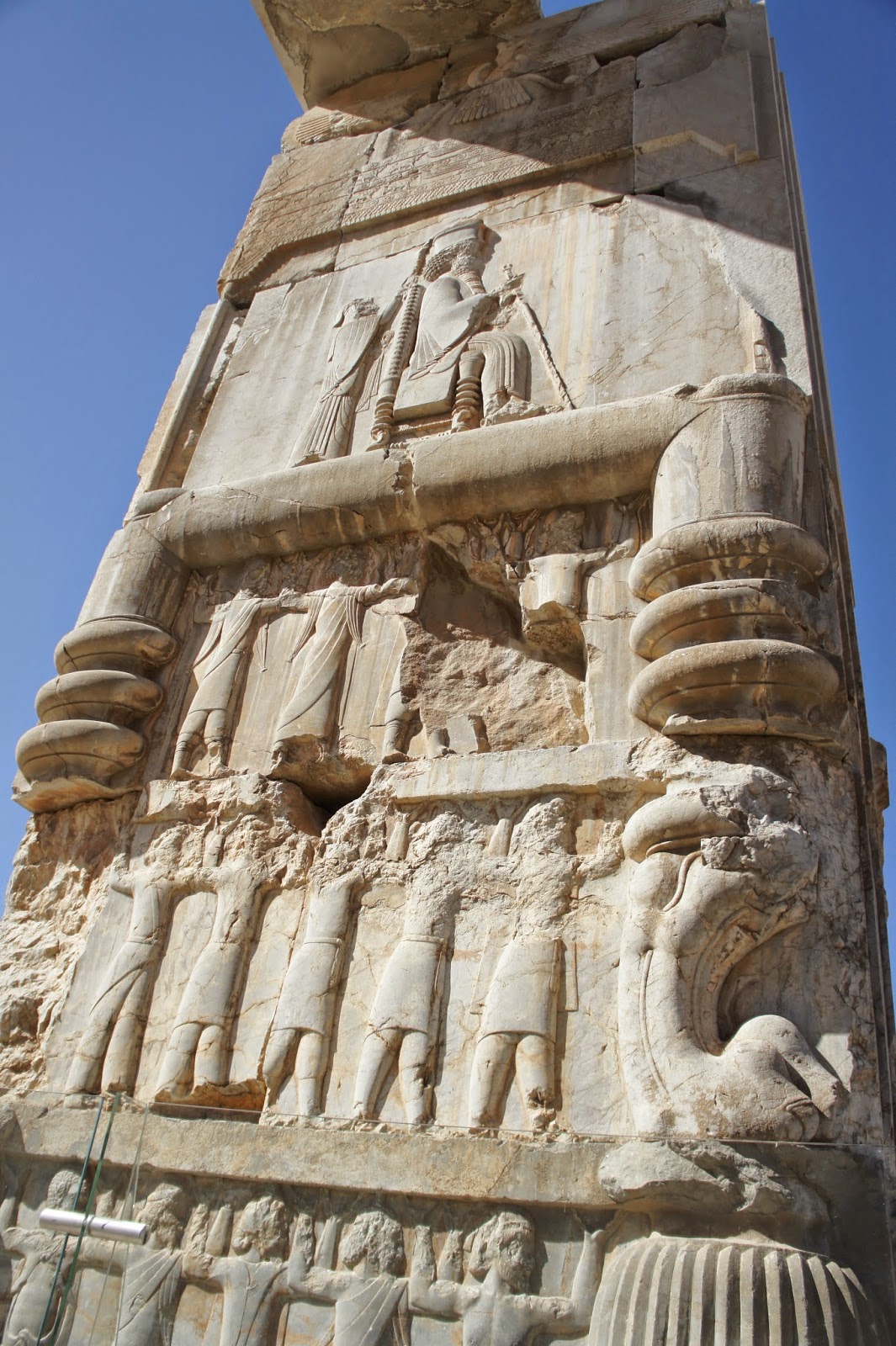
Carvings on Gate of All Nations Up Close
So much detail that went into the carvings
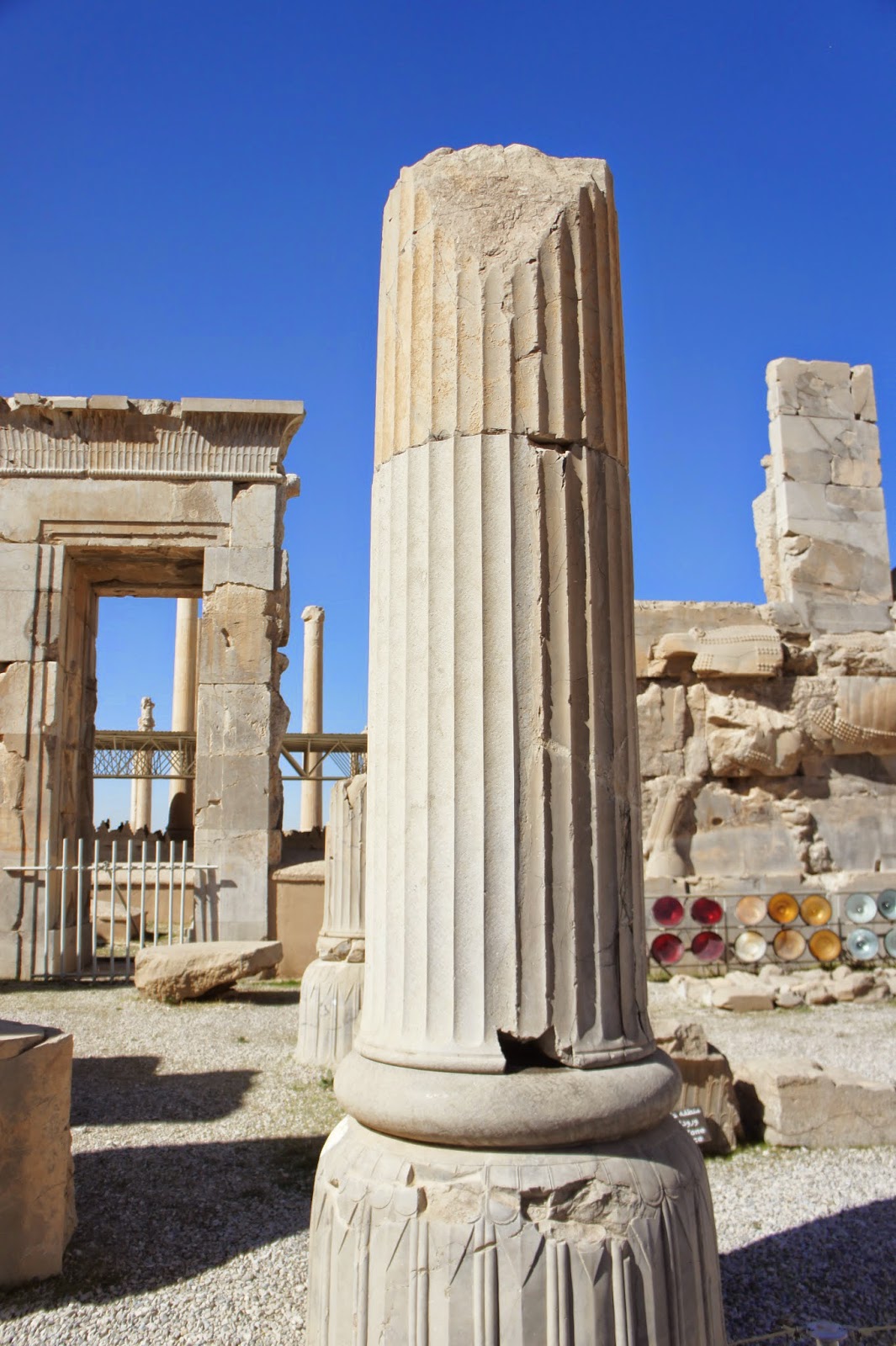
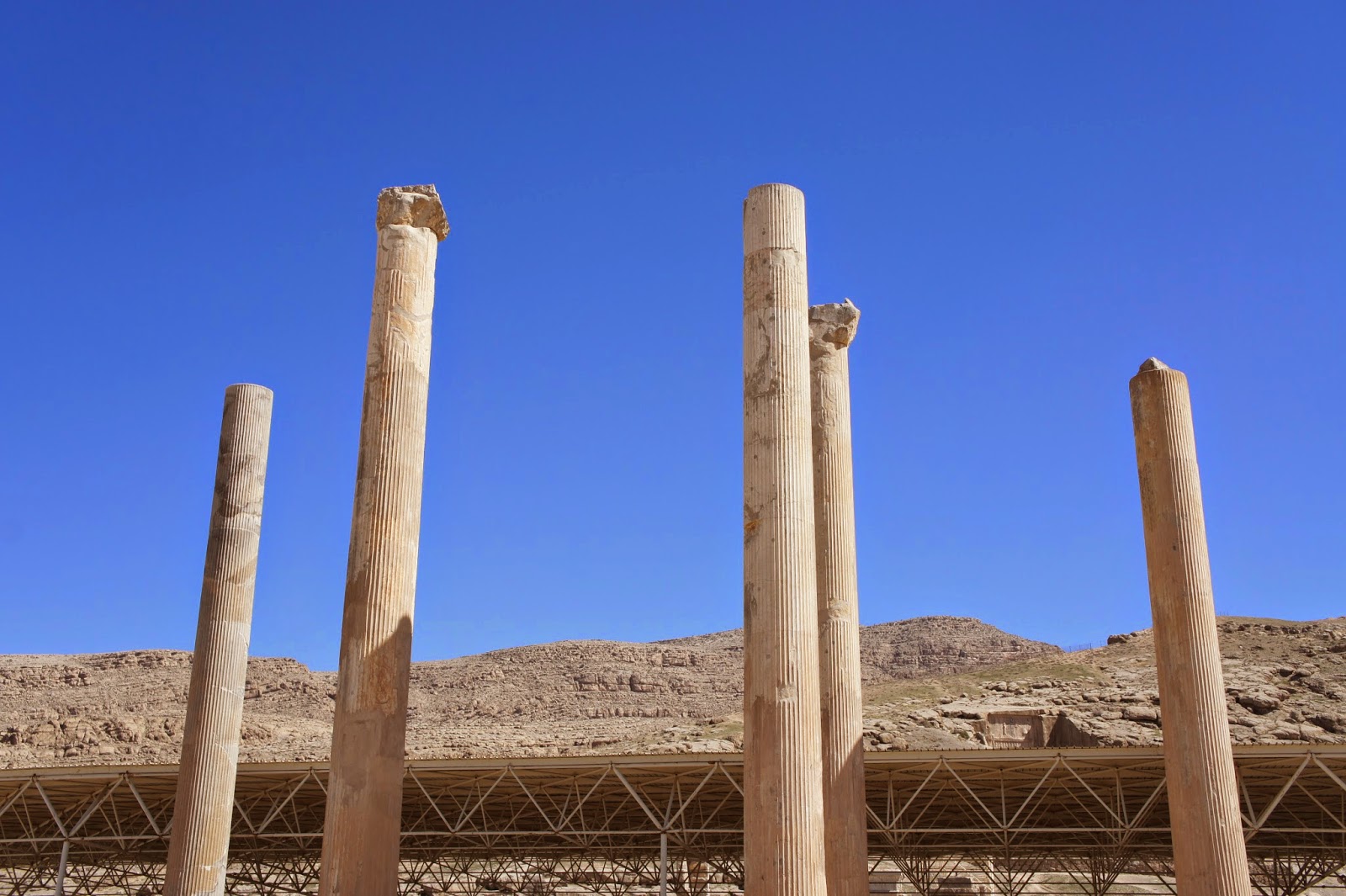
The pillars that support the ceiling serving as the corridor into the main hall from  Gate of All Nations
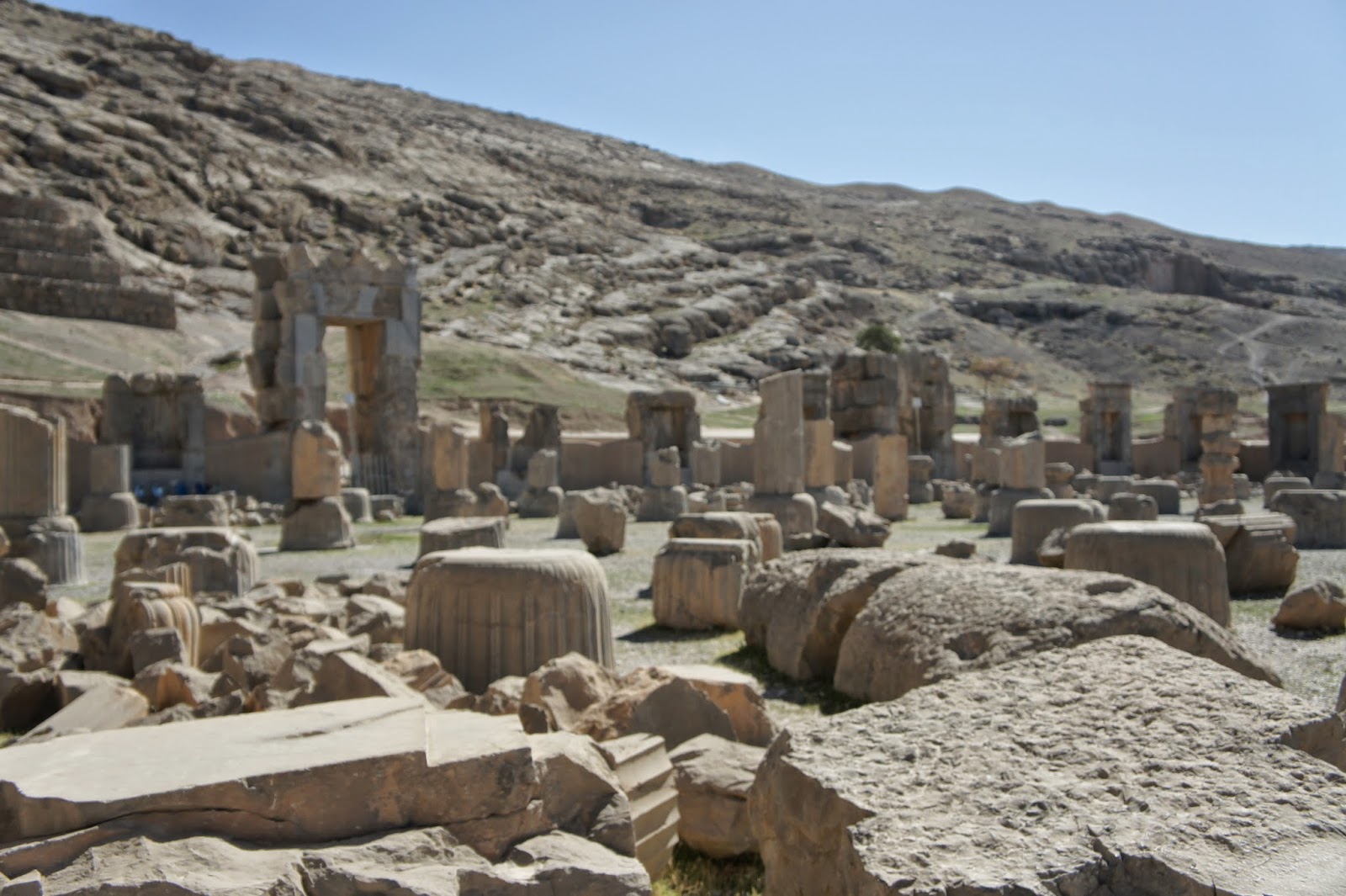
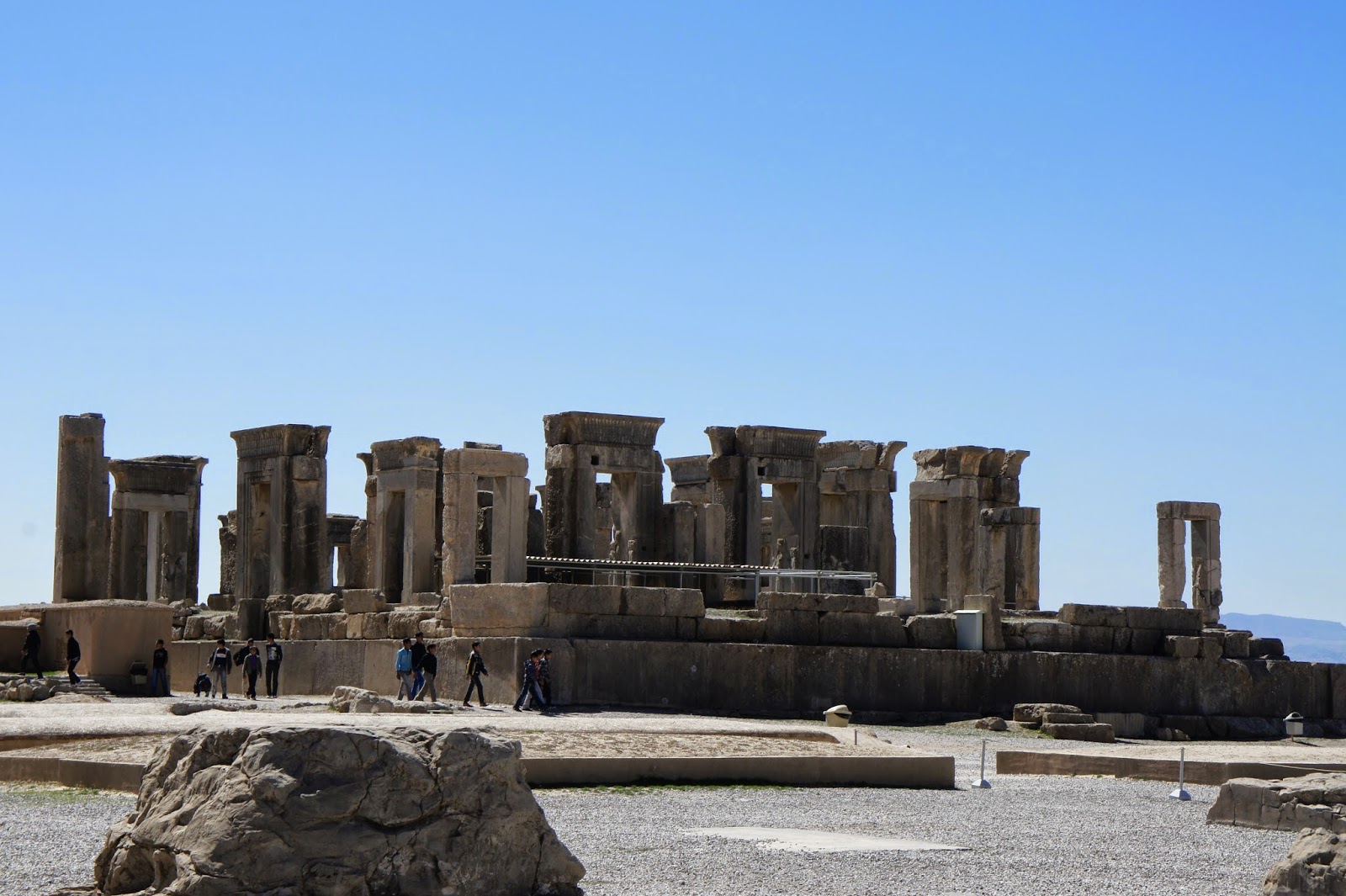
Ruins of Persepolis
Some of the carvings that survived the millenniums
Homas from far
Close up shot of the Homas
Some of the better-preserved carvings
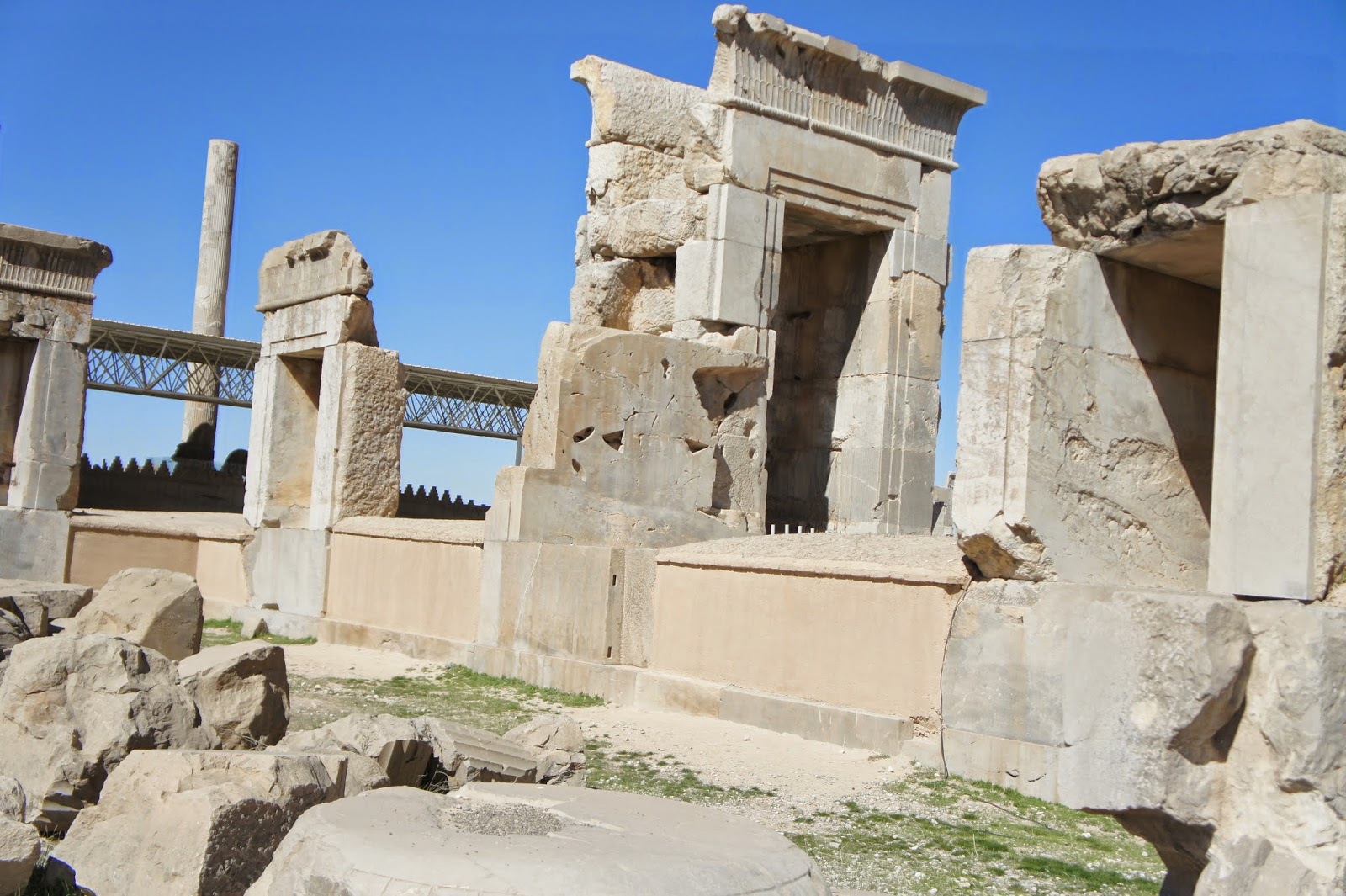
Ruins of Persepolis
Ruins of Persepolis
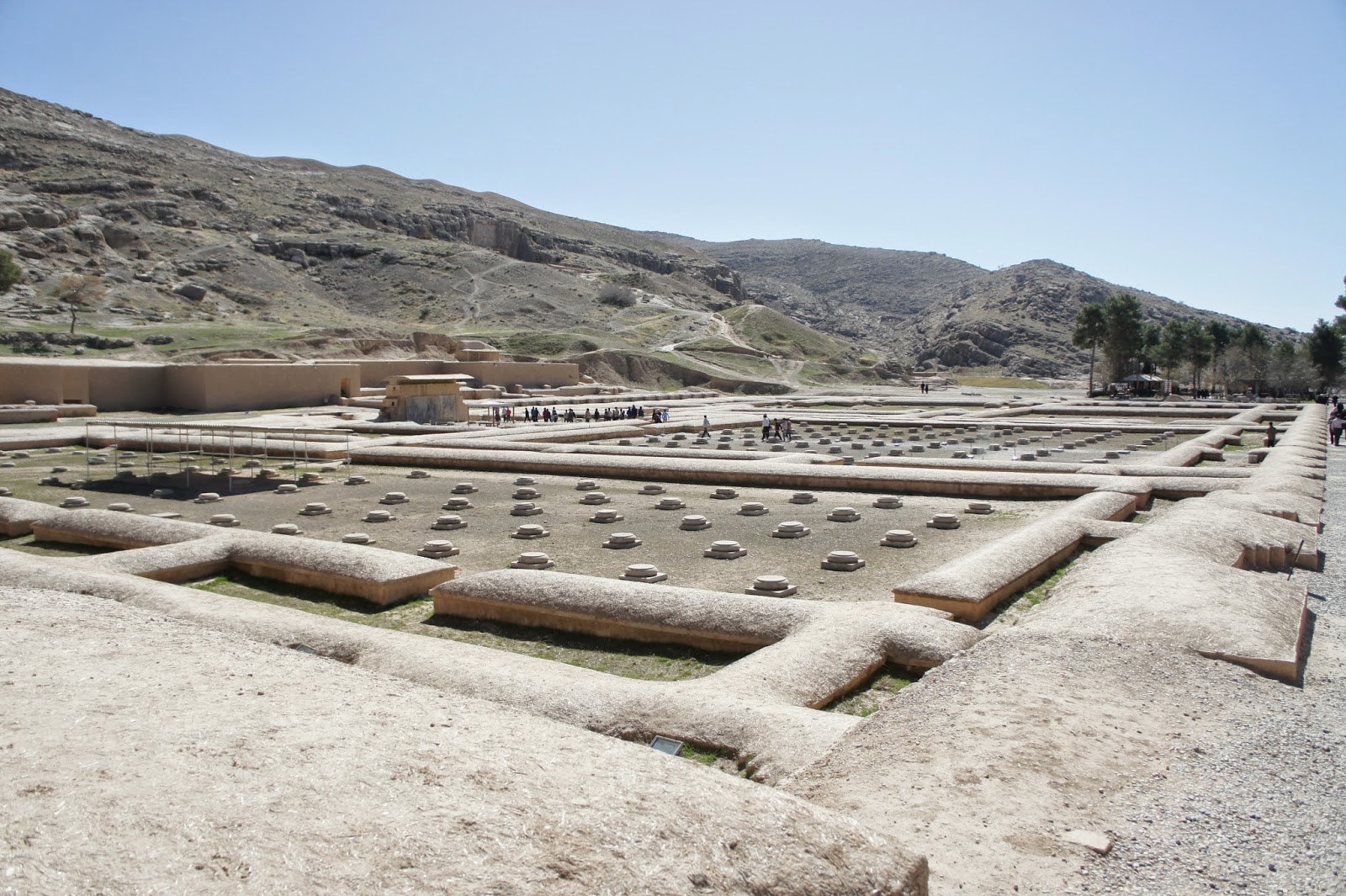
Ruins of Persepolis
Ruins of Persepolis
Ruins of Persepolis
Ruins of Persepolis
Ruins of Persepolis
Ruins of Persepolis
Ruins of Persepolis
Ruins of Persepolis
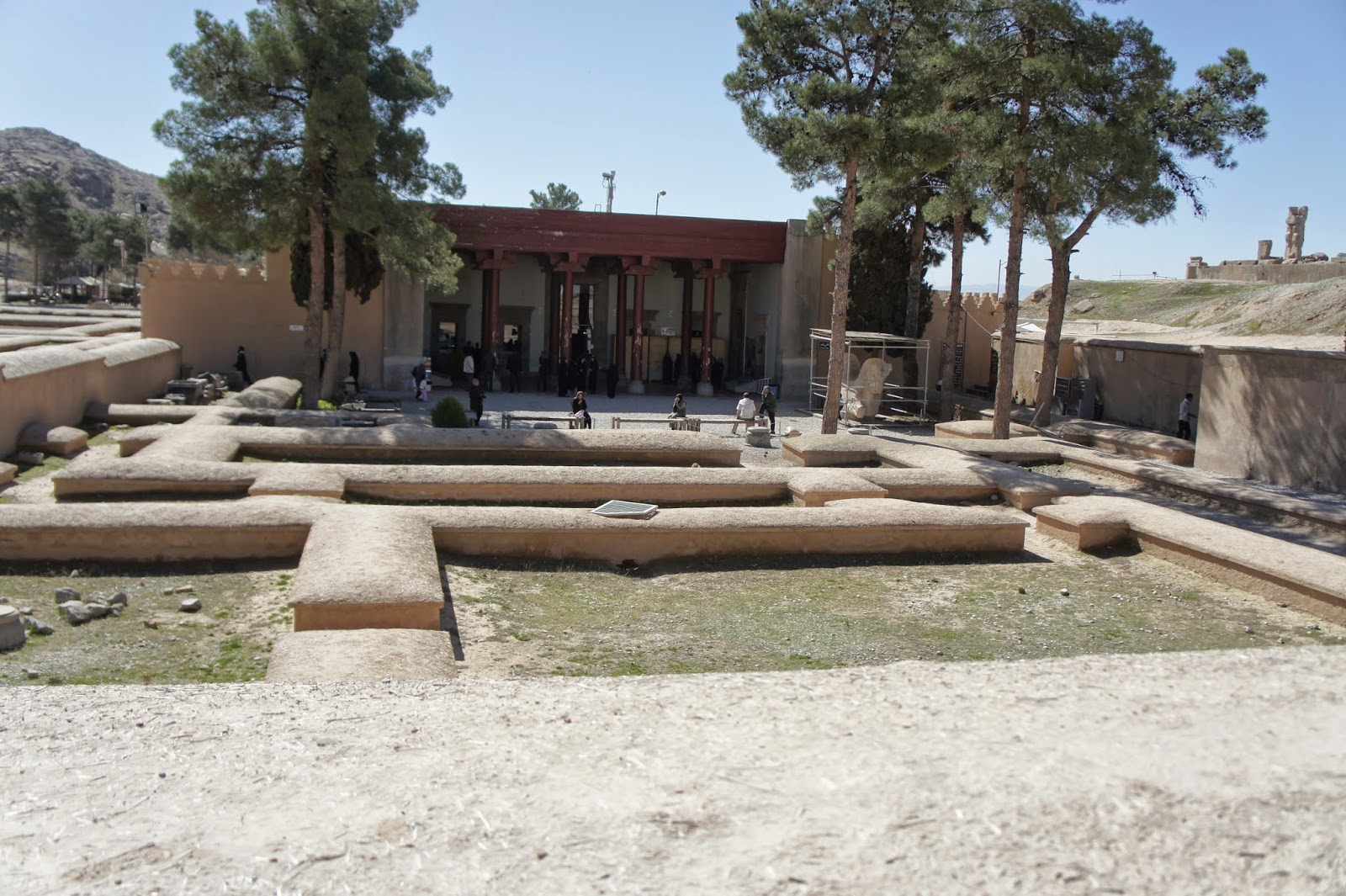
This area of the Palace has been destroyed by its conquerers
This is believed to the queen’s bedroom, where the fire that destroyed the whole of Persepolis was started by Alexandra
Ruins of Persepolis

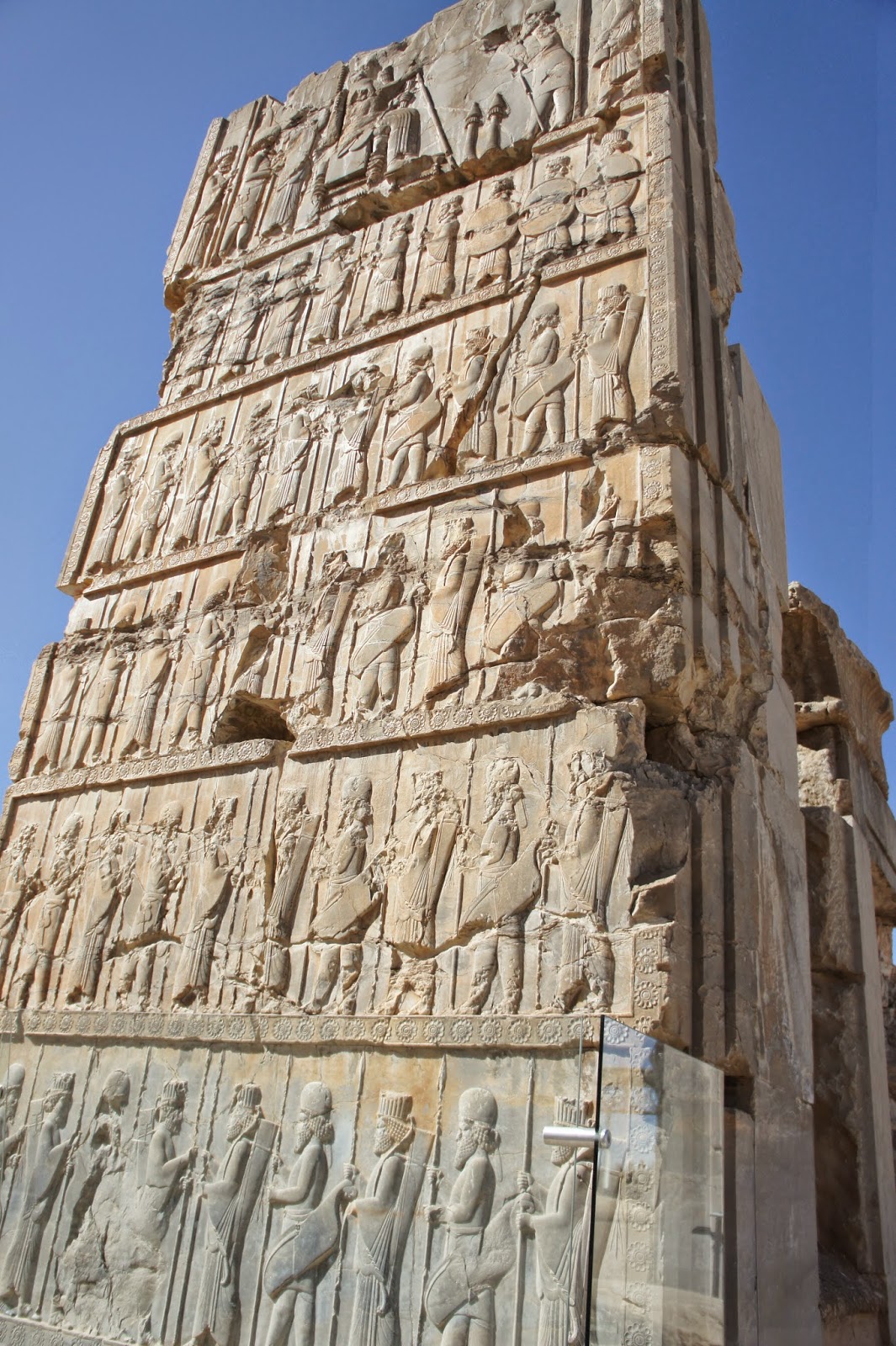
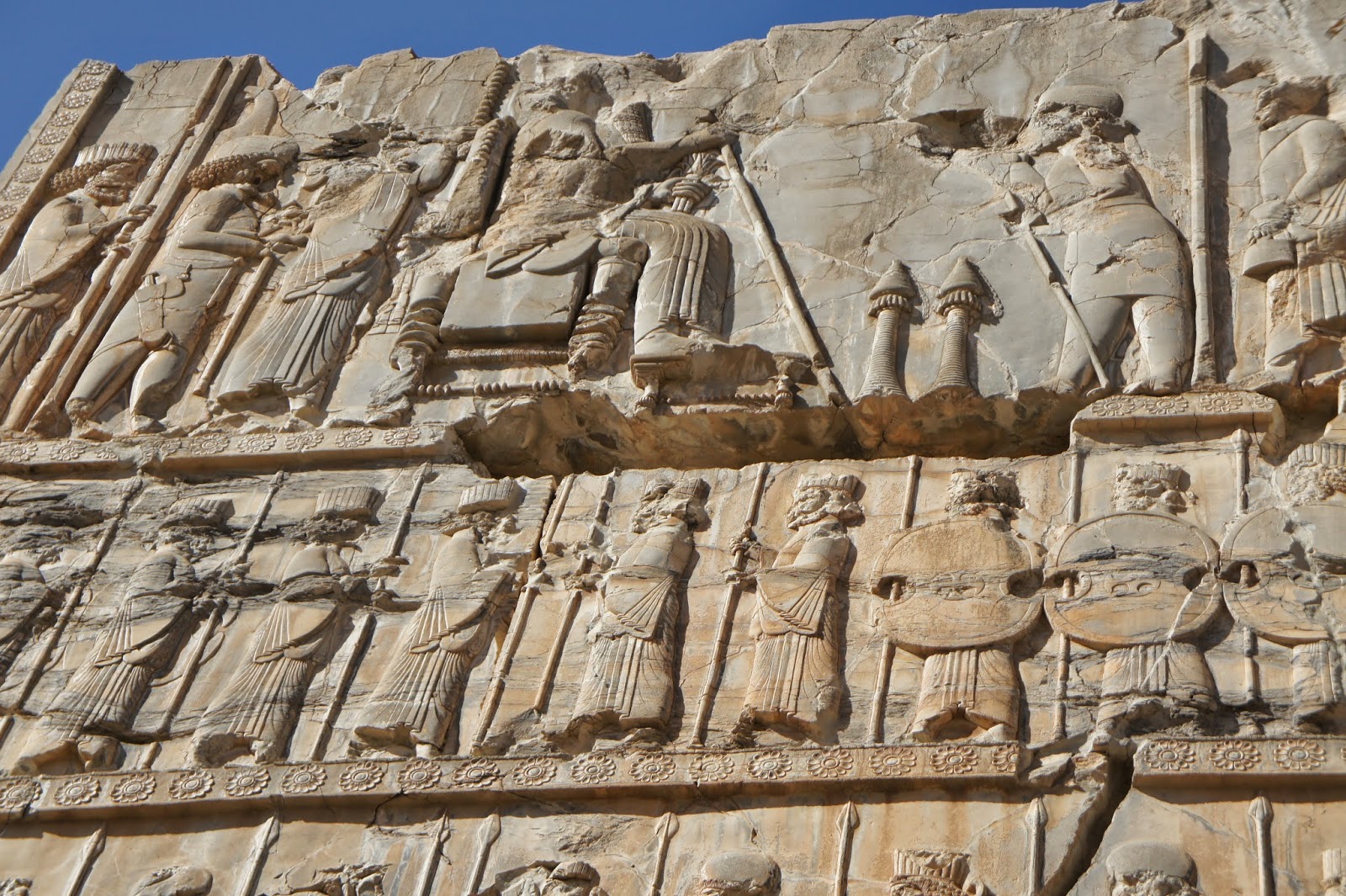
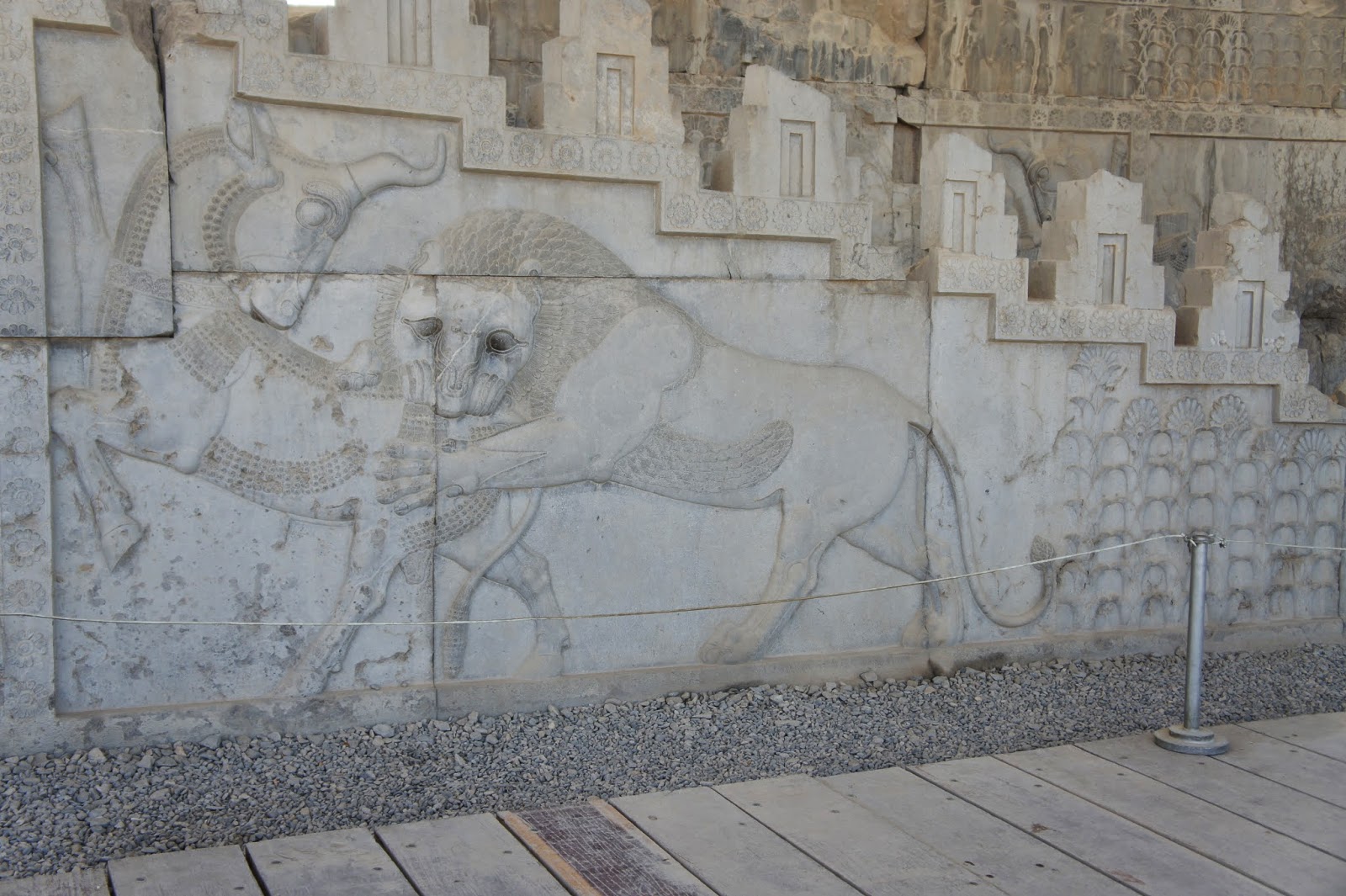
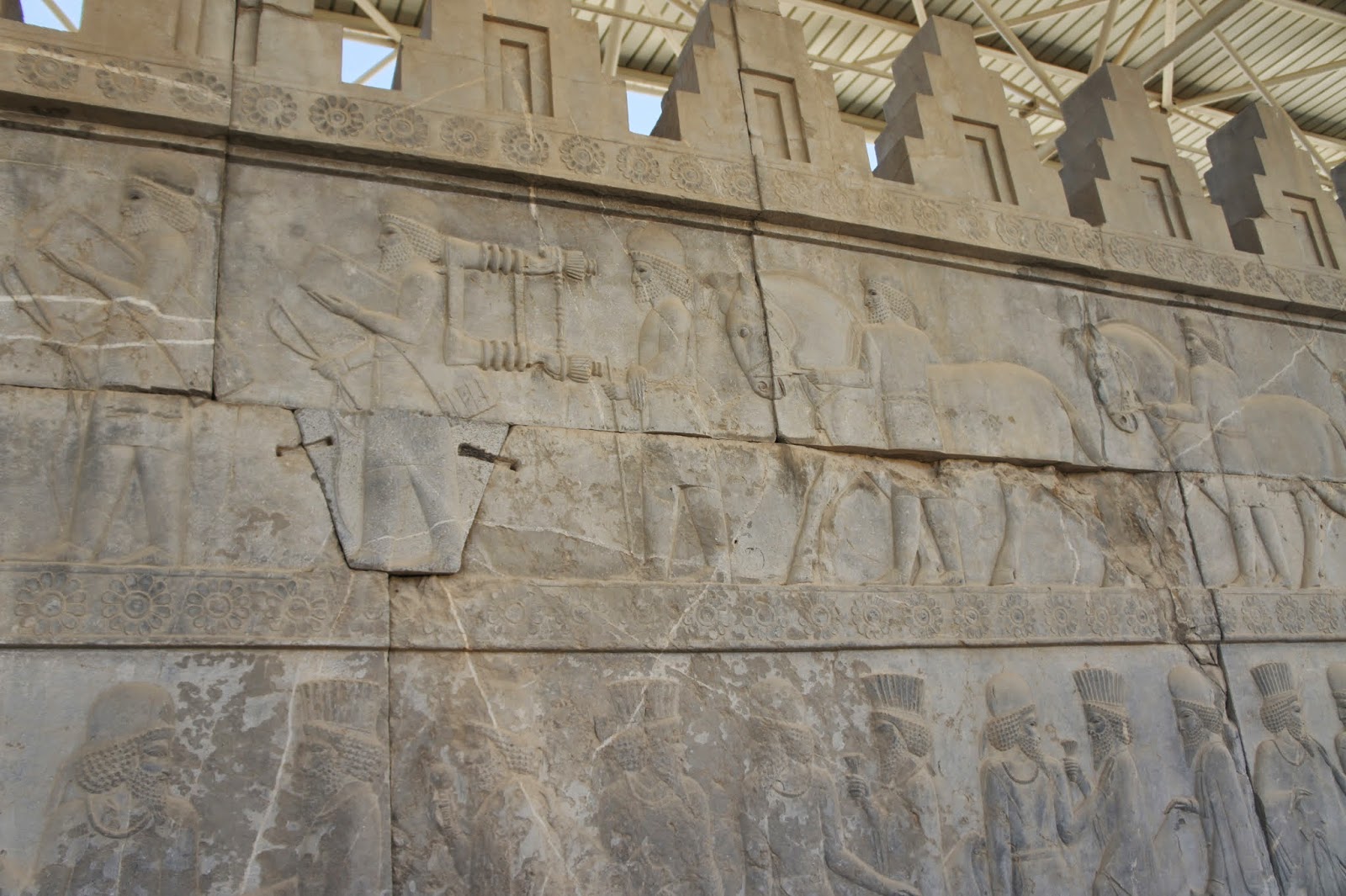
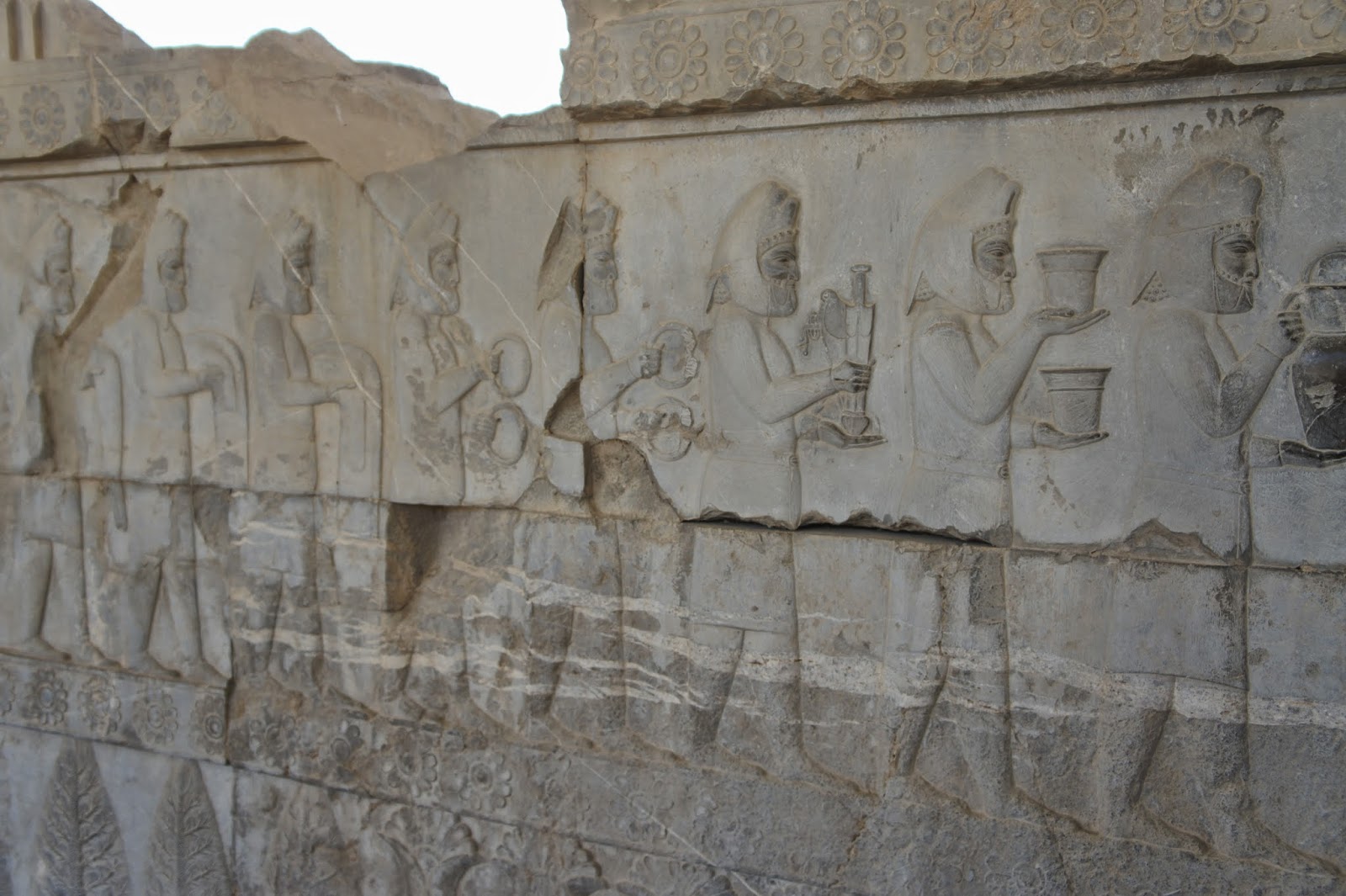
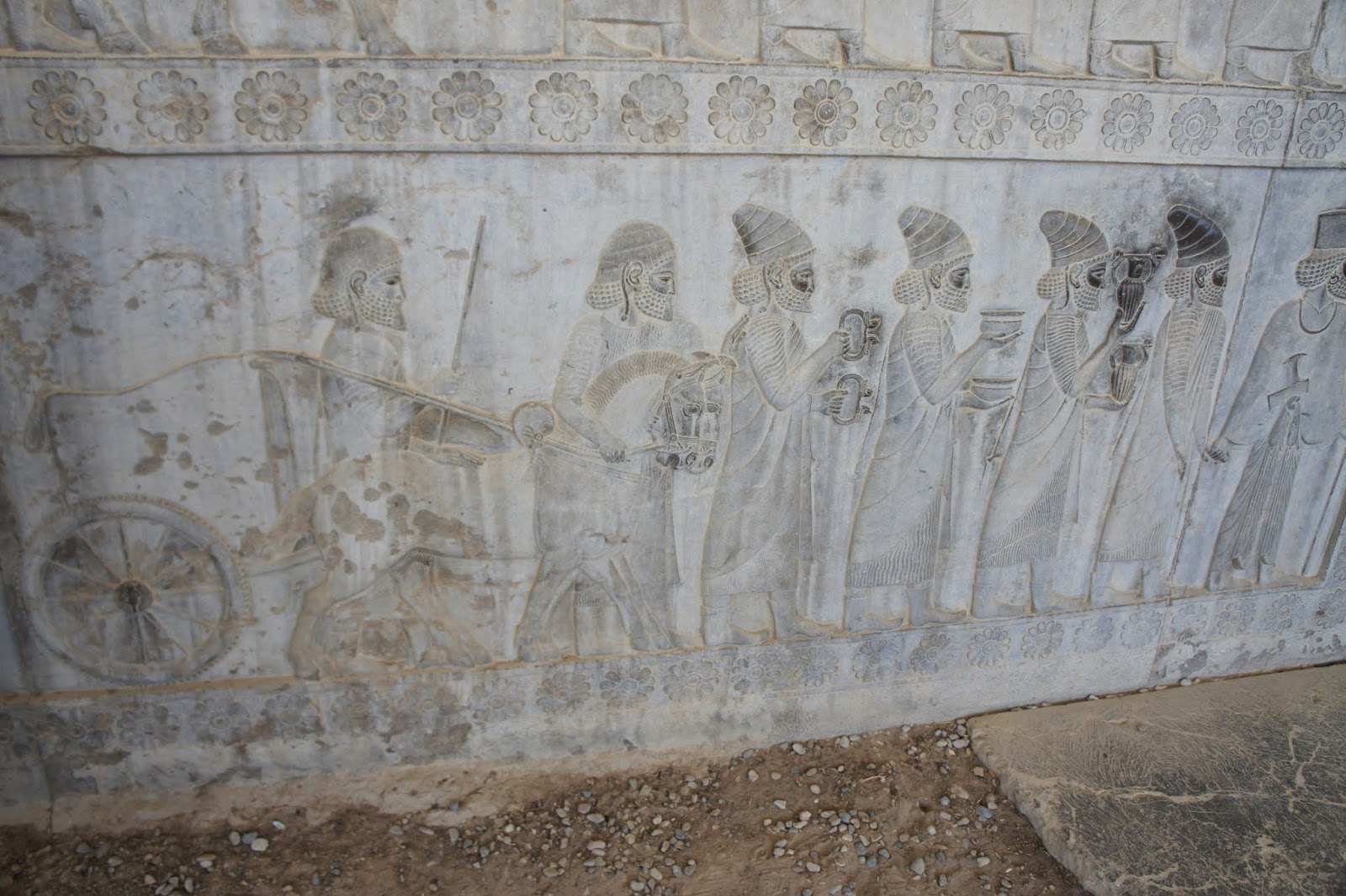
We were then lead to this shed that shelters some of the better-preserved carvings. It is common to see carvings of a lion attacking a bull, which symbolises a day of spring, with the bull representing earth and the lion representing the sun. The carvings here seem to represent how mighty the Persian Empires was at its peak, with convoys from all neighbouring nations coming to offer their well wishes to the Persian Kings. As our guide was explaining the stories behind the carvings, an Iranian lady seemed to be very interested and requested permission from our guide to joined us in listening to his explanations. Of course, our guide was generous to share the information with her.

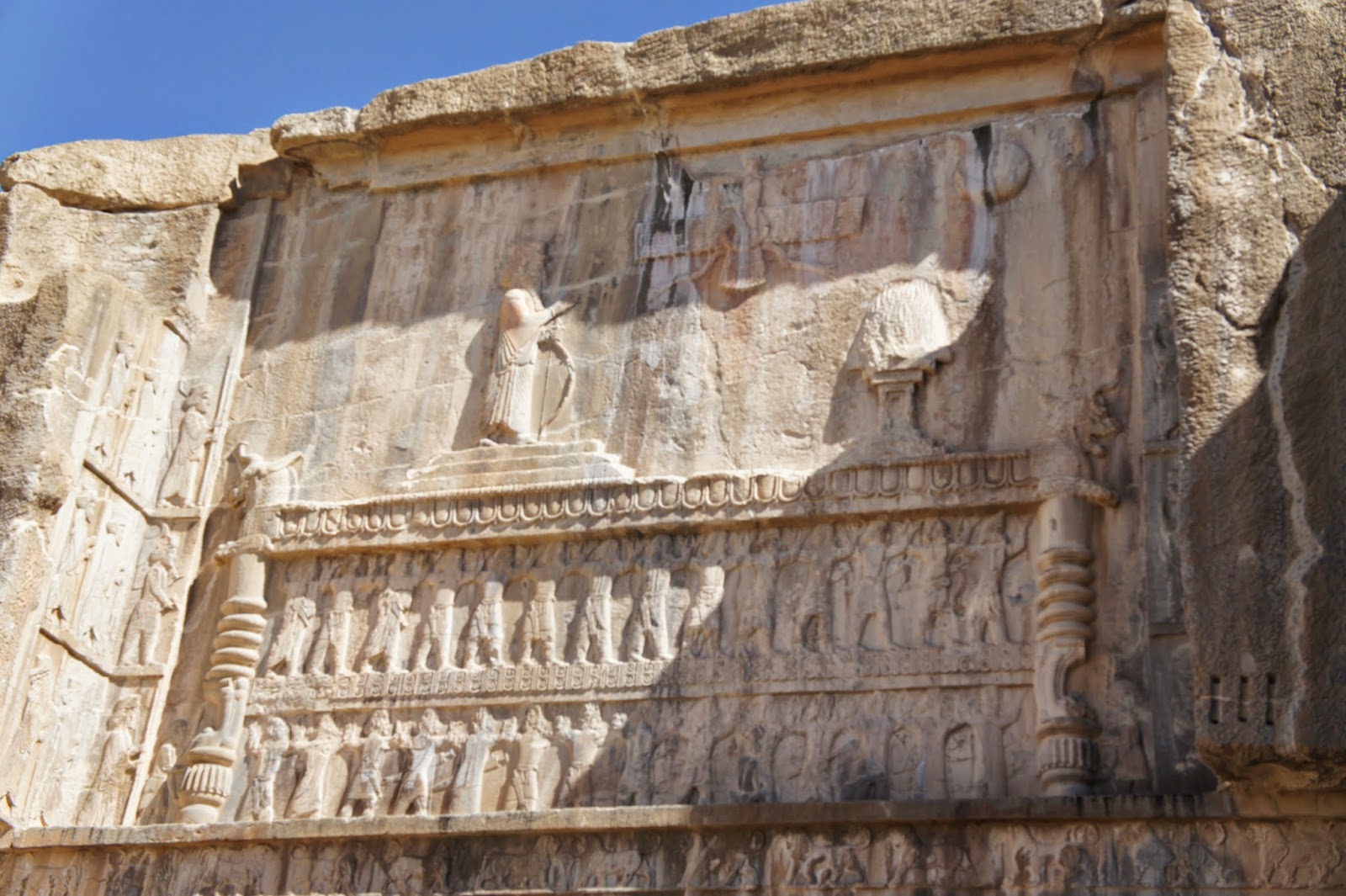
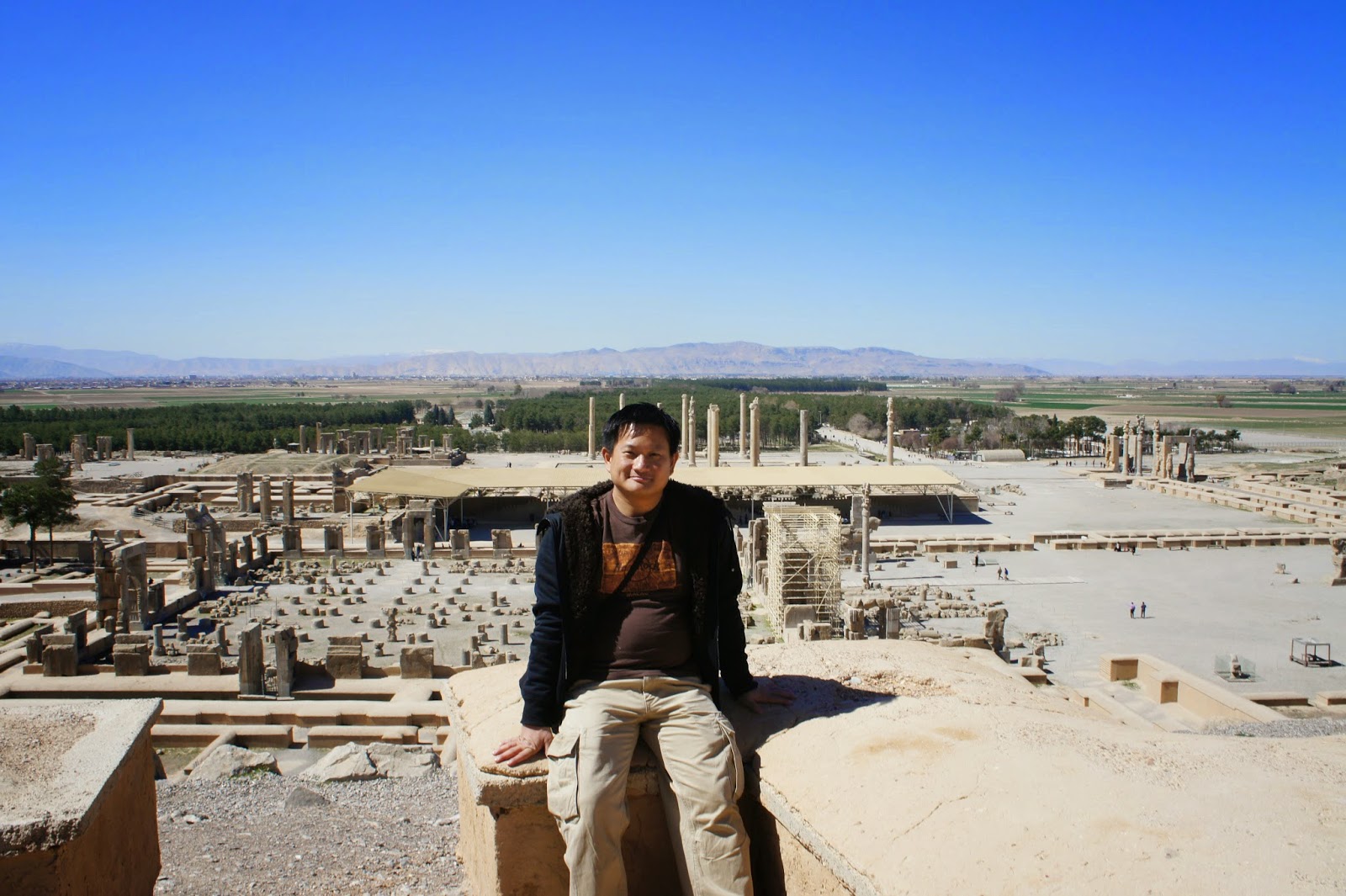
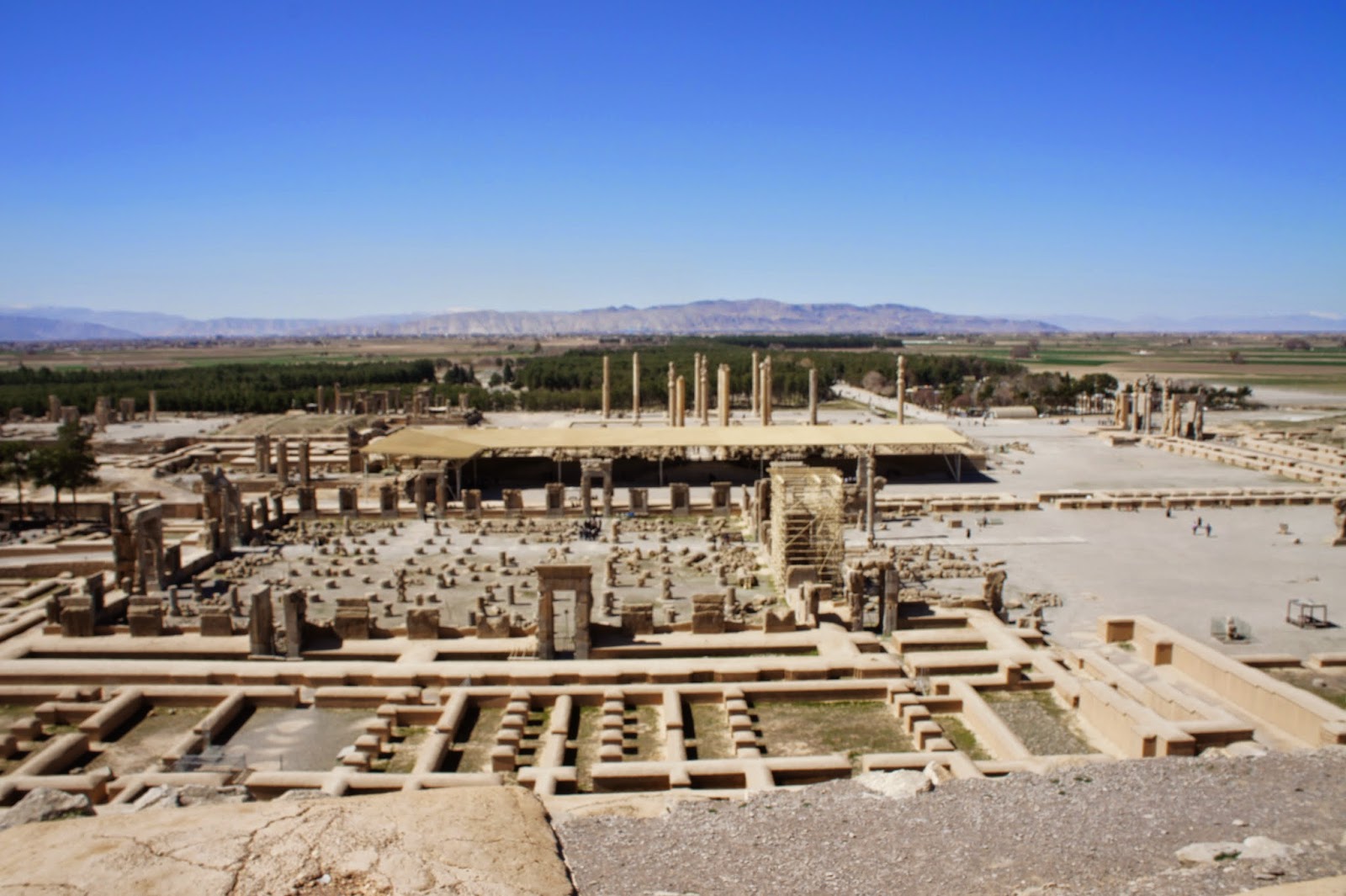
Although this place is reduced to ruins, the massiveness and the grandeur can see be evident till this day throughout Persepolis. We were given time to explore the rest of the ruins. Our guide told us to get a good panoramic view of the whole site, we should scale up one of the 2 tombs nearby the ruins. And we did that, the walk up isn’t tedious or far, it is just 5 mins away from the base of Persepolis. On the way, we saw this well, which is supposed to be very old. We took a peek into the well, all I can see was pitch darkness and nothing else. We continued towards the tomb. Now the catacomb of the tomb was carved into the hills. At the entrance of the catacomb was carvings of the greatness of the king being buried inside. The catacomb was facing Persepolis, from here we did get a panoramic view of the palace. The grandeur of Persepolis can truly be appreciated here. On our way down, we met this group of 5 Iranian girls. They are as welcoming as any other Iranians we met, we started to chat a bit asking them which cities they came from and stuff. We continued walking around Persepolis taking picture of this great wonder. We met up with our guide at the entrance of Persepolis and headed to our next destination.

Ruins of Persepolis
Carvings that depict the life when Persepolis was at its Hay day
Ruins of Persepolis
Carvings that depict the life when Persepolis was at its Hay day
Ruins at Persepolis
Carvings that depict the life when Persepolis was at its Hay day
Carvings that depict the annual tribute the nearby nations paid to the Persian King
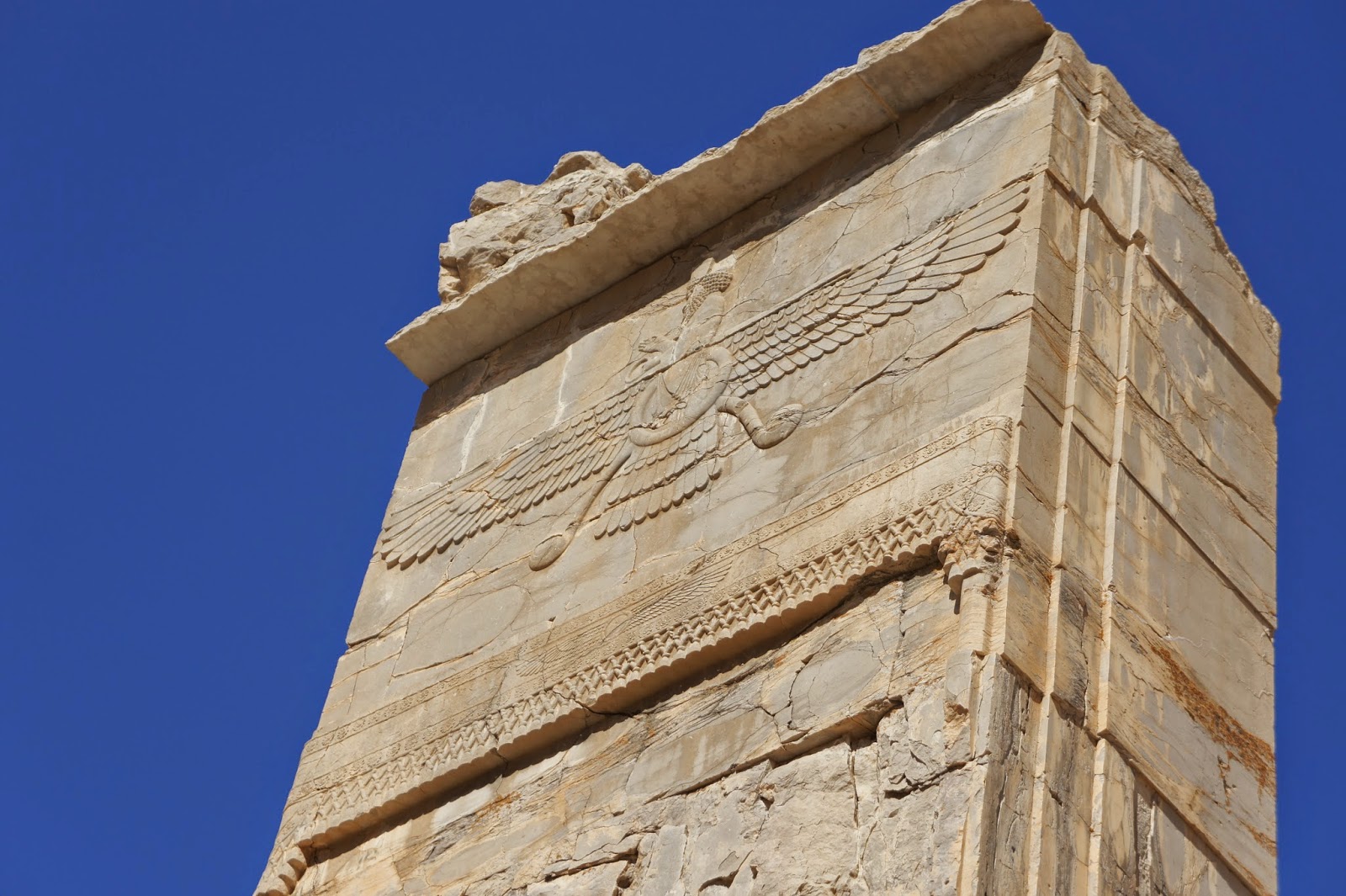
Zoroastrian Carving on Persepolis 
Ruins of Persepolis
The Tombs on the backyard of Persepolis
Ruins of Persepolis
Ruins of Persepolis
Me at Persepolis
The Royal Tomb overlooking Persepolis
View of Persepolis from the Royal Tomb
The Royal Tomb overlooking Persepolis
Me at Persepolis
View of Persepolis from the Royal Tomb
Ruins of Persepolis
Ruins of Persepolis
Ruins of Persepolis
Ruins of Persepolis
Ruins of Persepolis
Ruins of Persepolis
Ruins of Persepolis
The stairways that lead to the entrance of Persepolis

Nashq-e Rostam – The Final Resting Grounds of The Persian Royal Families

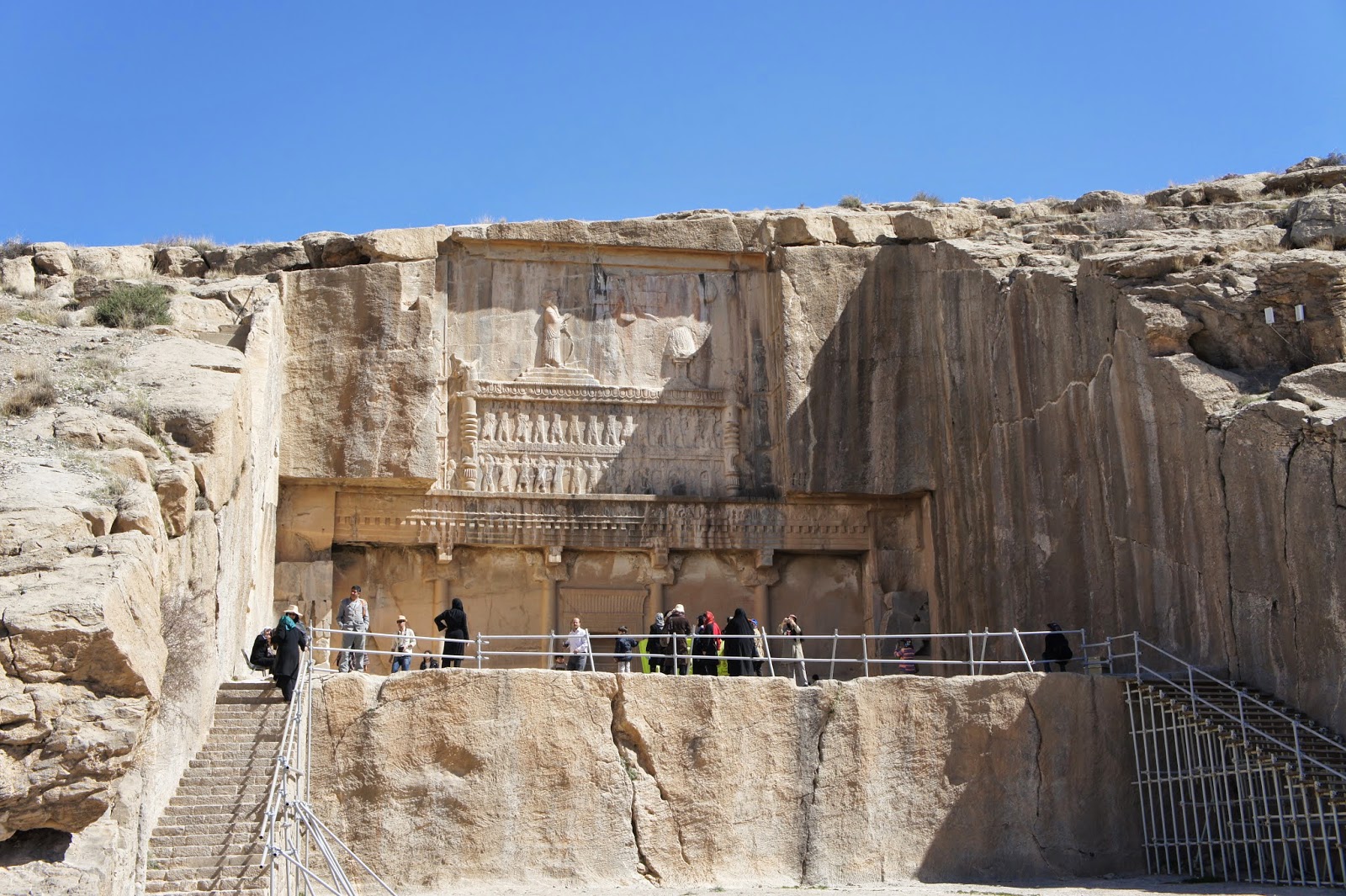
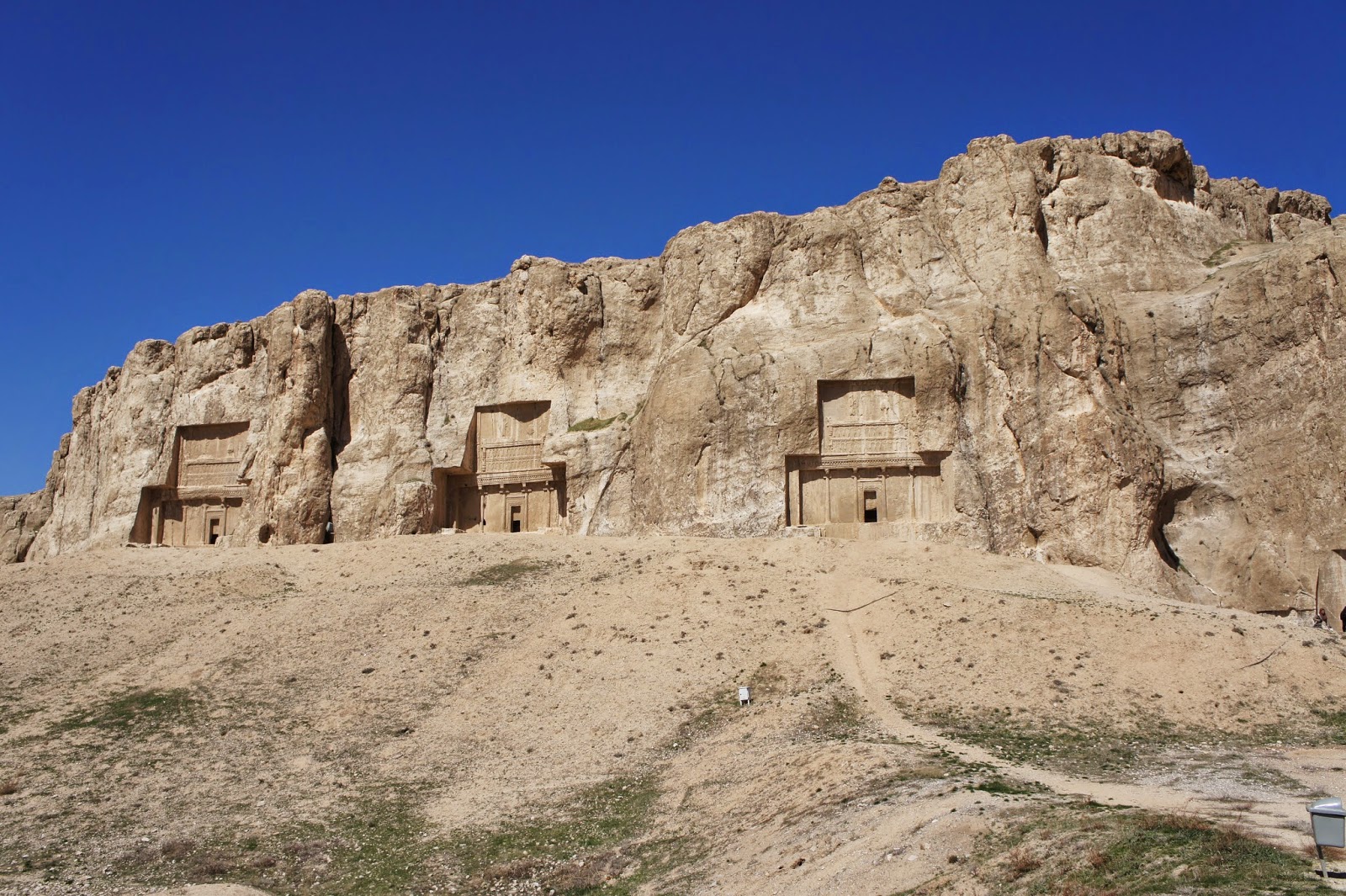
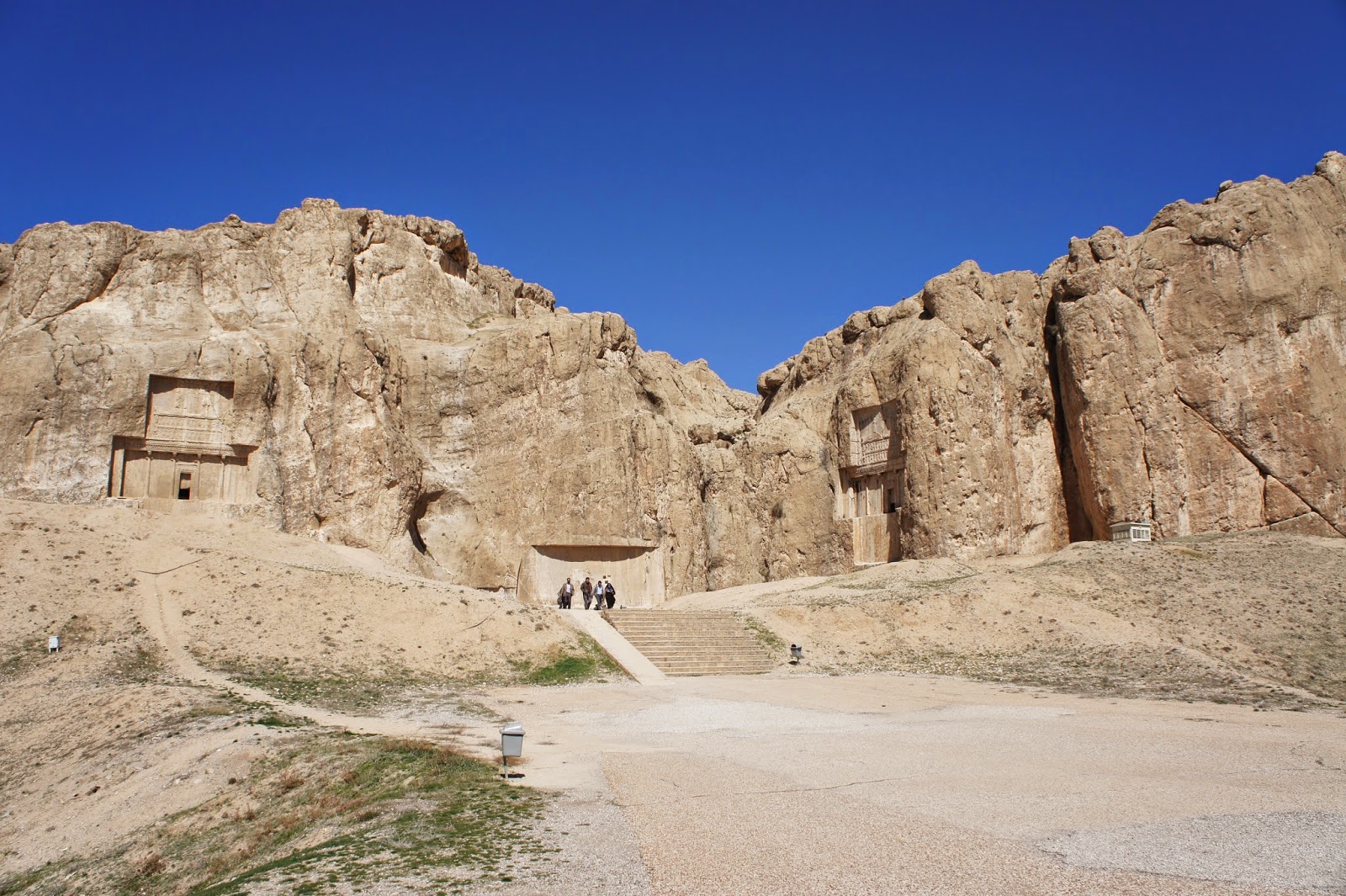
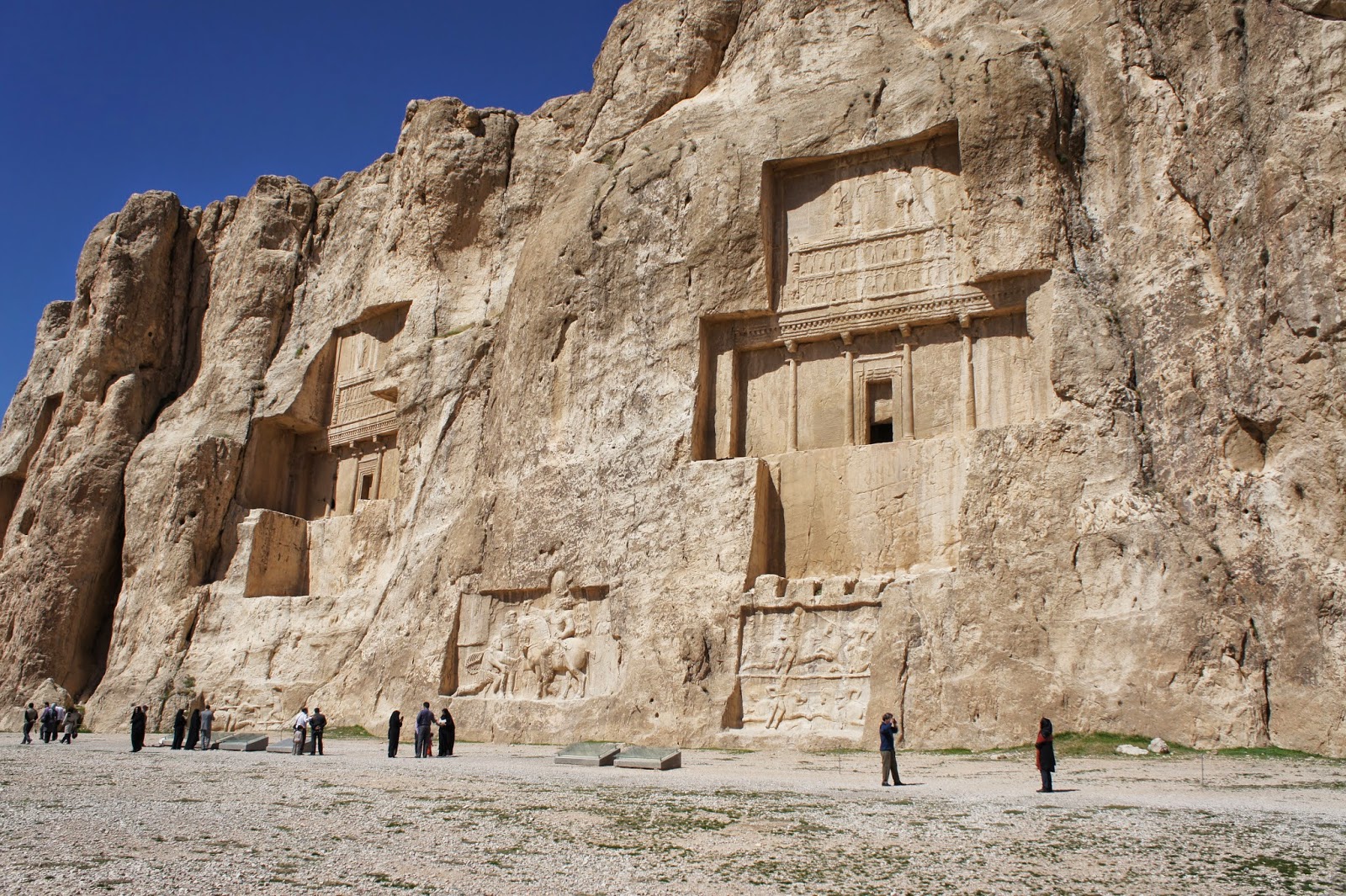
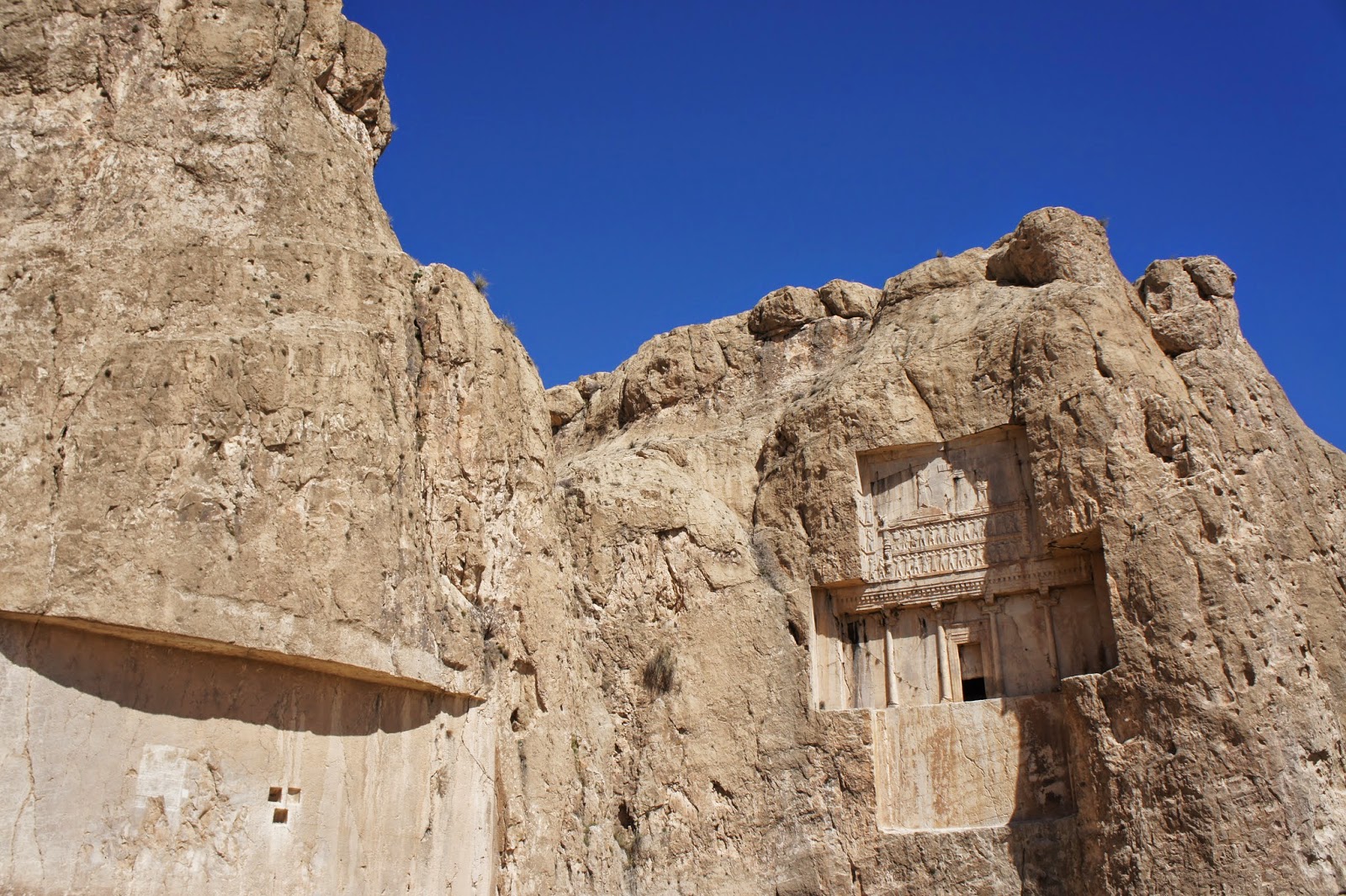
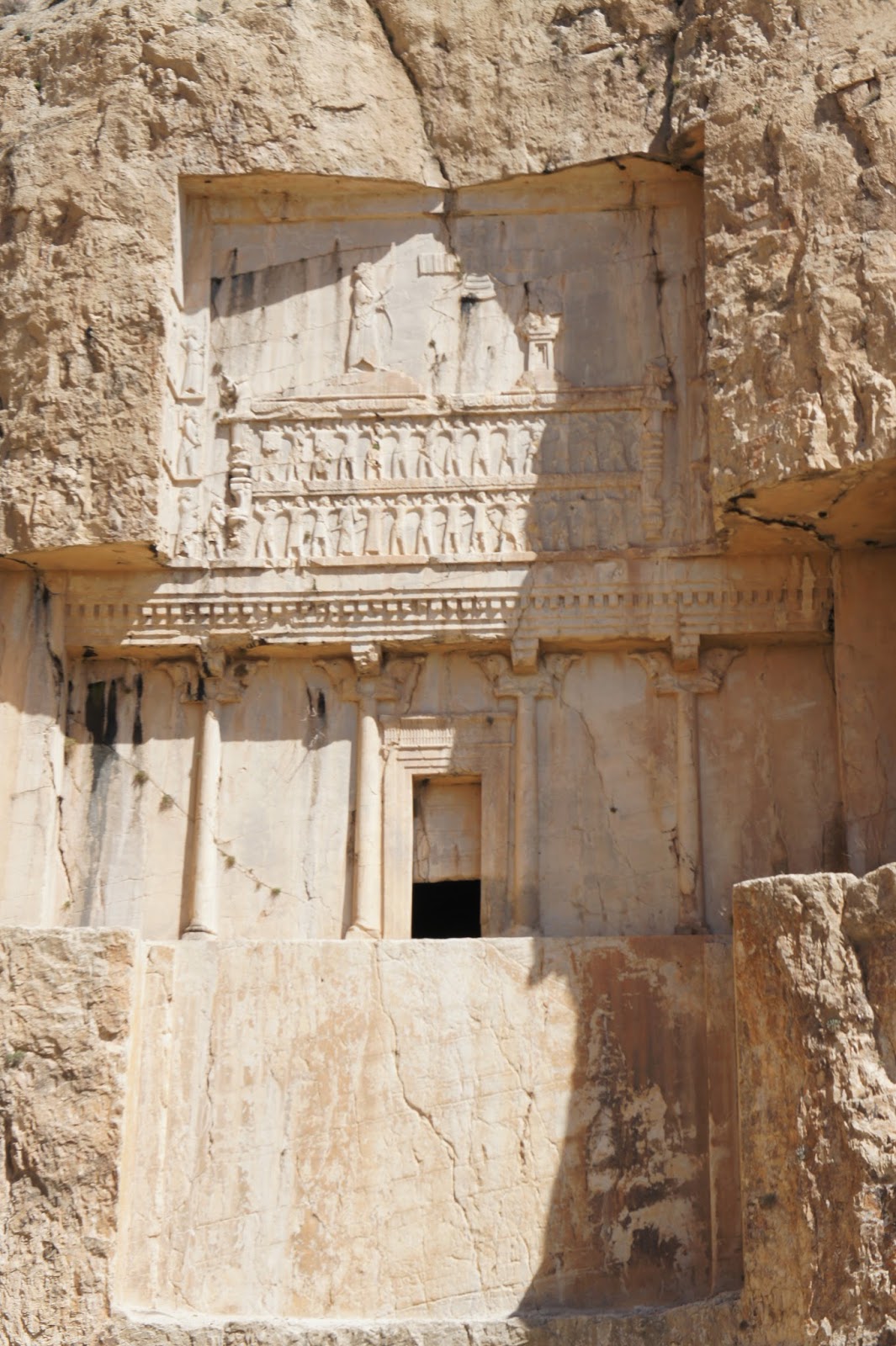
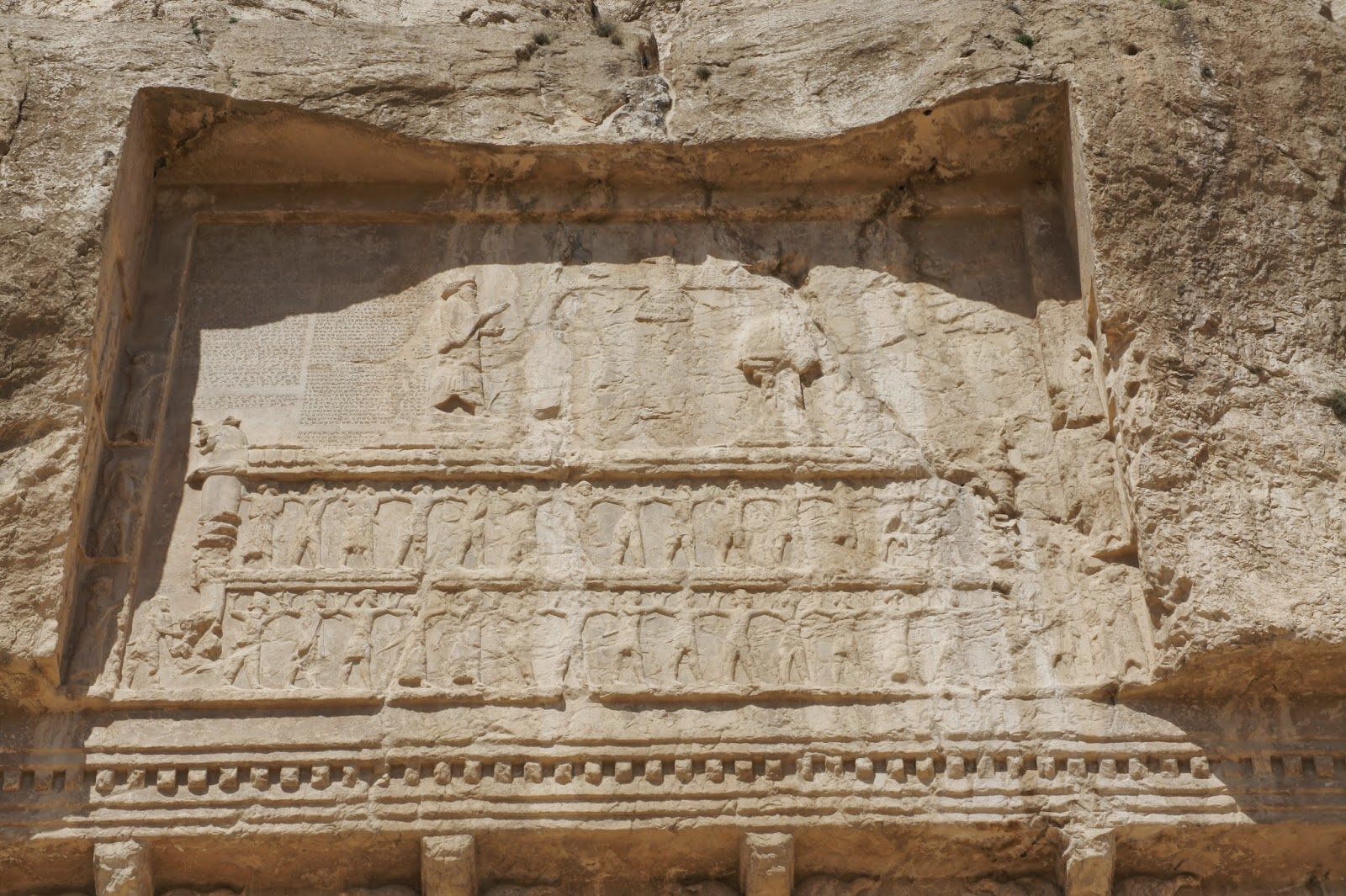
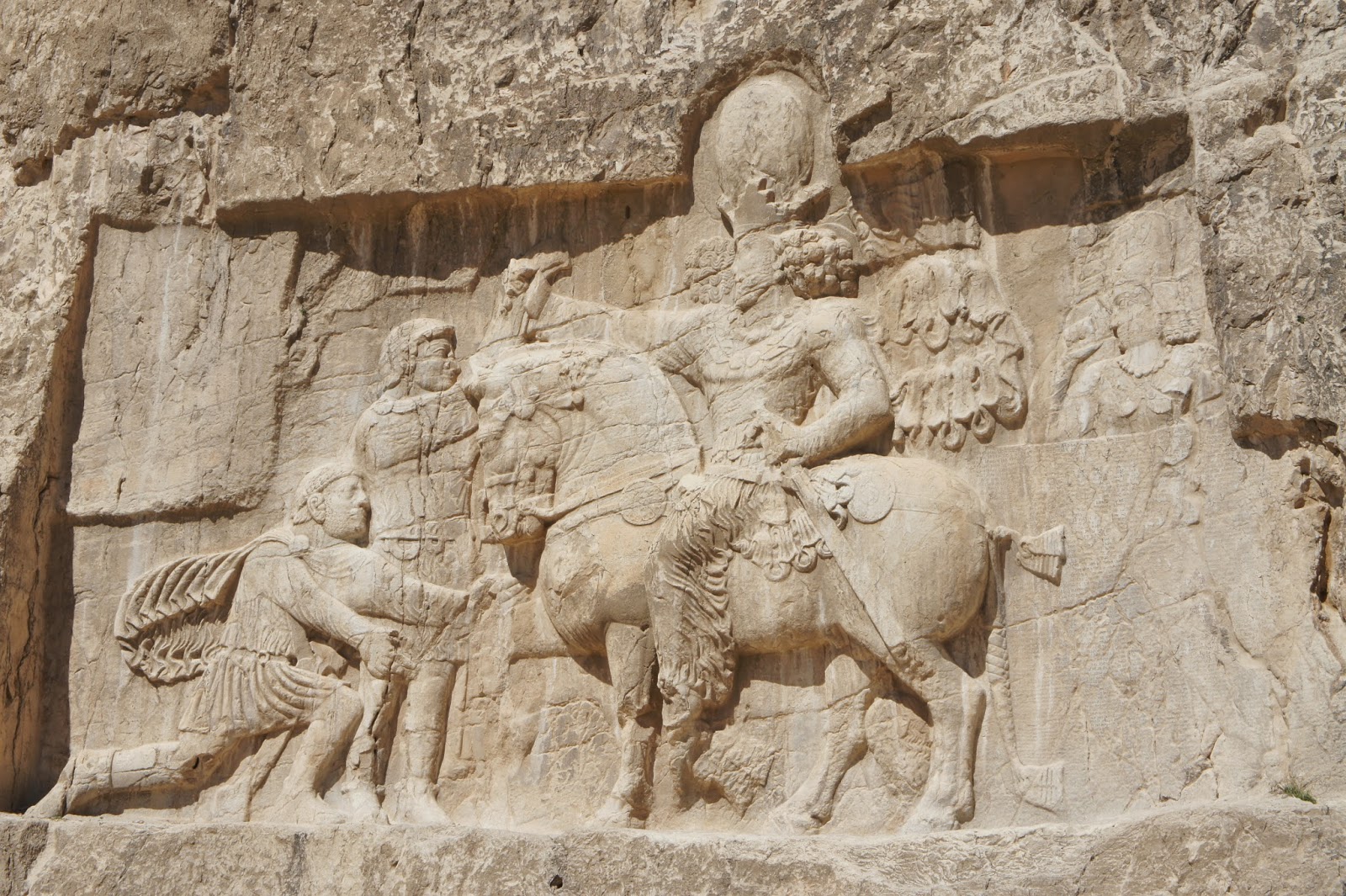
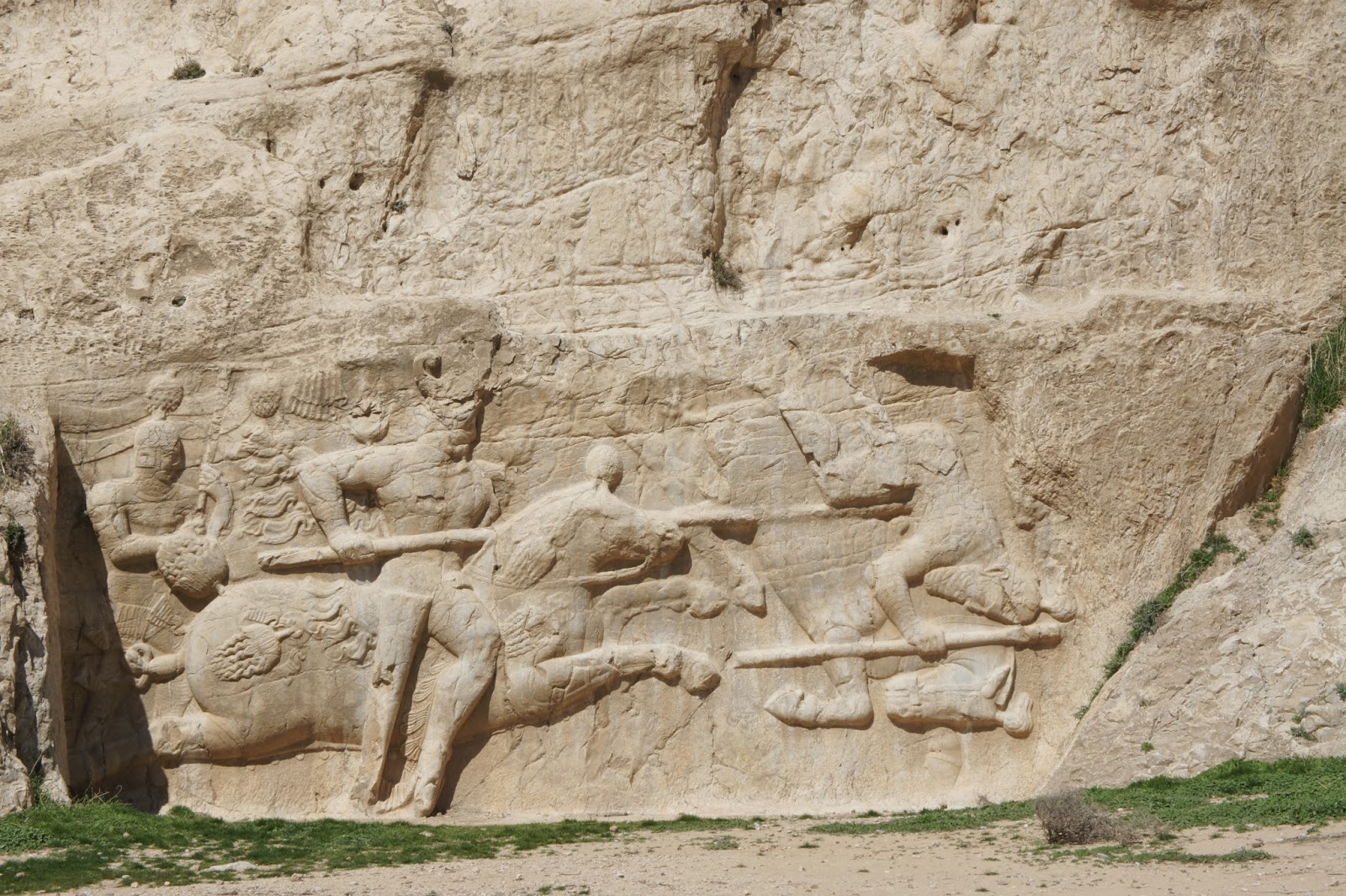
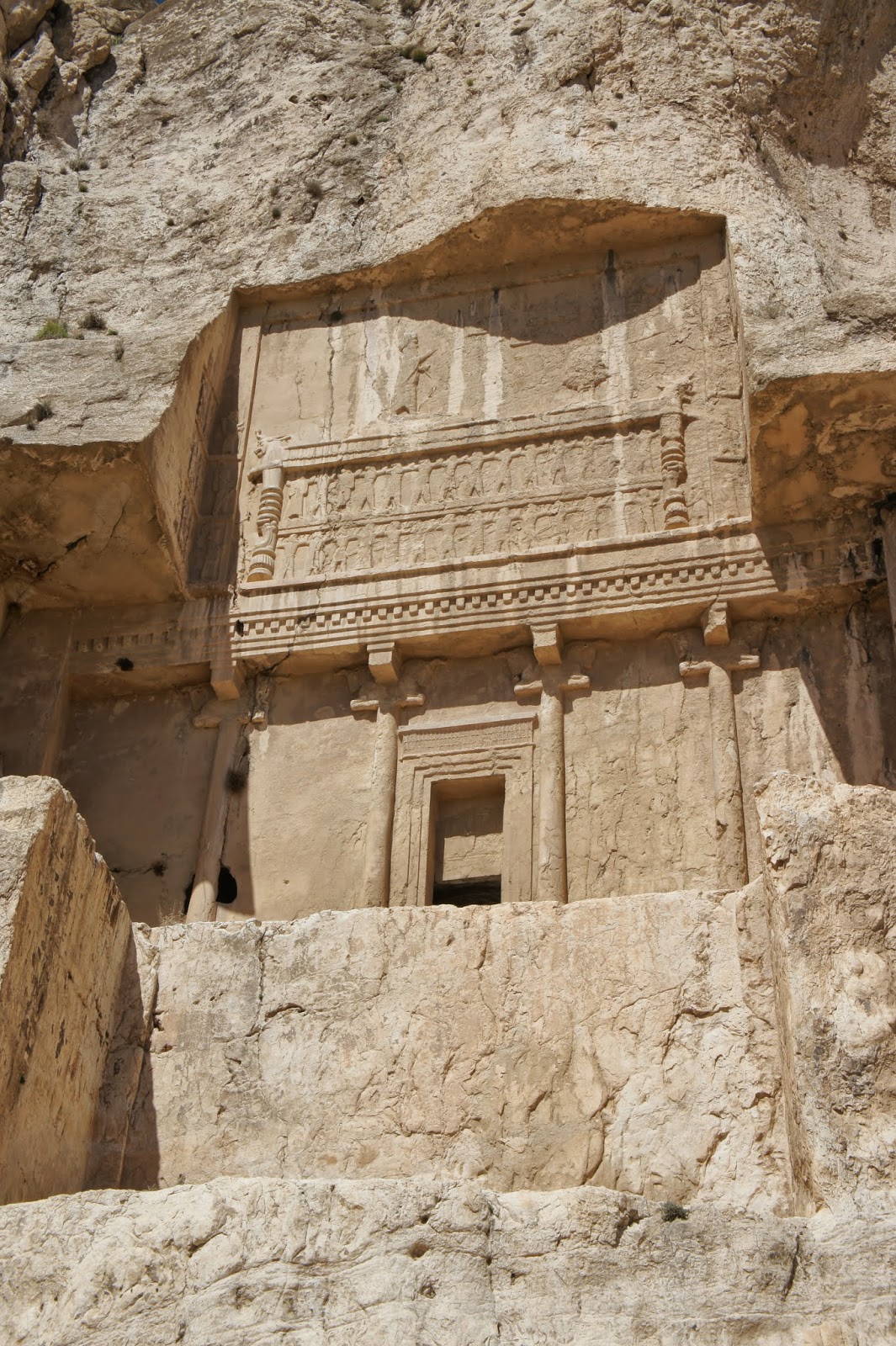
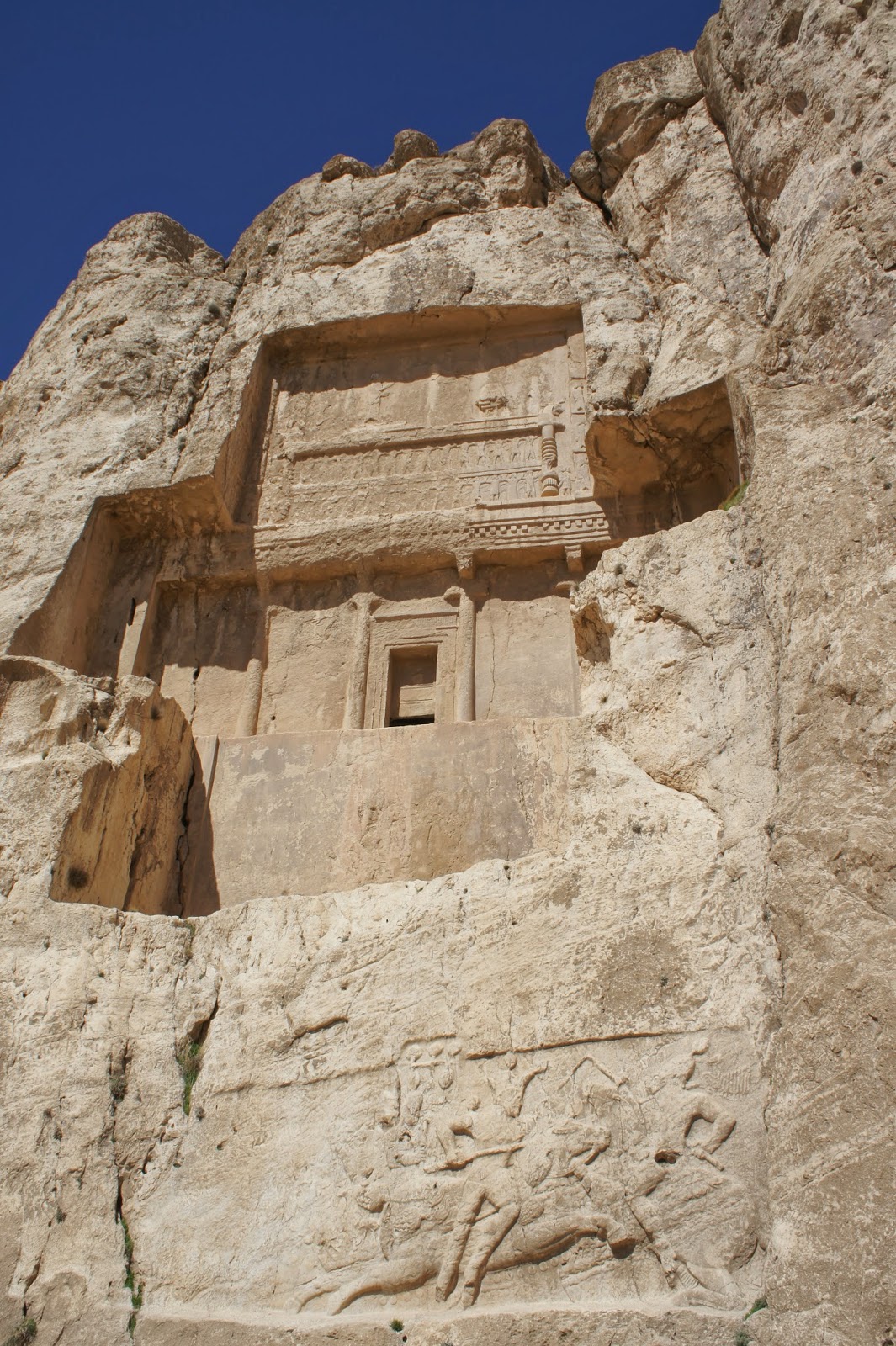
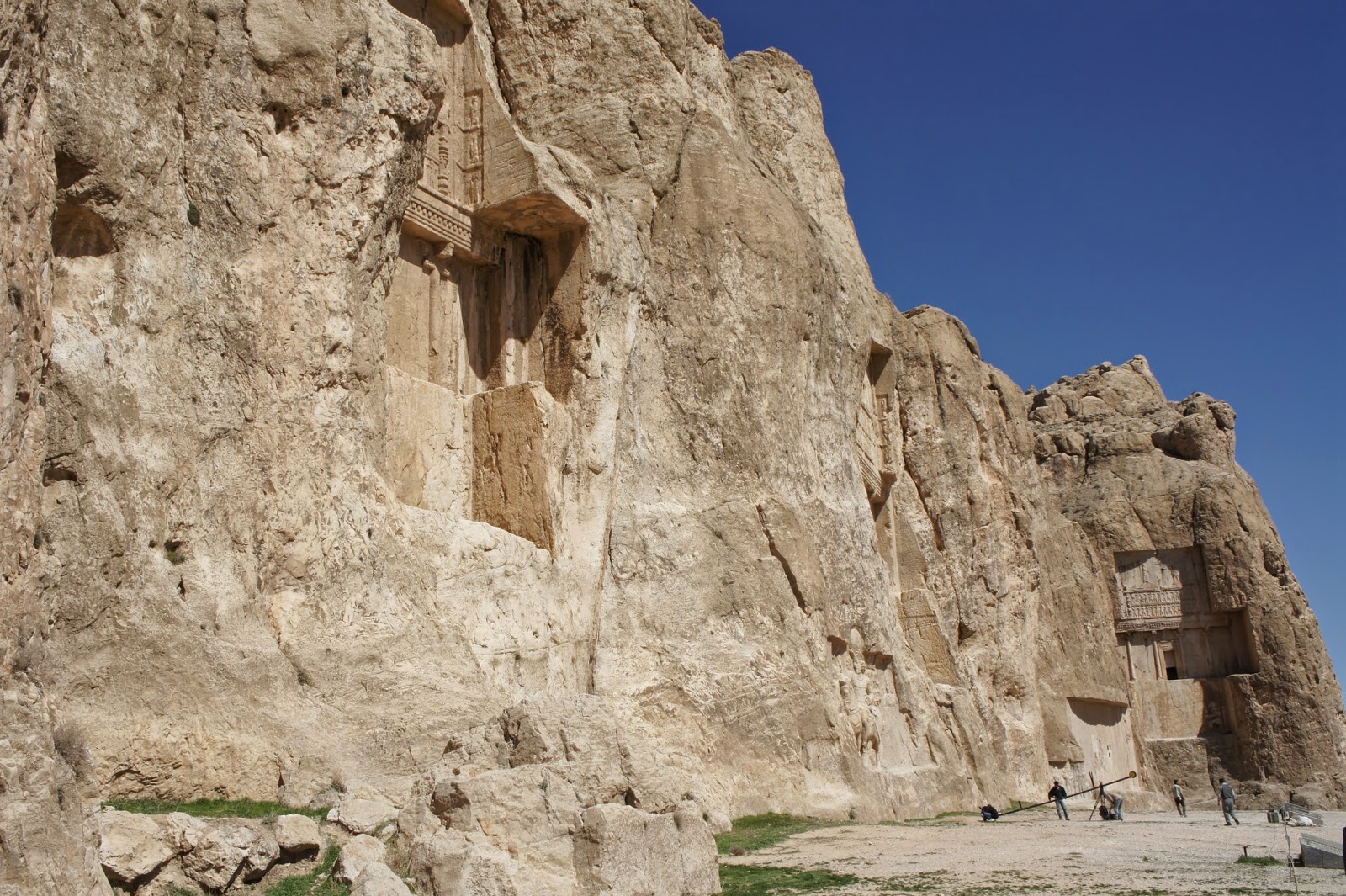
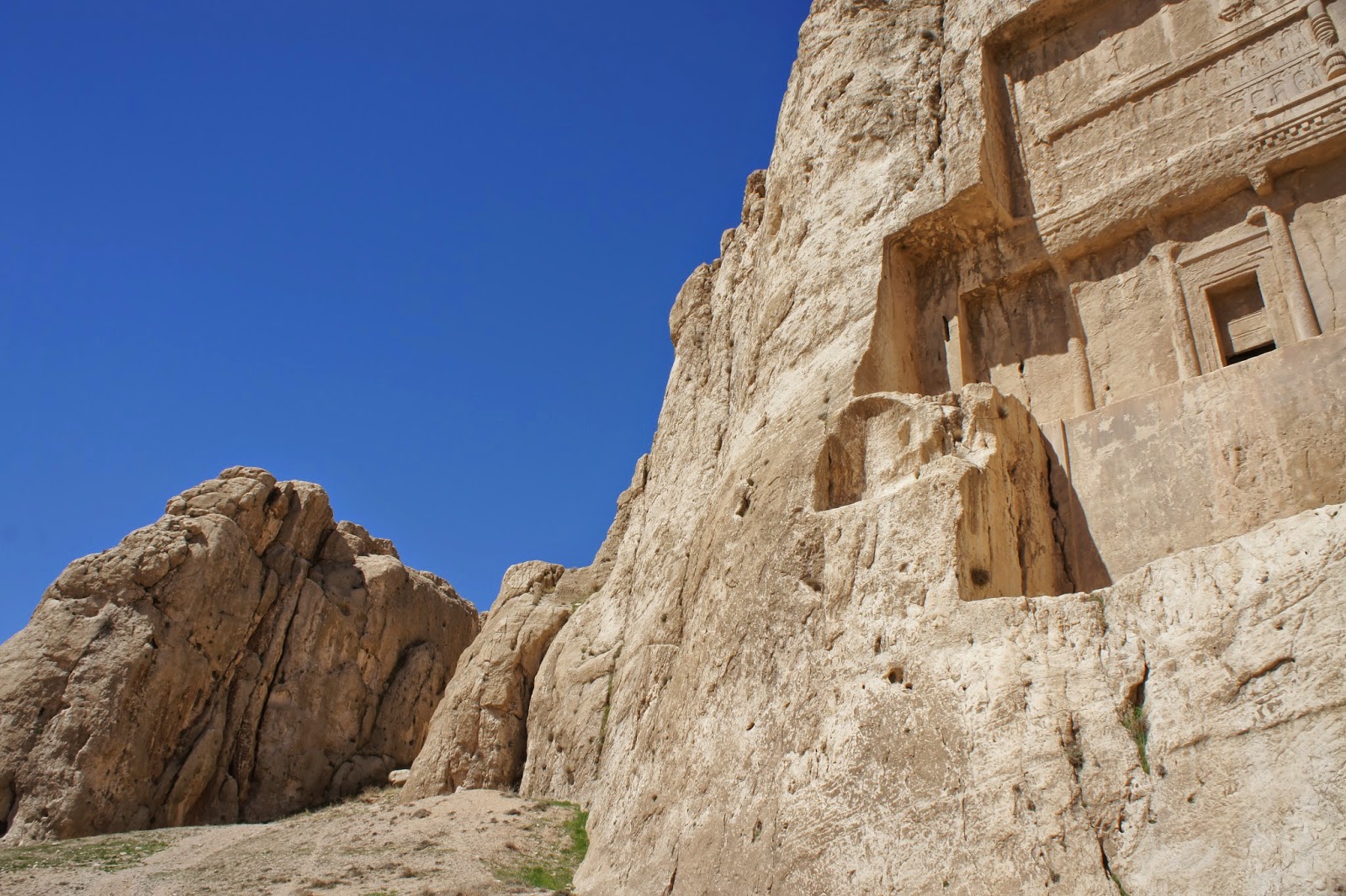
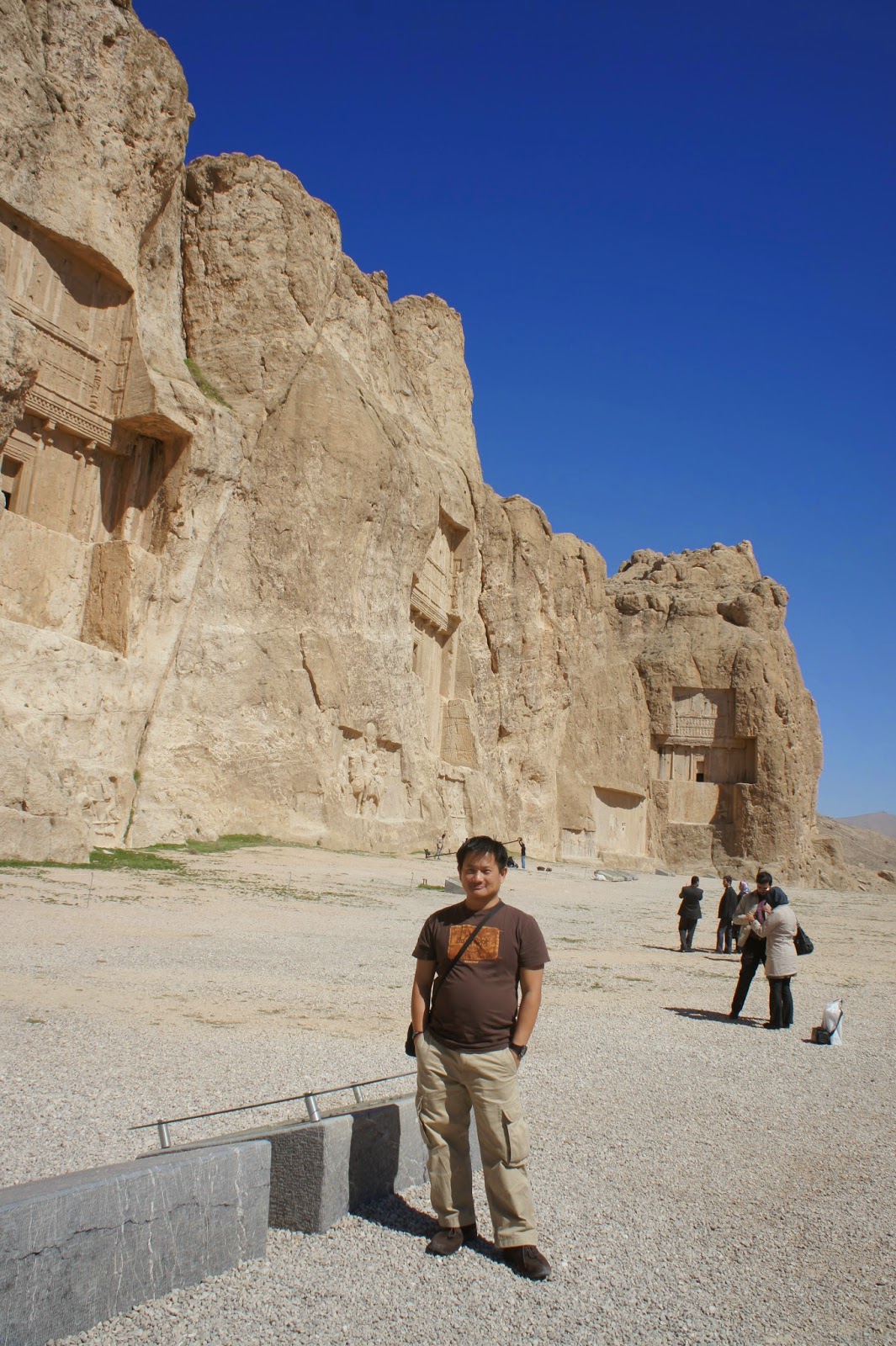
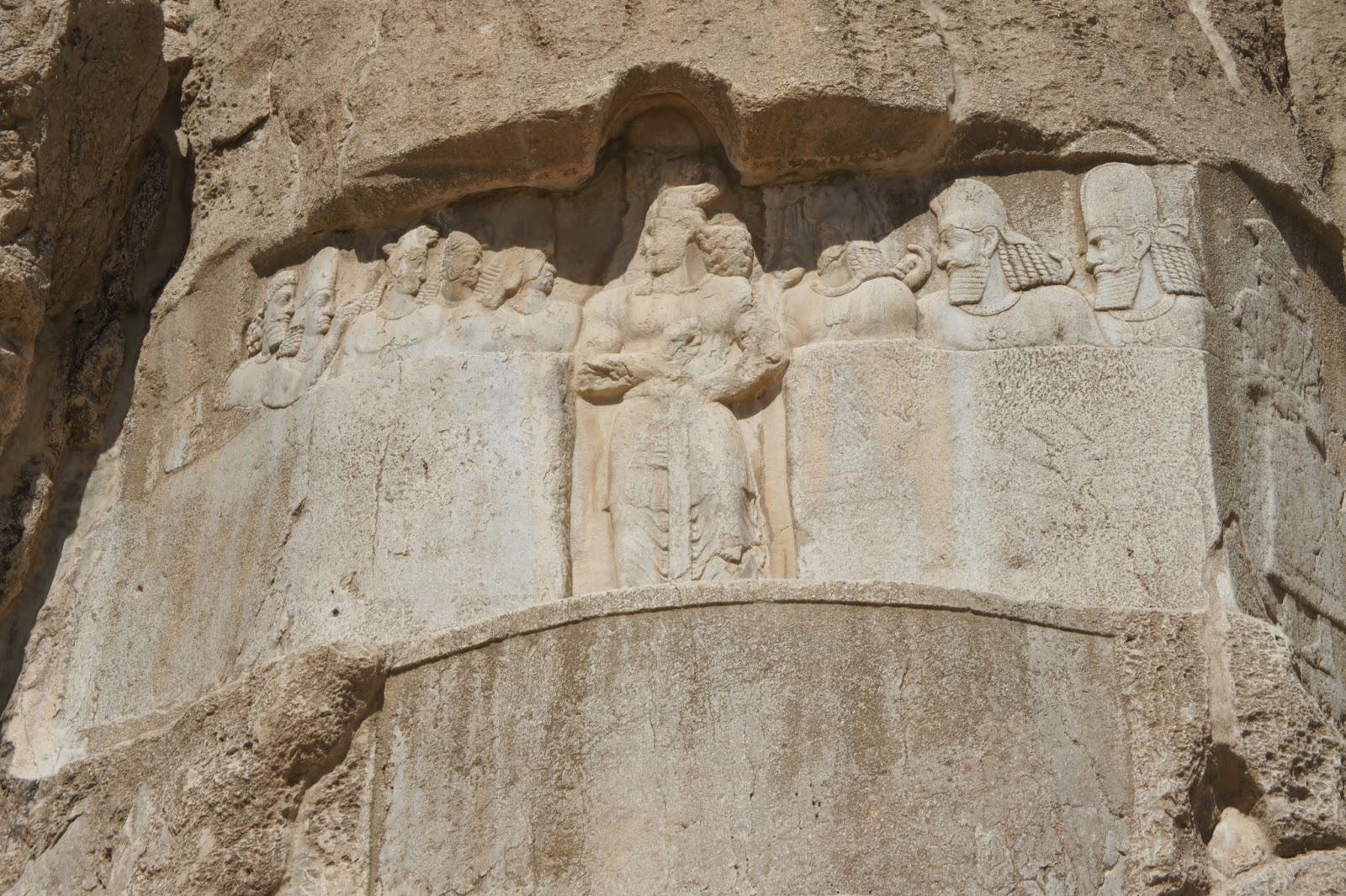
The Nashq-e Rostam or Necropolis as it is loosely called is a place where the kings (and their families) are being buried. 4 catacombs are being carved into the mountains. The entrance of these catacombs is at least 10m high. It is amazing how they transport the caskets of the royalties into the catacomb itself. Our guide mentioned that the entrance used to be higher, due to erosion from the mountains, the entrance is now closer to the ground that we are standing on. On the entrance of each catacomb, carvings are evident. There is one big one that caught my attention, which seems to depict someone surrendering to the king. This seemed to be carved to remind people of the greatness of the kings being buried there. There are also carvings of battle scenes on the walls of these mountains. On one corner was a solitary cubic structure, which was believed to be an Achaemenid fire temple. But we were told that there were many arguments about the purpose of this structure. Nowadays no one knows for sure what it was used for.

Arriving at Nashq-e-Rostam 
Walking towards Nashq-e-Rostam
Nashq-e-Rostam close up
Coffins of the kings were hoisted into the tomb above
Close up of the entrance of the tomb
Carvings at Nashq-e-Rostam
Carvings at the Nashq-e-Rostam
Full view of one of the tombs at Nashq-e-Rostam
Carvings at the Nashq-e-Rostam
Nashq-e-Rostam close up
Carvings at the Nashq-e-Rostam
Nashq-e-Rostam
Nashq-e-Rostam
Nashq-e-Rostam
Nashq-e-Rostam
Me at Nashq-e-Rostam
The fire temple
Close up of the carvings at Nashq-e-Rostam

Pasargadae – Tomb of The First Emperor of Persia, Cyrus the Great 

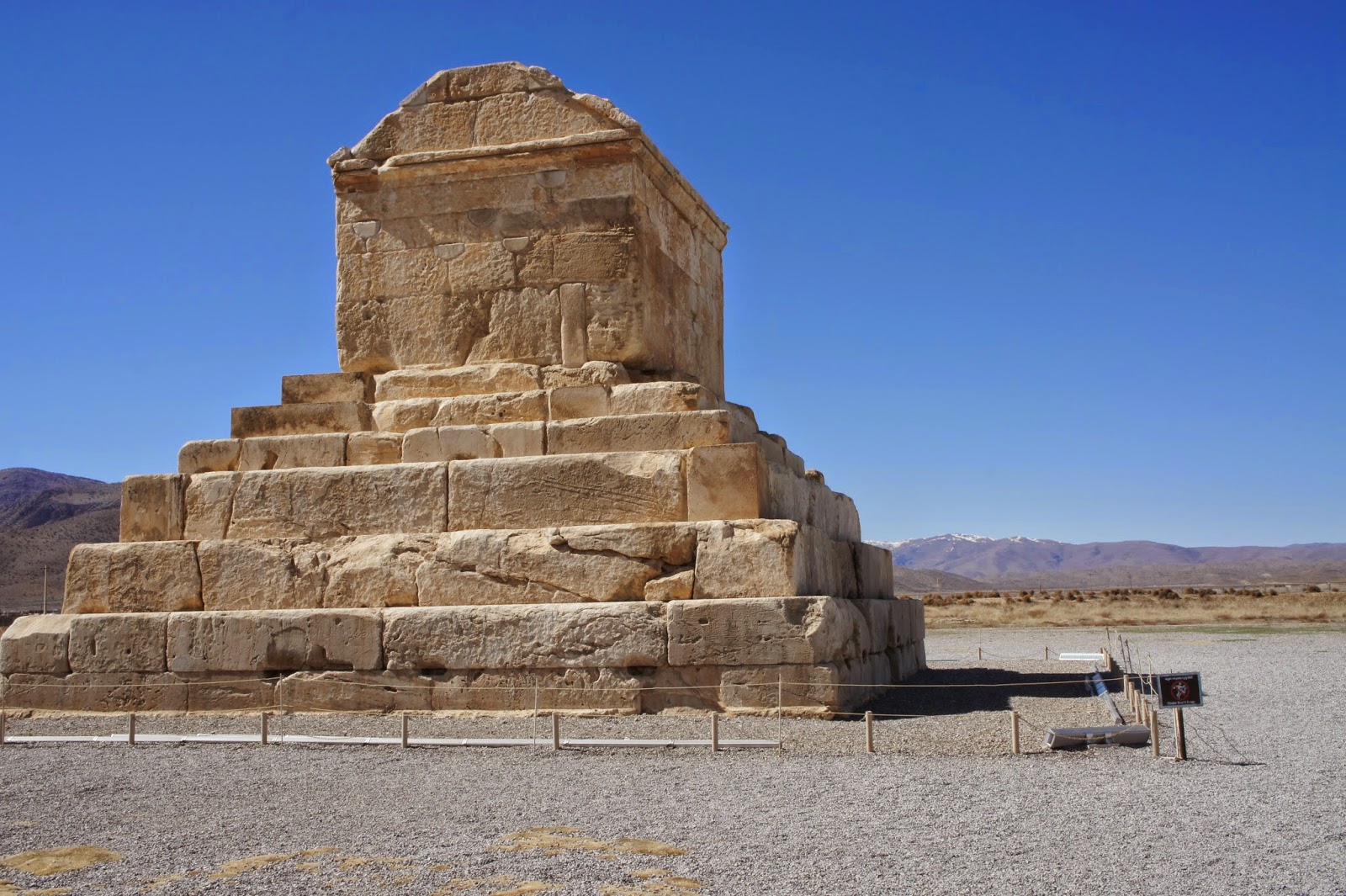
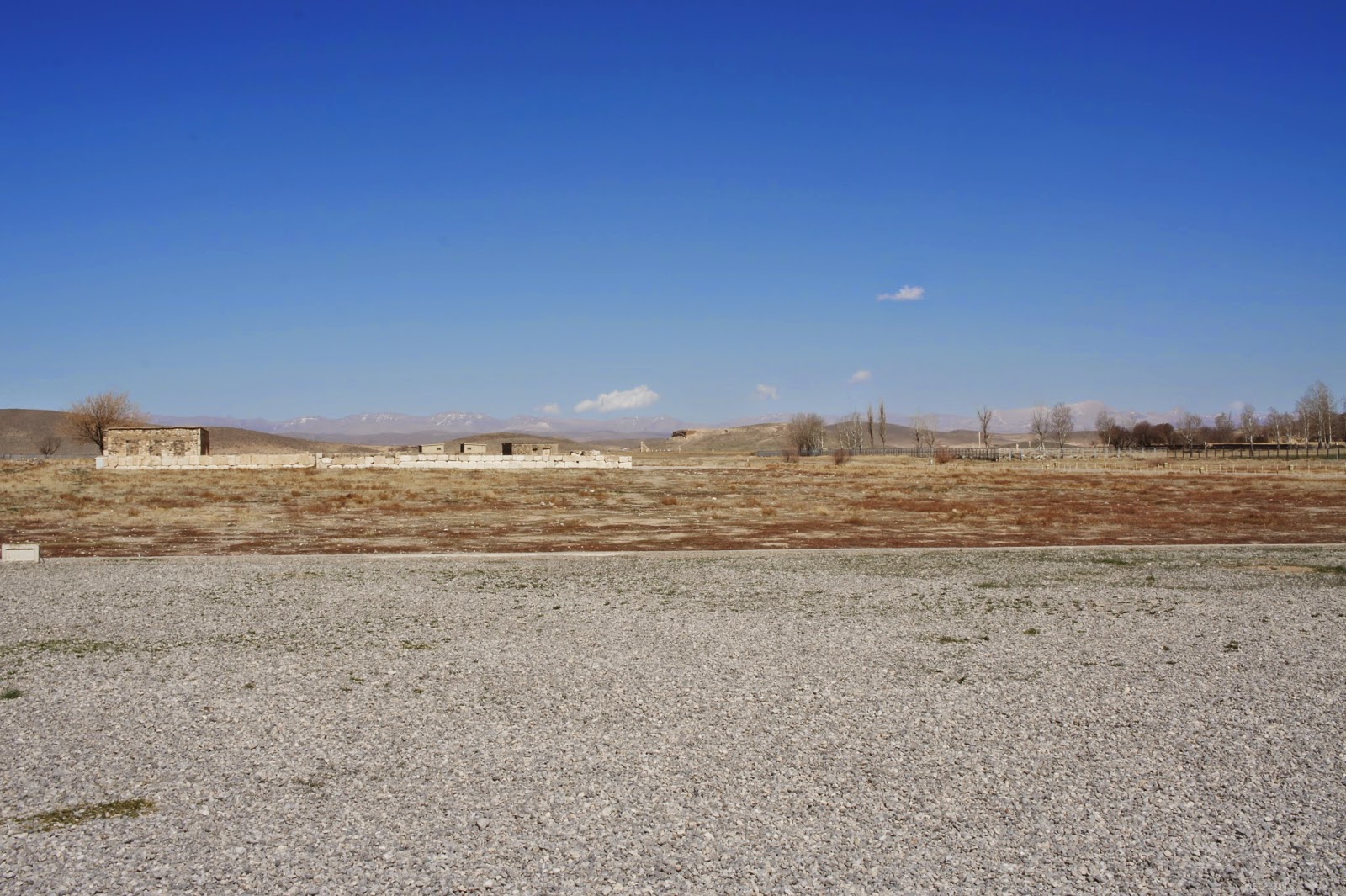
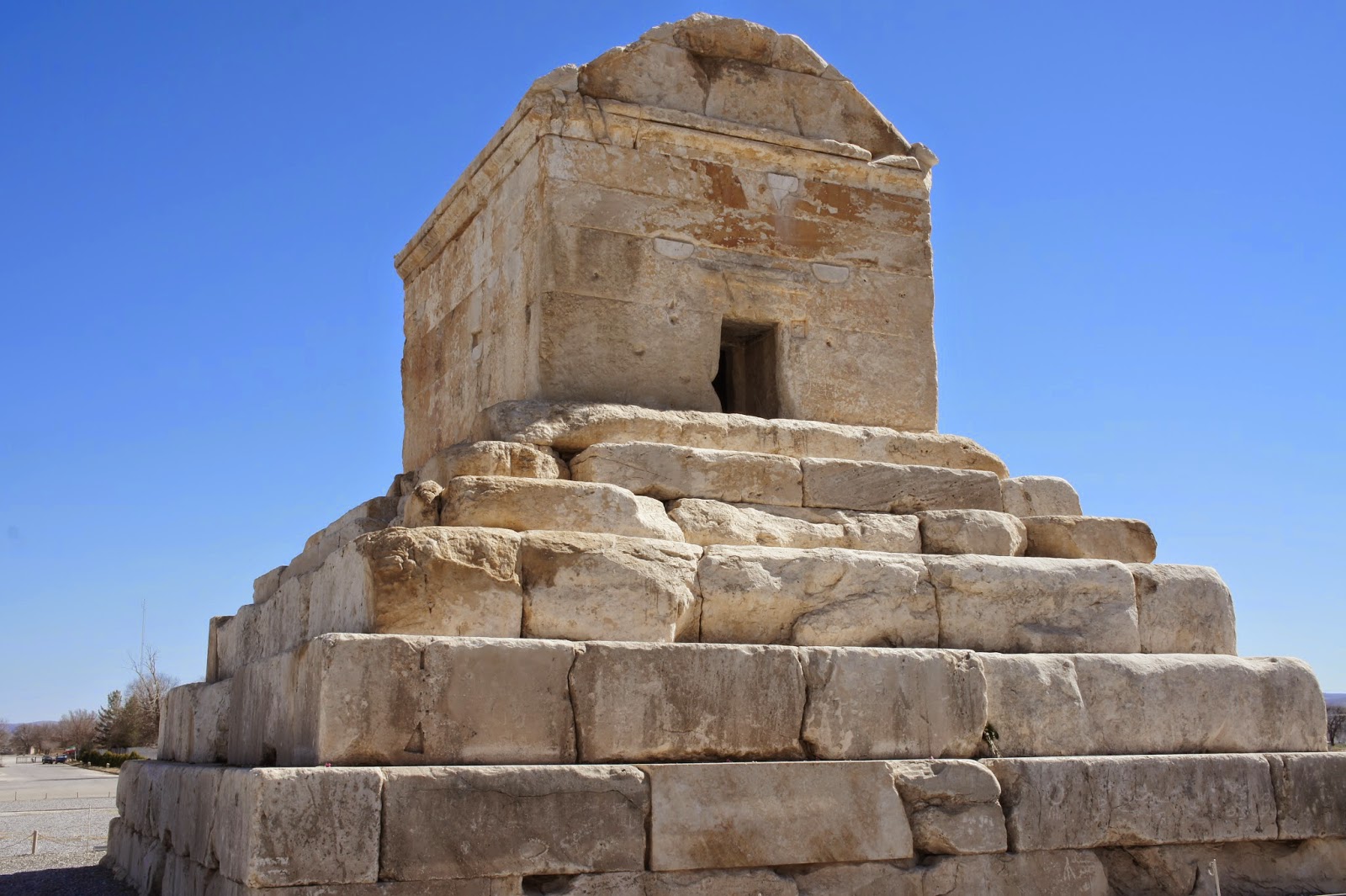
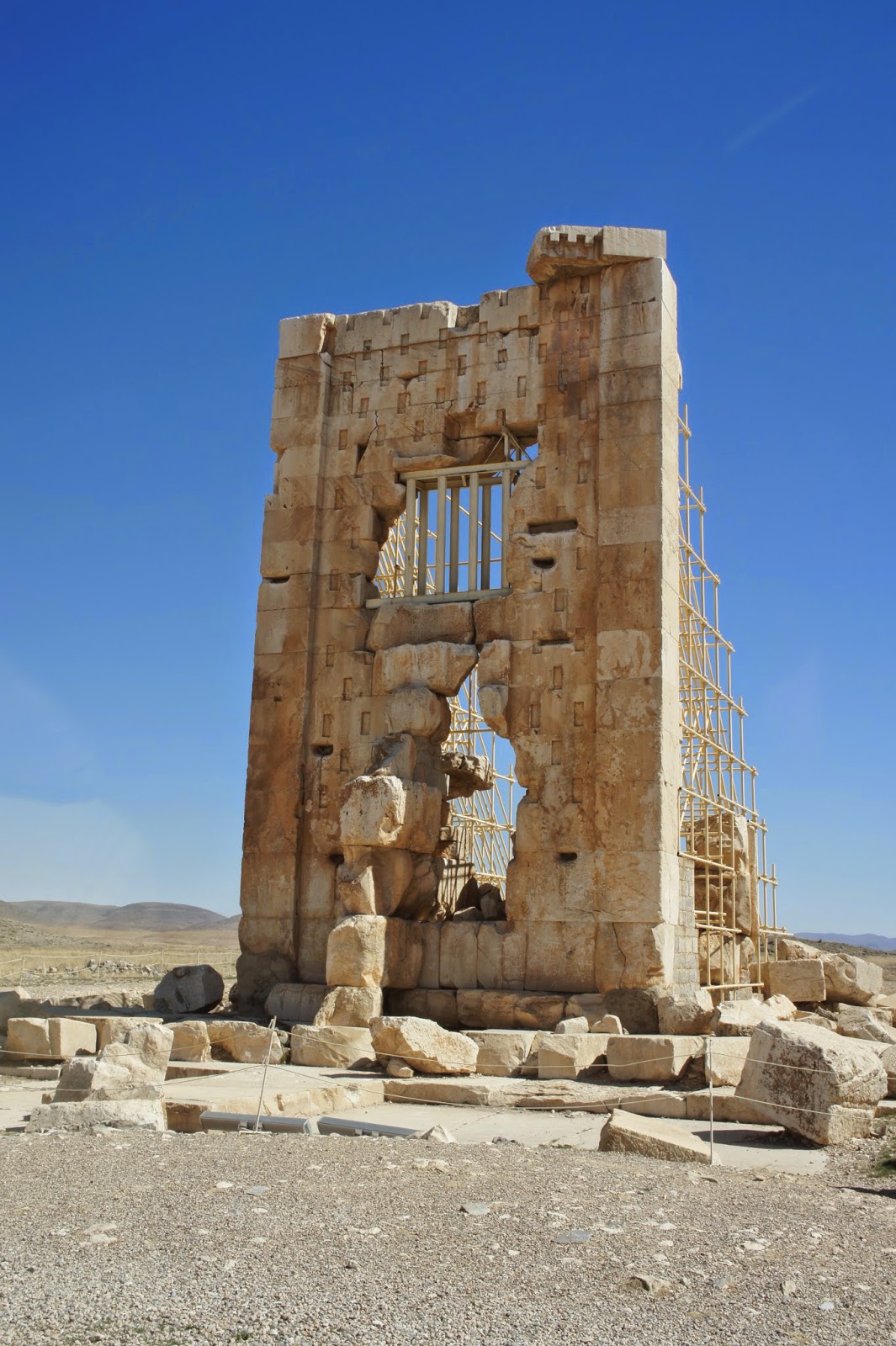
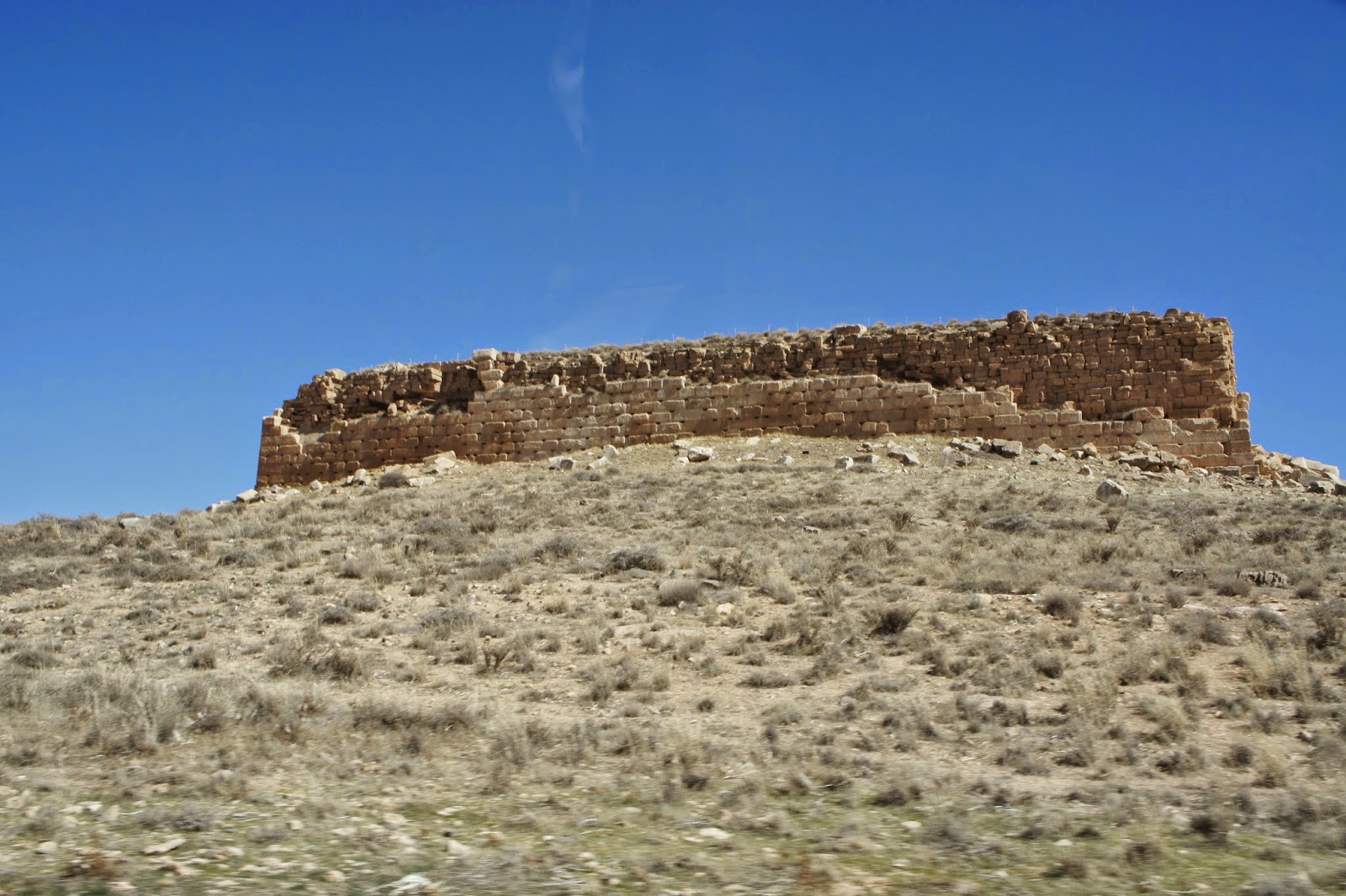
We departed Nashq-e Rostam for Pasargadae, the burial ground for Cyrus the great. The drive towards Pasargadae was scenic as I see mountains and mountains rise and fall before our eyes. As we arrived at Pasargadae, what I saw was a single mausoleum structure standing in the middle of nowhere. Our guide explained that this is the burial grounds of Cyrus the great. His wife and himself were believed to be buried, not inside the building, but within the roof structure of the mausoleum. Our guide went on to explain the grounds where this mausoleum stand is where one of the great battles that were supposed to take place. As Cyrus was supposed to fight his grandfather’s army here, his enemies deflected to his side as they did not agree to the cause of their battle. Thus the battle never took place. From the mausoleum, I can see a building, which was made known to be the palace of Cyrus. This modest-sized building looked more like a farmhouse than a palace. It seemed to suggest how modest Cyrus lived in those days. No wonder he was well-liked by his people as a ruler. We were then driven to see the next 2 structures. The first one we saw was this wall structure. Our guide mentioned that the purpose of this structure and the exact age is unknown. Next structure we saw was this huge platform, constructed on an elevated ground. This used to be the watchtower back in those days. The drive did not take too long before we were heading towards the desert city of  Yazd, where we would spend the night.

Pasargadae – Tomb of Cyrus the Great
This is where the battle of Cyrus against his grandfather supposed to take place
Pasargadae
This building is so ancient that no one knows the purpose of this building
Watchtower at the elevated ground

Driving to Yazd

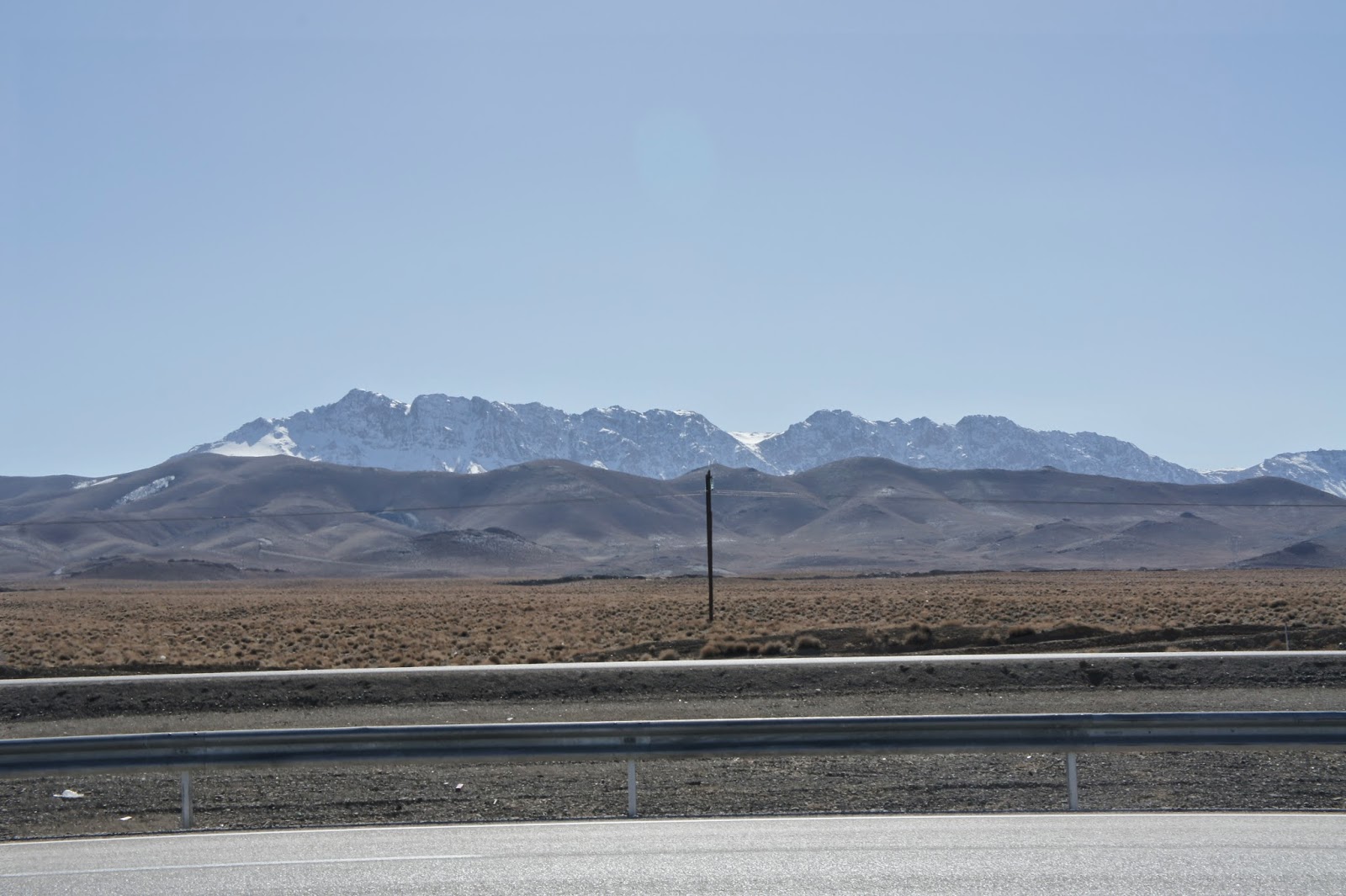
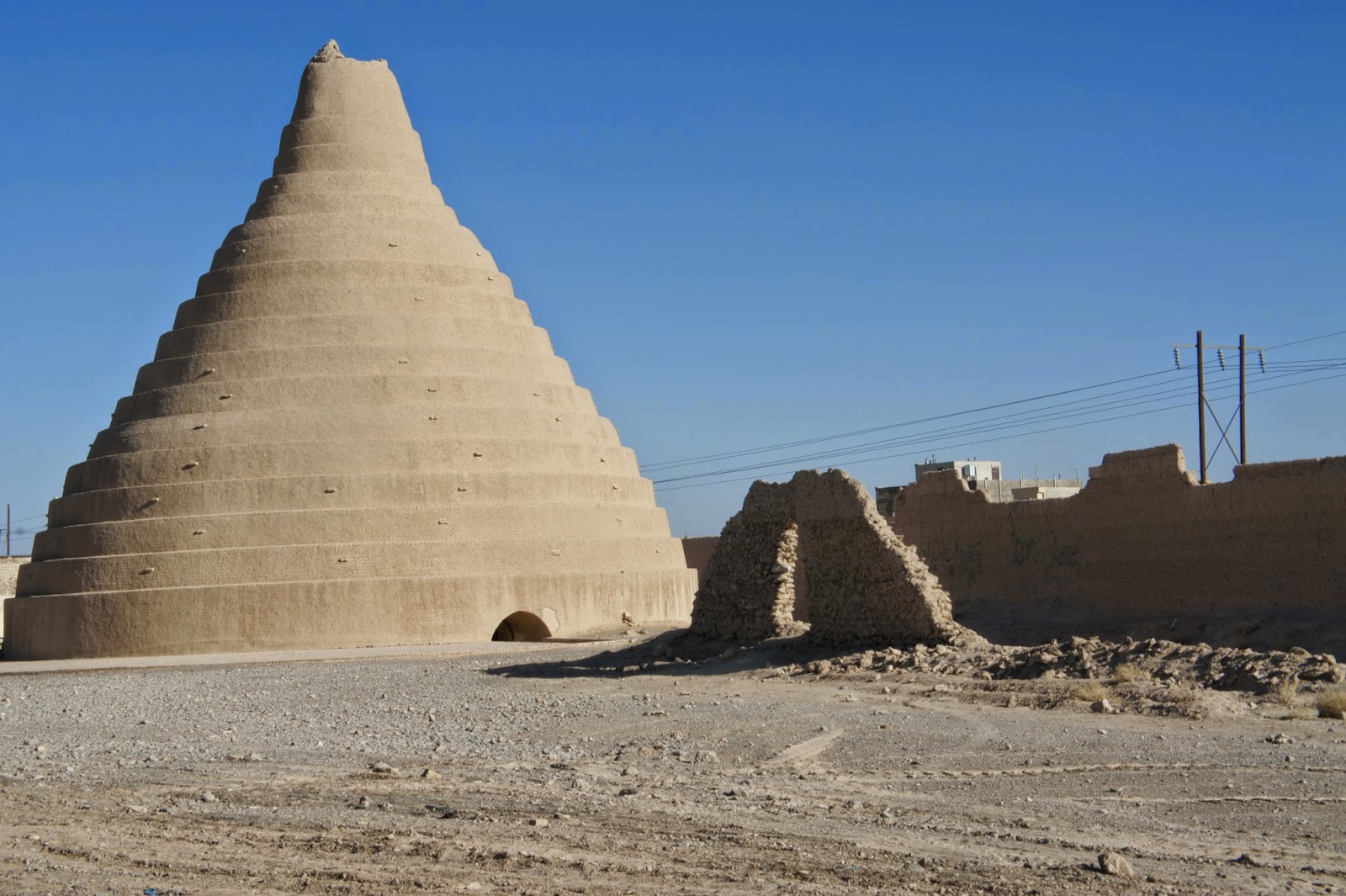
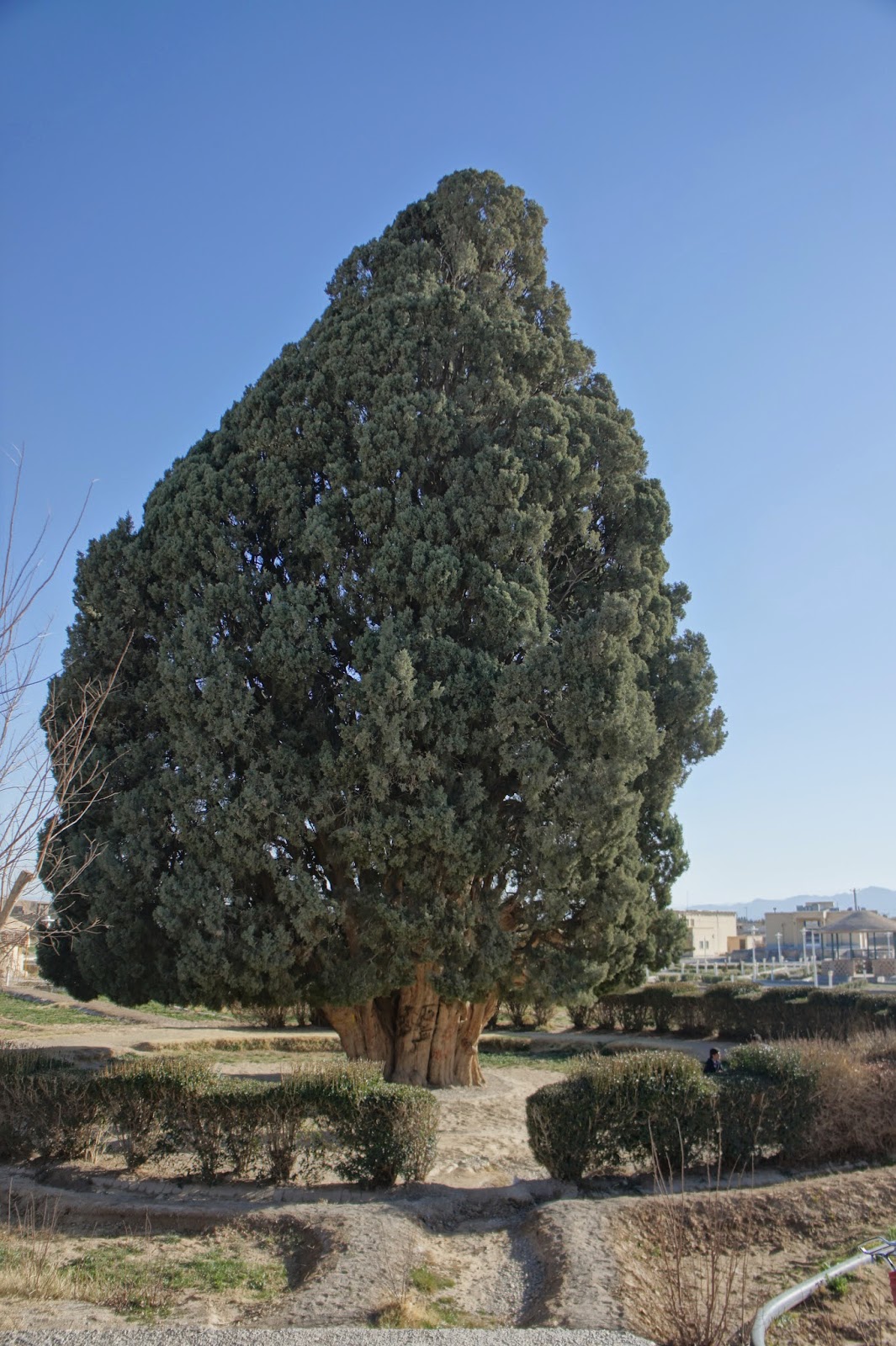
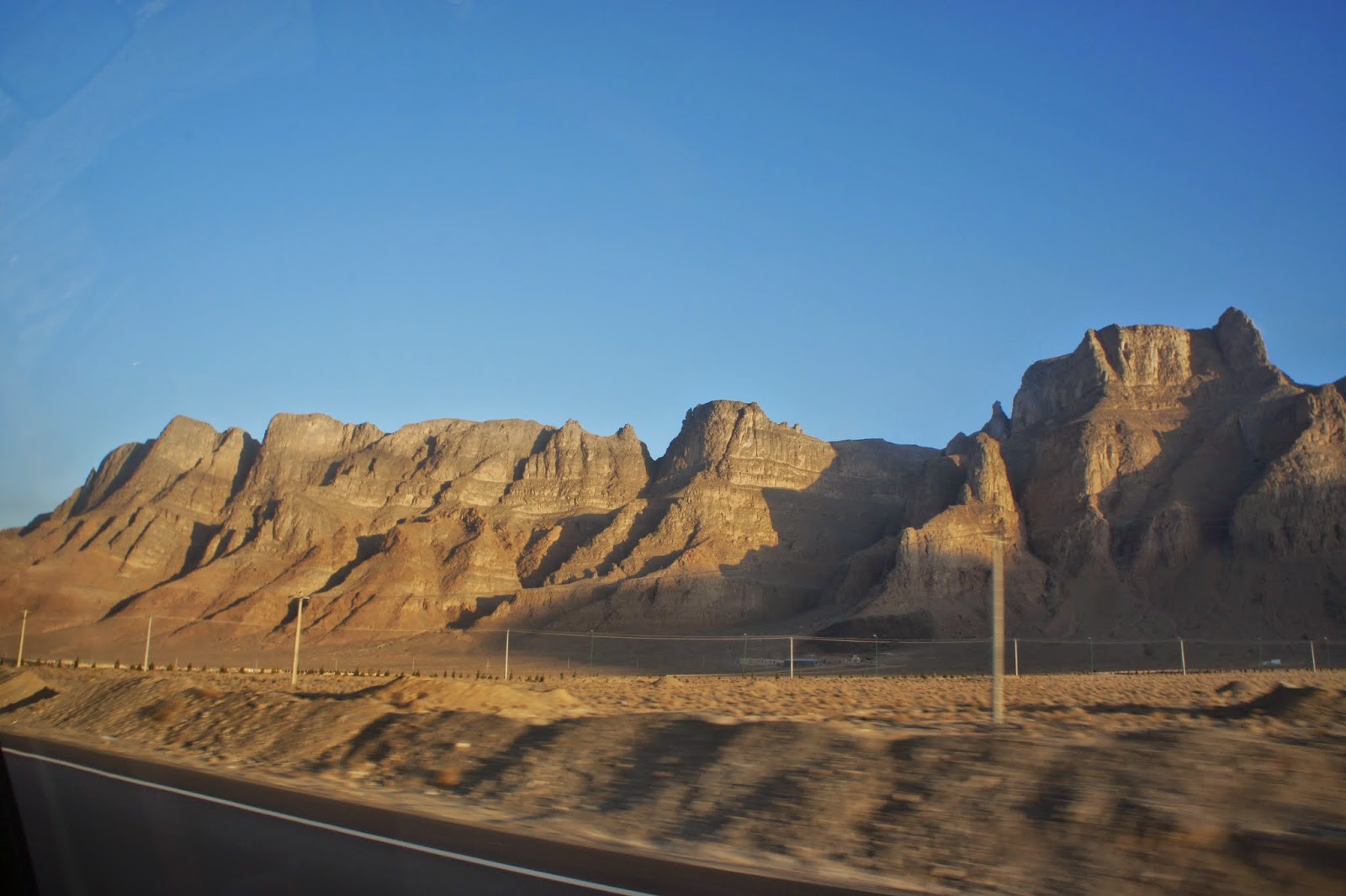
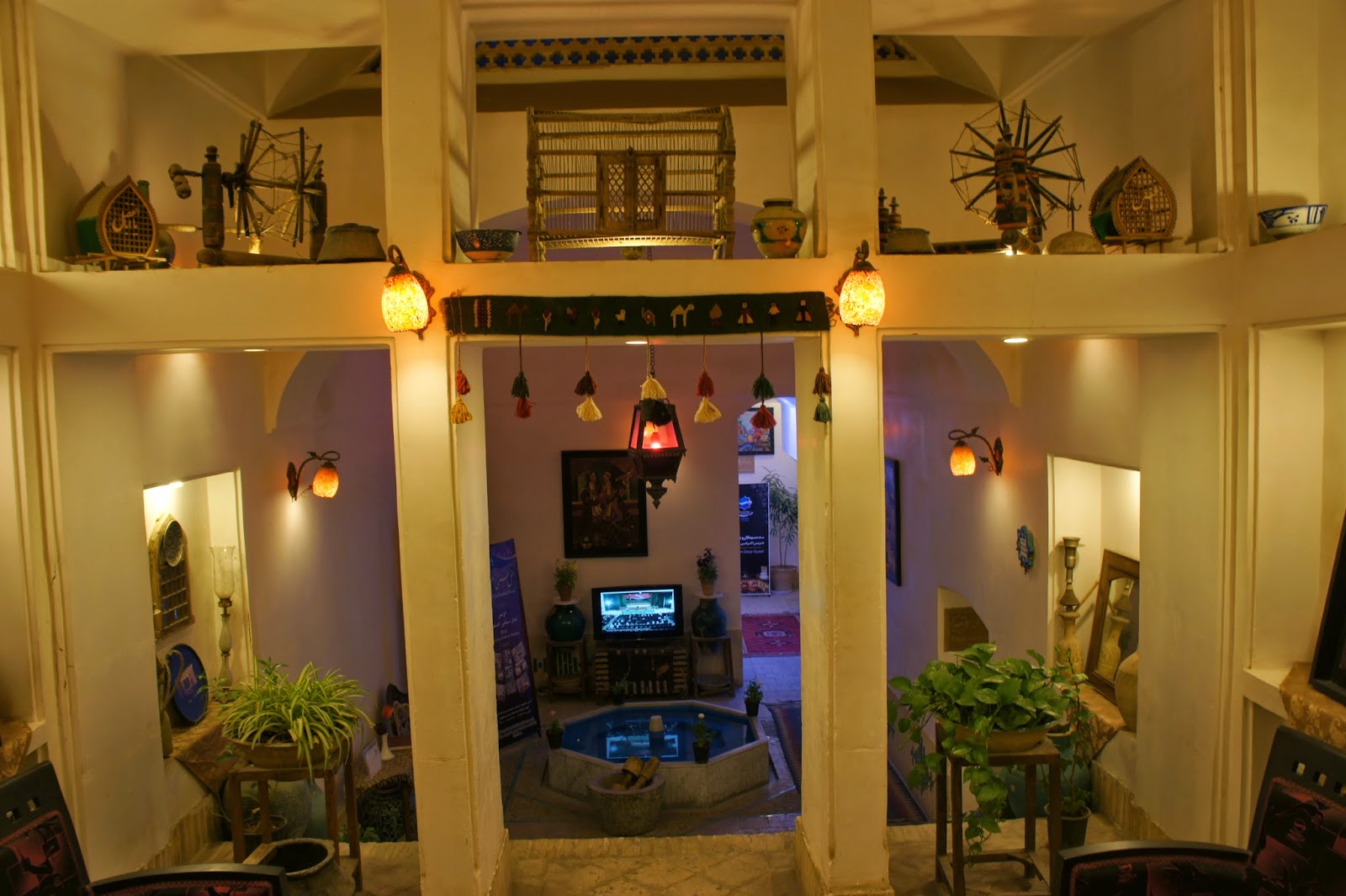
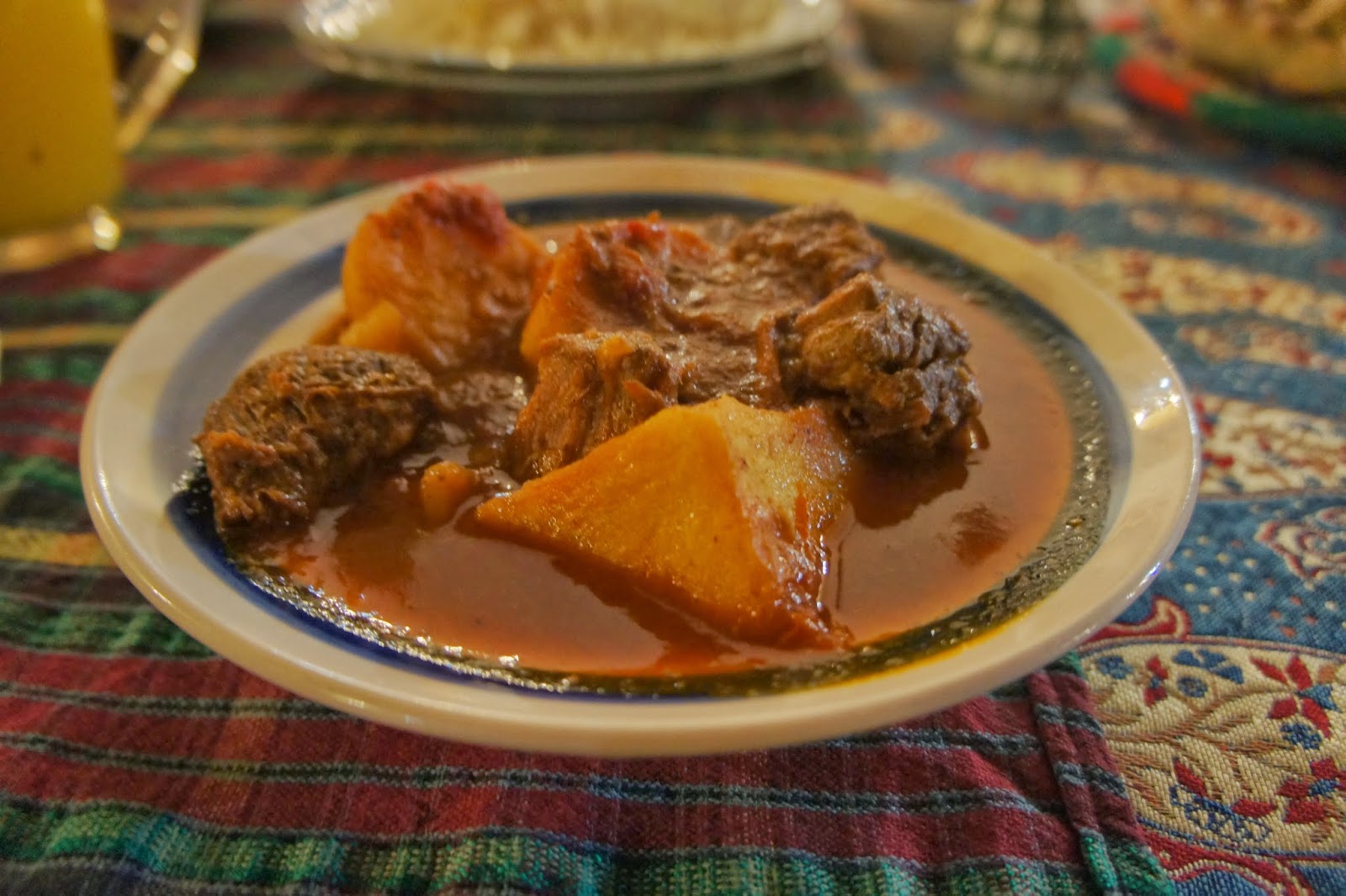
Along the way, we stopped by this town, where we were shown an ice house. As this area is mostly desert, people keep ice and snow during winter in the underground chamber of this building for use during summer. We were then driven to the next town to see the oldest tree in Iran. This Cypress Tree is about 4500 years old. At first sight, I have no idea how old this tree is until the guide told us so. 4500 years later, the tree is still standing tall and lushful. As we journey into Yazd, the might of the Zagros Mountains was better appreciated when driving compared to flying. At ground zero, driving through these snow-capped mountains, it made me feel humans are insignificant. One sneeze from these mammoth mountains, we will be buried underneath the stones and snows. We arrived at Yazd some 2 hours later. The hotel that we checked into is indeed a gem in the deserts. It is located in the old part of Yazd, where the alleys were constructed to resemble some sort of mazes. If not for our guide I am sure to get lost in here. Now back to our hotel, from the outside it looked very ordinary and run down. However the inside is a surprise, this is the nicest hotel we stayed throughout the whole of our trip to Iran. The rooms are very cozy and large and the staff are simply wonderful and friendly. After checking in and leaving our luggage, we headed out for dinner. As my guide knew I wanted to try camel meat, he brought us through the mazed alleys to this restaurant that serves camel meat. The texture of camel meat tasted like lamb, except it does not have the lamb smell. 

Driving towards Yazd
The Ice House used to store ice in winter so that the locals will have water to last through summer
The 4500 years old Cypress Tree
Driving pass the Zagros Mountain
Arrival at Yazd
Arrival at Yazd
The lobby of the hotel we put up
Camel Stew for dinner

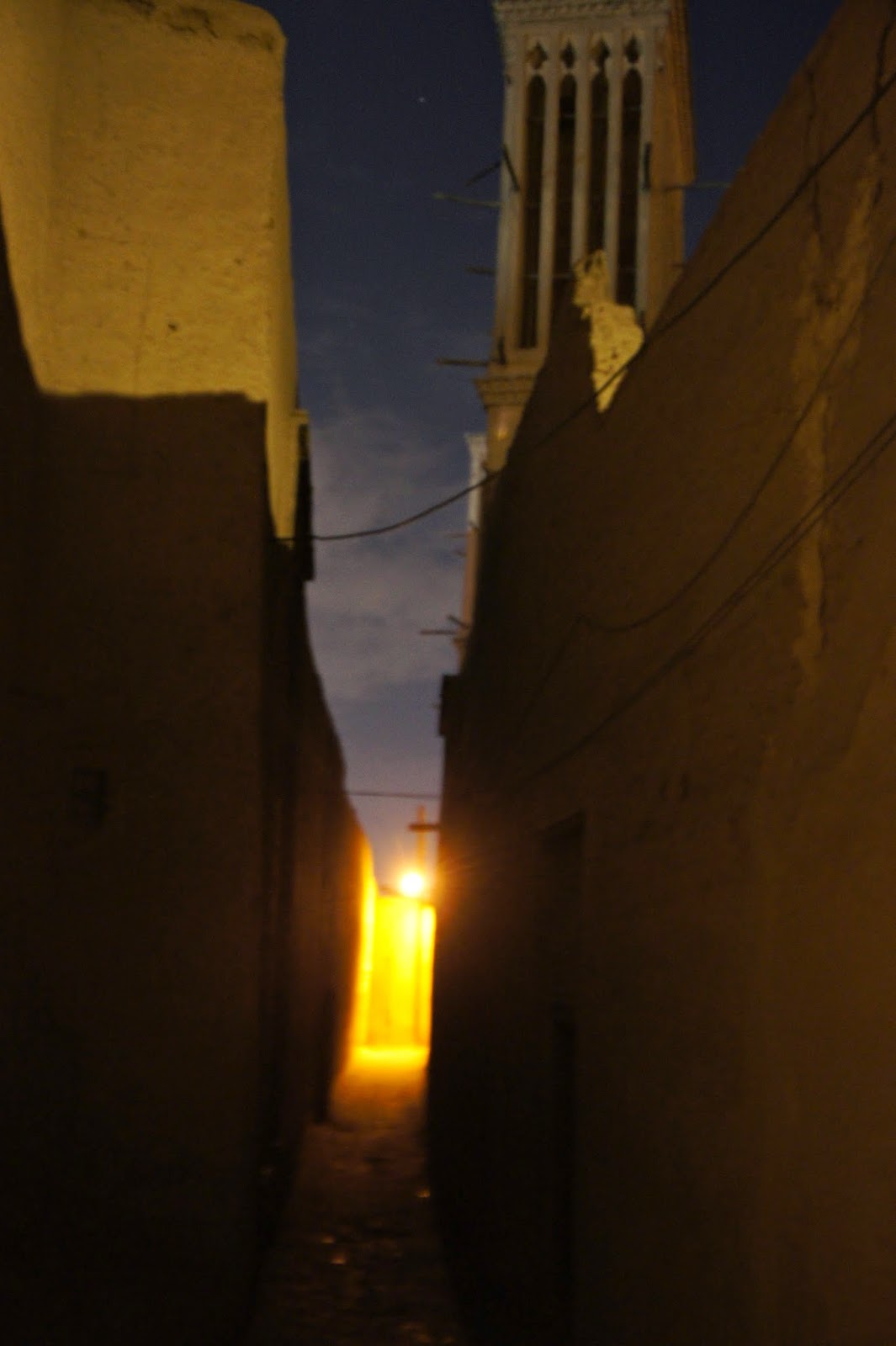
The Maze Alleys of Old Yazd

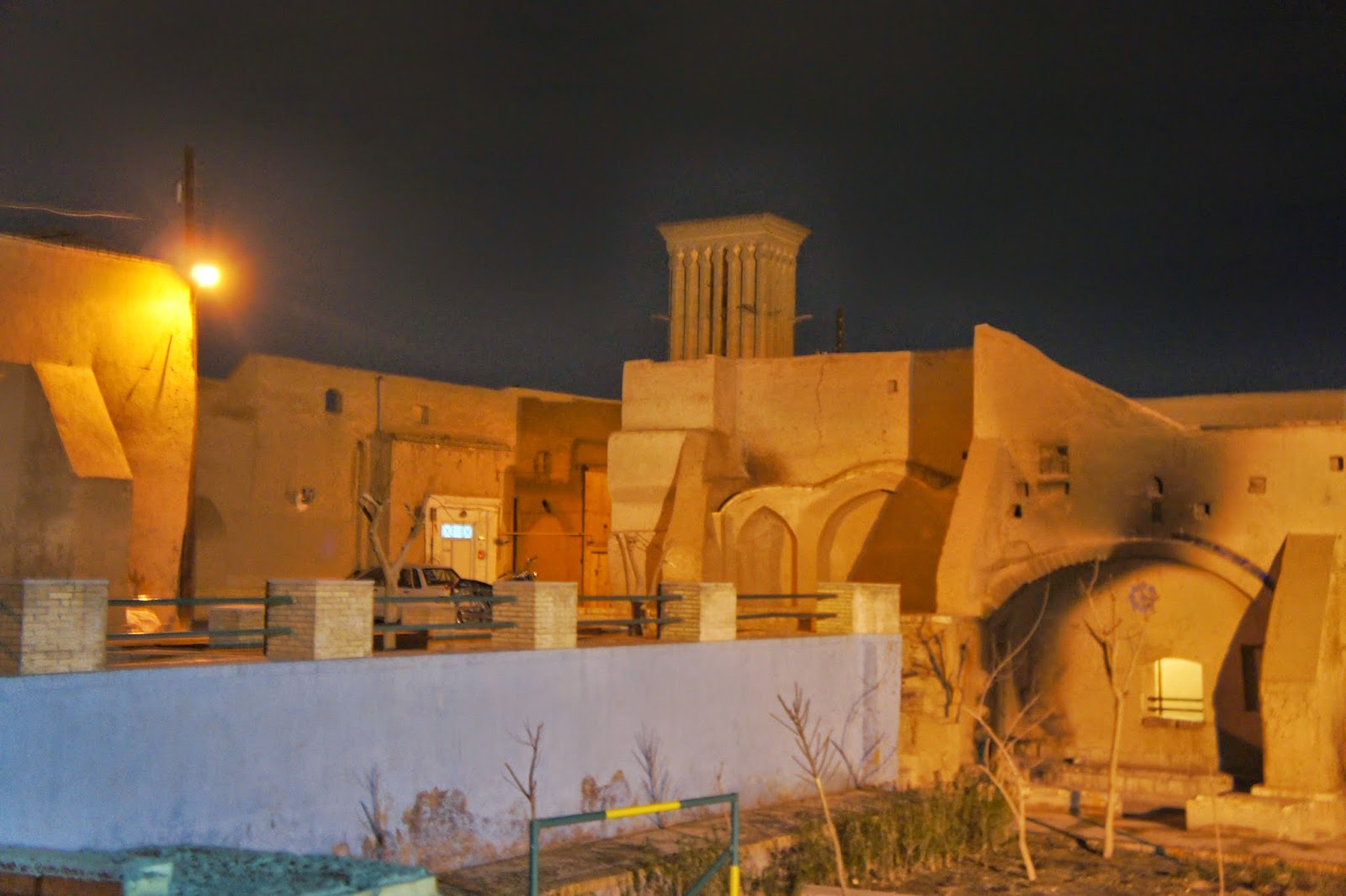
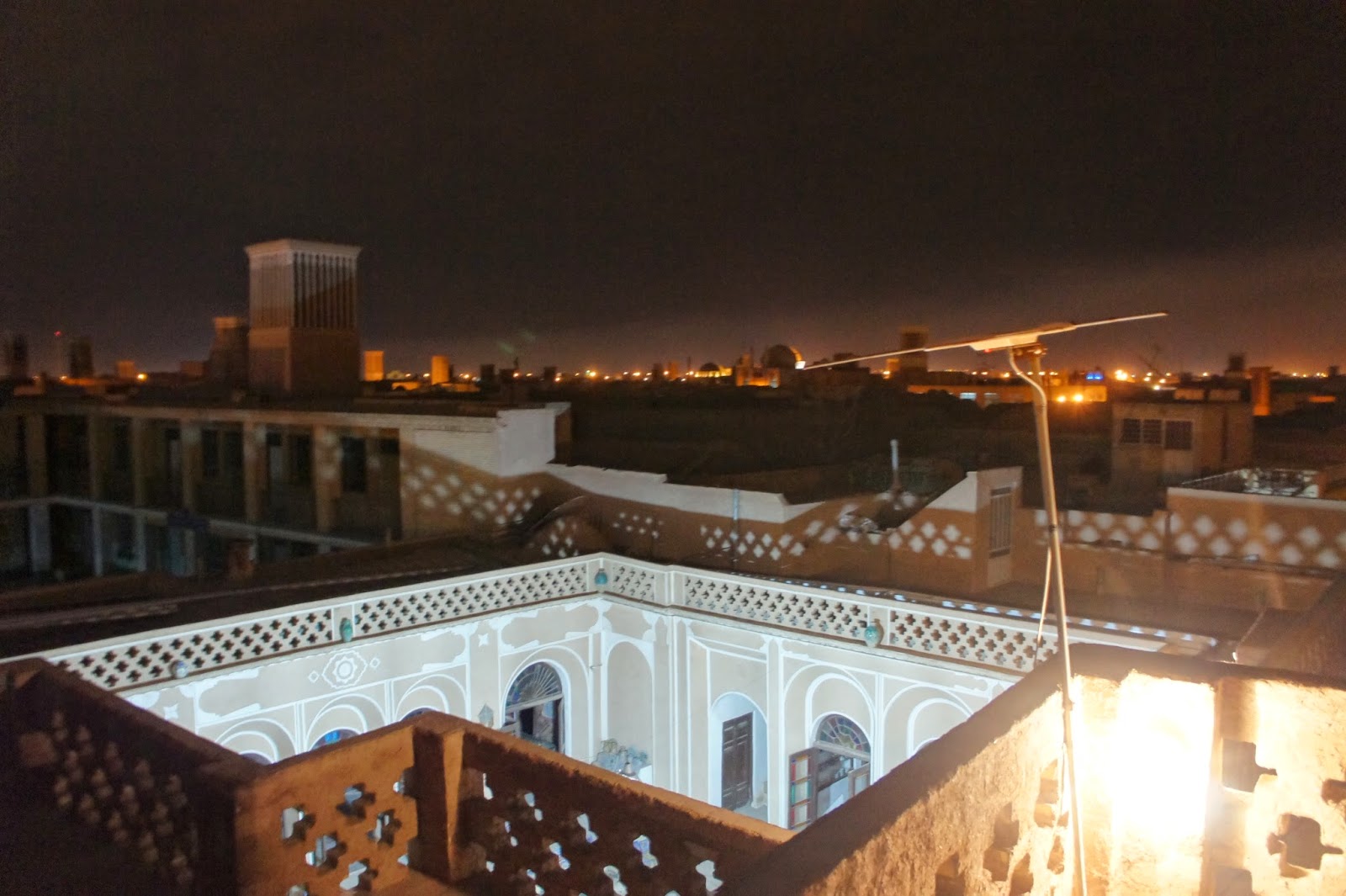
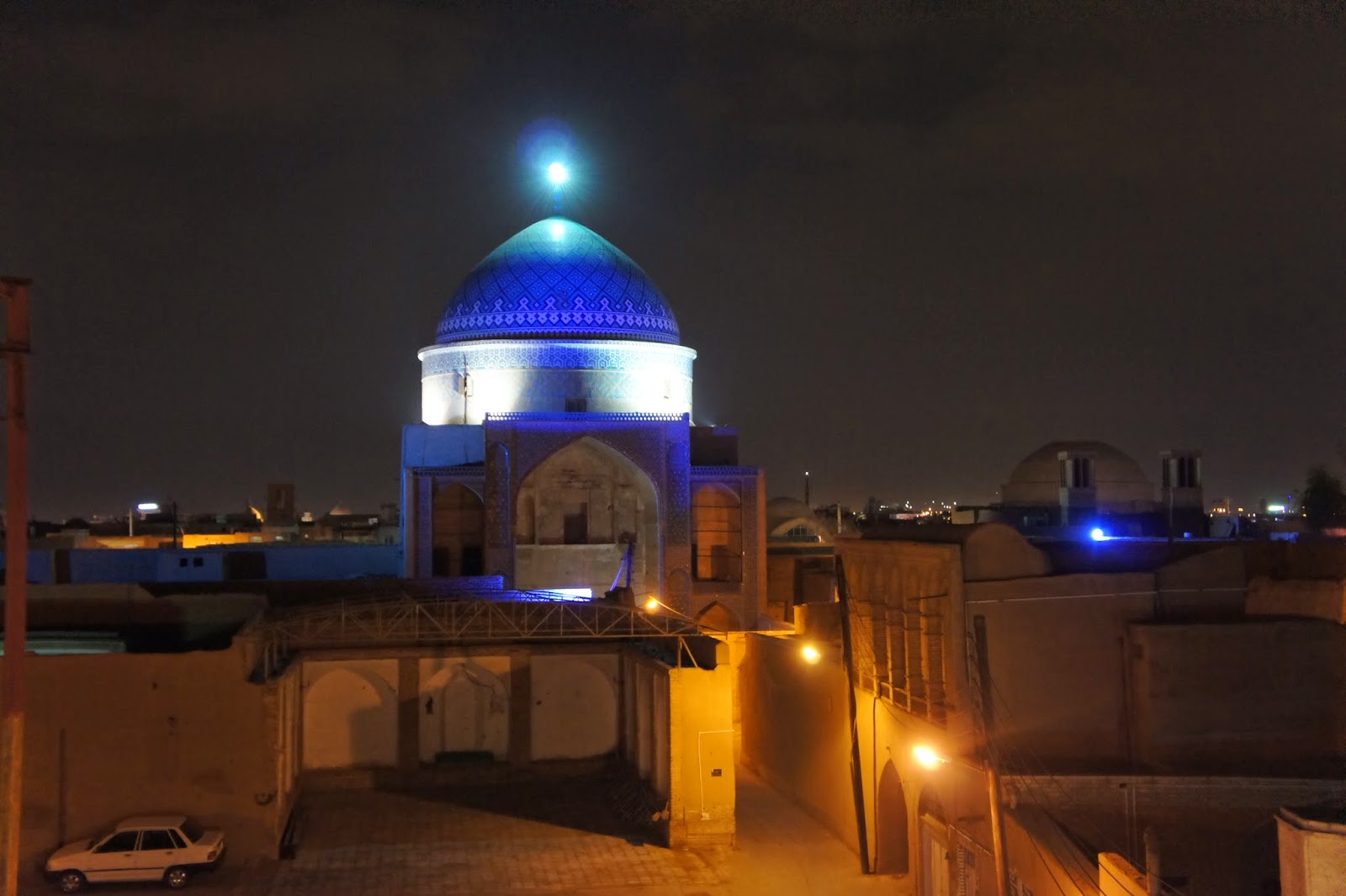
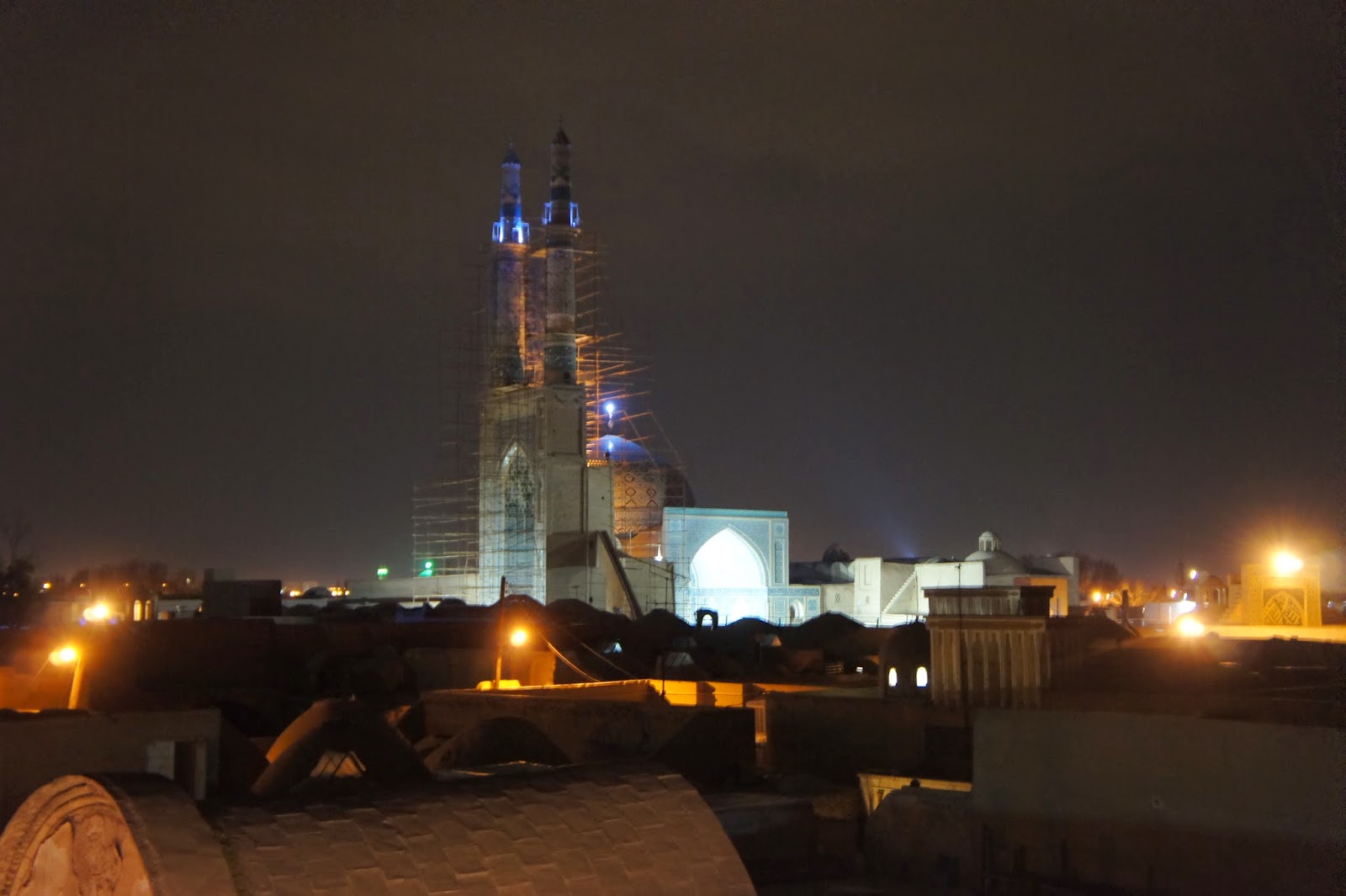
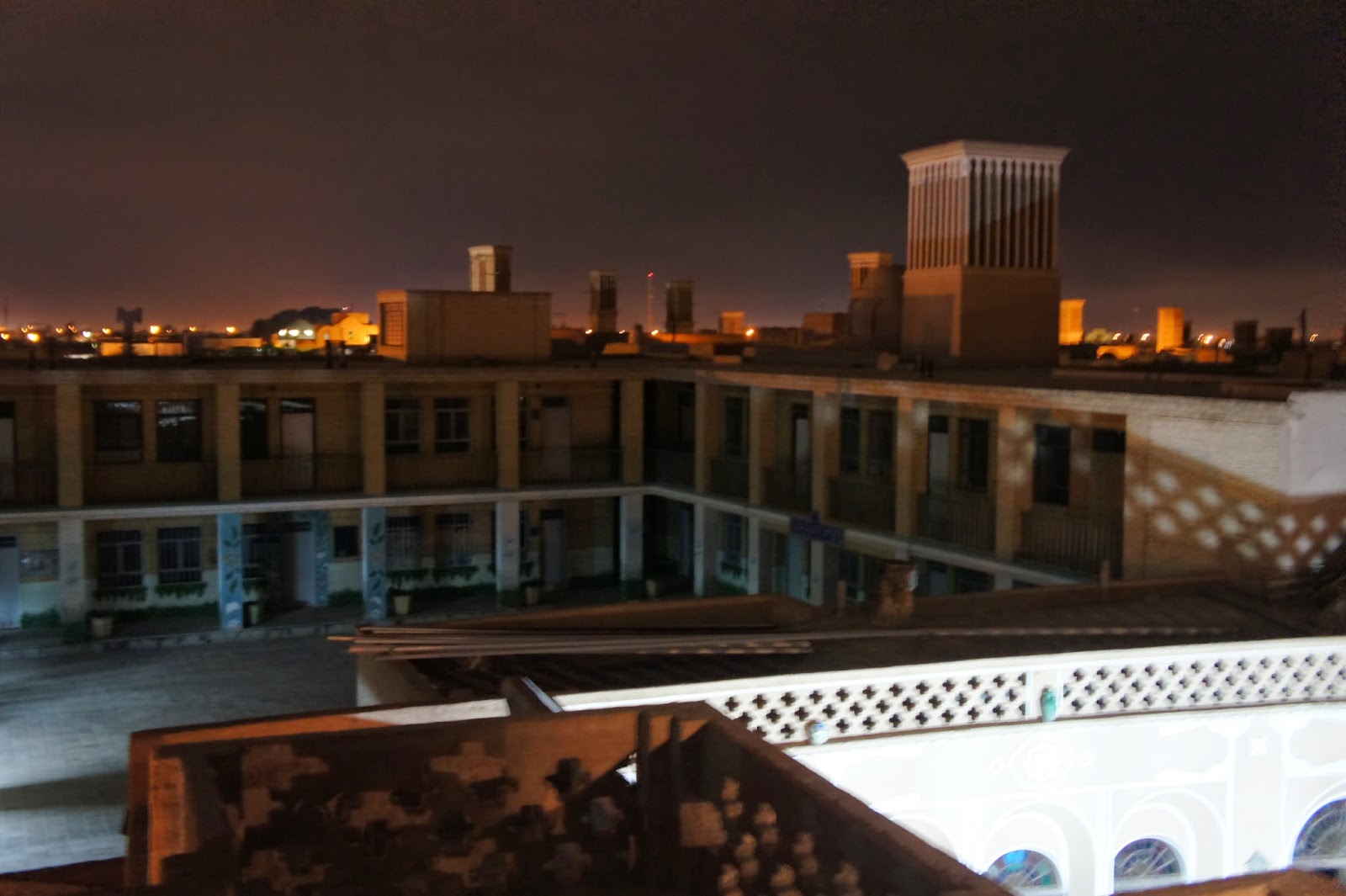
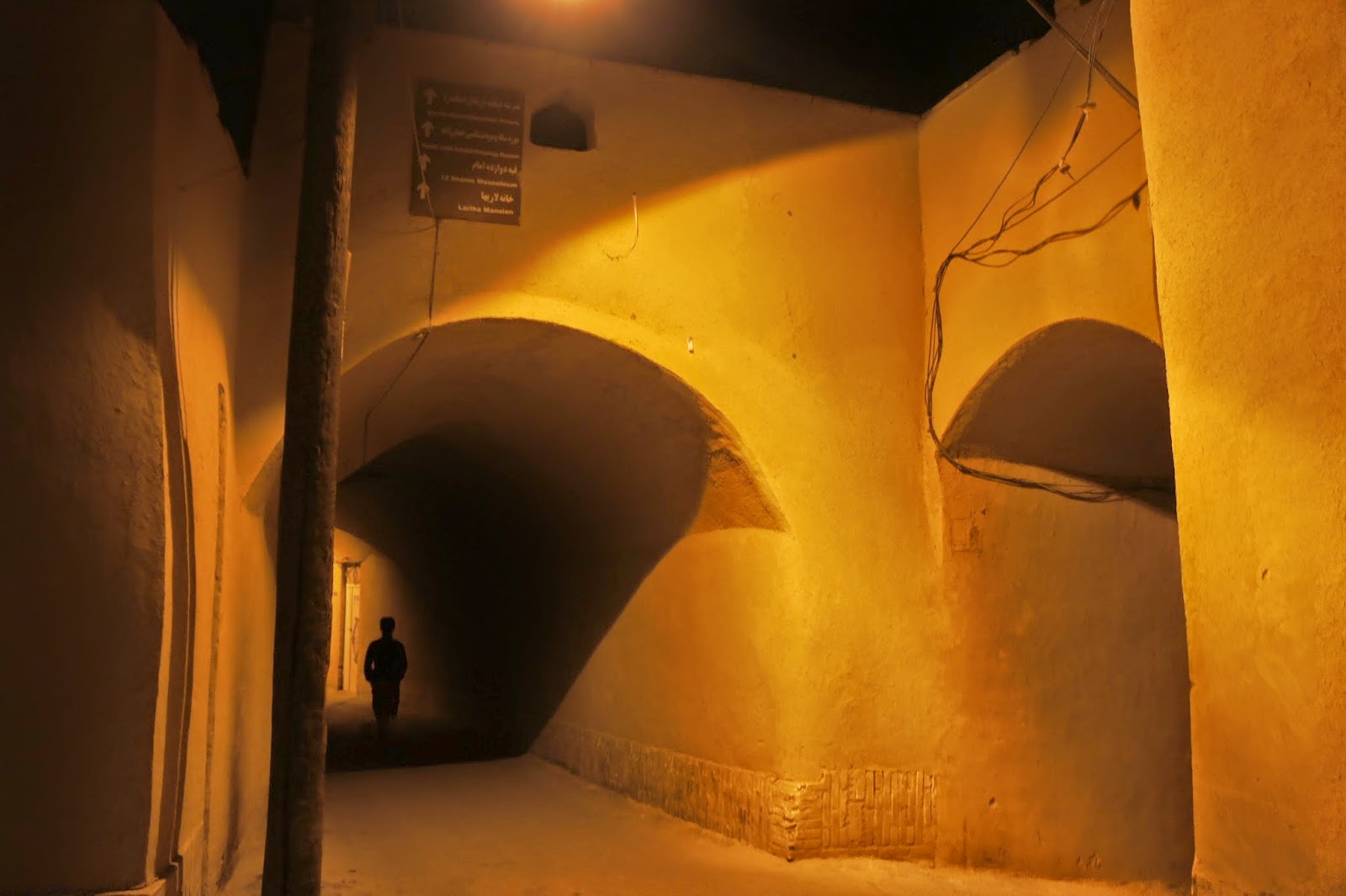
We headed back to the hotel to rest for the night, on the way back, our guide brought us to this shop, where the shopkeeper was kind enough to show us Old Yazd from the rooftop. I had read on Lonely Planet that when in Yazd, we should get onto the roof of these building and see the old town from a different perspective. The view up here is indeed different, it felt like part of the set of “Prince of Persia”, certainly felt as if I can jump from rooftop to rooftop. As wind towers are characteristics of buildings in Yazd, from the roof I can see loads of wind towers on each of the buildings. I can almost see the whole of Old Yazd from up here as well. After taking some pictures, the shopkeeper said he has something to show us. Little did I expect he was trying to sell us Persian Carpets, felt a bit cheated though. Nonetheless, we had a more detailed lesson on how to differentiate the different types of Persian Rugs and why some rugs cost more than the others. Though we did not buy anything from him, the shopkeeper still kept his smile. We headed back to the hotel after leaving the shop to rest for the night, walking through the Old Yazd is amazing, as some parts are so narrow that only 2 person can walk side by side. At times cars were coming and we had to dodge for these cars. The walk is truly amazing.

Part of Old Yazd
Traditional Yazd housing
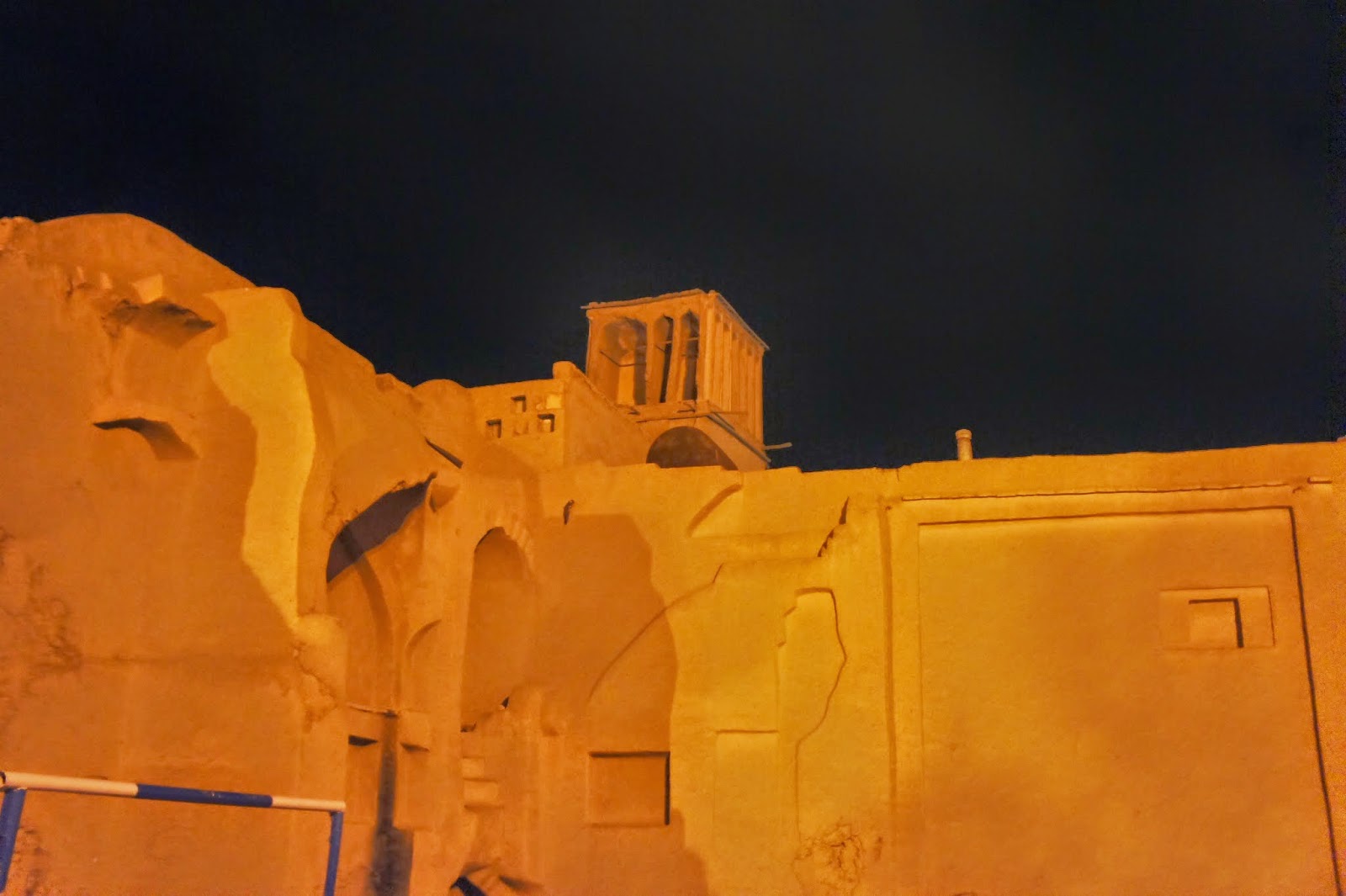
Through the alley of Old Yazd, most of the buildings have wind towers as a feature to cool the house in summer
Mazing through Old Yazd
View of Old Yazd from the roof of one of the buildings
We can see the mosque afar from the roof
Mosque view from the roof
View of Old Yazd from the roof
View of Old Yazd from the roof 
The quiet maze of Old Yazd
Building in Old Yazd
Quiet but safe street of Old Yazd. The only danger is getting lost in these mazes
Street of Old Yazd
Street of Old Yazd
Street of Old Yazd


Iran Day 2: Shiraz (2 Mar 11) – The City of Poets: A Visit to Sa’adi and Hafez Tombs

Flying From Tehran to Shiraz

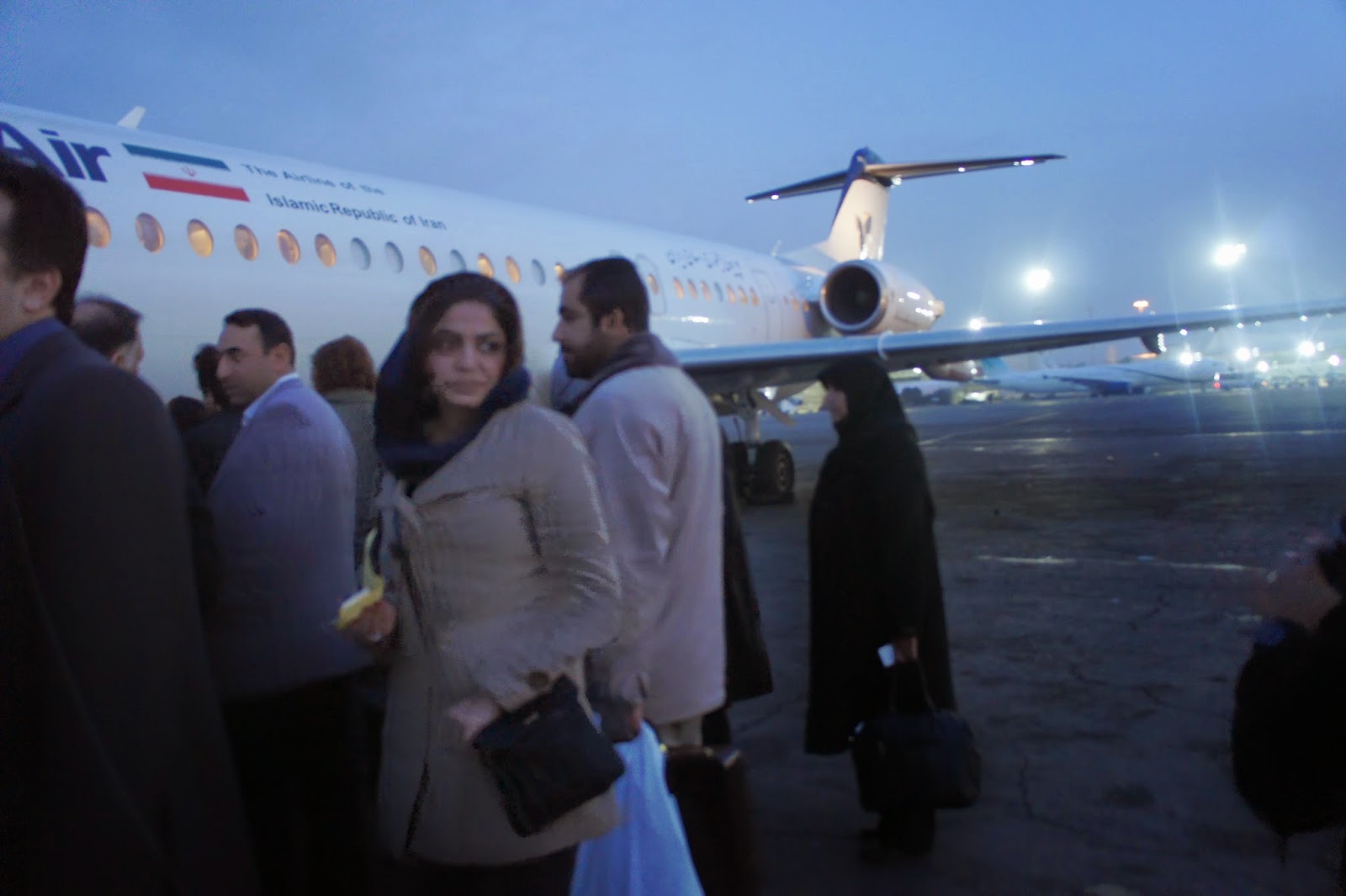
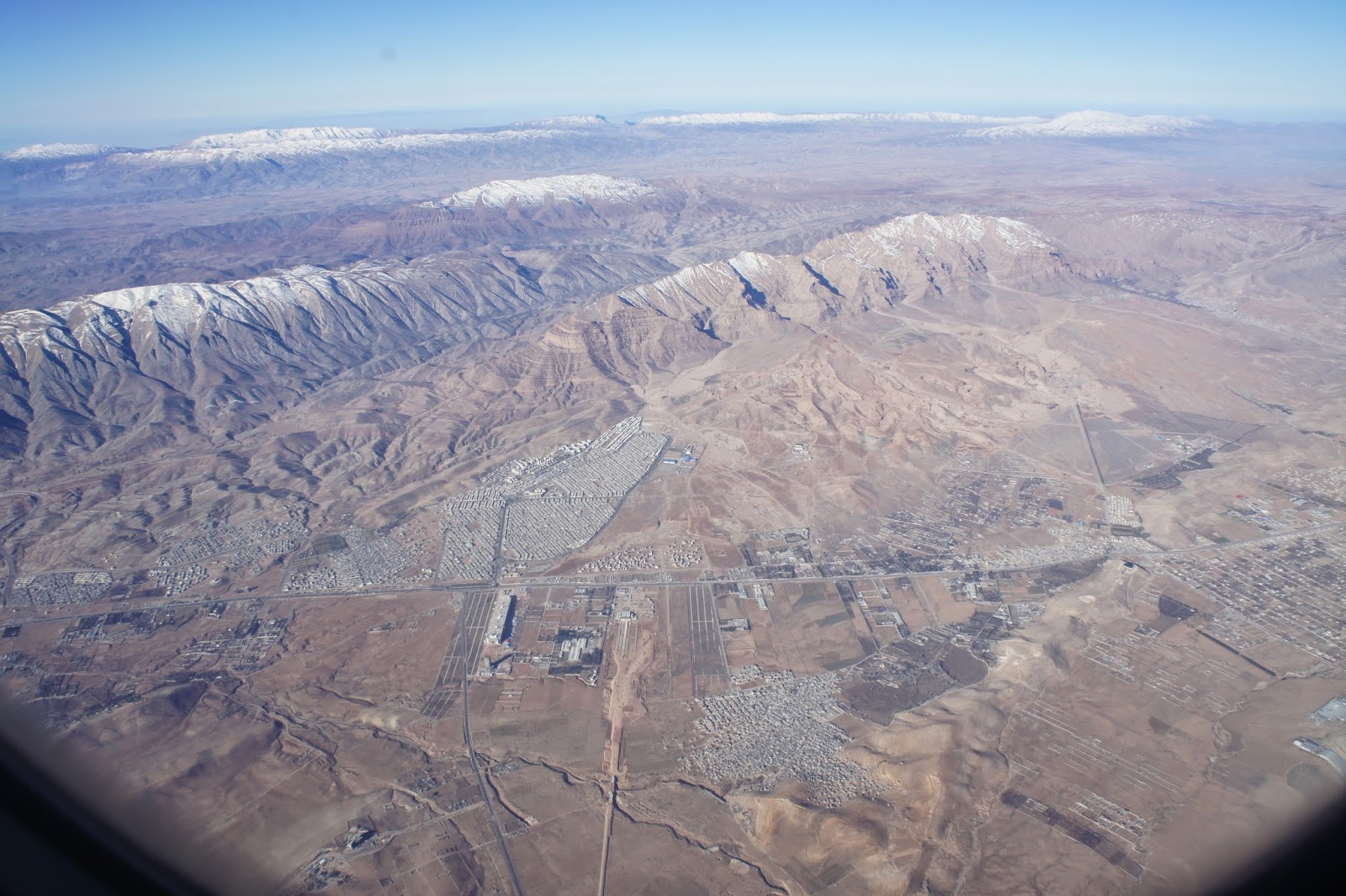
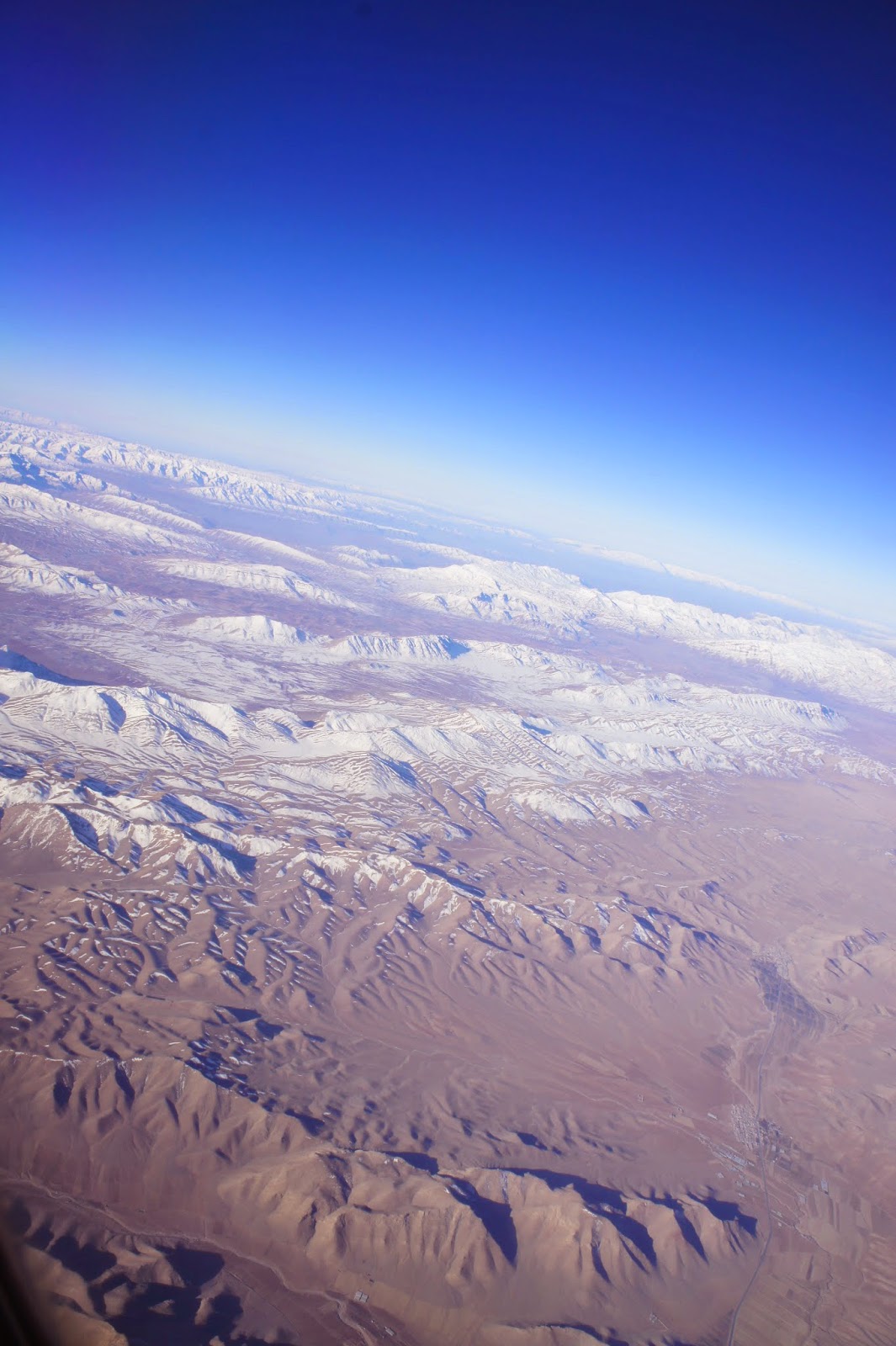
We woke up in time to meet up with our driver at 4.30 am who drove us to the domestic airport. Tehran at this hour is very different from what we saw yesterday. It seems like the city is still in slumber, there are hardly any cars on the streets and the journey to the airport did not take too long. Our driver was very dedicated and responsible, ensuring we checked into the right counter and entered the right gate before the leaves us. At the X-ray machine, my Cyrus cylinder crate got quite a bit of attention. The staff at the x-ray machine was curious what it is, our driver spoke to them in Farsi, they gave us a blank look and then signal for us to proceed on. Time has come for us to board the aircraft. A bus drove us to the tarmac, at the tarmac while waiting to board the aircraft, we were happily snapping pictures. After taking some pictures, 2 Iranian told us discreetly that we are not allowed to take pictures in the airport and told us politely to put our cameras away before they get confiscated.  We quickly did what was advised and boarded the aircraft. The flight from Tehran to Shiraz took about 2 hours, the flight was uneventful but scenic. We flew past the Zagros Mountains, which runs North/South to the west of Iran.

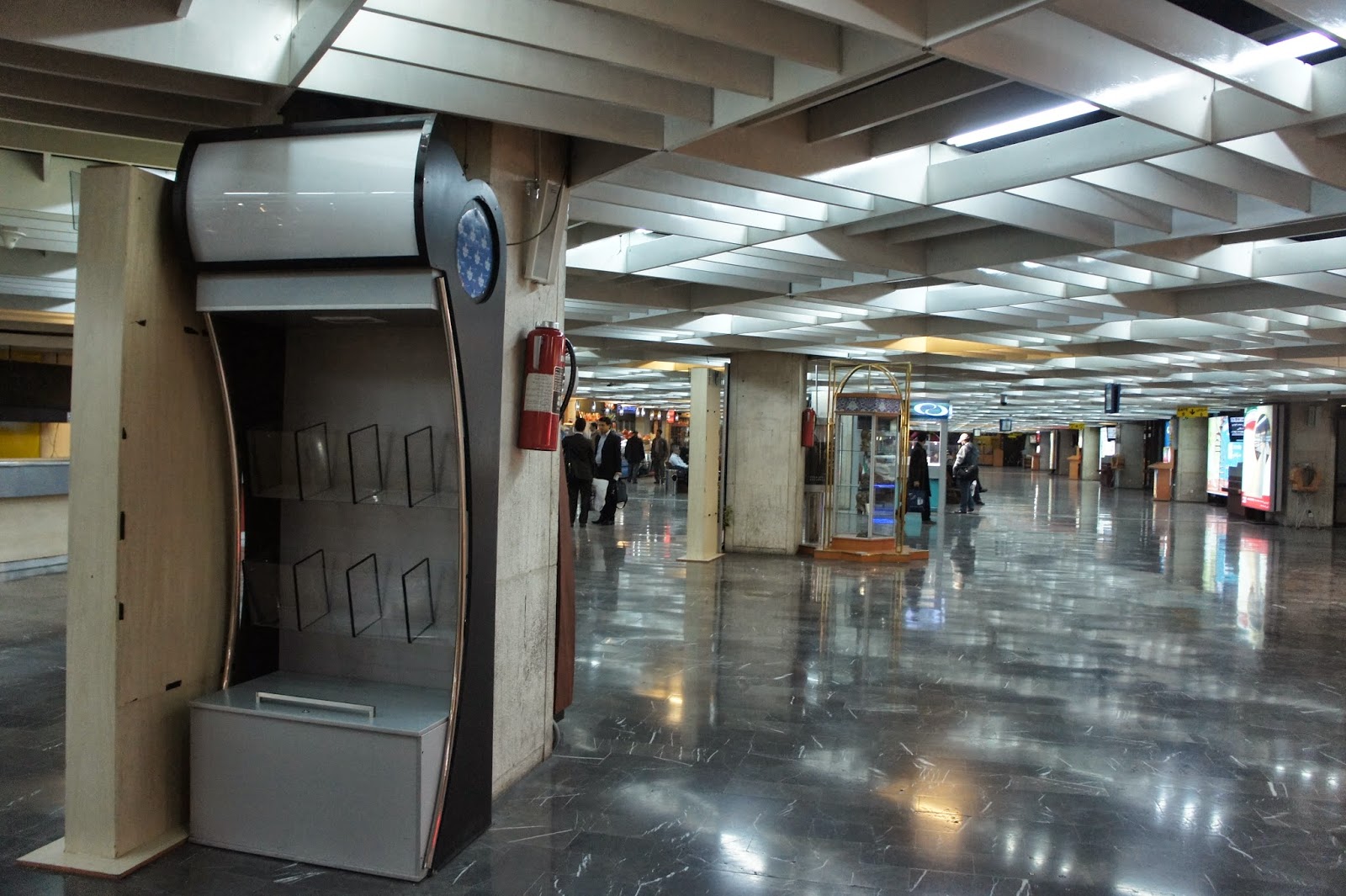
A quiet domestic airport terminal in Tehran
At the tarmac waiting to board Air Iran towards Shiraz
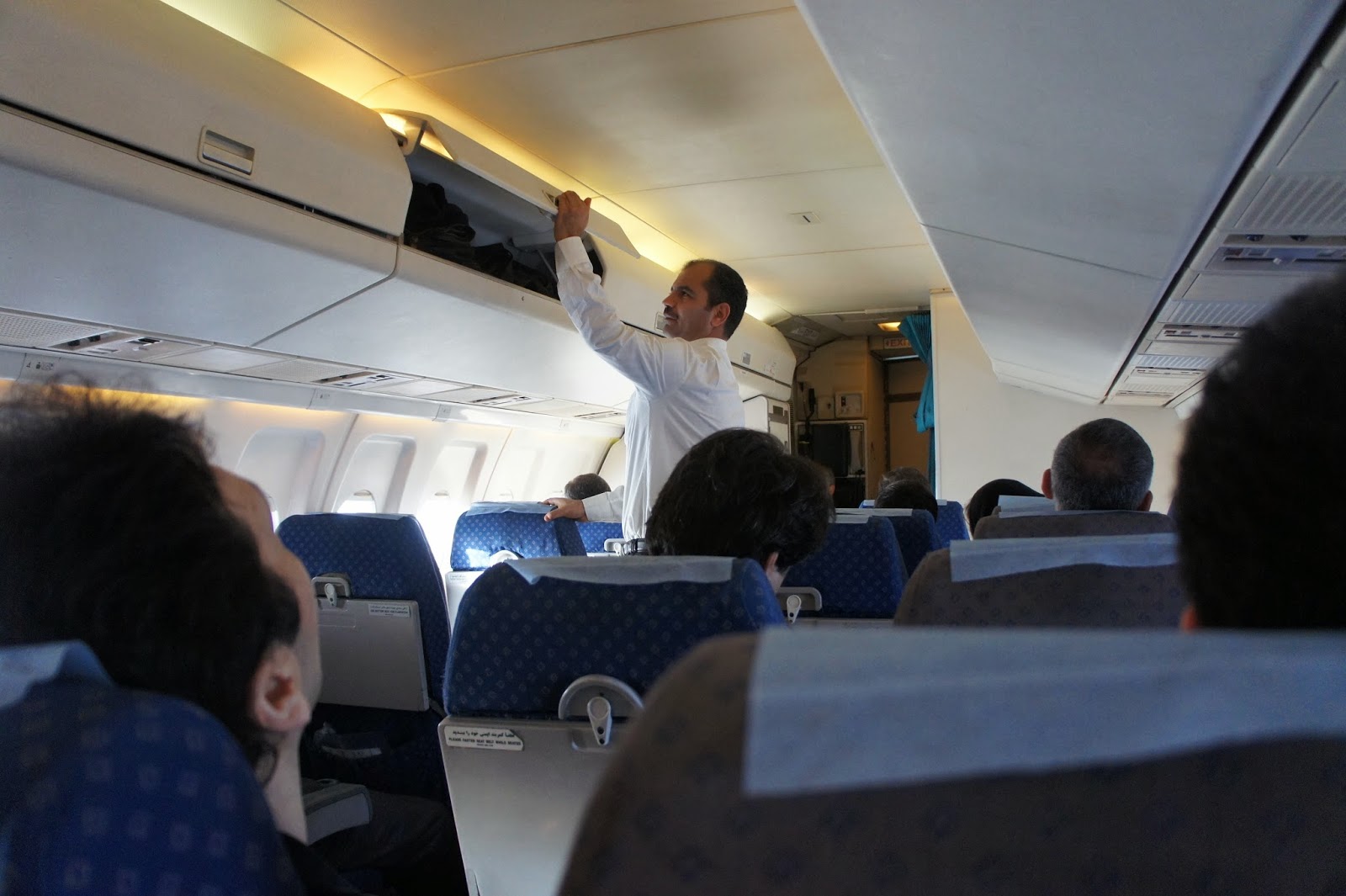
Inside the cabin of Air Iran getting ready to fly
Breakfast is served
A glimpse of Zagros Mountain
The Zagros Mountains from the air

Public Bath of Shiraz

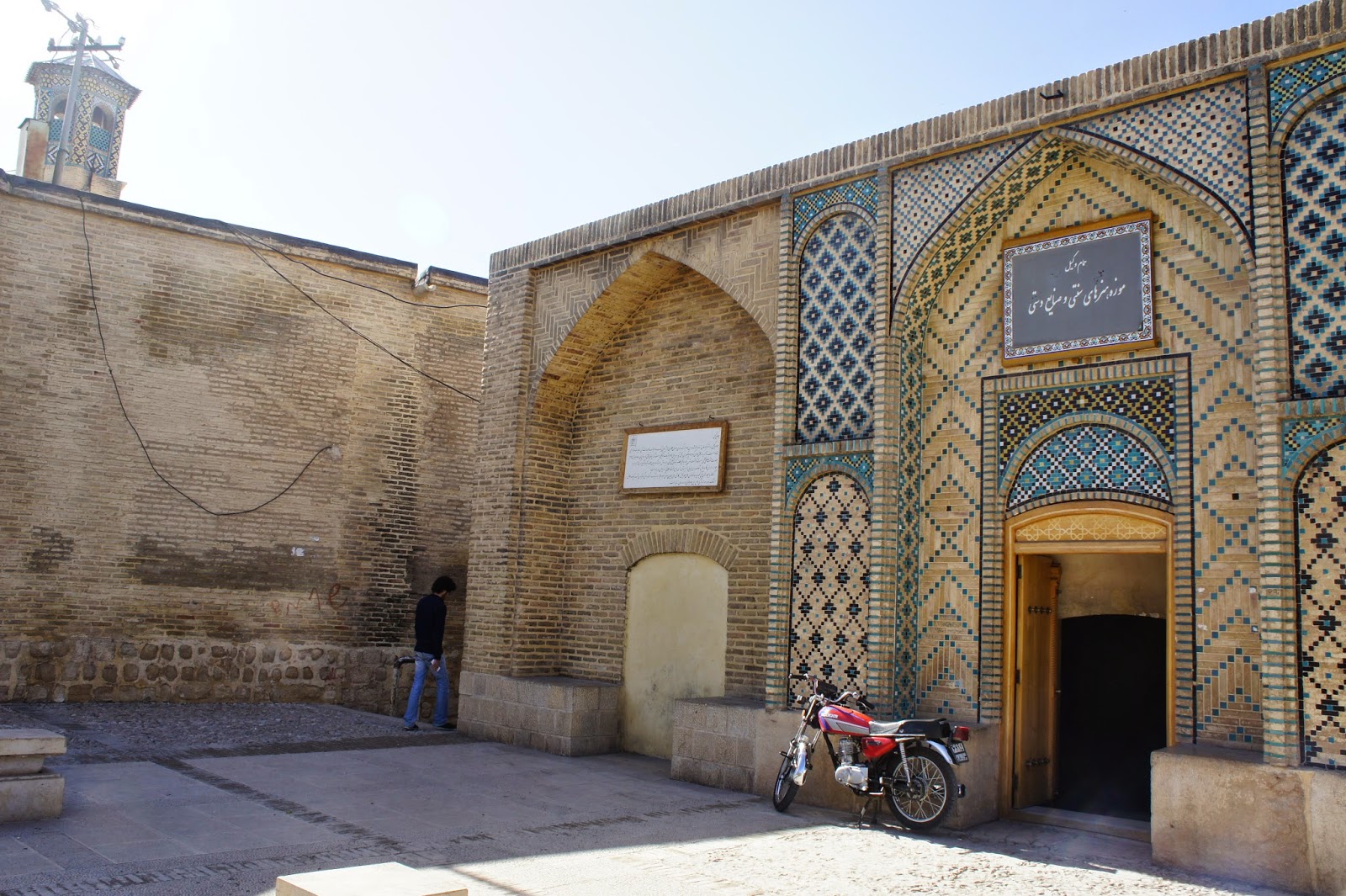
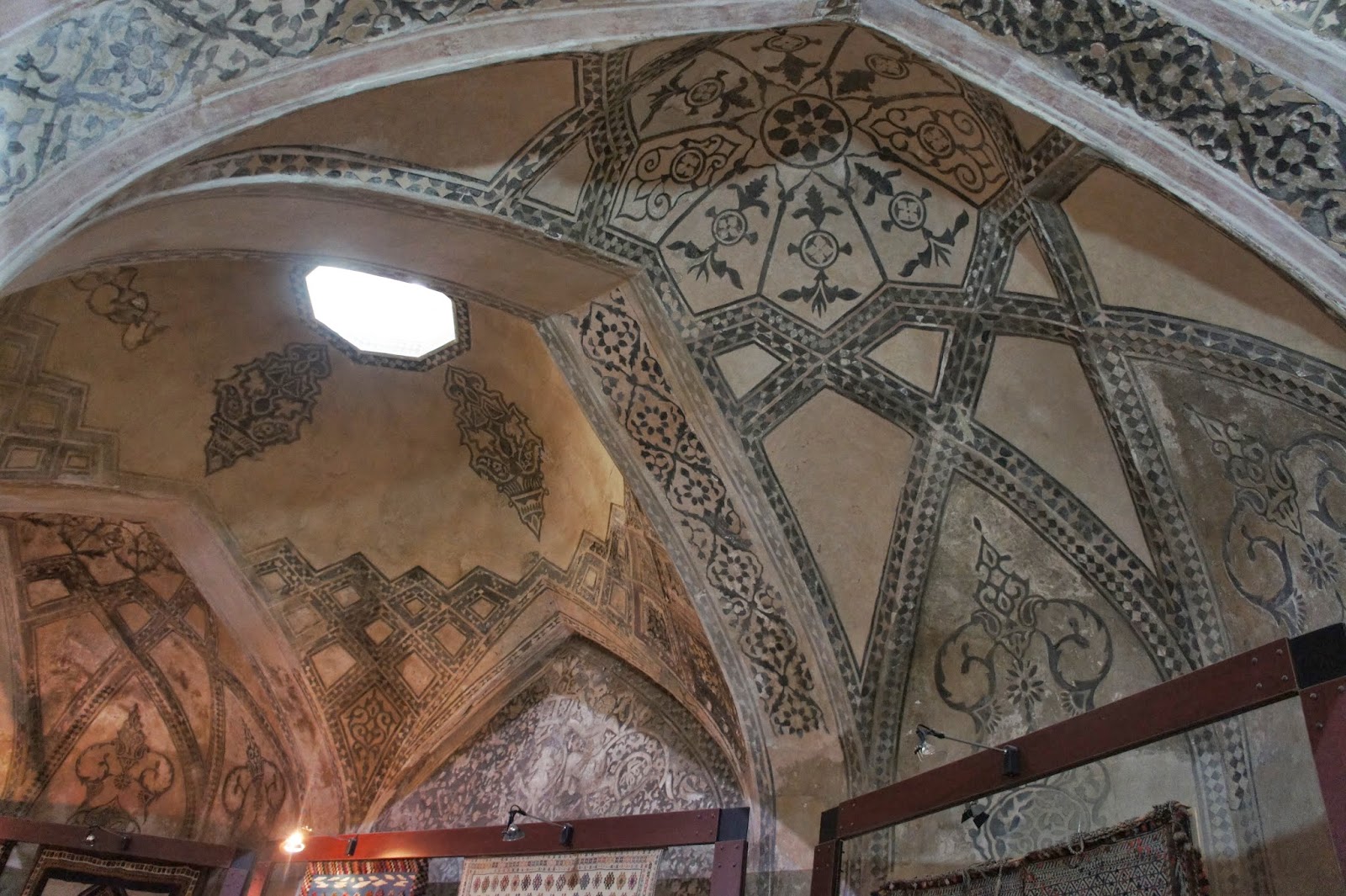
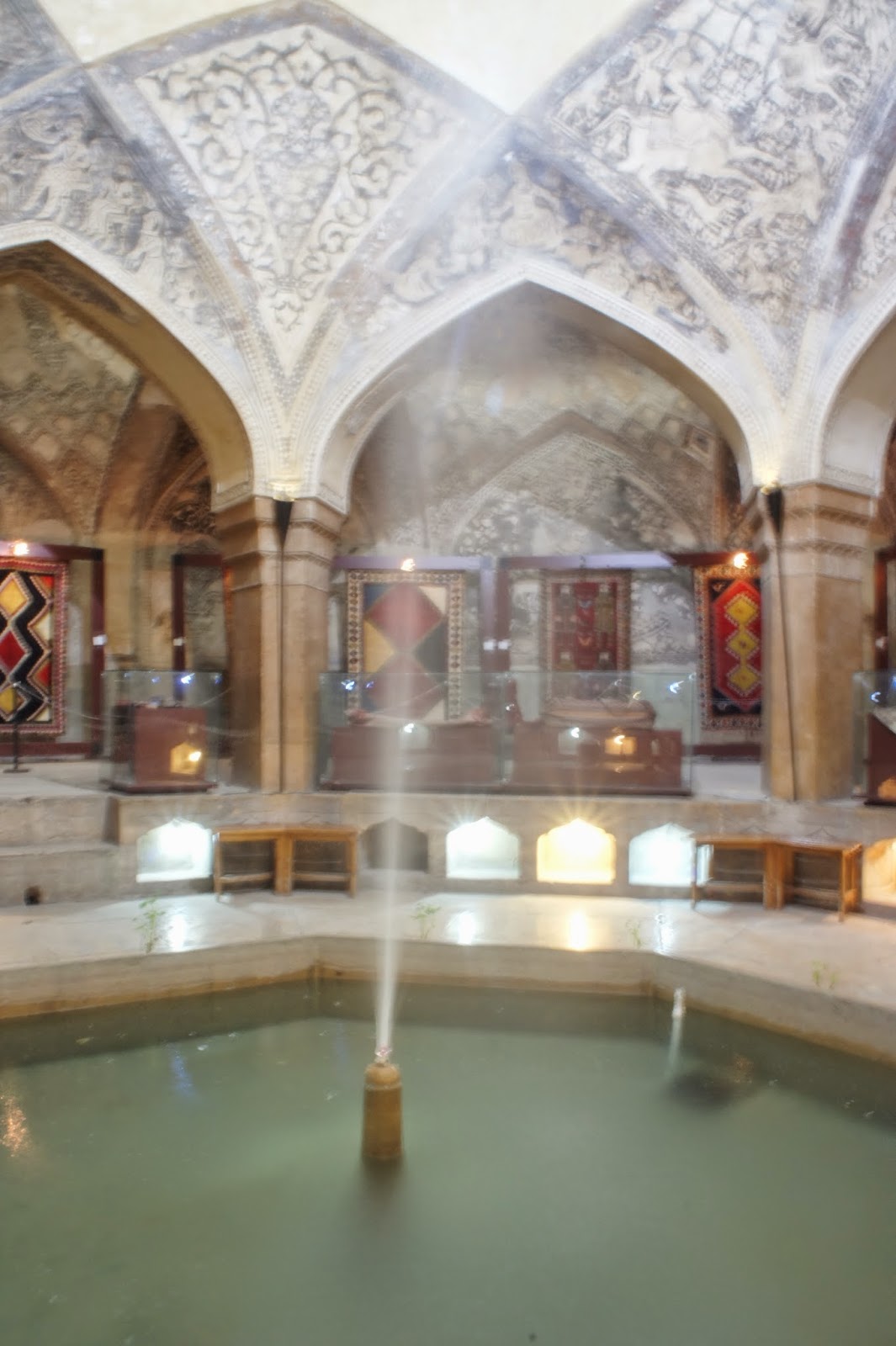
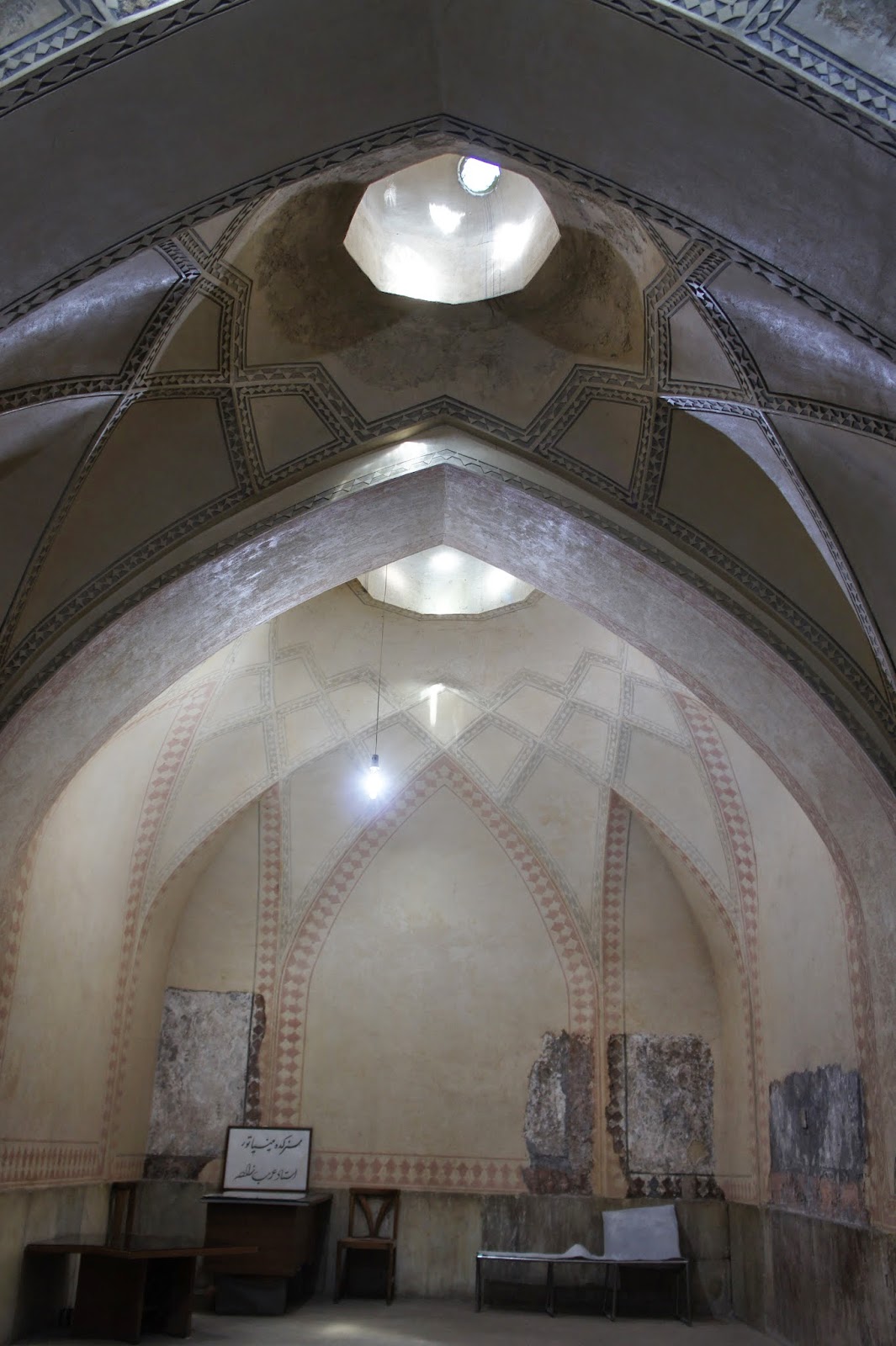
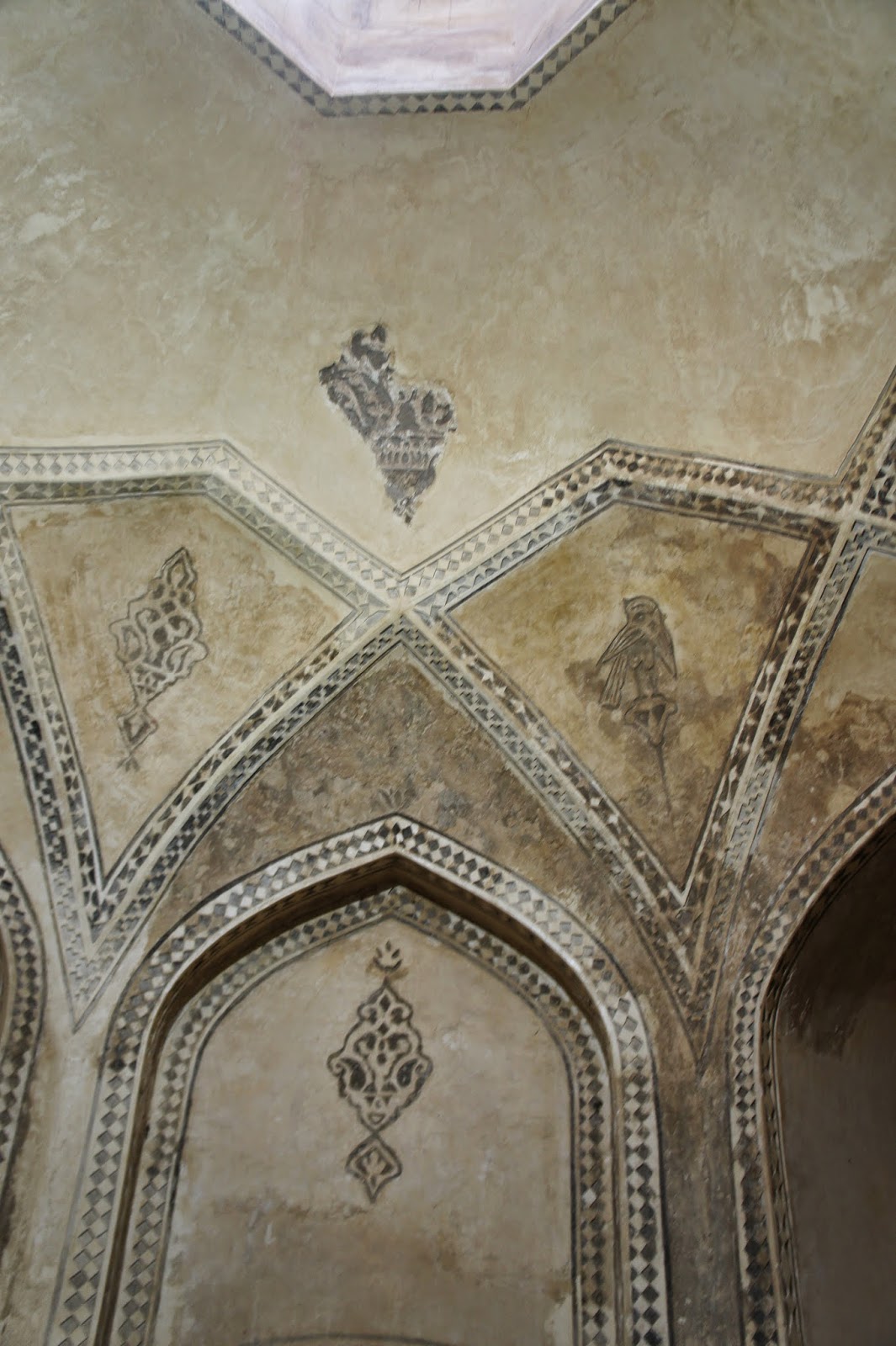
We touched down 2 hours later, collected our luggage and our guide is already waiting for us. He introduced himself and briefly told us the itinerary for the day. As we are not able to check-in at the time we arrived in Shiraz, our guide took us to some of the attractions in downtown Shiraz. Our first stop is the public bath. We were told back in those days, not all household will have tap water, as such people don’t shower every day. However they need to shower every time they enter a mosque for prayers, thus this bath was built beside the mosque. We entered the bath and the first room, which was rather large is the waiting room. There are some carvings on the ceiling of this room, which depicts some day-to-day life of the locals then. Once we passed the waiting room the rest of the bath is disappointing, as this bath has been converted into a carpet museum and an arts & craft centre. Only the waiting room still looks like what it was before, the other rooms like the changing and the washing room do not resemble a bath at all. We did not spend a lot of time in the bath as it was not worth spending a lot of time in. We headed next door for the mosque after exiting the bath.

Mosque in Shiraz while driving towards the Public Bath
Entrance to the Public Bath
The exquisite carvings on the ceilings of the bath
Persian Folklore carved on the ceiling of the bath
The main waiting room inside the bath
Inside the Public Bath
A relatively simpler carving inside the bath

The Illusive Vakil Mosque

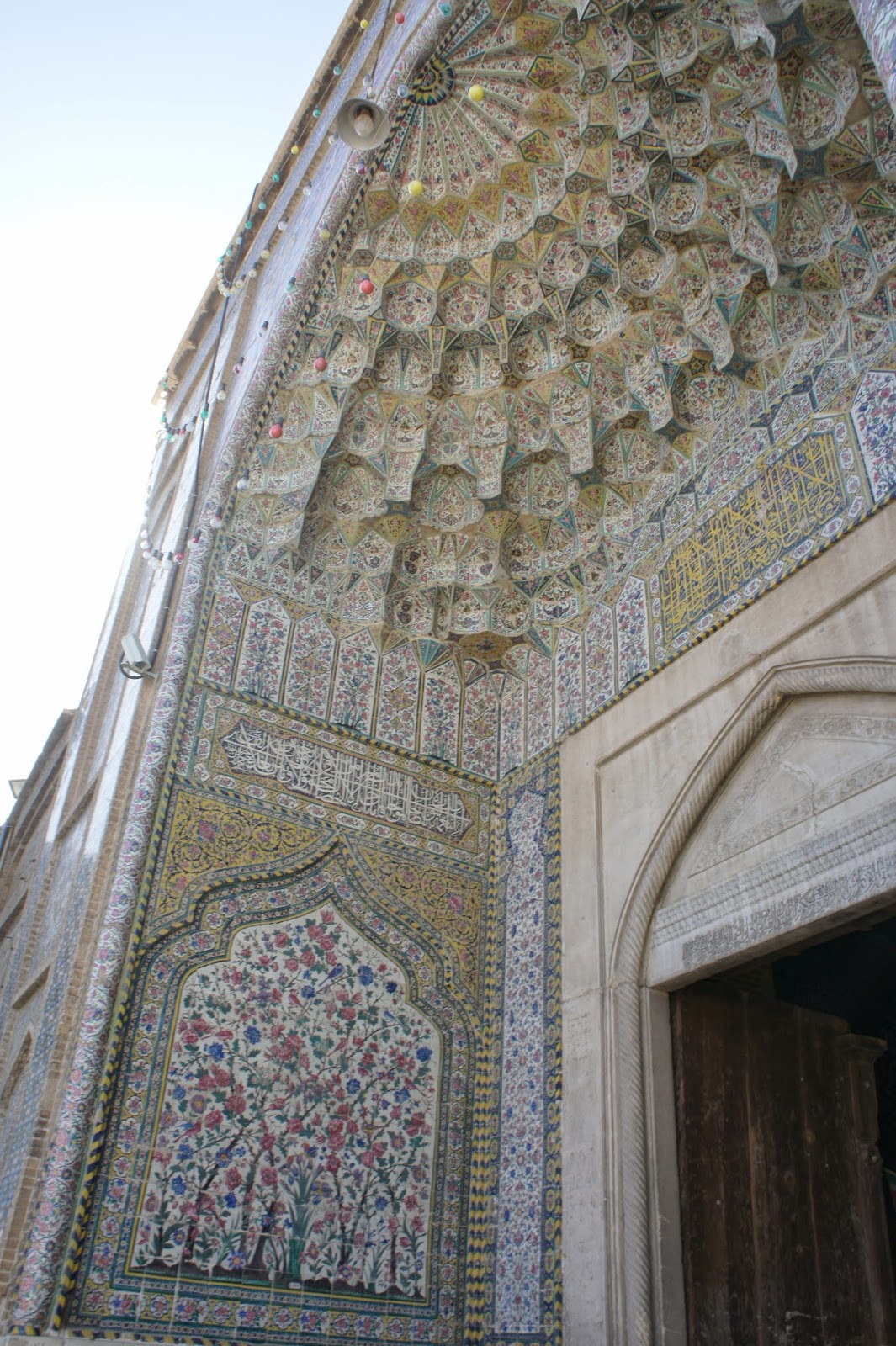
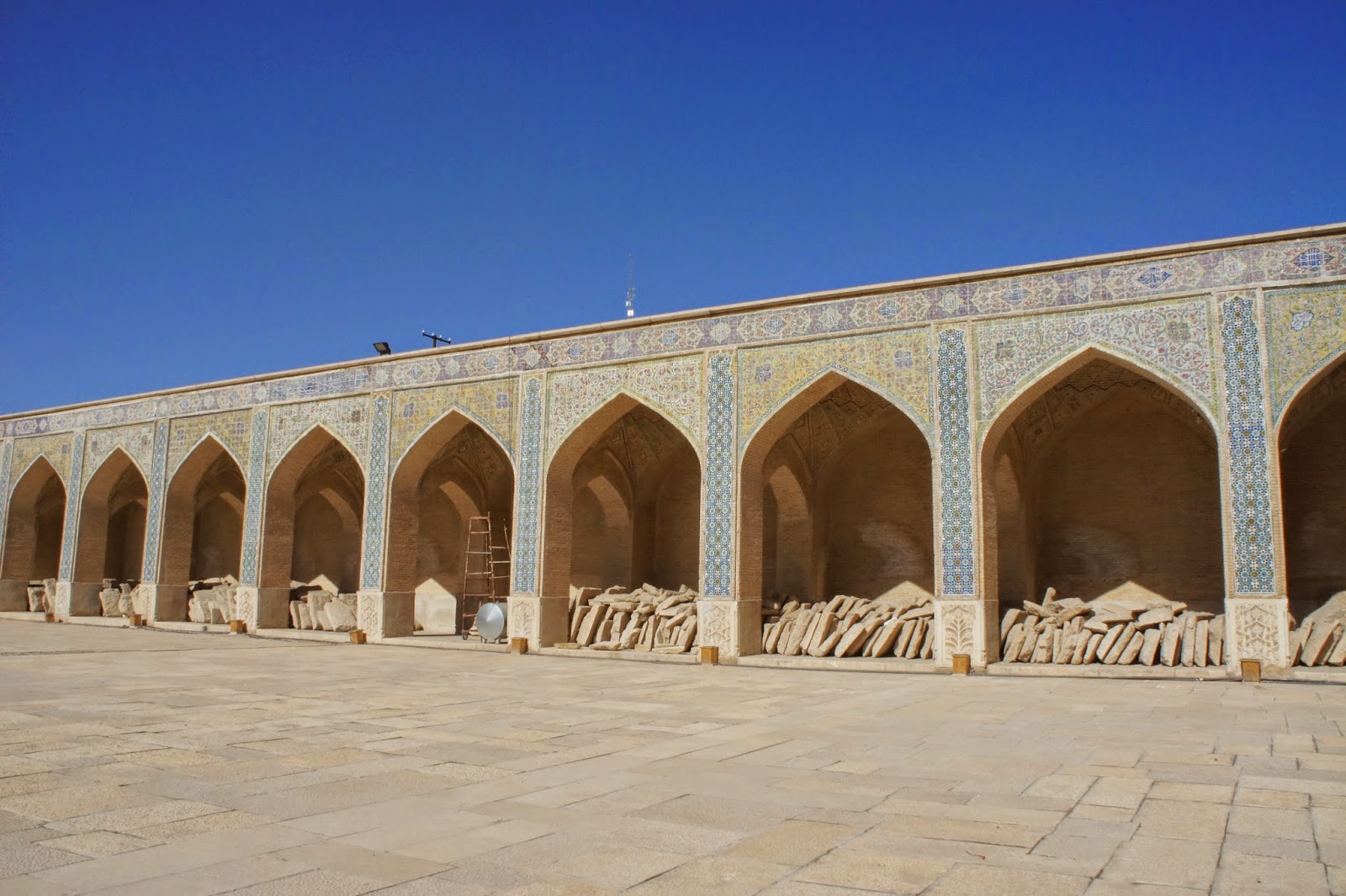
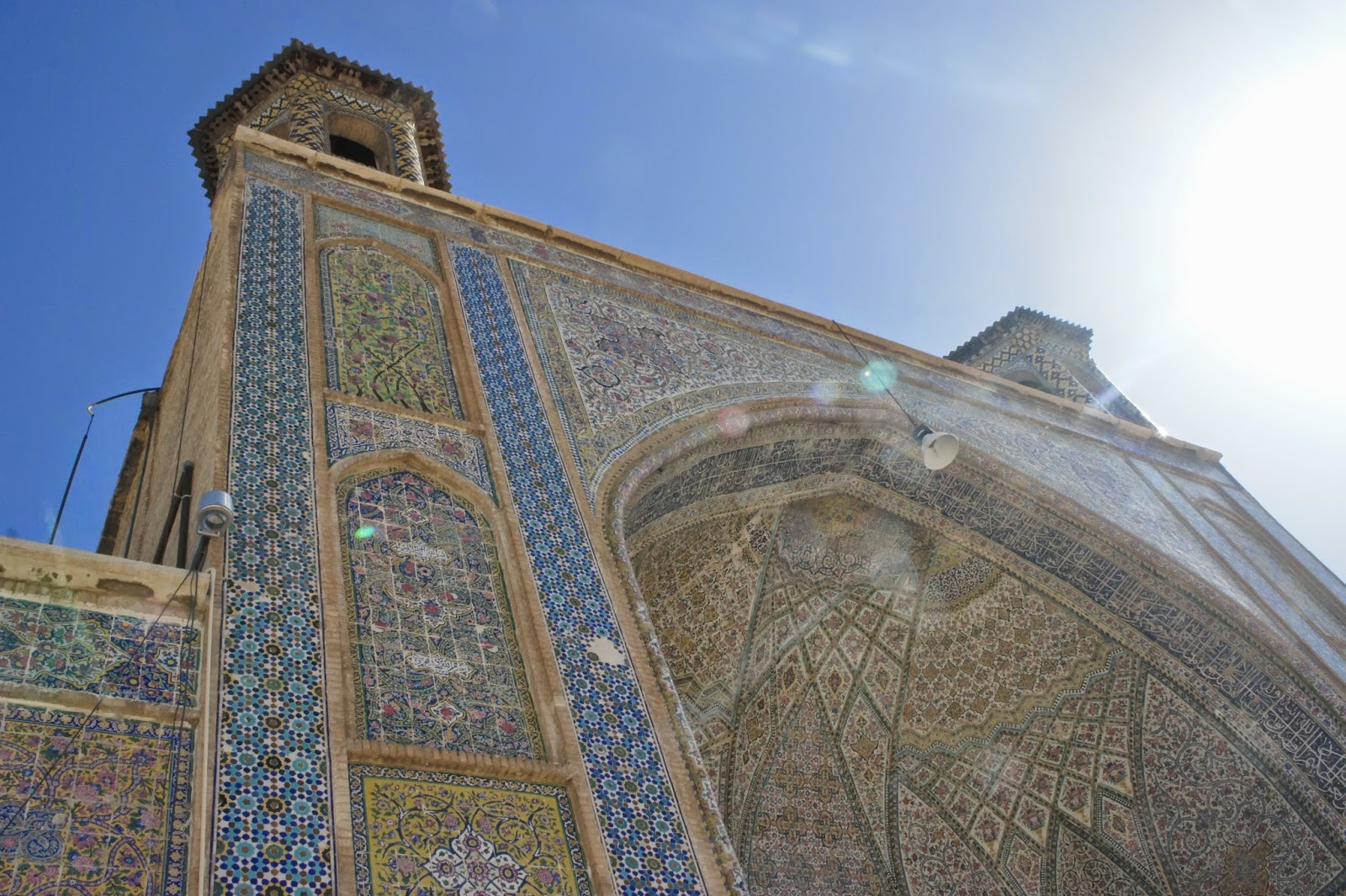
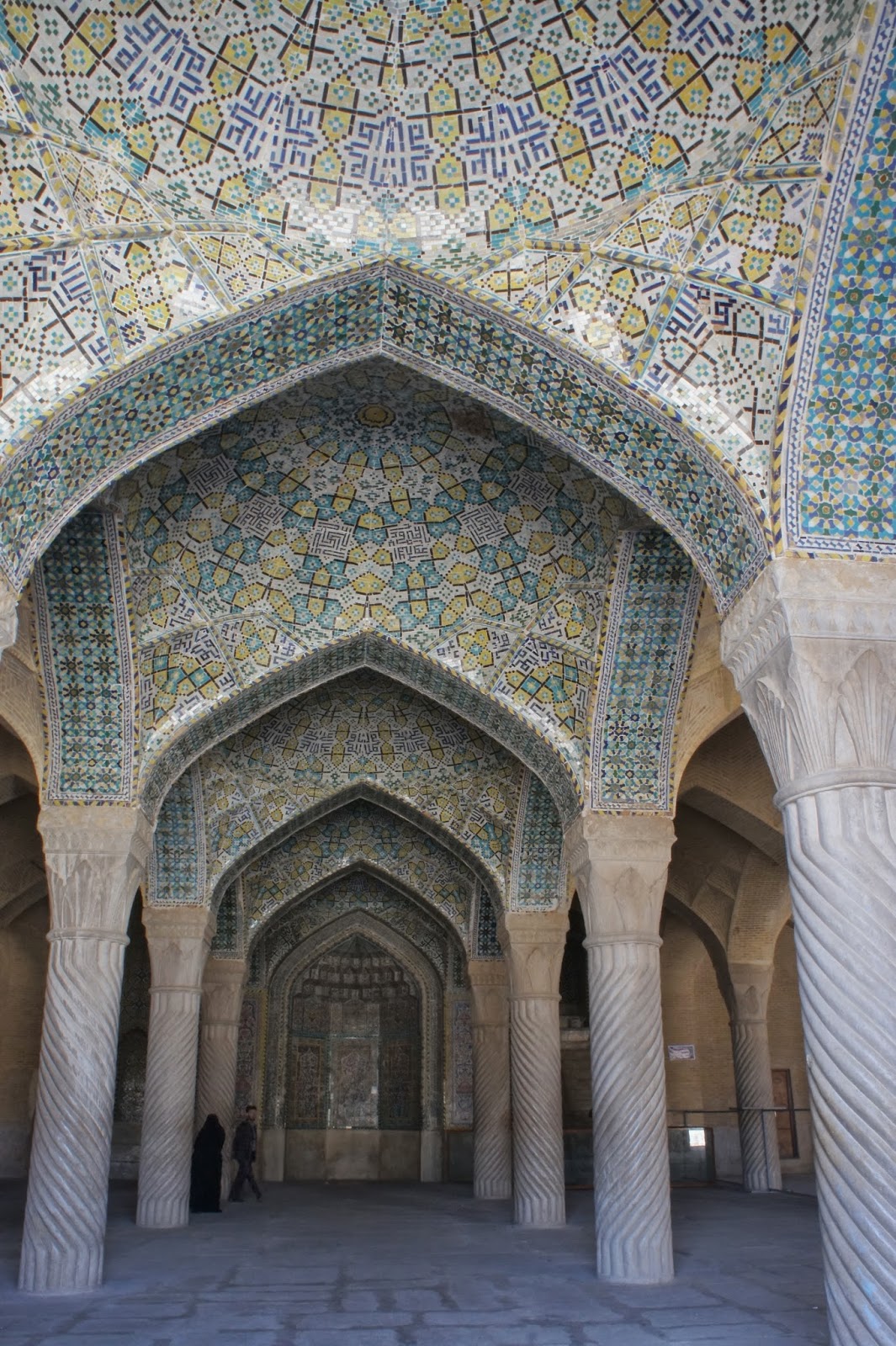
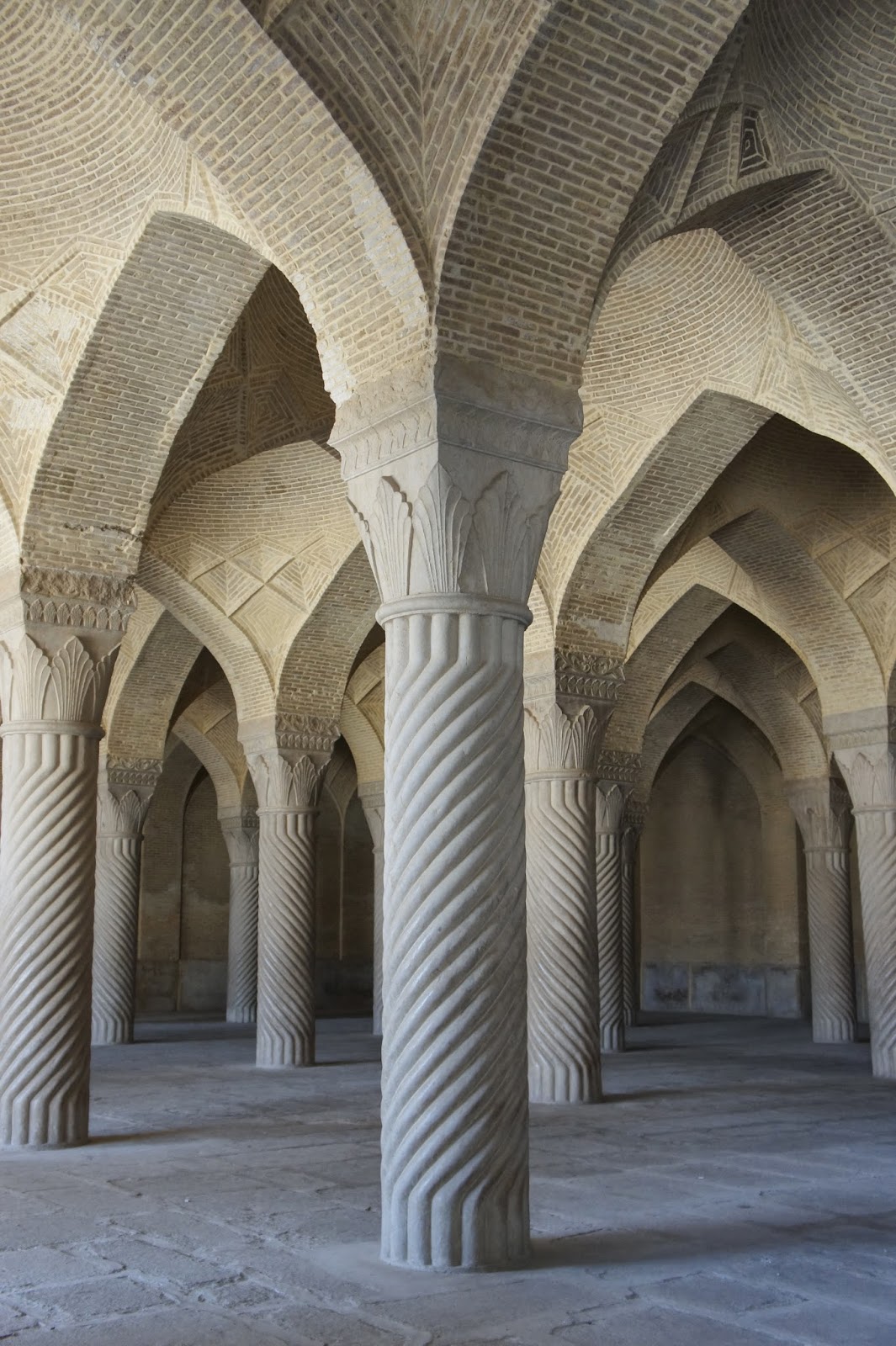
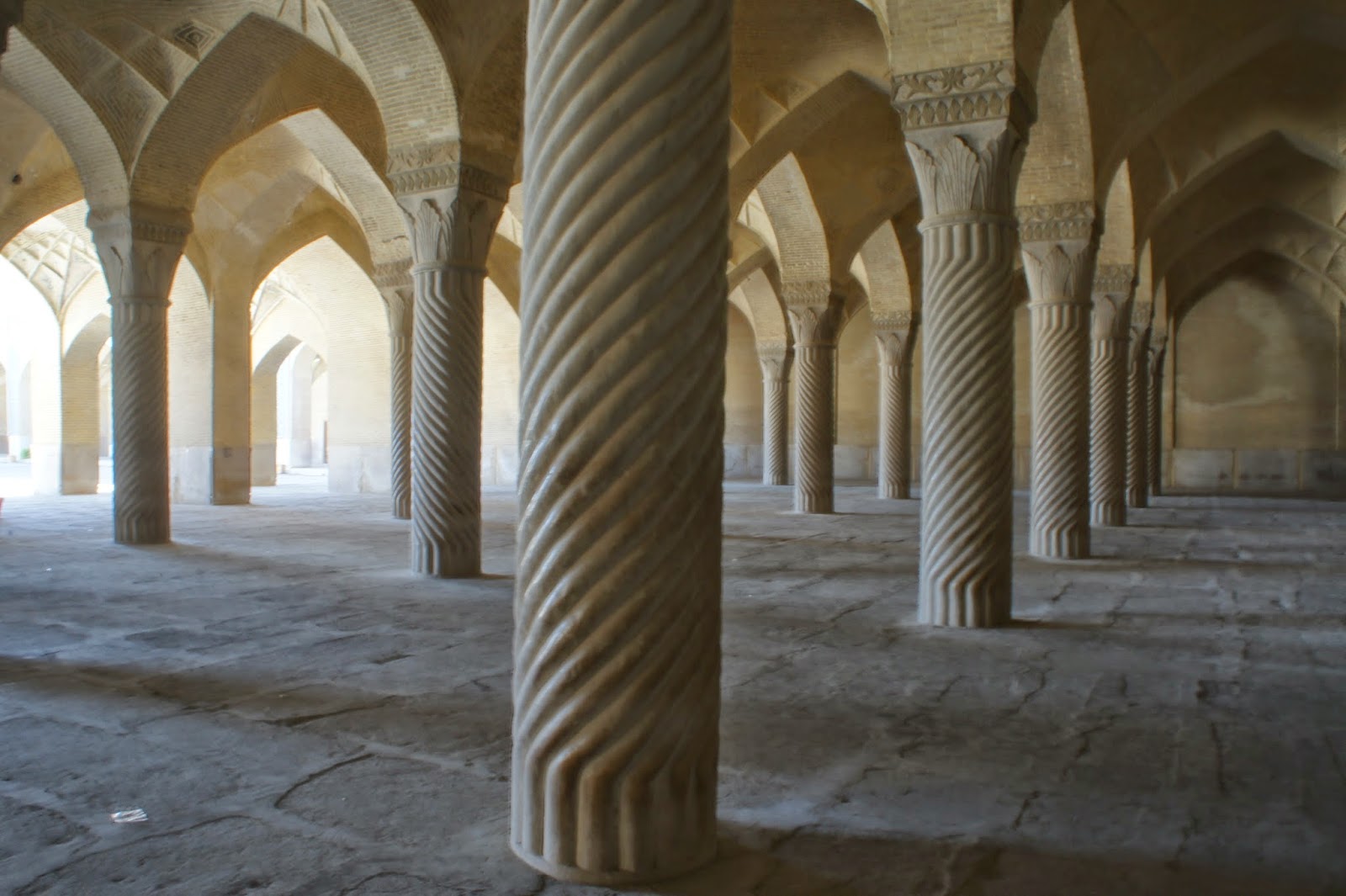
From the outside, Vakil Mosque does not seem to impress me a lot, especially after the disappointment I got from the public bath next door. I wasn’t expecting anything great before entering the mosque. Once past the door, my viewpoint changed. Perhaps it has been a long time since I have seen so much space, the first impression I got from standing at the door looking into the courtyard of this mosque was it is so carefree, so tranquil, could be the result of the absence of tall buildings around which gave me a view of the cloudless sky and the nonthreatening sunbeams, which doesn’t feel as potent as that in Singapore in midst of the winter here. We were told that the need for such a large courtyard so that place in Shiraz can gather here. The Vakil Mosque not only function as a place of prayers, but it is also a place of education and socialisation. We then went further into the prayer halls, this felt like a set from Lord of the Rings in the Dwarven mines. The columns were neatly arranged to give a rather mystical feel to the area. Our guide went on to explain the different functions on the mosque, I did not pay a lot of attention to his introductions as I was captivated by the mysticism of this place. Truly stunning!

The entrance to Vakil Mosque
Persian Styled Entrance to the mosque
The courtyard of Vakil Mosque
Entrance to the prayer halls of the mosque
The facade of the prayer halls
Inside the prayer halls of Vakil Mosque
Even the columns are carved to elevated it of its dullness
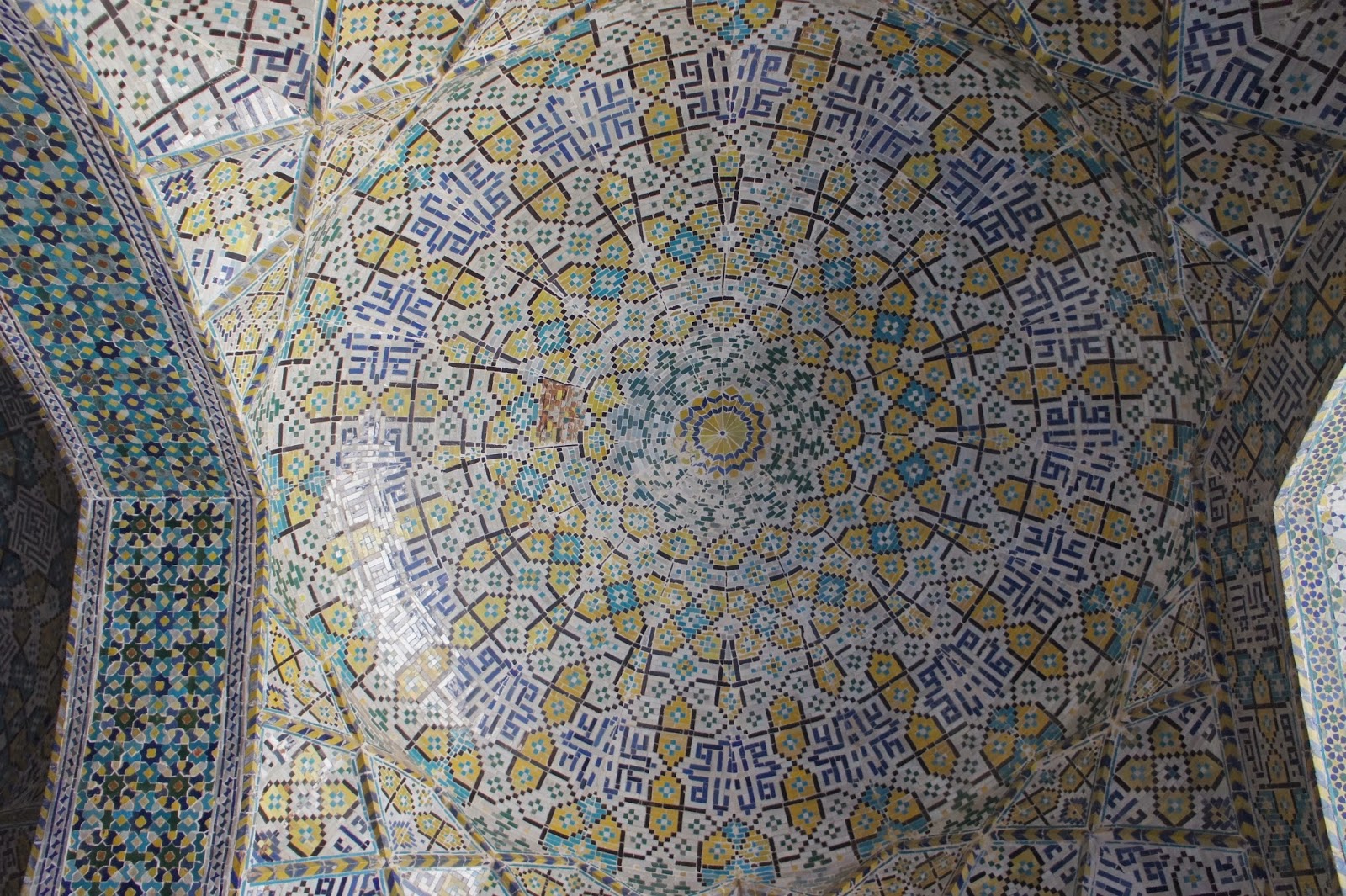
The intriguing patterns on the ceilings of the prayer hall
Looks like a page out of the movies
Inside the prayer halls
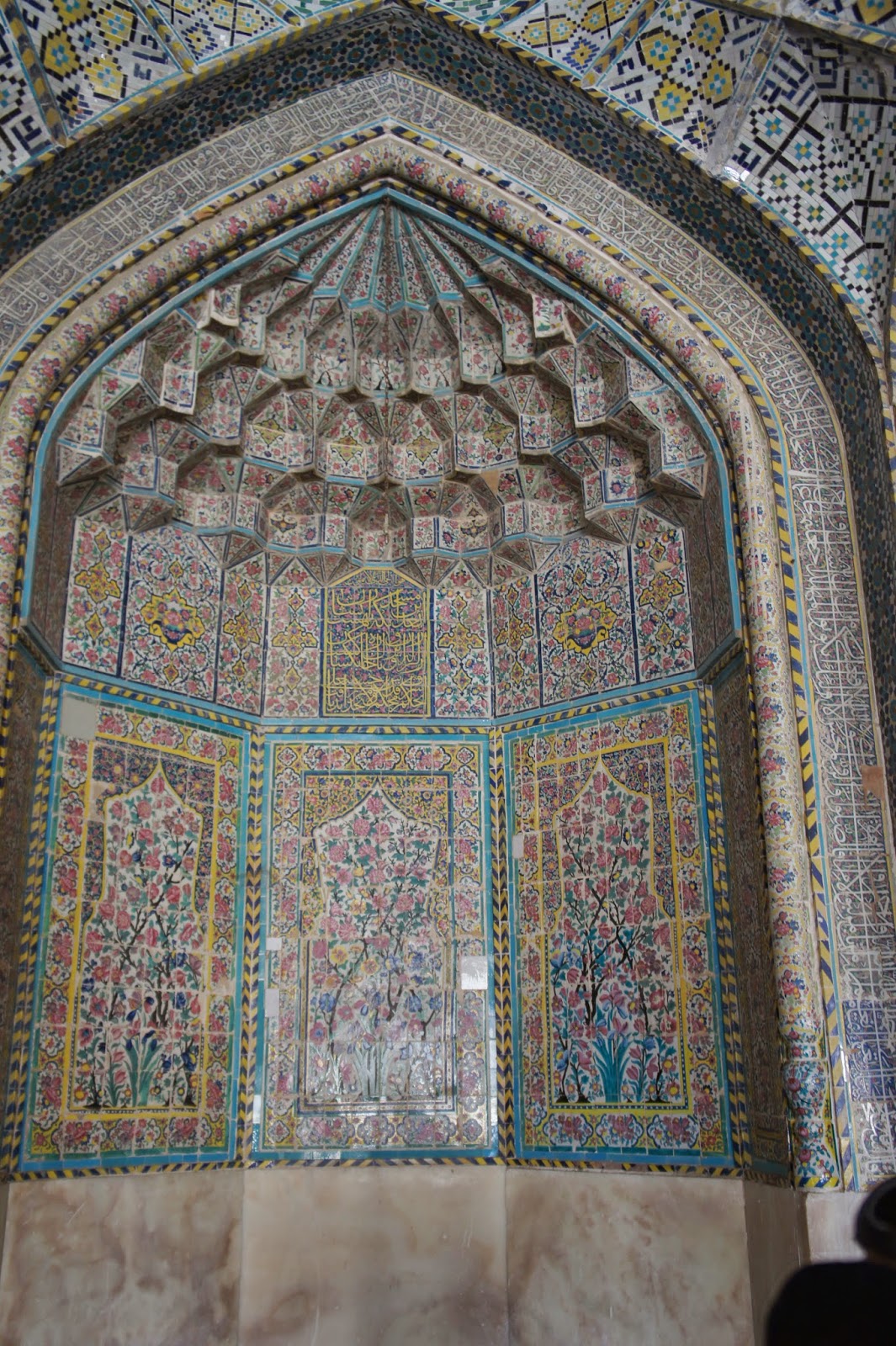
We were told this is where the priest sits to address the devotees
Me in front of the prayer halls inside Vakil Mosque

The Place Where Shirazis Gathered – Vakil Bazaar

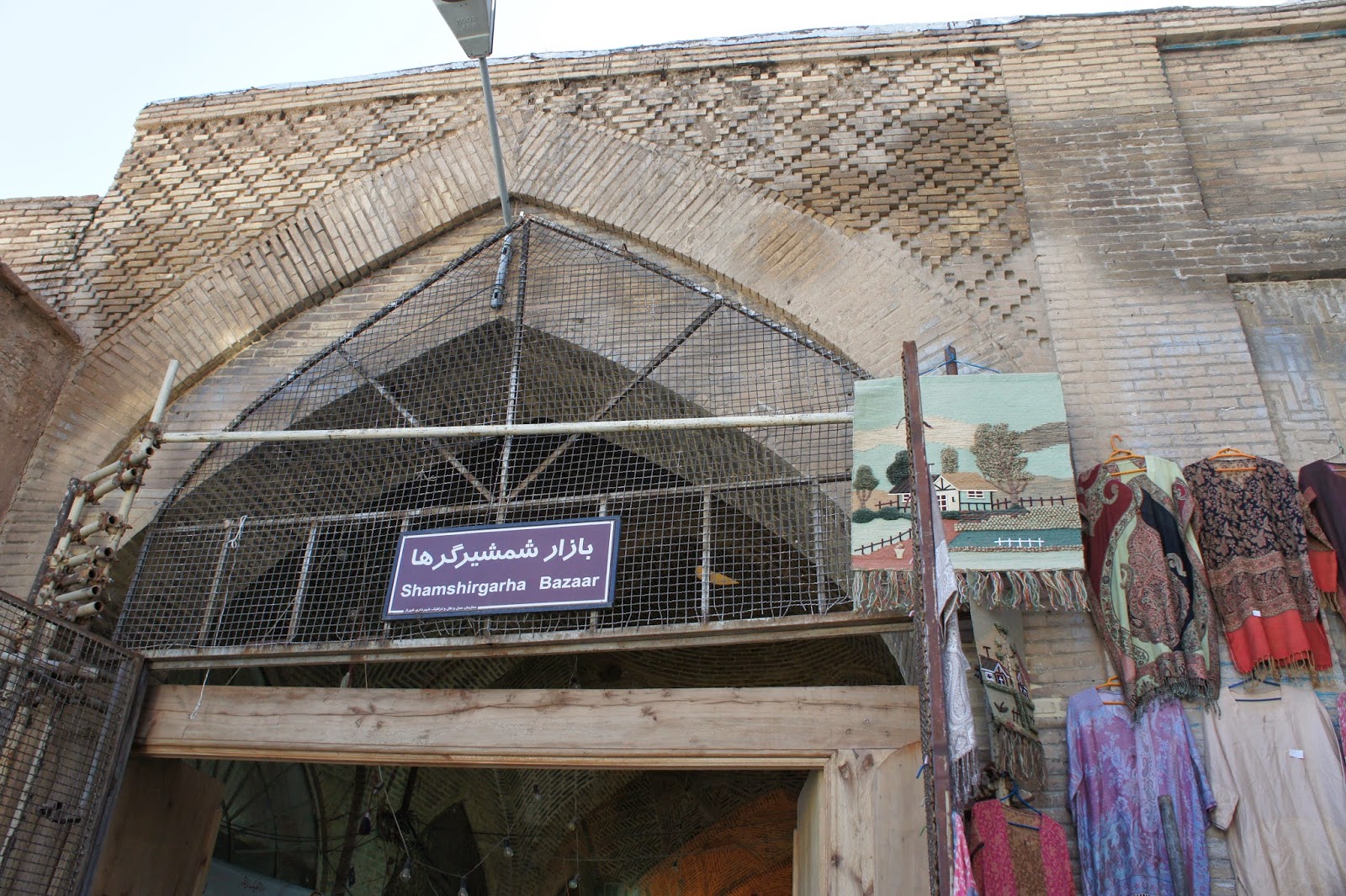
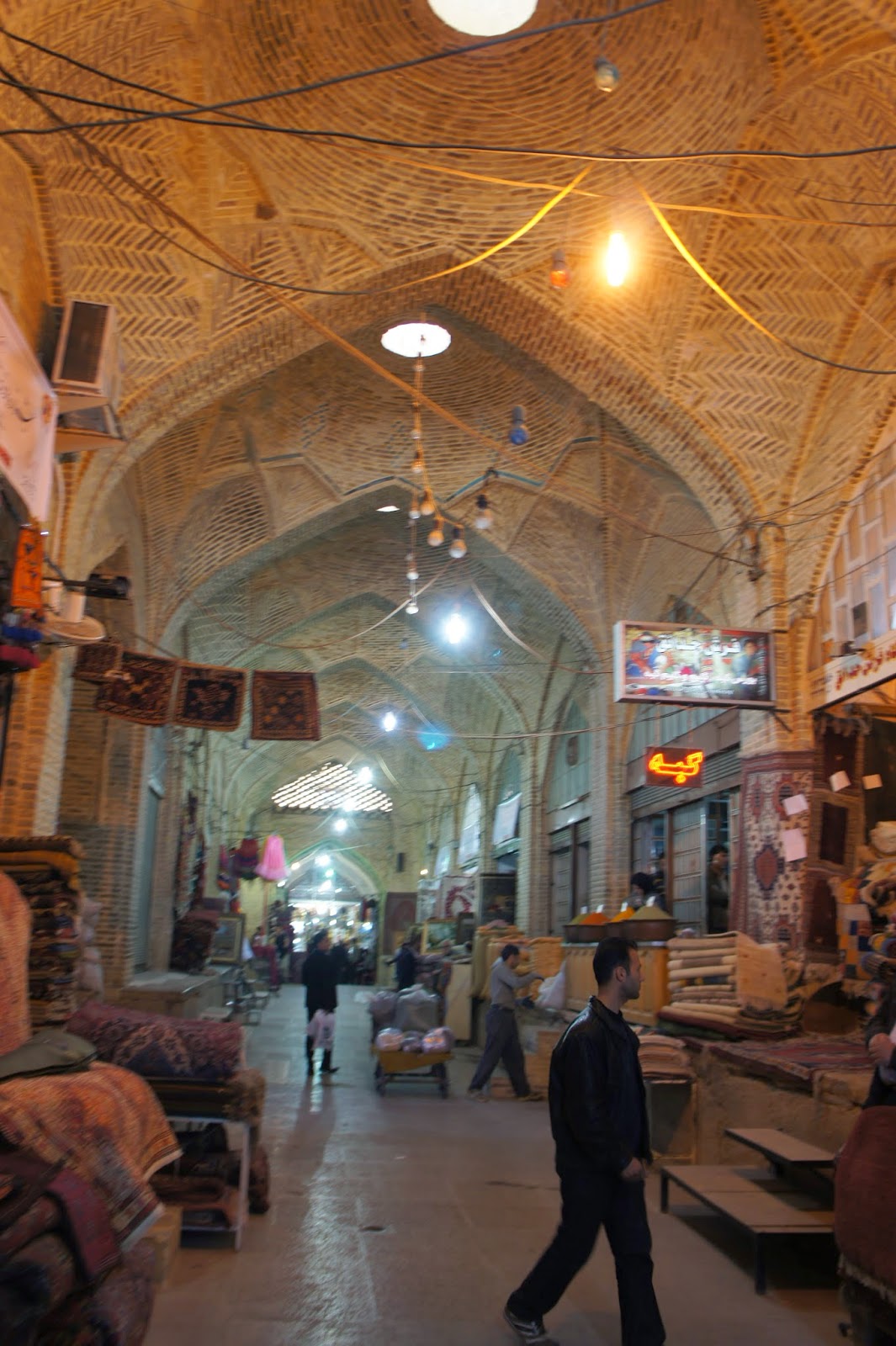
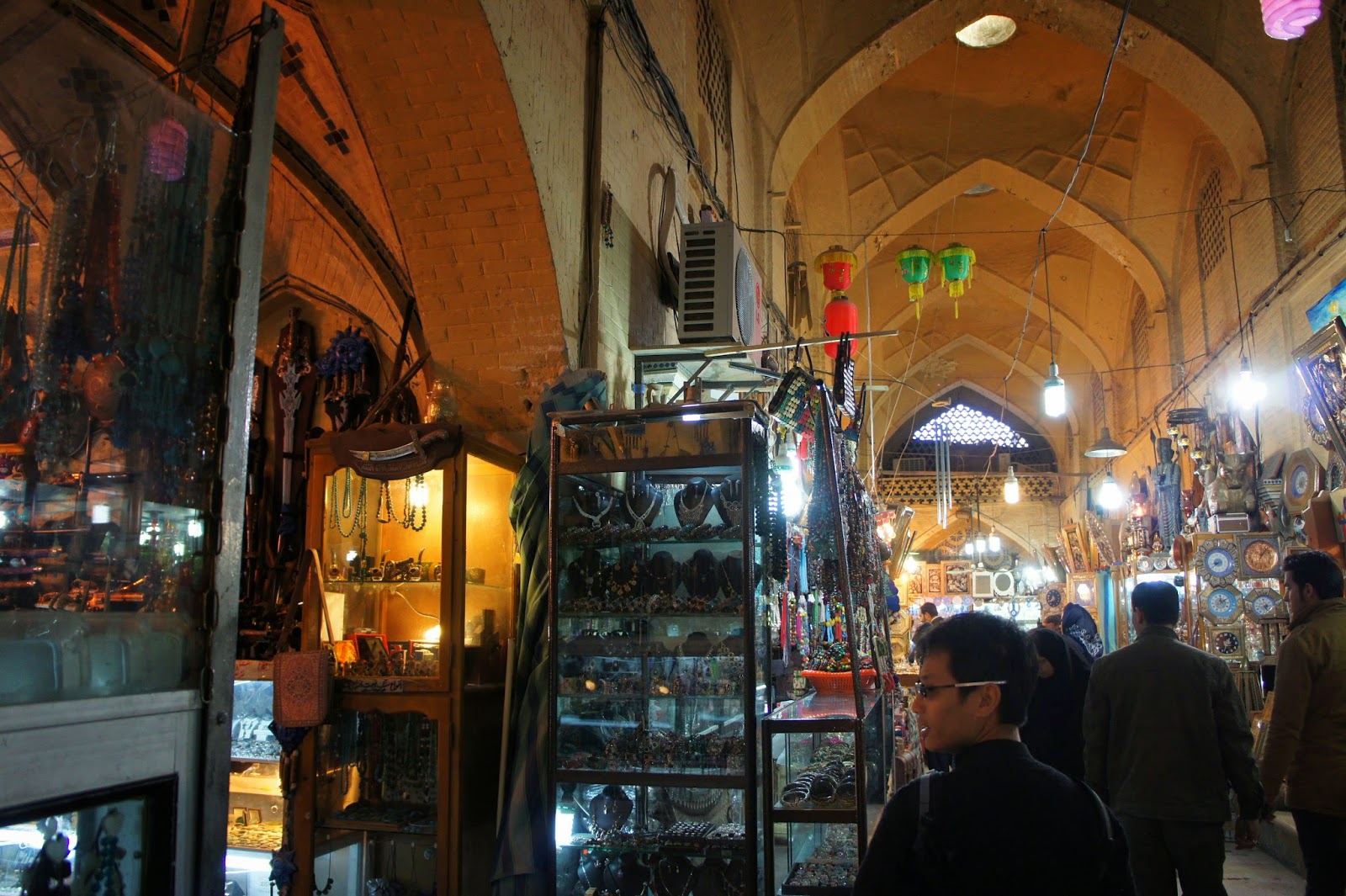
We headed for the Vakil Bazaar, which was right next door to the Vakil Mosque. Our guide had explained that the purpose of building the bazaar next to the Vakil Mosque so that people can do their marketing after their prayers. This bazaar was similar to that in Tehran, except that it is not as big. One can still find day-to-day necessities here as well as some handicraft shops and shops catering to the tourists selling souvenirs. The Vakil bazaar was interesting initially, but they turned out to be repetitive after a while. Perhaps they do not offer items that intrigue me, or maybe I am just not a good shopper. I was skimming through the bazaar-like a zombie after about 5 mins inside. I was kinda glad when we exited the bazaar as it started to feel like a waste of time.

The bazaar beside Vakil Mosque
They have stuff for the locals to do their weekly marketing
Inside a typical Persian Bazaar
Locals doing their marketing and preparing for the Persian New Year
This section sells clothing
The open area inside the bazaar
Inside a typical Persian Bazaar

Tomb of Sa’adi

We were driven to the Tomb of Sa’adi, one of the famous poets in Shiraz. After parking the car, our guide took us to this ice-creamy opposite the tomb. Before our trip to Iran, we have come to know that the Shirazi ice-cream is rather unique and it is a must-try. We got a cup each and started to eat the ice-cream. It is indeed very different from what we are used to, the ice-cream is rather starchy and is very tasty but the scooping part takes a bit more effort. Our guide told us that they used animal fat to make this ice-cream, and it is not healthy to eat every day. After savouring the ice-cream, we headed for the tomb.

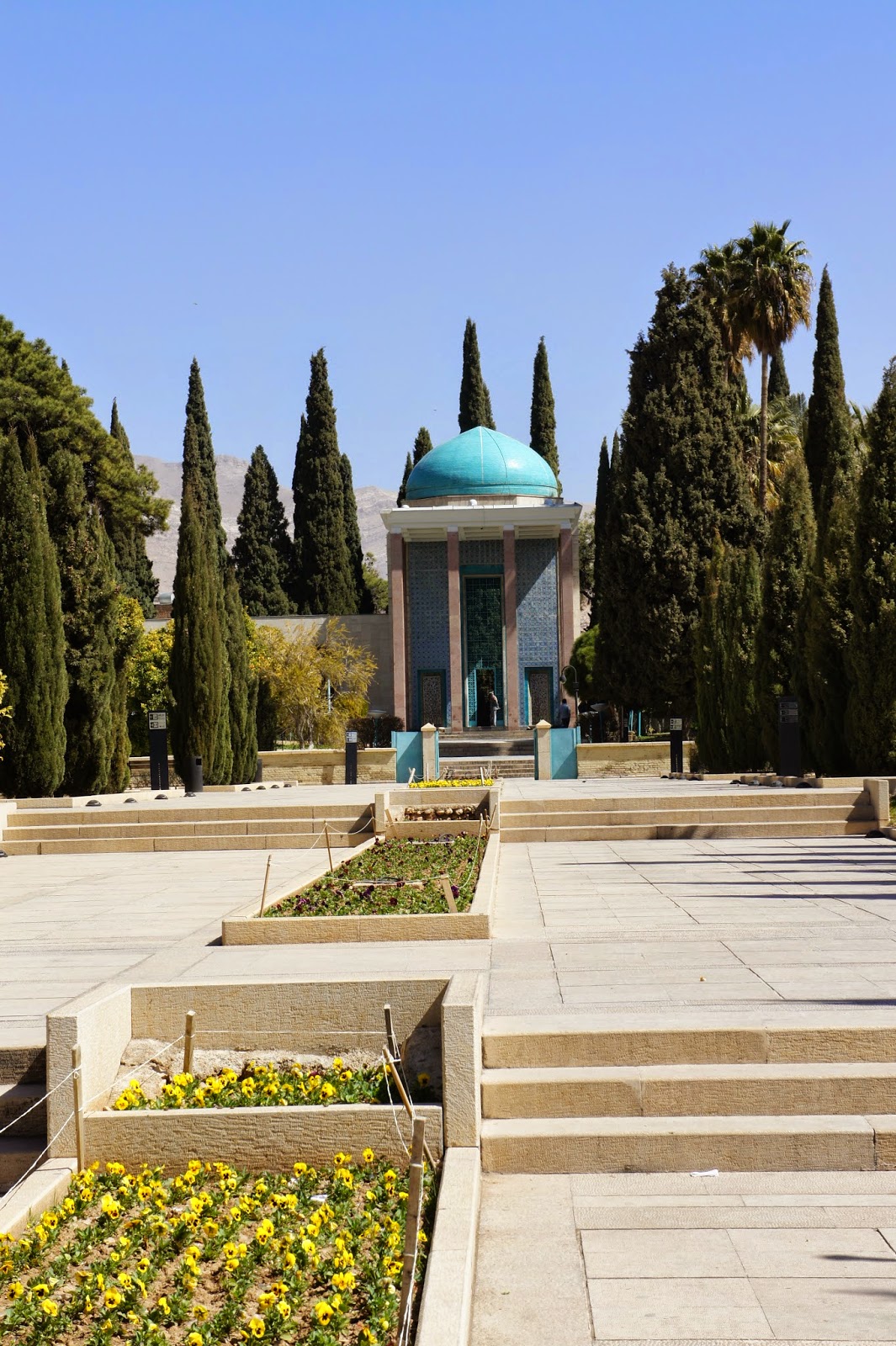
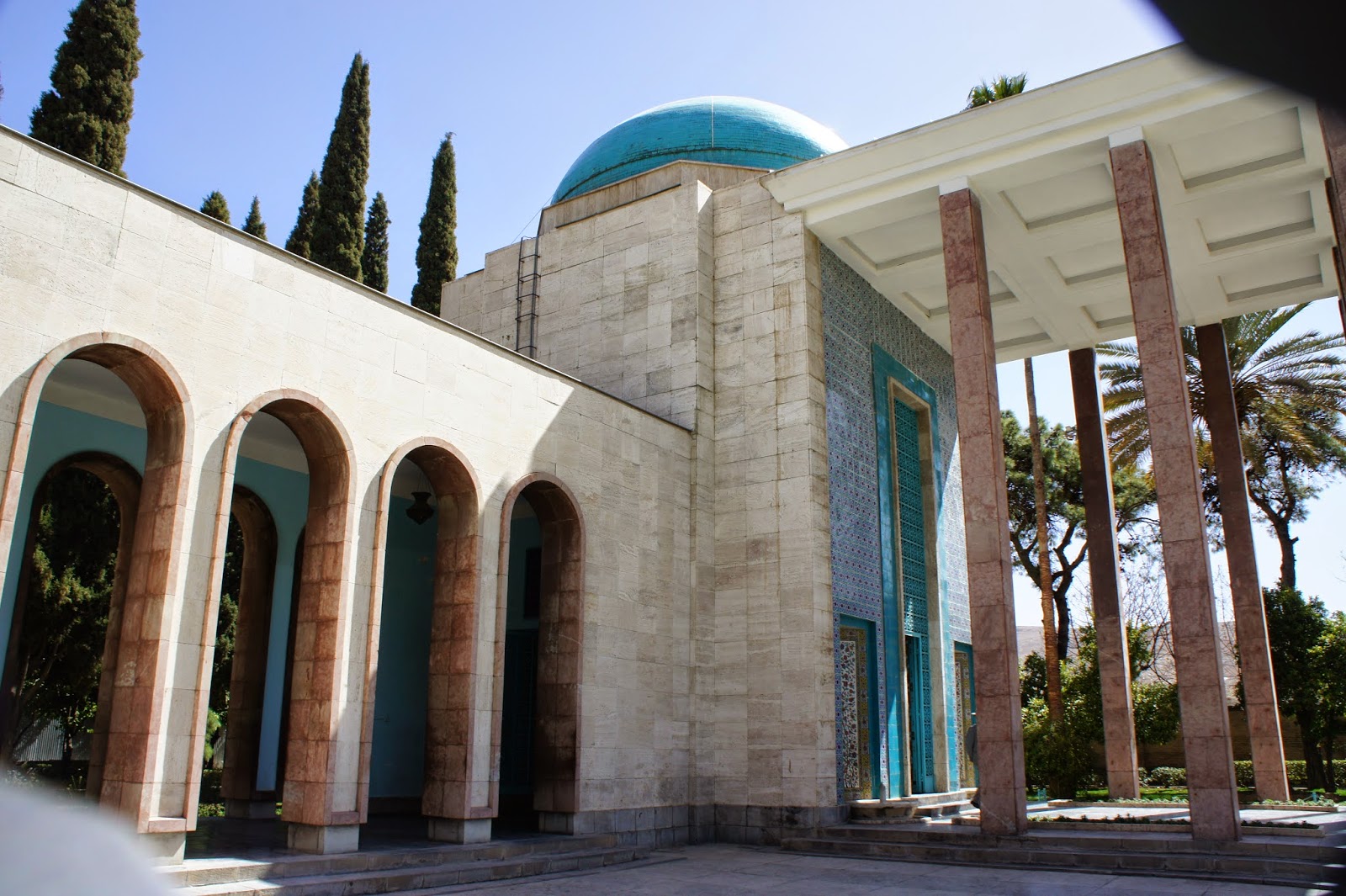
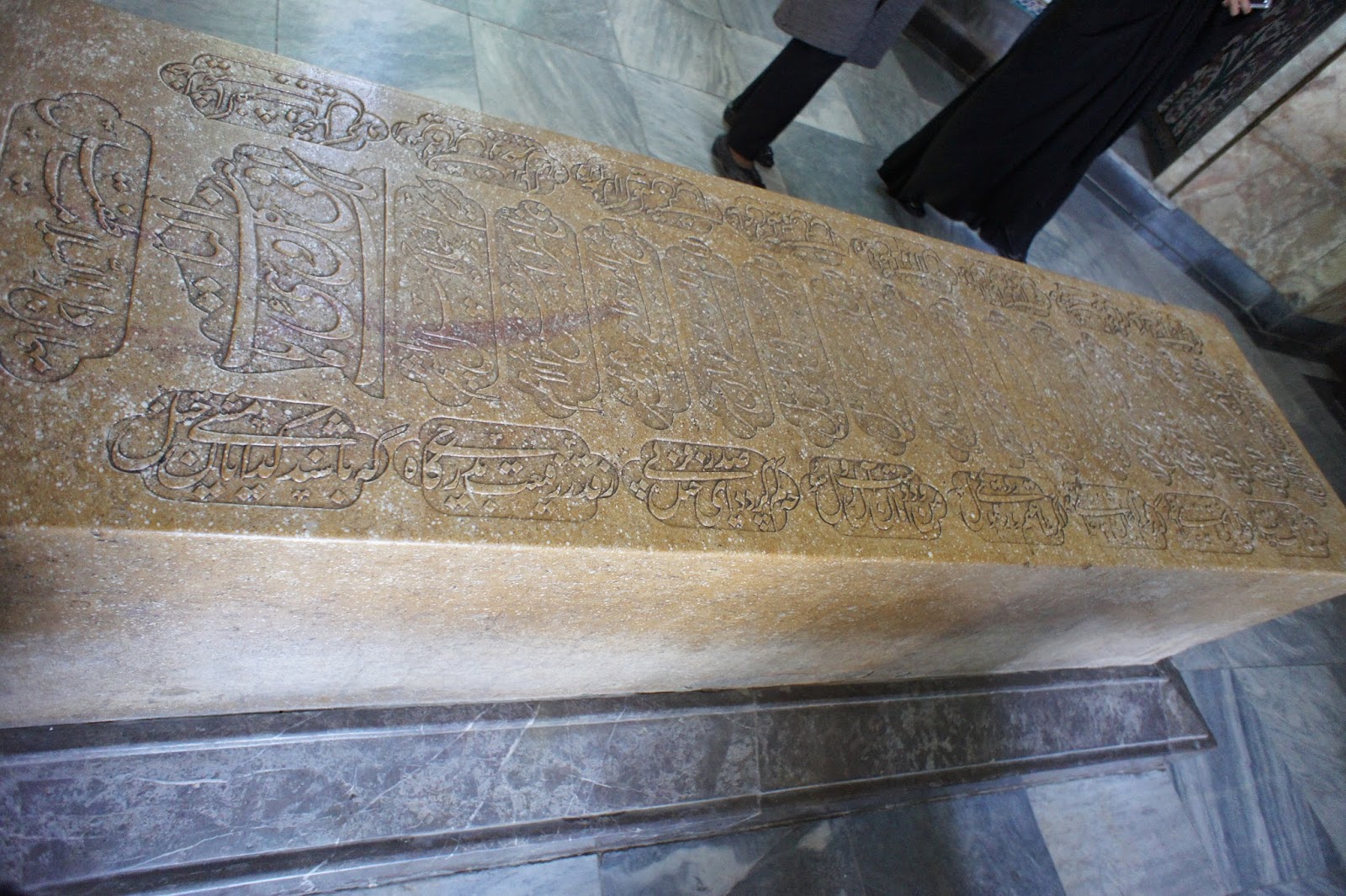
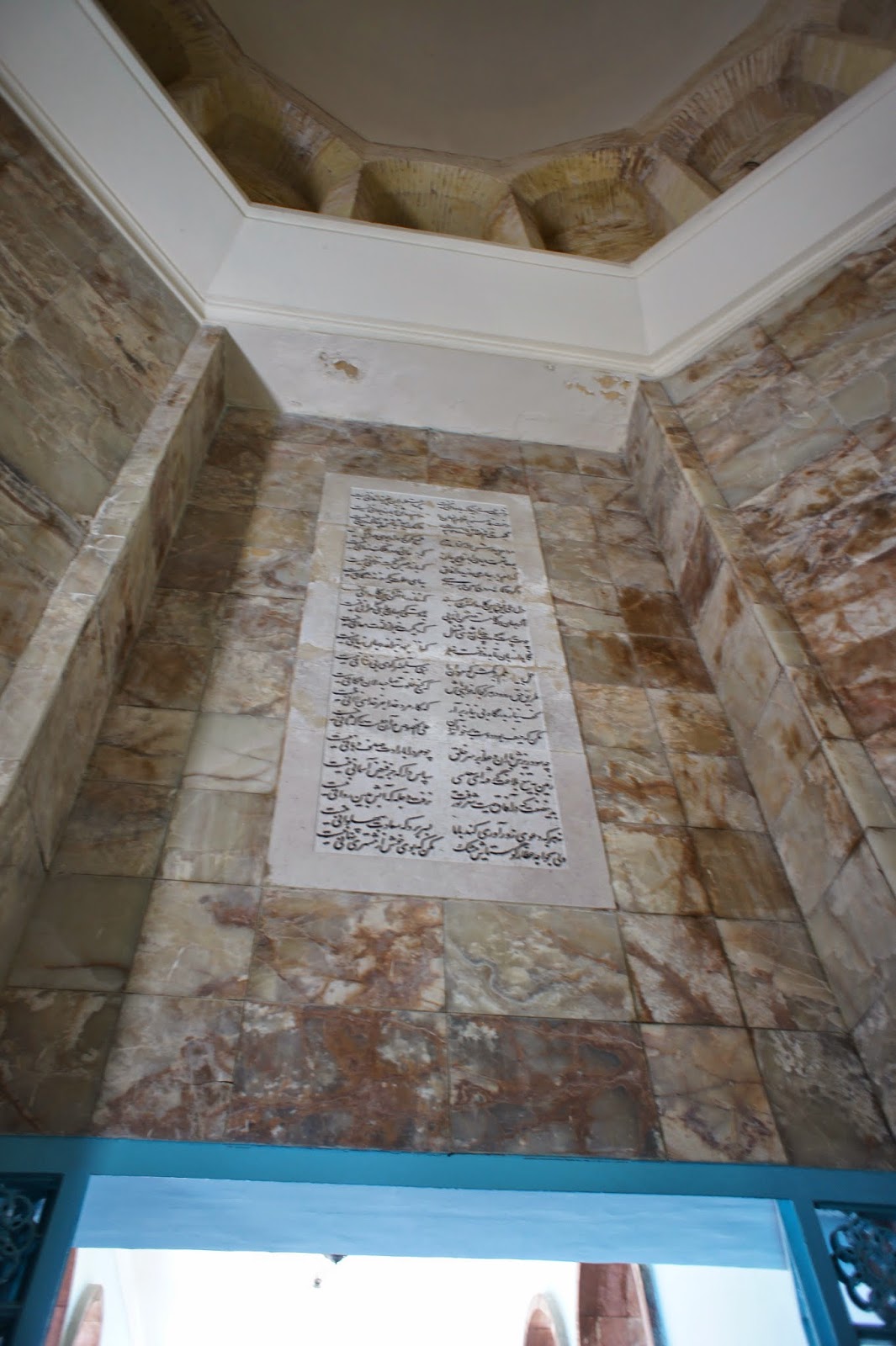
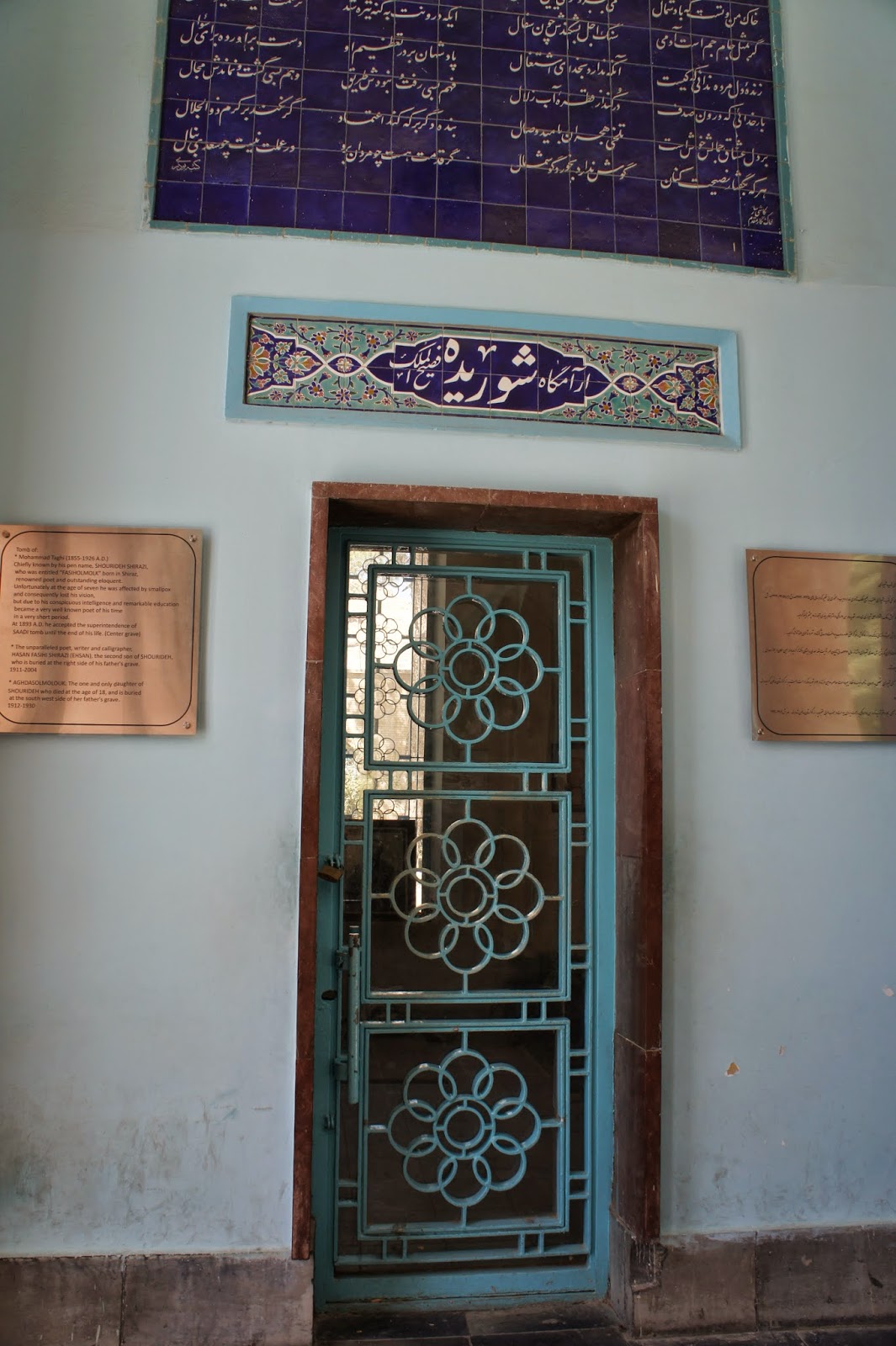
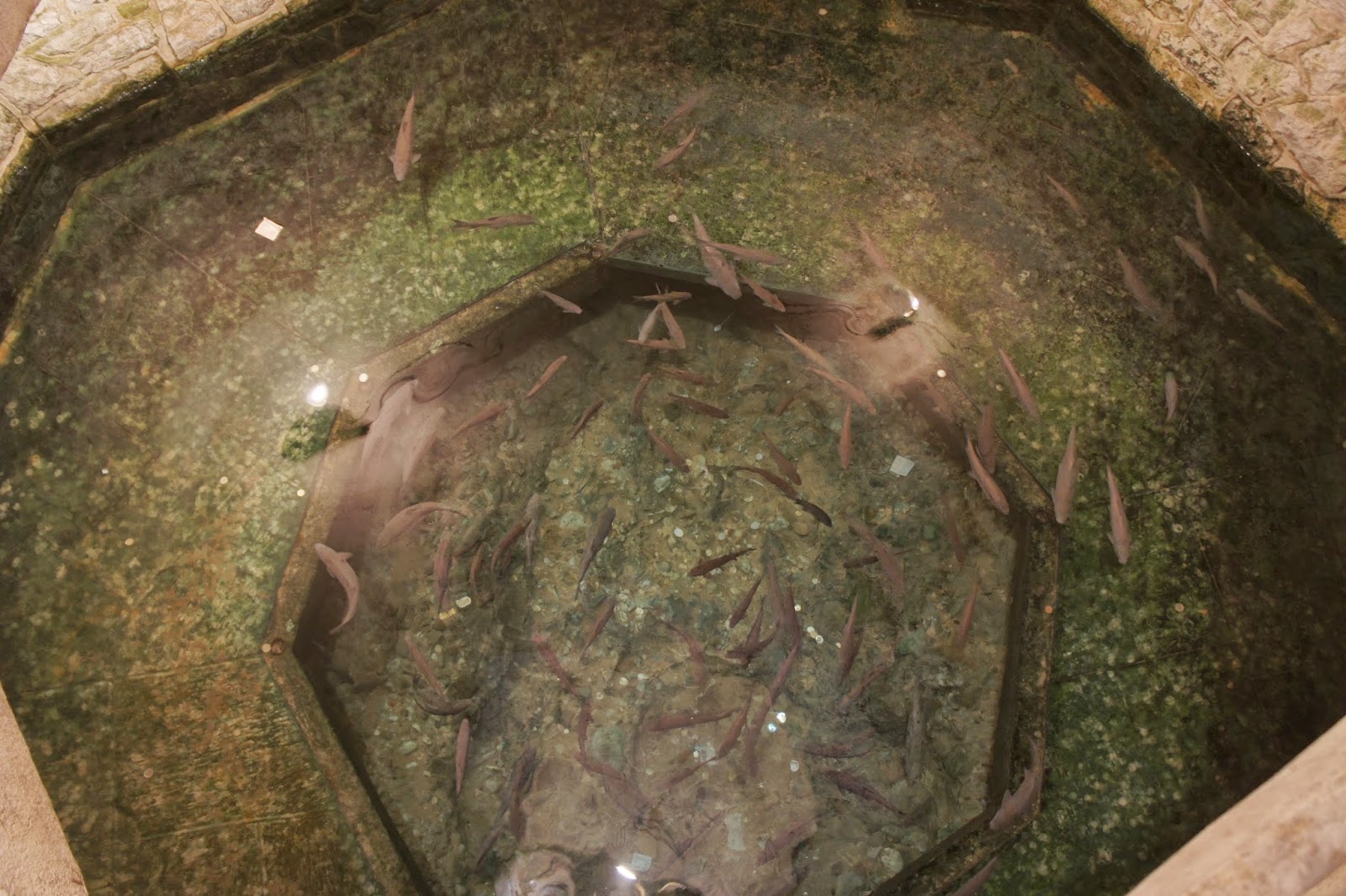
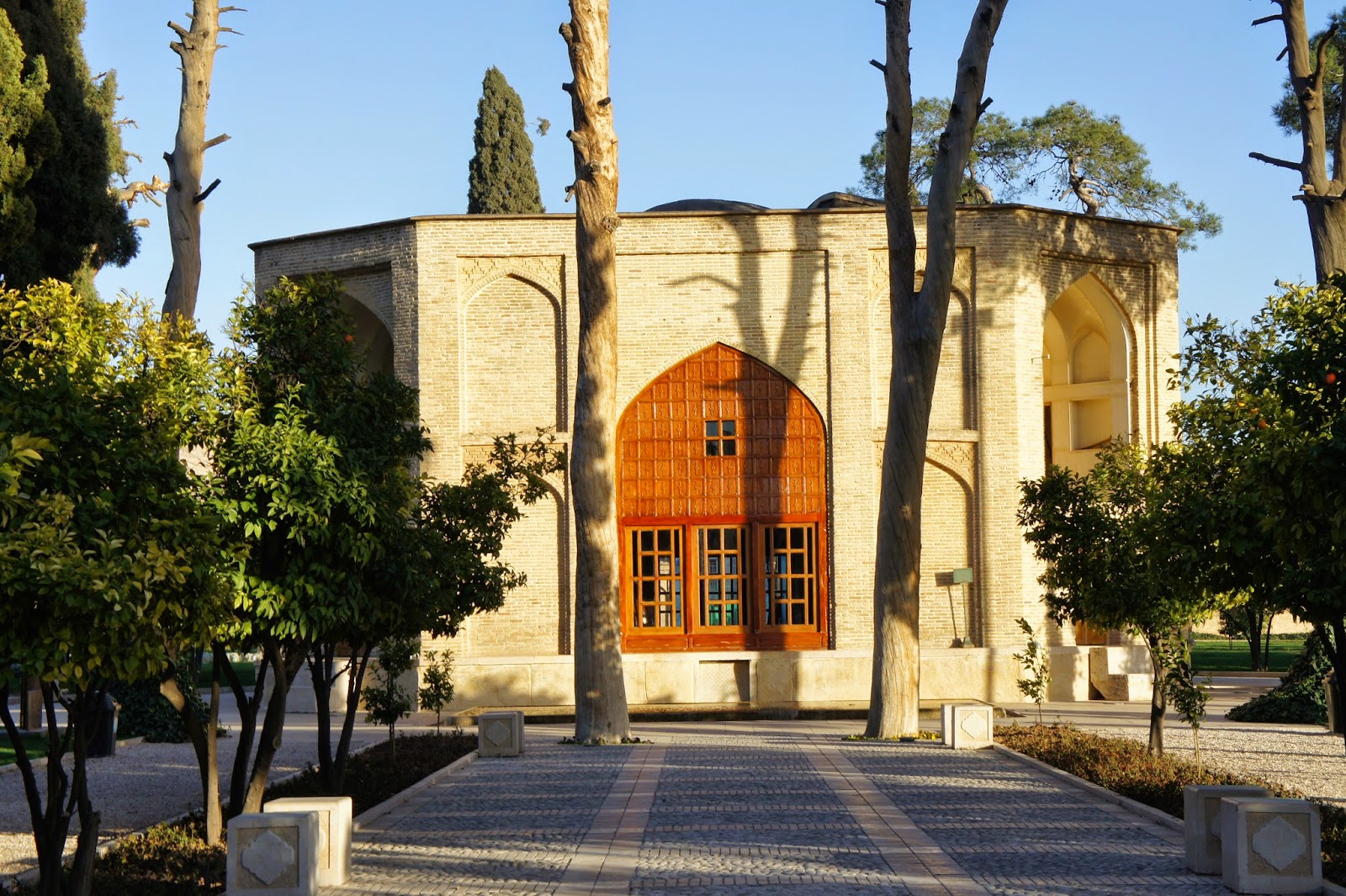
The tomb of Sa’adi was at the end of a garden. We were told the initial design of this tomb does not have this big of a garden, it was subsequently added by the locals as a mark of respect to Sa’adi and his teachings. The building that housed the tomb looked like a pavilion with a dome-shaped roof. Inside the tomb was Farsi writings carved onto the wall, which was some of the poems that Sa’adi had written There is an extension to the left when you face it from the entrance. This is where the greatest fan of Sa’adi is buried, however, it is locked at the time we were there, can’t enter it. From the outside, I saw some pictures and an empty room, rather boring. We were then brought to this fish pond, which was built underground. The fascinating part about this pond is not the fishes but how and where the water for this pond came about. We were told that the water is irrigated from the nearby mountains some 6km away. This water was also channelled to a second fish pond nearer to the entrance of the Tomb. After visiting the tomb, we were ferried to our hotel to check-in and get some rest, as the next attraction is best seen nearer to sunset. After checking in, we did not rest, instead, we spent the afternoon walking around the neighbourhood. Nothing eventful happened though.

A typical Mosque in Shiraz
The Streets on Shiraz
Walking towards Tomb of Sa’adi
This modest building is where Sa’adi is buried
Tomb of Sa’adi
Under this stone is where Sa’adi – one of the greatest poets in Persia was buried
Teachings of Sa’adi engraved on the wall where he was buried
This entrance leads to where Sa’adi’s greatest fan is buried
Walking around the tomb of Sa’adi
The source of the water in this underground pond is from the nearest mountain some 6km away
Even the underground pond has very intriguing Persian patterns on it

Tomb of Hafez

3 hours later our guide picked us up. Our destination next is Eram gardens. This looks like any other garden to me, except that it has a building right in the centre of the garden. Perhaps it is winter, all the plants have yet to bloom, I find this garden rather dull and has nothing special. We did not spend a lot of time in this garden, after about 30 mins later (which felt like a lifetime), we headed to Hafez Tomb, where another poet was buried.

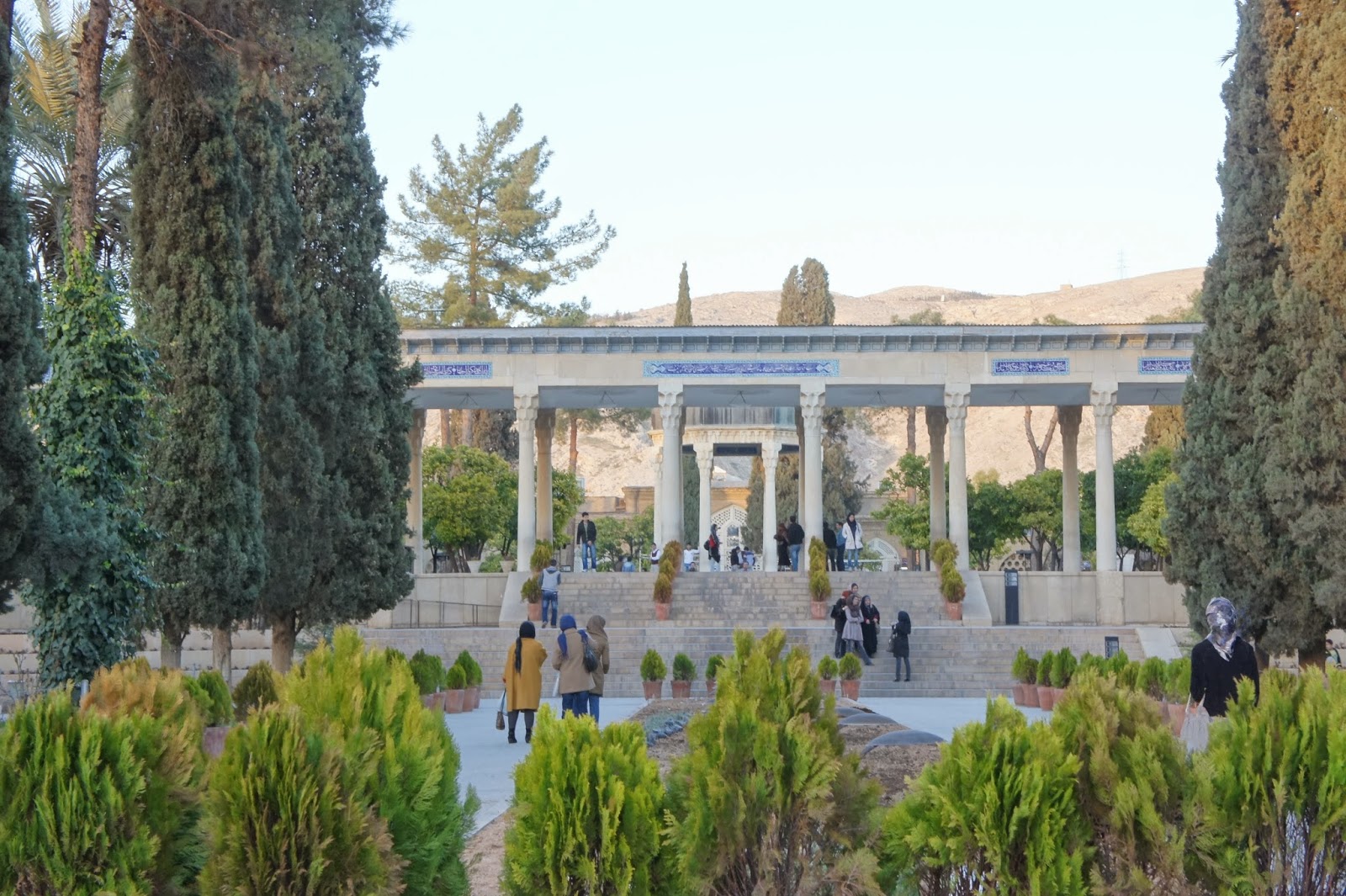
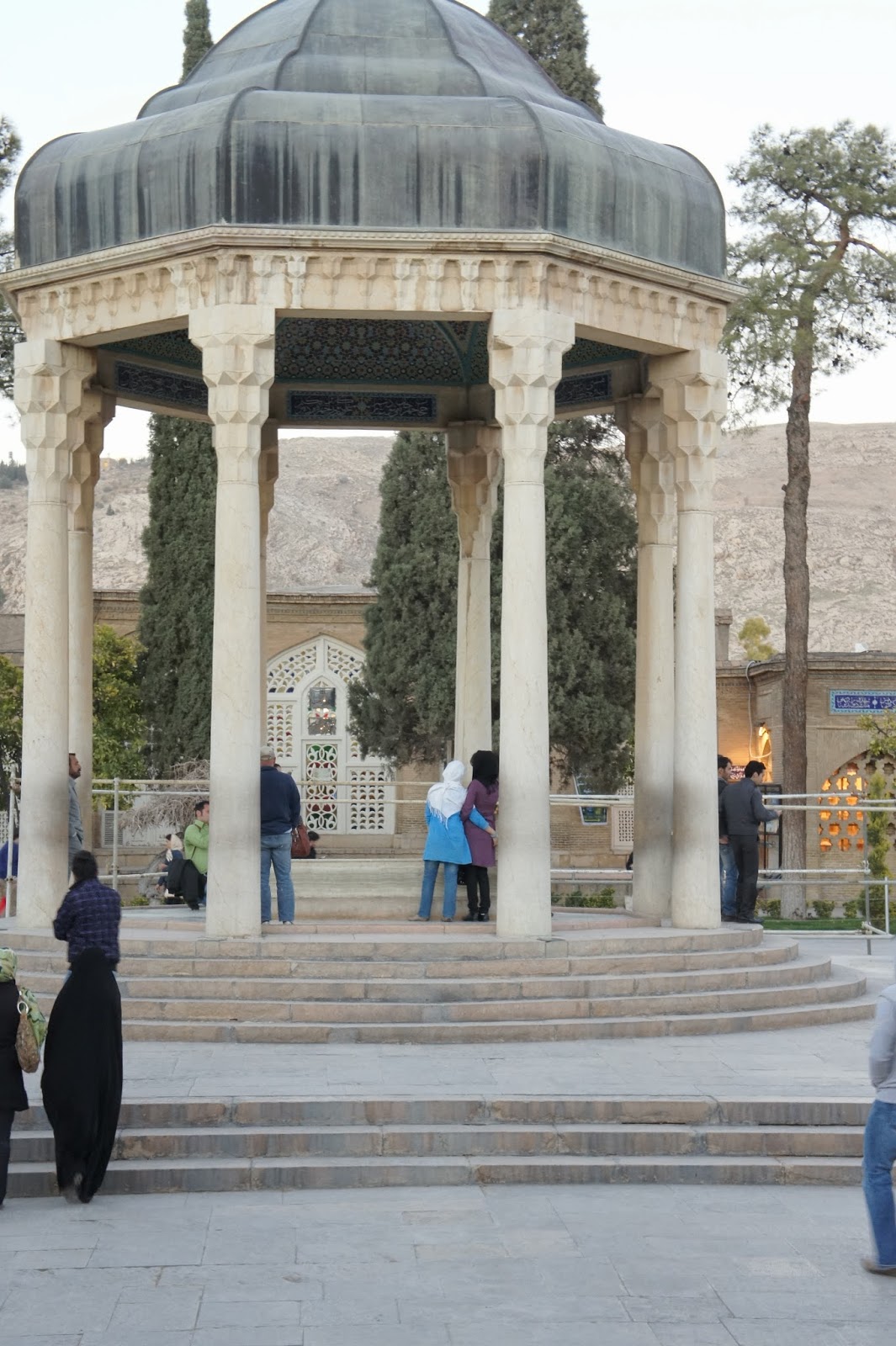
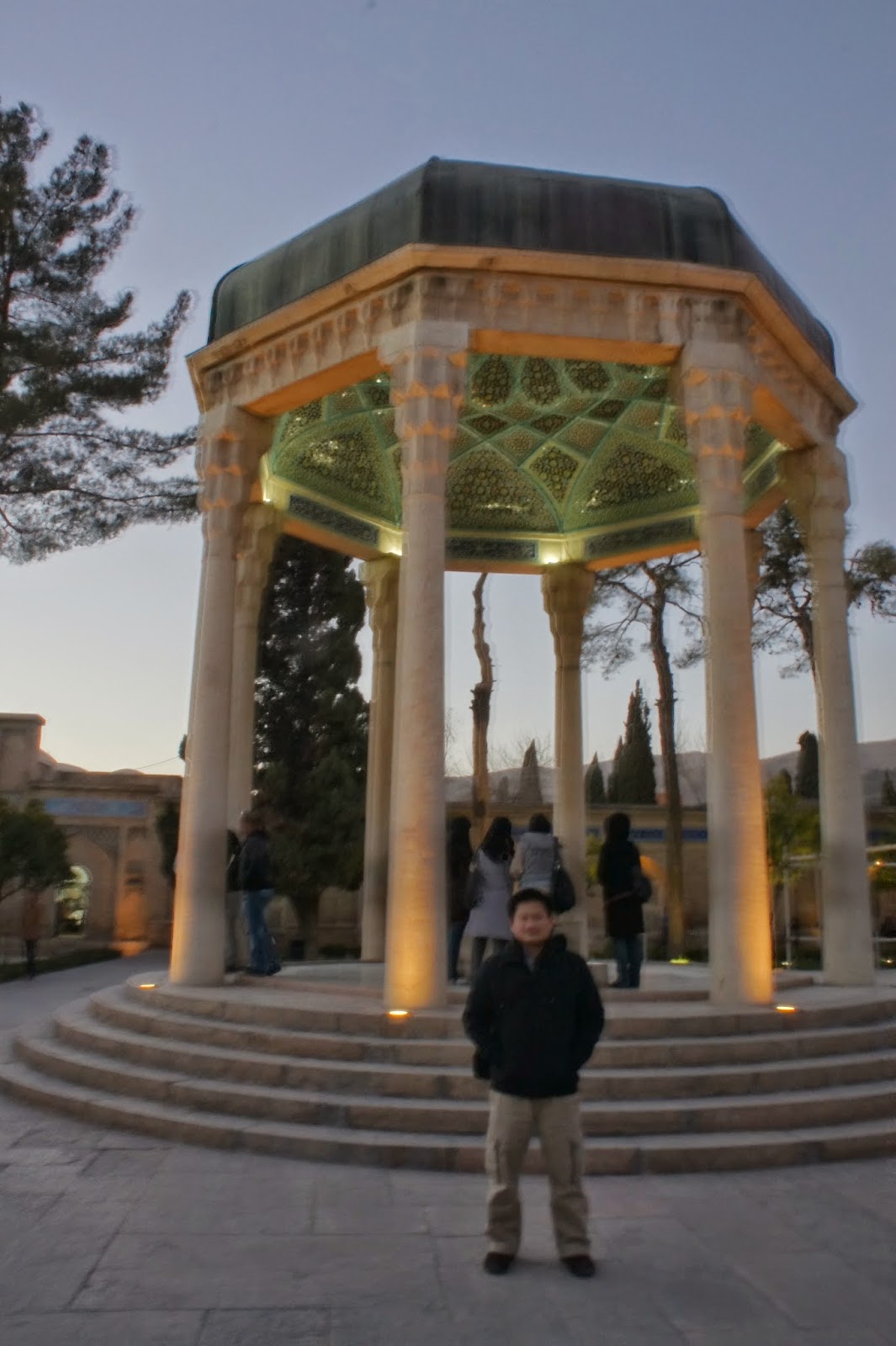
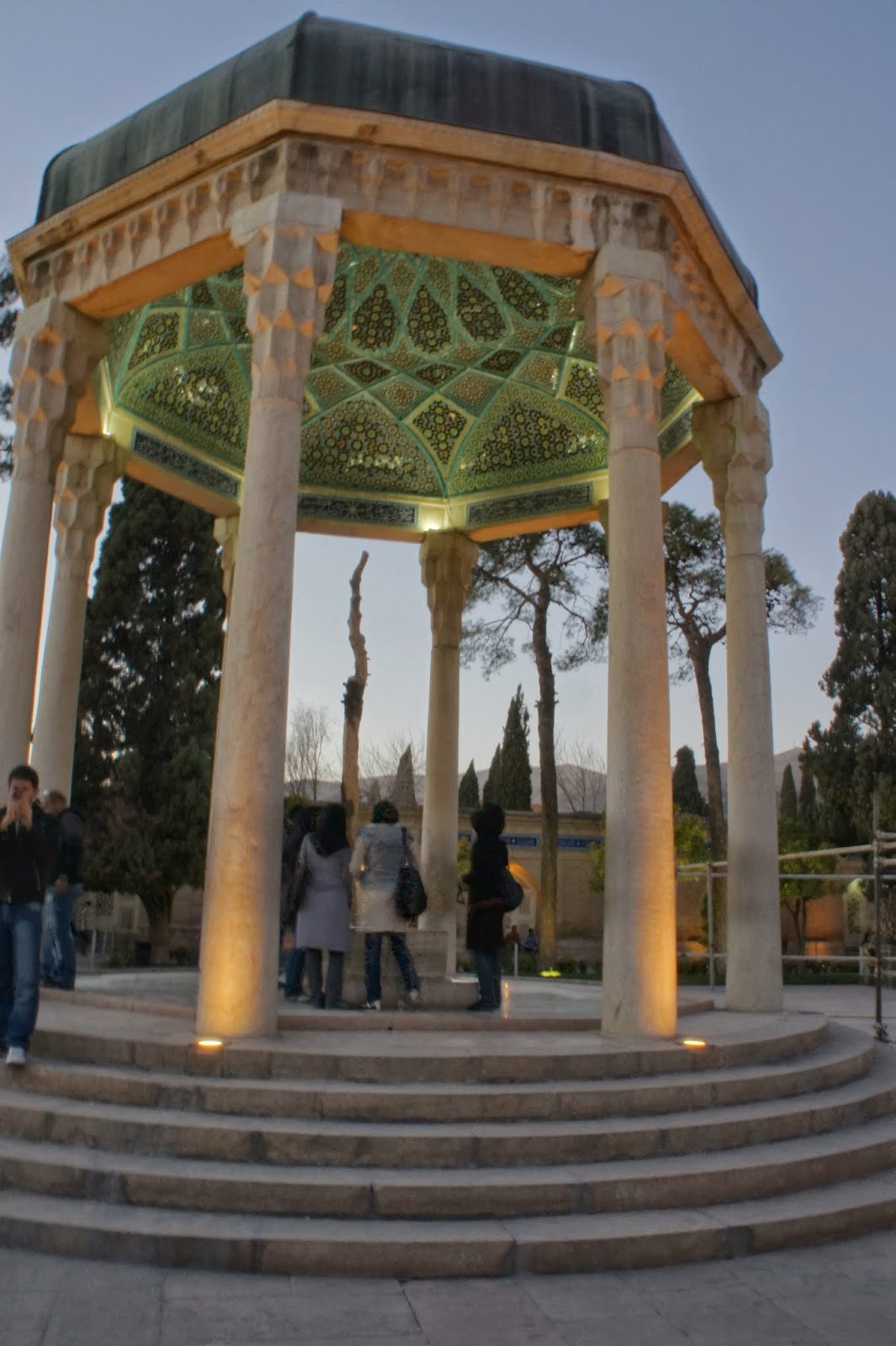
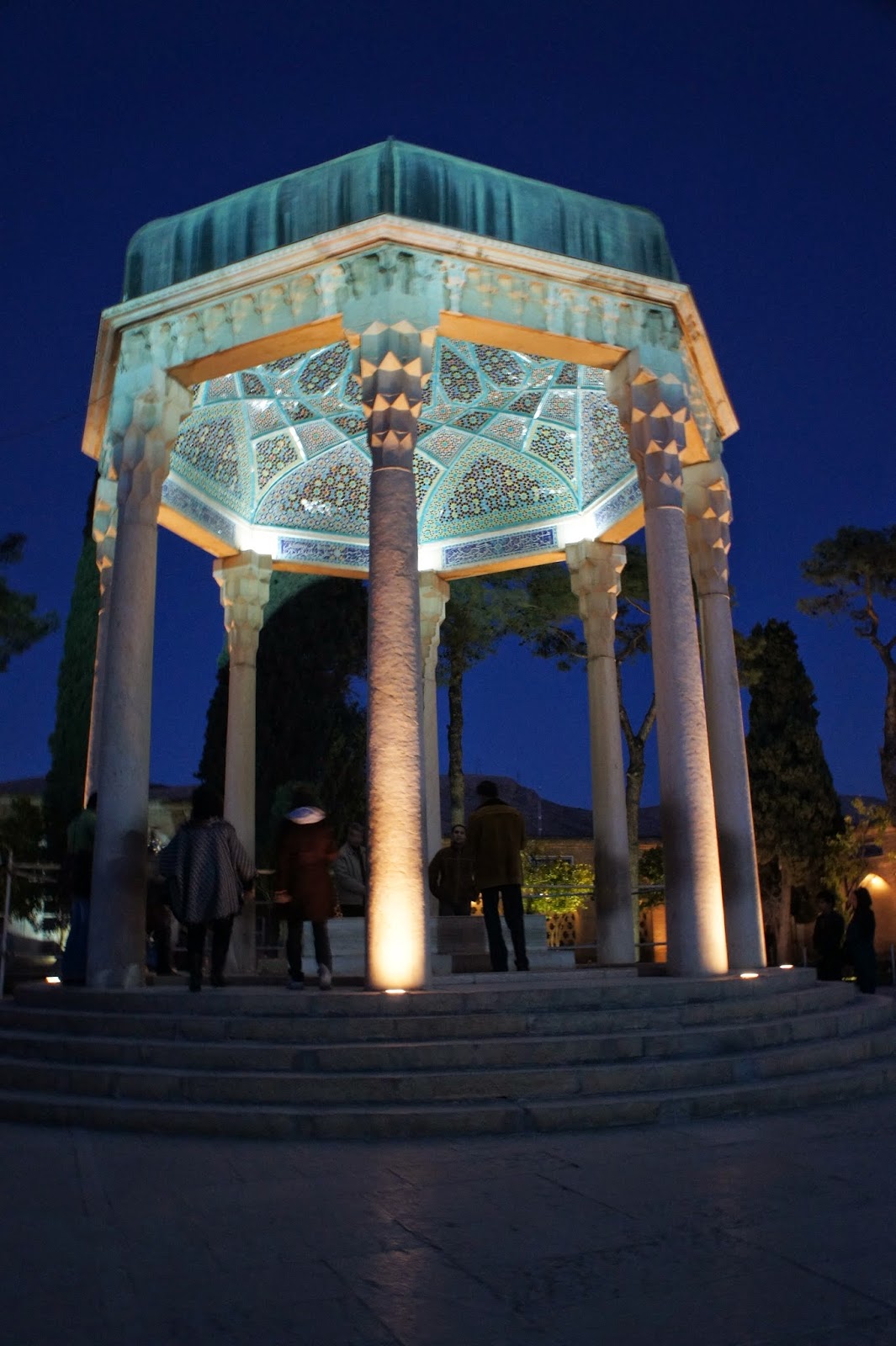
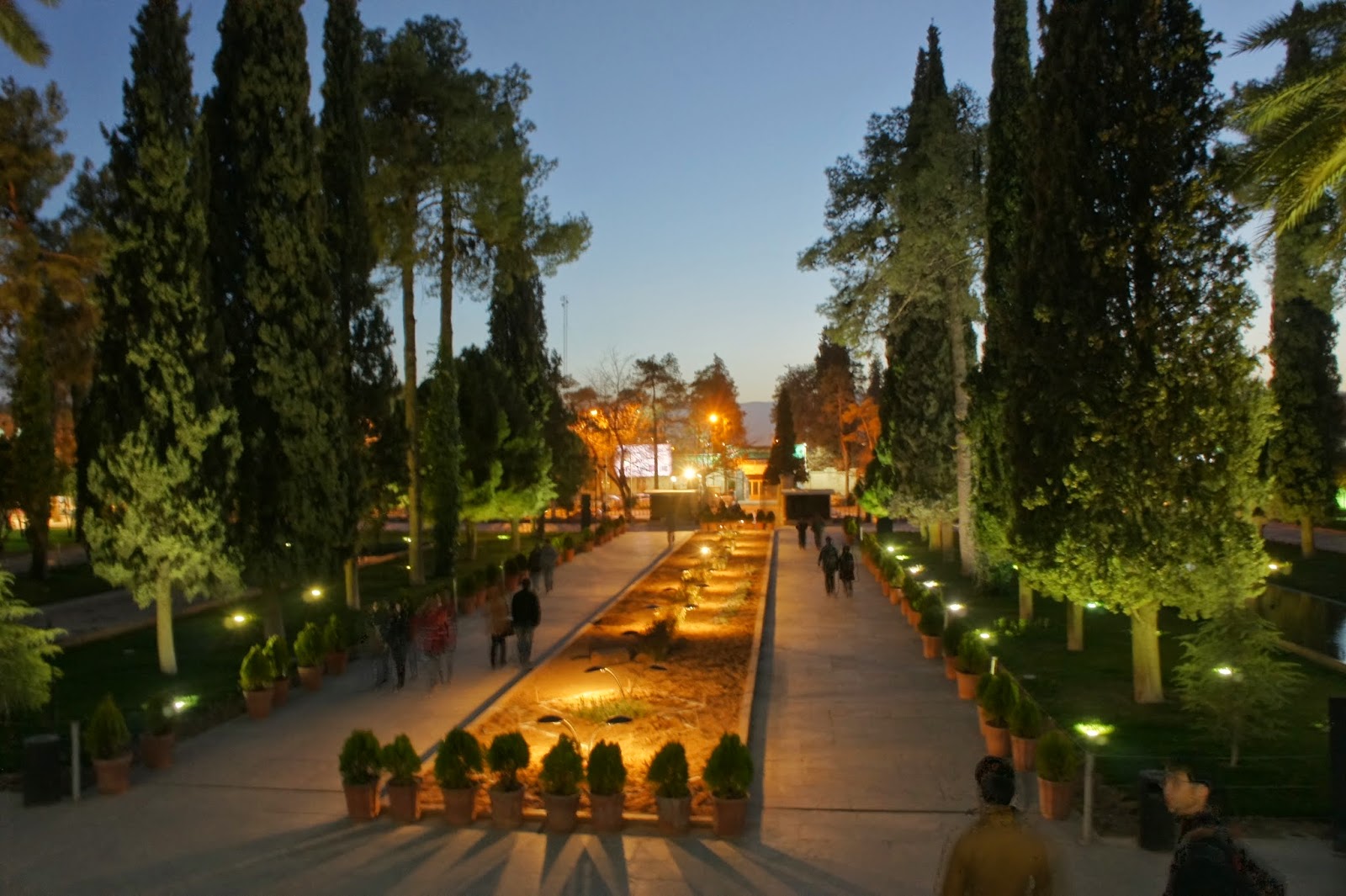
When we were about to enter the tomb grounds, there were 2 men at the entrance carrying a bird trying to get us to do some predictions. We ignored them and went into the tomb grounds. Like the Tomb of Sa’adi, there is a garden between the entrance to the tomb itself. As we were climbing up the stairs towards the tombs, we came across this structure, which closely resembles the roman pillars. Past this structure is where the Hafez tomb lies.  The single dome-roofed pavilion stood in the middle, our guide told us that in the centre is where Hafez was buried, under the pavilion. However, the land around the pavilion is where his followers were buried! As the sun was setting, the pavilion was lighted up. It was beautiful! We spend some time walking around the tomb of Hafez before heading for dinner. The dinner was rather uneventful and we headed back to the hotel to rest for the night.

Around Eram Gardens
Surroundings at Eram Gardens
A Bald tree in Eram Gardens
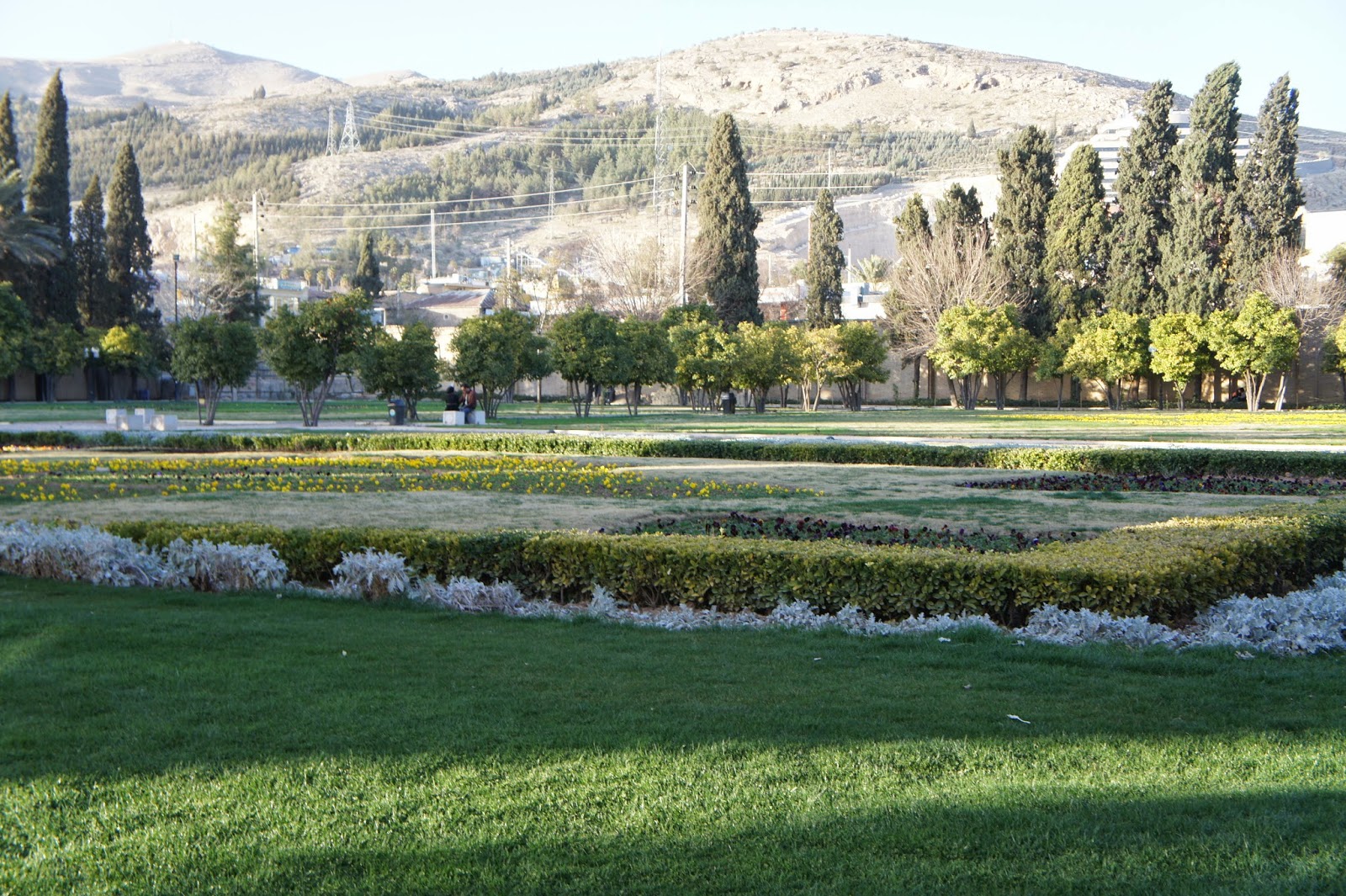
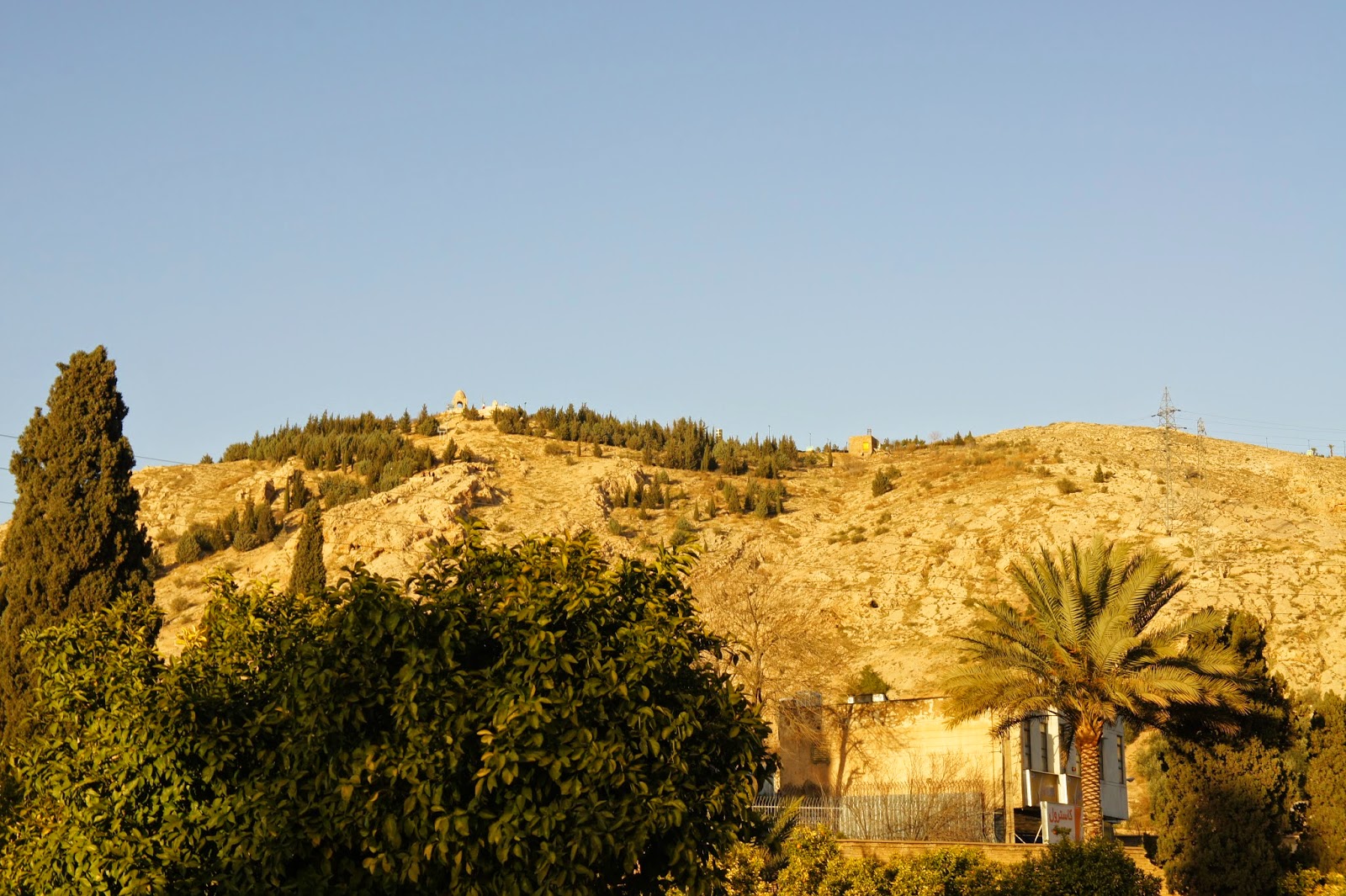
Nearby hill
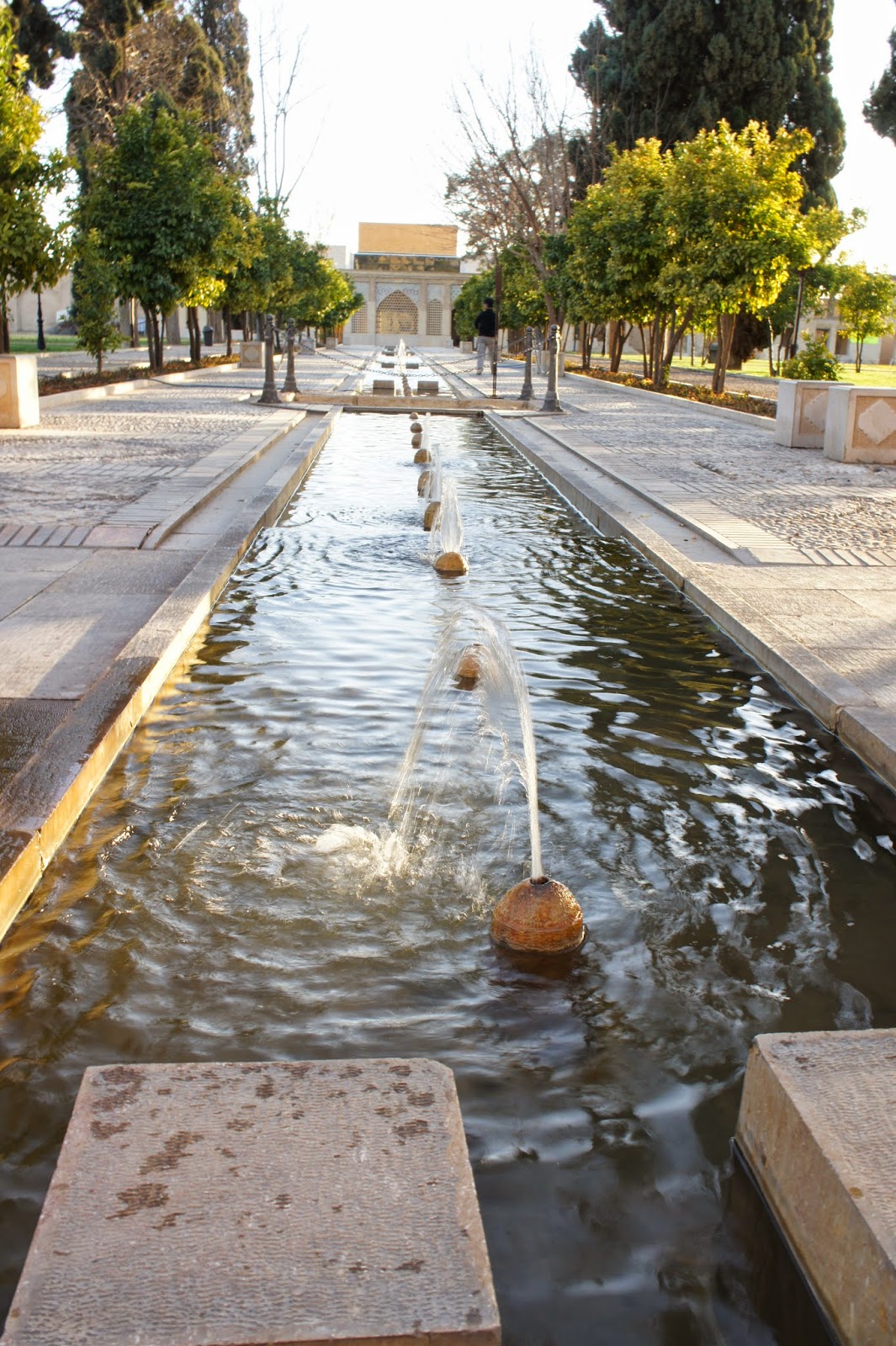
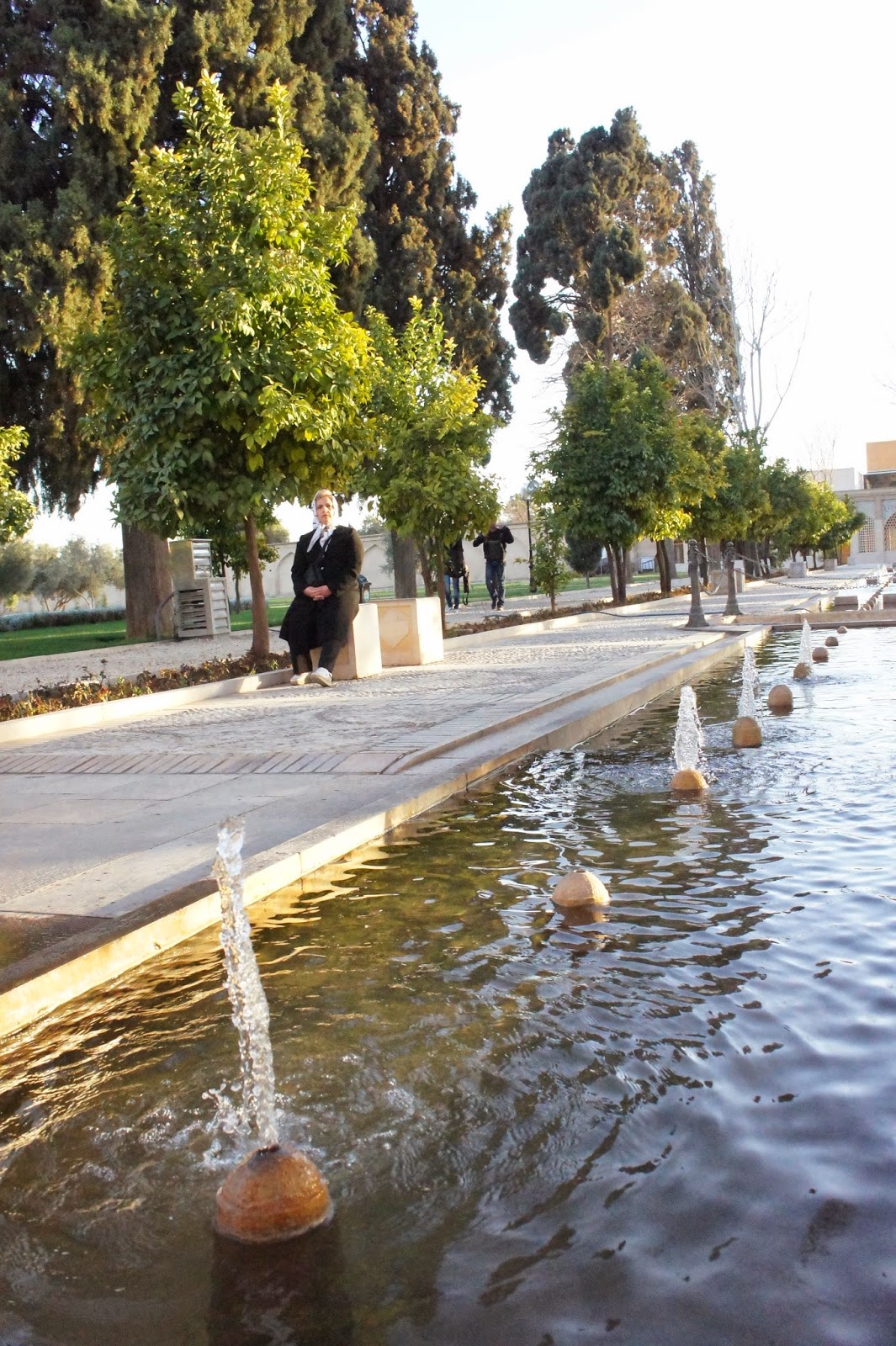
Fountains are part of the Persian Garden feature
Eram Gardens
Walking towards Hafez Tomb
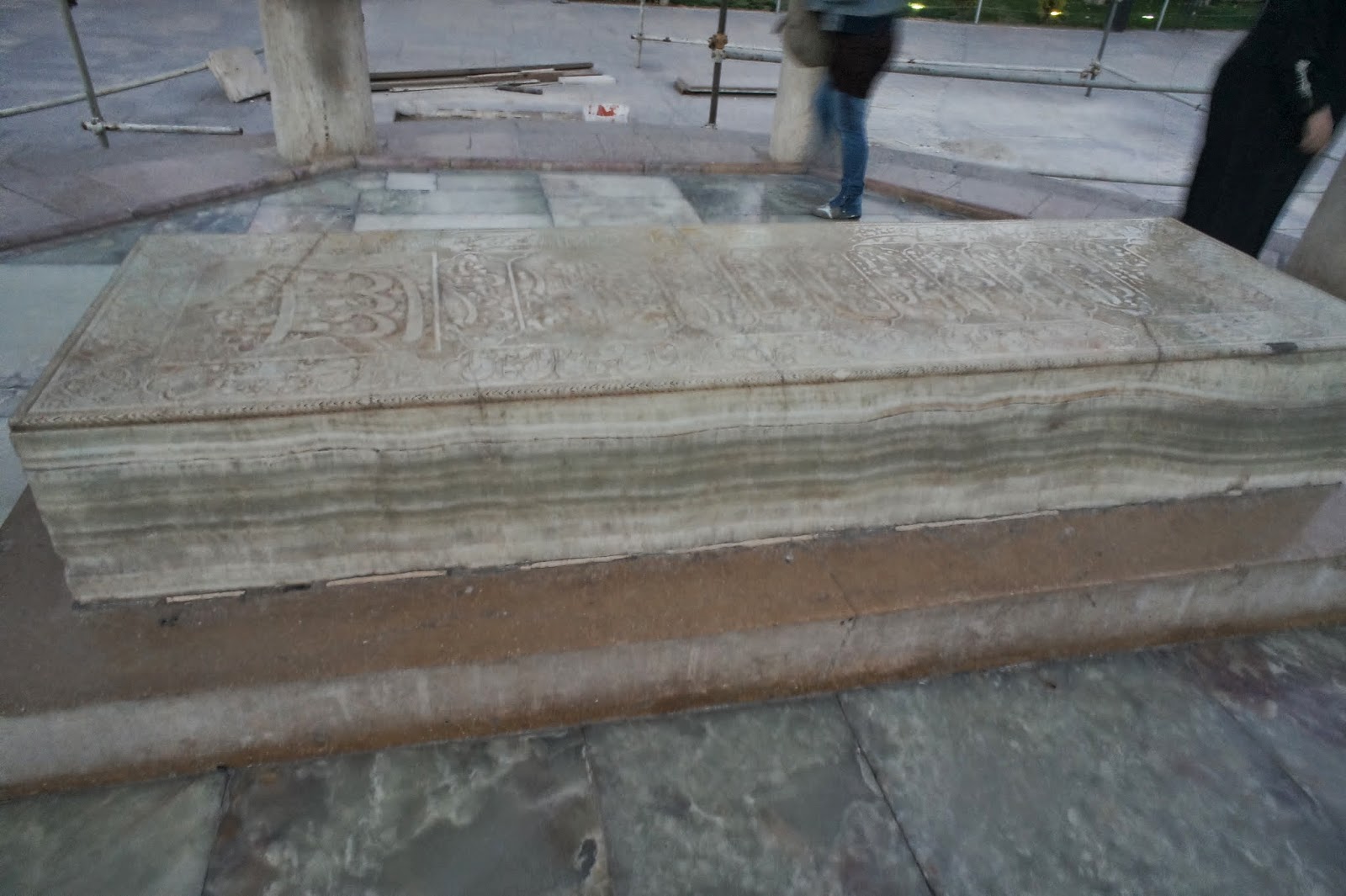
This is the spot where Hafez was buried
Greeneries in the compound of Hafez Tomb
Even the ceiling of the pavilion where Hafez was buried received some serious attention

Tomb of Hafez
Me at Hafez Tomb
Hafez Tomb at dusk
Night Lighting at Hafez Tomb
Hafez Tomb at night

                                                                     Night Lighting of Hafez Tomb

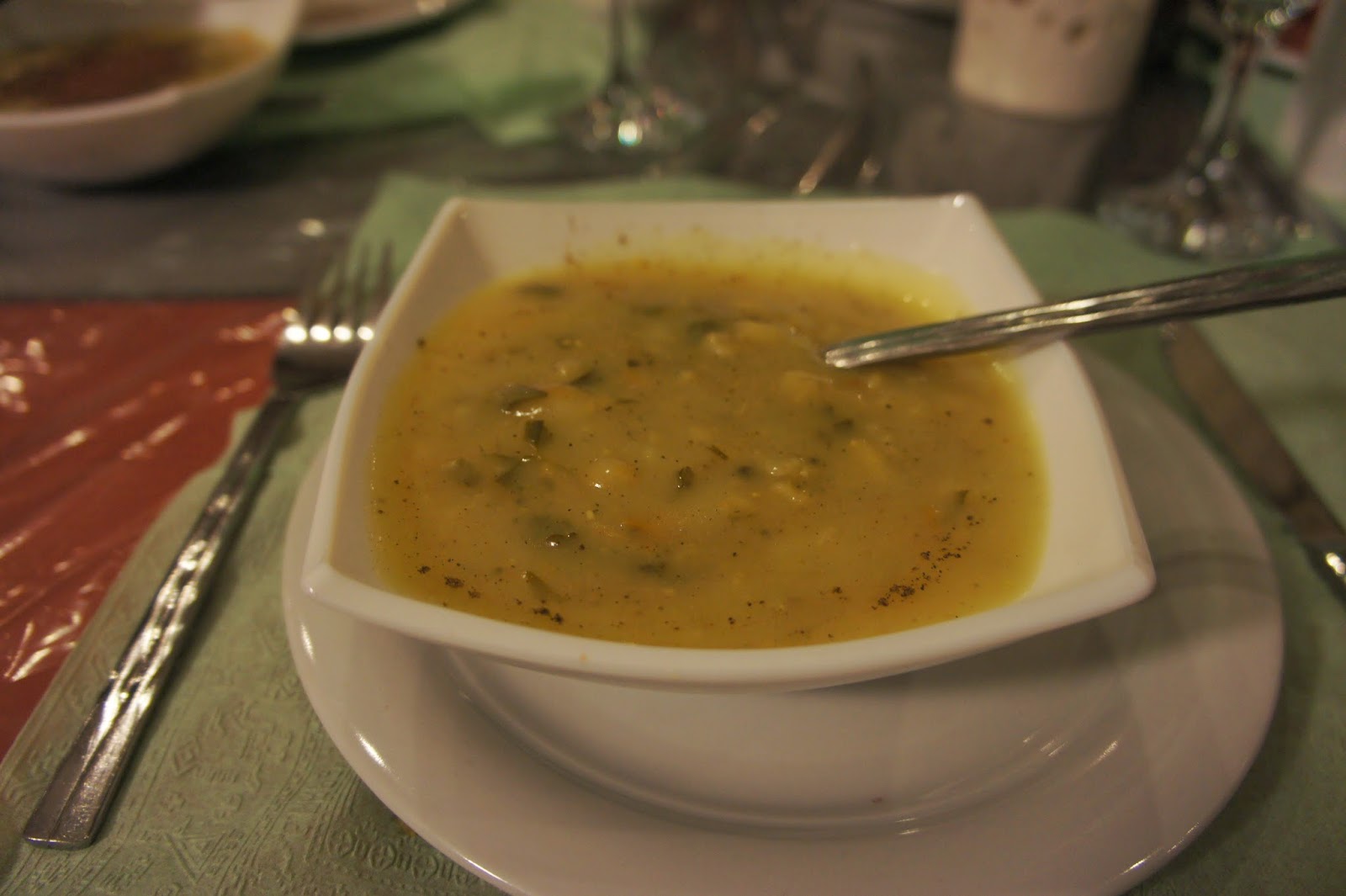
                                                                              Dinner Time

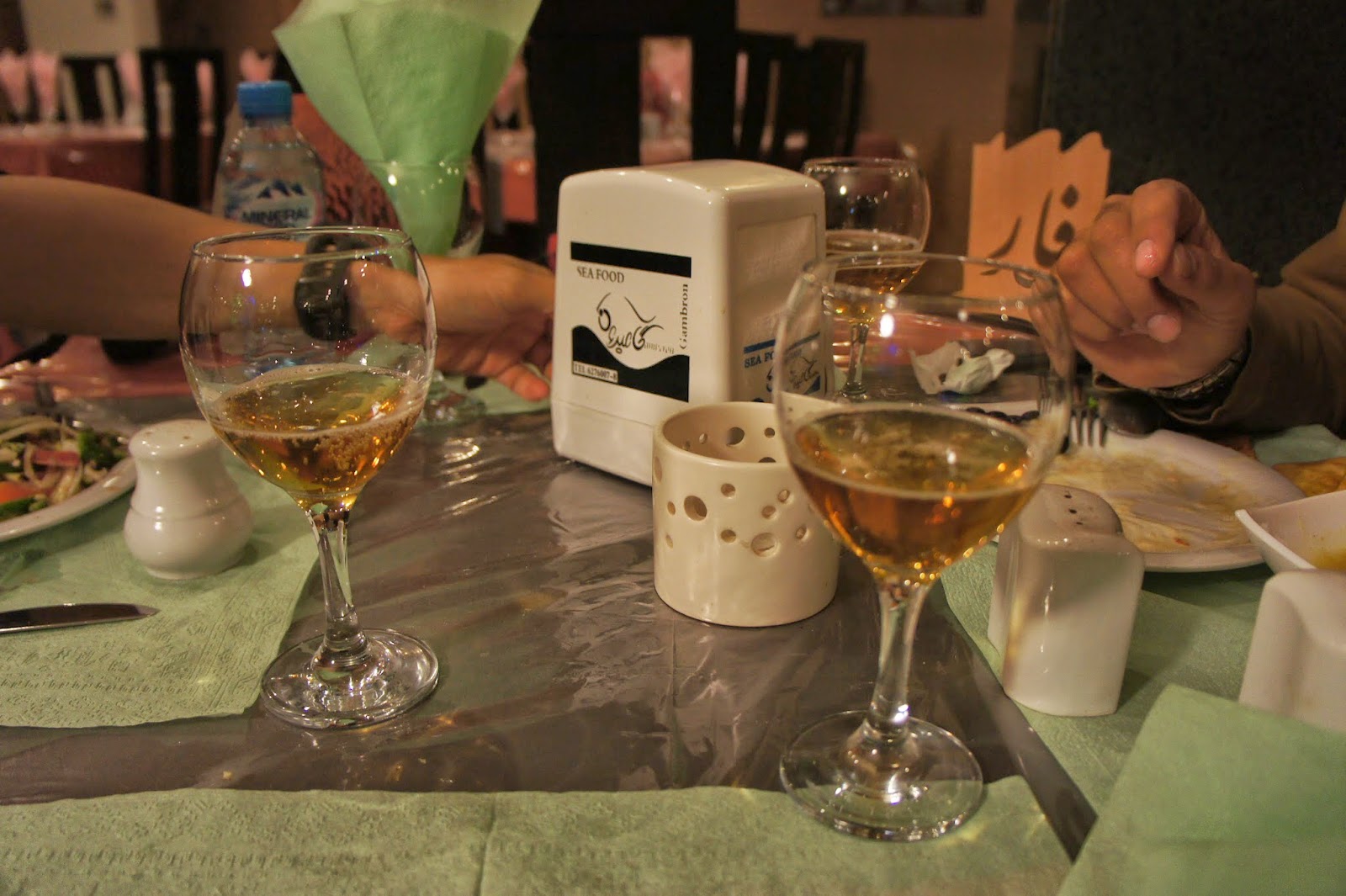
                                                     These 2 glasses contained non-alcoholic beer

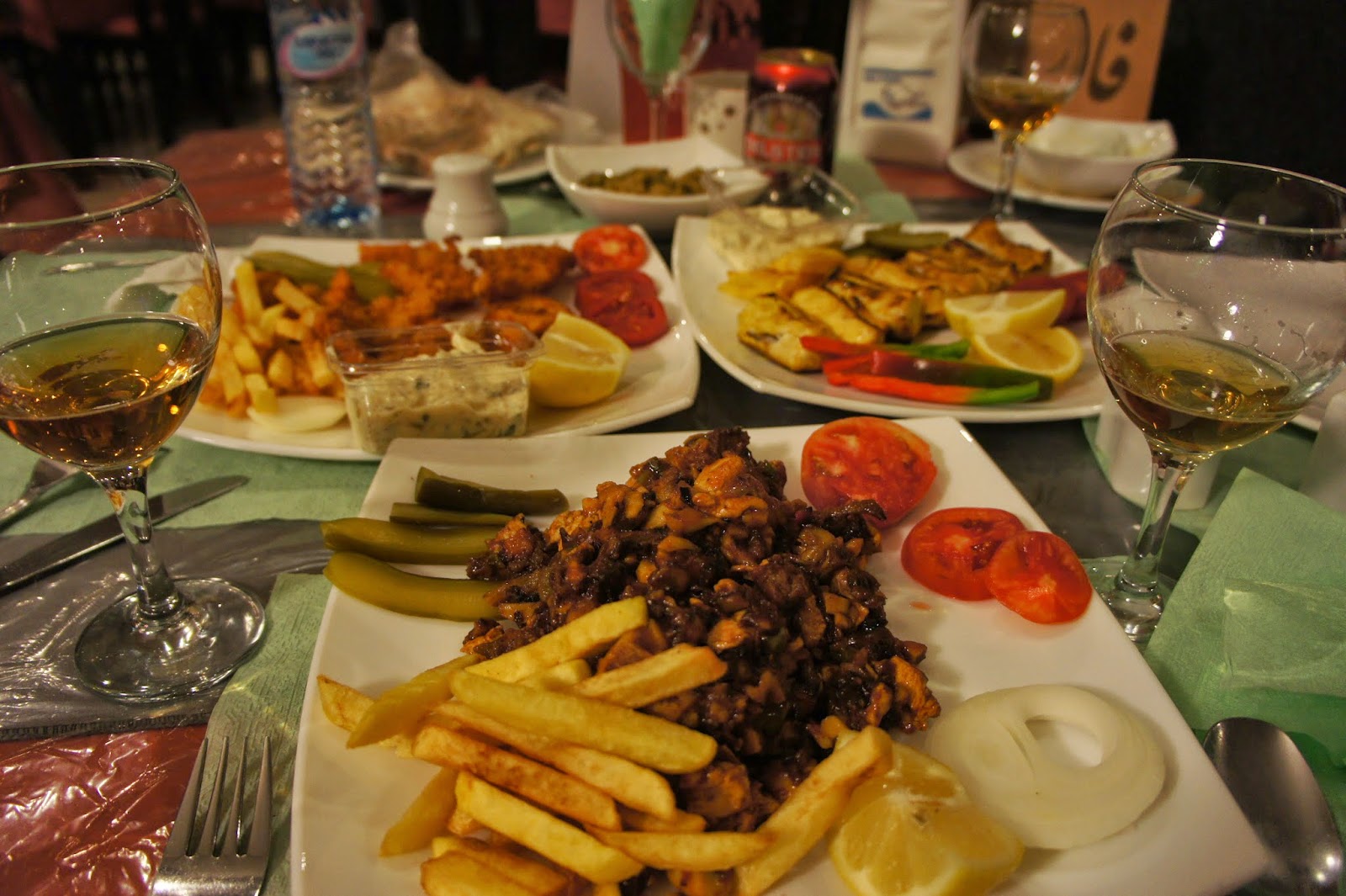
                                                                   A feast for the night

Iran Day 1 : Tehran (1 Mar 11) – Venturing Into a Misunderstood Country

Iran – A Misunderstood Country

My friend and I planned this trip almost 1 year ago, today marks the day we journey into this land where media and even my friends in Singapore deem to be dangerous. I read that this misunderstood country has riches in a culture that awaits those who “dare” to venture into its shores. The flight to Tehran was rather torturous, partly due to the constantly being awake for food or for landing into Colombo, where our flight makes a short stopover; partly also due to the position that I was trying to get some sleep that is giving me back and neck aches. Luckily the short 9 hr flight was over pretty soon. We spent another 2 hours transiting Dubai Airport and another 2 hours flying into Tehran. This is when all the fun begins!

According to my research, Singaporeans are given Visa-on-Arrival, so we headed towards the counter that marks “Visa” to get our visa done. When our turn approached, the staff at the counter asked where we are from. We gladly volunteered the information and told him we are here for a tour. He then gave us a blank look and quickly check what seemed to be a list behind the counter. He then gave us another puzzled look and directed us to head towards the immigration control as he said we do not need any visa, now this is very different from what people told me and my researches suggests. I approached the immigration control with some doubts about what I was told earlier on. At the customs, the immigration staff looked at my passport and then me and asked “Visa”? Not knowing what and how to answer, I said “No Visa”. He then nodded his head, punched something into his computer, gave me the stamp in my passport and then I realise I am in Iran! The whole process took less than 5 mins, one of the fastest immigration ever! After claiming our luggage, we met up with our liaison in Tehran. He held a paper with our names on it and was supposed to drive us around in Tehran. On our way to the hotel, the travel agent whom I had to liaise with called us, to ensure that we already arrived in Tehran and was brought to our hotel. She had confirmed that someone else will be meeting us later after we checked in to show us around Tehran.
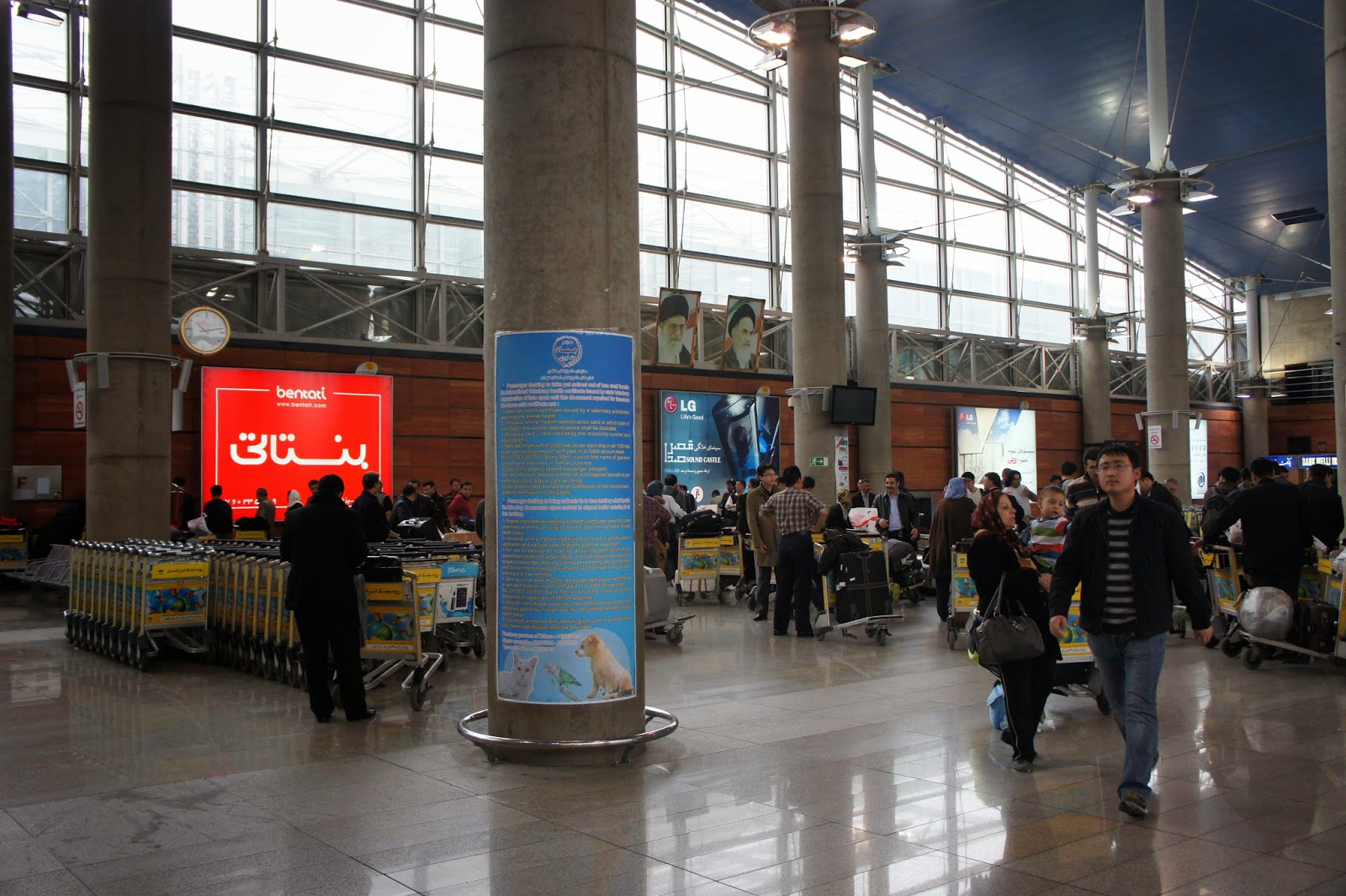
Arrival at Tehran Airport

The Capital of Iran – Tehran

My first impression of Tehran when being driven from the airport to the hotel is there is so much land they have here. Iran is not as backward as I imagined. Along the way, there are road signs written in both Farsi and English. It became apparent that we have arrived in Tehran as the traffic suddenly built up. I had read about the horrendous traffic condition in Tehran, I did not expect it to be this bad. People are not driving according to their lanes, they merely squeeze into whatever space their car can be squeezed into. The distance between cars is so close that I can open the door of the car next to ours by simply stretching out my arm. What fascinates me more is despite the chaotic traffic condition, I didn’t see any traffic accidents on the road. Driving in Tehran needs a lot of guts and it involves both defensive and aggressive, and certainly one needs to be very decisive when driving here.

Golestan Palace – The Palace in Tehran

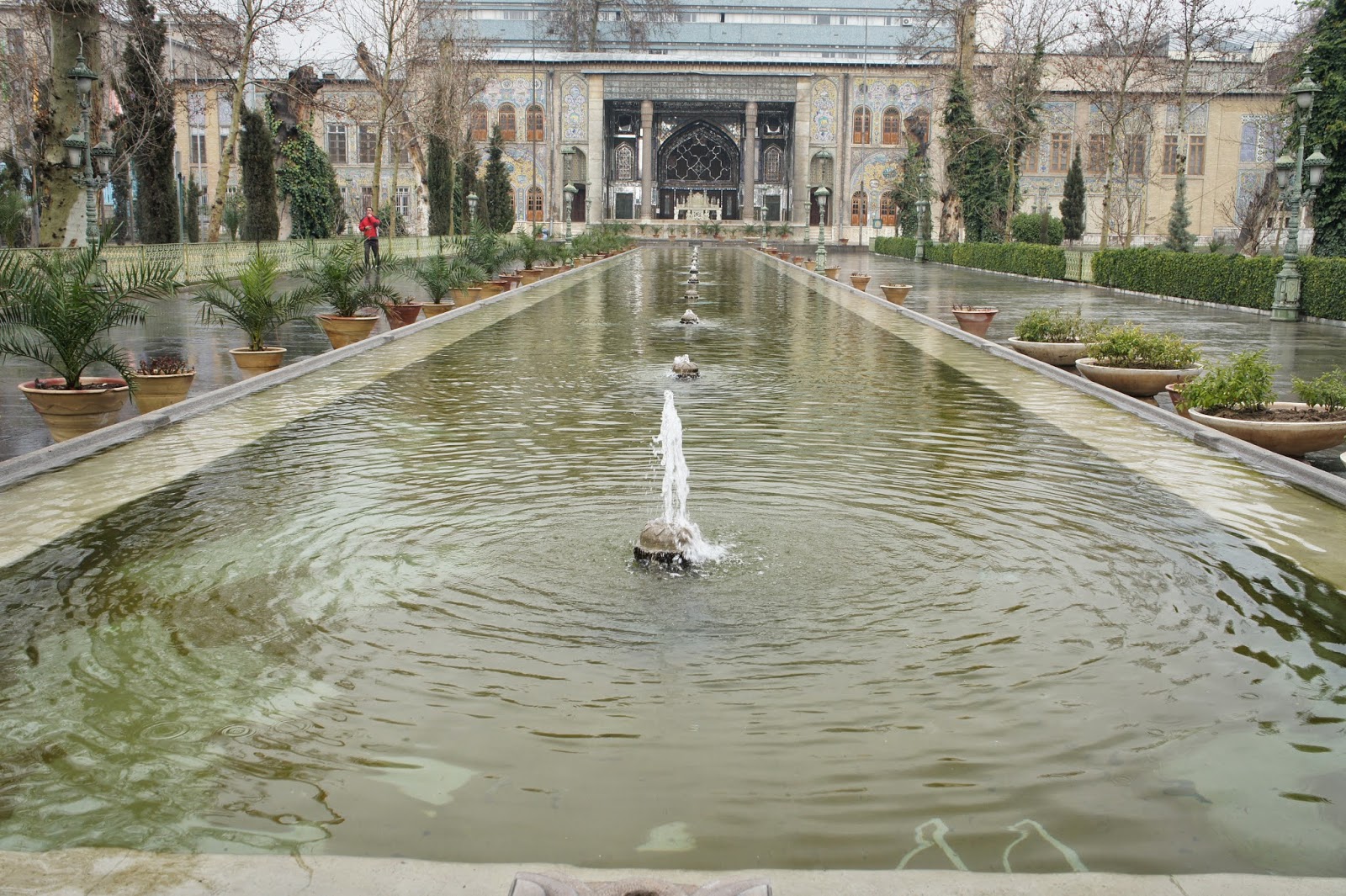
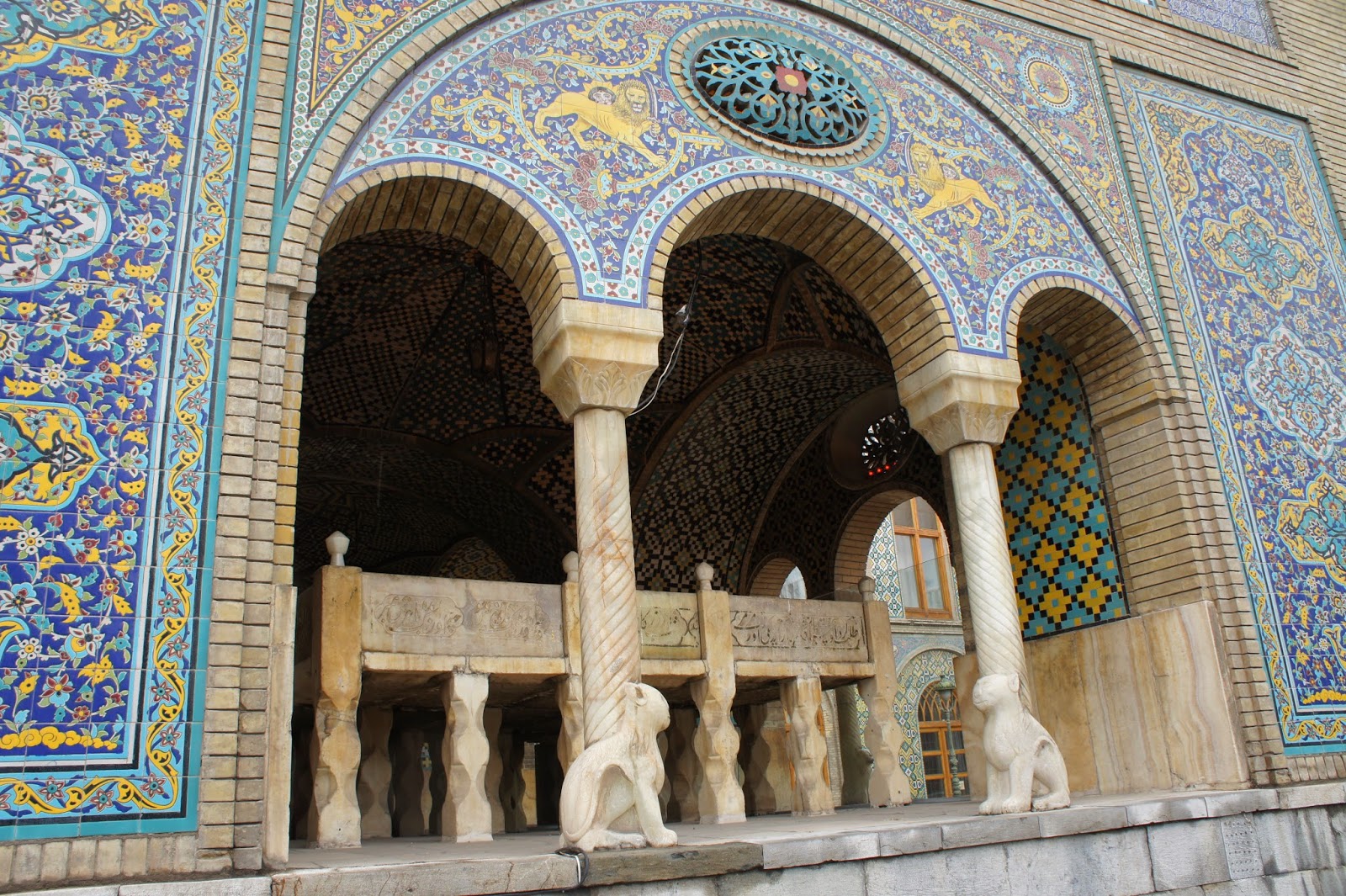
We met up with our guide for Tehran after settling down in the Hotel. Our first stop was the Golestan Palace. I like visiting Palaces as it tells a lot about life back when it was used by the kings. In my mind, I have always thought Palaces are grand, as it usually symbolises the power of the kings, especially when it is used to hold a reception for foreign dignitaries. I was slightly disappointed when we arrived at the Palace, it is not as big as I would imagine it to be. Golestan Palace has 4 main buildings within the compound. As we entered the Palace grounds, the first building that was almost immediately noticeable is one where the marble throne was placed. It is not difficult to spot the throne as it was placed in a very conspicuous platform that overlooked the gardens and the fountains in the palace grounds. As we walked around this building that housed the marble throne, I spotted a marble coffin. Our guide explained that this coffin was used by one of the kings has it is heavily influenced by European culture as there are angels carved on the cover of the coffin. We were told that the coffin is now empty, and placed here to display to visitors the extent of European influence in those days.

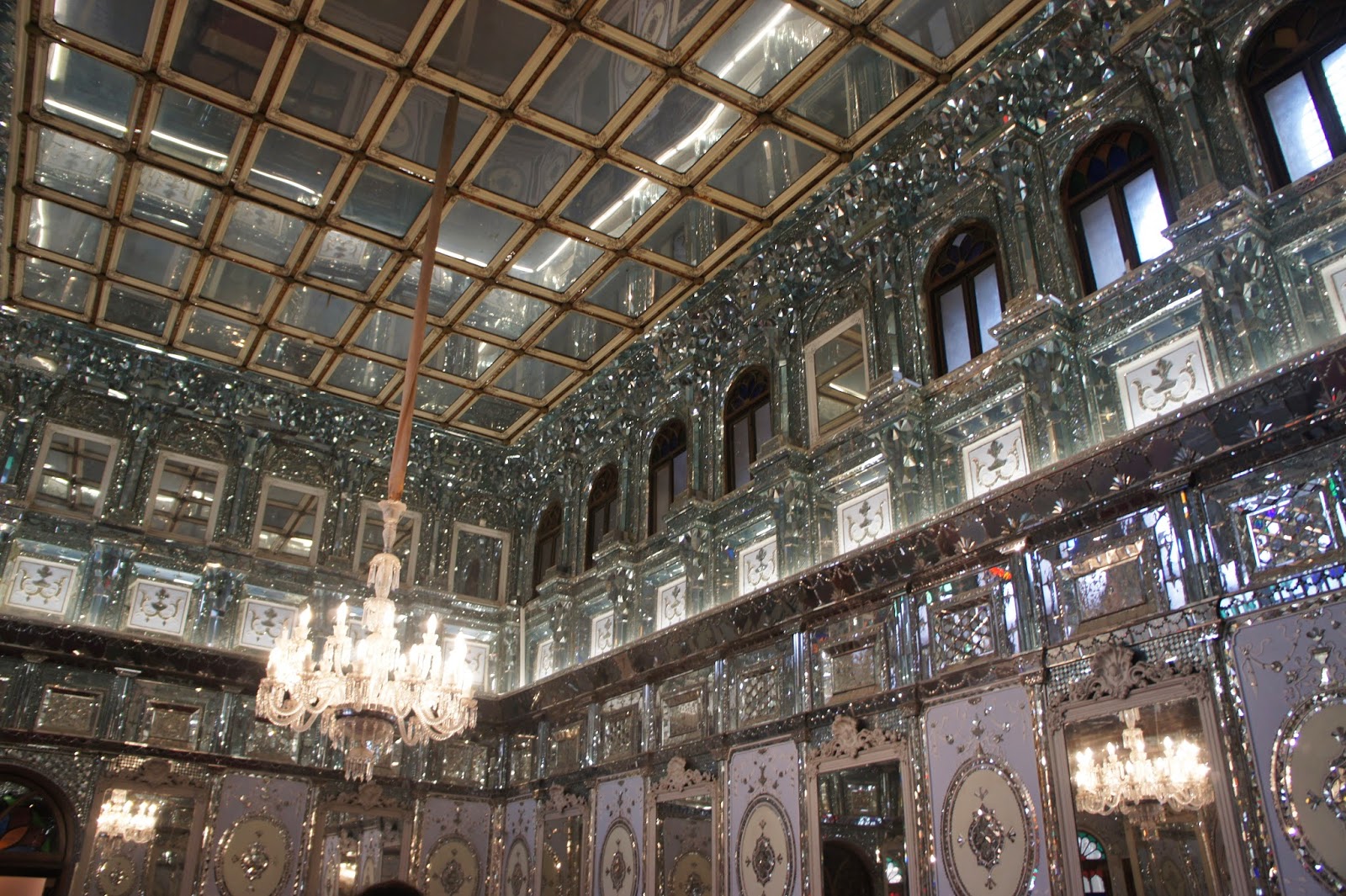
The next building we visited is the Leave Halls, where 3 halls are housed. This looks like the reception room and the living quarters of the royalties. The foyer of this building is decorated with mirrors, makes the architecture of this hall somewhat unique. We headed to the dining hall, where again the European style is evident here on the pillars. This rather huge hall was where the royalties dine daily in those days. The next hall we visited is the mirror hall, which essentially looked like a study room of some sort to me. This hall is rather small compared to the other 2 and was heavily decorated with mirrors. Makes me wonder if the king who built this palace likes mirrors or is merely using a mirror to make the whole place look bigger. To the left as we exited the mirror hall is the Coronation Hall. Now, this hall is the biggest of all 3 and has no trace of European influence in the styling. This hall, as we were told, was used not only for coronation events, it is also used to entertain foreign dignitaries as well. The next so-called hall that we visited in this building is the Ivory hall. It looked more like a corridor with 2 chairs and 2 huge ivories displayed. Hardly looked like a hall at all.
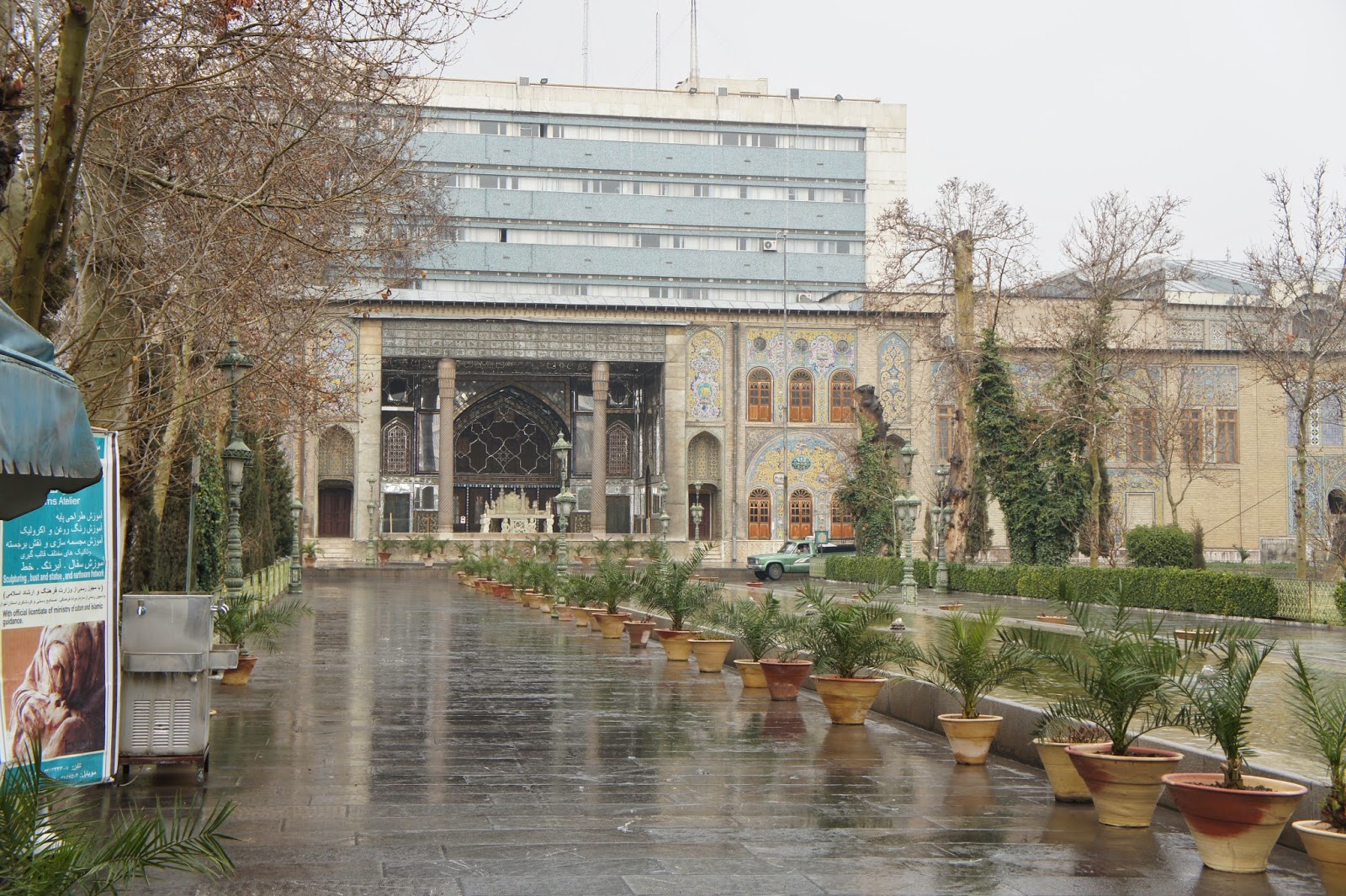
Walking towards the main hall of Golestan Palace
The Persian design leading to the main hall of the palace
The main audience hall, where the Persian King used to sit to address his audiences. The throne is made of white marble
Panoramic shot of the facade of the palace

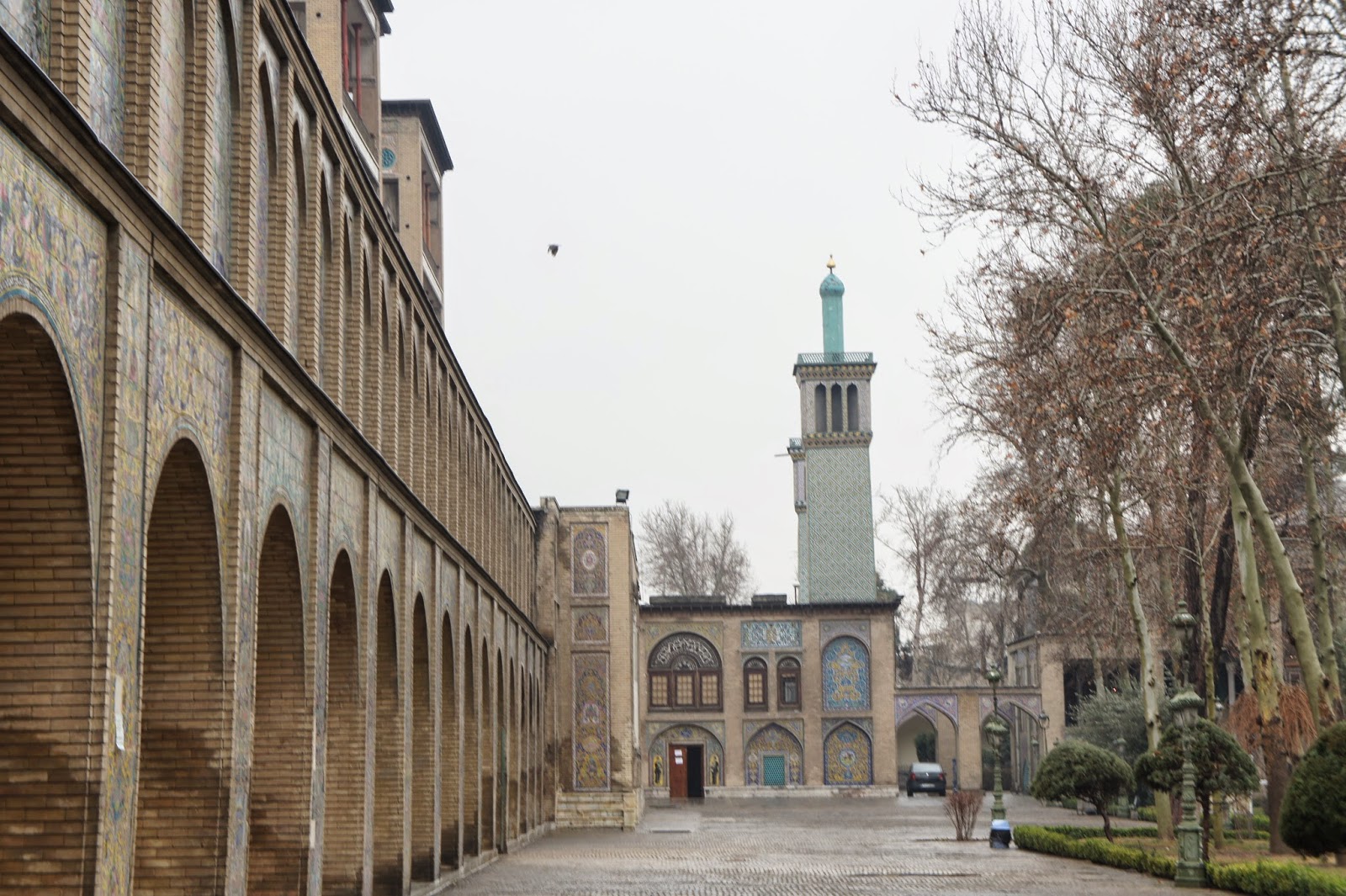
The next building we visiting within the palace grounds is the Edifice of the sun. The distinctive feature of this building is the 2 tall towers and a slightly shorter clock tower. We were told that the original design of these towers do not come with the 2 pavilions that we see on top of these towers. It is later added as the king, after travelling to Europe, like their structure so much that he ordered his men to add these pavilions to the tower. These towers were the tallest structure in Tehran once upon a time. Too bad we cannot enter this building, else I would love to climb onto these towers and see the view from up there. To the right of this building is another building with 4 wind towers. We entered this building and saw that the main hall was again decorated with mirrors. The unique part about this hall is the doors that slide-opened vertically, used during summer to keep the hall cool. I find this building somewhat boring and uneventful. We went to this building that was converted to some kind of art gallery next. I was getting a bit restless by this time, not too sure if it is the art that is boring me or the jet lag is getting onto me. I did a quick browse through of this part and quickly exited the building. It seems this is the last stop of the palace.


Tehran Bazaar

As we were walking back to our vehicle, our guide asked if we wanna take a quick look at the Tehran Bazaar, the biggest bazaar in Tehran. We did not object to it and indeed we took a quick walkthrough of the bazaar. It is rather crowded here as it is close to the Iranian new year and everyone is out shopping for the new year. The bazaar was huge and was arranged in sections, some sections are selling textile, some spices and other selling clothing. One can find almost anything they need for a household here. We were brought to this lower part of the bazaar selling Persian Carpets. There are tons of shops selling carpets and some of them are nice. We were told briefly the different types of Persian rugs and how to recognise them. We spent about 30 mins in the bazaar before heading to our next stop.
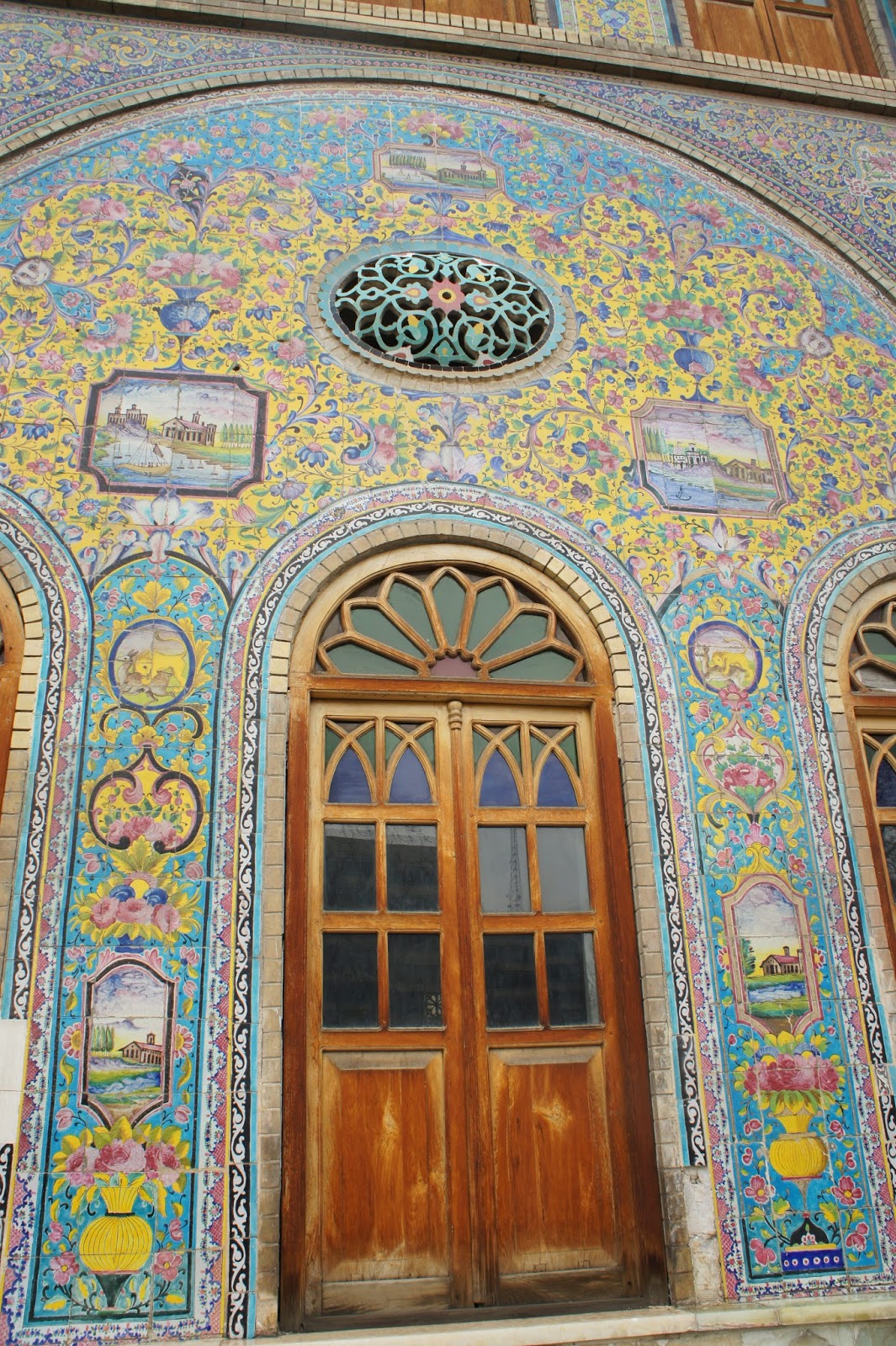
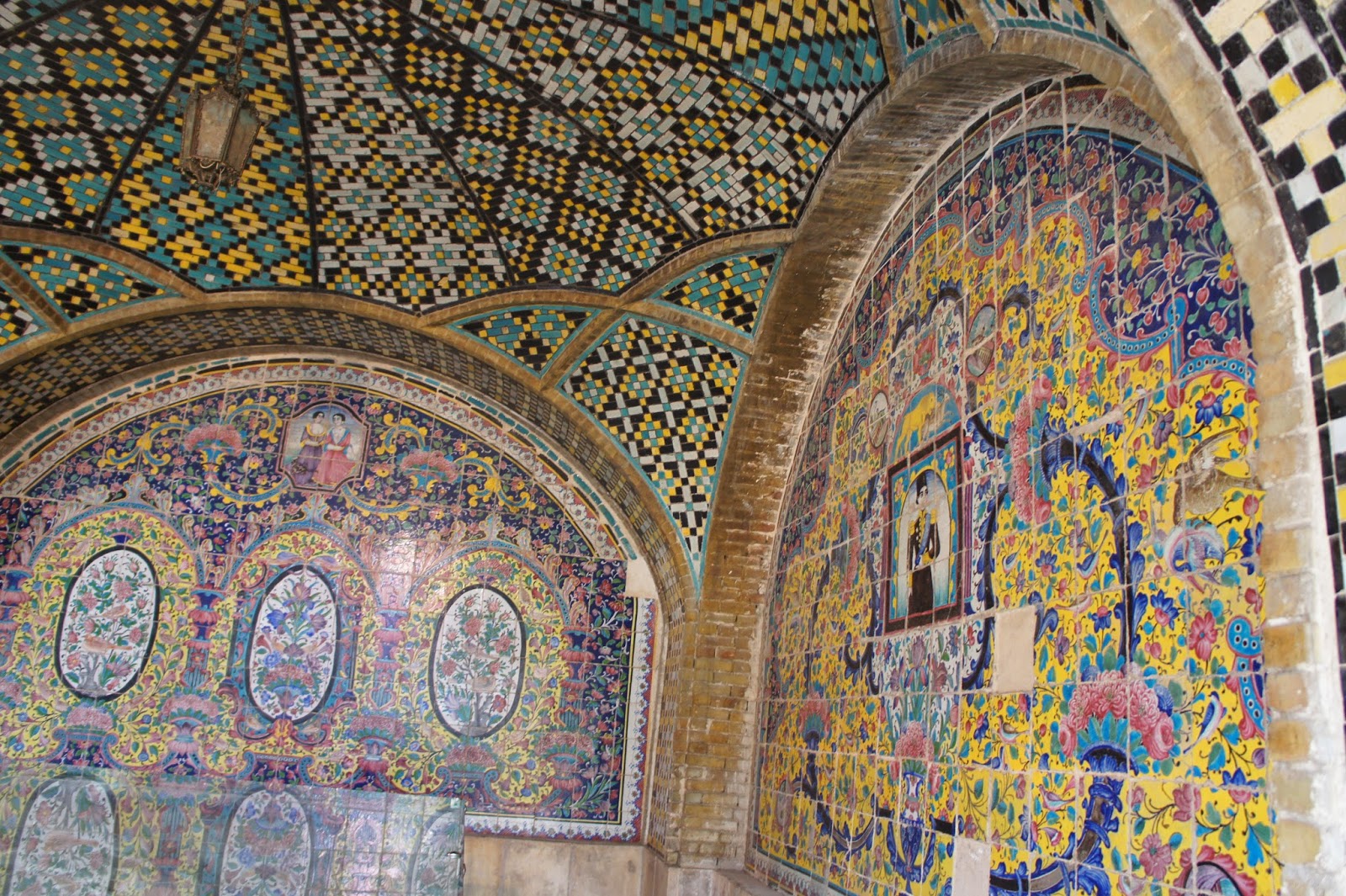
Persian Style Art on the wall of the palace
This is where the stone coffin is house
Inside one of the buildings of the palace
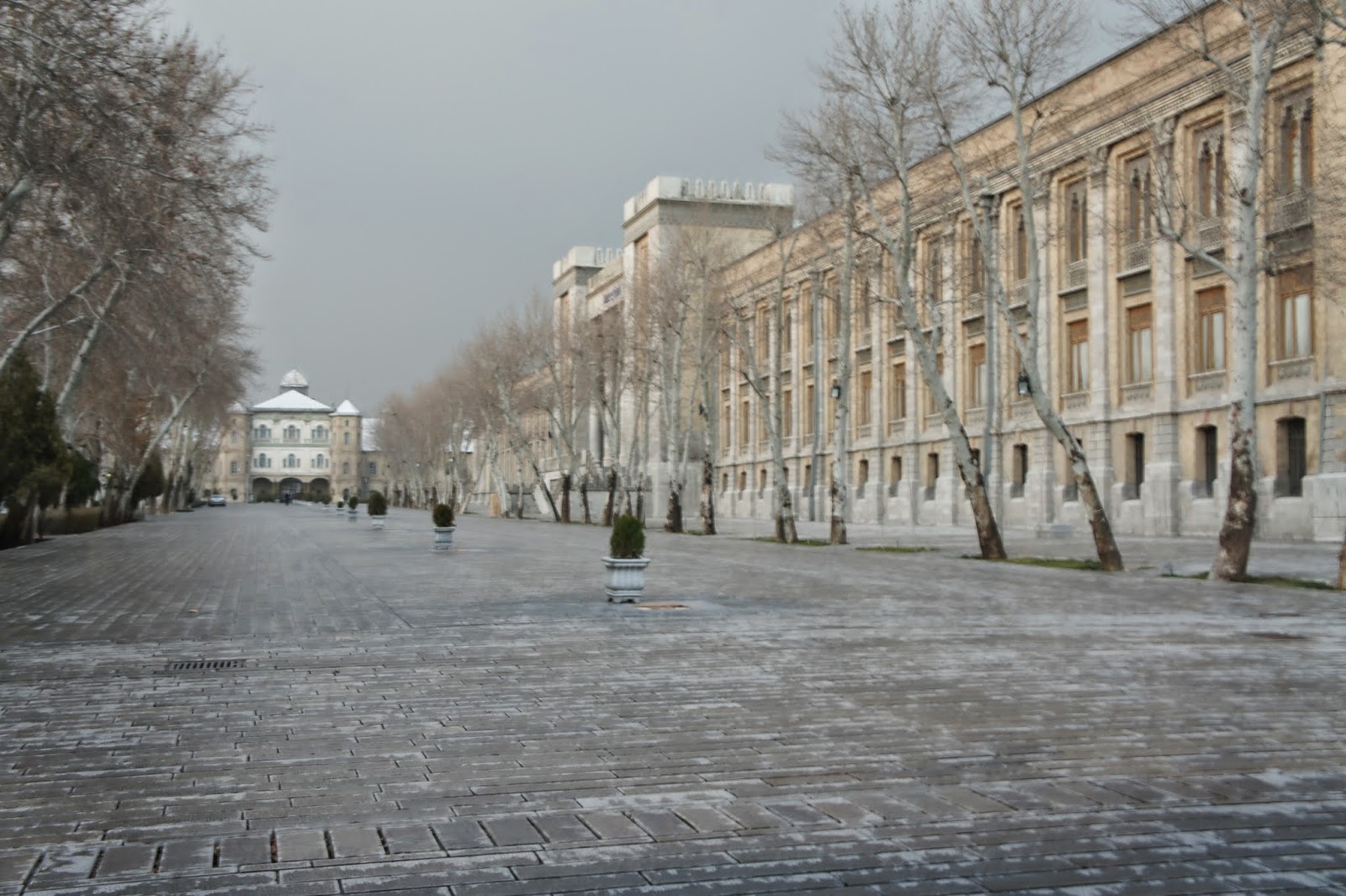
Golestan Palace grounds
The Clock Tower at Edifice of the Sun
Inside the Mirror Halls
The Mirror Halls from outside
Inside of the Mirror Halls
Persian Rug section of the Bazaar
Tehran Bazaar
Tehran Bazaar

A Vault of Treasures – National Jewelry Museum

After some turns here and there on the vehicle, we arrived at somewhat looked like a bank. Before long I realised we were at the National Jewelry Museum. My first impression of the National Jewelry Museum when I first read about it was it is rather boring, perhaps someplace that showcases jewellery and nothing much. The security for the museum was very tight, all electronic equipment including mobile phones were not allowed inside the museum. What’s the big deal, I thought to myself, well just follow the protocols I guess. As we entered into the vault, we saw the famed Peacock Throne, decorated with gems and gold, the throne was very impressive and certainly cost a lot! As we went through the museum, I was taken aback by the number of precious gems, gold and jewellery that was up on display! A handful of any of these is sufficient to feed my whole family very well! As if I am not impressed enough, the crown of all jewels here was the Sea of Light – the largest pink diamond in the world! At first, it looked like an ordinary diamond, as one bend down and see the diamond at eye level, it is pink! I was jokingly telling our guide, the value of this diamond is enough to feed 10 generations in luxury! After going through the Jewel Museum, I realise it is very worth visiting! Never in my life, I have seen so many precious stones, jewellery and of course the largest pink diamond in the world!

National Museum of Iran

We headed for the National Museum after leaving the National Jewelry Museum. I was more excited about visiting this place as I had read that visiting this museum can give us a better idea of the history of Iran and how things come about. It was rated as one of the “must-go” in Tehran. As we had arrived at the museum, we were informed that we have to deposit our camera. Usually, it is allowed to be brought into the museum, but the Cyrus Cylinder was on display this period, therefore cameras are not allowed. As we entered the museum, our guide brought us to this gigantic 3D map of Iran and explained to us the different regions and the nomads. As we were going through the artifacts on display in the museum I was getting rather bored! It is not as impressive as I imagined it to be and out of the displays, I can only remember this 500,000-year-old tooth that belonged to a 14-year-old boy and this huge rock carving they took from Persepolis to be displayed here. The rest of the exhibits are bowls, pans, weaponry. Not my cup of tea. We headed to the 2nd floor where the Cyrus Cylinder was displayed. This artifact originates from Iran, and it is now on loan from the British Museum. What an irony, the country’s historical artifact had to be a loan from some other countries! This cylinder was fabled as the world’s first human’s right charter! As we exited the museum, I saw a replica of the Cyrus cylinder for sale, I immediately bought one. The packaging was rather unique, in a wooden crate box. Before heading back to the hotel to rest for the night, our guide brought us to this gate, which was used as a tourist symbol of Iran. Well, this gate certainly looked old, and behind this gate was what used to be a runway for aircraft. We snapped some pictures and headed back for our vehicle.
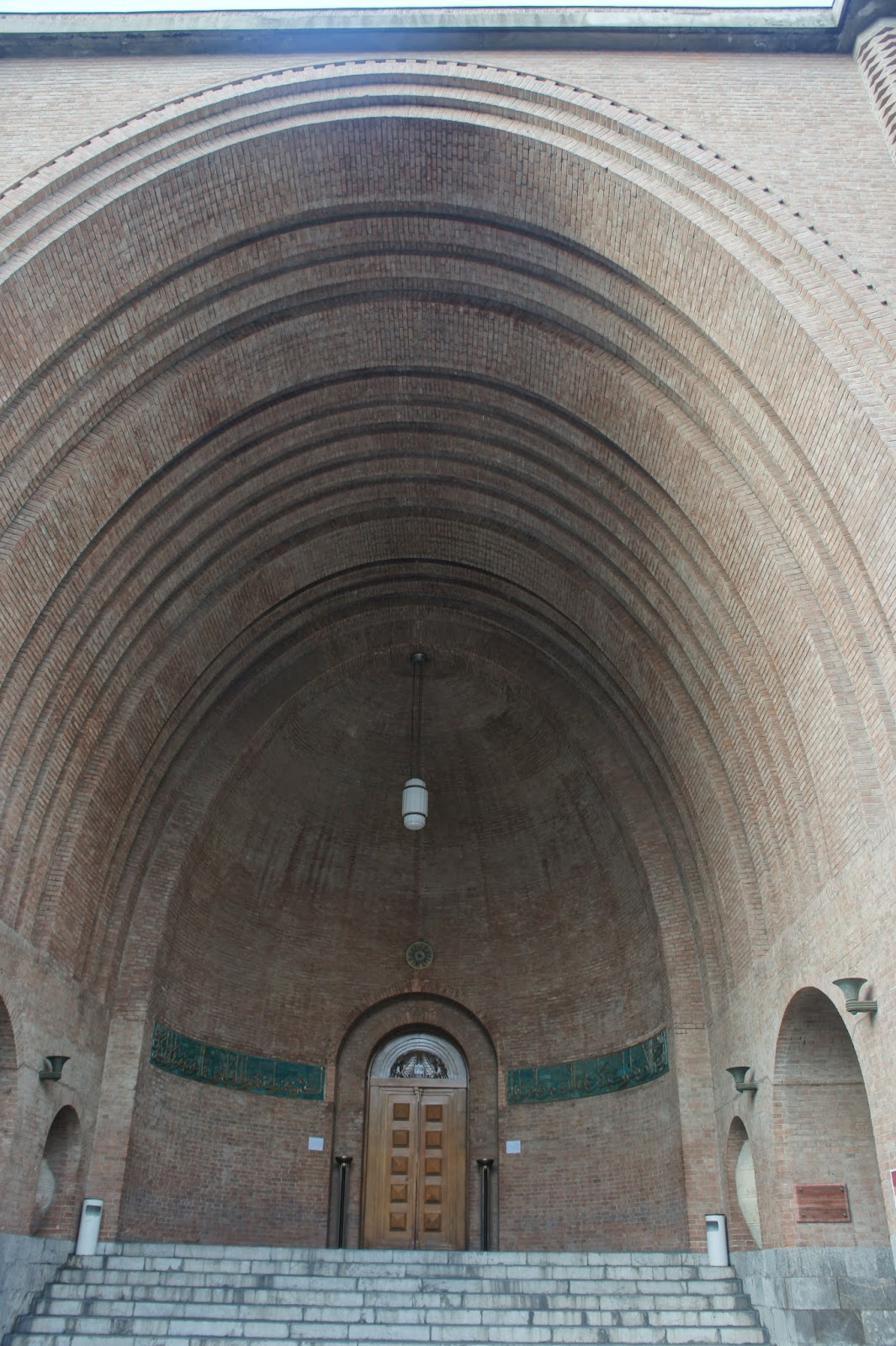
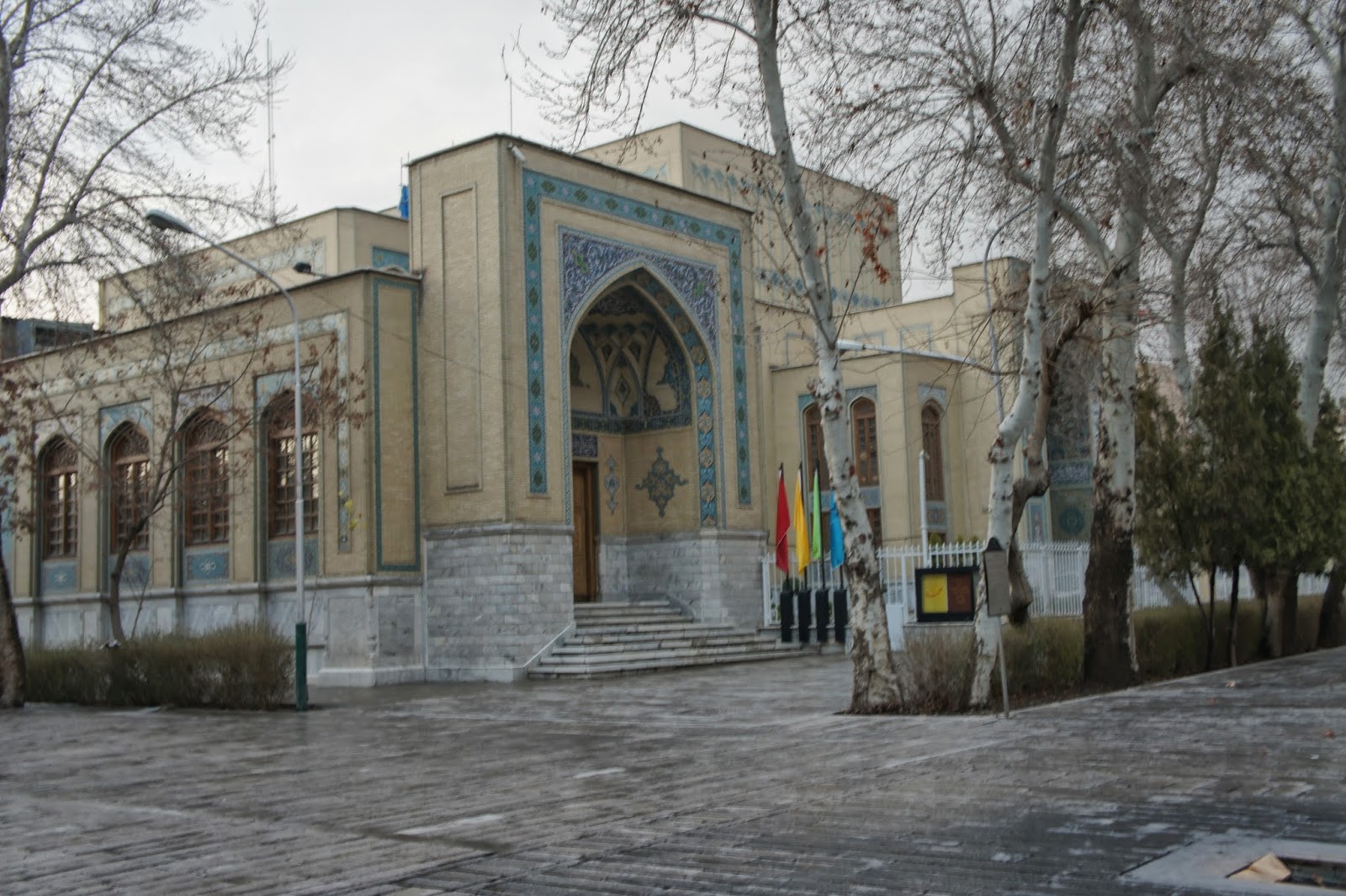
Entrance to the Tehran National Museum
This building outside the museum used to be the Tourism Bureau
This area used to be a runway for military aircrafts
Some governmental buildings outside the museum

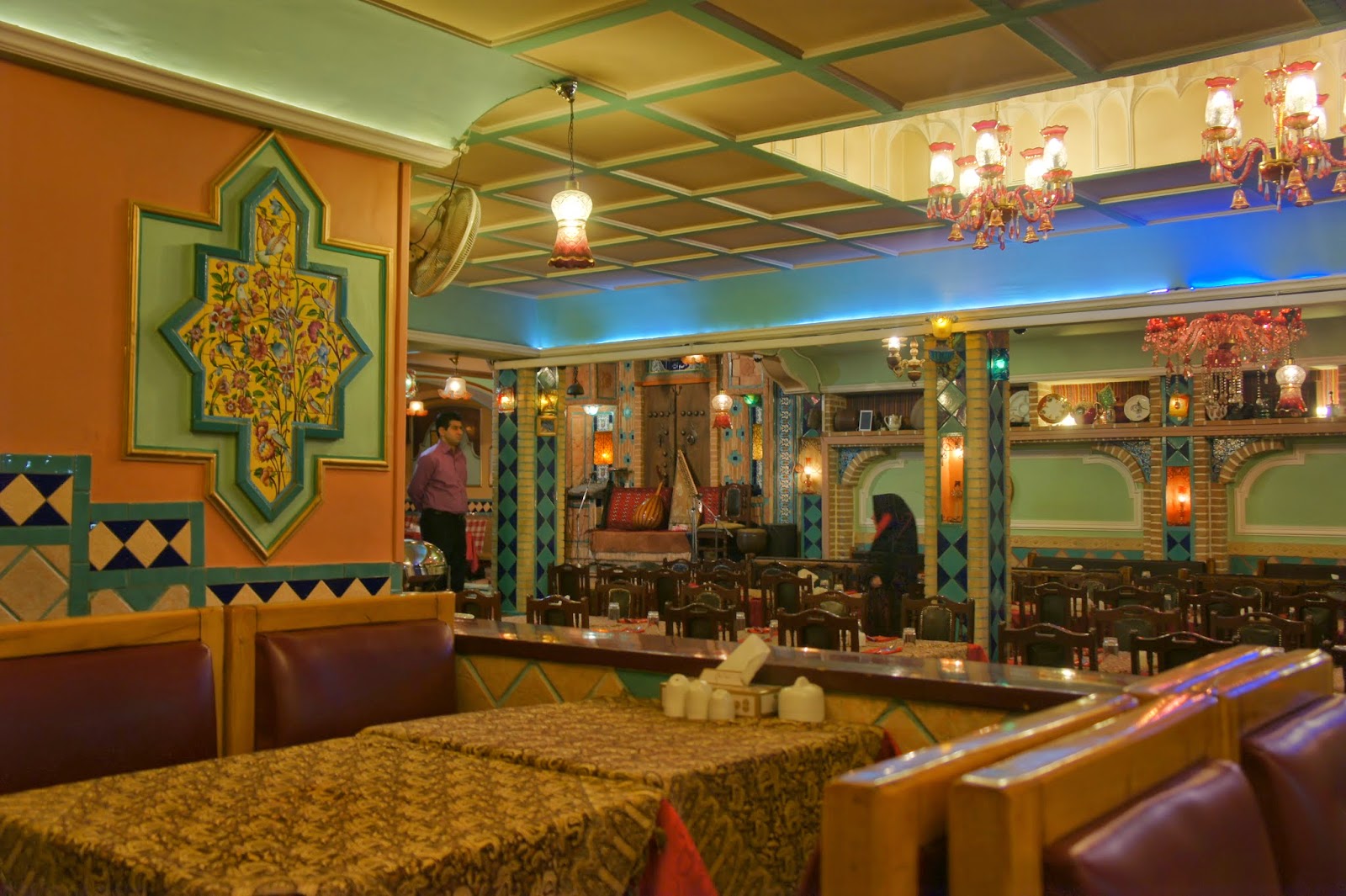
As we were heading back to our hotel, we asked our guide if there are any good Persian restaurants around our hotel. We were pointed to this restaurant that is just around the corner and decided to give it a try after we leave our things in the hotel. We headed for the restaurant, seriously if the guide hadn’t pointed out we wouldn’t have known there is a restaurant here. The entrance does not seem to suggest what is brewing behind the doors. As we enter the restaurant, it looked very empty. No customers were in sight. We thought they might have closed and asked the waiter, he told us they have just opened for business and ushered us to a table. We ordered some kebabs and tea and found out that they got our orders mixed up after we finished the food and was chatting with the waiter. The apologetic waiter immediately brought some tea for us as what seems to be a gesture of apology, certainly hope these do not come out from his salary. After dinner, we headed back to the hotel to rest for the night, as we were rather tired from the night flight, plus we had to wake up as early as 3.45 am the next day for our flight to Shiraz.
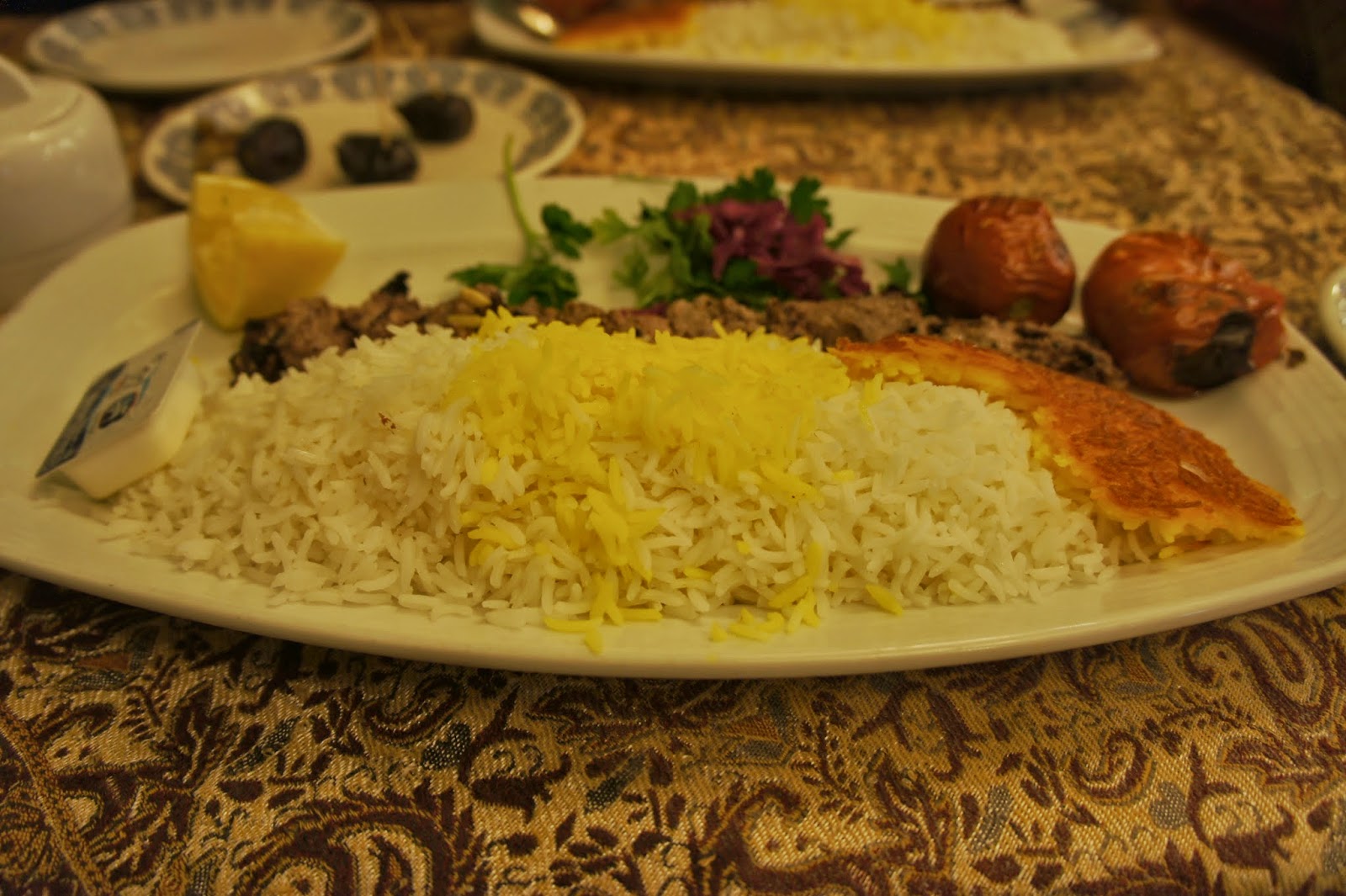
Typical Persian Food for dinner
The very inconspicuous restaurant near our hotel