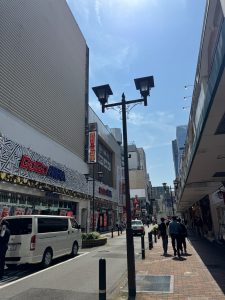
Arrival at Fukuoka
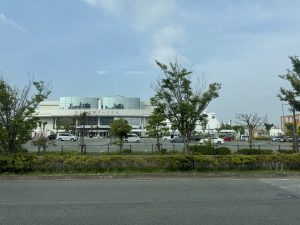
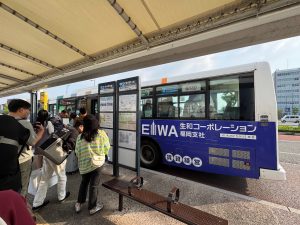
We had a port day in Fukuoka. As our cruise ship was departing the port at 6:30 pm, we only had about 12 hours to explore Fukuoka. Fukuoka Cruise port is not far from the city, and is very well connected by local buses and taxis. Local buses 11, 19, and the BRT connect the port to the city at 15-minute intervals. The bus stop is not located at the cruise terminal, but in front of the Hakata Port International Terminal building, next to the cruise terminal. The bus ride to the city centre took about 19 minutes, and costs ¥260 per trip. As we are limited to Fukuoka city due to our tight schedule, we can only visit the sights within the city itself.




The Temples and Shrines of Fukuoka
Temples and shrines are the only sights in Fukuoka city, other than an old shopping street. We visited these places of worship in the morning and did some shopping after lunch.
Shofukuji Temple: Japan’s First Zen Temple
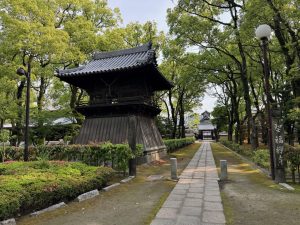
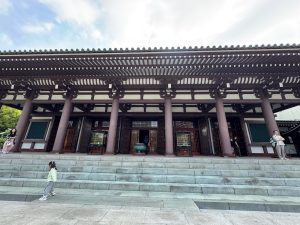
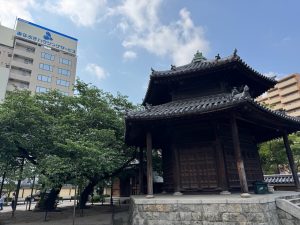
Our first stop on the temple hop is the Shofukuji Temple. Gofuku-Machi bus stop, four bus stops before Hakata Station, is the nearest to the temple. Shofukuji Temple dates back to the 12th century and is the first Zen temple in Japan. The temple grounds are huge, and without a map to guide us, we decided to walk in as far as we could and work our way out. Walking past the main gates to the temple, we can almost immediately feel a sense of zen. One would automatically soften one’s volume when walking within the temple grounds. The gardens of the temple are populated with rows of tall trees, and with the little footfall, walking in the temple grounds felt very peaceful. A wall surrounded the buildings at the back of the temple grounds. We walked along the wall in search of an entrance to these buildings. Little did we know that this part of the temple was off-limits to the public. We assumed these were the living quarters of the temple priests and did not bother looking for an alternate entrance. We spotted a large wooden structure sitting in front of the cordoned-off area and decided to investigate it.
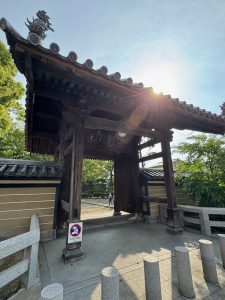

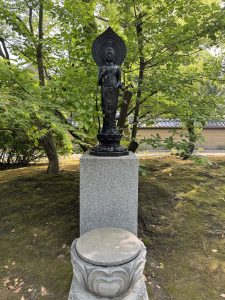


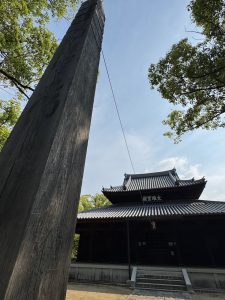
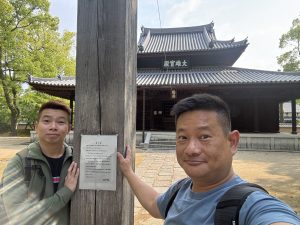
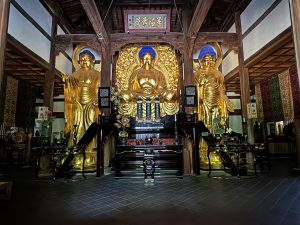
This large wooden building turns out to be the main temple in Shofukuji Temple. The main temple is also off-limits to visitors. There is a window through which we were able to see inside the temple. Three large golden statues of Buddha occupy the space inside the building. The interior of the building looked old but was very well-preserved. We spotted a string being tied to the hands of each of these Buddhas and did not think too much of it. Since there was nothing much we could do here, we left after paying our respects to the Buddha statues. As we turned around, we spotted a tall wooden pillar in front of the temple building, about 5m away. This is when my friend pointed out a string that runs from this pillar into the temple, which might mean this is how devotees connect to the Buddha statues inside. We headed back to the temple and noticed the string is indeed connected to the Buddhas inside. We headed out and prayed to the pillar, transmitting our wishes through the string to the Buddhas.

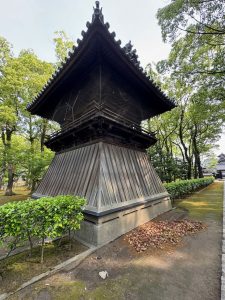
As we were walking out of Shofukuji Temple, we returned to the ancient wooden bell tower we saw earlier. However, we did not spot any entrance that we could enter to scale the tower. Seeing there was really nothing much we could do here, we headed back to the entrance of the temple, passing a small stone bridge over a koi pond and made our way to the next attraction. I thought visiting the temple via the koi pond, heading to the large temple with the Buddhas, and returning for a view of the bell tower as one is exiting the temple grounds was the most efficient way to visit the temple. Since most of the temple is closed to the public, it shouldn’t take more than 15 mins to visit the temple.


Tochoji Temple: The Oldest Shingon Temple on Kyushu
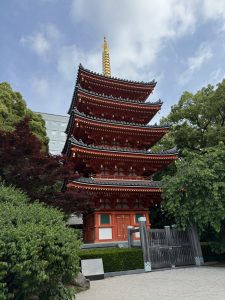
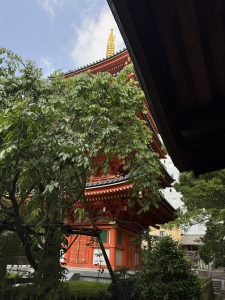
We can see our next stop right across the road from Shofukuji Temple. From the entrance of Shofukuji Temple, we can also see the five-storey pagoda. To enter the temple, we had to walk around the corner to the main road, where the temple’s entrance is located. Founded in 806 AD, Tochoji Temple is the oldest Shingon temple in Kyushu. The temple looked very well maintained, and its wooden main entrance is perhaps the oldest-looking structure here. The courtyard of the temple is a vast open space where we can see a pagoda, a large main prayer hall, and an octagonal pavilion. We were drawn to the bright red five-storey pagoda on the side. Topped with a golden spire, this pagoda is what one would typically associate with a Japanese pagoda. Like all pagodas in Japan, this pagoda is also closed to the public. Next to the pagado is a modest wooden building with its doors closed.



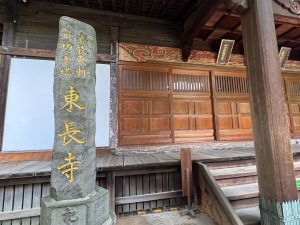
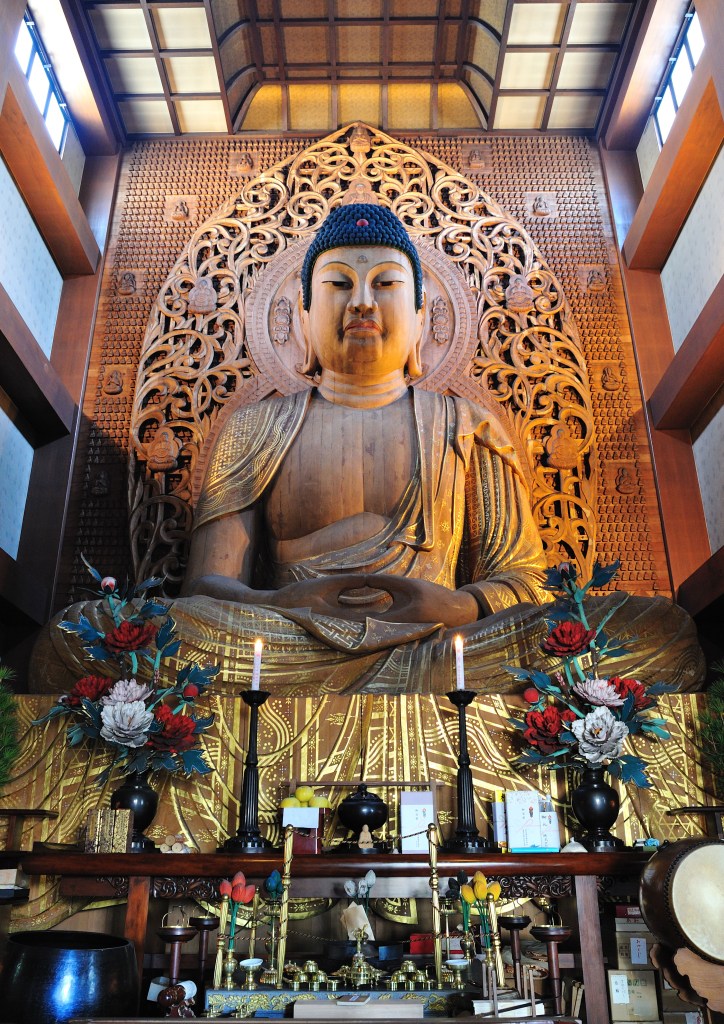
Tracing our footsteps back to the temple courtyard, we walked past the main prayer hall and arrived at an annexe building. This is what people come to Tochoji Temple for: to view a giant statue of the Buddha. The giant Buddha is carved out of wood and sits solemnly on the second floor of the annexe building. Visiting the giant Buddha attracts an entrance fee of ¥50, and photography is prohibited in this part of the temple. The giant Buddha was meticulously carved, with a lifelike, solemn expression on its face. A sign stated that there are thousands of small Buddha statues carved into the wooden wall behind the giant Buddha. One of the more interesting things to see here, besides the giant Buddha, is the Tunnel of Hell, underneath the Buddha. Through this tunnel, we were shown how the Japanese believe one would go through after death. We saw plastered statues of the levels of hell and the punishment that one would go through for the misdeeds committed in life. Nearing the end of the tunnel is a pitch black section, where we can’t even see our hands. Holding on to the walls, feeling our way through, we arrived at a light. This section of the tunnel seemingly symbolises the attainment of nirvana, with the dead meeting Buddha in a hall filled with bright lights.

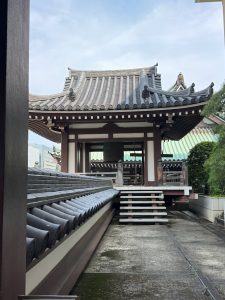
After visiting the giant Buddha, we returned to the main prayer hall to offer our prayers. We did not see any statues of Buddha inside this prayer hall; instead, we saw some tablets. Since there is nothing else we can do here, we exited the temple and headed to our next sight.

Kushida Shrine: The Spirit Centre of Fukuoka
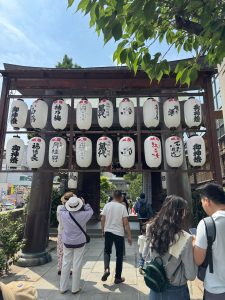
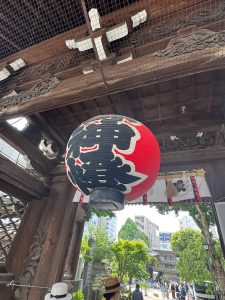
Our next stop, the Kushida Shrine, is about 7 minutes on foot from Tochoji Temple across the road. Compared to the previous two temples, this shrine is very crowded, mainly with passengers from our cruise ship. We entered the shrine through its side gate. Kushida Shrine is the spiritual centre of the residents of Fukuoka, and the locals believe the deities here protect and bless them. The main shrine features typical, elegant woodwork adorned with gold accents on the roof. In front of the roof was an ornament of hay, symbolising prosperity. Despite the crowd, everyone remained orderly as they offered their prayers to the deity installed in the main shrine.

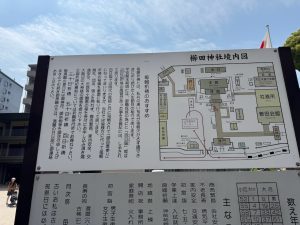
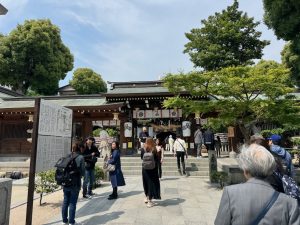
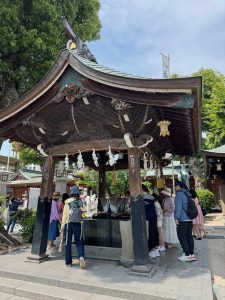

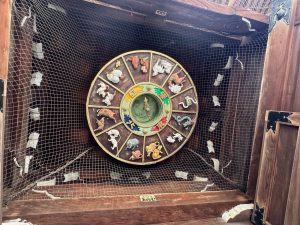
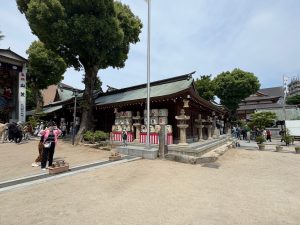
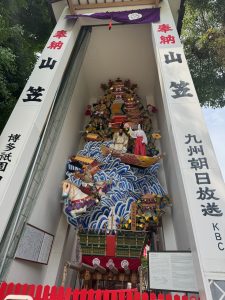
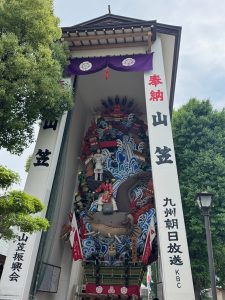
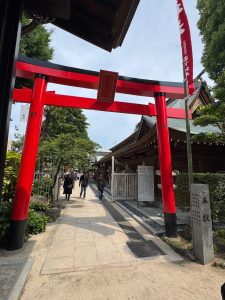
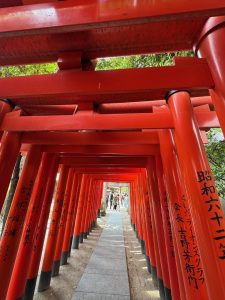
Other than the main shrine, several other smaller shrines are at the back of the main prayer hall. As we were walking to these smaller shrines, we spotted a tall structure sheltering a float. This float, adorned with figurines and animals, is used in July to parade through the streets and offer protection against the plague to the locals. We also found several Torii gates in the shrine grounds, mainly at the back of the main shrine. We spent the next 20 minutes walking around the shrine, paying our respects to the deities in the smaller shrines behind the main shrine.



Shopping In Fukuoka
Kawabata Shopping Arcade
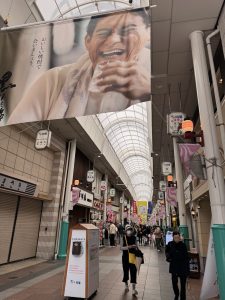
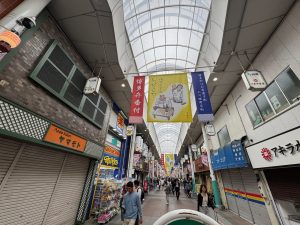
We planned to shop in one of the shopping streets in the Hakata area before heading to the Tenjin area to do more shopping. The Kawabata Shopping Arcade, one of the city’s most famous and oldest shopping arcades, is situated just behind the Kushida Shrine. Kawabata Shopping Arcade is the first merchant area to flourish in the Hakata district, comprising two arcades: Kawabata Shopping Arcade and Kami-Kawabata Shopping Arcade. The sheltered shopping arcade is home to a diverse range of shops, including Japanese-made clothing stores, numerous drugstores, souvenir shops, and bakeries. One can easily spend hours shopping in Kawabata Shopping Arcade. At the end of the shopping street sits the Takashimaya Department Store.
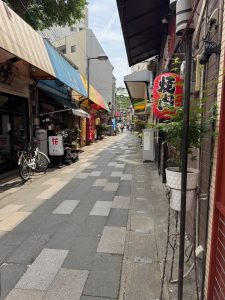



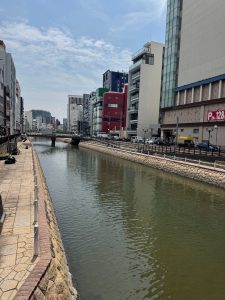
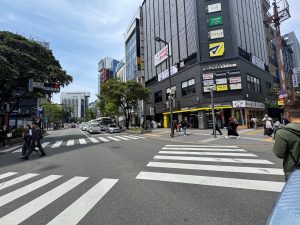
Fukuoka is the birthplace of the famous Ichiran Ramen. It would be a pity not to try the ramen in its first store since we are already in Fukuoka. The icing on the cake is that the original store is just a 5-minute walk from Kawabata Shopping Arcade. There was a queue for the ramen store, where a restaurant staff deployed to manage the queue informed us that the wait time is around 90 minutes. I was pleasantly surprised that it took us about 40 minutes to get a seat inside the restaurant. To order ramen, we were given a form by the staff outside to fill out our preferences. Once inside the store, we paid for our ramen using one of the vending machines. Instead of the traditional dining tables and chairs, Ichiran Ramen restaurant had individual booths for customers. We were led to our respective booths, which came fitted with a small wooden window. We would then pass the receipt and the form to the kitchen staff behind the window to customise our ramen. It did not take long for our delicious ramen to be served.
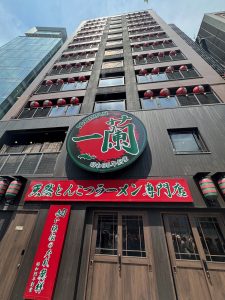

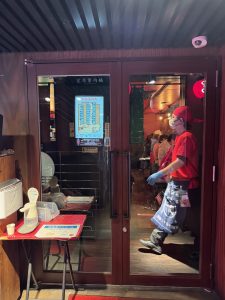


Tenjin Area
After lunch, we headed to Tenjin for more shopping, one subway stop from Hakata. From my research before this trip, I read that Tenjin is a better shopping spot. I would expect a longer shopping arcade, similar to the ones we saw in Kawabata Shopping Arcade. However, to my disappointment, the only shopping arcade in Tenjin, Shintencho, is confined to a small area next to the shopping mall that houses the subway station. There are fewer shops in this shopping arcade, mostly selling clothing and shoes. The Tenjin area is also home to many cafes and shopping malls. However, if one is looking for big brands or luxury goods, the Parco shopping mall, situated above the Tenjin subway station, is a good option. We left Tenjin after spending about 2 hours walking around, as the shops here weren’t exactly the places we wanted to shop. After getting the last bits of stuff, we hopped onto an Uber and headed back to the ship. I thought Fukuoka was a rather boring city; there are not many local attractions, and the shopping was rather disappointing. Luckily, we only had 12 hours here.