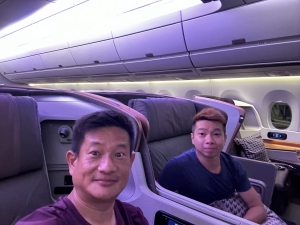
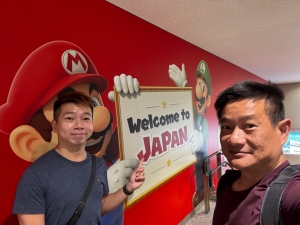
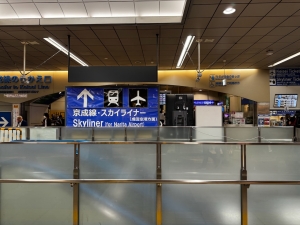
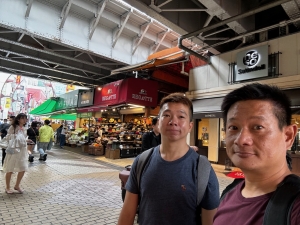
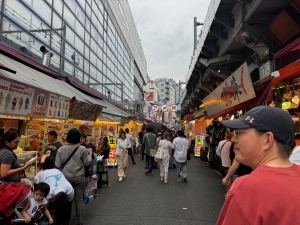
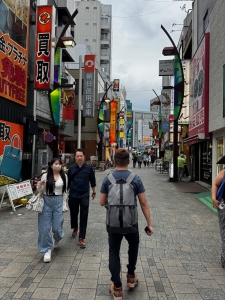
As our flight leaves at 10 pm tonight, we have the whole day to cover the sights we have yet to see in Tokyo. I planned to visit the iconic Sensoji Temple in the morning and Ginza in the afternoon, leaving us some time to get back to our hotel before making our way to the airport.
Koami Shrine – Washing Our Money for Luck
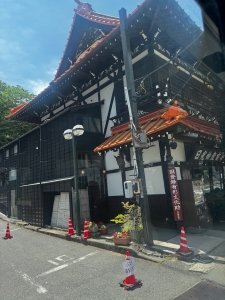
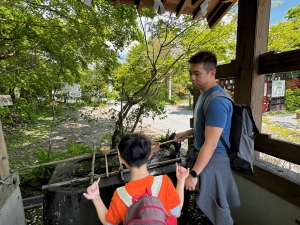
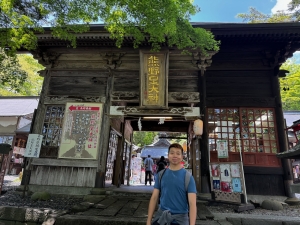
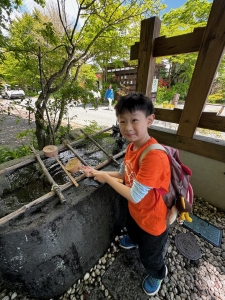
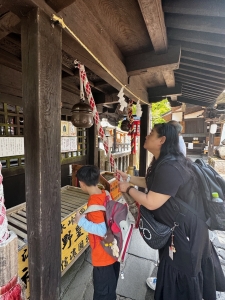
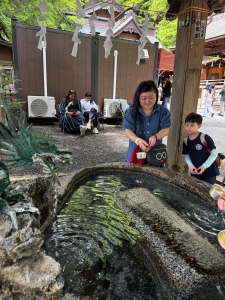
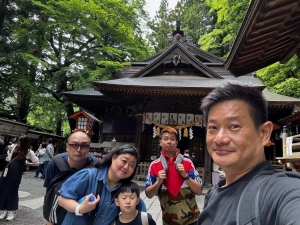
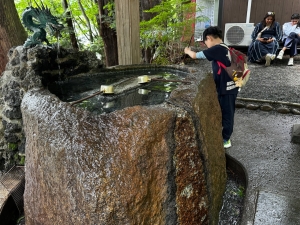
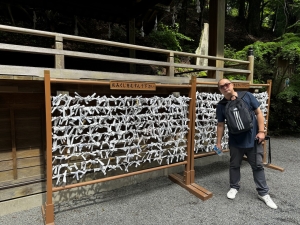
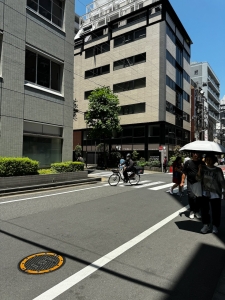
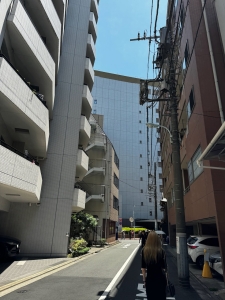
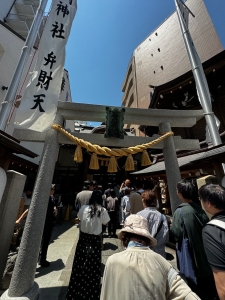
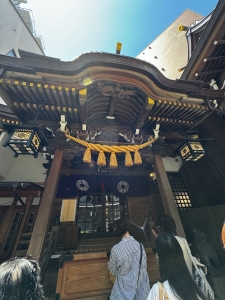
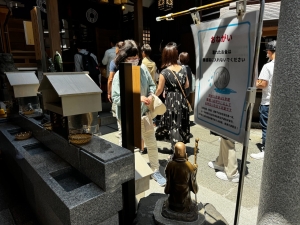
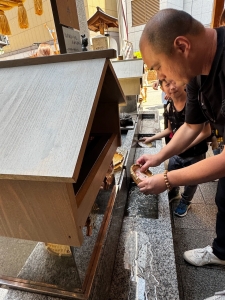
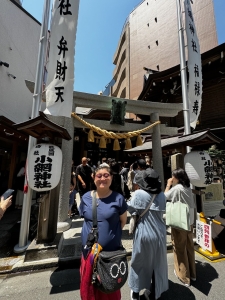
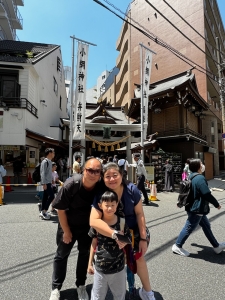
Before our trip to Japan, I saw a clip on social media about this unassuming temple in Tokyo that was believed to bring luck and ward off evil. Koami Shrine is located in the Ningyocho district, near the Asakusa area. We took the Tokyo Subway from Mita Station and alighted at Ningyocho Station. The shrine is a 3-minute walk from Ningyocho Station Exit A6. Koami Shrine is a small shrine tucked in a residential neighbourhood, sandwiched between two buildings. The wooden structured shrine follows a typical Japanese shrine architecture, coated mainly in the natural colour of the wood used to construct the shrine. We spotted some gold platings on the under roof of the shrine; despite the small number of golden platings, the plainness of the shrine made the golden parts stand out. There are very few carvings on the shrine structure, with only a phoenix at the topmost beam and some dragons. The main deity enshrined in Koami Shrine is the god of wealth and asset protection. Hence, the locals flocked to this shrine for good luck. One of the interesting rituals here is the washing of money, which is believed to bring wealth and fortune. After offering our prayers, we participated in the money-washing ritual in the well beside the shrine. It was an interesting experience, and hopefully, it would bring us luck.




Asakusa – The Iconic Temple in Tokyo
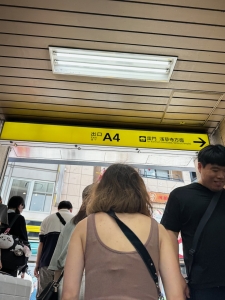
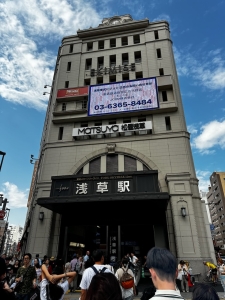
Our next destination is the iconic Sensoji Temple, the oldest temple in Tokyo. To get there, we took the Asakusa Line to Asakusa Station. Well-marked signs guide us to Exit A4, the nearest exit to Sensoji Temple.

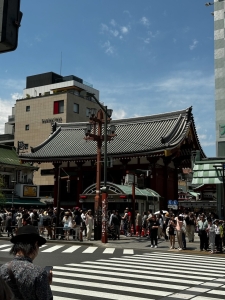
Kaminarimon Gate – The Iconic Red Gate
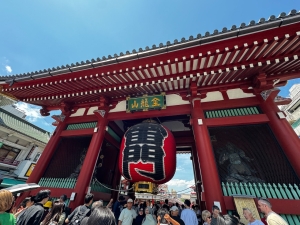
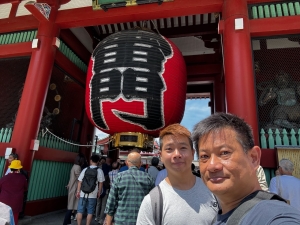
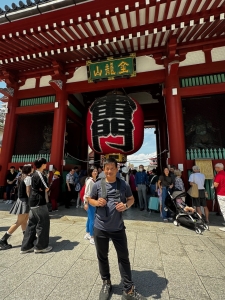
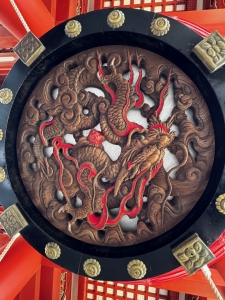
The metro exit to Sensoji Temple is situated across the road. After a short walk from the exit of the metro station, we spotted the iconic red Kaminarimon Gate to Sensoji Temple. The predominantly red wooden building against the white walls is the entrance to Sensoji Temple. Statues of Thunder and Wind Gods stand were seen guarding both sides of the gate. Hanging in the centre is the iconic huge lantern, believed to weigh about 700kg, with the words “Thunder Gate” on the side facing the main road, while “Wind and Thunder Gods Gate” was inscribed at its back. Underneath the lantern, we could spot a dragon engraved into a circular wooden panel.




Nakamisedori Street – The Shopping Street in Front of the Temple
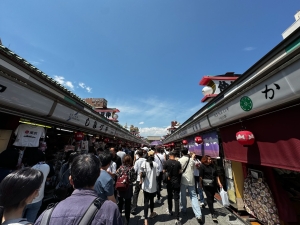
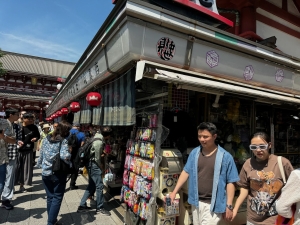
Our nightmare began after we walked past Kaminarimon Gate. We were greeted by a large horde of tourists visiting this iconic temple. To get to Sensoji Temple, we had to walk through Nakamisedori Street, the main shopping street in front of the temple. On both sides of Nakamisedori Street, we spotted numerous shops selling souvenirs, charms, clothing and some stores selling food and snacks. However, at the time of our visit, Nakamisedori Street was packed with travellers and was too crowded for us to do any meaningful shopping. Half the time, we were tussling with fellow visitors for a spot to advance closer to Sensoji Temple. The warm weather added to the discomfort we felt while walking through this gauntlet filled with stores on either side. We were not looking forward to bashing through this crowd again on our way out later in the day.


Sensoji Temple – The Oldest Temple in Tokyo
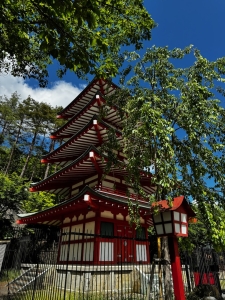
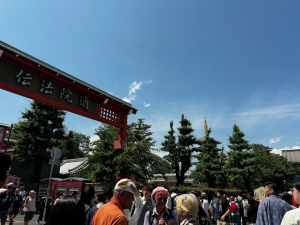
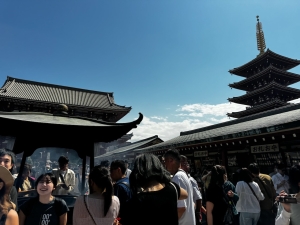
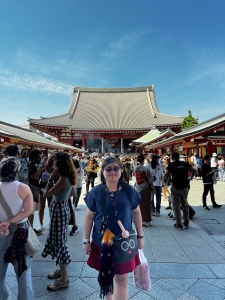
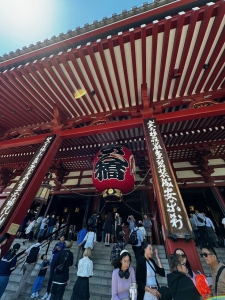
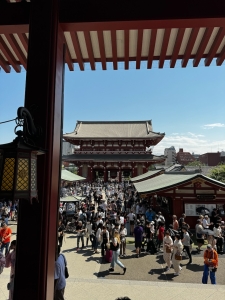
It took us 10 minutes to navigate through the sea of visitors on the 250m Nakamisedori Street. Once past the crowded street, we arrived at an open area which marks the grounds of Sensoji Temple. We could see the five-storey pagoda sitting at the left of the temple. In front of us was the inner gate to Sensoji Temple. The Hozomon Gate has a similar structure and colouring palette to that of the outer gate of Kaminarimon. Unlike the Kaminarimon Gate, the Hozomon Gate is wider and features three lanterns. The red lantern in the centre, weighing about 400kg, displays the name of the town Kobunacho. Two smaller copper lanterns, each weighing about 1,000kg, hang on either side of the centre red lantern.

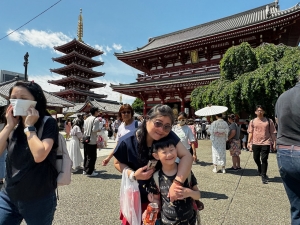


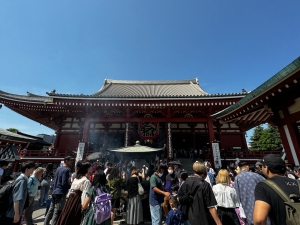
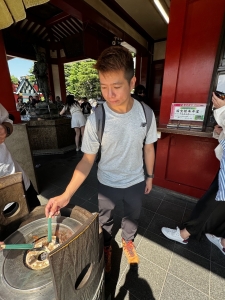
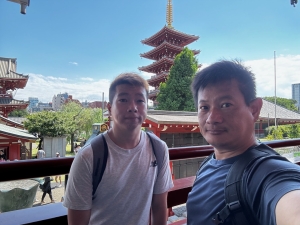
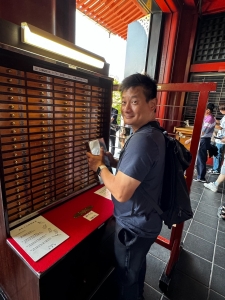
A short walk from Hozomon Gate, we arrived at the main hall of Sensoji Temple. The main hall has an unusually high roof and uses the same architectural style as most Japanese temples. The main hall is decked mainly in white with red-coloured pillars. Despite being packed with visitors, the large outer sanctum of the main hall in Sensoji Temple did not feel crowded. We were able to peek into the temple’s inner sanctum from the large mash in front of the inner sanctum. A large golden altar dominated the views of visitors. As the Bodhisattva is a national treasure, it is housed deep within the inner sanctum, away from the view of visitors. All I could only see was a large painting of a peacock from the outer sanctum. I found the outer sanctum a great spot for photos with the temple grounds and the five-storey pagoda. There are several stations placed around the outer sanctum for visitors to draw paper fortune (simply drop ¥100 into the box in each station). We spent time drawing fortune and buying charms at the outer sanctum before meeting with my sister and her family. As we were leaving the temple, I did not want to go through the sea of crowds in the gauntlet of Nakamisedori Street. Looking around, I noticed a road that seemed to lead to the adjacent main road. This way into the temple is less crowded, though one would miss out on walking under the Kaminarimon and Hozomon Gates.





Ginza – Home to Upscale Shopping
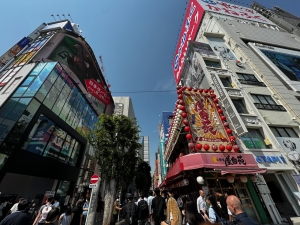
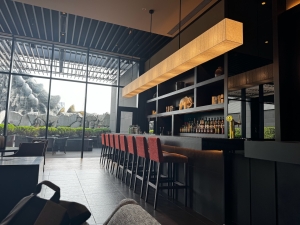
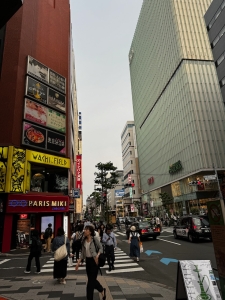
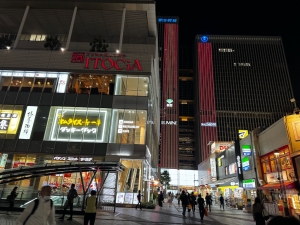
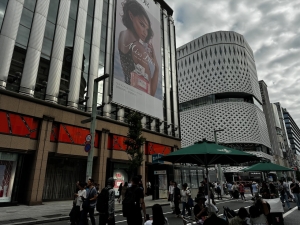
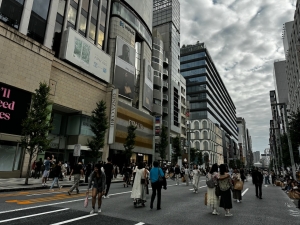
Our next destination was the Ginza area, home to luxury boutiques and upscale shopping. To get to Ginza from Sensoji Temple (or Asakusa area), we took the metro from Asakusa Station to Ginza Station. The main street in Ginza was closed to traffic on Saturdays to provide more space for shoppers to roam around. There are random chairs and tables on the main road for visitors to rest, although we saw more people using them for photos. All the luxury brands seem to find a spot in the Ginza area, and numerous shopping malls are on either side of the street. Ginza is also home to the flagship store of the Japanese brand Uniqlo, occupying a 12-storey building by itself. Perhaps we were not in the mood to shop in malls or had already bought the stuff we had set out to buy, we found Ginza a little boring. We did not spend too much time here. We returned to the hotel around 5 pm to repack our stuff and prepare to leave for the airport for our 10 pm flight tonight. We spent some time at the hotel lounge for evening cocktails and relaxation before heading for the airport.




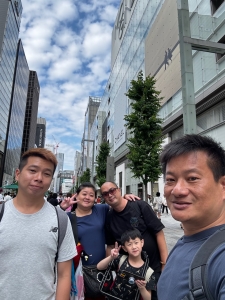


Bye Bye Tokyo
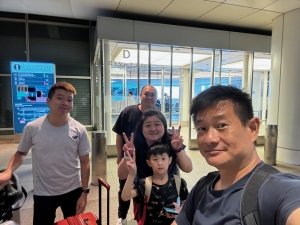
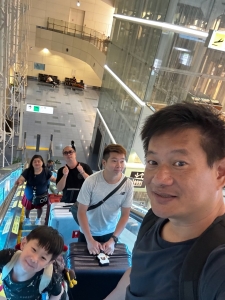
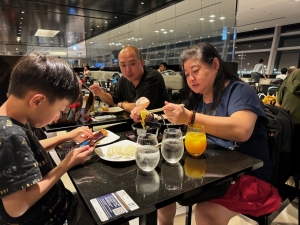
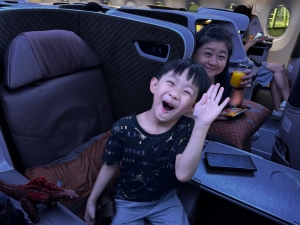
We were in good time to check in for our flight home and had some time to spare in the airport lounge before our flight. After spending 7 days in Tokyo, I thought a few things could be better.


Not Spending More Time in Kawaguchiko and Nikko
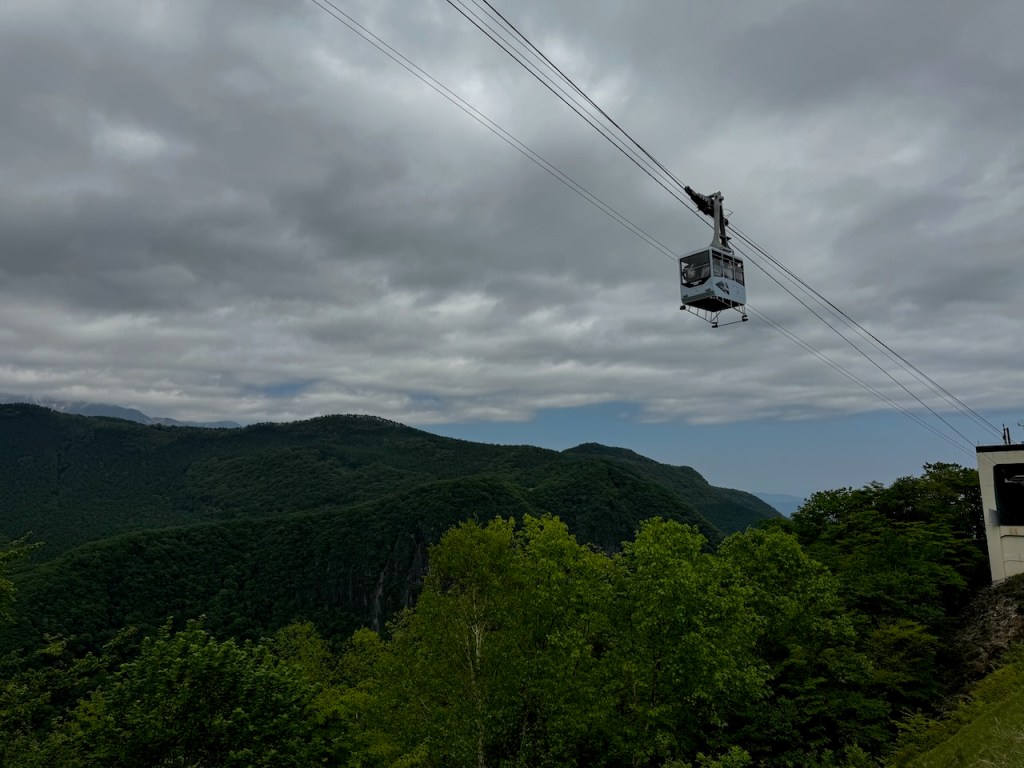
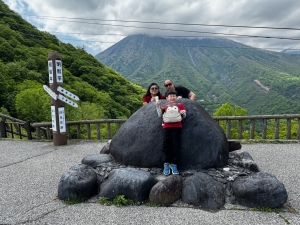
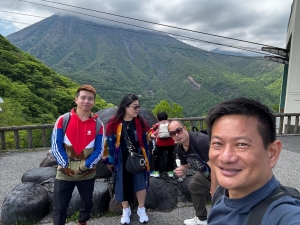
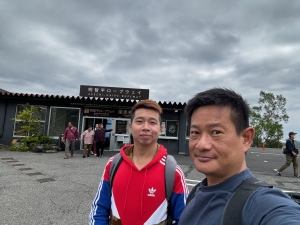
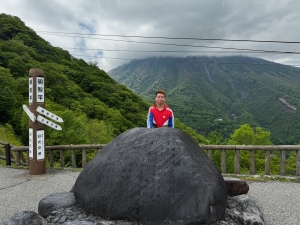
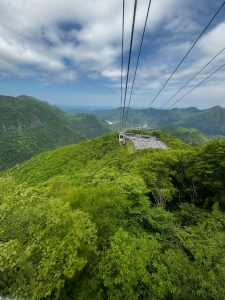
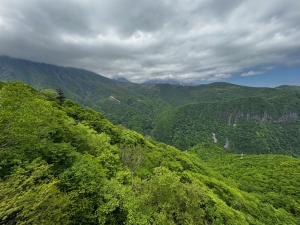
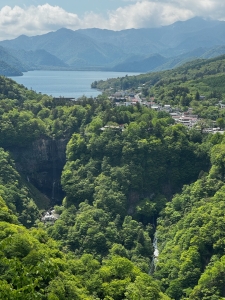
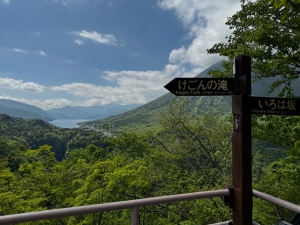
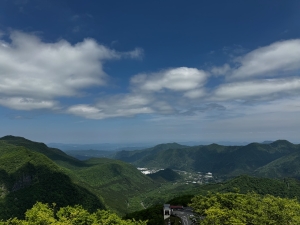
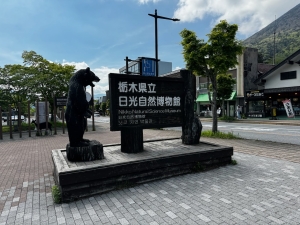
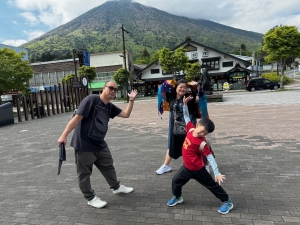
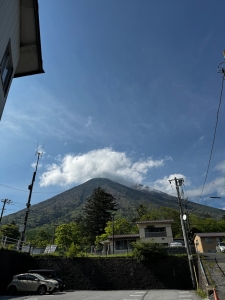
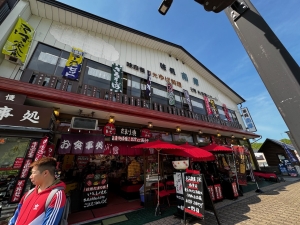
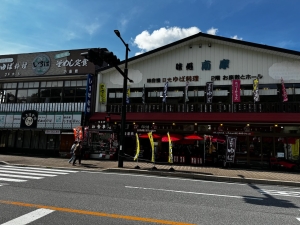
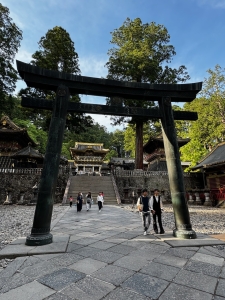
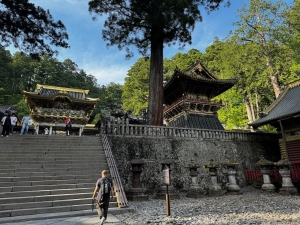
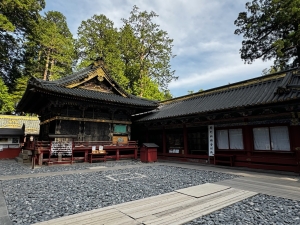
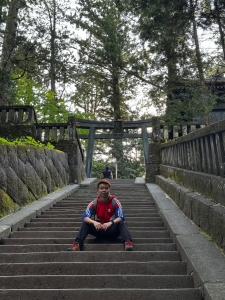
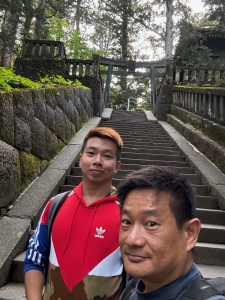
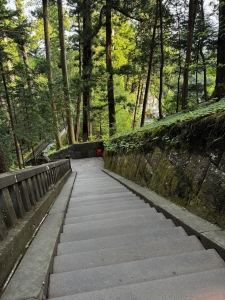
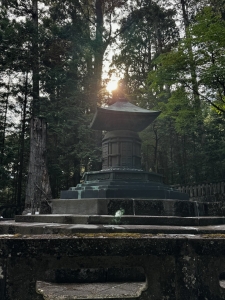
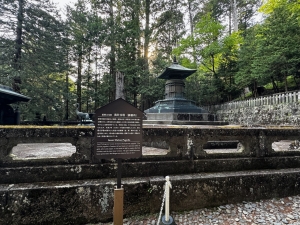
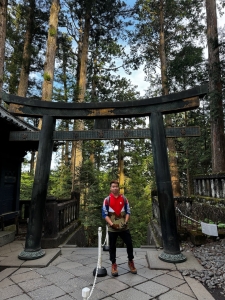
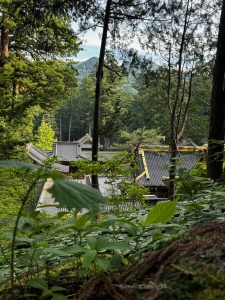
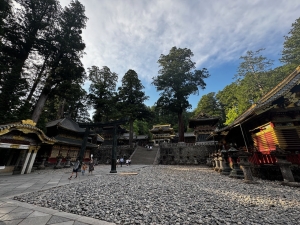
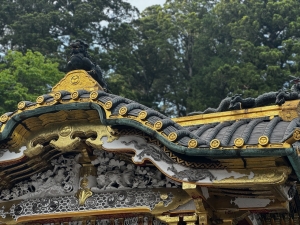
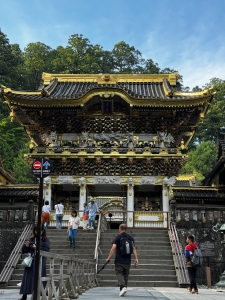
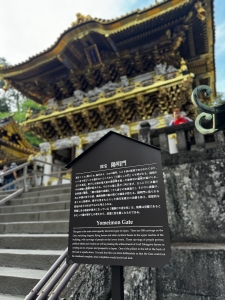
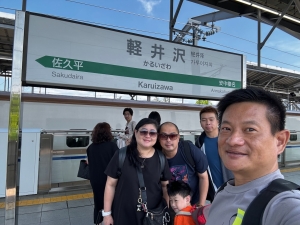
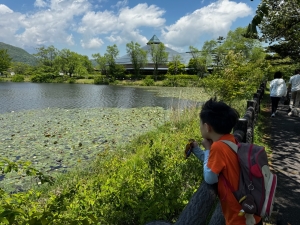
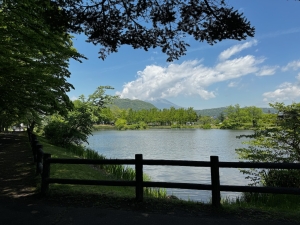
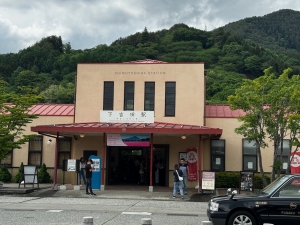
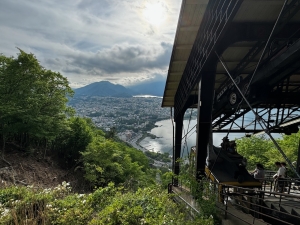
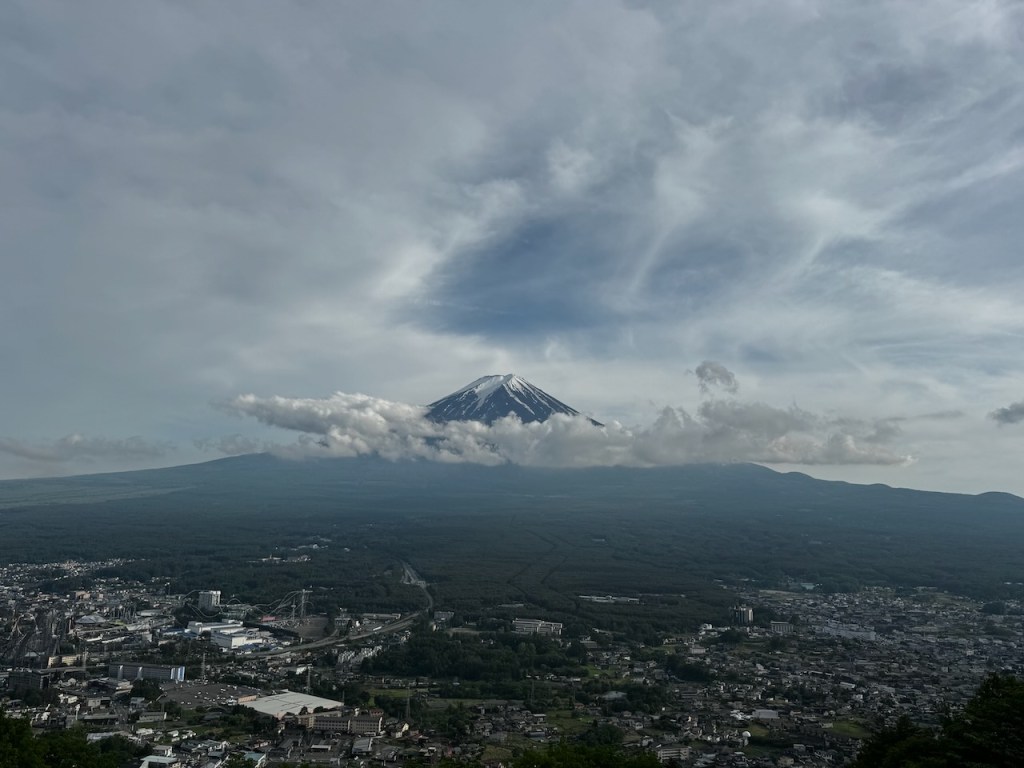
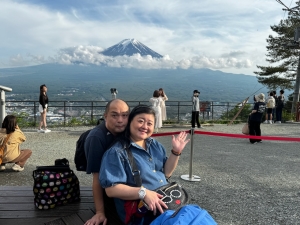
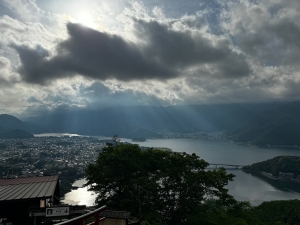
While both Kawaguchiko and Nikko can be done as a day trip from Tokyo, I thought we were a little too rushed during our time in these outskirt towns. The journey already takes 2 to 3 hours, leaving us little time to explore the places we want. We also did not expect attractions and shops to close at around 5 pm, which further limited our time to enjoy these cities. To cover more attractions and at a more leisurely pace, I thought spending a night in each of these cities would be ideal. For Nikko, we only have time to explore part of the attractions in the western part of the town (and even that we did not have sufficient time to cover these attractions fully), there is the northeastern part of Nikko that we did not manage to cover. Hence, spending a night at Nikko would allow us to cover more of the city.
Shopping Timings are Limited
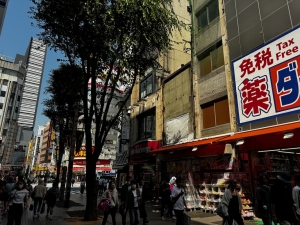
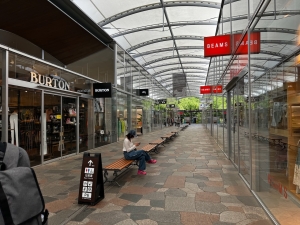
Shopping malls in Tokyo open from 10 am – 10.30 am and close at around 7.30 pm – 8 pm, which means we do not have time to enjoy shopping in the malls and department stores. We did not see any night markets (like those in Taiwan or Bangkok) that open till late for us to shop, other than the medical shops and Don Quijote, which are open 24 hours. We also realised that only restaurants are open till late, while the shops close early. Perhaps the next time we return to Tokyo, we might leave shopping at Don Quijote late at night while exploring the shopping malls in the day.
Not Spending More Time in Tokyo City
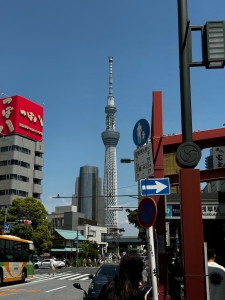
As we were trying to maximise our JR Tokyo Wide Pass and catering a day for Tokyo DisneySea, we were only 2½ days in Tokyo. This meant we were limited in the areas in Tokyo we could visit. We only managed to visit part of Asakusa and Shinjuku while missing out on places like Shibuya and some attractions such as Tokyo Tower, Tokyo Skytree and Team Labs. Perhaps the next time we visit, we will have more time to explore Tokyo City leisurely.