We had another light day today. We started the morning with a boat ride to the Temple of Isis on Philae Island, then drove to Aswan High Dam. After a couple of stops for shopping, we continued our tour with a visit to the unfinished obelisk and spent the afternoon on a boat ride around Elephantine Island for bird watching. We ended the day at Philae Island for a Sound and Light show of the Temple of Isis.
The Last Temple of Ancient Egypt – Temple of Isis, Mother of Egyptian Gods
Temple of Isis
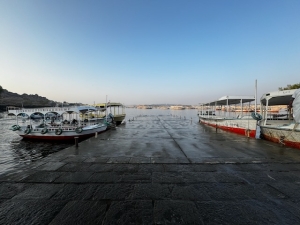
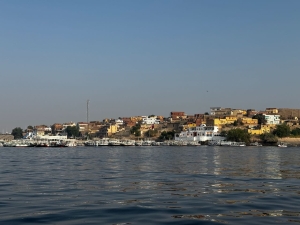
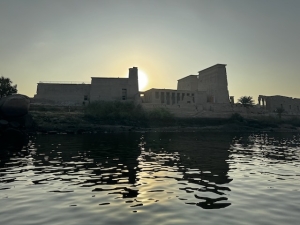
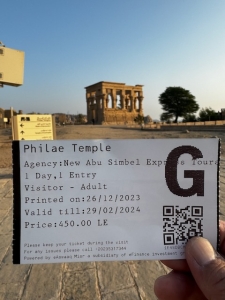
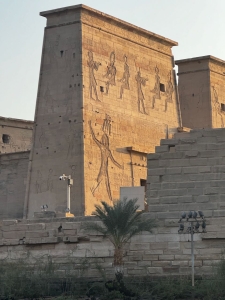
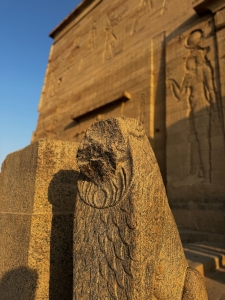
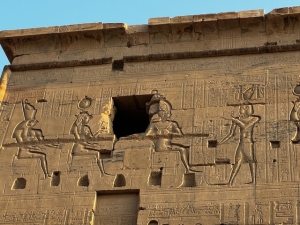
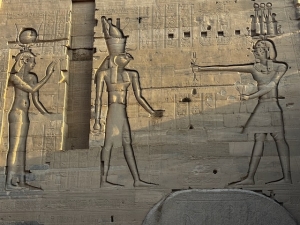
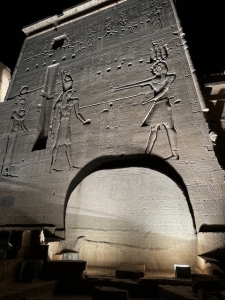
Our first stop of the day was the Temple of Isis on Philae Island. The island can only be accessible via boat, which can be boarded past the ticketing counter on the mainland. However, the ticket price for the temple did not include the boat ride. Getting a boat ride to the temple requires huggling with one of the many boatmen at the ramp. The boat ride took around 10 minutes; we passed by Nubian houses painted in bright colours that reminded me of the houses in Burano in Venice we visited last year. The ancient Egyptians believe the Goddess Isis scattered this part of the Nile with cataracts that broke up the forces of the current, offering them protection. Hence, they also regarded Isis as the Goddess of Protection and built a temple here to worship her. From Philae Island’s landing point, the first thing that caught my attention was a tall pylon standing majestically with reliefs showing which Egyptian God was in charge at this temple. Amongst all the reliefs, the largest relief portrayed the king of Egypt slaying his enemies in the presence of Isis. On top of this were reliefs portraying the king making offerings to Osiris, Isis, Horus and Hathor. A couple of stone lions are standing guard by the entrance of the first pylon, welcoming guests to the Temple dedicated to Isis.
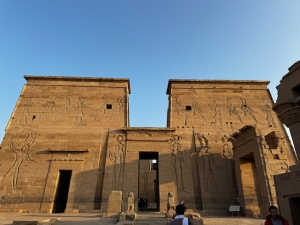
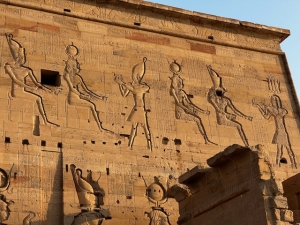
Passing through the first pylon brought us to a small courtyard, where the second pylon was immediately visible. Here, we saw the pharaoh making offerings to Osiris with Isis standing behind him and another relief depicting the king making offerings to Horus with Hathor standing behind him. Our tour director, Ahmed, brought our attention to a large stone sitting to the right of the entrance of the second pylon and told us this piece of rock served as a notice board in ancient times for the temple, which recorded the rules for entering the temple.
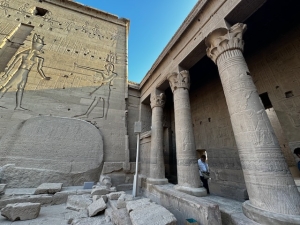
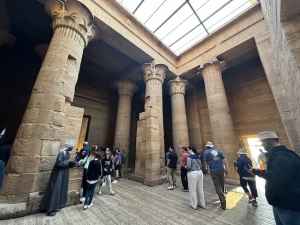
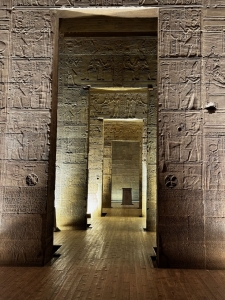
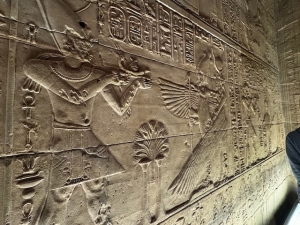
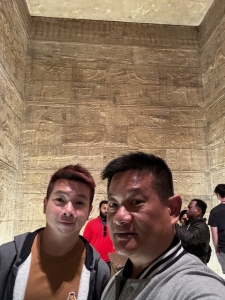
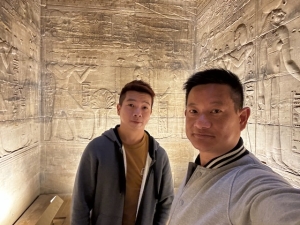
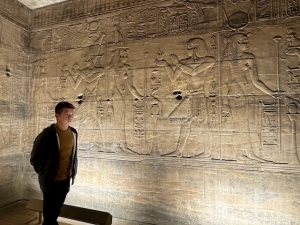
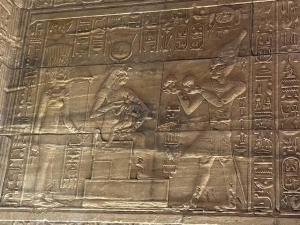
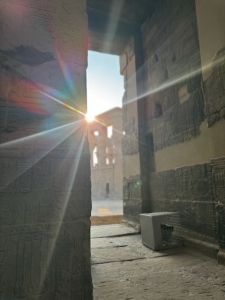
As we were walking towards the sanctuary, Ahmed focused our attention on an altar with a square hole cut into the wall. The cross on the altar and above the depression on the wall were signs that Christians once carved a space in the temple; after the temple was built, they occupied a corner of the temple to worship their God alongside the Egyptians. The two innermost rooms on either side of the sanctuary had murals depicting the king making offerings to Isis. The sanctuary room in the centre has a huge stone altar in the centre and was adorned with more murals of the king making offerings to the various gods on the side walls. There is even a relief showing Isis breastfeeding the king with her face chipped away. The centre wall of the sanctuary was filled with reliefs of the king making offerings to Isis. We walked around the interior of the Temple of Isis and found some spots that were not crowded to take pictures. We found an entrance that we thought allowed us to take some nice pictures of the temple’s interior.





Kiosk of Trajan
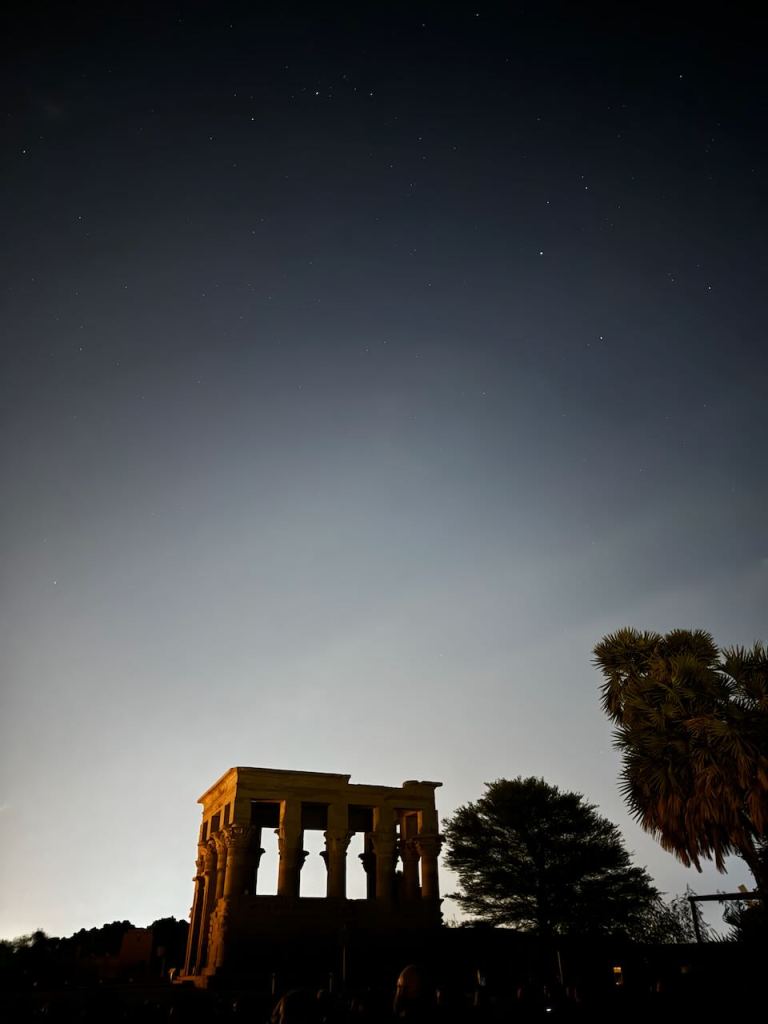
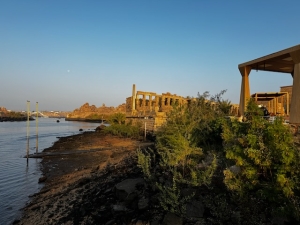
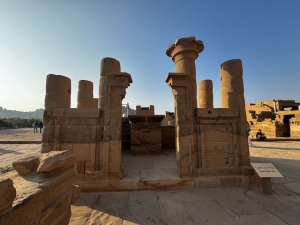
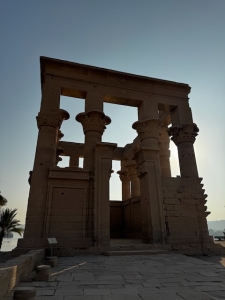
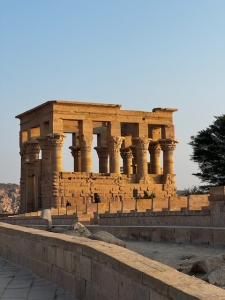
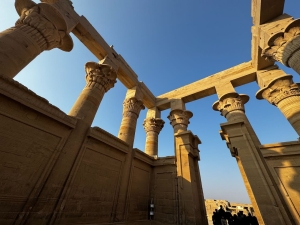
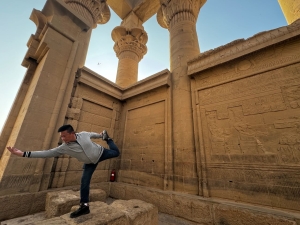
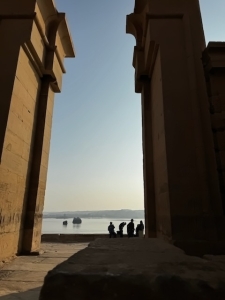
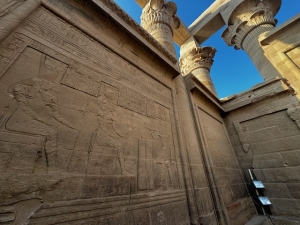
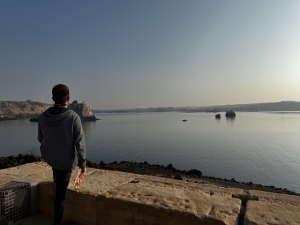
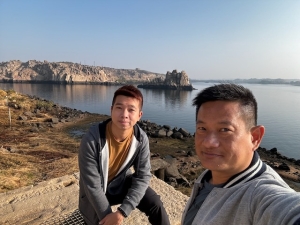
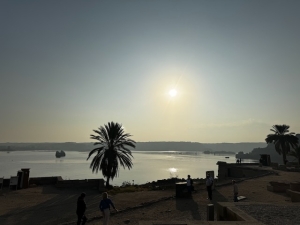
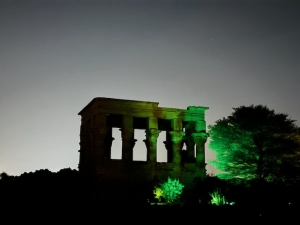
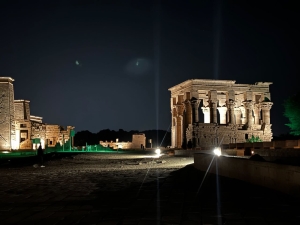
We exited the temple to take pictures of its exterior. There weren’t many engravings on the temple’s exterior (where we stood). The right side of the temple was scattered with ruins that seemed to be chambers or rooms for the priests. However, a lone structure caught our attention with its unique structure. The Kiosk of Trajan sits in what seems to be an isolated part of the temple grounds. The lower half of the Kiosk of Trajan was constructed with stones that had similar building techniques as the Temple of Hathor we saw a few days ago, and the top part of the kiosk had pillars supporting the beam. The top part of the Kiosk of Trajan reminded me of the Greek-styled Temple of Concordia that we visited in Sicily, Italy, last year, but with the Egyptian elements of open lotus buds typical of the pillars in a hypostyle hall. The Kiosk of Trajan was never unfinished during the temple’s heyday, which could be why we did not see any traces of the roof. The engravings on the kiosk, mainly on its interior, depicted the king making offerings to Hathor with Horus sitting behind her. One side of the Kiosk of Trajan afforded us a spectacular view of the Nile. This part of the Nile was very peaceful. We could see some of the small cataracts and lush greenery by the banks of the Nile. There weren’t any boats plying on this part of the Nile, a stunning view.



The High Dam – Preventor of the Floods (and Crocodiles)
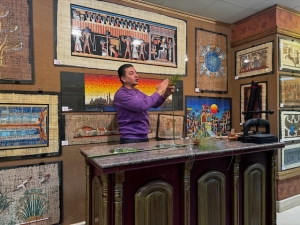
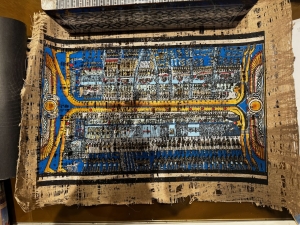
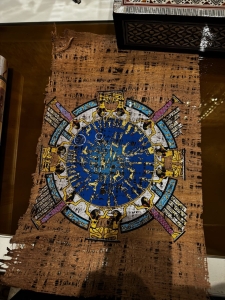
We made three brief shopping stops after Philae Island. The first shop sells papyrus, and we were shown how papyrus was made. The art pieces on sale were beautifully painted, some depicting scenes of famous sights in Egypt, such as the pyramids. I got a papyrus art portraying the sky goddess Nut, and my friend got the Dendera Calendar and a painting of the Ankh, the ancient Egyptian symbol of life. We also stopped at a perfume shop and an Egyptian cotton shop.
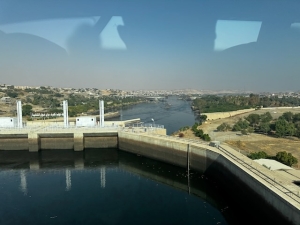
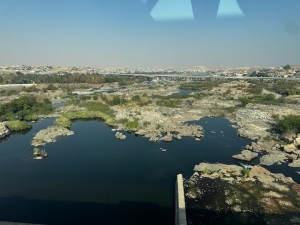
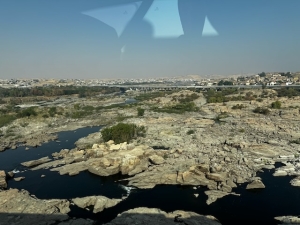
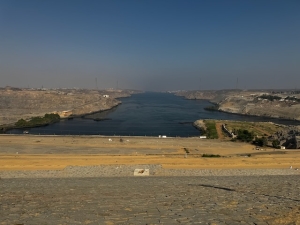
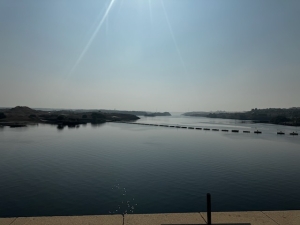
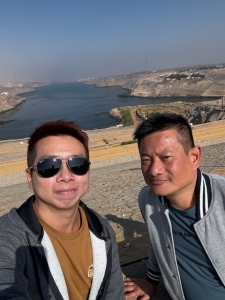
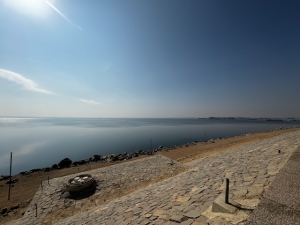
After the brief stops at the shops, we continued our journey and headed to our next sight – the Aswan High Dam. Life along the Nile was plagued with annual floods before the dam was built. The building of this dam not only controlled the flood but also provided the country with hydroelectric power. The building of the dam also controls the crocodiles that used to swim up and down the River Nile. Today, there are hardly any traces of crocodiles on the Nile north of the dam. Ahmed said the crocodiles are now kept in a crocodile sanctuary south of the dam. The drive to the dam was not that long, but we had to wait a while as the number of vehicles allowed there was controlled. There is only one spot where all the vehicles seem to be gathered for their visit to Aswan High Dam. This spot offered us the view of the Nile on one side and the view of Lake Nasser, where the river continues to flow to Kenya. Standing on the dam, looking down the Nile side, gave me the impression that this is where the Nile ends (but the river continues several thousand kilometres south). I saw barren lands on either side of the river bank that snakes its way towards the north of Egypt, with very sparse vegetation. On the southern side of the dam, the Lake Nasser side, the wide-bodied Nile looked more like a lake that stretched beyond the horizon.
Unfinished Obelisk – A Stone Stuck in the Rocks
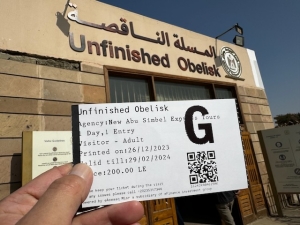
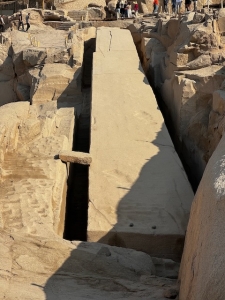
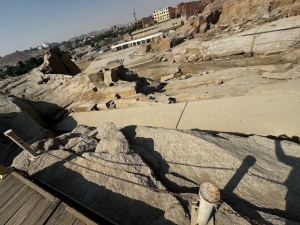
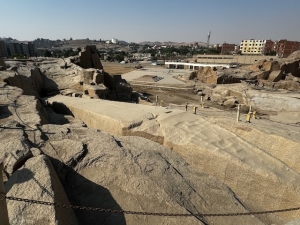
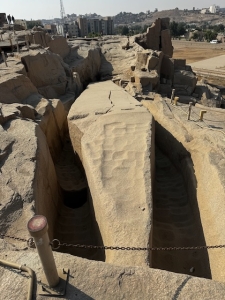
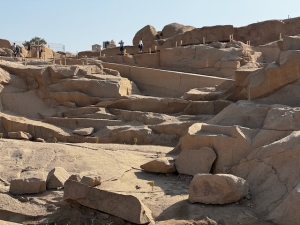
The Unfinished Obelisk rests in what seems like a quarry. From the outside of the gated compound, we can only see a flat piece of rock lying on its back. This obelisk was believed to have been commissioned by Queen Hatshepsut for Karnak Temple, but work was not performed on it as the multiple cracks would render this stone unusable as an obelisk. The stone has been resting in this spot for 3,500 years. Our visit to the Unfinished Obelisk was brief as well. There is one staired pathway that leads visitors around and to the spot that overlooks the obelisk and back down to the entrance. At this spot, we could see the shape of the raw Obelisk with its rough, unpolished, unmarked surface. Other than the obelisk, there is nothing much here for anyone to see. I wouldn’t have come here if I was travelling on my own. We left the obelisk after a short 10-minute stay. Leaving the Unfinished obelisk, we headed back to the boat for lunch.

Birding Watching on the Nile with an Expert Naturalist
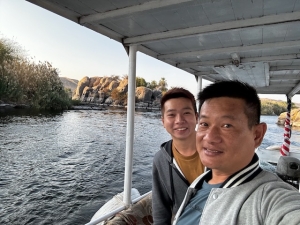
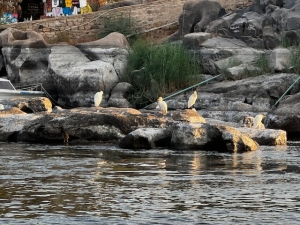
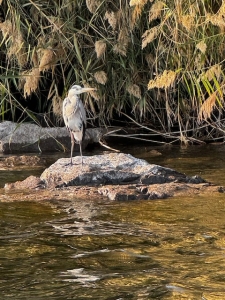
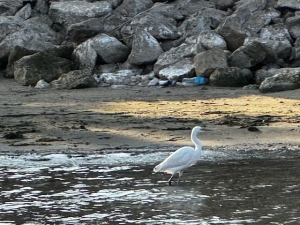
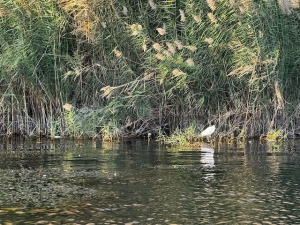
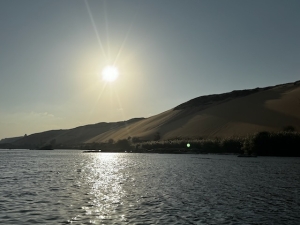
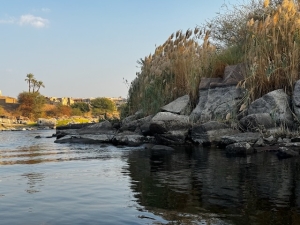
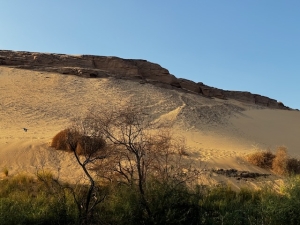
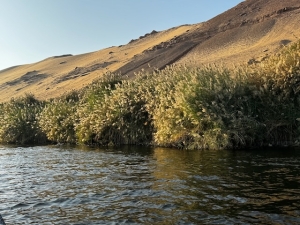
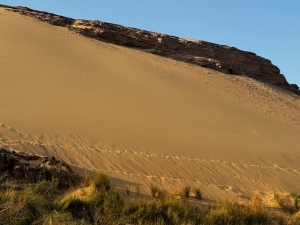
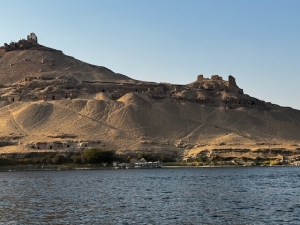
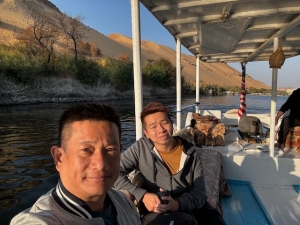
We were apprehensive about joining the bird-watching tour, which was arranged as part of the tour package. After all, what is there to see about birds on the Nile? My friend suggested we join the tour since it has already been included in our package. Our expectations for this itinerary are quite low to begin with. We were taken on a motorboat to the cataracts near where our riverboat was docked. The naturalist narrated what bird species usually come to this part of the country and told us about the governor’s house and the nearby tomb. The boat took us around Elephantine Island and Kitchener Island (the two islands nearest to our riverboat). We spotted mainly herons hunting on the banks of the River Nile and perching on the rocks sticking out of the river. Our guide excited whenever he spotted a kingfisher; it could be that kingfishers were in a difficult spot on the Nile. He signalled the boat’s coxswain to slow down and not startle the birds while trying to drift close enough for us to see the bird. Actually, this is not too bad of a tour. We got to see some birds, but what sold me more was the scenery of the sand dunes of the Sahara Desert that we got so close to that I enjoyed more. To me, it is more of a joy ride on the Nile.


Sound and Light Show at Philae Temple – Listening to the Tales of Isis
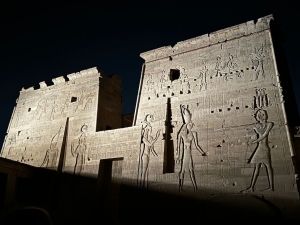
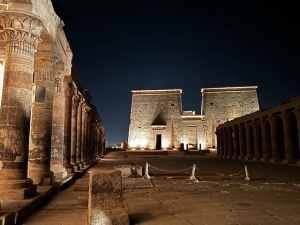
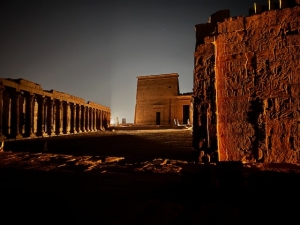
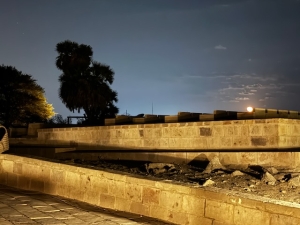
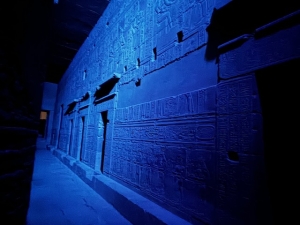
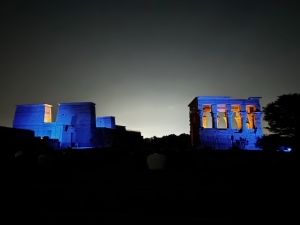
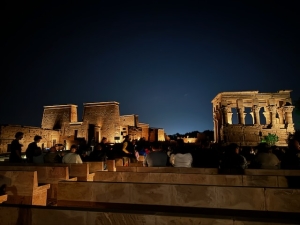
Our last stop of the day is the Sound and Light show at the Temple of Isis back at Philae Island. Since we had already seen what we needed to see of the temple in the morning, I came onto this itinerary mainly for the night light of the temple. The show started at the colonnades in front of the first pylon of the Temple of Isis. After some narrating, we were guided to the courtyard between the first and second pylons. After the narration in this part of the temple, we were ushered into the temple, past the sanctuary to the next venue of the show, the open-air auditorium facing the Kiosk of Trajan. The show is more of some lighting randomly shining on the temple walls and voice actors role-playing Egyptian Gods such as Isis, Osiris, Horus, etc. The show told the tales of Isis and how the temple came to be. I thought the story was interesting but a little lengthy. After all, I came for the night lights on the various structures at Philae Island and did not pay much attention to the storytelling part. I am not a fan of the sound and light show and would not have come if I were to travel to Egypt independently. We rested early tonight after dinner as we would have to wake up early for our excursion to Abu Simbel tomorrow.


I really liked the Philae temple for its location on an island – it’s great to be able to take photos from the boat to get the full effect.