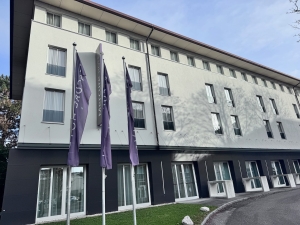
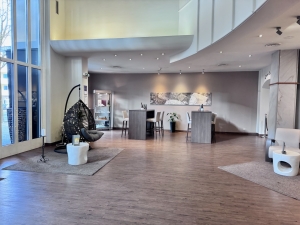
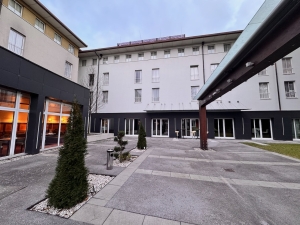
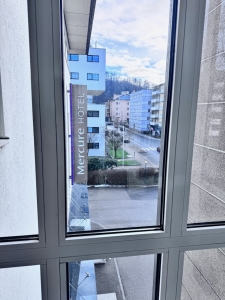
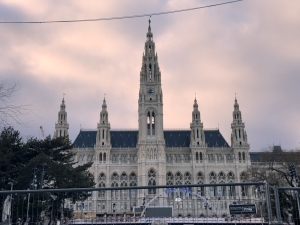
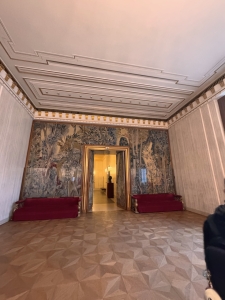
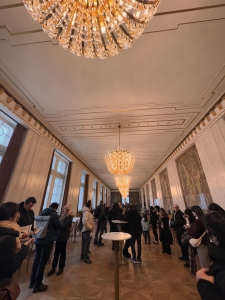
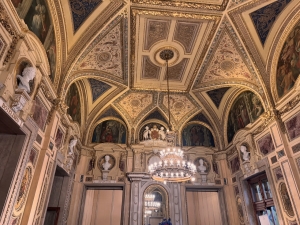
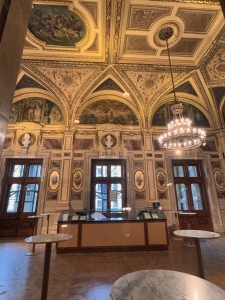
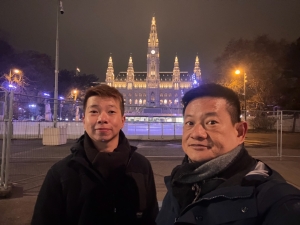
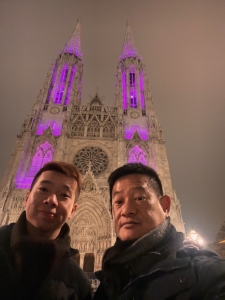
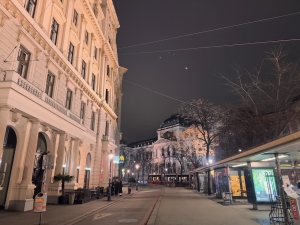
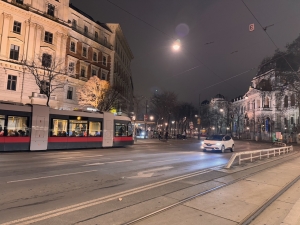
Hotel Mercure Salzburg City is situated in a quiet neighbourhood in Salzburg, east of the Salzach River. It is about 15 minutes from the Salzburg Hauptbahnhof and 20 minutes from Getreidegasse in Altstadt. Due to the quiet location, there weren’t many amenities around the hotel other than a Thai restaurant opposite the hotel and a small supermarket about 7 minutes away in the direction of the train station. There is a bus stop by the main road, about a 2-minute walk from the hotel, with buses running to the Altstadt and Salzburg Hauptbahnhof. Despite being a little far from sights and amenities, we liked the tranquillity of the hotel’s location.
The Room
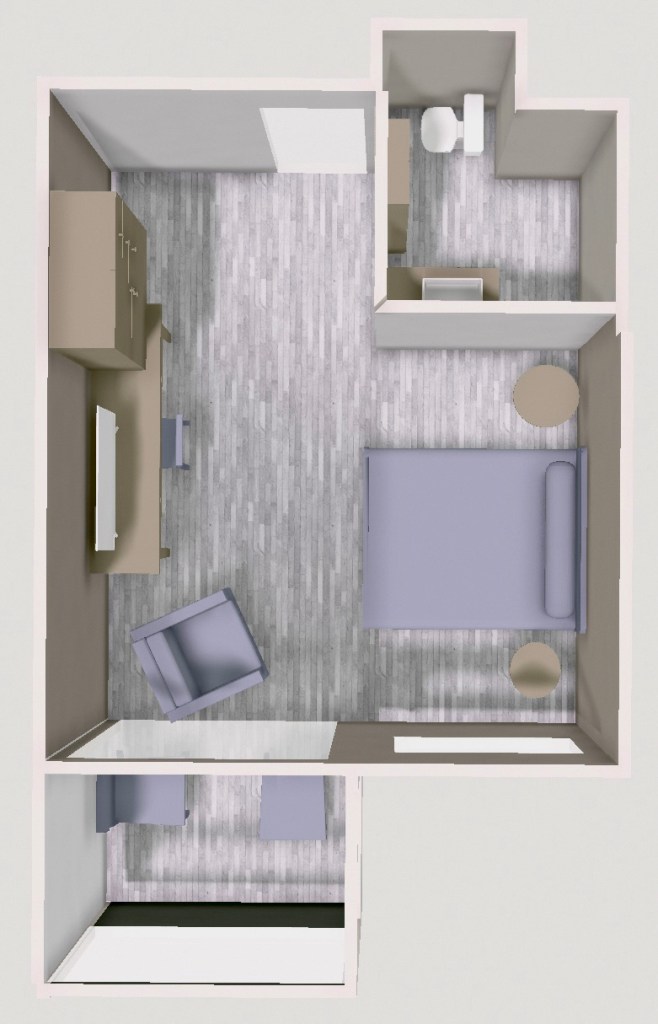
Mercure Salzburg has only three room types and no suites. We checked into the biggest room in the hotel, the Deluxe Room, which has a total floor area of 25㎡.
The layout of the Deluxe Room at Hotel Mercure Salzburg City
Entryway
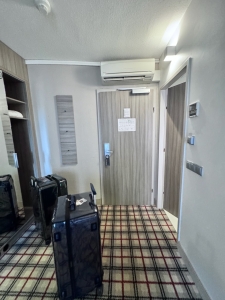
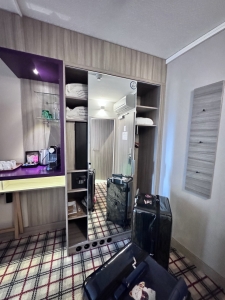
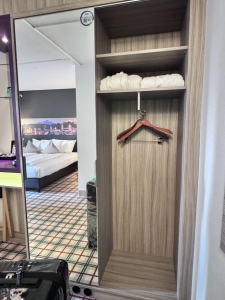
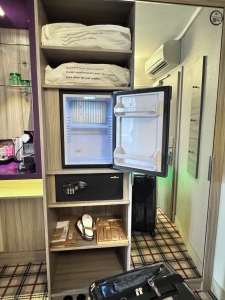
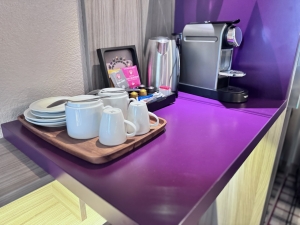
The entryway of the Deluxe Room in Hotel Mercure Salzburg City is only furnished with a set of hooks on the wall and a small two-panel wardrobe with a full-length mirror mounted on its single-panel sliding door. The wardrobe space afforded by this wardrobe is very limited. On the left side of the wardrobe, we can only hang at most four sets of clothing in the designated hanging space. It didn’t help that the hotel only provided us with four hangers in the wardrobe. Despite having two shelves fitted on the top of the left side of the wardrobe, one of these spaces is occupied by bathrobes. The other half of the wardrobe has six open shelves but is equally packed with things like the mini fridge, the in-room safe and additional bedding, leaving only the bottom shelving for us to use. A shelving panel extends from the wardrobe, where the hotel places mini bar items like Nespresso coffee machines, kettles, glasses, and tea bags. We used the excess space here to place smaller items to maximise the limited storage space in the room. The entrance to the bathroom is also found in the entryway, opposite the wardrobe.
Bathroom
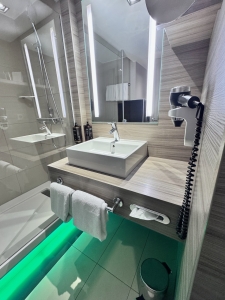
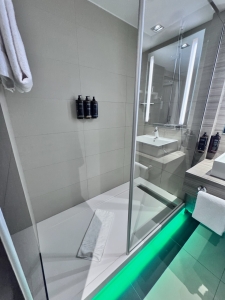
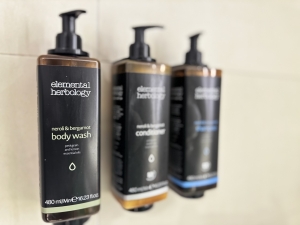
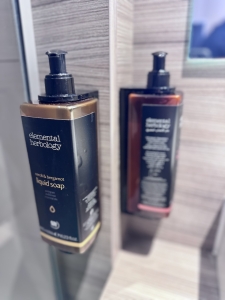
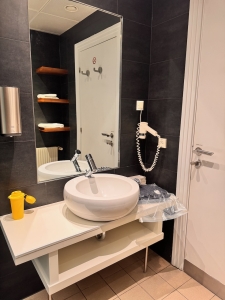
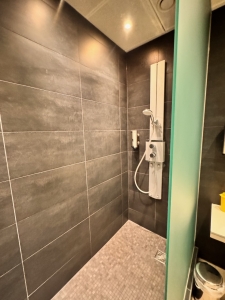
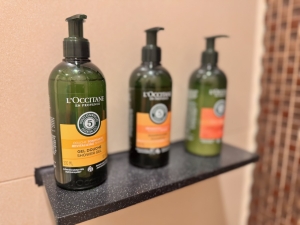
For the small space allocated to the bathroom, I thought the space utilisation in the bathroom was very designed. The bathroom looked bright and sizeable thanks to the use of white to deck the bathroom and the bright lighting. The use of black marble tiles and a strip of green light running under the semi-open walk-in shower gave it a modern look. Installing only one sink in the bathroom reduces clutter and gives us a good amount of space on the sink countertop to place our toiletries. The toilet bowl is tucked in the corner opposite the sink, which seems out of the way, reducing the feel of clutter in the limited space the hotel allocated to the bathroom. A large walk-in shower occupies the space next to the sink and is fitted only with one regular shower head. I like how Hotel Mercure Salzburg City mounted some ledges in the walk-in shower to provide users with additional space to stow their toiletries. Hotel Mercure Salzburg City supplies its Deluxe Room guests with elemental herbology branded shower amenities, which exude a natural and woody scent.
Sleeping Area
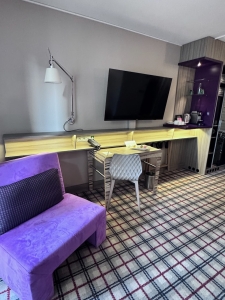
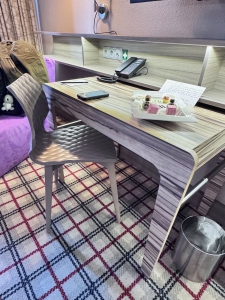
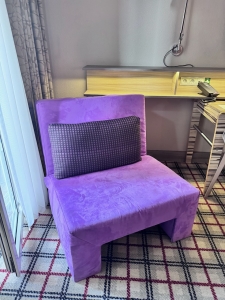
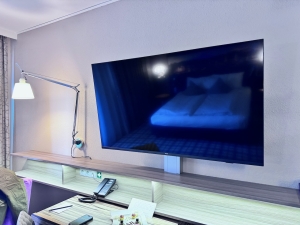
The main bulk of the Deluxe Room is allocated to the sleeping area that extends from the entryway to the balcony. The design of open-mount shelving that ran from the wardrobe to the glass doors to the balcony gave us a lot of space to put away small items. I like that Hotel Mercure Salzburg City did not furnish the Deluxe Room with unnecessary furniture and flushed everything to the side, resulting in a huge amount of space for us to move around in the sleeping area. A large flatscreen TV is mounted on the wall facing the King bed. However, we couldn’t get much entertainment from it as most channels were in German. A small work desk with a plastic chair placed beneath the TV gave us additional space to stow smaller items and also provided us with a space to do some work. The addition of the purple-coloured single-seater armchair in the corner of the room, which can be converted into a sofa bed, gives us additional sitting space and a place to put our backpacks.
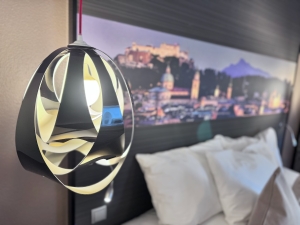
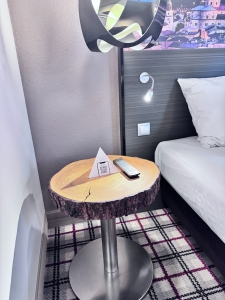
The king bed sits by the wall opposite the TV in the sleeping area, with a large motif of Salzburg City on its headboard. This motif gave the hotel its city identity. The king bed had excellent sleep quality, but the pillows were too soft for my liking. It did not help that the hotel did not provide a pillow menu for us to choose from. The bedside table comes in the form of a small round wooden table on either side of the bed, which I found sufficient for us to stow our lifestyle devices at night. It is a shame that the hotel only fitted a power outlet on one side of the bed. I like how the hotel maximised the limited space afforded on these bedside tables by mounting bedside lighting onto the ceiling.
Balcony
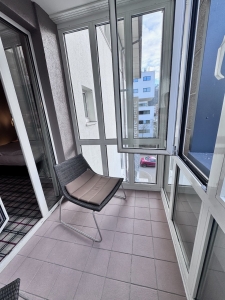
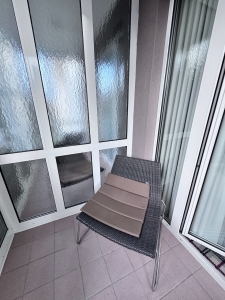
I was surprised to find an indoor balcony attached to our Deluxe Room, which was not advertised on the hotel’s website. This balcony is perfect for us to hang out and enjoy the cold winter breeze on the two deck chairs that look out into the street.
Breakfast @ Le Sel
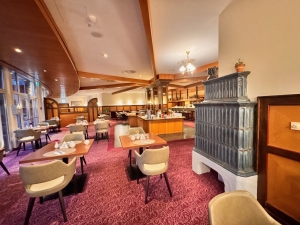
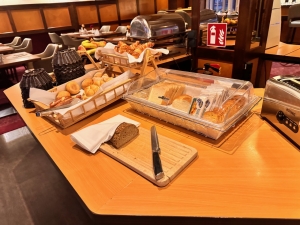
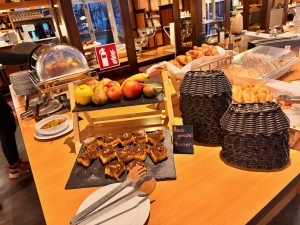
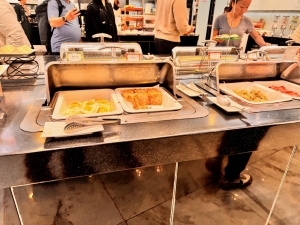
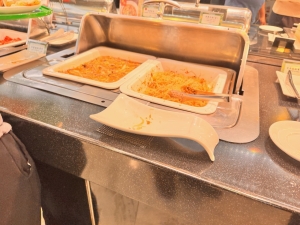
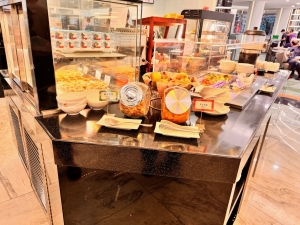
Breakfast was a simple affair in the hotel’s only restaurant, Le Sel, located on the hotel’s ground floor. The food selection for the buffet-style breakfast was rather limited. There is only one small counter in the centre of the restaurant with only three hot food options (ham, sausage and scrambled eggs) and some bread and cereal selection for breakfast. Despite the limited selection, we had a hearty breakfast at Le Sel. I particularly liked the croissants, which were crunchy on the outside and puffy on the inside. However, given the limited selection, I thought the €25 charged for breakfast was not worth the money.
Service
Despite being early, we were warmly welcomed by Rina, who was manning the reception desk. As we visited the hotel during the quiet low season, there wasn’t a queue at the reception. Rina was very efficient in processing our check-in, and we got our keys in under 5 minutes. Rina also informed us that as Diamond members with Accor, we were able to enjoy a complimentary breakfast on Saturday, the day we checked out. The staff checking us out was also friendly and jovial. He efficiently processed our checkout, checked with us during our stay at Hotel Mercure Salzburg City, and invited us to breakfast at Le Sel. He also got his colleague at Le Sel to take care of us. The staff at Le Sel was also very friendly. He took the time to orientate us to the food selection for breakfast. He jumped in to assist when he observed that we had difficulties operating the butter machine. Overall, I thought the service at the hotel was good. The staff are friendly and welcoming.
The welcome amenities provided by Hotel Mercure Salzburg City include famous local chocolate.
Overall
Before staying at the hotel, I had little expectations of the room as there were very few reviews on the hotel. I was pleasantly surprised at the spaciousness of the Deluxe Room, afforded by the practical design and the small balcony that came with the room. Despite being a tad far from the city centre, we liked the quiet neighbourhood where Hotel Mercure Salzburg City was located.
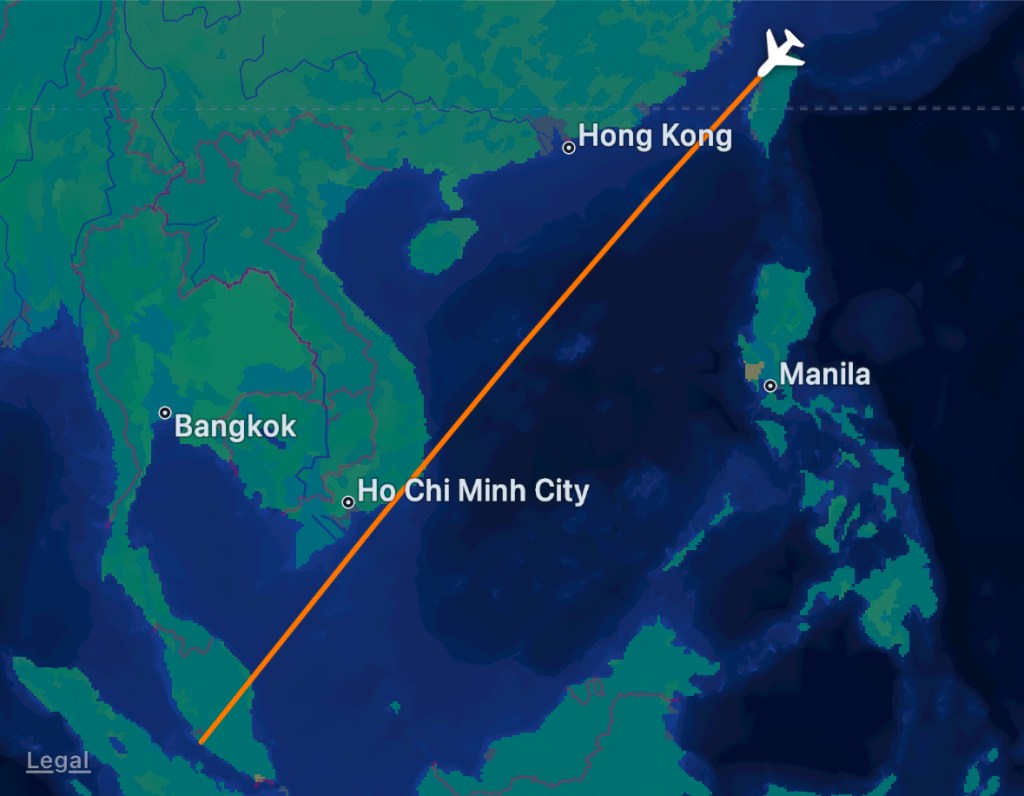
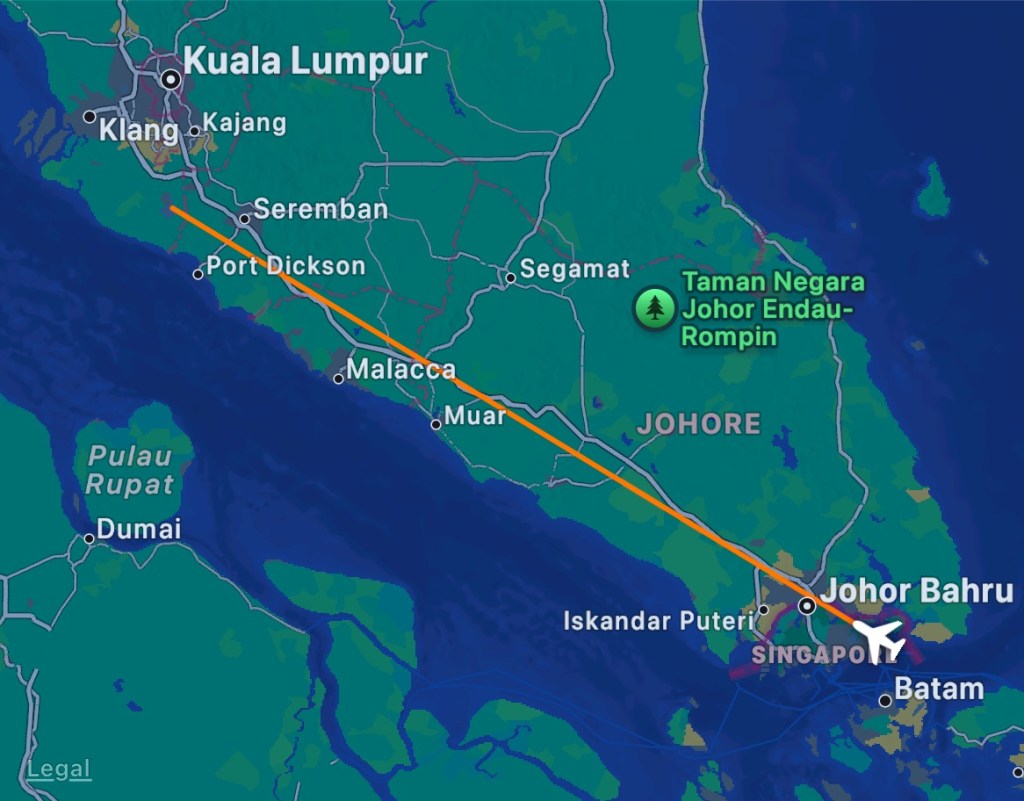
Flight path of SQ121 from Kuala Lumpur to SingaporeSingapore Airlines deployed their A350-900 aircraft for this short flight
At the Airport
Check-in
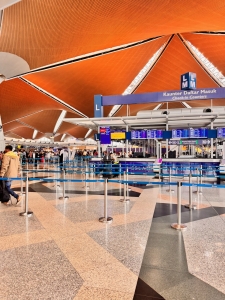
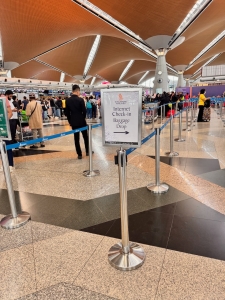
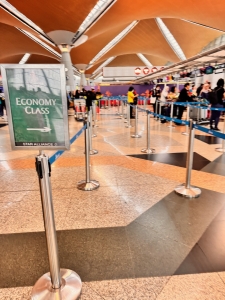
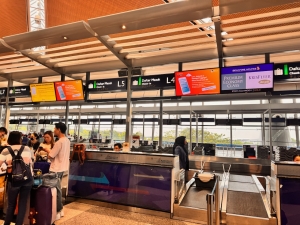
Singapore Airlines operates eight check-in counters in Row L at Kuala Lumpur International Airport, located on the right side of the airport terminal. Three counters are set aside for Business Class passengers, while four are dedicated to Economy Class passengers. Singapore Airlines dedicated one separate queue for KrisFlyer Elite Gold or Star Alliance Gold members. The check-in was smooth, and the friendly ground staff warmly welcomed us. Our check-in was processed efficiently, and the ground staff invited us to the lounge while waiting for our flight. The ground staff recommended the lounge closest to our boarding gate, but since we had time and based on our previous experience in the Plaza Premium First Lounge, we told the staff we wanted to use the Plaza Premium Lounge. The ground staff thoughtfully provided the estimated time from the main terminal to our departure gate at the satellite terminal.
Plaza Premium Lounge
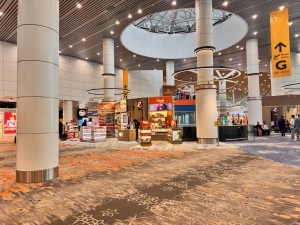
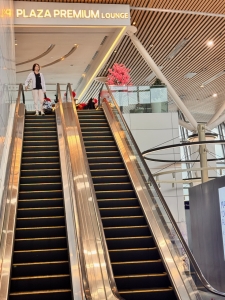
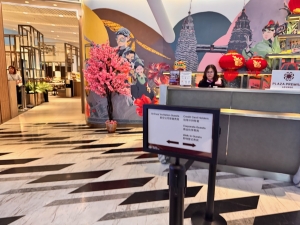
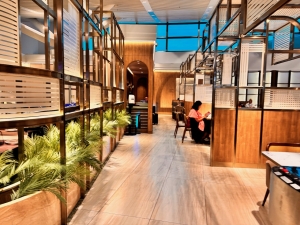
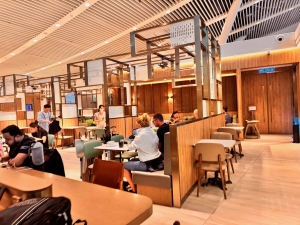
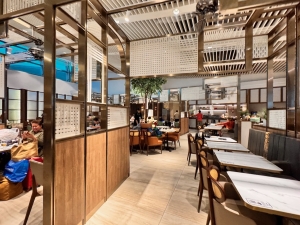
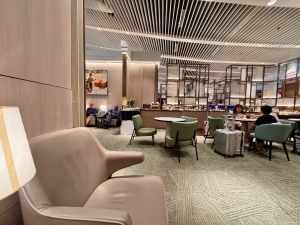
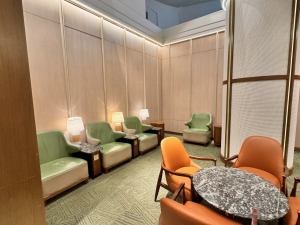
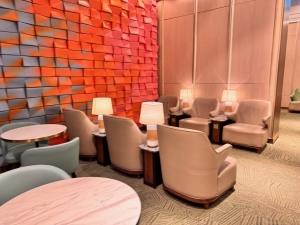
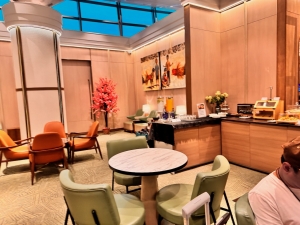
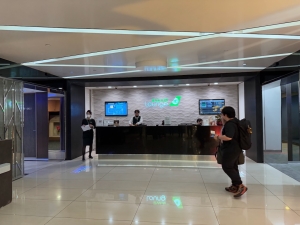
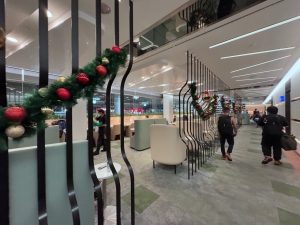
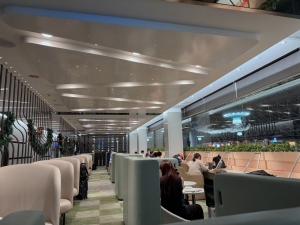
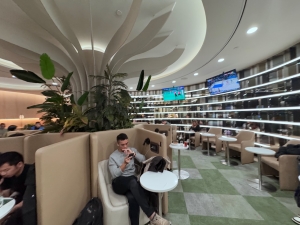
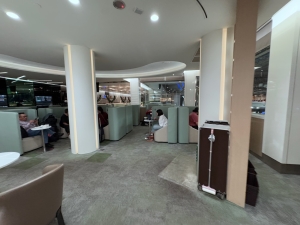
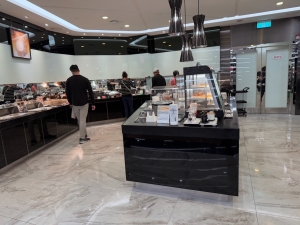
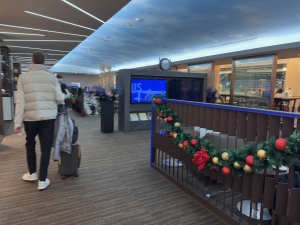
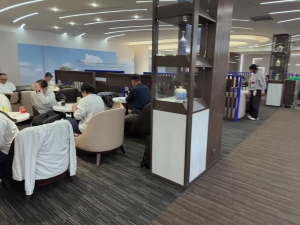
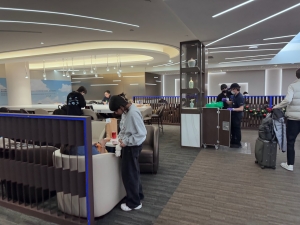
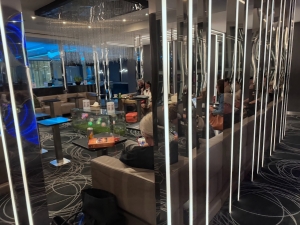
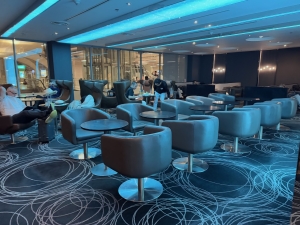
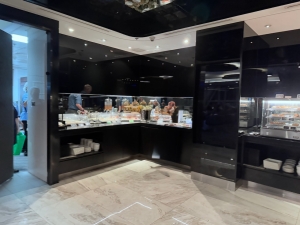
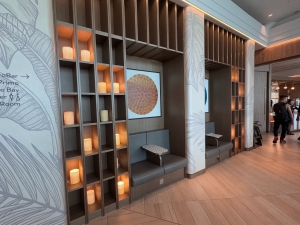
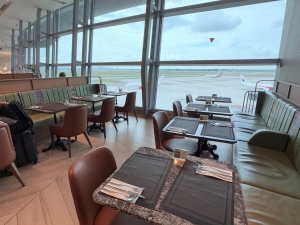
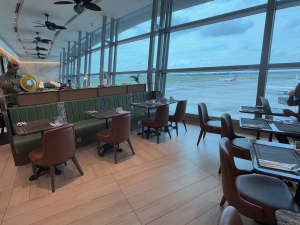
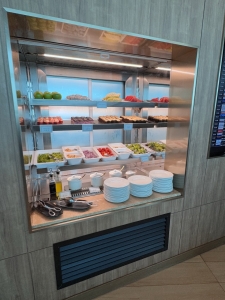
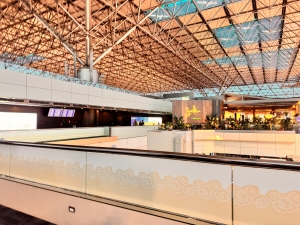
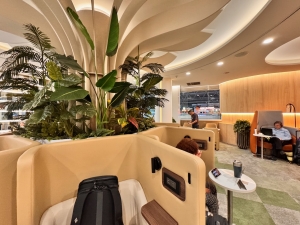
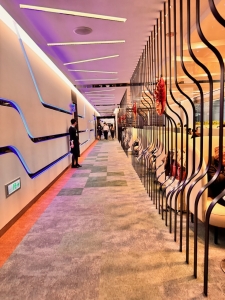
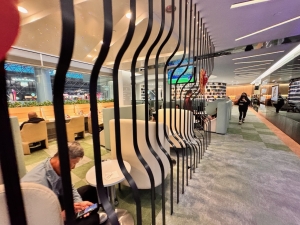
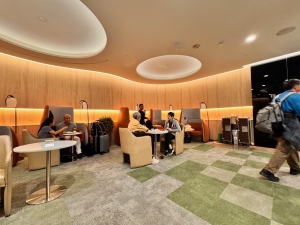
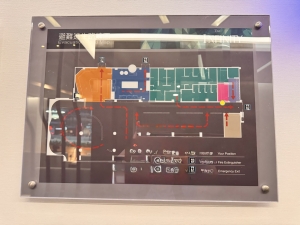
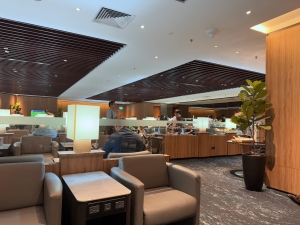
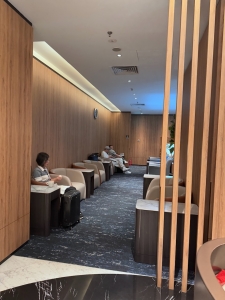
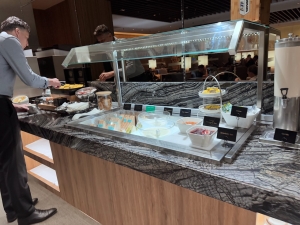
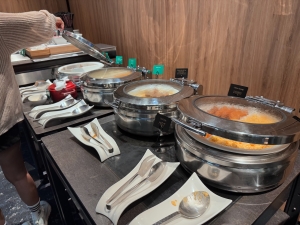
Singapore Airlines used to operate the SilverKris Lounge at Kuala Lumpur International Airport, but the lounge closed down during COVID and never reopened. Singapore Airlines uses the contracted lounge – Plaza Premium Lounge- as a replacement. Located on Level 2 near Gate G of the main building of KLIA, the Plaza Premium Lounge serves several airlines and is also open to holders of Priority Pass, a paid lounge access membership programme. Plaza Premium Lounge uses a natural wood furnishing interior and wooden partitions to create small sections of the seating area. The use of yellow and ample lighting gave the lounge a spacious and contemporary look. The lounge mainly has dining tables and chairs, simultaneously catering to passengers’ dining and working needs. Plaza Premium Lounge cordoned off a small section near its entrance for airlines’ premium passengers, and a lounge staff guards this section diligently to prevent non-airline guests from using it. There are more seating options in this reserved section of the lounge. Other than the dining tables, in the centre of this section, we also spotted armchairs furnished by the walls for relaxation. A fairly huge selection of food is served in the lounge: buffet and à la minute food. The buffet food is mainly located opposite the bar counter and at the à la minute counter. There is also a chiller with fruits and vegetables for passengers. The food served in the lounge is delicious, mostly Malaysian Cuisine. In the reserved section, there is a small buffet table consisting of pastries for the convenience of premium passengers.
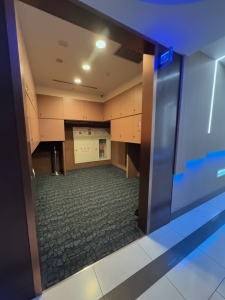
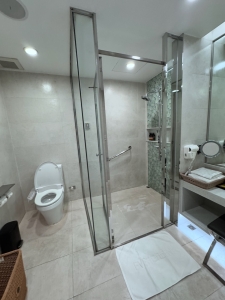
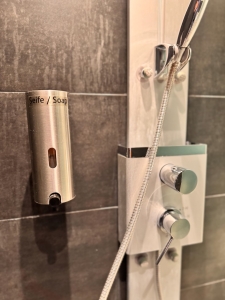
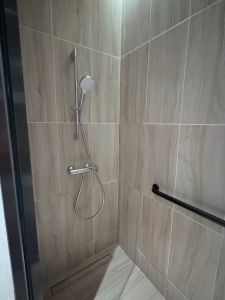
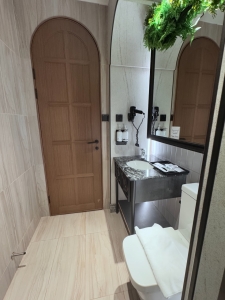
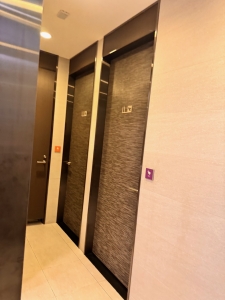
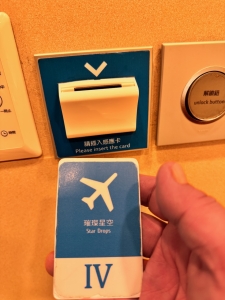
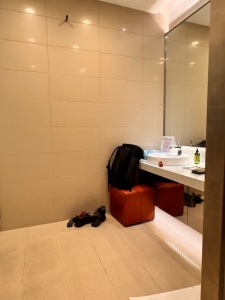
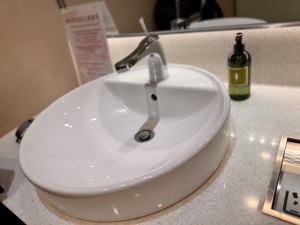
Plaza Premium Lounge in Kuala Lumpur International Airport has two shower rooms in the far corner of the lounge. Despite the crowd in the lounge, we were in the front of the queue for the shower room. Shower room booking must be done via a QR code displayed in the shower facilities area. The shower rooms are rather small but serve the purpose of providing lounge guests with a good shower. There were no ledges in the shower room to place my carry-on, and I had to leave my backpack on the floor. The sink countertop space is also rather tight. Plaza Premium Lounge provides guests with good-quality shower amenities, including a dental kit and shaver. The shower rooms are fitted with a toilet and a walk-in shower. Despite only having a regular shower head, the water pressure is very good.
The Aircraft
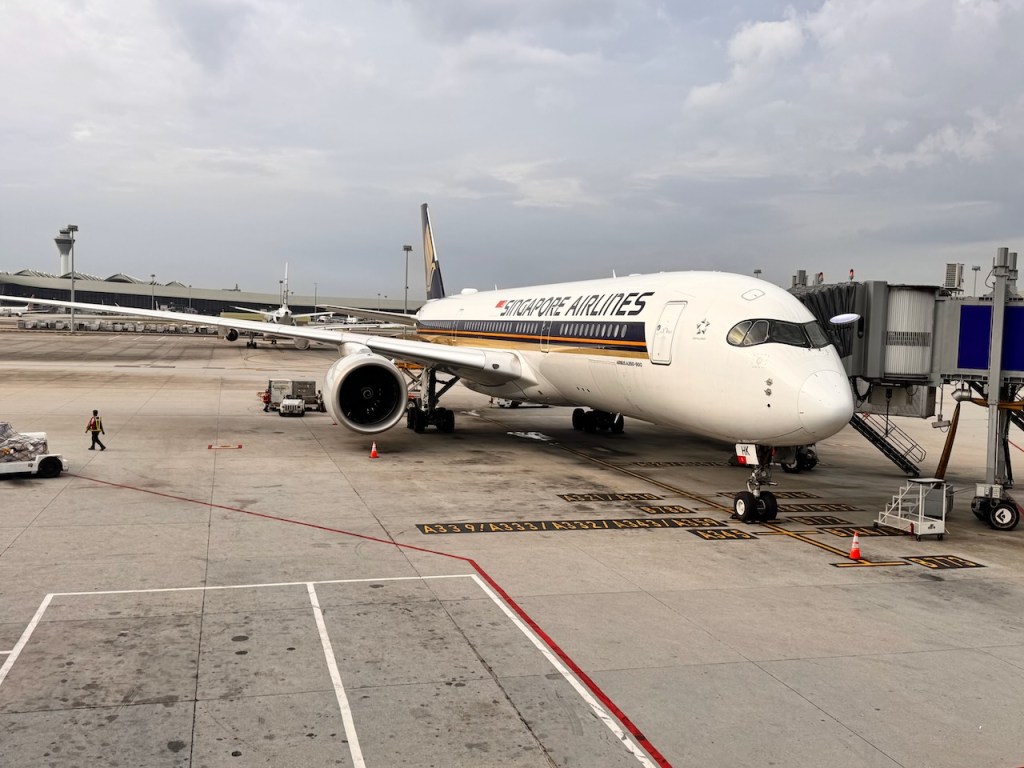
Singapore Airlines flies several different aircraft on the Singapore-Kuala Lumpur route. For this trip, we took the A350-900 Medium Haul Variant.
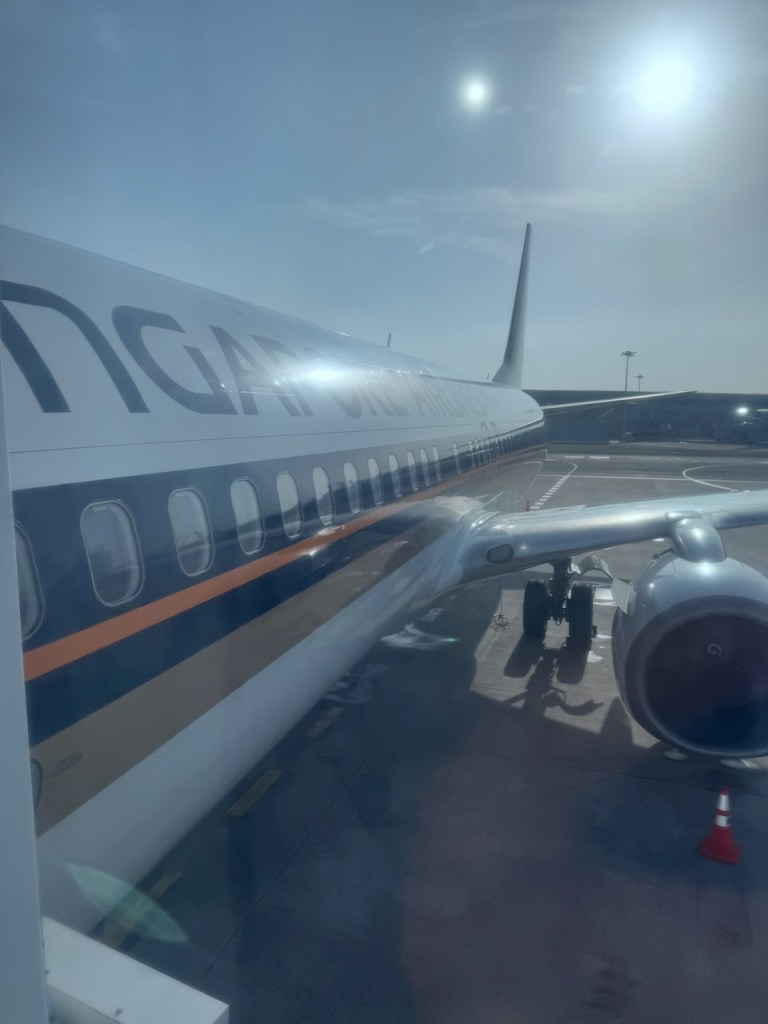
Singapore Airlines livery up closeSingapore Airlines A350-900 safety card
The Cabin
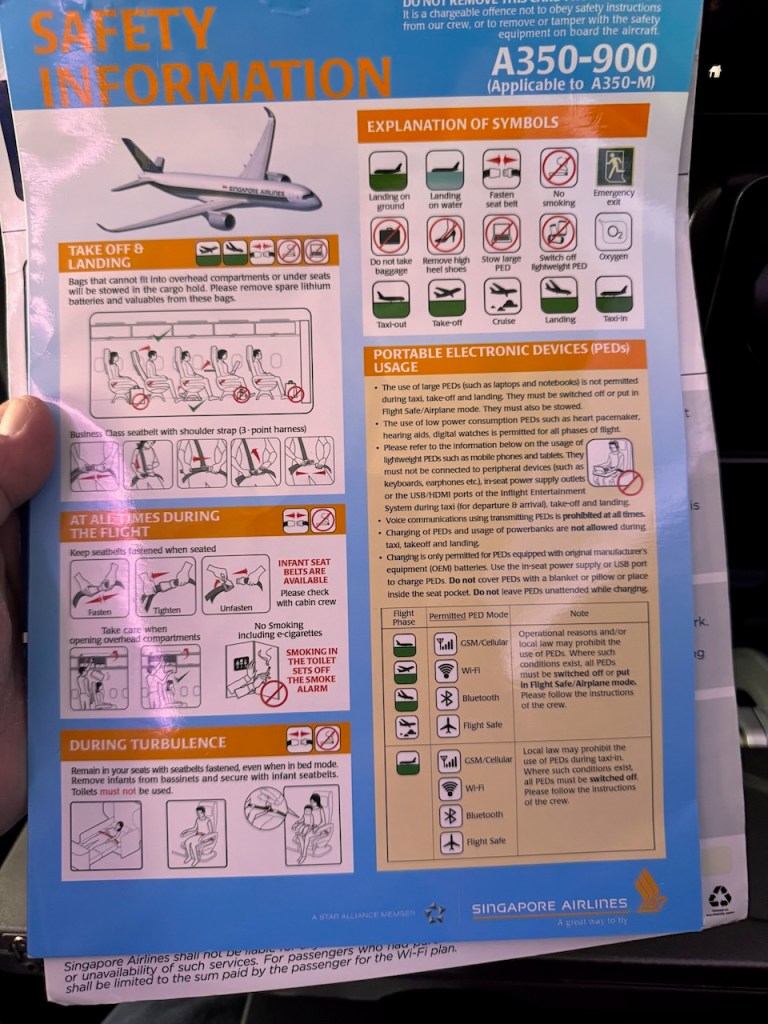
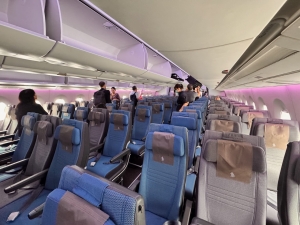
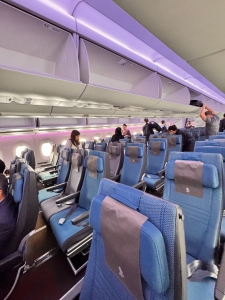
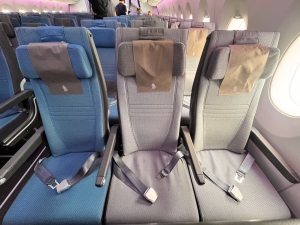
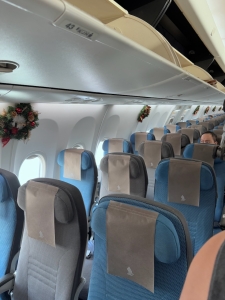
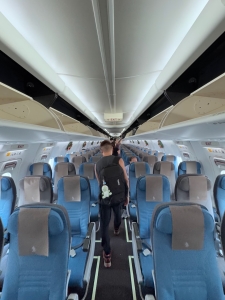
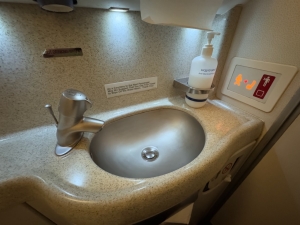
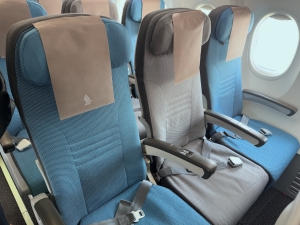
Singapore Airlines A350-900 Economy Class cabin is segregated into two sections, with 126 seats in the forward section and 137 in the rear. The cabin looks cheerful, with light blue and grey seats. The navy blue carpeting is a great choice as it makes the cabin look clean and reinforces Singapore Airlines’ branding, as this blue is also painted on their aircraft livery. The choice of lilac mood lighting used during boarding exudes a calming effect, while the white lighting used during the cruising made the sardine class feel more spacious. Due to the short flight and the passenger sleeping beside me, I did not have the opportunity to visit the lavatory.
The Seat
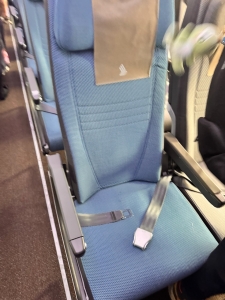
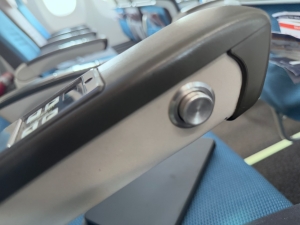
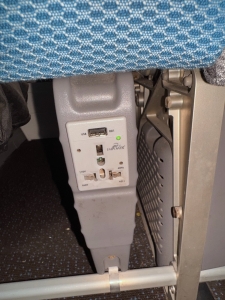
The Economy Class seats in Singapore Airlines A350-900 on both long haul and medium haul variants did not differ. Each of the 263 Economy Class seats has a seat pitch of 32″ and is 18″ wide, capable of a maximum recline of 6″ via the seat recline button on the armrest. The seats are very comfortable despite their thin-looking padding, which is also suitable for long-distance flying. The legroom is also very generous, with a wide berth from my knee to the seat in front, and I could even stretch out my legs. The airline is very thoughtful in fitting not one but two power charging options in these Economy Class seats. The more convenient power outlet comes in the form of a USB-A power outlet under the TV screen, while the other is an international power outlet installed in front of the seats nearer to the floor. However, I find the charging speed on these USB-A charging ports a tad slow.
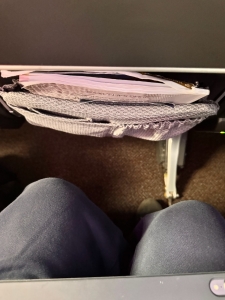
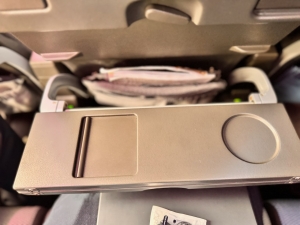
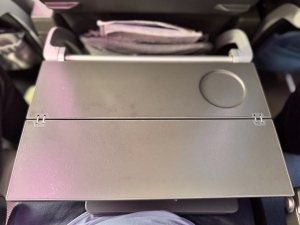
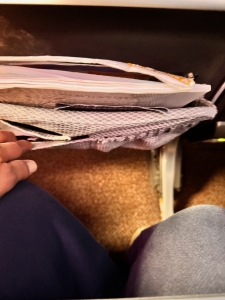
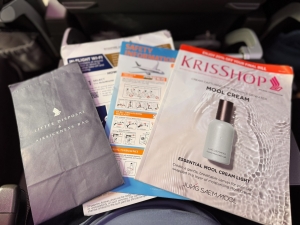
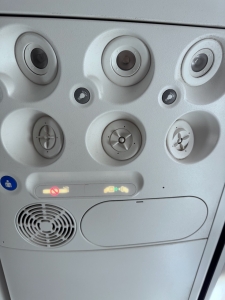
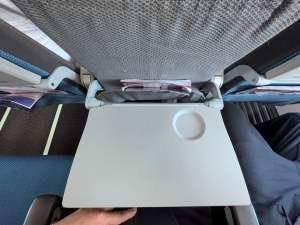
Singapore Airlines A350-900 Economy Class has a bi-fold tray table that comes with a small vanity mirror, which is especially useful for passengers flying for longer flights. The bi-fold table unfolds into a relatively large tray table, sufficient for passengers to place their laptops on. I like the compartmentalised design of the seat pocket, which increases the storage capacity tremendously. On top of the main seat pocket, there are two additional smaller pockets designed in front of the main pocket, which is great for storing smaller items like passports and power cables. The large main seat pocket also allowed me to stow some items despite being filled with inflight literature. Unlike other airlines where the overhead reading light and attendant call buttons are activated from the IFE controller, the overhead lighting on Singapore Airlines A350-900 Economy Class is activated from the touchscreen personal TV as the airline had eliminated the IFE controller.
Inflight Entertainment
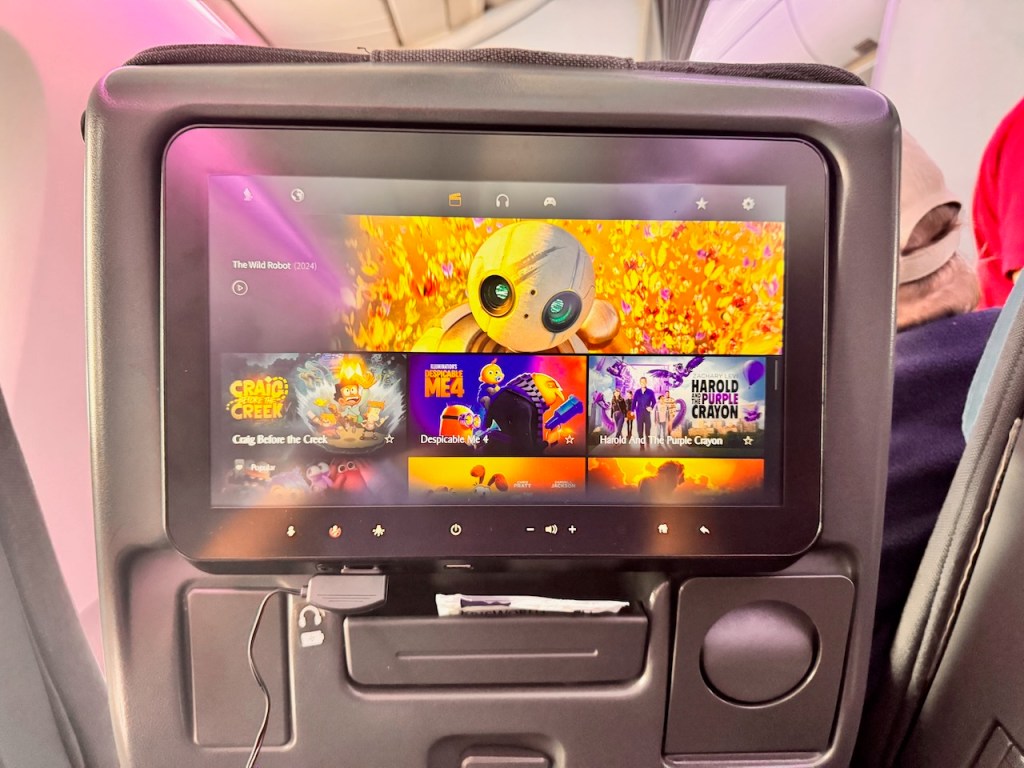
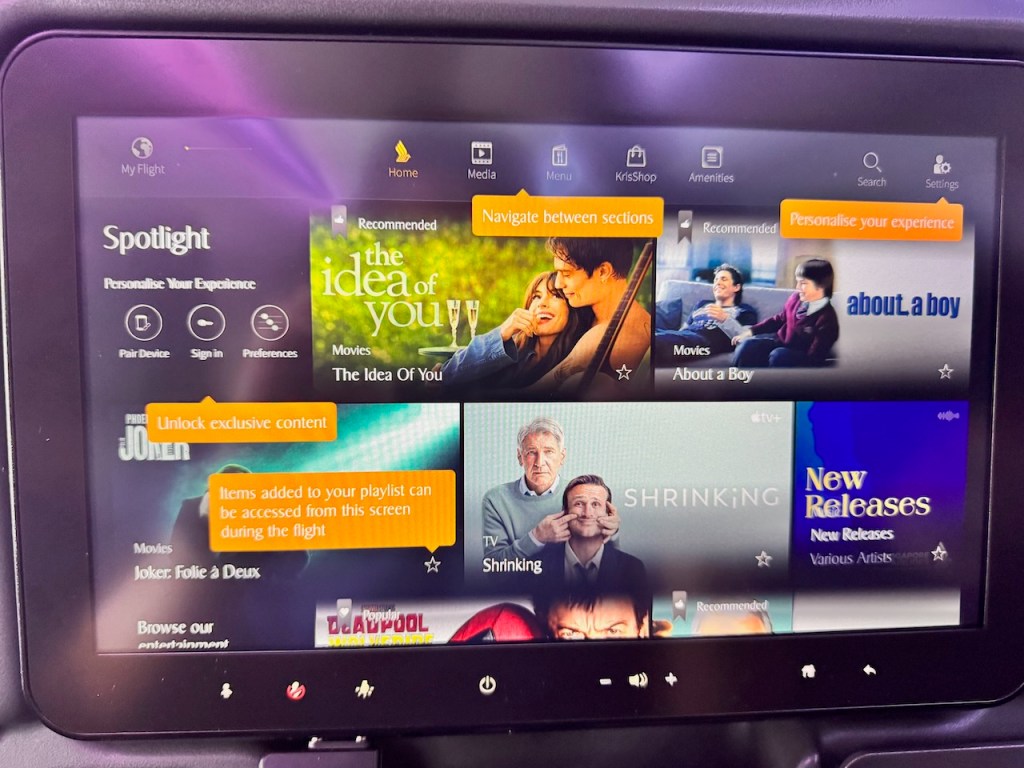
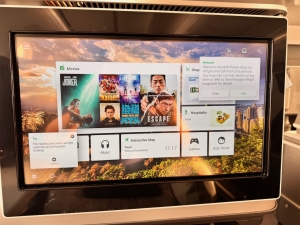
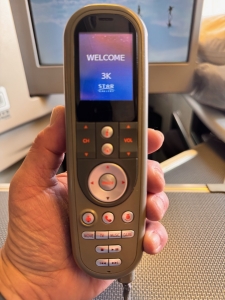
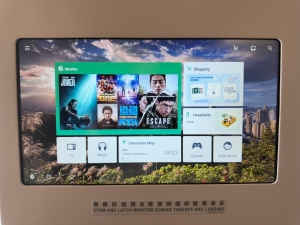
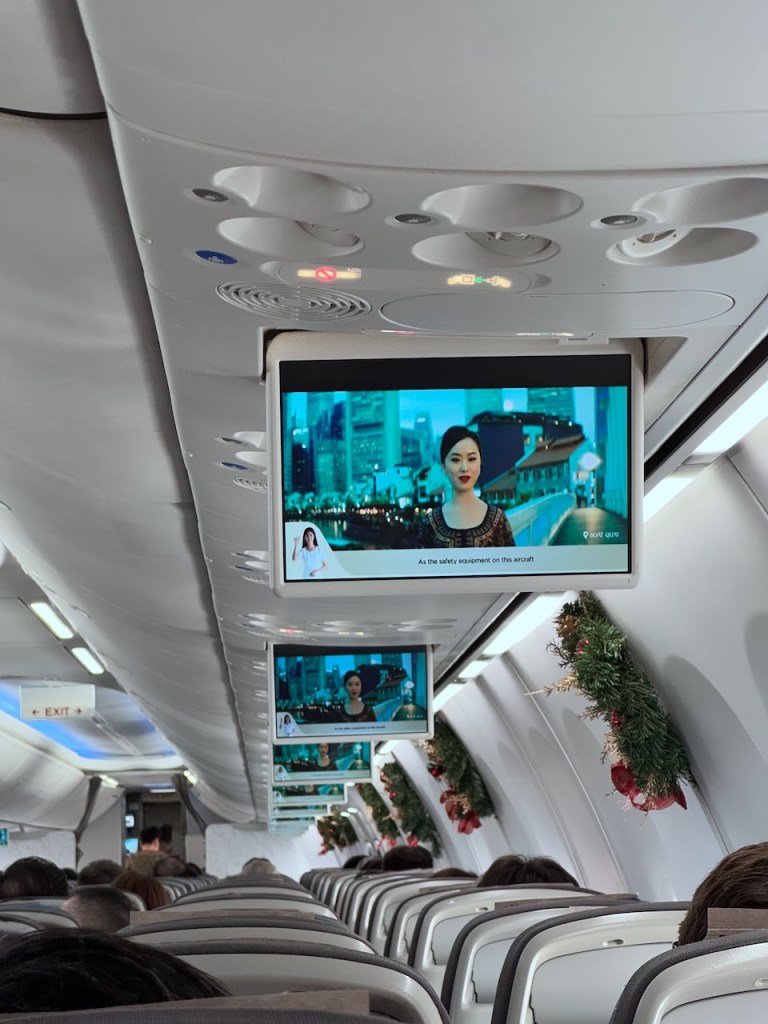
Singapore Airlines A350-900 Medium Haul Variant is fitted with an 11.1″ personal TV in every Economy Class seat. I was glad that the KrisWorld was operational despite the short flight time. However, earplugs were not being distributed due to the short flight time. Armed with the reusable earplugs I had gotten from my previous flights with Singapore Airlines, I was able to enjoy KrisWorld’s in-flight entertainment system. Singapore Airlines had eliminated the IFE controller, which I thought was a good move as everything else was accessible via the responsive touchscreen function on the IFE screen. Singapore Airlines KrisWorld has a myriad of entertainment, from up-to-date movies, TV shows, and games, which are well organised in an intuitive menu layout that will keep passengers for hours. Singapore Airlines A350-900 is equipped with Wi-Fi facilities, which are free for passengers travelling in Business Class and KrisFlyer members flying in Economy Class. However, the Wi-Fi was not turned on during this short flight.
Singapore Airlines Economy Class comes with an 11.1″ touchscreen TV in every seat.KrisWorld is arranged in an easy-to-use menu
Refreshment
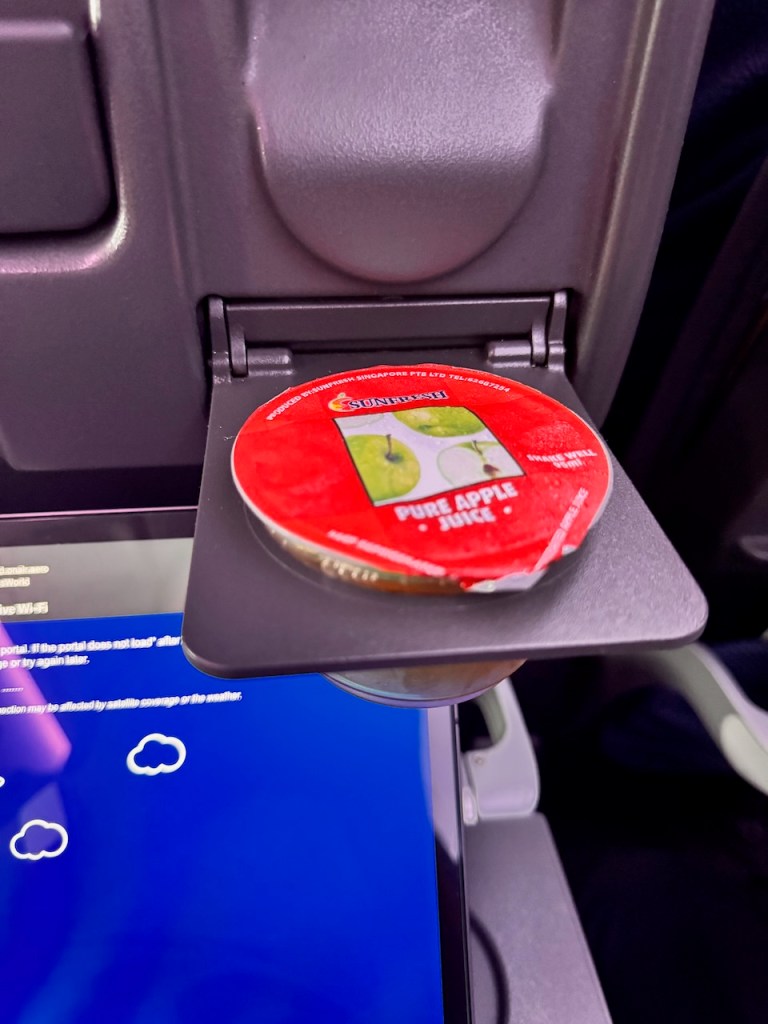
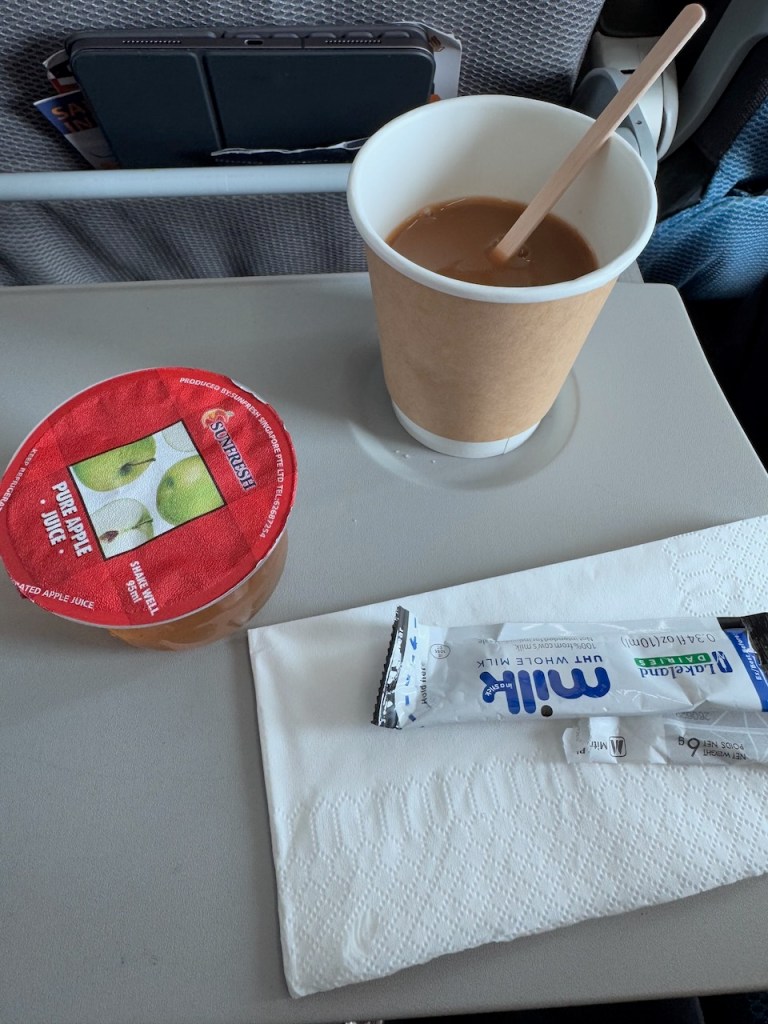
Due to the short flight time, no meals were being distributed to passengers in Economy Class. Flight attendants quickly sprung into action, distributing a small cup of apple juice to all Economy Class passengers as soon as the seat belt sign was turned off.
We were served a small cup of Apple Juice
Service
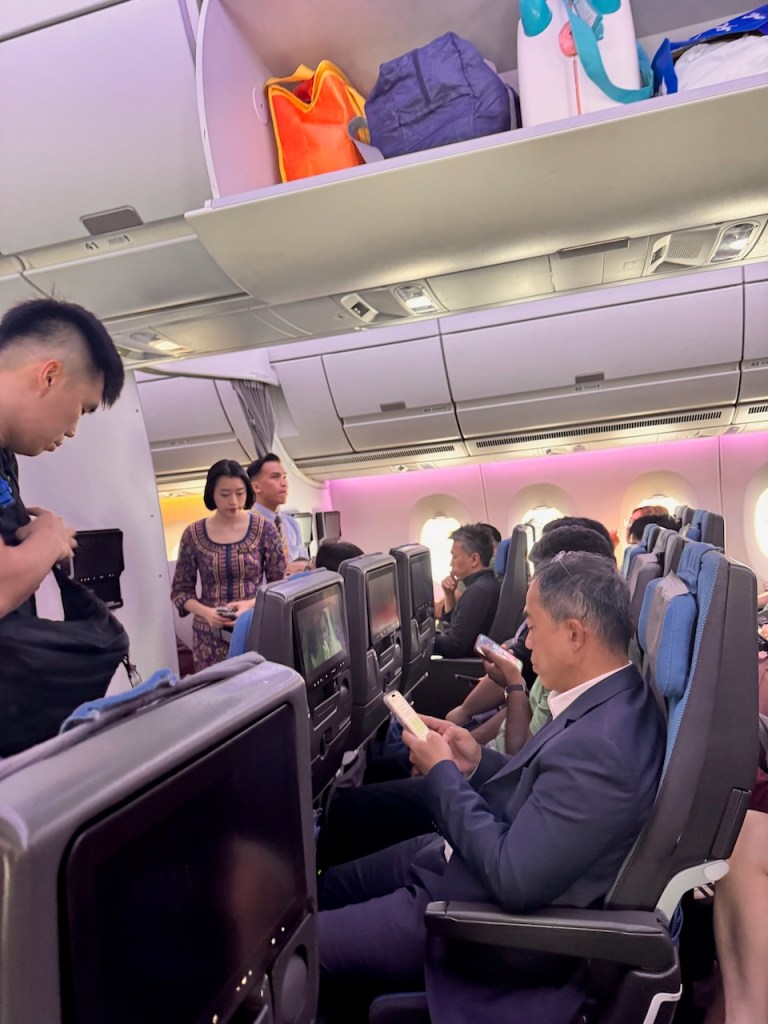
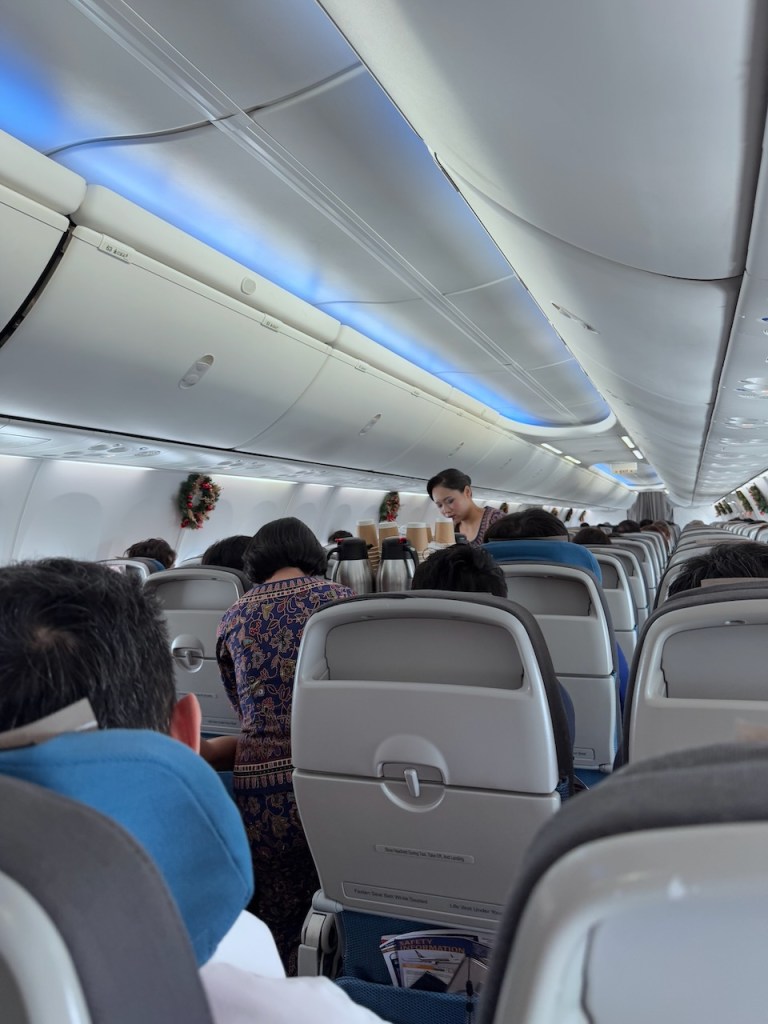
Despite the short flight time and the very limited time for the cabin crew to distribute the drinks, the professional flight attendants still served with a smile. We also saw cabin crews helping passengers look for empty overhead bins to stow their carry-ons.
The Singapore Airlines A350-900 Economy Class seats were very comfortable for this short flight, and there was a good amount of legroom. The inflight entertainment was stocked with movies and TV shows to entertain passengers who brought along their own audio devices. Despite having a full flight of passengers to serve in a short time, the cabin crew still does their job with a smile.
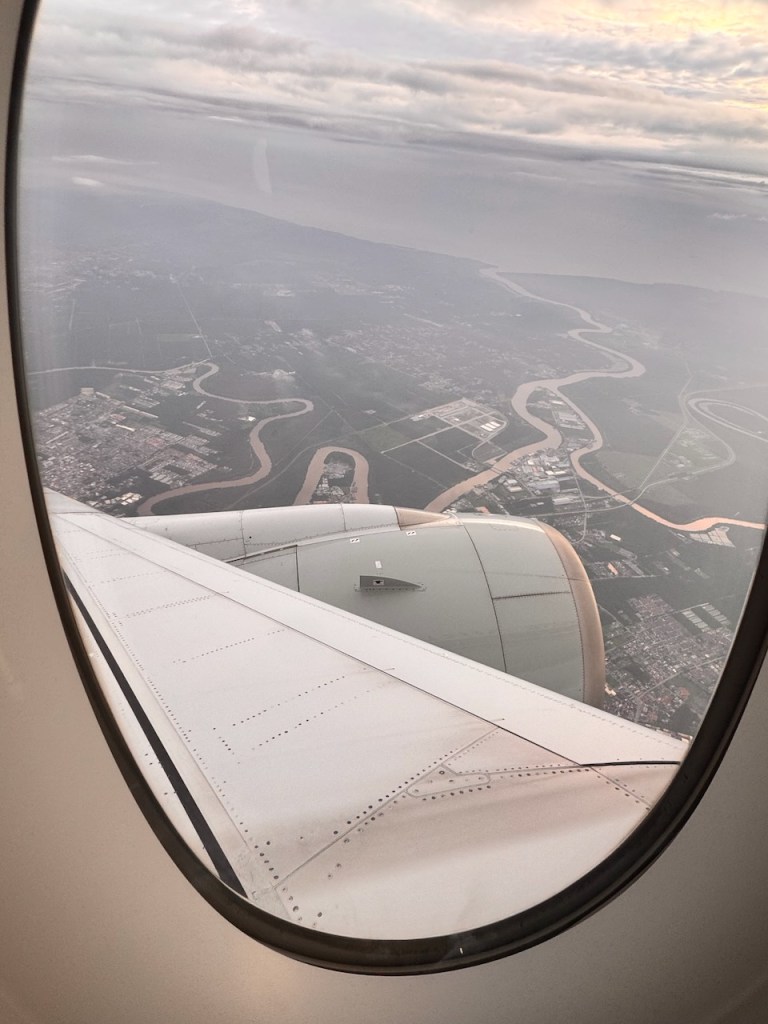
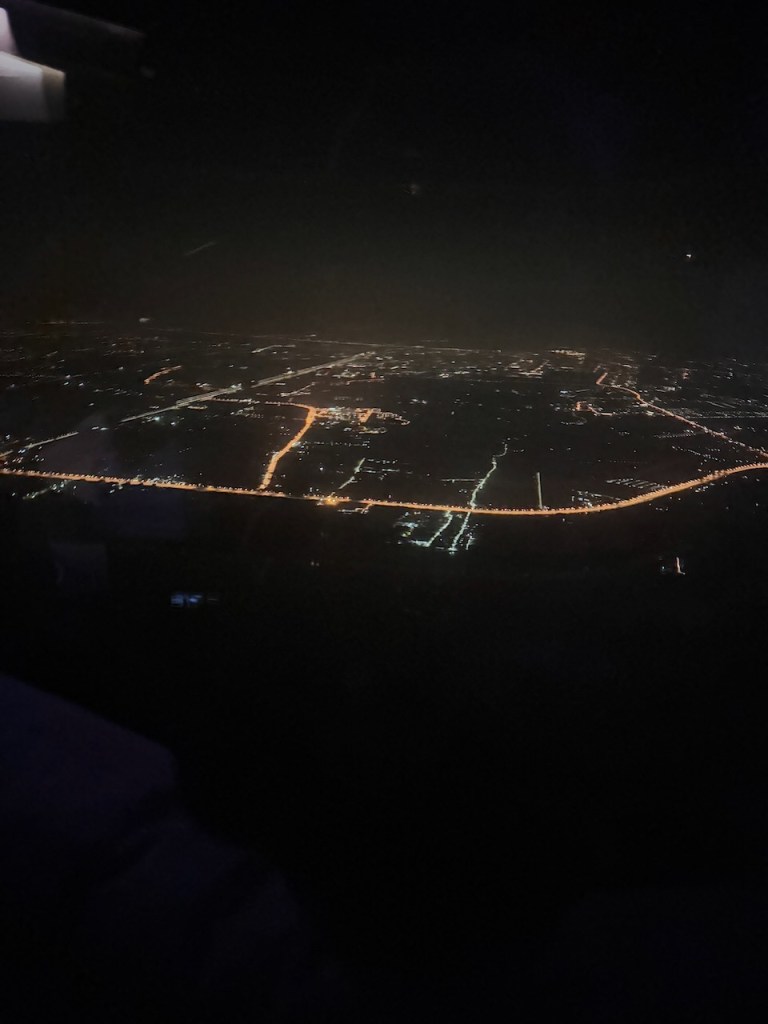
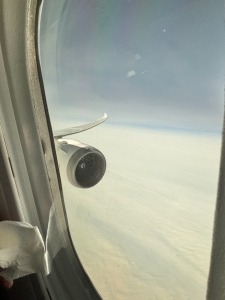
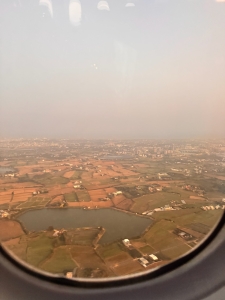
Flying over MalaysiaWe are about to land in Singapore.
BR61 flew from Taipei to Vienna with a short 1-hour stopover in Bangkok, while BR66 took us directly from Vienna to Taipei
At the Airport
Taipei Taoyuan International Airport
As a member of Star Alliance, the ground crew was able to check us through for our Singapore Airlines flight from Singapore. We did not experience EVA Air’s check-in at Taipei Taoyuan Airport. Due to our previous flight’s late departure and arrival from Kuala Lumpur, our connection time shrunk from 2½ to 1½ hours. The later arrival also meant the other lounges, such as The Club and Singapore Airlines SilverKris lounges, were closed, limiting us to EVA Air Infinity Lounge and Star Lounge.
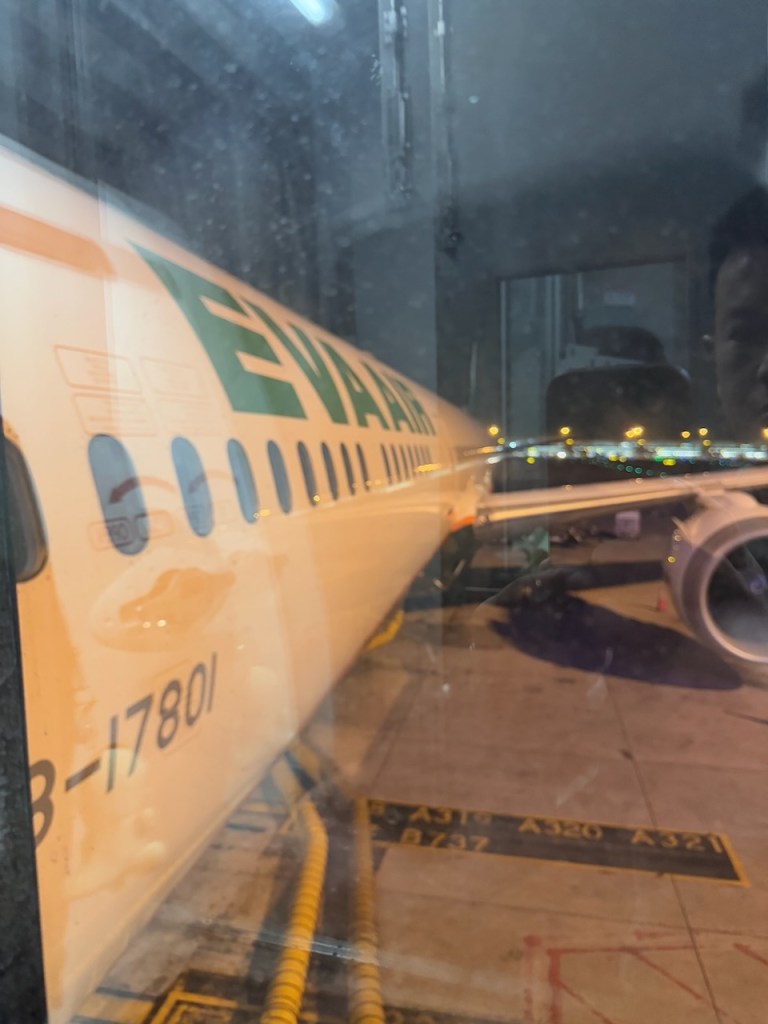
EVA Air uses B787 between Taipei and Vienna
EVA Air Infinity Lounge
The EVA Air Infinity Lounge is the standard go-to lounge for EVA Air Business Class passengers, and it is located one level above the departure hall. The Infinity Lounge has bright decor, mainly white walls and light green carpet to match the green colour of the airline. There is a small business centre at the EVA Air Infinity Lounge entrance, housing three computers and a printer. The seats mainly occupy the left side of the lounge, stretching from the entrance to the rear of the Infinity Lounge. There are only two types of sitting – a single seater high back armchair with a small table or the bar type sitting facing the window that looks out into the airport terminal. While these seats provide some privacy and are ideal for single travellers, bigger groups would face challenges in looking for seats close to each other.
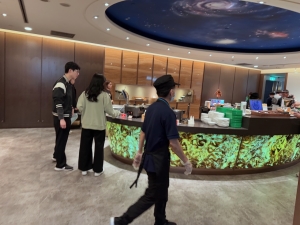
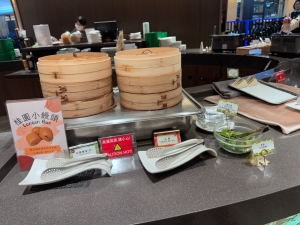
Food is served buffet style near the back of EVA Air Infinity Lounge. Perhaps due to the time of the day we visited the lounge, I was not impressed with the variety of food available. There was a very limited variety of food, mainly Taiwanese cuisine, and the topping-up was a tad slow. They did not even have the famed boba tea during our visit. There are four showering rooms in EVA Air Infinity Lounge, but due to the long waitlist and the short time we had for transit, we did not manage to get a shower room in time.
EVA Air Star Lounge
EVA Air Star Lounge caters mainly to Star Alliance Gold members in the same main entrance as EVA Air Infinity Lounge and right across from the lounge. We did a brief walkthrough at EVA Air Star Lounge after our stay in EVA Air Infinity Lounge (waiting in vain for a shower room). EVA Air Star Lounge uses a more earthy colour scheme, with a mix of yellow and brown colouring tones, exuding a more relaxed and luxurious vibe. Like the EVA Air Infinity Lounge next door, seats are mainly arranged on the window side of the lounge. However, unlike EVA Air Infinity Lounge, I find more seating variety catering to solo passengers and larger groups. Besides the single armchair seats like those in the opposite lounge, EVA Air Star has more seating options, such as large dining tables, loungers, and four relaxing recliners. The food offering in EVA Air Star is similar to that in EVA Air Infinity Lounge, but I thought the food at EVA Air Star Lounge edges up slightly. EVA Air Star Lounge also mainly offers Taiwanese food in its buffet section.
Bangkok Suvarnabhumi Airport
Our flight from Taipei to Vienna had a 1½ hour stopover in Bangkok (as part of the fifth freedom flight). We visited the EVA Air Infinity Lounge in Bangkok Suvarnabhumi Airport for a shower, as we missed our chance to shower at Taipei Taoyuan Airport.
EVA Air Infinity Lounge
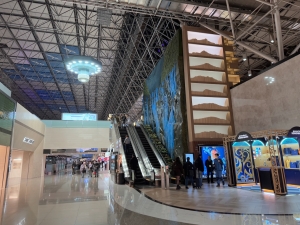
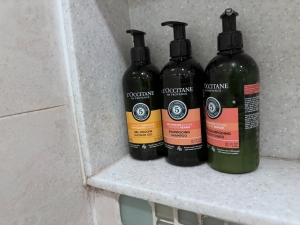
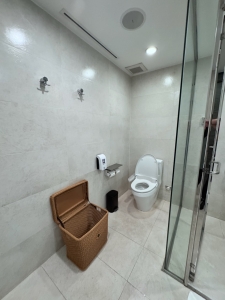
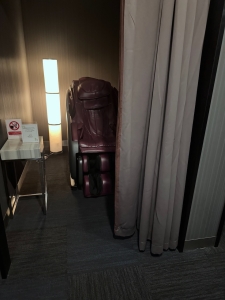
Located at Concourse F, the EVA Air Infinity Lounge in Bangkok Suvarnabhumi Airport has a more futuristic vibe to it, with a predominantly dark interior design at the front part of the lounge and a bright neon decor in a small section at the back of the lounge that gave it a futuristic look. EVA Air Infinity Lounge has a small business centre by the entrance with only three empty desks. There is a small massage room with two massage chairs next to the business centre. A buffet section with a small selection of Thai and Chinese food fills the stomach of passengers spending their time at the lounge. Armchairs arranged with two chairs to one table populated most parts of the lounge, with a long, tall bar table catering to bigger groups in the middle of the lounge next to the buffet. The lounge is also furnished with sofas near the back, where larger groups can relax and enjoy the lounge food. The two shower rooms are located next to the lounge’s entrance, which must be booked with the ground staff at the reception. These shower rooms are equipped with a toilet and a walk-in shower. EVA Air Infinity Lounge supplies its shower rooms with L’Ocitanne shower amenities.
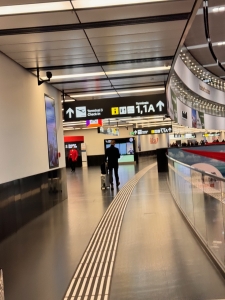
Vienna Schwechat International Airport
Check-in
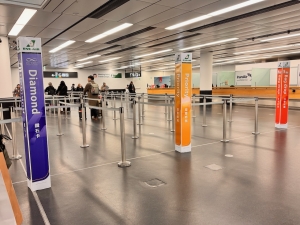
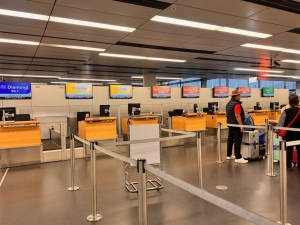
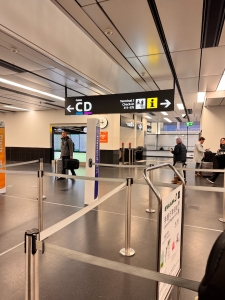
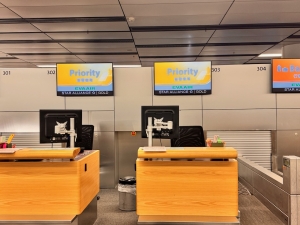
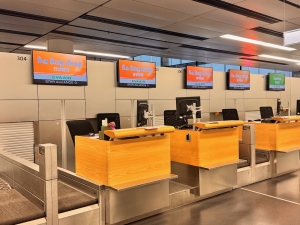
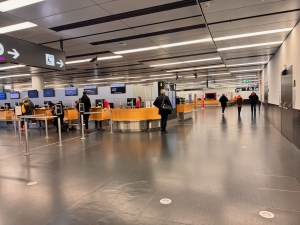
EVA Air departs from Vienna Schwechat International Airport Terminal 3. The airline operates seven check-in counters, occupying counters 301 – 308. These check-in counters are located on the rightmost end of Terminal 3, near the central concourse between Terminals 1 and 3. Out of the seven counters, two Priority counters serve Royal Laurel Class passengers, one counter for EVA Air Diamond members, and four to five counters for Economy Class passengers. The check-in counters were closed at the time of our arrival at the airport and started to operate on time three hours before the flight. Check-in was slow, as there was paperwork that needed to be done, for which the ground staff profusely apologised. However, the ground staff was very friendly and made us feel welcome when checking in. She even recommended we spend more time at the Better Vienna Lounge.
Vienna Lounge (Schengen Zone)
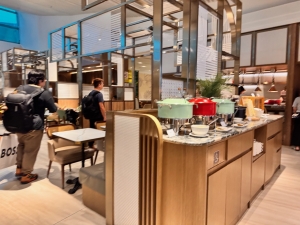
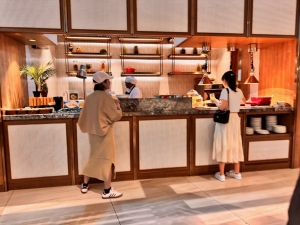
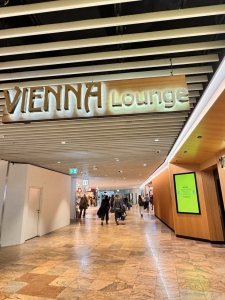
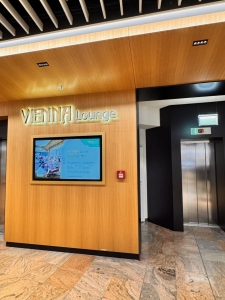
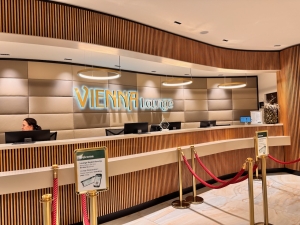
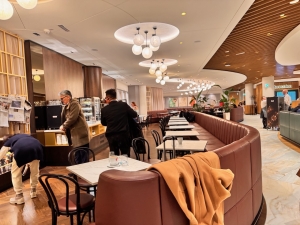
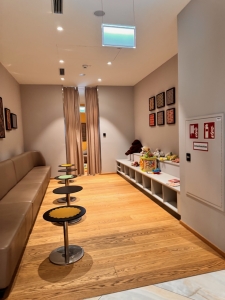
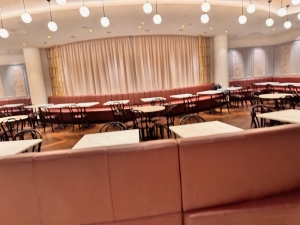
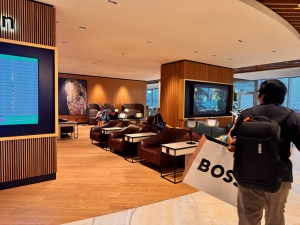
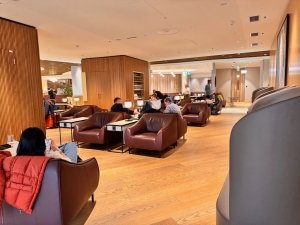
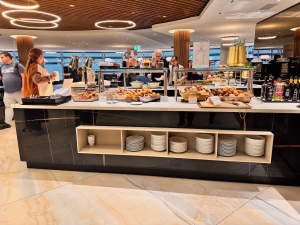
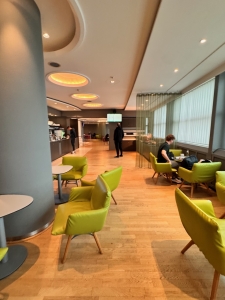
The Vienna Lounge is located on level 2, past the main duty-free shop in the Schengen area in the central area between Terminals 1 and 3 in Vienna Schwechat Airport. A large “Vienna Lounge” sign hanging from the ceiling indicates the lounge’s location in the airport. Besides serving most airlines, Vienna Lounge is also a paid lounge (€57 per adult). Fortunately, the lounge was quite sizeable and was not crowded during our visit. The Vienna Lounge is mainly decorated with natural wood and laid with marble flooring coupled with warm lighting, exuding a relaxing yet luxurious vibe. The Vienna Lounge has many seats in different configurations scattered across the lounge area. The dining seats are located by the wall, and the central part of the lounge is next to the buffet area. Furnished with seats of two to a dining table, this seating arrangement is perfect for us to enjoy our breakfast here. I like that these tables are moveable, which aids configuration to cater to larger groups. There are also armchairs arranged by the floor-to-ceiling windows and towards the right side of the lounge near the toilet for passengers to relax while doing some plane watching. Vienna Lounge also has an outdoor smoking terrace. There is even a kid’s area in the Vienna Lounge, decked with kids-size chairs and tables and a playroom for the younger passengers to eat and play. Food is served buffet style at the Vienna Lounge, located in the centre of the lounge, a few steps from the reception. As we were there during breakfast, the food variety offered was limited but sufficient to fill our stomachs until our flight. A coffee and pastry section is also tucked by the wall next to the reception area. Despite these pastries looking delicious, we did not try them as we wanted to save the stomach space for the food in the Austrian Lounge we will be visiting. There are no shower facilities in the Vienna Lounge. Despite the large size, I find the Vienna Lounge relaxing and enjoyable. There were no loud noises from other passengers except for the clucking of cutlery, making the lounge a great place to relax.
Austrian Lounge (Non-Schengen Zone – Gate D)
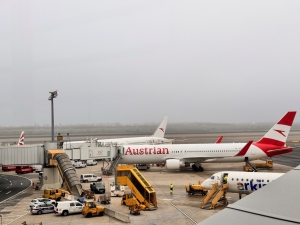
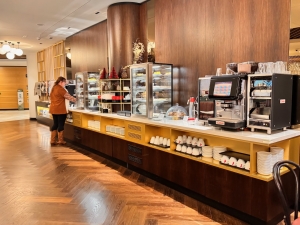
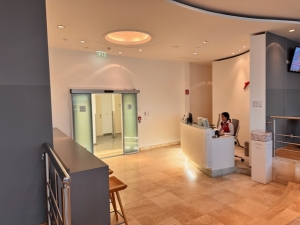
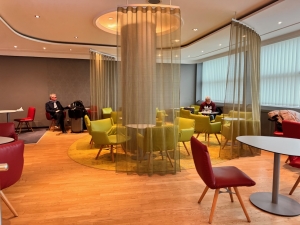
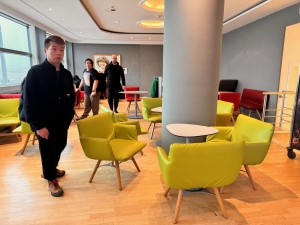
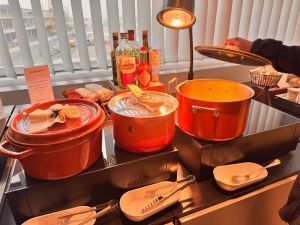
Austrian Airlines operates four lounges at Vienna Schwechat International Airport, two each in the Schengen area (serving inter-European flights) and the Non-Schengen zone (serving international flights). We visited the Austrian lounge closest to our boarding gate at Gate D, located on level 2 in Terminal 3, a short walk from passport control. I find the Austrian Lounge at Gate D is rather small, only capable of handling at most five loads full of Business Class passengers. Fortunately, the lounge was not crowded at the time of our visit. This Austrian Lounge uses Scandinavian interior design, featuring simplistic wooden elements with bold-coloured furniture, giving off a functional vibe. The IKEA-looking dining chairs in lime green and bright red dominate most of the seating configurations in the lounge. There is a small relaxing corner beside the toilet, furnished with a handful of grey-coloured armchairs and a small TV. The buffet area and the self-served bar are sandwiched between the entrance and the toilet, with a very small food selection. At the time of our visit, there were only three warm food options and four types of bread served during breakfast (we regretted not having the pastries in the Vienna Lounge earlier on). Despite its small scale, we were surprised to find one shower room in the lounge. Perhaps due to the size of the lounge, Austrian Airlines does not see a need to fit another shower room. The shower room is functional, fitted with a walk-in shower and a small sink. There is no toilet in this shower room. Except for the shower gel cum shampoo and some towels on the shelf, we did not find any other shower amenities in the shower room. Passengers should bring their dental kit if they need to brush their teeth. The shower room key can be requested from the reception.
The Aircraft
EVA Air operates both B787-10 and B787-9 aircraft versions between Taipei and Vienna. Both aircraft have the same Business Class product, with the -9 series having seven rows in Business Class and the -10 series having two extra rows.
EVA Air B787 livery up closeEVA Air B787 safety card
The Cabin
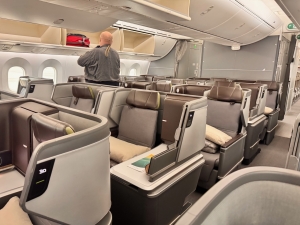
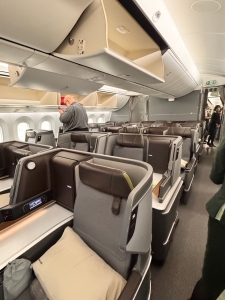
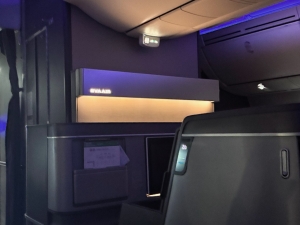
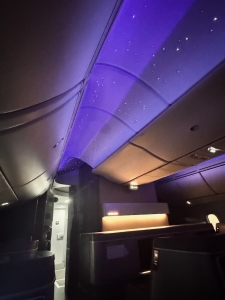
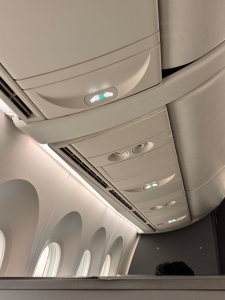
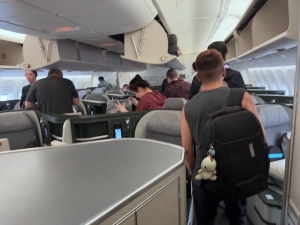
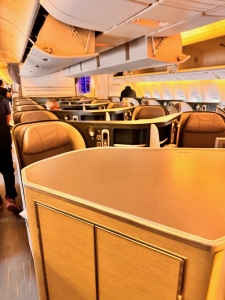
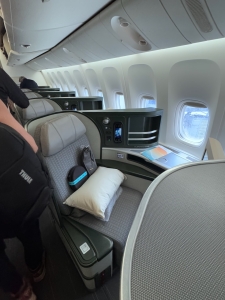
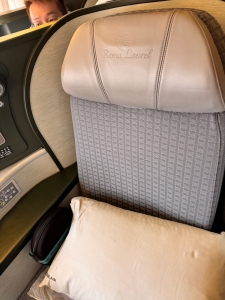
EVA Air’s Royal Laurel Class cabin (the term the airlines used for their Business Class product) houses 26 seats in the B787-9 model and 34 seats in their B787-10 model, each adopting a 1-2-1 staggered configuration. The Royal Laurel Class cabin looked elegant and posh, using predominantly cream colour for the outer seat shell, earthy brown for the seat interior, and light grey for the seats and carpeting. This combination and the white lighting used during boarding gave the Royal Laurel Class cabin a very clean look. EVA Air’s signature green is still present on the side of the headrest and inside the cabinets, which reinforces its brand identity. During the flight, the Royal Laurel Class cabin ceiling was dotted with starry night lighting coupled with the blue hue mood lighting, which made one feel like sleeping under the stars and helped one get some sleep on a comfortable seat.
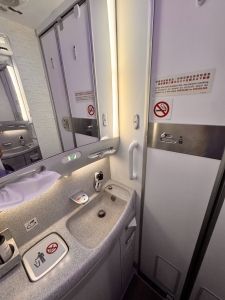
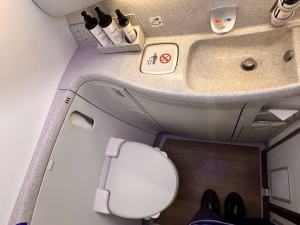
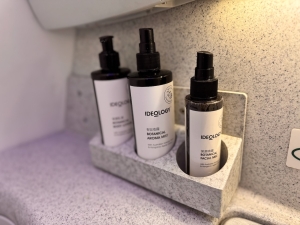
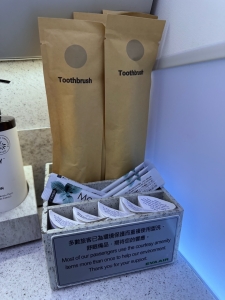
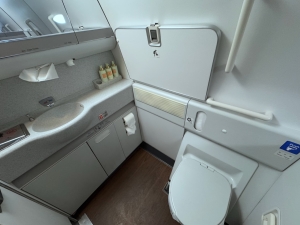
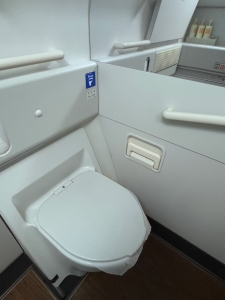
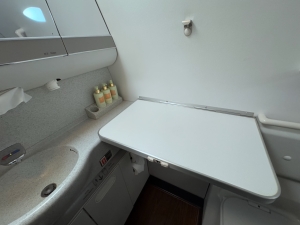
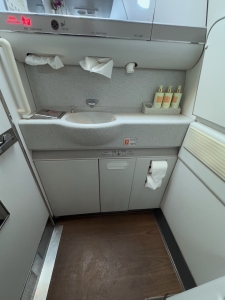
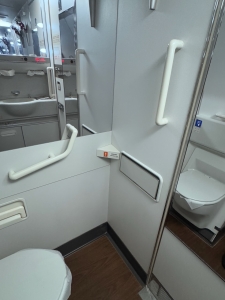
There are a total of three lavatories, one behind the cockpit and the other two at the back of the cabin, in both types of B787 aircraft serving passengers in the Royal Laurel Class. The lavatory on the right of the aircraft and at the back of the Royal Laurel Class is the bigger of the three. The wooden flooring and stripes of blue lighting gave the lavatory a premium feel. The use of ample white lighting and mirrors made these lavatories feel larger. There is a fold-down table, meant for a diaper change, in the lavatories that are perfect for us to change into the pyjamas provided. Unlike the Royal Laurel Class we flew on their B777-300ER (click here for my review of the aircraft), EVA Air supplies its premium class passengers onboard the B787 with the Australian branded IDEOLOGY toilet amenities, comprising hand soap, facial mist, aroma mist and body lotion. Additional amenities such as dental kits, mouthwashes, and earplugs are only available in the lavatories when the aircraft reaches cruising altitude for longer routes (these are not available for our leg from Taipei to Bangkok).
The Seat
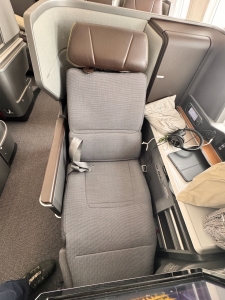
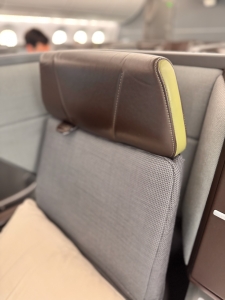
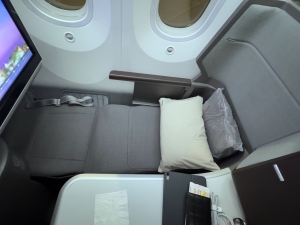
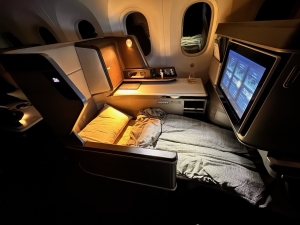
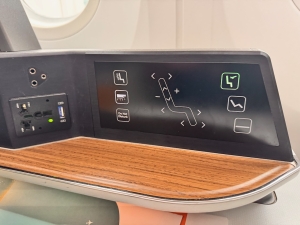
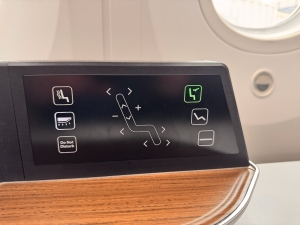
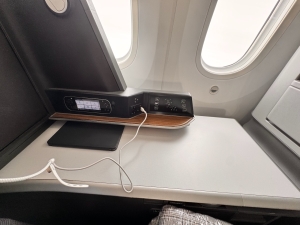
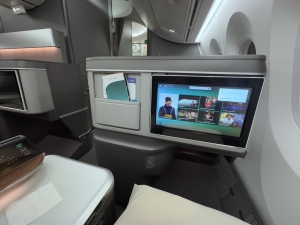
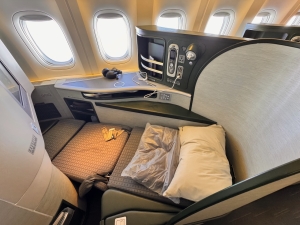
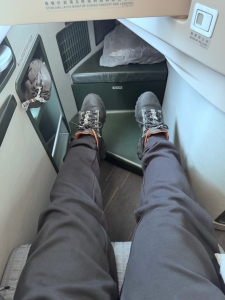
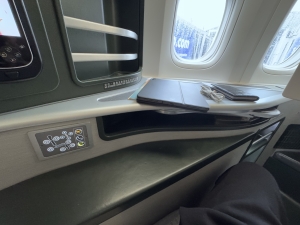
EVA Air B787 Royal Laurel Class seats have a generous pitch of 76″ and measure 20″ wide. These seats come in three standard modes: take-off/landing, lounging, and bed mode. The seats next to the window provide more privacy with the added privacy screen than the middle and aisle-side window seats. Nonetheless, the high seat back provides some privacy when fully reclined. I find the seats very comfortable, owing to the thick padding and the luxurious feel of the adjustable headrest. In the default take-off/landing mode, the seat is positioned in an upright setting. Despite the angle of the seat, I still find this mode to be very comfortable. In bed mode, the seat can be reclined 180° to flush with the ottoman under the IFE screen and create a true flatbed. The seat feels super comfy in bed mode, partly due to the cushioning and partly due to the mattress topper the friendly cabin crew placed on each seat. Between the take-off/landing and bed mode is the lounge mode. I find this mode very comfortable when the seat is not used as a bed. Other than the preset angle, I could adjust the seat back and calfrest to the most comfortable angle via seat control. The haptic touch seat control buttons are found at the side of the cocktail table. The seat control allows passengers to adjust to one of the three standard modes with the touch of a button. Other than the seat adjustment controls, lumbar support, overhead reading light, and call attendant buttons are also found in the seat control panel. Another set of seat control panels with only settings for the three main modes is also found under the seat table deployment button, which gives passengers quick access when the seat is in bed mode. The charging outlets, an international power outlet and a USB-A charging port are located next to the seat control panel. I find placing them here makes a lot of sense, as we could lay out our lifestyle devices on this side of the cocktail table for charging.
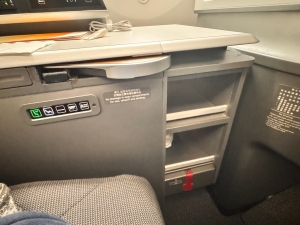
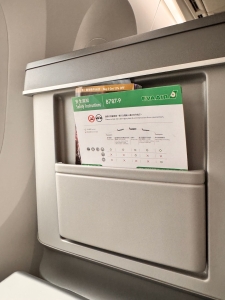
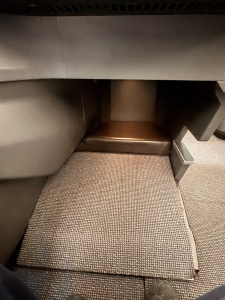
Within the seat is a small enclosed cabinet for storage, where headphones and a bottle of Evian water are already placed to welcome passengers. These two-tiered cabinets allow me to stow smaller items like my charging cables, passport, and the iPad I brought for the trip. The two-tiered design of the cabinet increases the storage capacity of this cabinet. Apart from the cabinet, passengers taking the middle or aisle-side window seats have additional cabinet storage. This open cabinet is perfect for storing items like the provided pyjamas or slippers. Due to the design, there is no additional storage space under the ottoman. The seat pocket is next to the personal TV, populated with inflight literature. I found little space to stow anything in the seat pocket due to its hard shell design, which was already filled with contents. On top of the overhead reading light, the Royal Laurel Class seat also comes fitted with a small adjustable reading light at the side of the seat. EVA Air fitted its B787 aircraft with a large, solid seat table. Deployed with a push of the button on the side console of the seat, I find the size of this table large enough for meals or passengers who want to get some work done on their laptops. However, I had to put away the table when moving in and out of the seat.
Inflight Entertainment
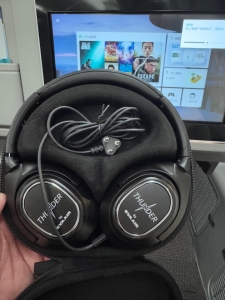
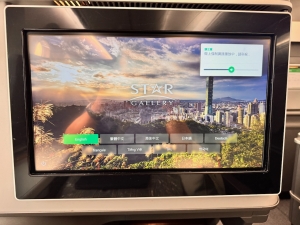
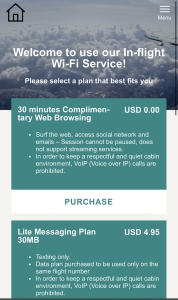
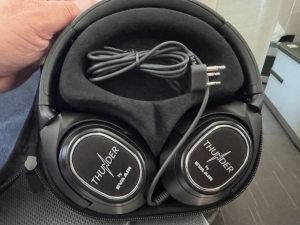
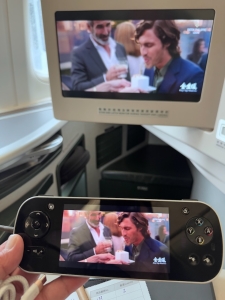
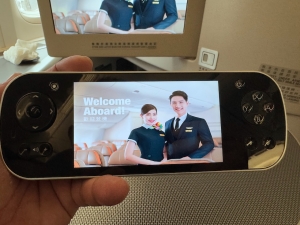
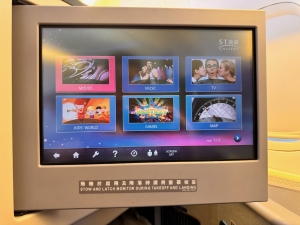
EVA Air equips each Royal Laurel Class seat with a large 18″ HD personal TV with sharp images, making watching in-flight entertainment very pleasant. Inflight entertainment selection can be made via the very responsive touchscreen function on the TV or the IFE controller stowed between the seat cabinet and the seat control panel, where the headphone jack is also located. The IFE controller fitted on EVA Air’s B787 resembles a PSP console comprising physical buttons at the side and a large touchscreen panel. Royal Laurel Class passengers also received noise-cancelling headphones that block ambient sound effectively. Star Gallery is EVA Air’s inflight entertainment system, which has an extensive choice of movies and shows that kept me entertained throughout the flight when I was not sleeping. The Star Gallery, cataloguing entertainment options into five main menus: Movies, Music, TV, Kids’ World and Games, is loaded with the latest Hollywood movies and Taiwanese movies. There is also a library of limited TV series, mainly Taiwanese variety shows. EVA Air B787 is equipped with Wi-Fi services, and the airline provides 30 minutes of complimentary Wi-Fi per device onboard (I’m not sure if this is only limited to Royal Laurel Class). On top of that, passengers can obtain limited free Wi-Fi when travelling in any class registered under “Manage your trip” (link here) 48 hours before the flight. Business Class passengers can receive between 50MB to 100MB of free data usage onboard, depending on the class (or price) of tickets bought.
Meal
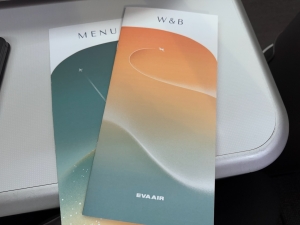
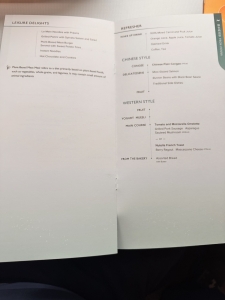
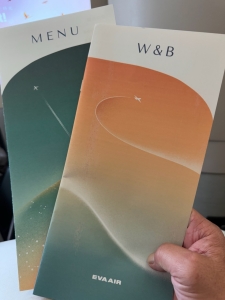
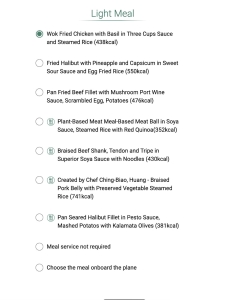
The meals served in EVA Air’s Royal Laurel Class were generally tasty and flavourful, featuring a good mix of Taiwanese and International cuisines. Royal Laurel Class passengers can choose from a “hidden menu” that is only available exclusively from online orders 48 hours prior to the flight. As our outbound flight consisted of a layover in Bangkok, we were served three meals for this leg: dinner, supper and breakfast.
TPE-BKK-VIE
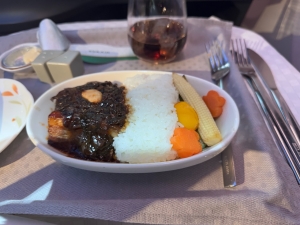
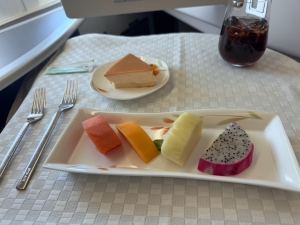
Dinner was served about 1½ hours into the flight. The cabin crew came around the cabin, laying the tablecloths on our tables. Meals are served course by course, starting with the hors d’oeuvre of shrimp and duck breast. The shrimp tasted fresh, and the duck breast was tender. Upon seeing my empty plate, the cabin crew quickly served up my online exclusive main course of Braised Pork with preserved vegetables and steamed rice. I thought the braised pork was tender, but a little light on the taste, but the sourness from preserved vegetables added the punch to the taste. After the main course, desserts were served. I quite like the mochi puff, which has the right amount of sweetness and a unique taste. The fruits served were fresh and sweet.
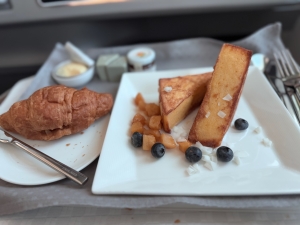
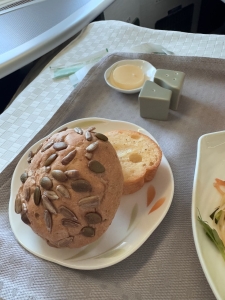
For this leg of the flight to Vienna, meal service also commenced about 1½ hours after take-off, starting with Thai-style coconut soup as the starter. I thought the soup was very flavourful, and the chicken bits were tender. I pre-ordered the online exclusive Thai Green curry chicken with rice for mains. I thought the portion of the main course was a little small. The chicken tasted a little tough, and the portion of green curry could have been more. As I was a little tired, I skipped the dessert. Breakfast was served about 2 hours before landing. There are no online exclusives for breakfast, and out of the options of congee, omelette and French toast, I opted for the French toast with a cup of latte. Breakfast started with a plate of fruits, which tasted crunchy and sweet, followed by a choice of bread from the bread basket. The croissant that I chose was puffy and crunchy. Initially, I thought the combination of French toast and coconut sauce was a bit weird, but after tasting the coconut sauce, I thought it complemented the French toast very well. The coconut taste in the sauce was not too overpowering.
VIE-TPE
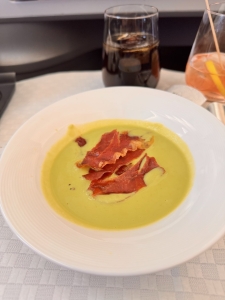
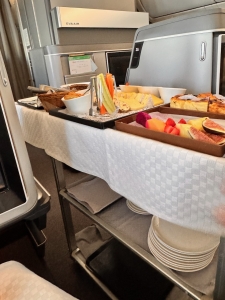
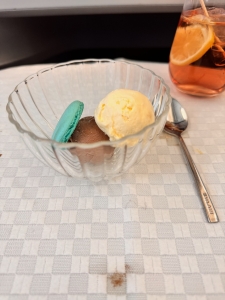
The meal from Vienna to Taipei was delicious. Dinner service commenced about 1½ hours after taking off. The cabin came around, laying the tablecloth followed by the starter. For starters, we had cheese and smoked salmon, which I thought was decent. But I was blown away by the appetiser – Grill scallop with carrot green. The scallop was tender, and the carrot ginger cream was delicious. The next two dishes were not really to my liking (more of a personal preference). I found the pea soup a little bland, and the prosciutto was too salty. As I am not a fan of salads, I only took small bites of the greens, but the salad tasted fresh and crispy. For mains, I chose the online exclusive Lobster Vermicelli. The lobster tail tasted fresh and lightly seasoned and went very well with the flavourful vermicelli. For desserts, the cabin crew pushed the dessert cart after the mains were cleared. We had four options for dessert, and I went for the ice cream.
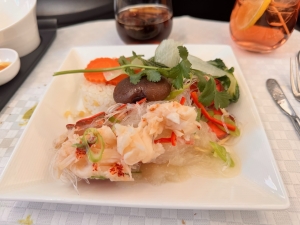
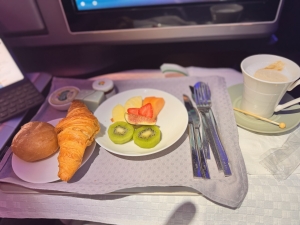
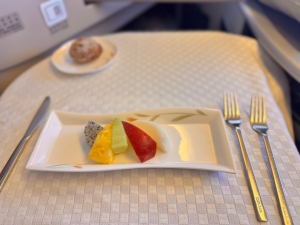
In between meals, I ordered the dry noodles with prawns. The prawns tasted very fresh, and the noodles were delicious. The aroma of the noodles filled the cabin, and my friend came by my seat and asked what I was eating. He also ordered the same dish (we saw the passenger in two seats in front of me ordering the same dish). To date (1 month after our flight), we were still talking about how delicious the noodles we had were. Breakfast was served about 1½ hours before landing, starting with fruits and bread. The fruits were fresh and sweet, and the croissants I chose were crunchy. We had the same three options for mains as our outbound flight but with a slight variation: congee, omelette and French toast. I opted for the Nutella French Toast with Berry Ragout. I liked the Nutella French toast, but the berry sauce was a little sour for my liking.
Service
TPE-BKK-VIE
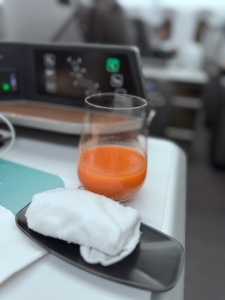
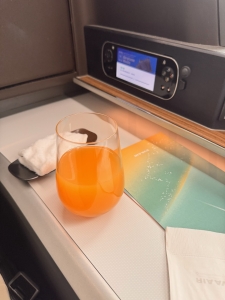
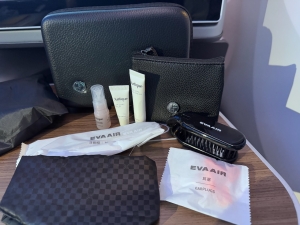
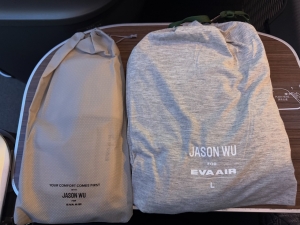
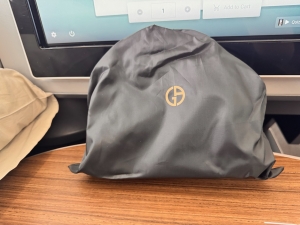
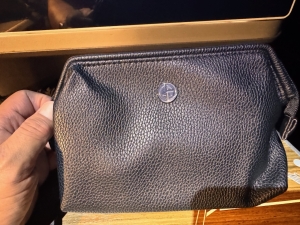
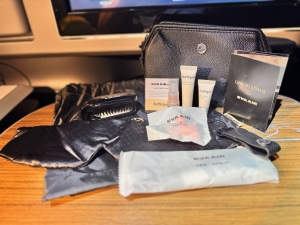
We had a crew change in the Royal Laurel Class cabin after the stopover in Bangkok. The first set of crew we met was friendlier. Besides the mandatory welcome greeting at the door during boarding, the TPE-BKK crew escorted us to our seats. Another crew came by asking our preference for welcome drinks and emerged from the gallery with our choice of drinks shortly after. Penny was working in the aisle where I was seated. She came by, introduced herself, and confirmed my meal orders. Throughout the 4-hour flight to Bangkok, I was very well taken care of by Penny, who was seen patrolling the cabin and checking in with me to see if I wanted another mocktail, Amber Dream after she learned I liked the mocktail. The second set of crew in Royal Laurel Class for the BKK-VIE leg did not come across as friendly. The service came across as robotic, following the SOP they were trained to do. Unlike our previous two encounters with the EVA Air cabin crew in Royal Laurel Class, this set of crew only stood by the door greeting passengers and did not volunteer to show us to our seats. The cabin crew only popped by during boarding, serving welcome drinks and confirming my meal order. She did not even bother introducing herself, nor did she bother to address us by our surname (just Mr/Miss). The cabin crew were seen patrolling the cabin at night, offering waking passengers snacks, but they did not check with us if we wanted any drinks. The inflight manager came across as stern, and I hardly see any smiles in this set of crew. We found the amenity kit waiting for us in the seat cabinet during the BKK-VIE leg. EVA Air refreshed its amenity kits in October 2023, replacing the Ferragamo amenities kit with Giorgio Armani kits. For the BKK-VIE leg, we received a black-coloured hard case amenity kit wrapped in a dustbag (not commonly seen across the airline industry). The amenity kit was packed with Jurlique lip balm, facial mist and hand lotion on top of the earplugs, hairbrush and dental kits. We also found a Giorgio Armani branded coin purse in the amenity kit. The cabin crew also distributed Jason Wu pyjamas and matching slippers during boarding. These pyjamas, refreshed a few days before our flight, are very comfortable.
VIE-TPE
The great service from this leg of the flight began with warm greetings by the inflight manager and one of her crew when we boarded the plane. We were escorted to our seats during boarding. The cabin crew were observed helping passengers stow their carry-ons in the overhead compartment. The inflight manager was very warm and cheerful, and together with her crew, she took care of us very well. The inflight manager was observed to be very hands-on. She went around the cabin distributing the amenity kit and helping the crew during meal times. We were served welcome drinks as soon as we settled into our seats. The cabin crew working on my aisle asked how she could address us during boarding while confirming our meal orders. I observed that the crew was very attentive and always looked out for when to serve the passengers on the next course during meal time. She would always ask if we had finished our meal and if they could clear the plates before serving the next course. After the seat belt sign was turned off, the amenity kit and Jason Wu pyjamas were distributed. The recently renewed amenity kit differed from what we received for our BKK-VIE leg. The Giorgio Armani branded amenity kit came in a soft-leathered black pouch containing the same amenities as our outbound flight. However, a Giorgio Armani-branded keychain replaces the coin purse in the kit.
Afterthought
We had a great flight with EVA Air in their B787 aircraft. The Royal Laurel Class seats were comfortable in all three modes, and I was able to sleep like a baby on the night flights. The seat has tons of storage for us to stow away our nicknacks. Other than the less-than-desired service on the BKK-VIE leg, where the cabin crew came across as robotic, the service onboard was generally exceptional. The food was a hit-and-miss, but most times, it was a hit. I thought EVA Air was very generous with the amenities they provided Royal Laurel Class passengers. Other than the luxurious Giorgio Armani kits, we were also given pyjamas. I would fly EVA Air again.
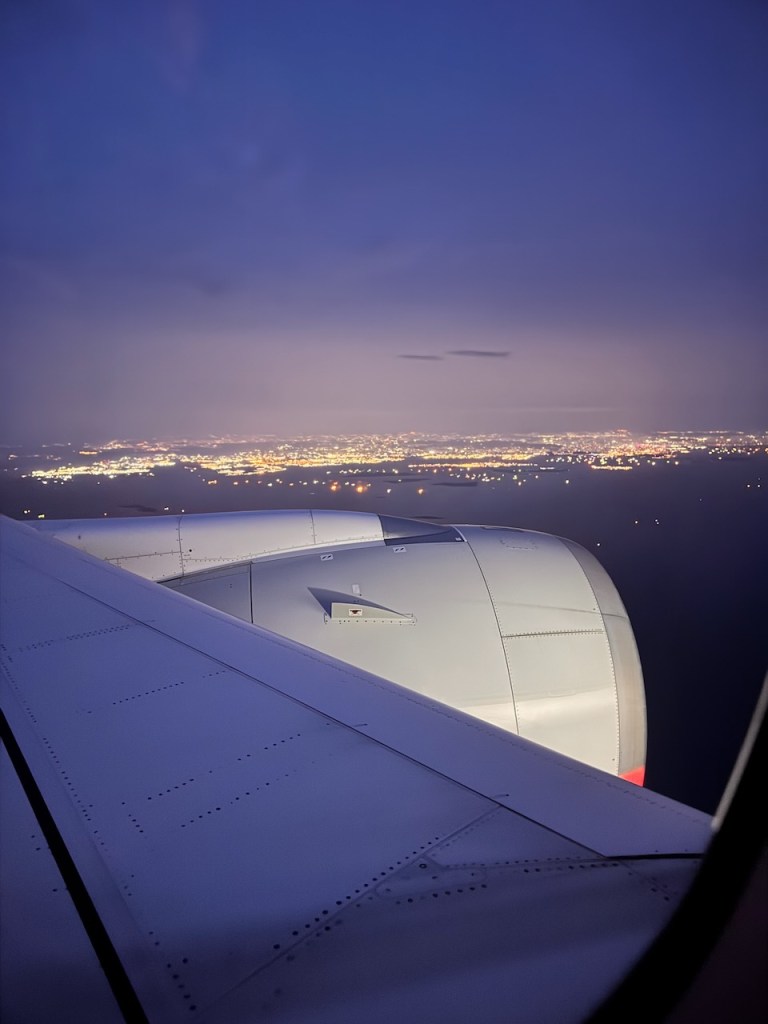
We are landing at Bangkok Suvarnabhumi Airport.Flying over the Alps in EuropeWe are landing at Taipei Taoyuan Airport.
EVA Air 777-300ERFlight path for EVA Air BR227 and BR228 between Kuala Lumpur and Taipei
At the Airport
Kuala Lumpur International Airport
EVA Air uses Kuala Lumpur International Airport Terminal 1. As our flight was checked through by the Singapore Airlines ground staff at Changi Airport, we did not have to clear immigration at Kuala Lumpur Airport and headed straight to the lounge after arrival.
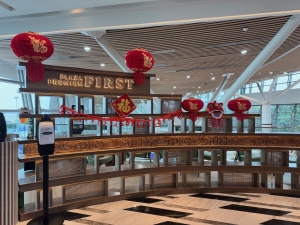
Plaza Premium First Lounge
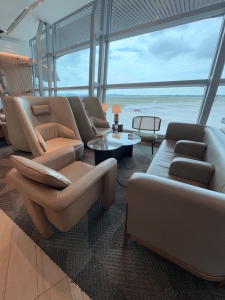
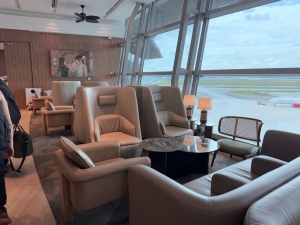
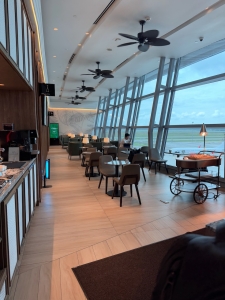
EVA Air does not have its lounge at Kuala Lumpur International Airport. Passengers flying on EVA Air’s Royal Laurel Class are given access to the Plaza Premium First Lounge, a higher-tiered lounge than the Plaza Premium Lounge next door. The lounge is located within the main building of the airport terminal, on level 2 near Gate G after immigration. As the lounge shares the same main entrance as the Plaza Premium Lounge, we followed the escalator that points to Plaza Premium Lounge. The Plaza Premium First Lounge’s entrance is the right entrance at the top of the escalator. There are two parts to the lounge: the forward part, which occupies the space behind its entrance, and the main part, behind a wooden door. The forward part adopts an open concept with direct views of the apron and the terminal building. The wooden decor, grey leather armchairs and sofas were meant to create a comfortable and cosy space for passengers to relax. However, due to this open concept, the noise from the entrance of the lounge and the terminal might be challenging for passengers to relax.
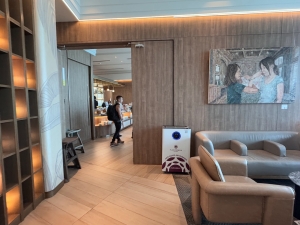
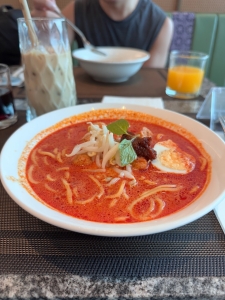
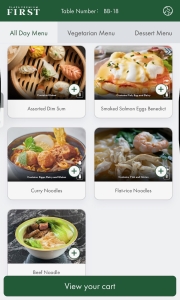
The main part of the lounge, accessed through a wooden door, is a more enclosed space. This is where the Plaza Premium First Lounge’s main activities and facilities are located. This part of the lounge employs the same natural wood decor as the forward part of the lounge. On top of the armchairs, the main part of the lounge is separated into two sections: the dining section and the lounging section. The dining section occupies the front of the main lounge. Furnished with tables and chairs for two pax, it was not ideal for larger group passengers. However, due to the low passenger traffic, we had no issues finding two empty tables beside each other. A sign in the lounge suggests it is reserved to serve passengers flying on EVA Air this morning. Plaza Premium First Lounge uses a hybrid of buffet and table service for food offerings. There is a small buffet area behind the dining area where we found some local food and pastries, as well as a fridge stocked with salad and fruits. A selection of table service food, made to order, can be ordered by scanning the QR code. Included in the online order menu are some speciality coffees. We could also order these speciality coffees from the bar counter next to the door, serving additional charged alcoholic beverages and cocktails. The food and drinks served at the Plaza Premium First Lounge were delicious and high-quality. My friends and I like the Curry Noodles from the QR code menu.
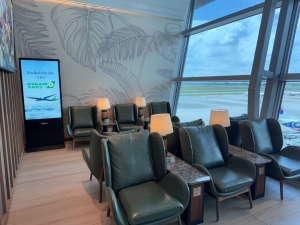
The lounging area occupies the space to the back of the lounge, furnished with single-seater armchairs. This part of the lounge felt quieter and more relaxed, partly owing to its location (where most passengers would make do with spending time in the lounge’s dining area) and partly due to the low traffic in the lounge. The warm lighting from the table lamp between the seats added to the relaxing vibe here. I found charging outlets on the small side table between the seats. The shower facilities in the lounge are also located in this part of the lounge. Passengers wanting to use these shower facilities can reserve a slot via the QR code at the entrance to the shower rooms. Plaza Premium First Lounge also provides a complementary 10-minute neck massage to elevate the tiredness from travel. The service at the lounge was top-notch. Despite arriving some 5 hours before our flight, we were warmly welcomed at the lounge. All the staff at Plaza Premium First Lounge displayed warm Malaysian hospitality, from the staff at the entrance to the diligent staff cleaning the shower rooms. The staff at the front desk even helped us settle our boarding passes and had them waiting for us at the boarding gate.
Taipei Taoyuan International Airport
EVA Air Infinity Lounge
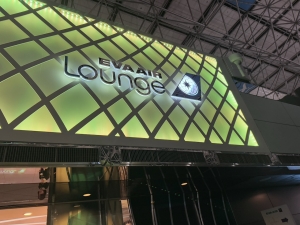
EVA Air Infinity Lounge is the airline’s signature lounge that caters to passengers flying in Business Class on EVA Air or Star Alliance Airlines. EVA Air Infinity Lounge shares the same entrance, one floor above the transit area in Taipei Taoyuan International Airport Terminal 2. EVA Air Star Lounge is one of the two lounges catering to Star Alliance Gold members. EVA Air Infinity Lounge is located to the right of the reception area. EVA Air Infinity Lounge uses a lighter colour scheme, giving us the impression of walking into a sci-fi movie set. The seating arrangement in the lounge mainly consists of single-seater highback armchairs on the right side of the walkway in the lounge. There are some bar-type seatings facing the terminal building lined up along the window area, also located to the right of the walkway in the lounge. Only a handful of dining table-type seating, catering for two pax, are at the back of EVA Air Infinity lounge. At the back of the lounge, next to the buffet area, a tree-like fixture with seats underneath provides an interesting but awkward seating, as these seats face outwards, not giving passengers any privacy. EVA Air’s identity is seen in the green colour scheme used on the carpet and the walls.
There is a small Business Centre in EVA Air Infinity Lounge furnished with several computers and a printer, sitting on the right, next to the entrance to the lounge. Further into the lounge, after the business centre, are the toilet and shower facilities in the lounge. EVA Air has a total of four shower rooms in EVA Air Infinity Lounge. As with our outbound flight from TPE to VIE, we had to queue to access a shower room. We exchanged our boarding pass for a pager and waited around 1 hour to get our turn to use the shower room. I thought these shower rooms were functional more than luxurious. The spacious shower room has a toilet, sink, and shower facilities. EVA Air’s shower rooms are well stocked with amenities required for a good shower, such as dental kits, slippers and towels. L’Occitane shower amenities are provided in these shower rooms.
Food in the EVA Air Infinity Lounge is served buffet style and is tucked away in the furthest corner of the lounge, after the toilets and shower rooms. EVA Air’s The Infinity Lounge has a good selection of warm and cold food. Most items on the menu are Taiwanese cuisine and dim sum, with a small selection of Western options. I had an egg, carrot cake, and fried vermicelli. The vermicelli was tasty, but the egg was overcooked for my liking. Unfortunately, we did not find the famed boba tea in the lounge.
The Aircraft
At the time of our booking, EVA Air was poised to deploy its A330-300 aircraft on this route. A few months before our flight, we received a notification informing us of the change of our seats due to an equipment change. We flew on an EVA Air B777-300ER aircraft between Kuala Lumpur and Taipei.
EVA B777-300ER livery up closeEVA B777-300ER safety card
The Cabin
Walking into the Royal Laurel Class cabin (the airline’s name for their Business Class) onboard EVA Air’s 777-300ER, we can immediately see its identity through its signature green on each of the 38 Royal Laurel Class seats. These 38 Royal Laurel Class seats onboard EVA Air B777-300ER, arranged in a 1-2-1 configuration, are segregated into the slightly larger forward cabin housing 22 seats and the more intimate aft cabin with 16 seats. The Royal Laurel cabin looked a little dated with the colour choice of olive green in its in-seat cabinet and armrest and the cream colour interior seat. The two-tone brown used in its seat cushion, headrest, and light brown carpeting gave the cabin a cosy vibe. The white colour bulkhead and the light grey carpeting, coupled with the warm lighting used during boarding, gave the Royal Laurel Class cabin a clean and comfortable feel.
There are three lavatories, two up front and one between the two Business Class sections, serving the 38 Royal Laurel Class passengers. The lavatory in the middle of the Business Class section is slightly larger than the ones up front. The lavatories feel premium due to the wooden flooring, and the bright light makes these lavatories look clean. The bright lighting and the mirrors installed in the lavatories made it feel even bigger than it was. Other than the hand soap, EVA Air Royal Laurel Class lavatories are stocked with the premium German branded No. 4711 Acqua Colonia Eau de Cologne, facial mist and hand lotion.
The Seat
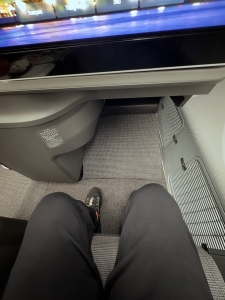
Seats onboard EVA Air B777-300ER Royal Laurel Class use the reverse herringbone layout, each with a seat pitch of 60″ and a width of 26″. Each of these seats comes fitted with three standard modes: upright, lounge, and bed modes, which can be easily converted using the buttons in the seat control. Despite being the stiffest sitting position, the thick cushioning in EVA Air’s Royal Laurel Class seat made sitting in the upright mode (mainly used during take-offs and landings) feel comfortable. These seats are capable of a 180° recline, turning it into a full flatbed. When fully reclined, the seat merges with the ottoman, where even tall passengers can fully stretch their legs. However, I find the cubby hole a tad narrow, which makes sleeping on the side a little challenging. Despite not being fitted with a sliding door that is gaining popularity in Business Class products in other airlines, the highback and the angled away from the aisle design in the reverse herringbone seats gave its passengers some privacy. Of the three modes, I like the lounge mode the most. Other than the preset position, the seat back and calf rest can be adjusted to a variety of angles that allow passengers to suit their preferences. The seat controls are located on the armrest next to the window, with easy access to the three main modes and buttons to personalise the angle of the back and calf rest.
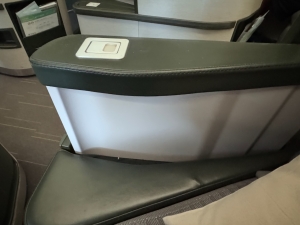
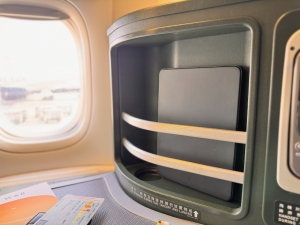
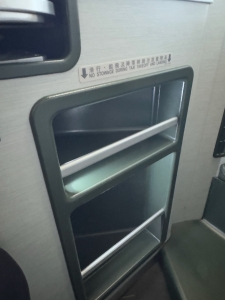
There are several storage options in the cabinets at the seat for passengers. However, due to its open design, nothing can be stowed in these cabinets during taxi, take-offs and landings, which I felt was a little inconvenient that I had to hold on to my stuff during the initial and final periods of the flight. Right next to the window is the main storage cabinet. Despite its curved triangular design and the two immovable bars, I was still able to put my iPad Pro 11″ in this cabinet, but I am not sure if anything bigger can be stowed in this cabinet. There is another two-tiered open cabinet, with the top cabinet shorter than the lower cabinet, designed into the seat’s inner console near the ottoman. Despite being larger than the cabinet next to the window, these cabinets were also incapable of storing anything thicker or larger due to their shallow design and the distance from the seat. There was no option for us to stow our carry-ons under the ottoman as it had a solid stool; we had to use the overhead bin to store our carry-ons. The seat pocket is found near the floor at the exit of the seat. Despite being full of inflight literature, there are spaces to stow smaller, slimmer items.
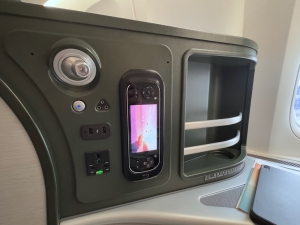
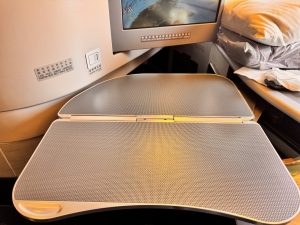
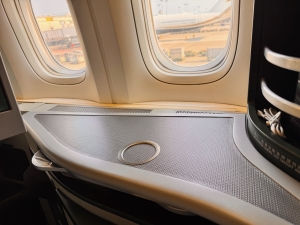
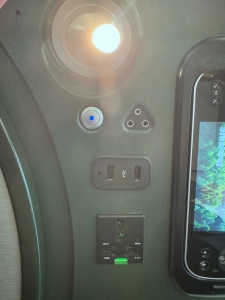
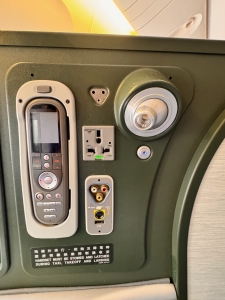
Most of the seat features are located on the inside of the seat, next to the window. The seat table on EVA Air B777-300ER Royal Laurel Class is stored in the console next to the window. The table can be effortlessly deployed by pulling it out using a tab designed into it. The seat table is folded in half when taken from storage but turns into a sizeable table when fully deployed. Despite its bi-fold design, the table feels solid. The only downside about the table is its lack of a swivel function due to the seat design. This meant we had to put away the table whenever we wanted to get in and out of the seat. The space above the seat table storage provided additional space to stow our stuff during cruising, other than using it as a cocktail table. We took the two variants of EVA Air B777-300ER to and from Taipei. On our KUL-TPE section, the refurnished aircraft is fitted with two USB-A charging outlets and an international plug outlet. In comparison, our TPE-KUL aircraft had one USB-A charging outlet, an old-school aux jack, and an iPod port. Apart from the overhead reading light, the Royal Laurel Class seat has a smaller reading light located on top of the charging outlets. Due to its placement, the reading light is inaccessible when the seat is in bed mode.
Inflight Entertainment
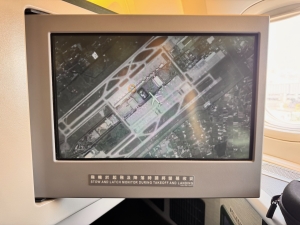
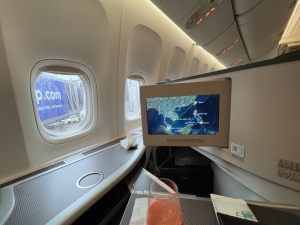
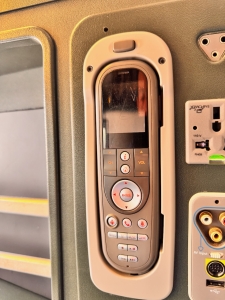
EVA Air equips each Royal Laurel Class with a large 18″ HD personal TV, which pops out from the seat shell with a push of a button. Due to the design of the aircraft, the TV screen can only be deployed briefly for safety video before take-off and after the aircraft is at cruising altitude. Inflight entertainment selection can be made via the touchscreen function on the TV or the IFE controller stowed next to the seat. The IFE controller is stowed next to the charging port and reading light in the same location as the cabinet shelf. Again, the two variants of the B777-300ER are fitted with two different IFE controls. The newer designed IFE controller features a large touchscreen on the refurbished aircraft that resembles a PSP. Entertainment options can be selected using the touchscreen function on the IFE controller or the physical buttons. I like that we can choose to replicate the screen on the PTV or select a different display on the screen of the IFE controller. The IFE controller on the older B777-300ER does not come with touchscreen functions, and all operations for the TV screen are done on the physical buttons. There is even a QWERTY keyboard at the back of the IFE controller. The call attendant and overhead reading lights can be activated using both types of IFE controllers or via the touchscreen option on the TV screen. EVA Air supplies each Royal Laurel Class passenger with noise-cancelling headphones, effectively blocking the ambient sound.
Star Gallery is EVA Air’s inflight entertainment, which has an extensive and very well catalogued collection that kept me entertained throughout the flight. The Star Gallery catalogues the various entertainment options into five main menus: Movies, Music, TV, Kids’ World and Games. In terms of the movies, Star Gallery is loaded with the latest Hollywood movies and Taiwanese movies. Star Gallery also has a library of limited TV series, mainly Taiwanese variety shows. EVA Air B777-300ER is equipped with Wi-Fi capabilities, and we were given complimentary 30-minute internet services for passengers during the flight.
Meal
KUL-TPE
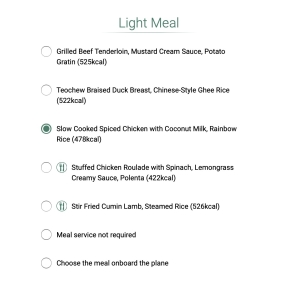
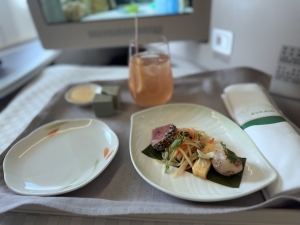
In addition to the three main courses stated in the menu card, Royal Laurel Class passengers also had the online exclusive option available 48 hours before their flight. I did not order from the online exclusive menu and opted for the Teochew-style Braised Duck from the onboard menu. Our lunch service started with tuna and scallop appetisers, which tasted refreshing. My main course of braised duck was tender, and the portion was nice. The Caramel cheesecake was delicious and a great finish to a great meal.
Screenshot
TPE-KUL
Meals from Taipei to Kuala Lumpur were also served course by course. The duck breast appetiser was good but not memorable. Despite having additional online-exclusive choices, I was more tempted by the Sweet Sour fish. The sauce was nice, and the fish was fresh. For desserts, we were served fruits and mochi. The mochi tasted surprisingly good.
Screenshot
Service
KUL-TPE
Service onboard EVA Air’s Royal Laurel Class reflects the Taiwanese people’s warmth and hospitality. The inflight manager and cabin crew welcomed us at the door during boarding. The cabin crew came across as attentive and introduced themselves to the passengers as we boarded the plane. We were escorted to our seats by the friendly cabin crew. The cabin crew was seen constantly patrolling the cabin throughout the flight to ensure empty plates were cleared and no trash was left behind. As we were settling into our seats, Amanda, responsible for our row, introduced herself to all the passengers. She asked how we wanted to be addressed and addressed her passengers by their family name. Amanda came across as cheerful and welcoming, and I saw her patrolling the cabin. She was always ready to jump in and assist her passengers. For this leg of the flight, we found a pair of comfortable EVA Air slippers in the seat, on top of the usual pillow and blanket during boarding.
TPE-KUL
The service onboard this leg of the flight is generally good, but it felt a little scripted. The cabin crew were by no means rude, but the service felt a little robotic. The cabin crew did the usual, asking for our surnames and addressing us by our surnames every time we interacted. They patrolled the cabin and were attentive to the progress of each passenger in their meal. They would clear the plates and promptly serve up the next dish. Other than that, I did not feel the service was memorably outstanding. After meal service, the cabin crew was not observed patrolling the cabin (other than pre-arrival). Unlike our outbound flight, we were not supplied with slippers but only a pillow and blanket.
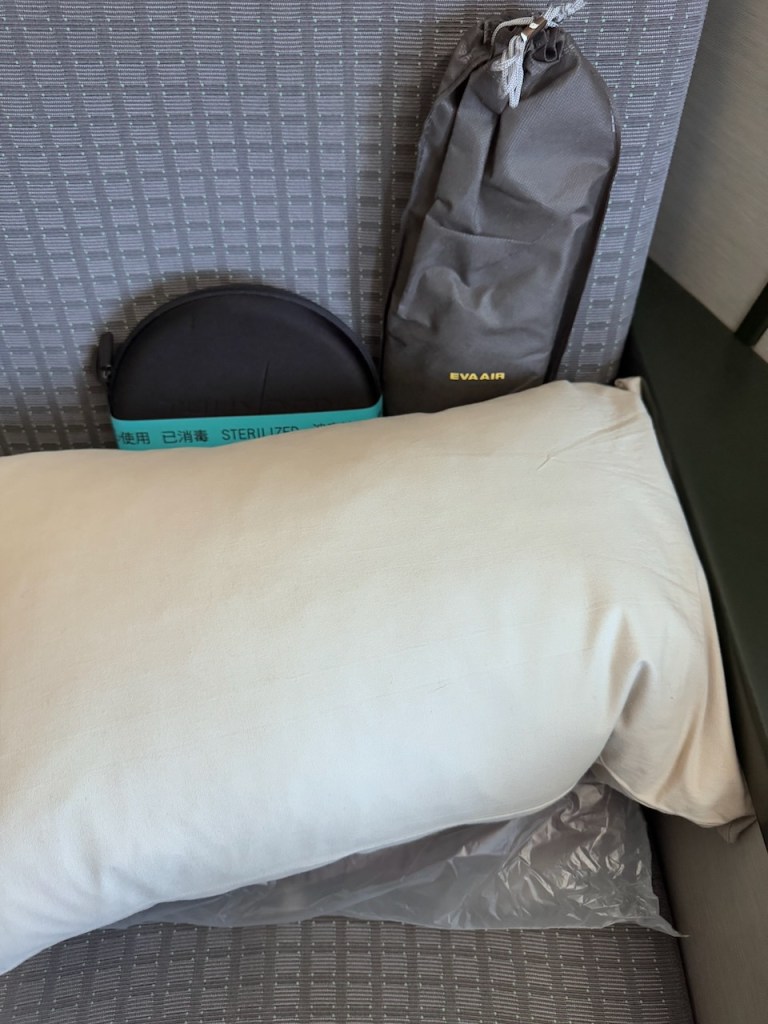
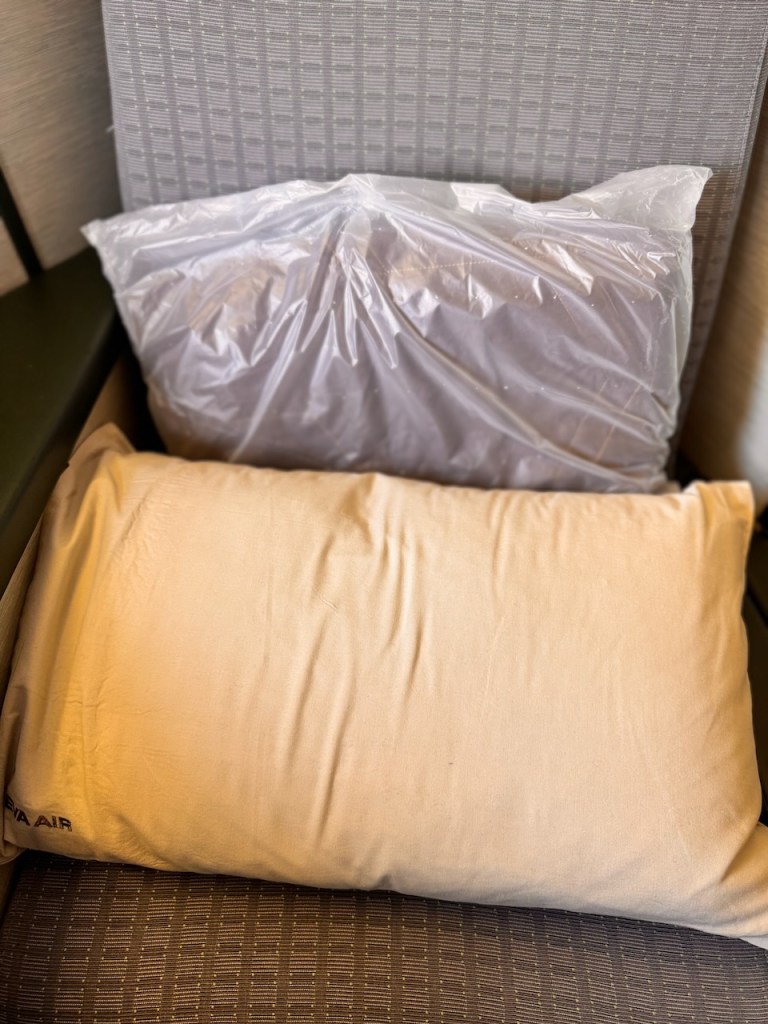
We received a pair of slippers for the KUL – TPE flightFor the TPE – KUL flight, we only got a pillow and a blanket
Afterthought
The seat in Royal Laurel Class onboard the B777-300ER felt narrow due to the reverse herringbone design. Getting in and out of the seat in various seat positions other than the upright mode was difficult, especially when the seat table was deployed. The IFE is also not usable during take-off/landing due to the seat’s design. The seat in bed mode felt private due to the high back and the inward seating position. The storage space in the seats is sufficient; however, it can only be used when the aircraft is at cruising altitude. The service was good on the outbound flight, where the cabin crew was very cheerful and attentive. However, the service during the inbound flight was good but not memorable and felt scripted.
Flying over TaipeiThe mountains of Taiwan seen from the skyFlying over the clouds
SQ108 is a short 45-minute flight from Singapore to Kuala LumpurSingapore Airlines B737-800NG
At the Airport
Check-in
Our Singapore Airlines flight operated out of Changi Airport Terminal 2, where the airline has check-in counters from Rows 3 to 6, catering to different groups of passengers. The airport encourages Economy Class passengers to use the self-check-in kiosks and baggage drop-off in Row 5. There are a few manned counters in Row 4 serving Economy Class passengers. As a KrisFlyer Elite Gold member, I was able to use Row 3, which primarily serves Business Class passengers and Star Alliance Gold members. Ms Lynn Teo assisted our check-in and was very cheerful despite the early hours of the day. She even volunteered to help us check through our luggage to Vienna when learning that our final destination was Vienna (we will be taking EVA Air, another Star Alliance member airline). The extra work Lynn volunteered to help us meant we did not have to clear customs in Kuala Lumpur and saved us a lot of time during our transit. Before sending us off with our boarding pass, Lynn even reminded us of our boarding gate and the time it would take us to walk from the Lounge to the gate.
KrisFlyer Gold Lounge
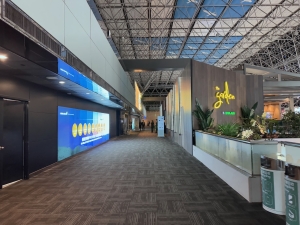
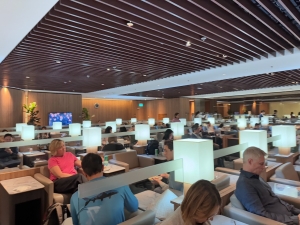
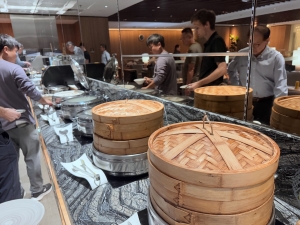
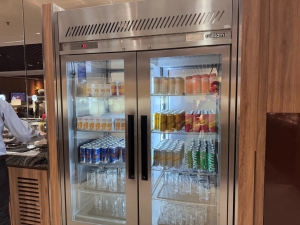
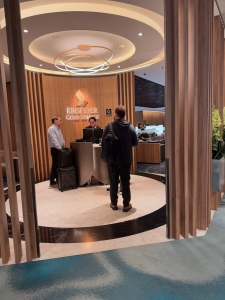
Being a KrisFlyer Gold member, I was able to use the KrisFlyer Gold Lounge, a lounge dedicated to Gold members. This lounge is not to be confused with the SilverKris Lounge next door, which serves passengers flying in Business Class on Singapore Airlines or Star Alliance Airlines. The KrisFlyer Gold Lounge has an earthy tone, which feels classy and relaxing. The bulk of the lounge real estate is furnished with rows and rows of armchairs with a small side table, catering for passengers who want to relax. The presence of table lamps with warm lighting enhances the relaxing vibe in the lounge. However, I find consuming food from the buffet on these seats a tad uncomfortable. I did not see any dining tables in the KrisFlyer Gold Lounge. There is a small business centre (if one can call that), comprising a work desk with two seats at the far end of the lounge, that caters to passengers who want to get some work done. The buffet section serves up a small selection of local food. Unlike the KrisFlyer Gold Lounge in Terminal 3, which comes with toilet and shower facilities, there are no toilet facilities or showers in the KrisFlyer Gold Lounge in Terminal 2. Passengers using the KrisFlyer Gold Lounge in Terminal 2 would have to exit the lounge and use the public toilet outside the lounge. Comparing to the KrisFlyer Gold Lounge in Terminal 3, the KrisFlyer Gold Lounge in Terminal 2 feels like a scaled-down version.
The Aircraft
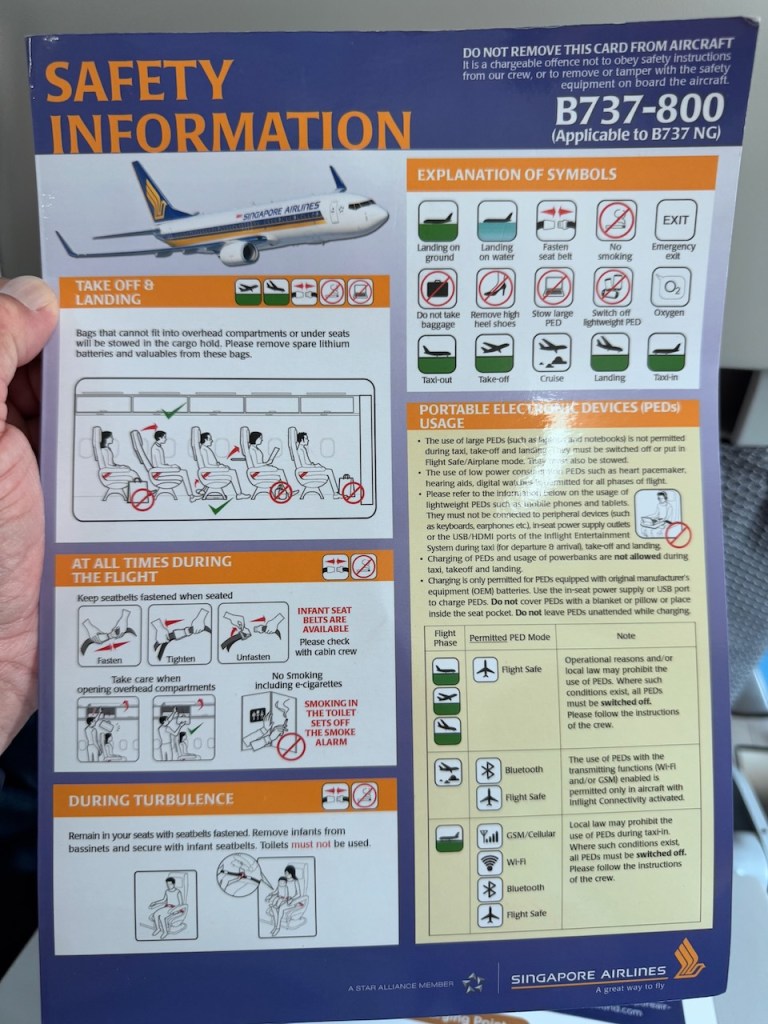
Singapore Airlines operates a myriad of aircraft, ranging from the wide-body A350-900 to the narrow-body B737-Max 8, between Singapore and Kuala Lumpur. We flew in the older and soon-to-be-phased-out B737-800NG, a hand-me-down from its sister airline, SilkAir, when the two airlines merged.
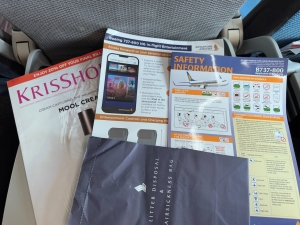
Singapore Airlines B737-800NG safety cardSingapore Airlines B737-800NG livery up close
The Cabin
Singapore Airlines B737-800NG Economy Class cabin looked bright and airy, owing to the white coloured bulkhead, bright lights, and large windows in the cabin. The pilots switched on blue mood lighting in the middle of the flight, which gave the cabin an updated look and concealed the aircraft’s age very well. The choice of alternating bright blue and light grey for its seats also contributed to the refreshing look of the aircraft.
There are three lavatories onboard Singapore Airlines B737-800NG aircraft. One serves the 12 Business Class passengers at the front of the aircraft, while the other two serve all 150 Economy Class passengers at the back of the aircraft. The space in the lavatories felt a little tight despite the airline’s attempt to use mirrors to give the illusion of a larger space. The Economy Class lavatories looked a little dated, with the greyish/cream colour used in the sink.
The Seat
Singapore Airlines B737-800NG has 150 Economy Class seats arranged in a 3-3 configuration. Each seat has a seat pitch of 30″ and is 17″ wide with a small recline of 3″ via the seat recline button on the armrest. I find the seats comfortable for an old aircraft for this short flight. The padding used for the cushioning and the thick adjustable headrest contributed to the comfort on the seat. The legroom for this flight is decent, but it can feel a little tight for passengers with longer legs. Besides the seat recline button, the reading light switch and flight attendant call buttons are on the ceiling above each seat, alongside individual air nozzles.
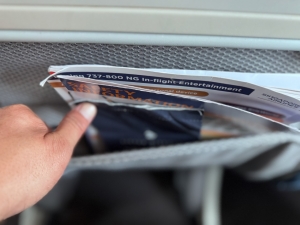
Being an Economy Class seat, the storage is limited to the seat pocket in front of the seat. Singapore Airlines B737-800NG has a single large seat pocket (unlike their wide-body aircraft, which have compartmentalised seat pocket design), which means the storage capacity in these seats is somewhat limited. There is another seat pocket on top of the seat in front of us, but the hard moulded plastic made it difficult to access the contents. Storing anything does not seem possible with the holes at the bottom of the pocket. For Economy Class seats, I thought the tray table was rather sizeable. Besides using it to place whatever was served during this short flight, the tray table is large enough for passengers to place their laptops and iPads.
Inflight Entertainment
As this is an older aircraft, the B737-800NG was not fitted with a personal TV in the seats. The only form of entertainment is the in-flight magazines in the seat pocket. Given that this is such a short flight, I am not bothered by the lack of entertainment onboard. I found an old-school audio control on the armrest of the seat. I could not test whether these channels worked because there were no earphones for this short flight.
The only form of entertainment is via this old school radioDrop down screens were only used for safety videos
Refreshment
Due to the short flight time of around 45 minutes, Singapore Airlines did not serve meals onboard. Instead, each passenger was given a choice of apple juice, water, or coffee/tea.
Only drinks are served for this short hop from Singapore to Kuala Lumpur
Service
For a short flight, I thought the service rendered by the cabin crew was fantastic. We were warmly welcomed by the Leading Stewardess at the door, who gave us a very warm smile despite an early flight. The cabin crew taking care of us at the back of the aircraft were equally friendly and warm. However, given the short flight time and the numerous passengers who made their way to the lavatory in the middle of a very short service time, we were almost not served with refreshments. This was certainly not the fault of the cabin crew, who were seen trying to ensure every Economy Class passenger was served with a refreshment. The cabin crew were cheerful and made the short flight very pleasant. Despite not being part of their job, the cabin crew helped us stow our carry-on in the overhead bin.
The diligent cabin crew rushing beverage service during the short flight
Afterthought
We had a pleasant flight despite the ageing aircraft, the short flight time, and the absence of in-flight entertainment. The seats felt comfortable, and there was a good amount of recline for the short 45-minute flight from Singapore to Kuala Lumpur. The crew were very friendly and did their best to ensure all Economy Class passengers were served a refreshment drink. I had a pleasant short flight with Singapore Airlines.
We fly out of Austria at noon today and leave for the airport at 8 am, as we were unsure about the traffic conditions and the time it would take to complete our VAT refund. There are two train options for getting to the airport from Vienna Hauptbahnhof: the cheaper, slightly longer OBB (costing €4.50) or the faster and costing three times more than the OBB (€15). We took an Uber instead, as we did not want to drag our luggage to the tram station and fumble to find the train platform in Wien Hauptbahnhof. The 30-minute Uber ride from the 3rd district to the airport costs us about €37.
VAT Refund at Vienna International Airport
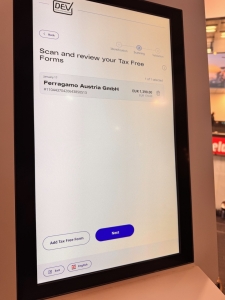
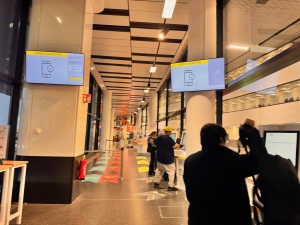
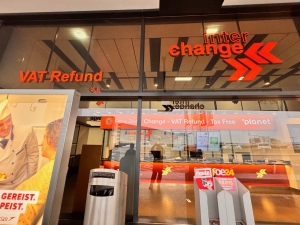
There are very few resources online on the tax refund process at Vienna International Airport. We were unsure if the VAT refund would be easy, like what we experienced at Paris Airport last year, or complicated, like what we experienced at Catania Airport two years ago. I catered additional time for our VAT refund. We had to complete our VAT refund before reporting to the check-in counters for our flight, as the customs may want to inspect the goods for which we are claiming a tax refund. To get our VAT refunded, we found the VAT refund counters (marked by a bright yellow DEV sign) by the second last door from the rightmost part of Terminal 3. For VAT refunds, we can scan a QR code at the DEV counters on our mobile phones (we need to connect to the airport wifi first) or use the kiosks. My friends and I tried using our mobile phones but found the wifi rather weak. We ended up using the kiosk, which was faster.
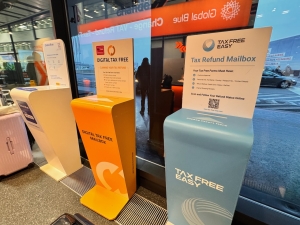
After scanning our receipts, we proceeded to the customs counter further down the lane to get our receipts validated electronically. Based on our experience, we found that the customs officer will only inspect the more expensive items. I got a Ferragamo bag for €1,350 and was not required to be inspected, whereas my friend was asked to present the €7,000 LV bag she bought. After getting our electronic stamps, for purchases that do not require inspection, we can either drop the VAT refund forms in the respective VAT refund company’s boxes (bring a pen along or fill up the receipts before coming to the airport) or claim cash from the inter-change counters after the validation counter. A small fee is charged for cash refunds. As for the items that required to be inspected, my friend had to hand carry the bag, clear immigration to the non-Schengen zone and present her bag to the DEV counter near our boarding gate. She only gets her validation stamp after the inspection.
Our Thoughts on Austria
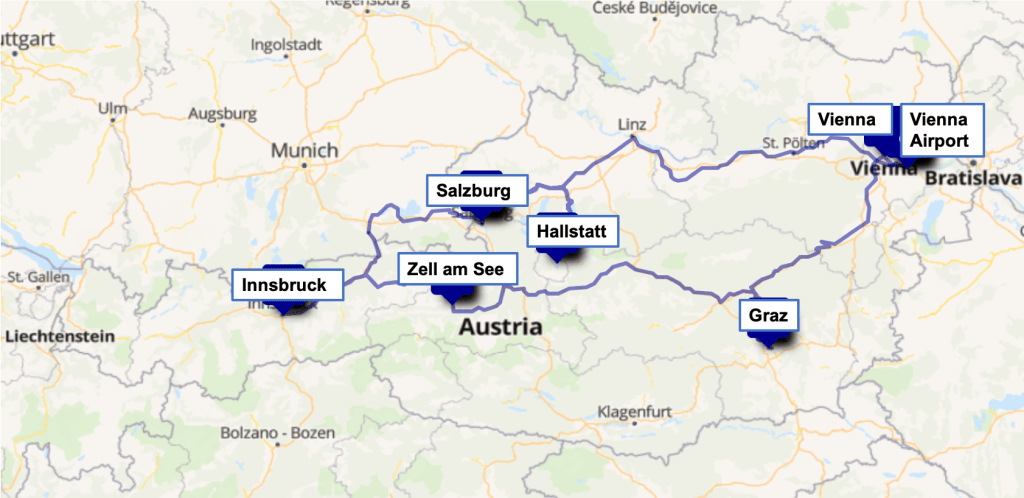
For our 12-day trip around Austria, we thought it was more than Salzburg and Vienna, which most people used as a thoroughfare between Hungary and Germany. It was certainly more than the picturesque Hallstatt, which inspired our trip to the country in the first place. Austria is a country of musical culture, beautiful architecture, and magnificent Alps. The locals we met on our trip were mostly friendly, but some took some time to warm up. We learned a lot from this trip through the guided tours of the Alps and the museums, the different climate zones and the artefacts we saw. Perhaps we came in the low season, the towns we visited were peaceful (except Vienna), and most importantly, they were very safe. We had no problems walking at night. Most of the cities we visited offered some sort of city card that covered most of the sights and all the transportation in the city, but not all of them are worth getting (such as Graz).
Our Summarised Itinerary
During our 12 days in Austria, we visited five towns and cities. Not all attractions are open in winter, so we went with our eyes open, knowing some of the sites would be closed. Winter in Austria is about fun in the Alps, where we see larger crowds skiing, snowboarding, or simply having fun in the snow.
Our Journey in Austria
Day 1 to 3: Salzburg
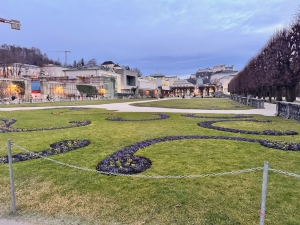
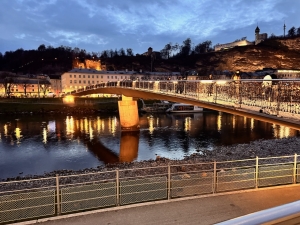
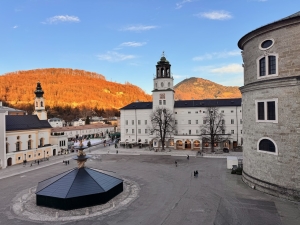
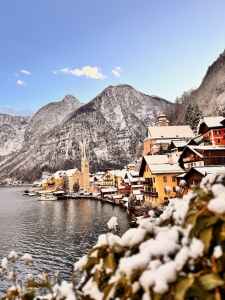
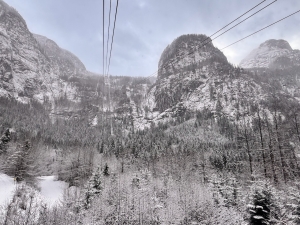
We started our trip from Salzburg, where we visited Schloss Mirabell and the gardens. We spent one full day visiting the sites in Salzburg, including Untersberg, about a 30-minute bus ride from the heart of Salzburg. I felt the sites in Salzburg city can be seen within one day as they are close to each other and the city is highly walkable. Starting from Hohensalzburg Fortress, we visited DomQuaritier, Mozart’s Birthplace, and St Peter’s Abbey and ended the night at Mönchsberg, which offered excellent night views of the city. We spent the third day in Hallstatt. The original plan was to get to Hallstatt before the closing of the Salt Mines and Skywalk. However, these attractions closed for annual maintenance before we arrived in Austria. In replacement, we went to Dachstein Krippenstein, hoping to get a bird’s eye view of Hallstatt and the lake. But the snowfall was too heavy that the attraction was closed. Hallstatt is a small town, and with the Salt Mine closed, I reckon half a day would be sufficient to see the town.
Day 4 to 6: Innsbruck
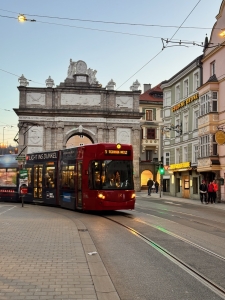
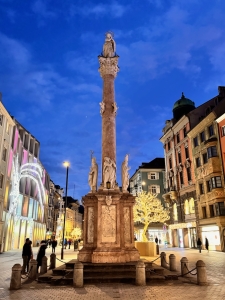
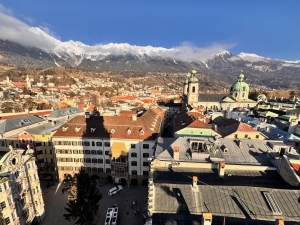
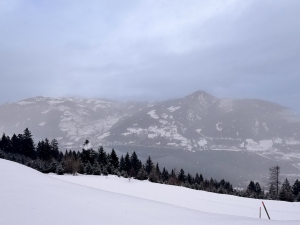
We visited Innsbruck for the Top of Innsbruck, one of the mountains easily accessible from the town. We started our Innsbruck trip with a visit to the Swarovski Crystal World. I thought the site could be skipped unless one is passionate about crystals or has an eye for art. We spent Day 5 in the Nordkette Mountains, having fun in the snow and getting a great view of the city from Seegrube. We also took the time to visit Alpenzoo, which I felt was a little boring. Before leaving Innsbruck for Zell am See on Day 6, we visited the City Tower and St. James’s Cathedral in the morning.
Day 6 to 8: Zell am See
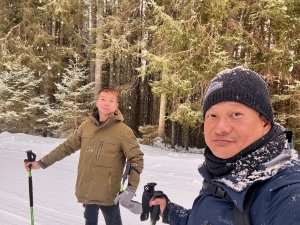
Zell am See was a stop we visited to break the otherwise long train ride from Innsbruck to Graz. This charming lakeside town was the most enjoyable town we visited. We spent the afternoon of Day 6 strolling in the town centre but missed out on the view of the lake from the promenade (which we never got to visit throughout our stay in Zell am See). Day 7 was dedicated to visiting Kitzsteinhorn, and we felt joining the guided tour was very insightful. Not only did we visit the mountains, but we also got to know Kitzsteinhorn better. We spent the morning on Day 8 on a snowshoe hike on Schmittenhöhe. However, the snowshoe hike with our knowledgeable guide was a refreshing experience; I would think visiting the mountain peak and seeing Lake Zell from above would be ideal (which we did not have time for).
Day 9: Graz
The second-largest city in Austria was often missed by visitors to the city. Graz was charming and compact, with sites within walking distance from each other. The people in the city were genuine and friendly. We thought Schlossberg gave us a great view of the city and the iconic Clock Tower. Joining the Walking Tour through the Historic City Centre gave us a good perspective of the city and the sites we saw. We would have missed out on some of the details if not for our guide. I reckon one full day is sufficient to cover the sites in Graz.
Day 10 to 12: Vienna
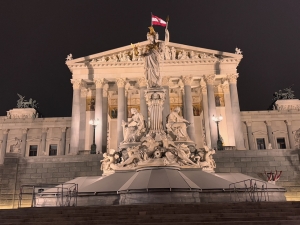
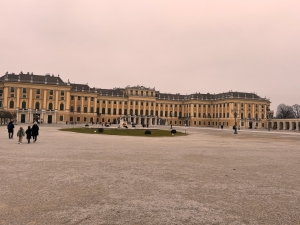
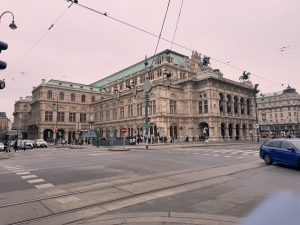
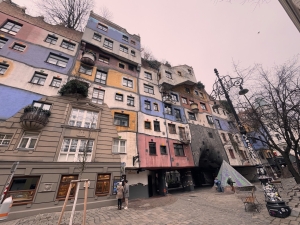
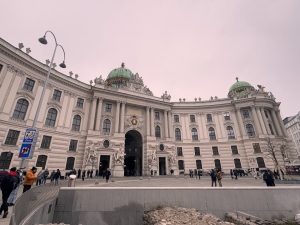
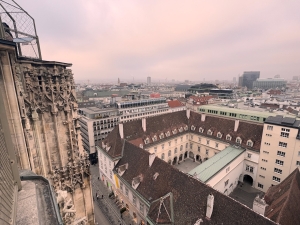
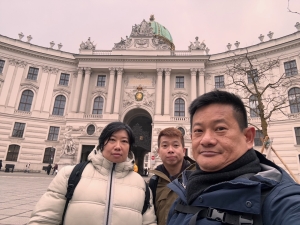
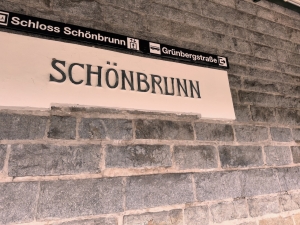
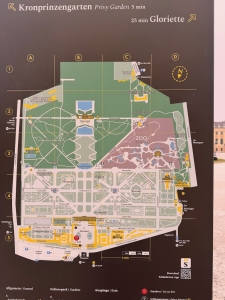
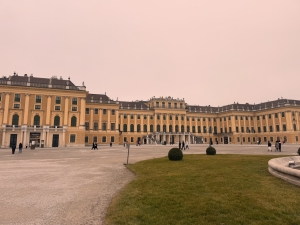
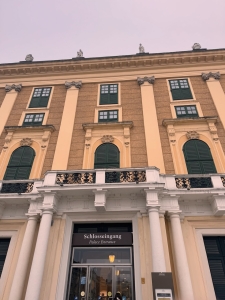
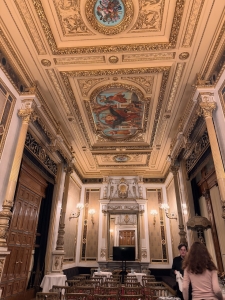
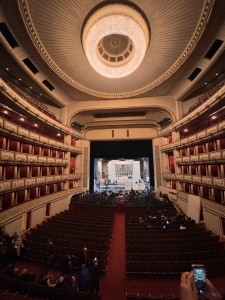
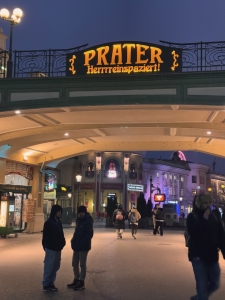
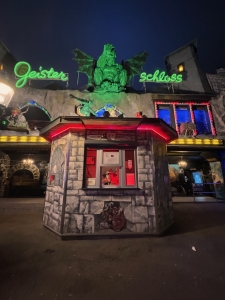
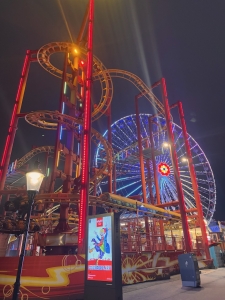
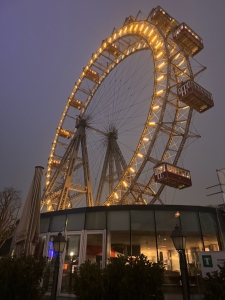
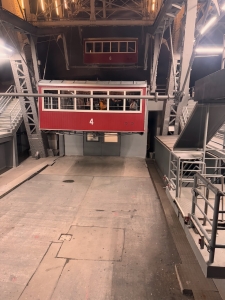
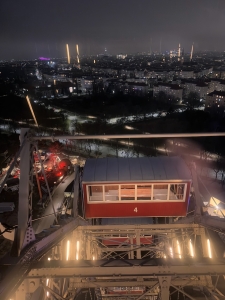
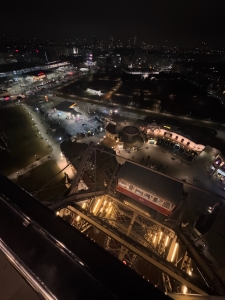
We spent our last three days in Vienna, the capital of Austria. I highly recommend joining the complimentary tour of Parliament Austria, where we learned about the country’s road to democracy and were shown places in the Parliament. We spent the rest of the evening shopping at Graben in Stephensplatz, and we were glad we did that. Shops closed earlier on Saturdays and were not open on Sundays. We had a busy day visiting the attractions on Day 11, starting with Schönbrunn Palace and Gardens, where we learned how the Habsburgs used this palace for the summer. In the afternoon, we joined a guided tour of the Vienna State Opera, visited Karlskirche and rode on the World’s Oldest Ferris Wheel in Prater Park. We started our Day 12 with a visit to the Hundertwasserhaus, followed by the Austrian National Library. In the afternoon, we joined a guided tour of Hofburg Palace; I thought touring the palace with the audio guide included in the ticket price would suffice as the guide did not add additional information about the palace. We ended our day with a visit to St Stephan’s Cathedral, where we went up the north tower, which offered a better view of Vienna from the terrace.
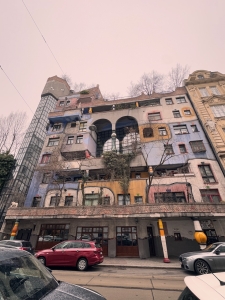
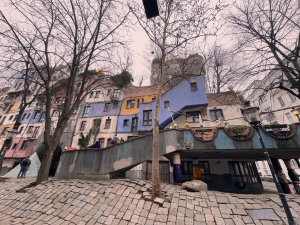
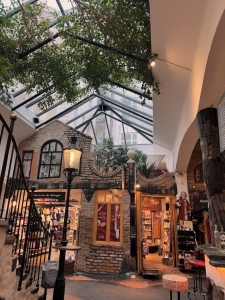
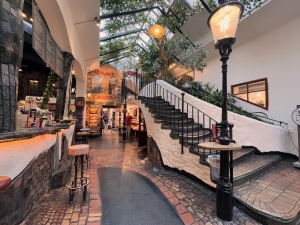
We started our final day in Austria with a bus ride to Hundertwasserhaus. The artistic and quirky building uses bold colours and irregular structure, making the building very Instagrammable. A direct bus #4 from our hotel took us to Hundertwasserhaus in under 30 minutes. We were captivated by the bold architectural style that Hundertwasserhaus offered. The building stood out from the rest of the buildings in the neighbourhood, with bright blue, yellow, and maroon colours. Parts of the building were adorned with mosaic-like tiles, although they did not form a picture, they were coherent. The Hundertwasserhaus is a small block of houses that did not take too long to visit. We also visited the Hundertwasser village opposite, an indoor space filled with souvenir shops and cafes. We hoped to get more information about Hundertwasserhaus from the village information centre, but it was closed on Sundays. After snapping a few more pictures, we left the house. Unique it may be, but I thought travelling to this part of the suburb just for the building was hardly worth the time. There weren’t any attractions in the vicinity, and the Hundertwasserhaus is just a block of private residences.
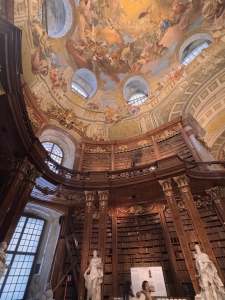
Austrian National Library State Hall: The World’s Most Beautiful Library
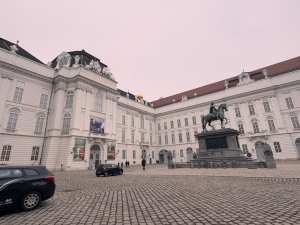
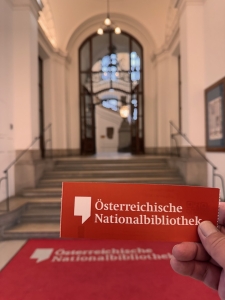
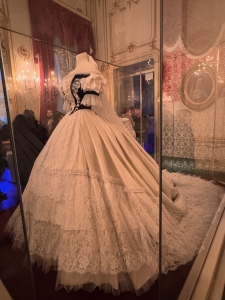
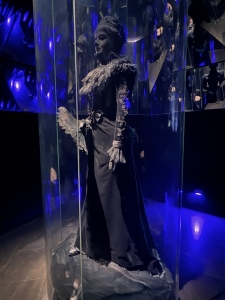
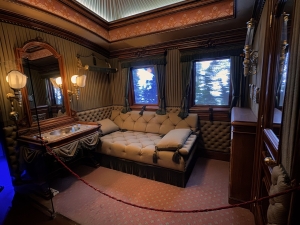
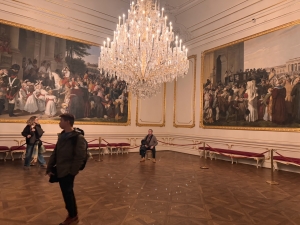
We were supposed to head to Hofburg Palace in the Innere Stadt, but I forgot to bring the printout of our tickets to Hofburg Palace. We hopped onto the next Bus #4 and returned to our hotel. After getting our tickets and since we still had some time before our guided tour of the Sisi Museum and Hofburg Palace, we could squeeze in some time for the Austrian National Library. The crown jewel of the Austrian National Library is the Baroque State Hall. I came to know of a guided tour to the State Hall organised by the library, and I wanted to join the tour (the tour booking can be found here). However, tours in English were not conducted in January during our visit; only German tours were conducted during this period. Entrance to the Austrian National Library costs €10, and we got €1 discount from our Vienna City Pass. The guided tour costs an additional €4.50.
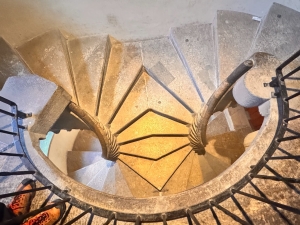
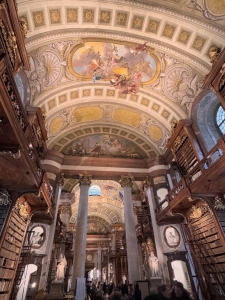
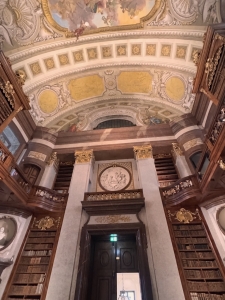
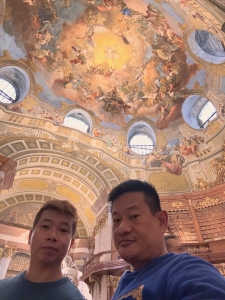
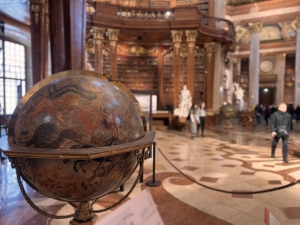
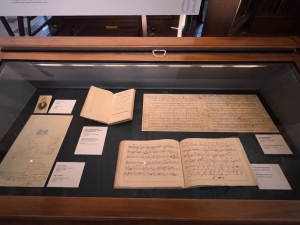
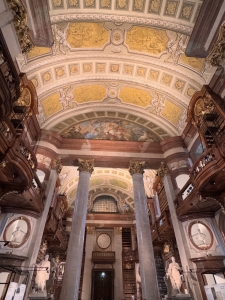
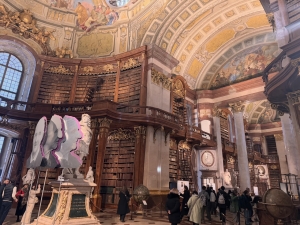
People came to the Austrian National Library for its State Hall. Built in the 18th century as part of the court library, the State Hall is Europe’s largest Baroque library, housing over 200,000 books on its richly decorated wooden shelves. Walking into the State Hall is like walking into the library featured in Disney’s animated “Beauty and the Beast”. High wooden shelves filled with books lined both sides of the hall; occasionally, we would spot a marble spiral staircase that led to the mezzanine level of the shelves. The walkway’s ceiling in the State Hall is beautifully painted with frescos alongside the patterned carvings. In the centre of the State Hall is a dome, where the frescos painted here blended in very well with the windows. There are some displays of relics and precious books along the walkway of the State Hall. However, few who came here stopped to read them. Most of us in the State Hall came for that Instagram picture of the library. As beautiful as it may be, the visit to the Austrian Library was only limited to the State Hall. I’d recommend joining the guided tour to understand more about the library or visiting only if one has the time to kill.
Cafe Demel: Experiencing the Viennese Cafe Culture
We had about 1 hour before our guided tour of the Sisi Museum in Hofburg Palace after we visited the Austrian National Library. We had time to experience the Viennese cafe culture. We walked along the street near the palace to hunt for a cafe and chanced upon Cafe Demel, which seemed to be a decent cafe with a crowd. We spotted a snaking queue that seemed to originate from the upper floors of the shop at the back of the shop on the ground floor. This queue is for those who came here to enjoy a cup of coffee and some pastries. We subsequently learnt that the cafe does not accept reservations and only entertains walk-ins. We stood in the line for about 5 minutes, and it did not seem to move. I recalled some empty tables at the front of the shop as we walked in earlier. I went up to a staff and checked on the tables. The friendly staff recommended taking the indoor seating as the cafe’s interior was worth the wait, plus sitting outdoors would be very cold in the middle of winter. The staff also told me the queue would move quickly, as a batch of 20 patrons is being let in at a time. True enough, we waited for the next 10 minutes to be shown to our table.
We were given a table on the second floor of the cafe. The staff recommended we take the table in the corner, as it has more space and would be better for photo taking. The room where our table is located has a rustic and cosy vibe (there seem to be different themes in each room in the cafe). Most of this room is decked with dark brown lacquered wooden walls and the ceiling. The chandelier that hangs from the ceiling adds a luxurious touch. We ordered some coffee and pastries, which tasted very good. I particularly like the walnut cake and the Kaiserschmarrn (an Austrian pancake). The vibe in the cafe was very good, with most people coming here for the Instagram-worthy shot. We left the cafe about 15 minutes before our tour of Hofburg Palace.
Hofburg Palace: The Primary Habsburg Palace
The Habsburgs, rulers of the Austrian-Hungarian empire, used the Hofburg Palace as their primary imperial residence. Today, the Hofburg Palace is the official residence and workplace of the Austrian President. There are two parts to the Hofburg Palace: the Sisi Museum and the Imperial Apartments. The tickets cost €19.50 for a self-guided tour with an audio guide and €24.50 for a guided tour through both the Sisi Museum and the Imperial Apartments. There is a €1.50 discount for both tickets by flashing our Vienna City Card. We went for the guided tour, thinking we might be able to see and understand more of the palace.
Sisi Museum: The Life of Empress Sisi
Our tour started with the Sisi Museum, which is the first part of the palace. The Sisi Museum displays artefacts and objects used by the Empress during her lifetime, from a replica of the diamond stars that we see in most of the pictures of her to her inauguration gown. There is even a replica of her train carriage. From our guide’s narration, we learned that Sisi was not happy in the court and often travelled to escape the politics of the palace. From our guide, we also learned about Empress Sisi’s daily routine and how she maintained her slender figure to maintain her title of being the most beautiful woman in the Austrian-Hungarian empire. In the last room, we were brought to an illustration of a man stabbing Empress Sisi, where our guide retold the story of how the Empress was assassinated by a psychopath in Geneva whose target was not Empress Sisi in the first place. The Sisi Museum was a small place with limited space. More often than not, we were battling standing space with self-guided tour visitors, dampening the museum visit experience. The guided tour of the Sisi Museum took about 30 minutes, and we transited to the Imperial Apartments.
Imperial Apartments: Where the Habsburgs Lived and Worked
For the next 30 minutes, we were taken through the 16 rooms of the Imperial Apartments of the Hofburg Palace, with our guide narrating the significance of each room. We started with the Audience Waiting Room, where we saw huge paintings hung on the walls, two of which depicted political events during the time and one showing the emperor returning from Bolivia. The rest of the rooms displayed the audience chamber, working space, and living spaces of the royalty when they called Hofburg Palace home. Most of these rooms were filled with furniture that served the required functions and was opulently decorated with crystal chandeliers, paintings and statues. From Emperor Franz Joseph’s Study, we can see how much he loved Empress Sisi, with numerous paintings of her in her long untied hair. Whilst in the bedroom, which Empress Sisi occupied in later years, our guide mentioned how the Empress would eat small meals in her chambers to maintain her figure. The Imperial Apartments also showcased the Empress’s dressing and exercise room, where the Empress spent most of her time. Here, we could see the simple exercise equipment like bars and rings, which our guide mentioned the Empress was very disciplined in spending hours working out daily. We were also shown a passageway being sealed off with brick walls, and our guide told us that behind the sealed-off brick walls was part of the President’s workplace. Our tour ended at the Dining Room, a large room with a long table where the imperial family would gather every Sunday for dinner. This is also where the royal banquet was held. Our guide mentioned that the table setting displayed on the dining table was exactly how they were set up during the reign of Emperor Franz Joseph.
I was a tad disappointed with the Hofburg Palace visit. The palace felt a little small compared to the Schönbrunn Palace, and there were no big halls for Royal events like the Great Gallery we saw in Schönbrunn Palace. The guided tour of the palace felt a little redundant in that the guide did not offer any additional information, nor were we shown parts of the palace exclusive to the guided tour. All the guide did was replace the audio guide. I’d save the additional €5 charged for the guided tour and went with the audio-guided tour (we could have saved at least €15 if we bought the bundled Sisi Pass, which included Schönbrunn Palace, Hofburg Palace and the Furniture Museum).
St Peter’s Catholic Church: A Short Stop to the Artistic Church
After leaving Hofburg Palace, we spotted a green dome church that sat at the end of a quiet side street along Graben while walking towards St Stephan’s Cathedral. We walked past this church two days ago. Since we had some time today, we decided to make a short detour to the church. The church’s facade is adorned with statues above its entrance and on its wall. The interior of the church surprises us. Despite its rather simple exterior, the inside of the church is decked with numerous delicately painted frescos coupled with detailed carvings on its ceilings. Every inch of the ceiling is either covered with paintings or carvings. The golden main altar stood out from the dark sand-coloured marble interiors; its lighting gave it a holy glow. As the church was not too big, we did not stay here for too long.
St Stephan’s Cathedral: The Icon of Vienna
We continued our walk to the final attraction of the trip – St Stephan’s Cathedral. This was the first time we saw St Stephan’s Cathedral in the daytime. Standing by the square on which the cathedral sits, we can see the complicated exterior, as though someone has pasted different patterns on most of its facade. The exterior reminded me of the Duomo di Milano we visited two years ago. The St Stephan’s Cathedral has two towers, with the taller south tower (we jokingly referred to this south tower as the Eiffel Tower of Vienna when we first saw it last night). Legend has it that the original design of the cathedral would have the north tower being the taller of both towers. However, as the south tower was being completed, it was discovered that there was not enough funding and space to complete the north tower. There is no charge for entering the cathedral, but it would cost €7 to scale up the south tower and €6.50 for the north tower. No discount is offered for holders of the Vienna City Pass when going up the towers. The entrance to the south tower is located outside the cathedral, while the north tower is inside. We came to St Stephan’s Cathedral for the bird’s eye view of Vienna from one of these towers. While researching which tower to visit, I saw recommendations for the north tower as there is an outdoor platform on the top of this tower, while we can only look out into Vienna from small windows on the south tower. As a bonus, the north tower is the only one fitted with a lift. We were impressed with the gothic interior of St. Stephan’s Cathedral. Despite not having brightly painted frescos or carvings on the ceilings, the relatively simple interior made the stained glass on the windows stand out. We could focus our attention instantly on the cathedral’s main altar.
We got our tickets from the ticketing counter at the entrance of the lift to the viewing platform on the north tower. A short lift ride later, we were transported to the top of the north tower. The platform is not very large; we were able to walk from one end to the other in under 3 minutes. The first thing that caught our eyes from here was the two eagle mosaics on the cathedral’s roof, symbolising the Habsburg empire. We could see Vienna from a vantage point, from the Stephansplatz below to the Vienna Giant Ferris Wheel afar. The view up here is indeed breathtaking. A giant bell is installed at the top of the north tower. My friend and I attempted to wait for the half-hour mark to hear the bell strike. However, it did not happen. As the winter breeze was cold and we had seen what we had come here for, we headed back down and returned to our hotel to pack for our departure tomorrow.
I initially planned two attractions for today: a visit to Schönbrunn Palace and a guided tour of the Austrian State Opera. As we had some time after visiting the two sites, we also went to St. Charles’ Church, which is not too far from the State Opera and ended our day with a ride on the Vienna Giant Ferris Wheel.
Schönbrunn Palace and Gardens: The Habsburg’s Summer Residence
While Paris has Versailles, Vienna has Schönbrunn Palace, the summer residence of the Habsburg family and the largest of Vienna’s three palaces. The palace contains more than 1400 rooms and a large garden, but only 40 rooms are open to visitors. Schönbrunn Palace is very well connected to the local transit system, and there is a U-bahn Station (Schönbrunn Station) just across the road from the palace. The Grant Tour of Schönbrunn Palace’s ticket price is €32 (click here for ticketing), which includes an audio guide device for visitors to use for self-guided tour of the palace.
The Schönbrunn Palace
Passing through the palace’s main gates, we were immediately greeted by a large open space. The palace courtyard gave us a great view of the grandeur and the size of Schönbrunn Palace. Those who did not pre-purchase their tickets can be bought on the spot from a building to the left of the main gate. The entrance to the state apartments in Schönbrunn Palace is on the left of the main palace building. After the mandatory depositing of our bags at the cloak counter, we spotted a small chapel before the turnstiles to the state apartments. This is the Palace Chapel, which has marble interiors and golden statues that make it look grand and fitting for royalty. The chapel looked bright and airy, thanks to the high ceiling and windows fitted here, which let in natural light. The audio guide that came with the tickets to Schönbrunn Palace is very easy to use and can be collected at the counter beside the turnstile. The self-guided audio Grand Tour of the Palace covers all 40 staterooms, starting from the East Wing.
East Wing: Apartments of Emperor Franz Joseph and Empress Sisi
The East Wing mainly contains the apartments and office space of Emperor Franz Joseph and Empress Sisi, with the first few rooms used as waiting and audience chambers. The Audience Chambers are decked in brown marble, complementing the red velvet chairs. Here, we saw a table that Emperor Franz Joseph used when reading the report submitted by officials. The interesting part about this wing is the contrast between the Emperor and the Empress in the bedroom. Emperor Franz Joseph was a practical ruler and had a modestly decorated bedroom. There were no opulent engravings, golden plastered walls, or decorative furniture. The Emperor merely had a bed and a couch set in his bedroom, as well as portraits of his wife and his family. There was a painting in the Emperor’s bedroom depicting his demise on the bed on display here. In contrast, Empress Sis has three rooms: a dressing room, a study and her private chambers. These rooms were decorated with bright-coloured walls and gold-trimmed plasters on the walls. A statue on display in her dressing room shows guests the length of her hair.
The other significant room in this wing was the Imperial couple’s bedroom, which the Emperor and Empress shared during the initial years of their marriage. The seating and wall panels are covered in a deep blue silk damask with white floral garlands, making the bedroom stand out. The Hall of Mirrors was perhaps the most decorated room in this wing. This Hall of Mirrors was where the Emperor granted Public Audiences, where any subject of the empire could seek an audience with the Emperor. I think this hall got its name due to the numerous large mirrors hanging on the walls of this hall.
North Parade Court Wing: The Place where the Royals Entertain
I thought the Great Gallery would be the most impressive hall in the entire Schönbrunn Palace. This large hall, mainly used as the palace’s ceremonial hall, is decked with gold trimmings on the walls and the ceiling and adorned with three large frescos on the ceiling. The golden chandeliers hanging from the ceiling reinforce the baroque-style decoration in this hall and contribute to the luxurious vibe. This is the most beautiful hall in the entire palace, and we could stay here longer to admire the detailed massive frescos painted on the ceilings. Though not as grand as the Great Gallery, the Small Gallery felt like an extension of the Great Gallery. Here, we could look out into the Schönbrunn Gardens through one of the windows.
West Wing: Chambers of Empress Maria Theresia
The West Wing was the apartments used by Empress Maria Theresia, the great-great-grandmother of Emperor Franz Joseph. The rooms in this wing were equally opulent, mostly painted in white with gold trimmings on the walls. Most rooms here had huge paintings depicting Empress Maria Theresia and her husband on the walls. Through some of these rooms, we can see the love of Chinese-influenced art by the Empress, as seen in the Vieux Laque Room, a reception room used by Emperor Franz I Stephan. The other significant room in this wing was the Rich Room, Empress Maria Theresia’s bedroom. Covered in bright red walls, the centrepiece of this room was the restored bed of the Empress. The lace artwork on the bedframe was intricate and showed the effort that had gone into making the bedframe worthy of the Empress.
The Schönbrunn Gardens
After spending about 1 hour doing the self-guided tour of the state apartments, we went to the Schönbrunn Gardens behind the palace. Visiting the 160ha garden is free, but there are charges for visiting the palm house, zoo and garden maze, all located within the garden grounds. We came to the Schönbrunn Gardens to visit the Gloriette, a pavilion perched on top of a small hill like a crown on the head of royalty. To get to the Gloriette, we first walked through the Great Parterre, a large open space with symmetrical beds. But these beds were under maintenance during the winter time when we visited. Numerous Roman statues aligned both sides of the Great Parterre, which looked like guards welcoming the royalties whenever they stepped foot into the gardens. The Neptune Fountains sit between the Great Parterre and the Gloriette. I feel most people skipped stopping at the Neptune Fountains, where we found some great vantage points at the back of the fountains to take pictures with Schönbrunn Palace. We were nearer to the Gloriette from Neptune Fountains; after a short walk uphill, we arrived at the crown jewel of the Schönbrunn Gardens – The Gloriette. Built in 1775 as the last building constructed in the garden, the Gloriette was built to serve as both a focal point and a lookout point for the garden. It was used as the Emperor’s dining hall, festival hall, and breakfast room. Today, a cafe occupied the Gloriette. On top of the Gloriette sits a lookout terrace looking out into the gardens and Vienna, which was closed during winter. Nonetheless, we were treated to a splendid view of Schönbrunn Palace and the Gardens from the Gloriette.
Vienna State Opera
The Vienna State Opera organised regular tours of the building at €15 per pax in various languages, with more in English and German (click here for booking the tour). We booked our tour about 1 month before our trip to Austria. We arrived at the Vienna State Opera about 15 minutes before our tour and were surprised to see two queues at the entrance, one for those who had booked our slots online and the other for walk-ins (leftover tickets will be sold to walk-ins). There were no signs telling us which queue we should be standing in. Eventually, one of the staff members at the door gave directions to the queuing situation. As several language-guided tours were happening at the same time slot, each group was shown the parts of the State Opera in different sequences. Ours started from the side stairways to transit to the first floor of the building (while some others used the main Grand Staircase). We stopped by the Grand Staircase in the middle of the hallway, where our guide introduced us to the baroque architecture and the paintings we saw here. The marble Grand Staircase was indeed grand. The detailed carvings on the walls, some tastefully ornamented in gold, the two statues, and the paintings beautifully decorated this part of the building, giving it a posh and grand vibe. We were told the Vienna State Opera was bombed during World War II. Fortunately, part of the building survived the bombing. We were then brought to a small room behind the Grand Staircase. Decorated with gold trimmings, elaborate carvings on the walls and ceilings, and a fresco on the ceiling with bright colours, the Tea Salon was formerly reserved only for the Emperor and his guests. Today, anyone with the money can reserve the Tea Salon.
The next area we were shown was Marble Hall, a large space with relatively simple decor. Our guide told us this hall was rebuilt after WWII as it was one of the casualties of the war. The Royal Box was our next stop on this tour. The Royal Box was reserved exclusively for the royalty, which offered a spectacular view of the stage. We were invited to sit in the Royal Box while our guide narrated the purpose of the Royal Box and the reconstruction of the auditorium. After the Royal Box, we were guided to the Gustav Mahler Hall, a room for intermissions, concerts and special events. This room houses 13 tapestries produced over six years, depicting scenes from Mozart’s The Magic Flute. A short walk from Gustav Mahler Hall, we came to the Schwindfoyer, a small annexe beside the first floor of the Grand Staircase. Our guide told us this room was one of the surviving original parts of the Vienna State Opera. This room was elegantly decorated with paintings and carvings, most covered in gold, that left no empty spaces on the ceilings and parts of the wall. Hanging above each door that leads to the balcony are busts of famous composers. We found the busts of Mozart and Beethoven over some of these doors. Equally impressive is the balcony, which looked out into Ringstraße and served as the facade of the State Opera.
Our final stop at the Vienna State Opera was the Great Hall, the auditorium of the building. The Great Hall, decked with red velvets on the walls, looked grand and elegant. We were led to the front row of the horseshoe-shaped auditorium, where our guide told us about the different seating options and some standing rooms on the uppermost floor of the Great Hall. From where we were seated, we could see the orchestra pit lowered before our eyes (not sure if we were there at the right time or if it was raised and lowered as part of the tour). Our guide also told us that there are different performances daily, so the crew had to constantly change the setting of the stage daily. Our guided tour of the Vienna State Opera ended after the Great Hall, where we were led back to the foyer. Having gone through a guided tour of Parliament Austria, we expected the State Opera tour to be informative and insightful. However, we thought the tour was not as enjoyable. Due to the many tours taking place at the same time and the soft voice of our guide, we missed out on the narrations of our guide most of the time. While the tour of Parliament Austria issued each tour member a wireless headset to hear the guide better, the Vienna State Opera did not.
Karlskirche
As Karlskirche (St Charles’ Church) was very near to the Vienna State Opera, we visited the church after our State Opera tour. Sitting behind a large pit, the 18th-century green domed baroque church with two tall pillars by its side towers over Karlsplatz. As we walked closer to Karlskirche, we could see the engravings on the two pillars. Karlskirche was built after the last great plague epidemic, after Charles Borromeo, who was revered as a healer for plague sufferers. The entrance to the church is at its side. Entrance to the church costs €9.50, and we got a €1 discount by flashing our Vienna City Pass. Besides the church, the entrance fee gave us access to the terrace, the Church model, the Treasury and the Organ. Our strategy was first to make the 120 steps climb to the terrace and work our way down.
Despite being at an elevated point, we could only see part of Vienna from the terrace. The furthest we could see was the towers of St Stephan’s Cathedral. The park (Karlsplatz) and the pit we were on a while ago in front of Karlskirche dominated our view from the terrace. However, as we were rather close to the pillars, we could see the parts of the pillars that were being restored on top of the detailed carvings on them. Since there wasn’t much of a view, we left the terrace for the other parts of the church. We next headed to the treasury, where a small collection of relics and clothing of Charles Borromeo were being displayed. We did not stay at the treasury for too long and headed to the organ loft. Here, we were up close to the organ but were more attracted to the view of the church’s interior from the loft. Up there, we could see the carvings and the frescos on the inside of the dome clearer. Next, we headed to the ground floor of the church. The amount of artwork spread across the ceiling and the pillars made the church’s interior feel more like an art museum. Countless life-like angel statues were mounted on top of the pillars inside the church. Even the altar was a masterpiece. We did not stay in Karlsskirche for too long, as it was still early and Karlskirche was next to the U-Bahn station, so we took the U-Bahn to Prater Park to ride the world’s oldest Ferris wheel.
Prater Park: Home to the World’s Oldest Ferris Wheel
Prater Park is one of the oldest amusement parks in Vienna and opens till late at night. The park is easily accessible by the U-bahn, with Prater station being the closest to the park. Admission to the park is free, and visitors only pay for the rides they want to take. At the time of our visit, most of the outdoor rides were closed, and only a handful remained open. My friend and I first went on the haunted house ride, which is entertaining (rather than scary) at best. Our purpose for coming to Prater Park is to ride the iconic Viennese Giant Ferris Wheel. There are two Ferris wheels in Prater Park, a newer and taller one next to some roller coasters and the older one near the entrance. The 65m Vienna Giant Ferris Wheel is the world’s oldest ferris wheel, operating since 1897. Tickets cost €14 per adult (Vienna City card gave us €1 discount). Before the ride, we were made to walk through a small exhibition using the wooden cars on the ferris wheel. Sitting in one of the wooden cars, as we were slowly being hoisted up to the top of the wheel, the view of the park slowly became smaller, and views of Vienna City in the distance occupied our attention. We were treated to a great night view of Vienna at the top of the wheel. As we did not want to ride on the roller coasters in the winter, we left Prater Park after the Ferris Wheel ride.
Night View of Vienna
Vienna has a lot of beautiful buildings. As the night was still young, my friend and I wanted to see these buildings at night. There used to be a complimentary tram service around the Ringstraße, where most sights are located. However, this service has since ceased when we visited the city. A Google search revealed alternate trams around Ringstraße, which involves changing trams halfway through the Ringstraße. We took Tram #2 from near our hotel and somewhat missed the stop to change trams. The tram turned in from the Vienna City Hall and went further into a residential area. At the end of the line, we hopped onto the next tram and alighted at the City Hall. From here, we walked around to see some of the buildings further from the main Ringstraße. We called it a night and returned to the hotel after seeing these buildings.