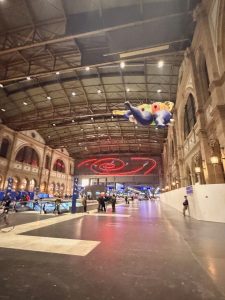
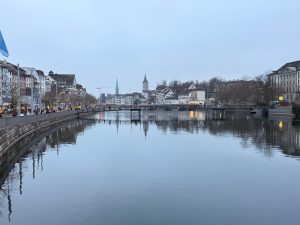
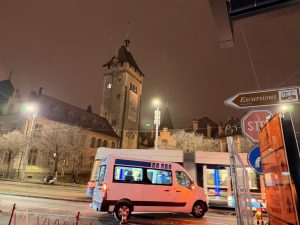
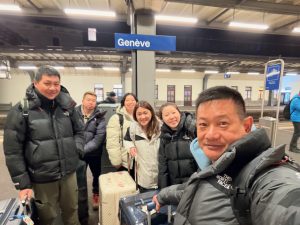
We initially planned to visit the tower on Uetliberg Mountain for a bird’s eye view of Lake Zurich after our scheduled visit to the Lindt Chocolate Museum. However, based on our experience on the tower on Gurten Kulm in Bern on Day 2 of our Switzerland trip and the strong recommendation by the Malaysian lady we met in Grossmünster yesterday, we switched our final destination in Zurich to Rhine Falls. We checked out of the hotel early and headed to the train station to store our luggage as we had an evening train to Geneva. It only made sense for us to store at the train station in case we were short on time later in the day.
Lindt Chocolate Museum
Getting to the Lindt Chocolate Museum
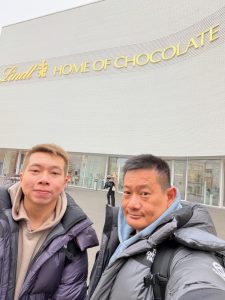
There are two chocolate museums near Zurich, the Lindt Chocolate Museum is a mere 45-minute train ride, while the Läderach Chocolate factory is a whopping 2-hour train ride. As we did not have much time today and we wanted to take it slow, we opted for the more popular Lindt Chocolate Museum. I would much prefer to visit the Läderach Chocolate Factory as the entrance fee includes a chocolate-making class, while the Lindt Chocolate Museum only allows tasting. Getting to the Lindt Chocolate Museum is very easy from Zurich. We opted for the route with the least walking by taking train S8 from Zurich Hauptbahnhof to Wollishofen and transferred to bus #165 for six stops to the Lindt Chocolate Museum. We booked the earliest time slot, the 10 am time slot, so that we can have sufficient time for an afternoon excursion.

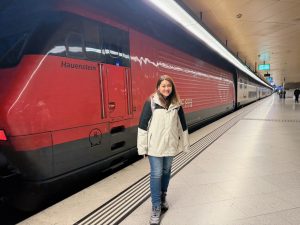
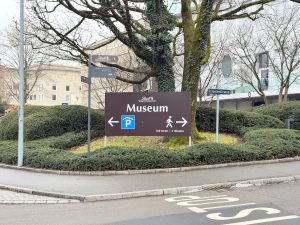
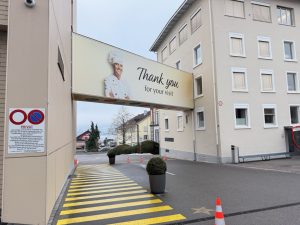
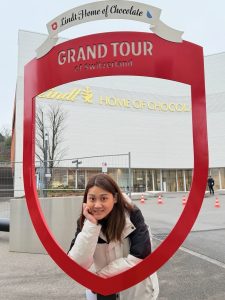
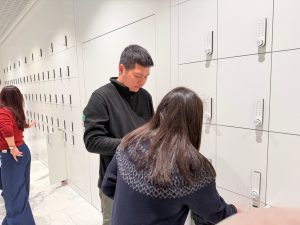
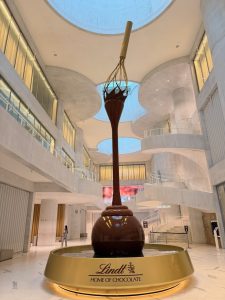
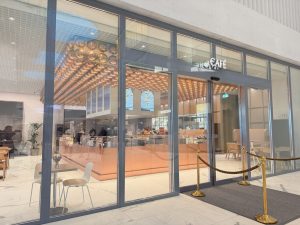
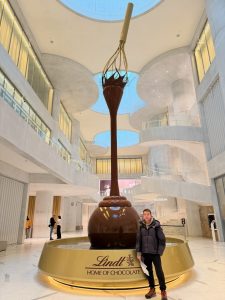
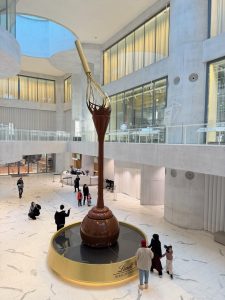
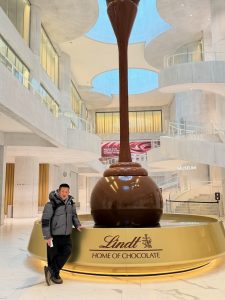
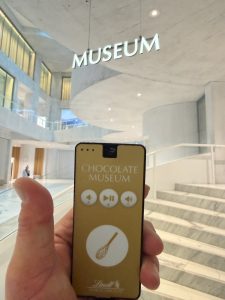
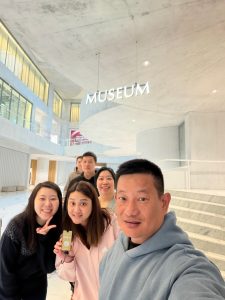
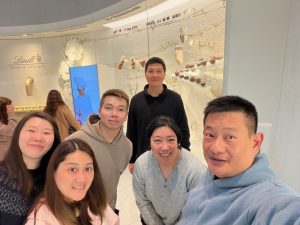
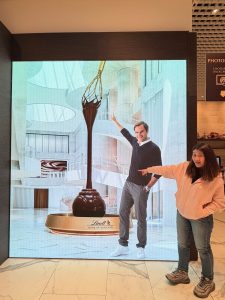
We arrived at the Lindt Chocolate Museum at around 9.30 am, and had to wait a little as the museum would only open at 10 am. Our attention was captivated by the large chocolate fountain in the middle of the foyer as we entered the building. This is the largest chocolate fountain in the world, and naturally, it is where all the visitors would stop to take pictures with. There is a locker room on the left of the chocolate fountain where all visitors store their jackets and bags. While we were not too sure how strict the staff at the museum were regarding bags and coats, we stored them anyway (we did not see anyone being turned away at the entrance, as everyone stored their bags and jackets in the lockers provided). After storing our stuff in the lockers and loitering around a bit, we headed to the spiral staircase next to the chocolate fountain. This is where we picked up the audio guide that would explain the exhibits that we would see along the self-guided tour.

All About Chocolates: From Planting to the Final Product
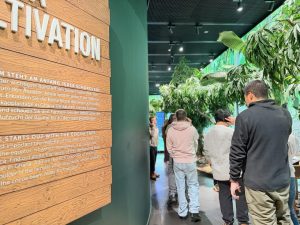
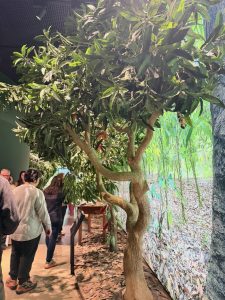
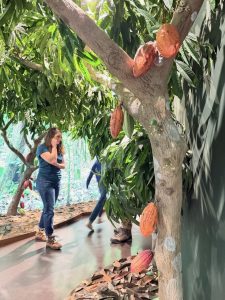
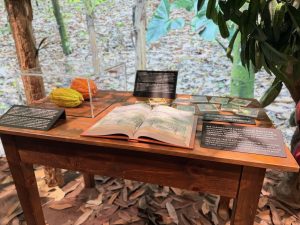
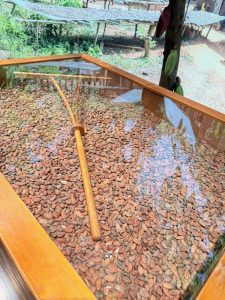
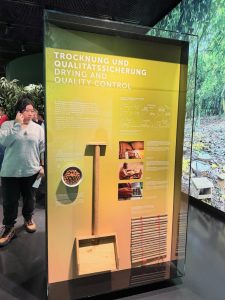
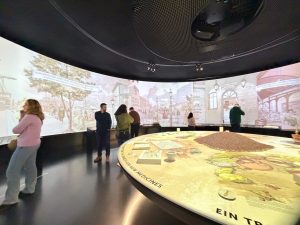
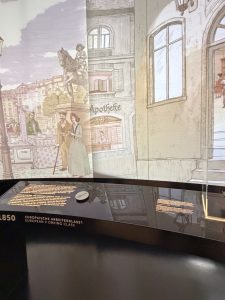
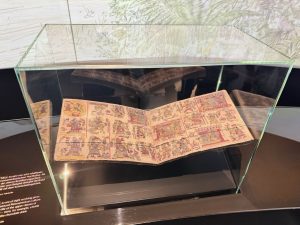
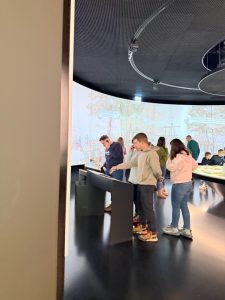
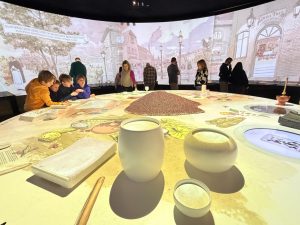
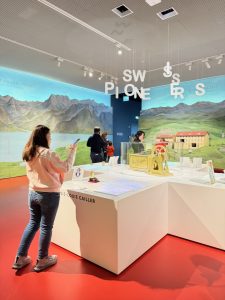
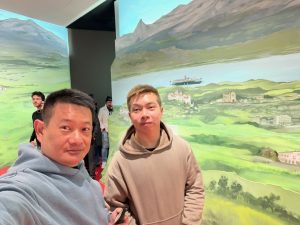
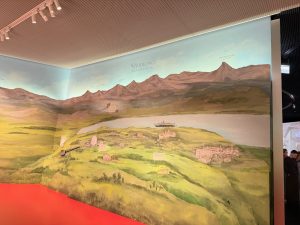
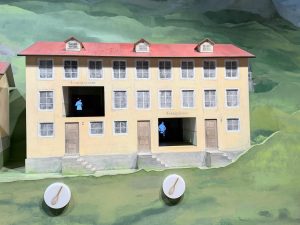
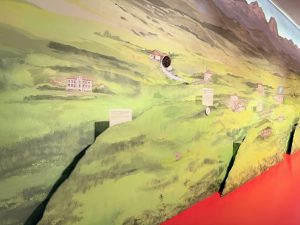
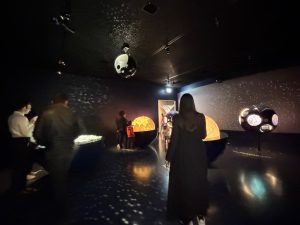
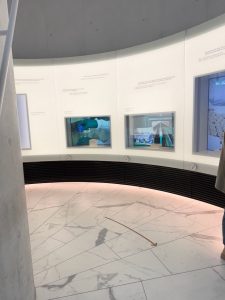
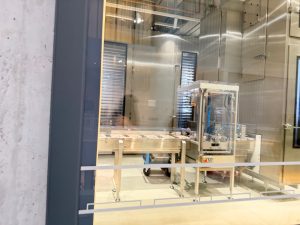
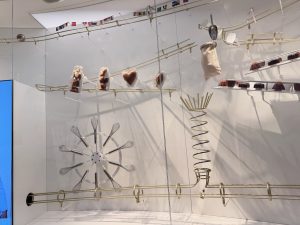
The Lindt Chocolate Museum generally has five rooms for us to explore. The first room shows the initial phase of chocolate making, how the main ingredient of cocoa was produced for the making of chocolate. The first room has a foresty decor to showcase a typical chocolate plantation, educating us on how the farmers prepare the plantation for cocoa planting and how they harvest. The second room is a huge room that introduces the origins of chocolate and how the Europeans got the recipe from the Mayans, who used the unsweetened and bitter cocoa drink to offer to the gods. This section also told us how the Europeans brought cocoa drink over to Europe and how they refined the chocolate to the present-day sweet version. I thought the third room existed for the purpose of marketing the Lindt Chocolate brand. It showed us how the Lindt Chocolate was discovered by mistake and how it was distributed in Switzerland in the early days. I like the miniature buildings and the painting of the Swiss Alps in this room. By this time, we were already giving up on listening to the audio guide and were ready to jump to the fourth room.


Highlight of the Tour: Unlimited Chocolate Tasting
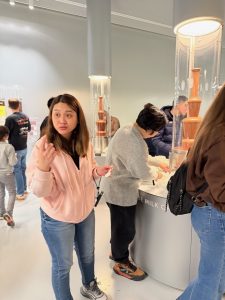
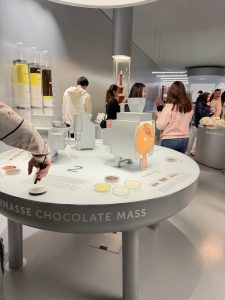
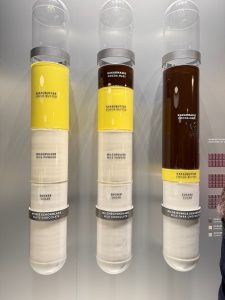
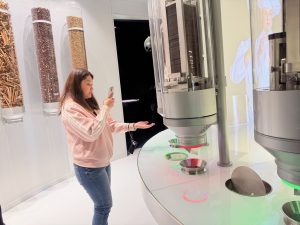
The fourth room was what we were here for – to taste as many chocolates as we could. There were mainly two types of machines which we could get unlimited samples of chocolates: the small chocolate block dispensing machine and the liquid chocolate dispensing machine. Practically all the visitors hopped from station to station back and forth to taste all the chocolates, not once but several times. This room was also where most of us stayed the longest. I liked the liquid types better as they tasted warm, fresh and very smooth. After we had our fair share of chocolate, we headed for the next room, where we could take samples of the various chocolates that Lindt sells. There weren’t any signs around limiting the number of chocolates one could take, but there was a staff member at the counter keeping her eagle eyes on all the visitors. We spotted two girls who managed to bring their jackets into the museum, filling as many of the chocolates as they could into the bucket that they hid underneath their jackets. What sneaky geniuses!
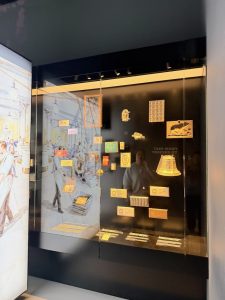
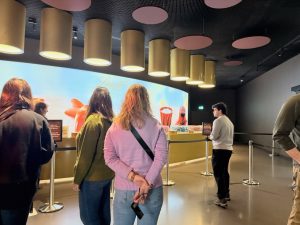
The very last station of the tour was a giant wall where we could get one small chocolate bar after scanning the QR code on our ticket. Initially, we were unsure if the QR code was one-time use and tested it out, and to our surprise, we could do it multiple times. We went on both machines several times in our attempt to get the different flavours (the feature wall was giving out three flavours), and subsequently stopped as more visitors from the 10 am slot ended their tour and started making their way here. There is a gift shop in the museum where we bought some Lindt Chocolates. I did not find the prices here any cheaper than those in the supermarket or in town. We left the museum for the Rhine Falls, which is located in the northernmost part of Zurich. We made our way back to Zurich Hauptbahnhof, where we transferred to another train to the waterfall.
Rhine Falls – The Largest Waterfall in Europe
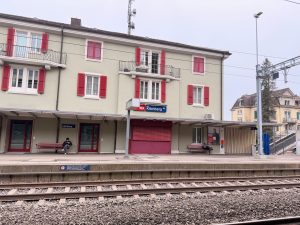
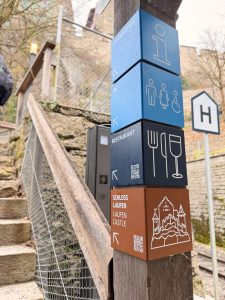
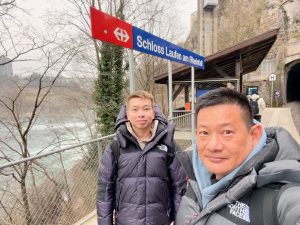
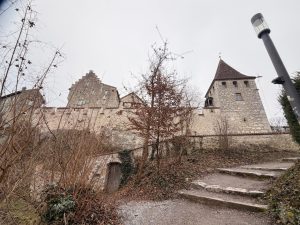
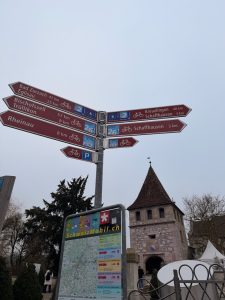
In order for us to get back to Zurich Hauptbahnhof in time for our 6 pm train to Geneva, we scrapped our initial plan of taking a cruise on Lake Zurich from the Lindt Chocolate Museum to the Zurich city centre in the interest of time. To get to Rhine Falls from Zurich Hauptbahnhof, we took train S12 to Schloss Laufen am Rheinfall Station. The journey from Zurich to Rhine Falls station took about 30 mins. Upon alighting from the train, there are plentiful signs from the train station pointing us to the waterfalls. Sitting above the staircase where we alighted is the Schloss Laufen, a 1000-year-old medieval castle sitting on the rocks by the Rhine Falls. But our first order of things was to see the waterfall from the various viewpoints across the river.
Rhine Falls Viewpoints
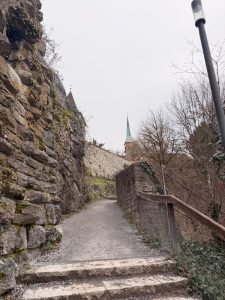
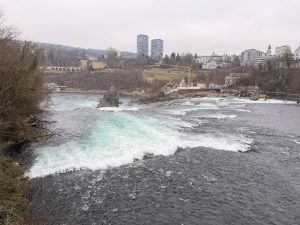
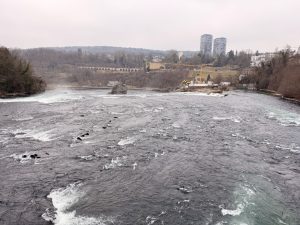
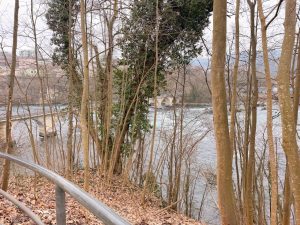
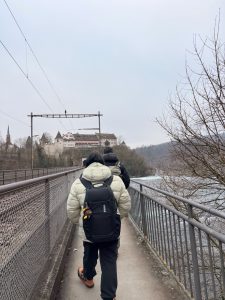
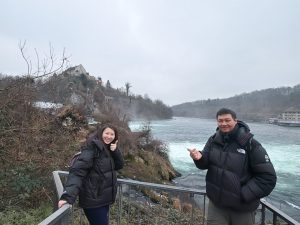
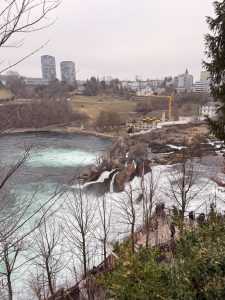
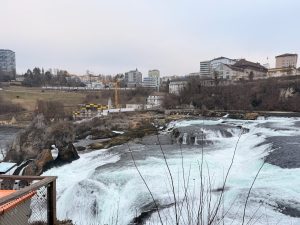
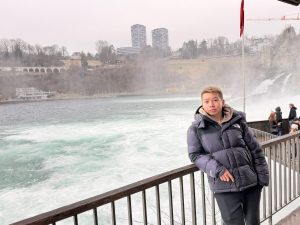
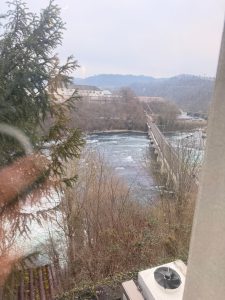
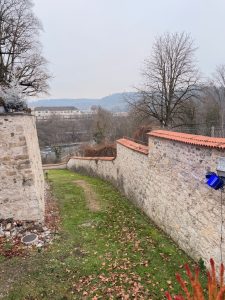
During the summer, there will be boats either plying between the Schloss Laufen and Schlössli Wörth opposite, or up to the rocks in the centre of the falls. However, boats are not operational during winter. To get to the opposite bank, we walked on the Rheinbrücke bei Laufen, the closest bridge to Schloss Laufen. Rheinbrücke bei Laufen is a bridge that is mainly used by trains, but has well-protected sidewalks for pedestrians. There are two sides to the bridge; we opted to walk on the side that is facing the waterfalls. Rheinbrücke bei Laufen offered us a calm view of the top of the Rhine Falls, but it does not offer the view of the massive volume of water gushing down the falls. After crossing the bridge, we followed the well-marked path towards Schlössli Wörth. We spotted a couple of viewpoints along the way that offered views from the top of the waterfalls, but we did not find them spectacular either. There are a couple of viewpoints that were somewhat obscured by the wild vegetation. There is one viewpoint, next to the so-called watermill, which we thought gave us a good view of the waterfalls and Schloss Laufen. For those who did not want to walk all the way to Schlössli Wörth, or are short of time like us, the viewpoint at the watermill was a great spot. From this viewpoint, we could see there are more viewpoints at the base of Schloss Laufen opposite that seem to be able to get us close enough to the Rhine Falls. In the interest of time, we made our way back to the Schloss opposite the river.
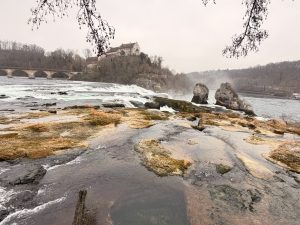
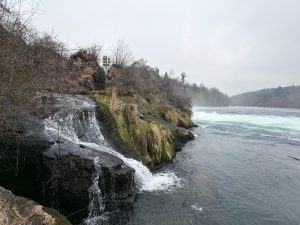
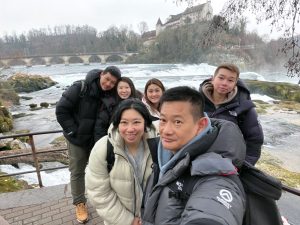
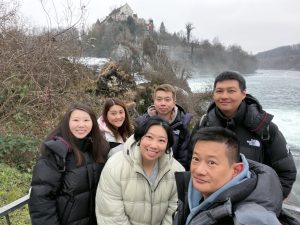
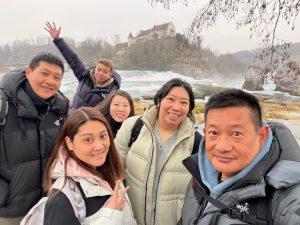
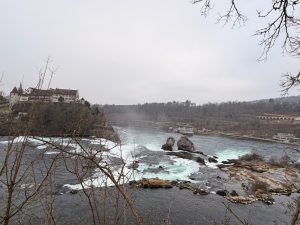
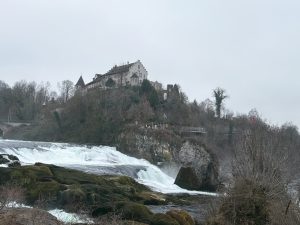

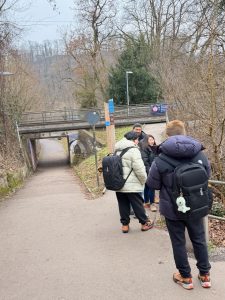
Schloss Laufen – A Closed-up View of the Rhine Falls
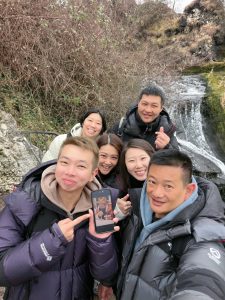
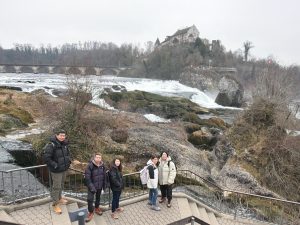
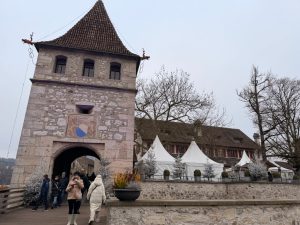
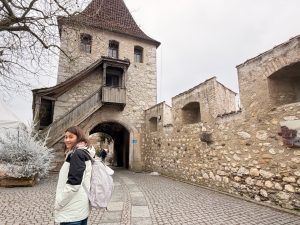
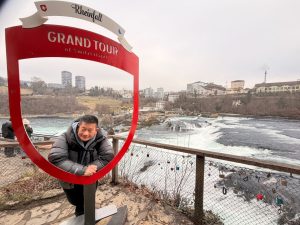
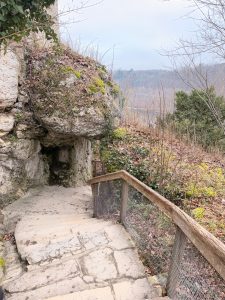
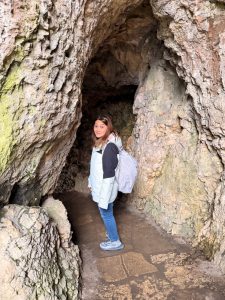
Tracing back where we came from, it took us 15 minutes to make it back to the Schloss. Schloss Laufen has a short three-storey tower that marks its entrance. There are two areas inside the Schloos grounds: the free area, which has a restaurant and part of the castle walls that overlook the train tracks, and the paid area, where the waterfall viewpoints are located. The CHF5 entrance ticket also grants us access inside the main castle building. After getting our tickets, we used the staircase down to the viewpoints after passing through the turnstile. The first flight of stairs brought us to the viewpoint with the Grand Tour signage. Like the viewpoints we saw on the opposite bank, this viewpoint gave us views of the waterfalls from the top. However, I thought the views were better as we could see water rushing down the falls from here. One flight of stairs later, we came to another viewpoint that brought us next to the action, where we could see the waterfall falling down the rocks. After taking more pictures, we continued descending the stairs through a cave to arrive at the bottommost viewpoints. There is a sheltered one, literally next to the waterfall, and an open-air platform. From the sheltered viewpoint, we could feel the might of the water rushing down the falls and the splatter of water. We were so close to the Rhine Falls that we felt we could touch the waterfall by standing here. The open-air viewpoint seemed to be sticking out from the rock it was built on. This viewpoint allowed us to take pictures of the front of the Rhine Falls. I thought the views from these two bottommost viewpoints were worth every step we took coming down here and the CHF5 that we paid.


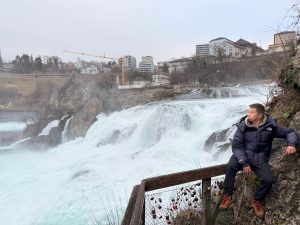
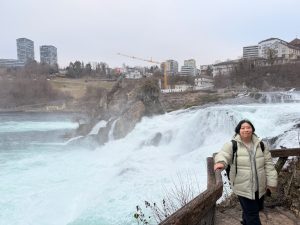
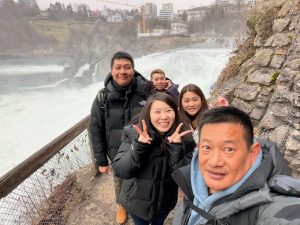
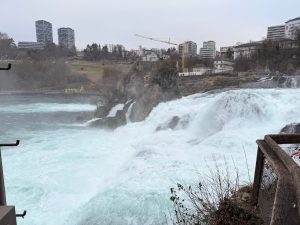
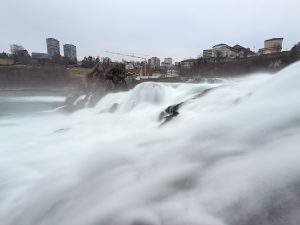
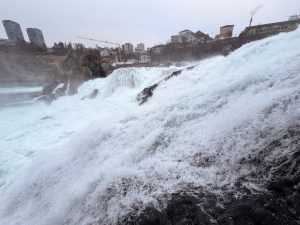
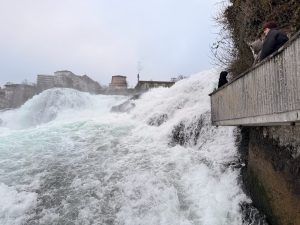
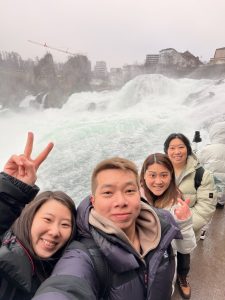
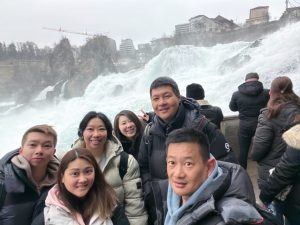
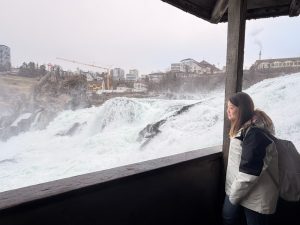
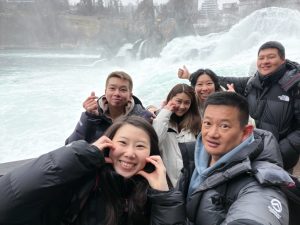
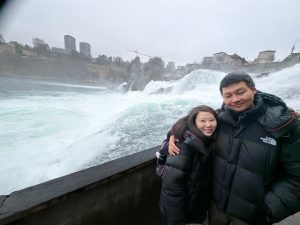
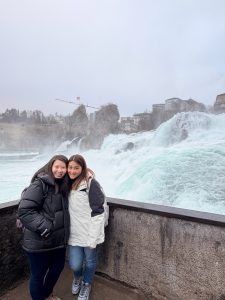
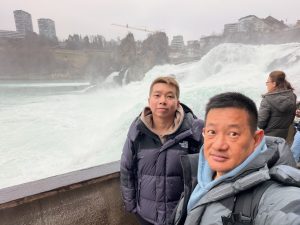
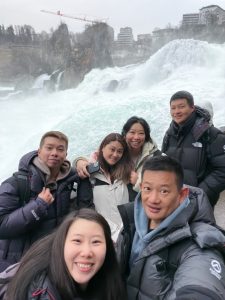
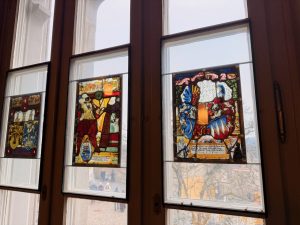
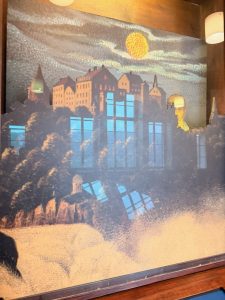
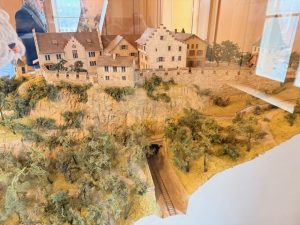
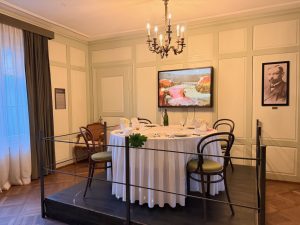
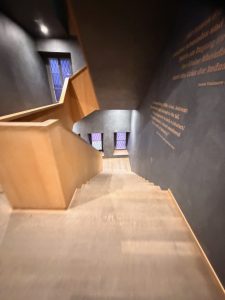
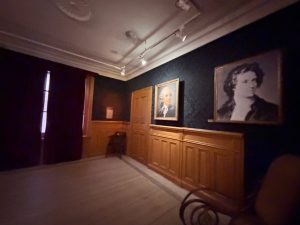
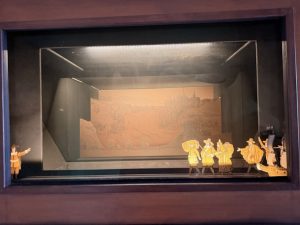
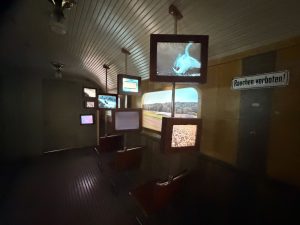
After taking our fair share of photos from the bottommost viewpoints, the next part is the toughest part. We had to climb the stairs back up. Usually, there will be a lift that we can take to access the viewpoints below. However, the lift and the walkway were under renovation at the time of our visit. Emerging from the stairs some 10 mins later, we checked out the main building of the Schloss since we still had some time before our train arrived. The interior of the Schloss was a museum that showcased the Schloss when it was used as a residence building. Not all the rooms were opened to the public; we were only allowed access to the first and second floors of the building. There were no signs to point us in the direction of viewing the exhibits in the building. For a museum, I thought the number of exhibits and their explanation on display was scarce. The only things that we saw were a room with a dining table (I assumed this was the dining room), one with a fireplace and one with some pictures hanging. There was yet another room that was set up like the interior of the train, showcasing how people travelled to Schloss Laufen back in the days. I was more drawn to the model of the castle in one of the rooms. As there wasn’t much going on in the Schloss, we left after spending about 5 minutes walking through the rooms that were open to the public.
Back to Zurich – Our last view of Zurich from Polyterrasse
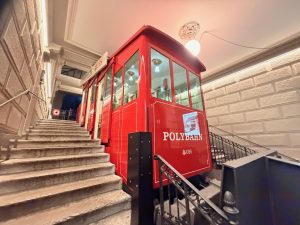
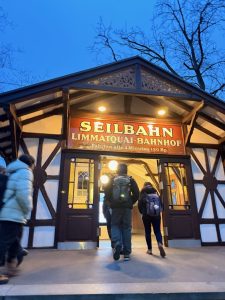
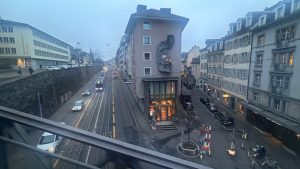
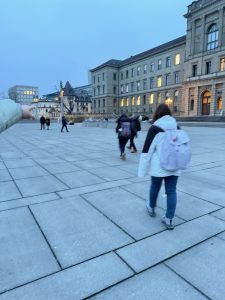
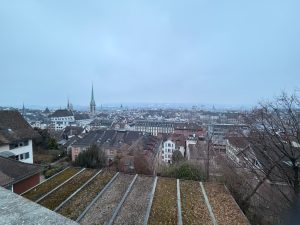
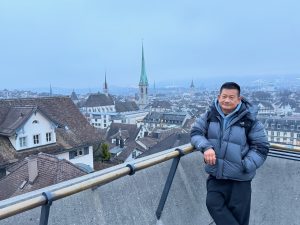
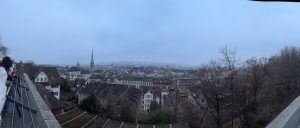
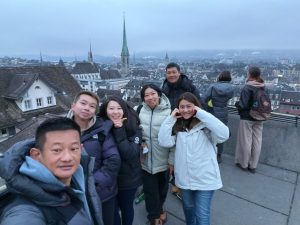
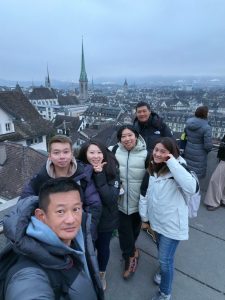
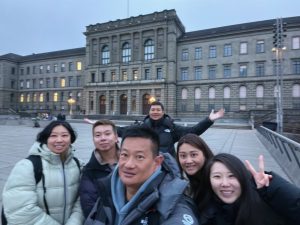
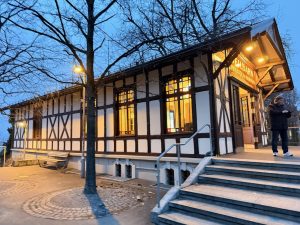
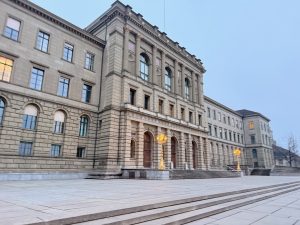
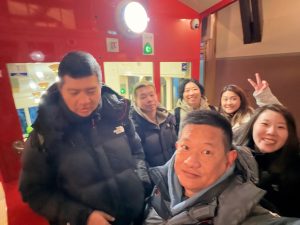
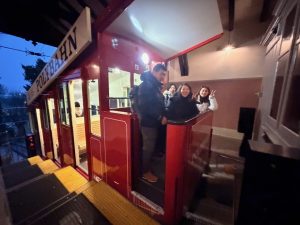
It was 4.30 pm when we arrived back at Zurich Hauptbahnhof, and our train to Geneva didn’t depart until 6.15 pm. We used the additional 1 hour plus to ride the Polybahn to Polyterrasse, our last sight in Zurich. Zurich does not offer guest cards like the other cities, which would give us free rides on the local transport. The 24 hr ZZV card that we got also covers the Polybahn; we did not have to pay extra to ride on the funicular (which would otherwise cost CHF1.20). The Polybahn station is a mere 5-minute walk from Zurich Hauptbahnhof, which made it a perfect time filler while waiting for our train to Geneva. The 2 min ride on the Polybahn has been around since 1889, transporting students to the school up at Polyterrasse from the city centre. Built in the 19th century, the Polyterrasse is an open-air terrace located in front of the Federal Institute of Technology University. This terrace offered us a panoramic view of both banks of the Limmat River. The best photospot at Polyterrasse is the leftmost corner, which gave us an unobstructed view of the old town and the city. There was nothing much we could do here other than take pictures of and with the old town, a great way to end our trip in Zurich. During our descent on the Polybahn back to the city, we took the open-air section of the tiny Polybahn, which is large enough for only six passengers, giving us a unique experience riding on the Polybahn.

Train to Geneva
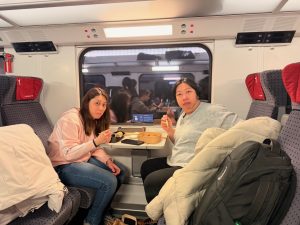
We made our way back to the train station to collect our luggage, with time to spare for us to buy takeaways for dinner that we would consume on our 3-hour train ride from Zurich to Geneva. The train ride to Geneva was rather uneventful; we couldn’t really see the scenery outside with the darkness outside the train and the reflective lighting inside the train carriage. We arrived at Geneva train station some 3 hours later and headed to our hotel. As we were walking from the train station to our hotel, despite being safe, we somehow felt uneasy. We later got to know from the hotel staff that the area between the train station and the hotel is the red light district, which explains why it felt complicated when we were walking along the street. After checking into our rooms, we settled down and rested for the night. After all, we have a city and a town to explore tomorrow.