Having a heavy day visiting four major sights in Cairo yesterday, our itinerary is lighter today, with only one sight to visit, the Karnak Temple. We would have the whole afternoon relaxing while cruising down the River Nile on our River Boat, which we called home for the next seven days.
Karnak Temple – The Largest Temple Built by Men

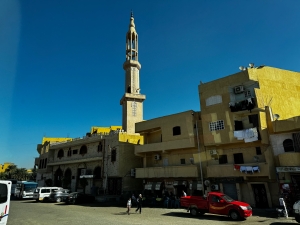
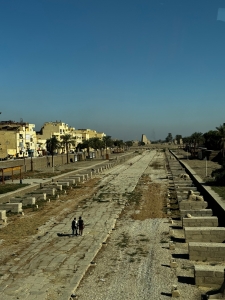
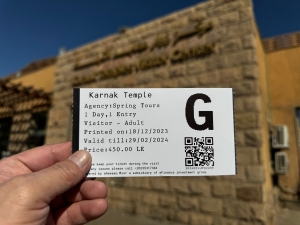
After an uneventful 1 hour domestic flight from Cairo to Luxor, we immediately started our day with a visit to Karnak Temple, the only item planned for the day. After collecting our luggage, we whizzed off to Karnak Temple on the bus with our luggage. Karnak Temple is about a 20-minute drive from Luxor Airport. Along the way, Ahmed directed our attention to the Avenue of Sphinx, which connects Karnak Temple to Luxor Temple.

The Courtyard
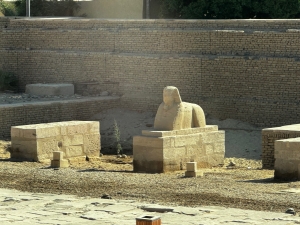
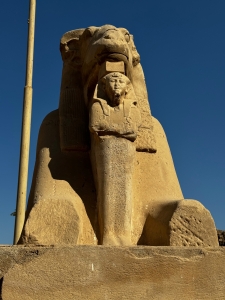
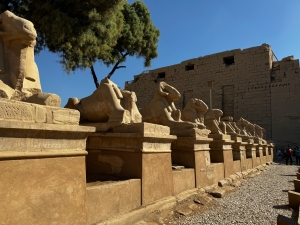
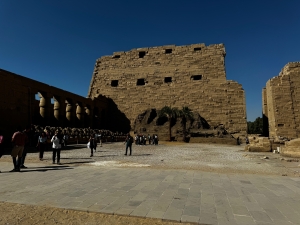
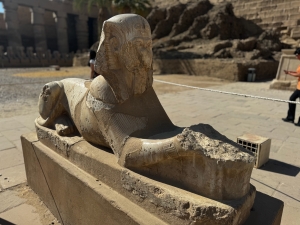
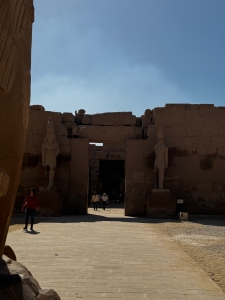
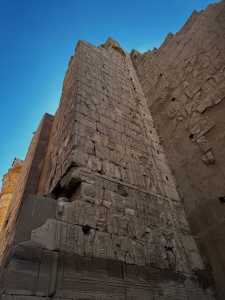
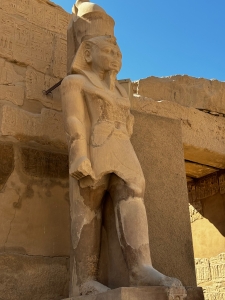
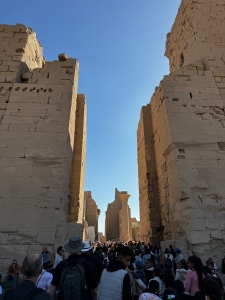
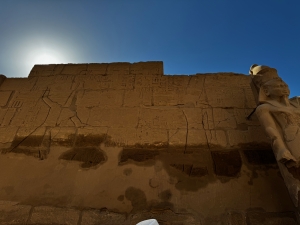
Karnak Temple was dedicated to the Egyptian God Amun, who brought the sun, light and creation to the world. Amun was also revered as the chief protector of the pharaohs of Egypt. The temple was built over the rein of several Egyptian kings, each adding to the size of the temple to what we see today. We crossed a bridge filled with Sphinxes lined up on both sides like guards welcoming the king. Each Sphinx was immaculately created, leaving no details behind. Despite some being defaced, we can still feel the solemnness exuding from these Sphinxes. We passed a couple of high walls, the first pylons to the temple, and arrived at the courtyard of the Karnak Temple. Ahmed pointed to the holes on the pylon surface and explained these were the windows to the chambers of the guards and people who served the temple. In its unfinished state, the pylon already looks as though it is soaring into the sky; I can’t imagine how tall this pylon will be when completed. Our attention was then shifted to the Sphinx statues lined up at the sides of the courtyard. Unlike those we saw in Giza, these Sphinxes (and those on the bridge we crossed) have a ram head instead of a human head. The ram-headed Sphinxes told visitors the temple is dedicated to the God Amun. Our attention shifted to the statue standing tall next to the inner pylon. This is a statue of Rameses II, with his wife depicted as a small statue standing before him. Ahmed explained that the king’s stature stood tall at the temple entrances but would gradually get smaller as we approached the temple’s Sanctuary. This is to signify the presence of the gods humbles the Pharaohs.

Hypostyle Hall
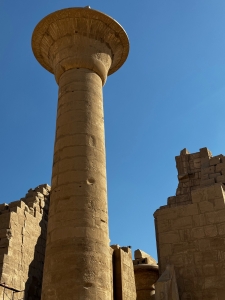
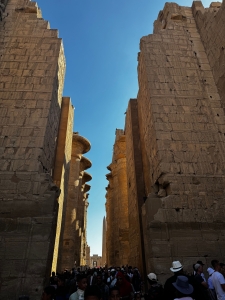
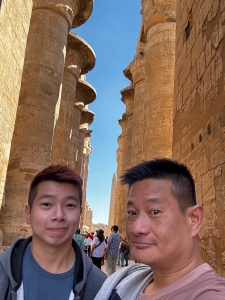
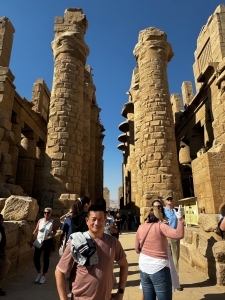
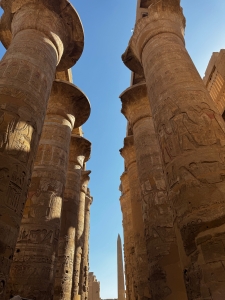
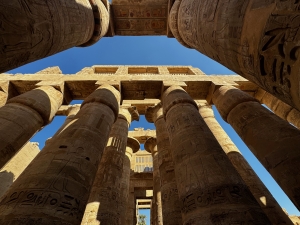
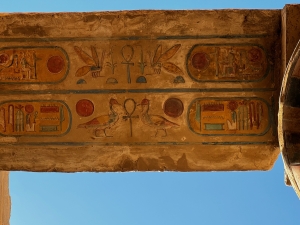
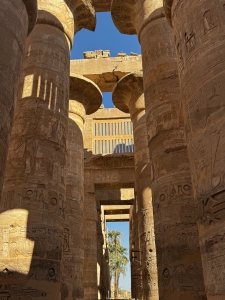
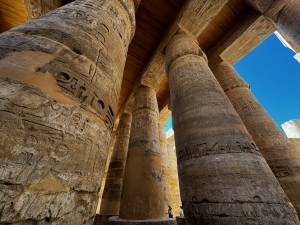
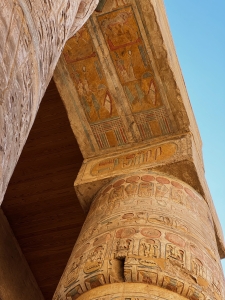
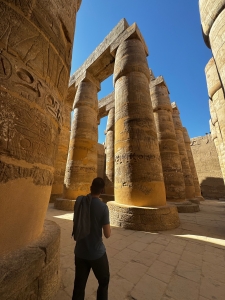
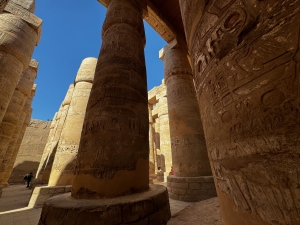
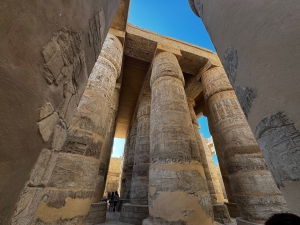
Passing through the second pylon, we arrived at the hypostyle hall, essentially a hall of pillars which would have supported the temple’s roof in its heyday. Unlike the one we saw at the Step Pyramids in Saqqara, the hypostyle hall here in Karnak Temple was on a much larger scale. Ahmed guided our sight to the top of the columns and explained that the colours we saw were original since the temple was built. We could see the vibrant colours adorning the top part of the pillars that survived the millenias as though they were painted yesterday. Each pillar has intricate carvings depicting scenes of religious ceremonies and rituals performed by the pharaohs, priests and gods. Ahmed shifted our attention to the grill-like stone structure at the top of these pillars and explained these grills were not randomly placed there but were designed by the builders to allow sunlight in to illuminate the hypostyle hall. I can imagine how dark it would be when this hall was covered with its thick stone roofs, these grills would provide sufficient illumination to the hall.


Obelisk of Hatshepsut
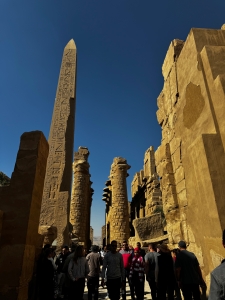
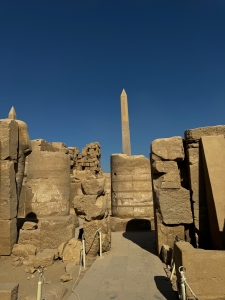
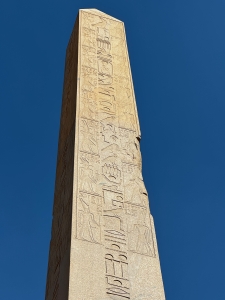
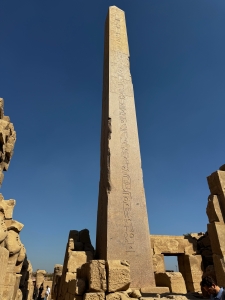
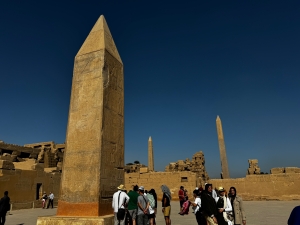
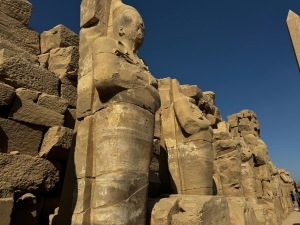
We were guided through the massive columned hypostyle hall to an open area with several Obelisks. There are a total of about 20 obelisks being erected in Karnak Temple, but only three remain standing today. Ahmed pointed to one particular obelisk and told us this was erected by Queen Hatshepsut, pointing out the hieroglyphs inscribed on the stone structure. This is the tallest standing obelisk in the entire temple, which has stood the test of time, standing unwavering to the elements for more than 3,700 years. Hatshepsut erected two obelisks; one fell and was displayed near the sacred lake.

Sanctuary
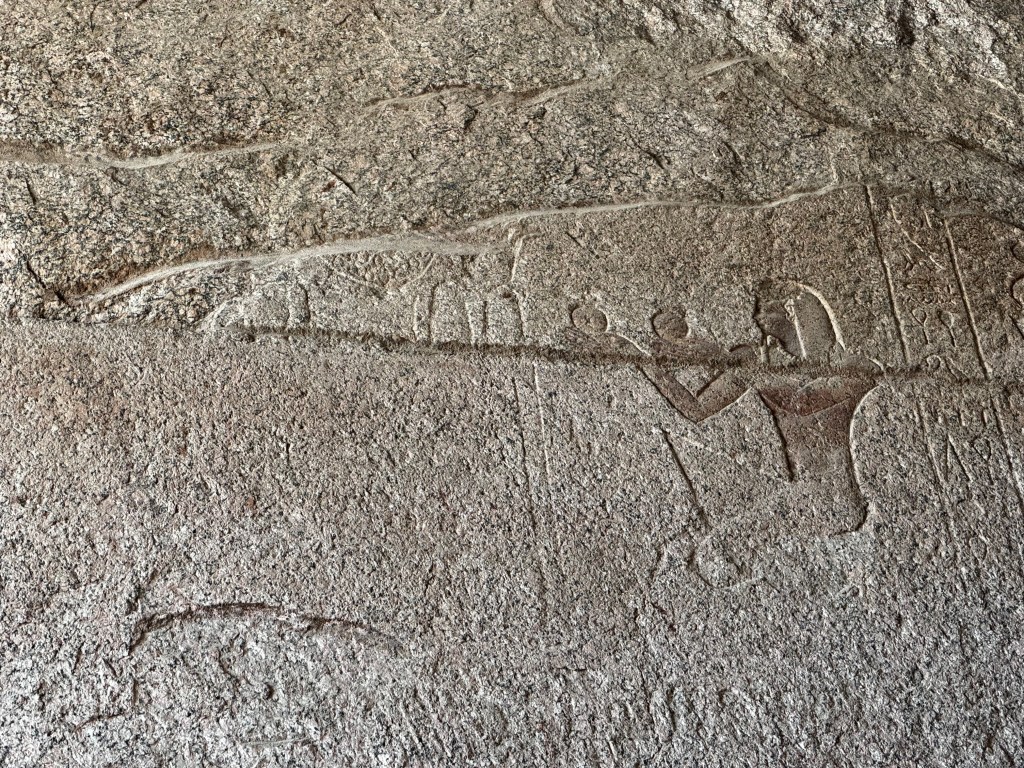
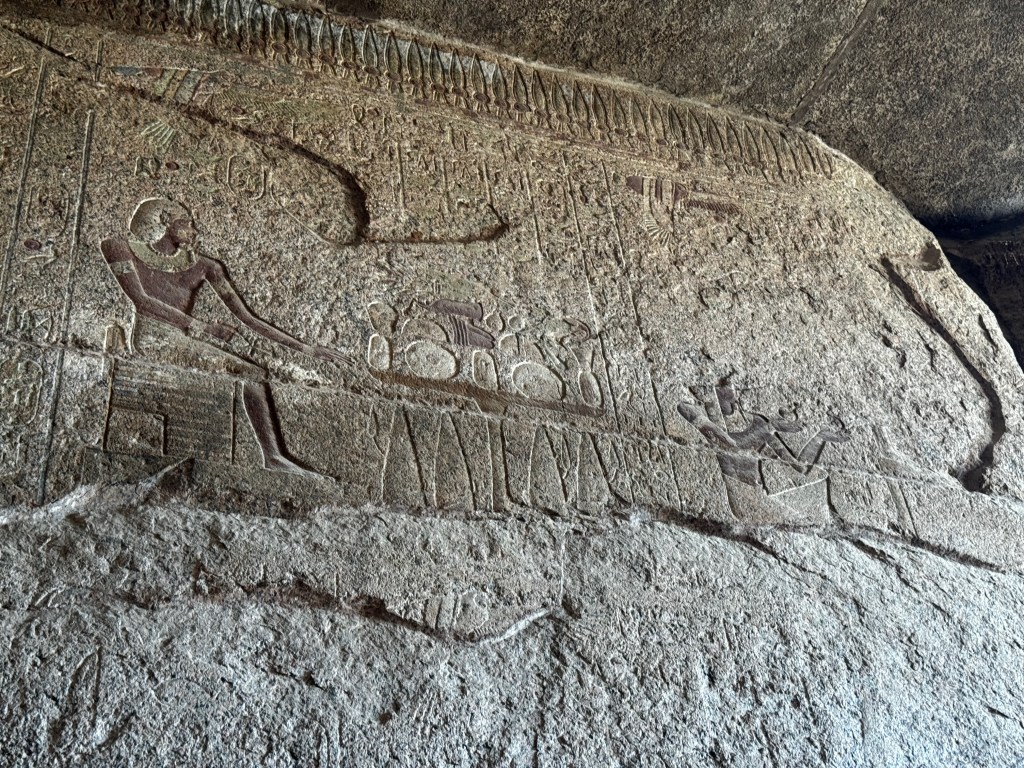
Passing Queen Hatshepsut’s obelisk, we were led into a small stone building – the Sanctuary, where the reining pharaohs worshipped Amun. Today, this small, dark room was empty. However, reliefs on the walls of the Sanctuary tell the tale of the pharaoh worshipping Amun. We were given about 30 mins to walk around, explore the rest of Karnak Temple, and take pictures.
Sacred Lake
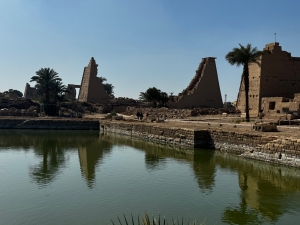
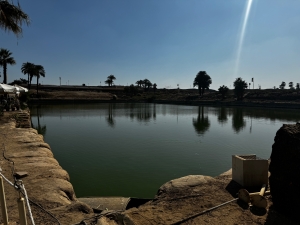
Our first stop is to head to the Sacred Lake. We were here for the cafe to get some drinks (not because we wanted to visit the lake). The Sacred Lake is a huge rectangular pool of water that seems man-made. This lake was significant as the priests would purify themselves daily before rituals. A large stone scarab sitting on a stone pillar was placed next to the Sacred Lake. Ahmed told us about the local urban legend that walking three times around the scarab will make one rich, five times bring one good luck, and seven times to bear children. I am sure there are other parts of Karnak Temple that we did not visit; however, those that Ahmed brought us through were the significant parts. We headed back to the hypostyle hall for more pictures before braving through the gauntlet of vendors at the exit to meet with the rest of the group.


Relaxing Cruise on the Nile
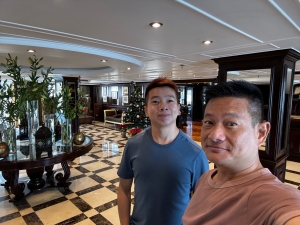
Karnak Temple was the only sight we saw today. Leaving Karnak Temple, we were driven to our riverboat through Luxor City and into a quiet neighbourhood by the Nile, where our riverboat docked. We were warmly welcomed by the staff member who passed us our keycard and brought us to our cabin. We took some time to orientate ourselves in our cabin and the sundeck on the boat before heading for lunch. Lunch was served in buffet style, with mainly Western options.
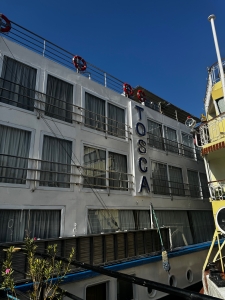
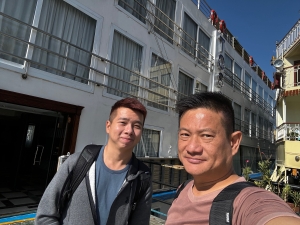
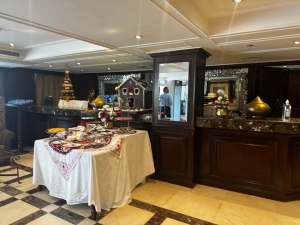


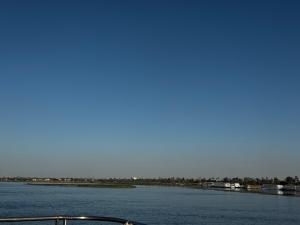
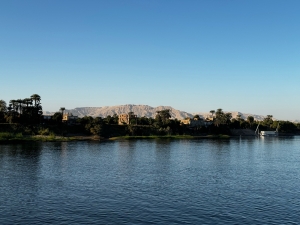
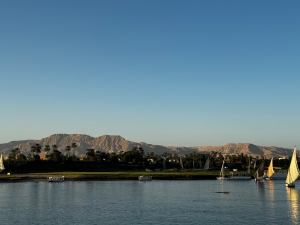
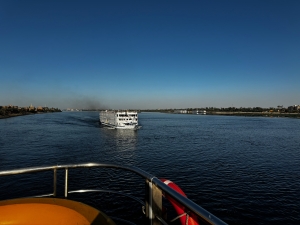
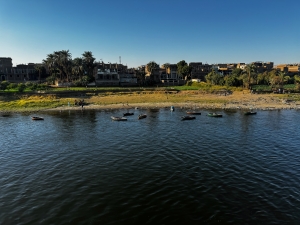
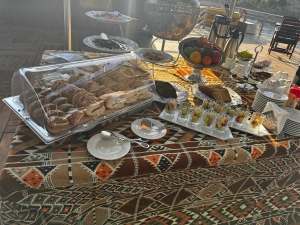
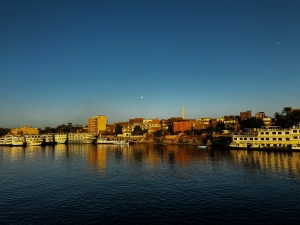
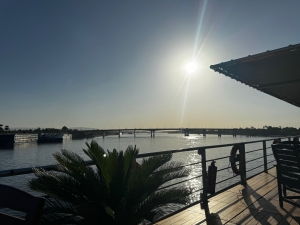
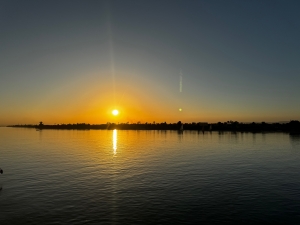
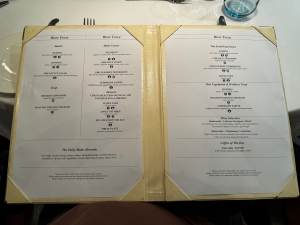
We headed back to the sundeck to enjoy the leisure cruise on the River Nile. The calm waters and gentle breeze blowing into our faces as we cruise the Nile made it feel relaxing. There was no hooking of cars, no noisy chatters; all we heard were the sounds of the wave gently hitting the boat. We saw how the locals use the Nile for their daily life as we were sailing: going about fishing on the Nile, playing on the banks of the Nile, and a few other riverboats cruising on the Nile. We were on the sundeck, soaking up the atmosphere and peacefulness on the Nile. We got ourselves a few finger food and coffee from the refreshment table the crew set up and continued enjoying the Nile’s tranquillity. The boat made a U-turn at a bridge and returned to where we came from. We watched the sunset over the west bank of the Nile on one of the sundeck chairs placed at the pool area of the deck and our day ended with a sumptuous welcome dinner.



You have a wonderful description of Karnak. I’ve also visited the temple of Karnak with a guide and one day I’d like to come back to Luxor to visit everything around it, on both sides of the Nile…
I hope I got the facts right. There are so many things to see and so many things to remember. It is a shame that I did not take pic of the sanctuary dedicated to Amun at Karnak temple.