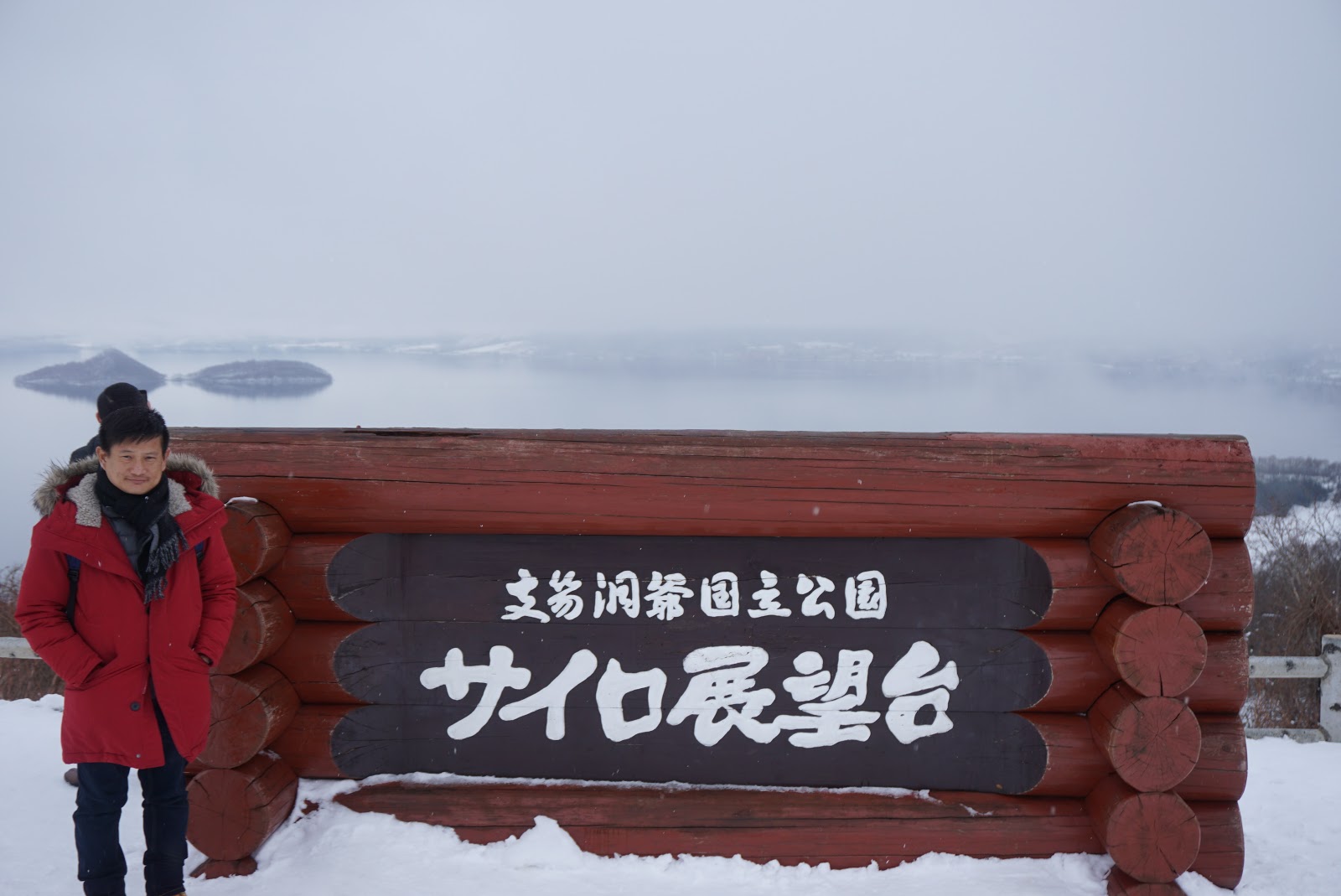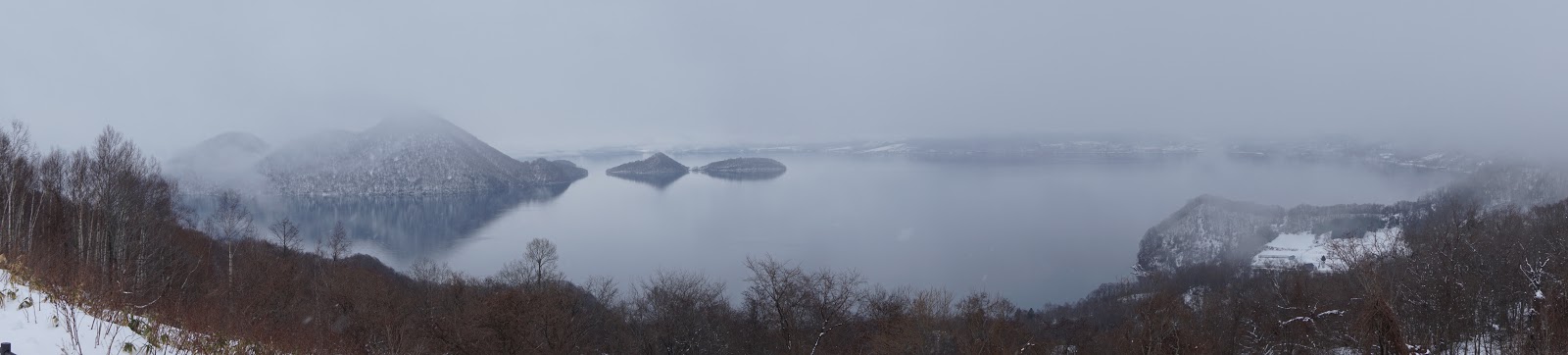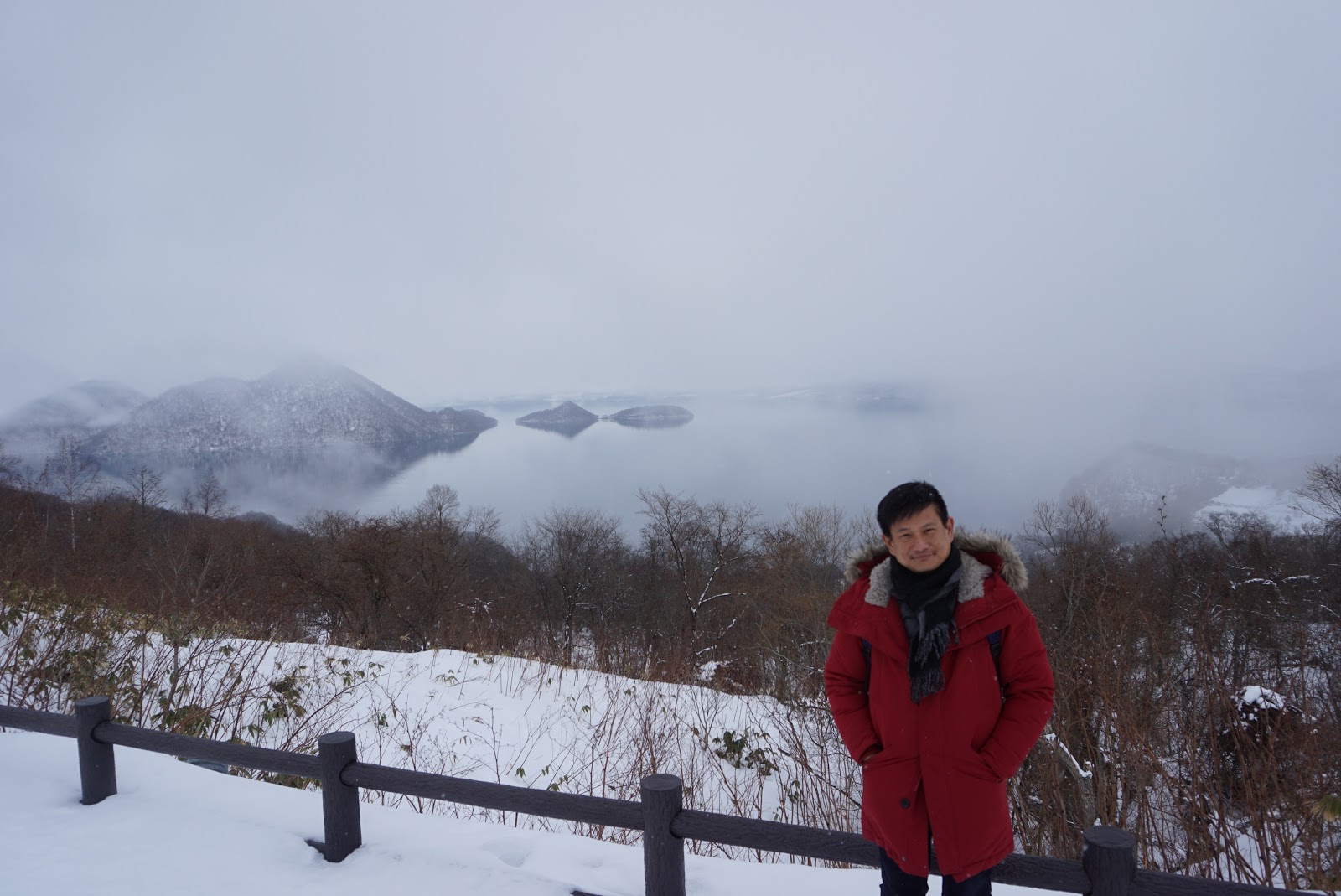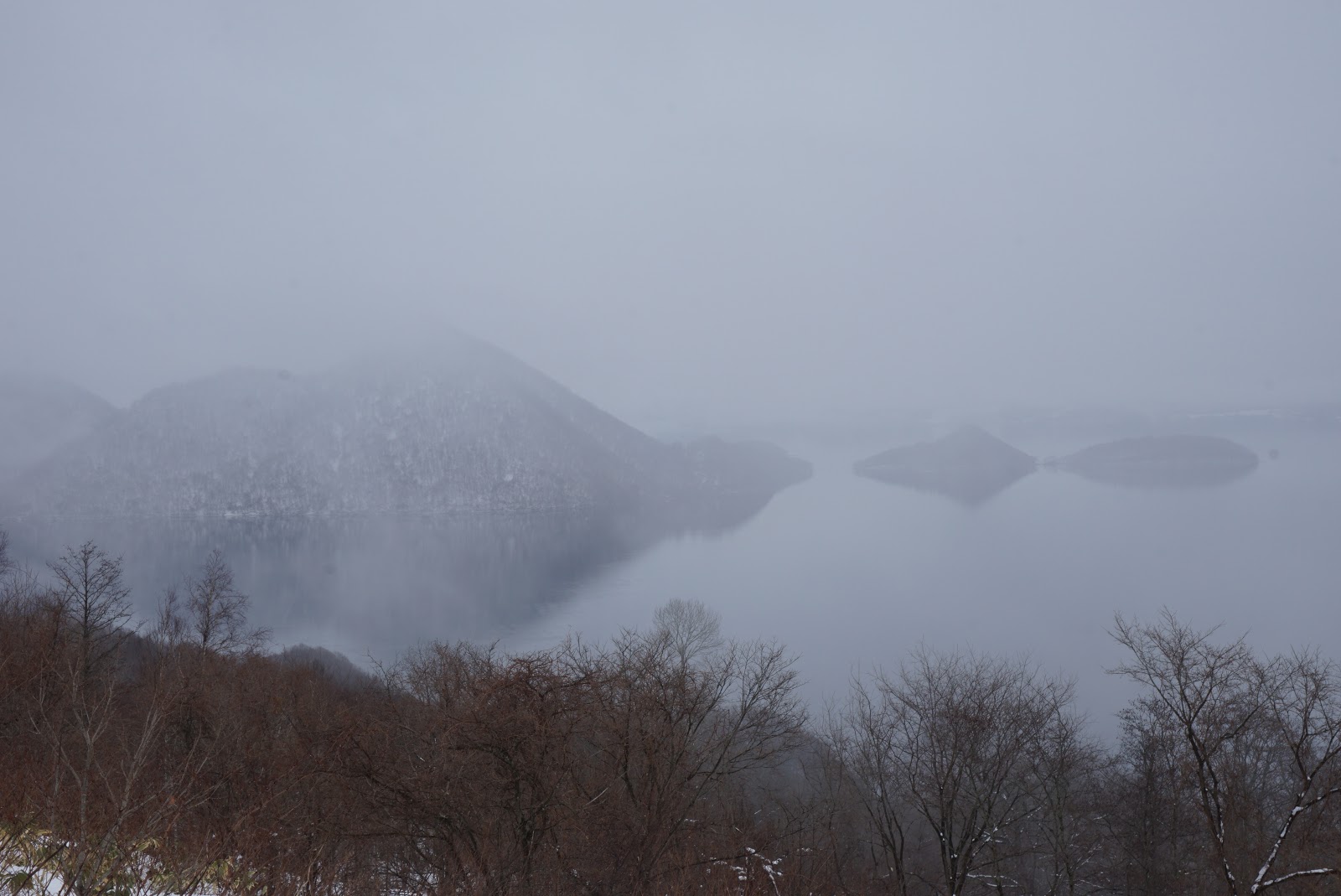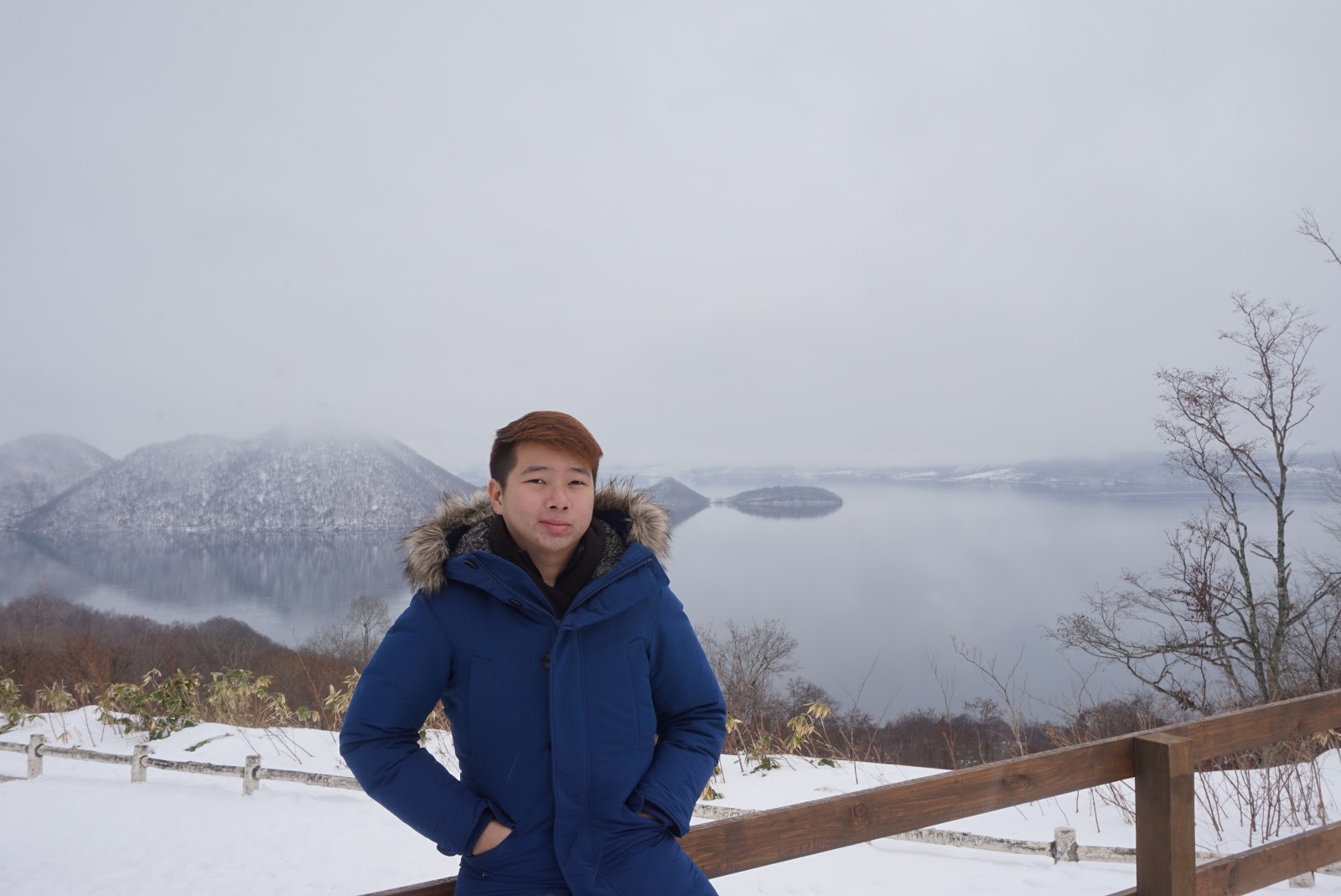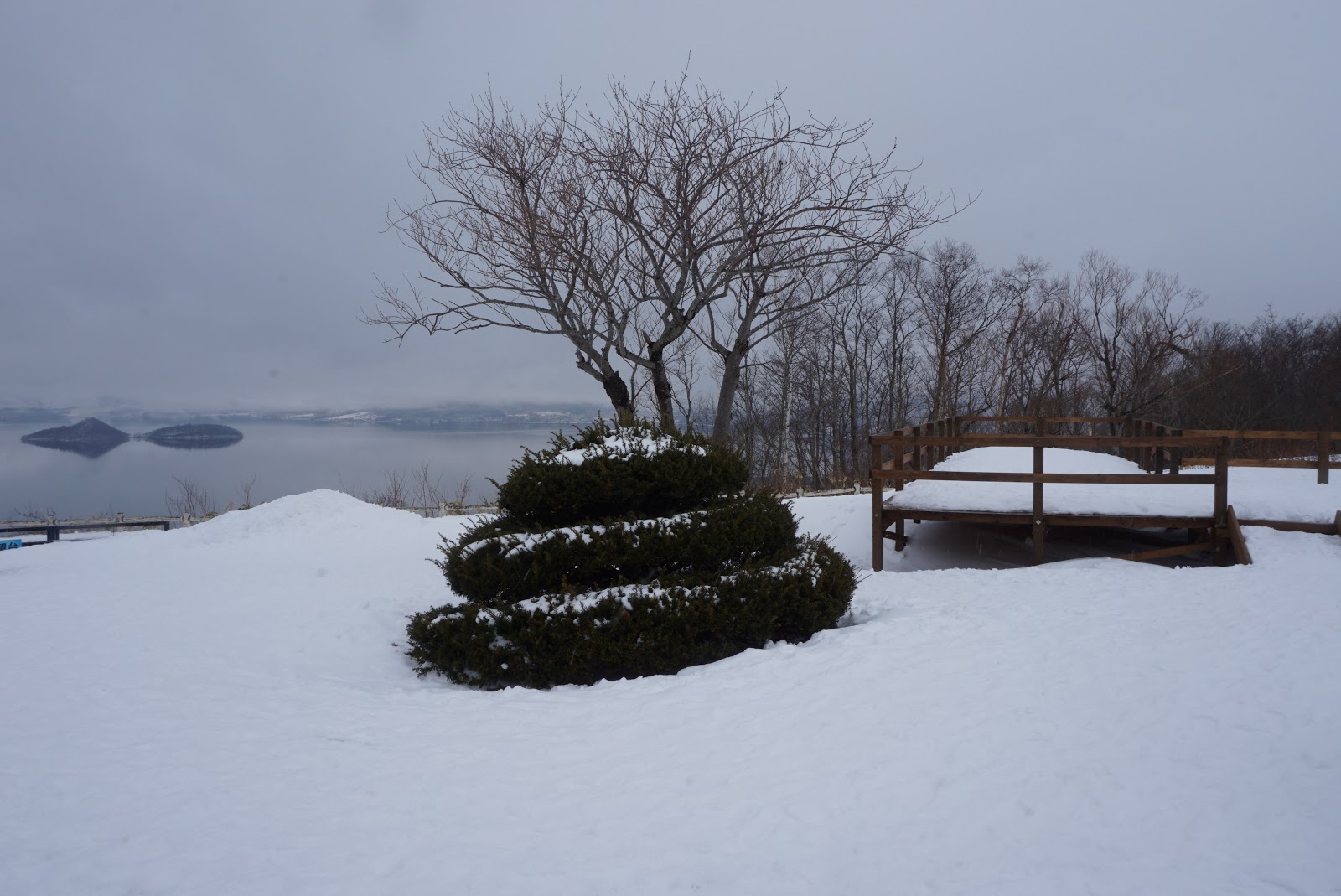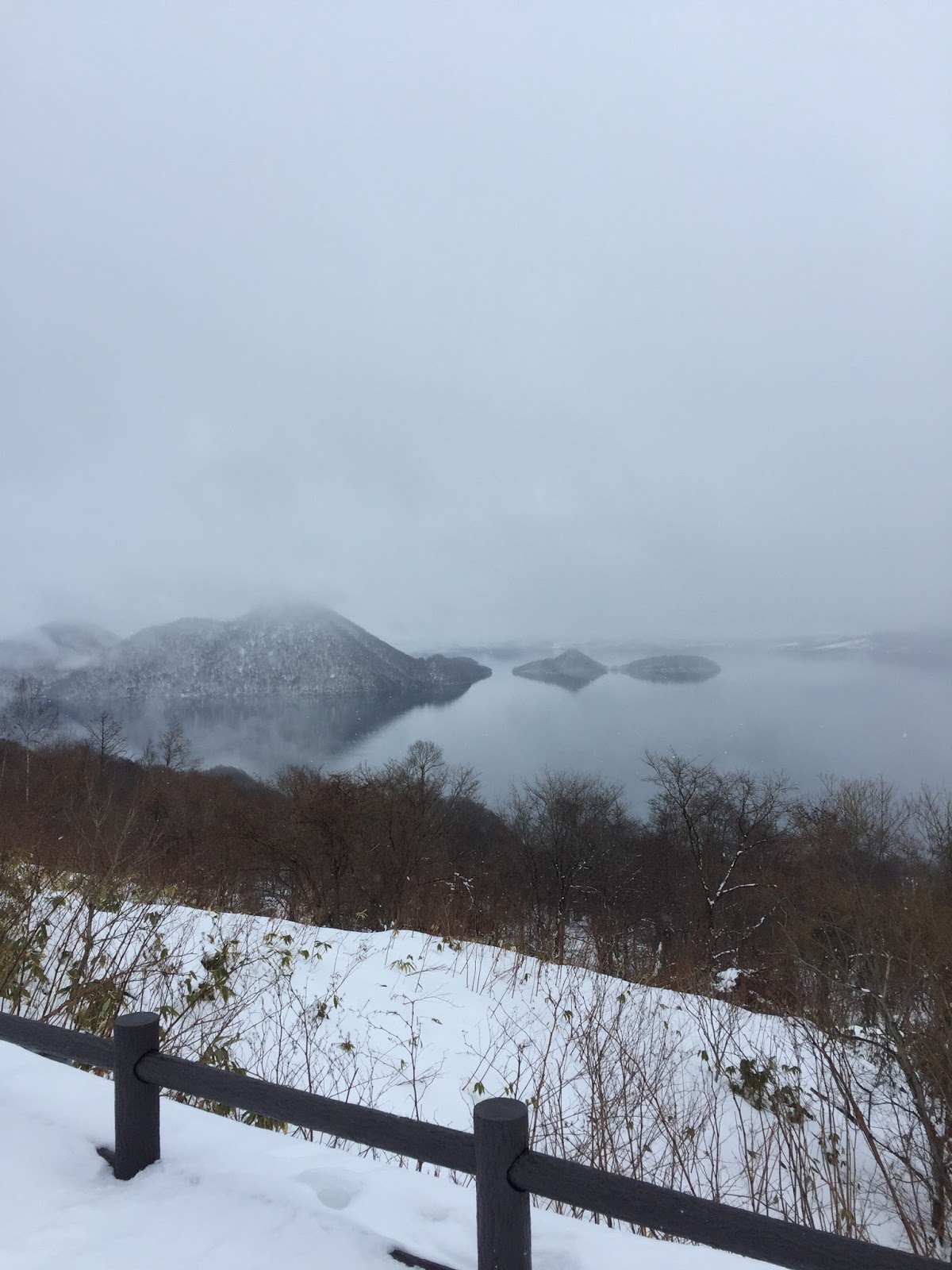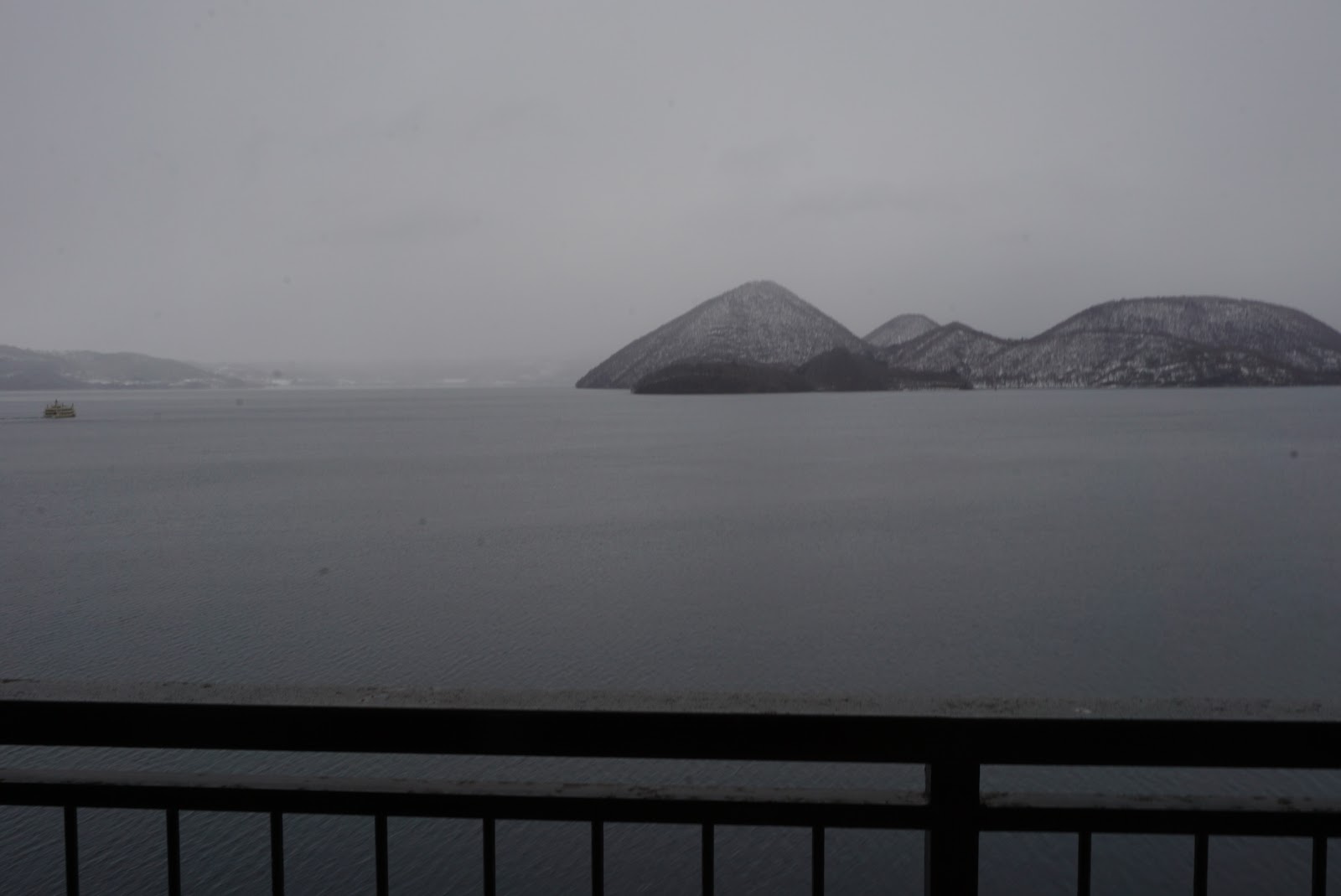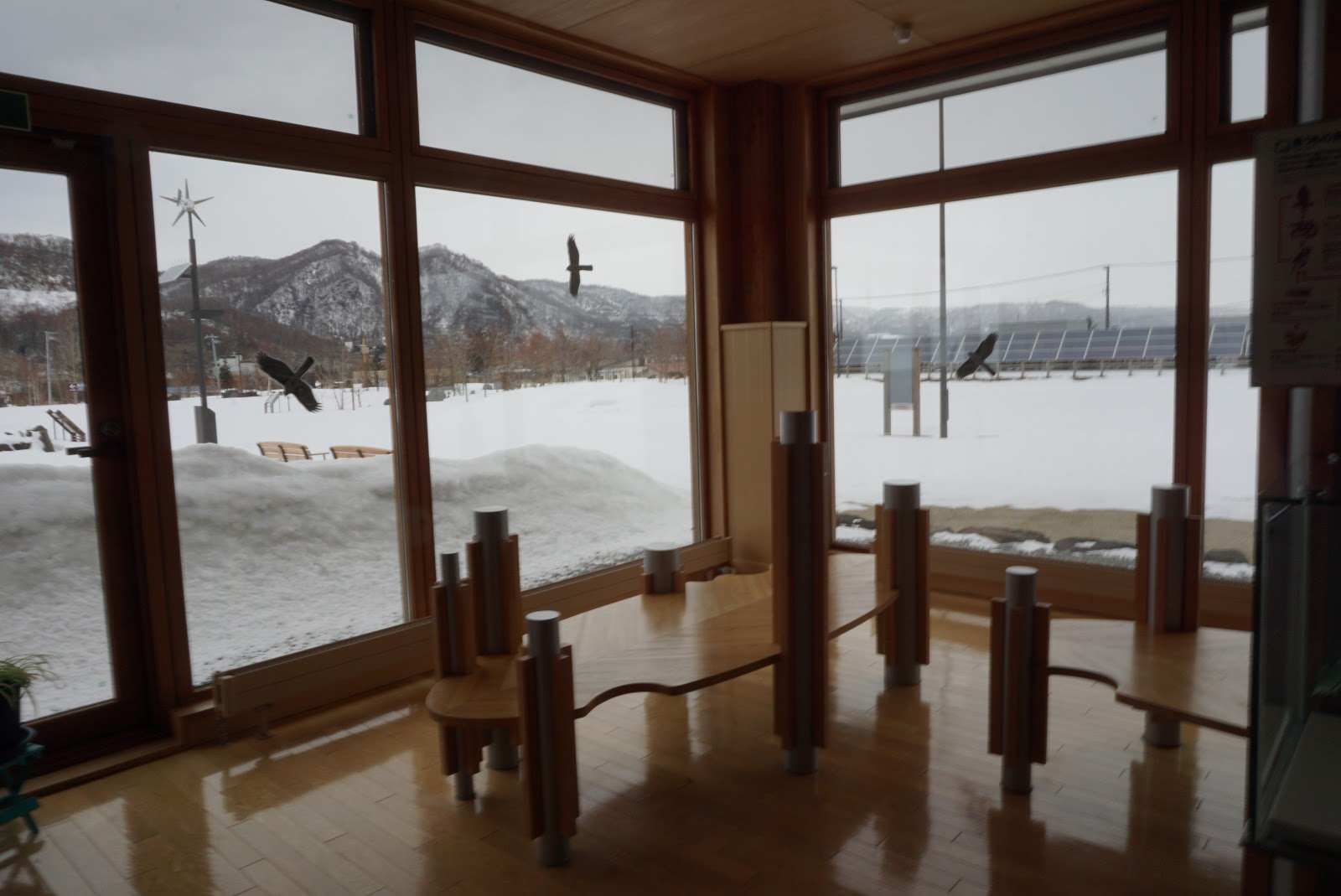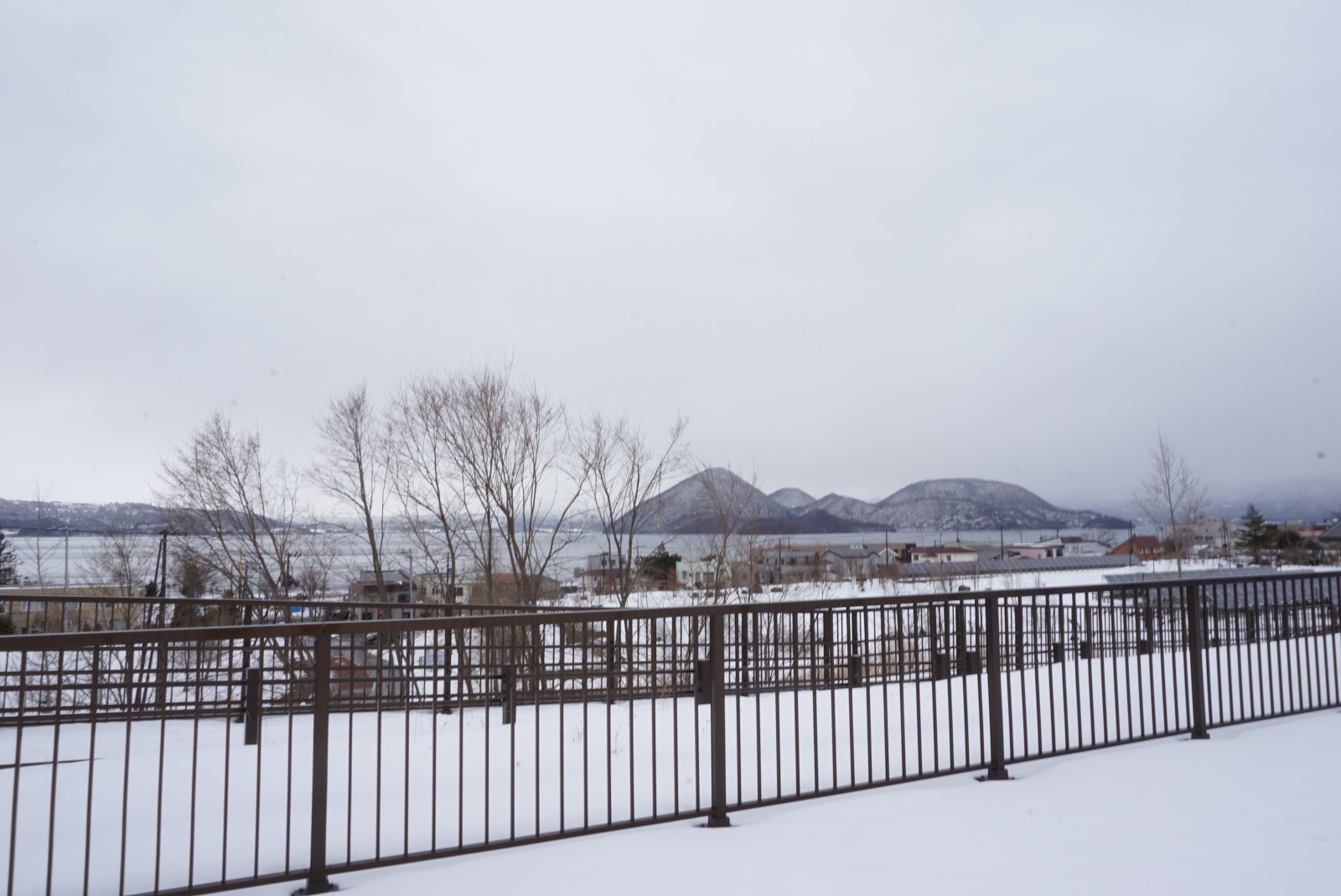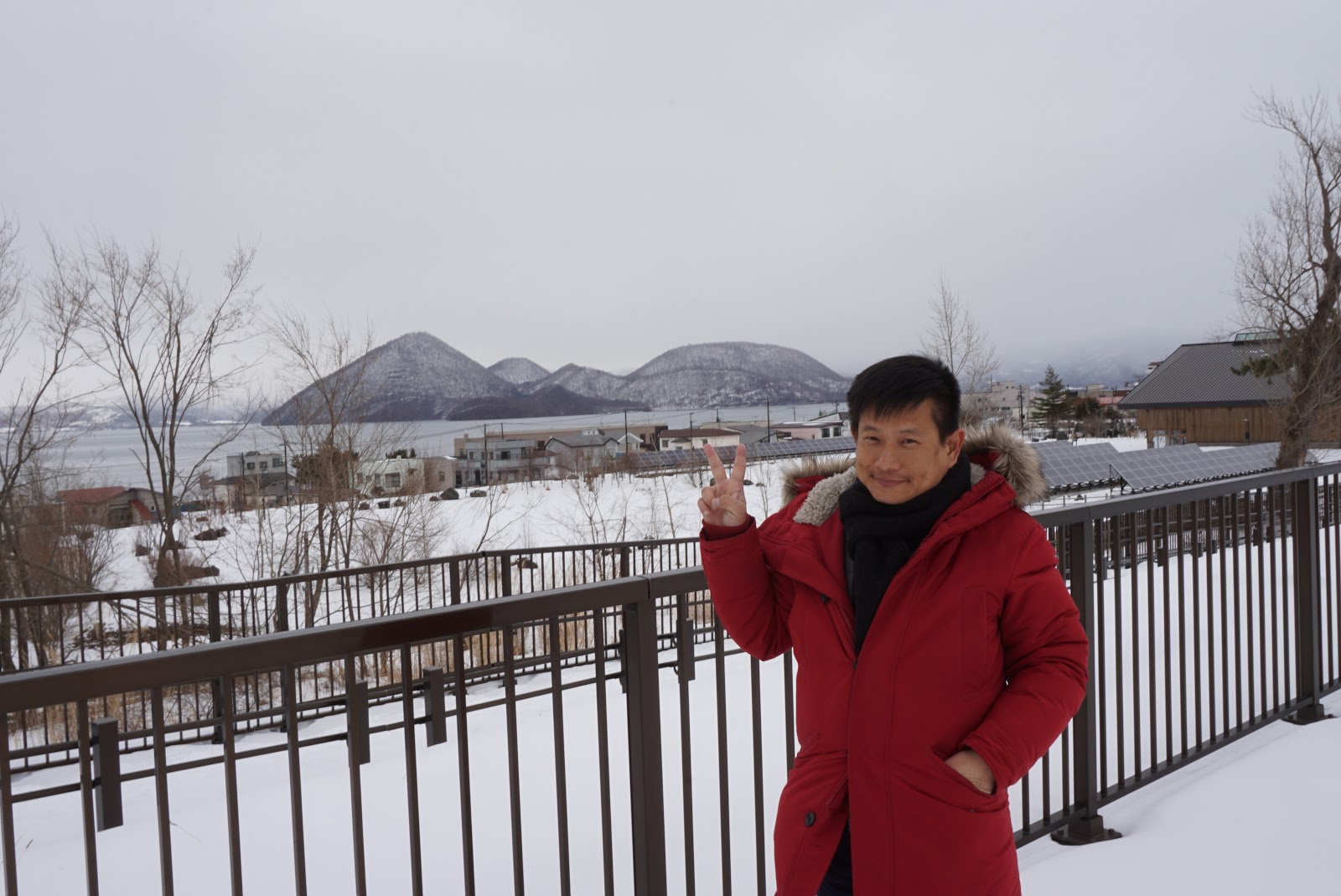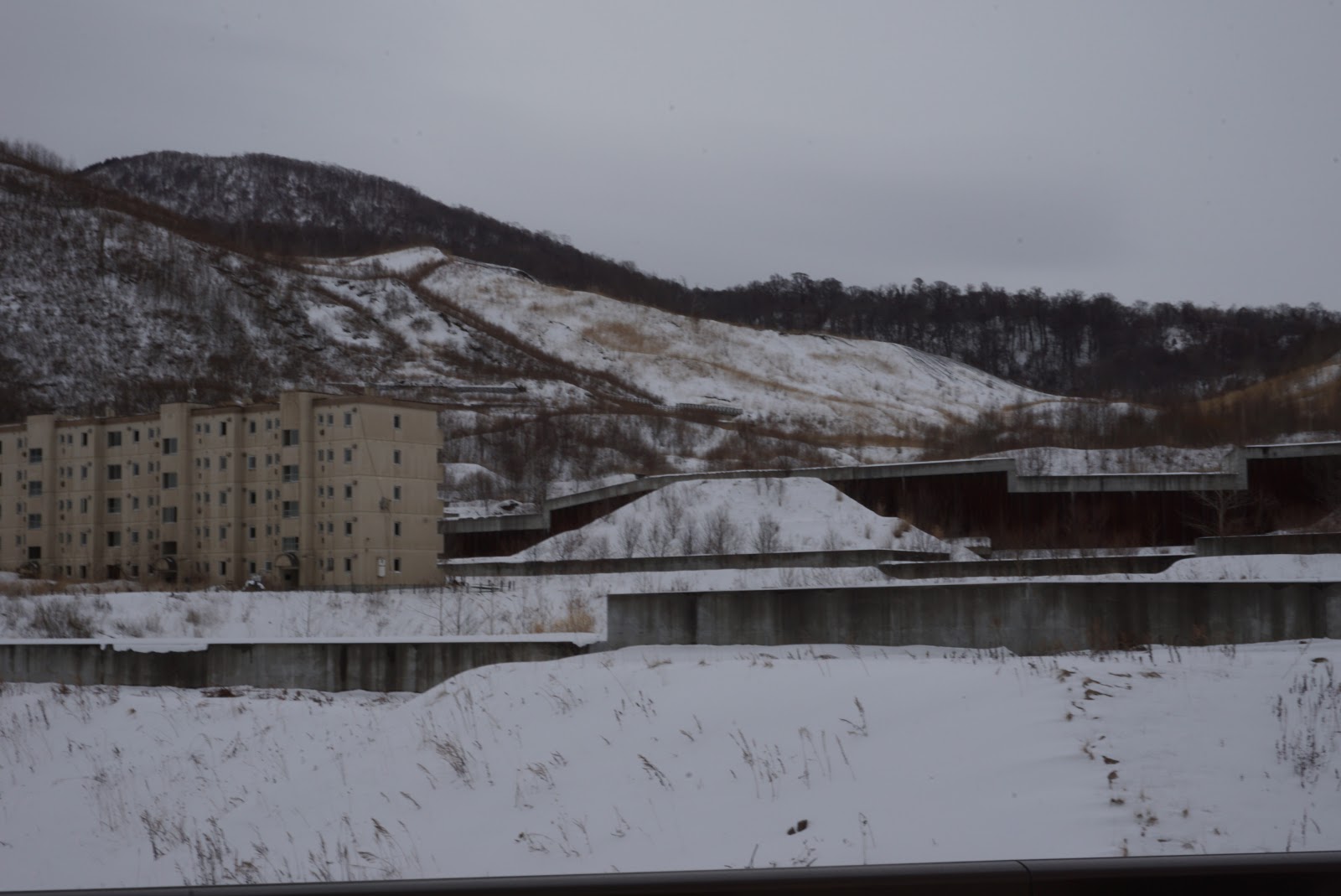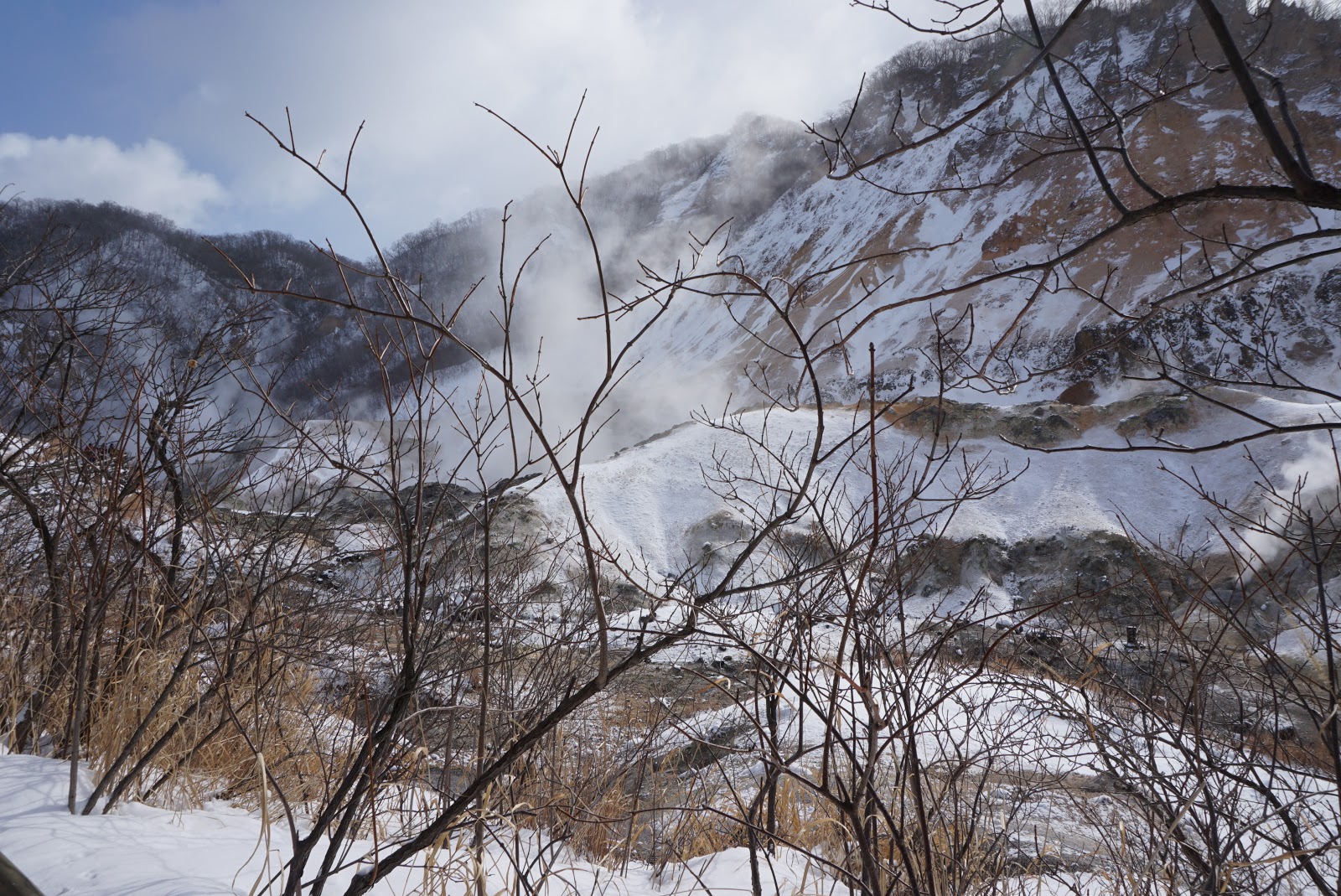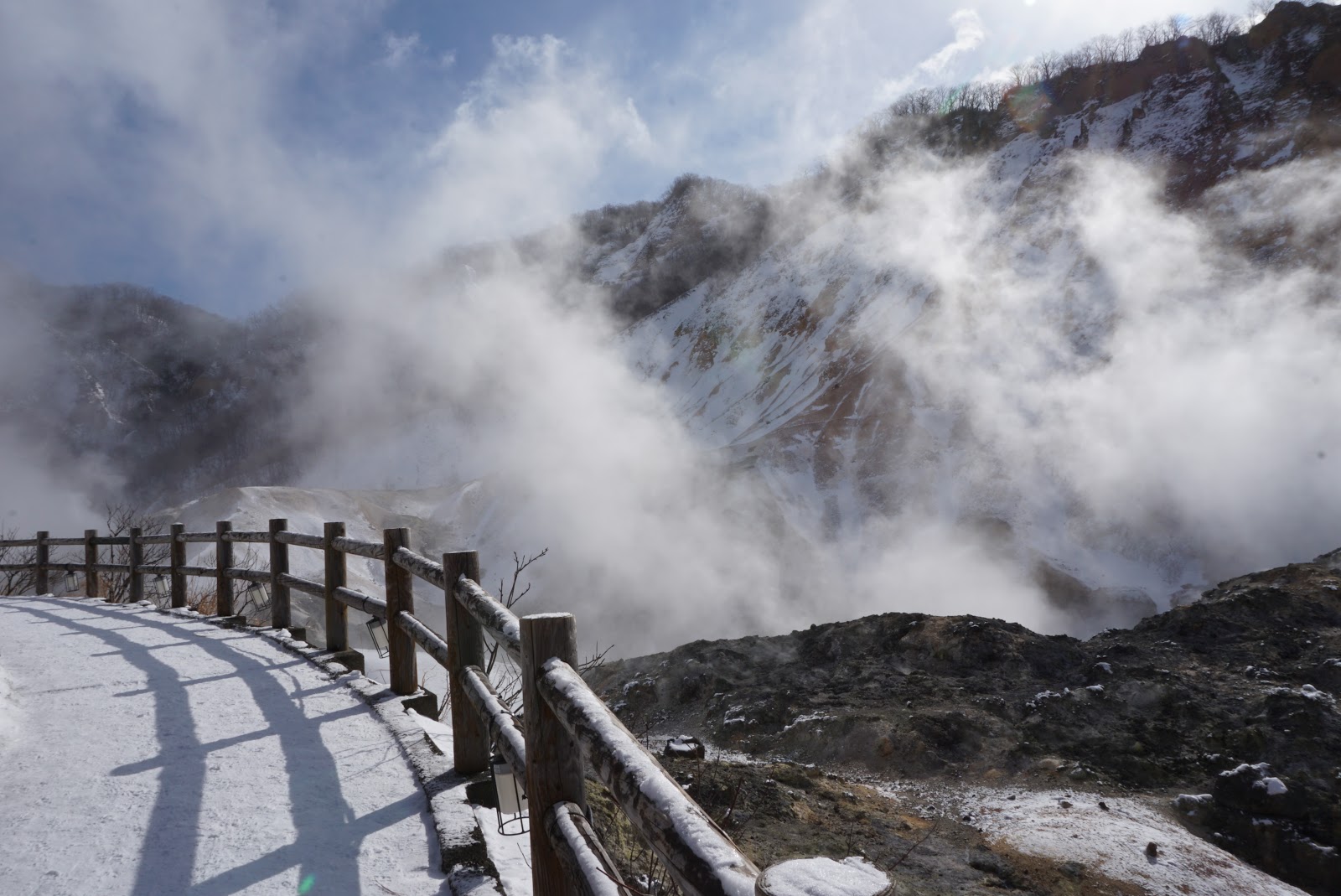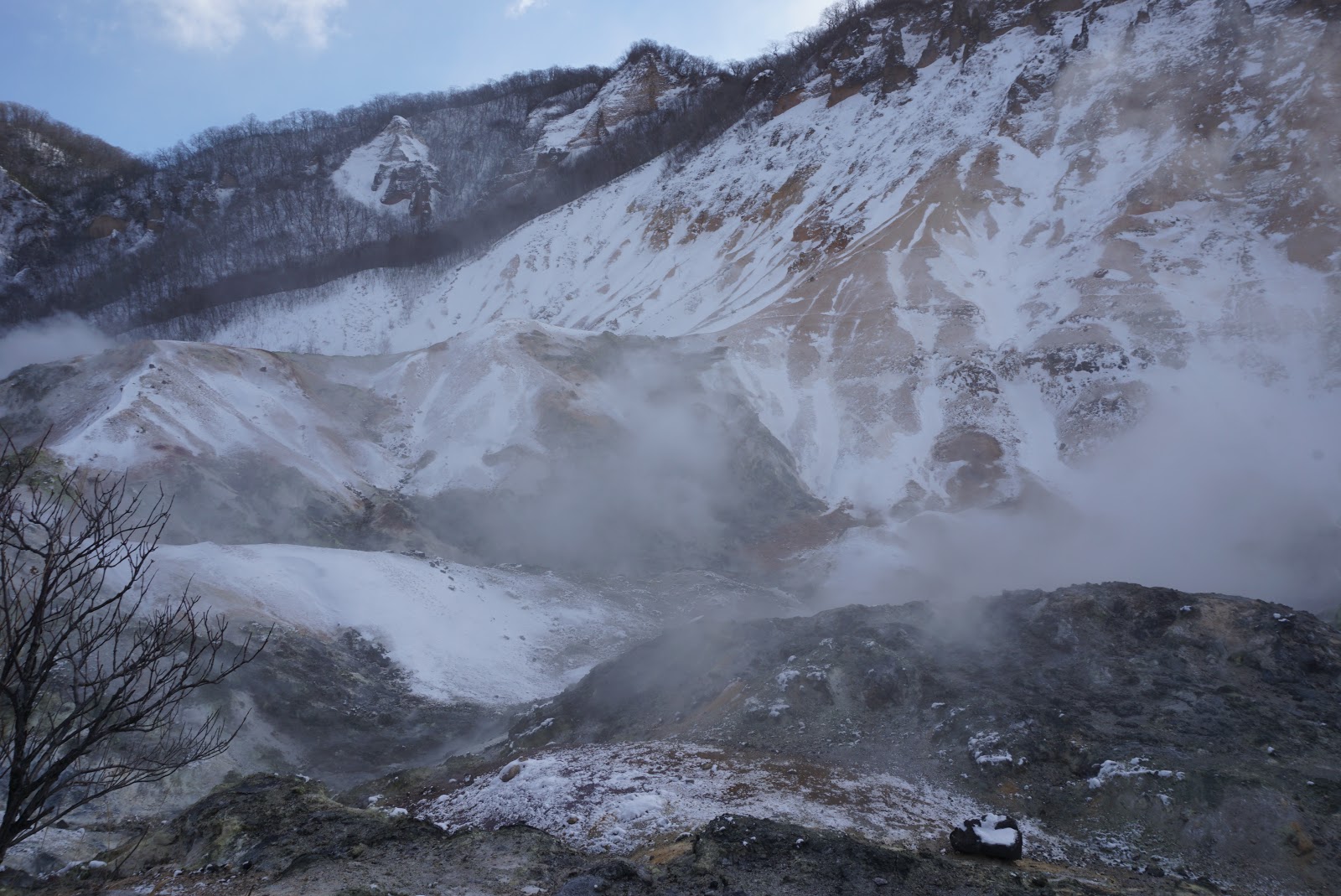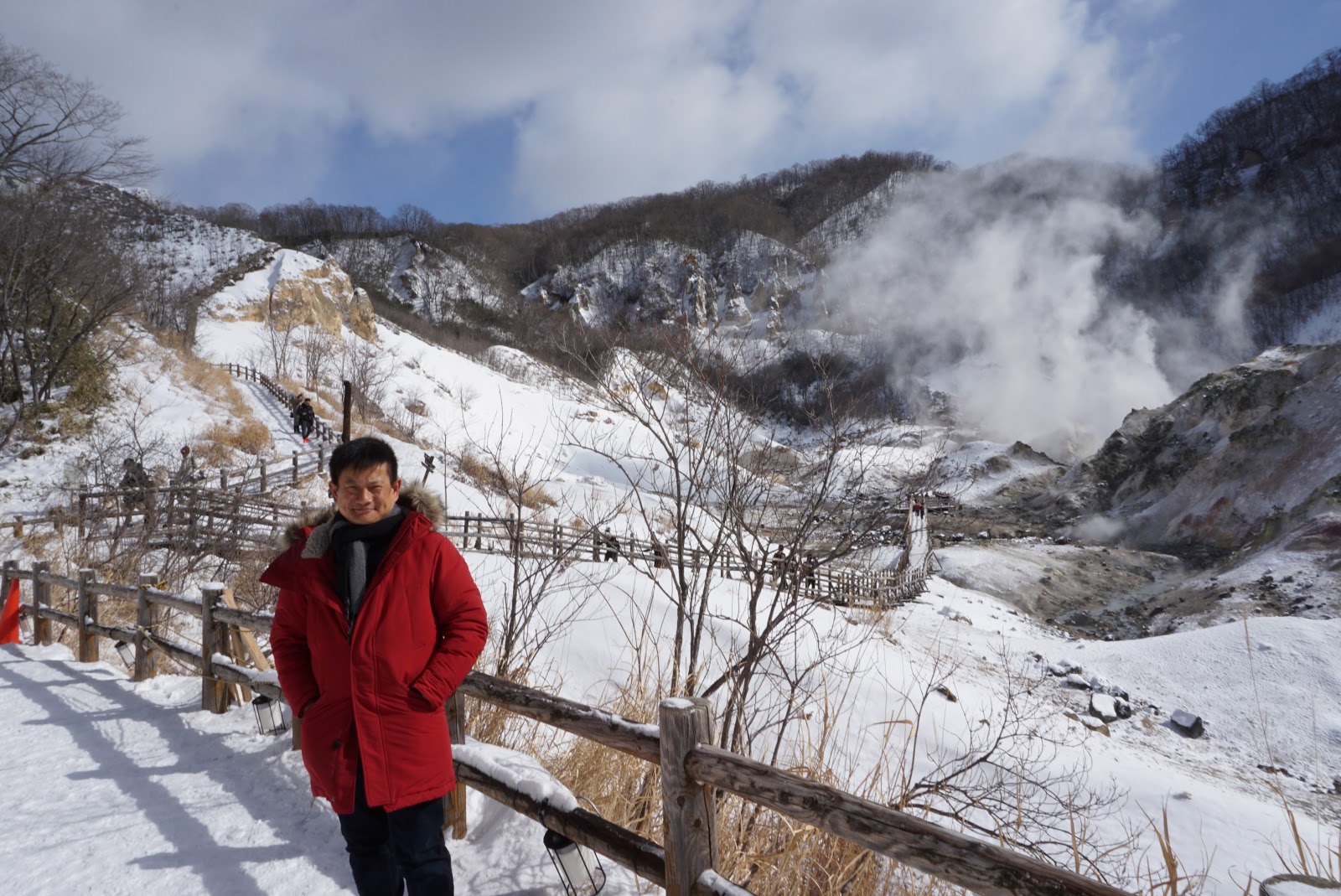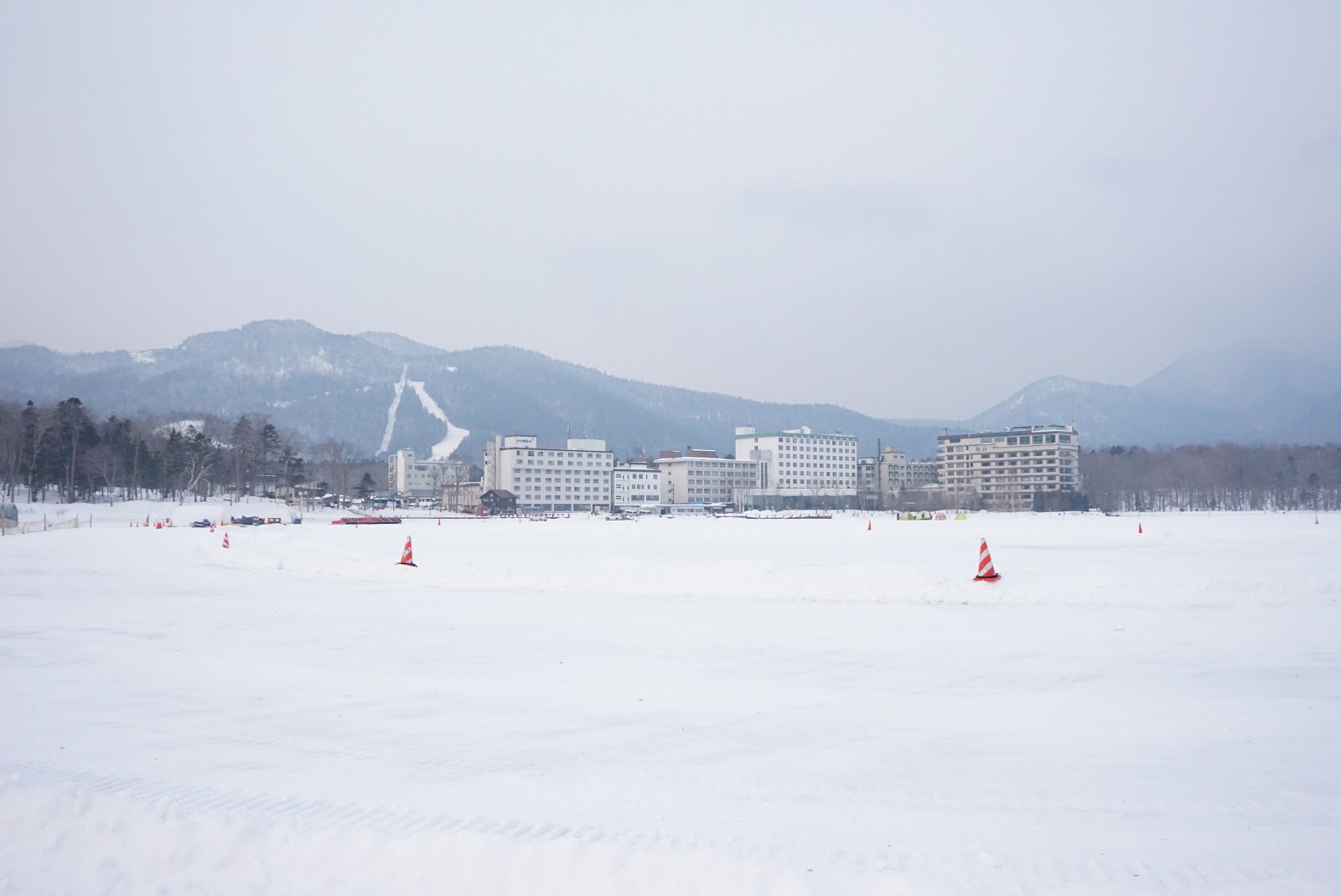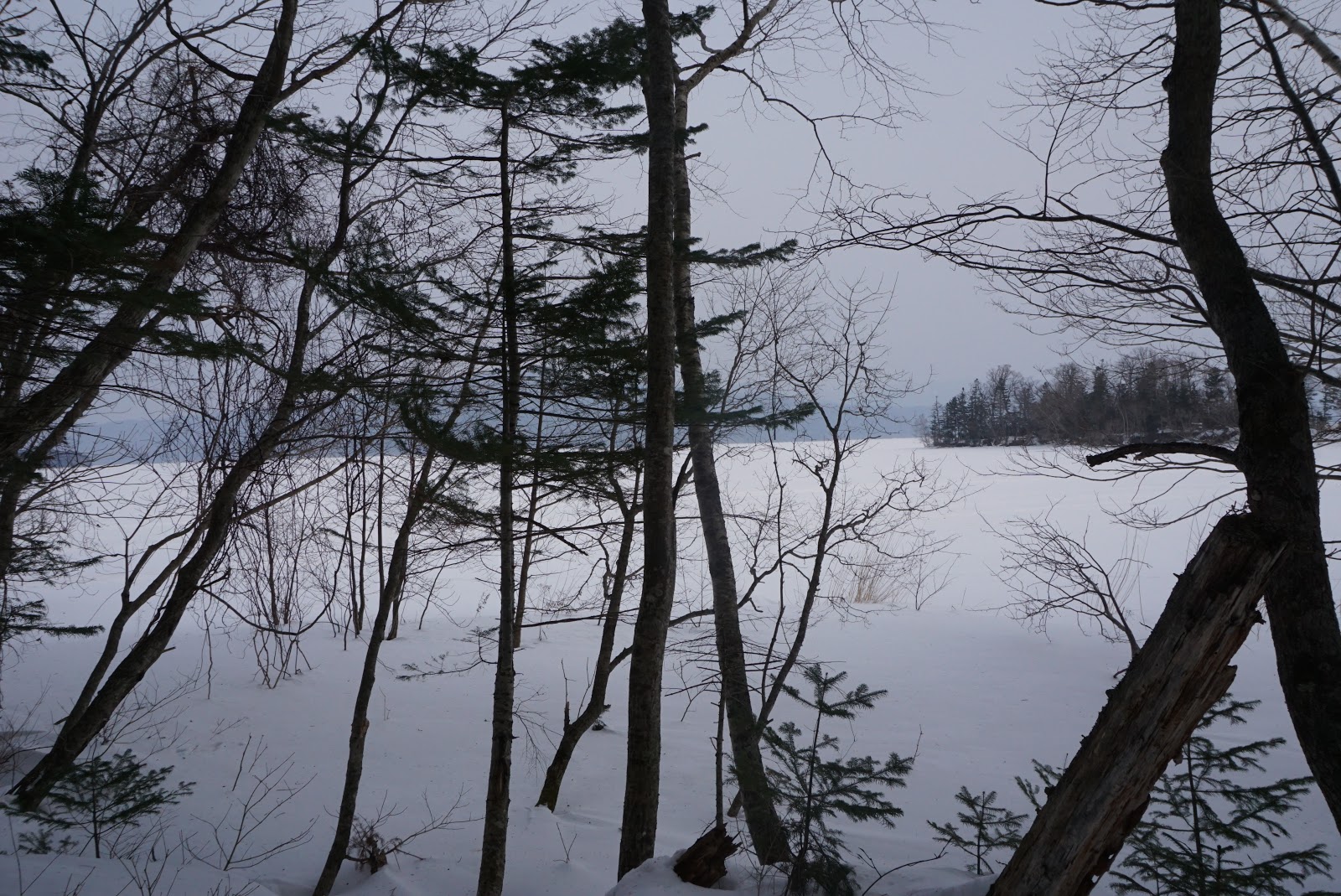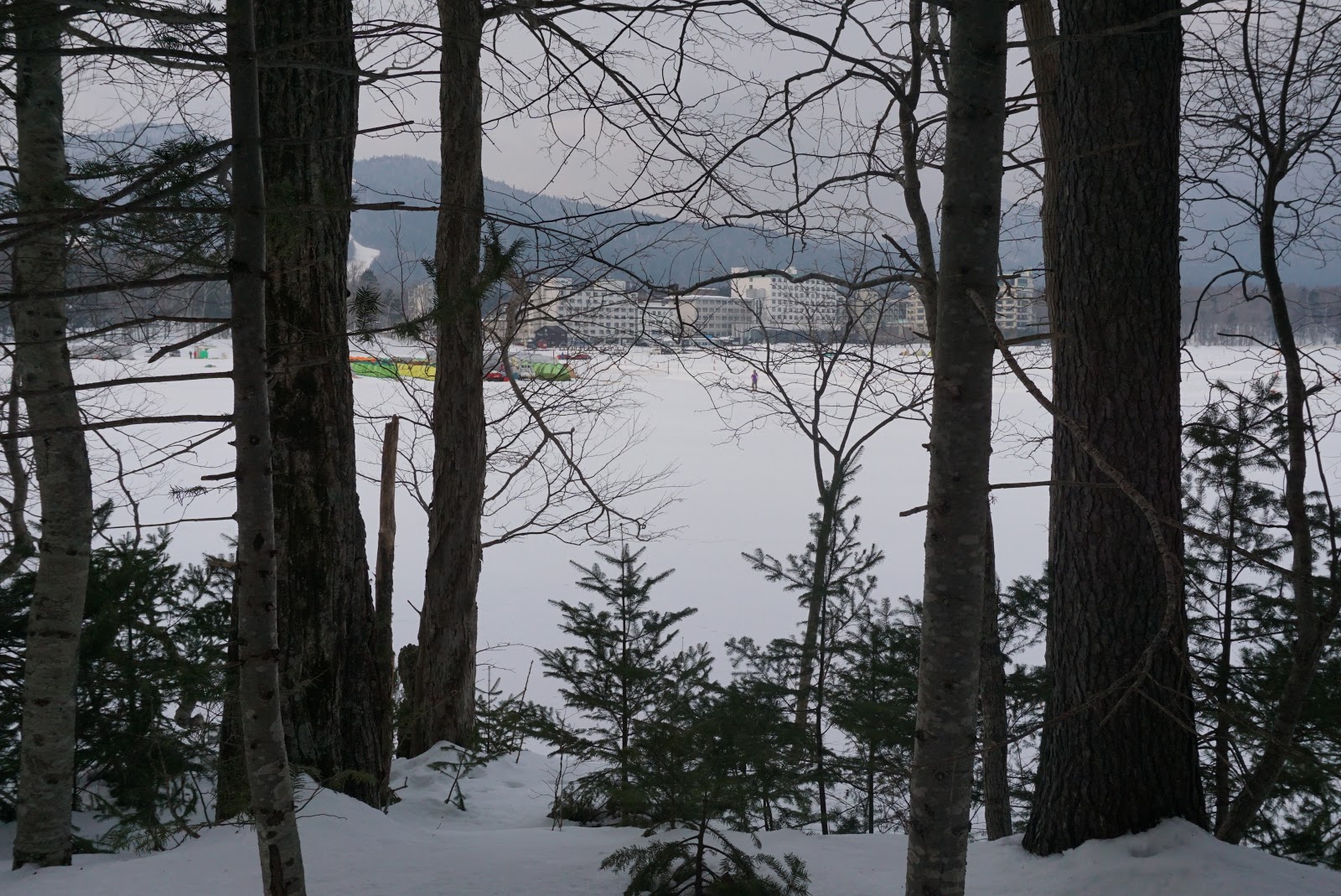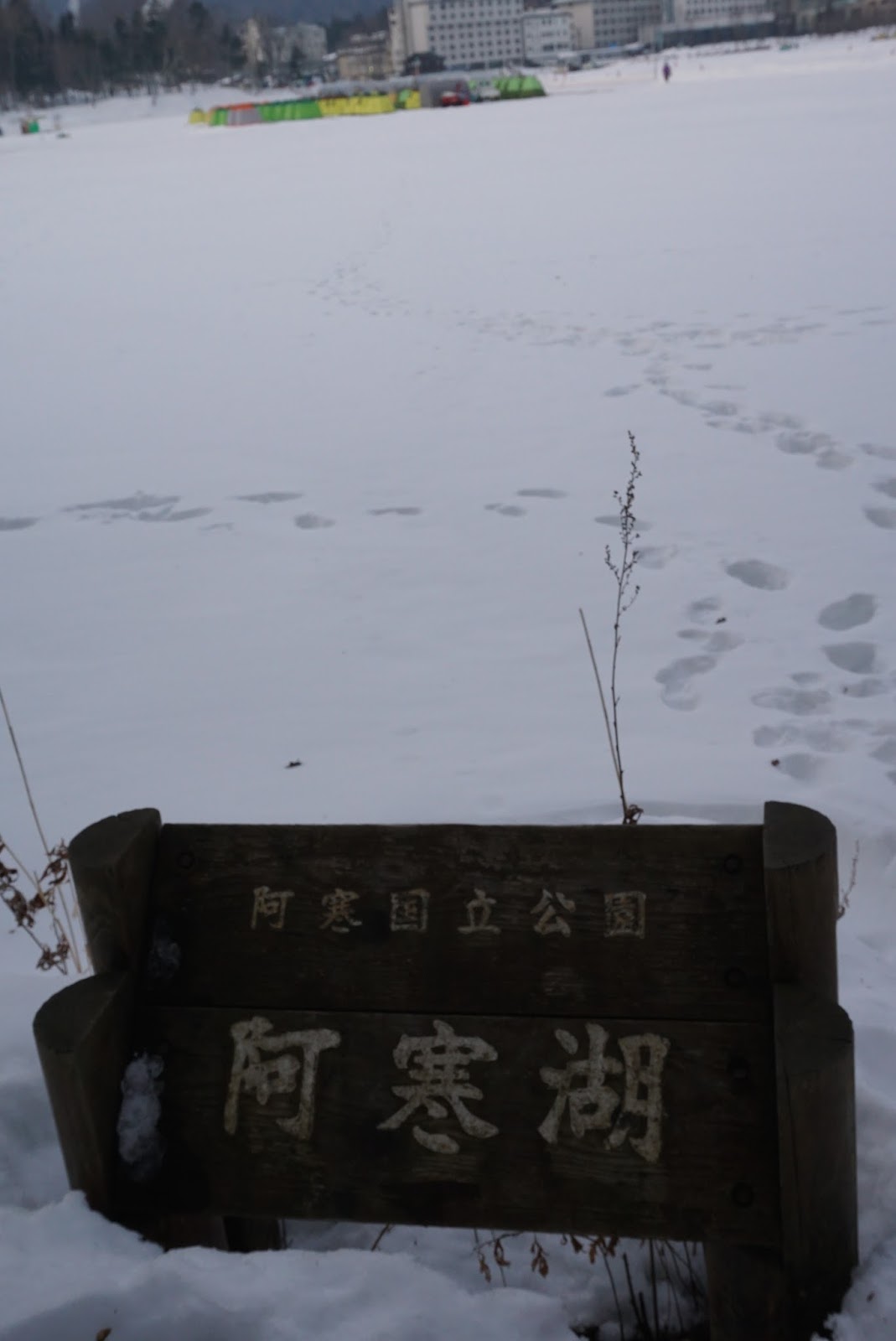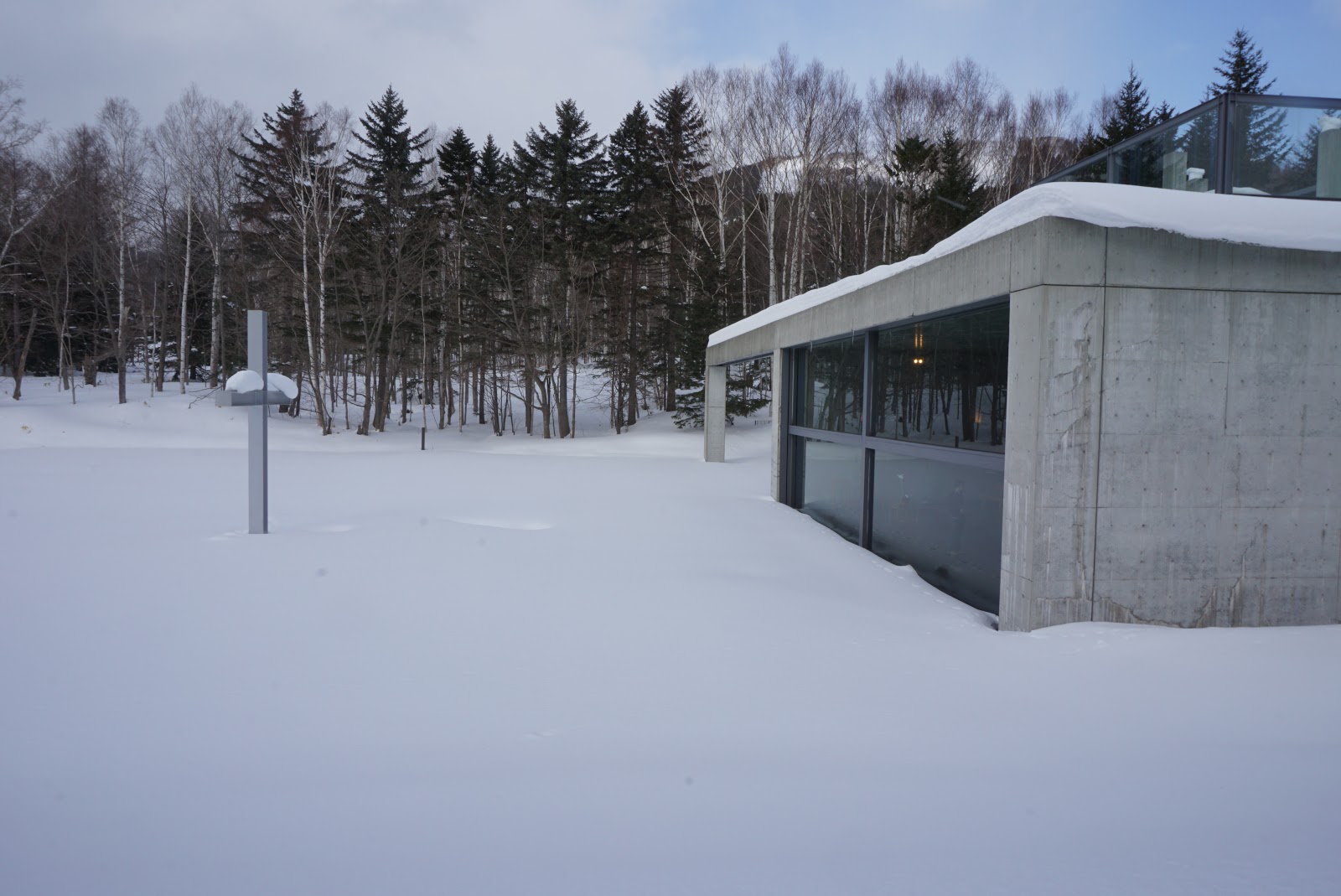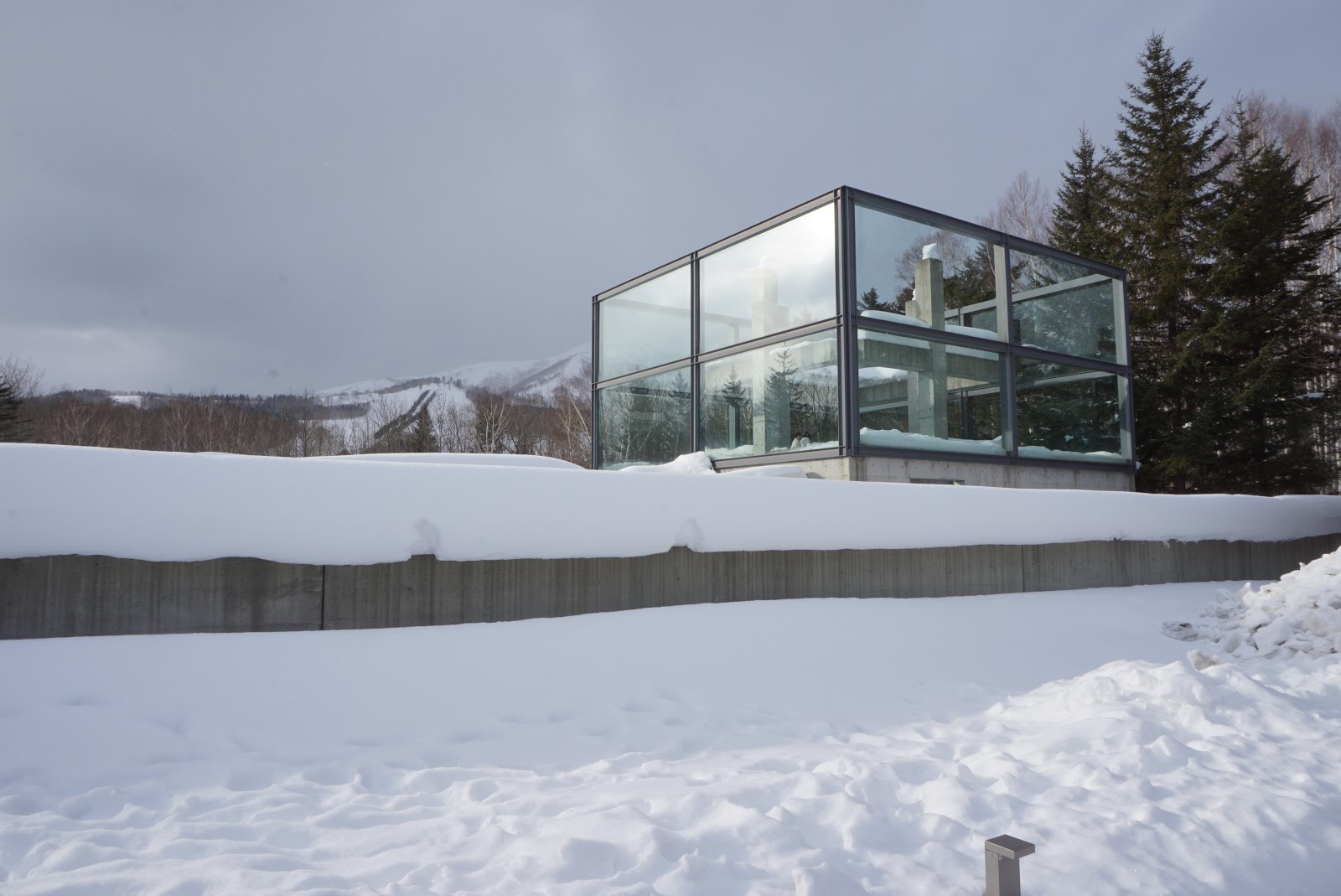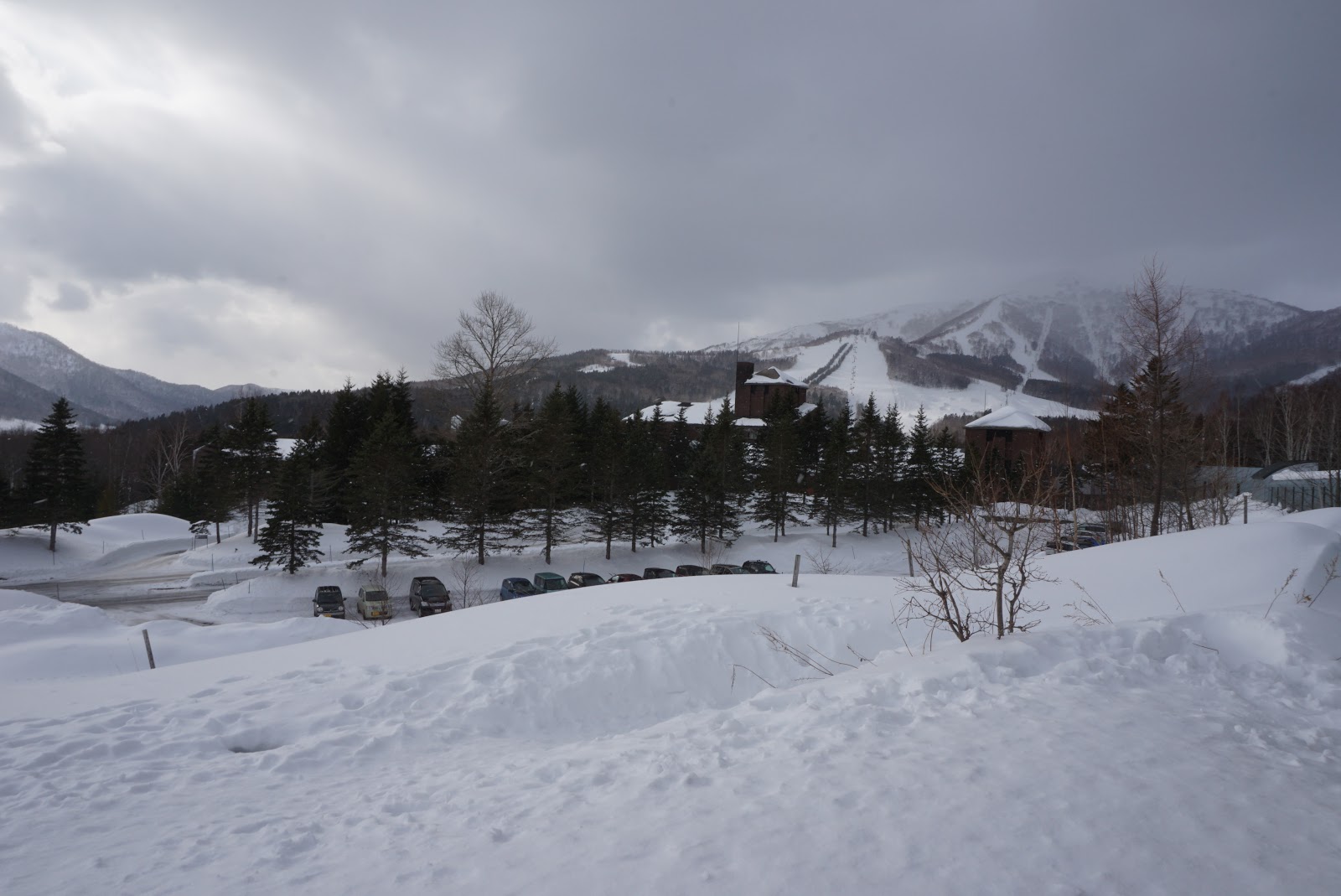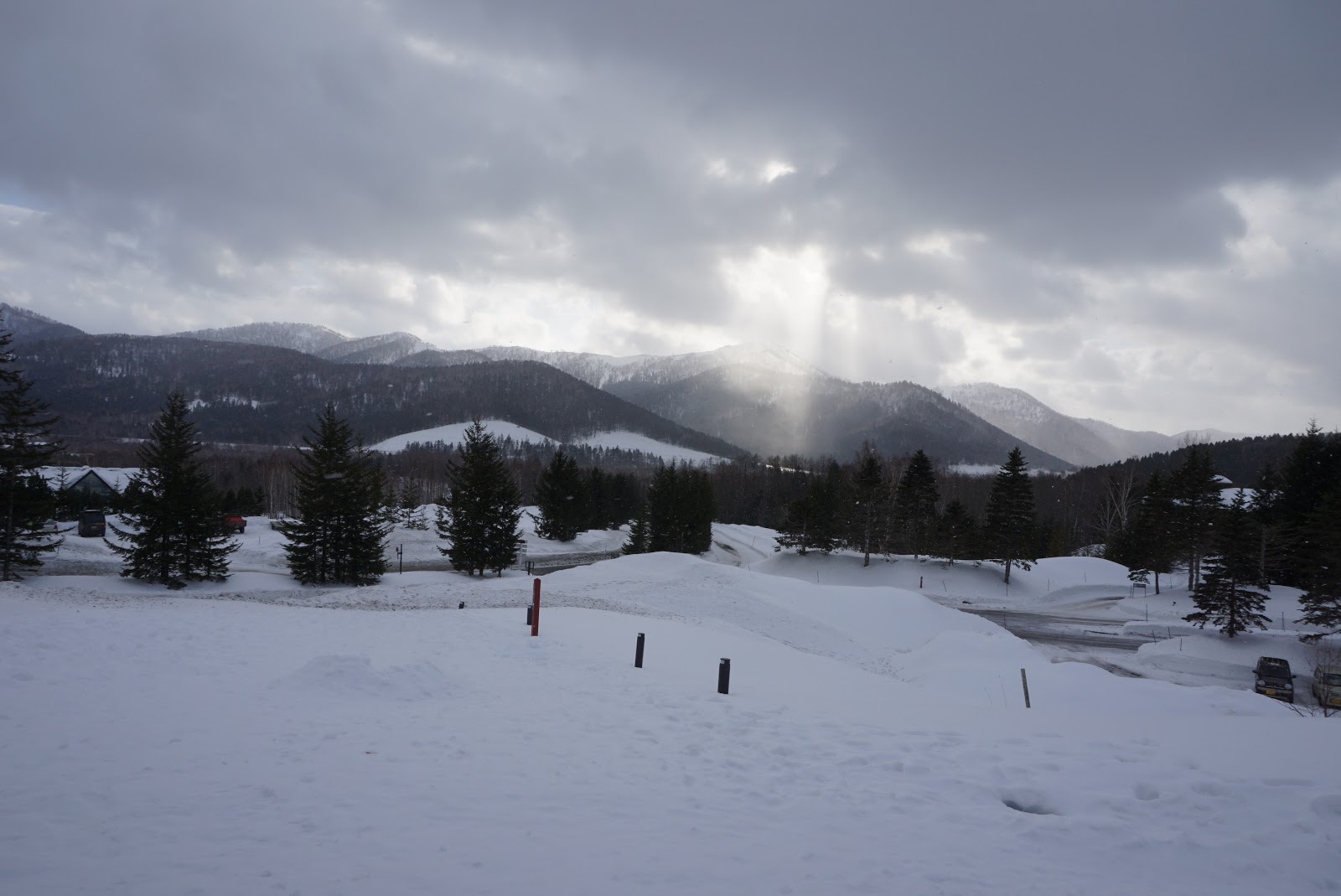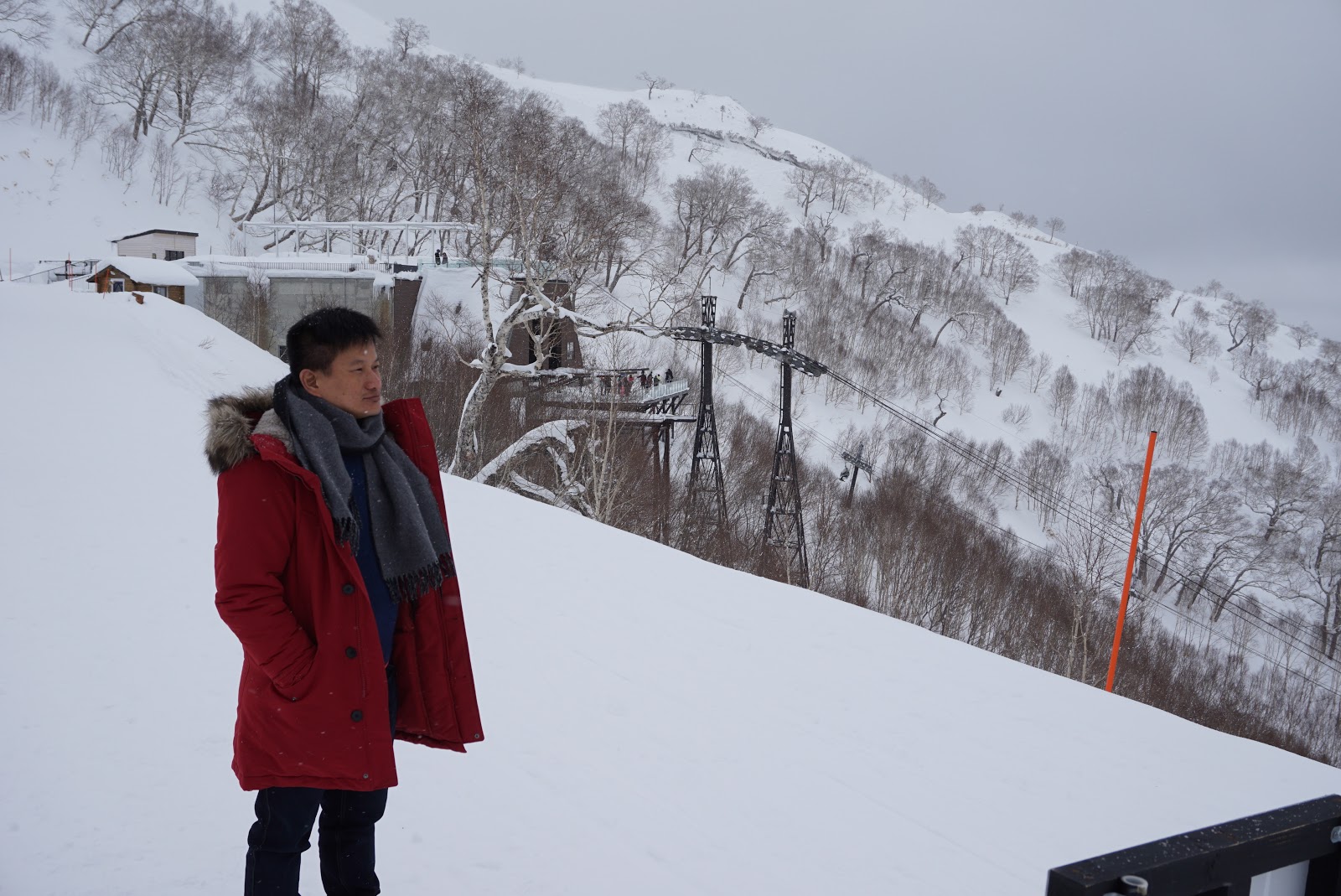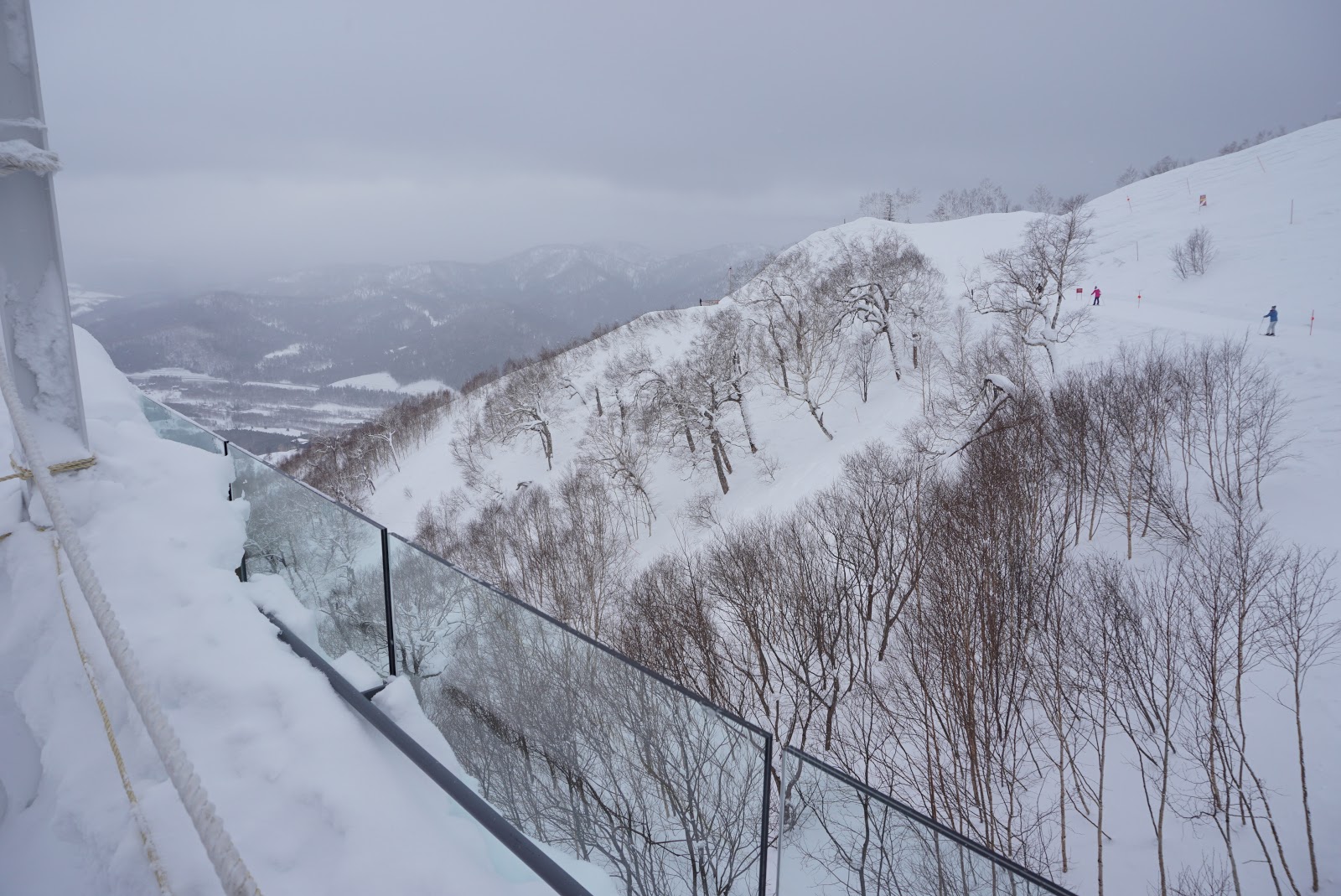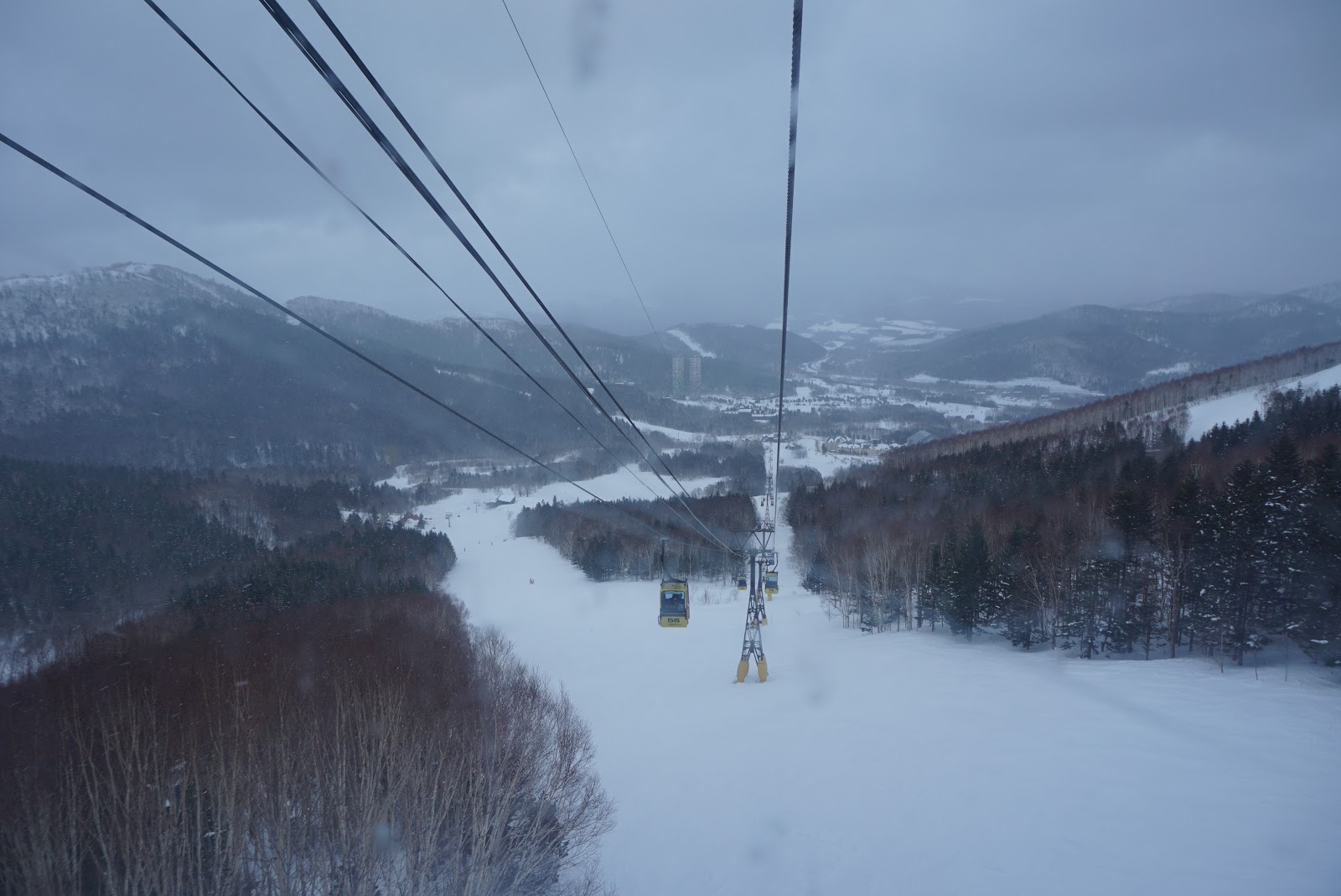
Hokkaido Day 10 (Lake Toya) (23 Feb 17) – Scaling the Volcanoes and Our Search for Scenic Viewpoint of Lake Toya

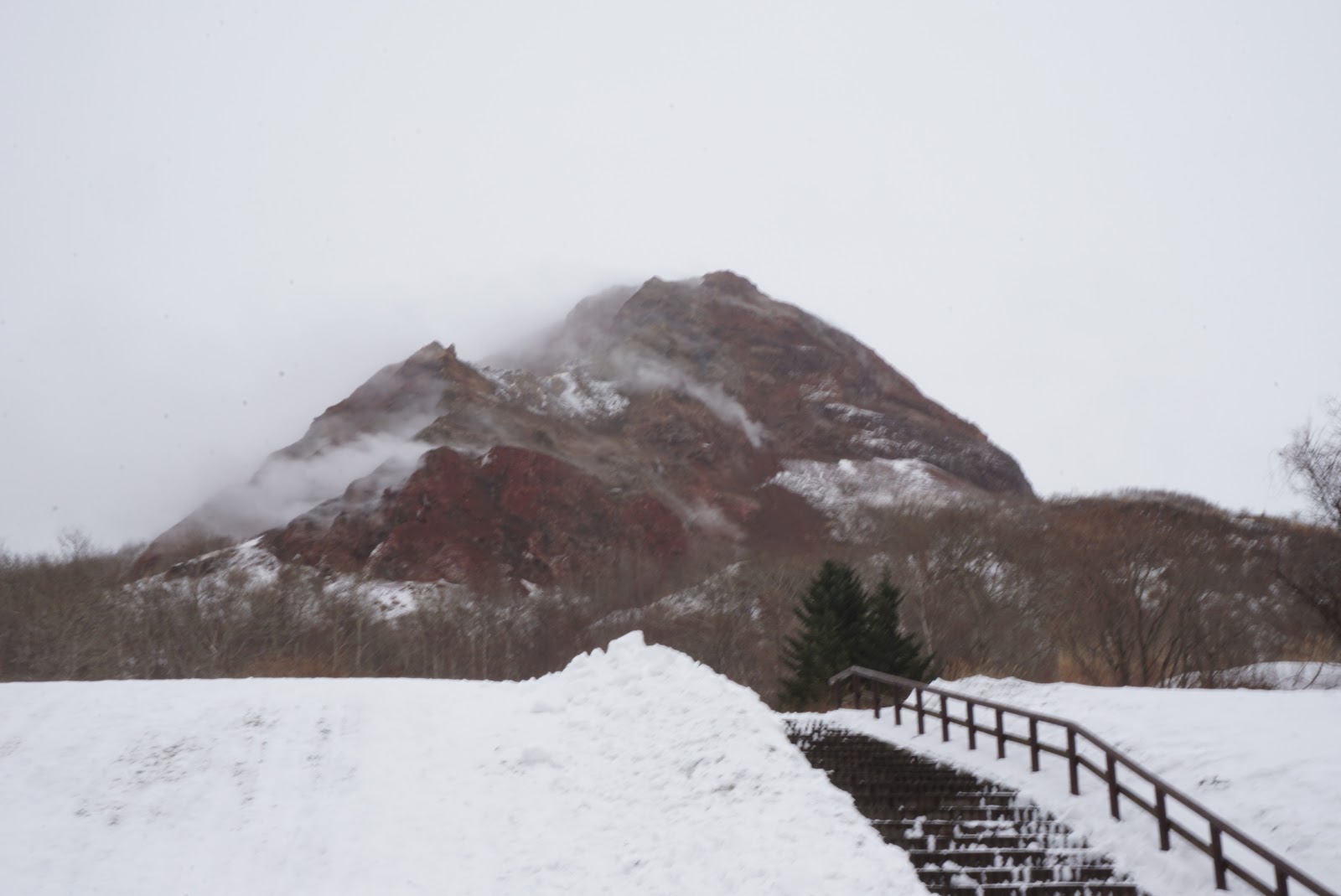
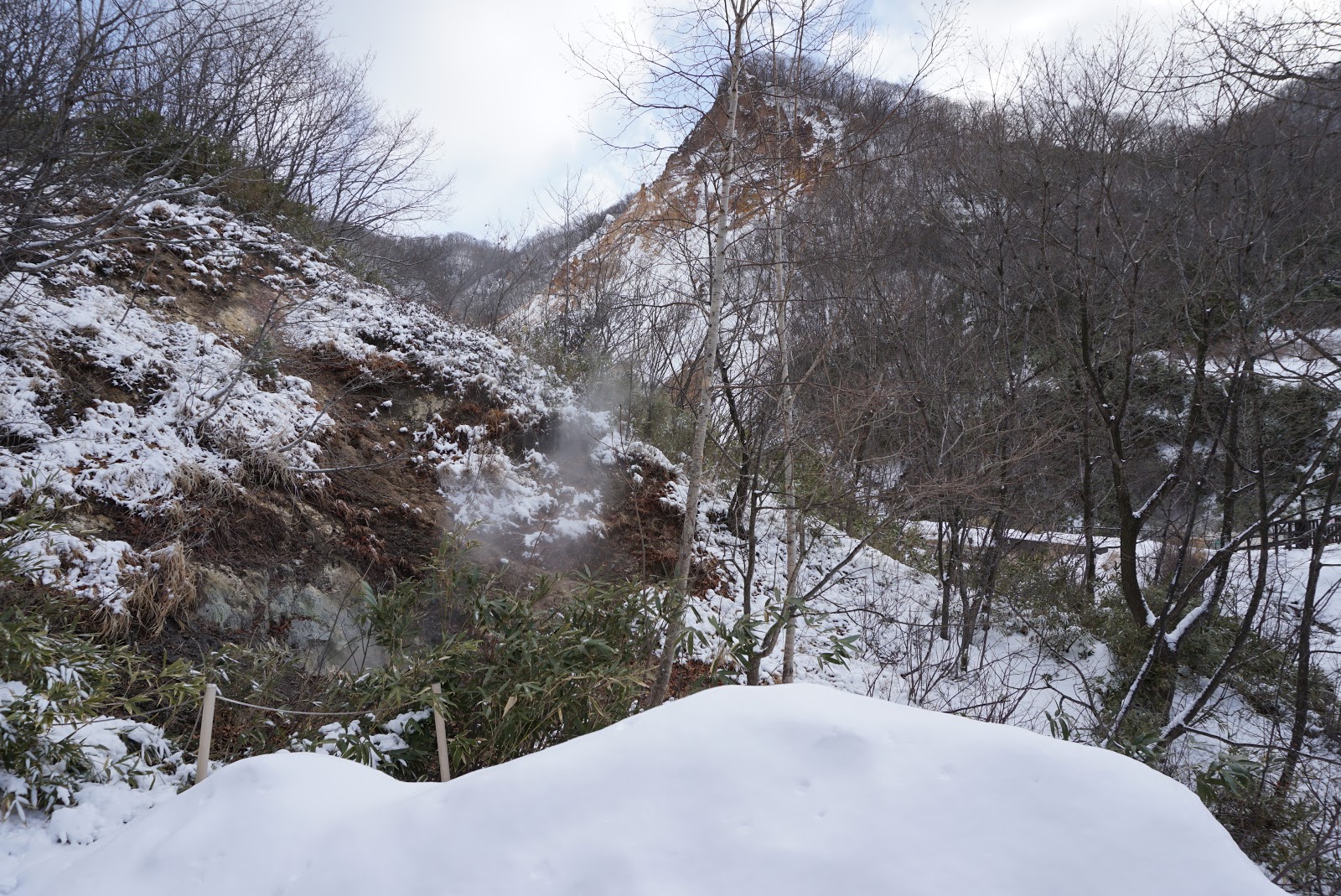
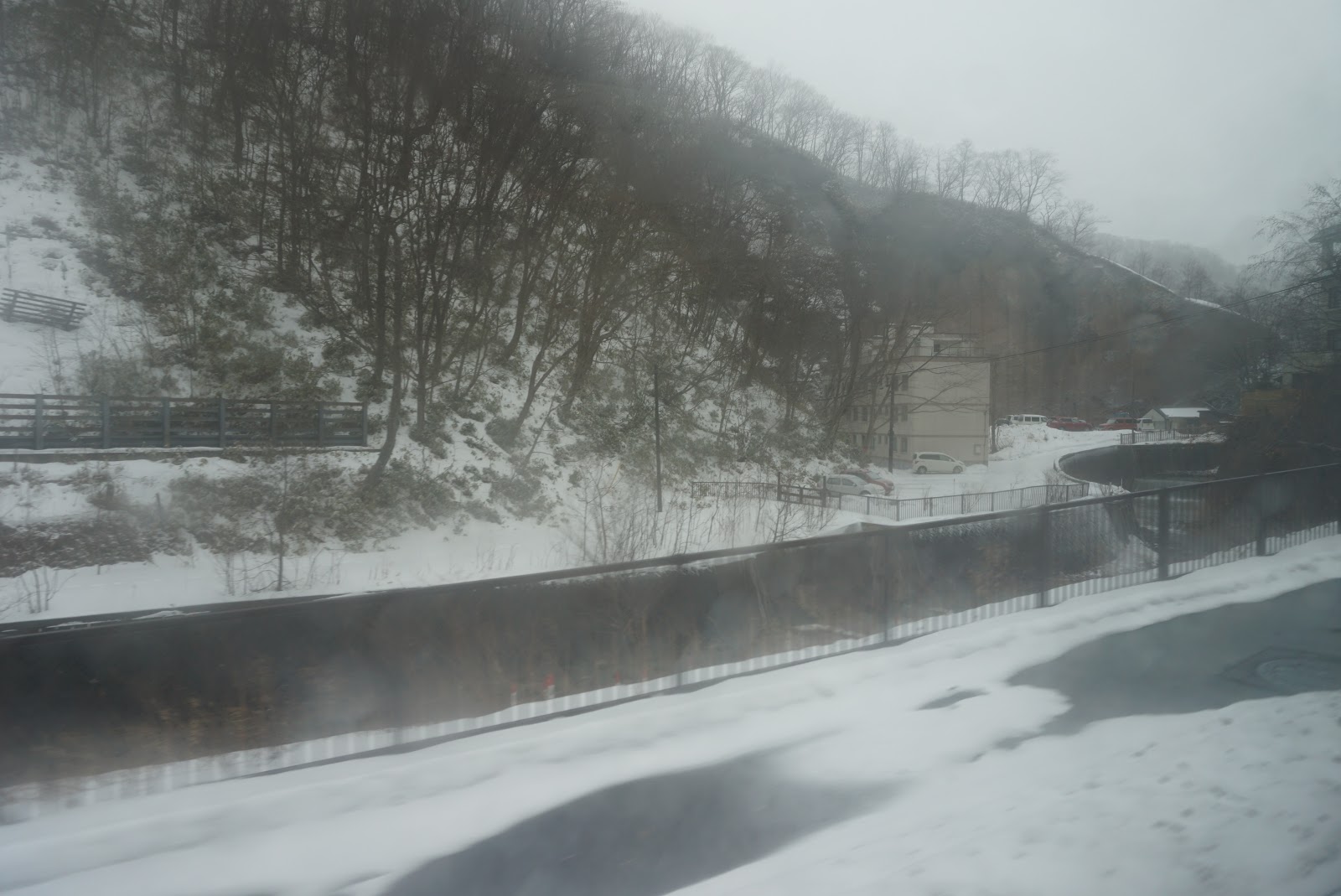
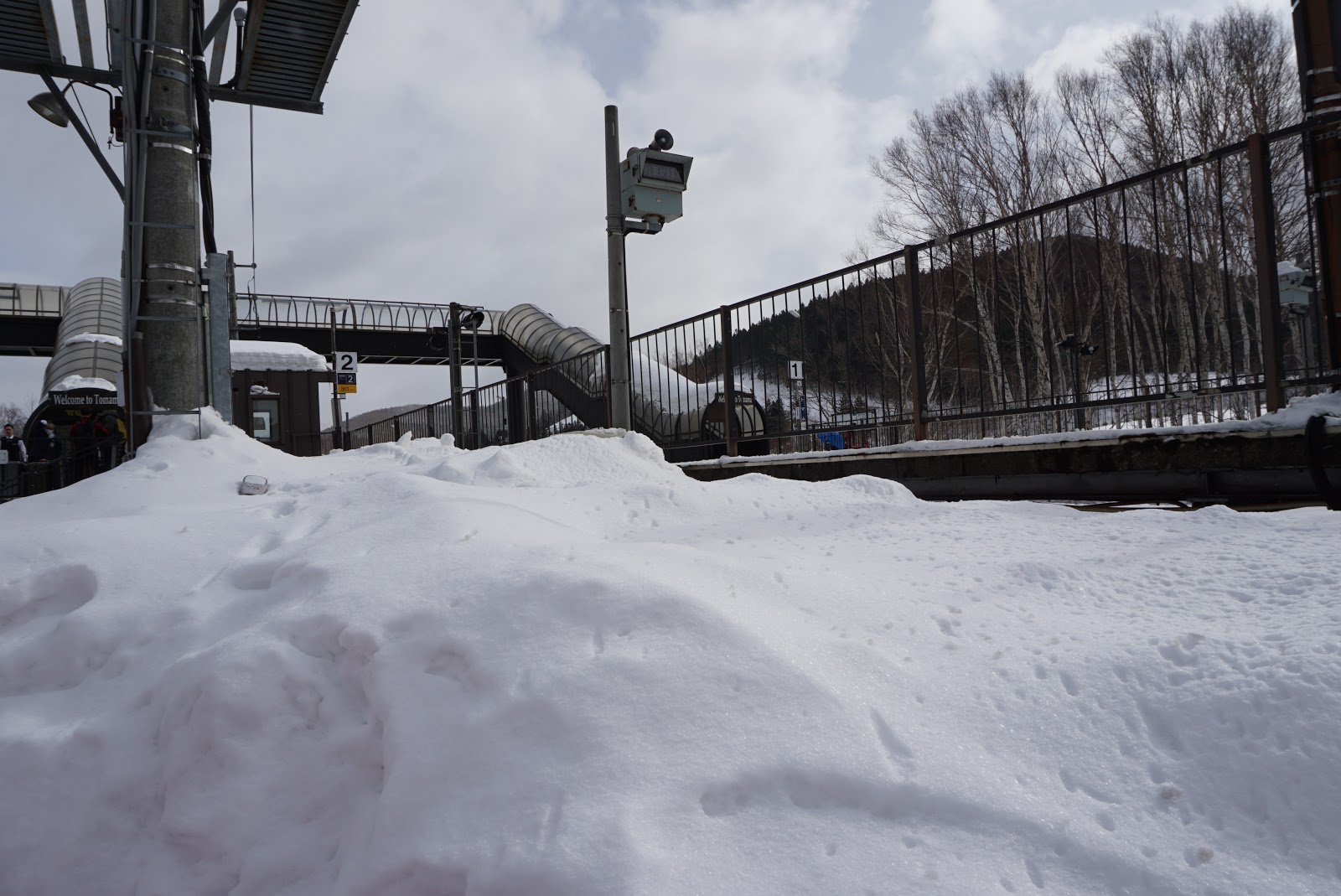
Showa-Shinzan is still emitting smoke

The Volcanoes of Toyako – Scaling up Mt Usu (Usuzan) 

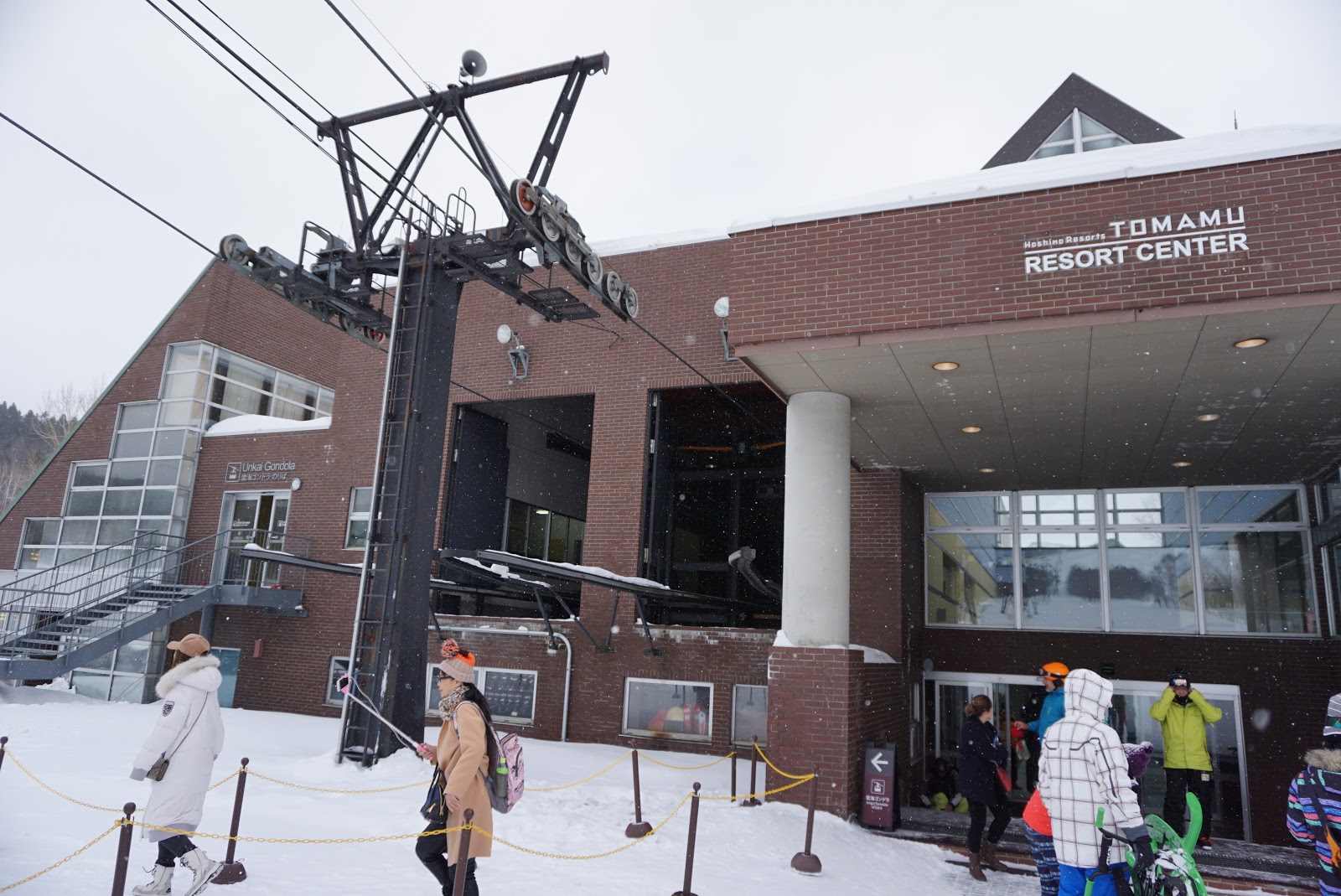
Our itinerary was very light today, we originally planned to visit only the summit of Usuzan via the Usuzan Ropeway. We subsequently included Tenboudai after we reached the summit of Usuzan. Usuzan, standing at 733m tall, is an active volcano and has erupted 4 times since 1900, with the last eruption in 2000. During the 1944 eruption, a 398m new volcano, Showa-Shinzan was formed. After breakfast, we took the 9.33 am local bus from the bus stop in front of our hotel to Usuzan. To get to Usuzan Ropeway, we took the bus to the terminal stop of Showan-Shinzan.
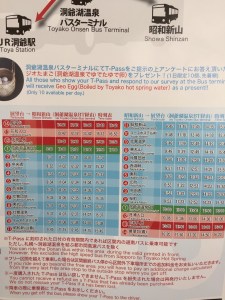
Winter local bus schedule, plying between Tenboudai and Showa-Shinzan
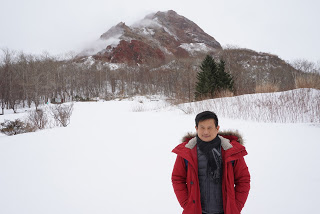
Alighting the bus at Showan-Shinzan stop, the majestic volcano is the first thing that caught my eyes. Today is a snow day. At this point, I almost forgot what we were here for. My eyes were set on the young volcano, which is still displaying its rage with the smoke emitting from various points on the volcano, as though reminding locals and visitors that it is not ready to sleep. We hurried up a flight of snow-covered steps and took pictures of the partially snow-covered red and brown volcano.
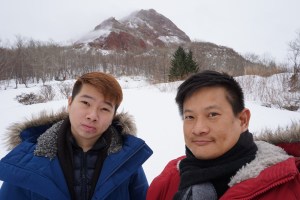
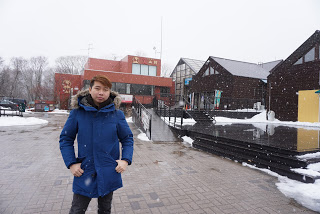
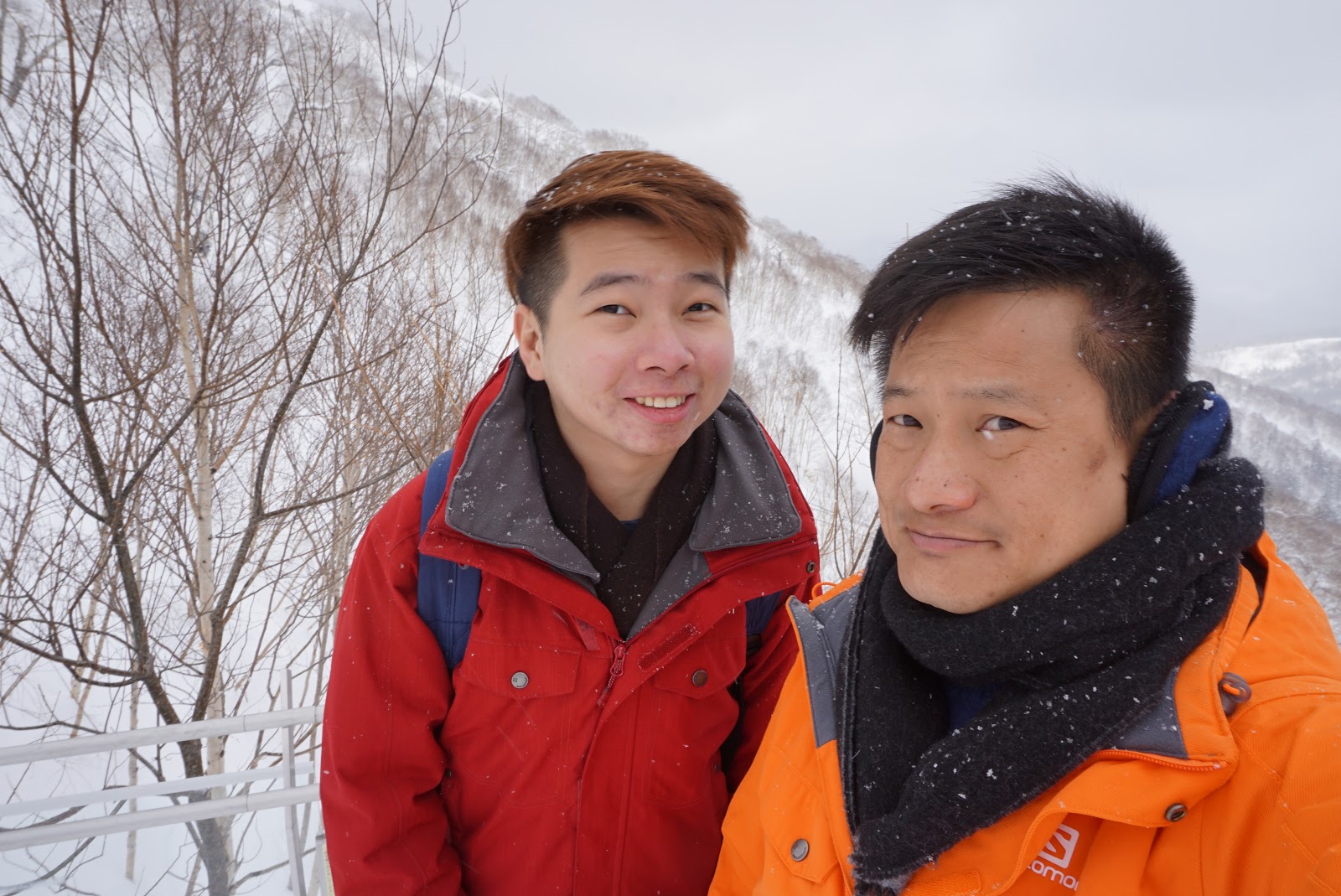
Taking wefie with Showa-Shinzan in the background
Me with Showa-Shinzan
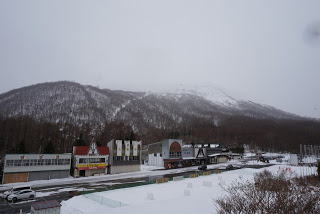
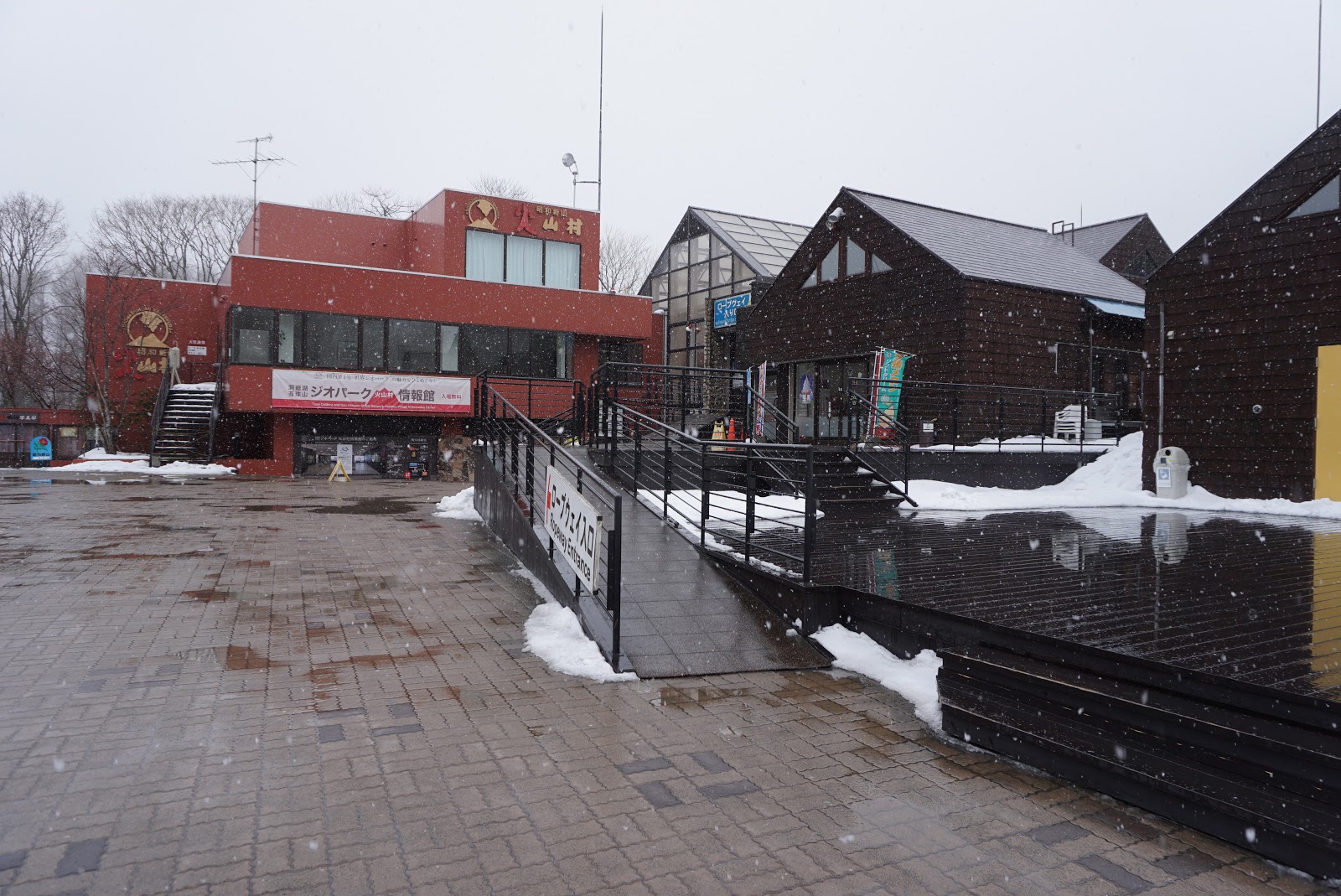
Usuzan and the Volcano Village
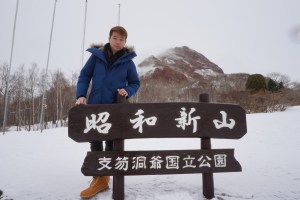
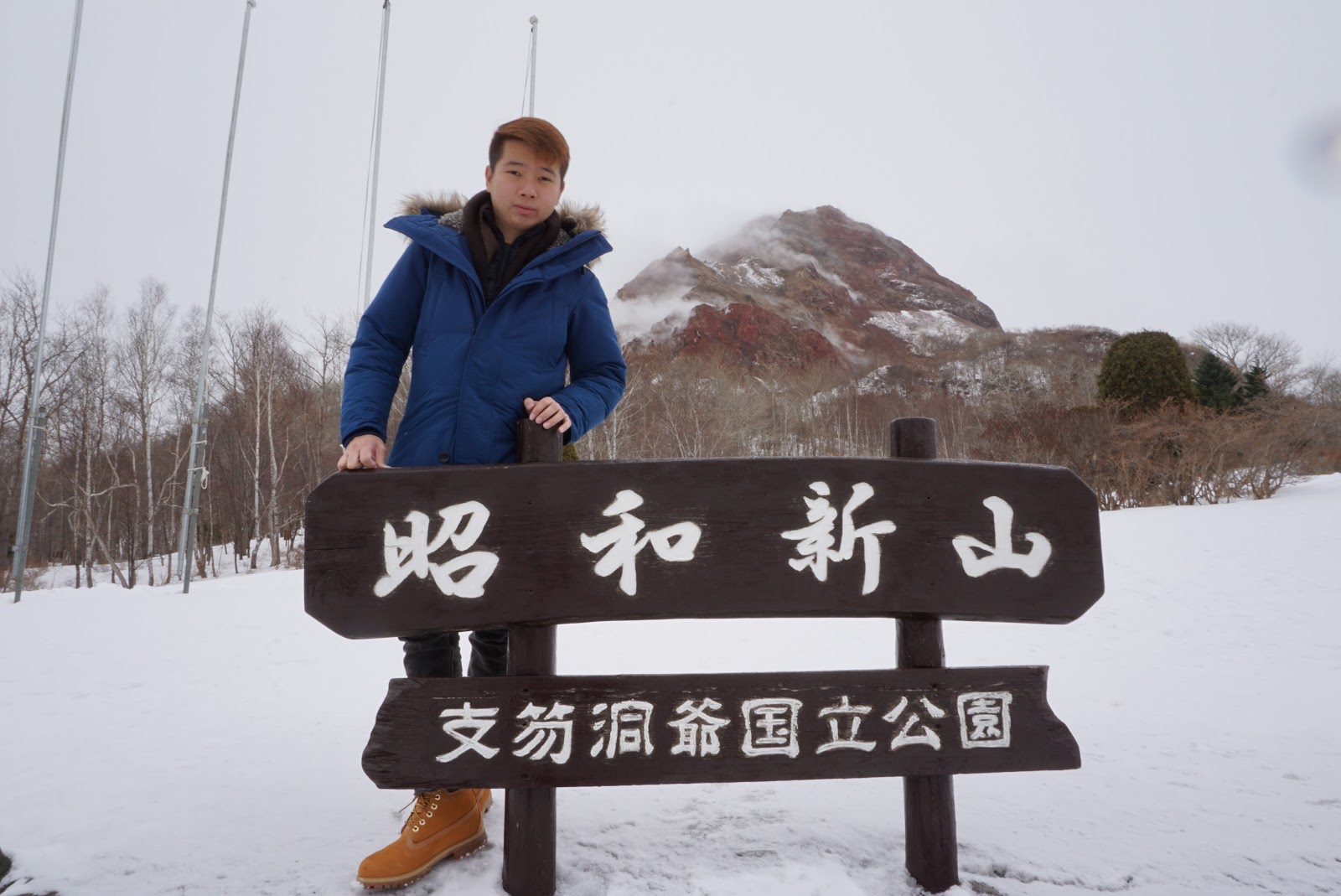
My friend with Showa-Shinzan signage
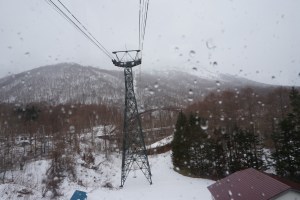
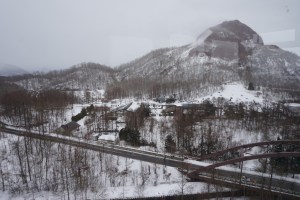
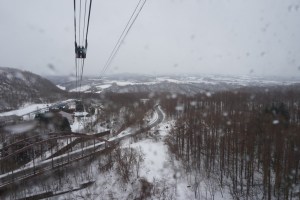
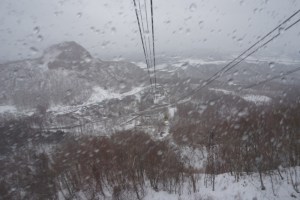
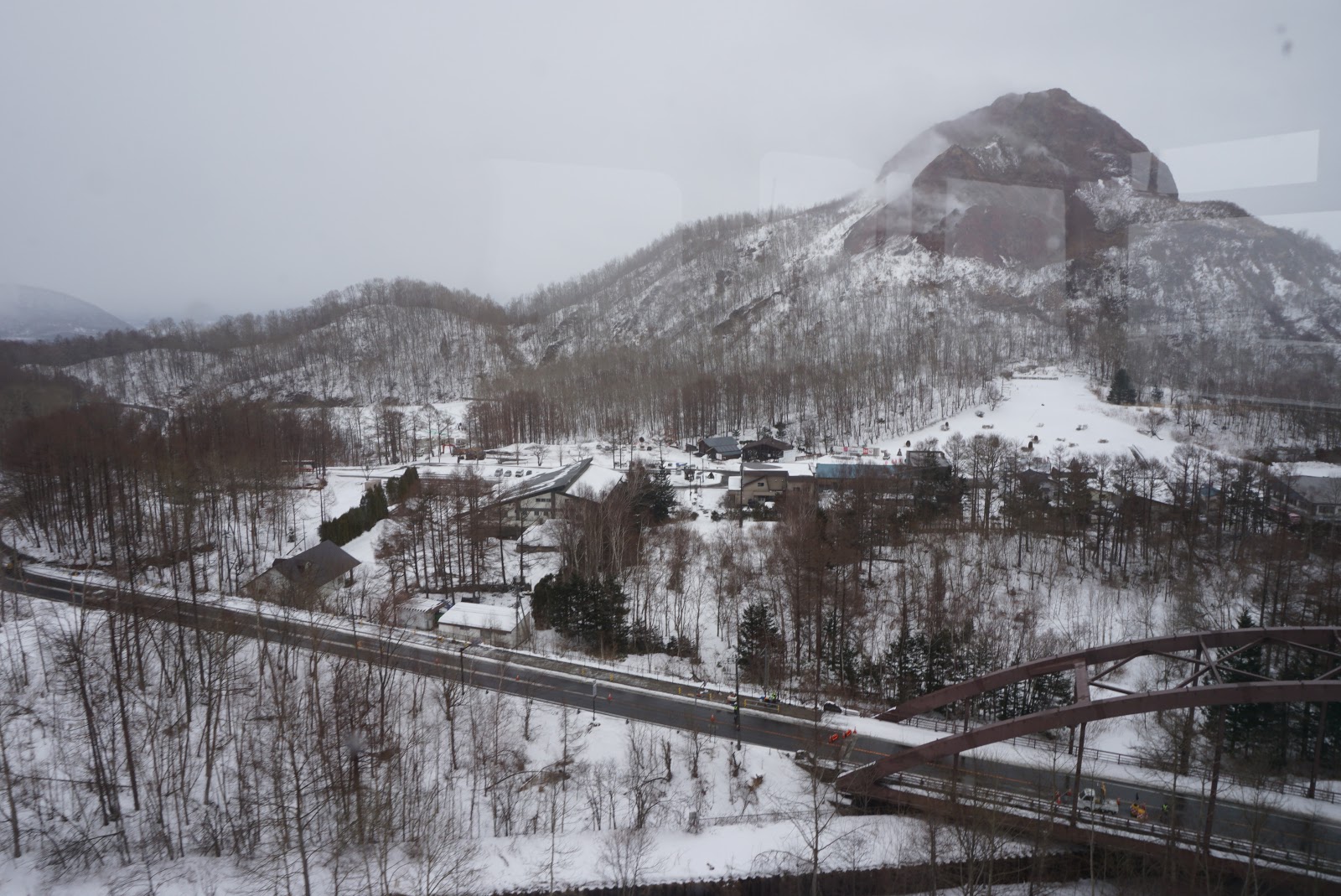
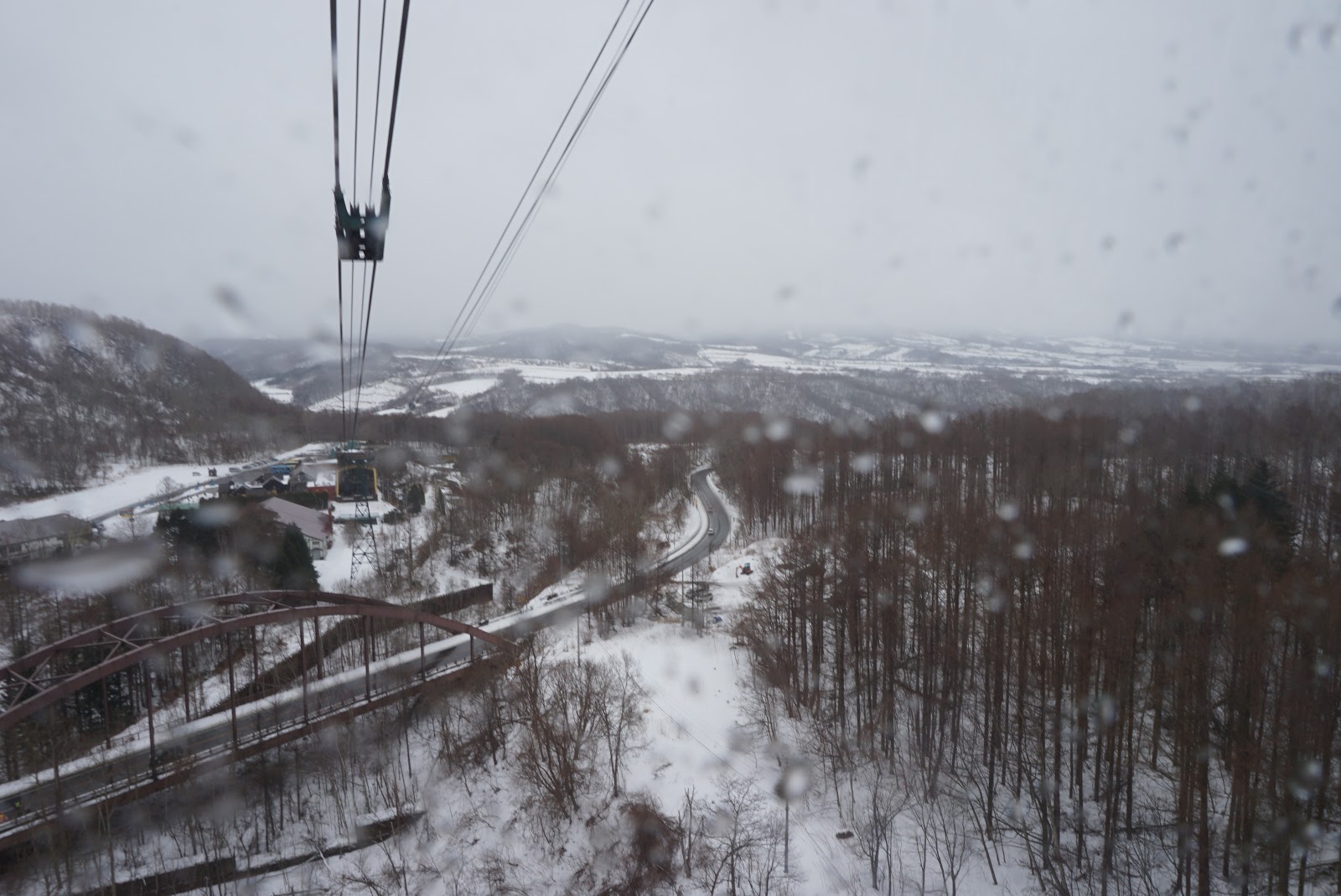
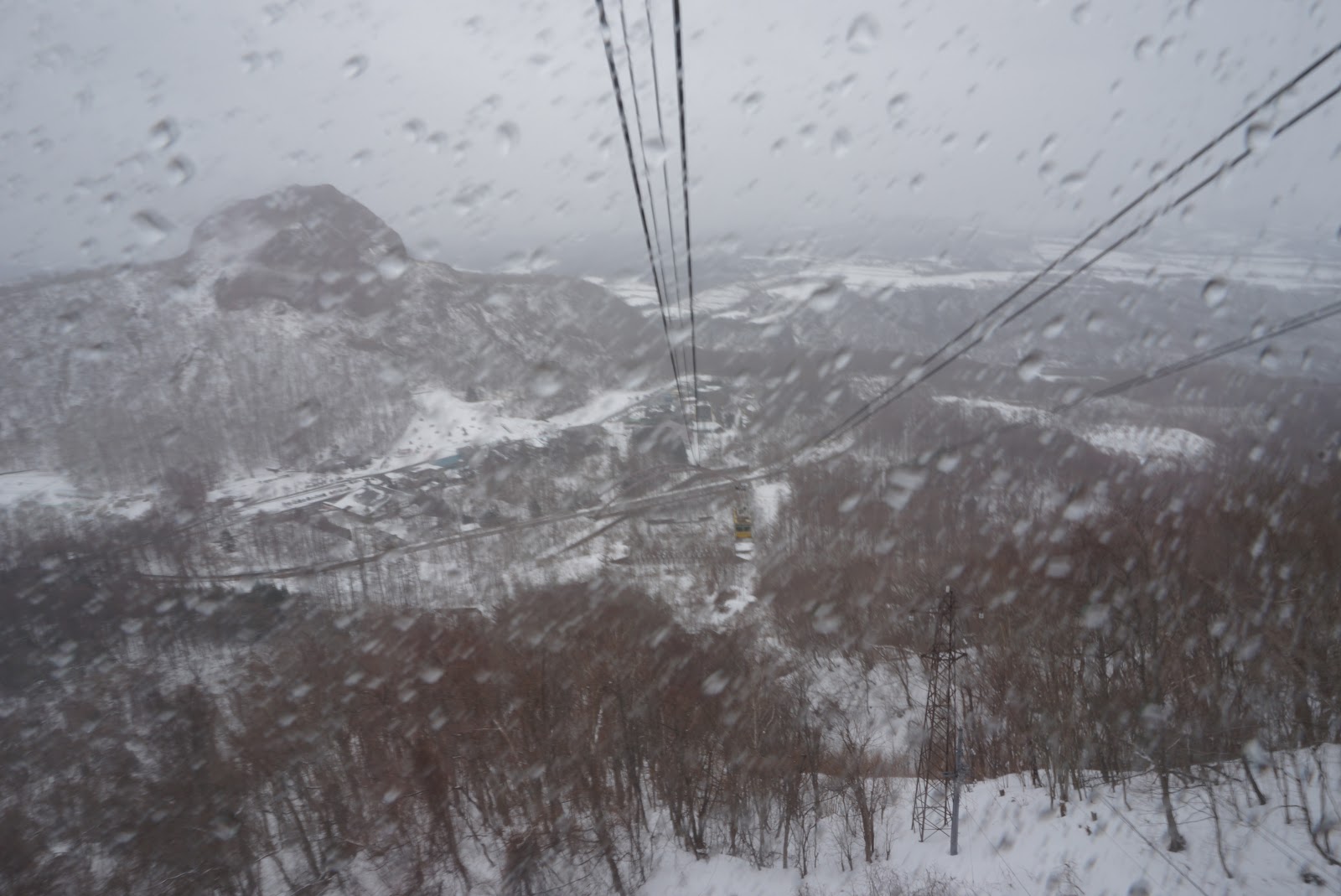
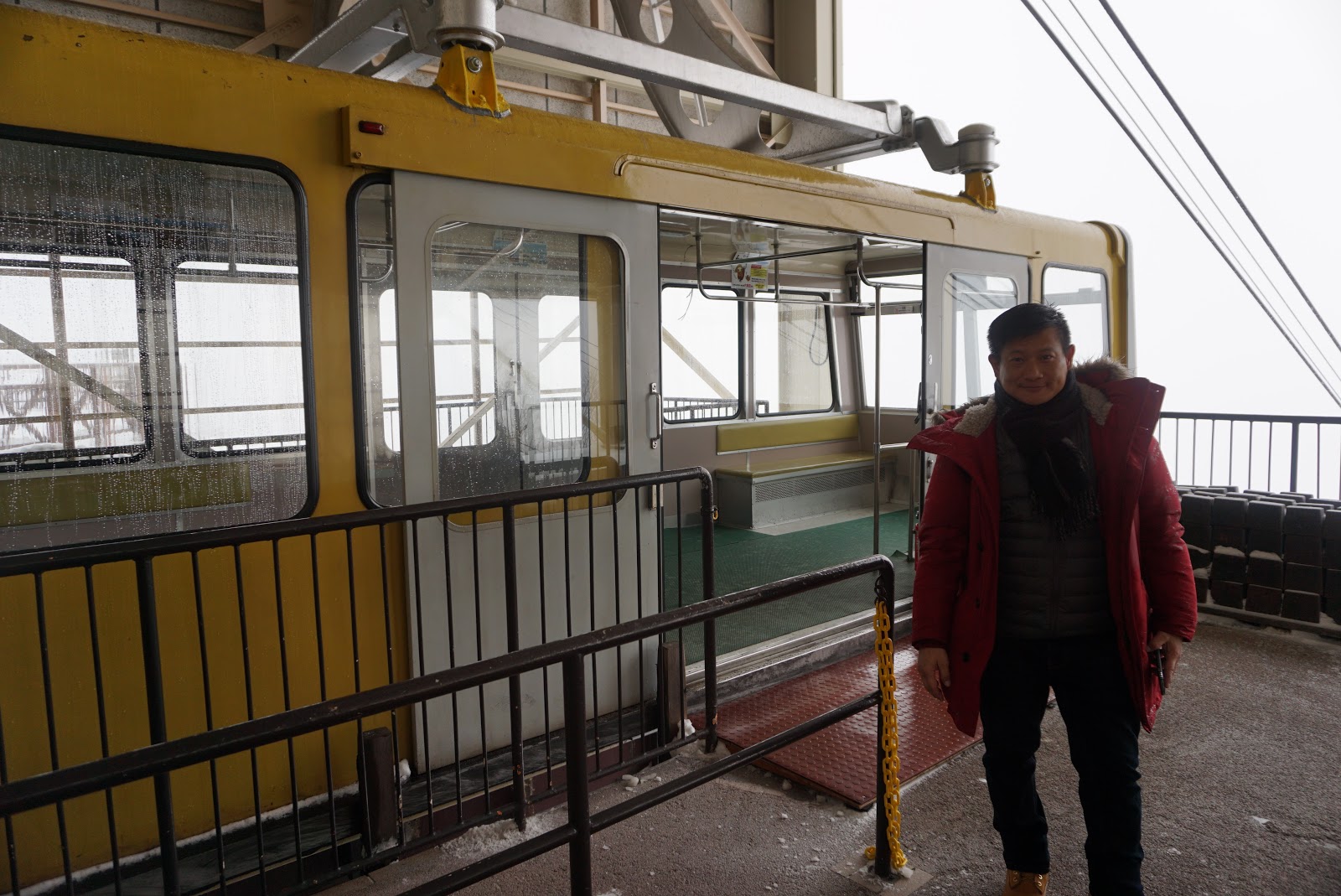
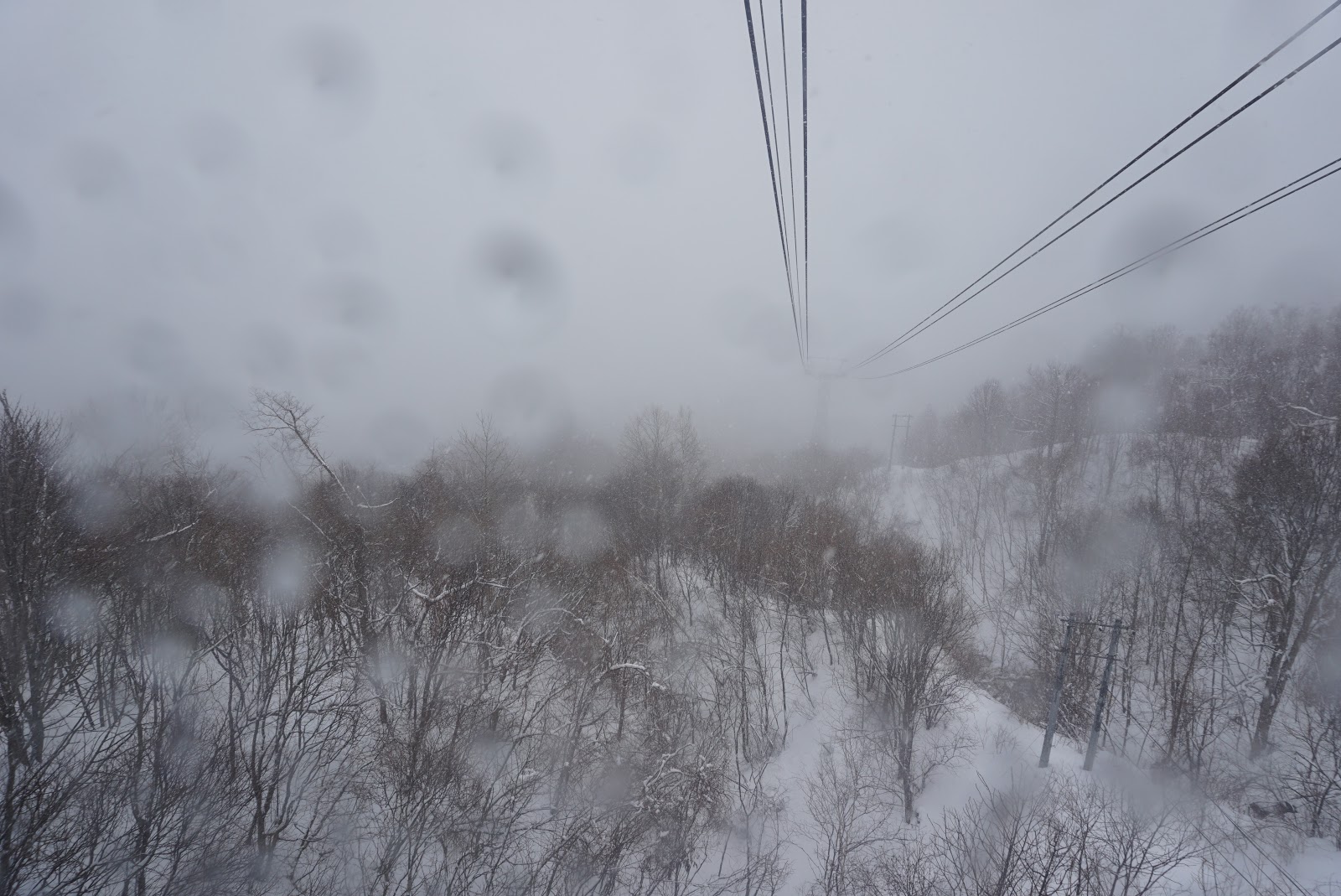
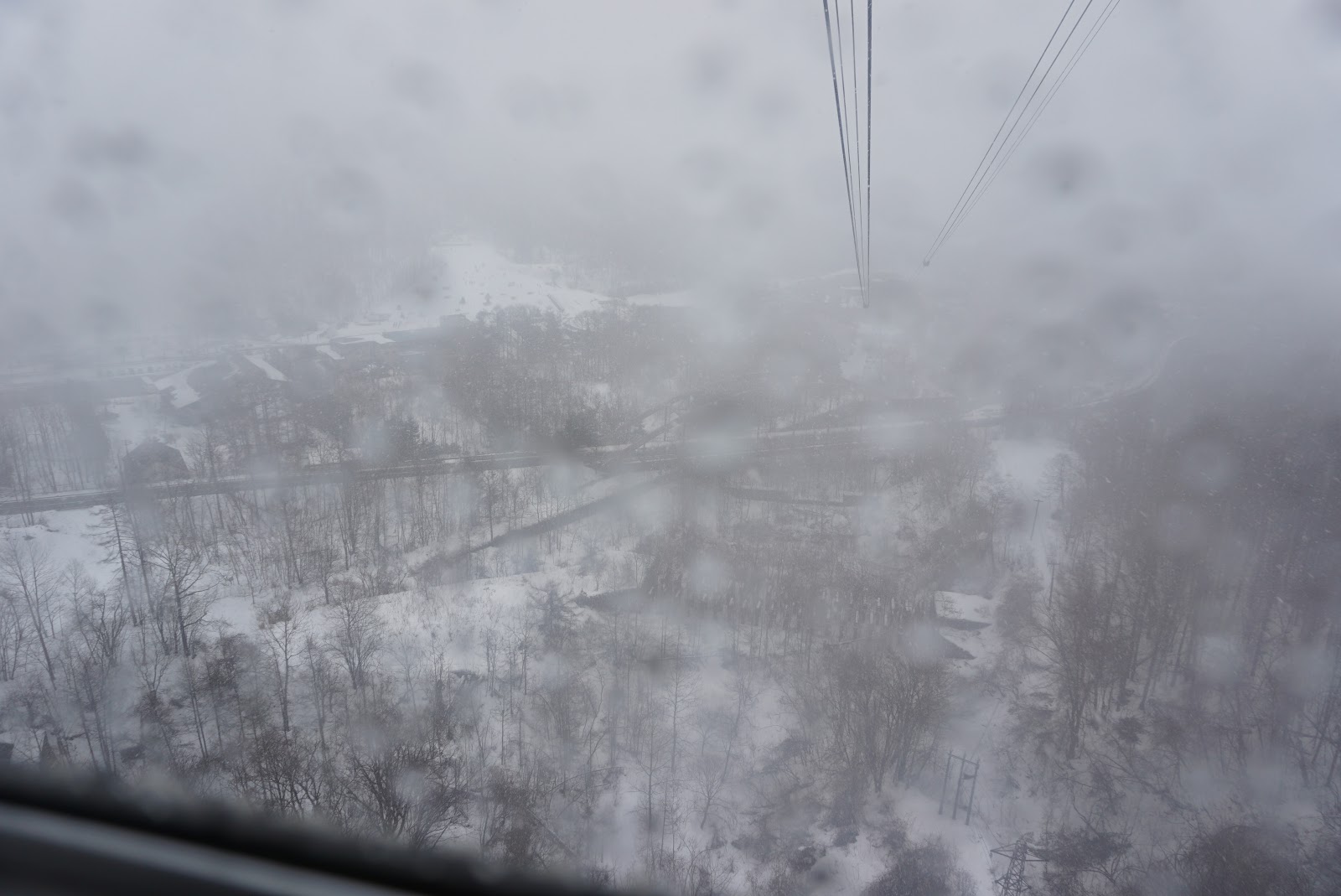
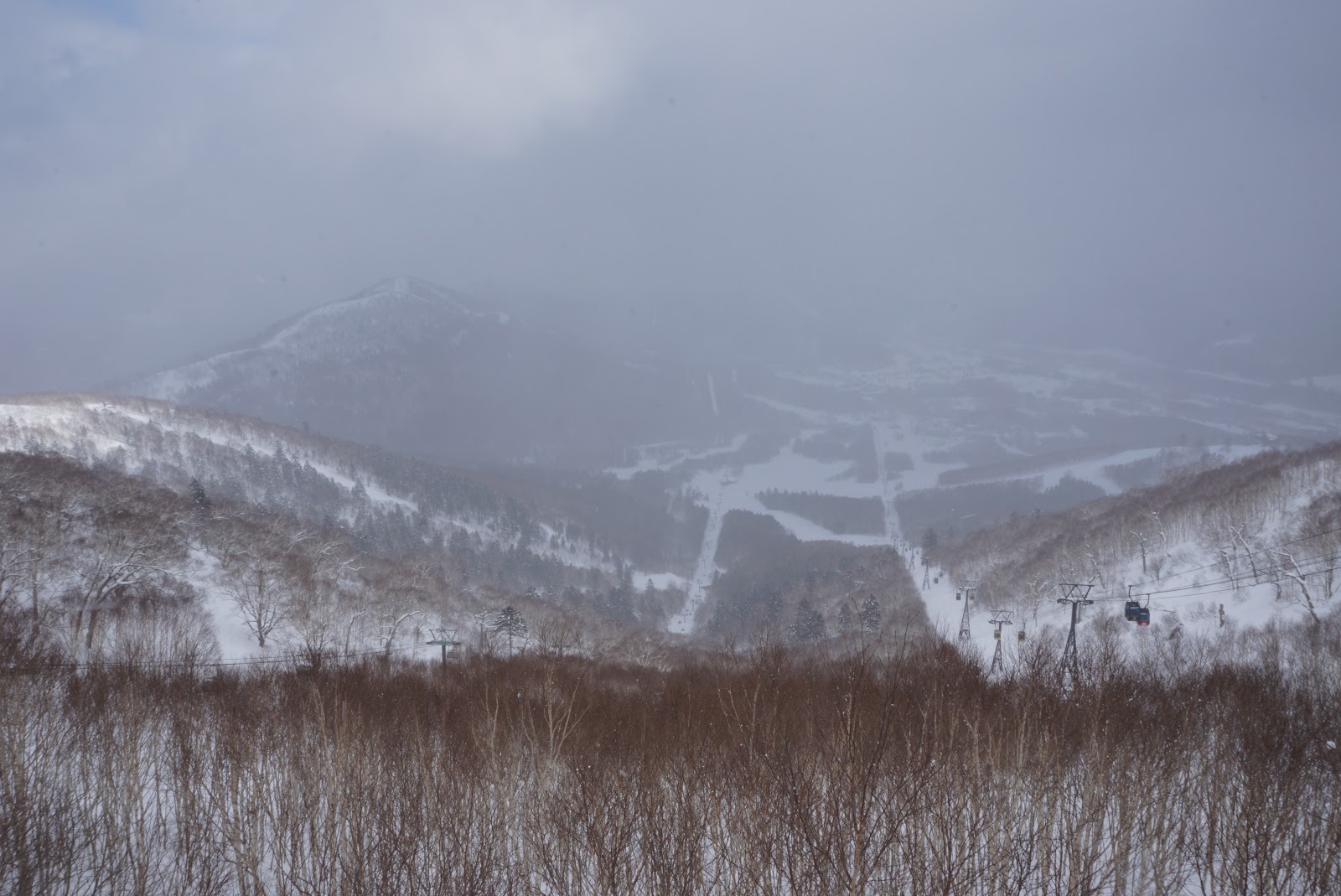
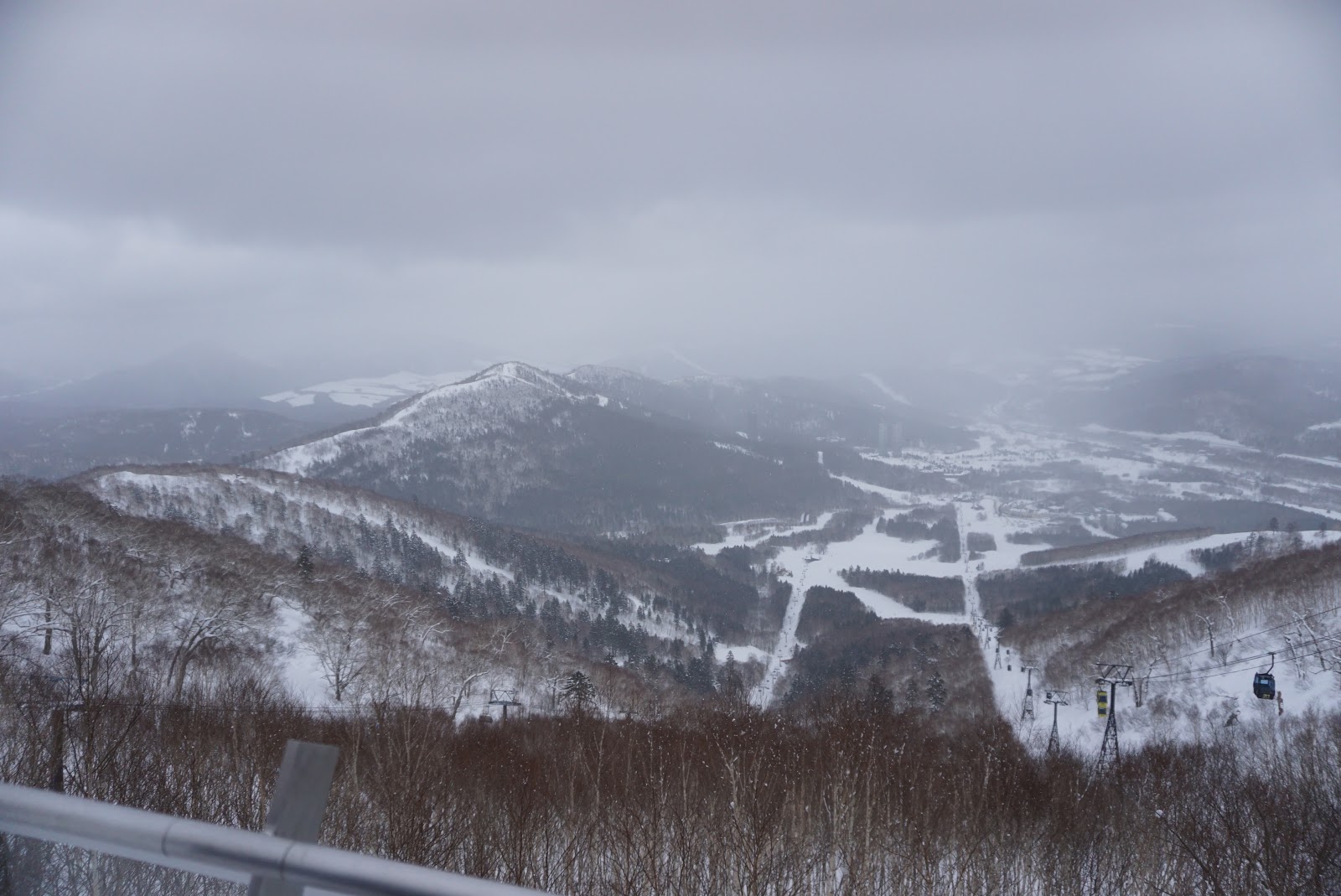
After containing our excitement of seeing Showan-Shinzan, we headed across the road and straight to the Usuzan Ropeway. Usuzan Ropeway gondola can take up to 106 passengers. We were the only ones who will be travelling up to the summit of Usuzan today, as it was snowing. The ride up Usuzan takes around 6 mins. As the gondola makes its way up to Usuzan, we could see the entire Volcano Village and Showan-Shinzan. The higher the gondola goes, the more of Toyako Onsen was visible. Nearing the summit of Usuzan, we entered into a cloud of snow. At this time I knew that it is unlikely we can see Lake Toya from Usuzan.
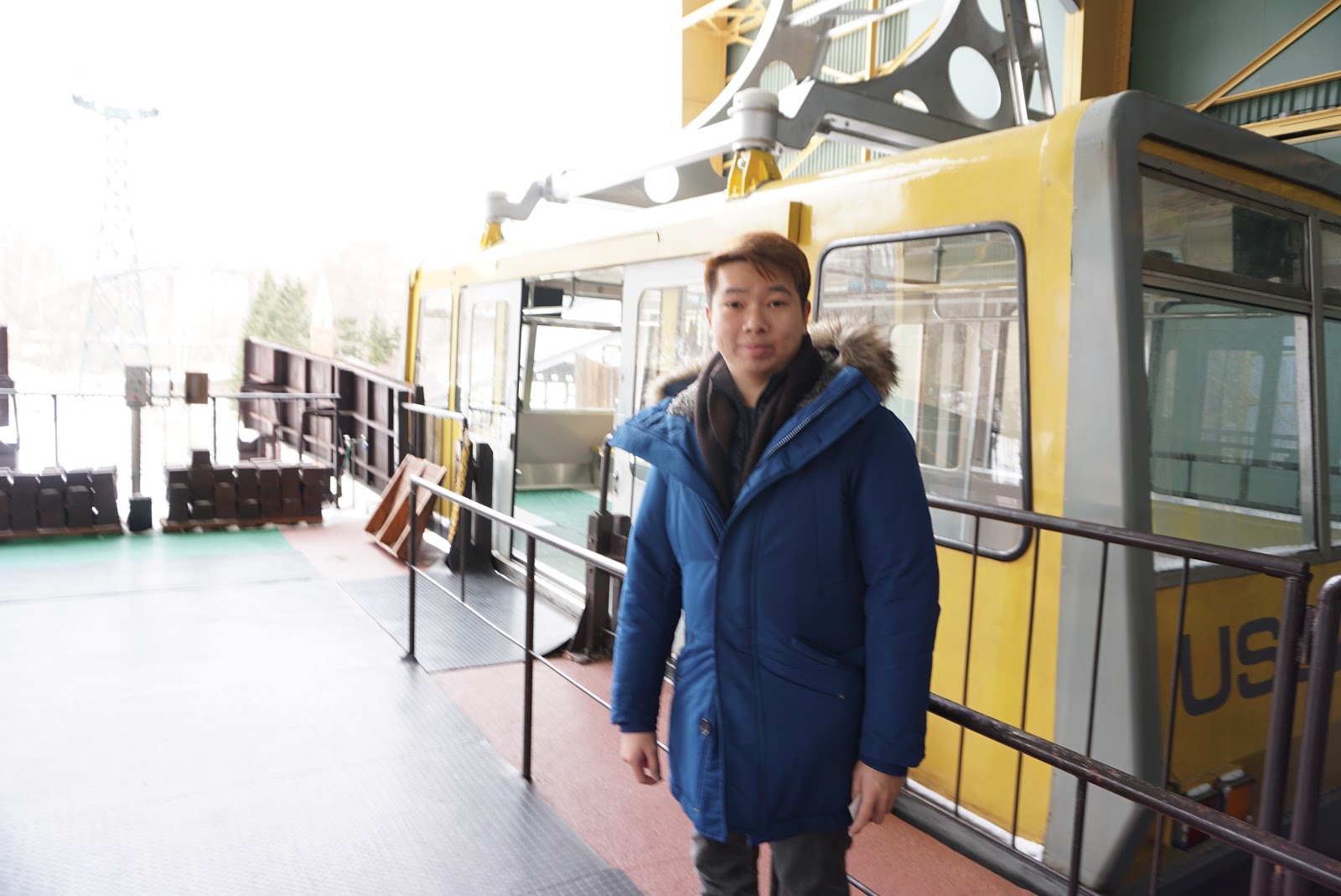
My friend in front of Usuzan Ropeway
Riding Usuzan Ropeway up to the peak of the volcano
Me inside the gondola as we were leaving the station
Usuzan Ropeway making its way up to the summit
View of Toyako Onsen
Showa-Shinzan from Usuzan Ropeway


The entire Showa-Shinzan area is covered with snow


Our view is becoming obscured as we enter into the low clouds
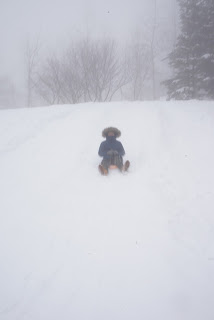
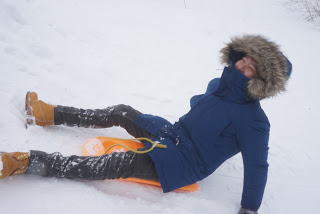
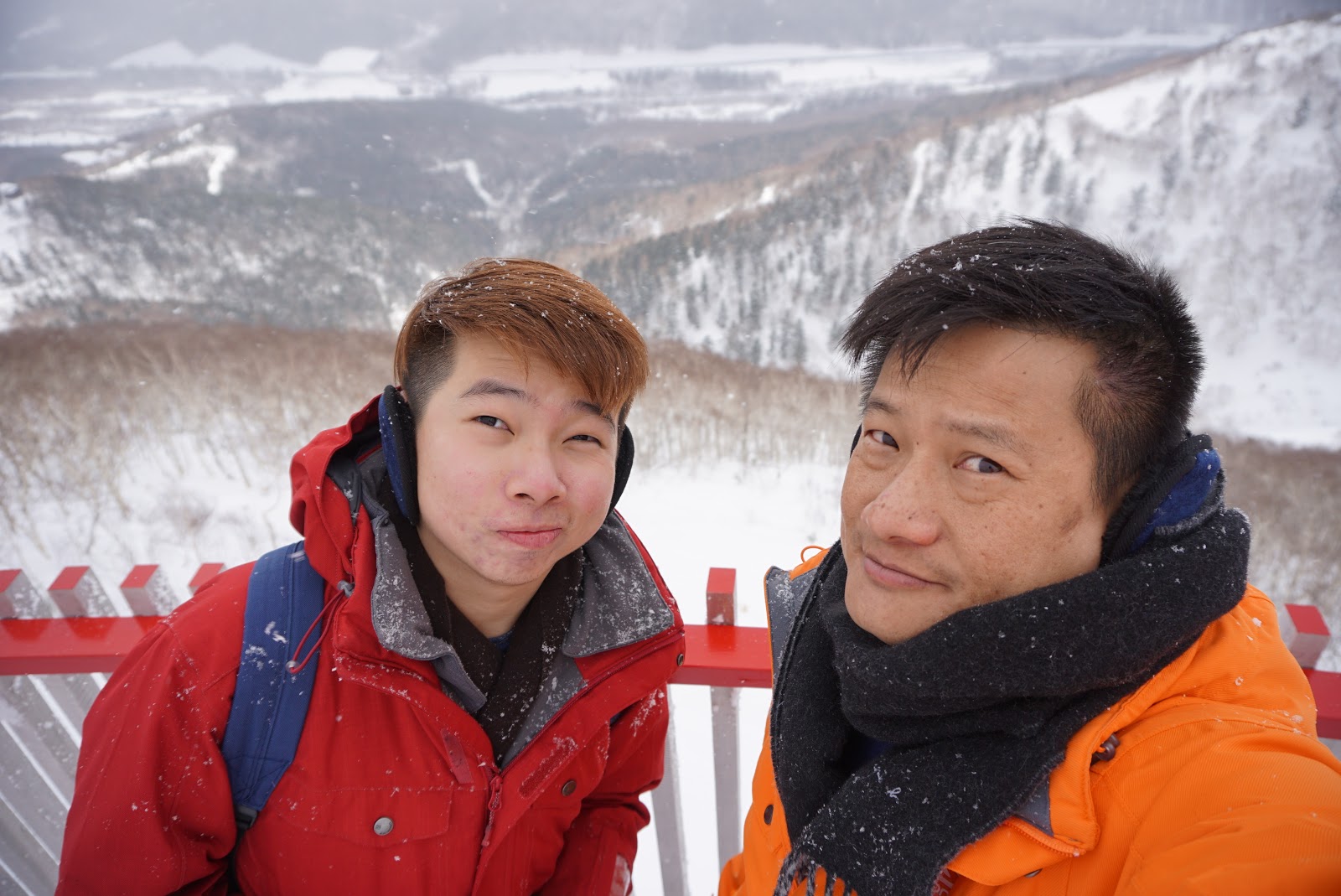
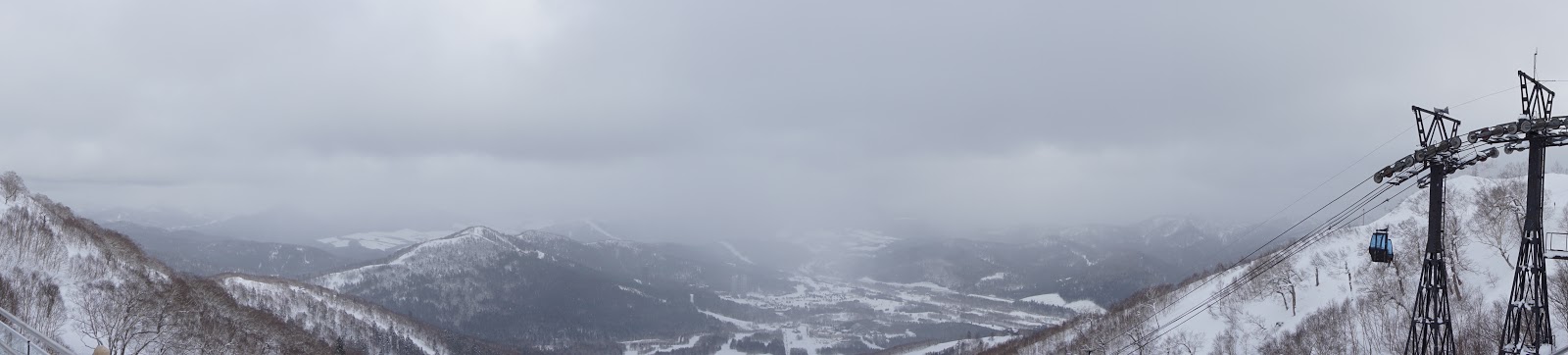
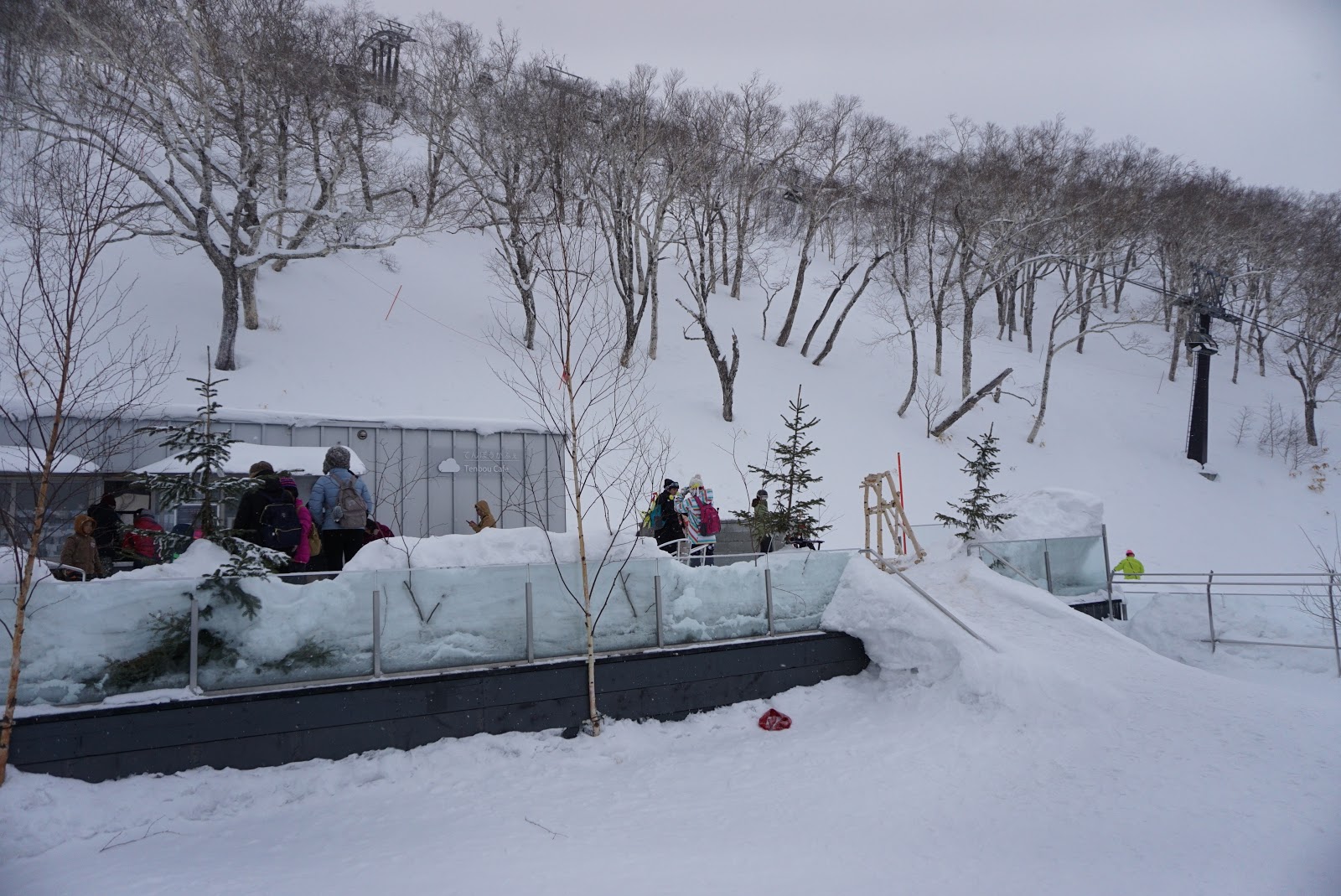
We were the only visitors at the time we arrived at the summit station. It was snowing outside and was cold. We headed outside the summit station and found it rather cold. My friend and I then headed for the theatre in the summit station on Usuzan and watched a short video clip on the local efforts for living with the volcano. After the short clip, we headed outside the summit station and turned right for the Lake Toya Viewing Platform. As we had expected, the low snow clouds have obscured our view of the lake. I felt rather disappointed to have come all the way and to miss out on the view. I told my friend we might not see anything at the Mt Usu Crater Basin Viewing Platform. Since we are already here, we decided to head for the Crater Basin Viewing Platform anyways. As we were walking towards the station, we came across a slope with a basket of sleds placed at the base of the slope. Instead of feeling dampened by not able to see Lake Toya from Usuzan, my friend walked up and grabbed a sledge and slide down the slope. Although the slope is not too high, we had fun nonetheless. We had so much fun that the whole area was filled with our laughter. Sliding down the slope in the snowing weather at the top of an active Usuzan volcano was something that we did not plan for. It is an unusual experience.
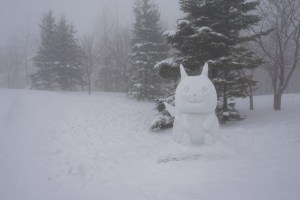
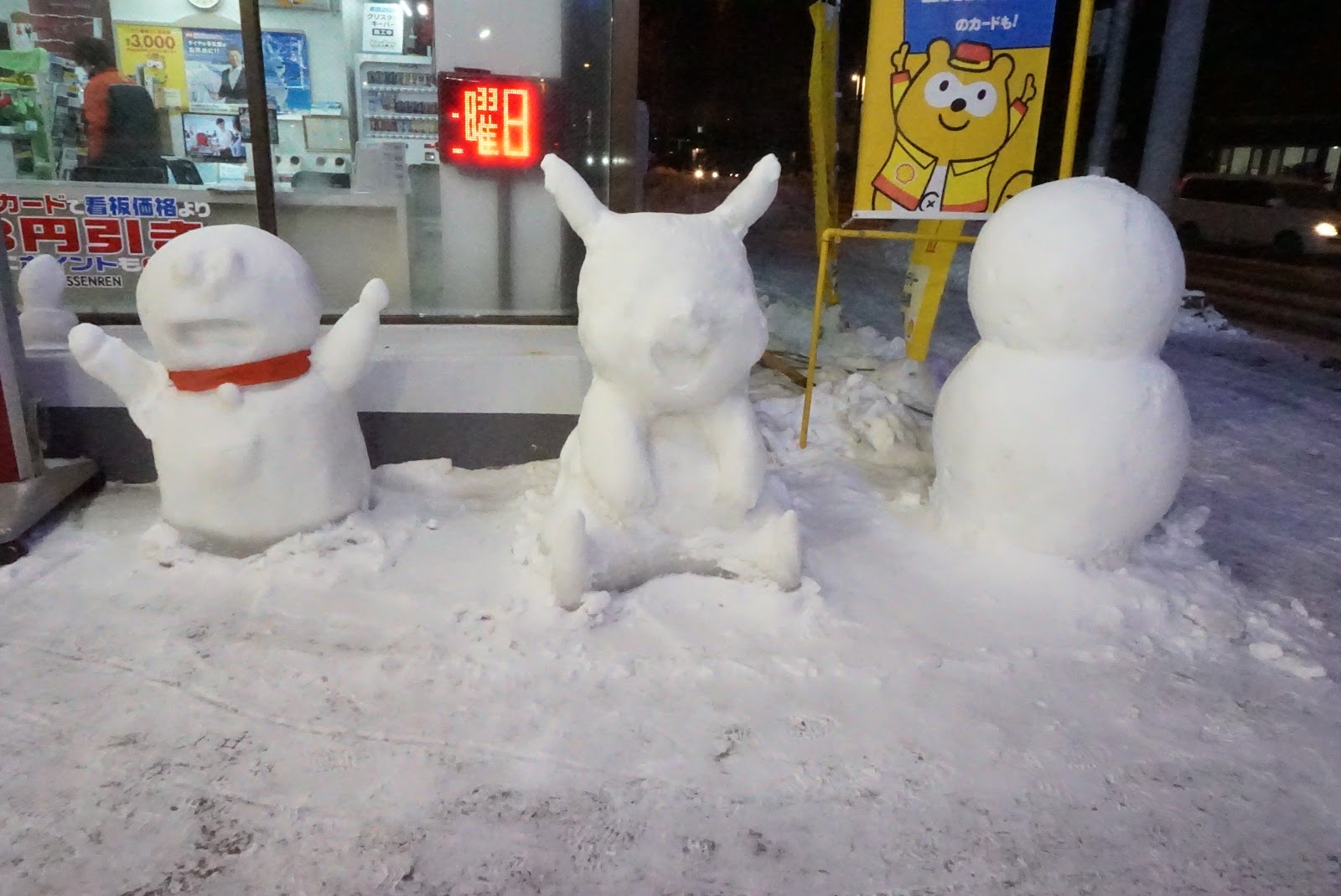
We saw a snowman Pikachu went we exited Usuzan Ropeway Summit Station
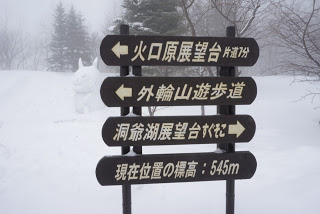
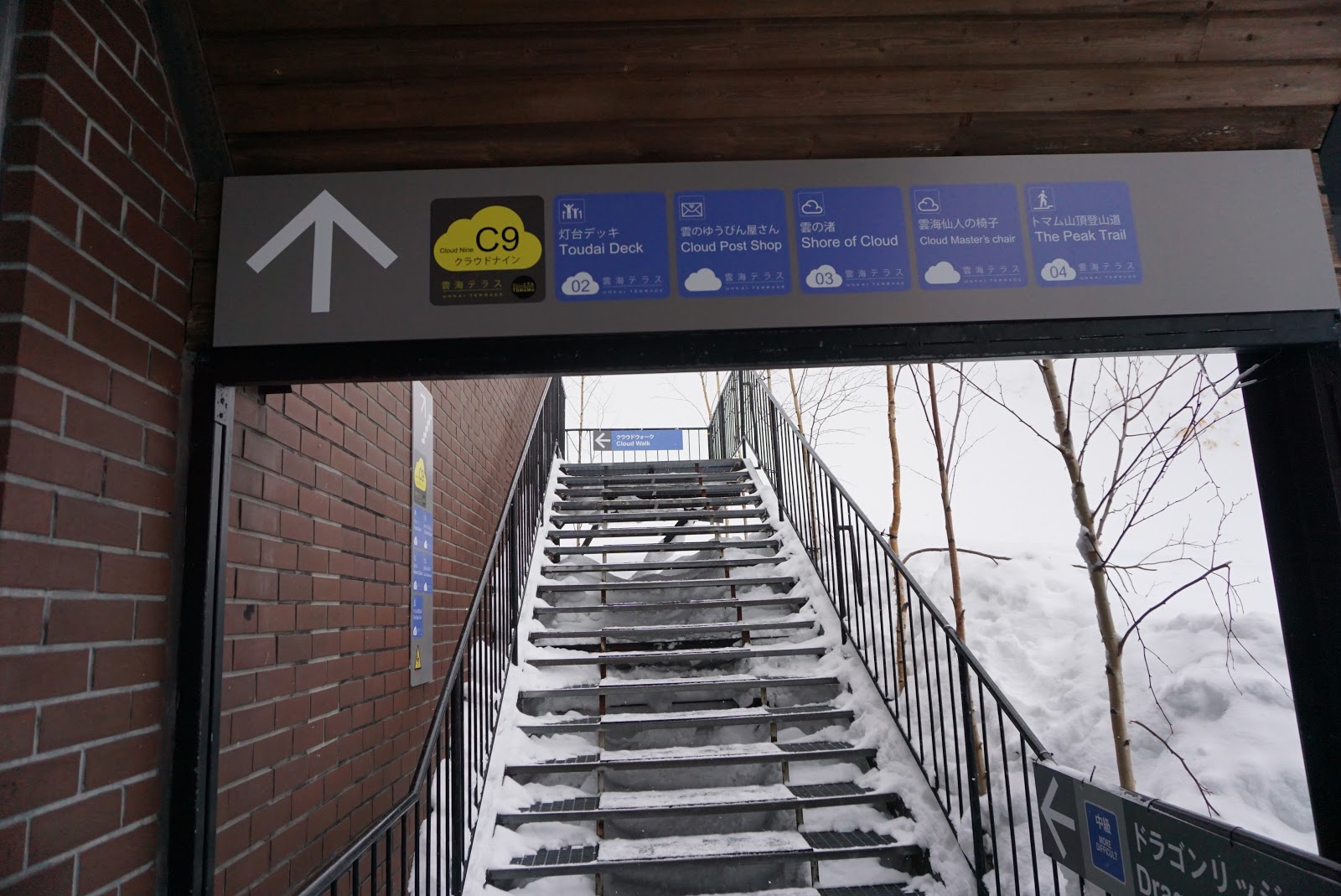
A sign outside the Ropeway Station points out where to go. The Crater Viewing Platform is about 7 mins walk from the Ropeway Station


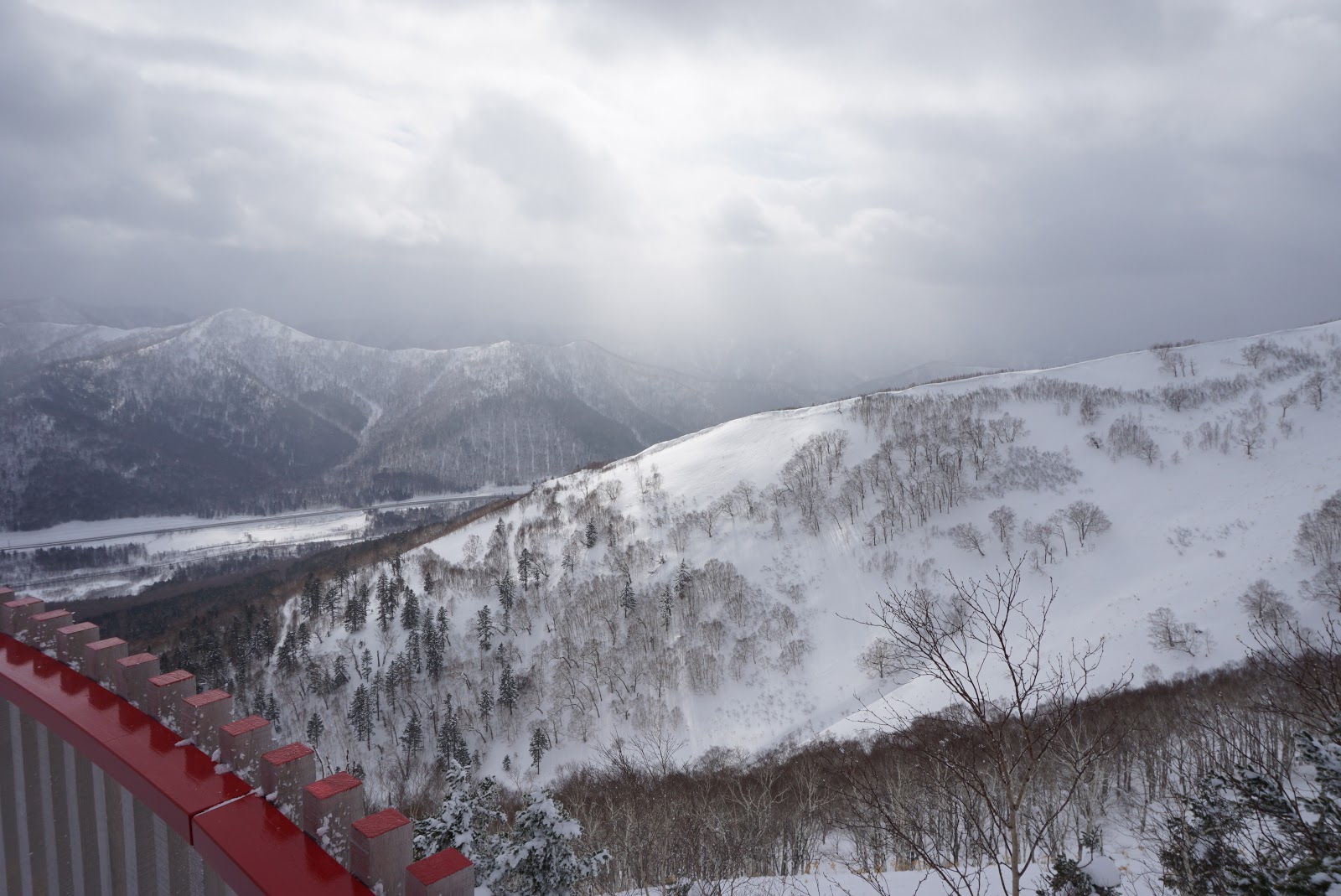
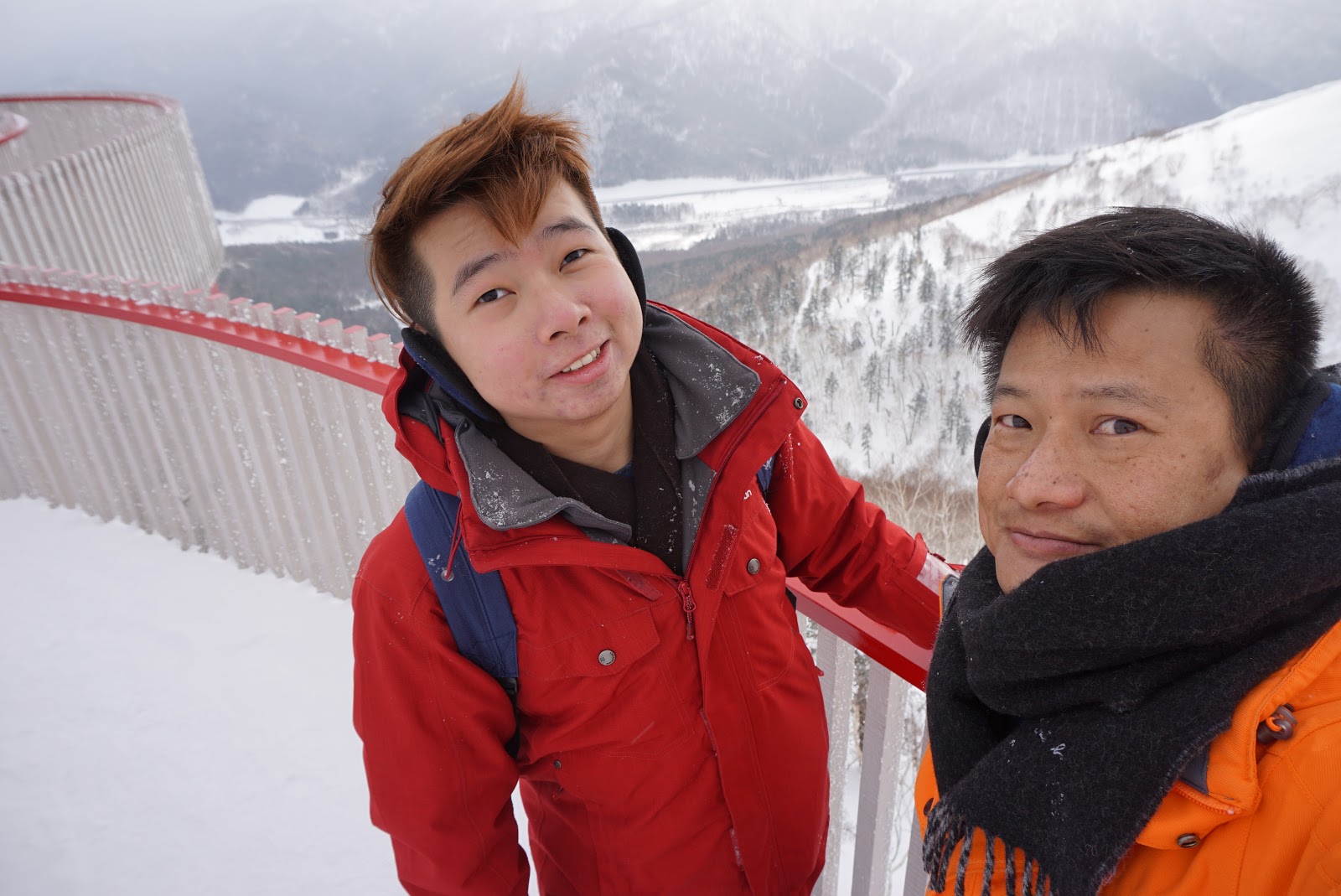
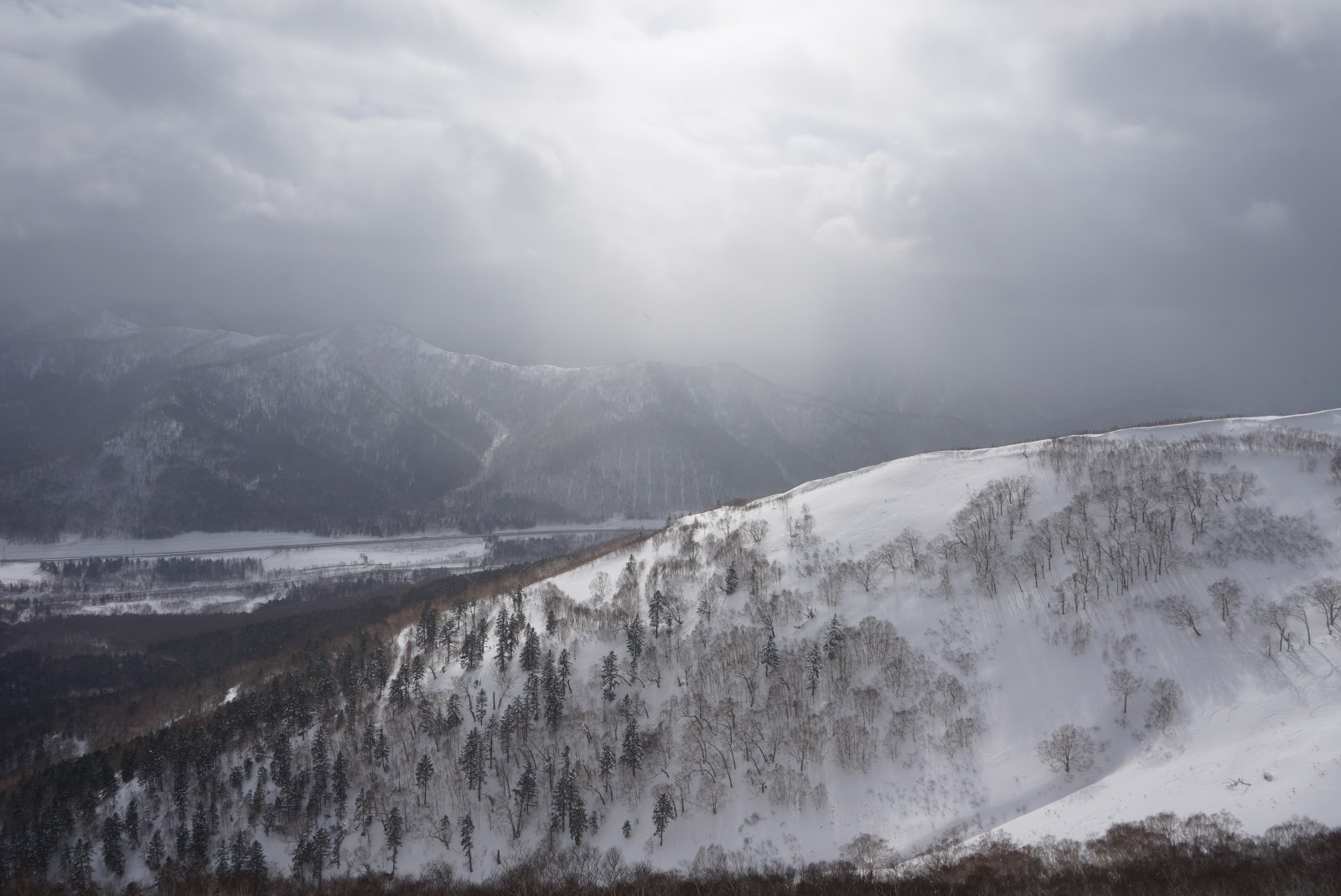
We would have seen Lake Toya here from the Lake Toya Viewing Platform if not for the low clouds


Not to be damped by not able to see Lake Toya from Usuzan, my friend grabbed a sled and slide down the slope
My friend having fun sliding down the slope on a sledge
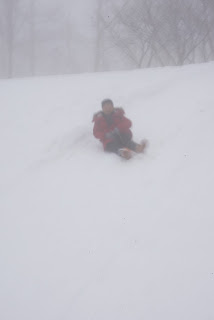
My turn to slide down the slope
I had a go at sliding down the slope. It was great fun, especially when doing so in the snowing weather and on top of a volcano
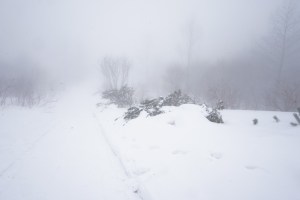
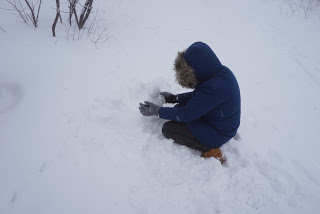
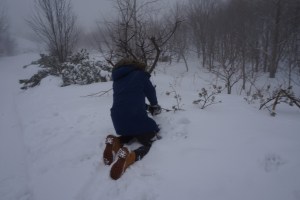
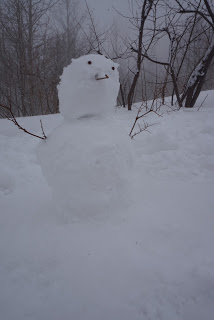
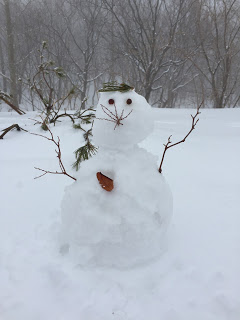
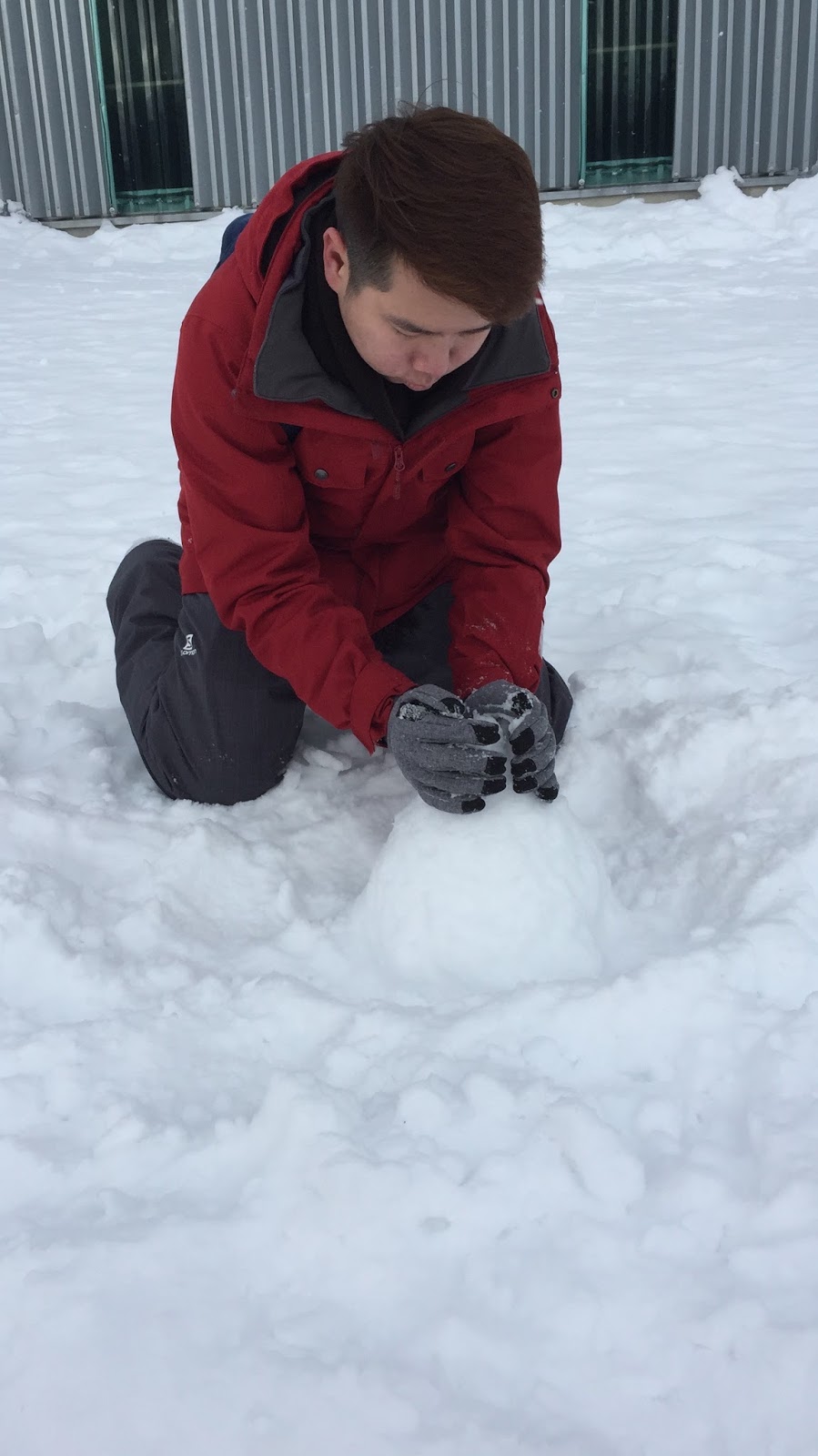
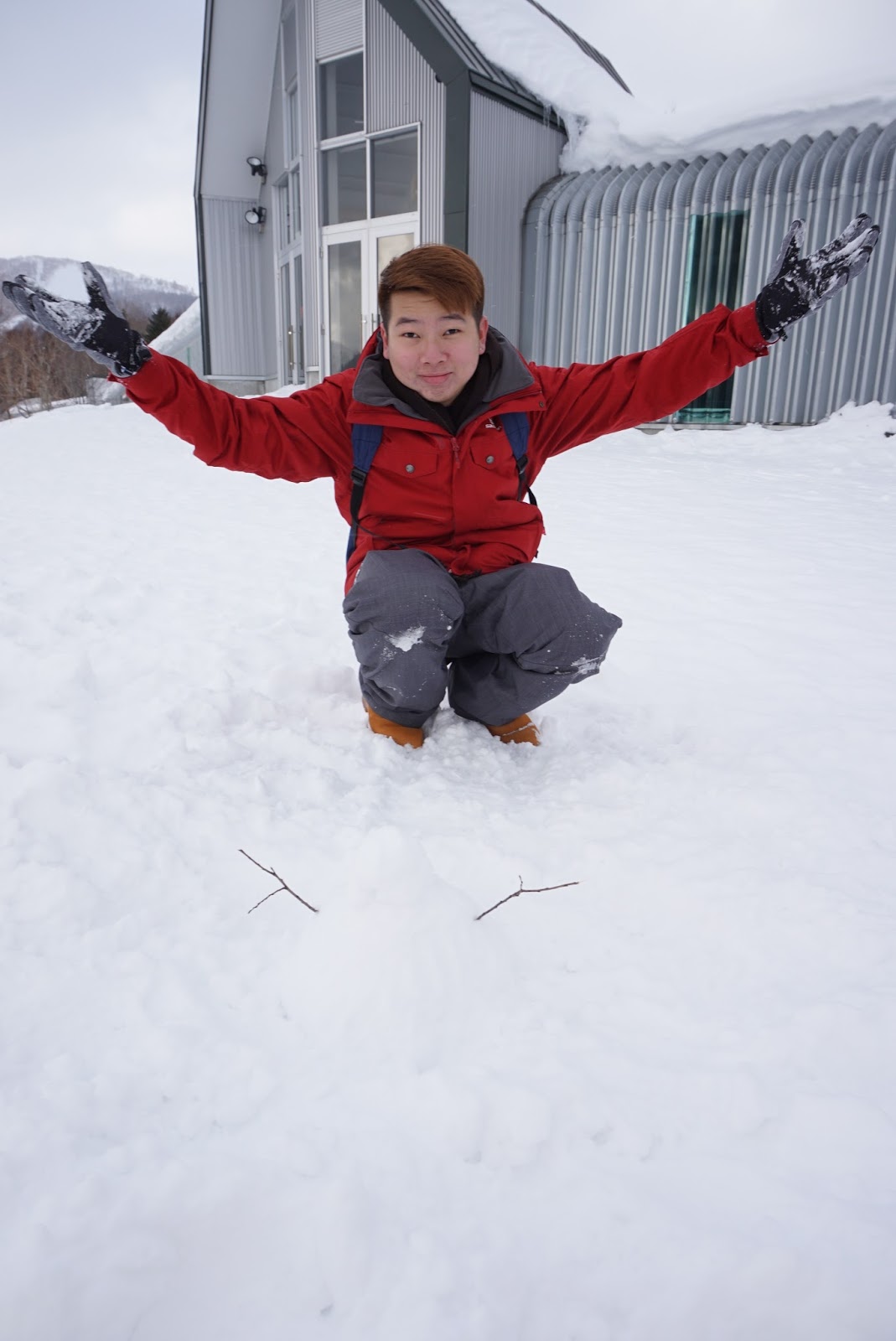
After sliding down a few times, we headed for the Usuzan Crater Basin Viewing Platform. The feeling of walking in the snowing weather along a cleared path with snow either sides of the path reaching thigh height with the low clouds is serene. The low clouds made our visibility of the path ahead of limited, plus it felt like we had the whole volcano to ourselves making me feel a sense of mysticism. The snow made an otherwise boring place looked beautiful, as though we are in some fairy tale land. We can’t resist building a snowman. We had fun building a snowman each, despite the size isn’t that big. We started by gathering snow to form the base and then the head. To add icing to the cake, we plucked twigs and dried berries from the nearby plant. Building a snowman in the snowing volcano was a first for us. This is my very first snowman! After taking some pictures, we continued our path towards the Usuzan Crater Basin Viewing Platform.
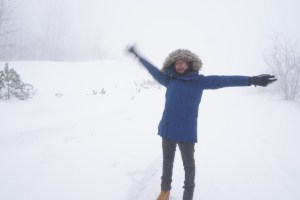
My friend enjoying the snowing weather, with no one around, it felt as though we own the volcano


The low clouds and the snow gave the place a sense of mysticism. It felt as if we were tracking at the top of a high mountain
My friend building a snowman in the snowing weather
Snowman building in progress
This is the snowman built by my friend
This snowman is built by me
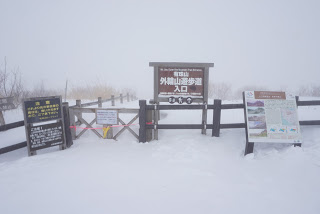
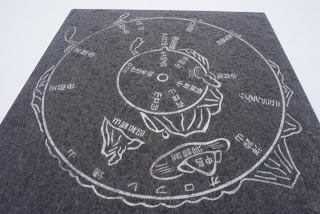
We continued our journey to the crater viewing platform. Crossing a wooden bridge and up a flight of step that seems to stretch forever up the slope, we finally reached our destination. As we had expected, the low clouds blocked the view of the crater. All we could see was a wooden fence, a sign stating that this is the Usuzan Crater Basin Viewing Platform as well as a tablet explaining the crater formation and its properties. The entrance to Usu Outer Rim Boardwalk is fenced off. This path that leads to the view of the lava dome and crater basin is closed during winter for safety reasons. In the middle of the platform are a pole of some sort and a tablet that tells us where Lake Toya and Showa-Shinzan is relative to us. Despite unable to see the crater, we enjoyed the weather and the walk towards the Usuzan Crater Basin Viewing Platform.
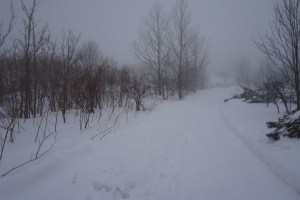
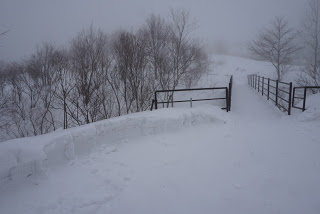
The path to Usuzan Crater Viewing Platform
We crossed the small wooden bridge. The view here is very serene
Taking a picture on the wooden bridge
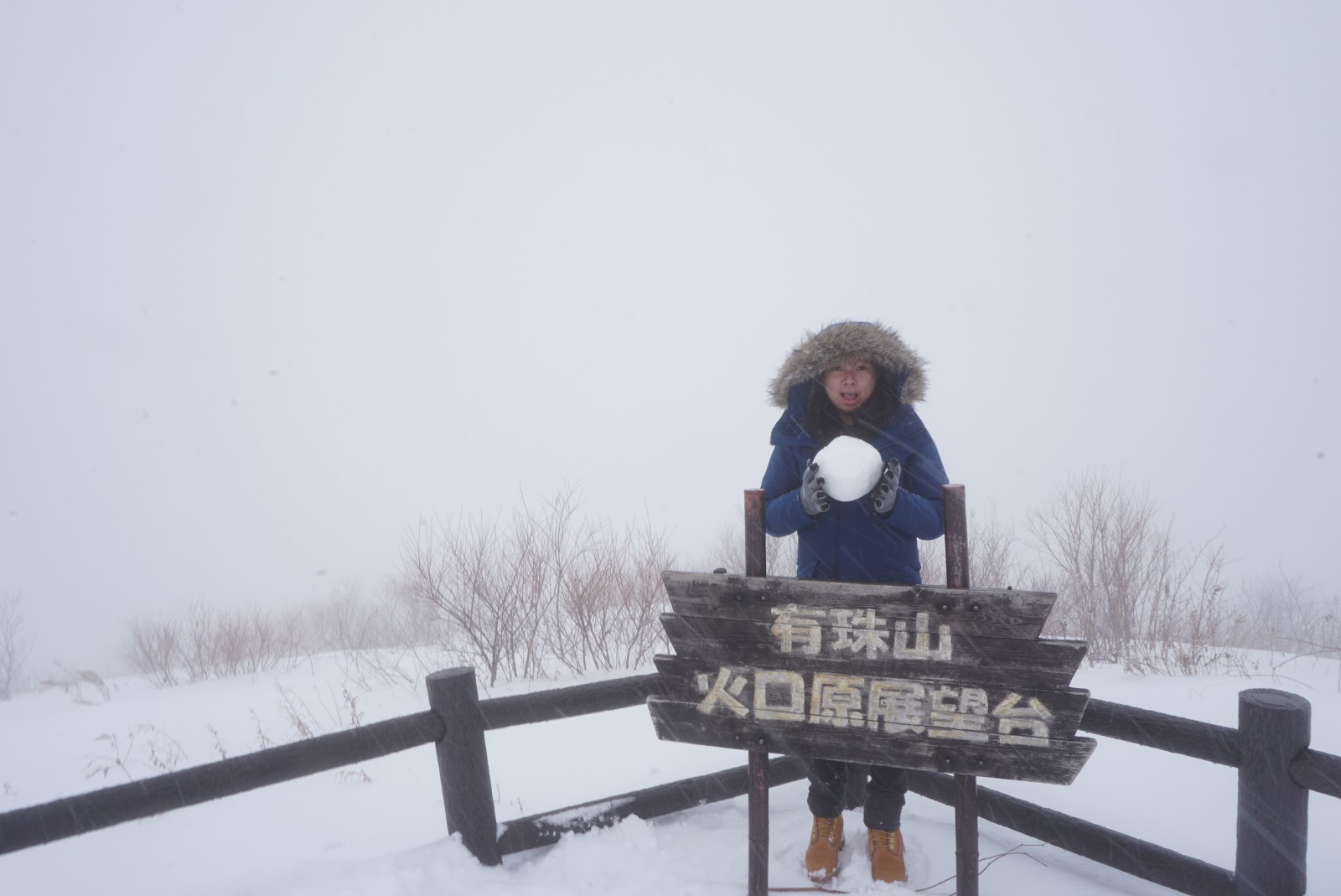
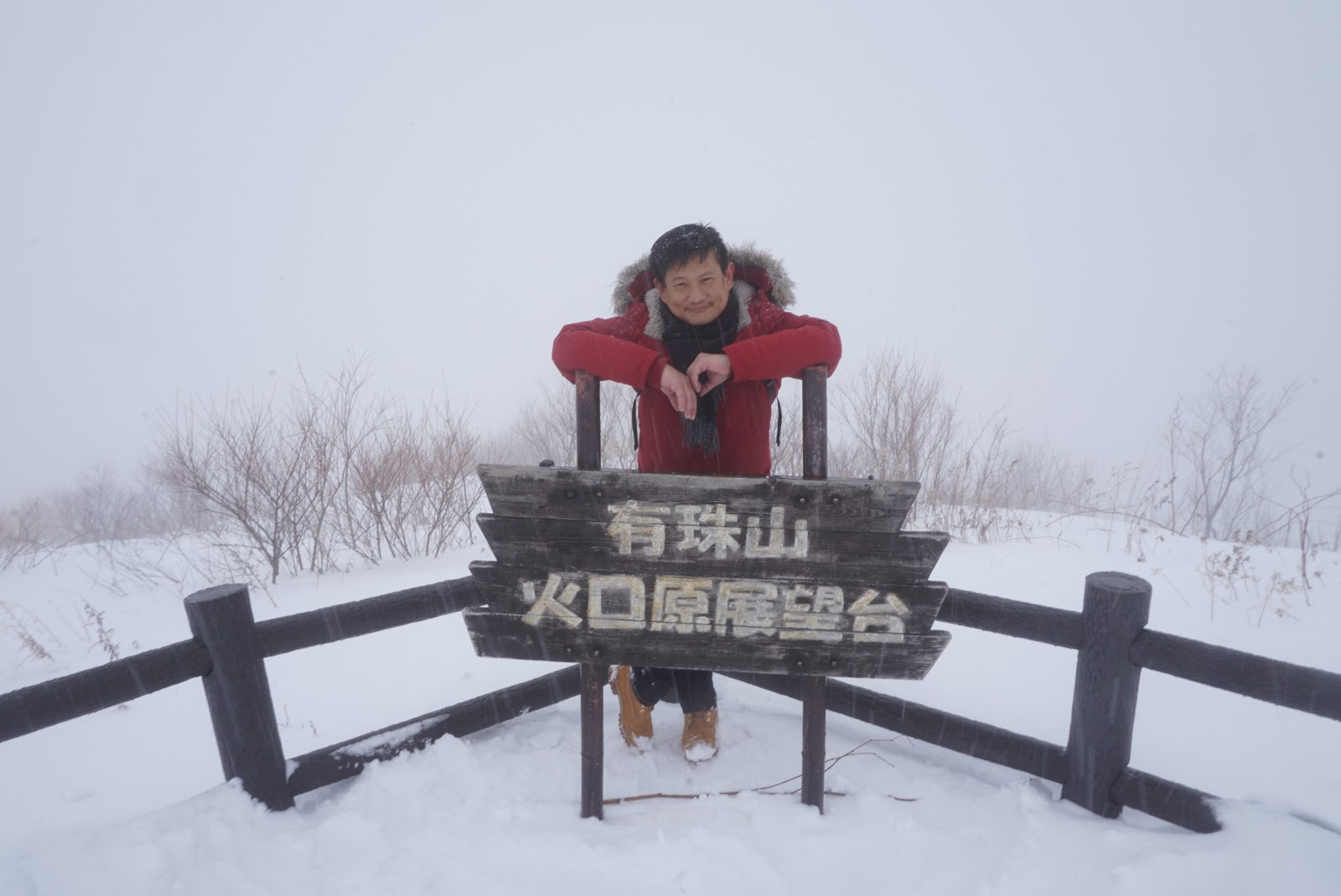
Usuzan Crater Viewing Platform
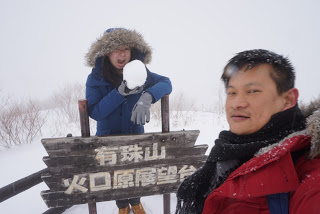
My friend posing at the sign that marks Usuzan Crater Viewing Platform with the snowball he made along the way
Taking a wefie with Usuzan Crater Viewing Platform sign
Me with the Usuzan Crater Viewing Platform sign


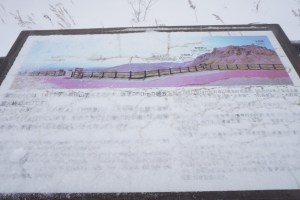
This is what we would see if not for the low clouds
The Usu Outer Rim Boardwalk is closed during winter
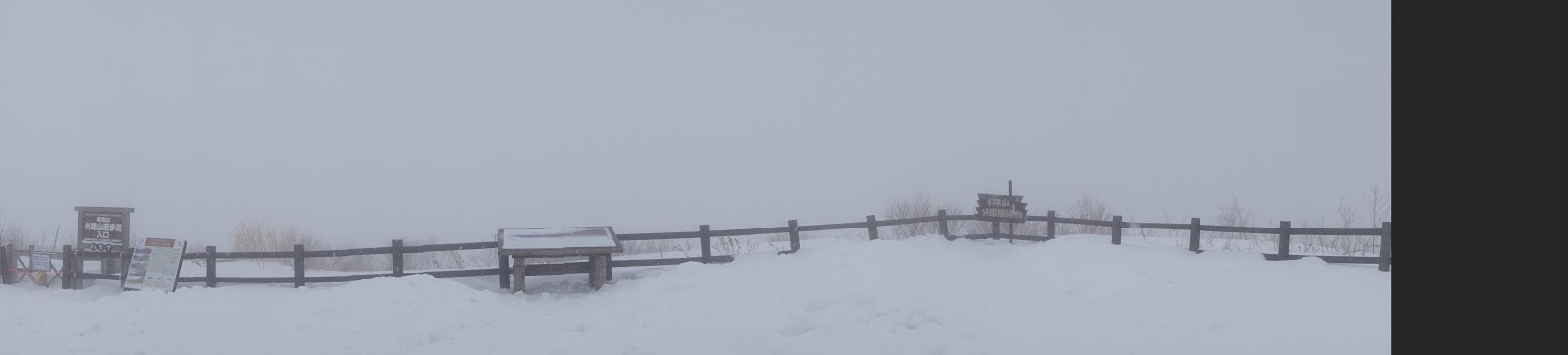
Panoramic shot of Usuzan Crater Viewing Platform


Panoramic shot of Usuzan Crater Viewing Platform. It would be the crater if not for the low clouds
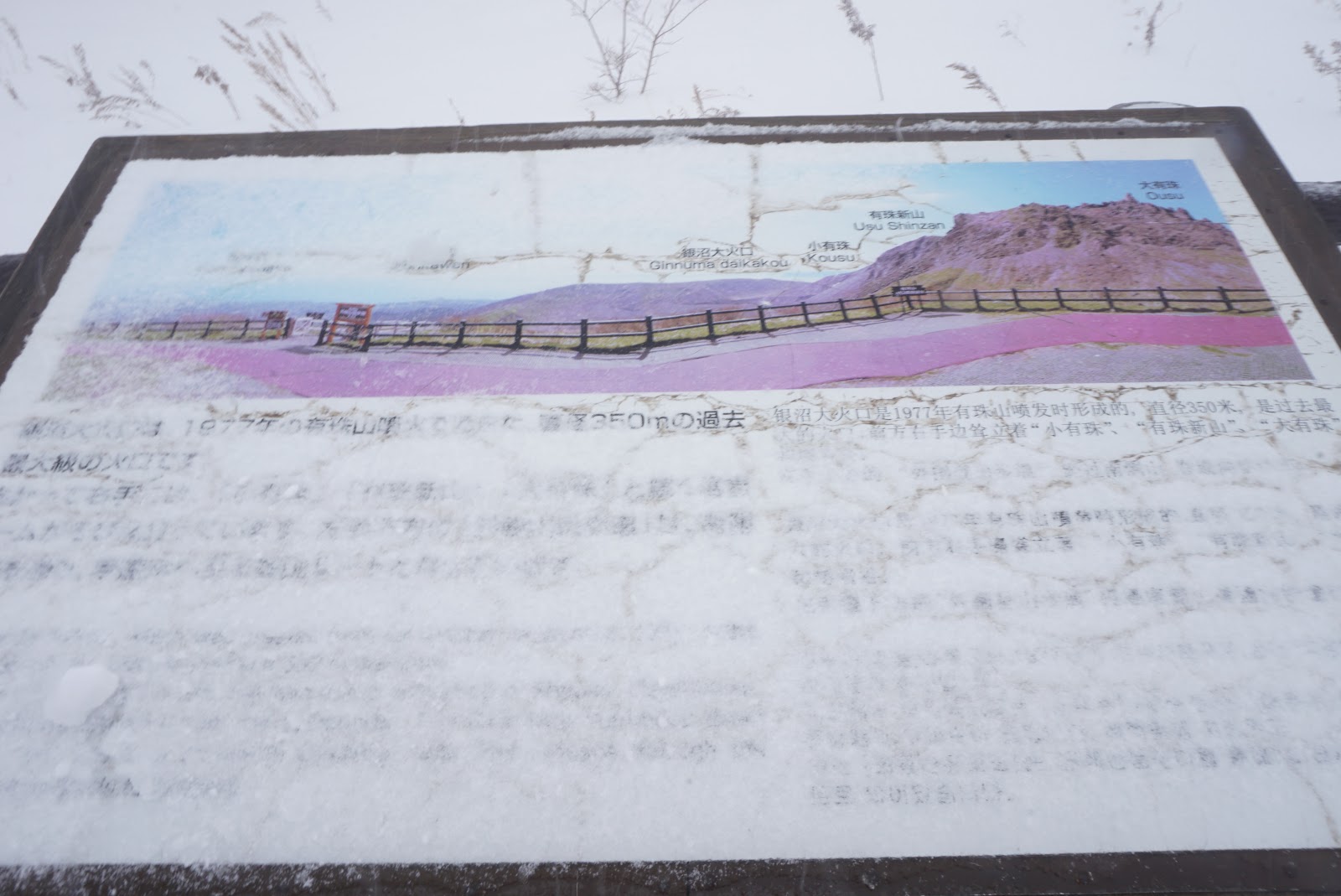
A tablet that tells visitor where is what relative to our position
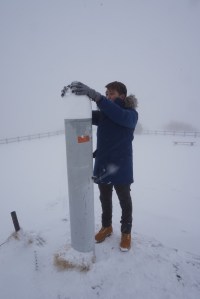
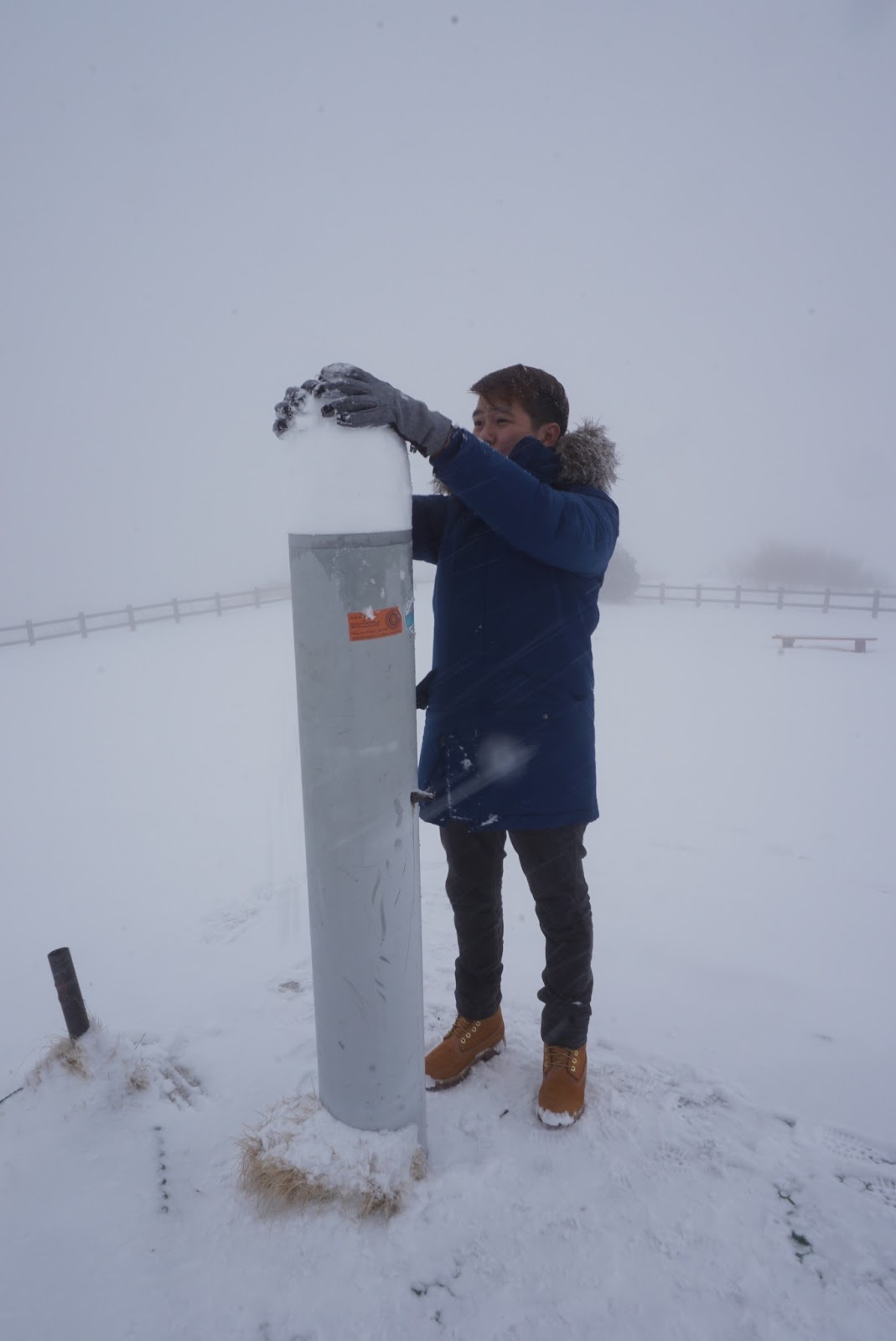
My friend stacking his snowball on the metal pole
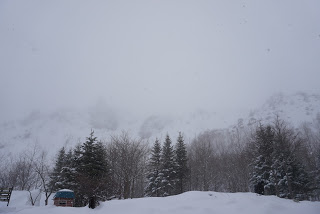
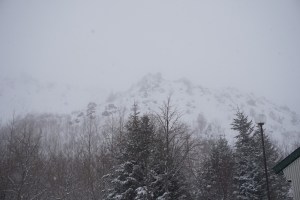
We headed back to the Usuzan Ropeway Station. Reaching the station, we noticed the sky seem to be clearing. We can now see the peak of Ousu. At this point, I suggested to my friend to head for Tenboudai, which is the other end of the bus service line, where we might be able to get a view of Lake Toya. Seeing that the next bus is coming soon, we headed down to the Volcano Village.
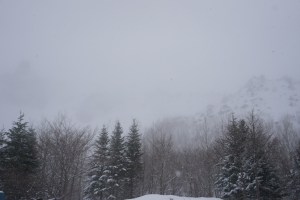
The peak of Ousu peeking through the clouds
View of Ousu from the Ropeway Summit Station
Peak of Ousu


My friend enjoying the snowing weather


Me with the Ropeway


Descending from Usuzan Summit Station


As we descend the surroundings became clearer
Reaching the Volcano Village, we headed for the bus stop and checked out the timing for the next bus to Tenboudai. We noticed that the bus has just left and the next bus will only come 1½ hours later. We went back to Volcano Village to settle our lunch. After lunch, we went into the shop at the Usuzan Ropeway Station to get some souvenirs while waiting for the bus to come.
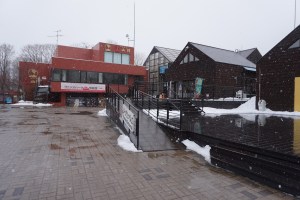
Looking for lunch at Volcano Village
My friend at Volcano Village
Taking a wefie at Volcano Village


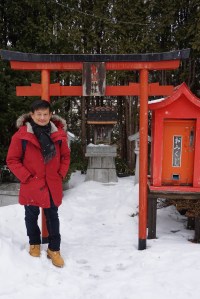
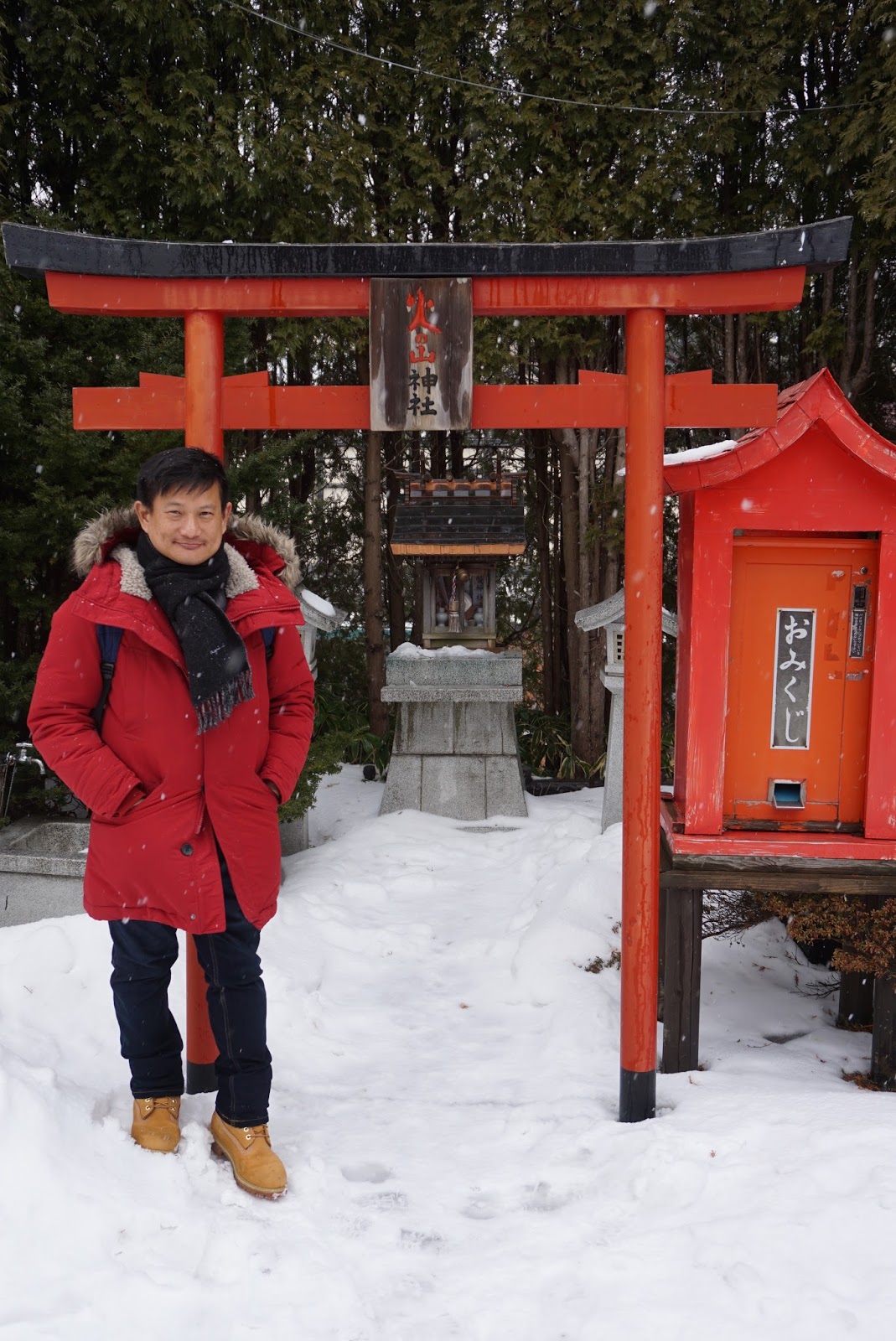
We found a shrine praying to the Volcano God in a secluded corner of Volcano Village


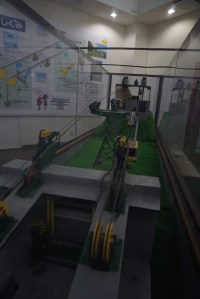
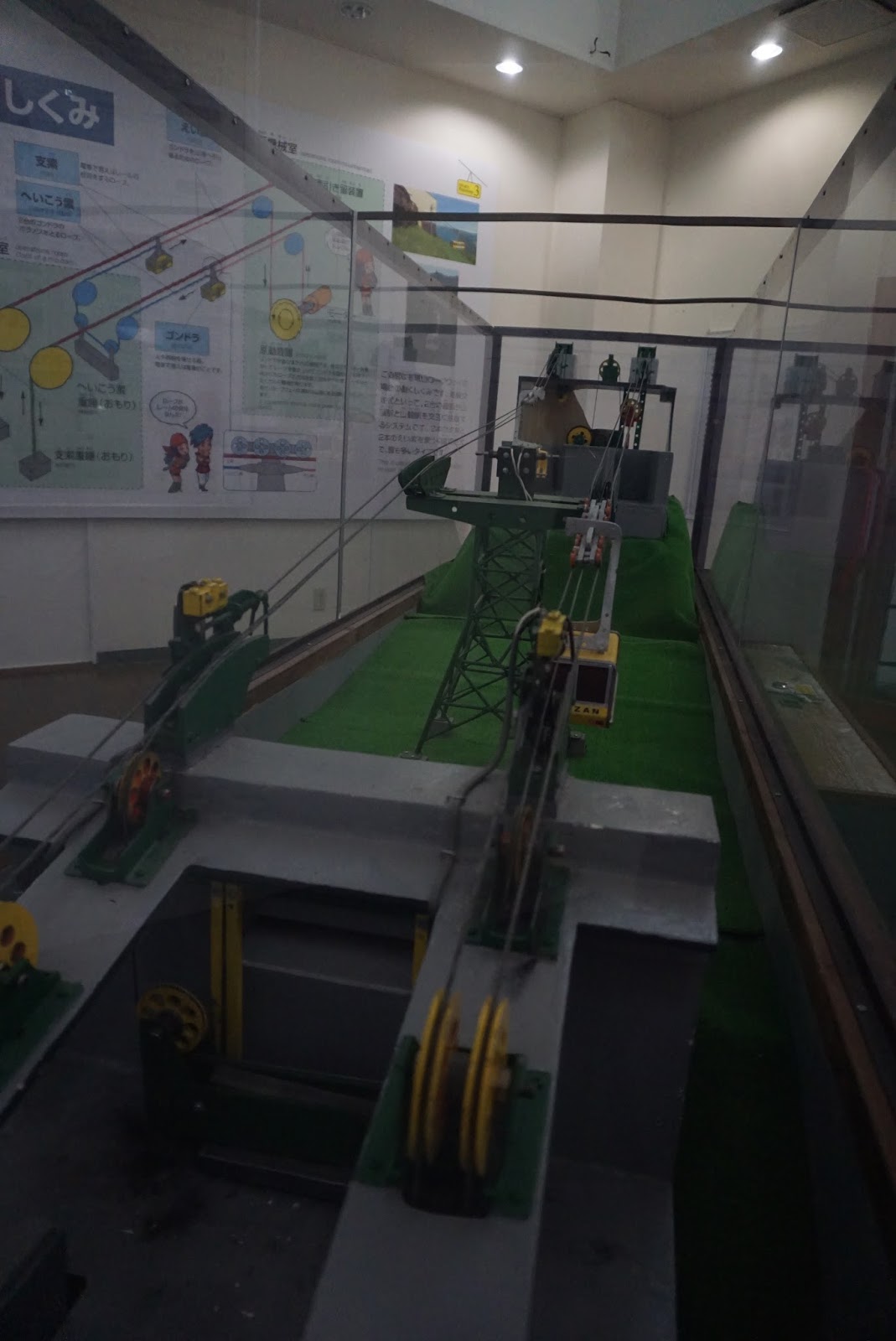
Model of Usuzan Ropeway System

Viewing Lake Toya at Tenboudai

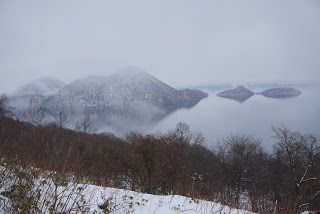
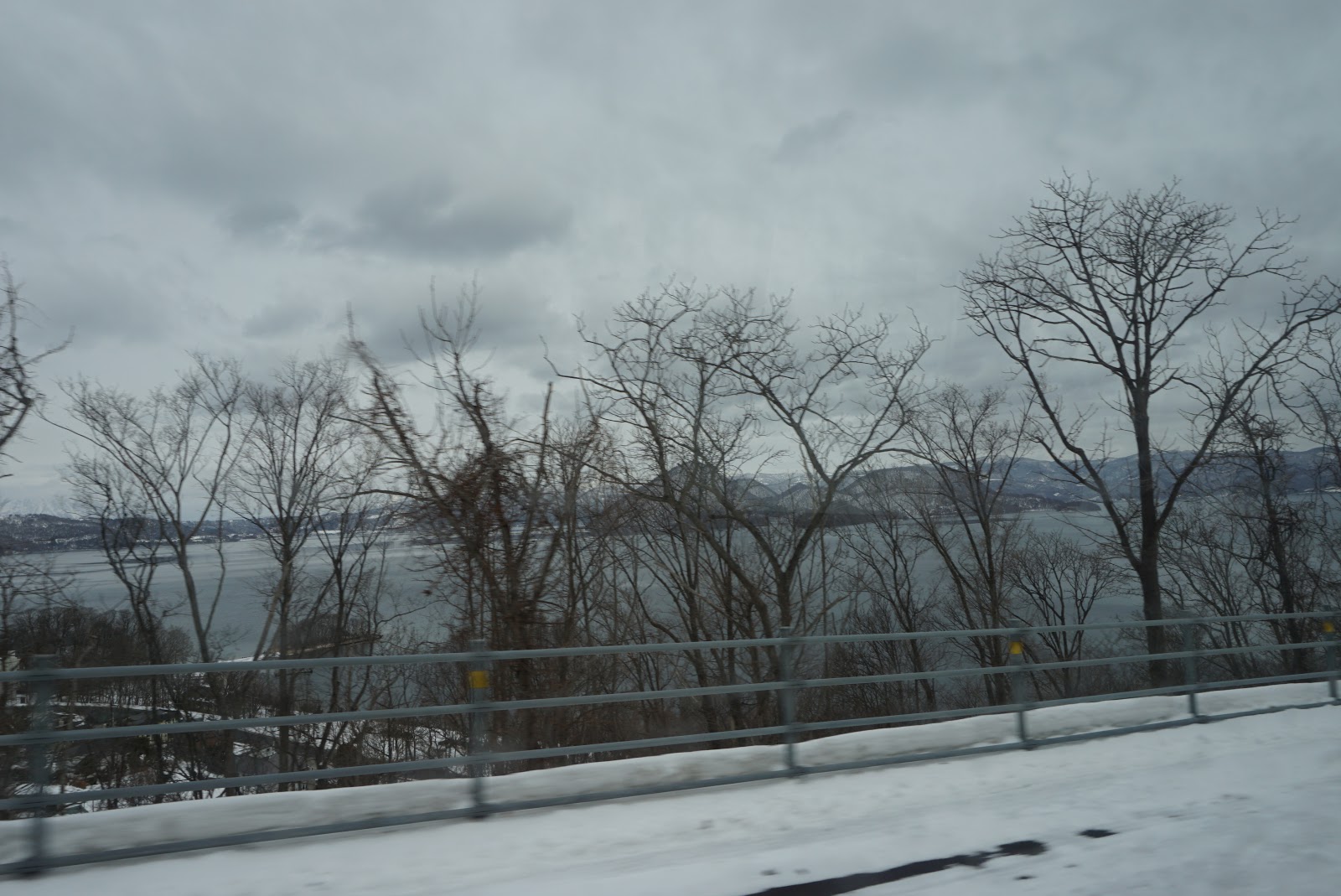
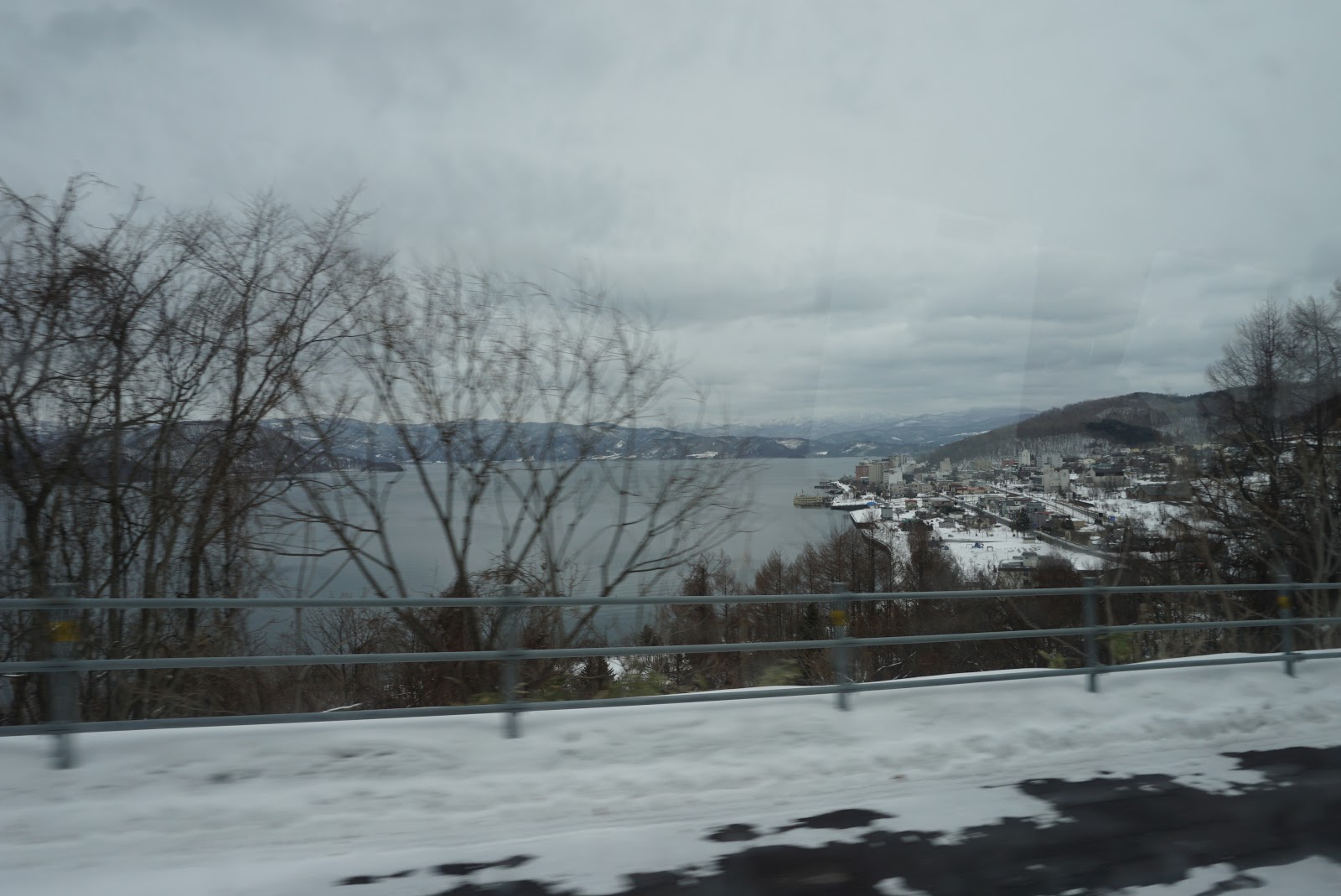
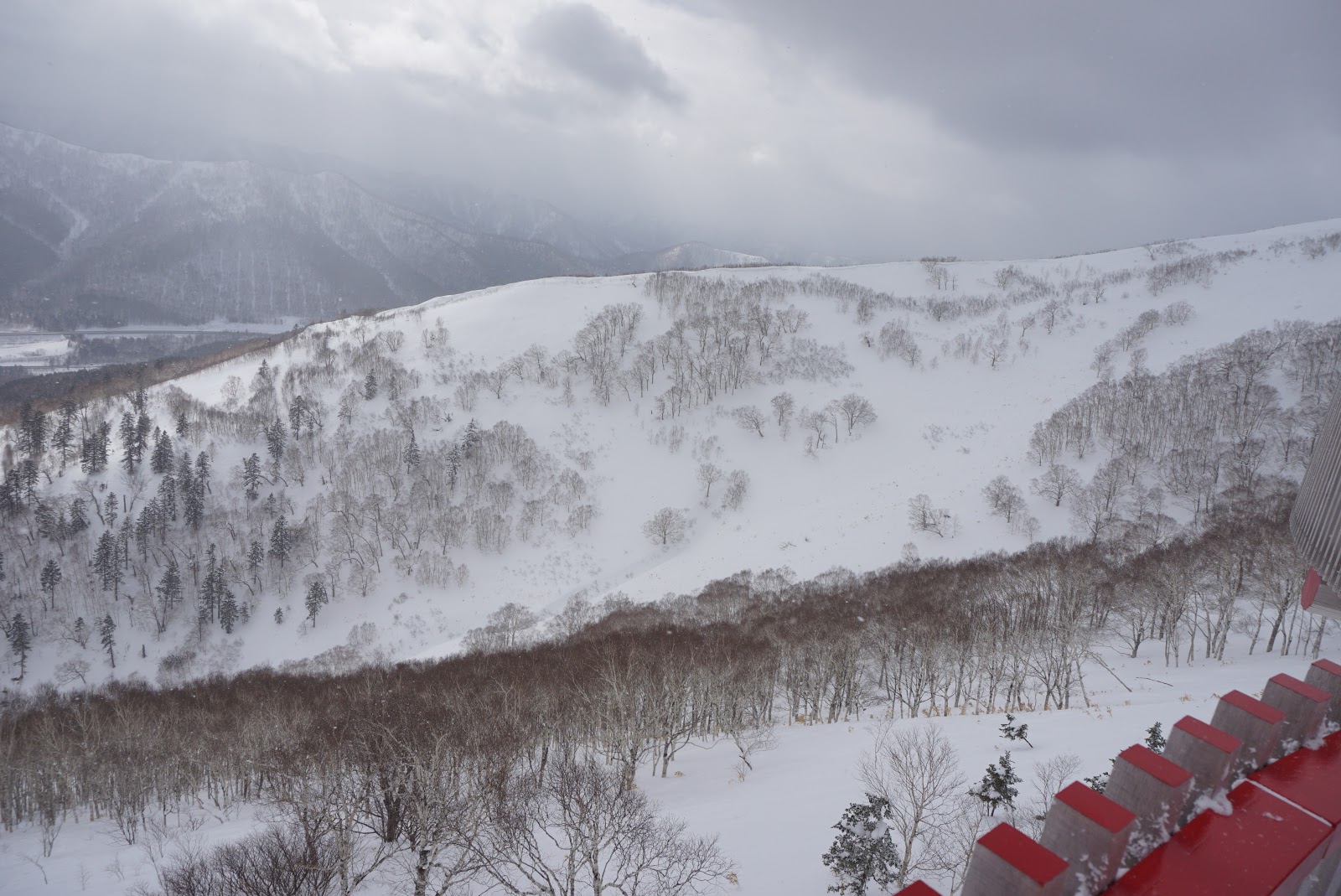
We boarded the 2.15pm bus heading towards Tenboudai. We were keeping our fingers crossed, we were hoping that we can see Lake Toya from Tenbouddai. The ride from Showa-Shinzan to Tenboudai took around 45 mins, which took us down the mountains to Toyako Onsen and then up some hills again. Tenboudai is located at the west bank of Lake Toya. Finally, we are at our destination. Passing through a building, which houses a souvenir shop and a restaurant, we were rewarded with a spectacular view of Lake Toya at the viewing platform. Here we could see Nakajima Island sitting peacefully in the middle of Lake Toya. The sky was overcast, but our view of Lake Toya was not obstructed. The mirror lake reflected Nakajima Island, making it look twice as big. Low clouds started to form, as if it is providing a veil over Nakajima Island in the middle of Lake Toya, giving it a mystical feeling. We were lucky that there weren’t many people when we arrived at Tenboudai, we were able to feel the serenity that this magnificent view offered. As we were happily taking pictures and enjoying the tranquillity, peace was soon brought to an end when busloads of tour group arrived. At any point, there were at least 2 busloads of tourists arriving non-stop at Tenboudai. The area turned into a market place instantly. The next bus will come in around 1 hour, my friend and I found some sitting area in the souvenir shop and observed the activities in Tenboudai while waiting for the bus to arrive. By the time we reached the hotel, the dinner service has just begun. After dinner, we went for our last onsen experience for the trip before heading back to rest early. Tomorrow we will head to our last destination for the trip – Sapporo.
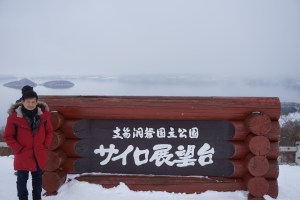
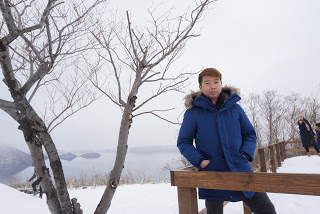
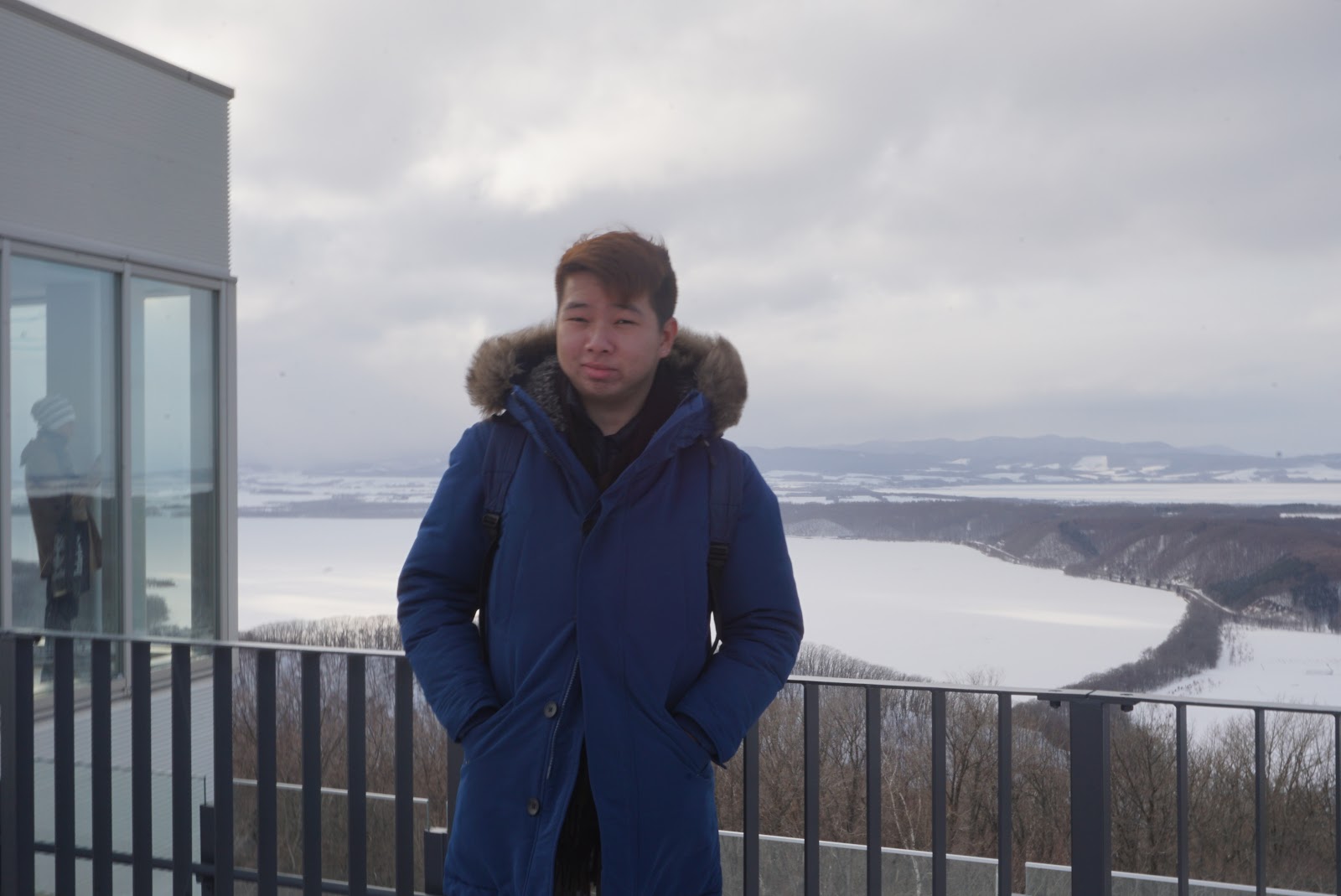
Me at Tenboudai overlooking Lake Toya and Nakajima Island


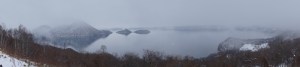
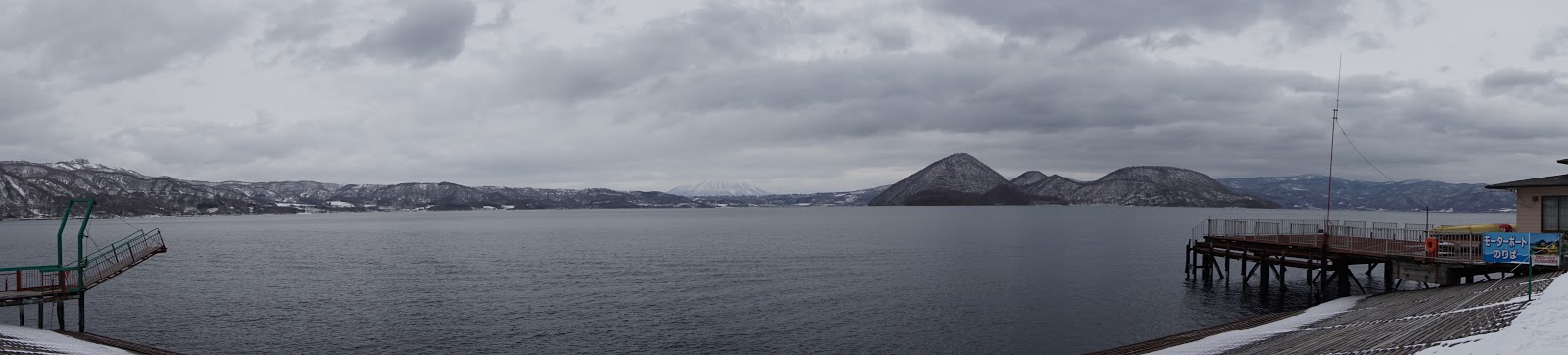
Panoramic shot of Lake Toya and Nakajima Island. In a clear day, we would be able to see Usuzan, Showa-Shinzan and Mt Yoei
Taking wefie with the magnificent view of Lake Toya
Low clouds started to form on Nakajima Island when it started to snow
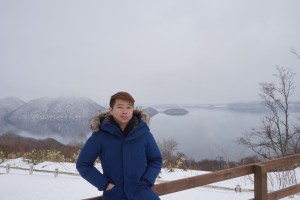
Me at Tenboudai that offers a great view of Lake Toya


The low clouds seem to cast a shroud of the veil on Nakajima Island
My friend on a wooden platform with Lake Toya int he background
The red building behind houses a souvenir shop and a restaurant. This building gets busy whenever the busloads of tourists arrive


My friend with Lake Toya at Tenboudai


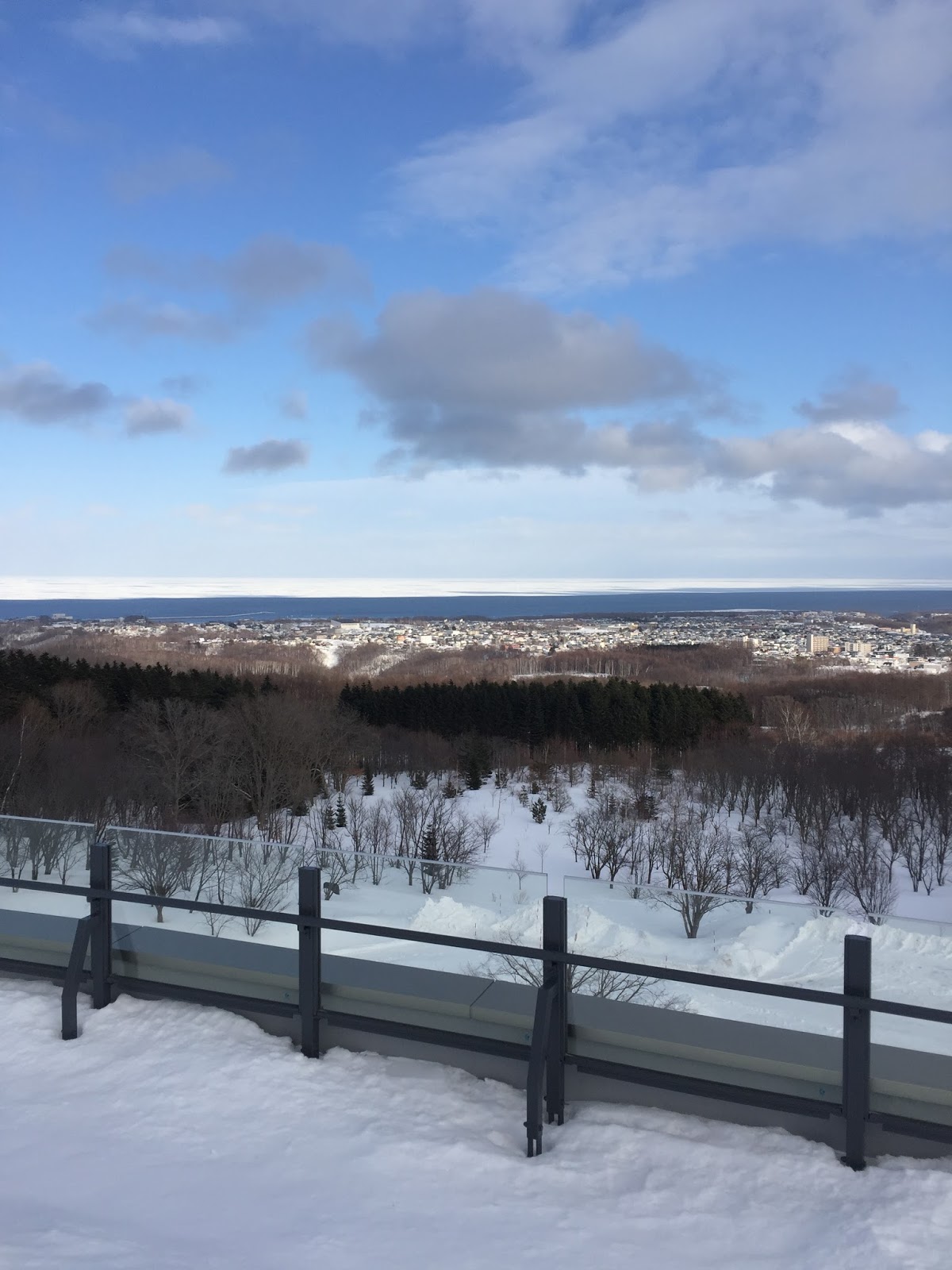
Tenboudai and View of Lake Toya


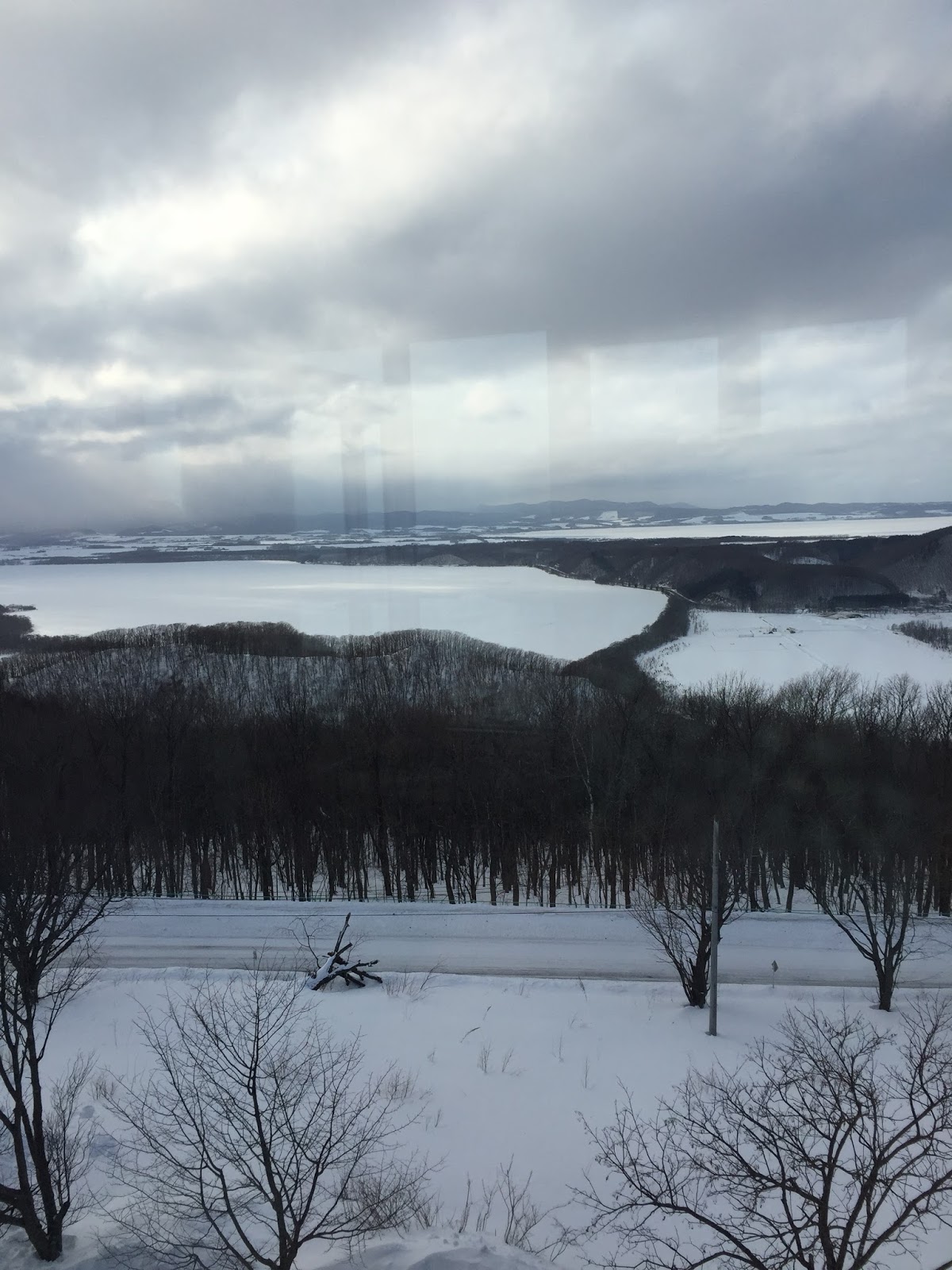
Lake Toya viewed from Tenboudai

Hokkaido Day 9 (Lake Toya) (22 Feb 17) – Toyako Onsen: Home of the Land of Volcanoes

Lake Toya, a lake that never freezes

Towards Toyako Onsen

Today we headed for our destination for this Hokkaido trip, Toyako Onsen. To get there we took a local bus to Noboribetsu JR Station, then took the JR to Toya Station and transfer a local bus into Toyako Onsen. We checked out of our hotel in Noboribetsu Onsen in time to catch the 10.15am bus bound for Noboribetsu JR Station from the bus stop in front of the hotel. There are only a few timings which the bus calls into this bus stop, at the bus stop we found out that there are 2 buses a day that goes directly to Toyako Onsen. However, we missed the 9.05am bus and the next bus is scheduled at 2pm. My friend and I did not want to wait for the 2pm bus and took the bus that goes to JR Station instead. The 10.15am bus that came is a local bus, meaning there are no racks for luggage. We lugged our luggage with us to the seat. We were lucky that this bus stop is one of the first buses stops that this bus plies through. At later bus stops, due to the space constraint, people are not able to board the bus. The bus ride to Noboribetsu JR Station took around 20 mins, just in time for us to catch the next train to Toya Station (we took the train that stops at Hakodate). At the station, a lot of people were queuing to buy tickets at the ticketing counter. On the hind side, we should have gotten the tickets from the vending machine as we barely made it when it is our turn to get the tickets. There are no lifts or escalators in the station, we had to carry our luggage the stairs to get to the platform where the train bound for Hakodate pulls into.

On the public bus in Noboribetsu Onsen heading for Noboribetsu JR Station

The train ride took us another about 40 mins. At Toya JR Station, we found out that we can get the bus tickets from the JR Station ticketing counter. The staff advised us that the next bus is leaving soon and we managed to get onto the local bus that goes to Toyako Onsen Bus Terminal. As this is a local bus, there also wasn’t any racks for us to store our luggage. Luckily for us, the bus was relatively empty when we boarded it. The 20 mins bus ride to Toyako Onsen Bus Terminal took us to some suburban area of Toya. At first, there are no signs of Toyako Onsen, as the bus went up a hill, over the horizon, we saw a lake. We knew that is Lake Toya. We alighted at Toyako Onsen Bus Terminal and checked with the staff there regarding any buses that go to Usuzan Ropeway. Before I left for Hokkaido, I read from the bus website that public bus will not run in town during winter. A staff member at Toyako Onsen Bus Terminal told us that public bus is running only during this winter, which usually does not run in winter. I guess we were pretty lucky. Learning of the good news, we got a bus schedule from the bus and headed to our hotel.

On the JR towards Toya Station
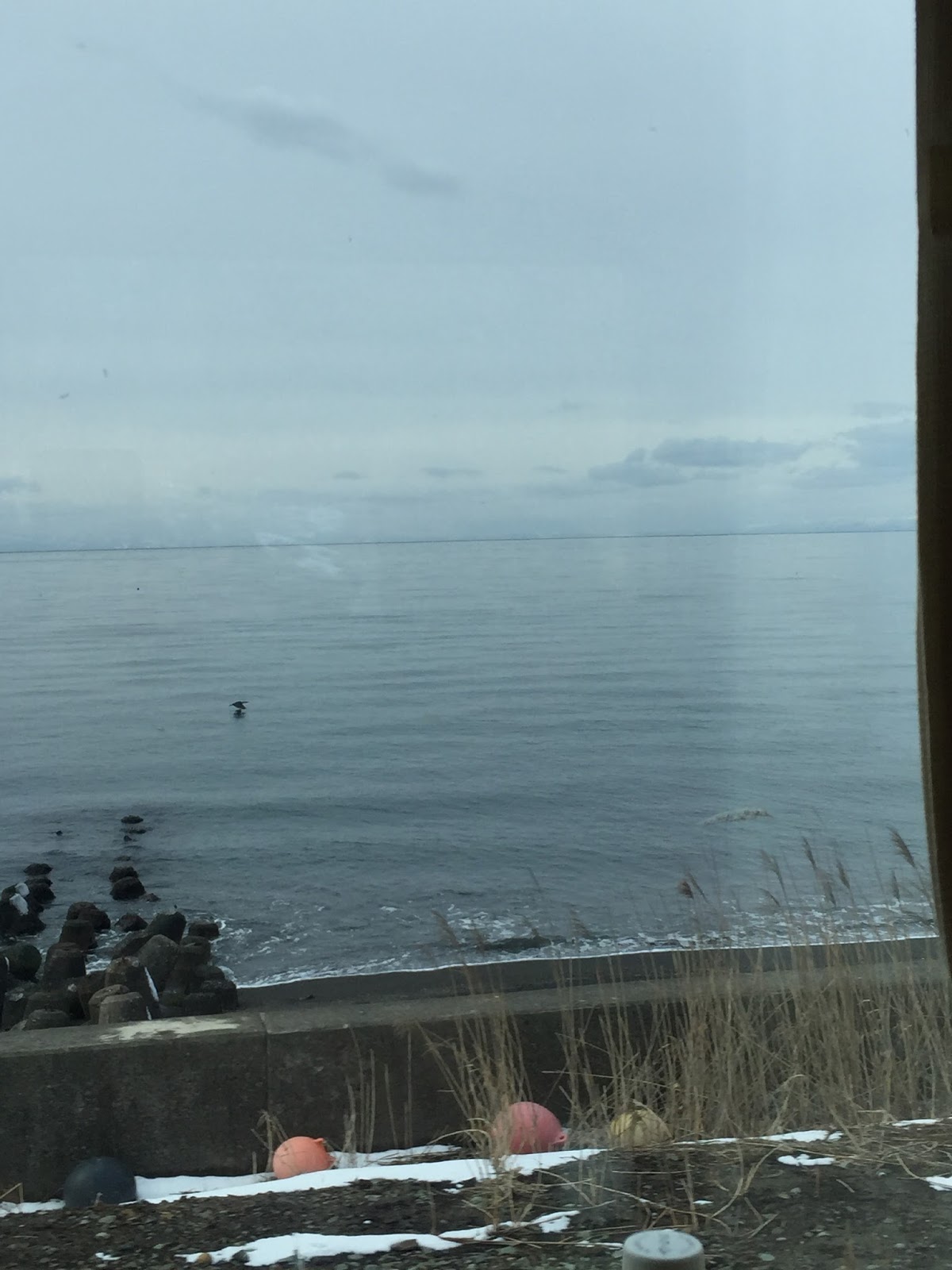
View of Uchuira Bay from JR
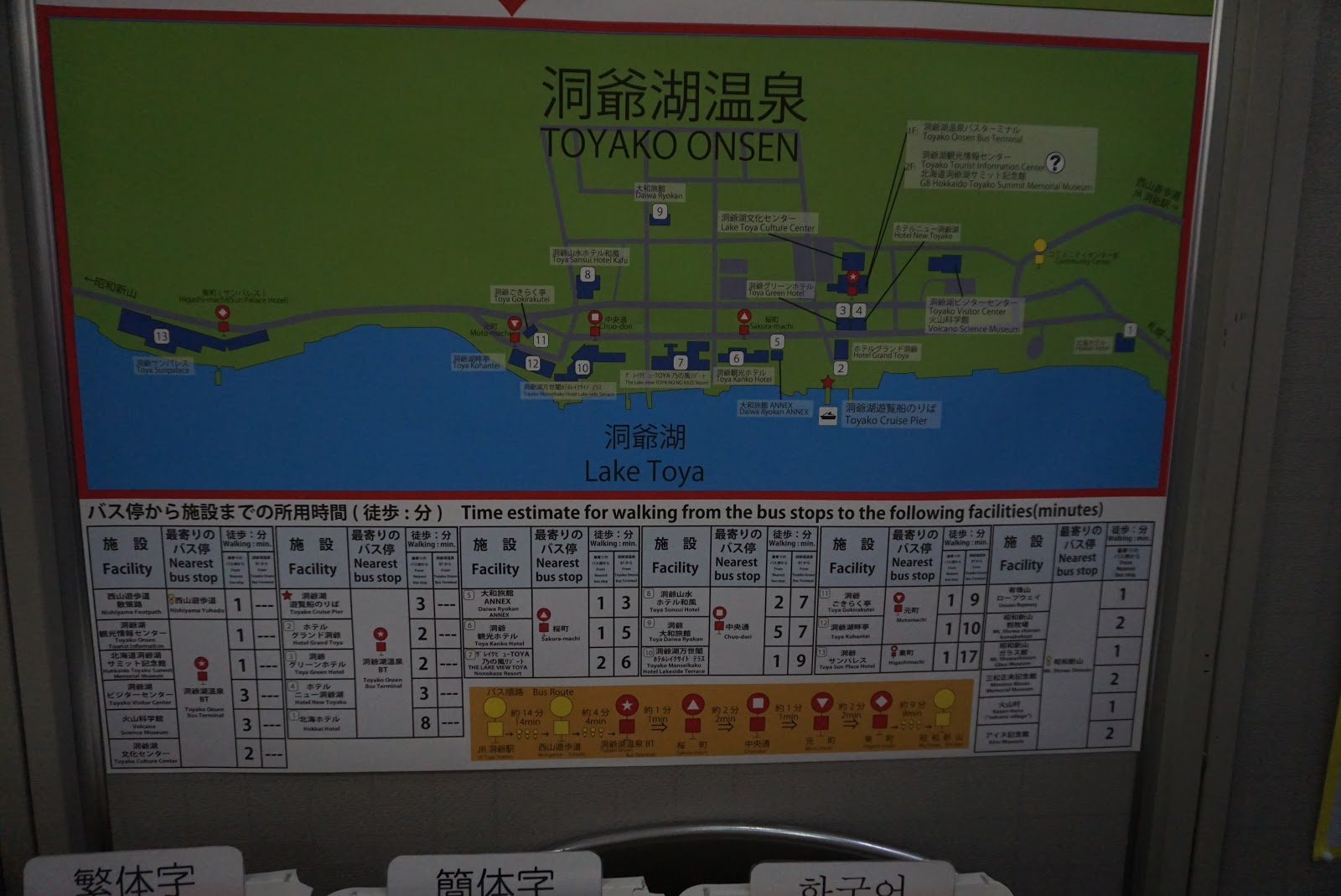
Map of Toyako Onsen in Toya JR Station 
Lake Toya and its surroundings
This is the local bus that took us from Toya JR Station to Toyako Onsen
Toya JR Station
Leaving Toya JR Station
View of Toya and Uchuira Bay from the bus as we were driven up a hill
View of Toya and Uchuira Bay
On our way in the local bus towards Toyako Onsen
The first glance of Lake Toya
Lake Toya and Toyako Onsen
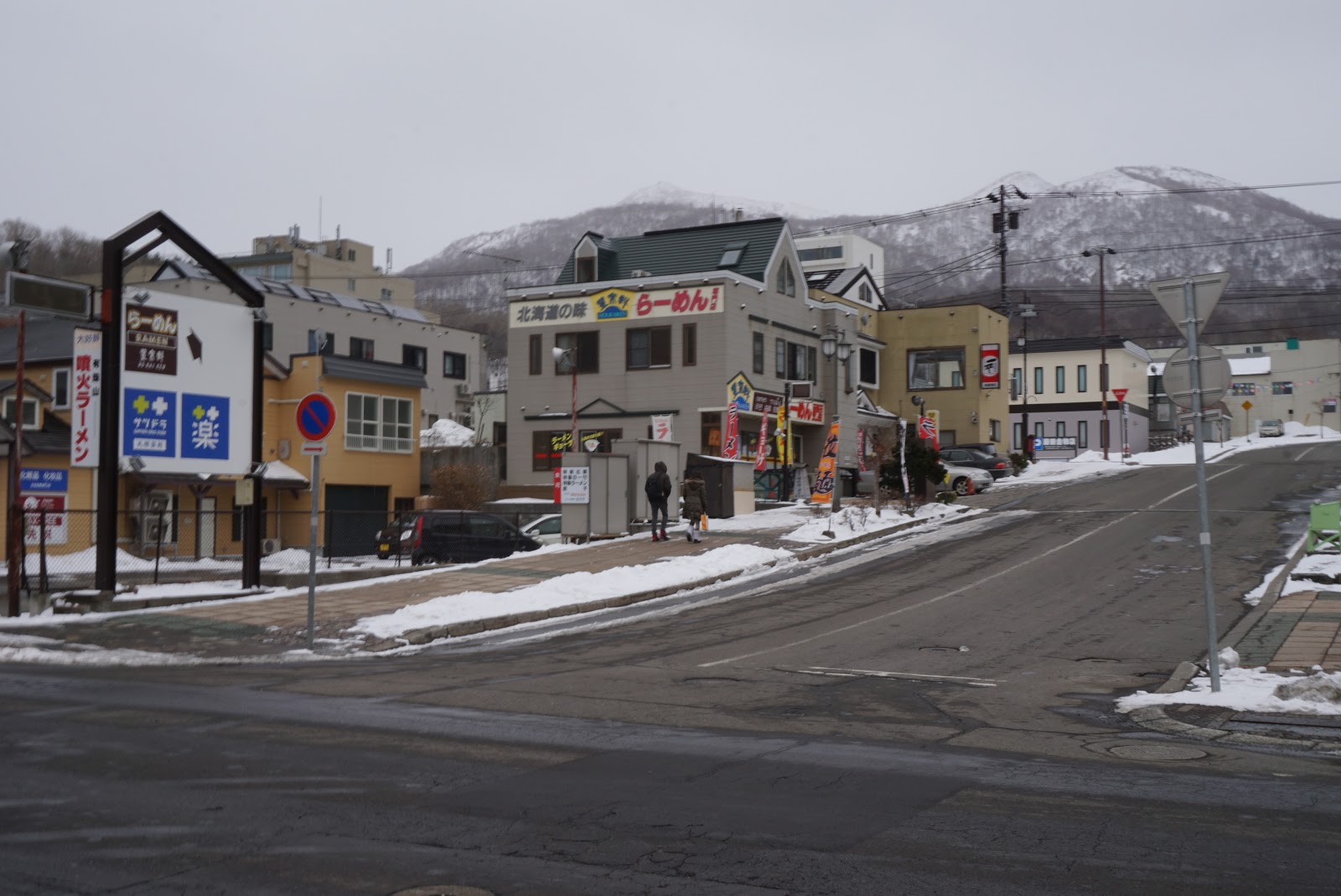
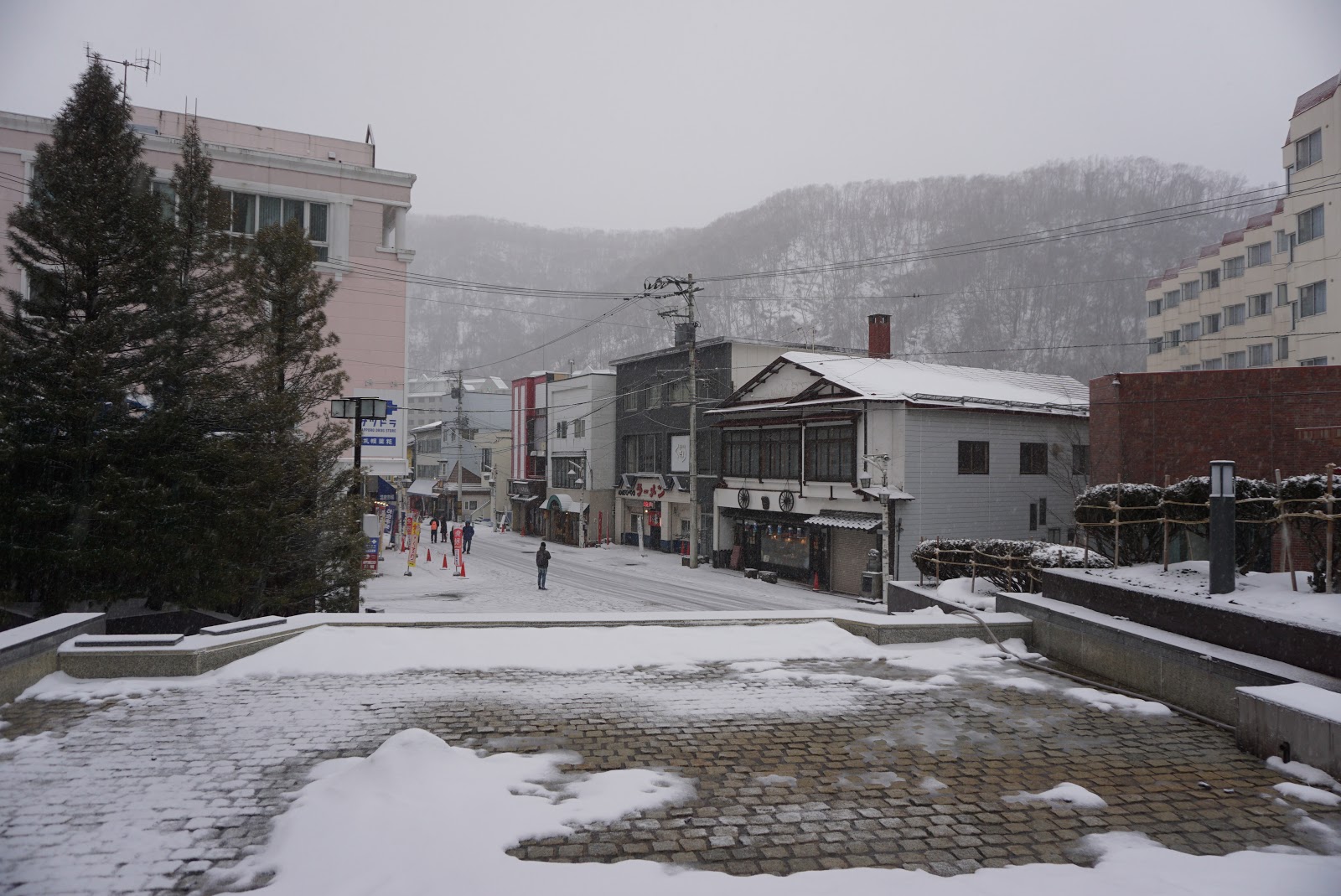
Walking along the streets of Toyako Onsen, dragging our luggage on the part snow, part ice street was quite tedious. The town looks deserted. There are hardly anyone around, tourists or locals the like. Most of the shops seem closed at the time of our arrival, however taking a closer look, some of them are open. There are tons of foot baths and hand baths along the street of Toyako Onsen, there are 1 in front of every hotel. Toyako Onsen has 2 main roads, one nearer to the lake behind all the hotels, and another at the side where Toyako Onsen Bus Terminal is located. There is a Volcano Science Museum next to the bus terminal, which we will visit after we settle into our hotel.
Streets of Toyako Onsen is very quiet
The quiet town of Toyako Onsen
There is hardly anyone on the streets of Toyako Onsen
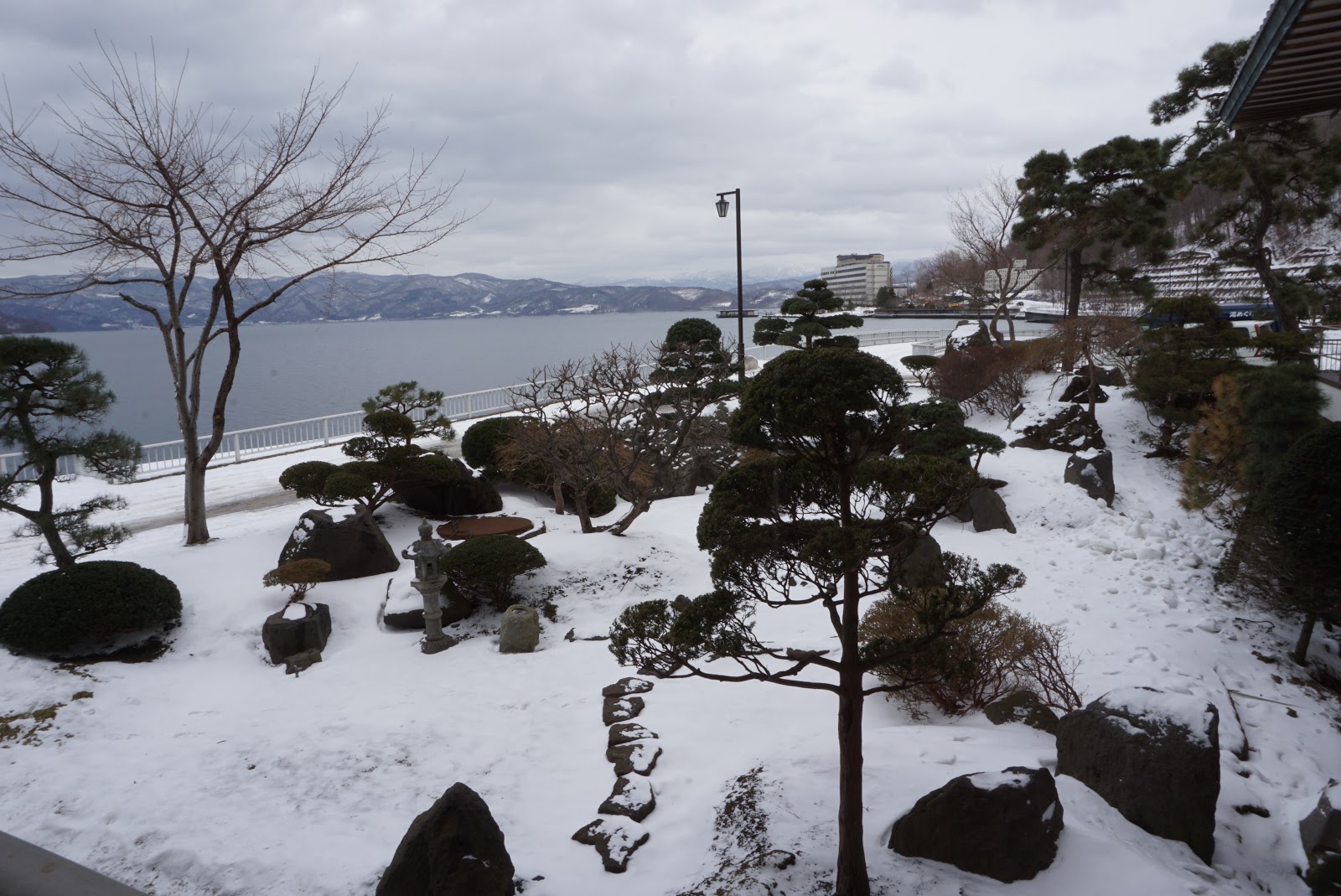
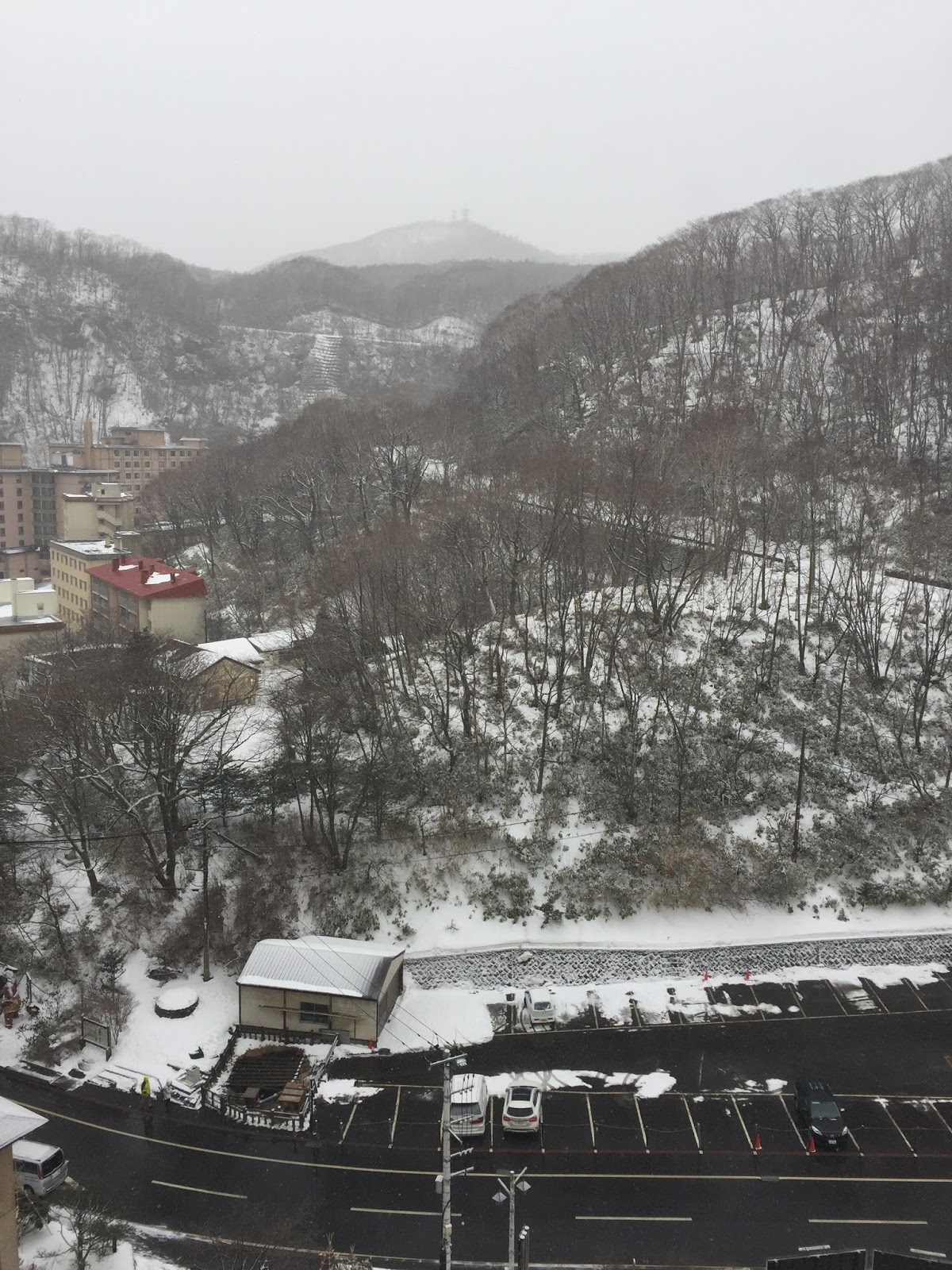
View of Toyako Onsen from our hotel

Strolling along Lake Toya 

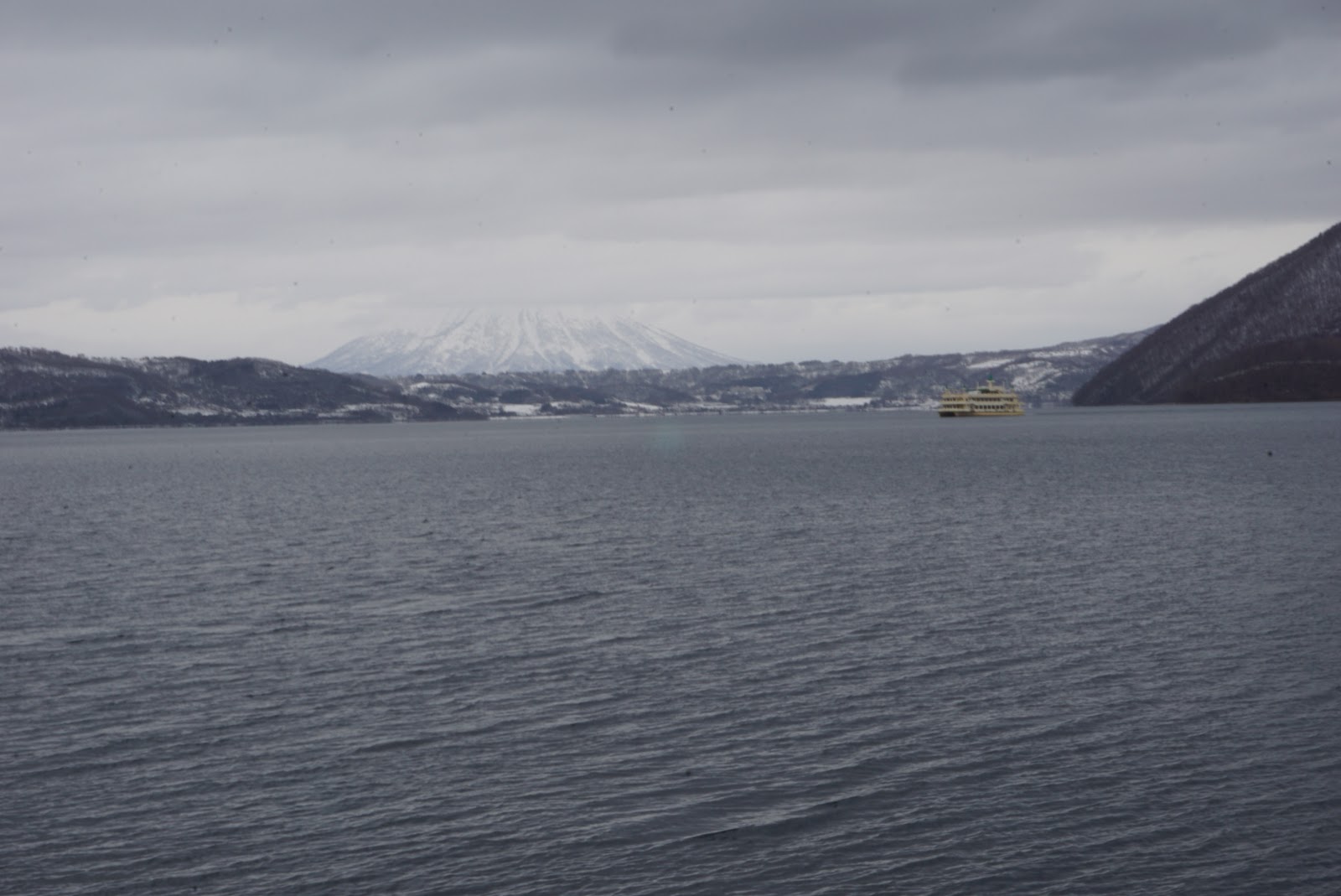
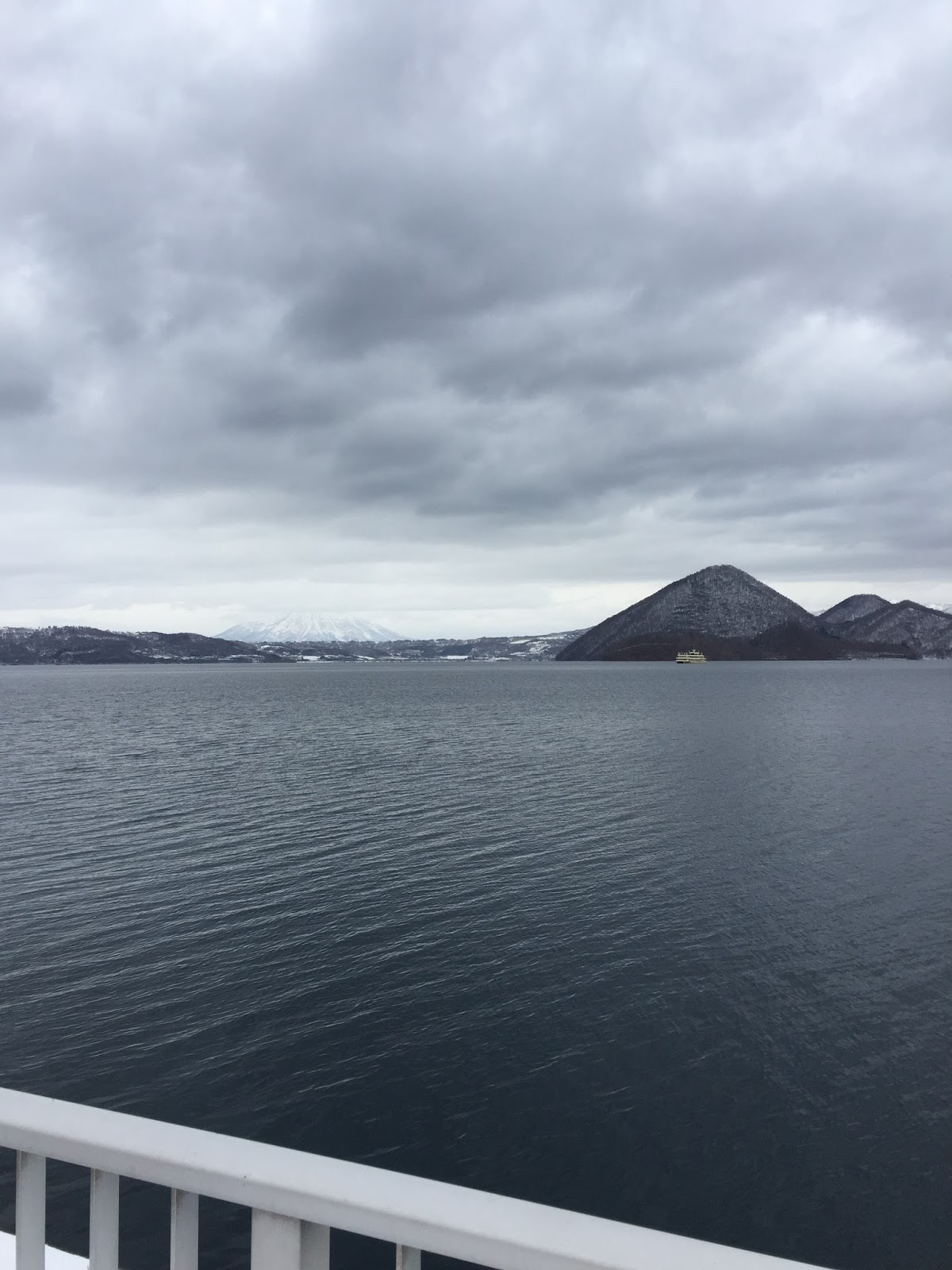
We reached our hotel and was told that we were too early for checking-in. My friend and I left our luggage with the hotel concierge and decided to visit the Volcano Science Museum. Instead of walking along the road that we just came from, we decided to use the footpaths along Lake Toya. We simply can’t resist walking on the snow. Lake Toya is famed for being a lake that never freezes, partly due to the volcanic activities around the lake and partly due to it being a saltwater lake with a river that flows from the lake to Uchuira Bay. As we were walking along the lake, the sense of peacefulness settled in. There is no one on the street, coupled with the low clouds, giving it a foggy feel. It is certainly very relaxing walking along Lake Toya, with the 3 mountains in the centre of the lake constantly in our sight. There are a couple of piers nearer to the centre of Toyako Onsen, where sightseeing boats still plies at this time of the year, taking visitors around the lake.

Mt Yotei is the snow-covered volcano seen from Lake Toya Promenade 
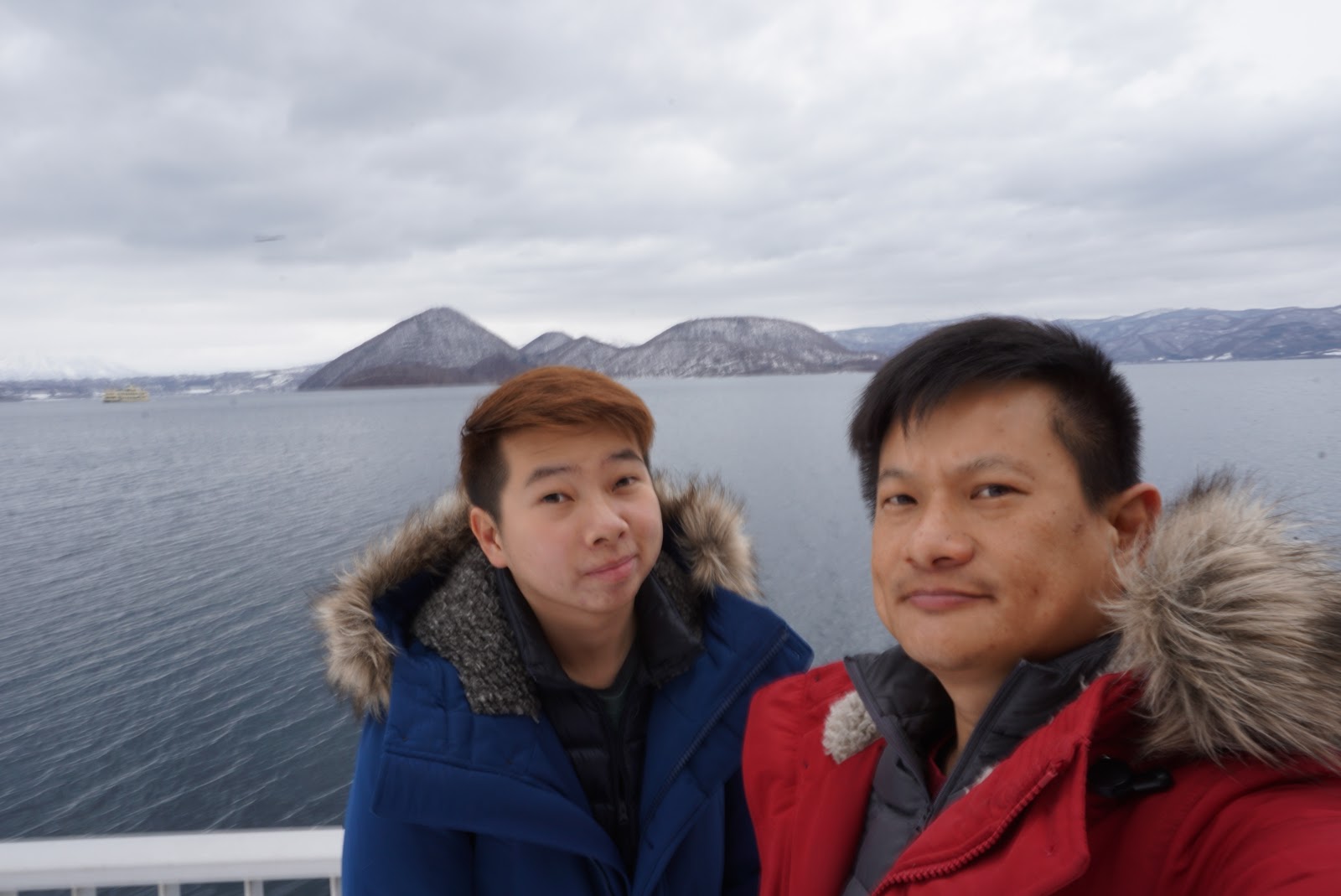
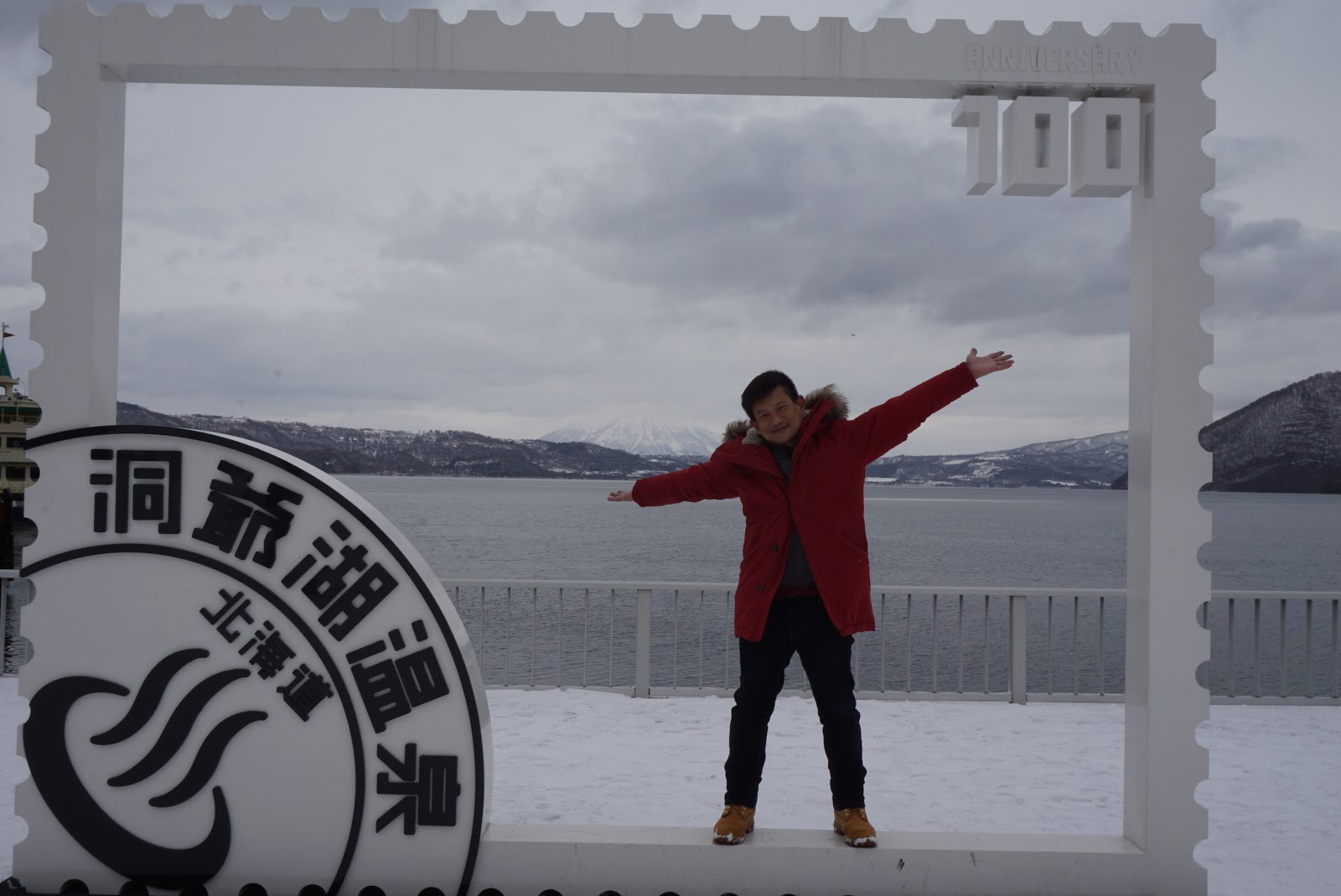
Taking a wefie with Nakajima Island in the background
My friend with Lake Toya in the background
Me with Lake Toya in the background
Taking a wefie in Lake Toya
Panoramic shot of Lake Toya
Introduction of Lake Toya and Mt Usu

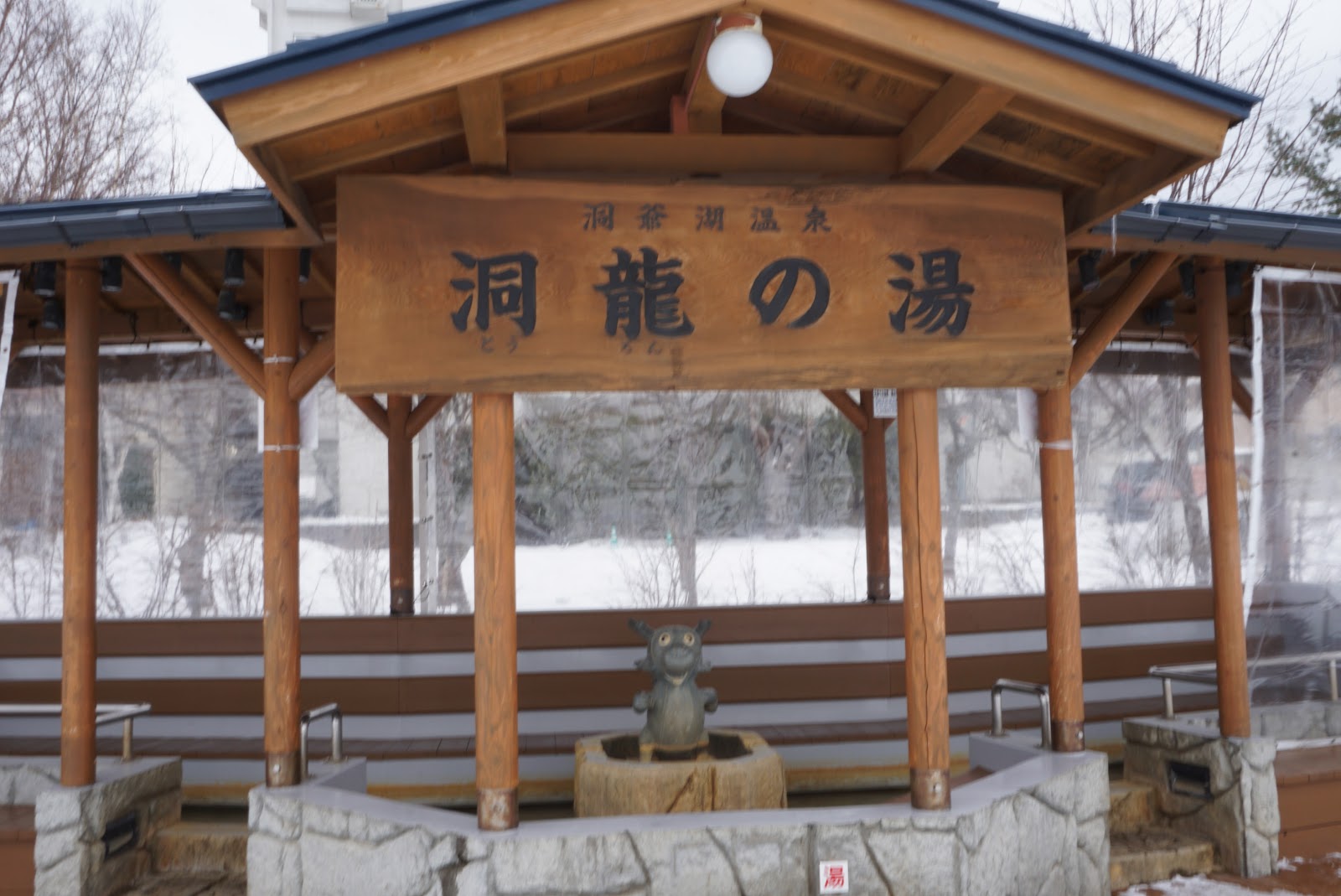
There are a lot of photo spots along Lake Toya. My friend and I occasionally stopped for some photos, at the same time breathing in the cold fresh air of Lake Toya. We came across a foot bath with a small dragon statue in it. There is no hot spring water inside this foot bath, guess it is only operational in other seasons. We headed for the main road towards Toyako Onsen Bus Terminal.

Lake Toya and Nakajima Island
The snow scene in Lake Toya
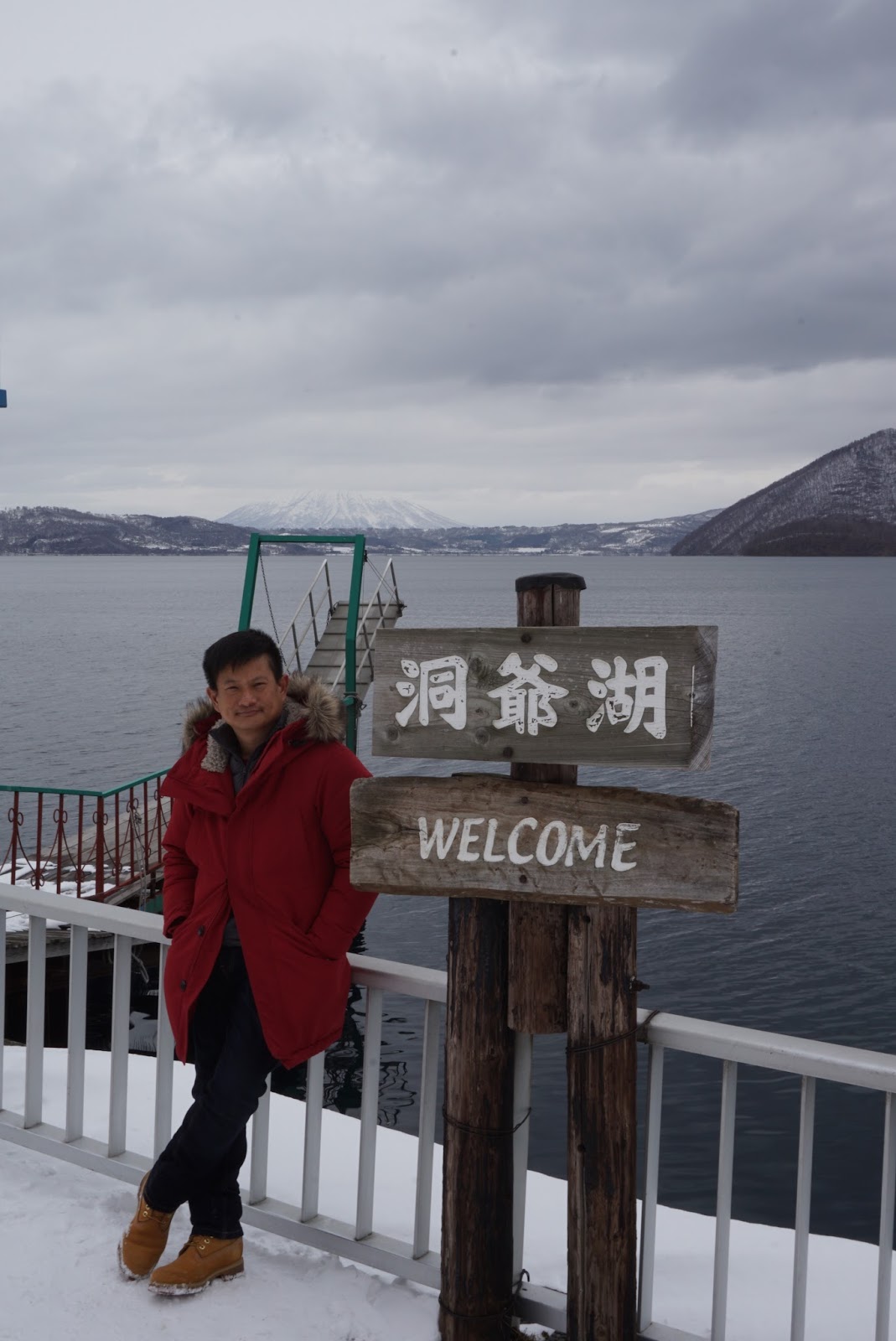
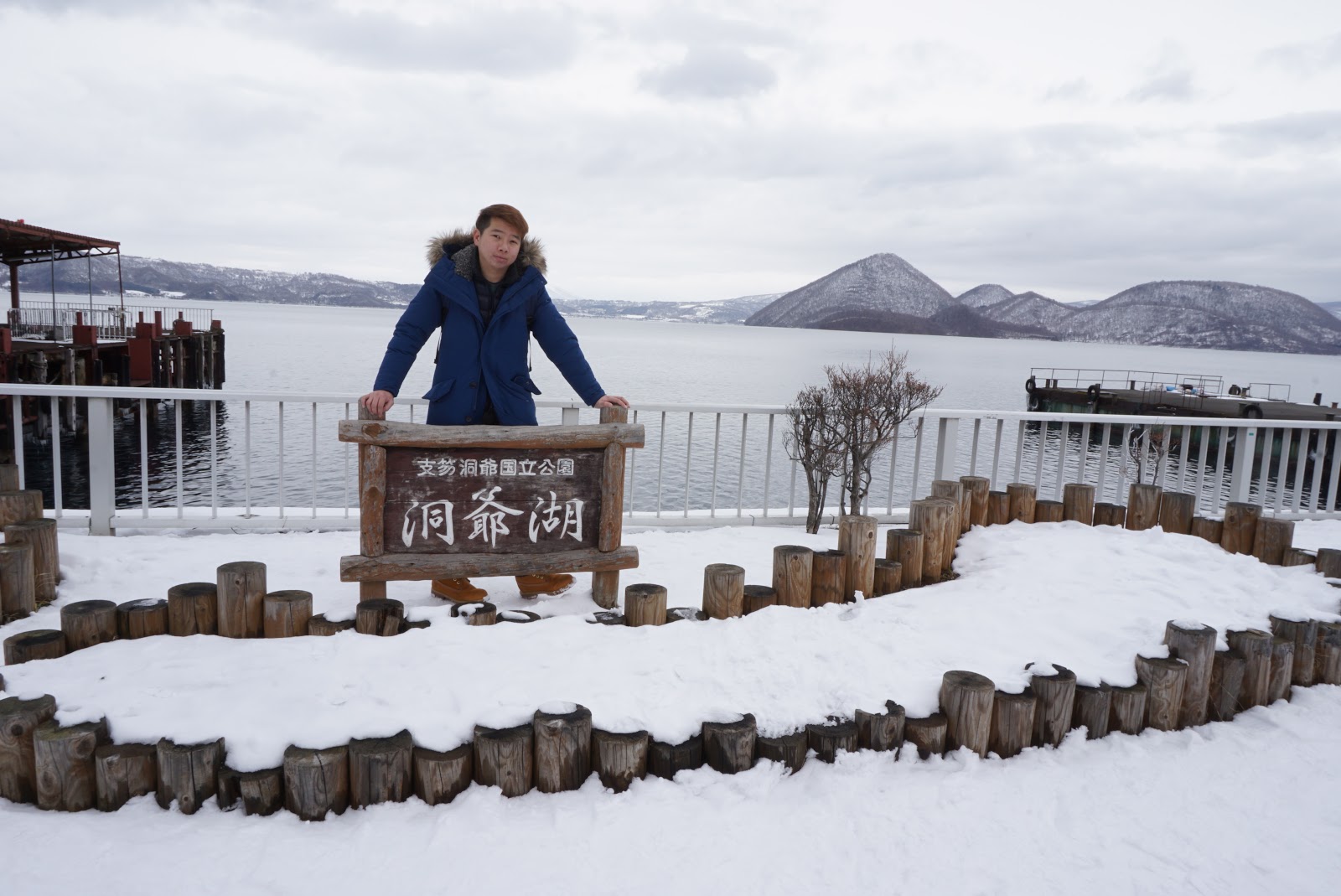
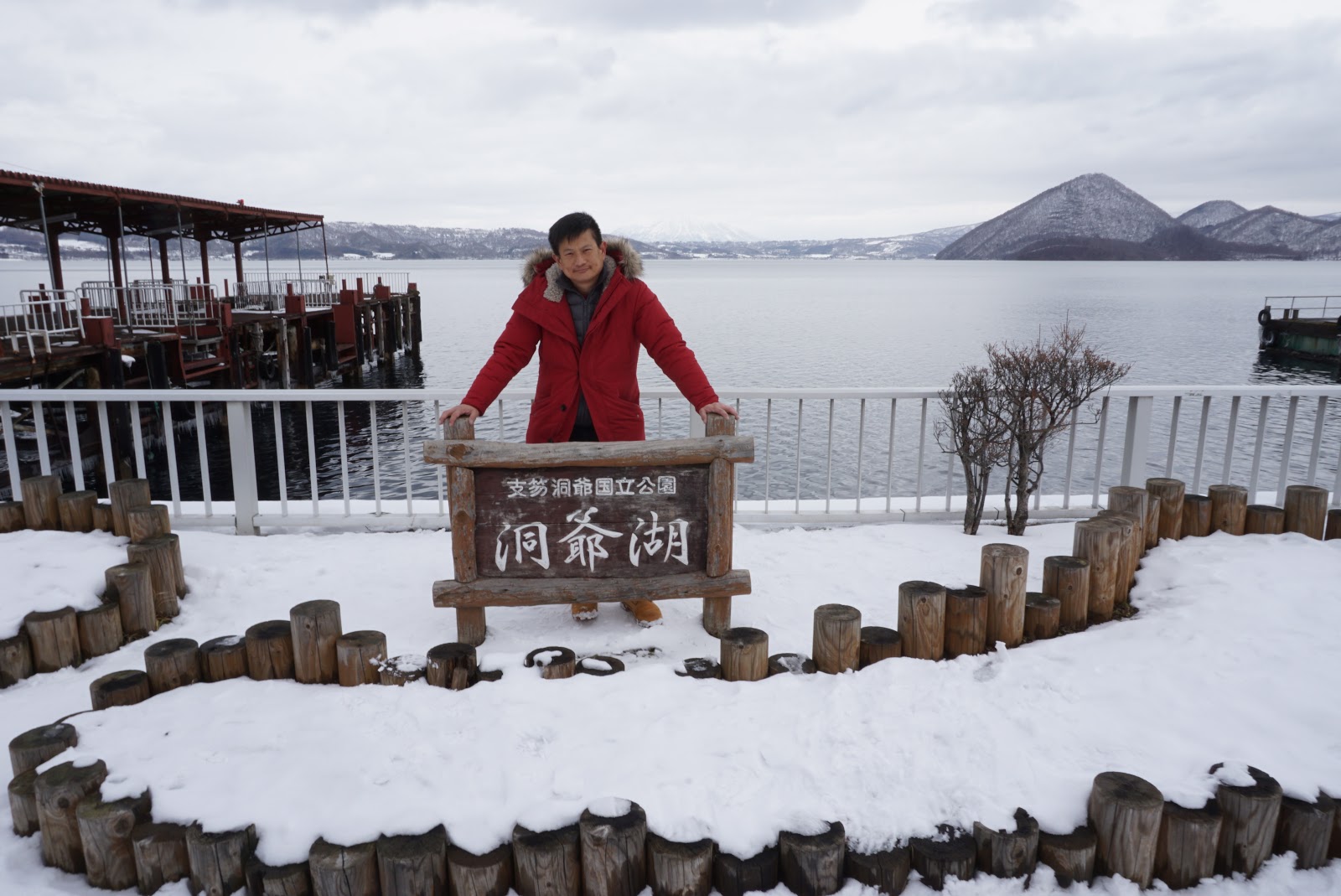
My friend with the sign of Lake Toya
Me with the same sign along Lake Toya Promenade
Footpaths are a common sight in Toyako Onsen
Taking a wefie with a footbath
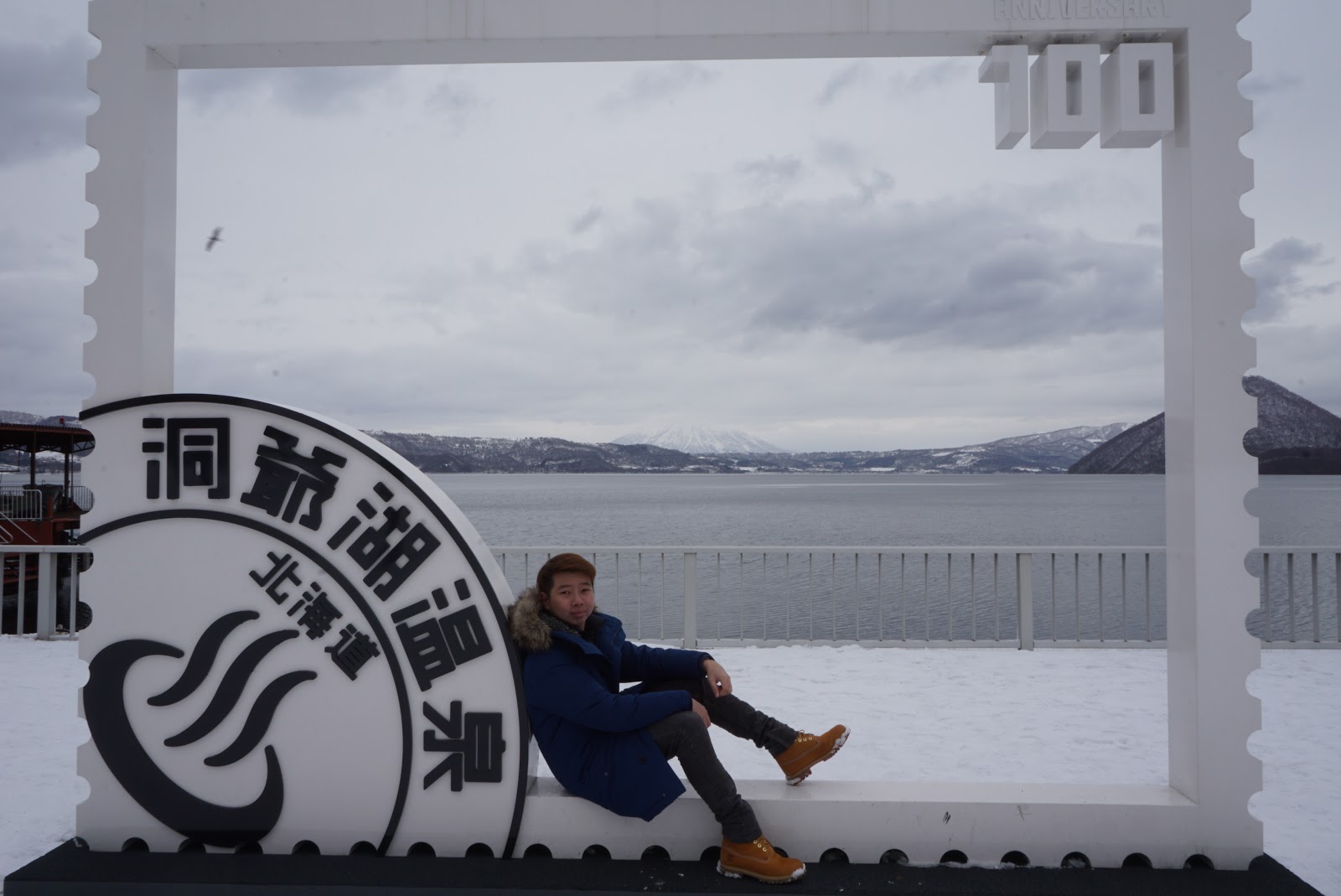
There are some nice photo spots along Lake Toya Promenade
Taking a picture at Lake Toya Promenade
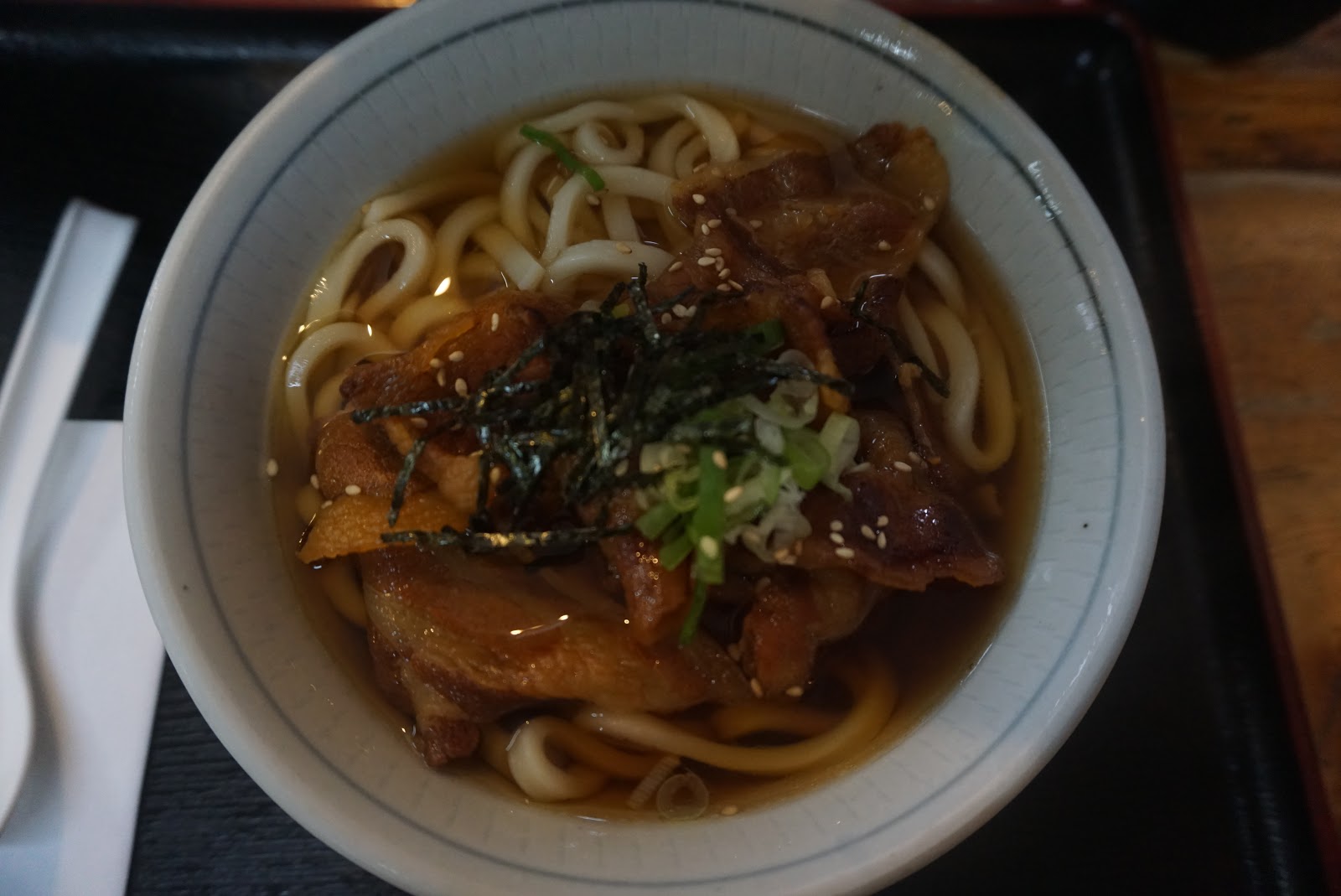
My friend had ramen for lunch
I opted for the pork cutlet curry rice

Learning about Volcanic Activities In Lake Toya in the Volcano Science Museum

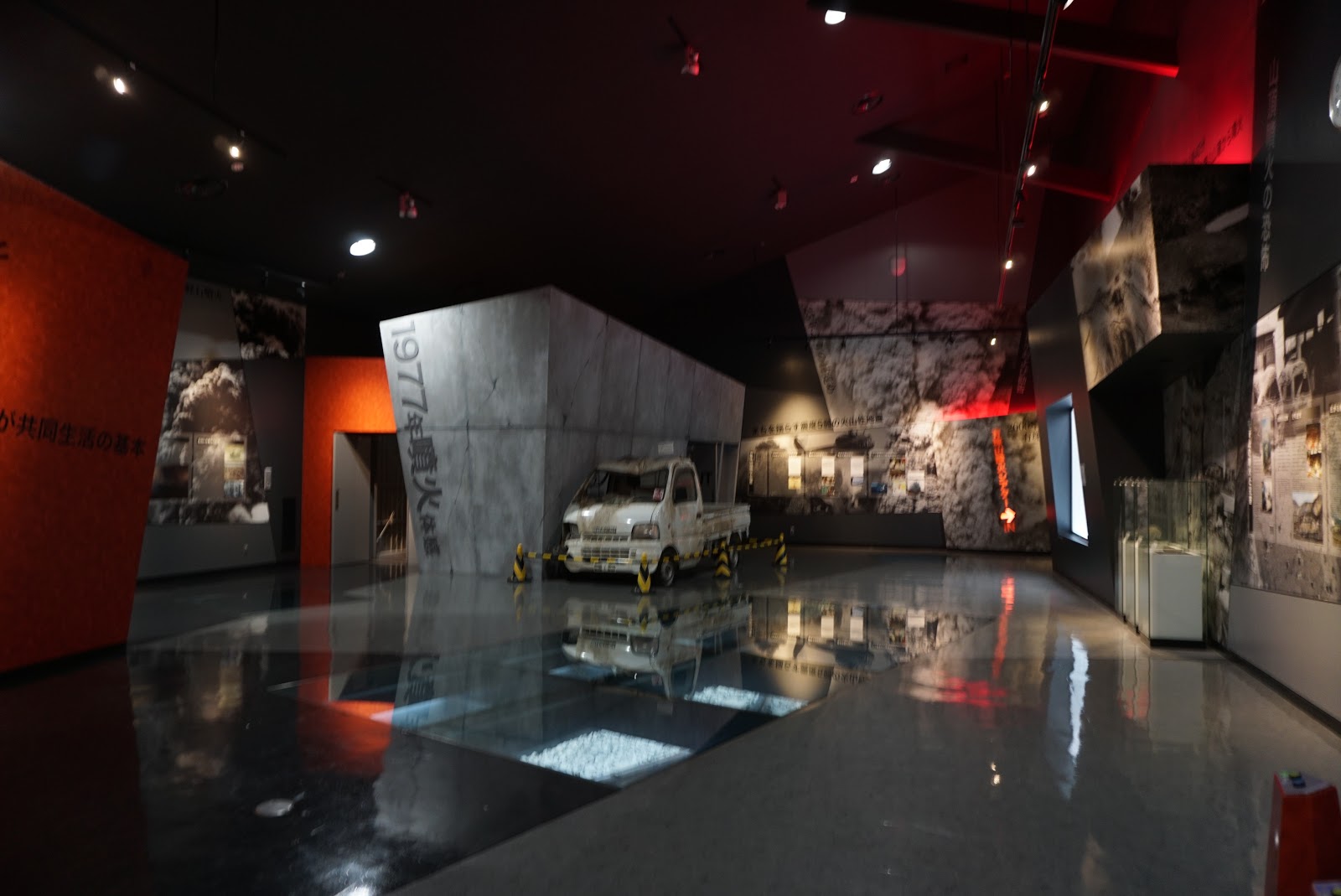
The Volcano Science Museum is housed in the same building as Toyako Visitor Centre, occupying a small section of the visitor centre. Entering the Volcano Science Museum is chargeable at ¥600 per adult. Entering the Volcano Science Museum, we went through a small corridor where the inner models of the earth and volcanoes are being displayed under the glass panel on the floor. As we entered the exhibition area, we were escorted by a staff member to an auditorium where we were shown a short video clip on the formation of Lake Toya and the eruption of Mt Usu. I find it interesting that during the show, we were able to feel the tremors of volcanic eruption, through the use of powerful speakers on the floor. The tremors are very pronounced and were cleverly included during the show at appropriate timings. After 20 mins of the show, we headed out to the exhibition area to finish the rest of the tour of the museum. At the exhibit area, the only other thing that is prominent is a small truck which is being damaged by the volcanic eruption of 1977. There is also a section of the JR track that is on display, buried under a glass panel on the floor. We headed to the simulation room where the tremors of the eruption in 1977 were being simulated, pretty much the same as that in the theatre. The Volcano Science Museum is very informative and educational (this is where we learnt more on the geography and how Lake Toya has formed and the volcanic activities around Lake Toya).

This picture is taken at a random spot on the street in Toyako Onsen
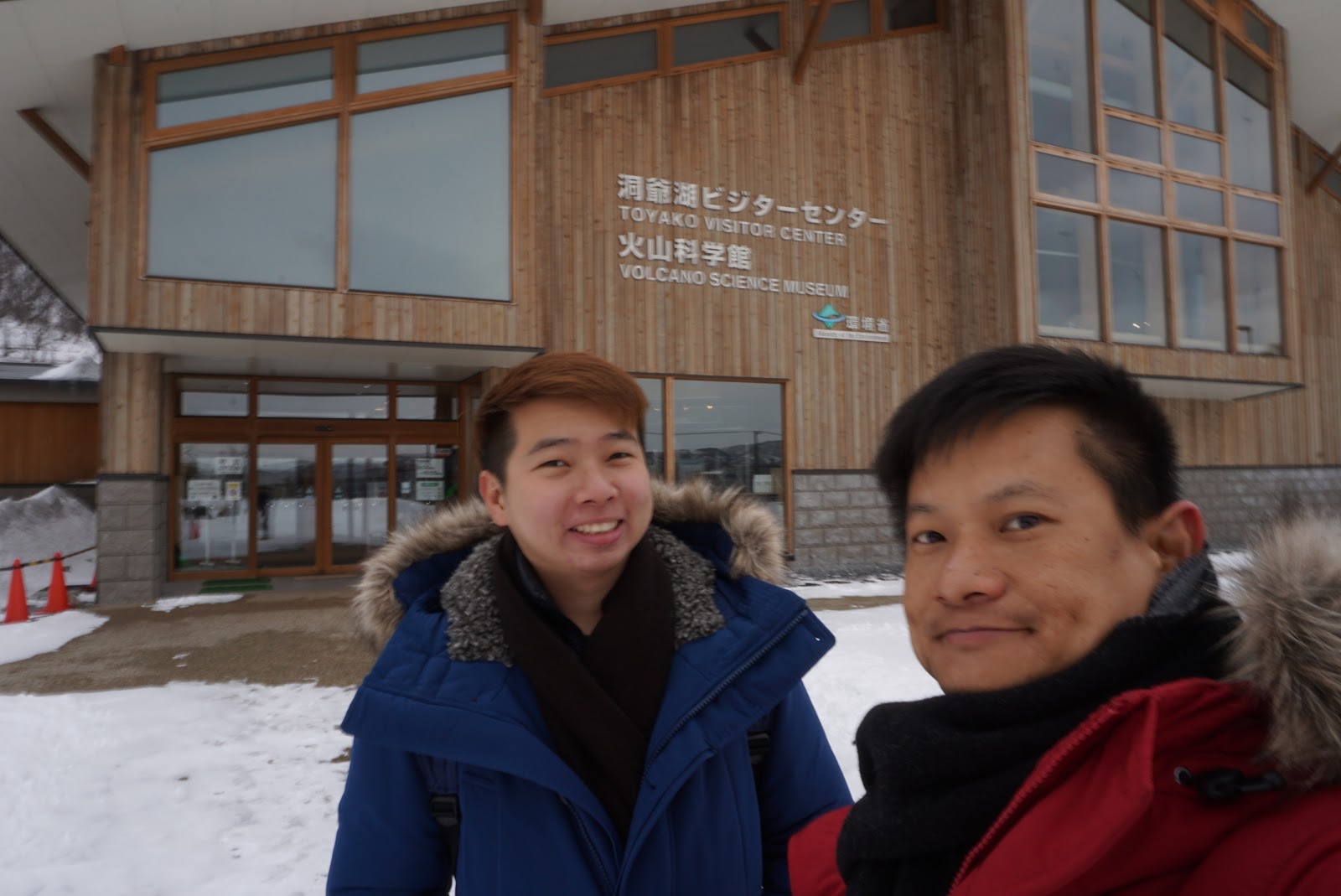
The Volcano Science Museum and Toyako Visitor Centre is located next to the Toyako Onsen Bus Terminal 
Taking a wefie at Volcano Science Museum and Toyako Visitor Centre
The exhibition area of Volcano Science Museum
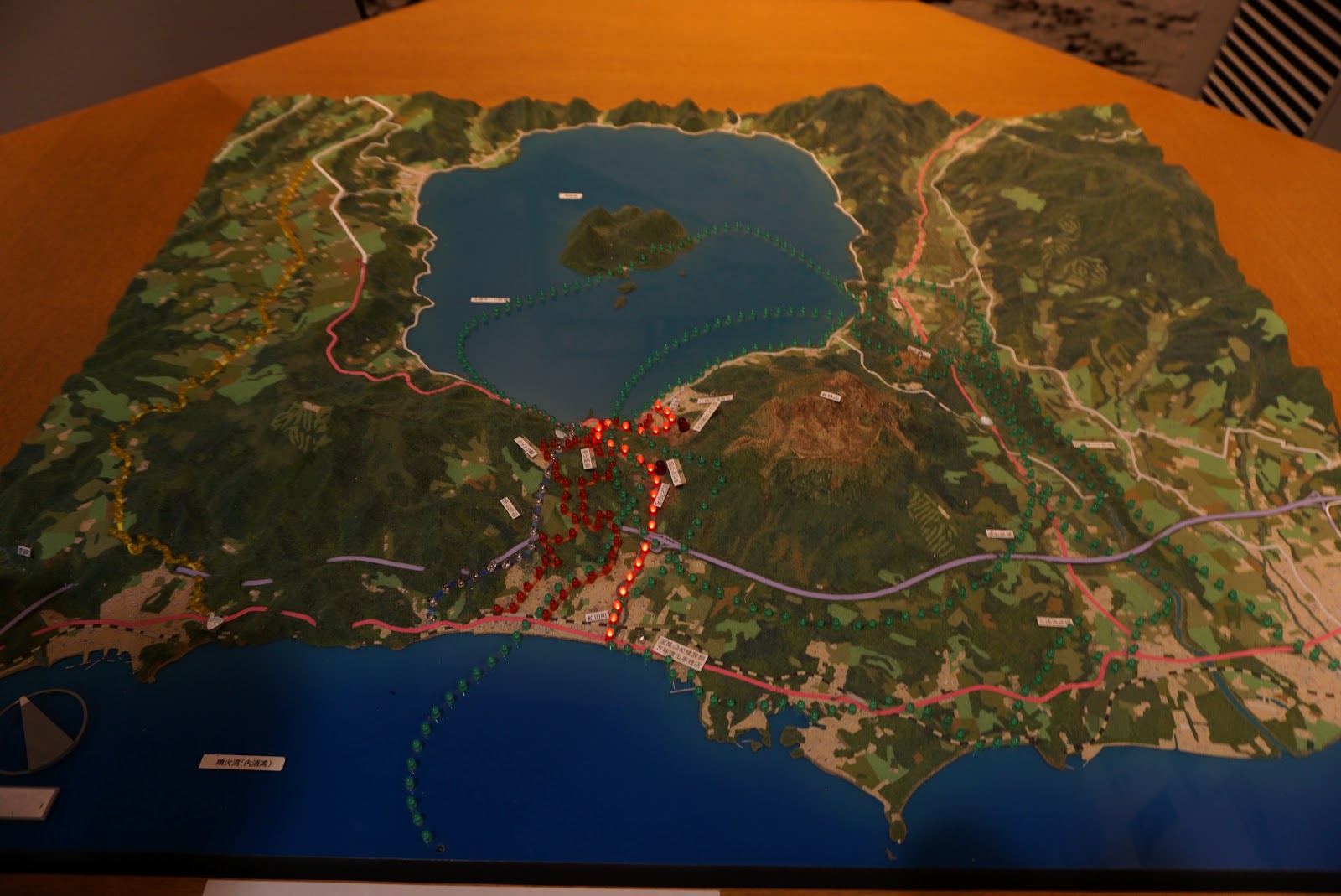
A model of Lake Toya and the surroundings inside the Volcano Science Museum
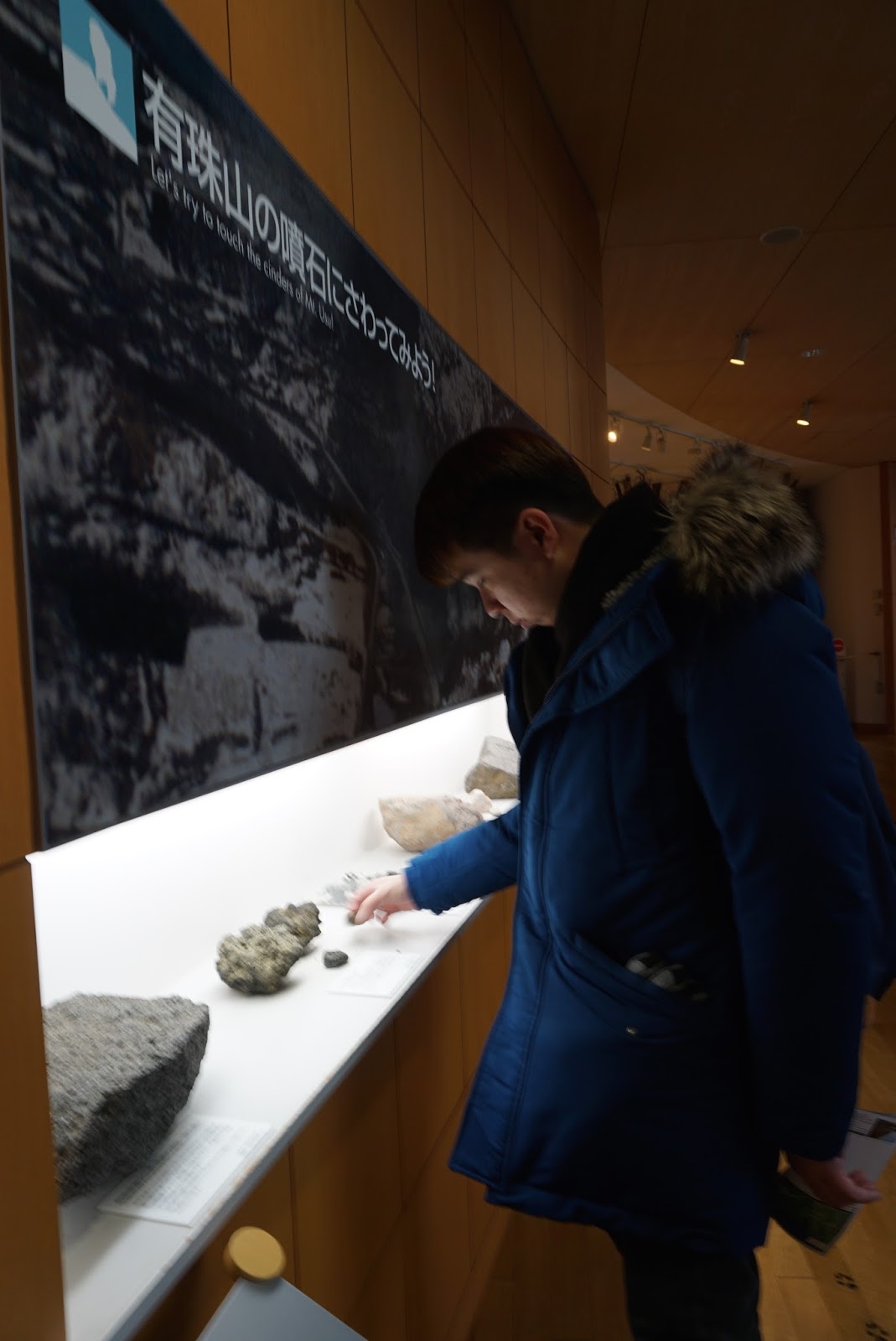
There are some volcanic rocks on display in the Volcano Science Museum

We did not spend much time in the museum, as it is very small. My friend and I walked around in the rest of the visitor centre. The exhibits in the visitor centre are free, and it introduces us to the flora and fauna around Lake Toya. We did not stay here for too long as we did not find it particularly interesting. As we were heading outside, we saw a sign pointing to somewhere in Japanese. This led us to the Konpira Crater remnants of the Disaster Walking Trail. As this trail is closed during winter, we can only see the remnants from the observation deck. The Konpira Crater remnants of the Disaster walking Trail preserves the remains of buildings and a section of Toyako Onsen that was damaged by the volcanic eruption. Damaged buildings and roads making this place feel like a ghost town. The view of Lake Toya from the observation deck was great though. We headed back to the hotel as it is about time for us to check-in soon after.

The Toyako Visitor Centre displaying the flora and fauna around Lake Toya 
Rest corner in Toyako Visitor Centre
View of Lake Toya from the observation deck of Konpira Crater Remnants of the Disaster
Great photo spot of Lake Toya from the observation deck of Konpira Crater Remnants of the Disaster
The footpath in Konpira Crater Remnants of the Disaster was closed, we can only see the remnants from a distance. It feels like a ghost town in there
My friend walking on the observation deck of Konpira Crater Remnants of the Disaster

The Light Tunnel and the Onsen

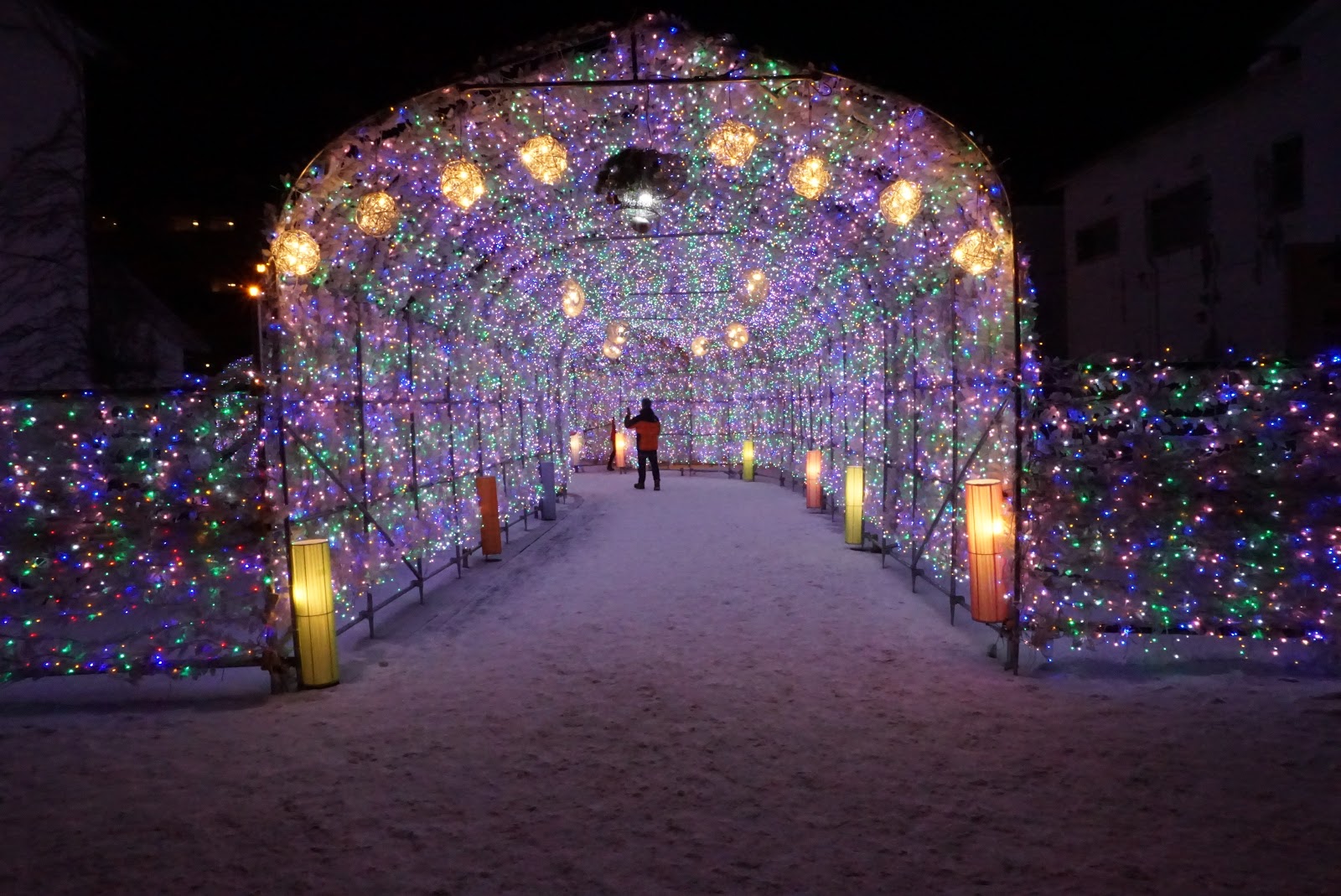
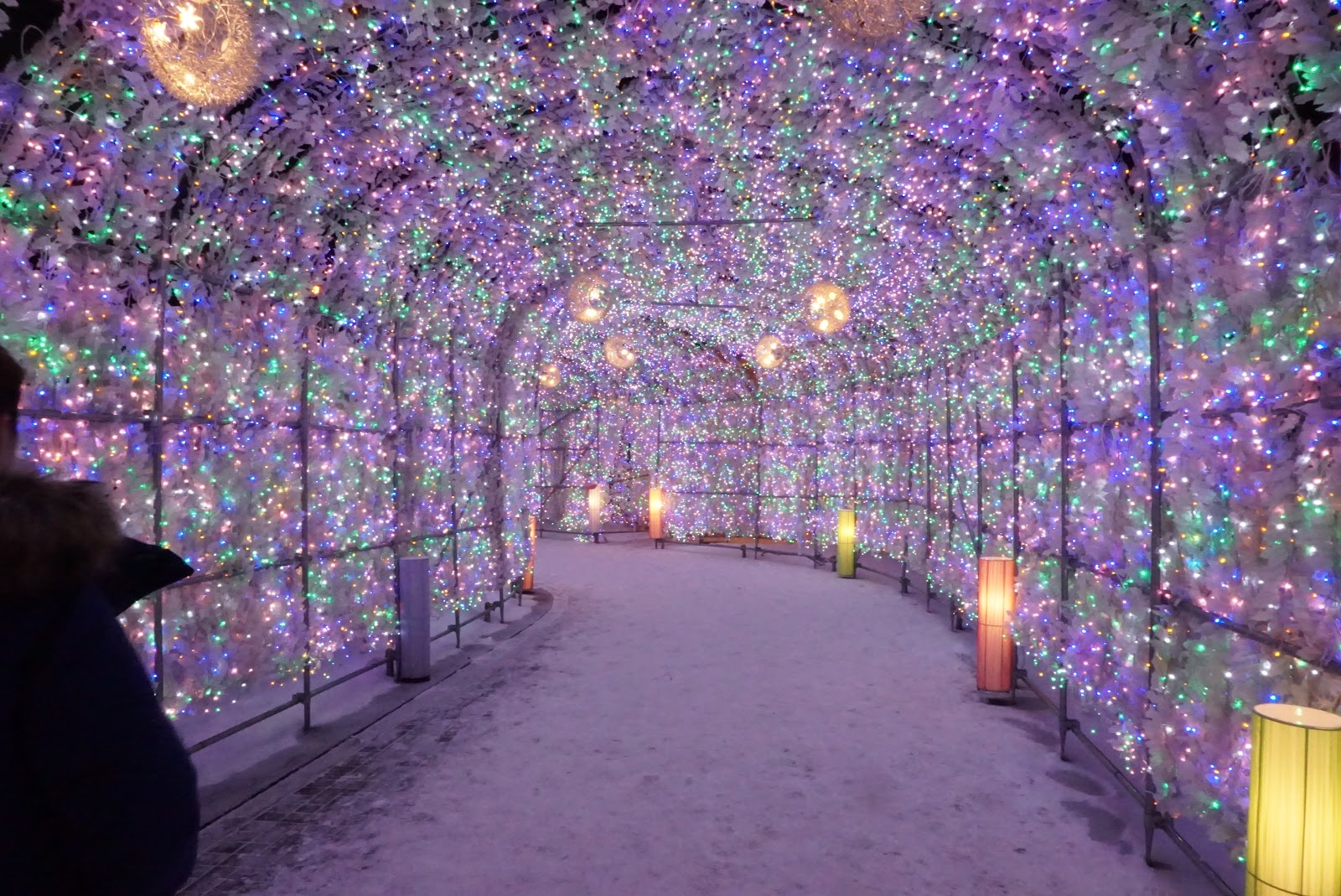
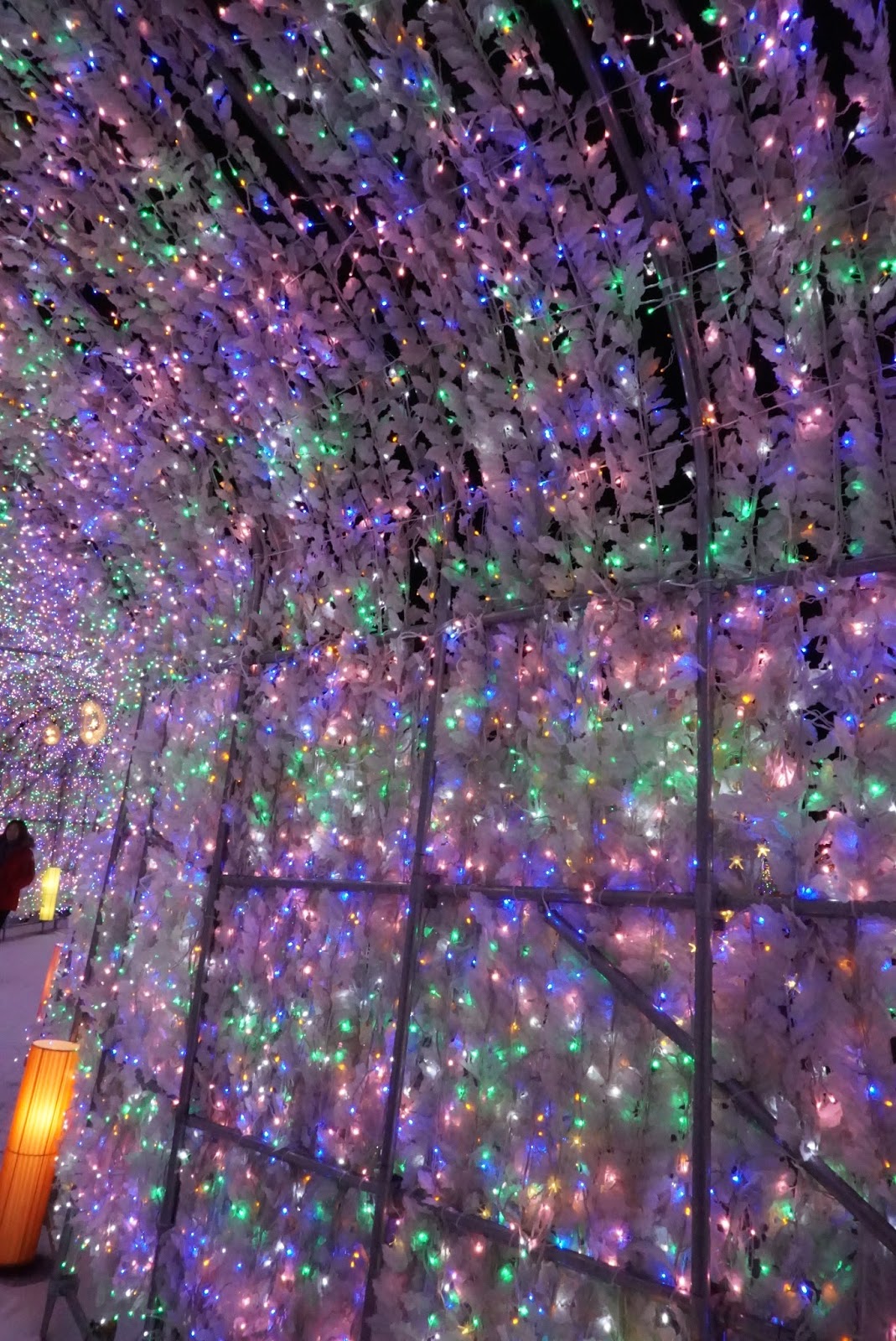
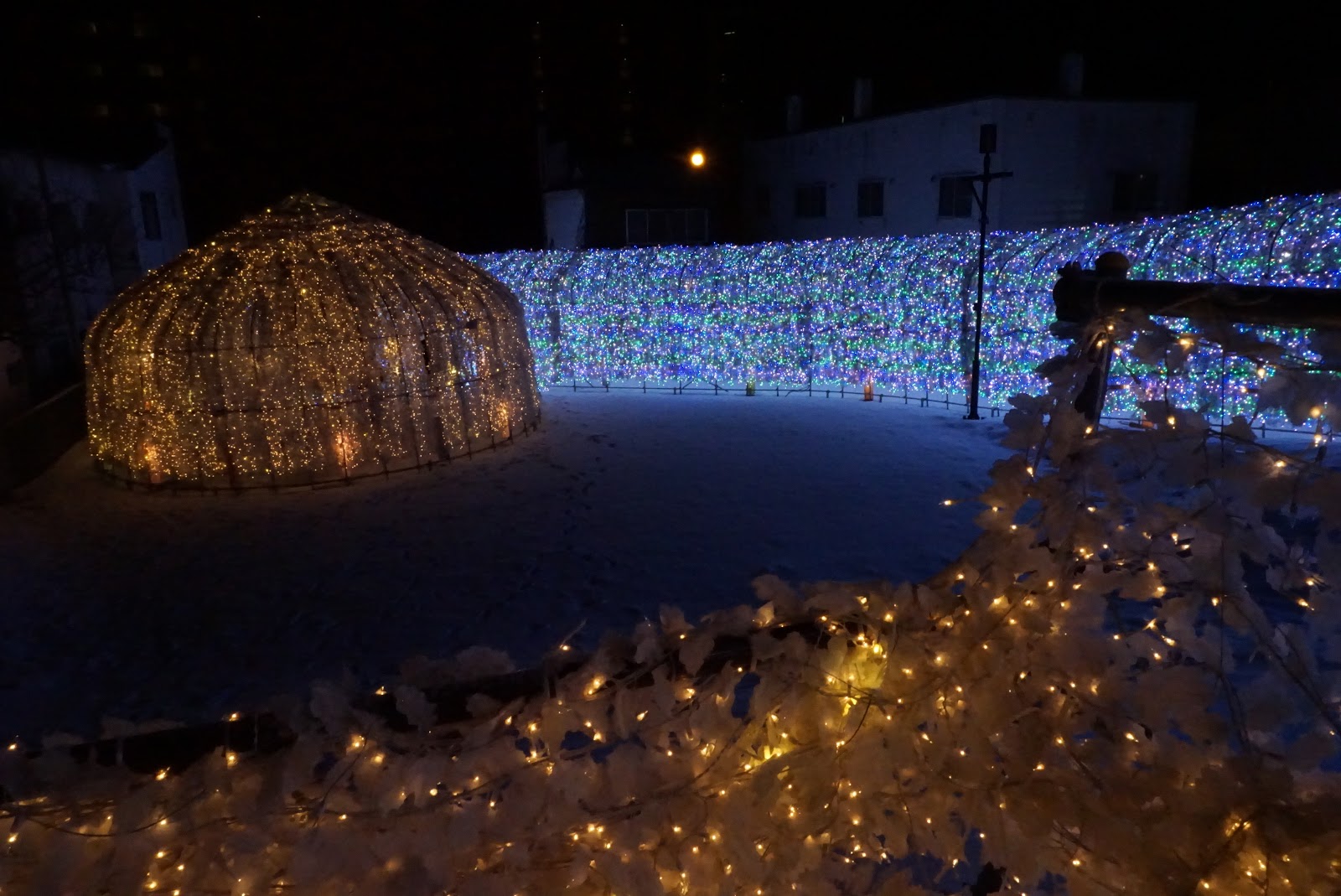
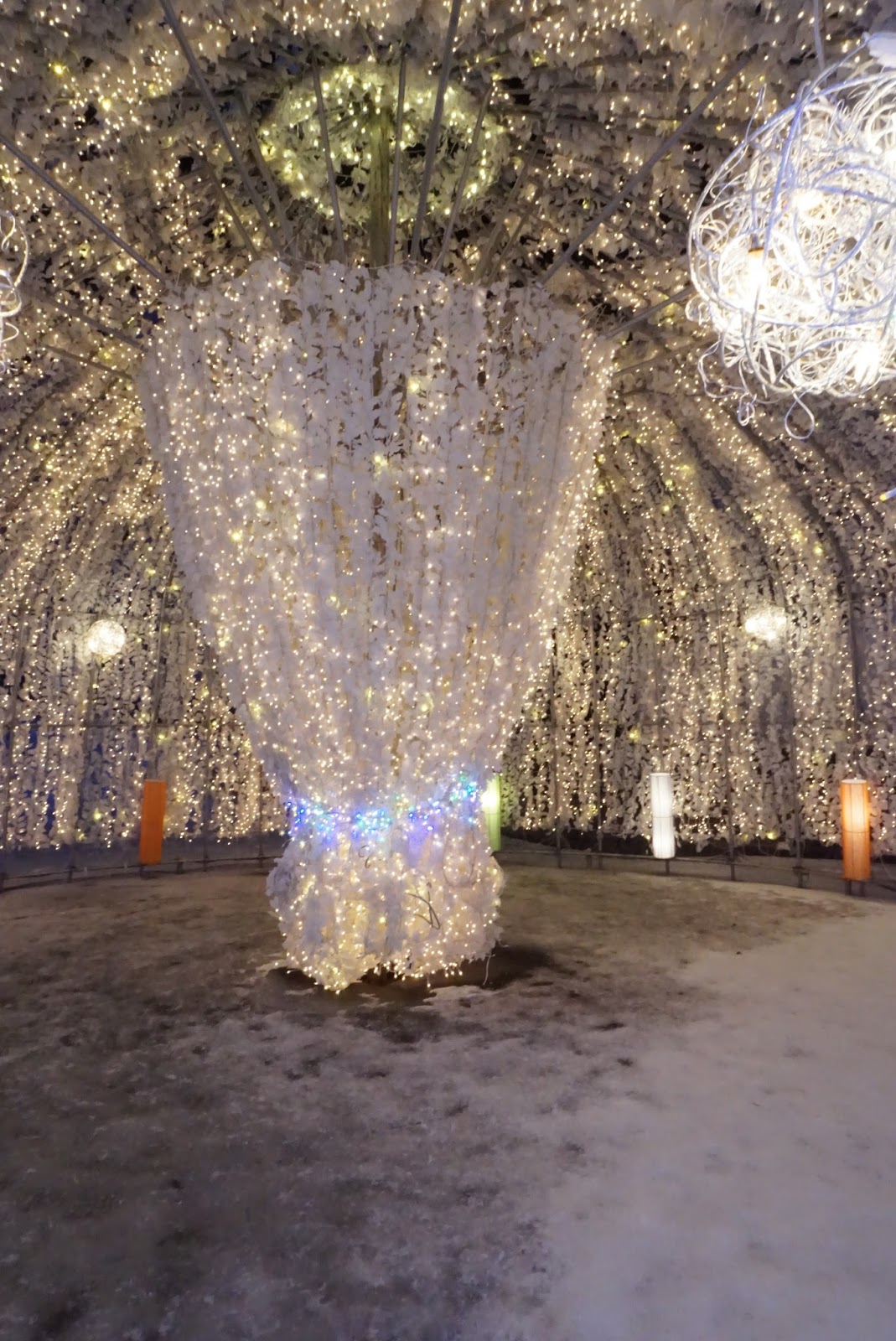
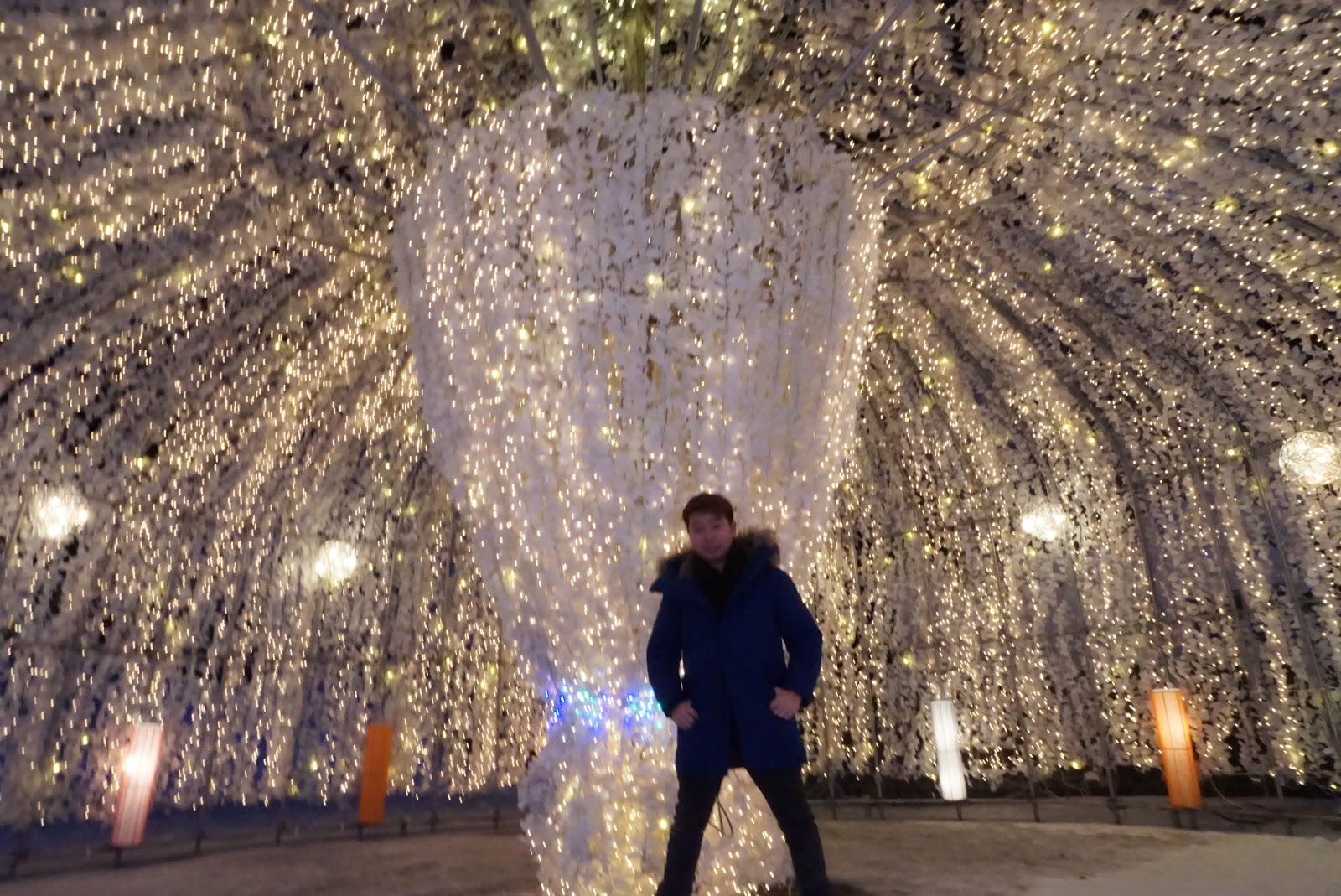
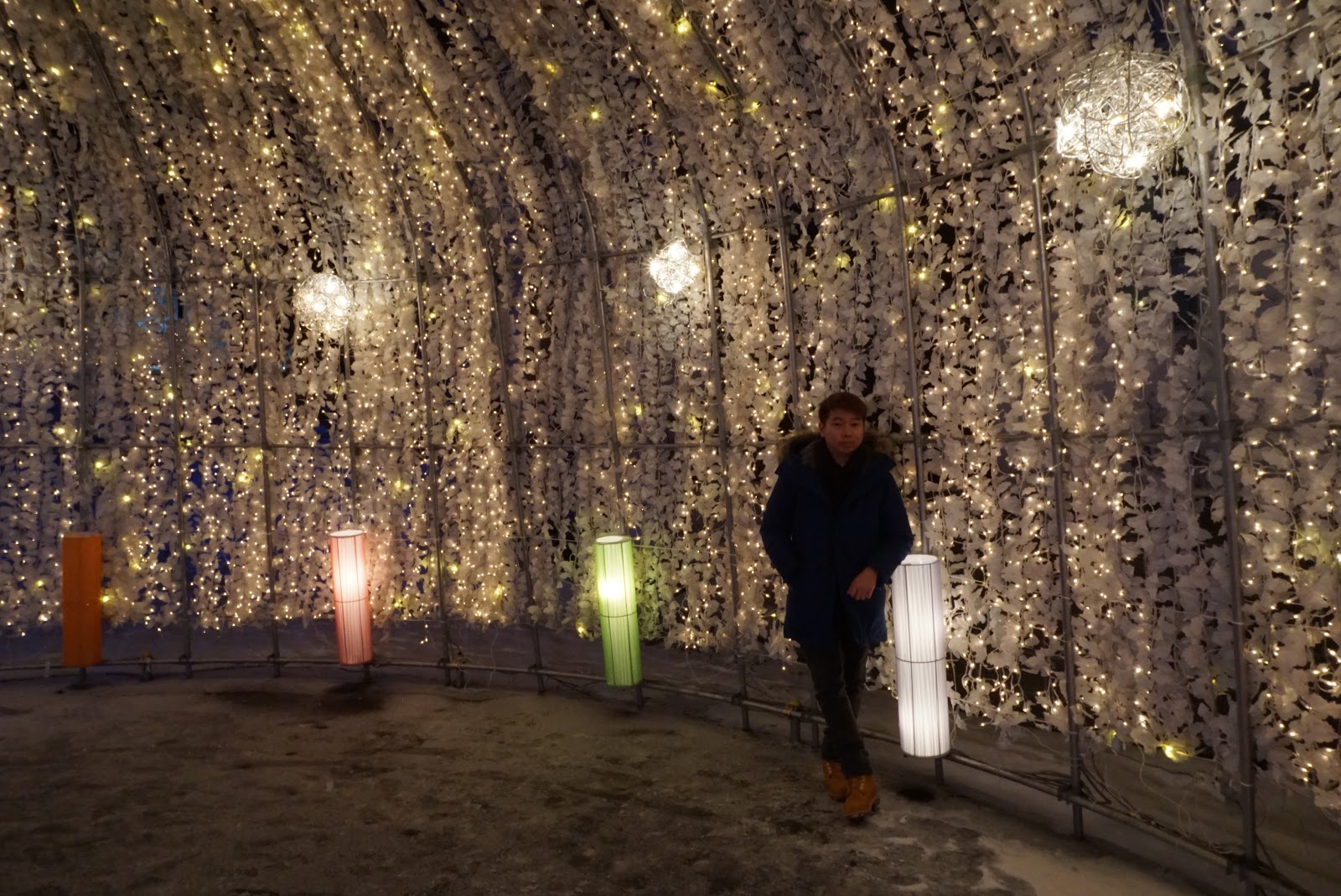
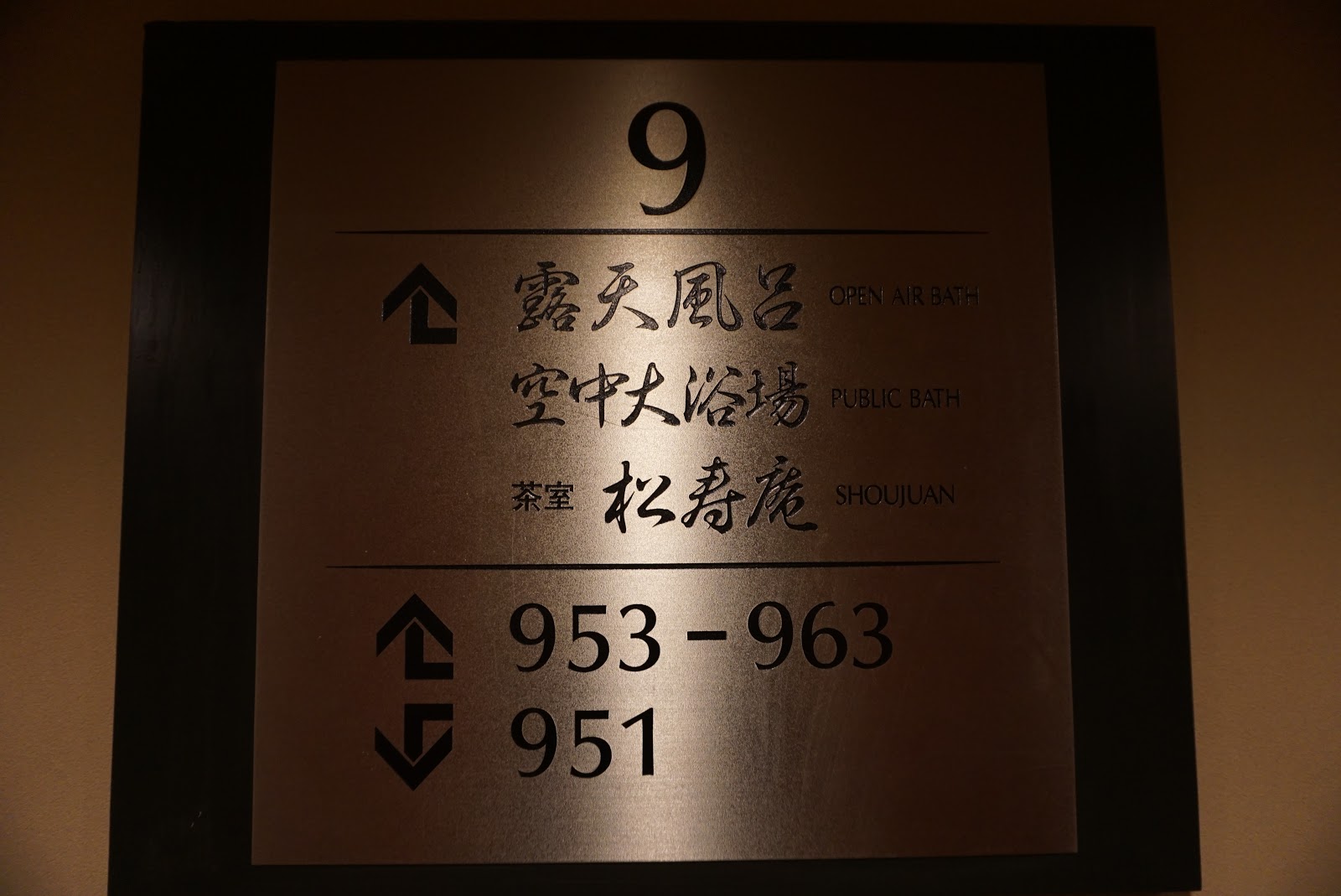
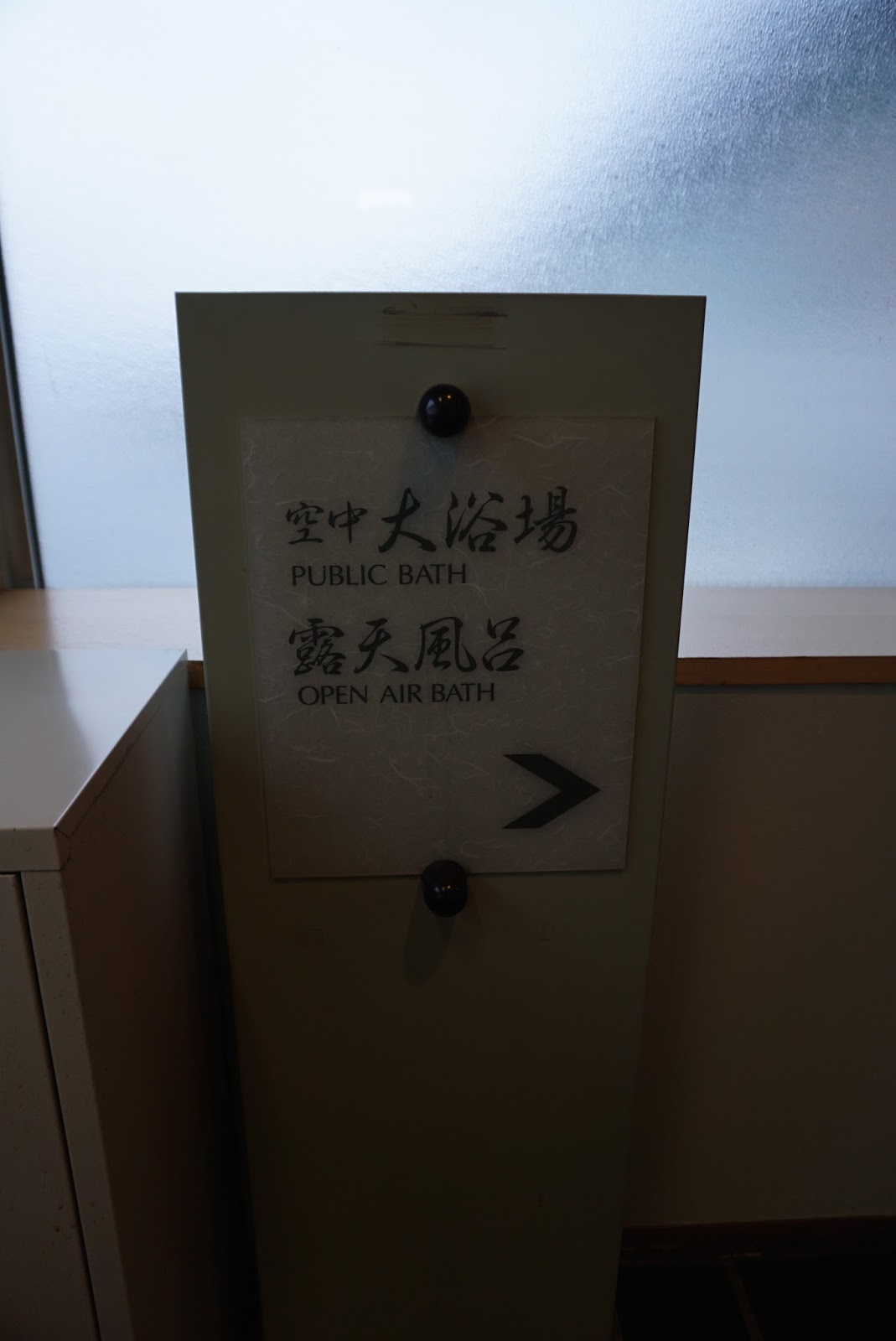
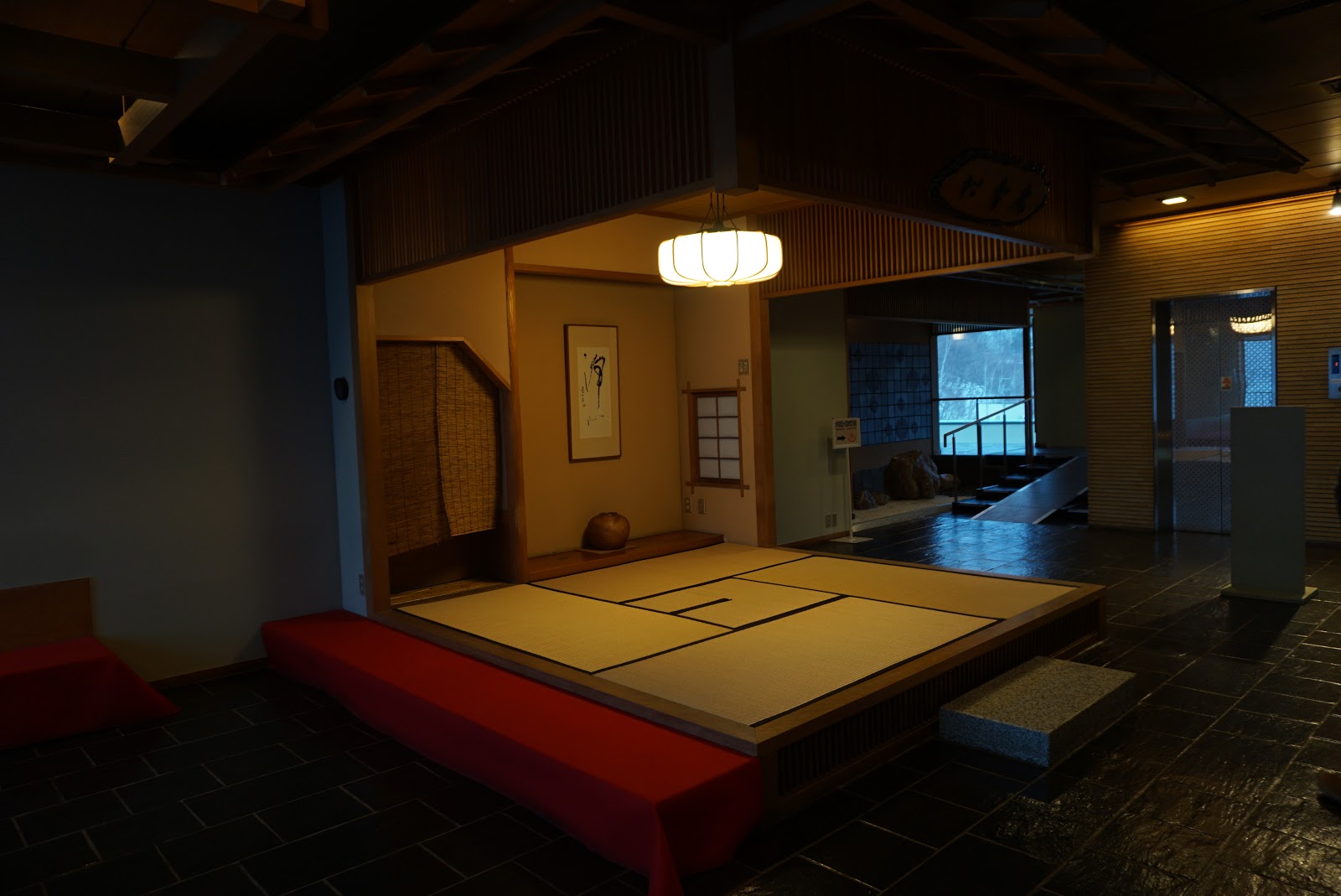
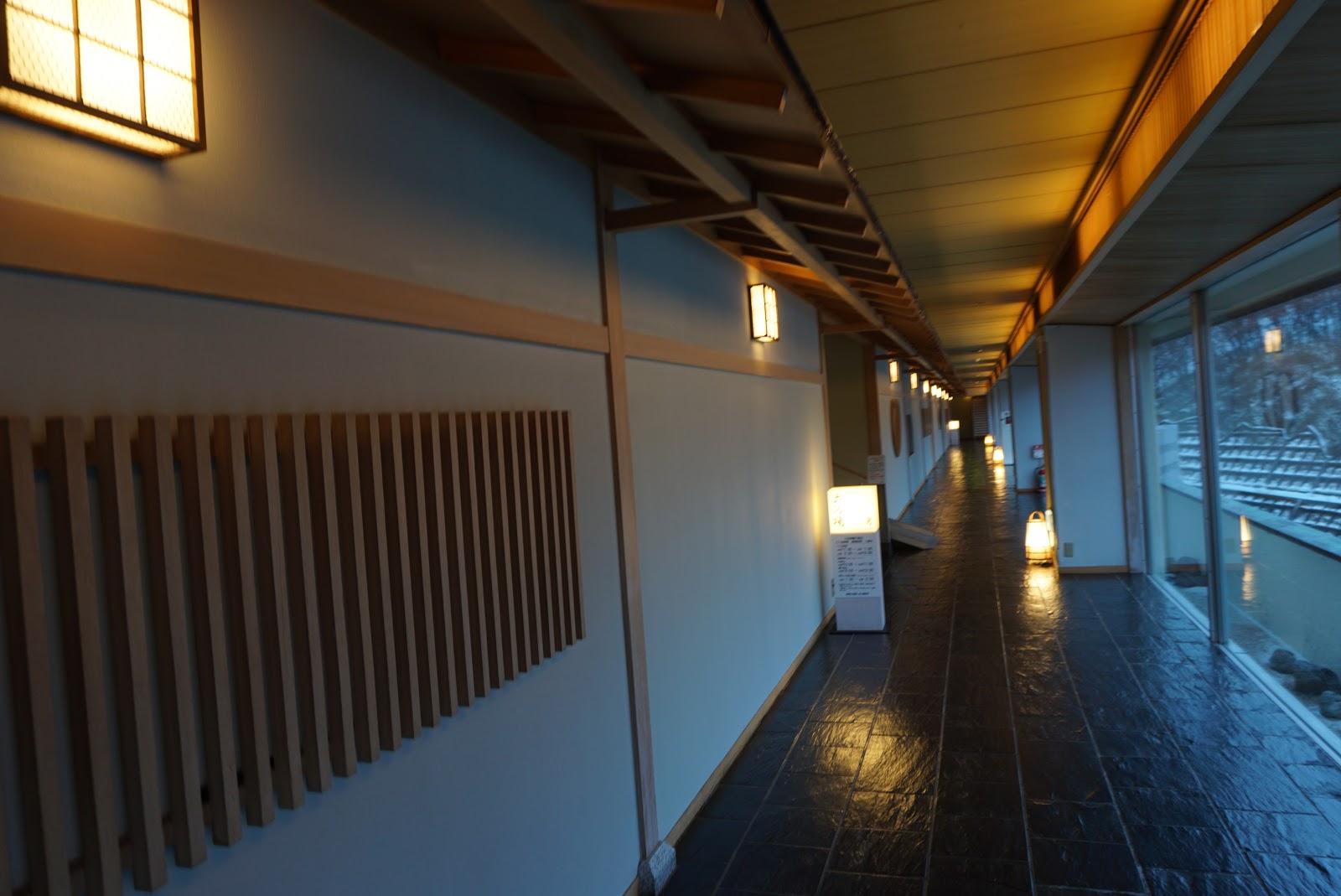
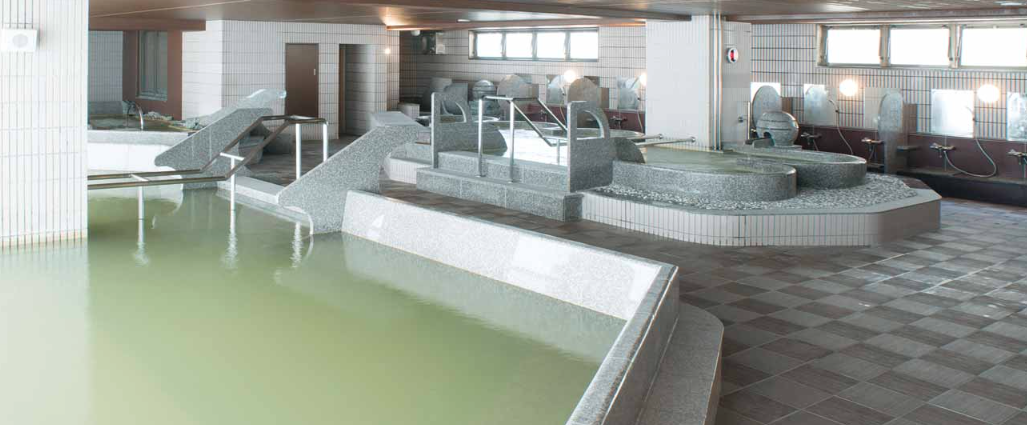
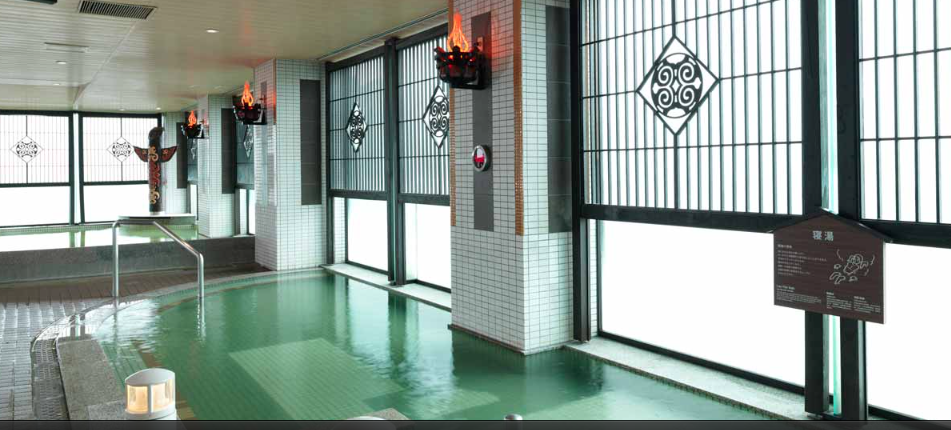
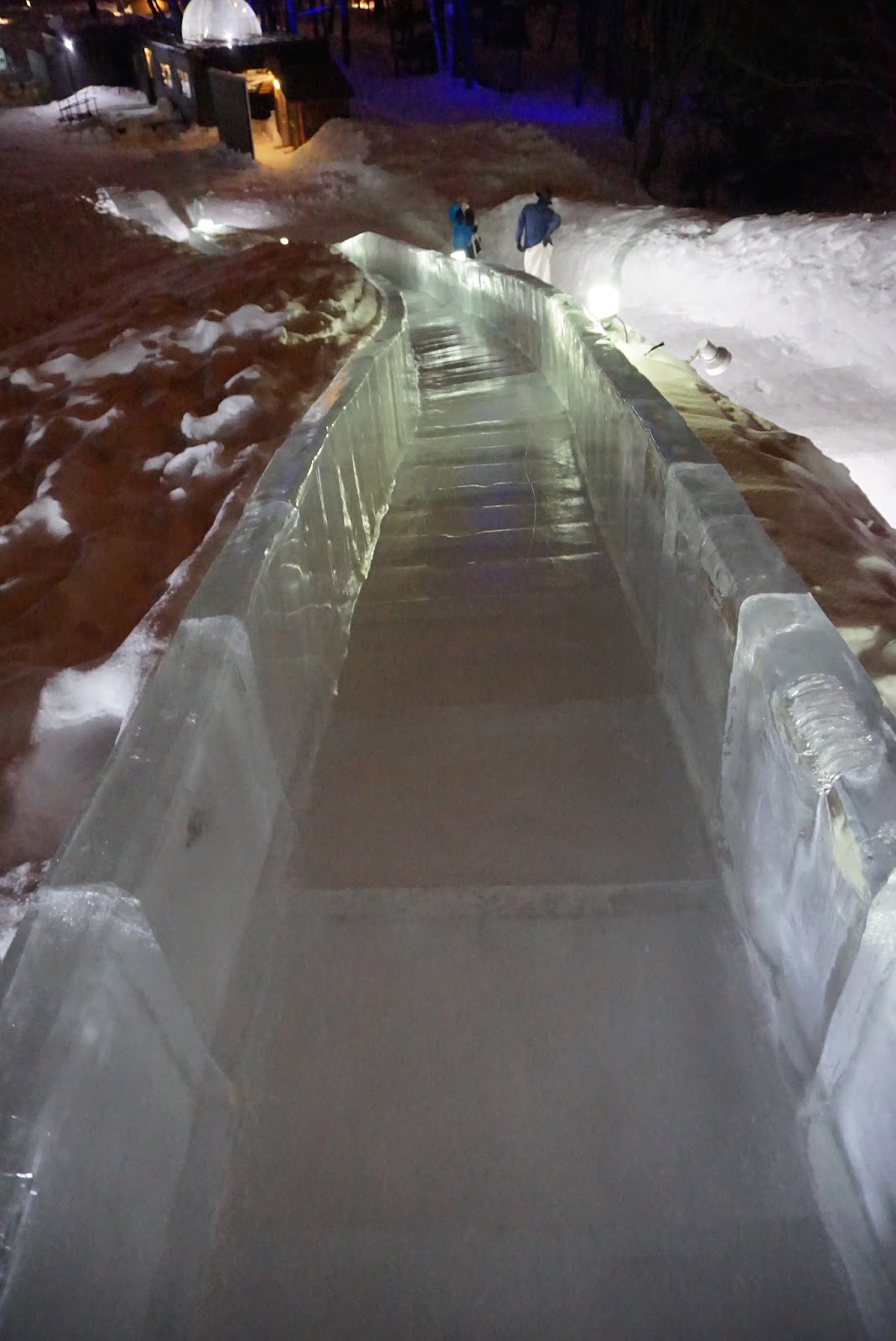
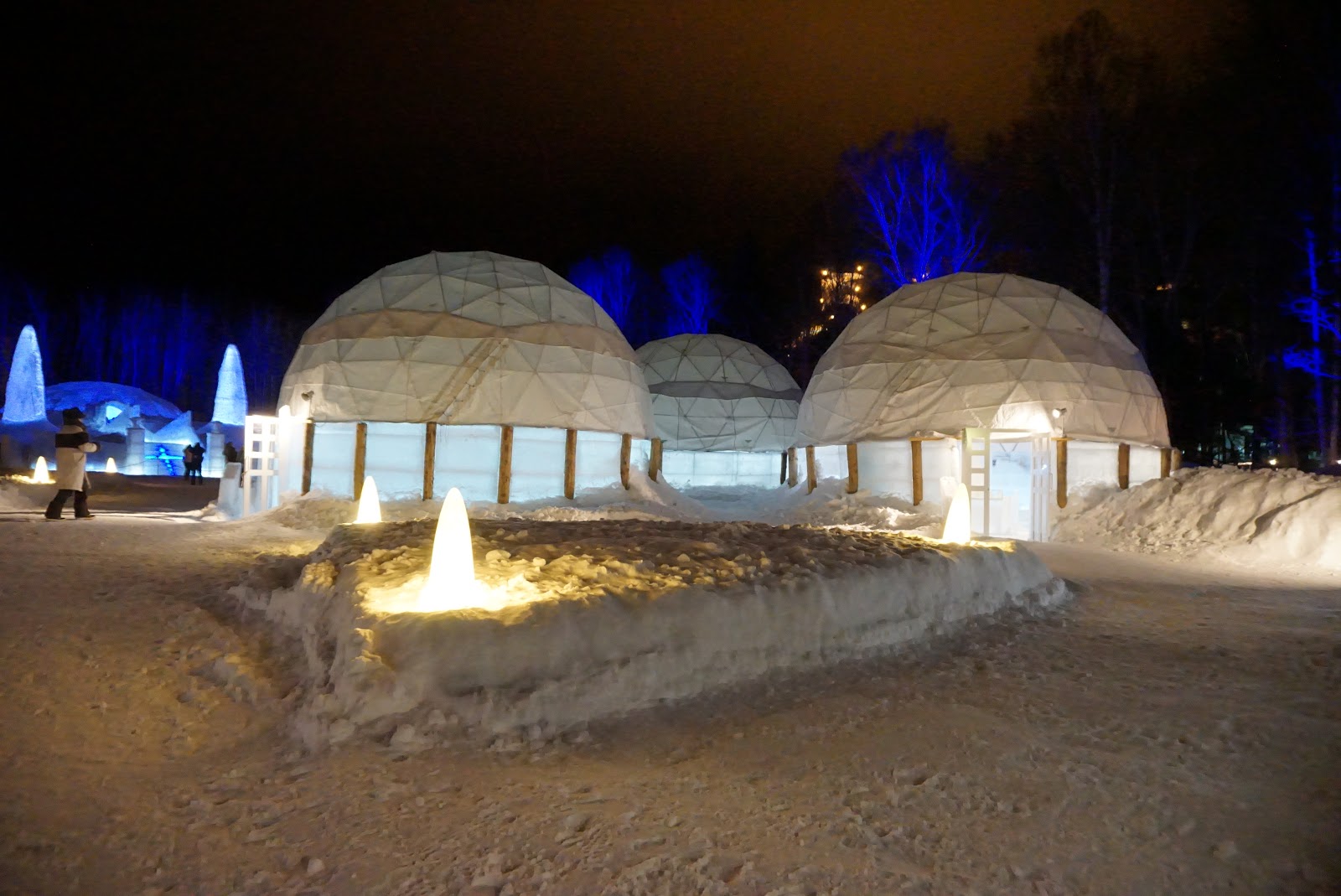
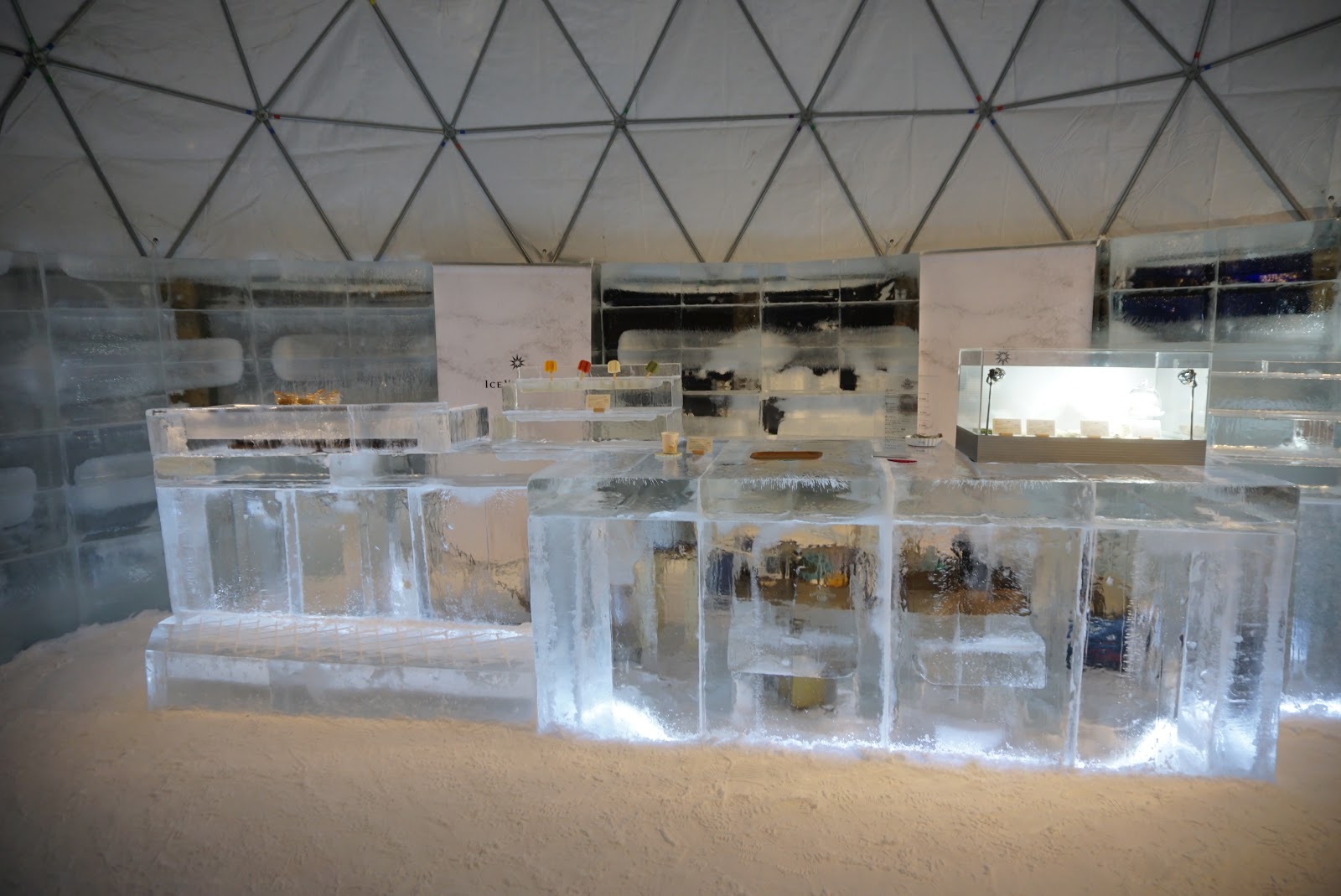
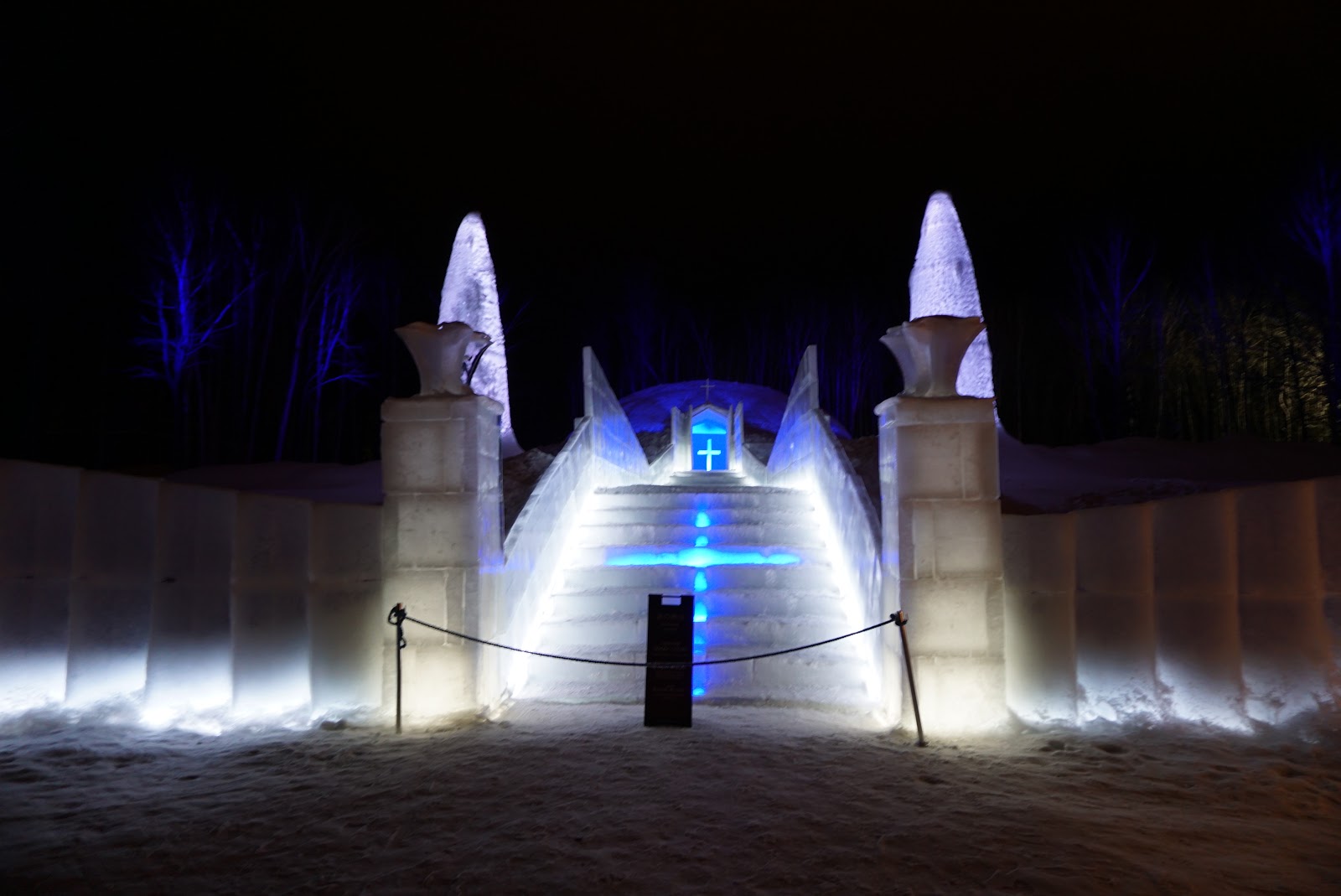
After checking-in, we lazed a little in the hotel room as it was close to dinner time. After dinner, we headed out to illuminated Tunnel nearby the hotel. The 70m tunnel is decorated with mainly white lights with other coloured lights scatter across the tunnel. It feels magical especially under the snow and a sight not to be missed in this winter the only event. We returned to the hotel shortly and checked out the onsen in the hotel. The onsen in the hotel is located on the 9th floor and has a very small outdoor onsen area. The onsen water in Toyako Onsen comes from Mt Usu. The eruption in 1910 rose the temperature of the water to 42℃, making it perfect as onsen water. Despite being a smaller facility, my friend and I had a good soak in the onsen water, although we did not enjoy the outdoor onsen as much as we did in the other onsens we been to during this trip. The outdoor onsen was placed in a covered balcony and did not really have that outdoor feel. We returned to our room to rest for the night after a good soak in the onsen, a great way to end the night.

Lake Toya Promenade at night 
Taking wefie at Lake Toya Promenade at night
The Illumination Tunnel in Toyako Onsen which is only available in winter
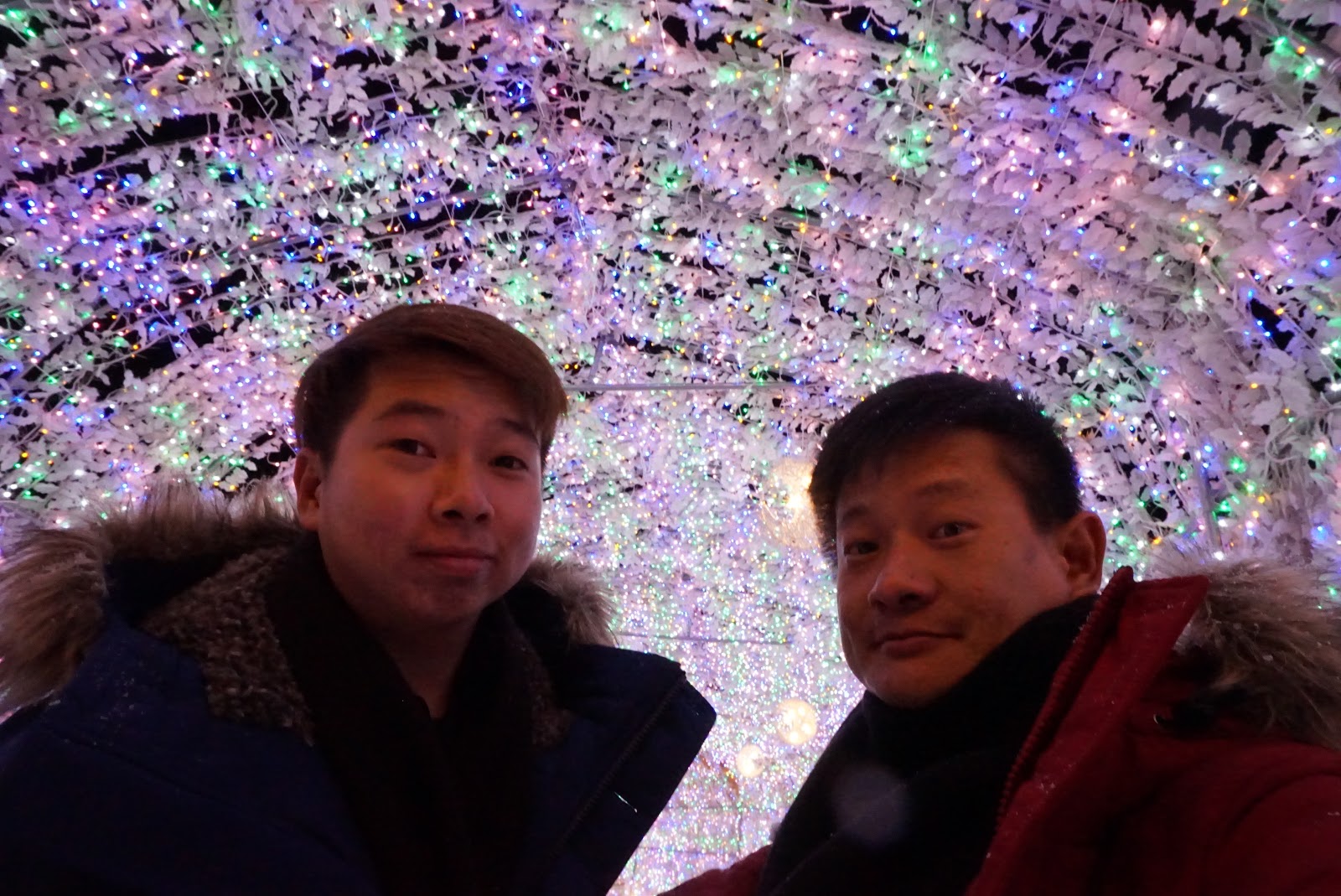
Taking a wefie in the Illumination Tunnel
Inside the Illumination Tunnel
The lights in the Illumination Tunnel
The exterior of the Illumination Tunnel
Inside the dome area of the Illumination Tunnel
My friend inside the dome area of the Illumination Tunnel
Taking a wefie inside the dome area of the Illumination Tunnel
Inside the dome area of the Illumination Tunnel 
Inside the dome area of the Illumination Tunnel
My friend inside the dome area of the Illumination Tunnel
Onsen in the hotel
Onset inside the hotel
A rest area for guests outside the onsen
The corridor that leads to the onsen
Male onsen area

Hokkaido Day 8 (Noboribetsu) (21 Feb 17) – Visiting Noboribetsu Jigokudani the Hell Valley and The Bears

The snow-covered Jigokudani

A Visit to Jigokudani

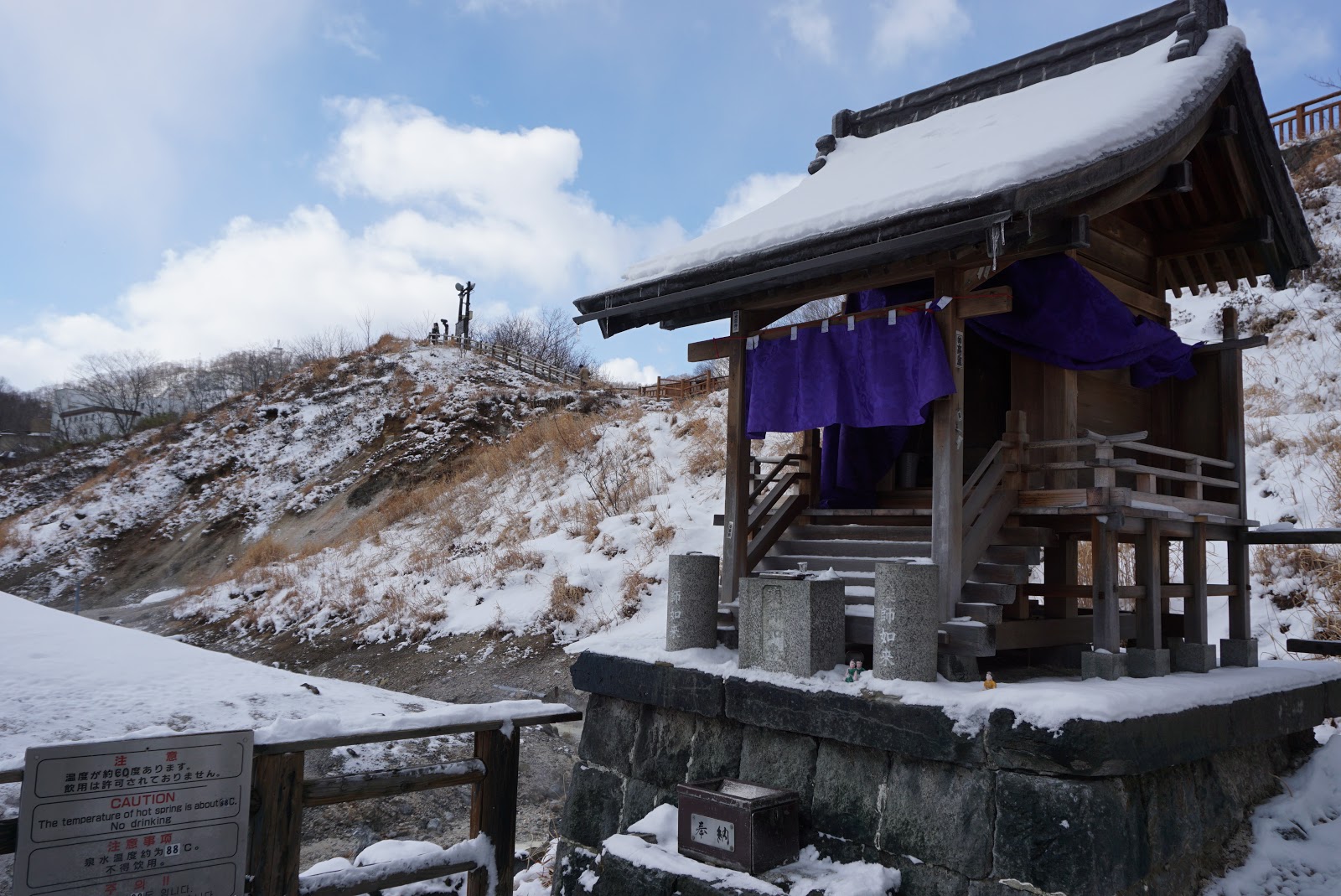
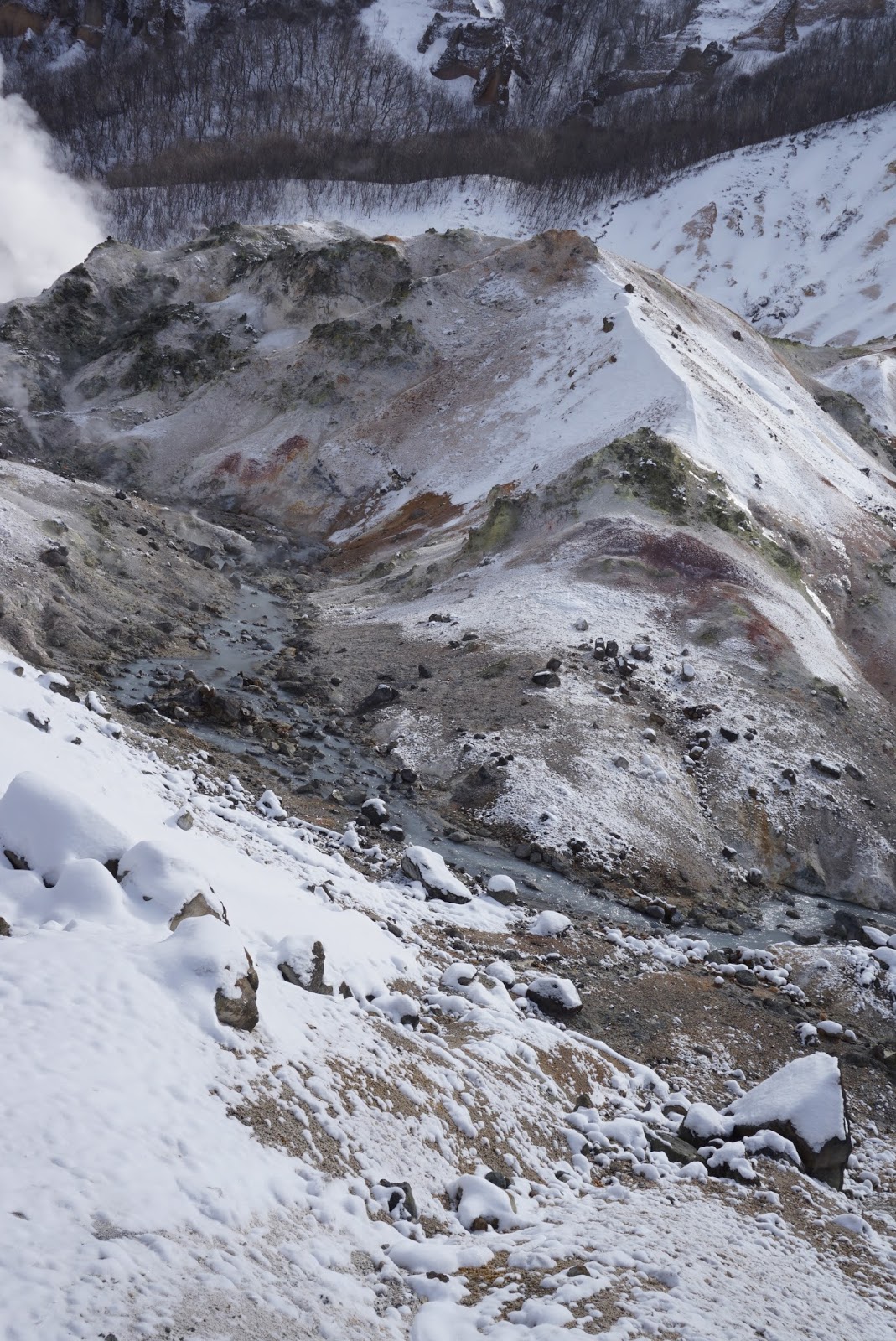
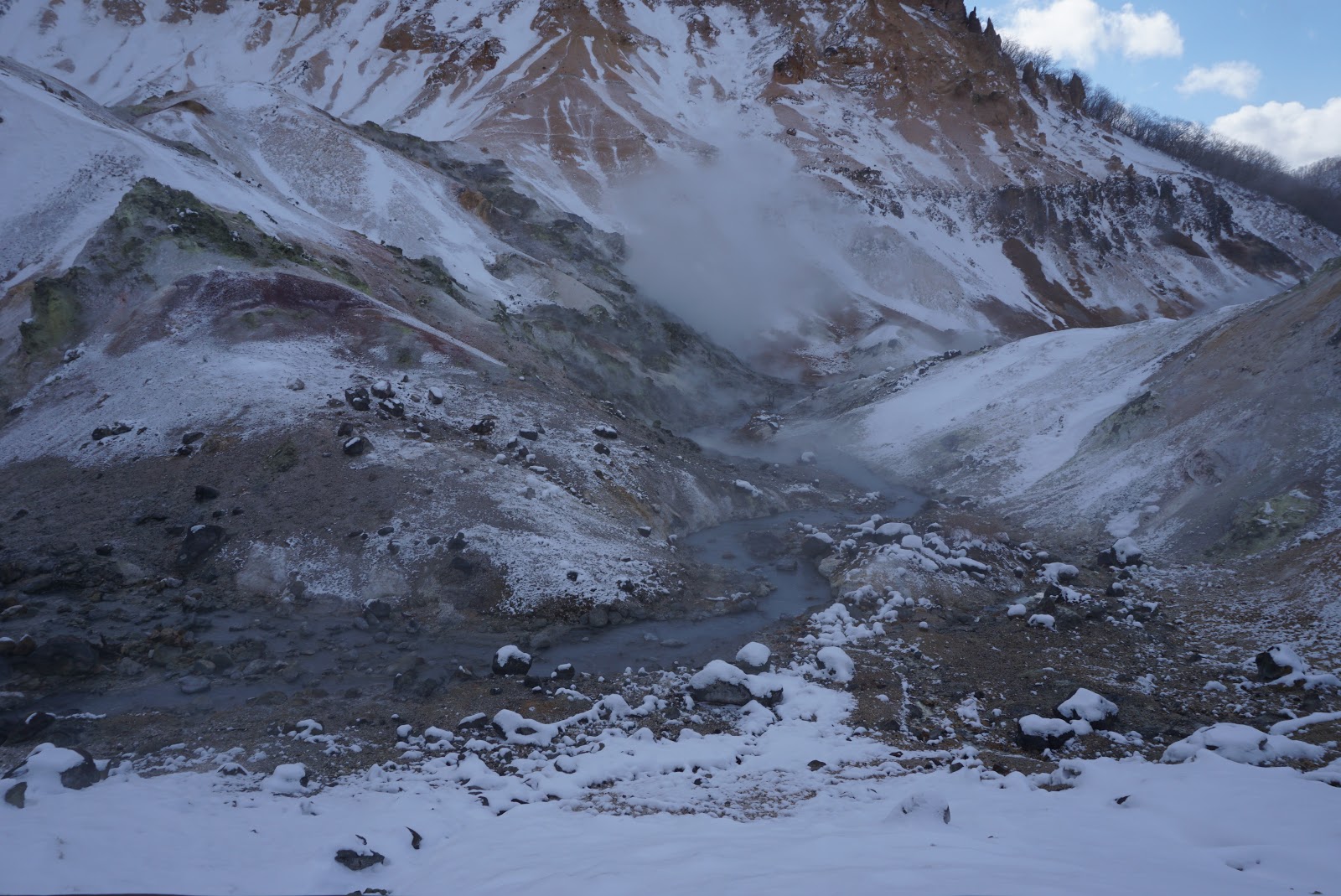
We headed for Jigokudani immediately after breakfast, wanted to see the famed Hell Valley as we missed out on it due to the heavier than we thought snowstorm the night before. It is a good thing to visit it early before busloads of tour groups arrive, making taking pictures tough. There are several paths to take at Jigokudani. Only Jigokudani was opened during winter (the other paths are Oyunuma Pathway No.1 and No.2, Funamiyama Pathway No.1 and No.2). The Jigokudani Pathway is about 570m and would take 10 mins to complete (without all the stops for photo). Jigokudani Pathway took us down to the valley floor where the source of a crater formed by an explosion some 20,000 years ago being the U-turn point. There are 2 ways one can take on the Jigokudani Pathway, my friend and I took the path that brought us to the down to the valley and turned back to continue the path that took us to a viewpoint that overlooks at the Hell Valley. We were walking carefully down to the valley floor as the ground was covered with ice, we came across a small shrine, a short detour from the path.
Walking from our hotel to Jigokudani
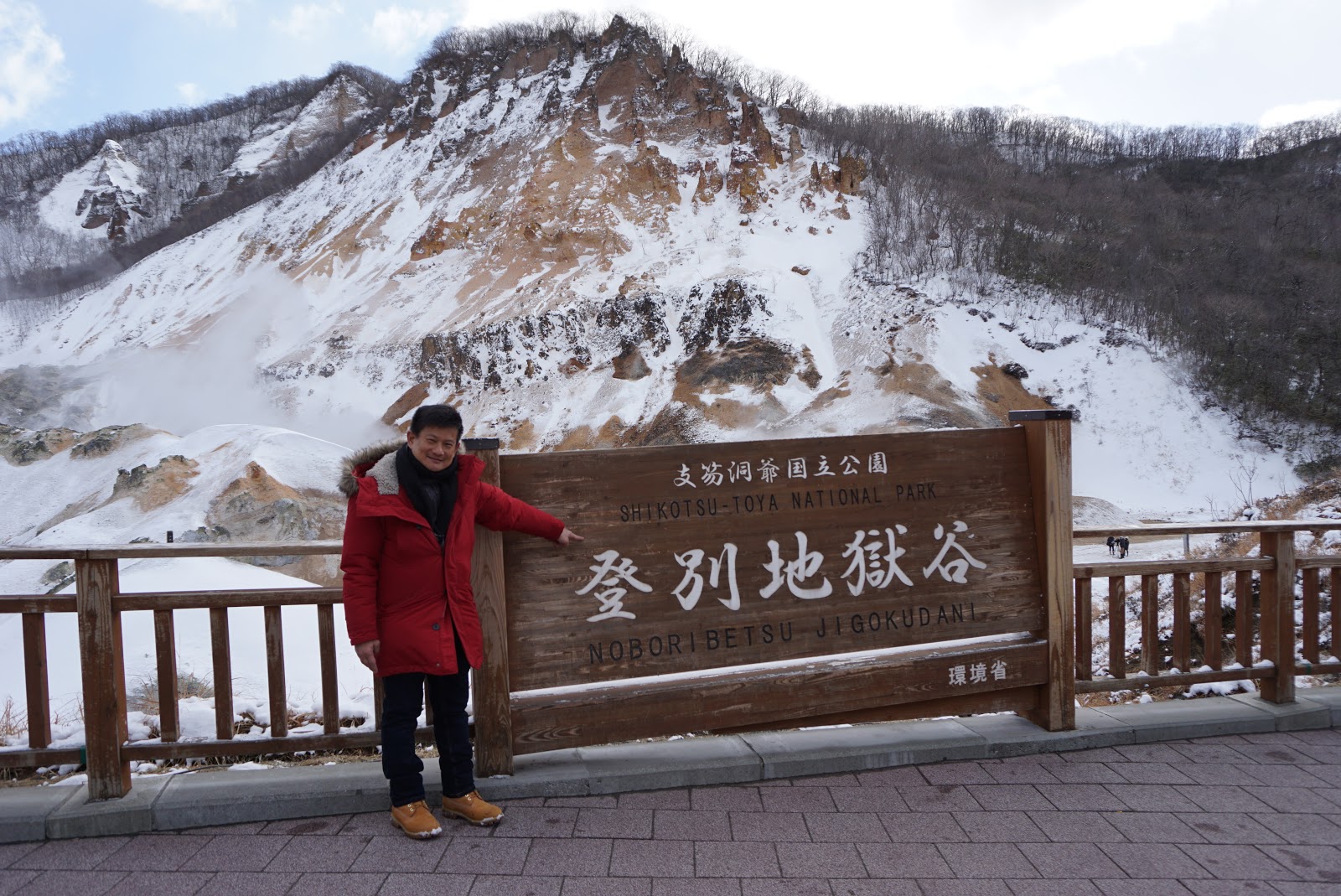
Me at the entrance of Jigokudani
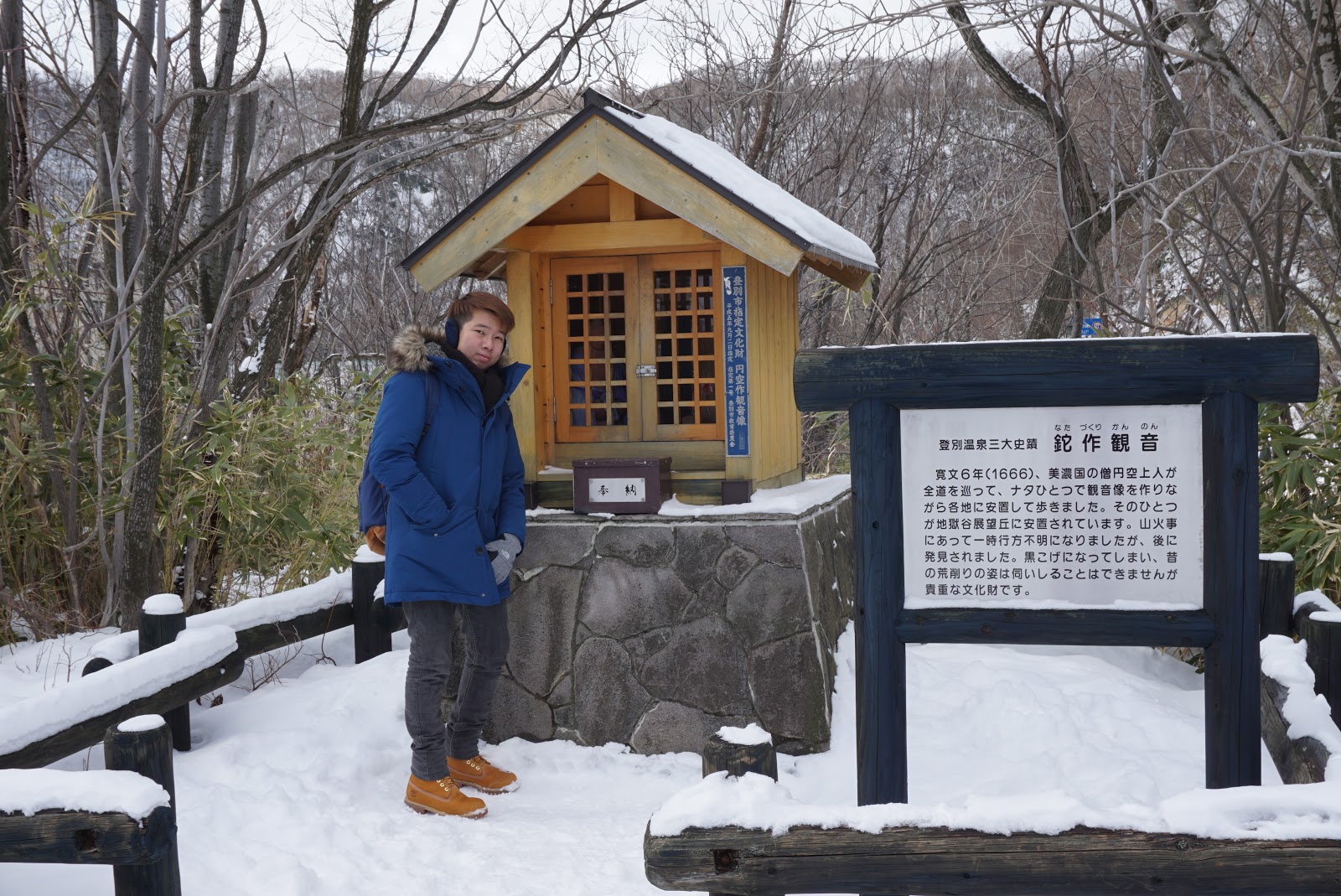
Daimoku-Ishi, a natural stone with sutra inscribed on it in black in by a priest
Me in front of Daimoku-Ishi
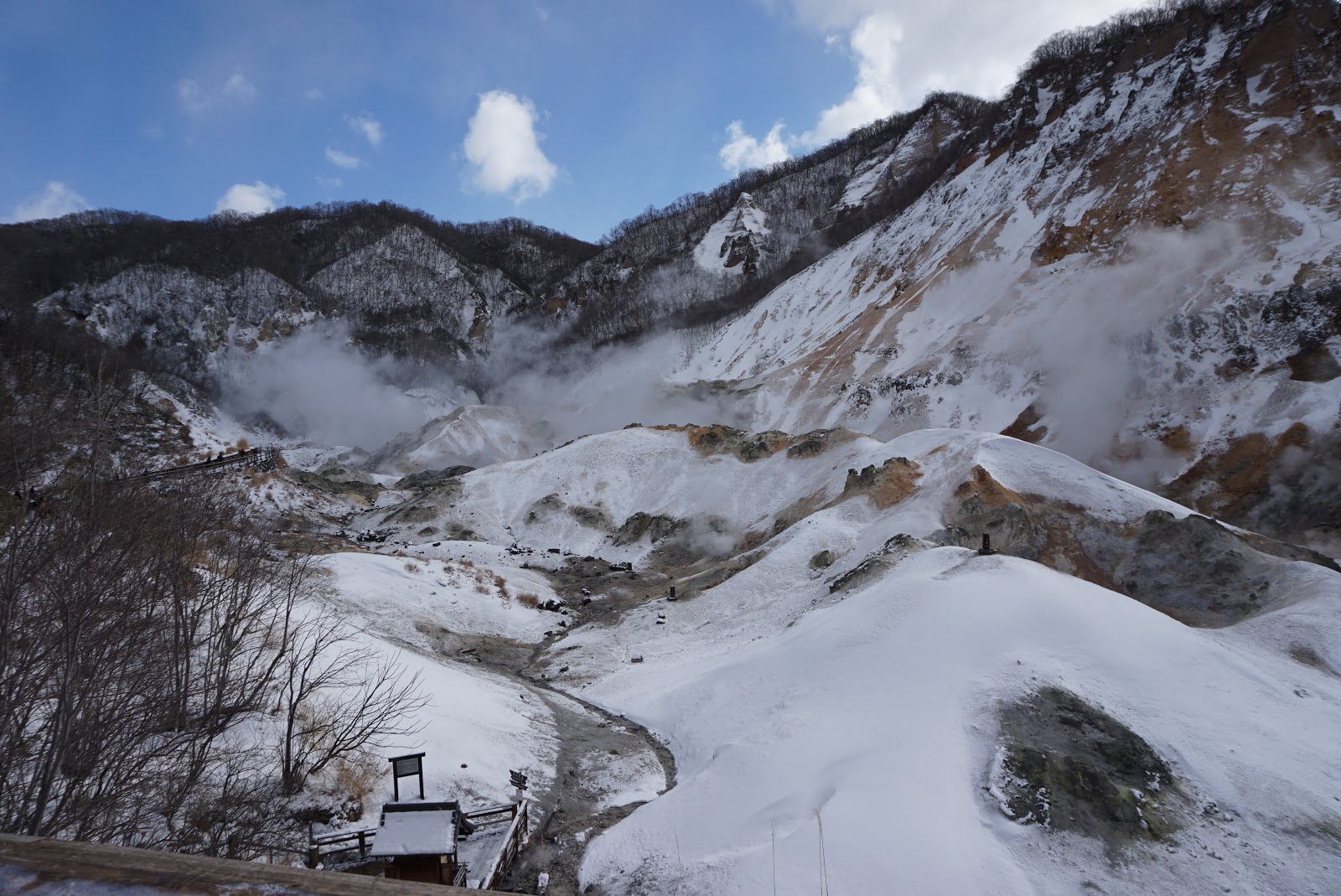
View of Jigokudani from the second lookout
Taking a wefie of our first glance of Jigokudani at the second lookout
Nata-Zukuri Kannon, a Goddess of Mercy inside some shrine near the second lookout
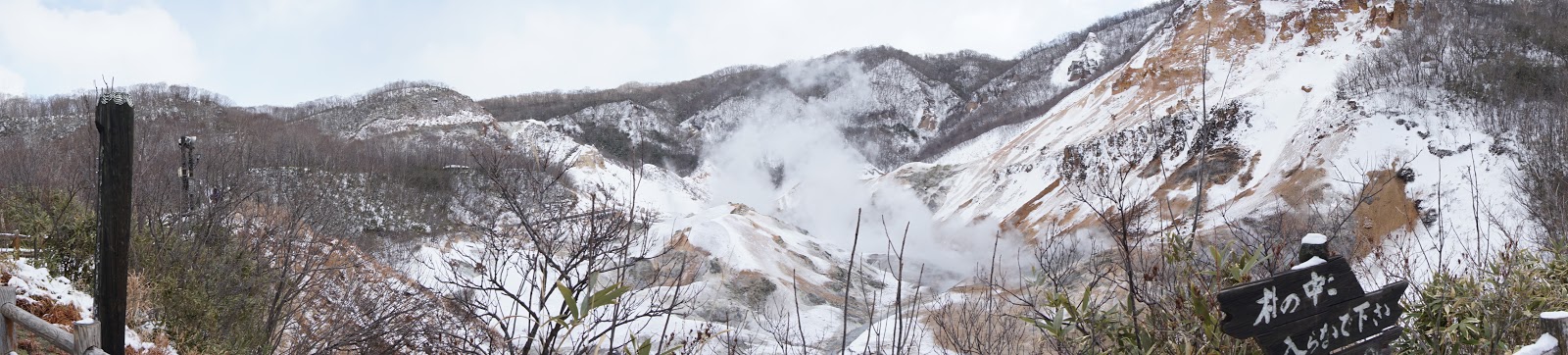
Panoramic shot of Jigokudani
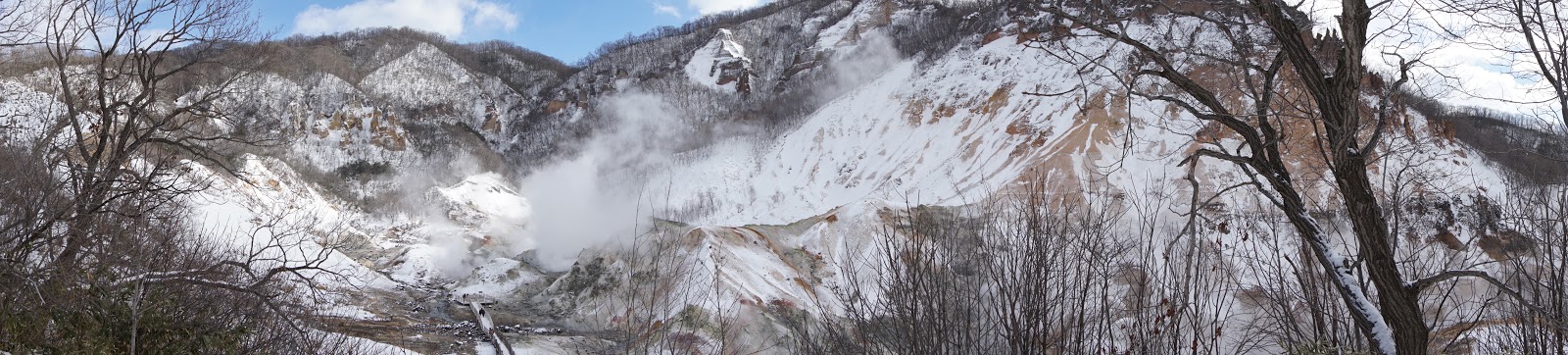
Jigokudani with steam sprout from one of the holes
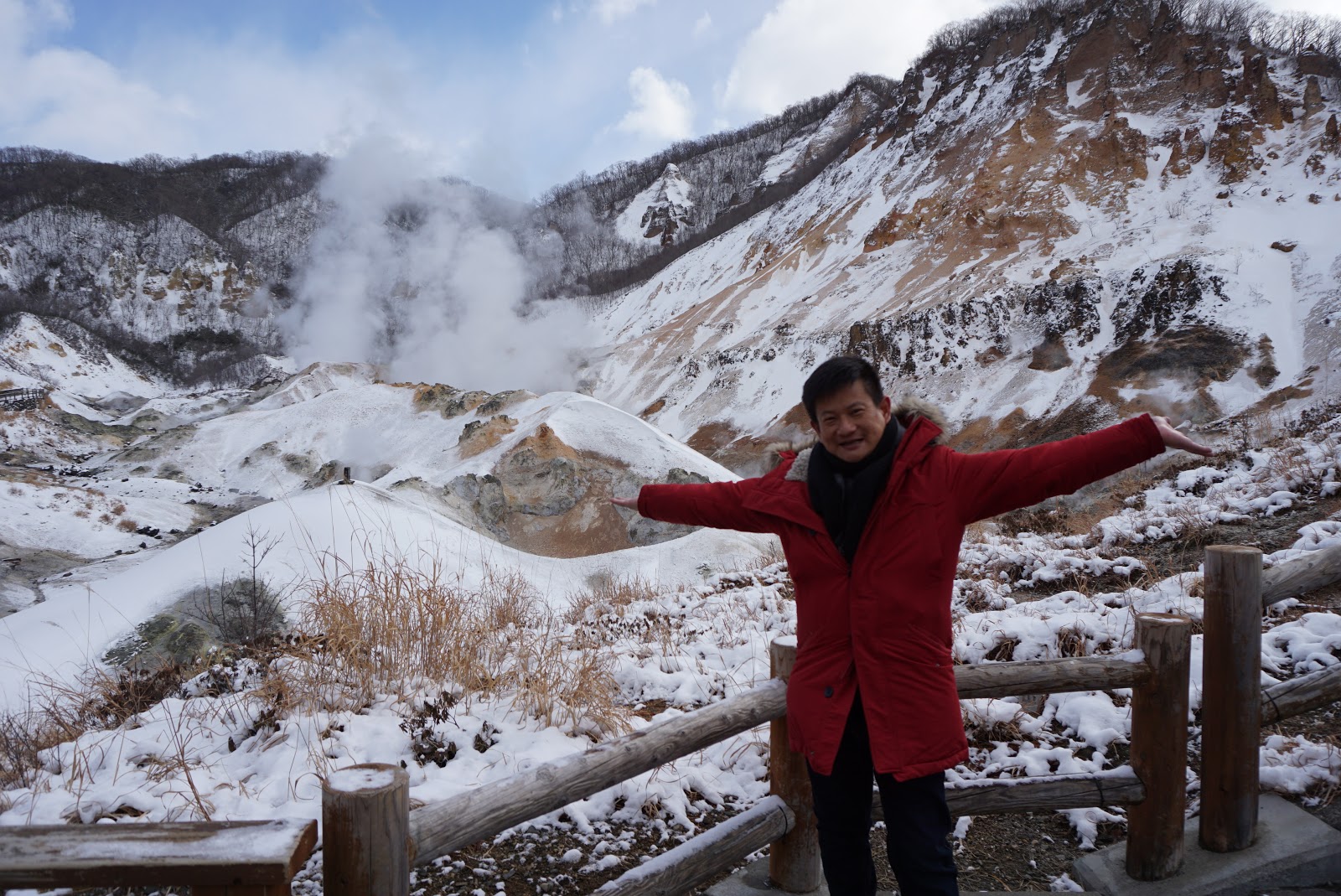
Me at Jigokudani
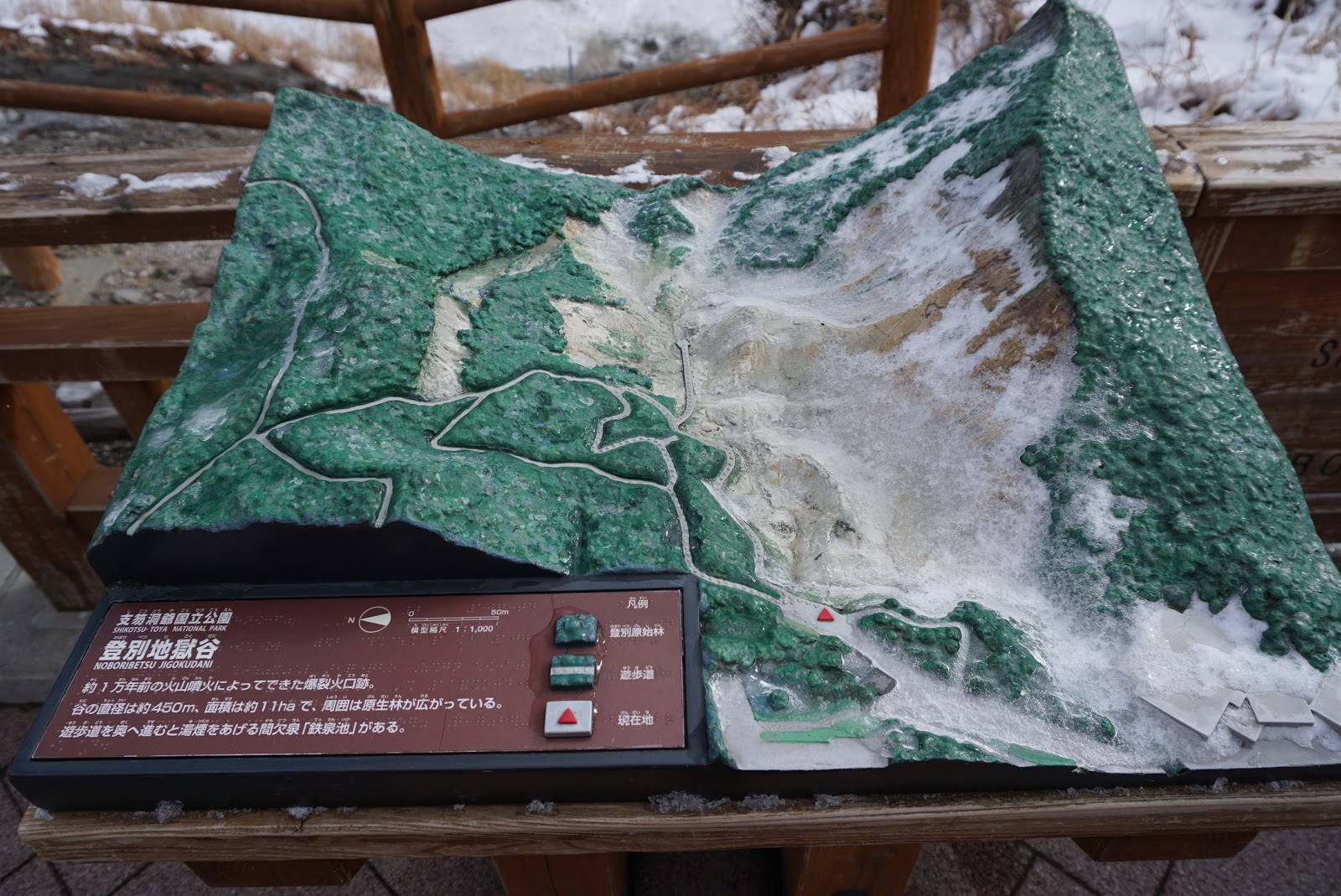
A model of Jigokudani
Noboribetsu Jigokudani
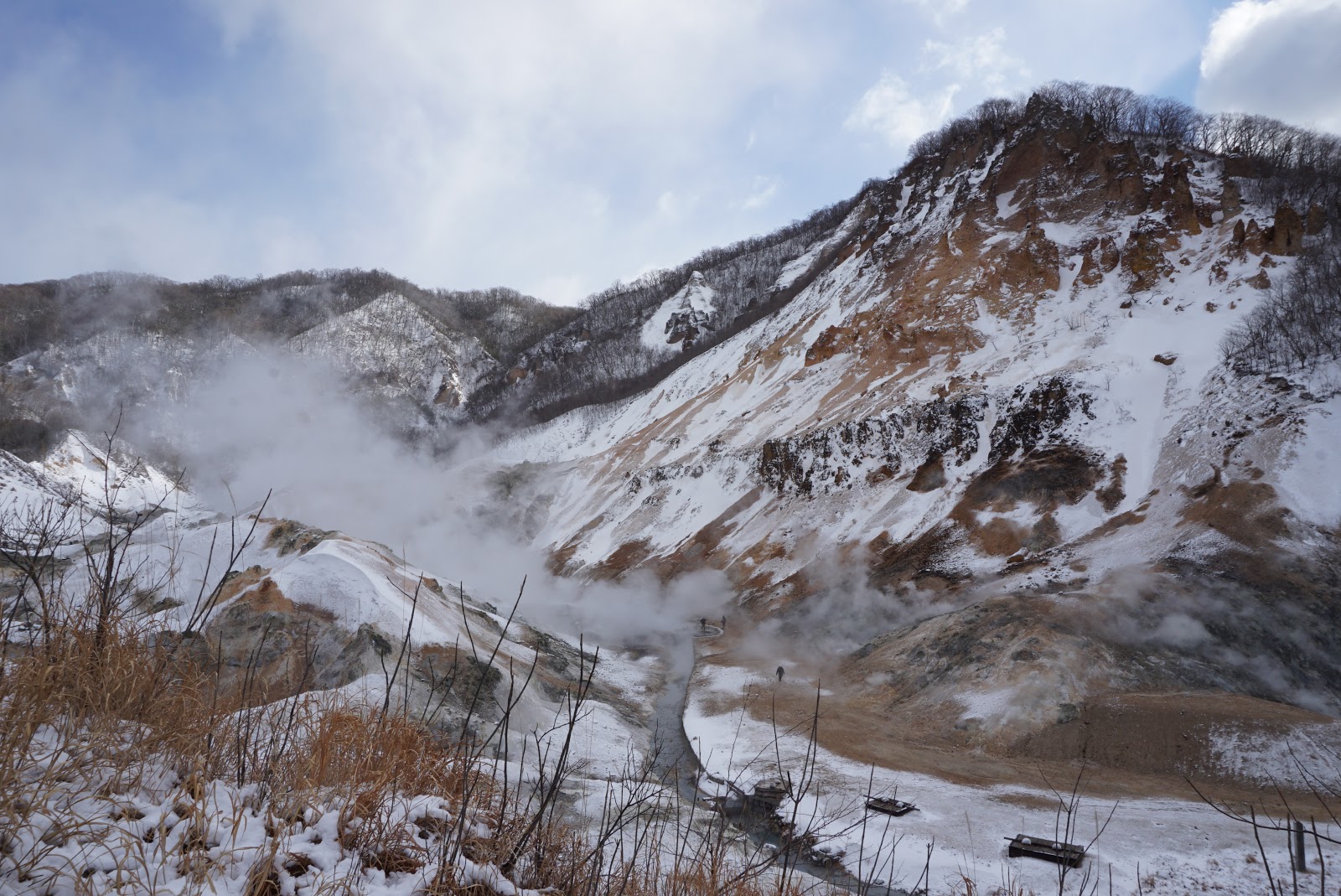
Jigokudani viewed from Jigokudani Pathway
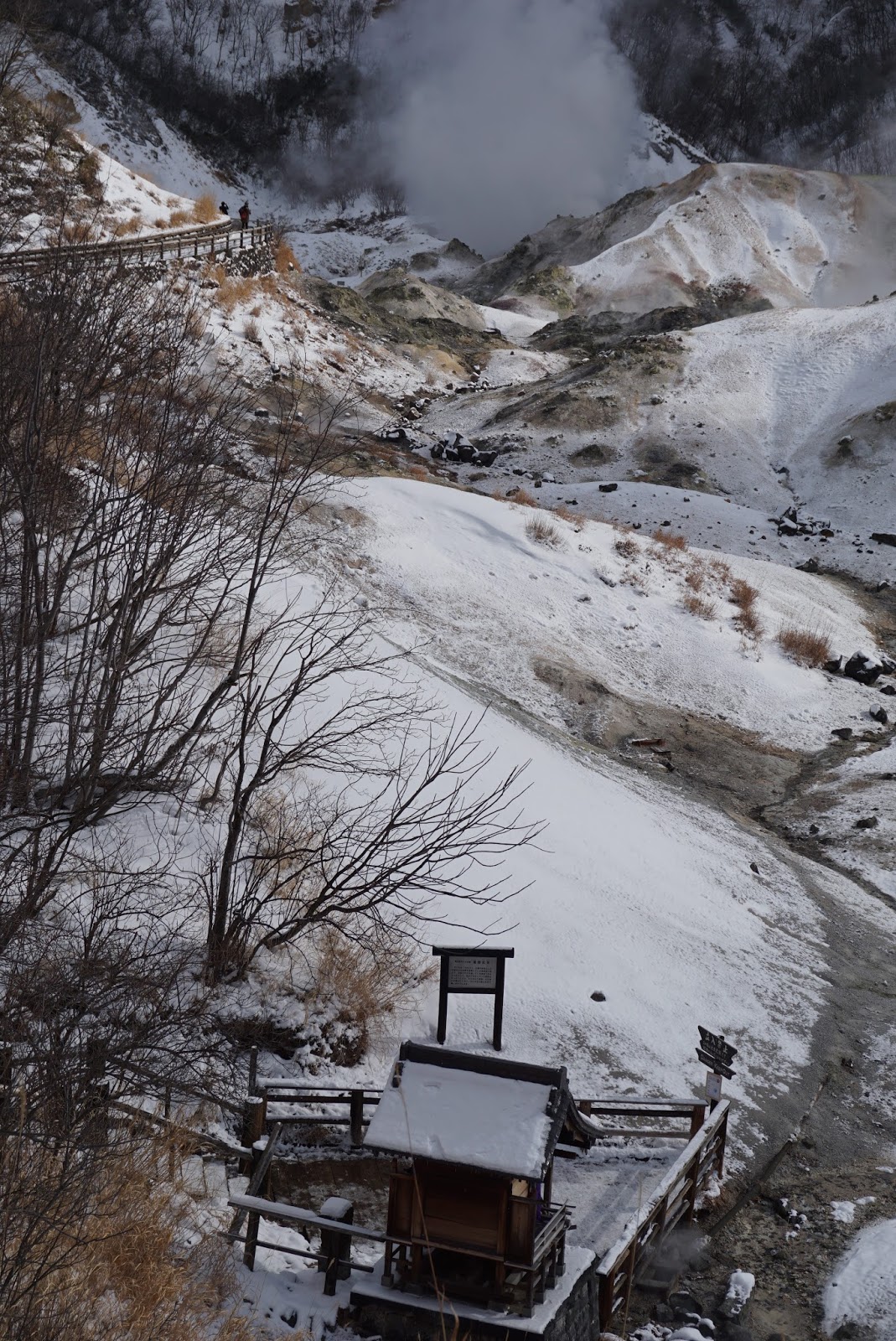
Yakushi-Nyorai, a small shrine at the start of Jigokudani Pathway
There are 2 paths on Jigokudani Pathway, we took the lower path. But they ended up in the same place
Yakushi-Nyorai
Yakushi-Nyorai close up

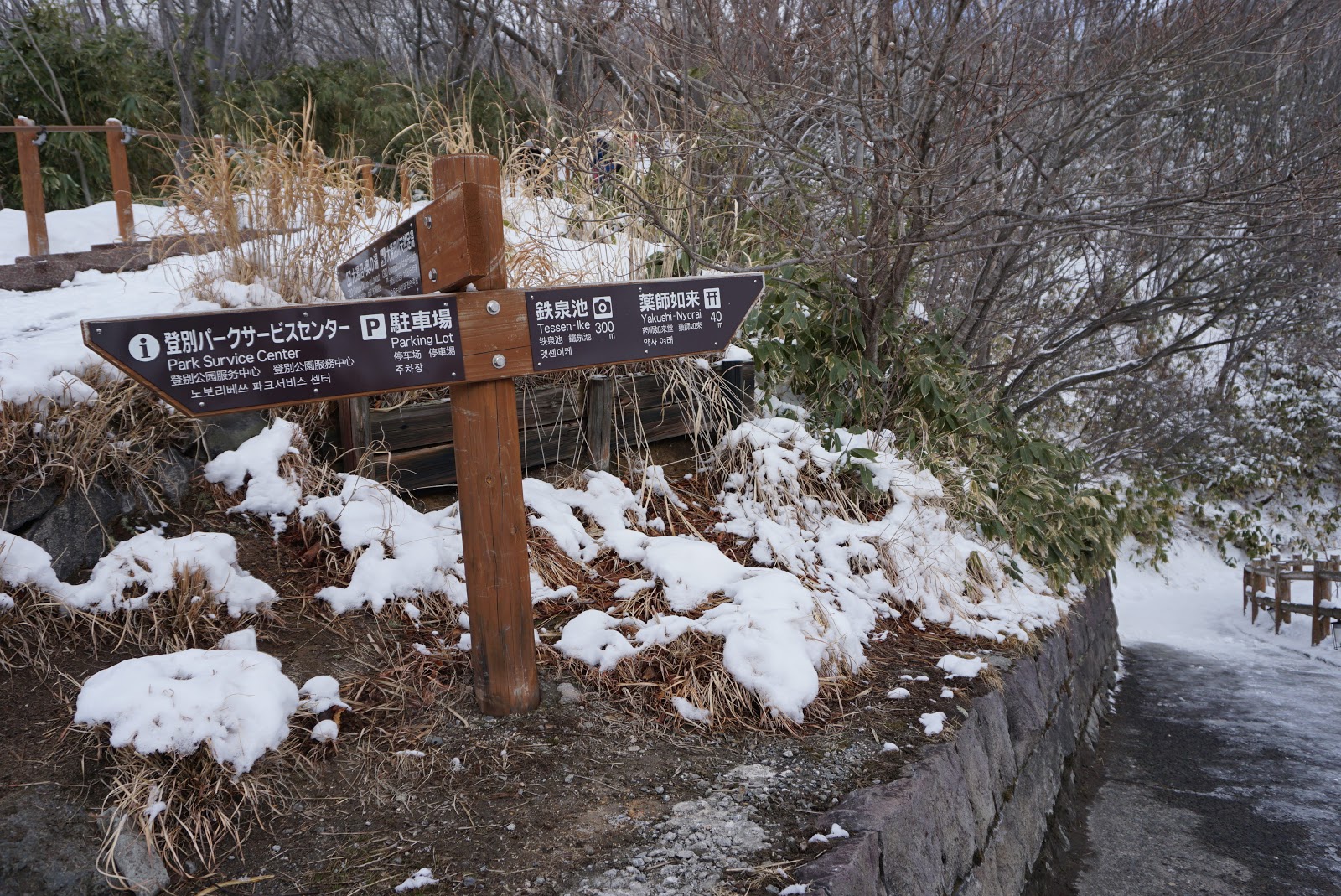
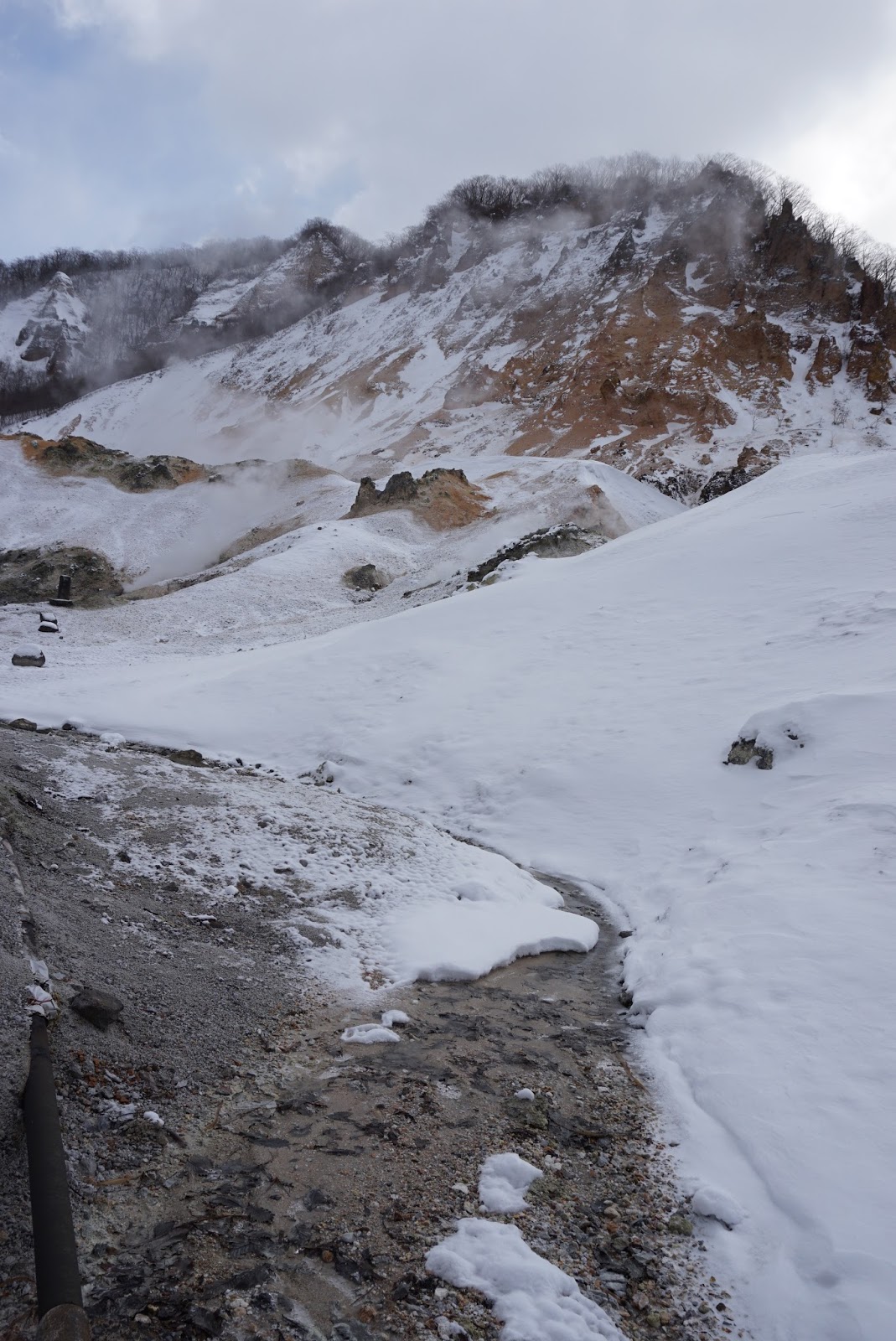
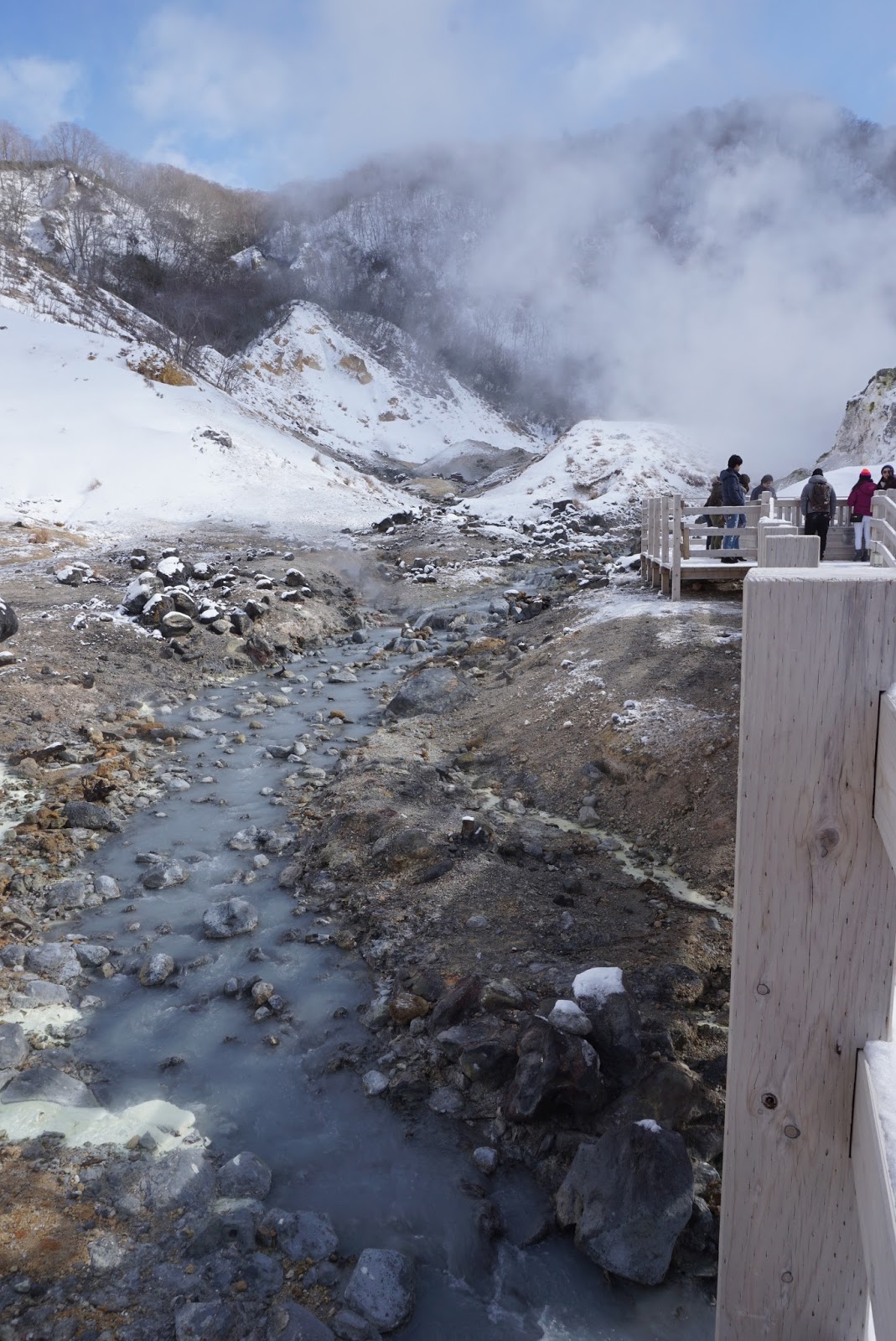
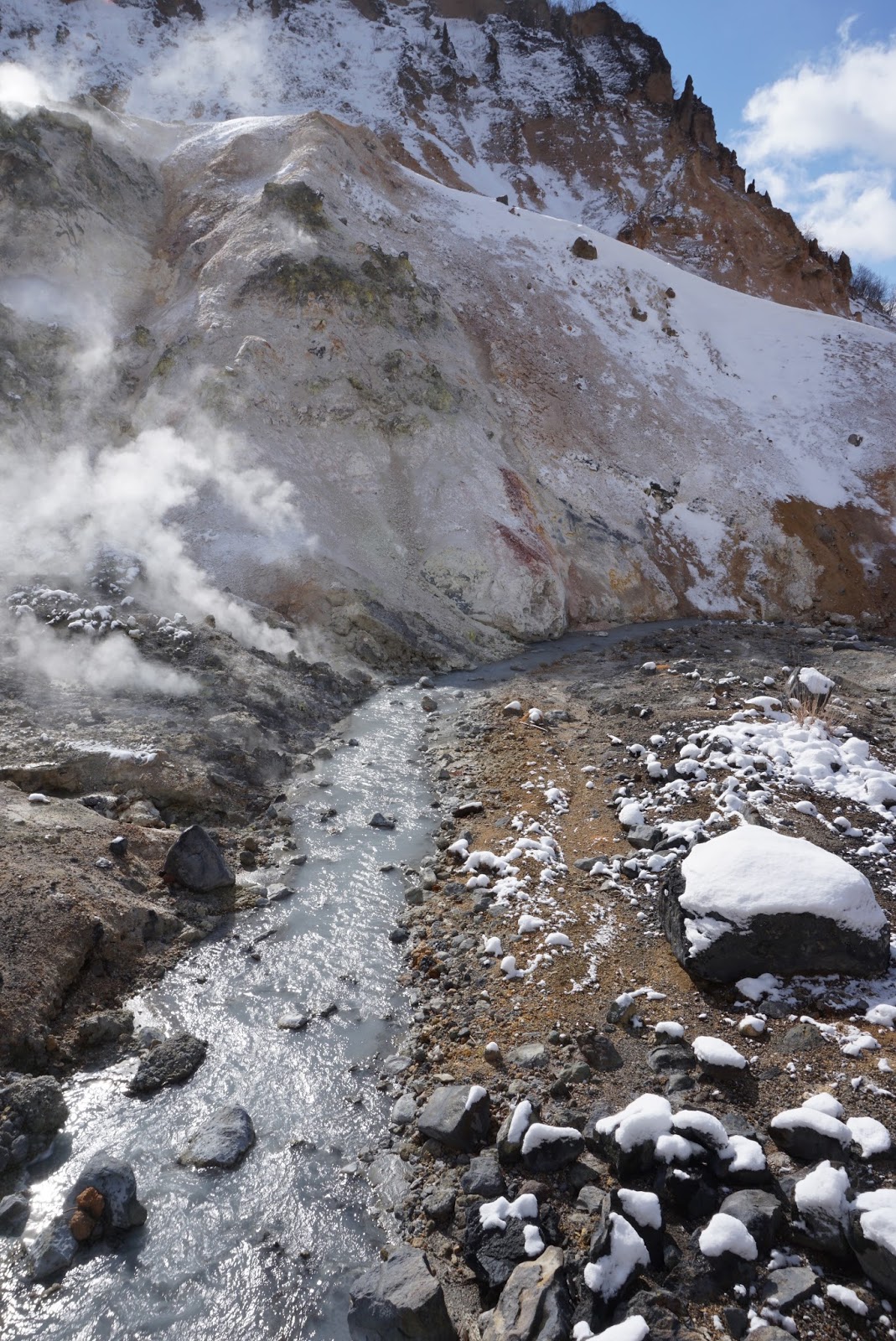
As we were walking along the pathway, a stretch of wooden walking, extending from the path into the valley floor. Walking down at the Jigokudani valley floor feels like walking in another planet, a valley with no form of life and steams sprouting out occasionally from holes on the ground and puddles of boiling greyish water scattering all over the ground. The mountains around us are bare with earth brown and red, covered with a thin sheet of snow at parts of the mountain. Temperatures of water here can reach as high as 88℃. At the end of the wooden walkway at the valley floor is a loop surrounding Tessen-Ike, a geyser with greywater, boiling by the forces of nature. As I look up behind the mountain that is nearest to us, steams constantly racing to the sky creating a think white blanket. The view here is more spectacular rather than dangerous as we were well protected by the railings on the walkway. As more tourists arrive, my friend and I headed back to the detour point and got back on track. The path snakes up the hill, although this area of the path is covered in thick snow, the stairs that lead us up the hill is still apparent. Threading carefully upwards, the steam from the valley floor was still gashing out from the ground, the scenery is breathtaking.

Jigokudani valley view from the valley floor
The snow from last night
Steam is constantly blowing from the ground that gave Jigokudani the hellish look
Steam in Jigokudani
The steam gave me the impression that the surrounding is hot
Me with Jigokudani in the background
The way to Tessen-Ike, a geyser located in the centre of Jigokudani
The valley floor looks bare without the existence of plants
Me on the valley floor
My friend on the valley floor
There are streams of hot boiling water running in parts of the Jigokudani valley floor
Jigokudani Valley floor
This stream is the source of the steam
A hot stream on the valley floor of Jigokudani
Tessen-Ike, a geyser in the centre of Jigokudani Valley
More steam coming from behind the hill in Jigokudani
The snow doesn’t seem to cool down the steam in Jigokudani
A hot stream in Jigokudani valley

The path led us to a point where we can see the detoured path that led us down to the valley floor. Standing at the Haridashi Lookout, taking in the awesome view of the valley, I felt a sense of peace partly due to the lack of crowd here. The viewpoint offered us a glimpse of the power of the explosion that made Jigokudani what it is today. There is thick snow at the viewpoint and its surrounding. This is a perfect spot for photographs. As we were completing the Jigokudani Pathway loop back to the entrance of Jigokudani, we came across a sign in front of a pathway. This pathway the Oyunuma Pathway which is closed during the winter season. My friend and I then followed the path through the thick snow which led us back to the entrance of Jigokudani.

On our way to Haridashi Lookout. This kinda looks like a peak of a very tall mountain
Jigokudani
Me on the pathway to Haridashi Lookout
View of Jigokudani Valley from Haridashi Lookout
Panoramic shot of Jigokudani from Haridashi Lookout
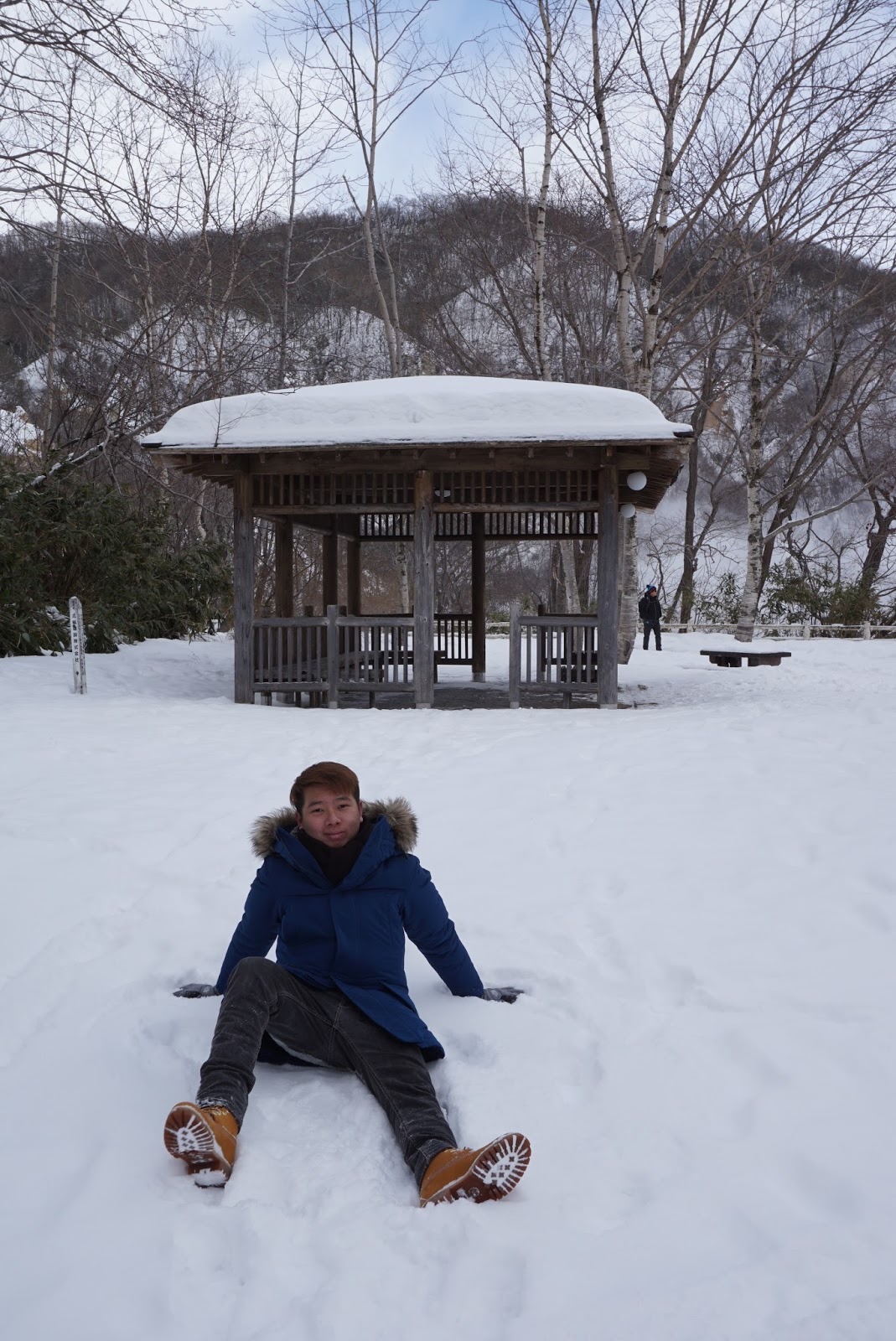
My friend sitting on the snow in Haridashi Lookout
My friend on the Jigokudani Pathway

Feeding the Bears in Noboribetsu Bear Park

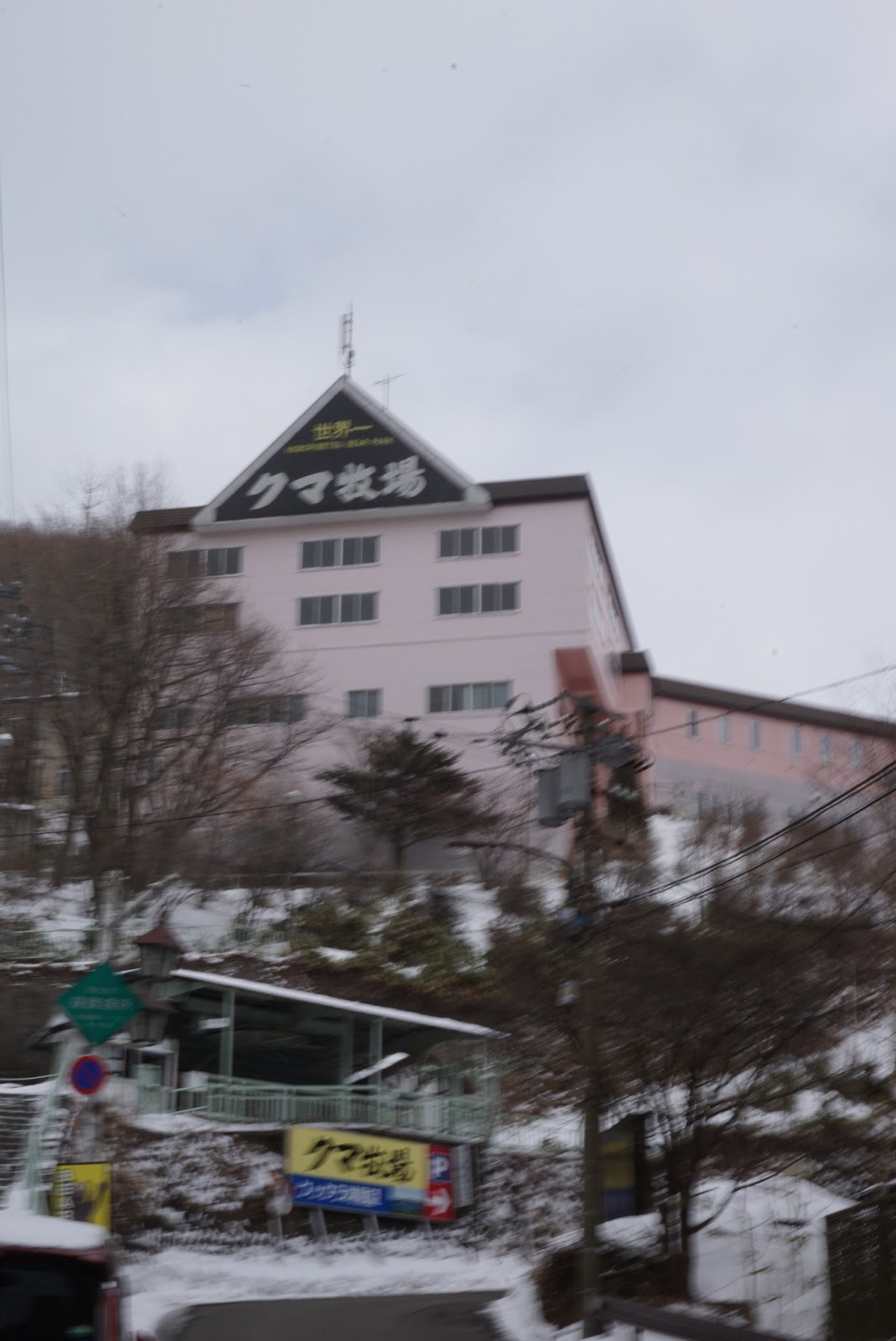
It is already past noon by the time we reached the entrance to Jigokudani. We headed back to the hotel to grab battery for my camera, which went flat due to the cold weather. We did not originally plan to visit the Noboribetsu Bear Park, however, we couldn’t resist the call to visit the Bear Park walking past it a few times when we were strolling along the main street of Gokuraku Shopping Street of Noboribetsu Onsen. Noboribetsu Bear Park entrance is sitting on top of a hill next to the Gokuraku Shopping Street, one can’t miss the pink colour building overlooking Noboribetsu Onsen. To get to Noboribetsu Bear Park, we walked along a street located in the middle of Gokuraku Shopping Street, opposite the only 7-Eleven in Noboribetsu Onsen, that led us up the pink building sitting on top of the hill. This is the entrance and the gateway to Noboribetsu Bear Park. We got our tickets in this building and took a gondola up Shihorei, or Bear Mountain according to the locals. The bear park itself is sitting on top of a mountain, some 550m tall.

The pink building is the ropeway station and ticketing counter for accessing Noboribetsu Bear Park
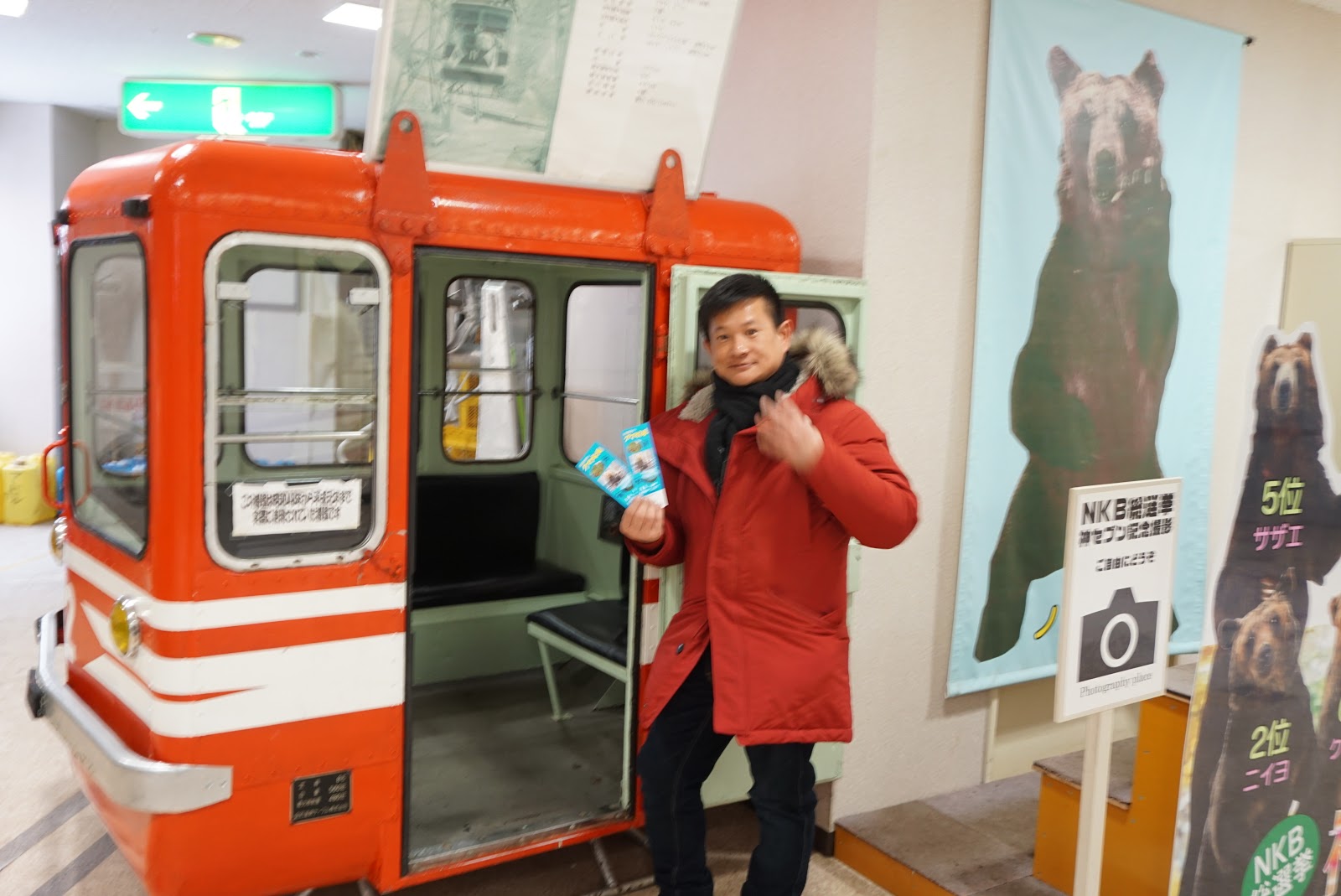
An old school gondola that has been phased out
We are going to visit the bears

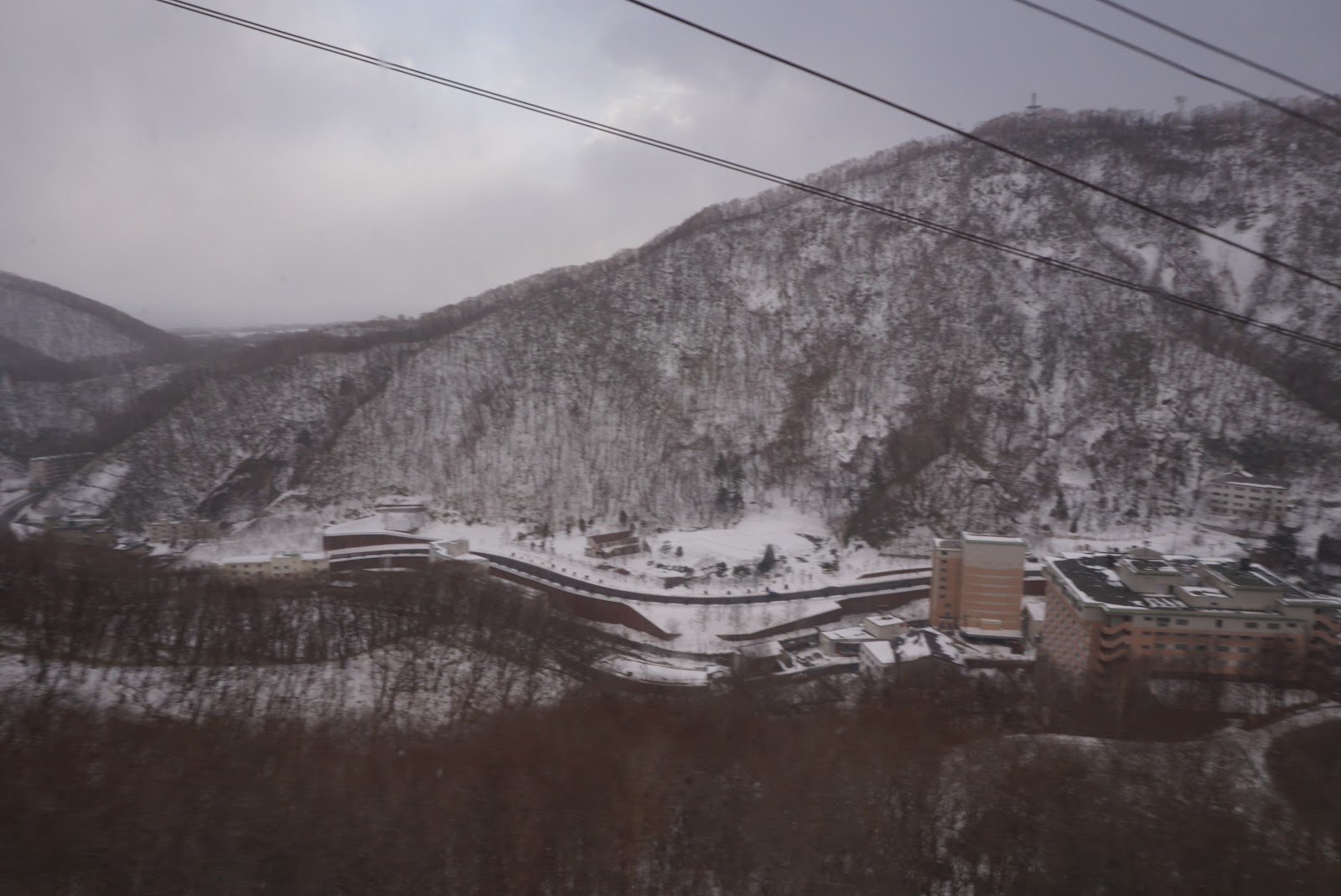
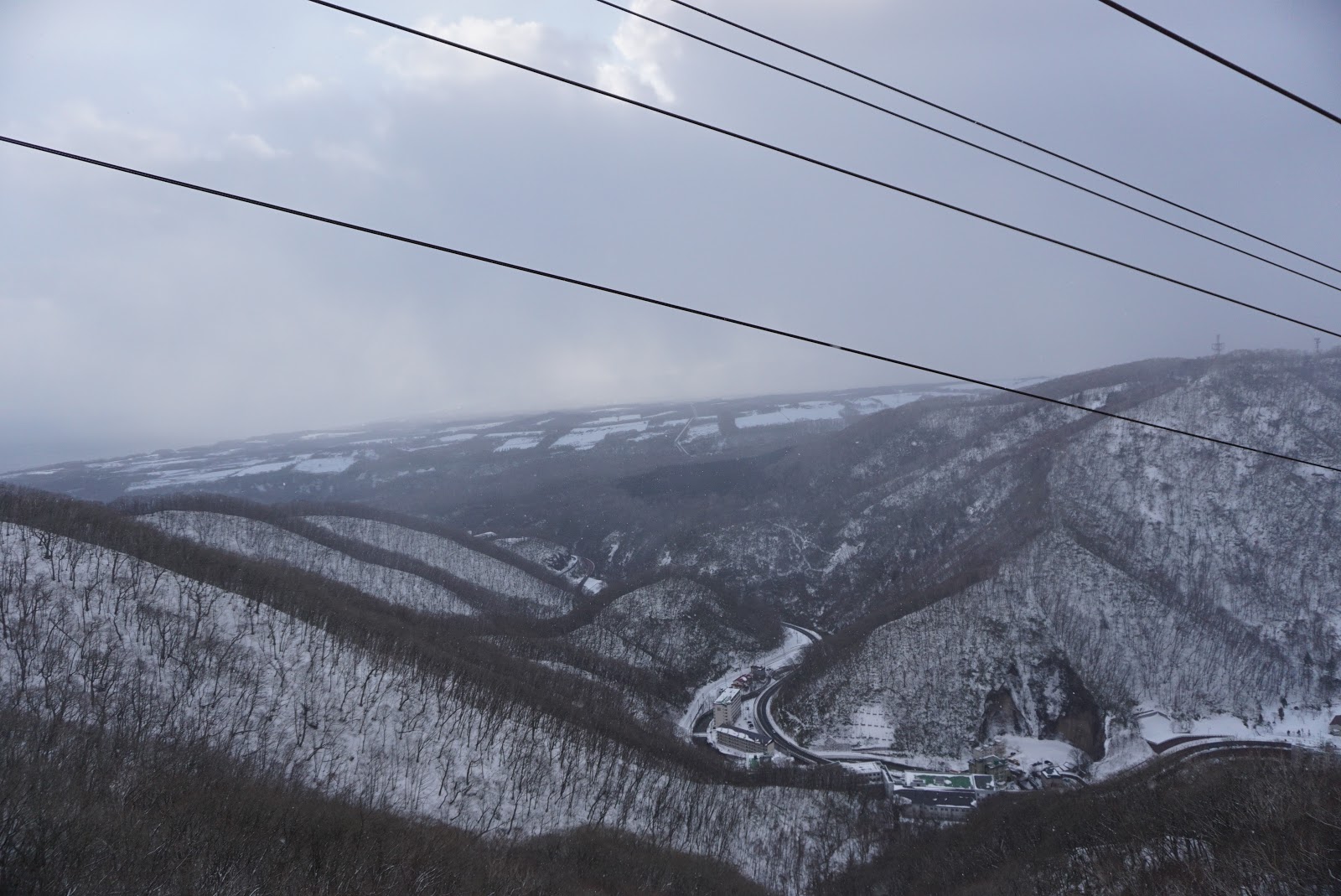
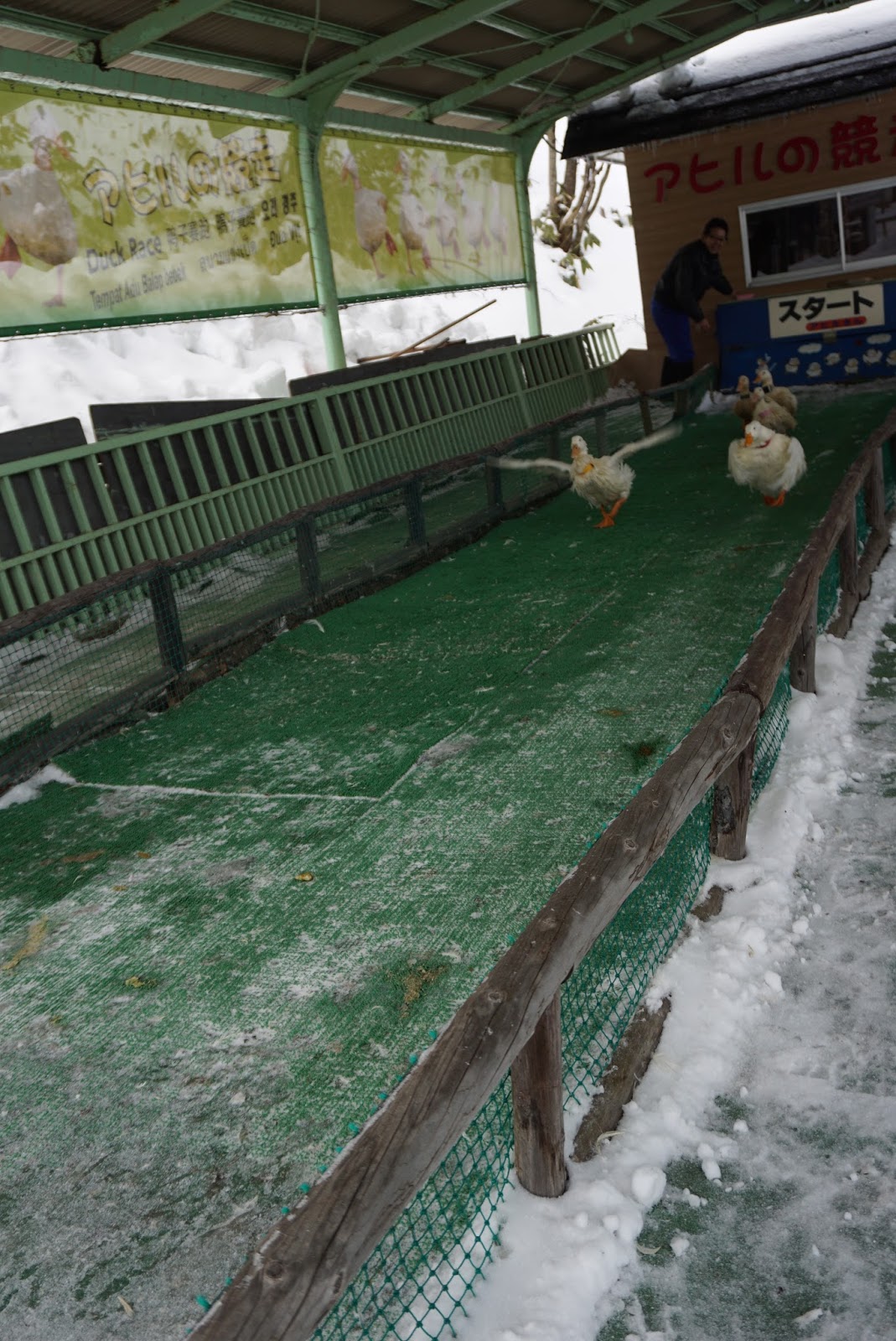
The gondola ride up to Noboribetsu Bear Park is an attraction itself. As the gondola ascends up to the summit of Bear Mountain, the entire Noboribetsu Onsen slowly comes into sight. The more the gondola ascends towards the summit station, the more of the surroundings can be seen. Near the summit station, I can see the mountain ranges that seem to protect Noboribetsu Onsen and the road leading to Noboribetsu Onsen. Arriving at the summit station, the first thing that caught my attention is the shed that houses a small race track. At the time of our visit, there is a duck race on-going, where visitors can bet on. Winners will get a souvenir from the bear park.

Riding the gondola up to Bear Mountain
We could see the entire Noboribetsu Onsen as we ascend on the gondola
Noboribetsu Onsen seen on the gondola
We could see the path that leads to Noboribetsu Onsen
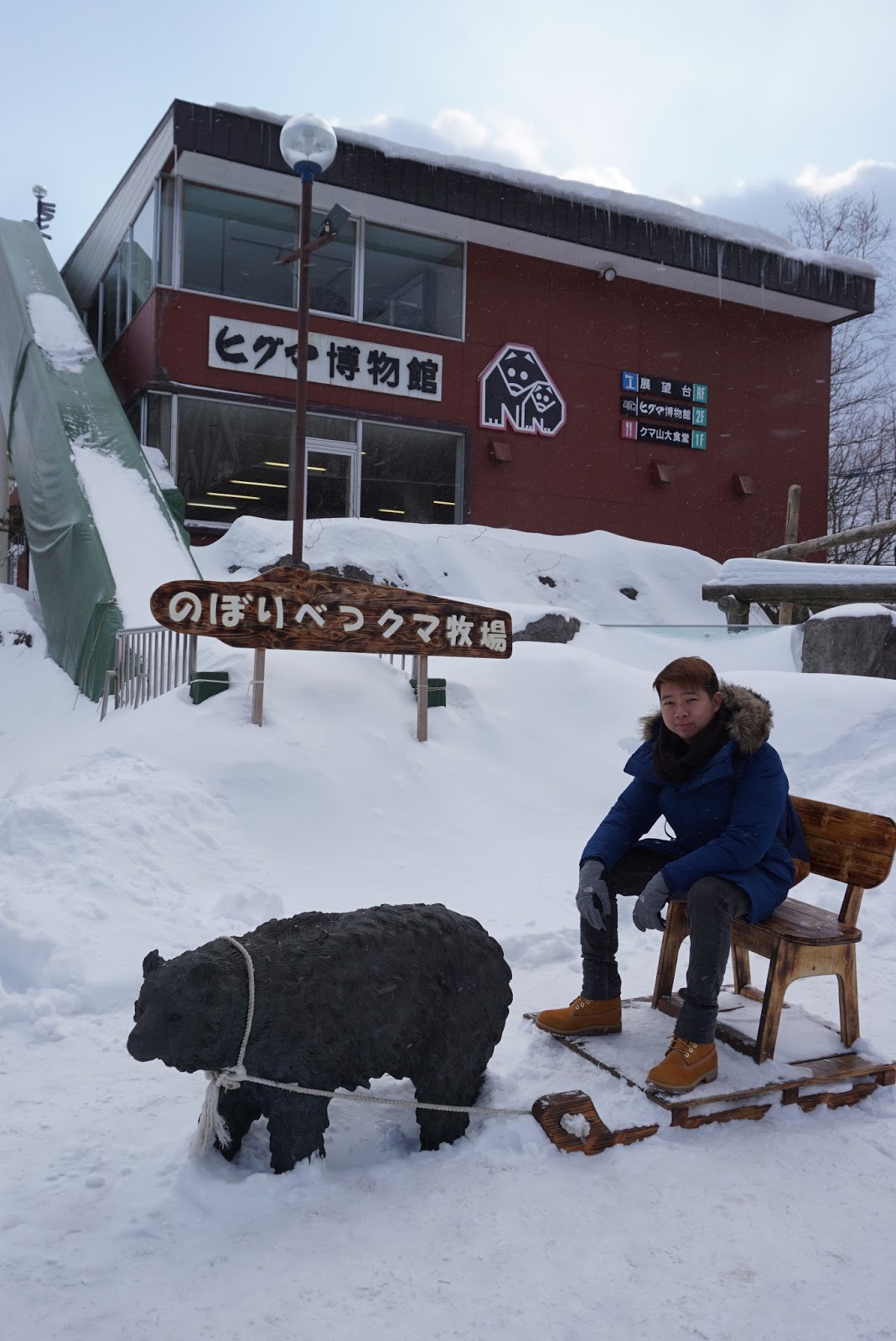
Riding a sledge pulled by a bear
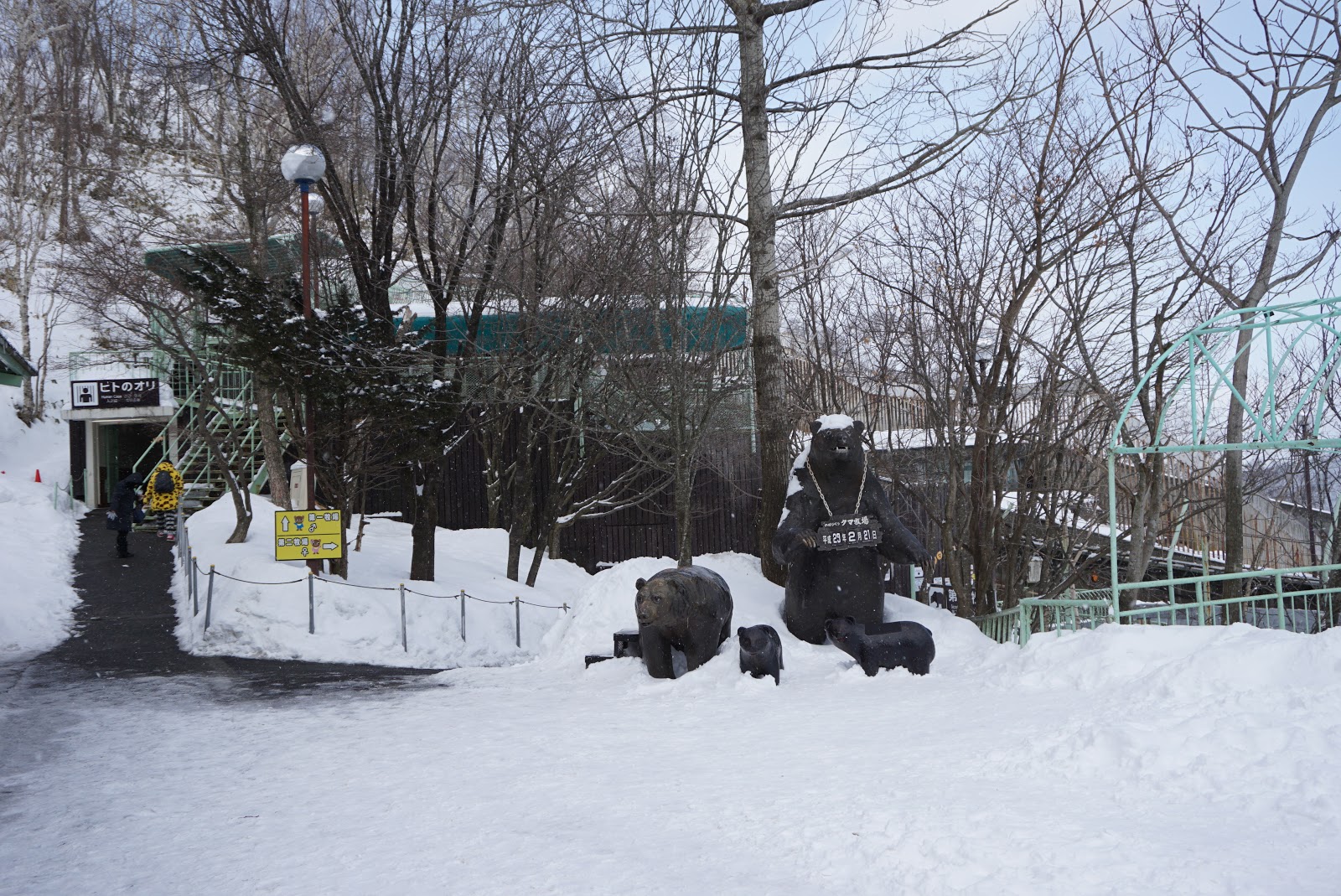
The entrance of Noboribetsu Bear Park on Bear Mountain
Duck race!

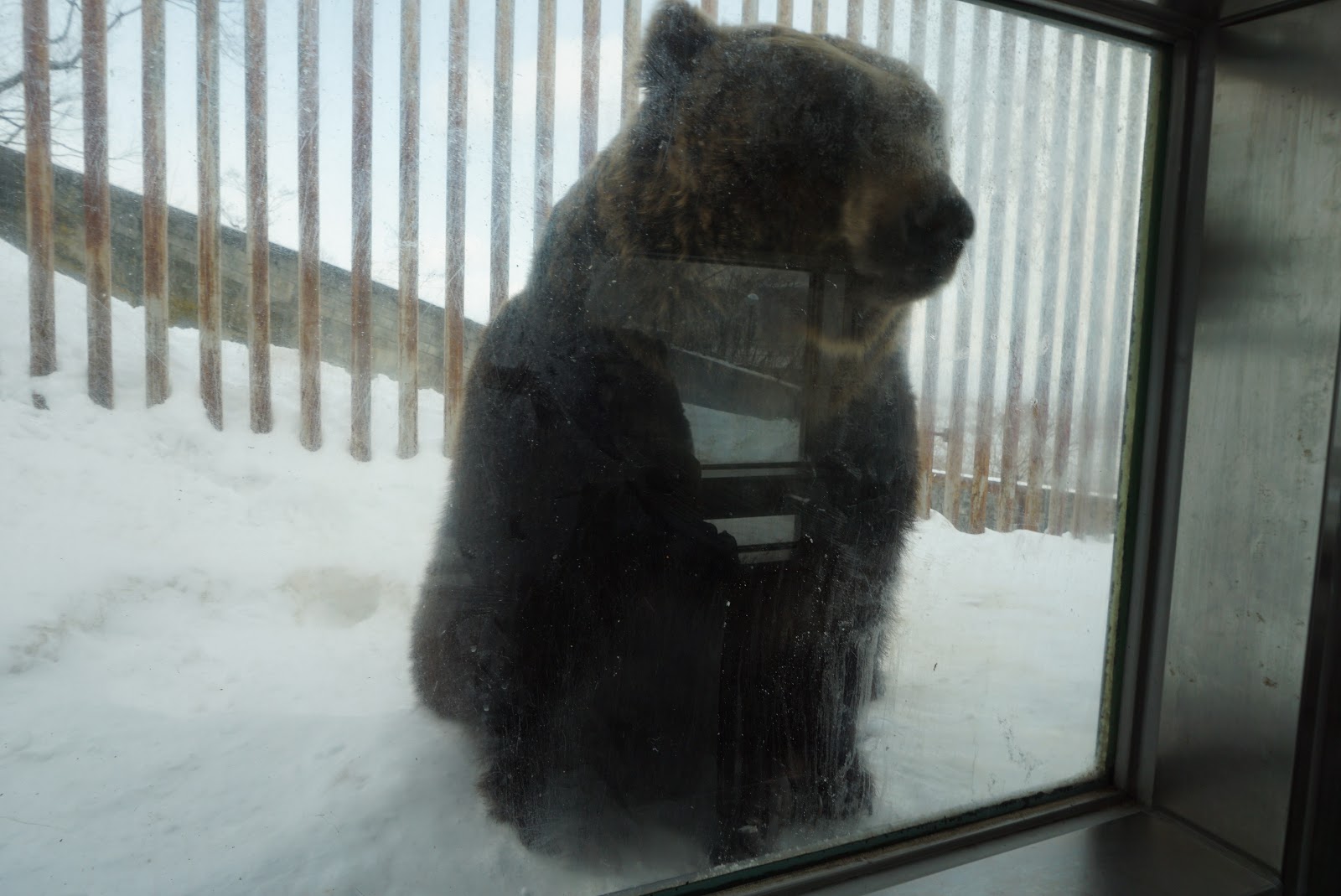
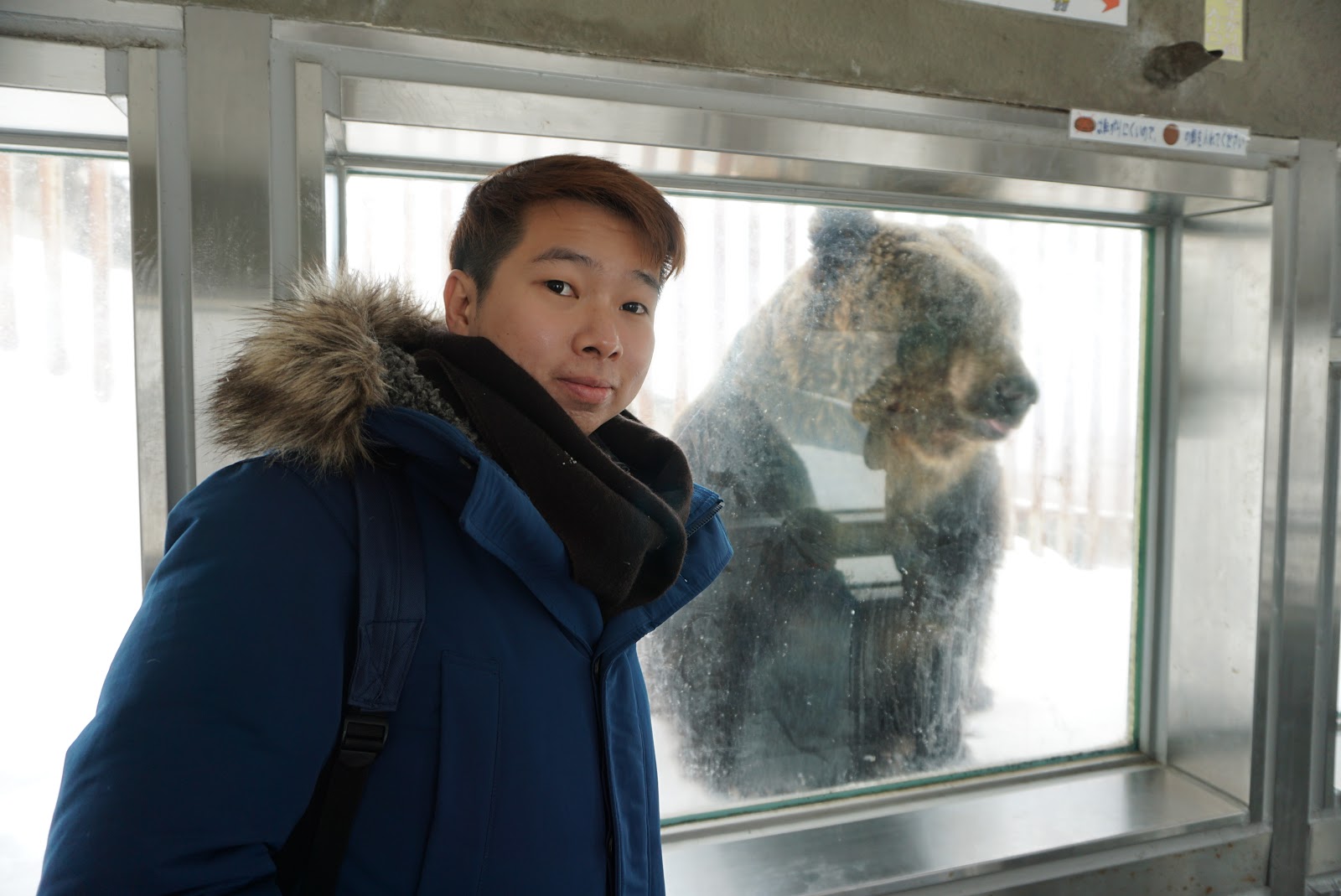
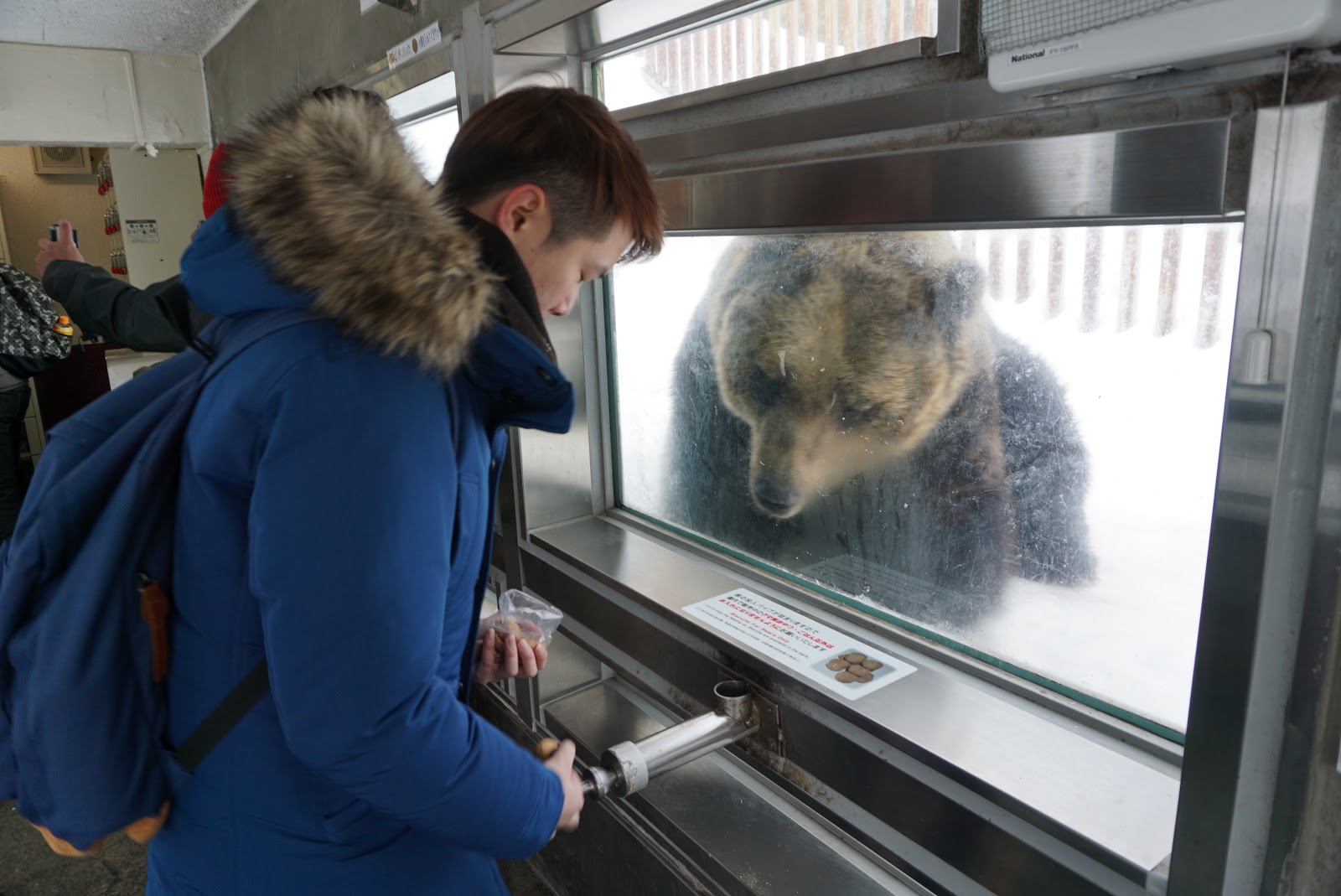
There are 2 bear farms on the left from the exit of the gondola station. We headed for the first bear farm, which houses male bears. There is a tunnel that says “Human Cage” beside the stairs that leads to the open observatory for this farm. After buying a packet of biscuits, my friend and I entered the “Human Cage”. This is where we can face to face with the Hokkaido Brown Bear, which is worshipped by the local Ainu people as a god. The only thing that separates us from the bear is a panel of glass. There is a metal rod that allowed my friend to push a piece of biscuit through to feed the bears. As the bears seem inactive, we wanted to head to the open area to feed the brown bears from the top. However as we exited the “Human Cage” tunnel, we saw a flock of crows at the railings and decided to head for the second farm.

Coming face to face with the Hokkaido Brown Bear in the “Human Cage”
My friend posing with a Hokkaido Brown Bear
My friend feeding the Hokkaido Brown Bear through a feeding device
Hokkaido Brown Bear waiting patiently for my friend to insert the food into the feeding device

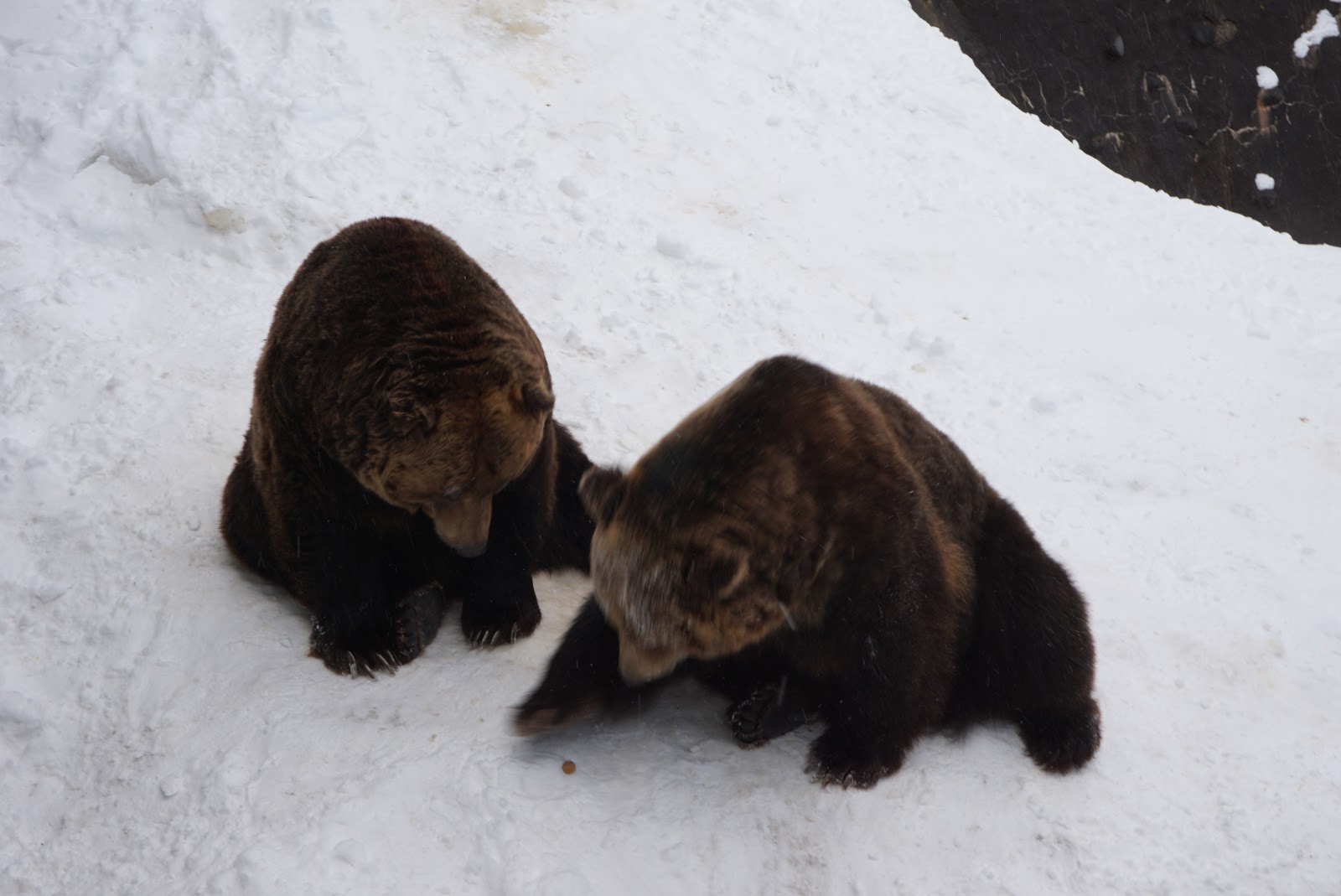
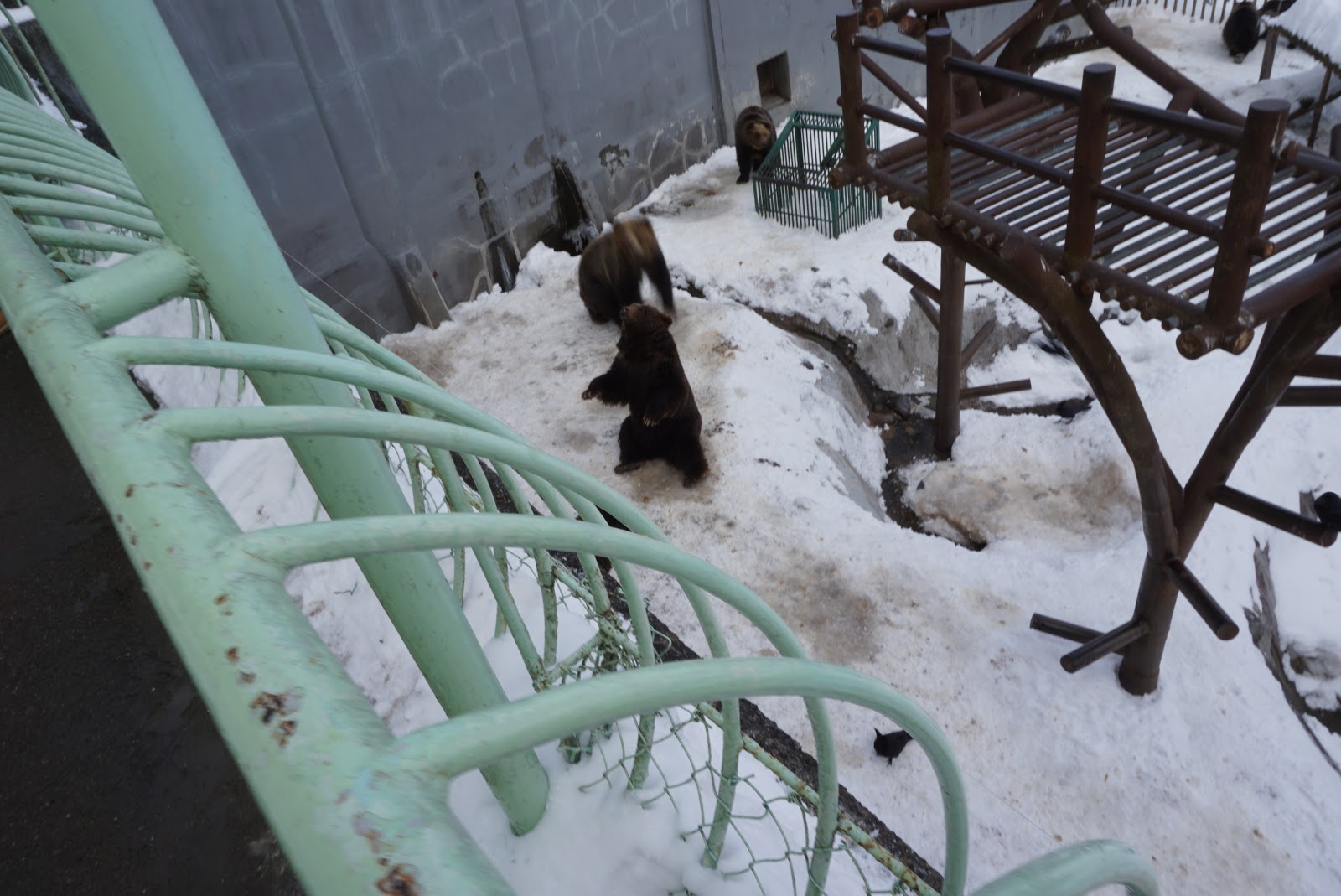
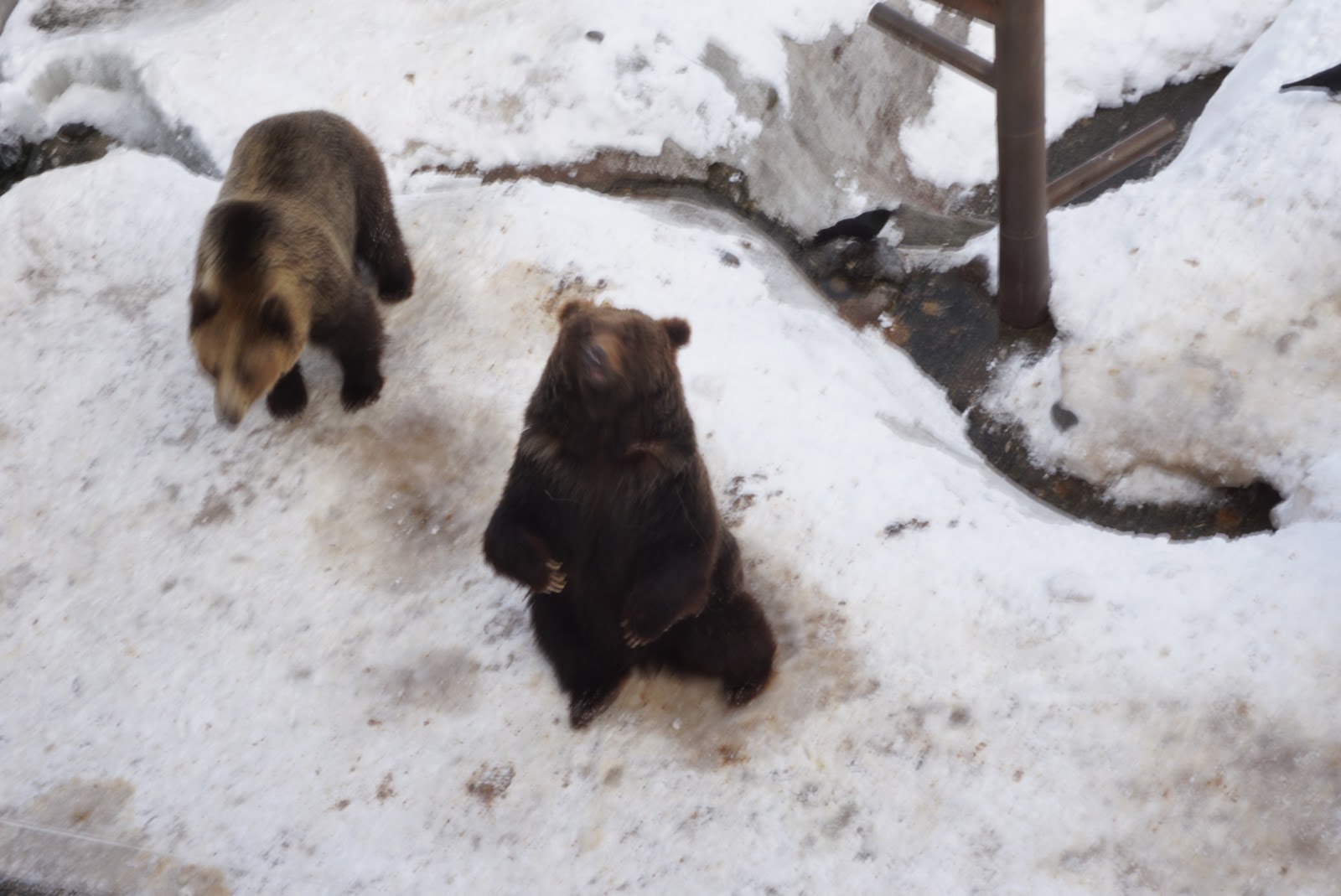
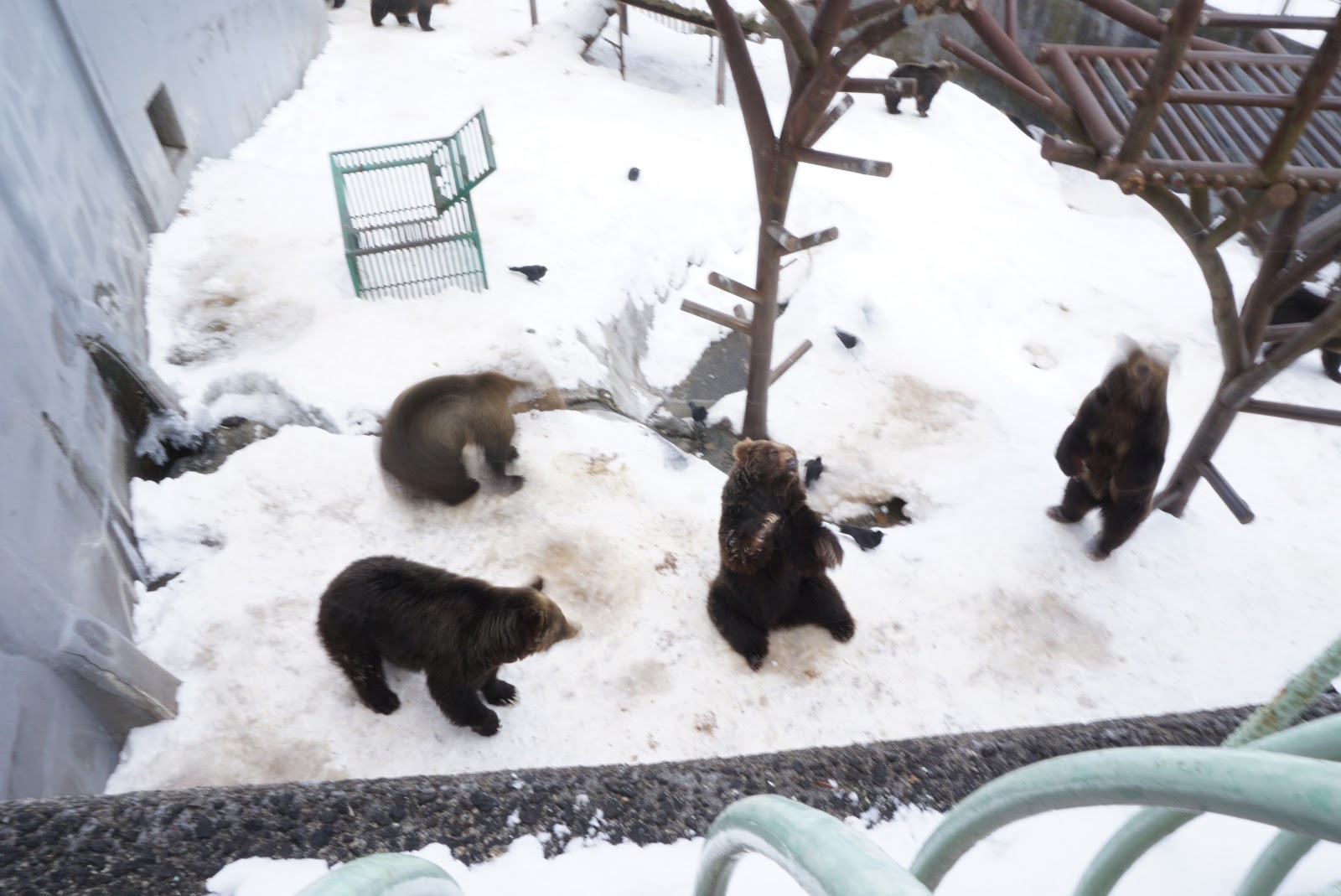
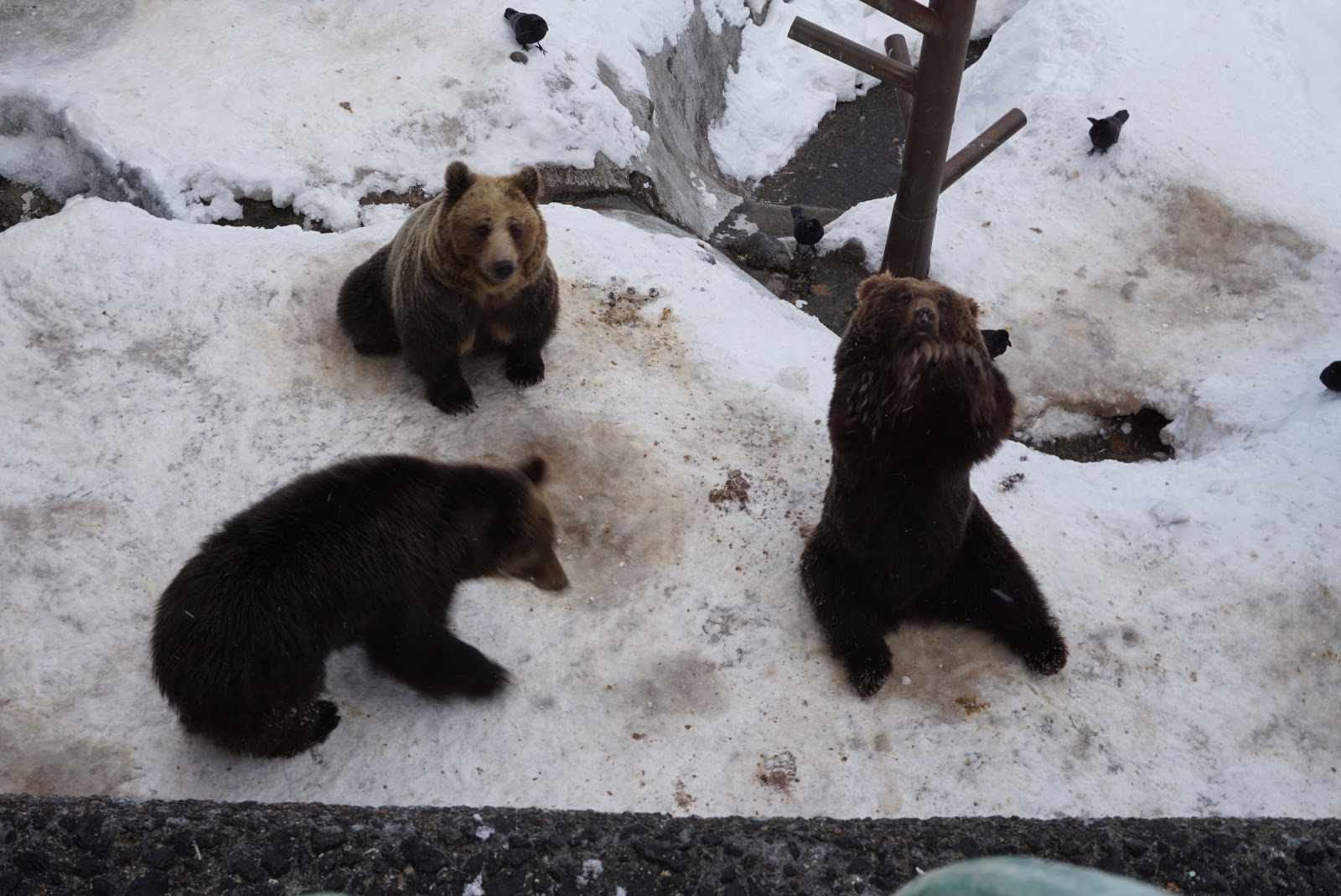
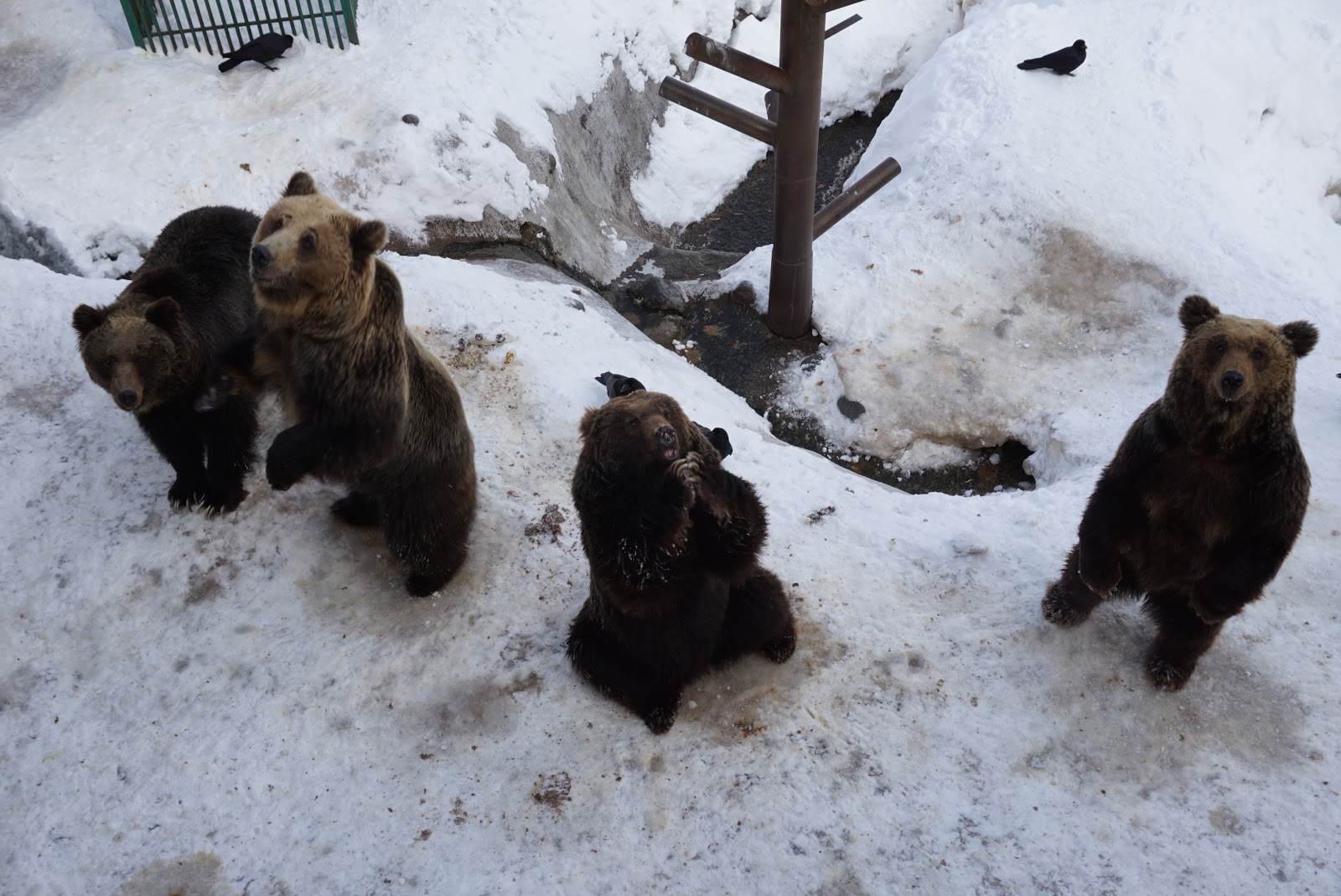
The second farm is where the female bears are being housed. Unlike their male counterparts, these female bears are more active. They did stunts and begged visitors for a piece of feed. As there is a murder of crows around, waiting to snatch the feeds from the bears, we were very careful not to let that happen by throwing the biscuit very close to the bears. At times, we managed to land the biscuit directly into the mouth of the bears (hope it is not too painful for them).

The female bears in the second farm snatching food that we threw down into the enclosure
My friend feeding the bears in the second farm
A female bear begging for food
Female Brown Bears in the second farm
Me feeding the brown bears
Brown bears in the second farm
Brown bears waiting for their snack
The bear on the right is begging for food
Bears in Noboribetsu Bear Park
My friend feeding bears
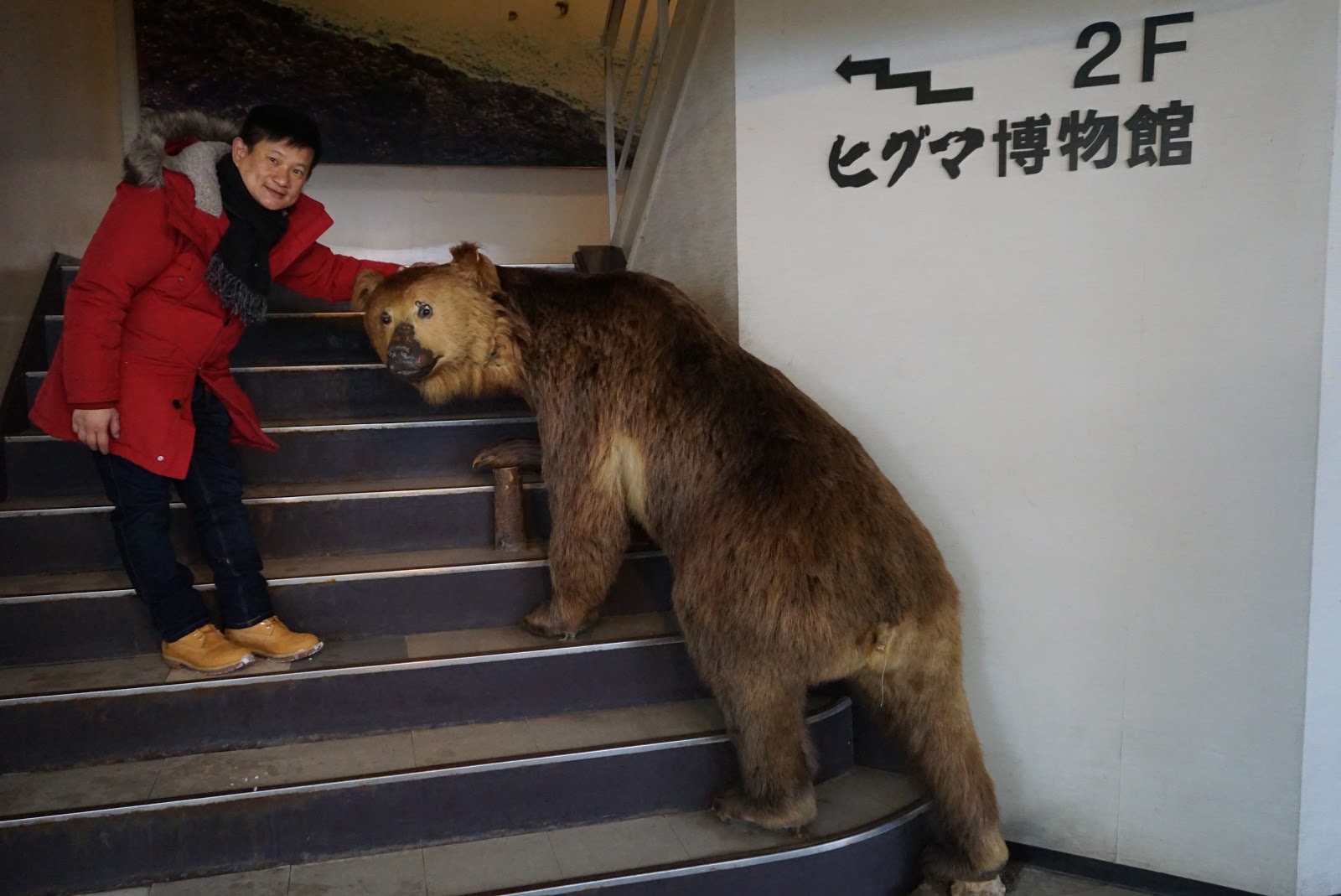
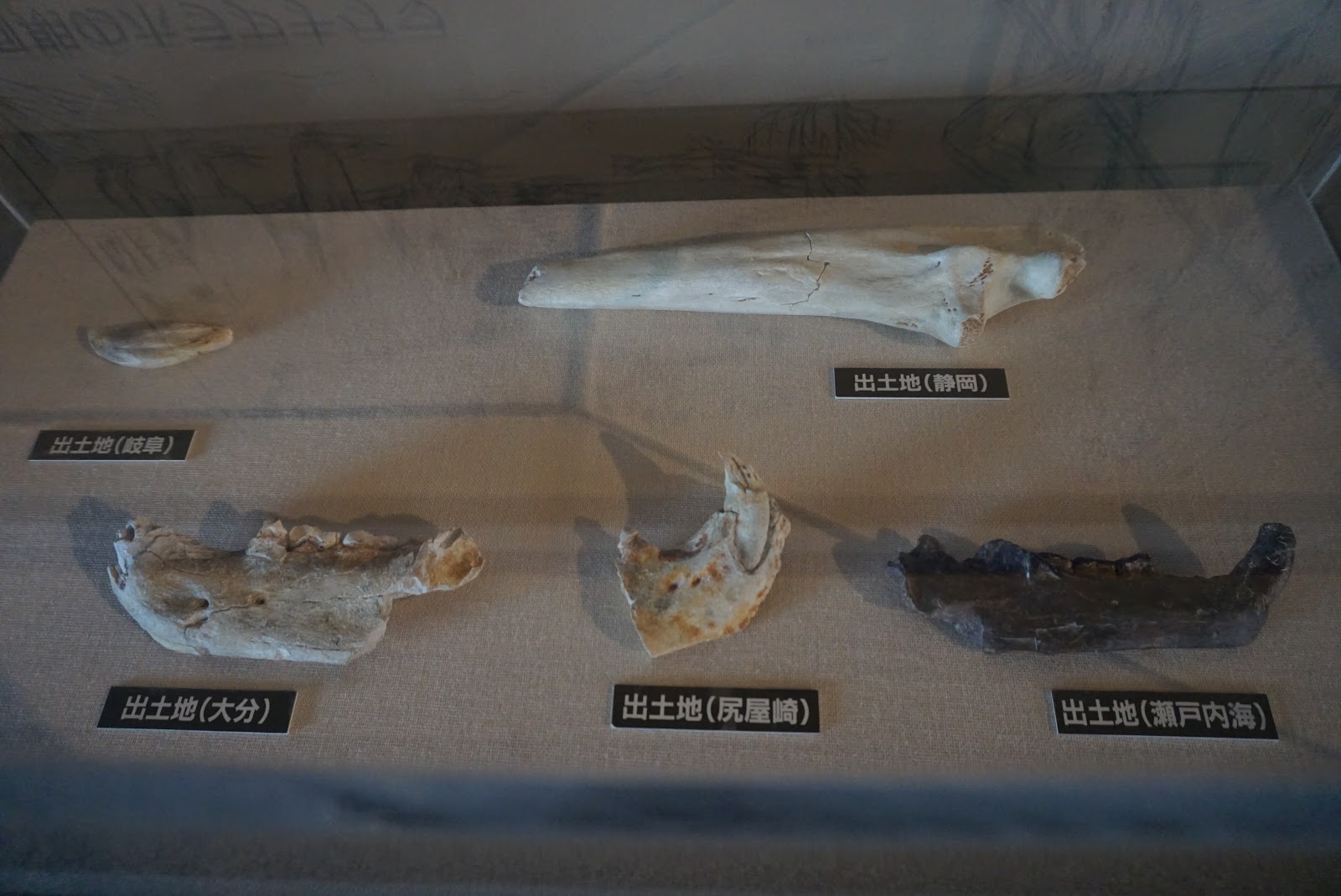
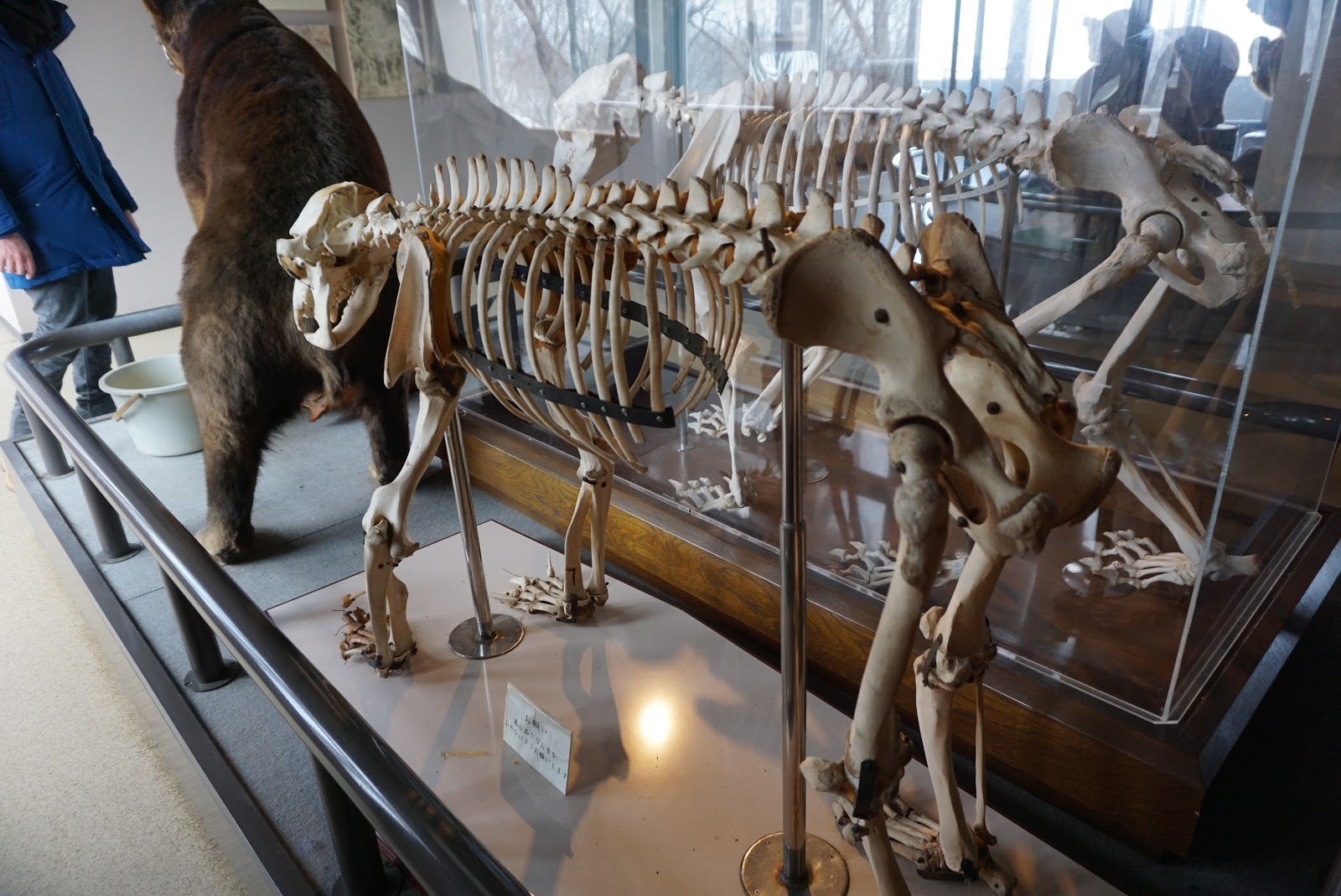
There is a 3-storey building at Noboribetsu Bear Park. The first floor is a cafeteria, while the second floor is a Bear Museum that educates visitors on the Brown bears, from their evolution to their autonomy to their close cousins living all over the world. There are some preserved bears carcasses in the museum allowing us to take a closer look at a bear. On the third floor is a lookout that provided great views of Lake Kuttara and a panoramic view of the Shikotsu-Toya National Park. However, it was closed during our visit.
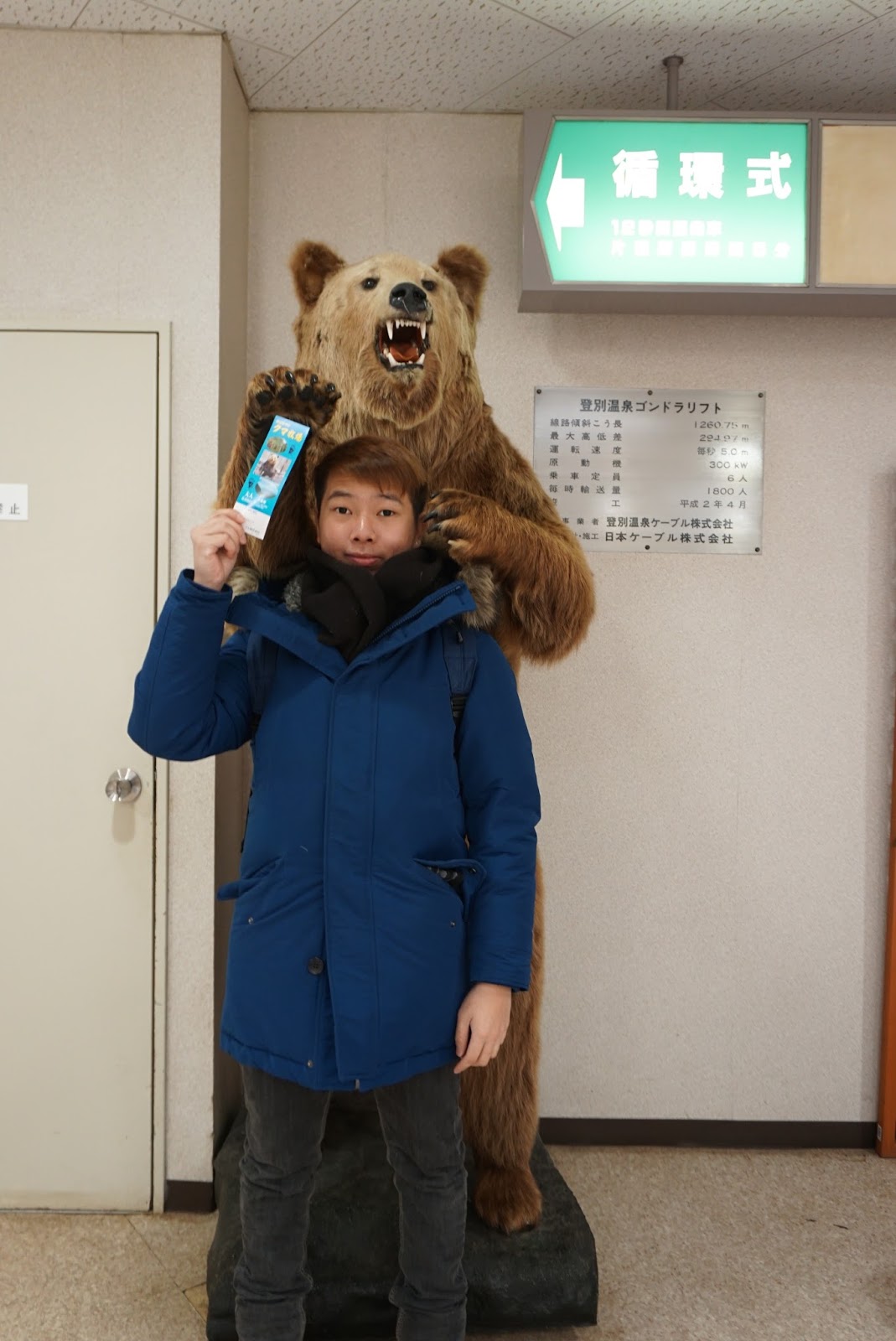
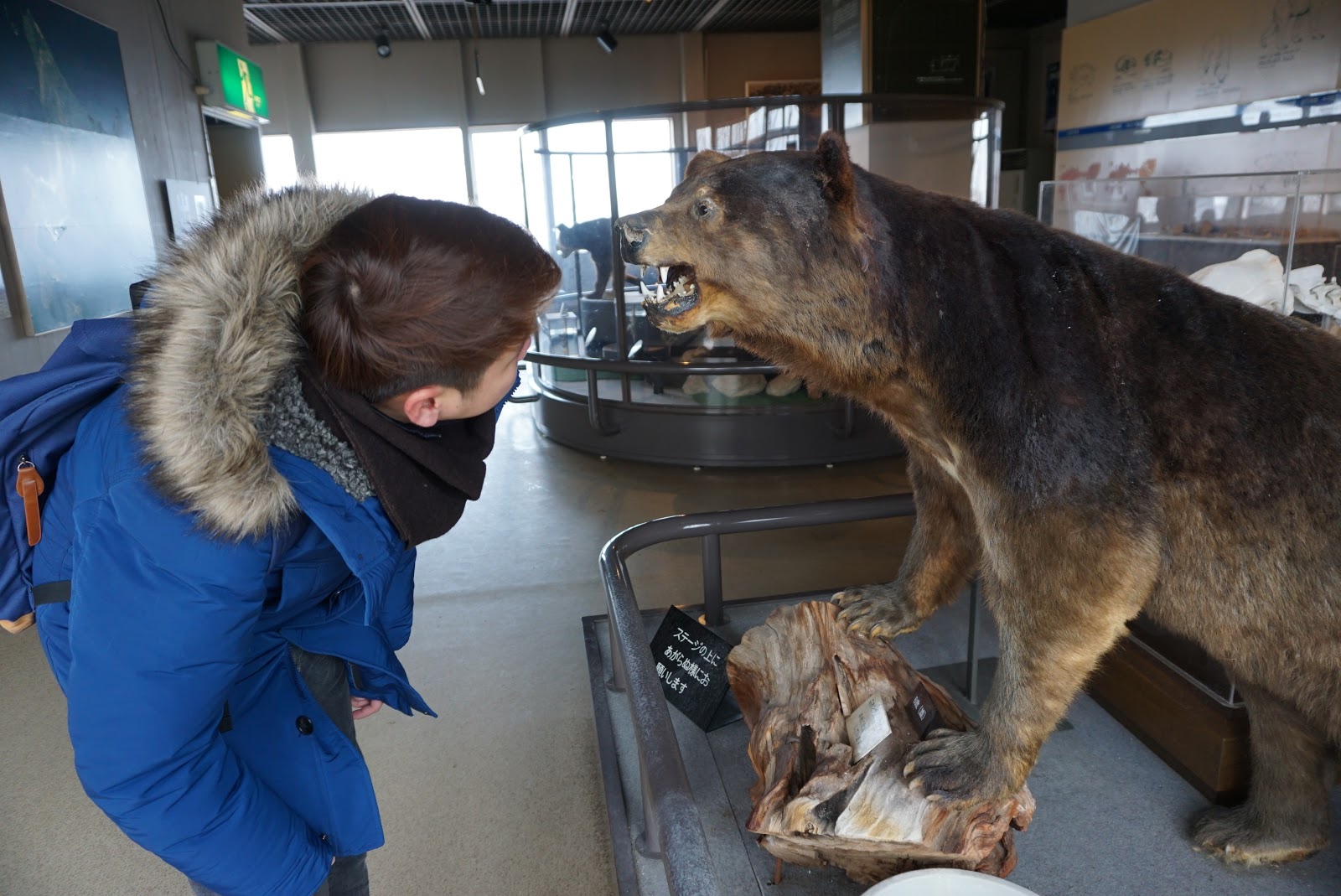
A preserved brown bear in the Bear Museum
Artefacts on display in the Bear Museum
Skeleton of a bear
My friend looking at a brown bear
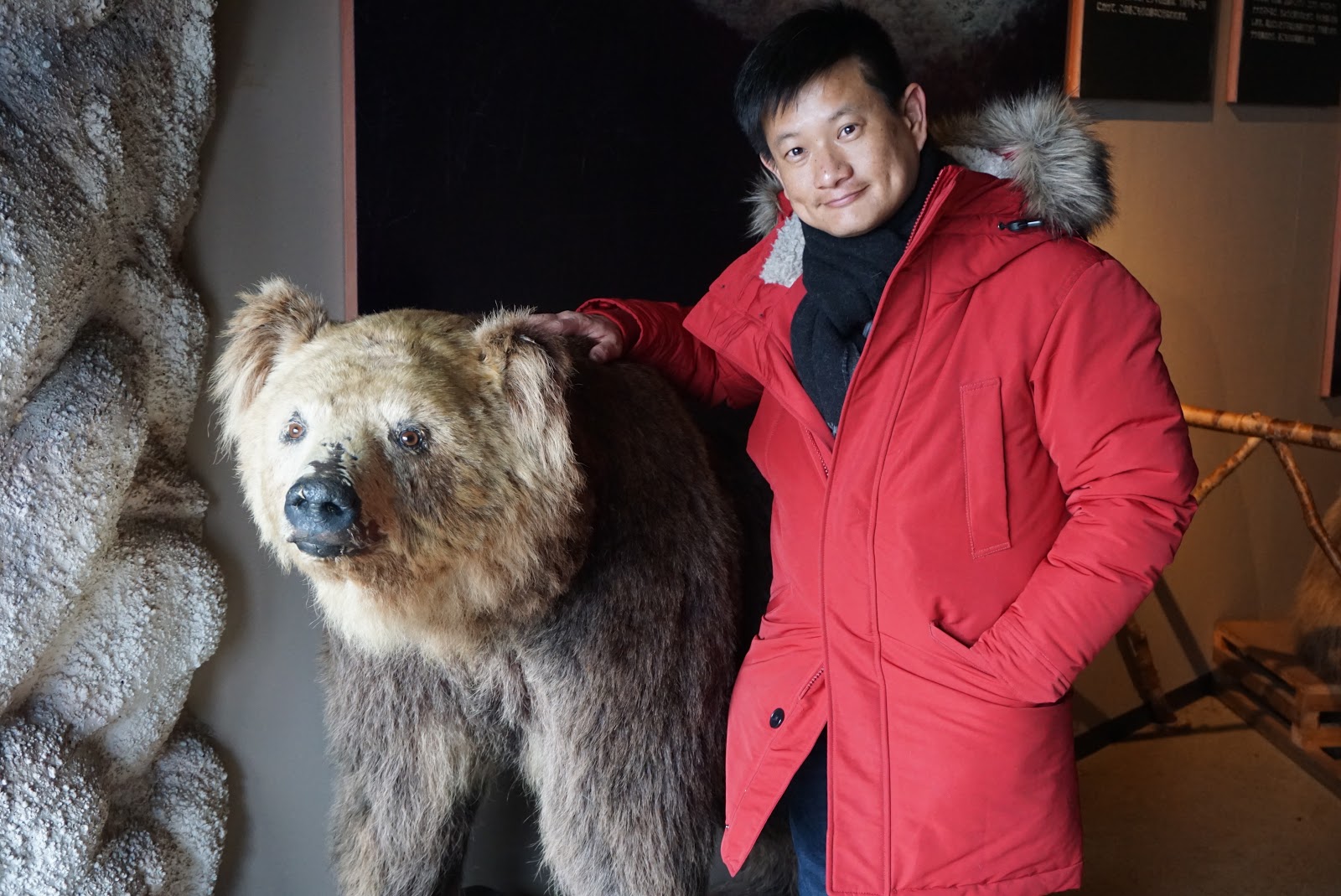
Me with a brown bear in the Bear Museum in Noboribetsu Bear Park
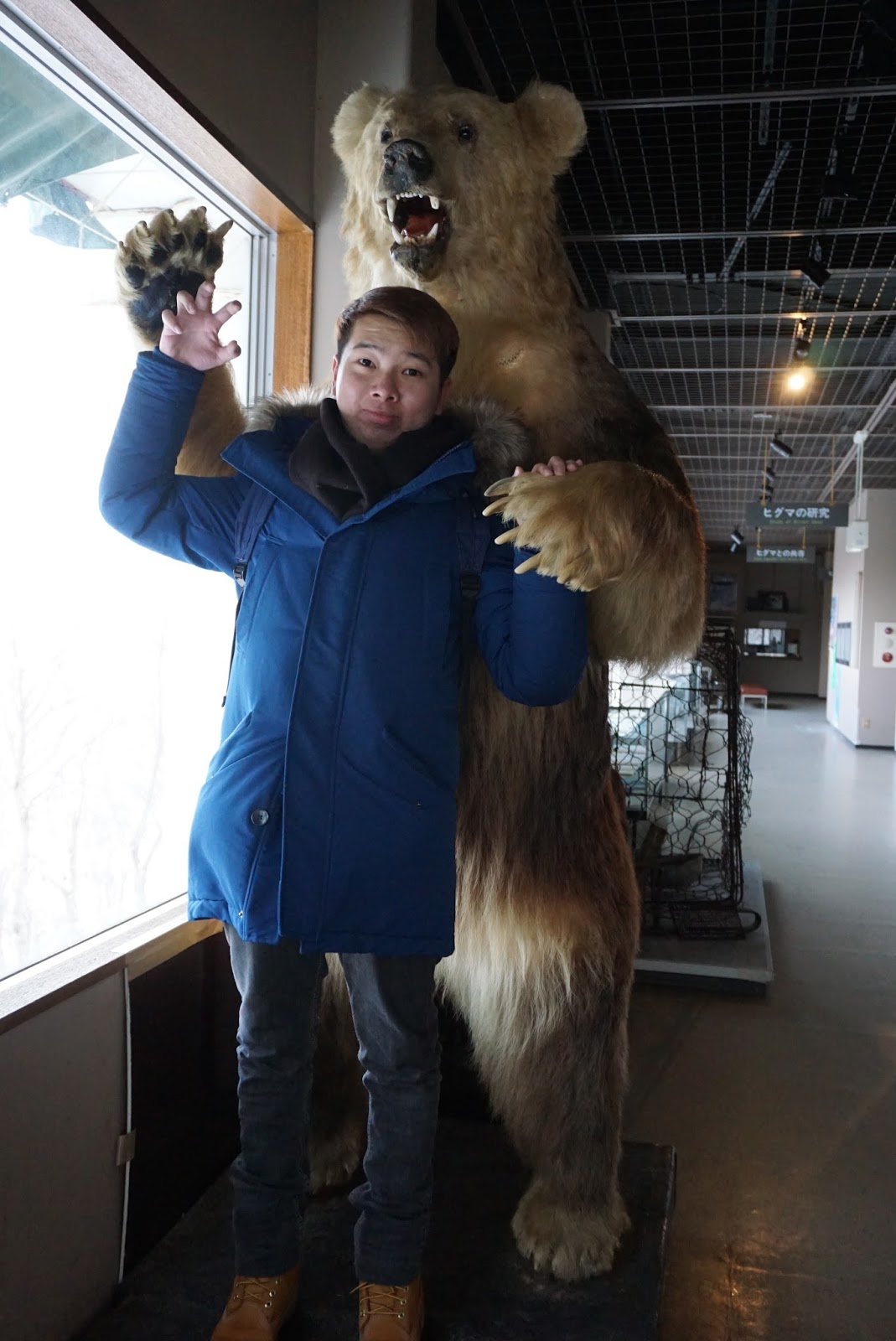
My friend posing with a brown bear in the Bear Museum
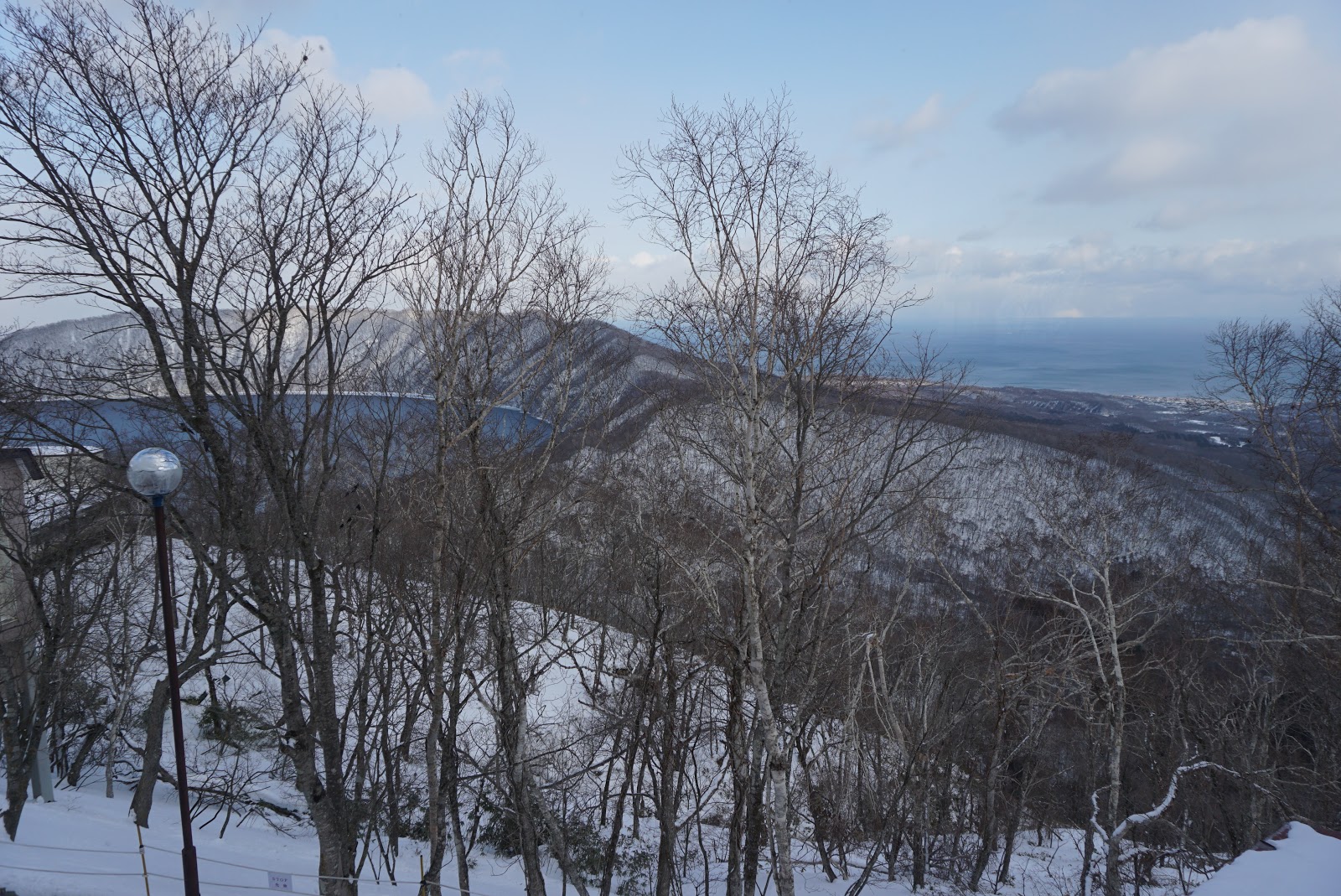
View of Lake Kuttara
As the Bear Park was about to close, my friend and I headed back to the gondola station for our ride down to Noboribetsu Onsen. We spent the rest of the night having dinner and a good soak in the onsen.
Time for dinner
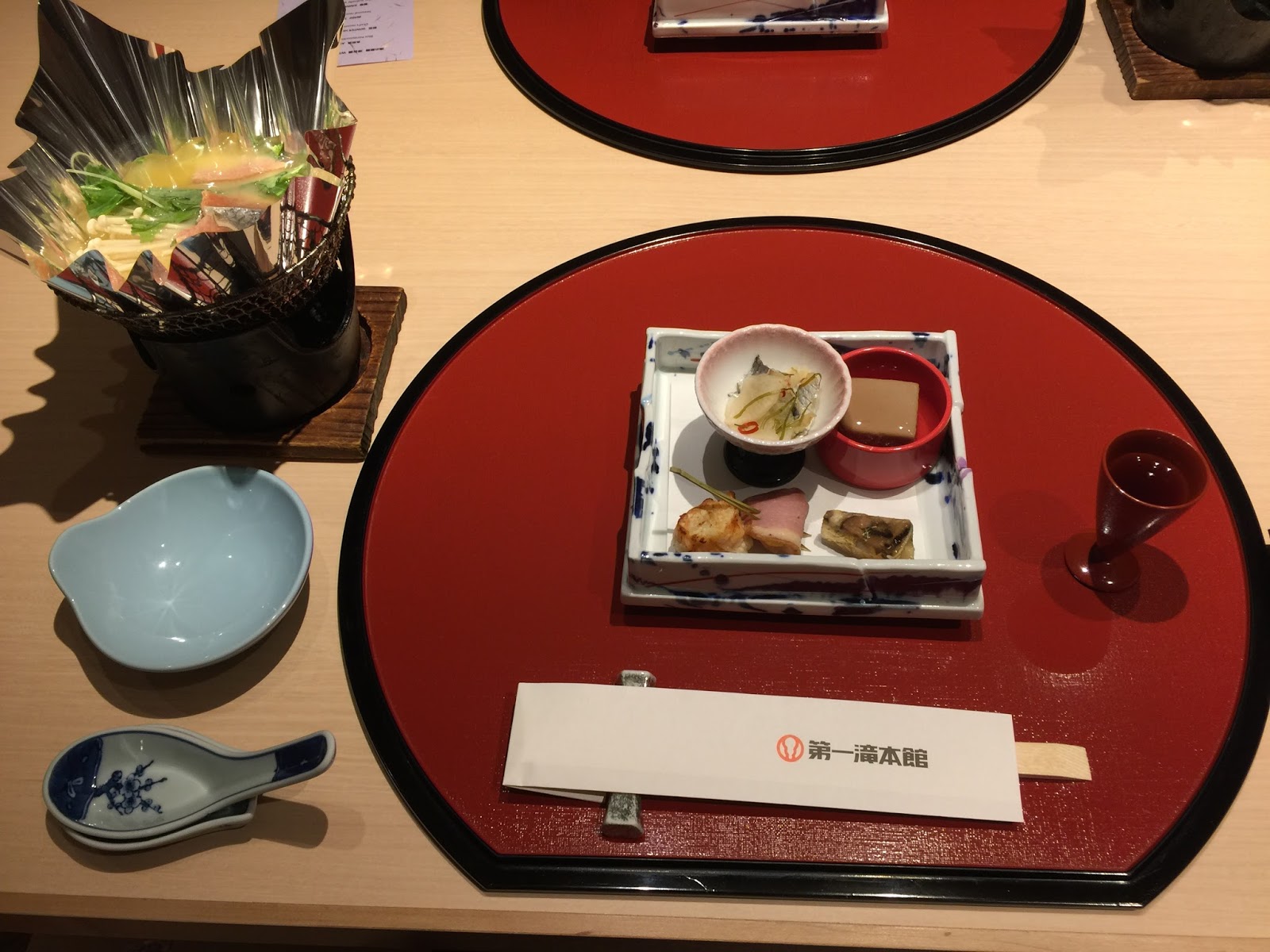
Appetiser
Sashimi and Chawanmushi
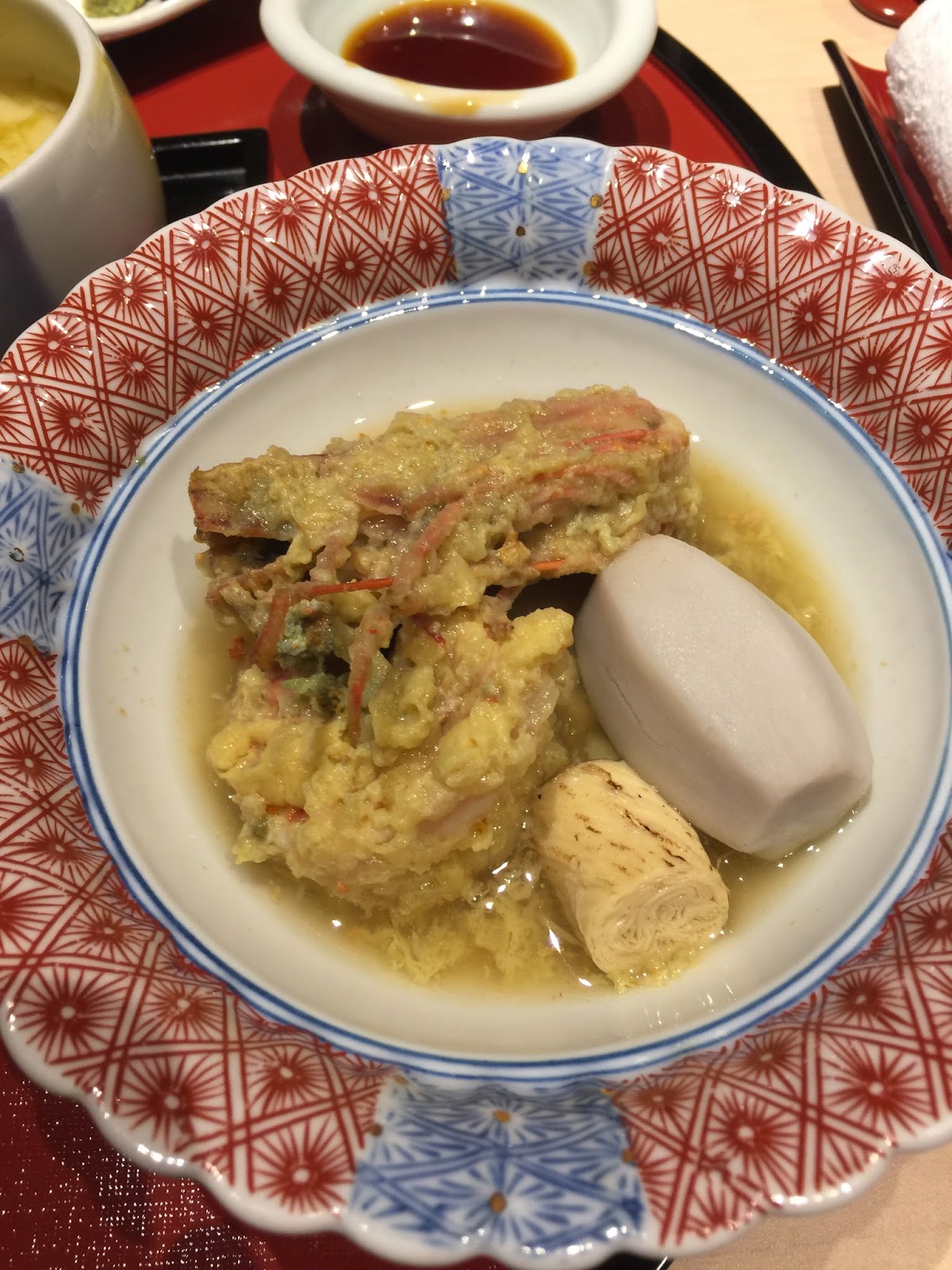
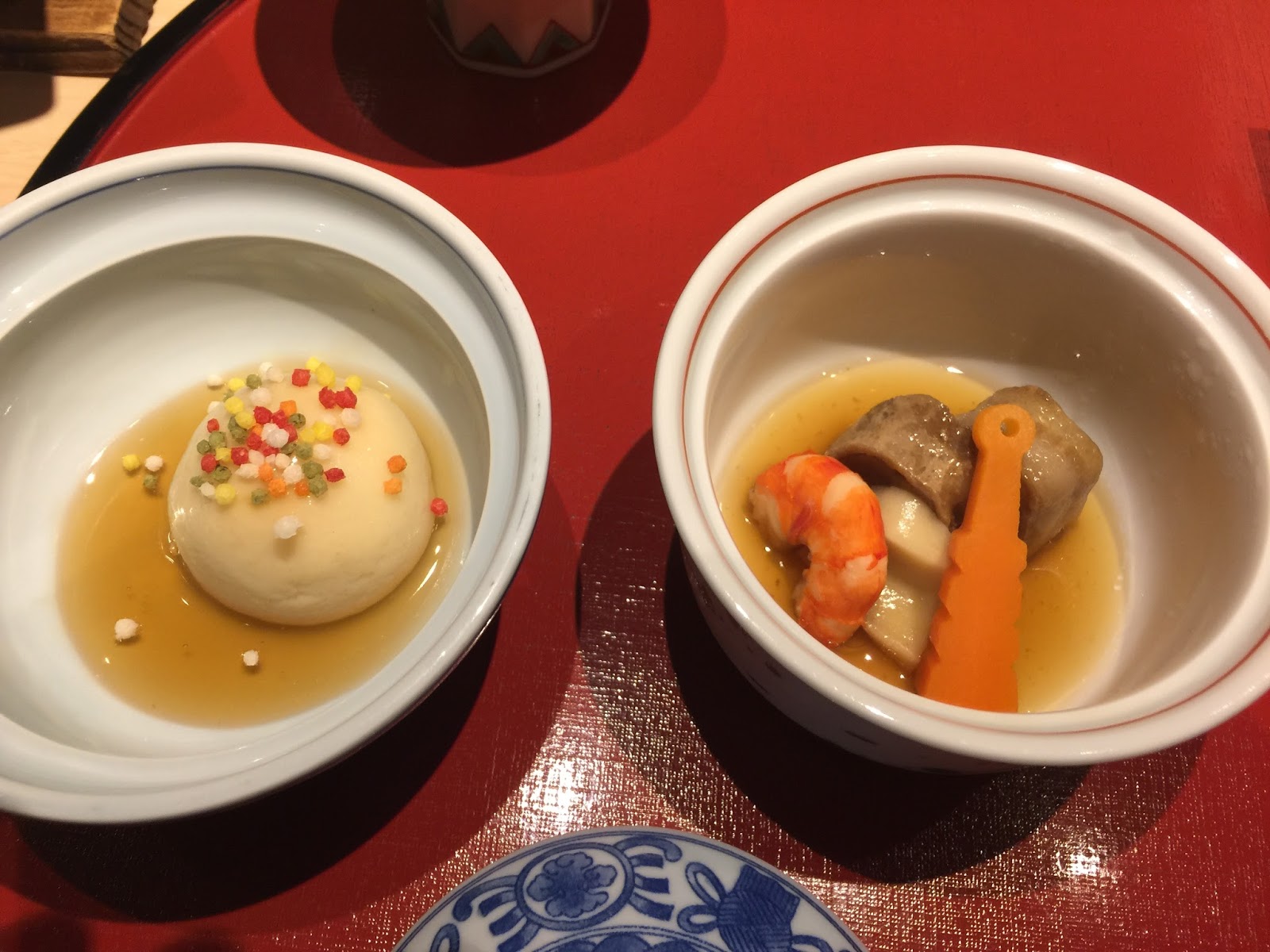
Egg yolk sauce in prawns
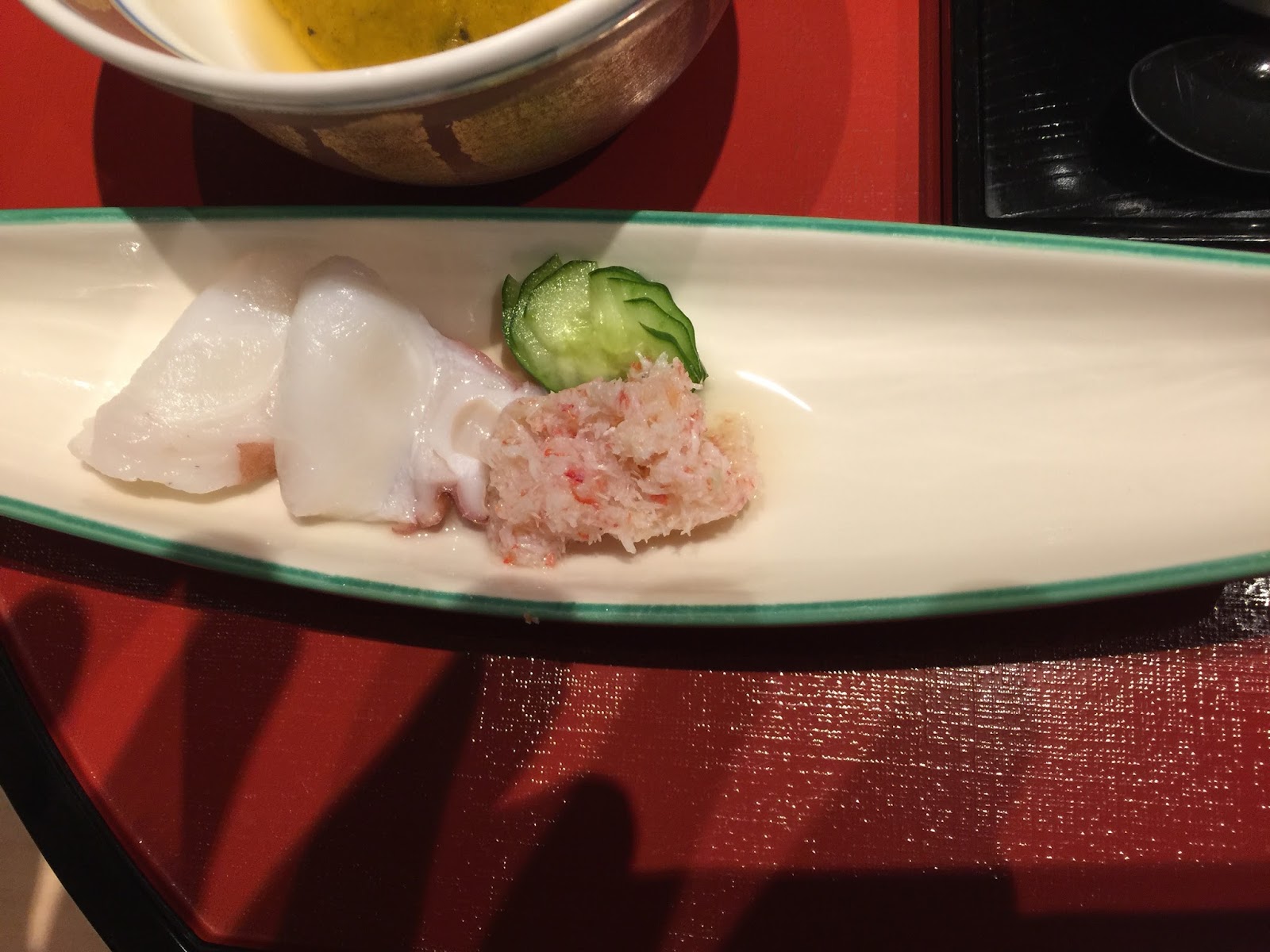
Snow crab and octopus
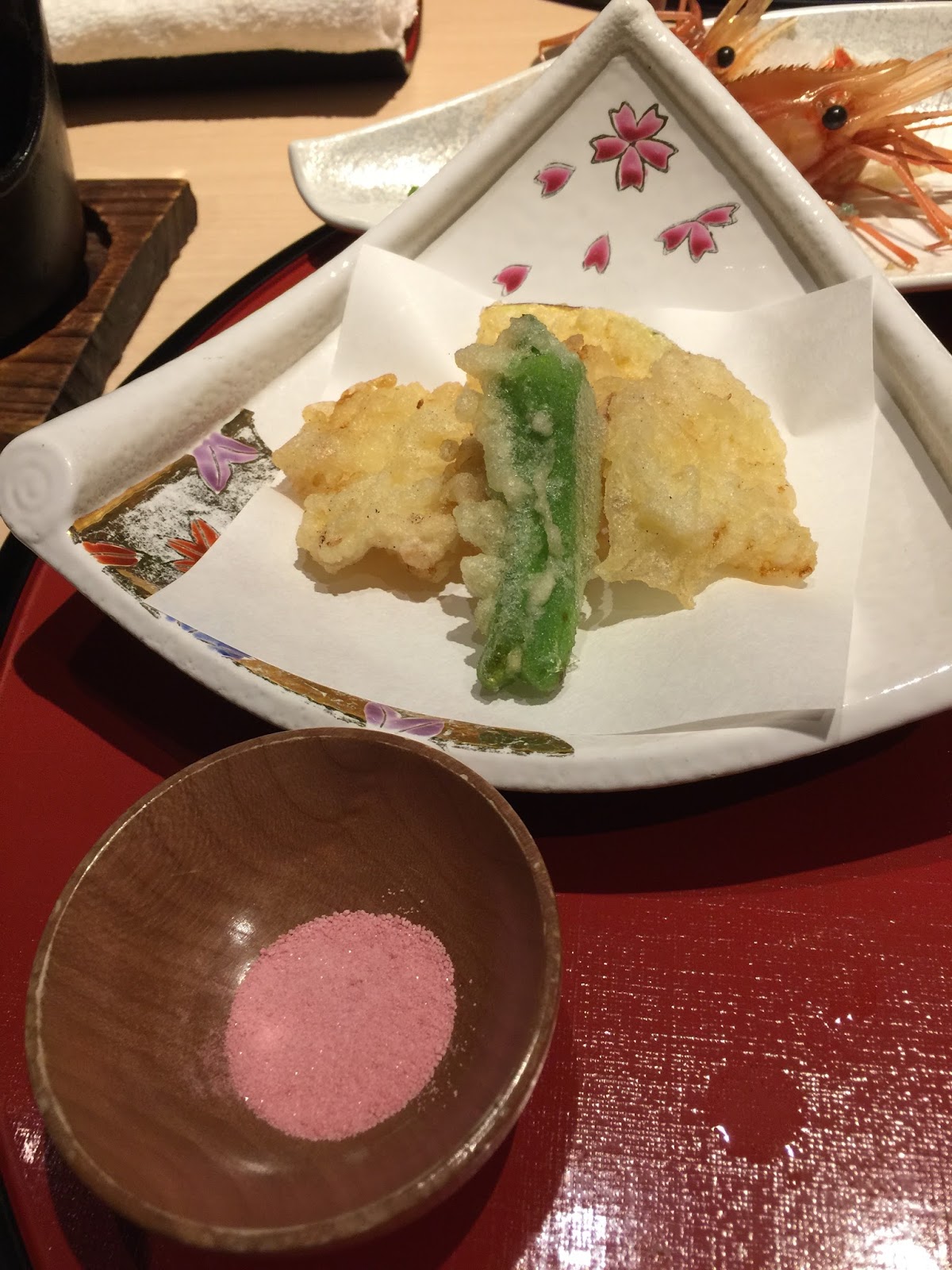
Tempura
Dinner time
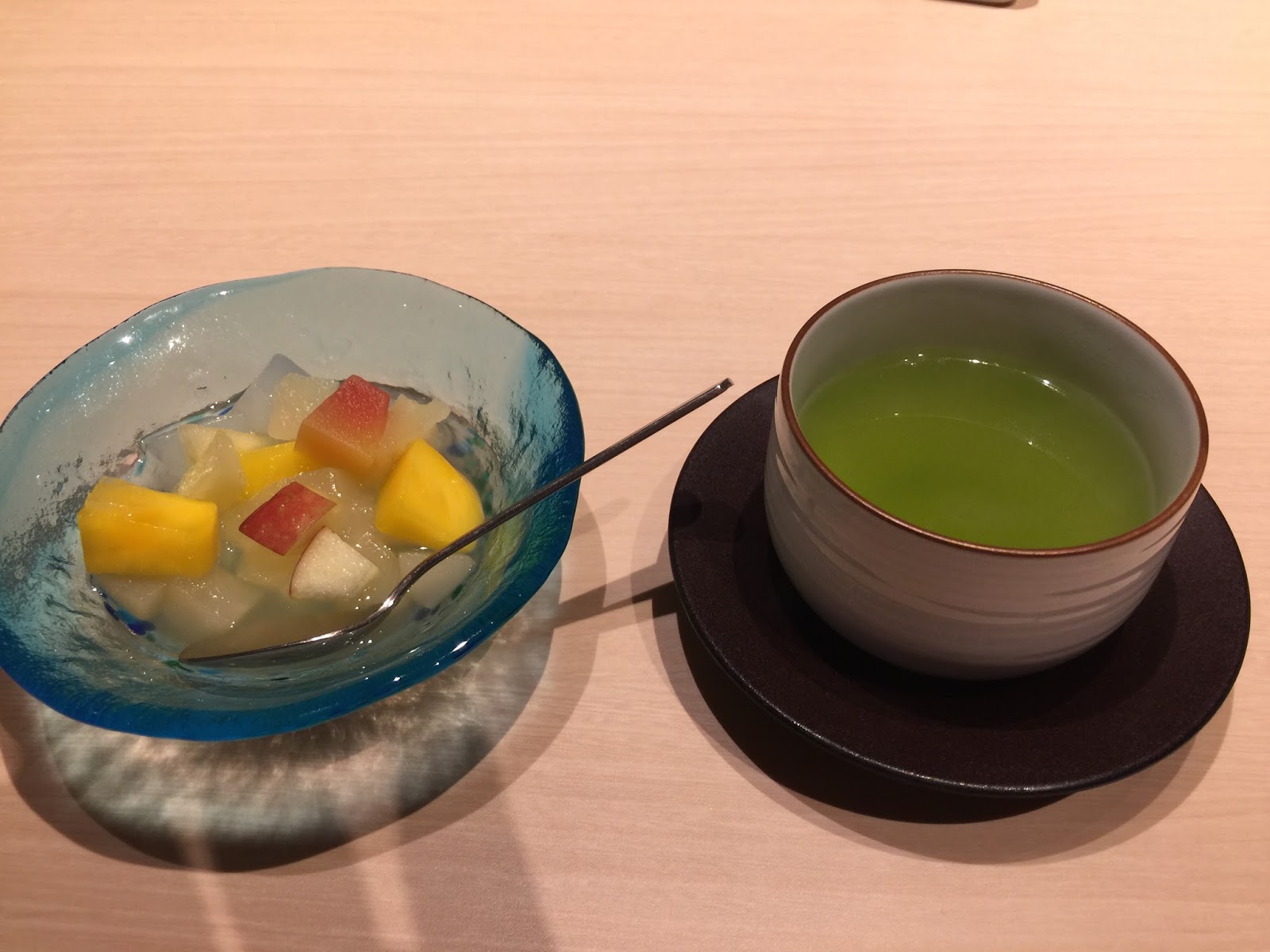
Dessert at the end of dinner

Hokkaido Day 7 (Noboribetsu) (20 Feb 17) – Journey to the West of Hokkaido: From Abashiri to Noboribetsu Onsen

Flying from Memanbetsu to New Chitose Airport

Abashiri to Noboribetsu Onsen is about 420km apart. The 2 primary options that we had when planning for this trip was to either fly and transfer to a shuttle bus, or take the JR and transfer to a local bus at Noboribetsu JR Station. We opt to fly for our westerly journey to Noboribetsu Onsen, Flying domestic when booked at least 75 days before departure on domestic airlines costs ¥10,200 per pax. Taking into consideration the bus fare to the nearest Memanbetsu airport from Abashiri (¥910) and the shuttle bus fare from New Chitose Airport to Noboribetsu Onsen (¥1,370). The total cost for the flight option is ¥12,480 per pax and the journey can be completed under 3 hours. Comparing the JR option, which takes more than 6 hours and costs ¥13,940 (including the ¥340 per pax for Noboribetsu JR Station to Noboribetsu Onsen), the choice is obvious.
We were able to gain half a day in Noboribetsu Onsen by choosing the domestic flight option over the JR option when travelling from Abashiri to Noboribetsu Onsen
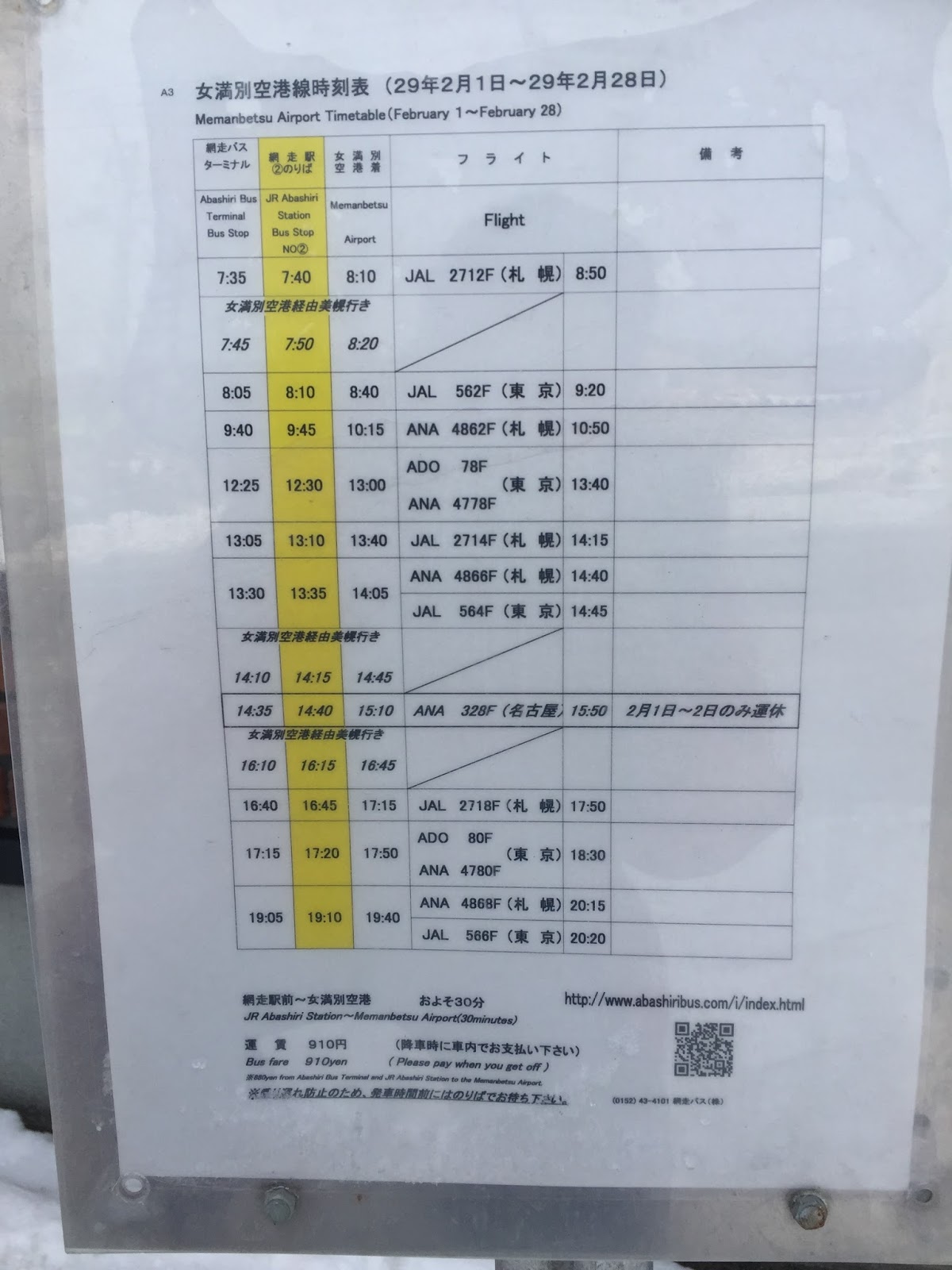
After checking out of the hotel, we took the local bus from Abashiri JR Station to Memanbetsu Airport. The buses bound for Memanbetsu Airport are timed according to the flight departures from the airport. We took the 9.40am bus in time to catch our 10.40am flight to New Chitose Aiport. The local bus plies through Abashiri City and the City of Memanbetsu before terminating at Memanbestu Airport.
Waiting for the bus to take us to Memanbetsu Airport
The bus to Memanbetsu Airport is timed to the outbound flight from the airport. Despite being winter, the bus is still a very reliable mode of transportation
The bus to Memanbetsu Airport is a normal local bus, there are no luggage racks and we dragged our luggage to the seat 
Zooming past Abashiri Prison when we were heading towards Memanbetsu Airport 
Bye-bye Abashiri
Frozen Lake Abashiri
It took us 30 mins to travel from Abashiri to Memanbetsu Airport by bus
Wefie at Memanbetsu Airport
Welcome to Memanbetsu Airport
Taking a wefie in Memanbetsu Airport
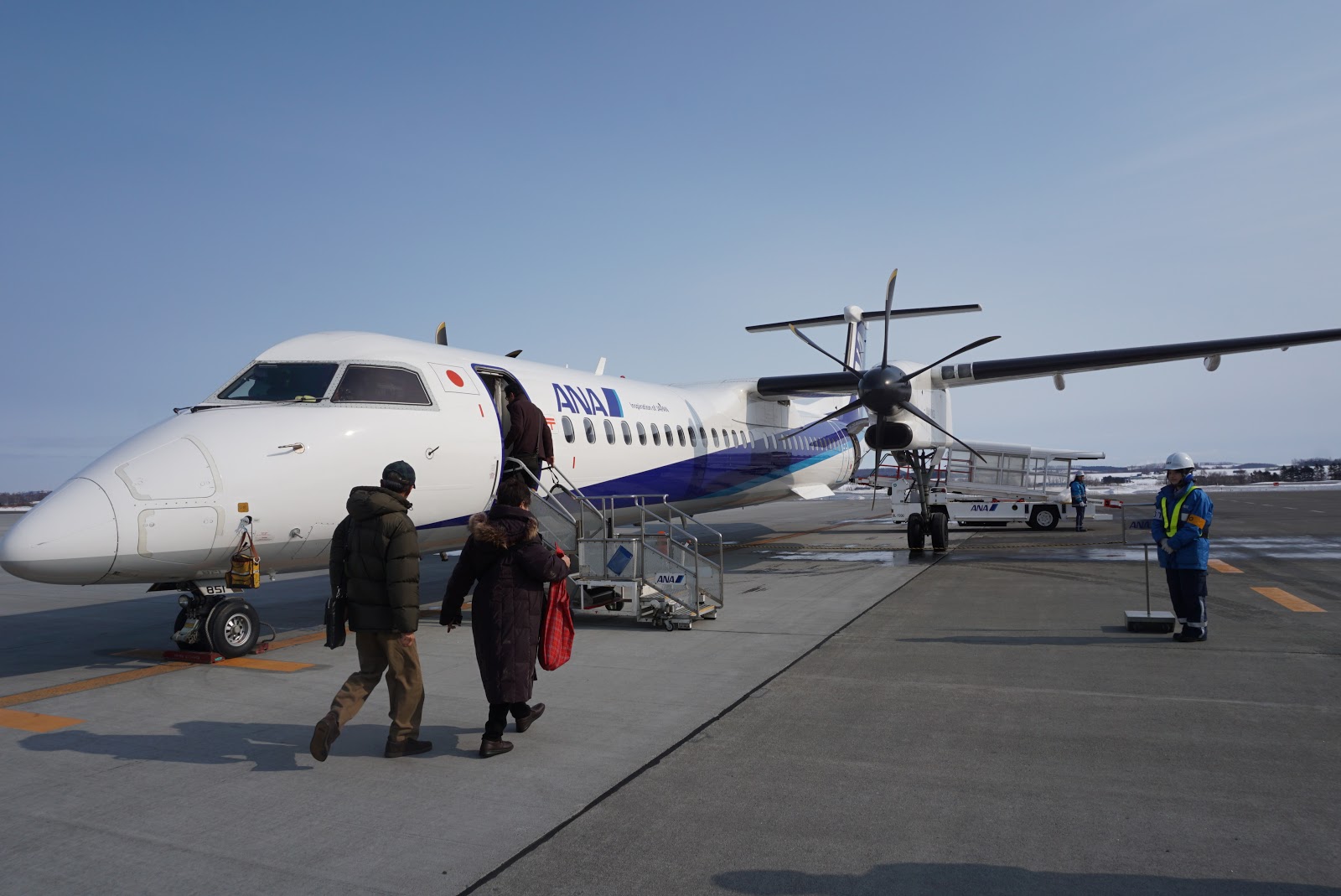
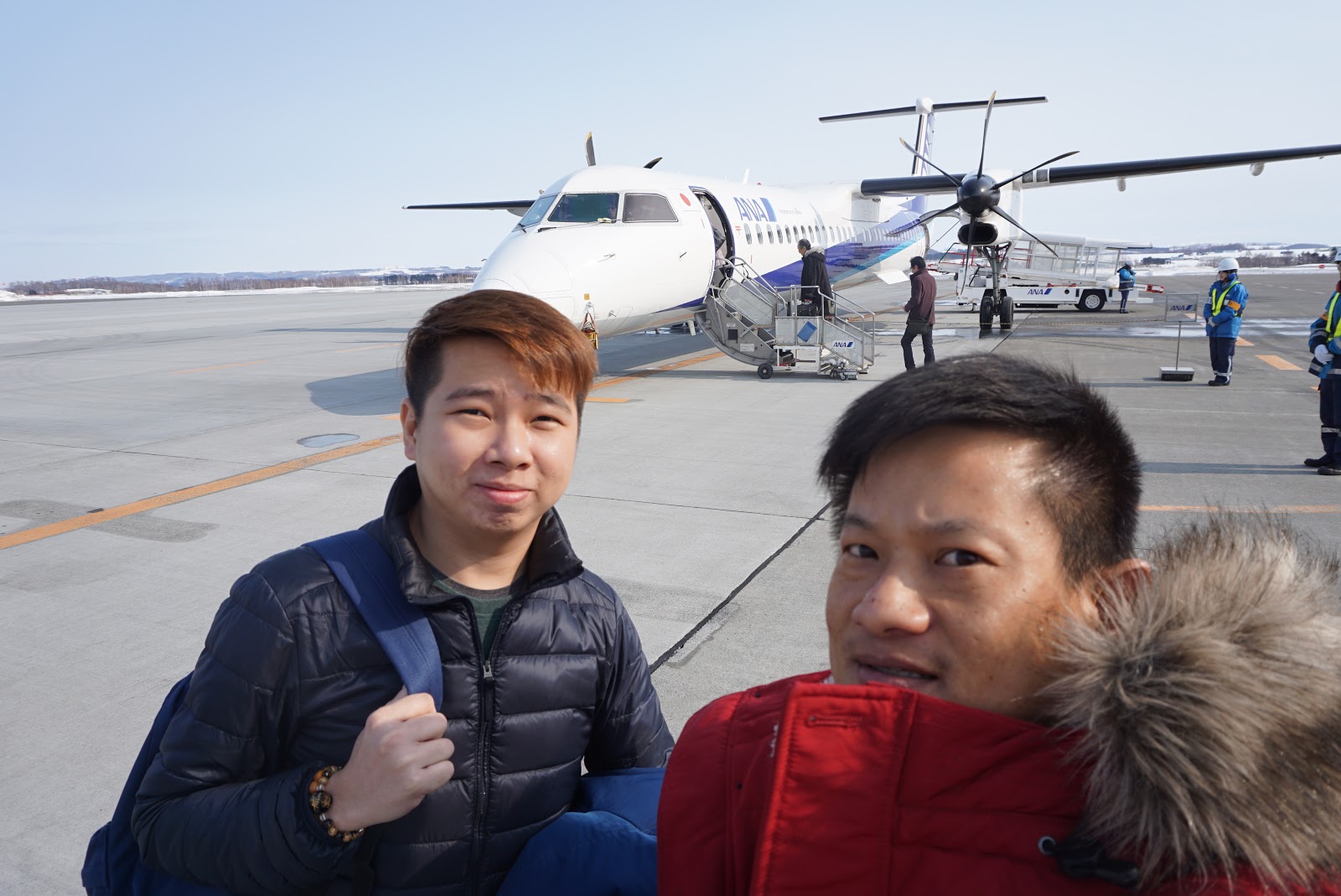
We are boarding the ANA Domestic flight to New Chitose Airport
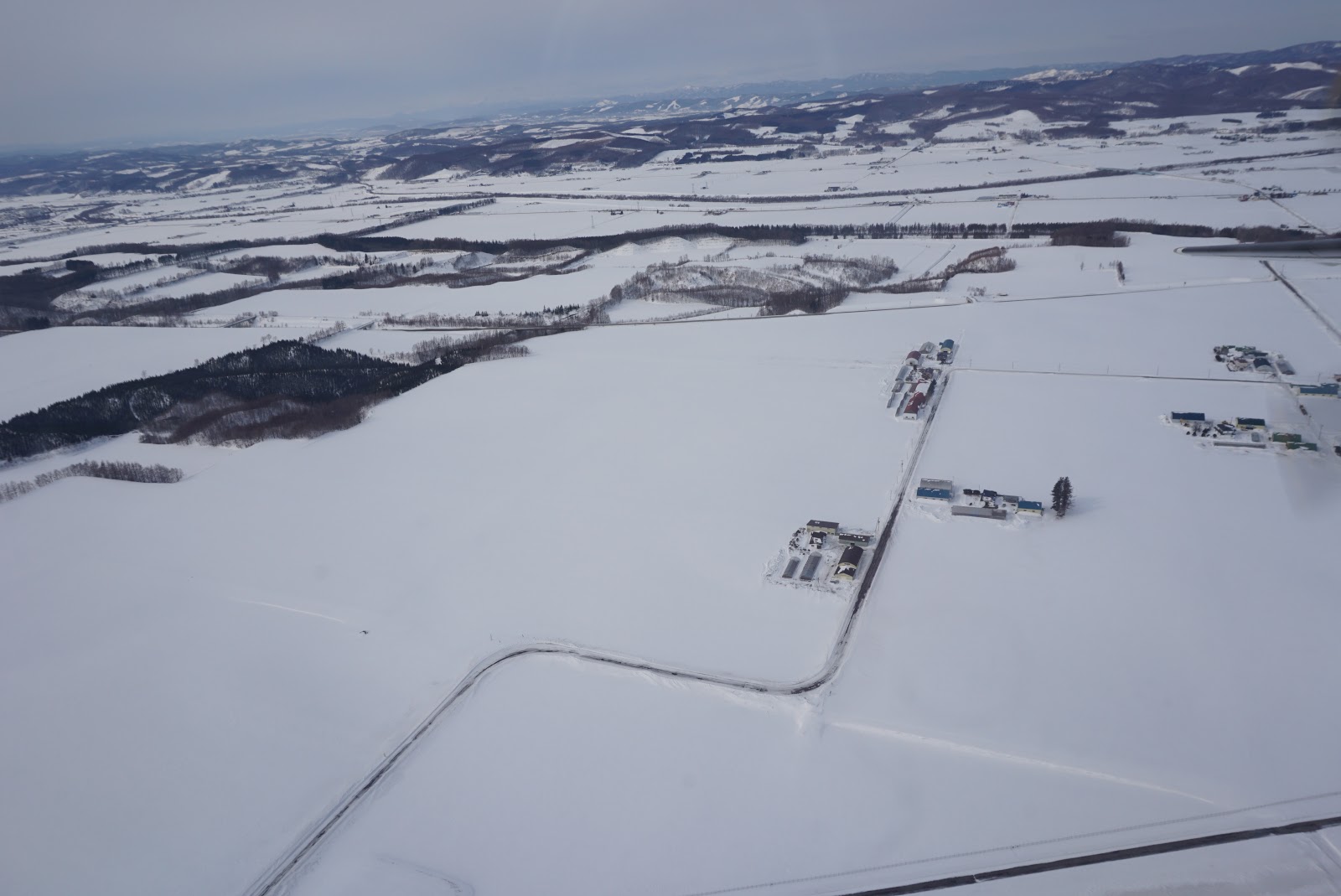
The ground is covered with snow. What a magnificent sight.
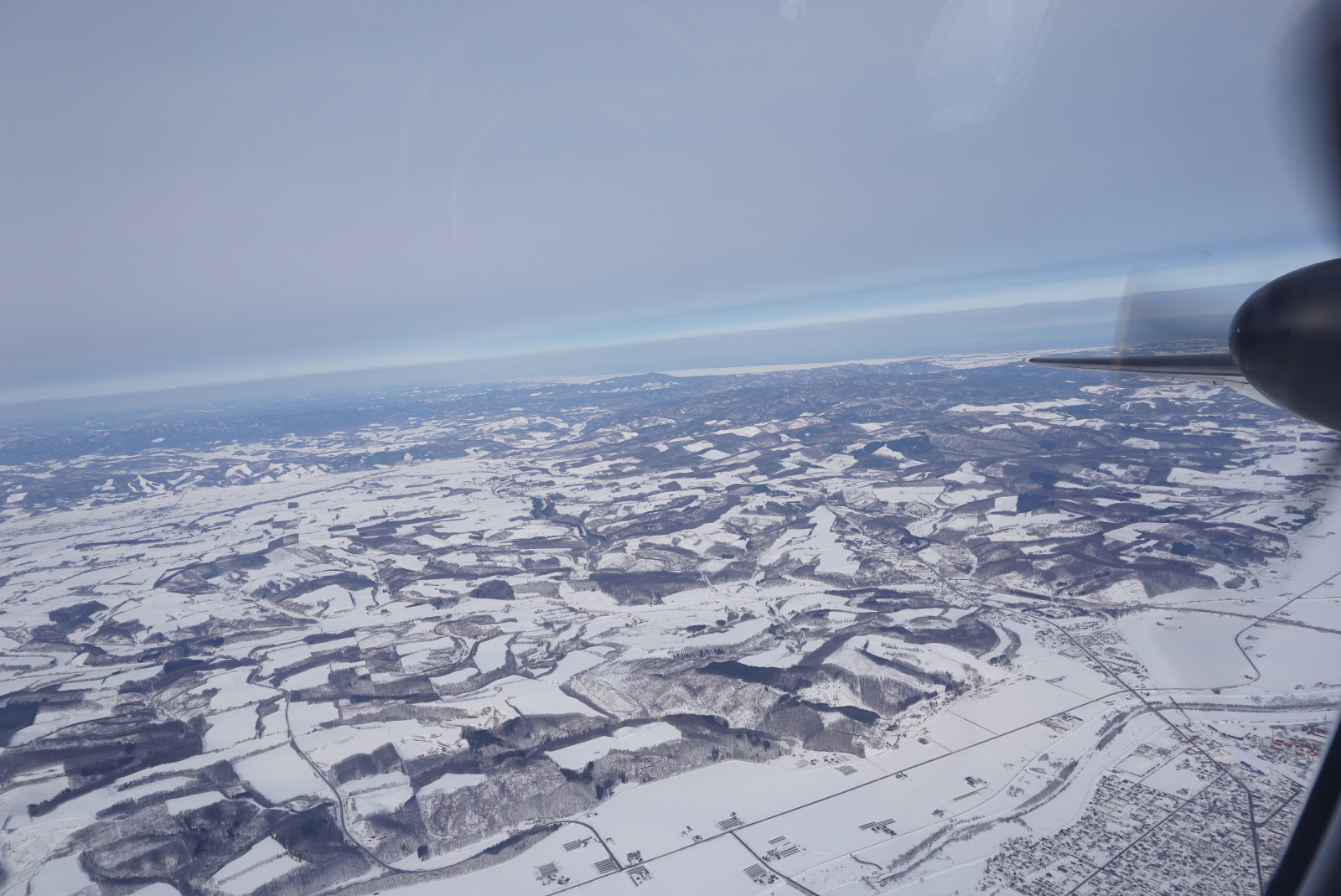
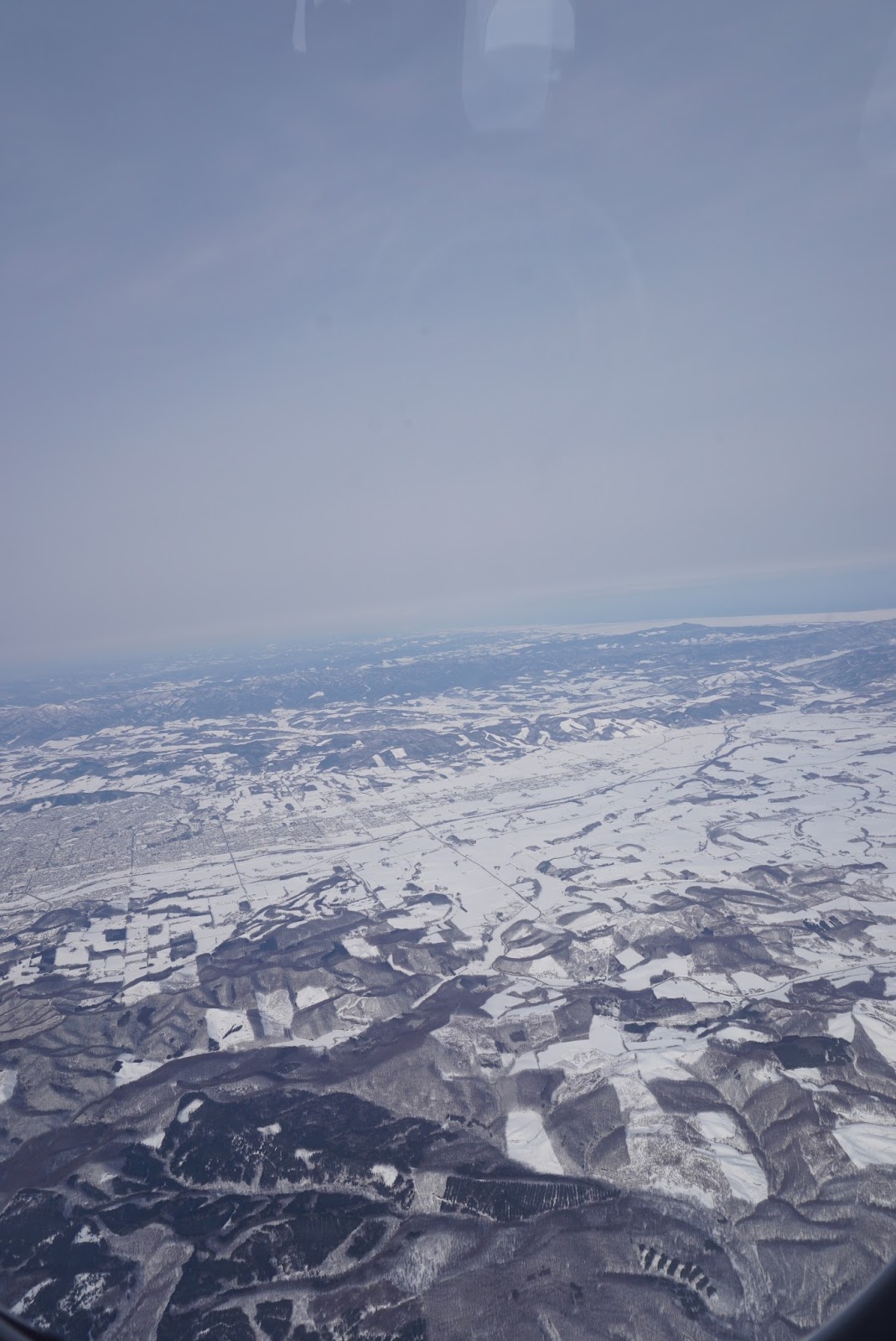
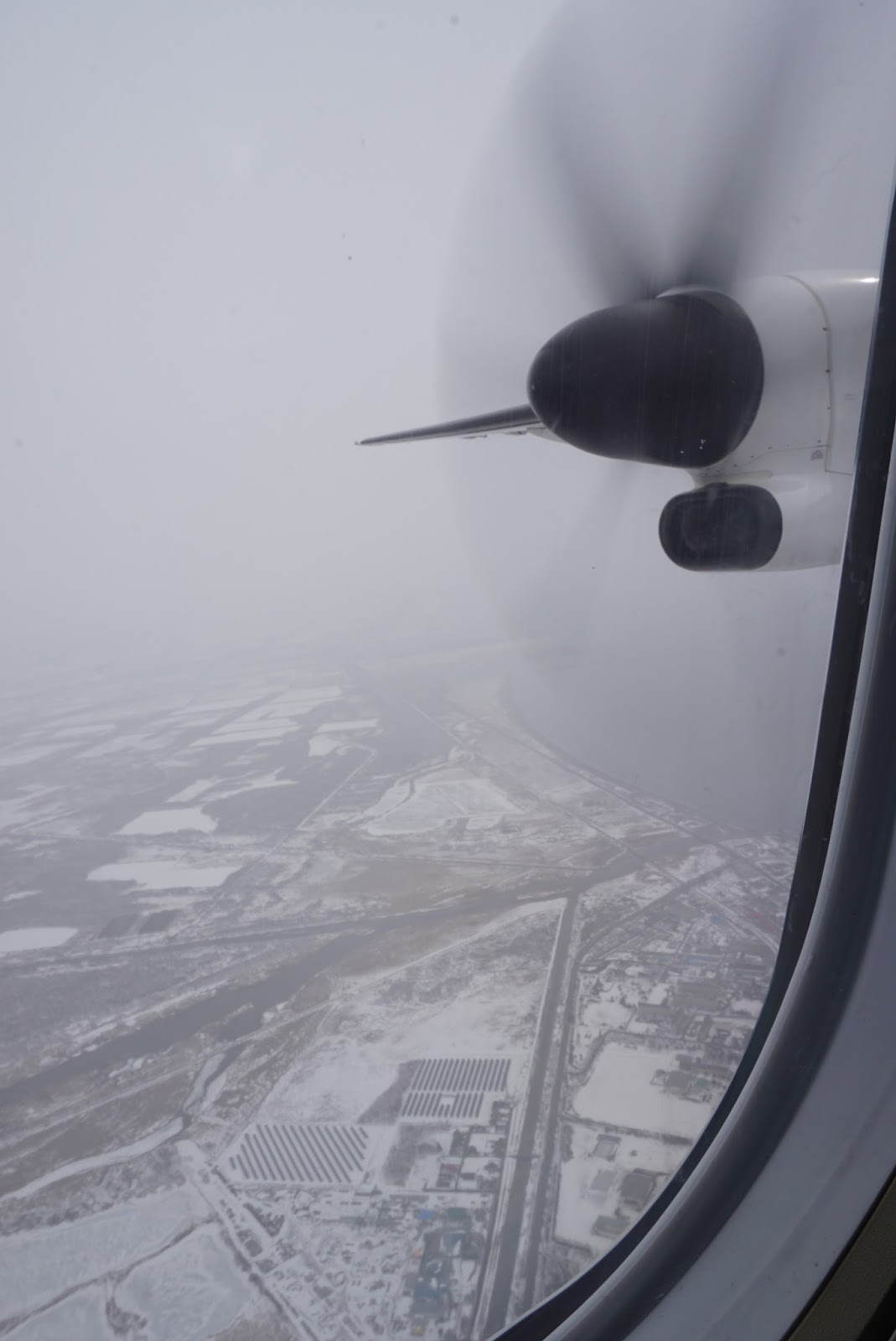
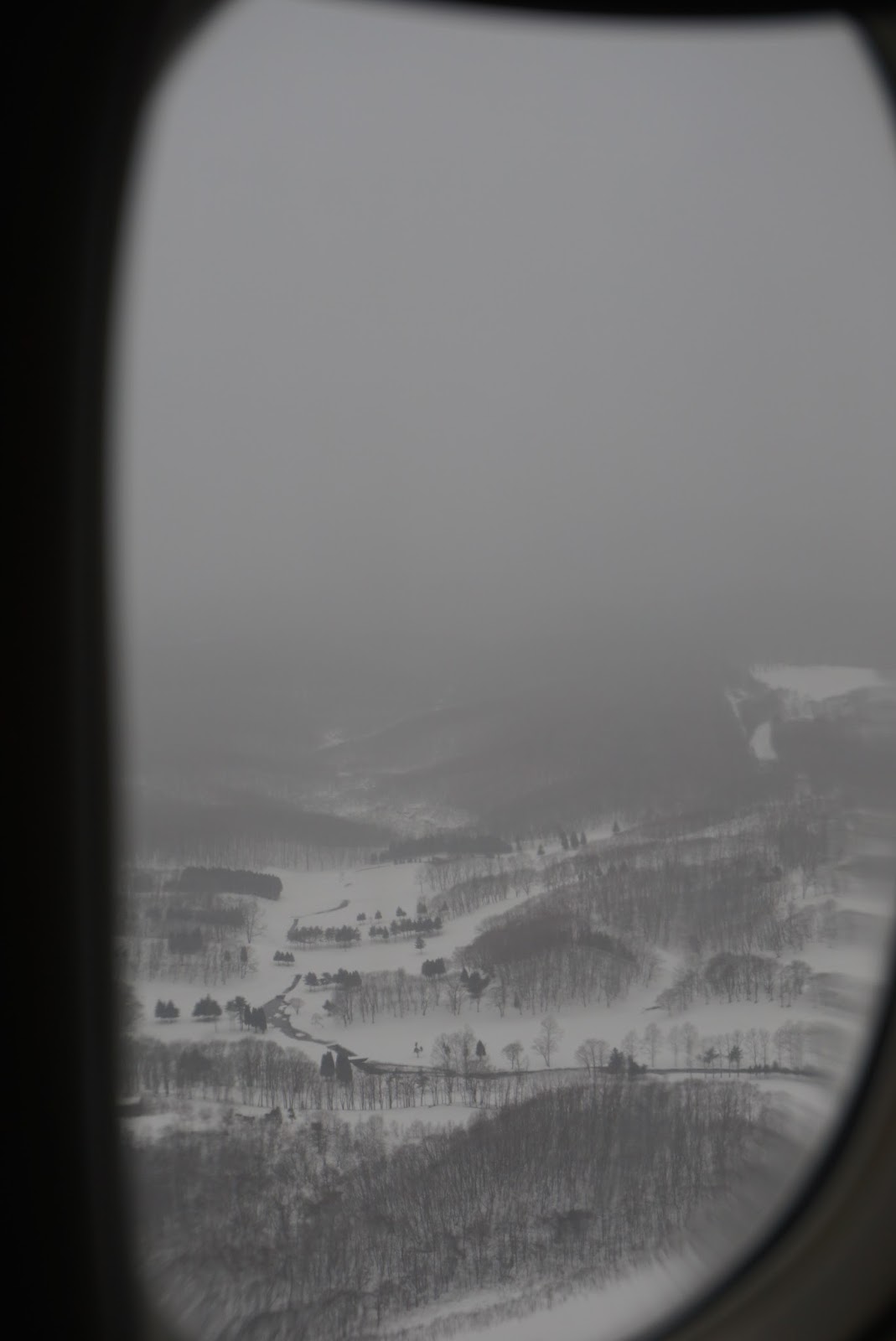
Flying across Hokkaido from Memanbetsu to New Chitose Airport
Hokkaido is covered in a blanket of snow 
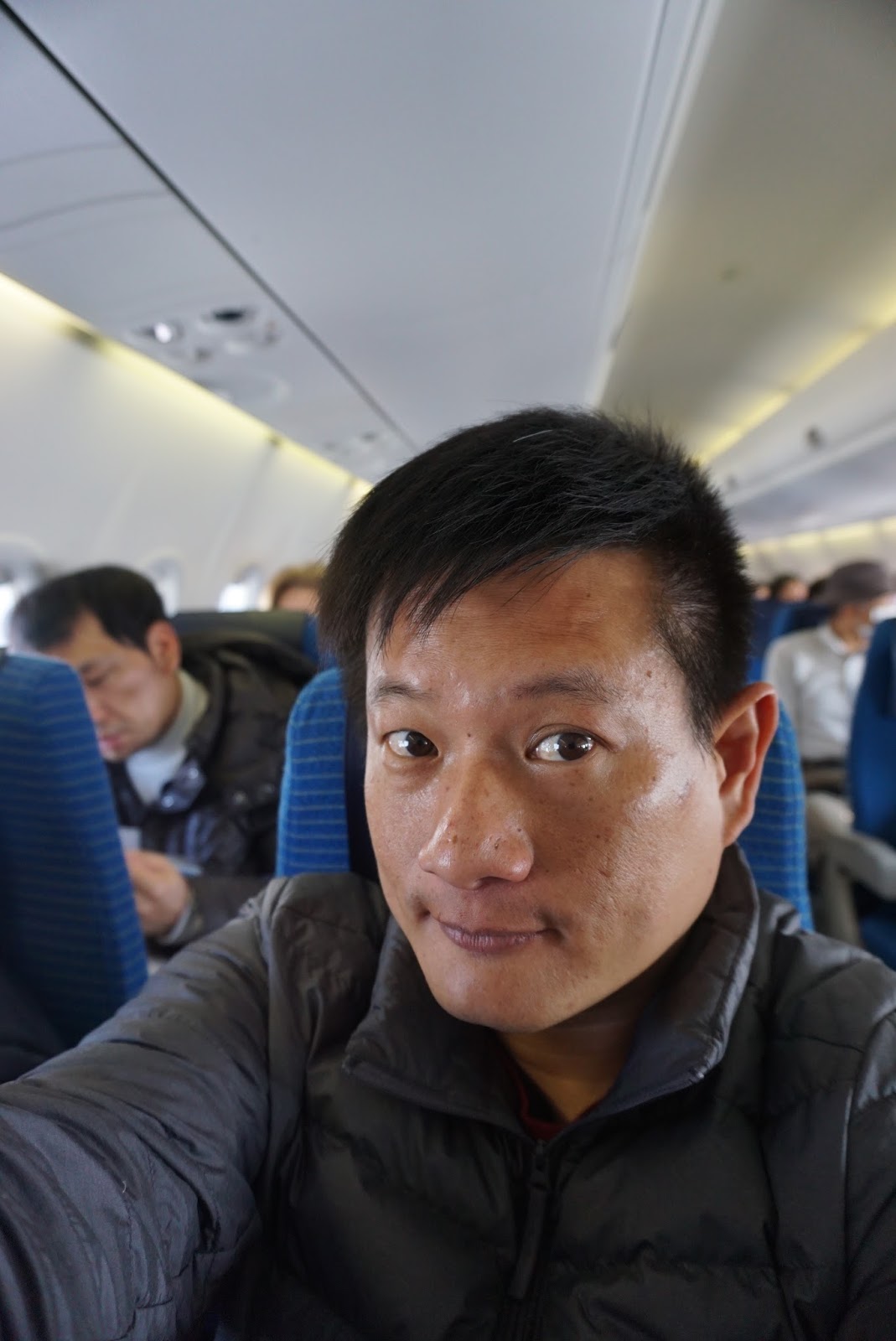
Taking a selfie on board the ANA flight
We covered 420km within 50min by flight

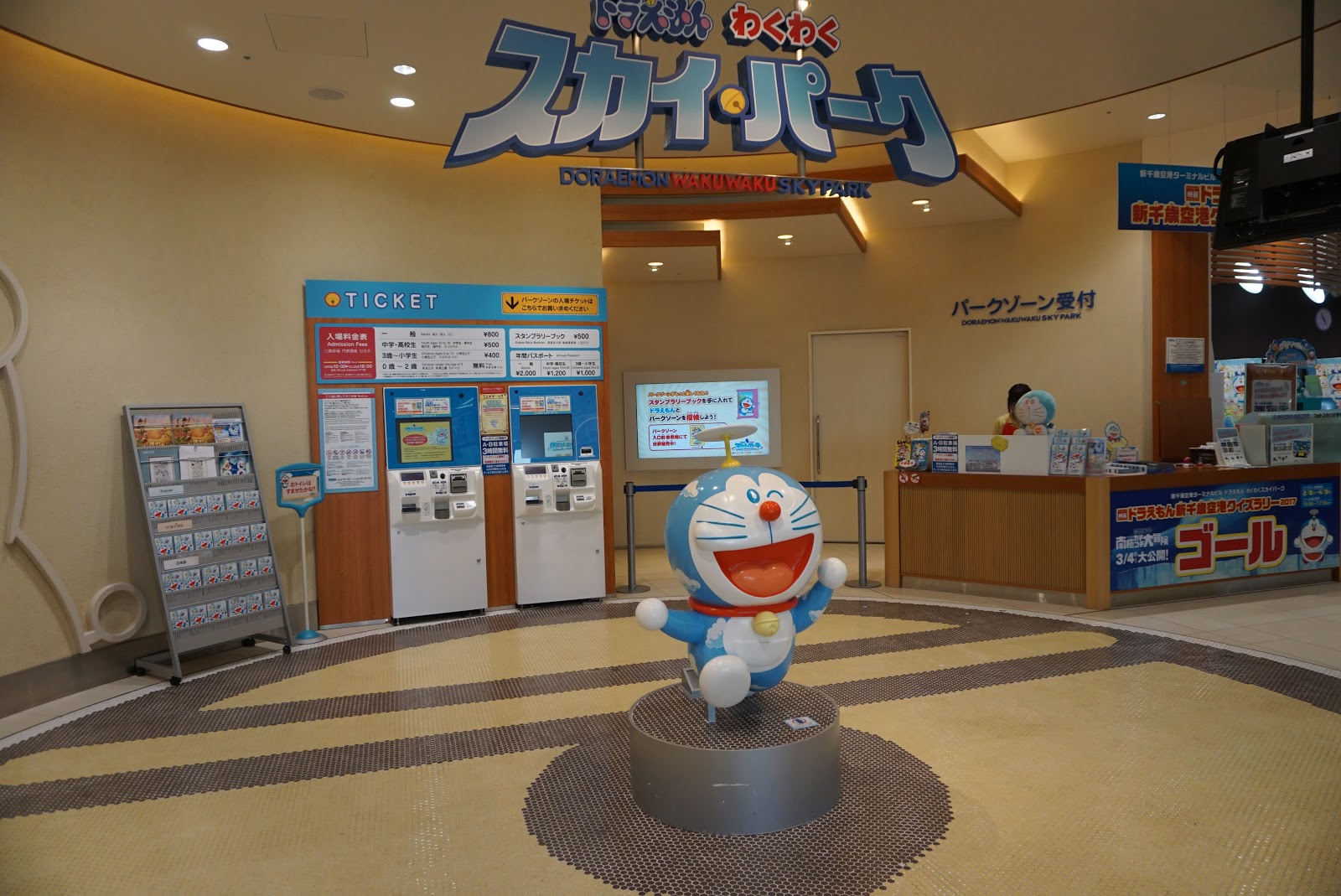
Doraemon Sky Park in New Chitose Airport

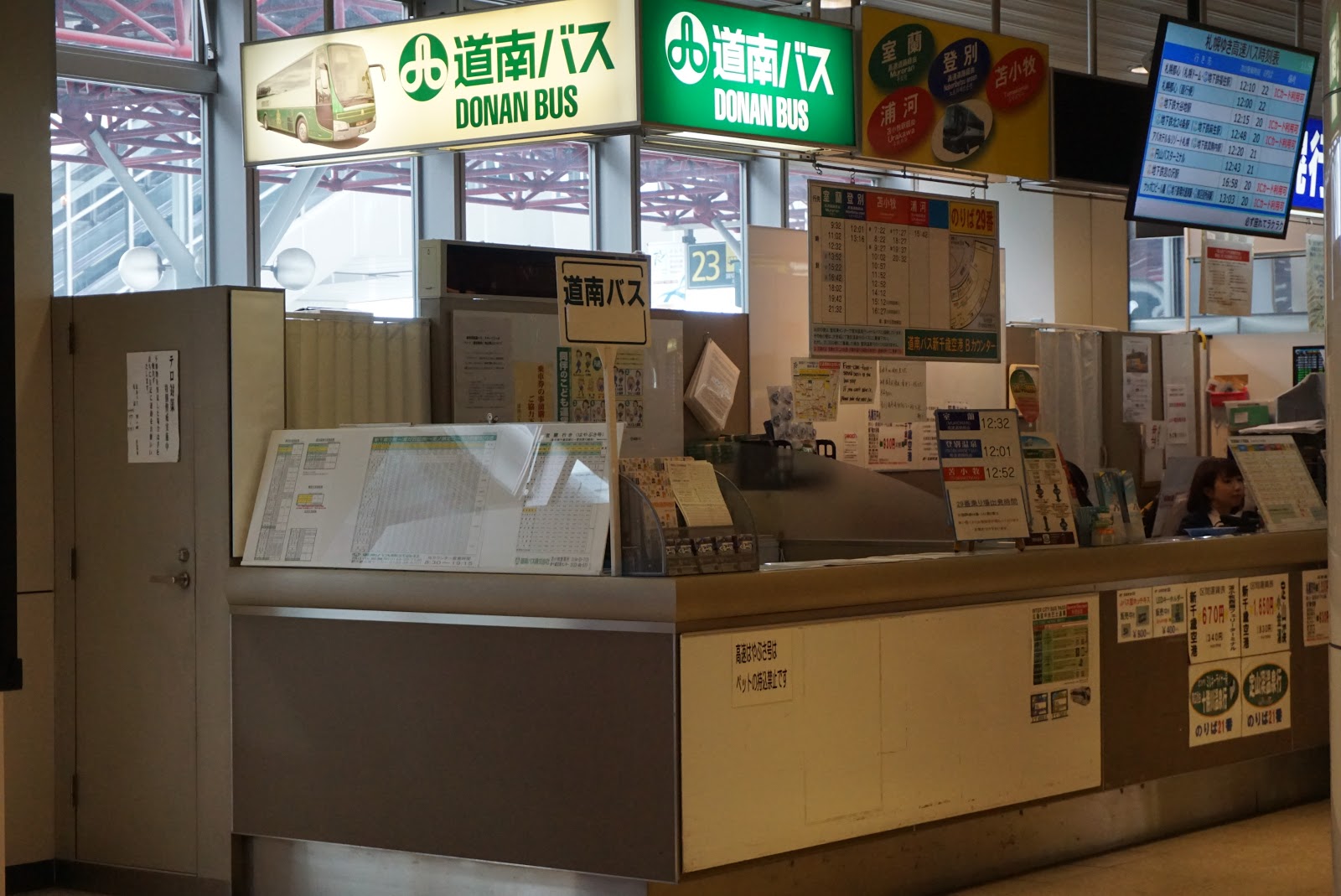
The flight took around 50 mins, after collecting our luggage, we headed for the bus ticketing counter to get our tickets for Noboribetsu Onsen. There are only 2 timings for the bus heading to Noboribetsu Onsen, 12 noon and 1.15pm. We took the 1.15pm bus as we wanted to visit Doraemon Sky Park, which is located on the 3rd floor of  New Chitose Airport.
This is the bus ticket counter that we bought our bus ticket from New Chitose Airport to Noboribetsu Onsen from. It is located next to the information counter on the arrival hall of the domestic side of the airport


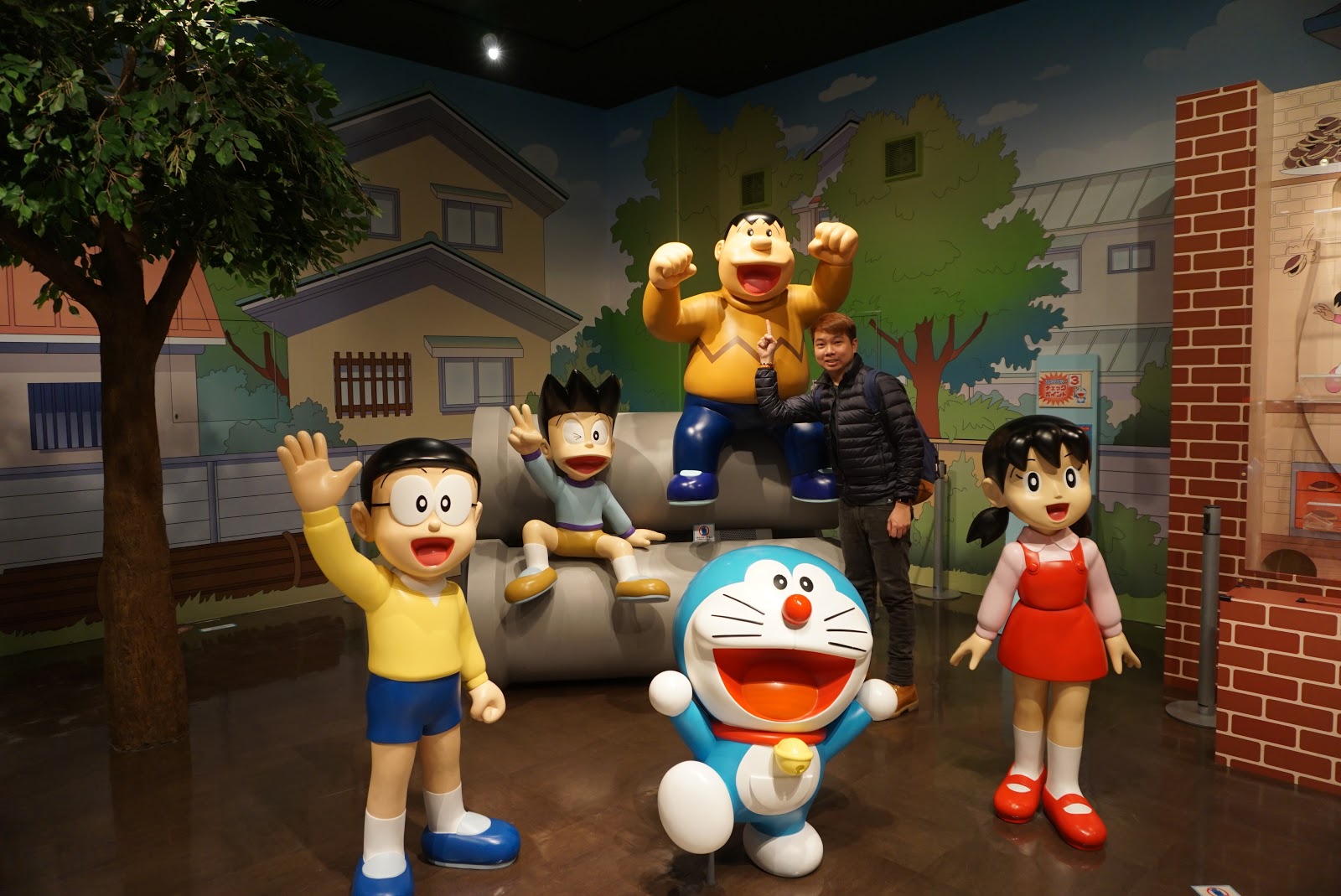
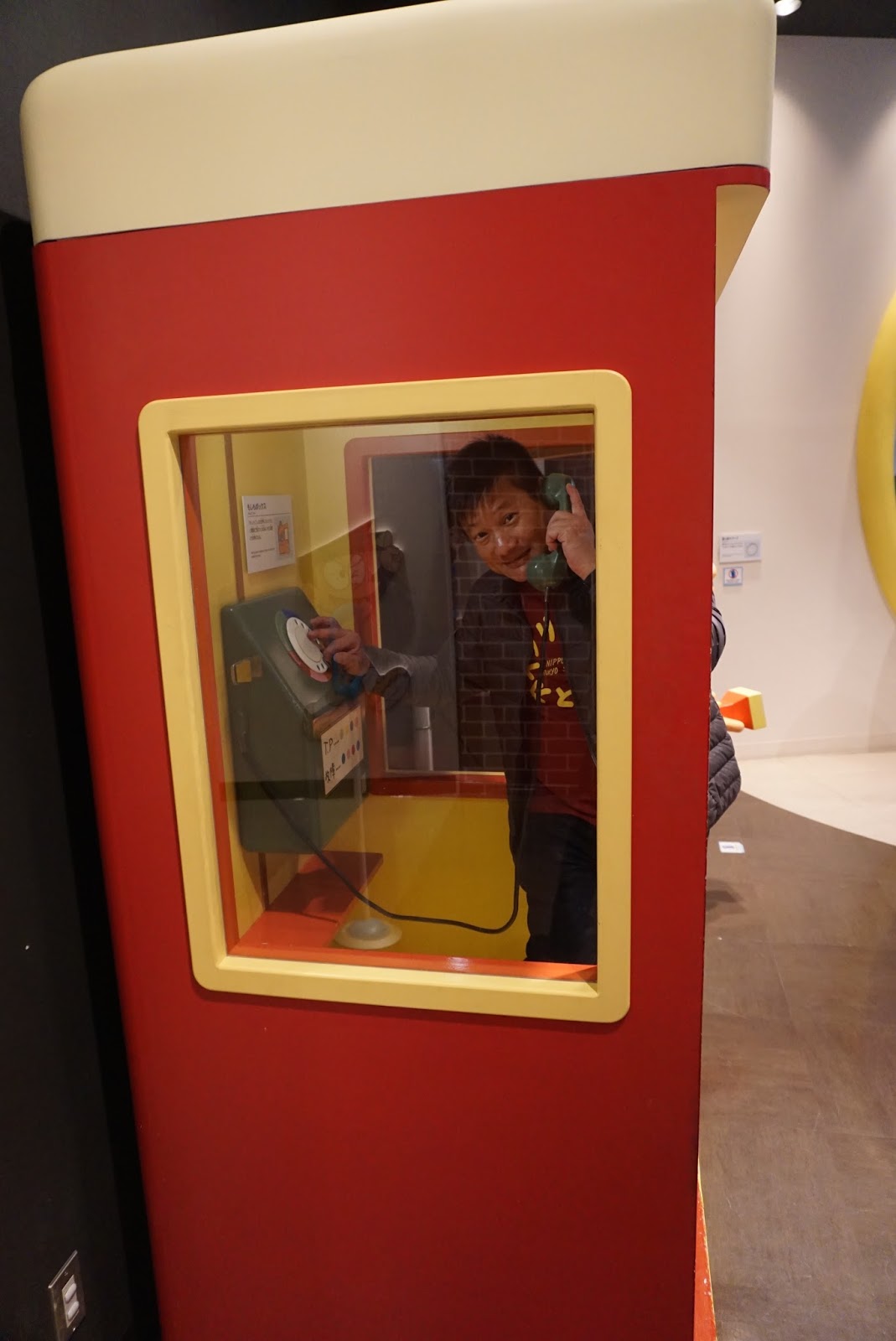
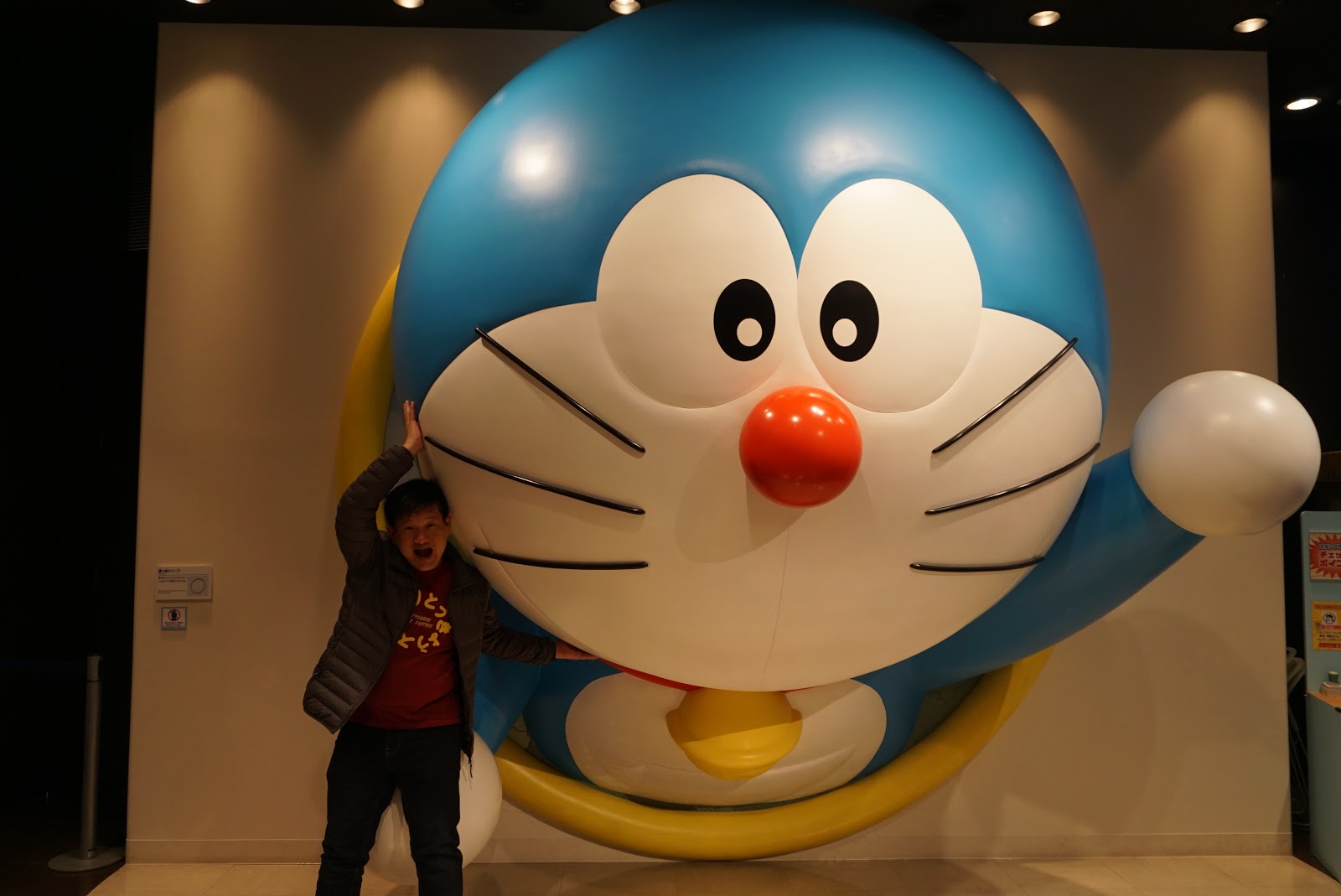
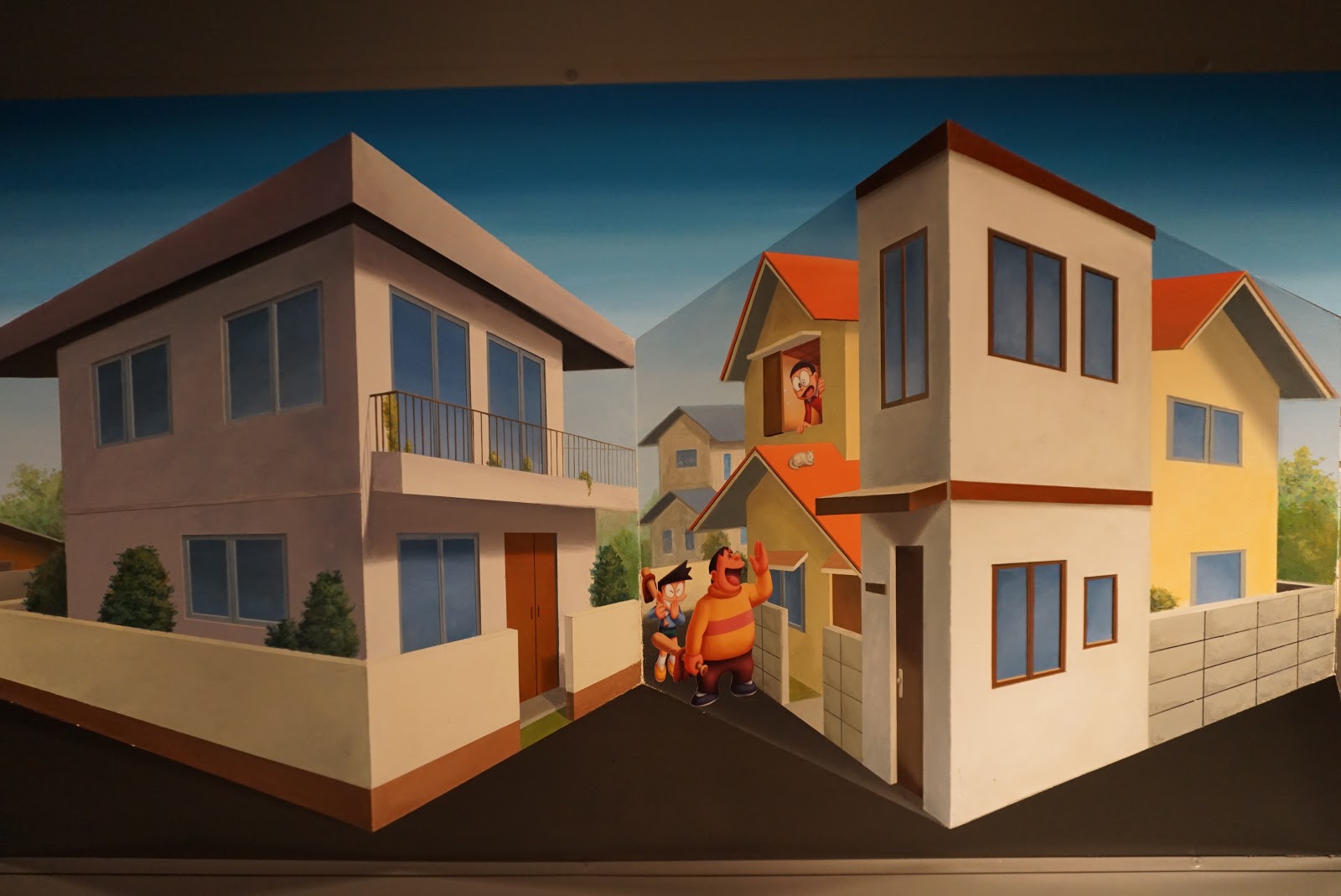
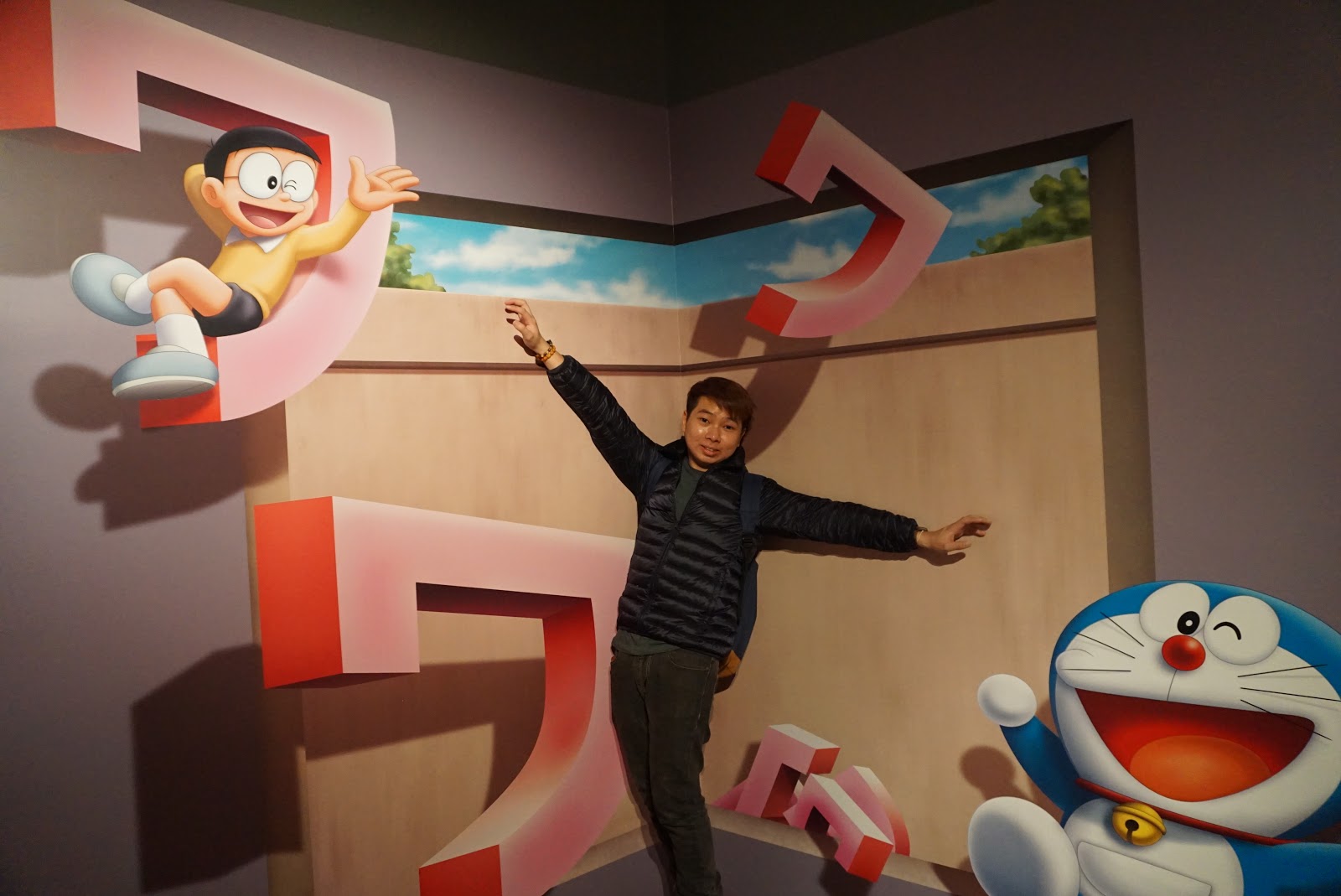
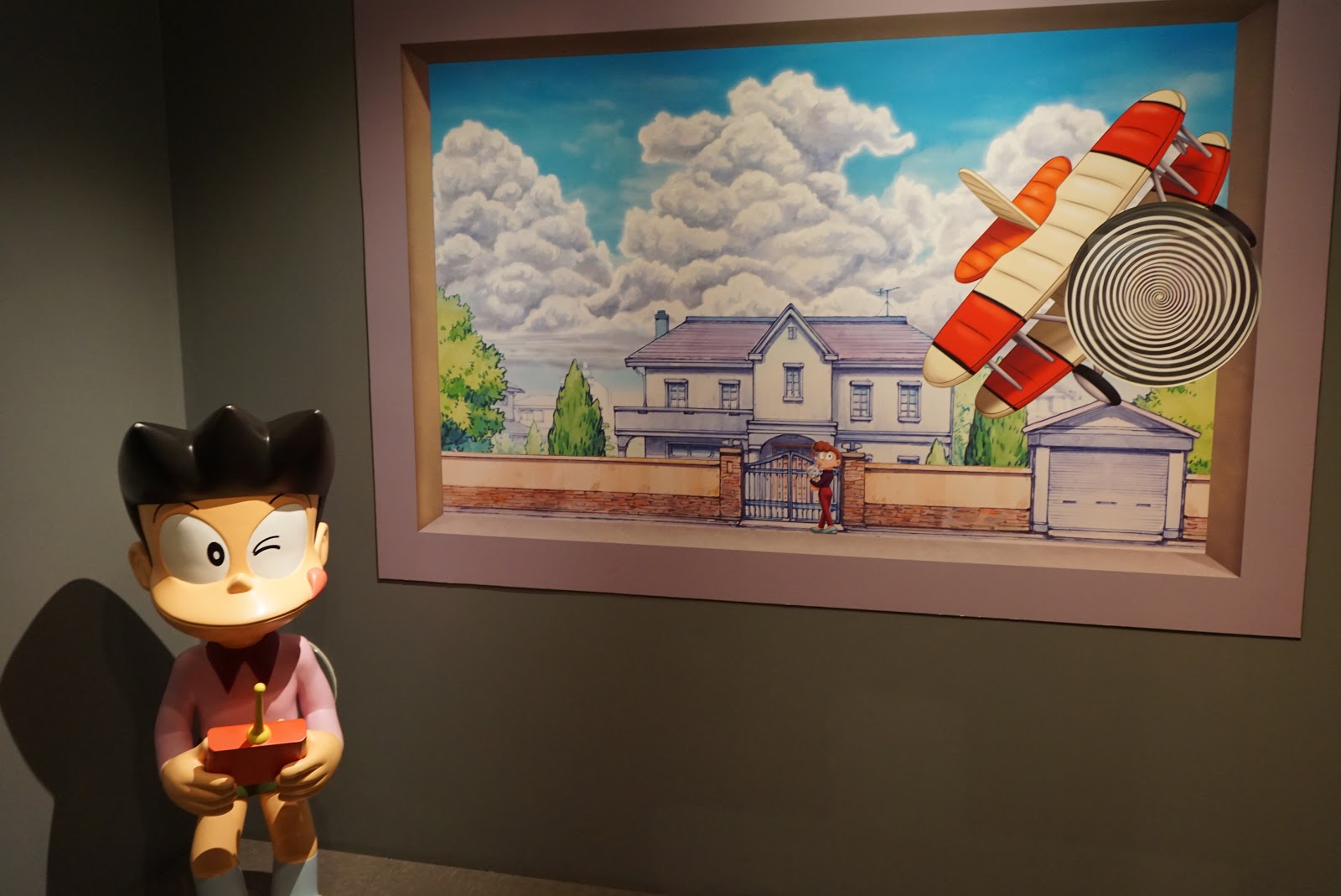
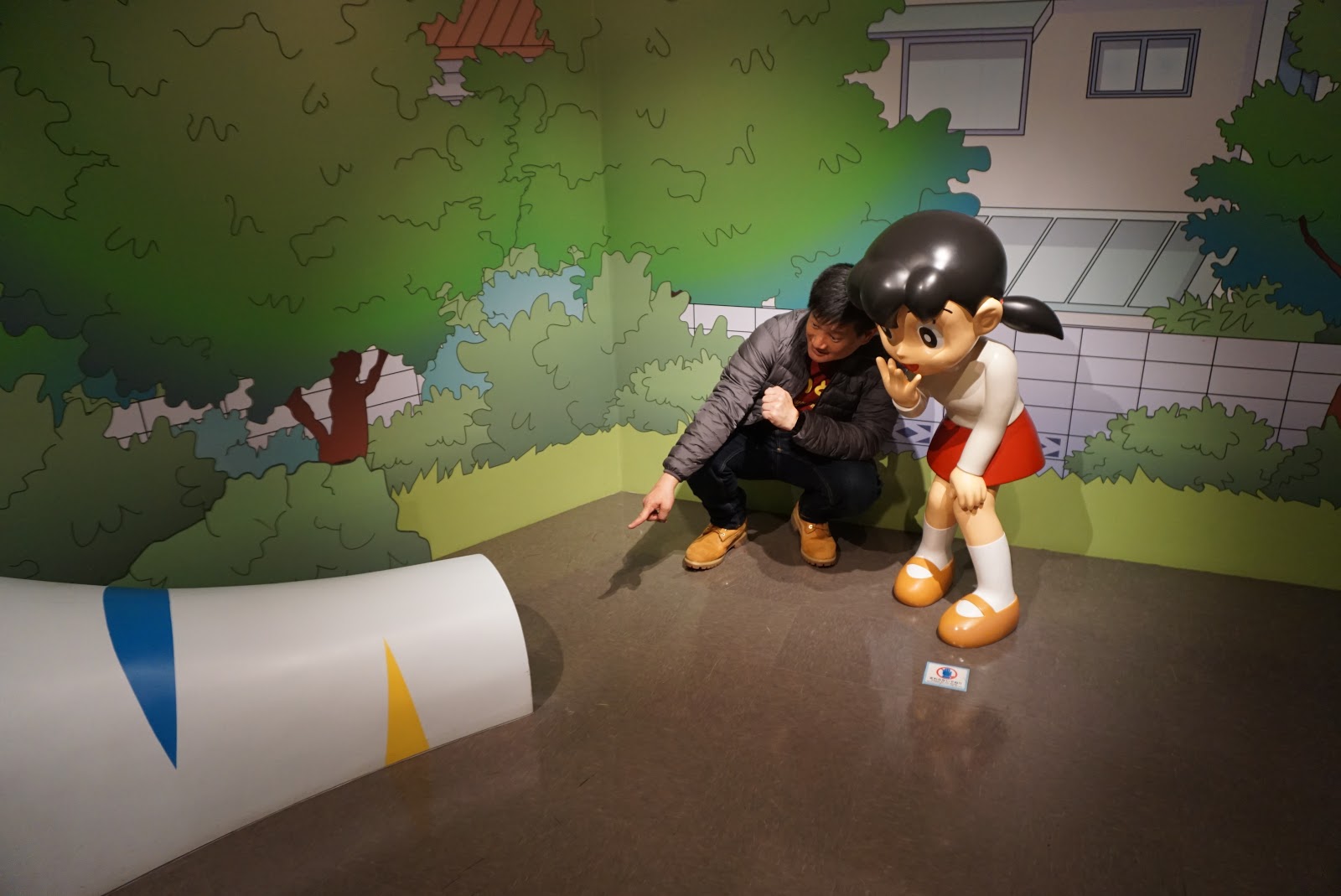
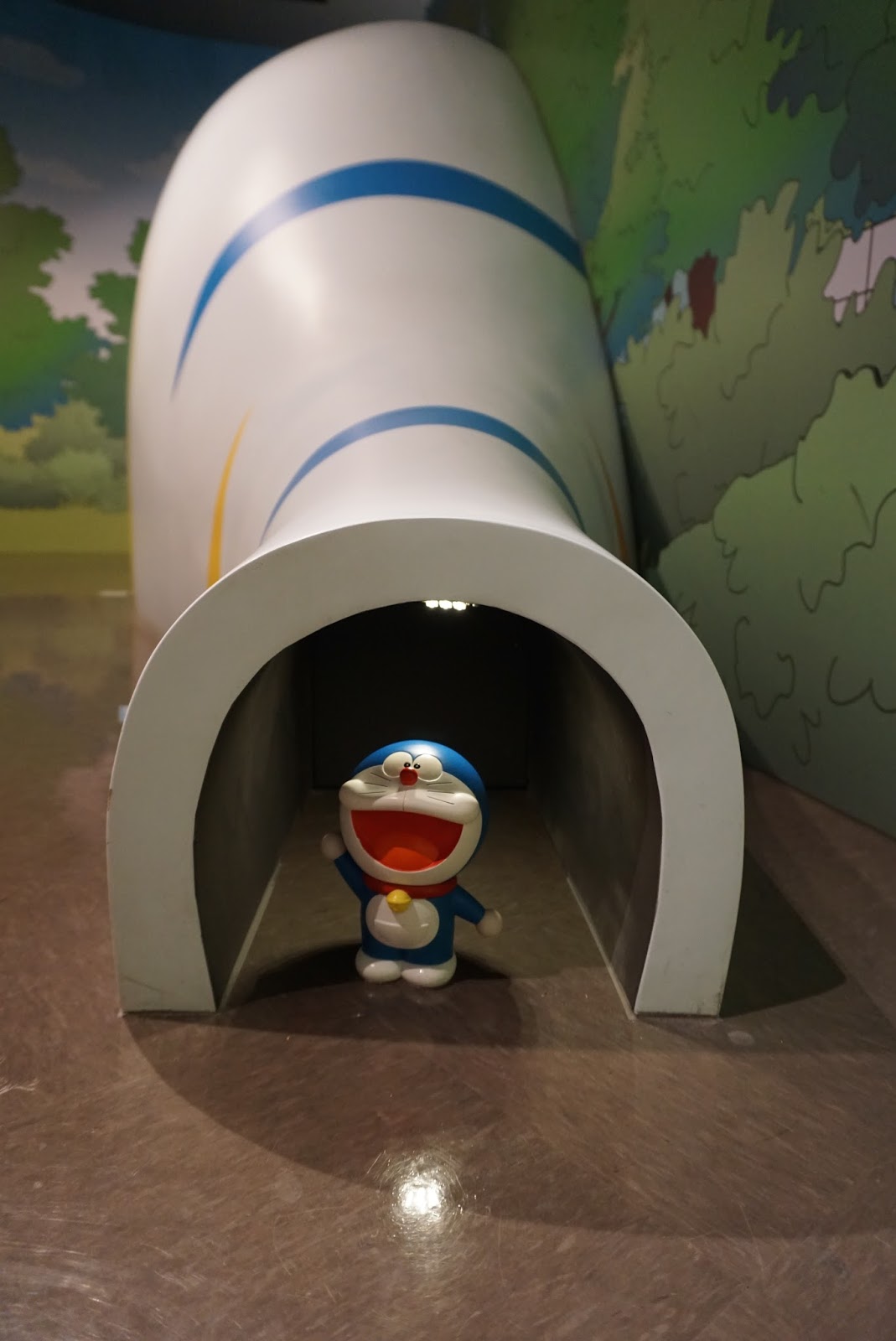
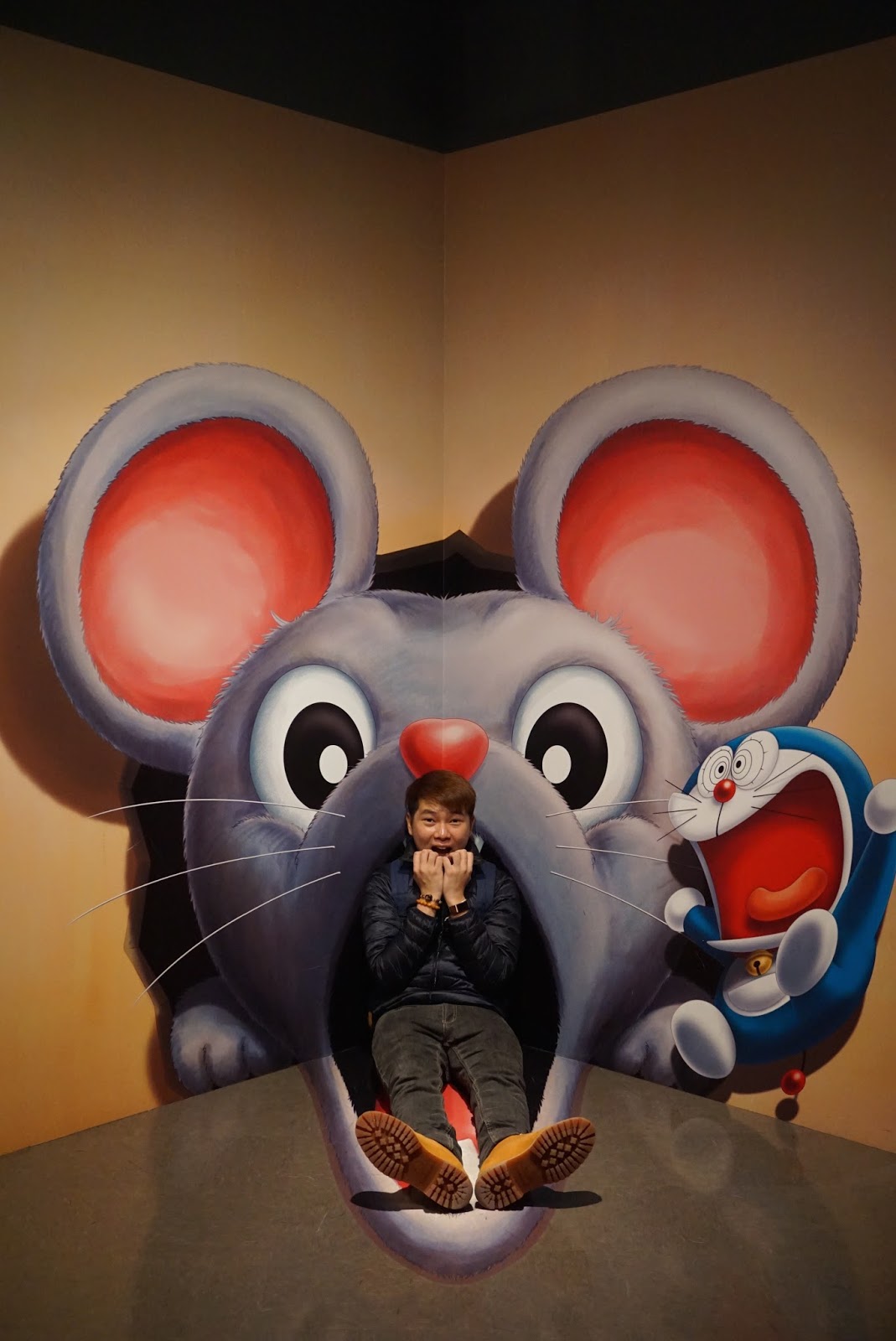
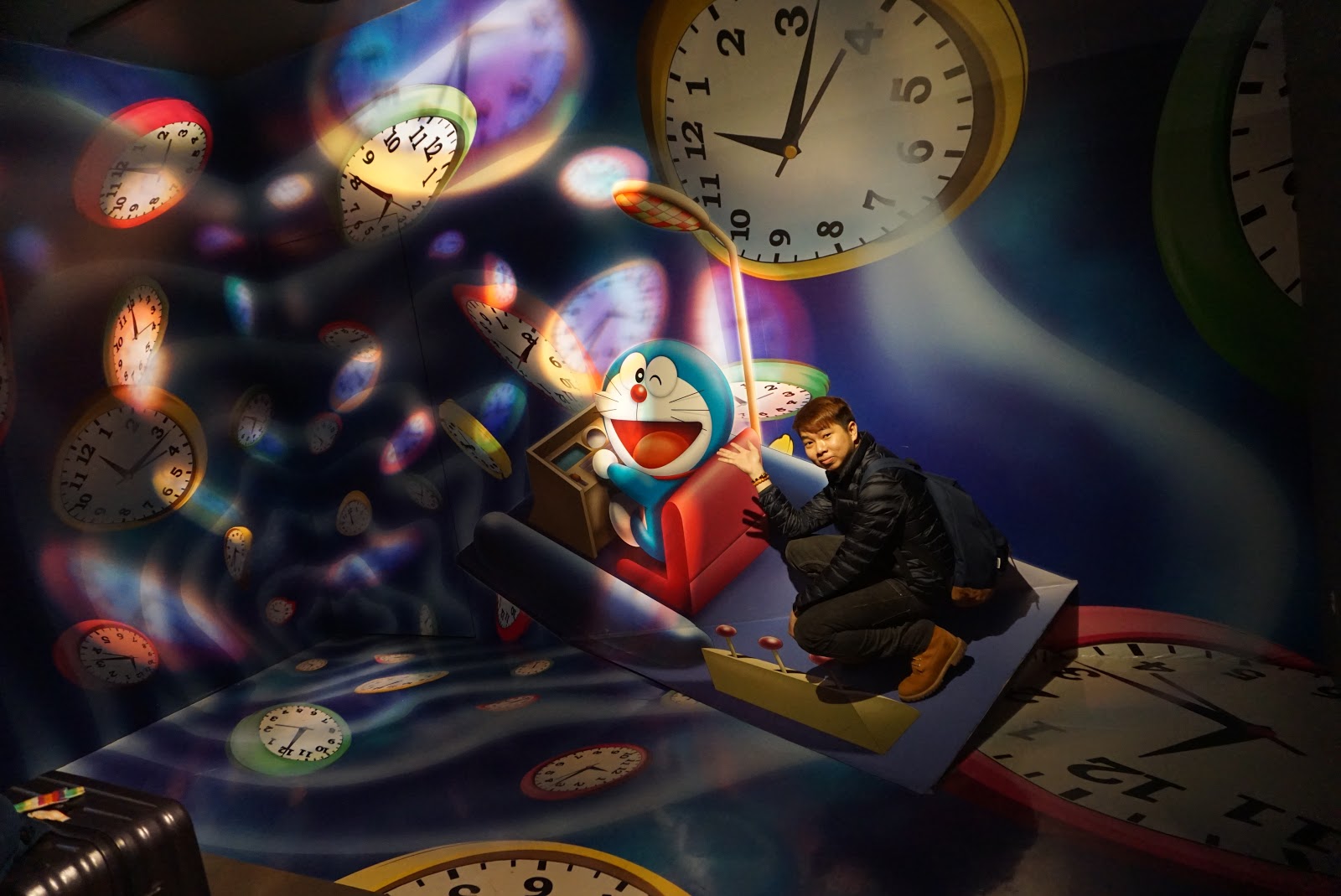
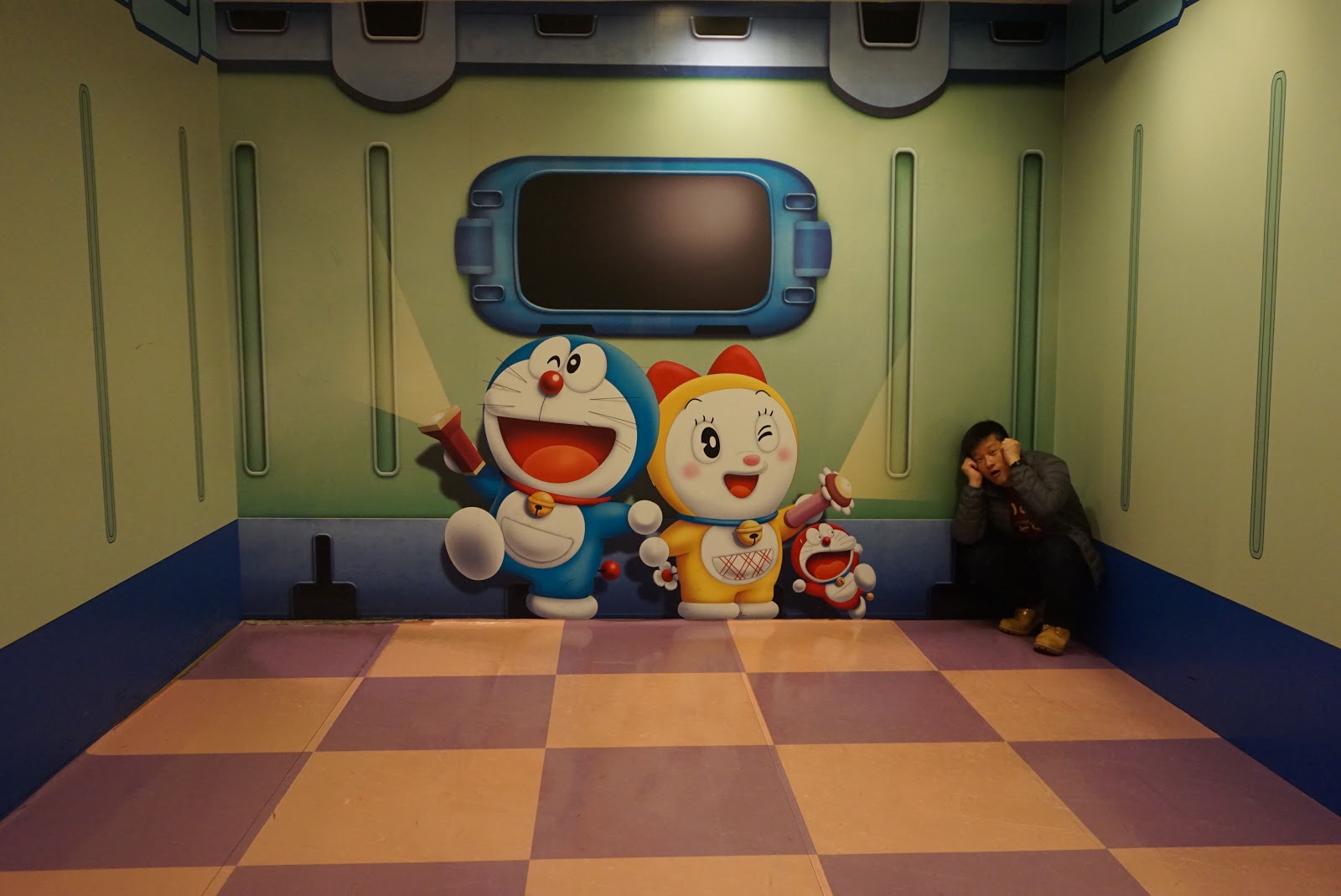
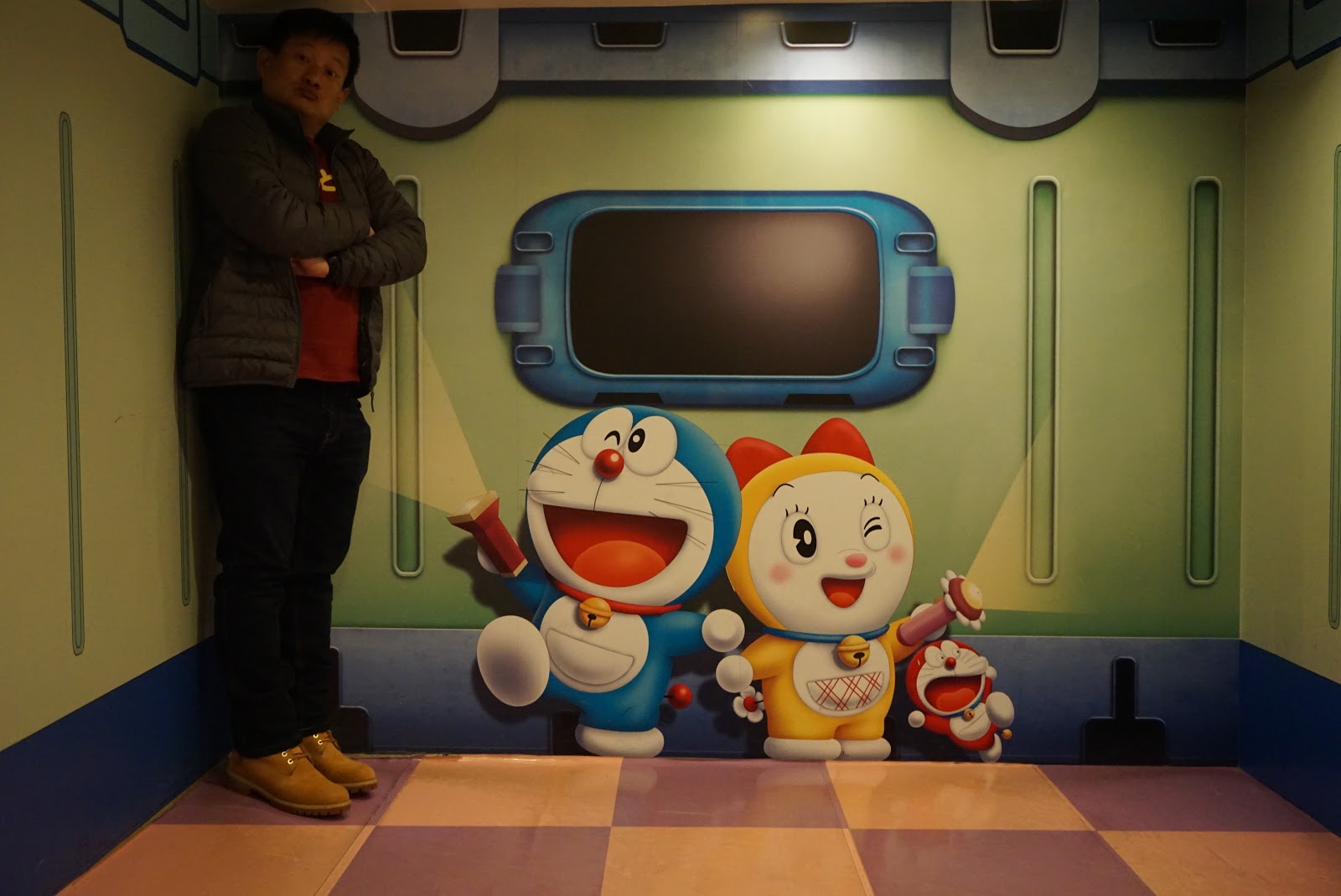
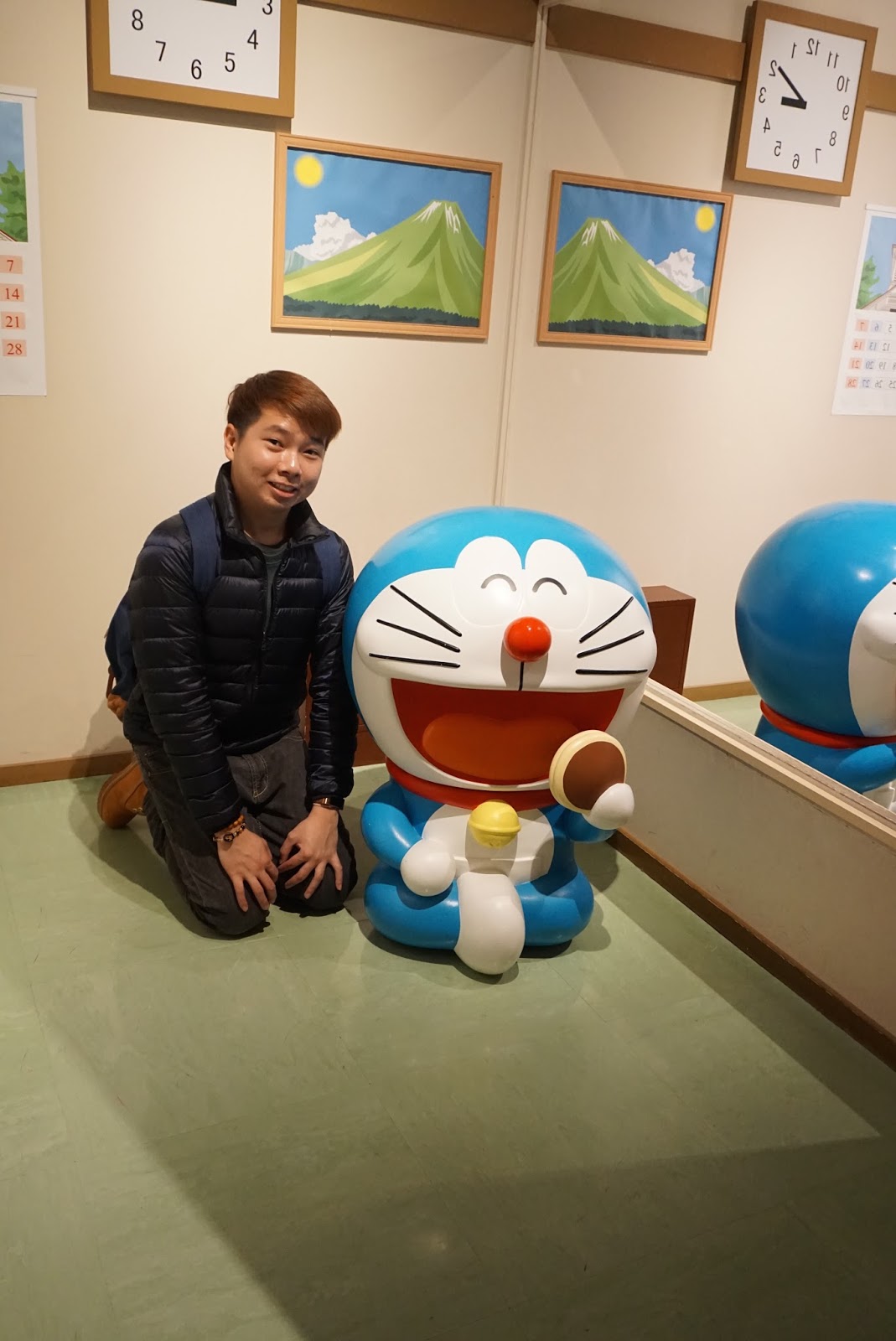
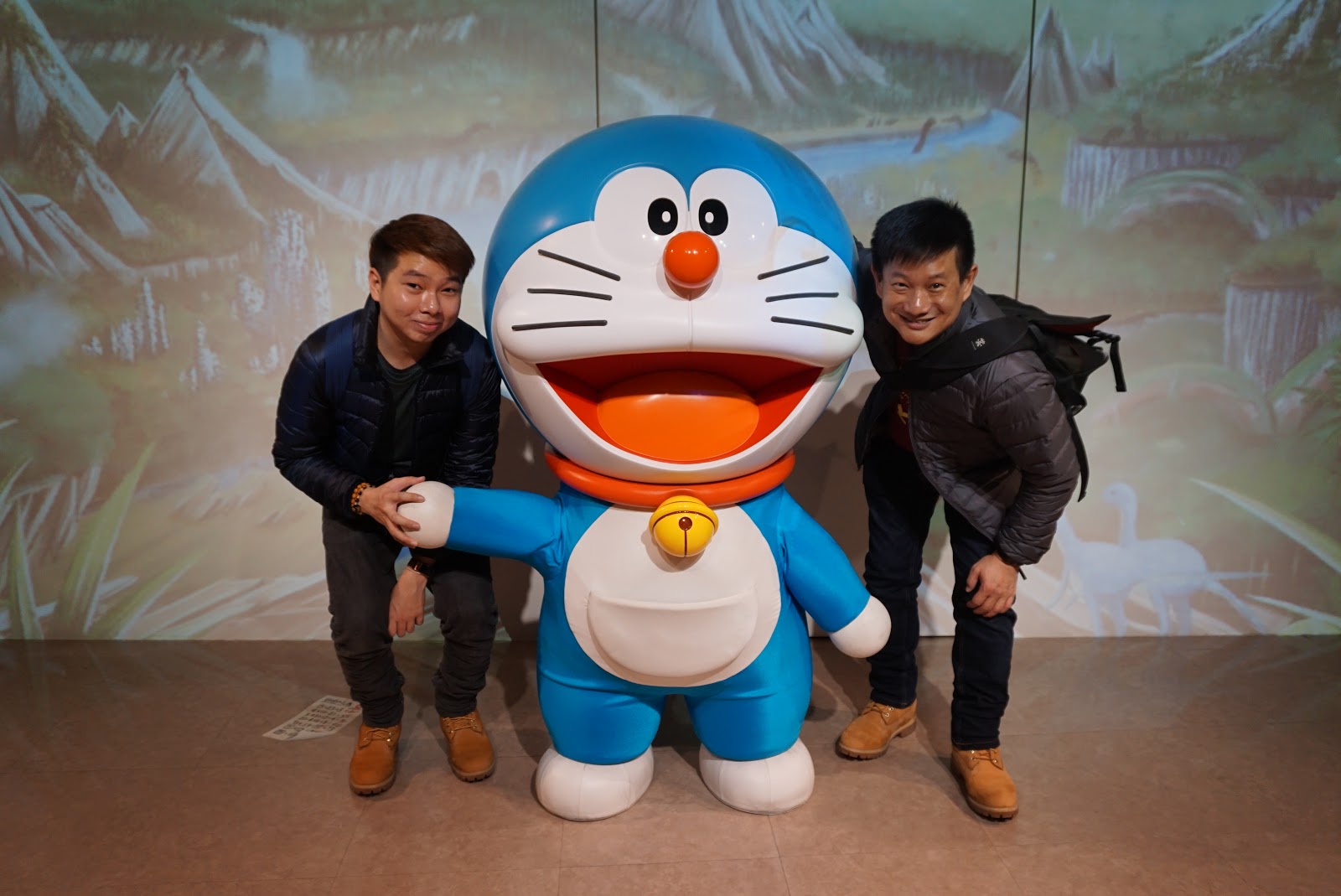
Doraemon Sky Park has seven zones. There is a cafe, a kids play area, a library, a shop and an amusement zone on top of the Park Zone. Doraemon is a Japanese cartoon character who has travelled through time to help a boy to woo the girl of his dream. The Park Zone as a paid area where scenes from the cartoon series are replicated in life-size forms, making use of optical illusion to allow guests to interact in each scene. This is a great place for photography for Doraemon fans. My friend and I took pictures of the scene, which took us around 45 mins. There is a Doraemon mini-skit performance at the end of the Park Zone, to entertain mainly the children visitors. After the short 10 min skit, visitors can take pictures with Doraemon. However, only 1 picture limited to 1 device will be used by the staff for photo taking. We exited the Doraemon Sky Park and headed for bus stop 29, near the ticketing counter where we bought our bus tickets, to board a bus to Noboribetsu Onsen. The bus ride from New Chitose Airport to Noboribetsu Onsen takes around 1 hour. The bus
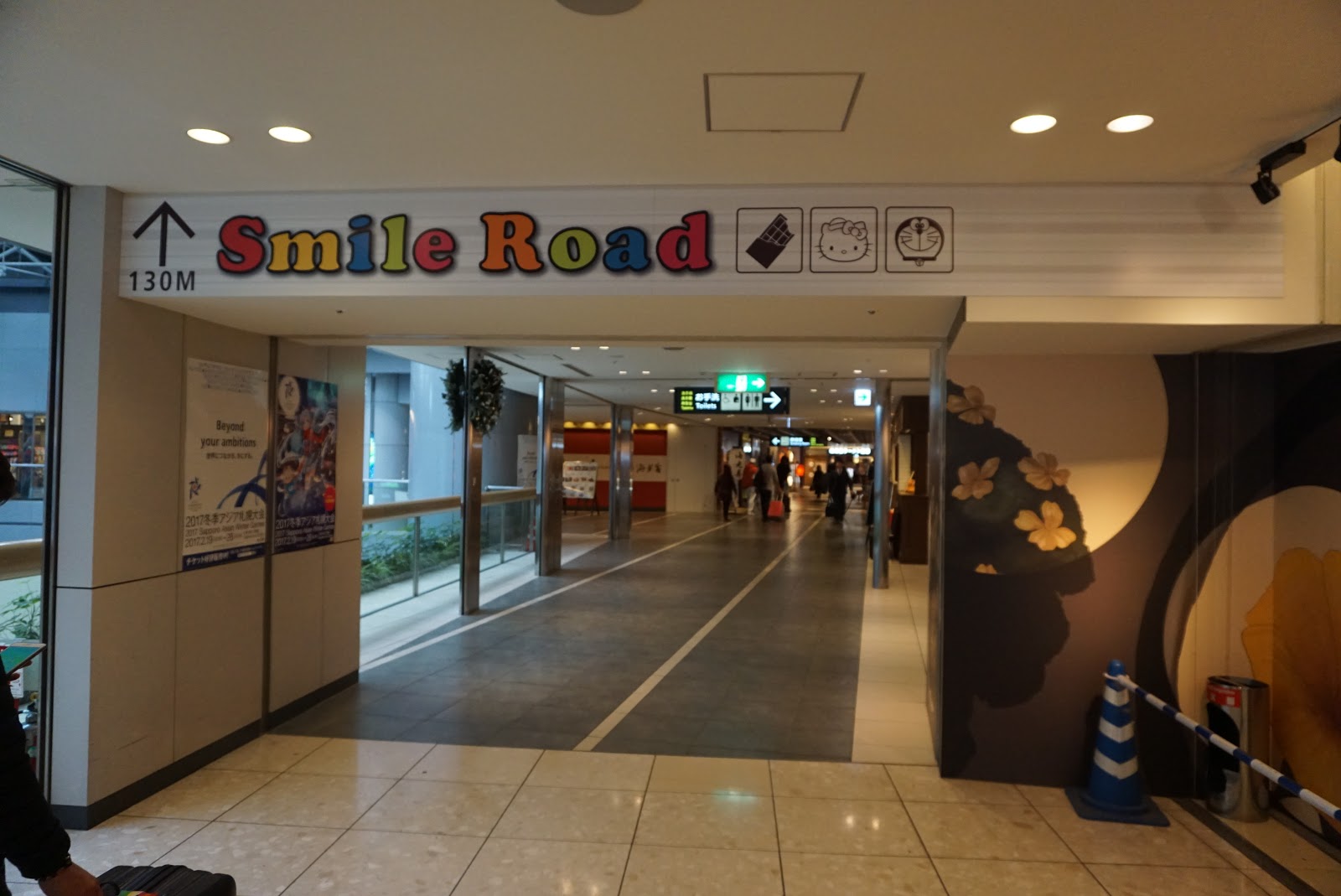
The Smile Road is located on the 3rd floor of New Chitose Airport between the domestic and international terminals
The entrance of the Park Zone of Doraemon Sky Park in New Chitose Airport
Me with Doraemon Statue at the entrance to Doraemon Sky Park
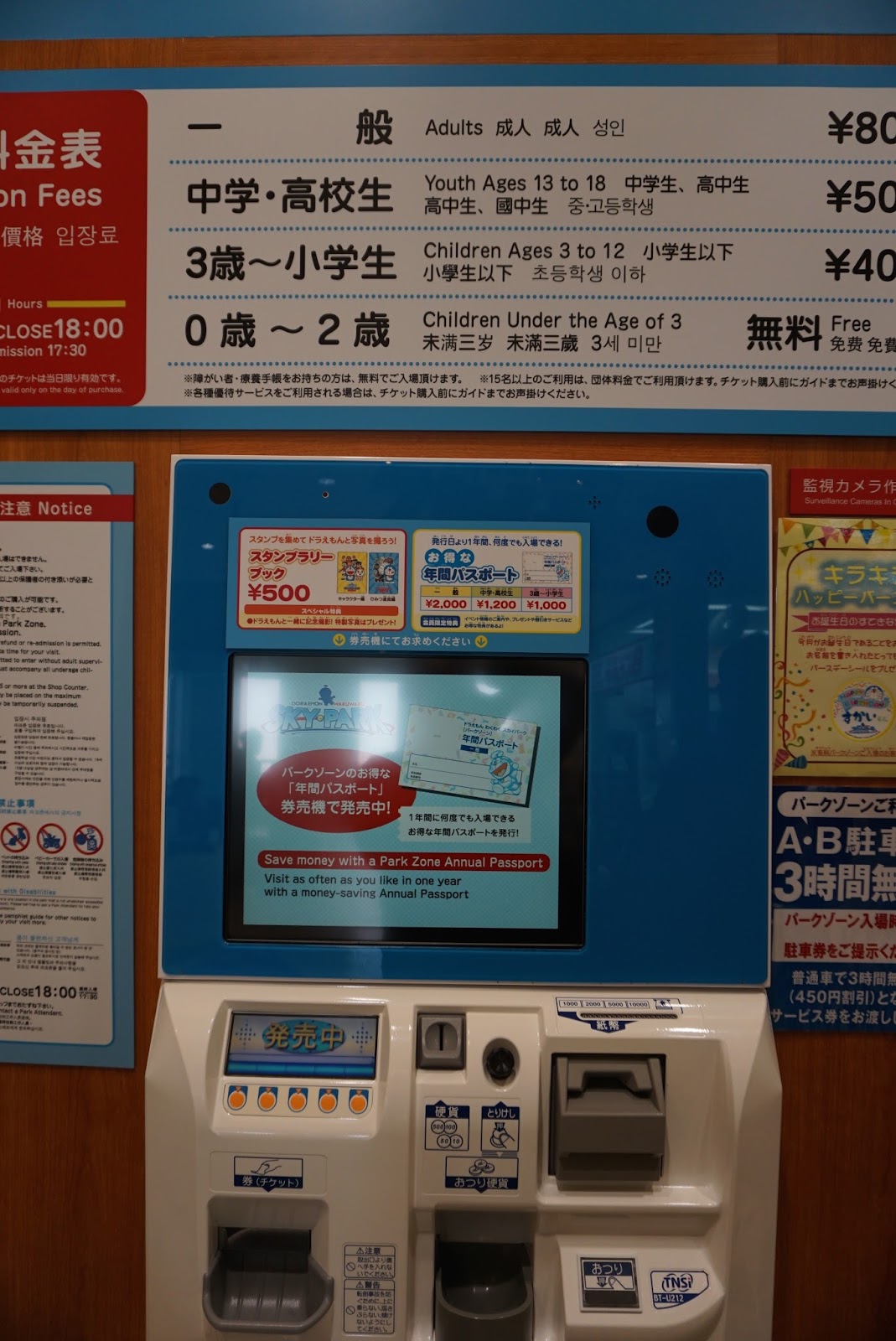
Ticketing vending machine for Doraemon Sky Park
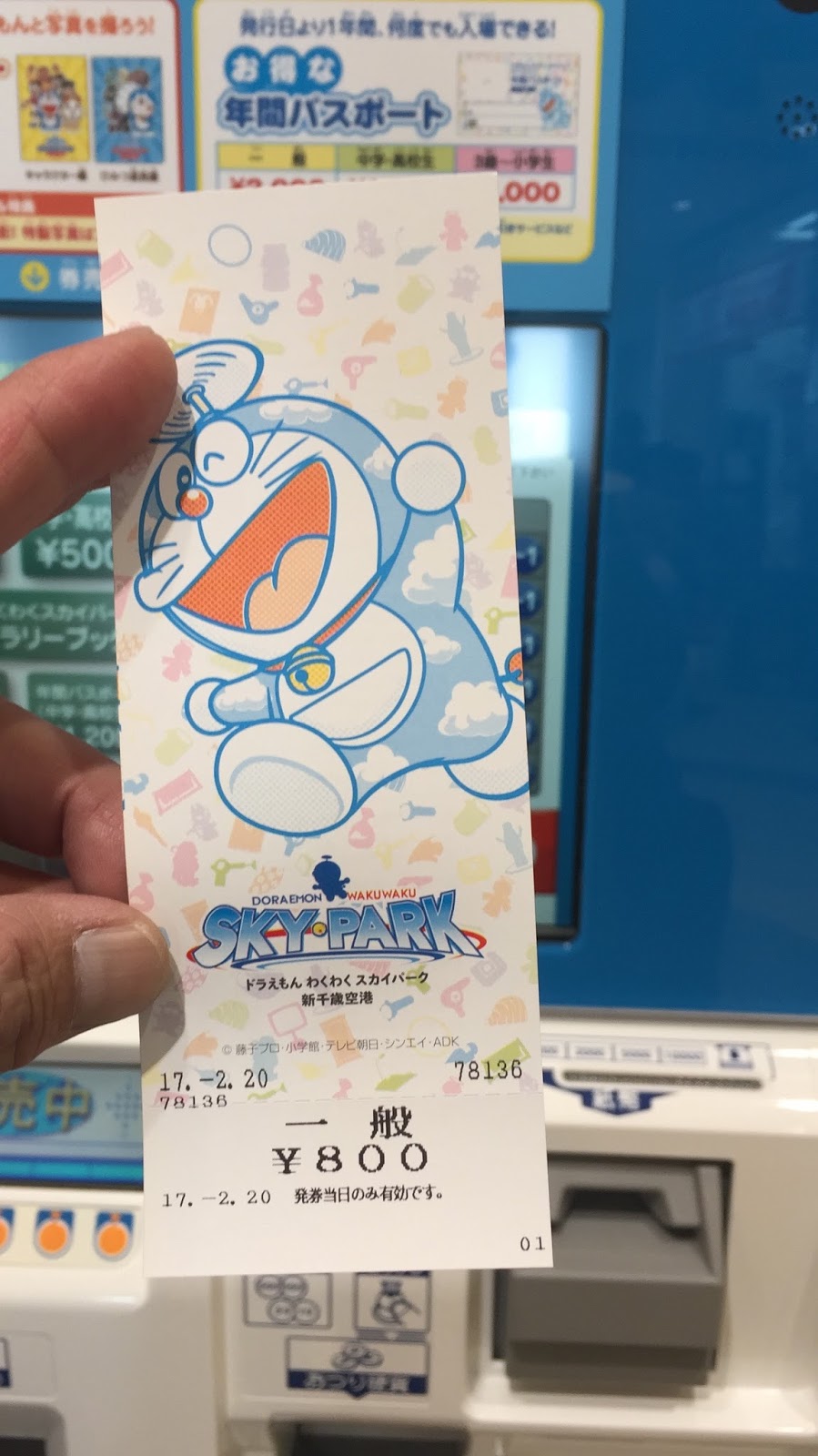
Ticket to Doraemon Sky Park
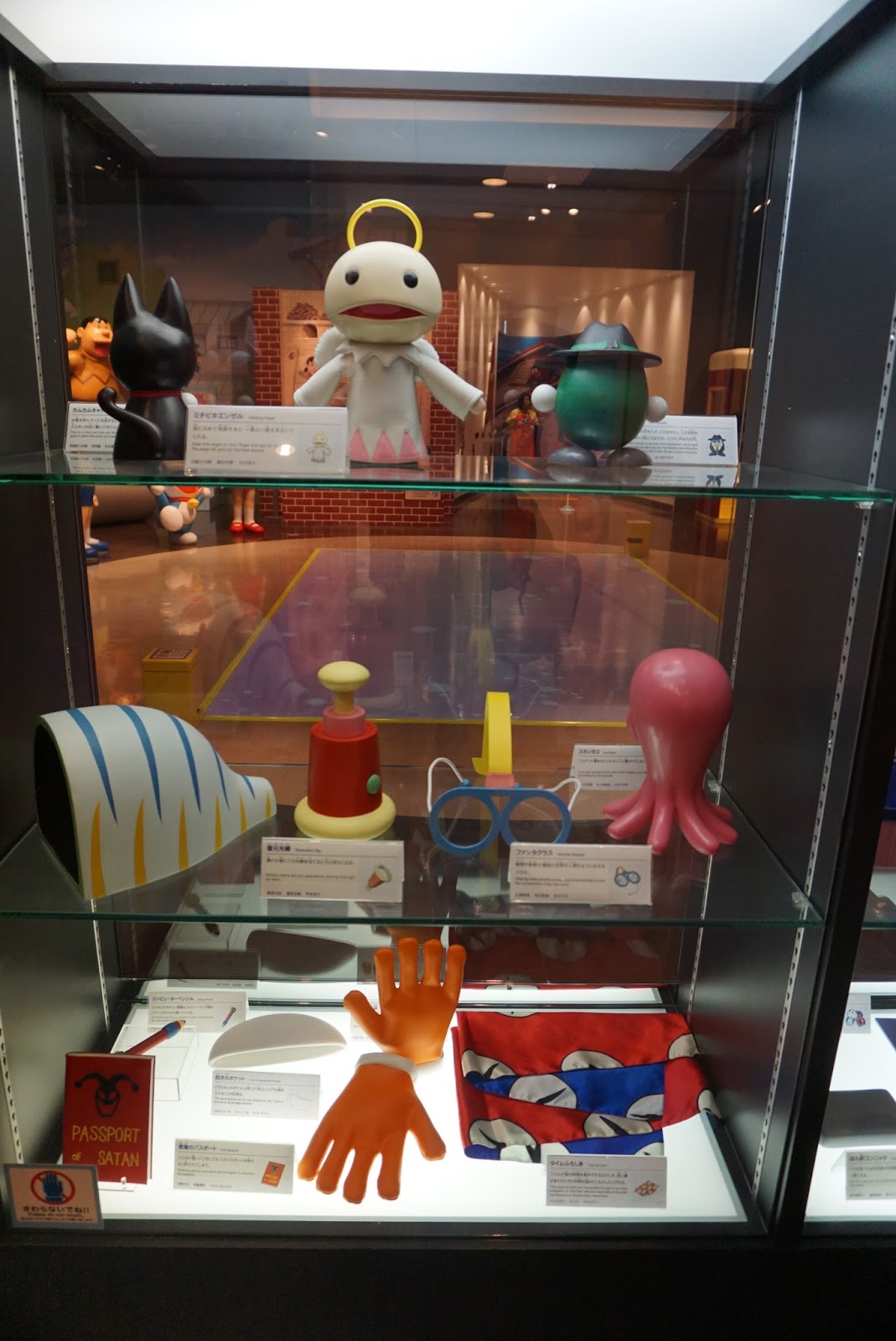
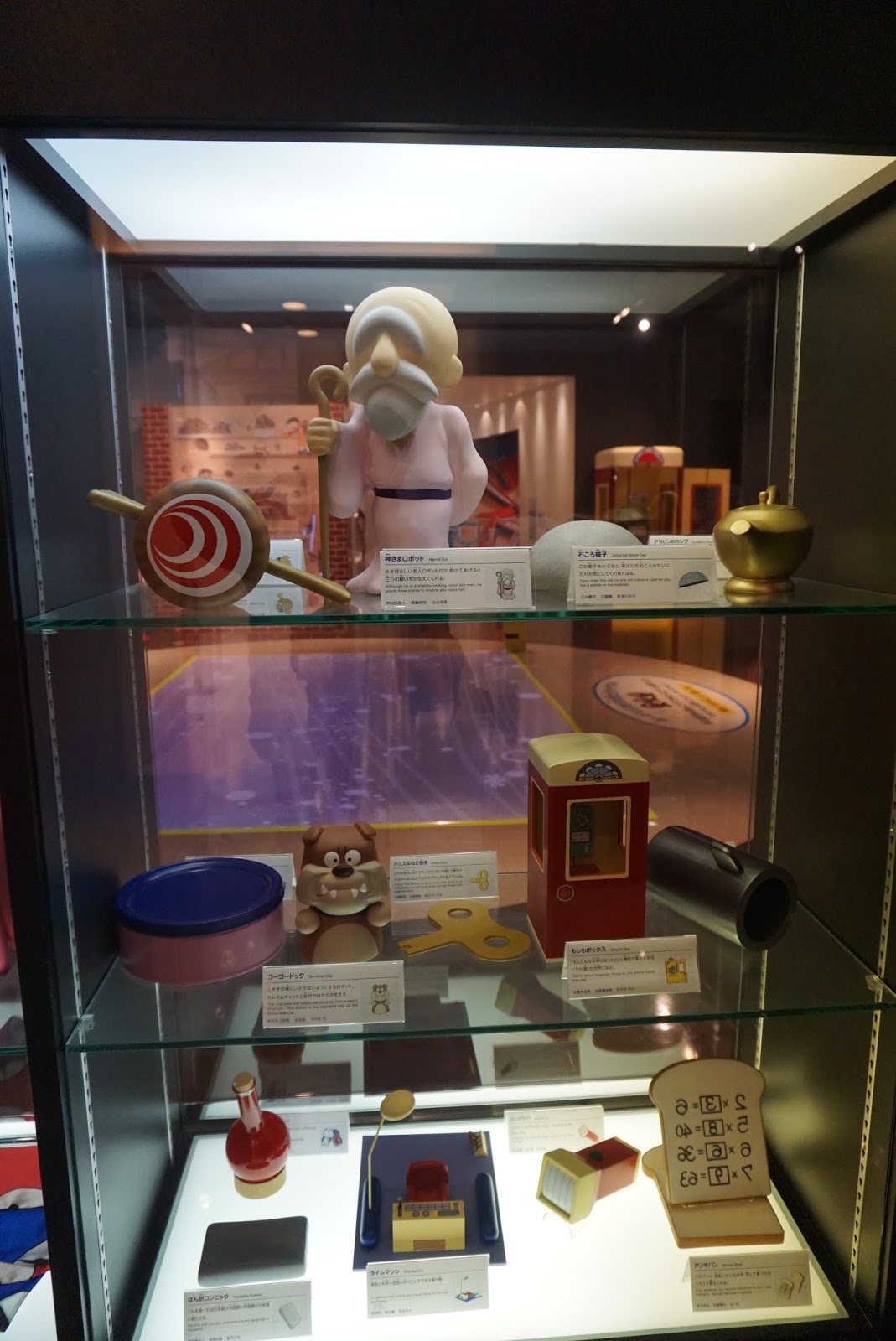
Some of the gadgets that were in Doraemon’s front pocket depicted in the comics
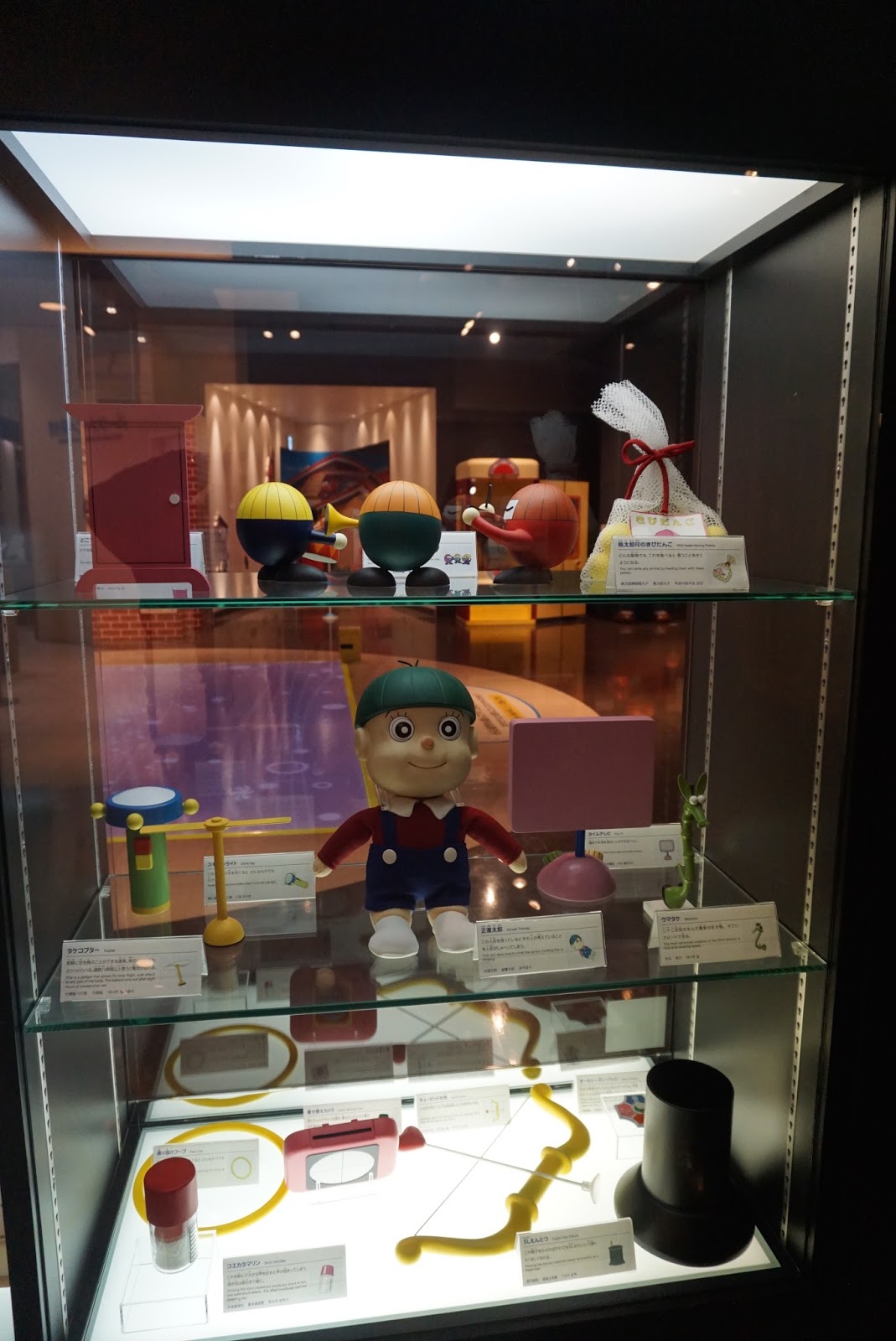
More gadgets that were in Doraemon’s front pocket depicted in the comics
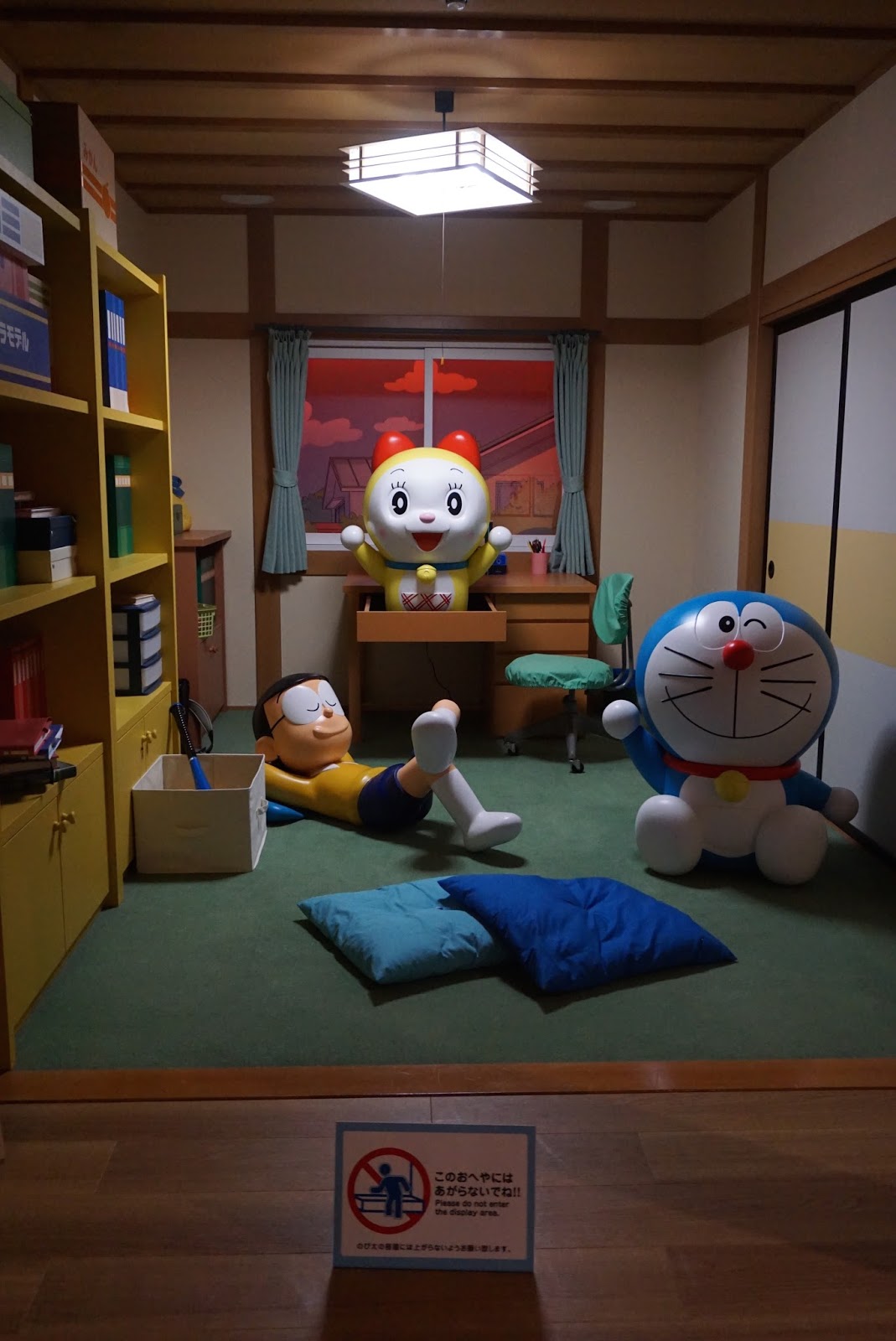
Lifesize Nobita’s room with Doraemon and his sister Doraemi
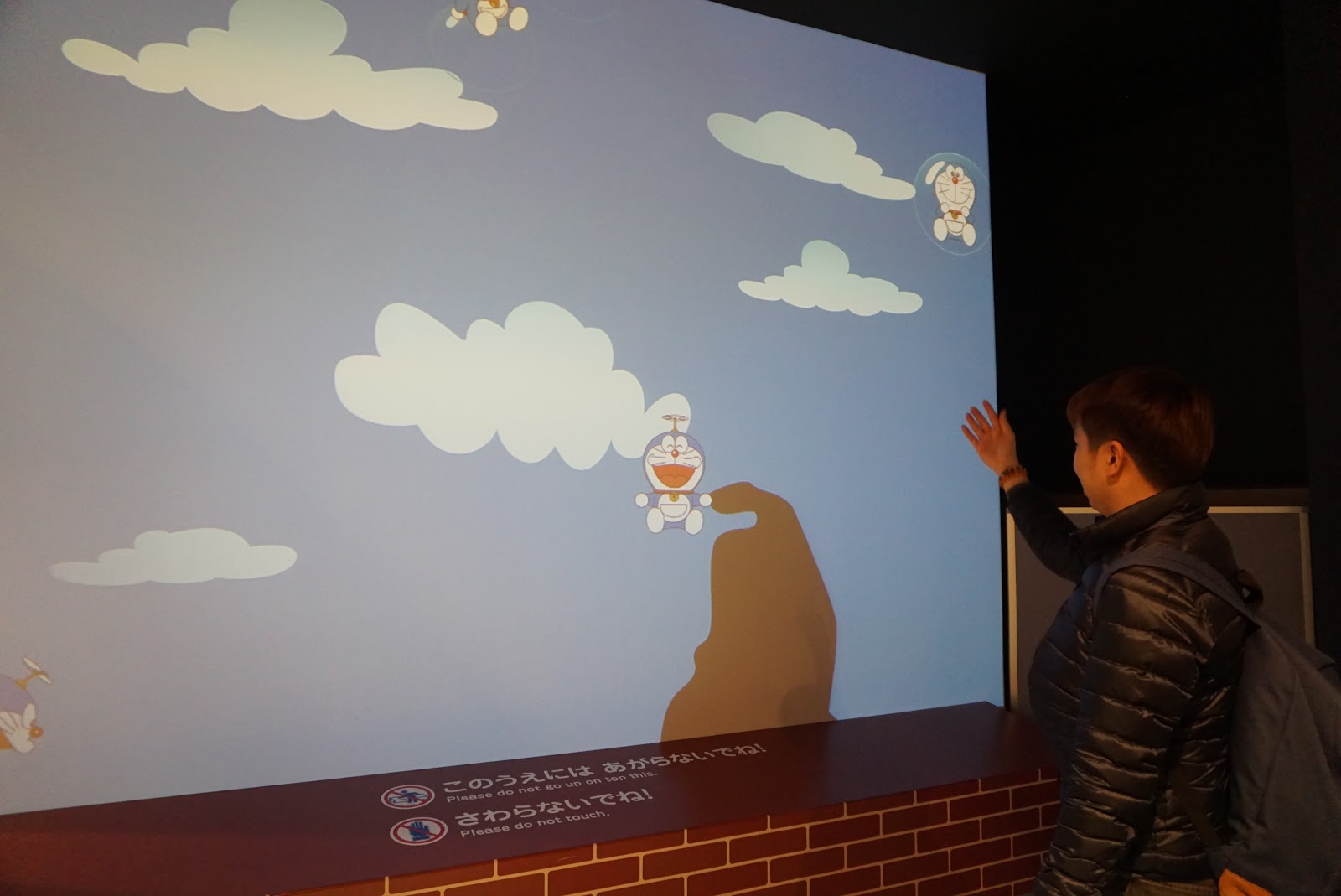
My friend playing on the interactive game in the Park Zone of Doraemon Sky Park
The main characters in Doraemon comics
The “What if” Telephone booth, a gadget in Doraemon’s front pocket
A very big Doraemon
This is the street where Nobita’s house is in
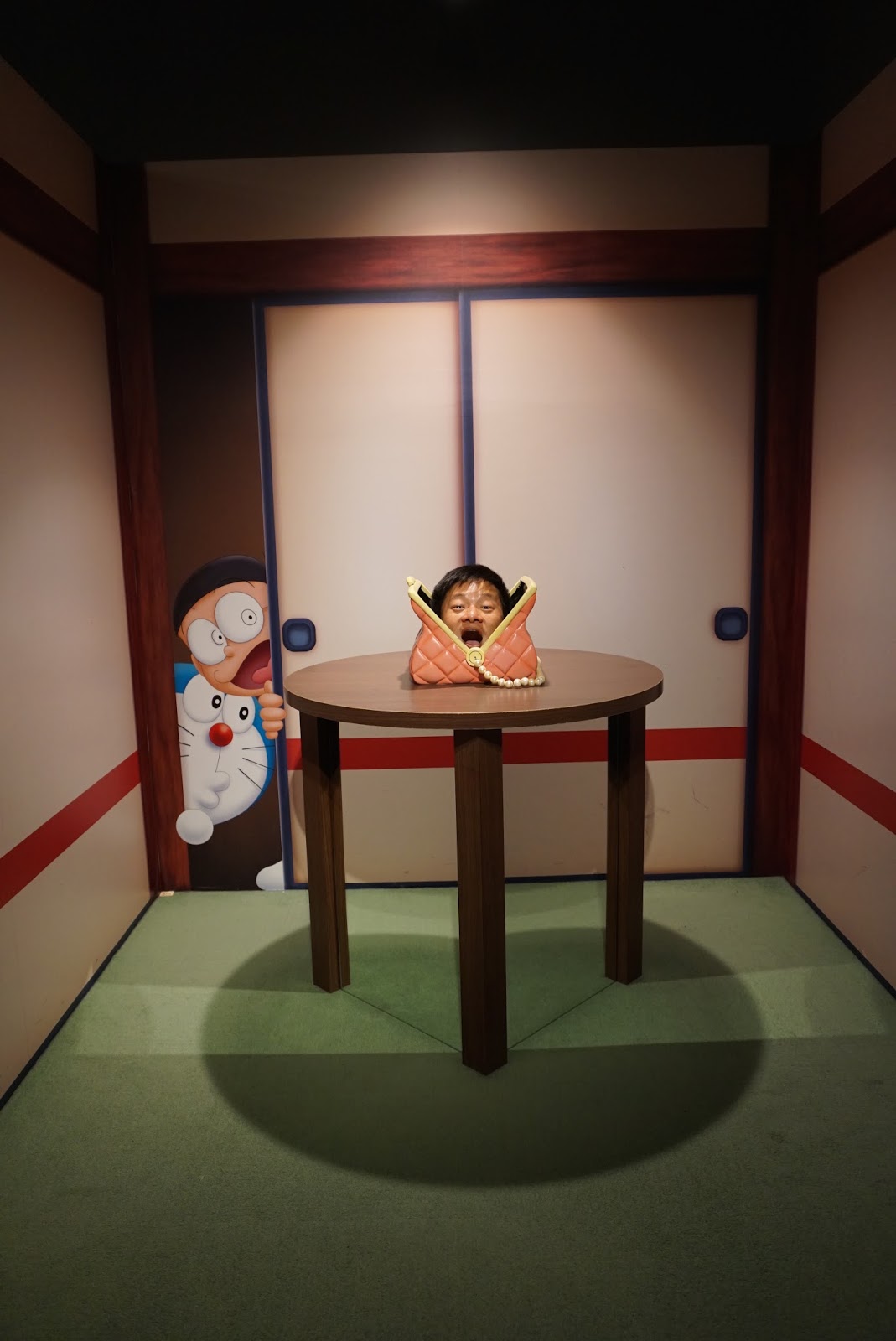
The opening to the purse is too small for me to squeeze through
My friend with one of the displays in Park Zone of Doraemon Sky Park
One of the displays in Doraemon Sky Park
The door that allows users to go anywhere is also one of the gadgets in Doraemon’s pocket
Me posing with Shizuk in front of the tunnel that shrinks people
Look who we found got shrink by the tunnel
My friend in the mouth of a rat, a nemesis of Doraemon
Time-travelling on Doraemon’s time machine
The use of optical illusion makes me feel shrunk
And I got enlarged
My friend posing with Doraemi, Doraemon’s sister
My friend with Doraemon in Nobita’s room
Nobita seem surprised to see me going up to his room
Doraemon performance in Park Zone of Doraemon Sky Park. Too bad we couldn’t understand as it is in Japanese
My friend and I posing with Doraemon at the end of the show

Noboribetsu Onsen – The Town of Hell

Noboribetsu Onsen is a small town with a handful of shops. We covered the whole town on foot within 20 mins. There are numerous demon statues scattered around Noboribetsu Onsen, each has its prosperity symbols. Due to the volcanic eruption on the nearby Mt Hiyoriyama some 20,000 years ago, a volcanic caldera was formed. Along with it the formation of blowholes that constantly emitting powerful jets of steam, resembling the scenes of Hell. The mascot of Noboribetsu Onsen is demons. The locals believed that not all demons are evil, those that were represented in Noboribetsu Onsen are actually good demons, who prays for the fortune for people and takes away their bad luck.

Onboard the bus heading towards Noboribetsu Onsen from New Chitose Airport
Everything covered in snow is just beautiful
It was snowing when we arrived at Noboribetsu Onsen Bus Terminal
View of Noboribetsu Onsen from our room

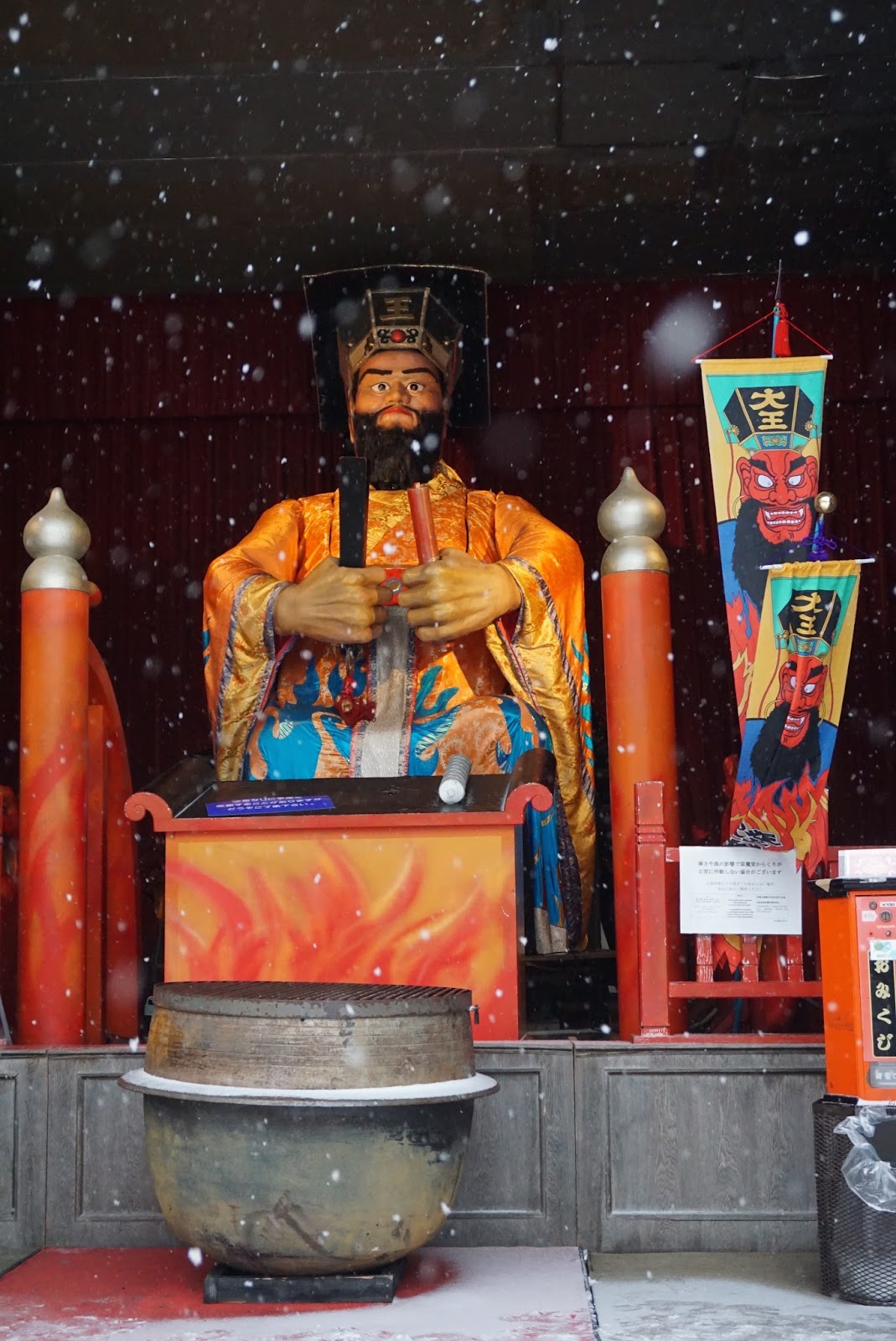
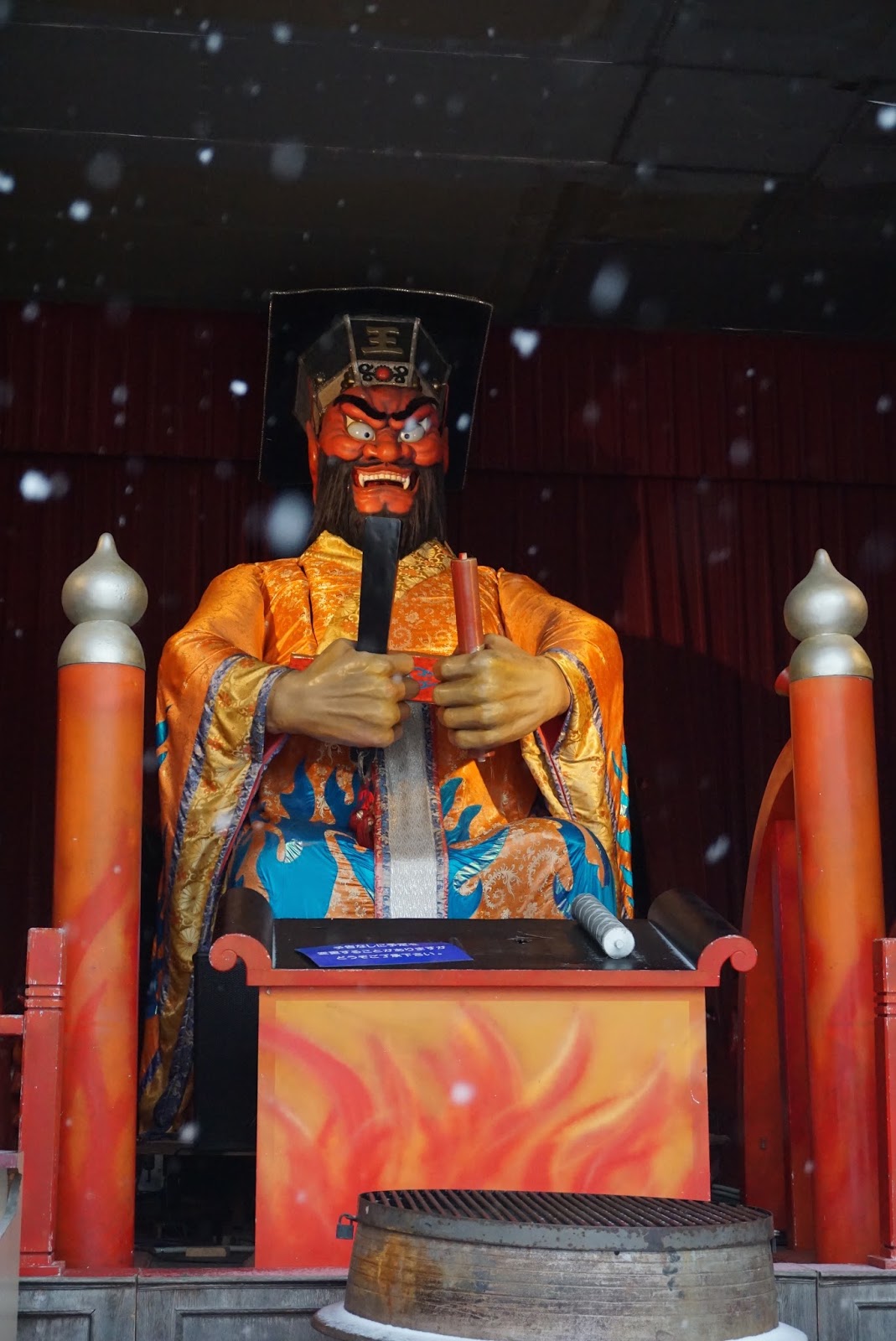
After settling our luggage in our room, my friend and I explored Noboribetsu Onsen at the same time look for lunch. It started to snow as we made our way into the town. The snow was a welcomed sight to us and did not bother us much. As we were walking along Gokuraku Shopping Street, the main street of Noboribetsu Onsen, there seem to be only a handful of restaurants for our choice for lunch. We settled lunch at a restaurant that seems open. As we were making our way to Jigokudani after lunch, we passed the Enma-Do shrine, a temple with a huge statue of the King of Hell (Enma) with animated performances at fixed timings located near to the entrance of Jigokudani affectionately known as Hell Valley. We managed to catch the animated performance where Enma come to live, after chanting some phrases in Japanese, the statue changed face from the kind-look to the angry red face.

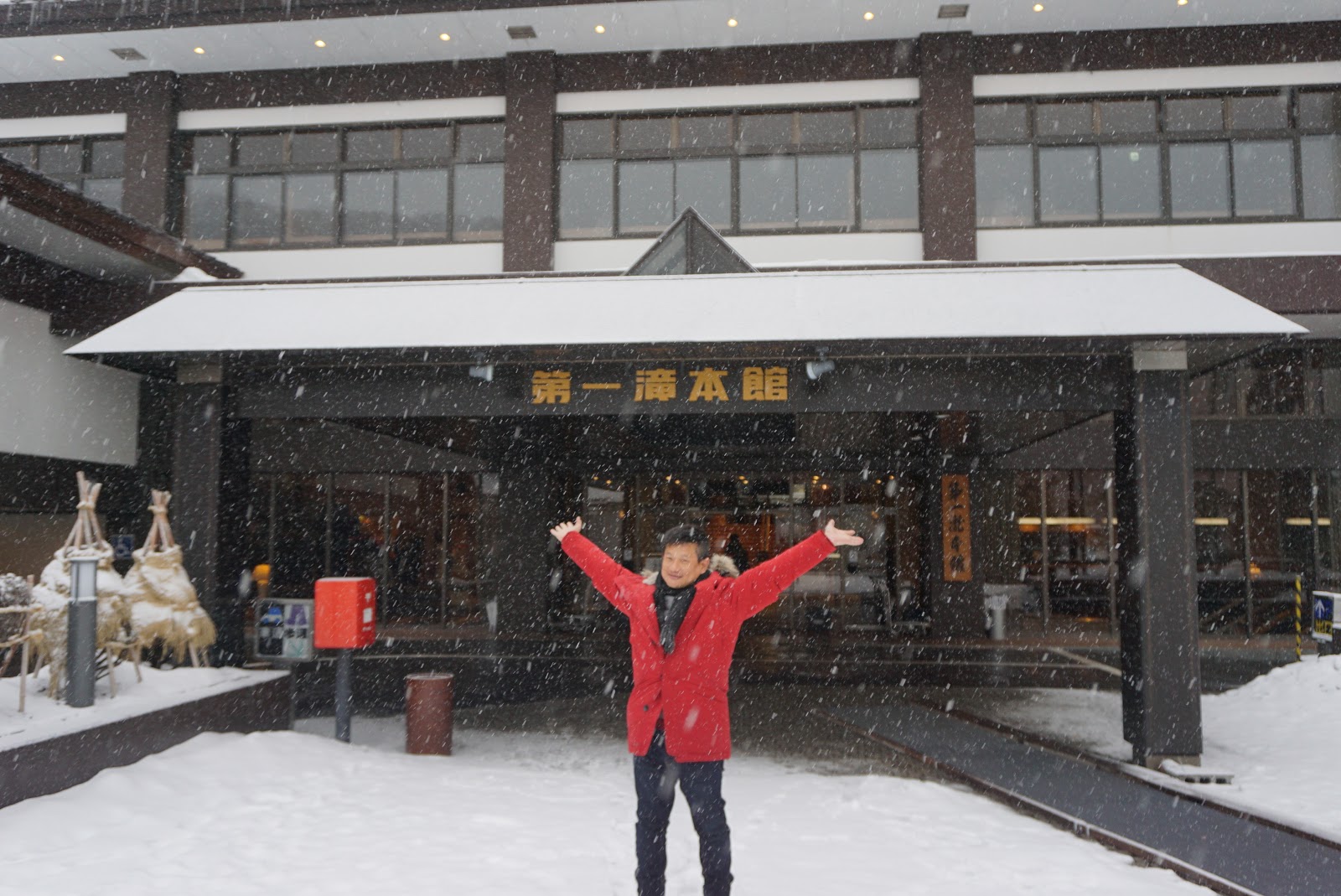
Me posing in front of the hotel – Daiichi Takimotokan we are staying for the next 2 nights. Just love the snow
Gokuraku Shopping Street, the main street in Noboribetsu Onsen from the entrance of Daiichi Takimotokan
My friend and I taking a wefie in the snow outside the hotel in Noboribetsu Onsen
Snow-covered Gokuraku Shopping Street in Noboribetsu Onsen
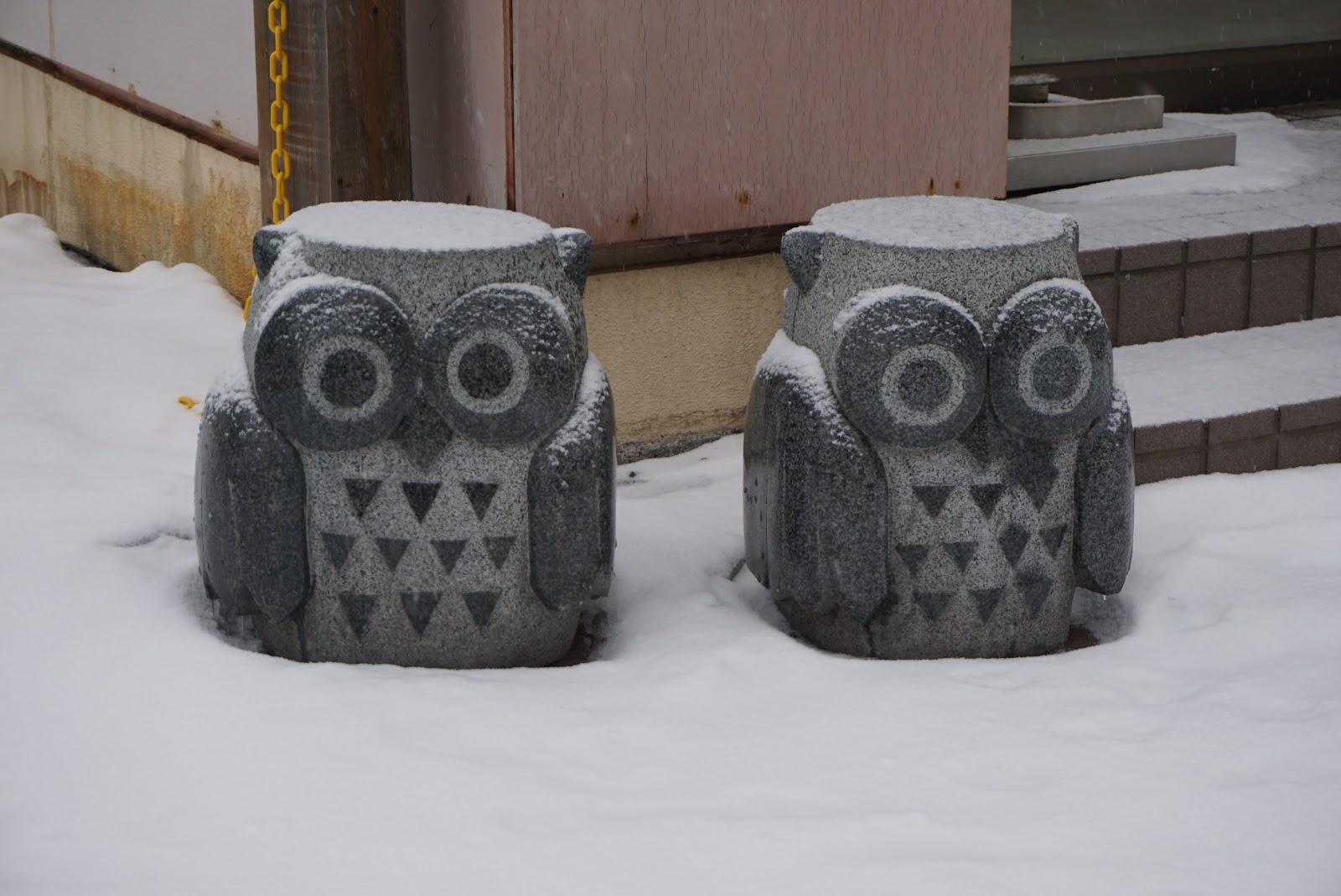
We found a couple of owl statues sitting quietly in the snow on Gokuraku Shopping Street in Noboribetsu Onsen
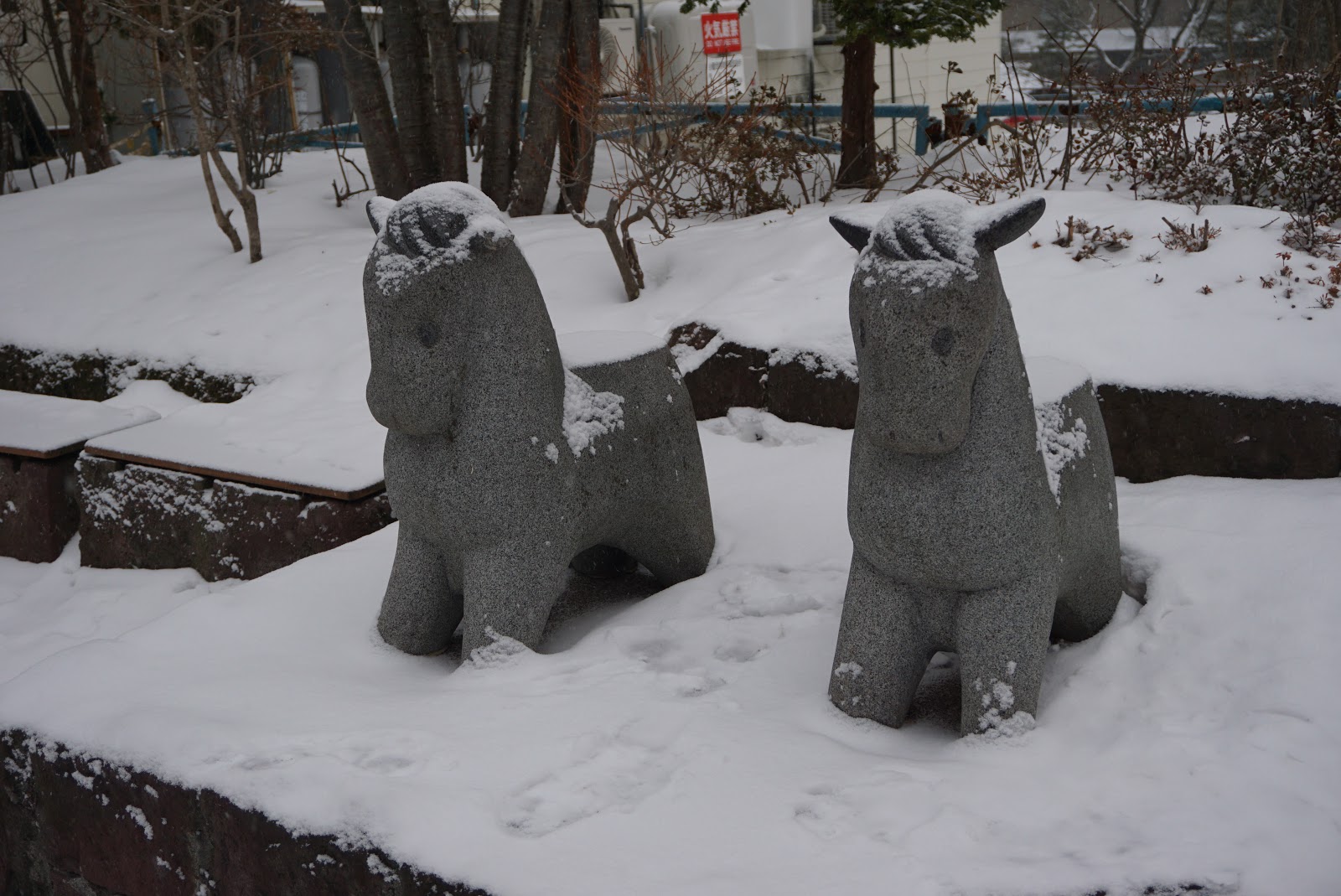
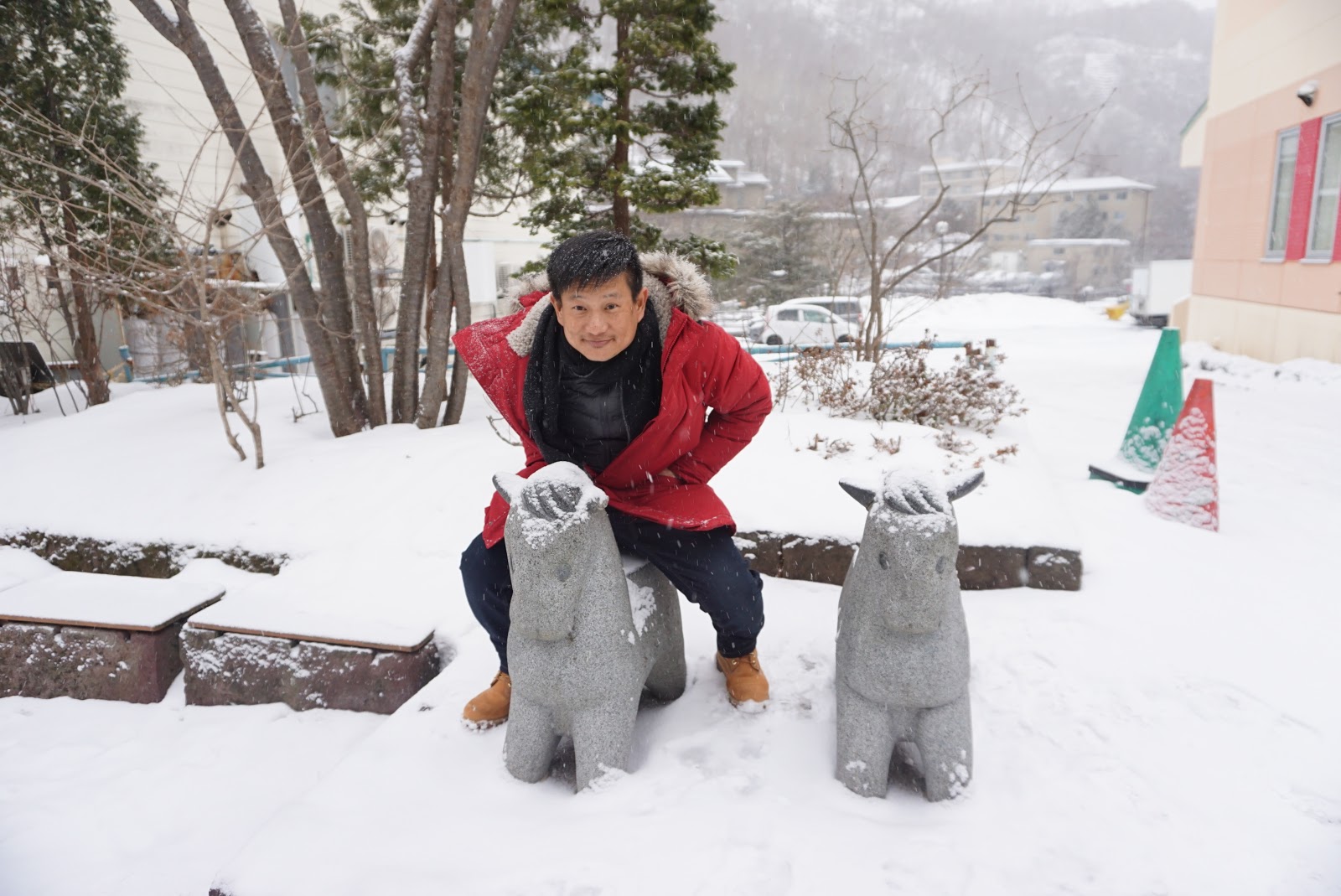
And a couple of horse statues too
We ride on the horse in the snow
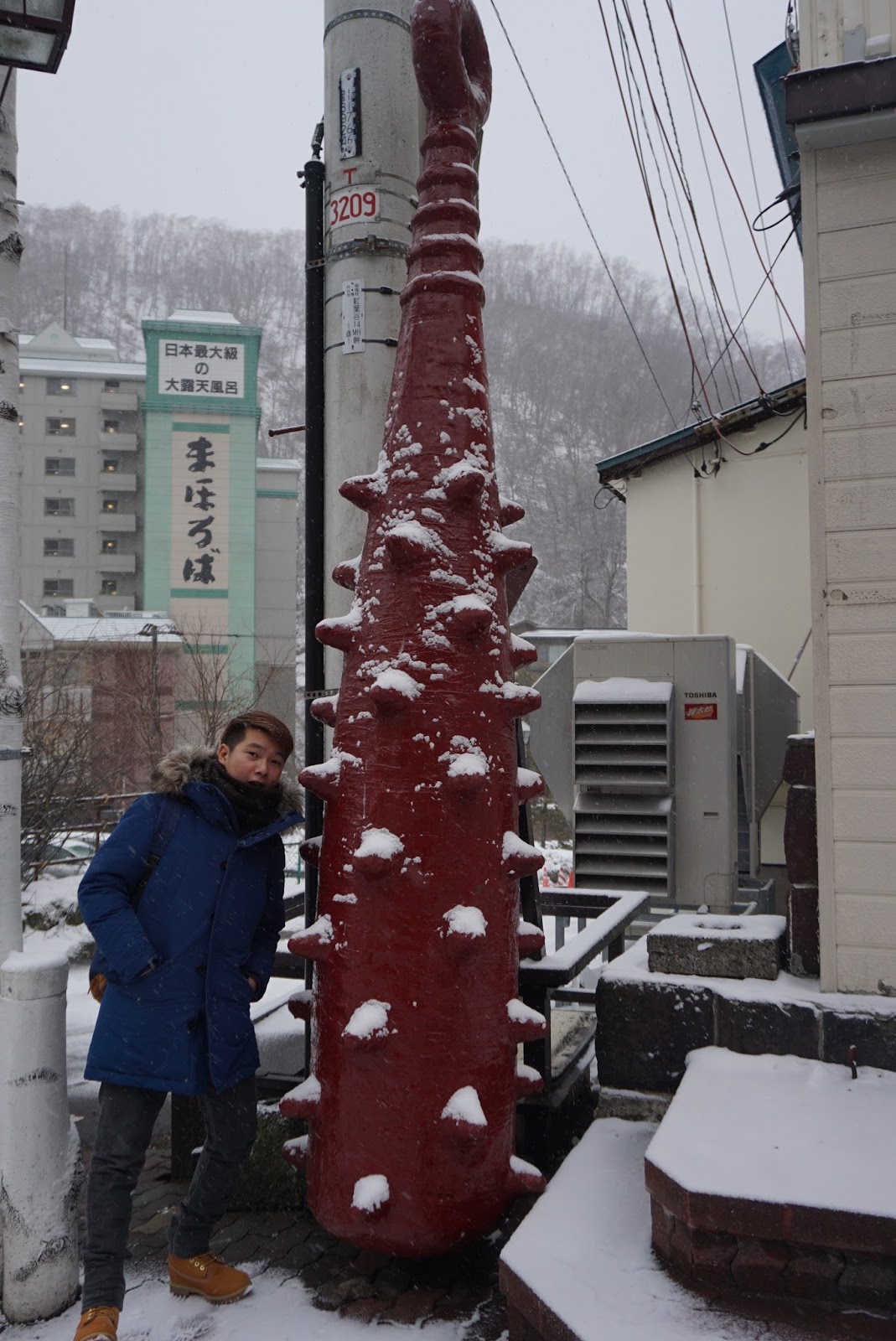
My friend posing with a huge demon mace on Gokuraku Shopping Street in Noboribetsu Onsen
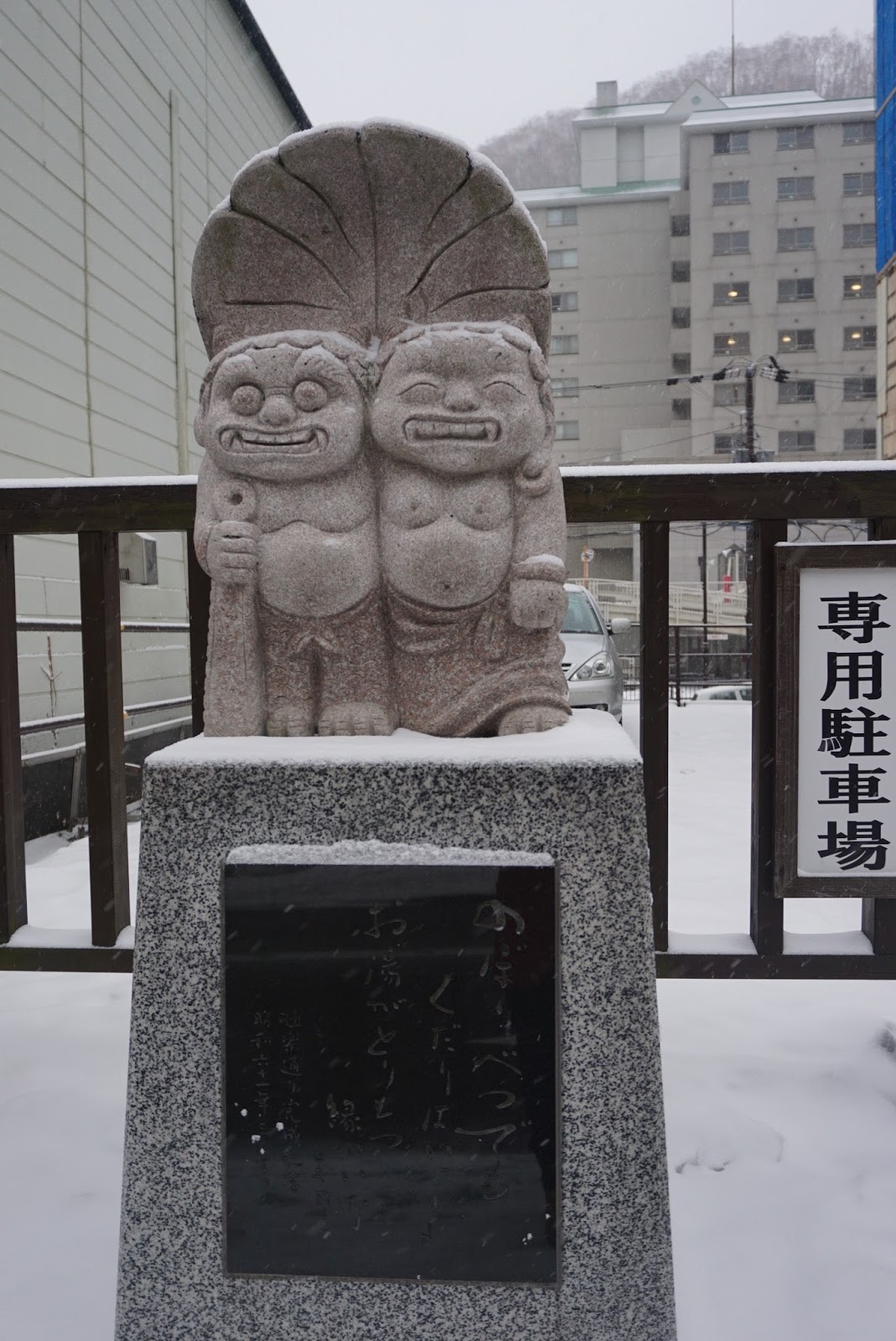
These are the Romance Demons, who are believed to bless the relationships for couples
The study demon, who is believed to bring good luck to those who need to pass exams
My friend and I posing with the study demon
King Enma, the King of Hell in this kinder face sitting inside his shrine. The snow is starting to get heavier
King Enma changed to his red fierce face during the scheduled performance. We were lucky to have seen the performance without waiting
The demon of Business Prosperity who is believed to bring good luck for business owners
Sengen Park opposite the hotel we were staying. The highlight of this park is the geysers, which constantly emitting steam. It looks extra charming in the snowy conditions
My friend ordered the Abalone Sashimi rice set for lunch. The Abalone is so fresh that there is a small worm wriggling on it
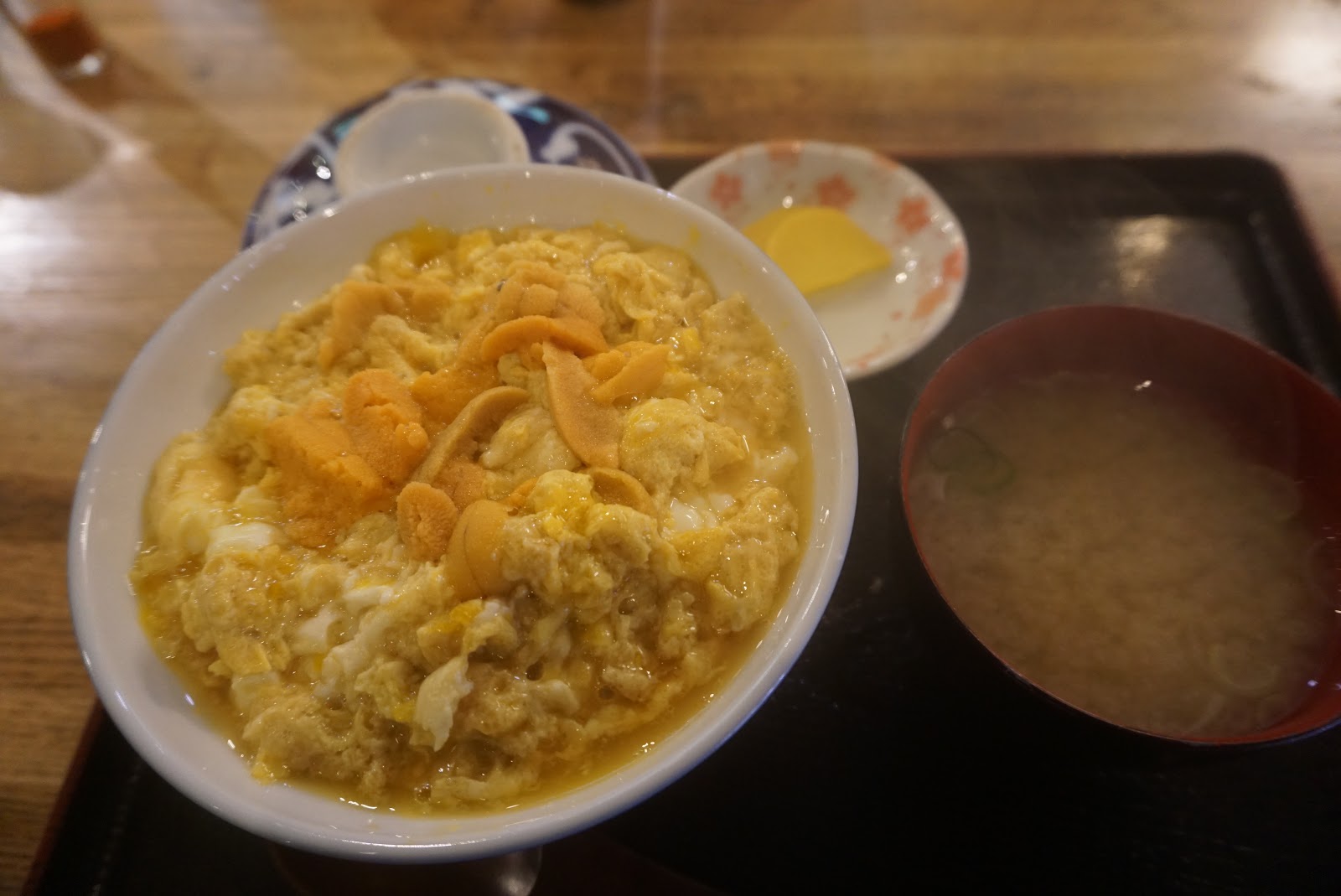
I got the Uni (Sea Urchin) Rice Set with Egg. There is a generous serving of Unis on a bed of egg. It tasted very fresh and yummy

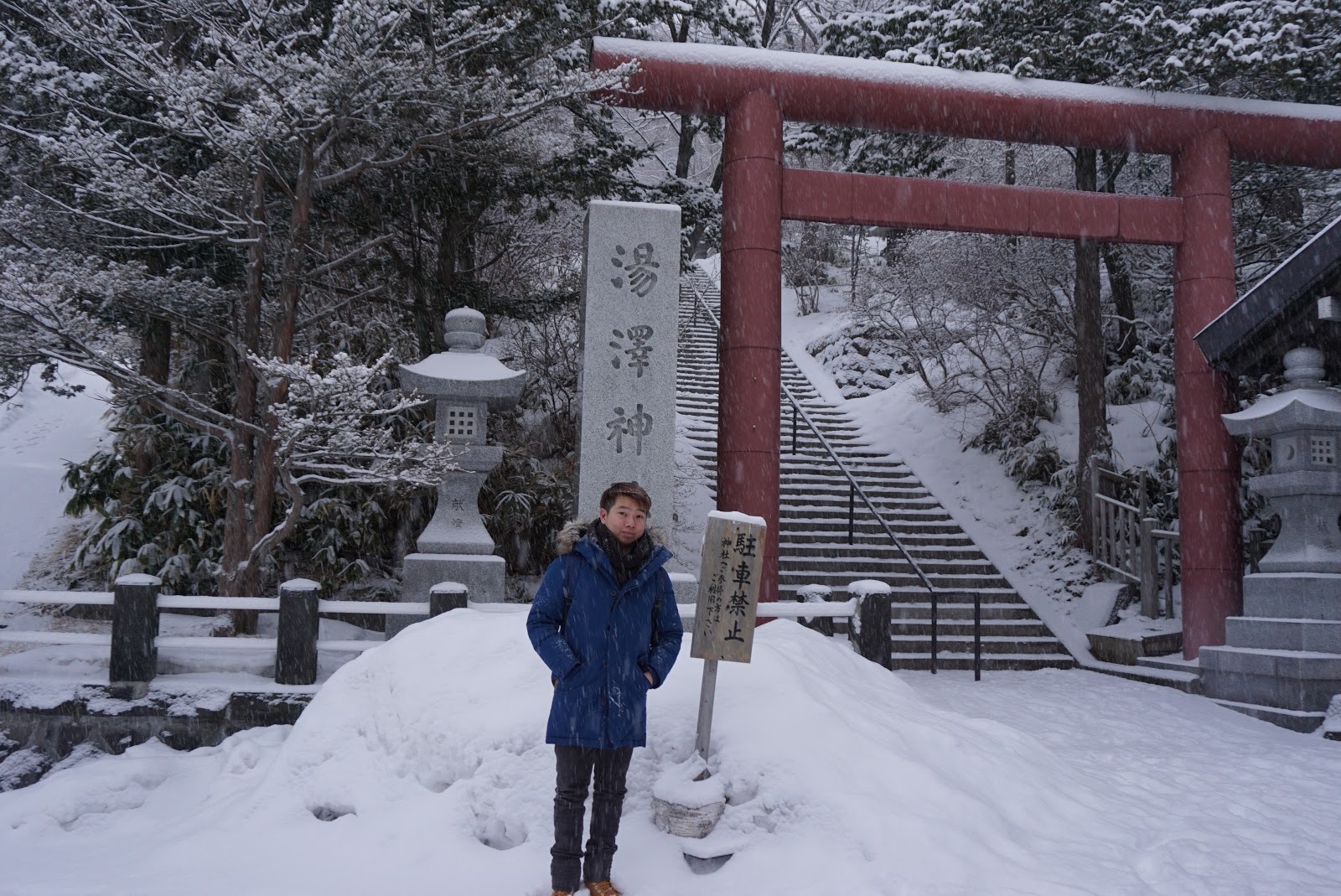
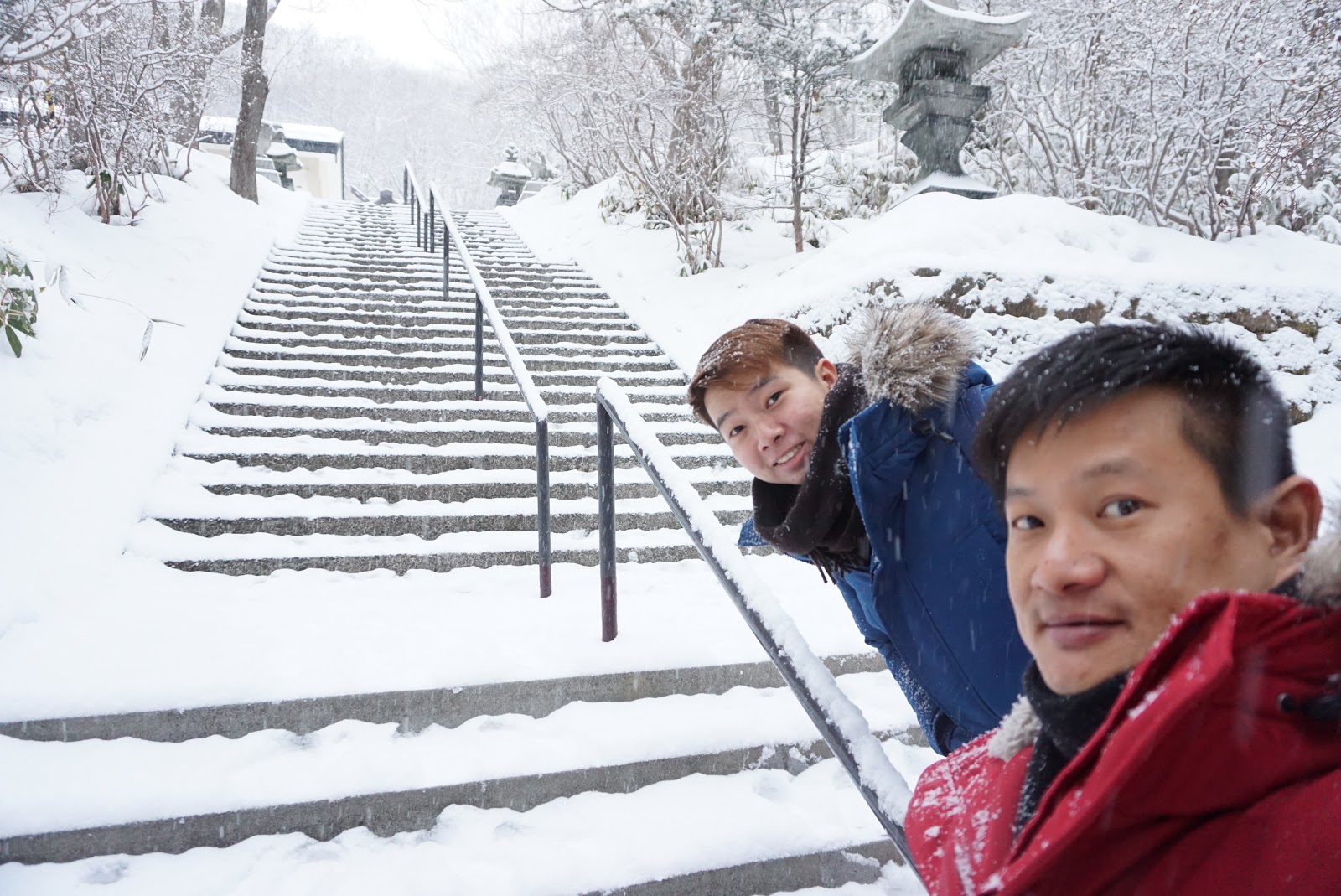
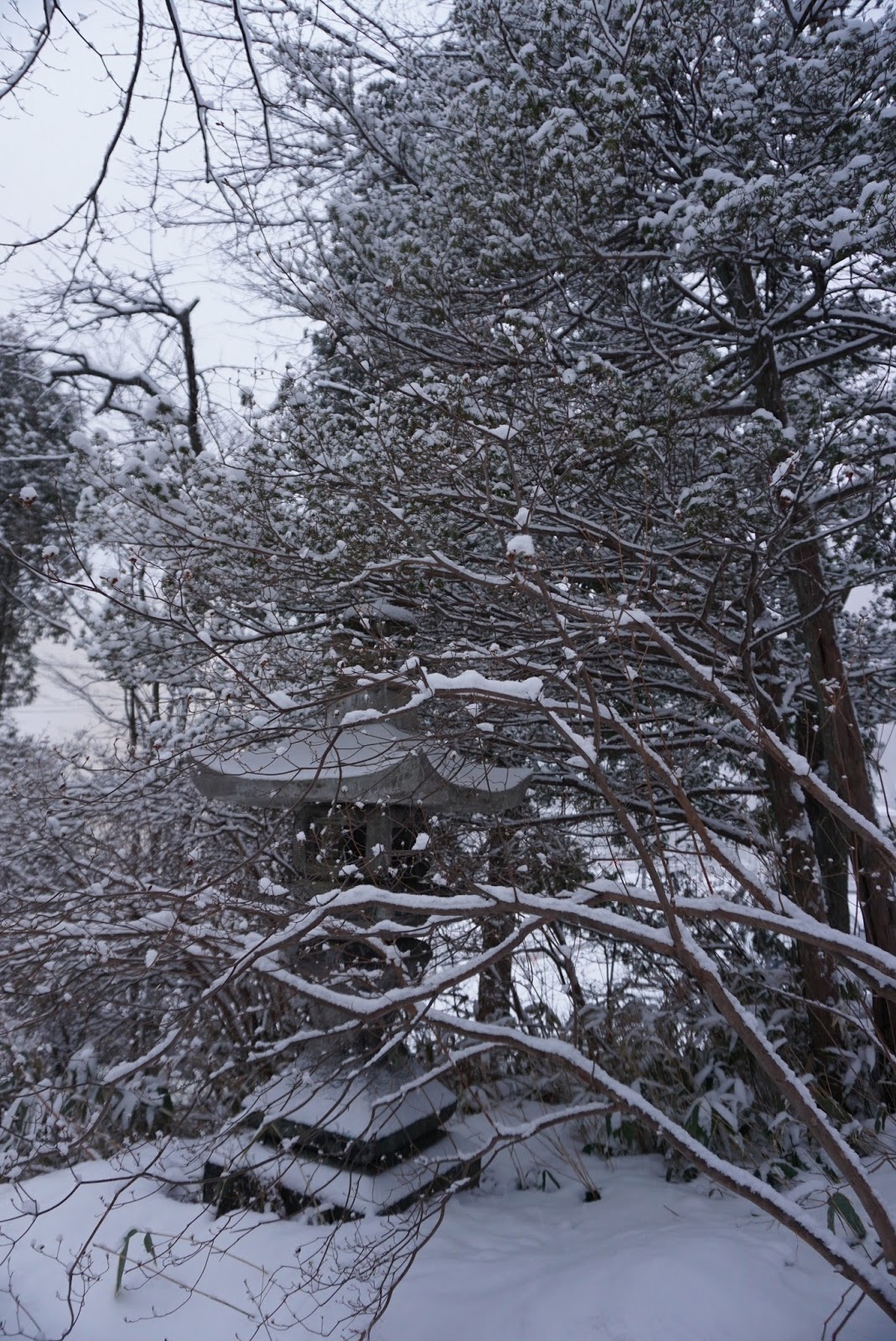
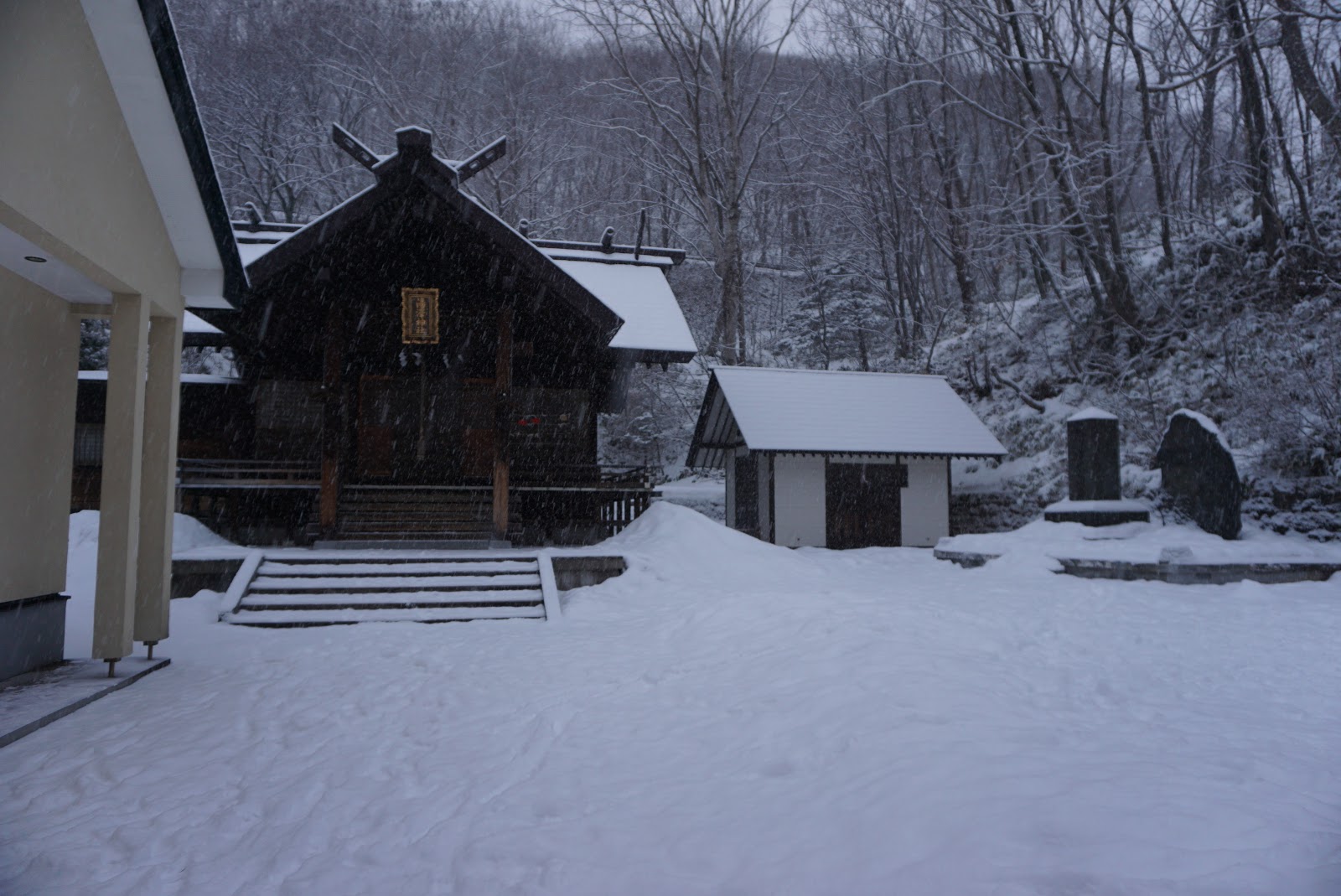
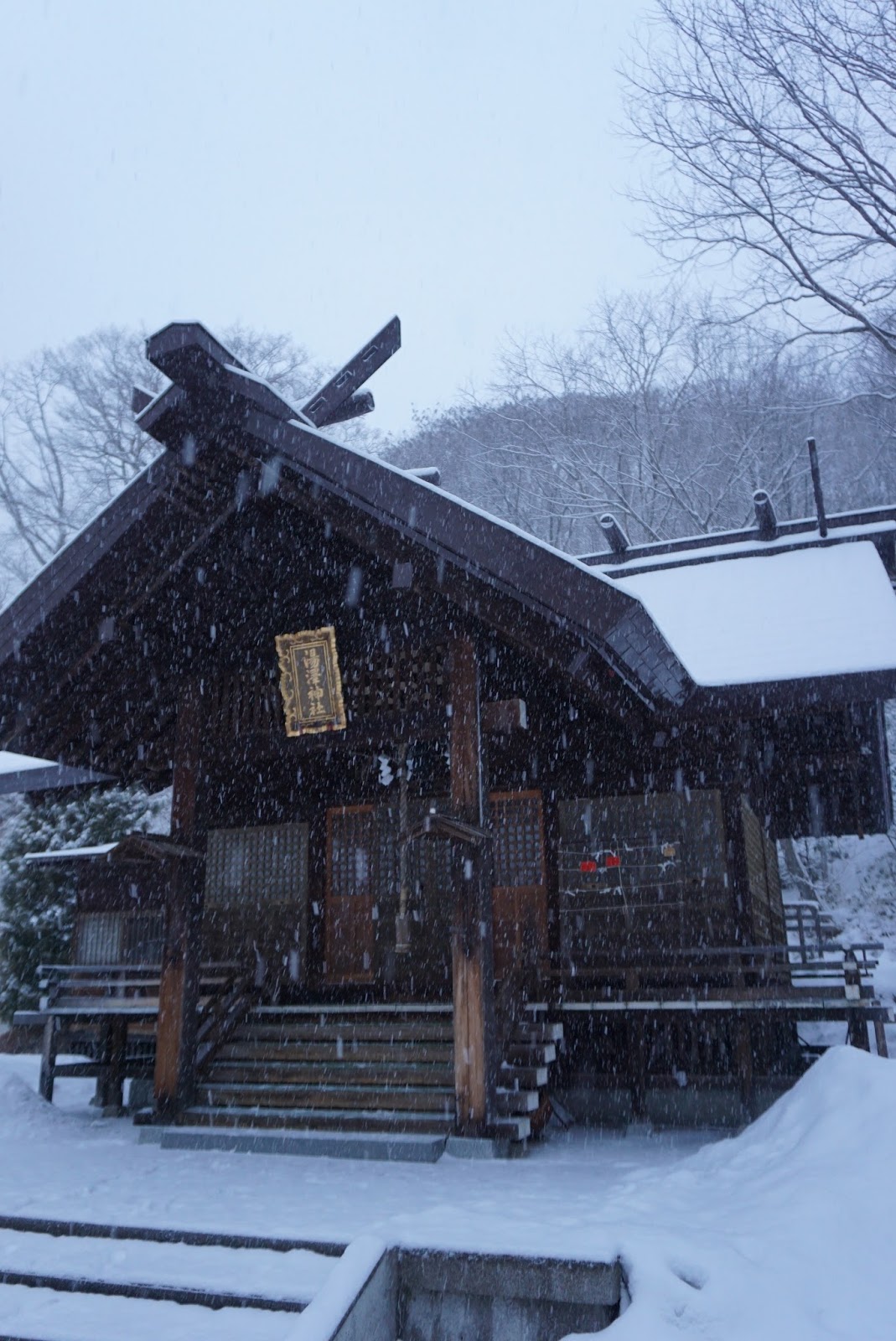
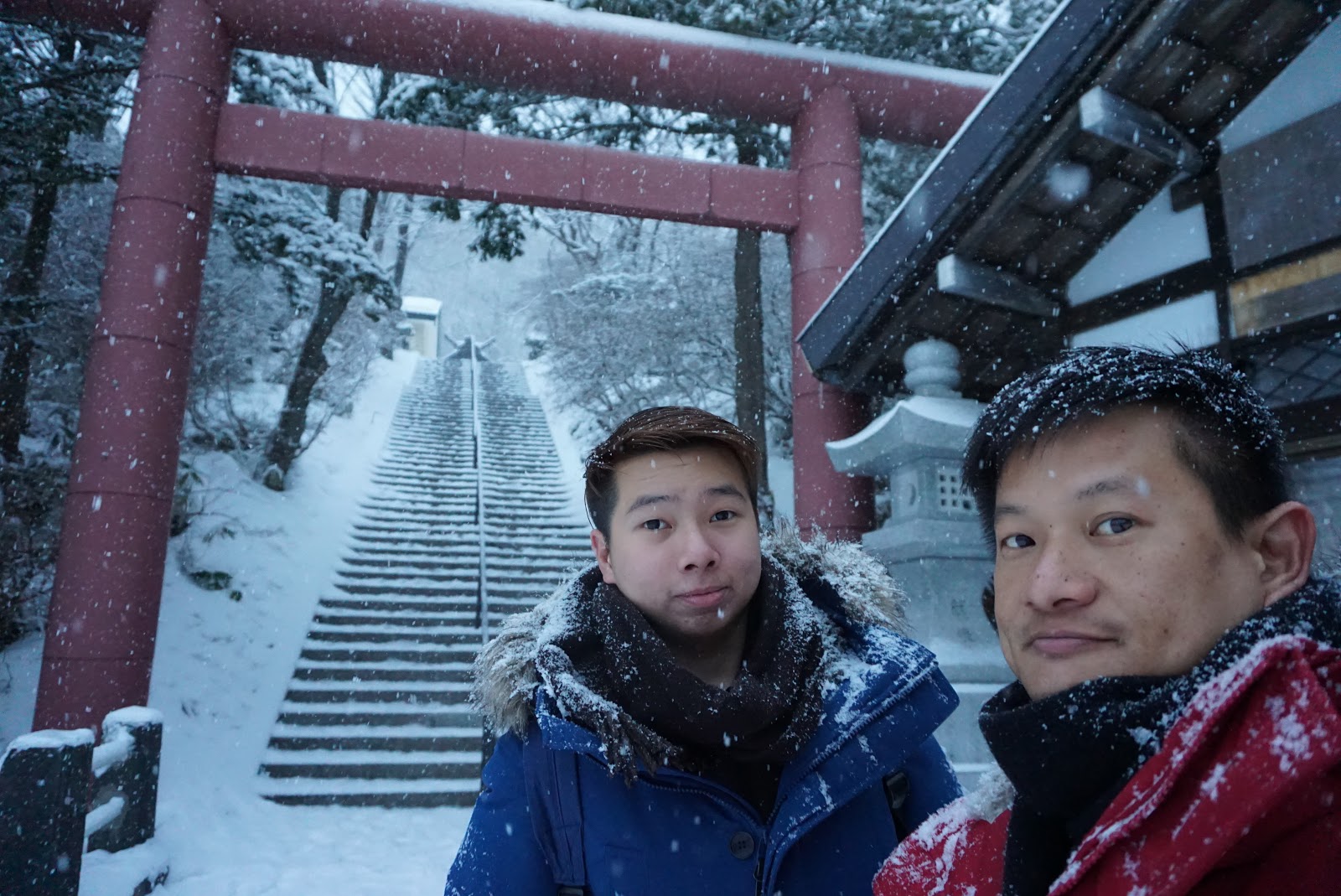
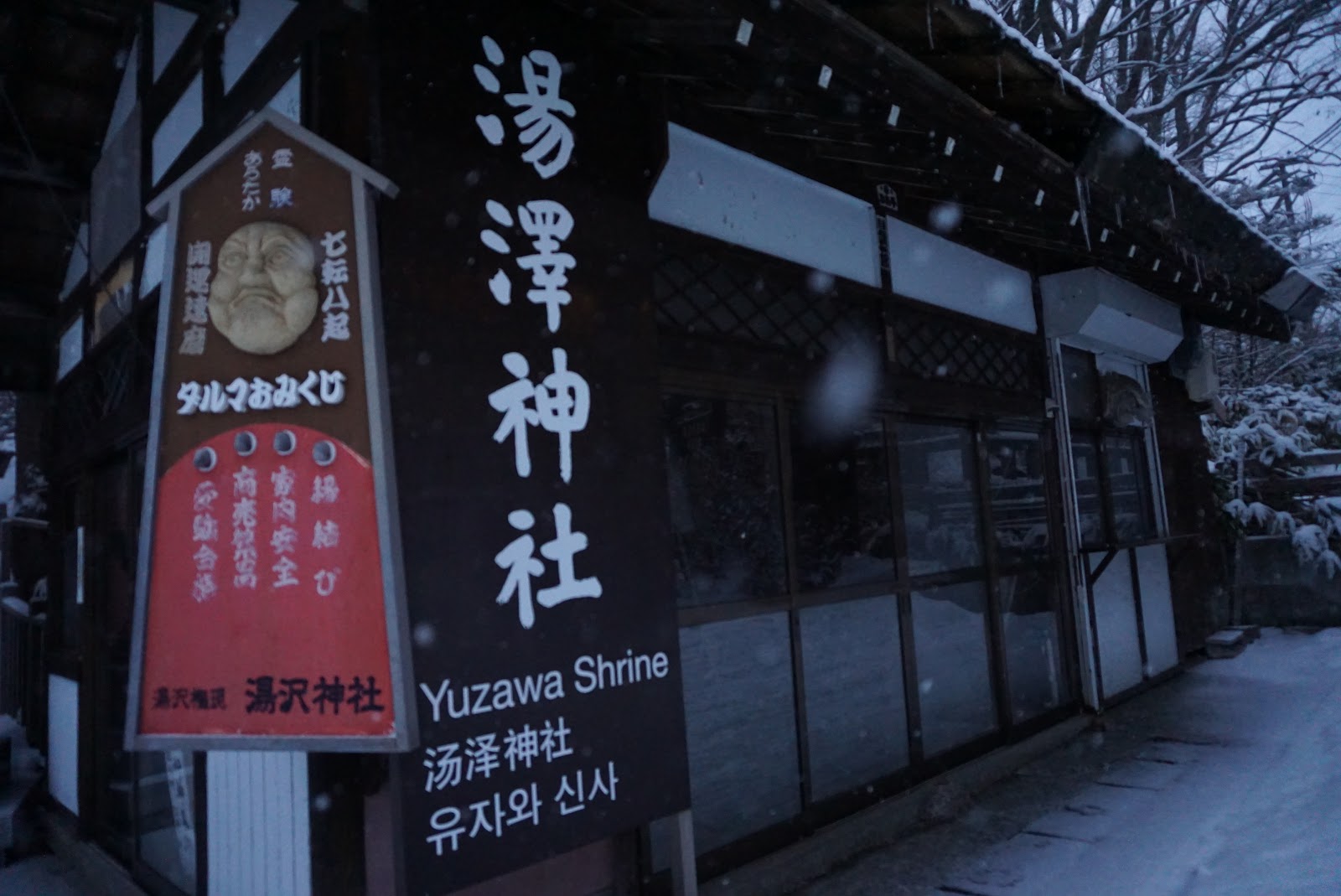
After the performance, my friend and I headed over to Jigokudani as I thought the Hell Valley would look nice bathing in night lights scattering along the walkways of Jigokudani. At this point, the snow seems to get heavier. We came across a traditional red Japanese wooden arch beneath a flight of stairs, leading to Yuzawa Shrine which sits on a flat plot of land on the side of the mountain. As we were walking up the flight of stairs leading to Yuzawa Shrine, I was mesmerised by the snowscape. The snowing weather further adds a sense of zen here. At the top of the stairs, lies a dark brown wooden building sitting on slits. This is Yuzawa Shrine. The shrine immediately stood out from the surroundings due to its colour, contrasting against the white snowy scene and a couple of beige coloured buildings. It is closed at the time of our visit, nonetheless, it made a great spot for selfies. As there wasn’t anyone else here, the grounds of Yuzawa Shrine felt especially tranquil. It is highly recommended for visitors to pop by this small shrine before heading to Jigokudani (since it is on the way).

My friend at the entrance of Yuzawa Shrine. The shrine is located opposite our hotel, Daiichi Takimotokan, at the entrance to Jigokudani
My friend and I taking a wefie on the stairs that leads to Yuzawa Shrine. The snow is getting heavier at this point
An ordinary lamp looks beautiful when covered with snow
Yuzawa Shrine is the dark brown wooden building. It looks solemn and dignified sitting in the snow
My friend and I taking a wefie in front of Yuzawa Shrine in the snow
Yuzawa Shrine up close
Me in the small compound in front of Yuzawa Shrine
Snow snow everywhere
Taking a wefie at the base of the stairs that lead to Yuzawa Shrine. The snowing was so heavy that we were covered in snow. I think if we stand still for 30 mins, we will become snowmen
No idea what this building at the base of the shrine is for. Perhaps it sells offering items for visitors to Yuzawa Shrine
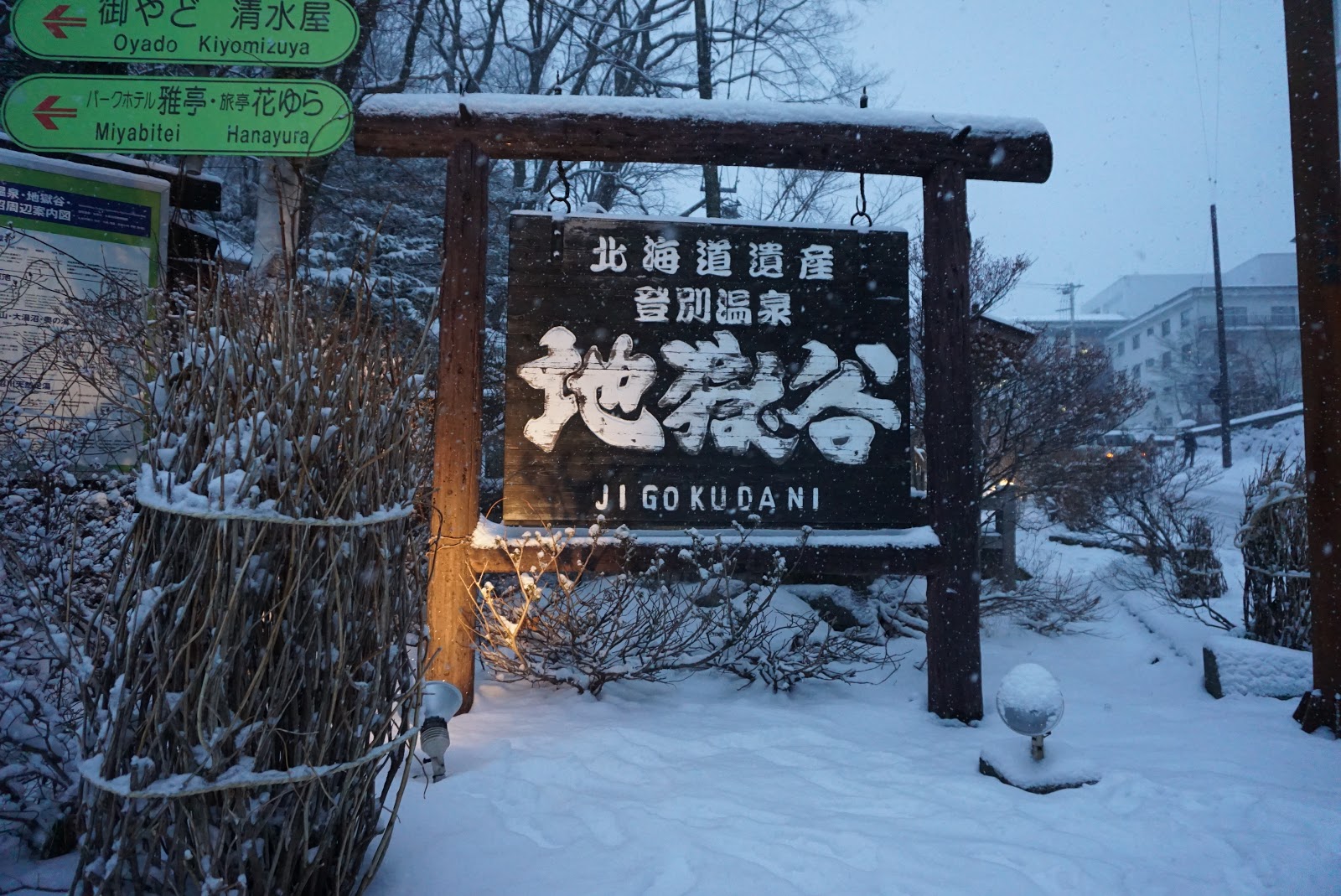
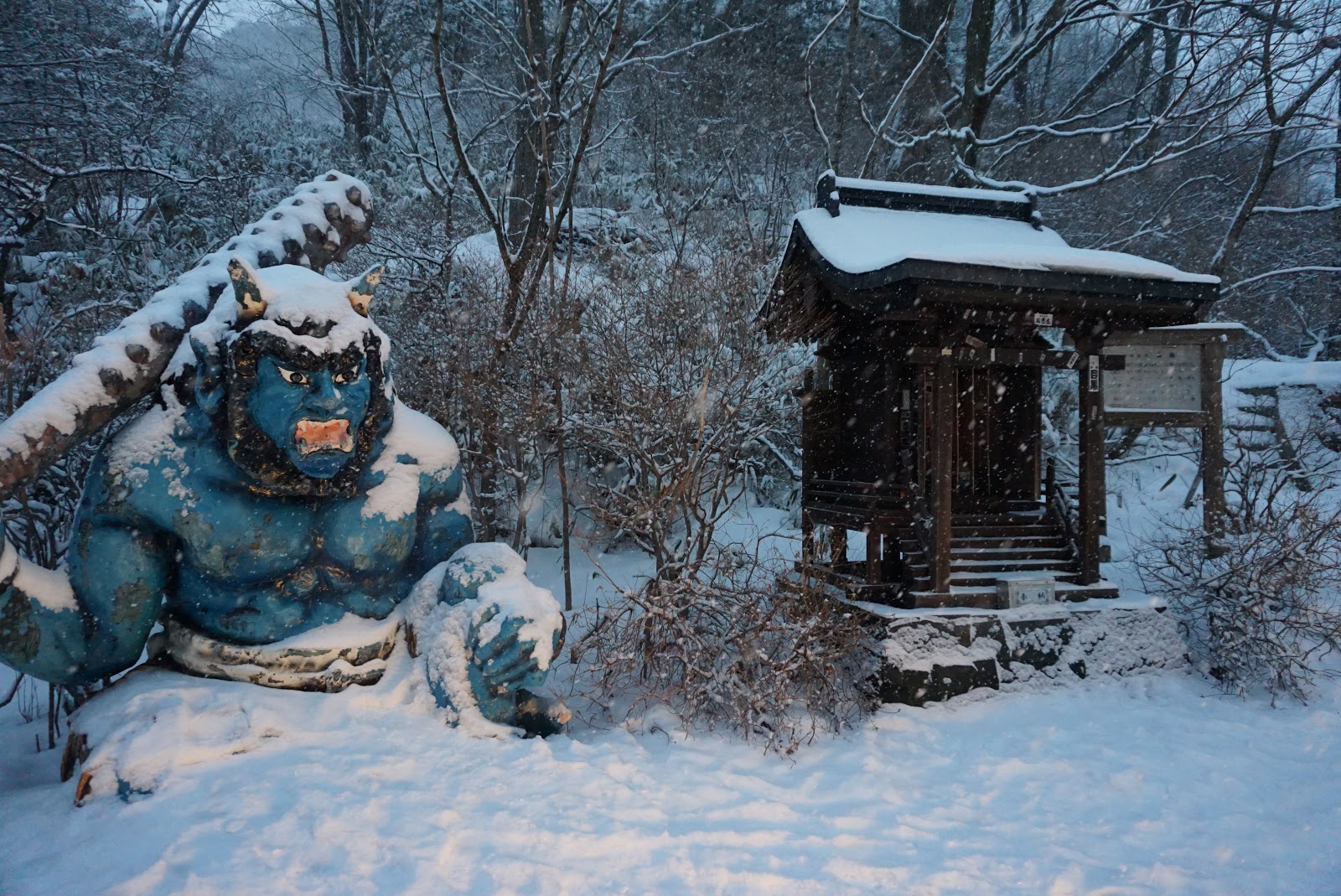
My friend and I continued our walk towards Jigokudani. At the base of Yuzawa Shrine, nearer toe Jigokudani, we spotted a couple of huge statues of demons. The blue demon was seated while the red demon was standing, looking as if they are welcoming visitors to Jigokudani. As the snow was getting heavier, my friend and I gave up the idea of visiting Jigokudani and headed back to our hotel.
Entrance to Jigokudani. This signage is next to Yuzawa Shrine
The blue 2.2m tall demon at the Onizo Nembutsu (Praying Demon Statue). There is a small shrine between the 2 demons.
The 3.5m tall Red Onizo Nembutsu. These 2 demons are believed to be installed here during the Edo period (1603-1868)
My friend with the red Onizo Nembutsu
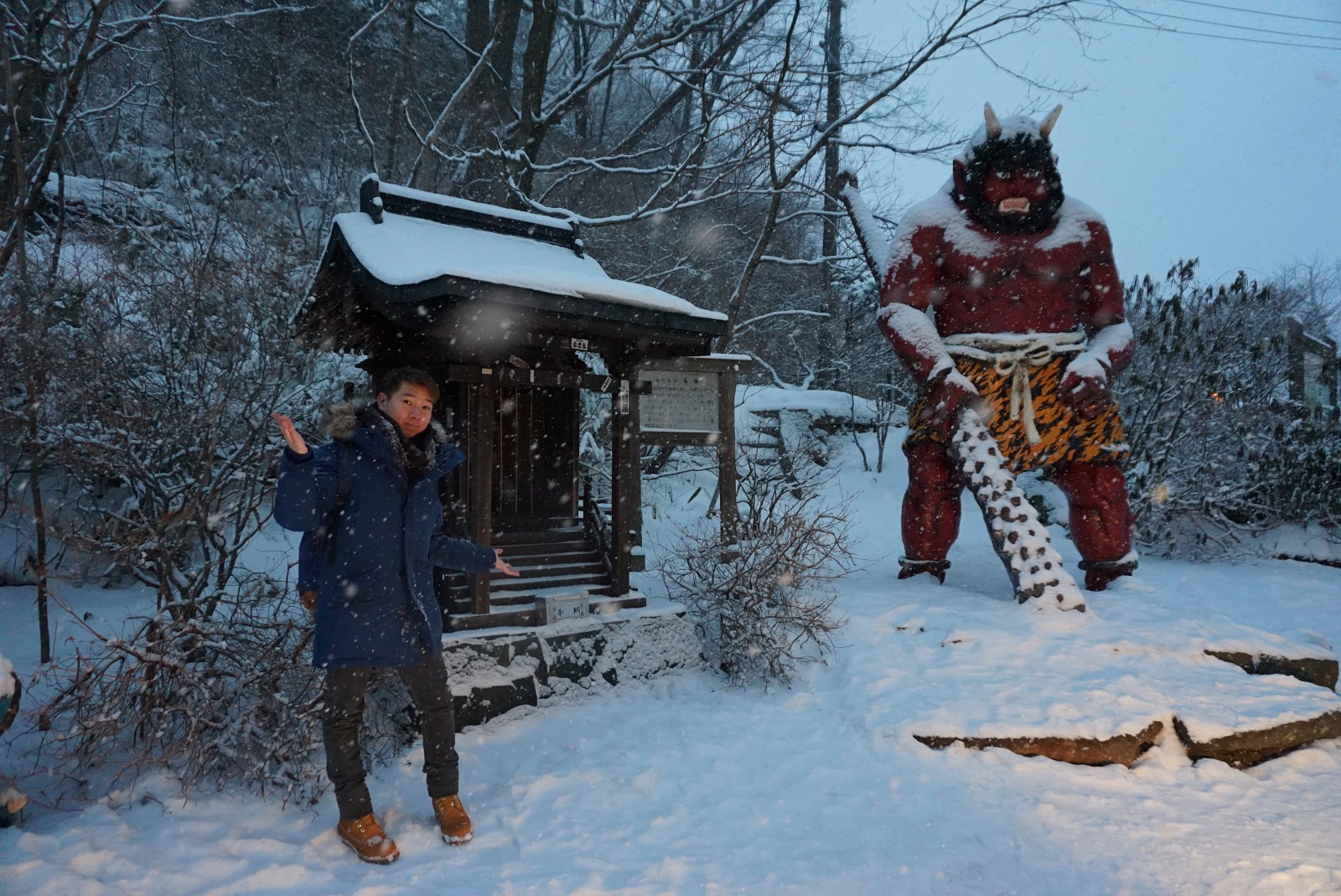
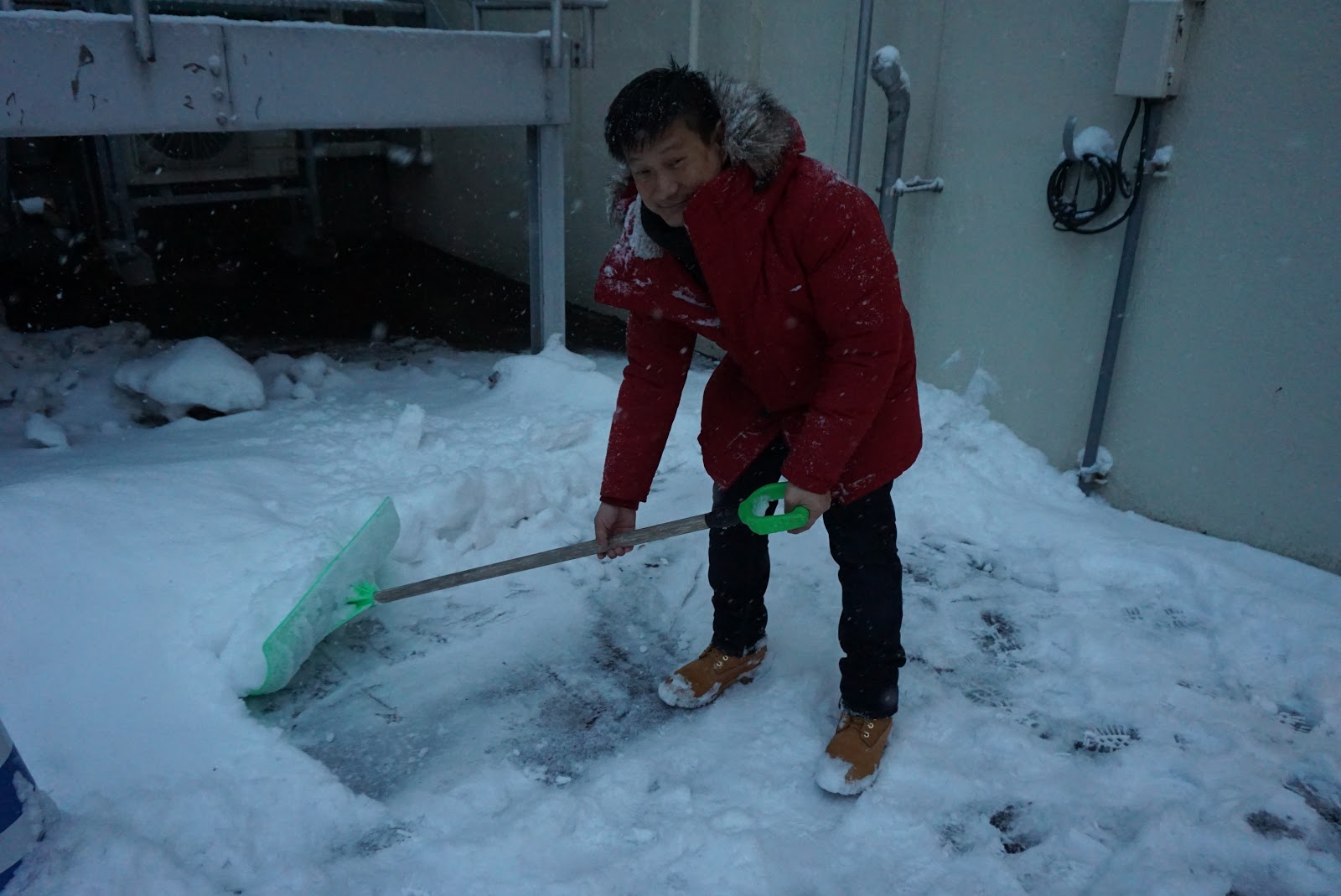
It was snowing heavily that we abandon our plans to visit Jigokudani. Instead, we found fun clearing the snow

Fatigue Reliving in the Onsen

The hotel we stayed in has the largest onsen facilities in Noboribetsu Onsen, with 5 indoor and 2 outdoor onsens. The onsen water came from the nearby Jigokudani and has sulfuric in nature (and smell too), which is touted to have healing properties for various medical conditions such as bronchitis and eczema. My friend and I headed for the onsen in the hotel after dinner. Soaking in the onsen immediately relieves the fatigue of travelling. We headed for the outdoor onsen baths after dipping in some of the indoors. My friend and I still prefer the outdoor onsens, At the outdoor pool, we could catch a glimpse of Jigokudani. The cold winter wind neutralises the heat I felt from soaking in the onsen, making the soak very comfortable and relaxing. The onsen seems to promote the quality of sleep. I seem to be able to get a great night sleep after soaking in onsens. We headed back to our room and rest for the night, as we were determined to visit Jigokudani early the next morning before busloads of tourists arrive.

The restaurant in Daiichi Takimotokan where we had our dinner (included in the price of the room)
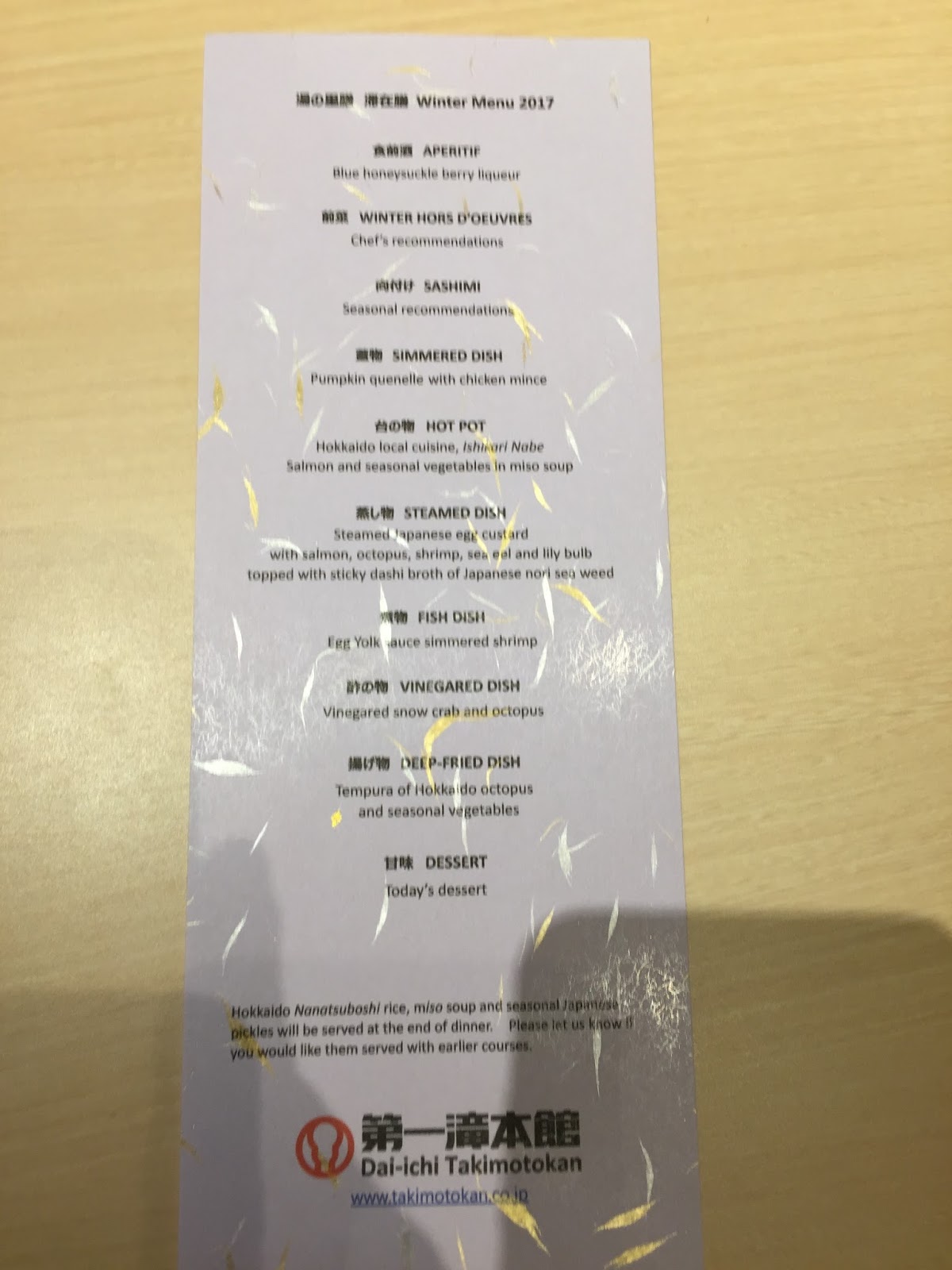
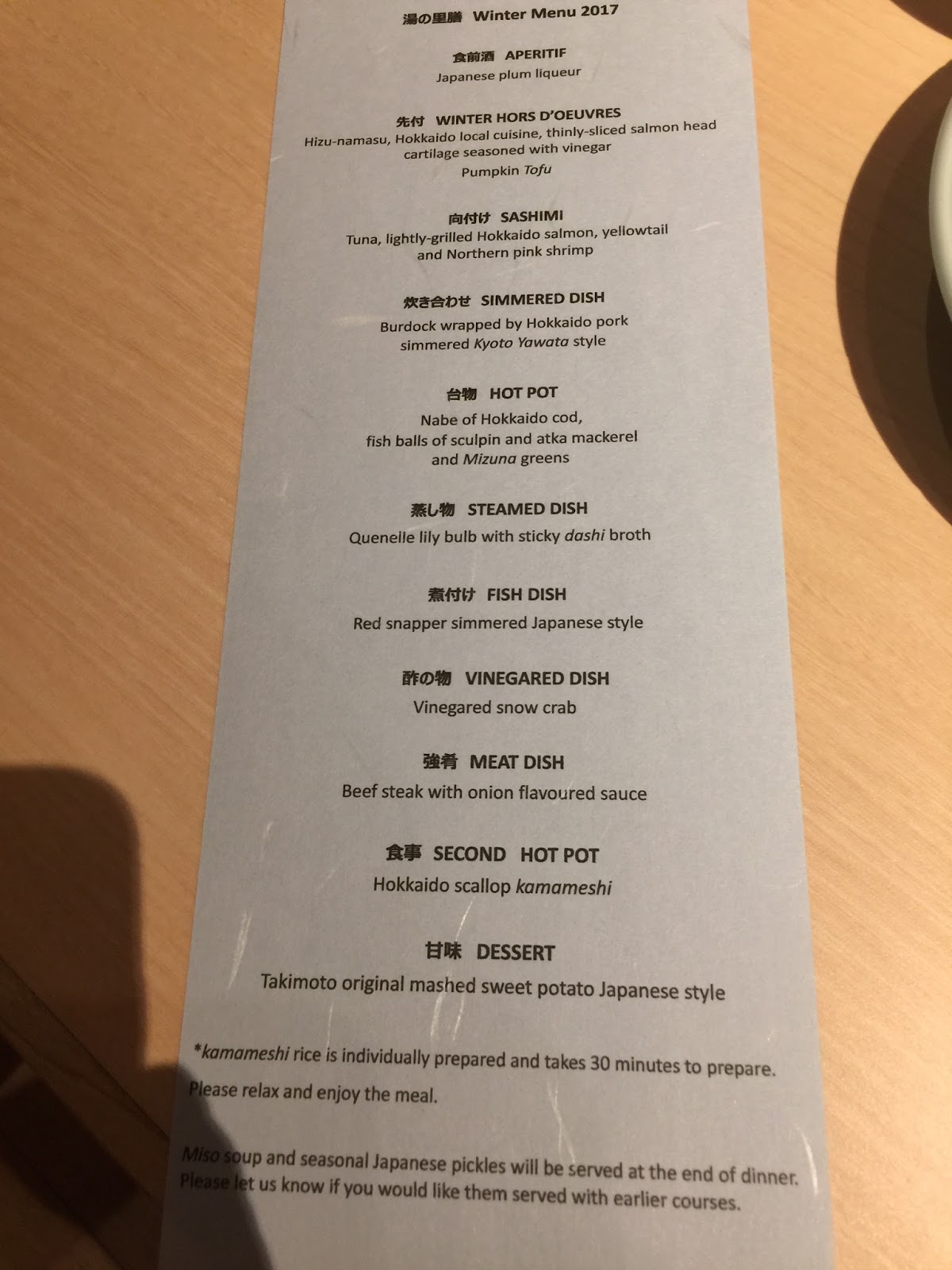
Dinner menu
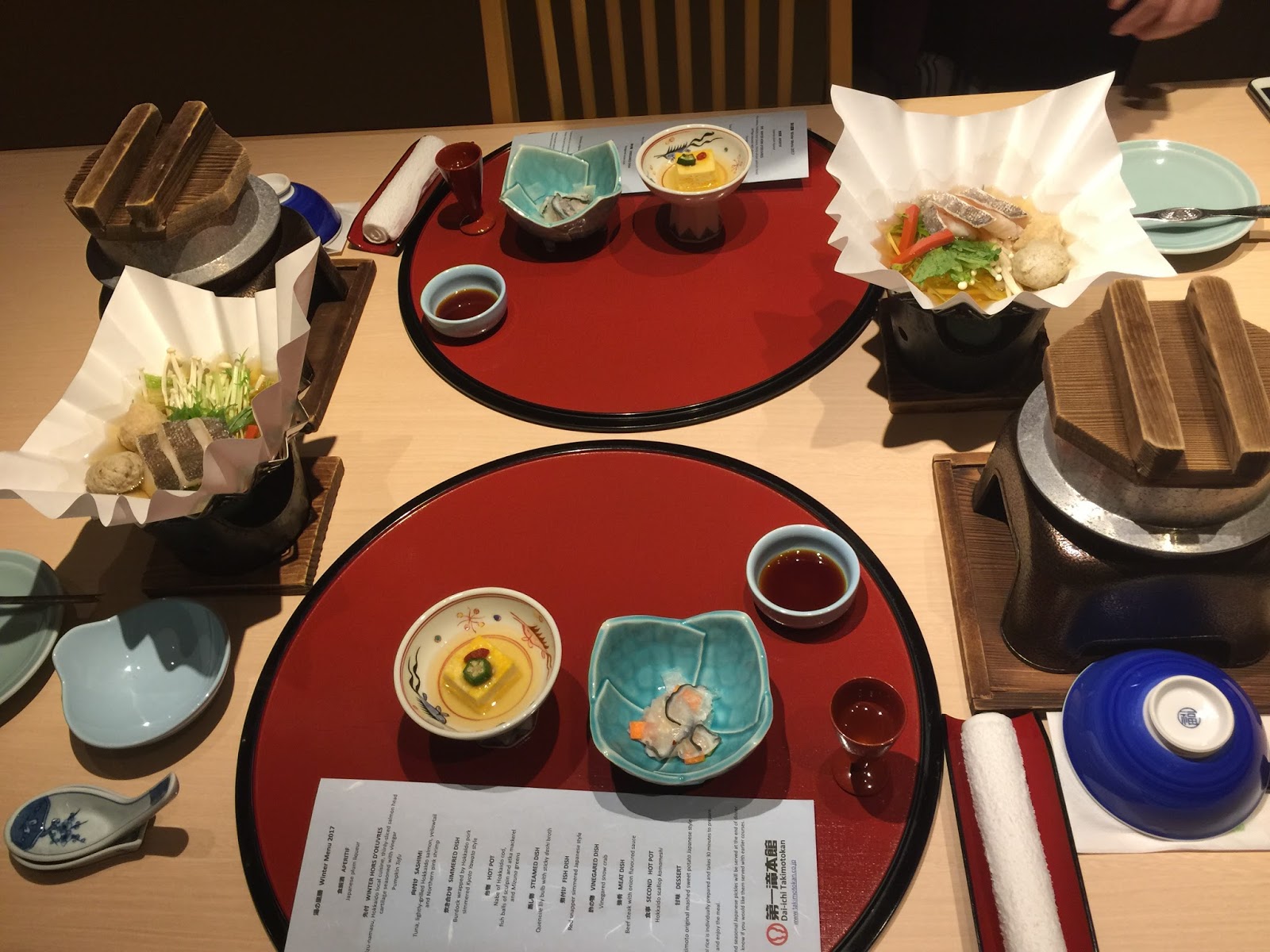
We had the set menu, which features 2 hot pots, one for the soup and one for the rice
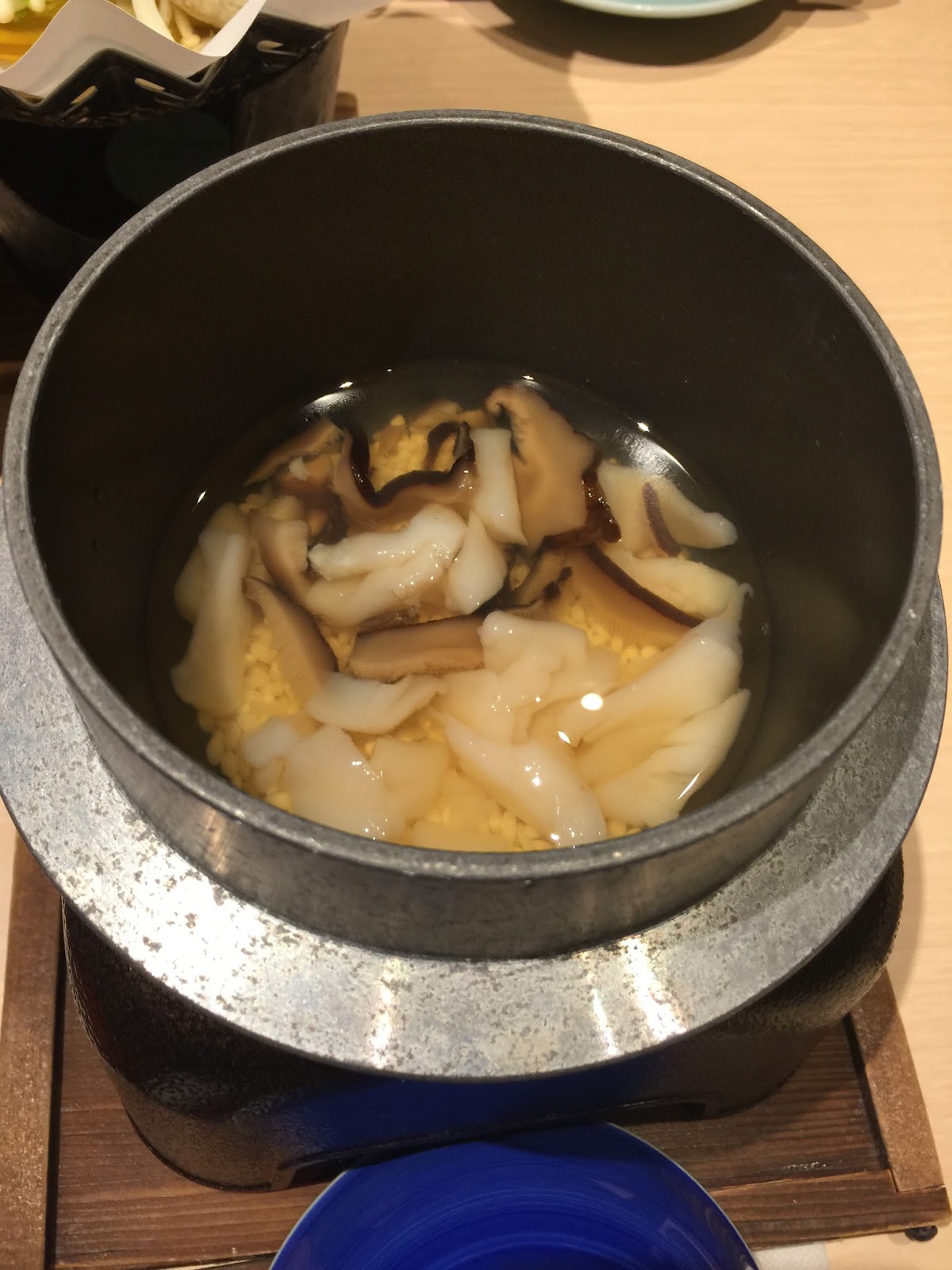
The rice hot pot which takes 30 mins to cook. There are scallops underneath the bed of rice. It was very tasty and well worth the wait
Japanese mash sweet potato for dessert and seasonal Japanese pickles
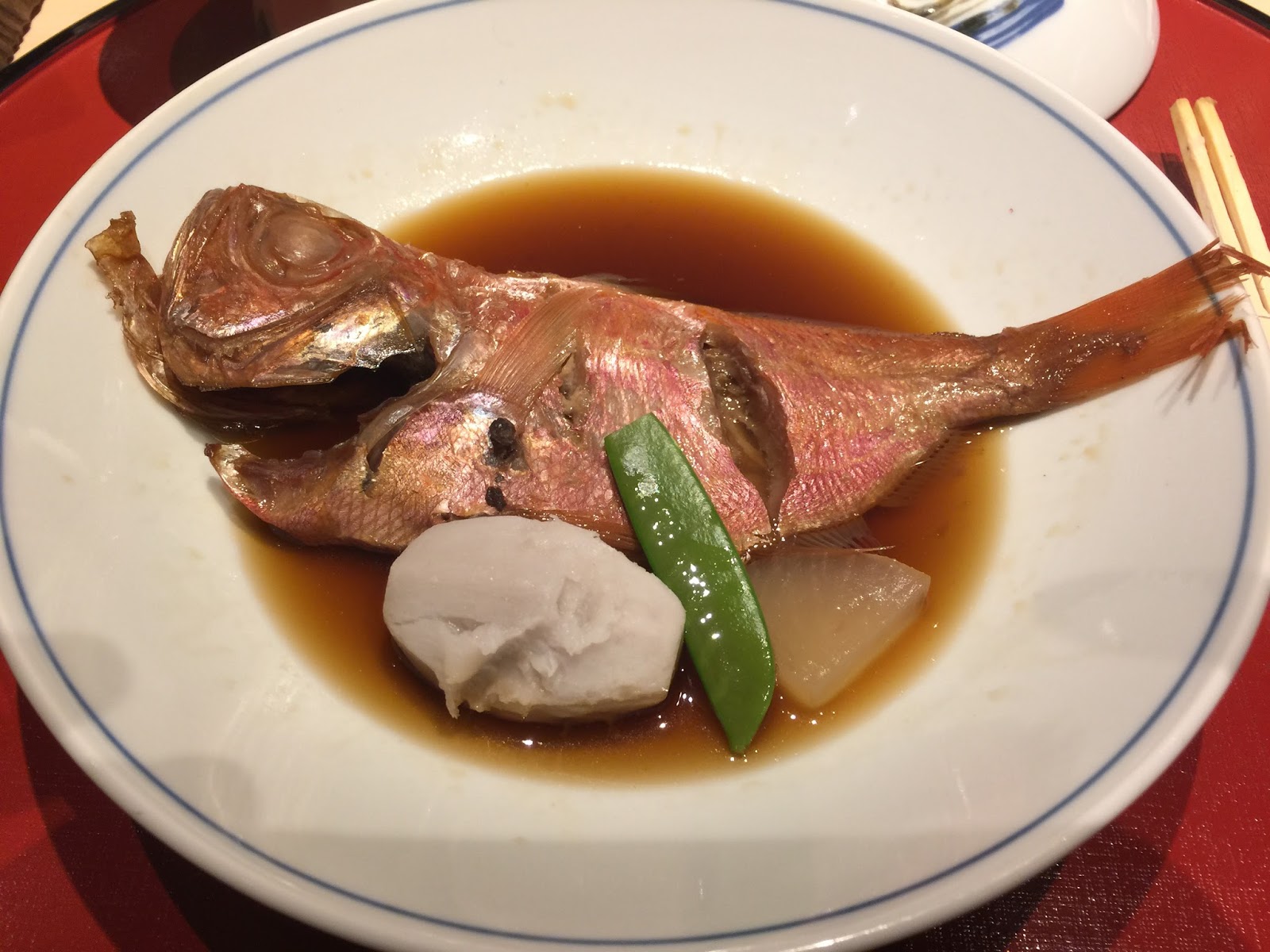
We each have a Red snapper simmered Japanese style. The Red snapper tasted very fresh
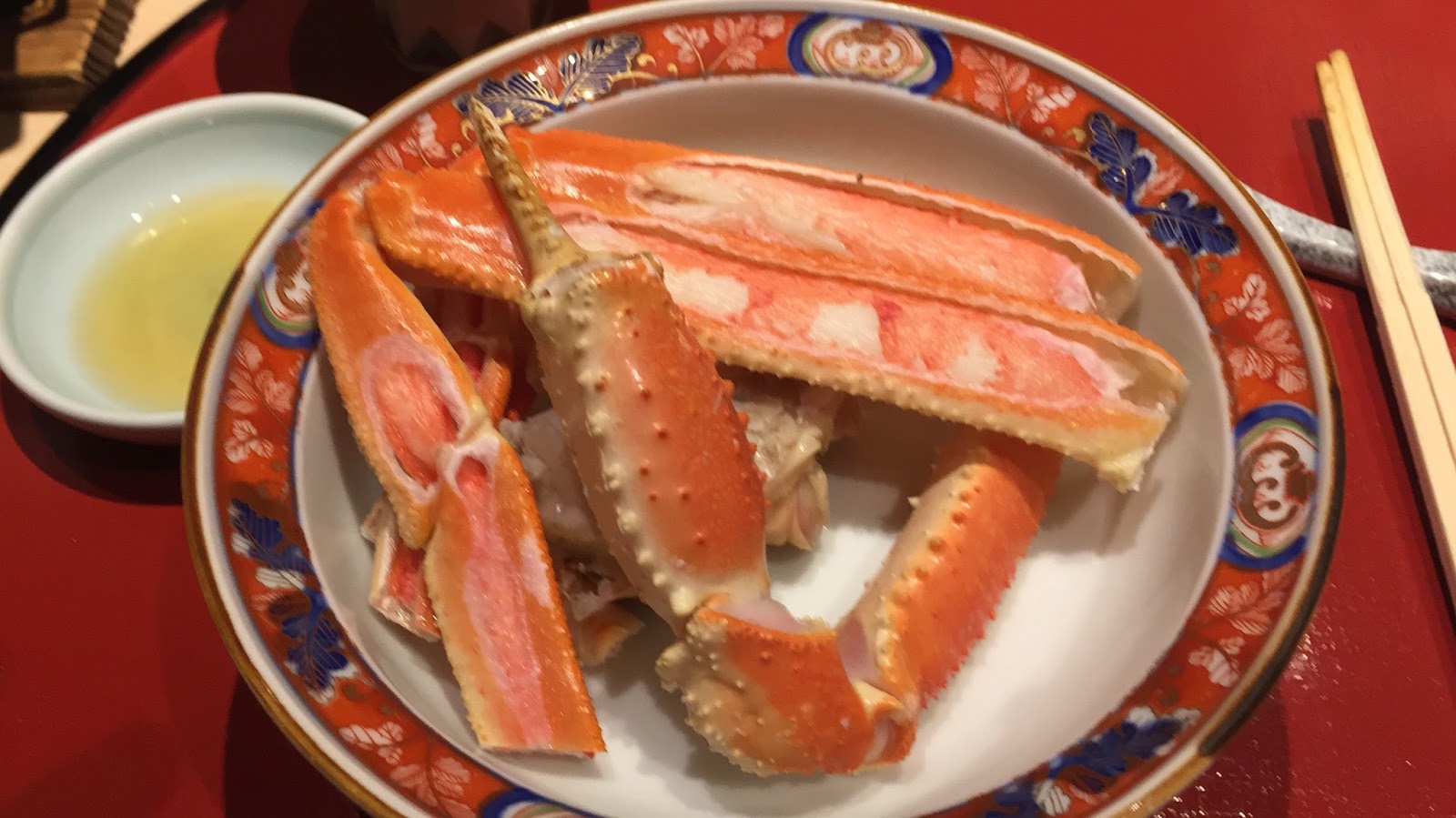
Vinegared Snow Crab, which tasted light and fresh
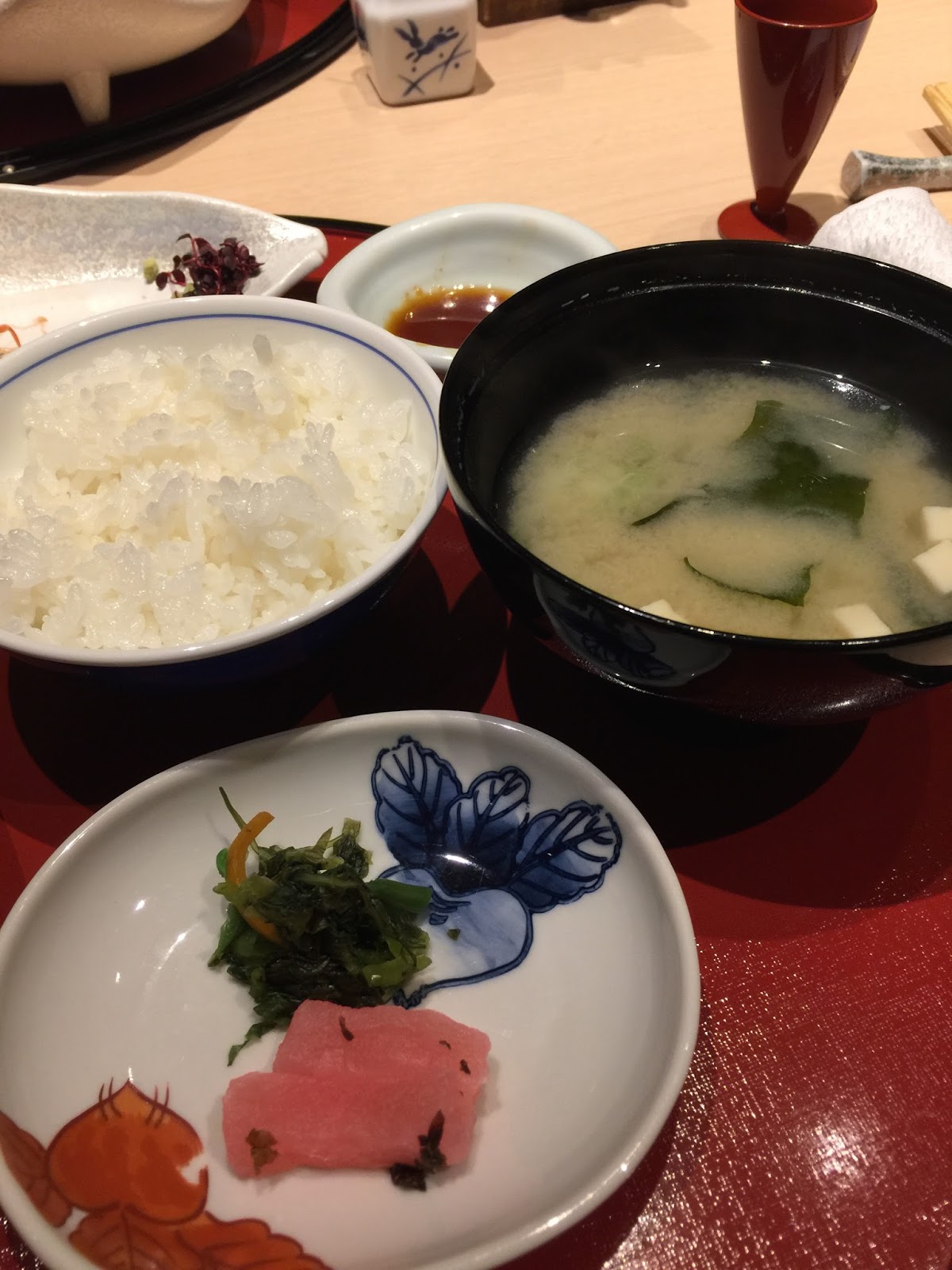
Japanese pickles and miso soup
We wore Yukata to dinner and to the onsen in the hotel
Entrance to the onsen
The male onsen
My friend in the changing area of the male onsen
Map of the massive onsen in the hotel
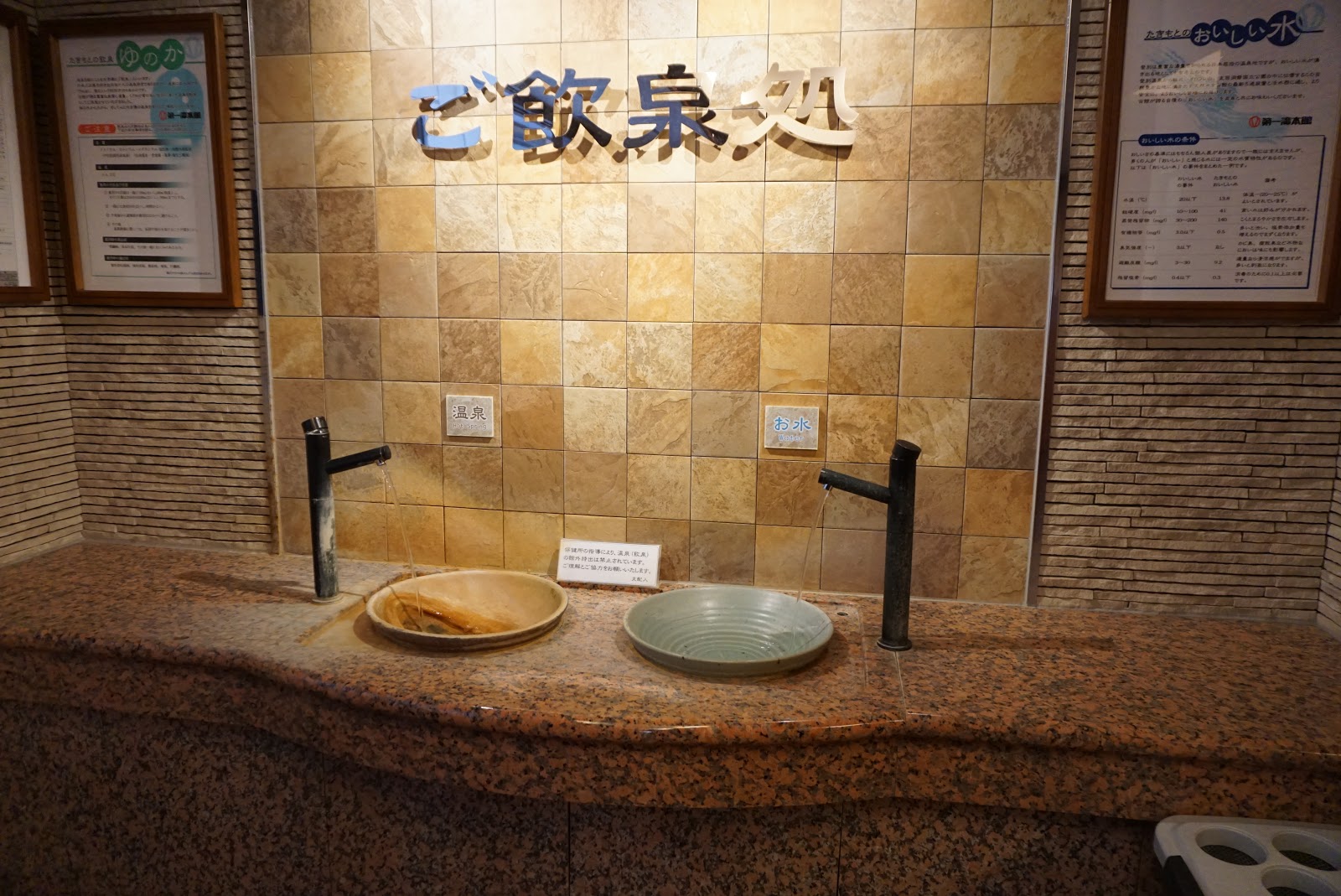
The tap on the left dispenses hot spring water and the one of the right just regular cold water
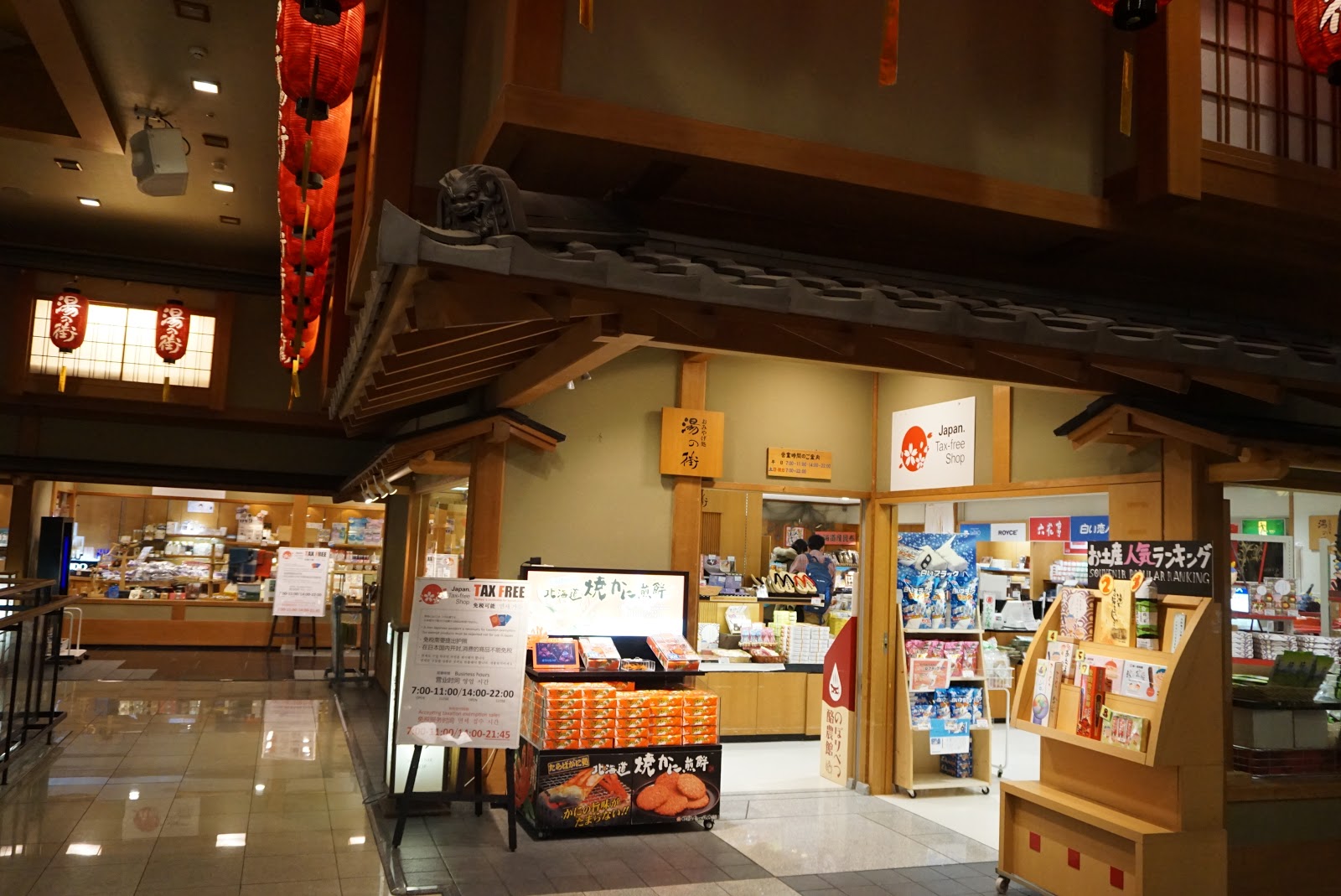
We took a walk at the souvenir shop inside the hotel after dinner
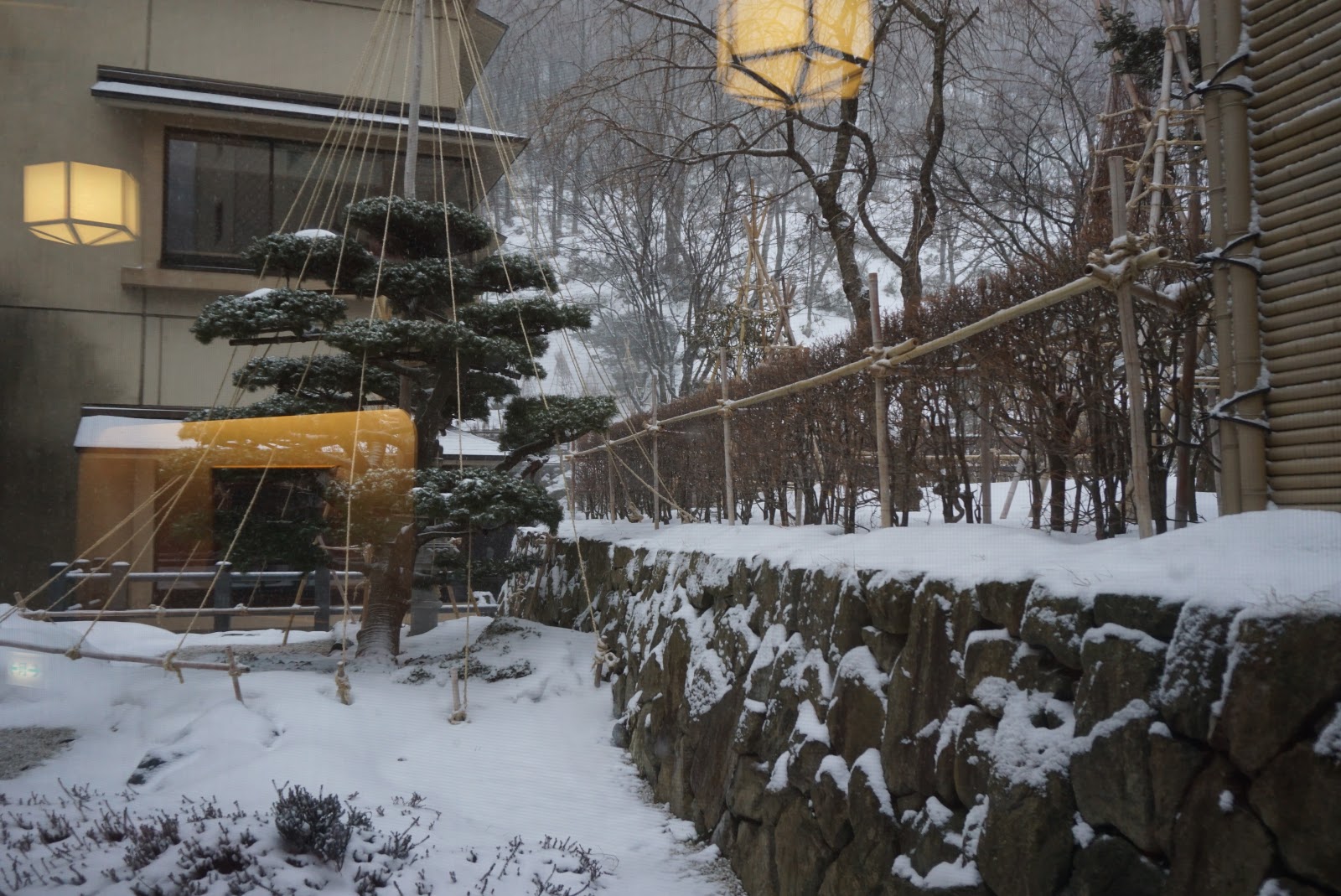
The garden within the hotel grounds

Hokkaido Day 6 (Abashiri) (19 Feb 17) – Riding the Special Train that Operates Only in Winter Along the Coast of Abashiri and Watching Angels in Okhotsk Ryu-hyo Museum

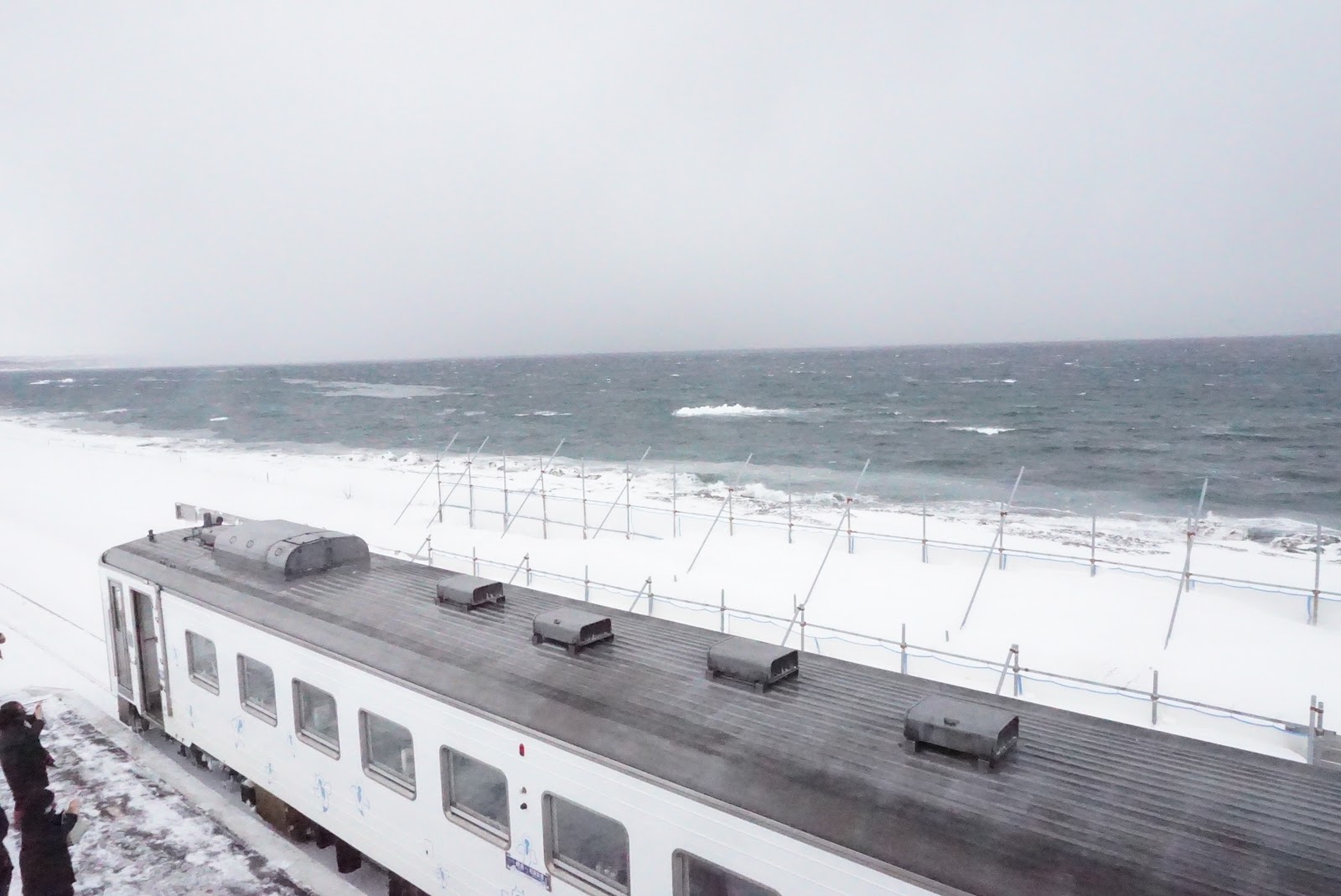
Replacing the old Ryuhyo Norokko is the modern diesel-powered Ryuhyo Monogatari Train for the special winter round trip from Abashiri to Shiretoko-Shari JR Station

The Train Service to Shiretoko That Runs During Winter

The other winter only event in the city of Abashiri is riding on the Ryuhyo Norokko Train along the coast towards Shiretoko-Shari Station. The highlight of taking the JR on this route is the ability to see the drift ice from the train as this is where the train tracks pass close to the shore as the train cruises slowly along the tracks along the coast. However, the Ryuhyo Norokko Train boasting panoramic views of the Sea of Okhotsk clutched in wooden seats ceased operations in 2016. Replacing the ageing locomotive is the modern diesel-powered Ryuhyo Monogatari Train, which resembles the JR that we have been travelling on in this Hokkaido trip. The Ryuhyo Monogatari Train took over the round trip runs plying the Abashiri to Shiretoko-Shari to Abashiri route from the Ryuhyo Norokko Train. There are no reserve seatings onboard the Ryuhyo Monogatari Train, all seats are the first-come-first-served basis. The best seats on the train are those on the left side of the train, where the coast will be seen. Naturally, these seats were snapped up quickly as my friend and I stepped onto the train. We only found seats on the right side of the train, which meant that we can only view the drift ice from afar. As the train pulls out of Abashiri Station, the city sights seem boring. Passing through a tunnel, the coast was immediate to our left. The train started to slow down for the passengers on board to get a glimpse of the coast and any drift ice on it. This got most of the passengers onboard this limited special service Ryuhyo Monogatari Train service excited. I can hear people gasping in awe and cameras snapping away, despite there is not much drift ice in sight, except for a couple of icebergs looking drift ice floating on the sea.
Ryuhyo Monogatari Train at Abashiri Station ready to depart along the coast to Shiretoko-Shari Station 
Wefie before we board the Ryuhyo Monogatari
Onboard the Ryuhyo Monogatari Train getting ready to see drift ice from the train
Staff explaining something in Japanese. As we do not understand Japanese we thought she might be introducing the special winter-only Ryuhyo Monogatari service 
Ryuhyo Monogatari pulling out of Abashiri Station
Snow-covered City of Abashiri
The Ryuhyo Monogatari slowed down as we reached the shoreline, where specks of drift ice can be seen from the train
The amount of drift being washed ashore 
More drift ice sighting from Ryuhyo Monogatari Train
This drift ice look more like an iceberg

As the Ryuhyo Monogatari Train made its way to Shiretoko-Shari Station, it started to snow. Drift ice hugging the coast began to appear. At one point in time, the line between land and sea became blurred as the Ryuhyo Monogatari passed by the snow-covered beach with the drift ice hugging the shore. The Ryuhyo Monogatari made a 10 min stop in Kitahama Station, which is the closest station to the Sea of Okhotsk.  The Kitahama Station is a very small station constructed with wood. The highlight of stopping at this station is the 2 storeys tall wooden structure, which allows passengers to get a good look at the Sea of Okhotsk. We climbed up the wooden structure and were able to see the drift ice and the coast with the sea beyond the drift ice. As it was snowing plus the strong sea breeze, it was not only cold, the snow hitting on my face making standing at the platform uncomfortable. My friend and I headed back to the train and found ourselves seats that are on the left side of the train. This means we were able to see the drift ice better for the rest of the journey on board the Ryuhyo Monogatari to Shiretoko-Shari. For the rest of the journey, drift ice was seen constantly. At one point along the tracks, it began to snow heavily. The white snow seems to stretch forever into the horizon. The Ryuhyo Monogatari soon pulled into Shiretoko-Shari Station. The train will continue its journey back to Abashiri Station.

The Ryuhyo Monogatari Train viewed from the wooden 2-storey platform 
Taking a wefie from the platform where the drift ice can be better seen
Drift ice being washed ashore viewed from the 2-storey wooden platform
Ryuhyo Monogatari Train in Kitahama Station with drift ice hugging the shore. Kitahama Station is the nearest to the coastline 
The wind is very strong plus the snow, but still, we have some time to take a wefie before boarding the Ryuhyo Monogatari
We continue our journey onboard Ryuhyo Monogatari towards Shiretoko-Shari 
The line between shore and drift ice became blurred
Snow-covered beach
I have no idea where the shore ends and the drift ice begins
Snow Winterland in Abashiri
This is part of the beach which is entirely covered with snow
Taking a wefie at Shiretoko-Shari Station

My friend and I alighted the train, thinking that we need to validate our return tickets at the station. Upon enquiring a staff at the station, we were told that we need not do that and can validate our tickets when we reach Abashiri Station. By the time we got back onto the Ryuhyo Monogatari our “golden seats” were taken. We sat on whatever seats that were empty as the train is getting crowded. The return trip is very much repetitive, same sceneries same drift ice conditions. We were not too disappointed to seat on the none drift ice view side of the train. However as the train zip past drift ice, especially the part where the entire place is covered in a blanket of white, be it from the snow on the beach or the drift ice, I will still find it charming and an incredible sight. For the return trip, the Ryuhyo Monogatari stop at Hama-Koshimizu Station instead of Kitahama Station. Hama-Koshimizu station is a larger station. The station has a shop where visitors can sample corn soup and buy souvenirs from. The train 20 mins stop at Hama-Koshimizu Station feels like the train is here for passengers to get souvenirs from the shop in the station. The Ryuhyo Monogatari completed the rest of the journey back to Abashiri after the extended stop at Hama-Koshimizu Station. As we have seen the sights along the way just mere minutes ago, the sight along the coast ceased to amaze us.

The coast, the drift ice and the sky are all white
I can’t tell where the shore ends and the drift ice in the sea starts
Drift ice as seen onboard the Ryuhyo Monogatari Train
My friend in front of Ryuhyo Monogatari  when it pulled into Hama-Koshimizu Station for a 20 mins break
Shop in Hama-Koshimizu station
Passengers onboard the Ryuhyo Monogatari buying souvenirs at Hama-Koshimizu Station
The layer of white floating fare out in the Sea of Okhotsk is drift ice
No drift ice insight as Ryuhyo Monogatari drove nearer to Abashiri Station
Blocks of iceberg looking drift ice in the Sea of Okhotsk
Mascots of Ryuhyo Monogatari Train in Abashiri Station
Me taking a photo with one of the mascots of Ryuhyo Monogatari  Train in Abashiri

The Angels in Okhotsk Ryu-Hyo Museum

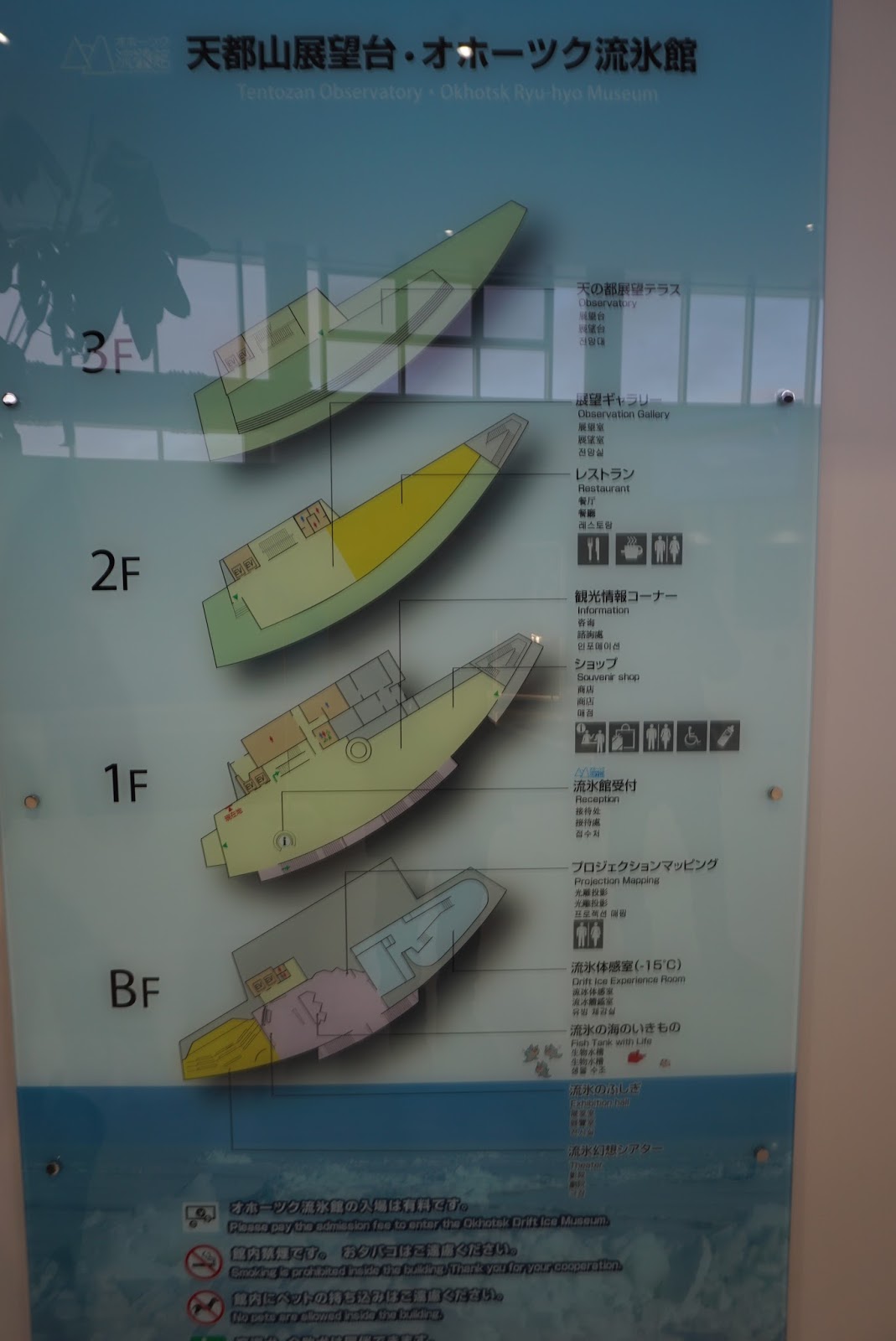
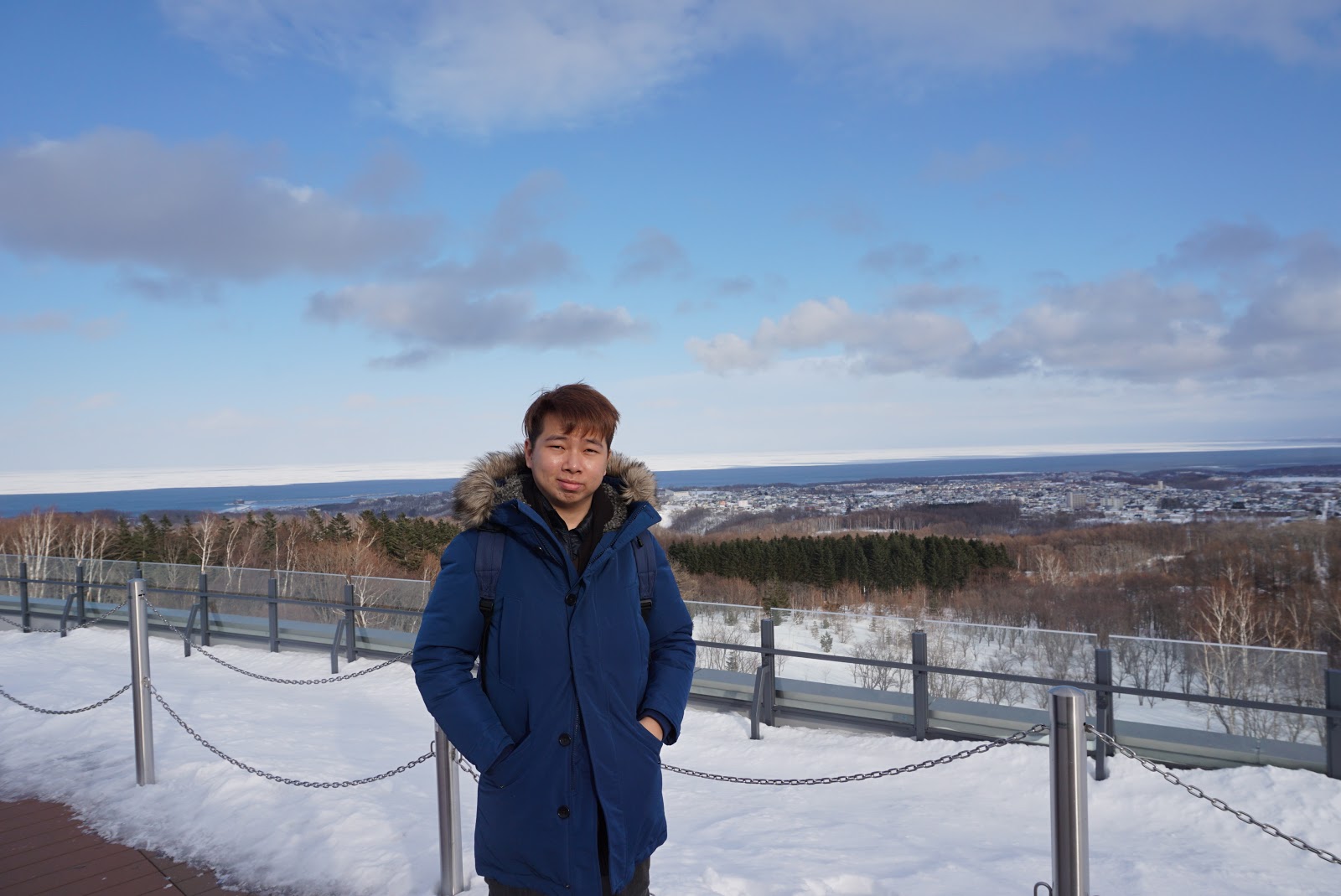
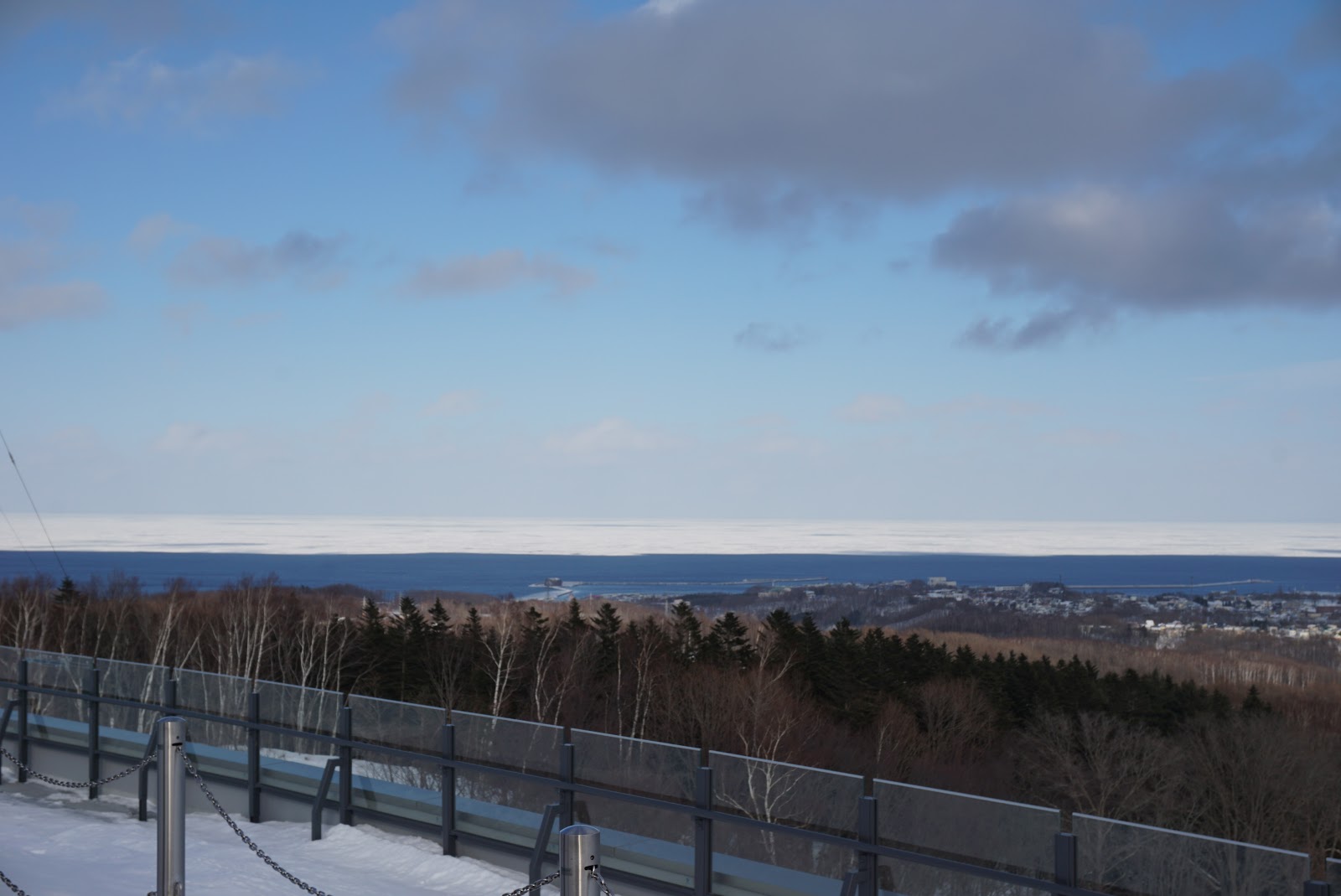
Alighting the Ryuhyo Monogatari, my friend and I caught the next bus to the Okhotsk Ryu-Hyo Museum. The Okhotsk Ryu-Hyo Museum is a 3-storey building (technically 4 if the basement is taken into consideration), built on top the 207m high Mt Tento (or Tentozan) educating visitors on the drift ice and the life inside the drift ice. My friend and I headed for the rooftop observatory, to catch the view of the entire City of Abashiri and its surroundings. From the rooftop observatory, we could get a great unobstructed 360° view from the mountain. The view from the rooftop observatory started from the greenery of the evergreen trees around the Okhotsk Ryu-Hyo Museum that calls Tentozan home. As we cast our sights further, the sea of white took over the sea of green where the frozen Lake Abashiri and the frozen Abashiri River that runs through the city into the Sea of Okhotsk, as well as the entire Abashiri City, covered in snow. Beyond the city of Abashiri, the colour turned blue where the Sea of Okhotsk was in sight, yet further into the Sea of Okhotsk, the white coloured drift ice could be seen. The view on the rooftop observatory was simply stunning. As it was getting cold from the wind, my friend and I headed to the basement of Okhotsk Ryu-Hyo Museum.

Okhotsk Ryu-Hyo Museum sits on top of the 207m Tentozan in Abashiri
Wefie at the entrance of Okhotsk Ryu-Hyo Museum
The Okhotsk Ryu-Hyo Museum has 4 levels
My friend on the rooftop observatory of Okhotsk Ryu-Hyo Museum
Me at the rooftop observatory of Okhotsk Ryu-Hyo Museum
City of Abashiri and drift ice (the white patch floating on top of the sea on the horizon) seen on rooftop observatory of  Okhotsk Ryu-Hyo Museum
Panoramic shot of City of Abashiri and Sea of Okhotsk from Okhotsk Ryu-Hyo Museum
My friend with the frozen Lake Abashiri in the background
View of City of Abashiri on the rooftop observatory of Okhotsk Ryu-Hyo Museum
Frozen Lake Abashiri saw from the rooftop observatory of Okhotsk Ryu-Hyo Museum

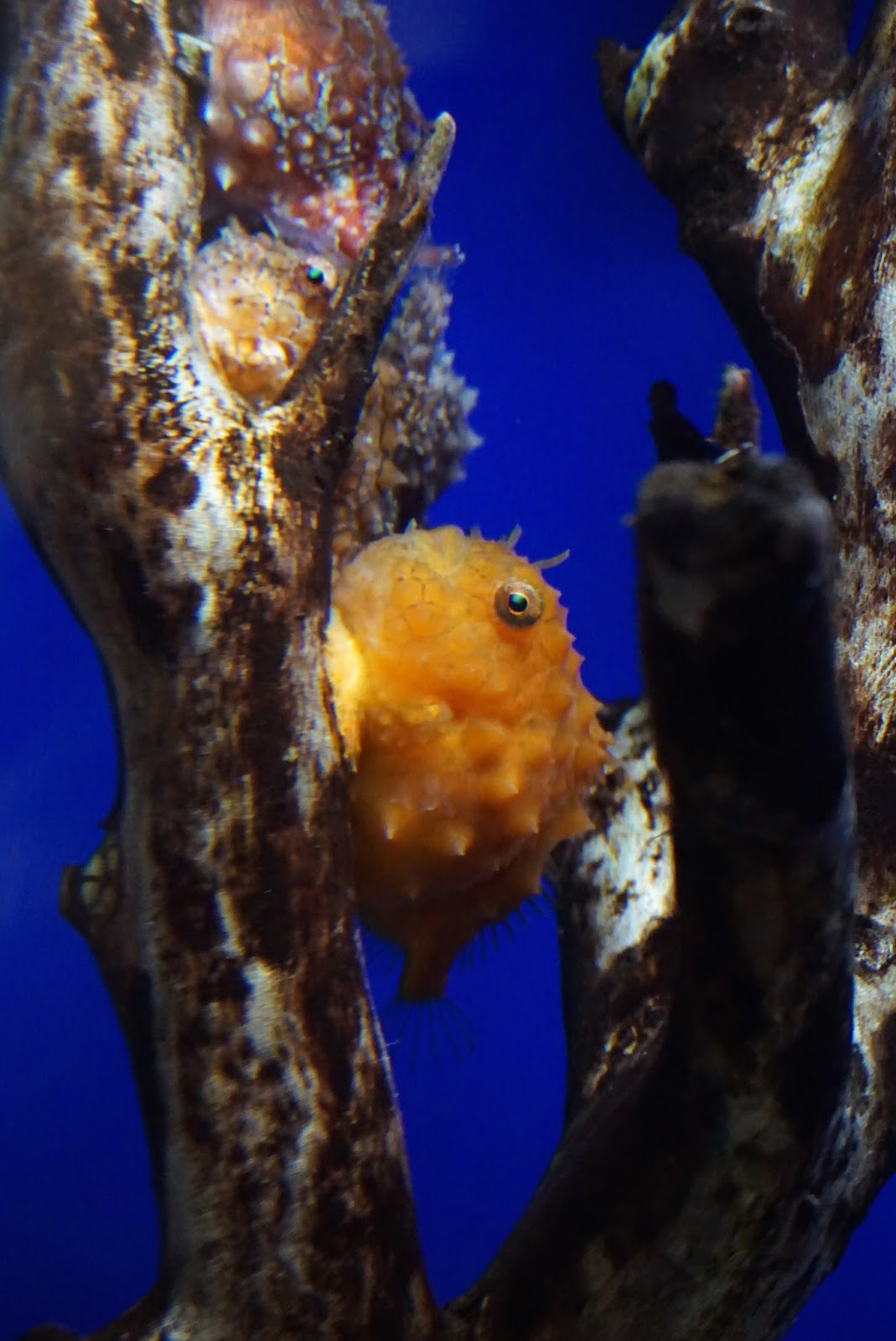
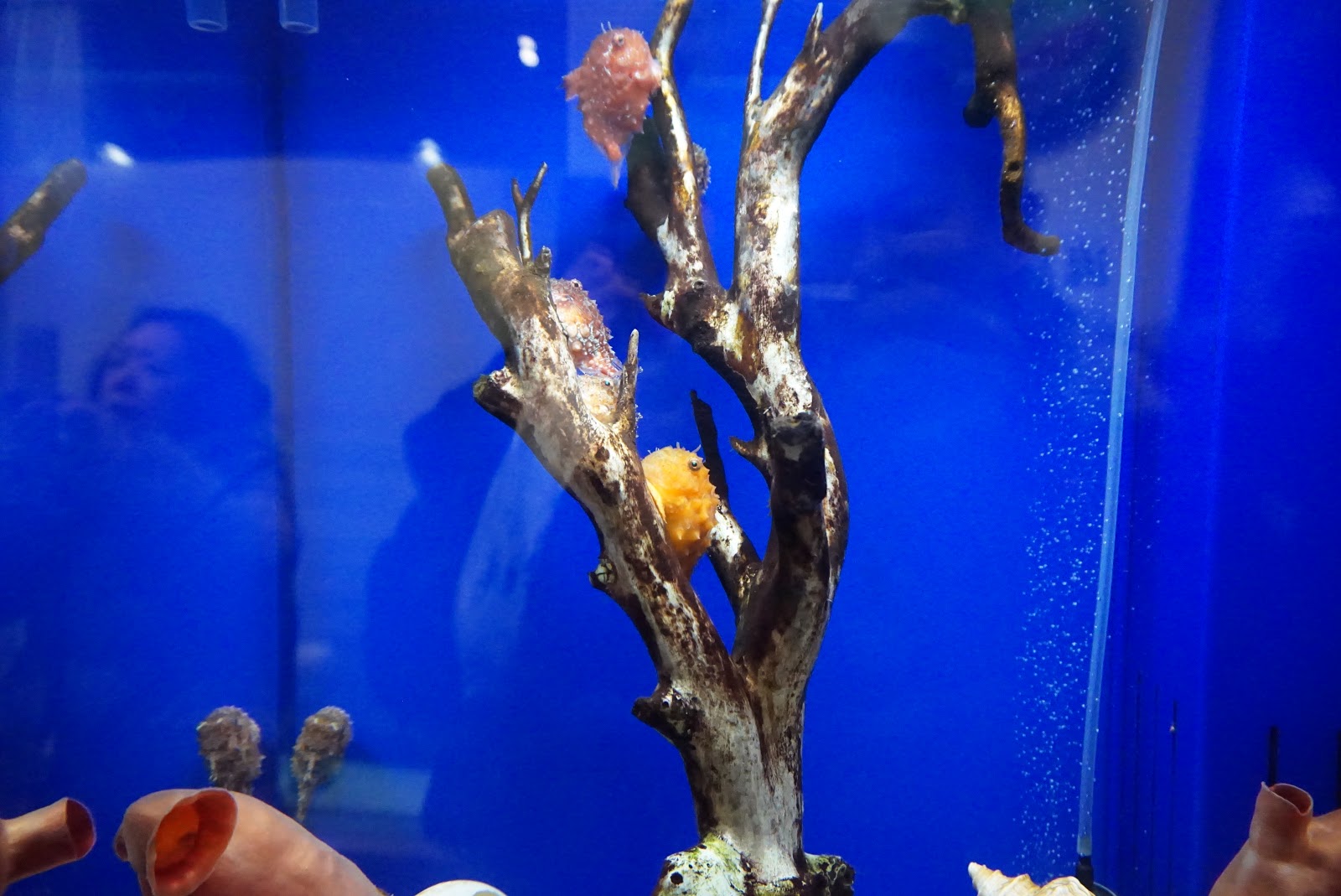
Passing the ticketing counter, down a blue lighted staircase, we arrived at the heart of the museum, the Life in the Drift Ice display. The first thing that caught our eyes is 3 small tanks with semi-transparent organism swimming inside it. This is the thing we have came to see. The Cliones, otherwise known as the Sea Angels. These elegant creatures, about the size of a thumb, are actually sea slugs. They were given the name Sea Angels as these elegant little creatures swim in the sea by flapping their wing-like fins, resembling angels flipping their wings when flying in the sky. I was mesmerised by these fascinating creatures and spent a good 30 mins observing them swimming in the enclosed tanks. One of the staff begins to inform us that there will be a short clip in the theatre further in the museum. The short 15 min video clip was about the formation of drift ice and the life beneath the drift ice. As we exited the theatre, what caught my eyes were several tanks, where stonefish-like fishes were kept. The rock looking fishes looked pretty similar except for the colour pigmentation on their skin.

Down this blue corridor is the Life in the Drift Ice display located in Basement of Okhotsk Ryu-Hyo Museum
The Sea angel is also a mascot for the City of Abashiri
The Sea Angel is a white and orange covered in a transparent body organism that lives underneath the drift ice
The Sea Angel flipping its fins resembling an angel flapping its wings in flight
Life under the drift ice
Pufferfish that lives under the drift ice
Fishes that live under the drift ice
A weird-looking fish that lives under the drift ice
These fishes looking rock

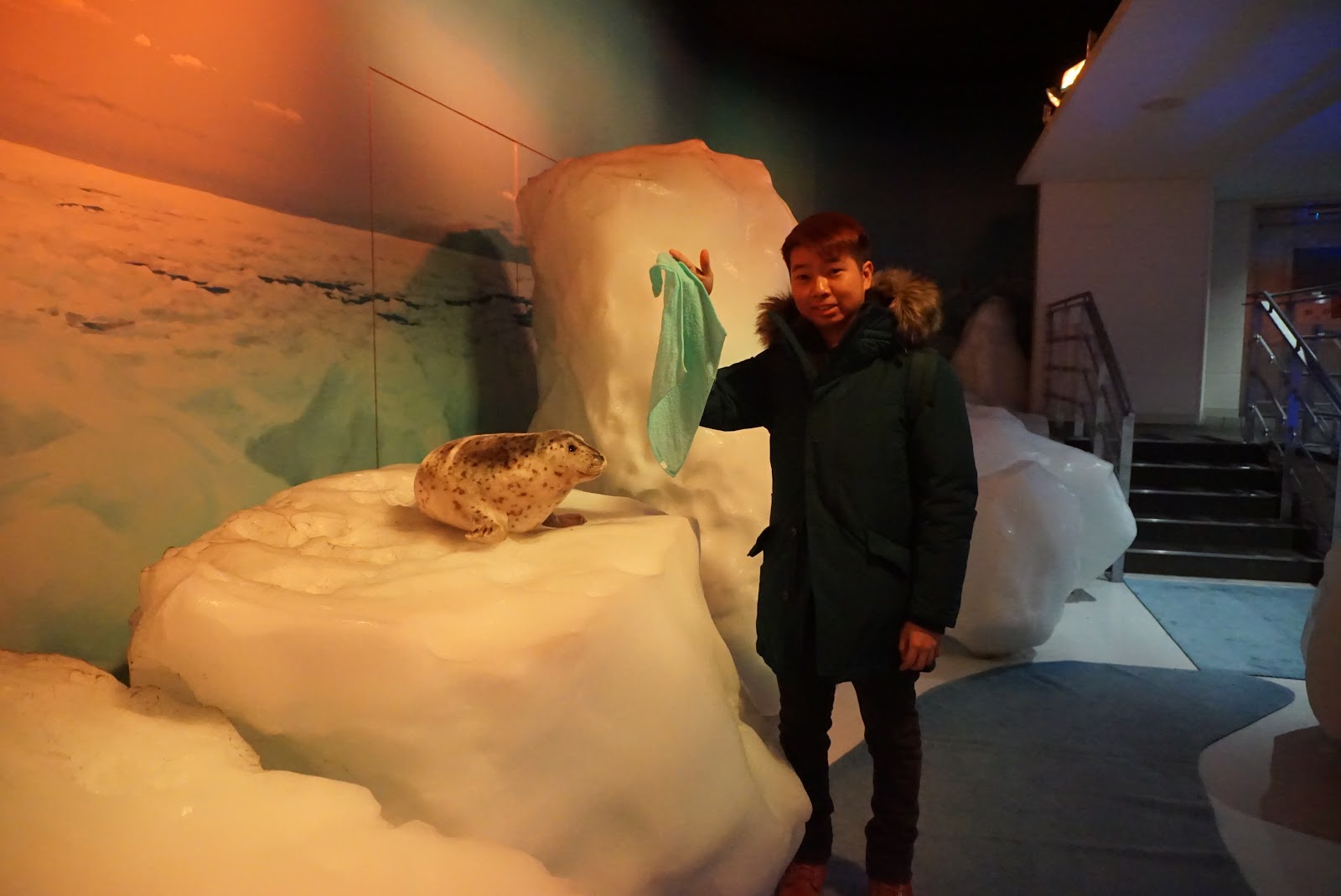
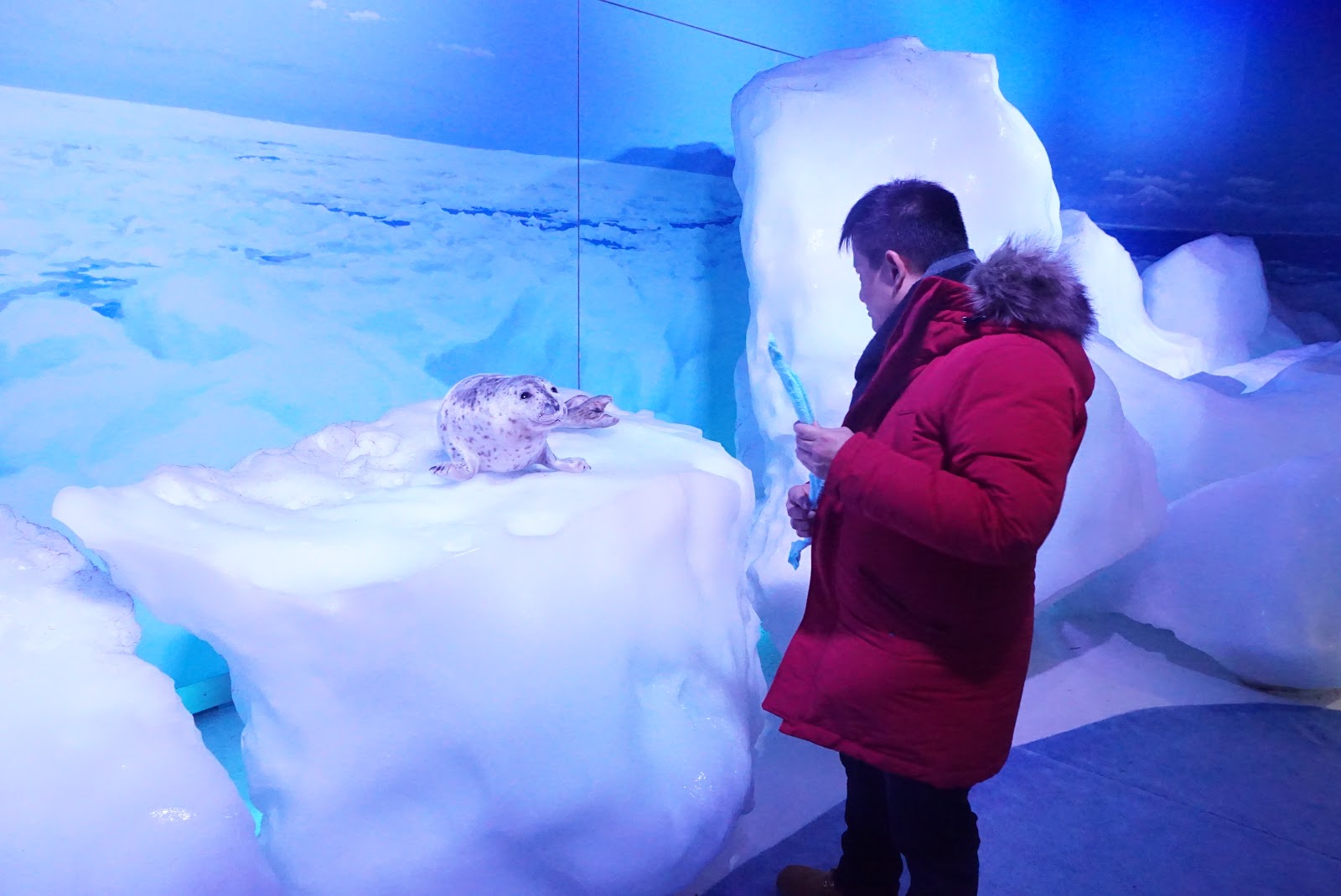
Snapping some pictures, we headed for the Drift Ice Experience Room. The drift ice experience room was kept constantly at -15℃ to allow visitors to experience the coldness on drift ice. There is real drift ice on display in the room, together with replicas of seals. I liked the colour display inside the drift ice experience room, where the day turned into night and back into day again constantly replays itself realistically. Before entering the room, we were handed a wet towel and the staff told us to flip the towel while inside the room. So we did that and the towel stiffens. I thought the drift ice experience room was a great place for us to physically touch the drift ice, coupled with the ingenious way of using visual lightings to simulate the different time of the day, it was certainly an enjoyable experience.

My friend in the Drift Ice Experience Room in Okhotsk Ryu-Hyo Museum
Taking a wefie with a fake seal in the Drift Ice Experience Room in Okhotsk Ryu-Hyo Museum
Me in Drift Ice Experience Room in Okhotsk Ryu-Hyo Museum. The ice on display are real drift ice taken from the Sea of Okhotsk
Real drift ice taken from the Sea of Okhotsk on display in Drift Ice Experience Room in Okhotsk Ryu-Hyo Museum
I like the display of lights simulating different time of the day in Drift Ice Experience Room in Okhotsk Ryu-Hyo Museum

My friend and I left the museum to catch the last bus back to Abashiri. After dinner, we headed back to our hotel to pack for our next destination tomorrow on our Hokkaido trip. We will be travel from East to West the next day to the Onsen Town of Noboribetsu.


Hokkaido Day 5 (Abashiri) (18 Feb 17) – Next Stop, Abashiri and Cruising on the Ice Breaker

Drift ice is the reason that brought us to Abashiri

Next Stop – Abashiri

Our next stop for this Hokkaido trip is Abashiri. To get to Abashiri, we could have taken the bus from the hotel (costs ¥500), then transfer to the JR (costs ¥3,670). The total time taken for this journey would take us 4½ hours (2 hours by bus from Akanko Onsen to Kushiro JR Station and another 2½ hours by JR from Kushiro Station to Abashiri Station). We were fortunate that the hotel we stayed in provides transfer from the hotel directly to Abashiri JR Station, costing us only ¥500 (we saved ¥3,670 per person). The journey by bus takes around 3 hours. We left the hotel at 9am and arrived at Abashiri at 12.30pm, giving us half a day to tour around the place. Comparing to taking the JR, we will only arrive at Abashiri at 5.16pm, which we would have essentially wasted the whole day. The bus took us through more farmlands and wilderness passing by some towns along the way. The ground is filled with snow on the way to Abashiri, which I was glad to see as I was worried that winter might end soon, after all, it is near to the end of the winter season. There is a point in time the bus passed by a frozen lake with a sign that says “Lake Abashiri”, I know that we are near our destination Abashiri. As we pulled into Abashiri City, alighting the bus, the temperature felt a lot colder than that in Lake Akan. After collecting our luggage, we headed for the hotel which we will be staying for the next 2 nights. The hotel does not permit early check-in and the staff told us to return at 3pm when check-in will be processed. Wanting to waste no time, my friend and I decided to leave our luggage with the concierge of the hotel and headed for the Ice-Breaker Cruise.
Taking our last wefie at Akanko Onsen before we leave for Abashiri 
The bus bound for Abashiri driving through Akanko Onsen
There seem to be some temple in one corner of Akanko Onsen that we did not manage to visit
On our way to Abashiri
The winter landscape is just charming
Everywhere is covered with snow
Our pit stop, halfway between Lake Akan and Abashiri
Pit stop for passengers to go toilet and buy drinks
We journey towards Abashiri resumes
The winter landscape of wilderness Hokkaido as we drive towards Abashiri
Everything covered in snow is just beautiful
Some random shots on the bus towards Abashiri
A small town we passed by
So peaceful
We are near Abashiri
The snow just makes everything look so peaceful
The frozen Lake Abashiri
Finally arrived at Abashiri JR Station after 3 hours on the bus

Aurora Ice-Breaker Cruise

There is a direct bus from Abashiri JR Station to the Ice-Breaker Cruise Terminal, which is at the end of the bus route. There is no way anyone could miss that. We reached the Cruise Terminal after a 10 min bus ride from Abashiri JR Station. The weather felt colder when we alight the bus, partly due to the cold wind blowing from Siberia up north, the very same wind that brought the drift ice to Abashiri. Most visitors to Abashiri came here for the winter only Ice-Breaker Cruise. Drift ice will only reach Abashiri by early Feb and will completely disappear by mid-Mar each year. My friend and I managed to grab lunch at the Ice-Breaker Cruiser Terminal before boarding the 2pm Aurora Ice-breaker cruise.
Taking a wefie in front of Abashiri JR station
A sculpture in front of Abashiri JR Station
The bus that brings us to the ice breaker cruise terminal stops in front of Abashiri JR Station
Wefie on the bus that took us to the ice breaker cruise terminal
The Abashiri Ice Breaker Cruise Terminal
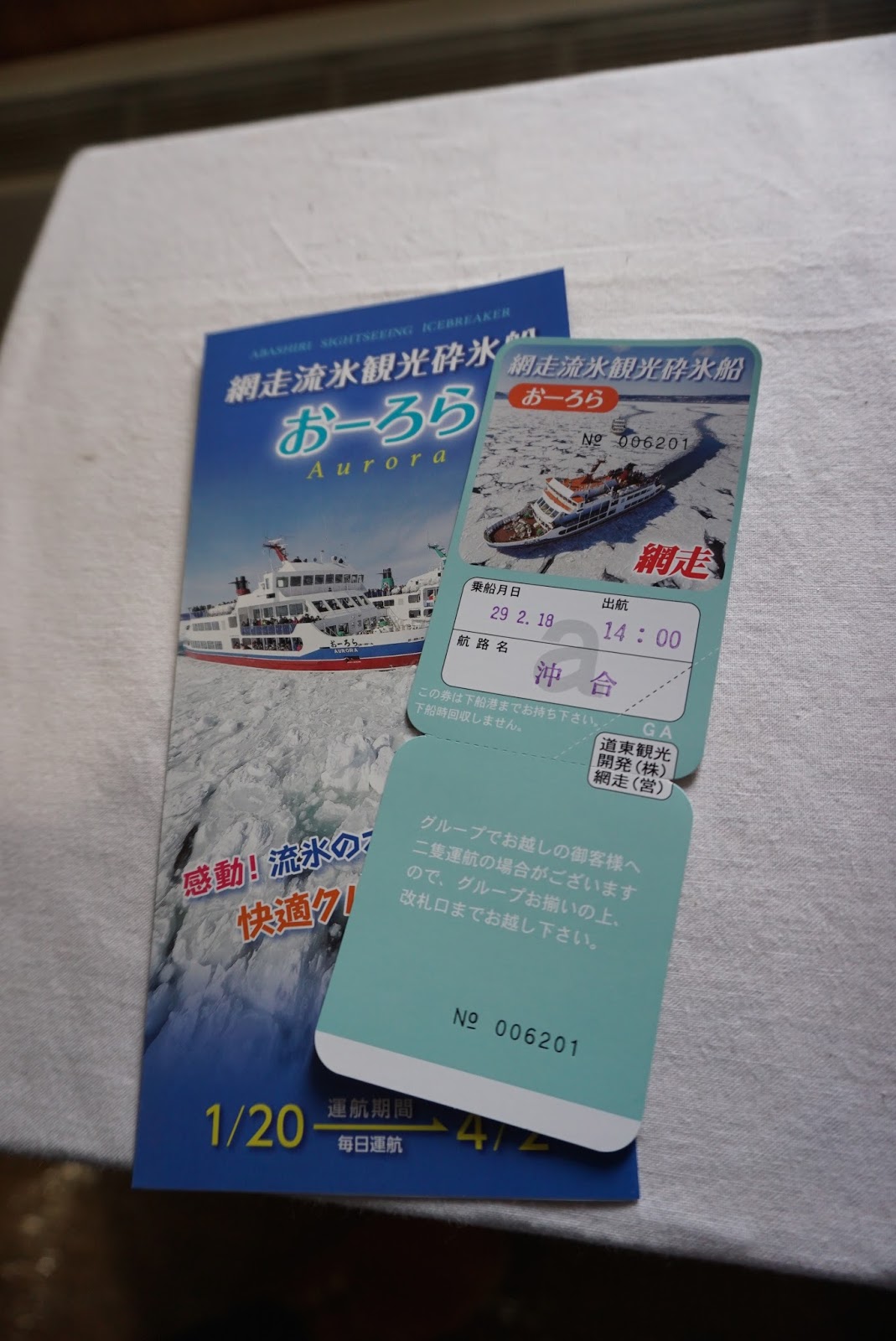
We got the tickets for the 2pm ice breaker cruise
A vending machine which we ordered our food from
Lunchtime
The Aurora Ice Breaker Cruise calling into port
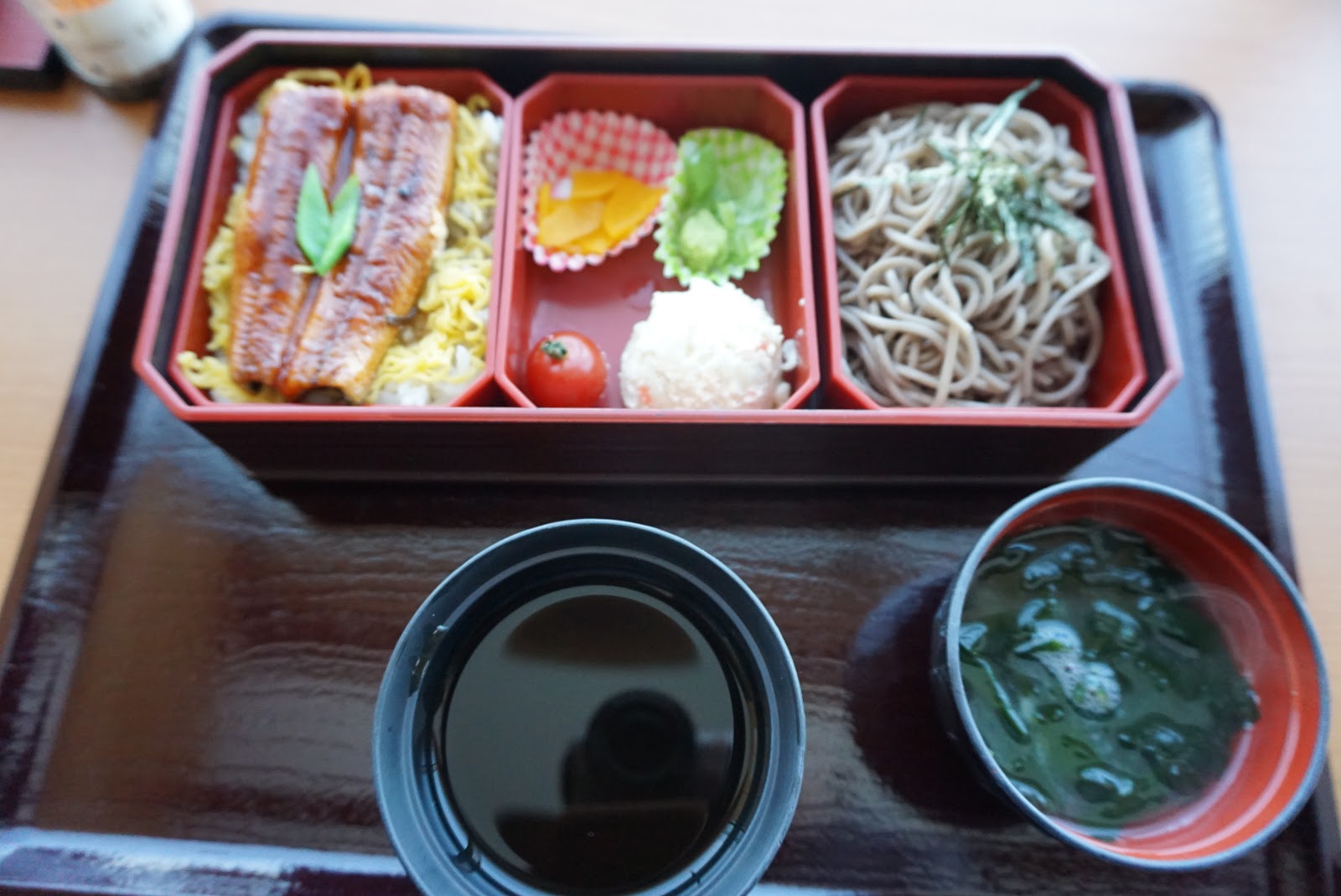
My lunch


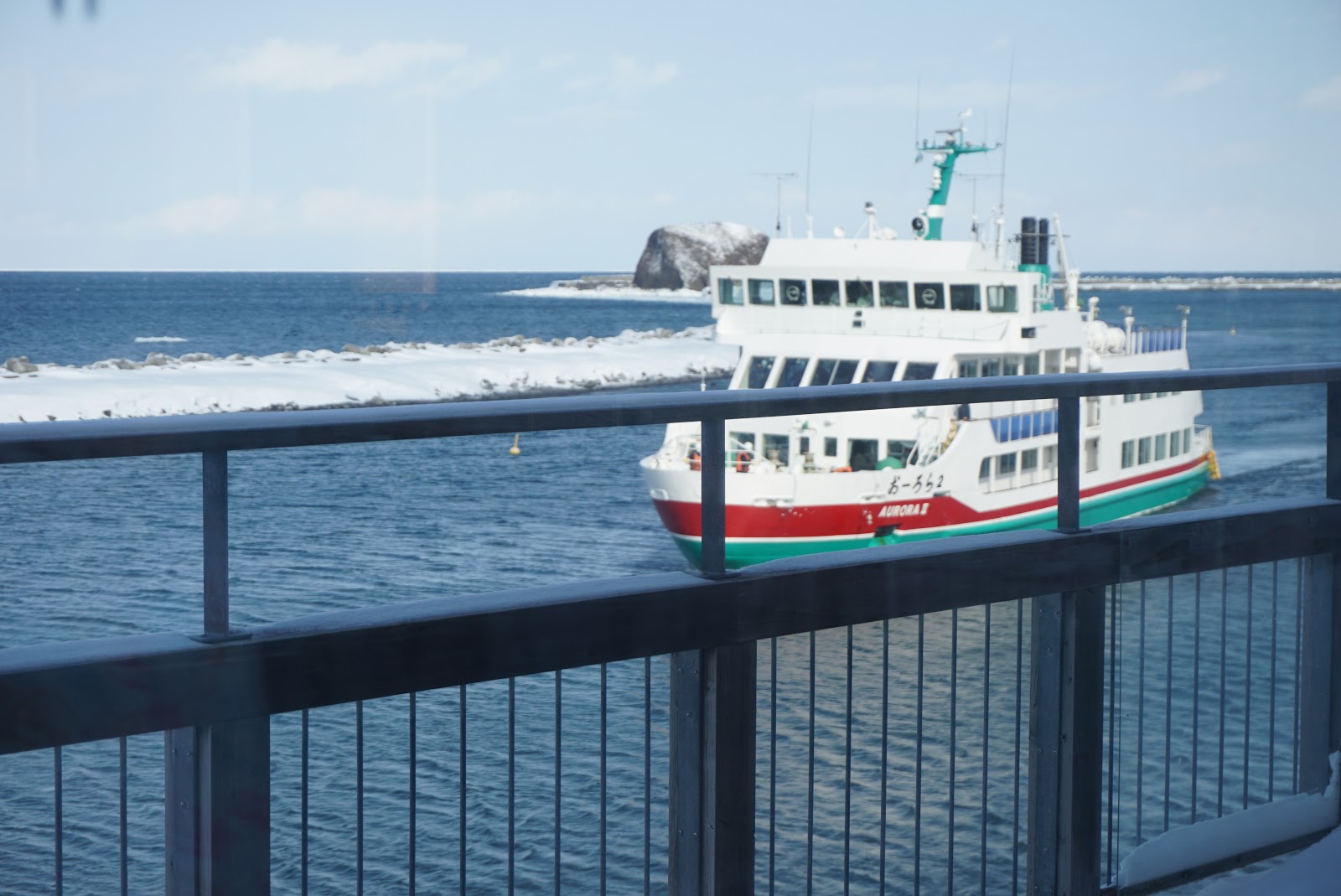
There are 3 levels on board the Aurora Ice-Breaker Cruise. Decks 1 and 2 are indoors while the deck 3 observation deck is outdoors. My friend and I opted to stay at the uppermost observation as we did not want to miss the moment the ship steers into the drift ice. As the ship slowly made its way out of the river into the Sea of Okhotsk, it gets colder. Wearing 5 layers of clothing does not seem to be able to keep us warm. The sea breeze got colder the more we cruise into the Sea of Okhotsk. Soon we found ourselves steering into a sea of white. This is the drift ice that we came to see and experience the ship breaking through the ice. With the cold sea breeze blowing, although it is -11℃, it felt more like -20℃. As the ship display its might breaking the ice along the way, it felt like we were cruising in the arctic ocean. As the ship drives into the drift ice, the sea of white gave way and behind us, I saw a path of sea cleared of the drift ice following the wake of the ship. This is what the Aurora is made for, to display its might against the ice. The scene is nothing like that in Titanic where the mighty ship gave way to the ice, it is the other way round, where the ice gave way to the Aurora. A lot more passengers joined us at the observation deck, snapping pictures and taking videos of when the ship smashes through the vulnerable drift ice.
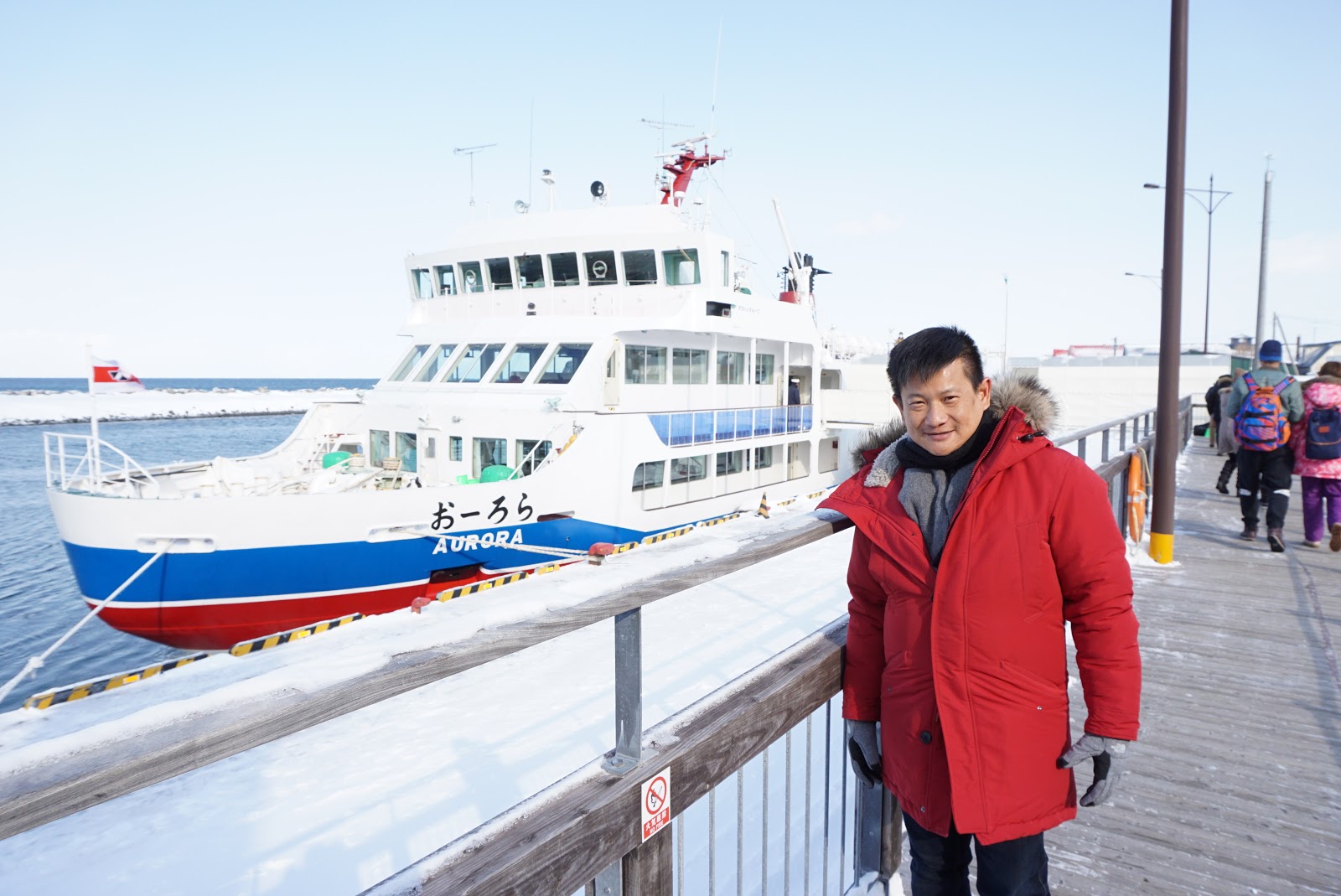
Me in front of Aurora the Ice Breaker Cruise
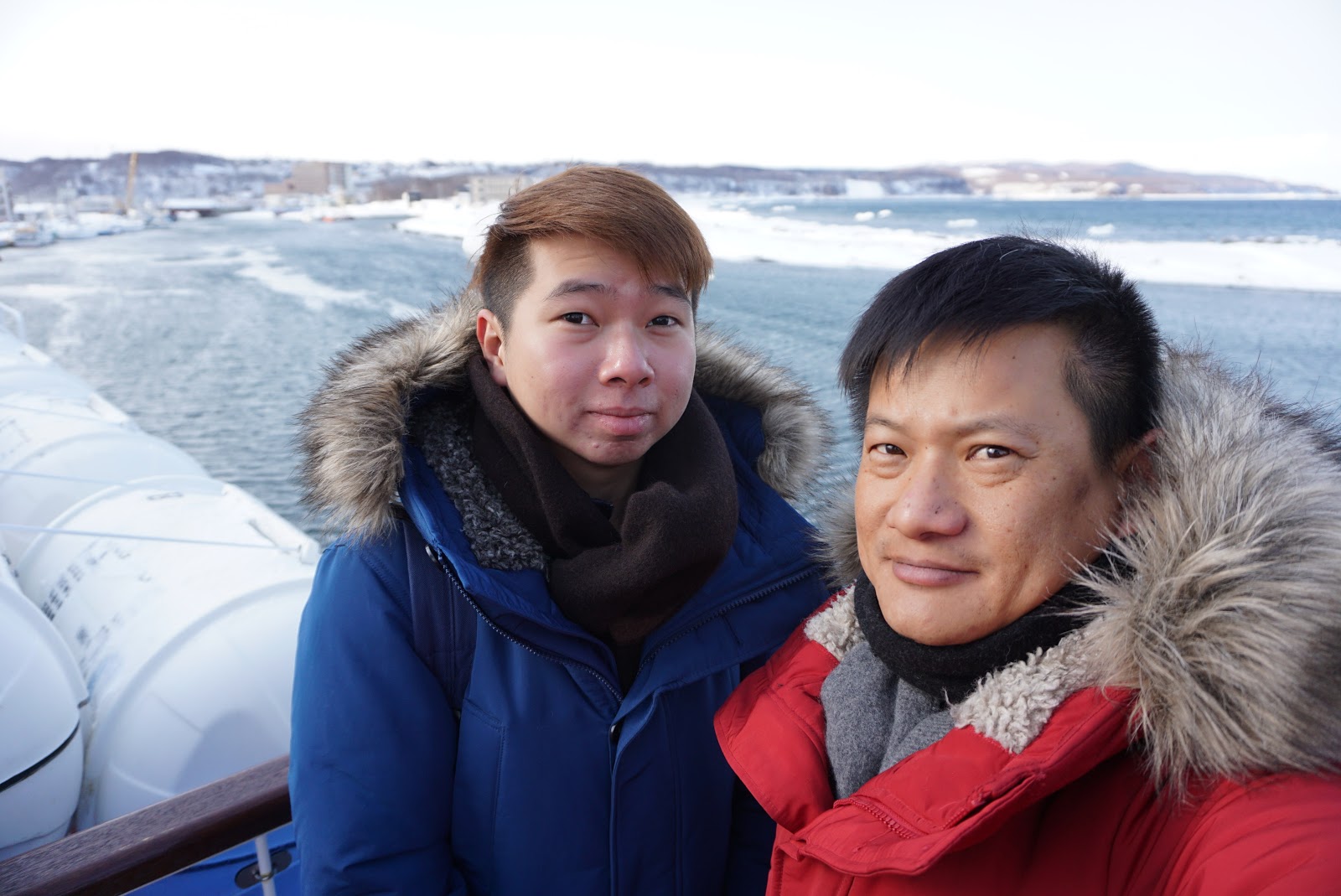
Wefie at the observation deck of the Aurora
Aurora is underway 
We are on our way to break some drift ice
The Aurora sailing towards drift ice
The white patch over the horizon are drift ice
Drift ice insight on the Sea of Okhotsk
Approaching the drift ice
Drift ice in the Sea of Okhotsk
Drift ice everywhere feels like we are sailing in the arctic waters
My friend on the observation deck of the Aurora with drift ice behind
Me in the observation deck with drift ice in the Sea of Okhotsk
Taking a wefie with the drift ice in Sea of Okhotsk onboard the Aurora Ice Breaker 
More Drift Ice
Drift ice in the Sea of Okhotsk
Drift Ice
There seem to be a huge chunk of drift ice coming down to Abashiri
Panoramic shot of the drift ice in the Sea of Okhotsk

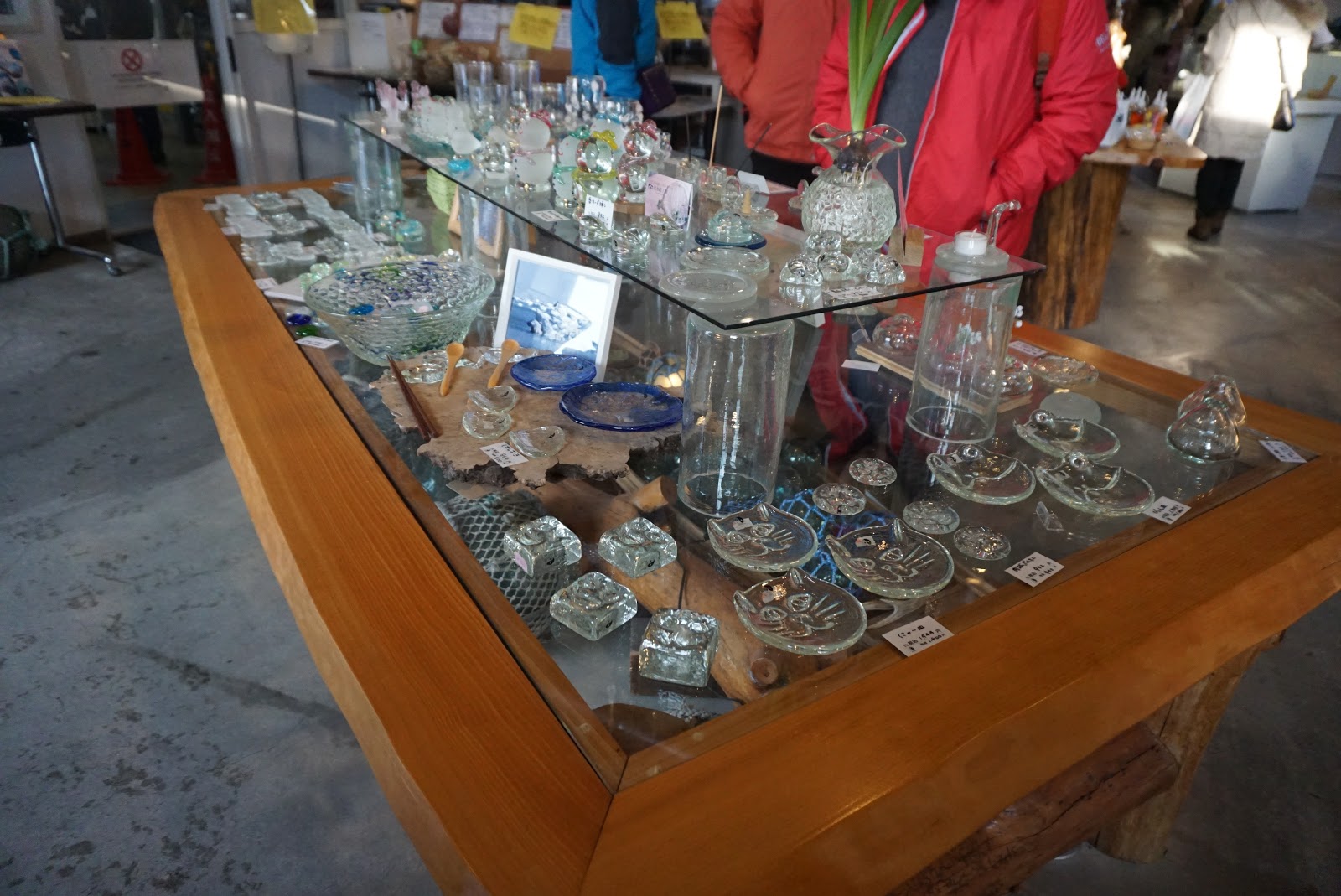
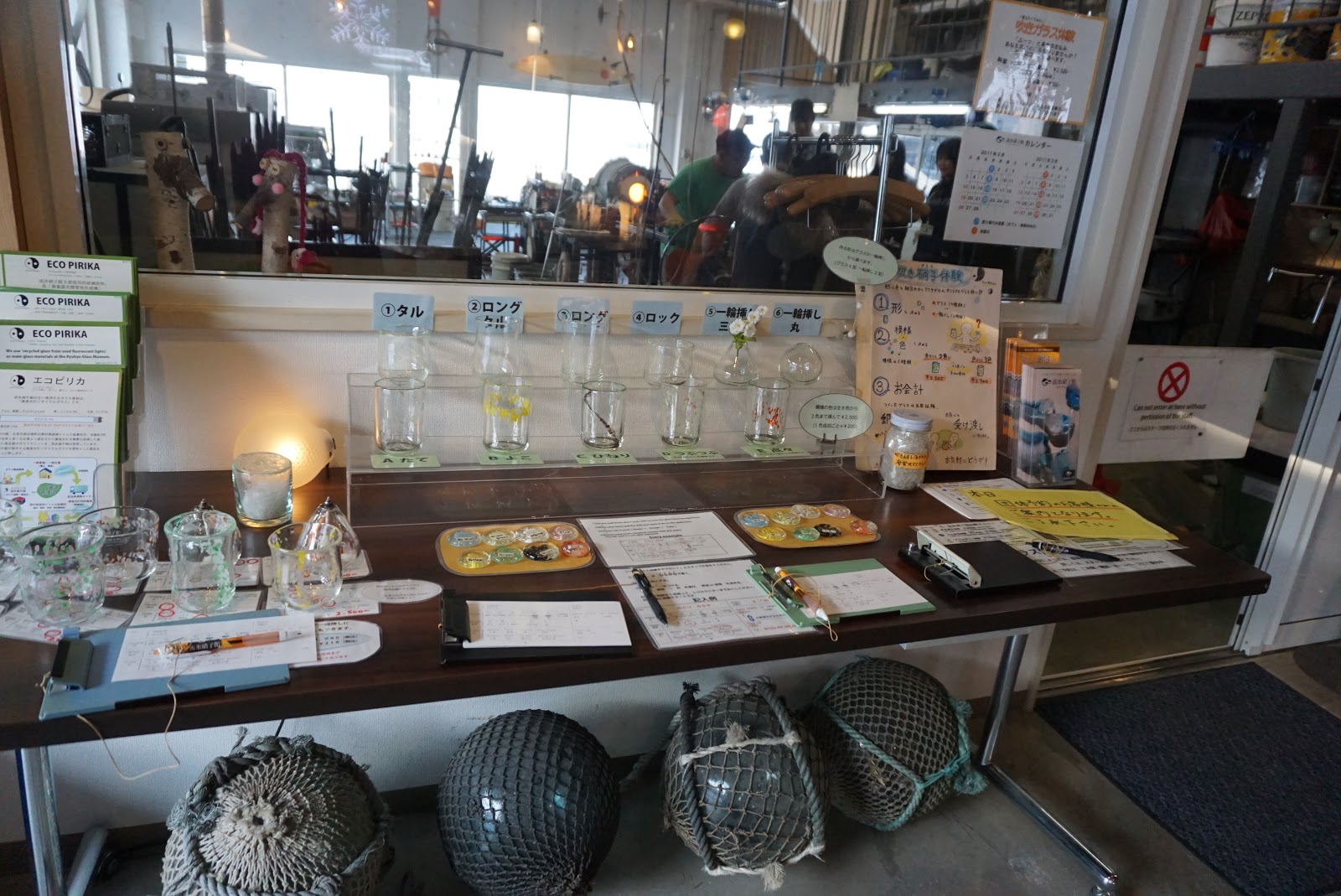
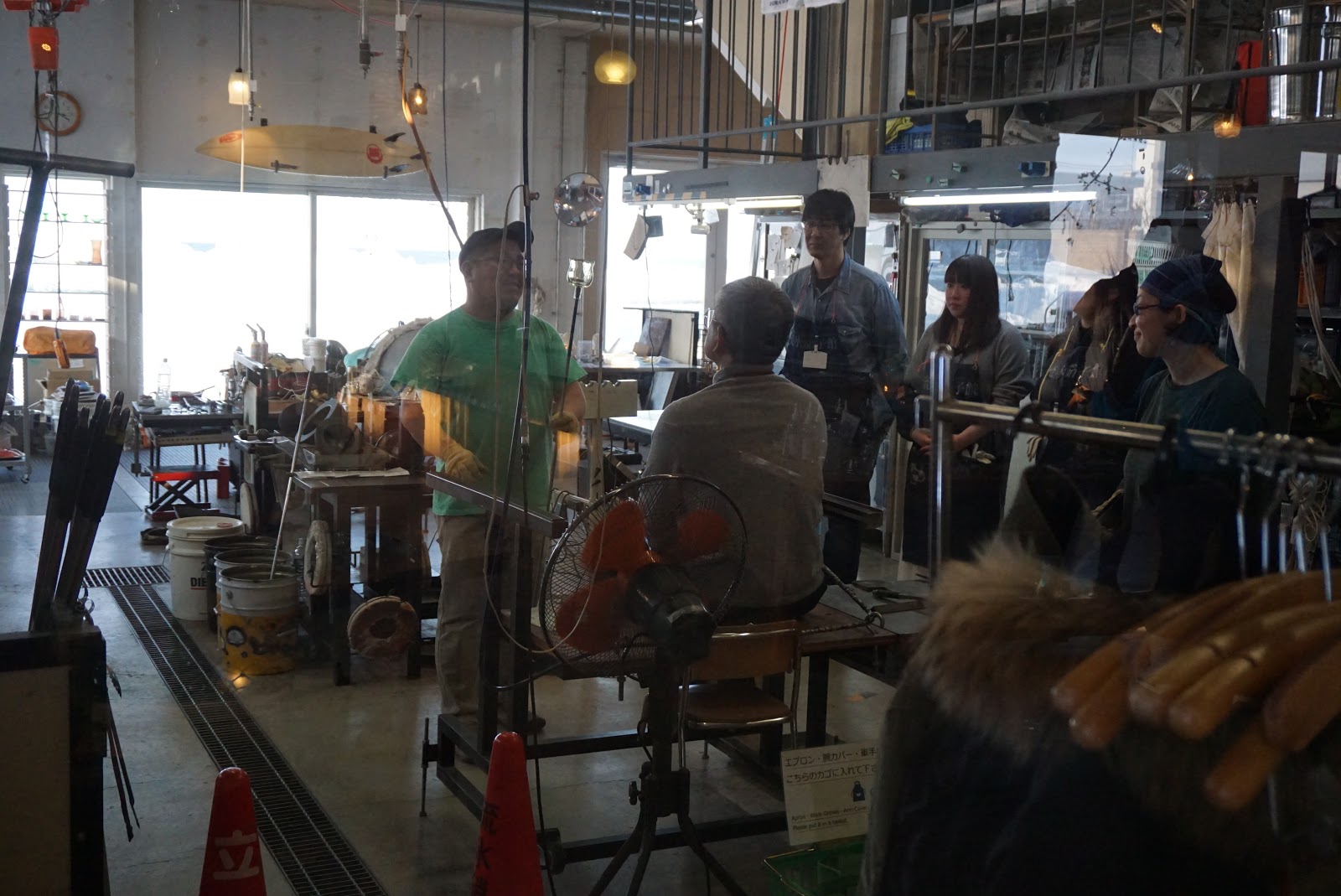
The Aurora Ice-Breaker Cruise went around breaking the drift ice for another 20 mins before heading back to the harbour of Abashiri. It is at this moment, my friend and I felt the cold is too much for us. We headed to the indoor area of the ship and found seats facing the sea. The instant we were in the interior of the ship, it felt warm. We stayed put on the seats for the rest of the journey back to harbour.  As the Aurora steered into the harbour, we saw a couple of warehouse-like buildings and decided to head there after the ship docks. The Aurora called into the harbour. After docking, passengers were allowed to disembark the vessel. We headed to the warehouse looking buildings that we saw when the ship sailed into Abashiri Harbour. The building nearer to the Ice Breaker Cruise Terminal sells glasswares. Here we were able to see professionals working their magic in sculpting glass into pieces of ornaments. At one corner, there is even a hands-on counter for visitors to try their hand in making their own glass ornaments. We were not particularly interested in this as we thought Otaru (which we will be visiting later in our Hokkaido Trip) is better known for glass arts. My friend and I exited this building and headed for the building next door. This building sells mostly foodstuffs and souvenirs. We did not spend much time here and headed back to the hotel to check into our room.

The glass ornament shop
Some of the items on sale
There are staffs in the room creating some glassware
Seem to be engaging in serious discussions about the glassware
Taking a wefie in front of the glassware shop
My friend in front of the glassware shop
Look at the thickness of the snow, almost covering the whole building
The Ice Breaker Cruise Terminal

Exploring Abashiri City at Night

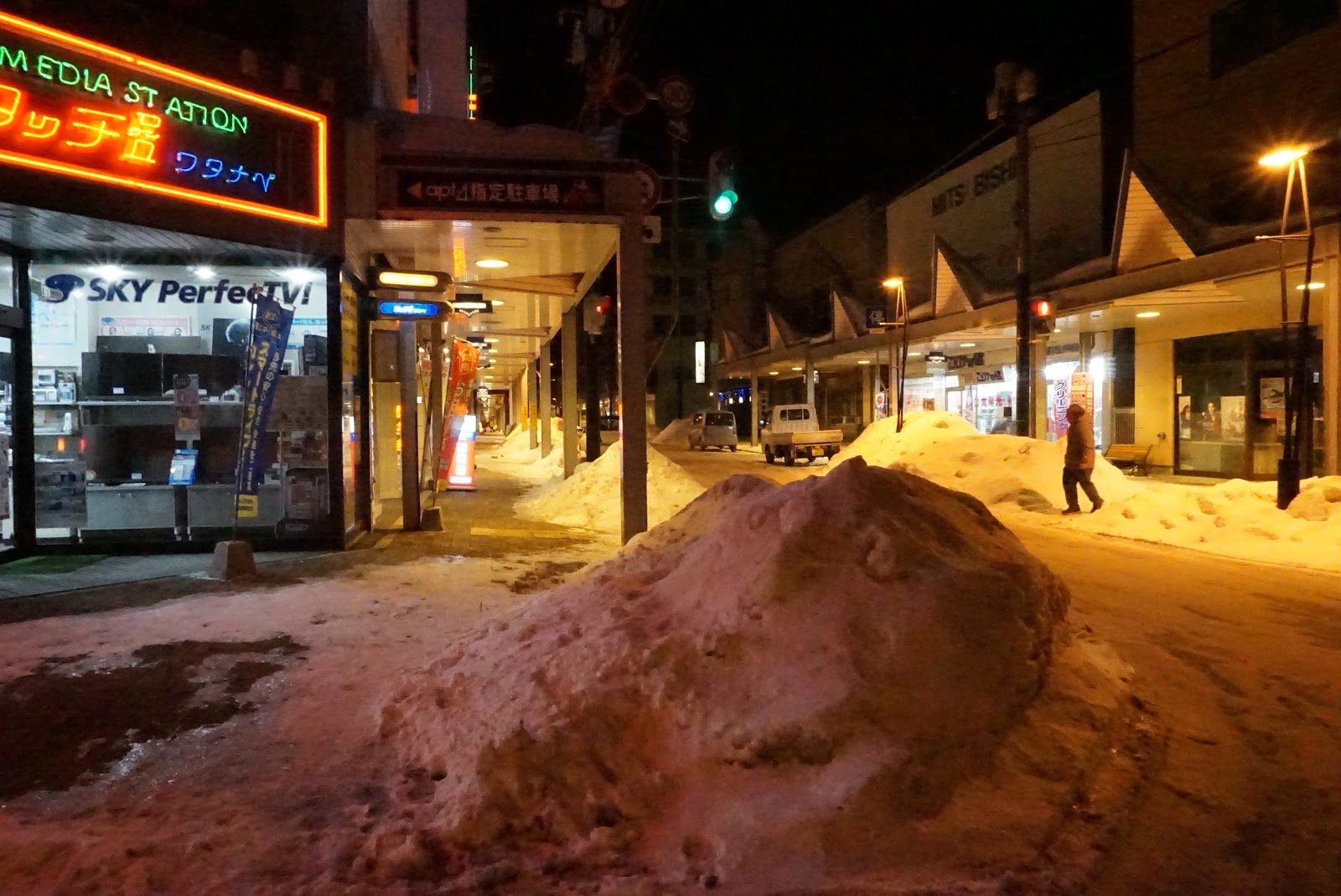
It was dinner time. My friend and I decided to walk around the vicinity of our hotel to look for dinner. We were walking the direction away from the Ice-Breaker Cruise Terminal. There do not seem to be any shops or any activities in this part of the city. We traced our steps and headed back to Abashiri JR Station. We walked in the direction of the Ice-Breaker Terminal and found that it is the centre of Abashiri City. At around 6pm, the whole city seems dead. None of the shops except for a small supermarket and a handful of restaurants are opened. There aren’t many people in the streets either. We found Abashiri City a tad boring and lifeless. We found a place to settle our dinner and headed back to the hotel to rest for the night.
The weather is -11 deg C at night, we were in front of Abashiri JR Station 
The city of Abashiri at night
We spotted some interesting snowmen
The City of Abashiri looks abandon at night
This is the city centre of Abashiri, not many people around
Taking a wefie in the empty Abashiri City Centre at night
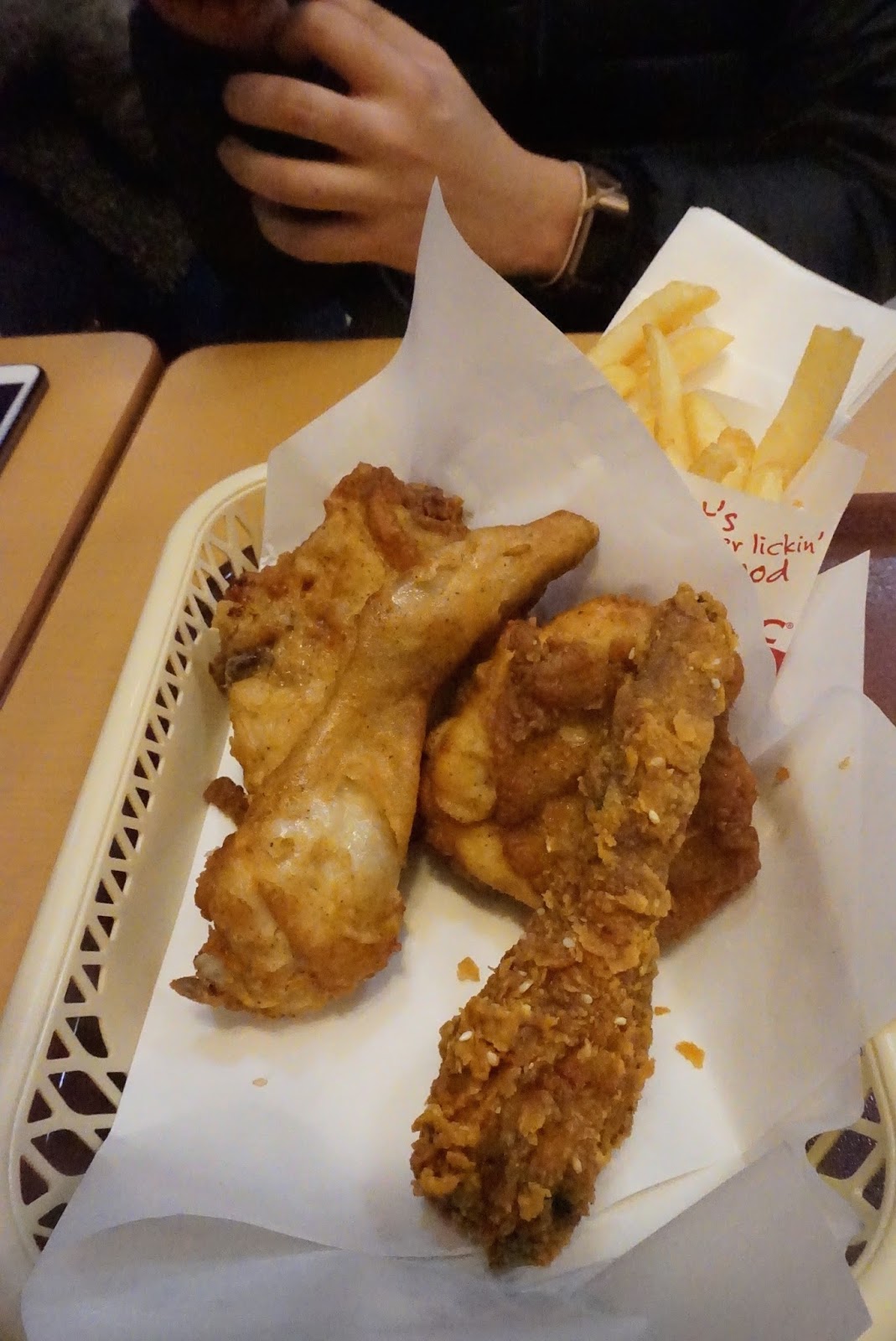
We ended up having KFC for dinner

Hokkaido Day 4 (Lake Akan) (17 Feb 17) – Walking on the Frozen Lake Akan and A Trip to the Tancho Conservation Centre

The main reason for including Lake Akan as a destination in our Hokkaido trip is to visit the Akan International Crane Centre, where we will be able to see Tancho Cranes, a symbol of Japan. I visited the Akan Tourism Information website and the Akan Tourist Information Centre Facebook page when planning for our trip to Lake Akan. These sites provide great suggestions on the day tours they provide as well as what can we do in Lake Akan. Other than making a trip to Akan International Crane Centre, Akan Tourist Information Centre organises a morning walk on Lake Akan during winter, which we opted for as this is the only other tour that fits into our schedule in Lake Akan
The elegant Tancho Cranes is the reason that brought us here to Lake Akan

Morning Walk on Lake Akan

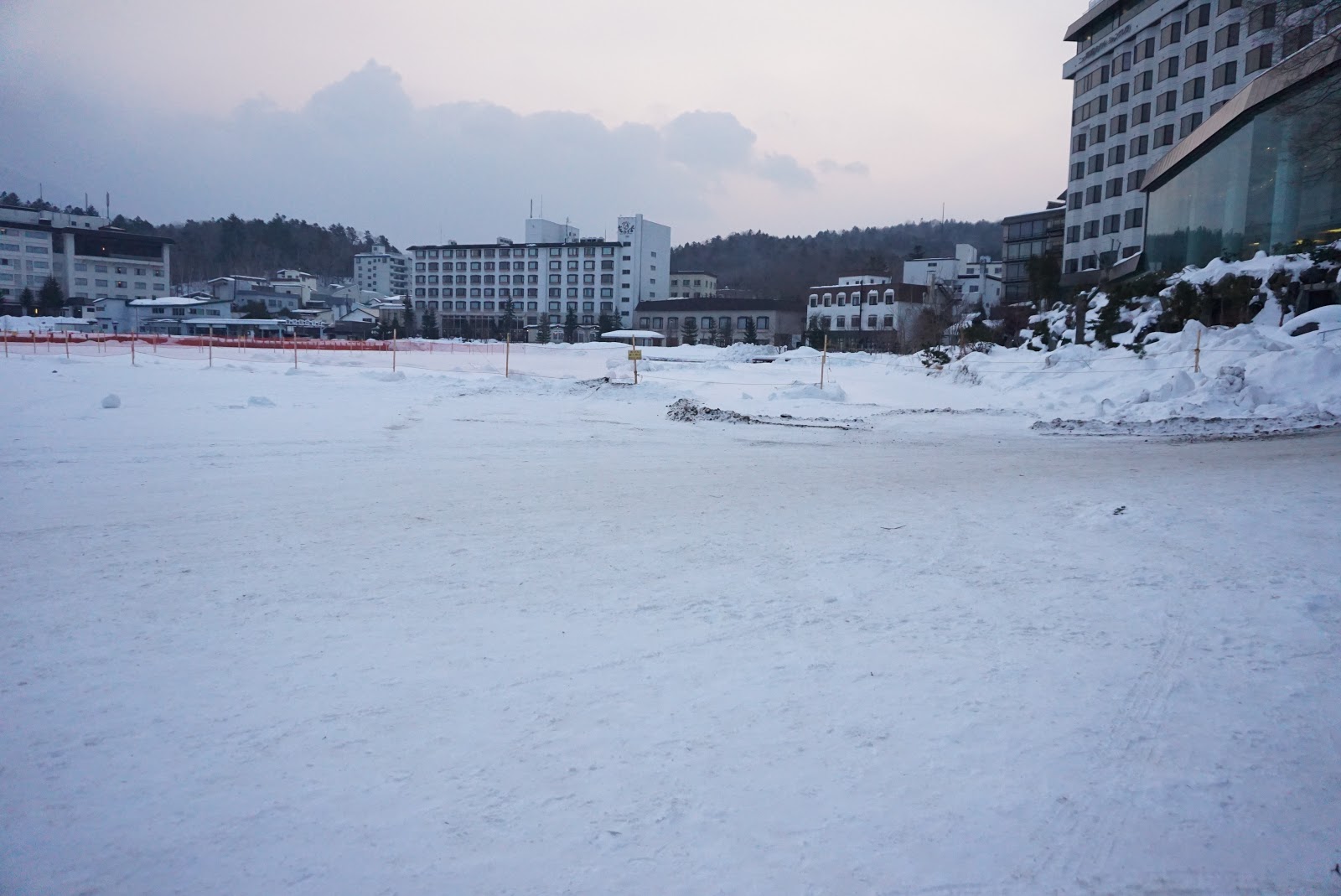
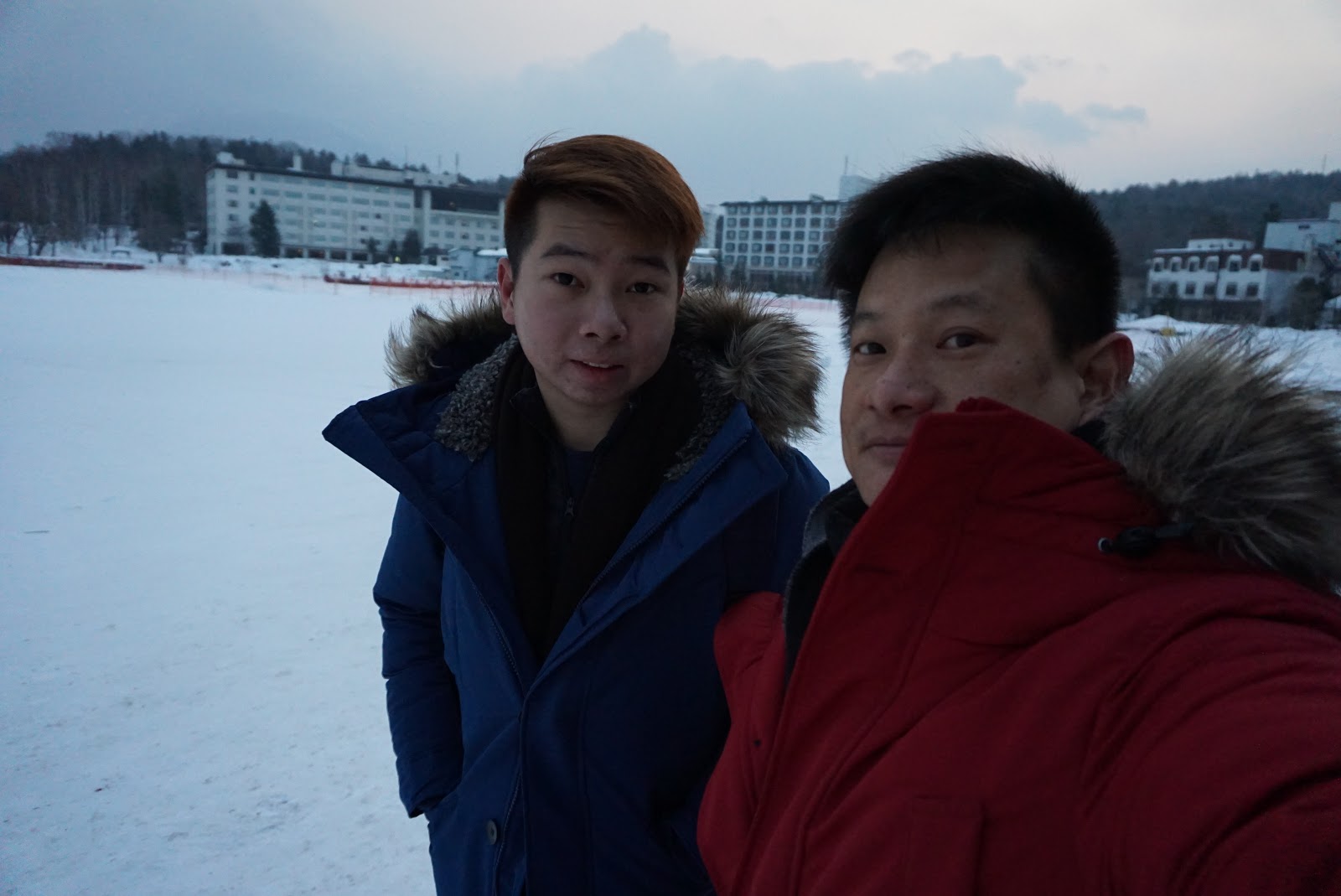
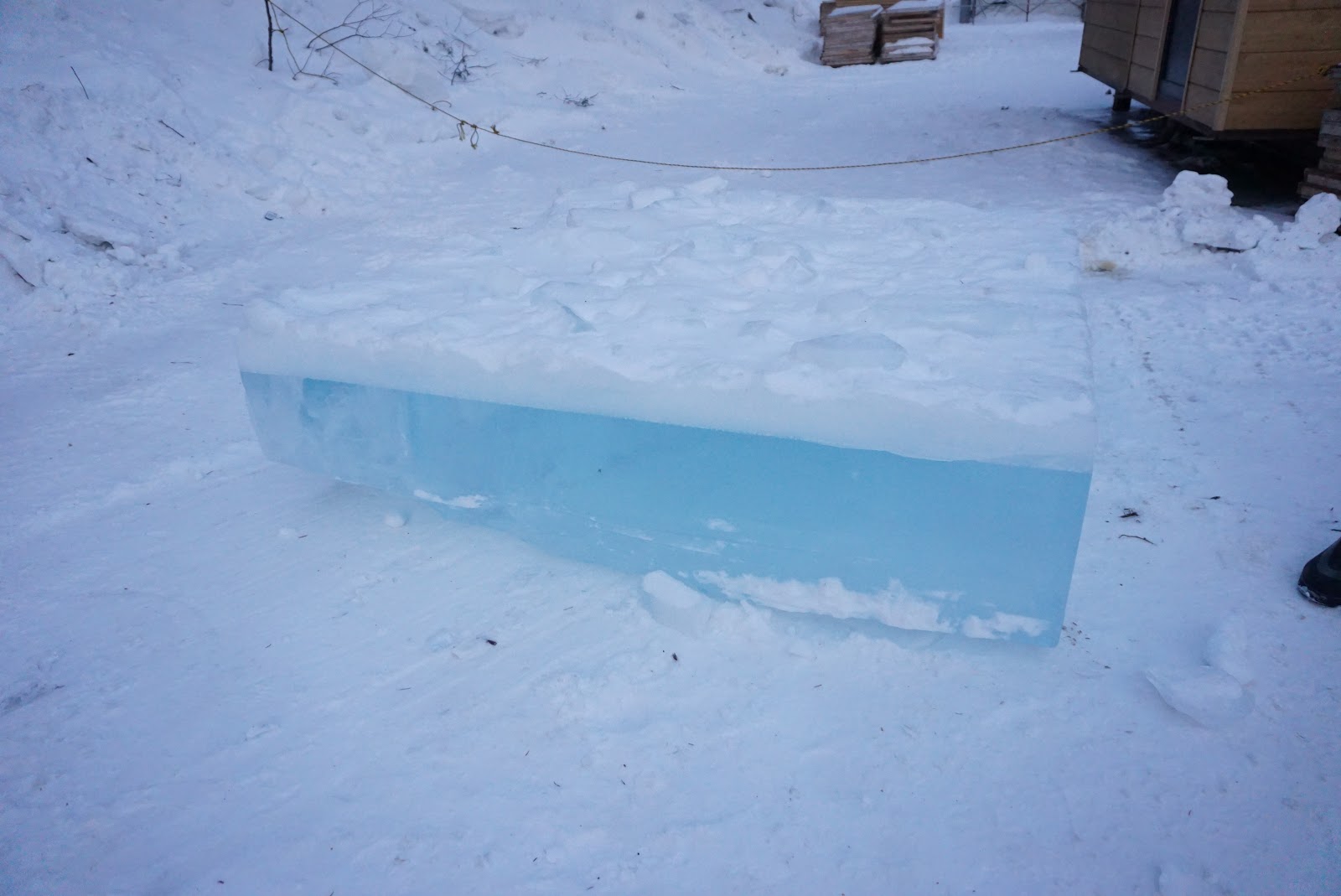
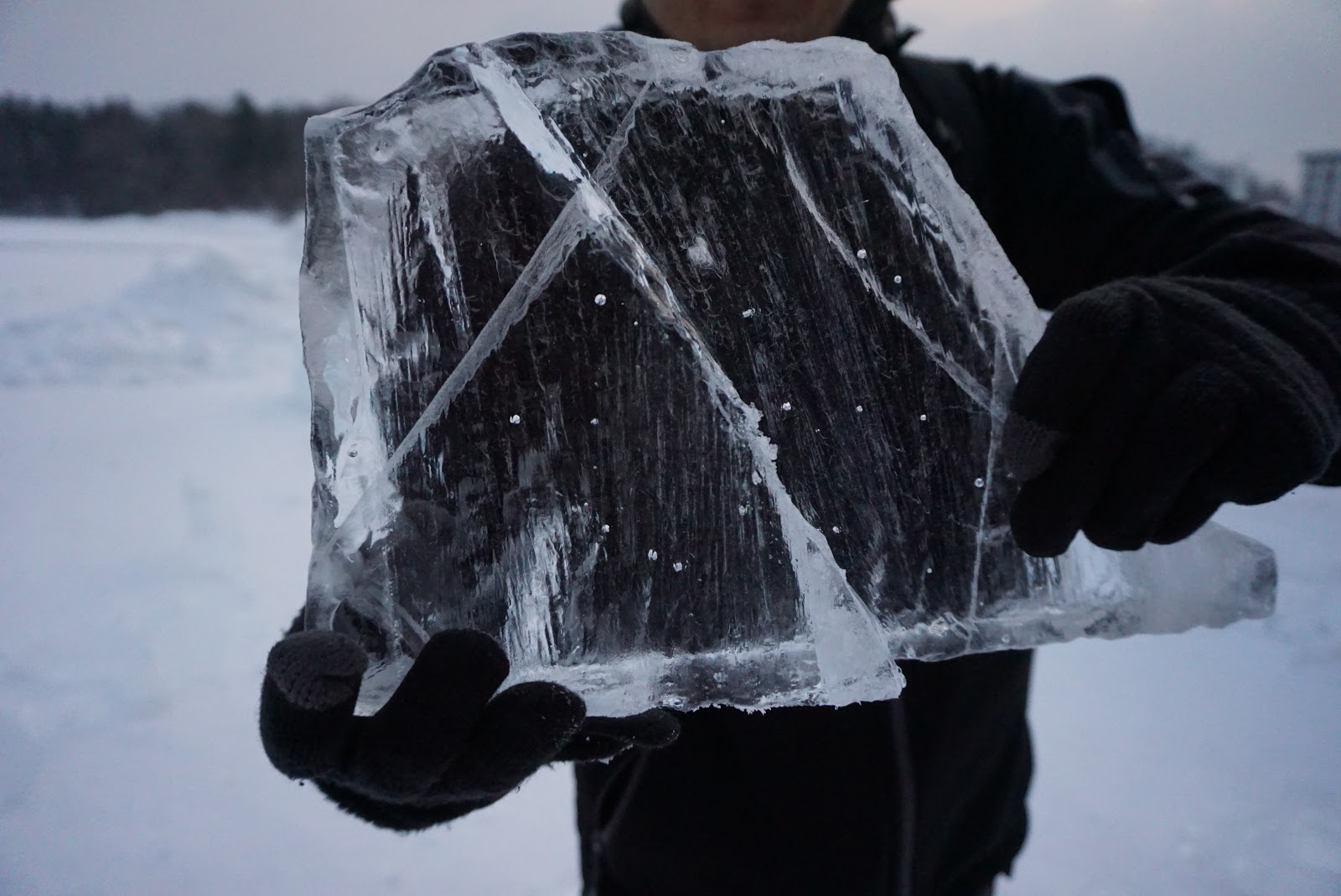
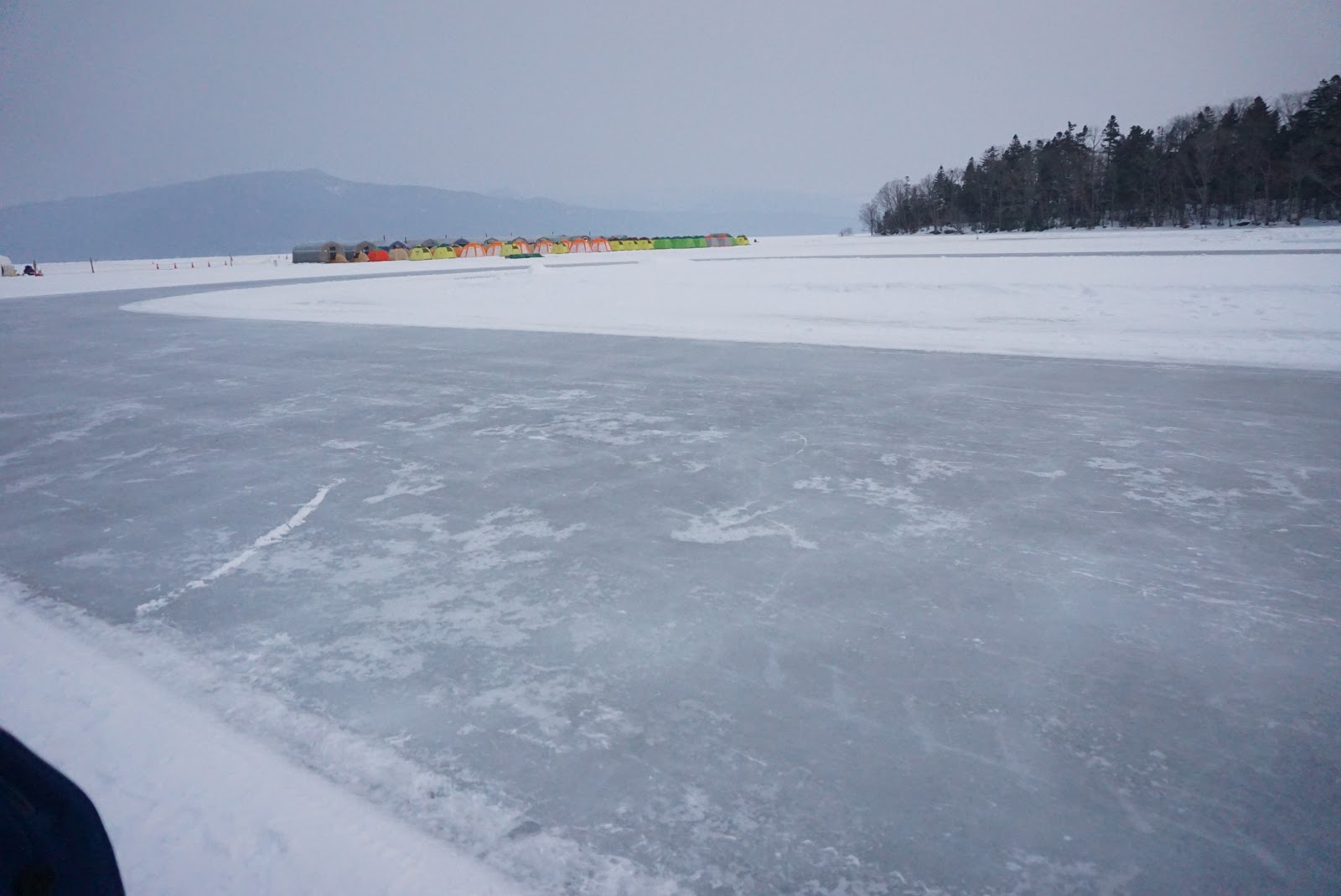
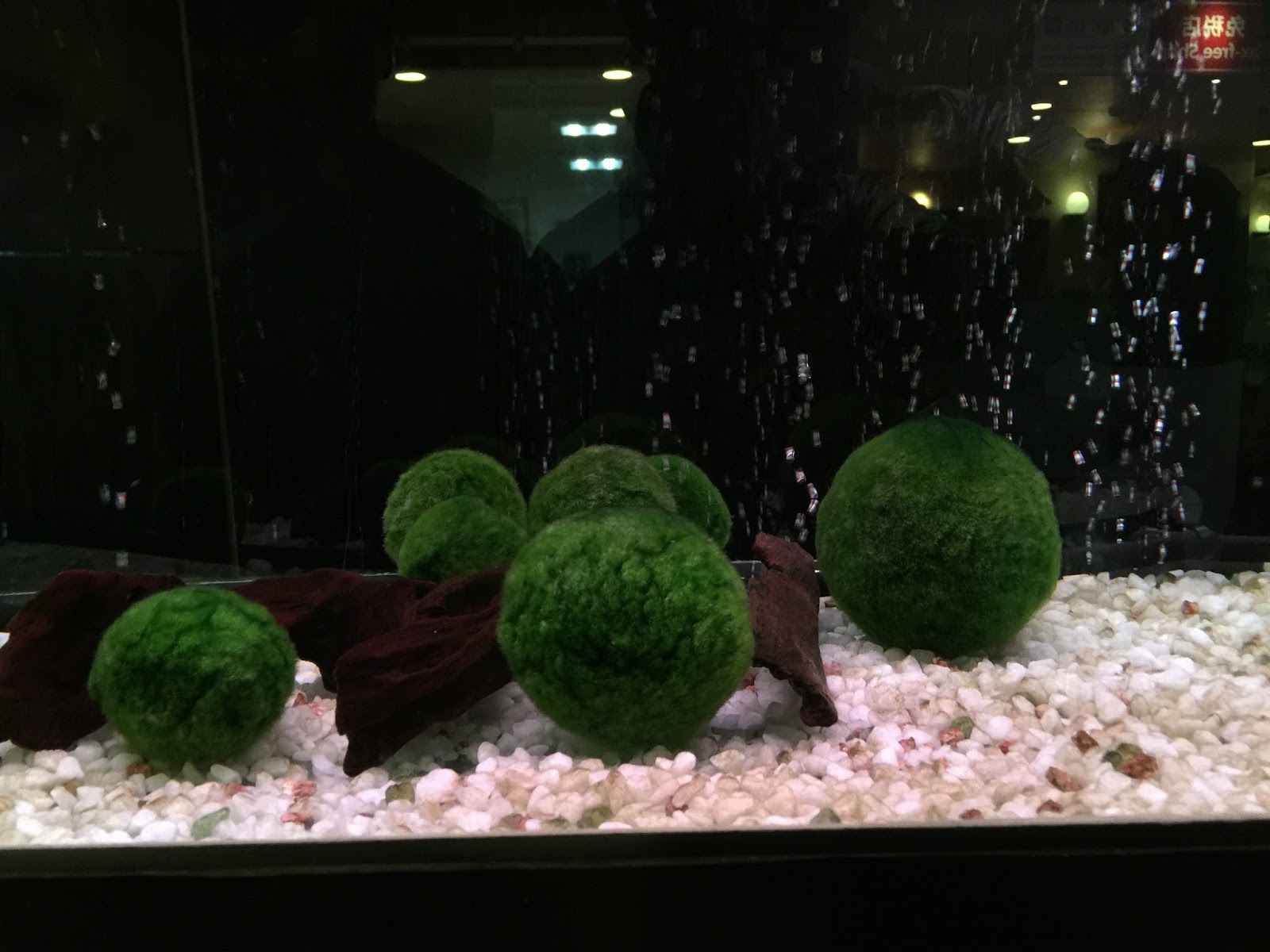
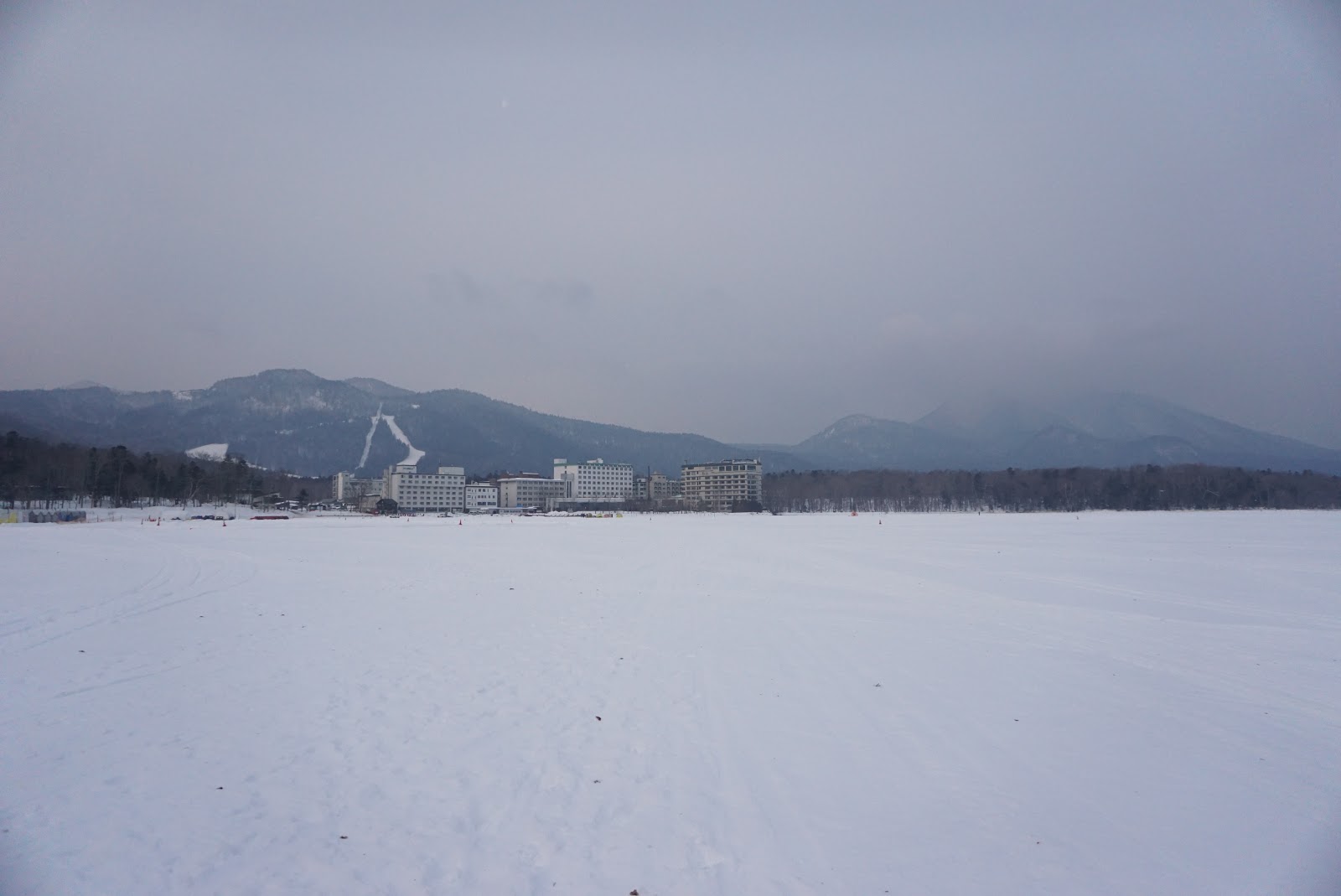
I thought it would be a good experience walking on a frozen lake. We met our guide at the Akan Tourist Information Centre at 6.30am. We were told that we will not see frost flower due to the temperature on Lake Akan is warmer than expected at 0℃. Our guide also told us that Lake Akan is warming up as the winter season is coming to an end. Despite not able to see frost flower, we were not disappointed as walking on a frozen lake is a first time experience for us. Before bringing us further into the 13 km sq Lake Akan, our guide brought us to an area nearer to the shore of the lake, explaining to us that beneath the 1m snow-covered lake lies a 7m think ice that occurs every winter when Lake Akan freezes. Only when achieving this thinking can the lake be sufficiently stable for activities such as walking, smelt fishing, ice skating and snowmobiling to take place. The guide also brought us to some tents explaining to us how the smelt fishing works, before heading out further into Lake Akan to the nearest island Kojima Island to shore. By the time we were at Lake Akan, the sun seems to have risen. I was a little disappointed not able to catch the sunrise over the frozen lake. Nonetheless, that did not deter me from having a great time walking on the frozen Lake Akan. As we were walking towards Kojima Island, our guide explained that there are four islands on the lake, with Churui Island being the only island that visitors can visit the Marimo Exhibition Centre. Marimo is a rare growth form of the moss where the algae grow into large velvety looking green balls. These green moss balls have become the mascot of Lake Akan.
The first step onto the frozen Lake Akan
Taking our first wefie on the frozen Lake Akan
A block of ice that was extracted from Lake Akan. Our guide explained the ice beneath the snow-covered frozen Lake Akan
Our guide showing us a block of ice extracted from the frozen lake
Ice skating ring on Lake Akan
Tents that people can use to shield themselves from the cold lake breeze while smelt fishing
Marimo balls, an icon of Lake Akan, on display in the hotel

As we were walking on Lake Akan, I was mesmerised by the beautiful landscape on surrounding Lake Akan, walking towards Kojima Island, in front of me stood Mt Oakan, which the locals call it the male mountain. Behind us is Mt Meakan, otherwise known locally as the female mountain. Our guide told us these mountains surrounding Lake Akan seemingly guarding the lake are active volcanoes, though they are less active these days. He also mentioned that the female Mt Meakan is called female as she is “hotter” and more active compared to the male Mt Oakan. Beyond the coast of Lake Akan lies the largest island on the lake. As we came near to Kojima Island a pungent smell hit me. Our guide then brought us to the source of the smell, a small puddle of unfrozen water. Our guide explained that this unfrozen water is a hot spring with the temperature reaching the region of 60℃.

We walked a long way from the onsen town to Kojima Island
The Akanko Onsen town with the female Mt Meakan
My friend on Lake Akan with the male Mt Oakan in the background
Mt Oakan saw from the frozen Lake Akan
Me with Mt Oakan
Kojima Island
Me with Kojima Island at the background
Taking a wefie with our guide on the frozen Lake Akan
Mt Oakan and the frozen Lake Akan
We are near Kojima Island, the nearest island to Akanko Onsen
Hot spring water near Kojima Island and Mt Oakan at the background
My friend and I taking a wefie with Mt Oakan on the frozen Lake Akan
A clearer view of Akanko Onsen and Mt Meakan

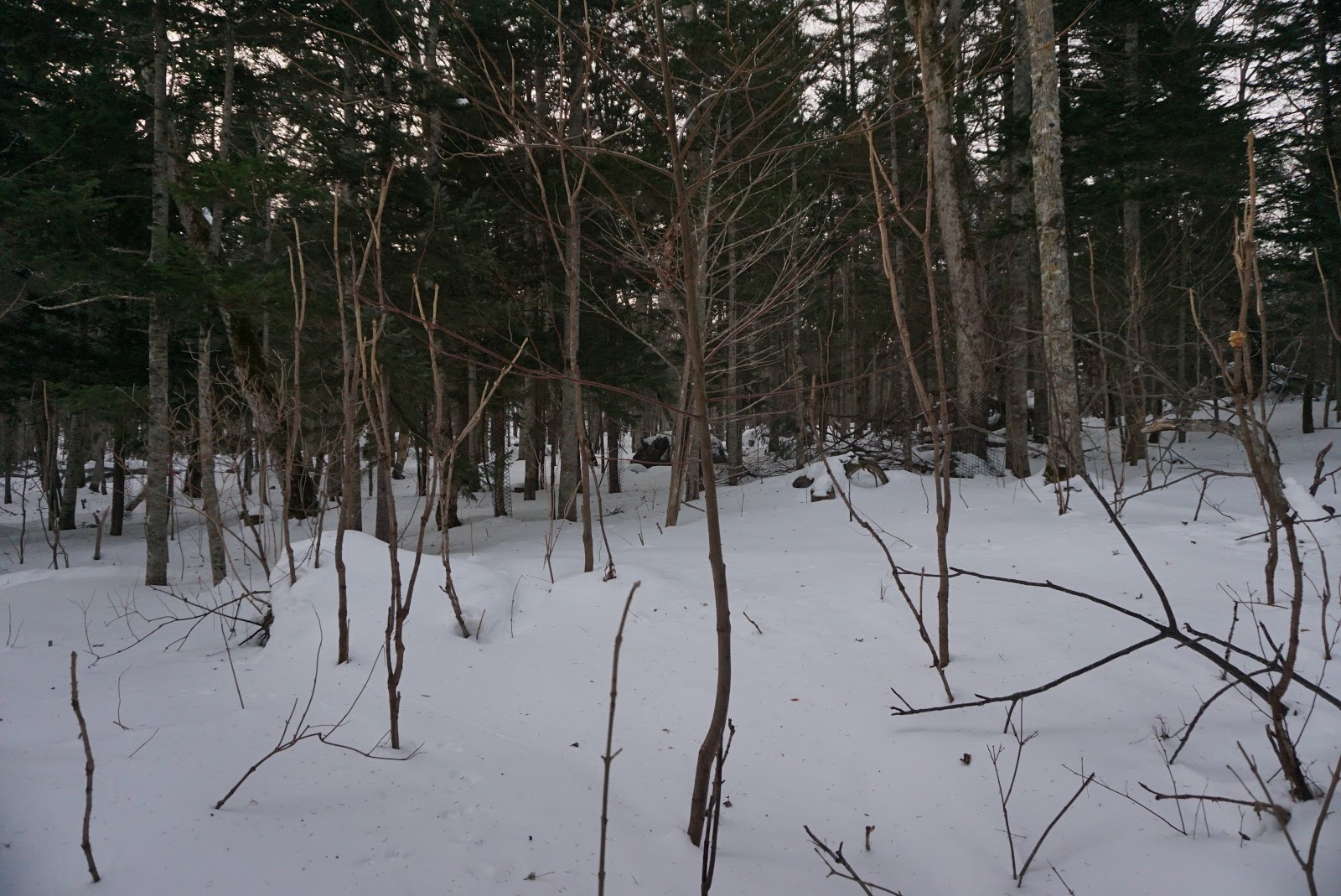
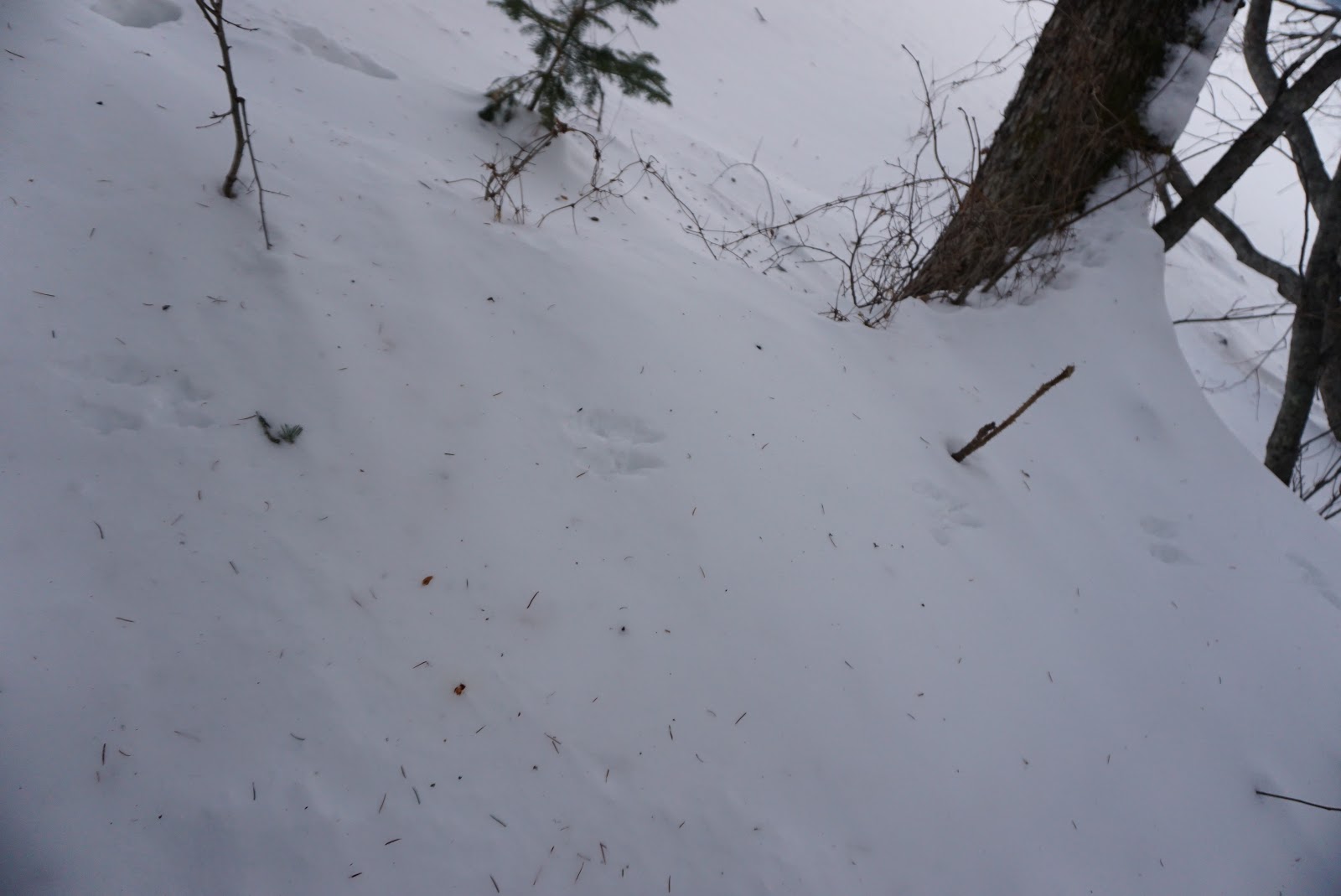
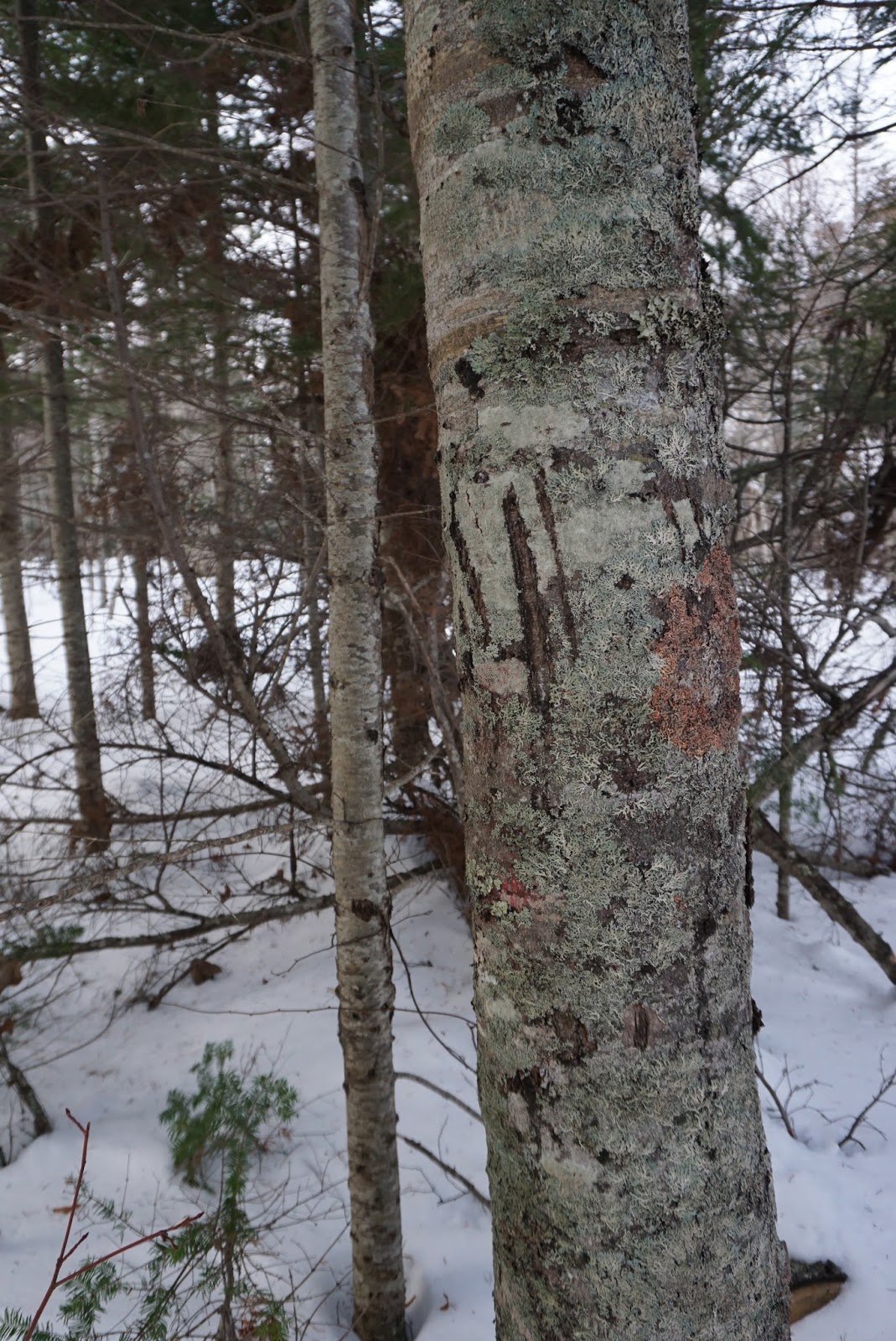
After taking some pictures, we took a different path back to where we came from. Walking through the forested area of the shores of Lake Akan, our guide instructed us to follow his footsteps as the snow in some parts can reach as deep as thigh level (which he demonstrated to us by stepping into one of them). Along the way, he pointed out some footprints left behind by foxes that ply through this area at nights. Our guide stopped by a tree and pointed out a mark exclaiming that this was left behind by a bear. As it is winter, bears are deep in their hibernation cycle so it is safe for us to transverse in this area. Our trip on the frozen Lake Akan ended when we reached where we came from and we bid farewell to our guide, heading back to the hotel to grab breakfast.

In other seasons, this sign would be standing in front of the Lake Akan waters
Forested area around Lake Akan
Animal footprints
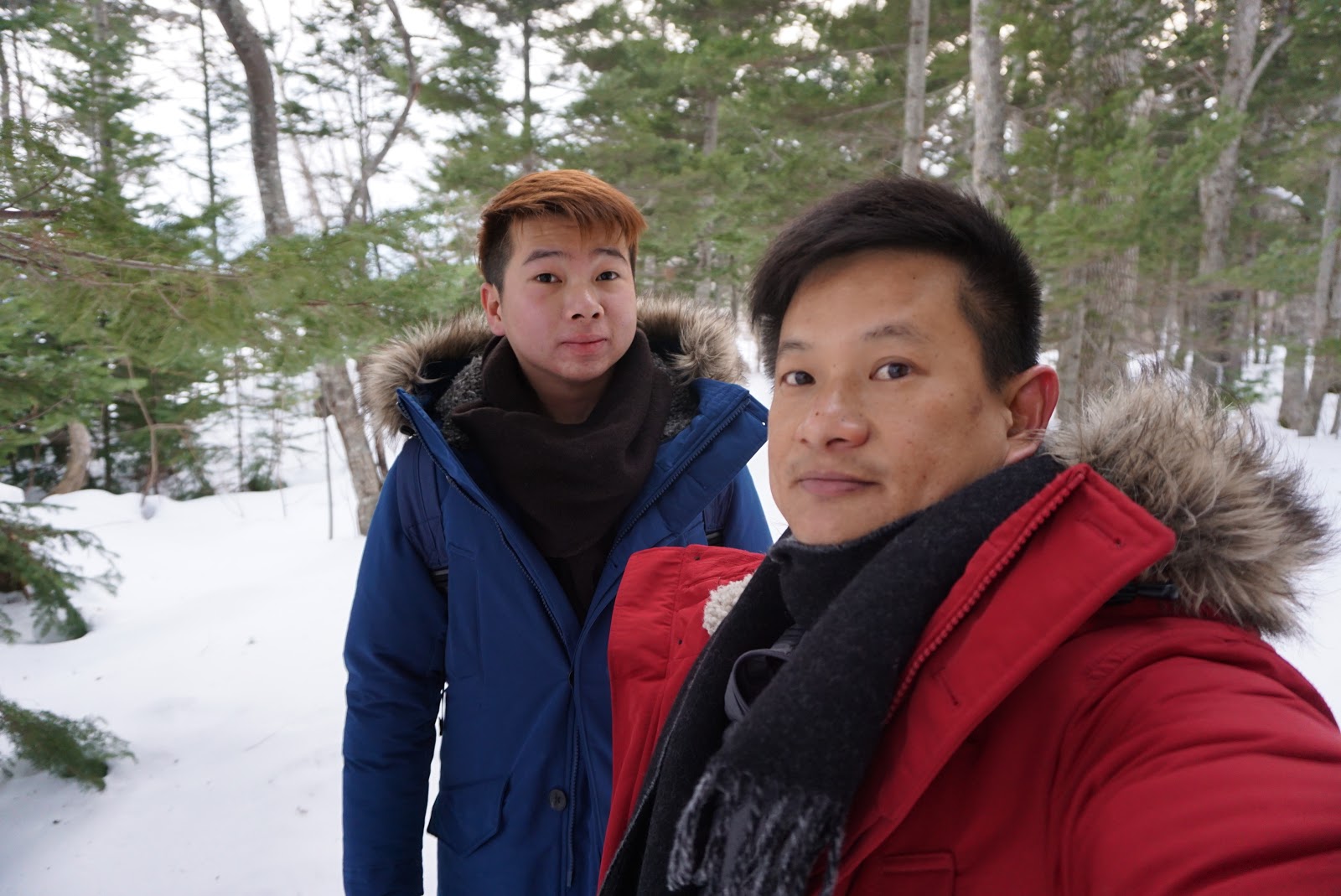
Taking a wefie at the forest
Claw marks left behind by bears
View of the frozen Lake Akan from the forest trail
Frozen Lake Akan from the forest trails
Lake Akan signage
One last look at the frozen Lake Akan. We had fun walking on the lake despite the freezing climate
Smelt fishing tents with Mt Meakan


Snowman on Lake Akan
Ainu ice sculpture on Lake Akan
Mt Meakan
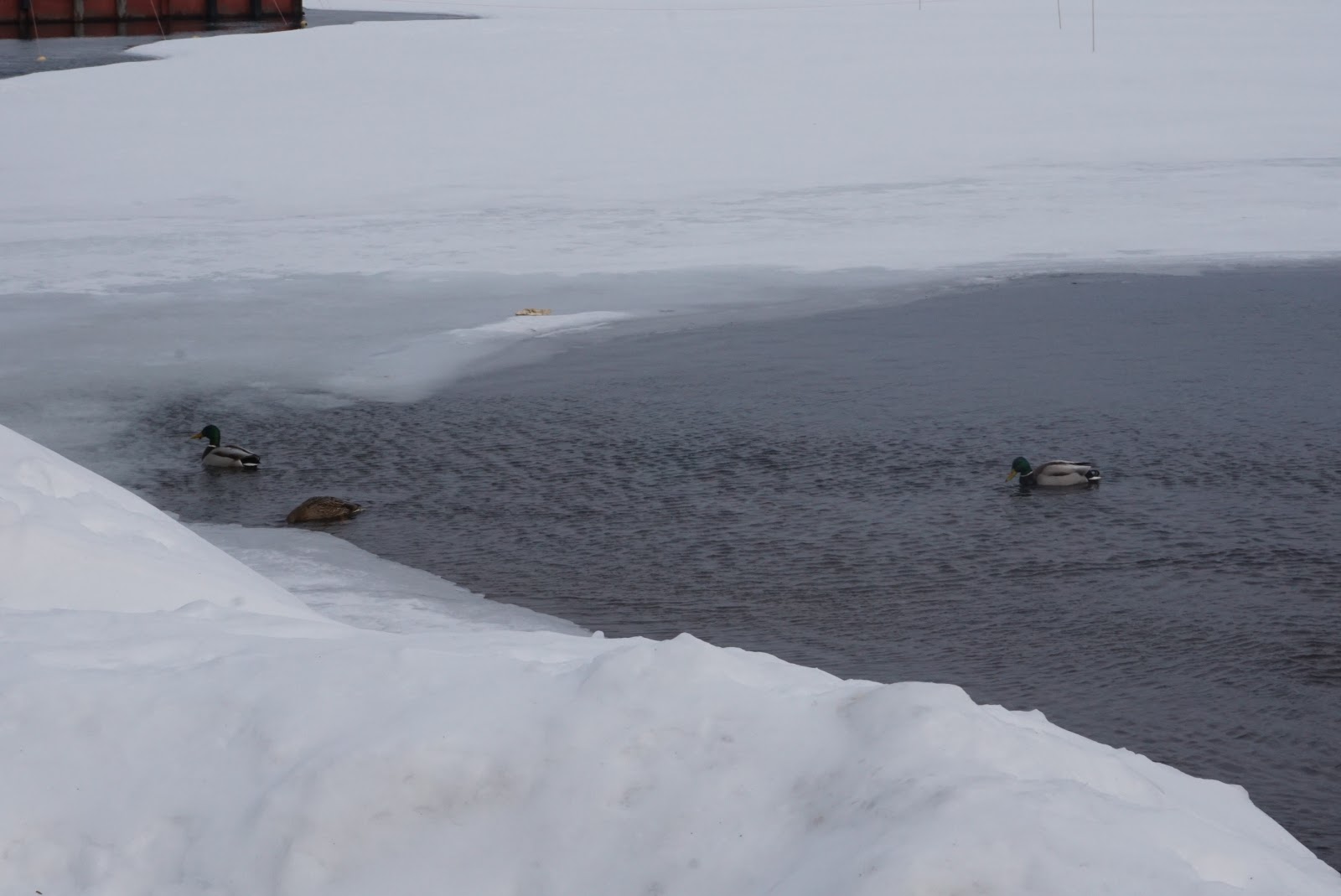
Some mandarin ducks swimming on the unfrozen Lake Akan
The frozen Lake Akan. Walking on it was a great experience, we were treated with unspoilt views of the lake and the mountains surrounding the lake
Frozen Lake Akan from outside our hotel
Ainu sculpture outside our hotel

Visiting the Symbol of Japan – Tancho Cranes

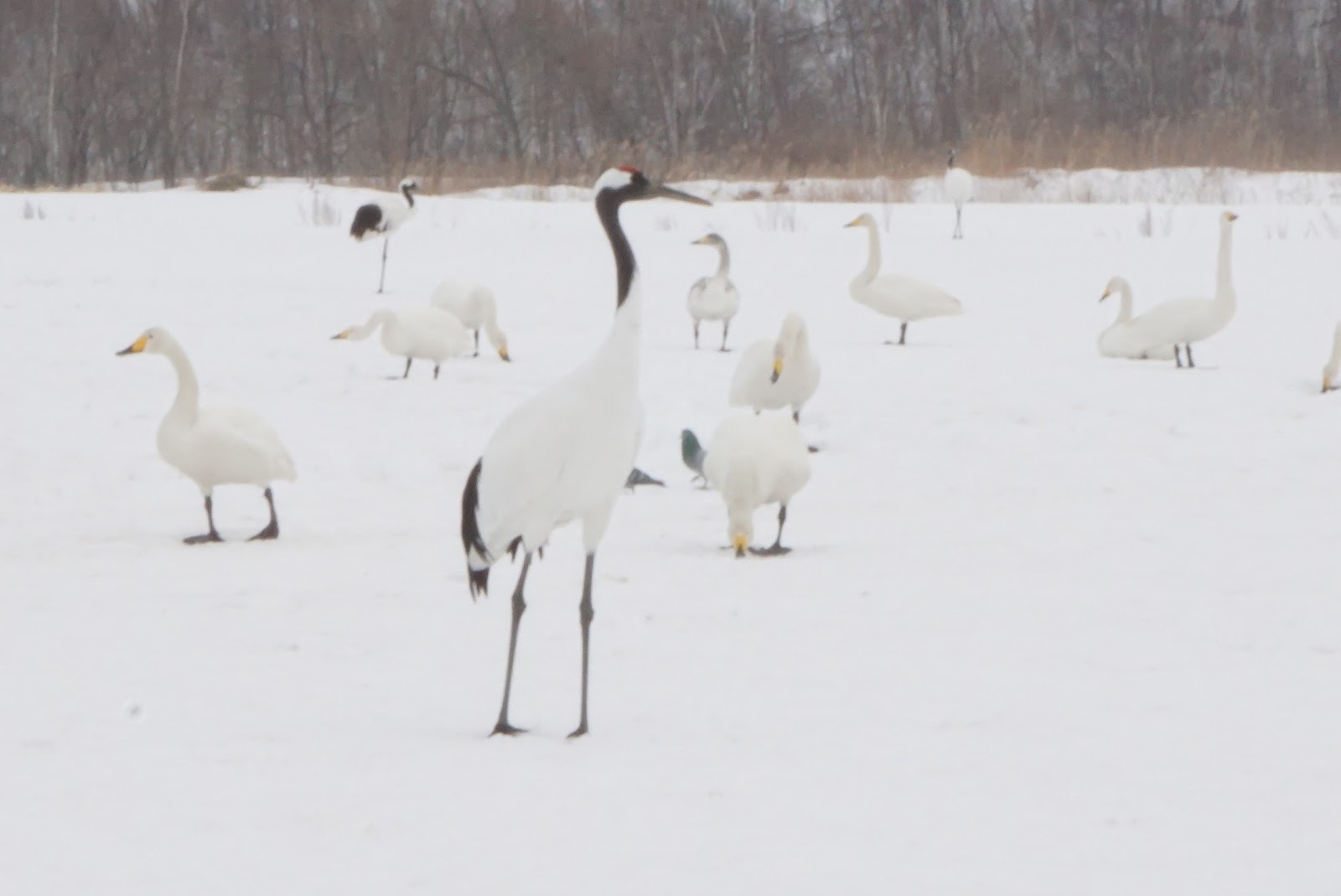
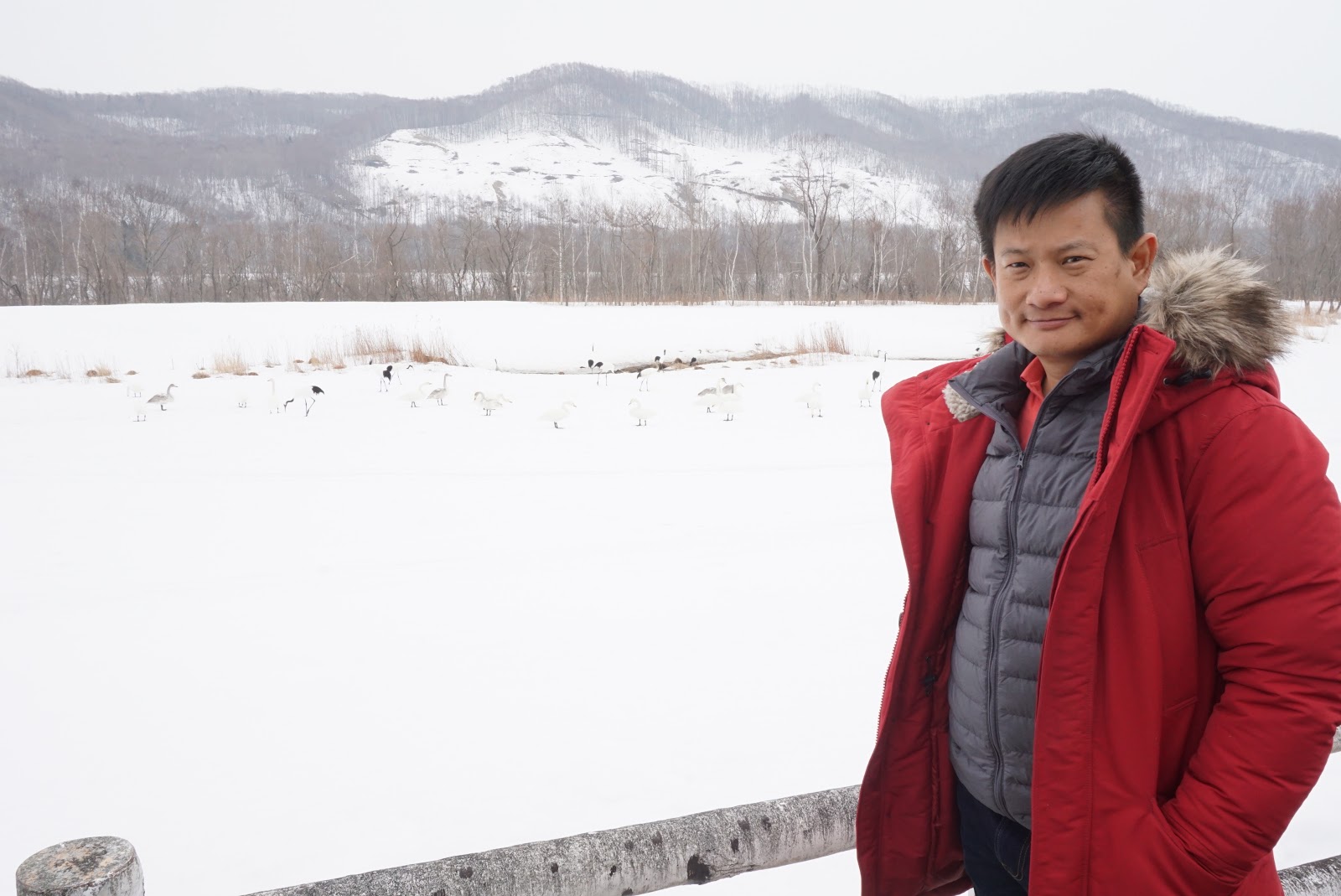
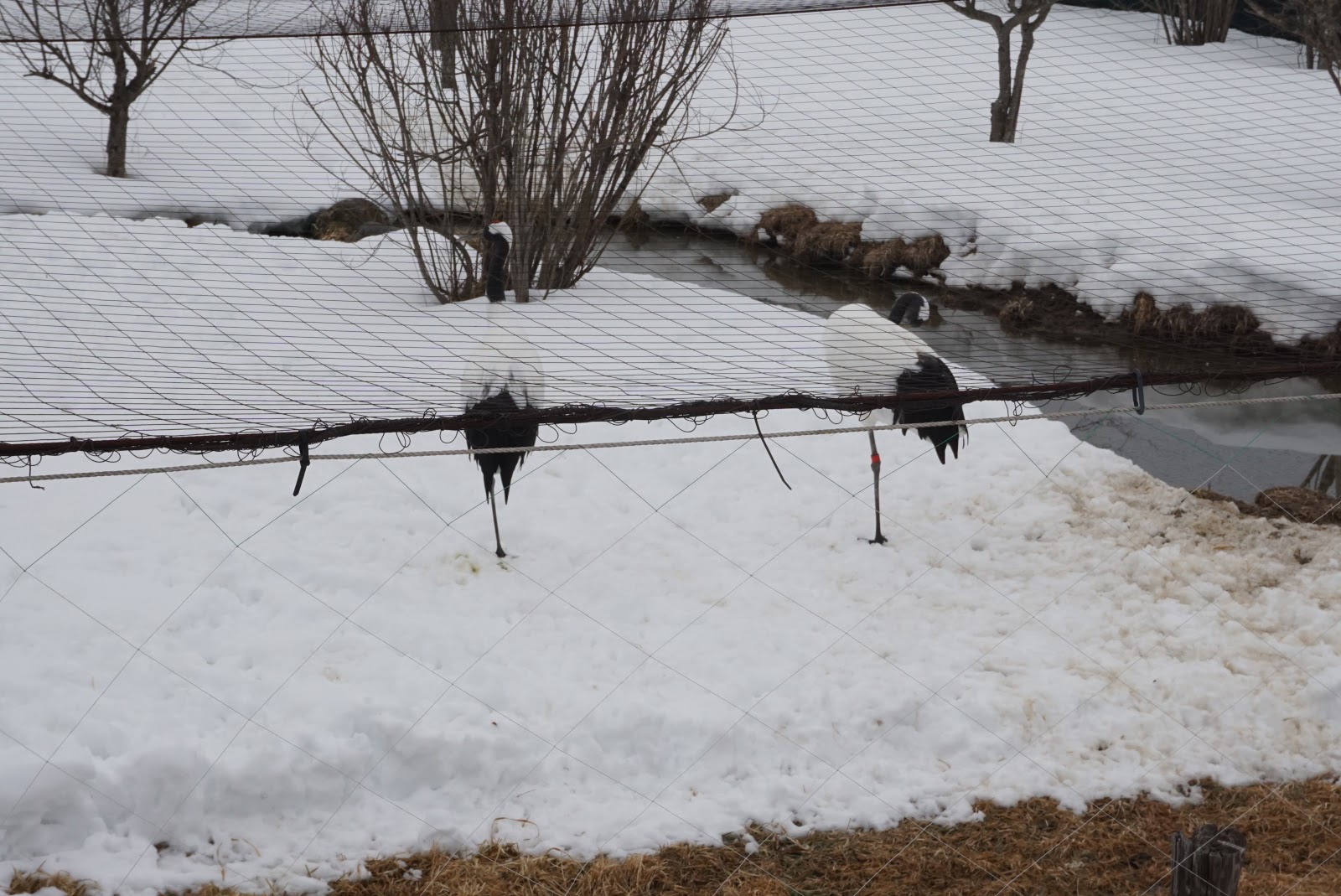
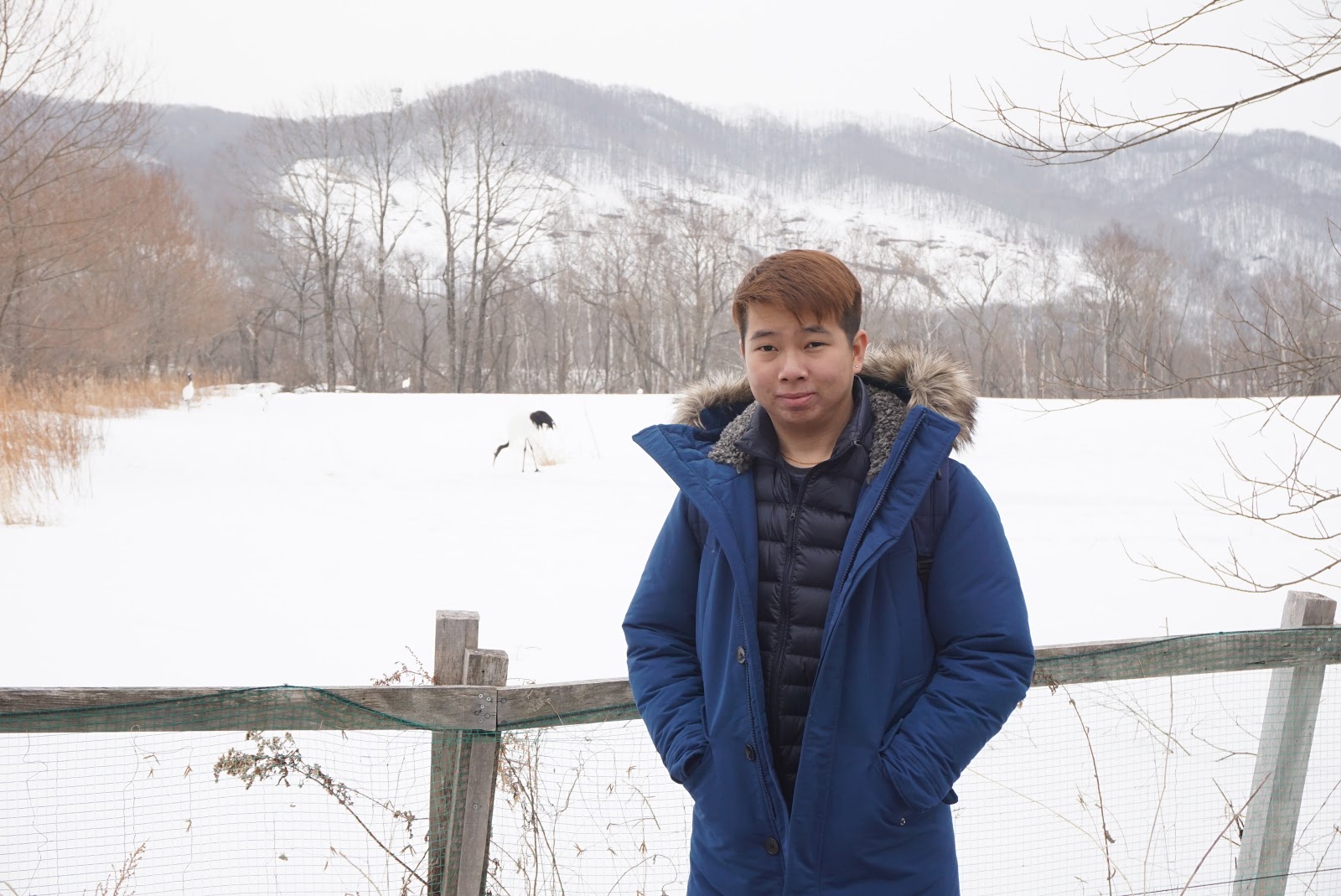
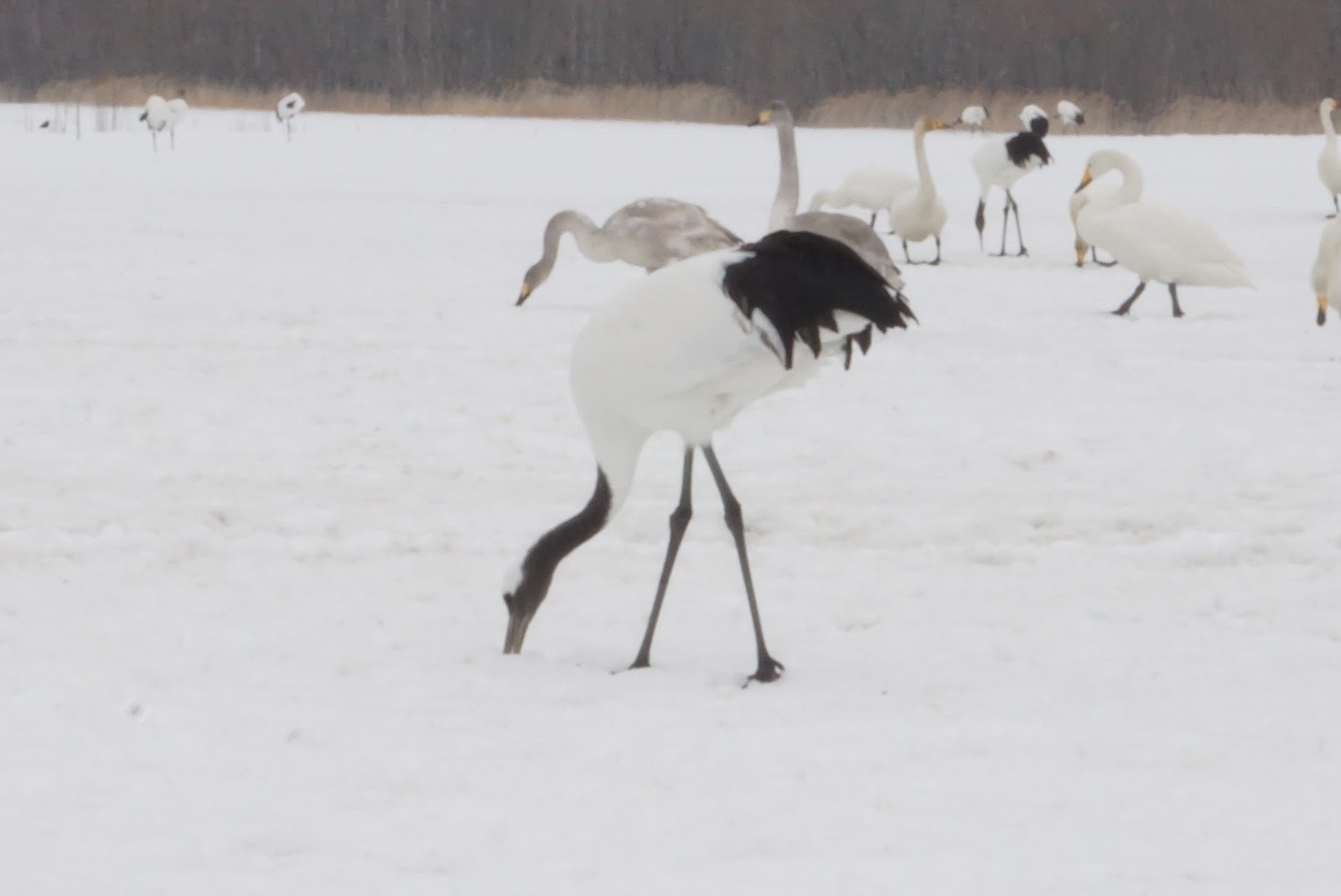
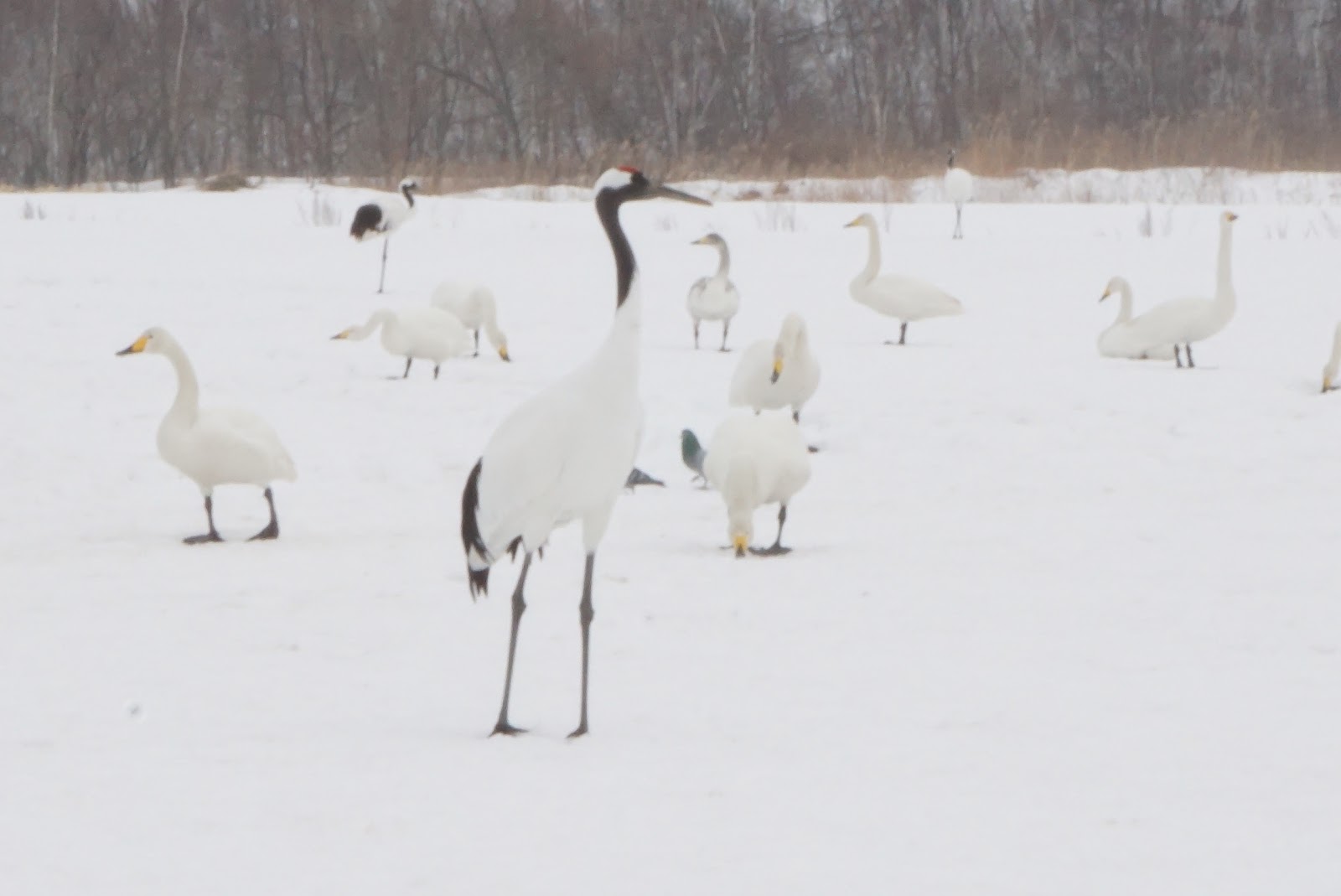
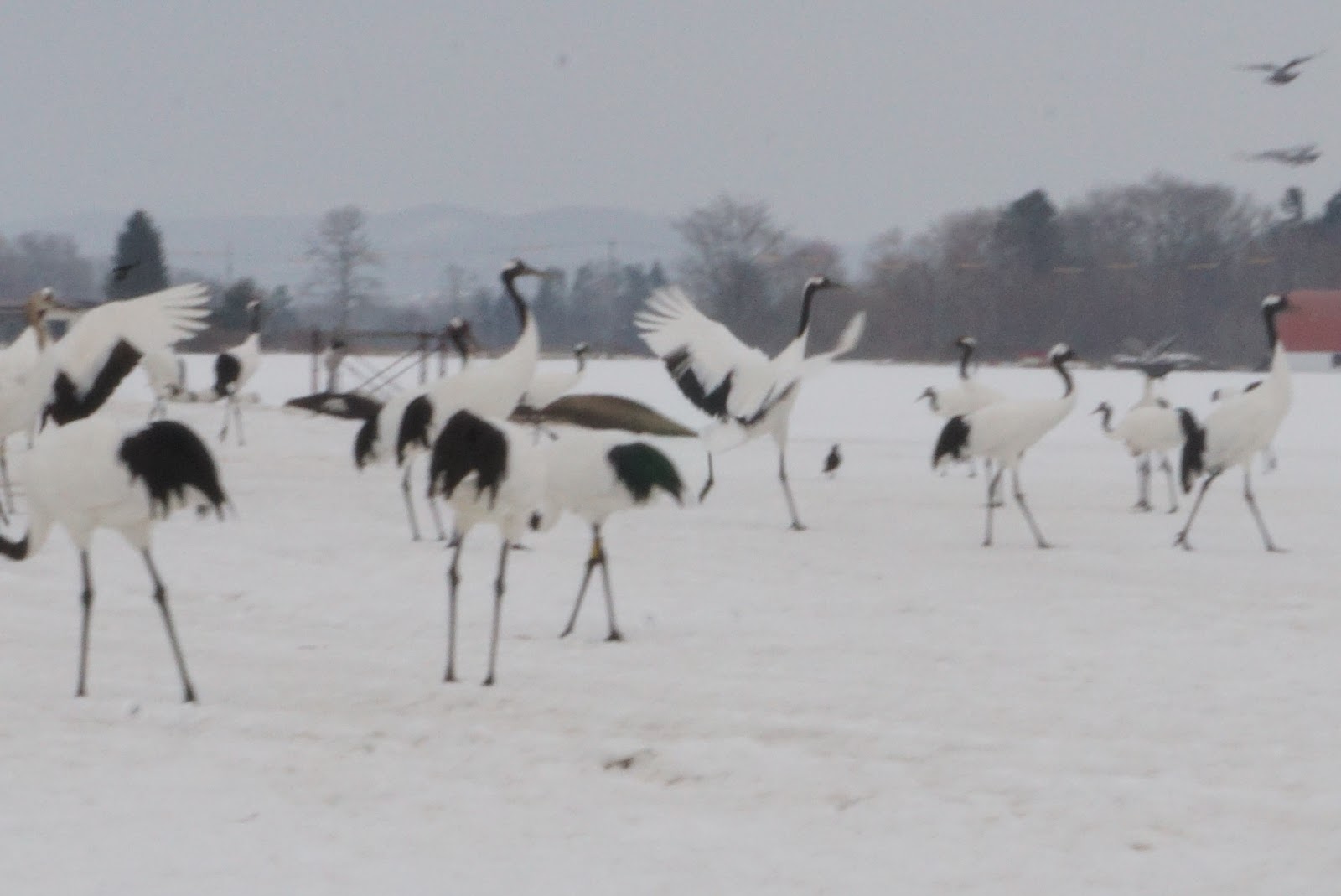
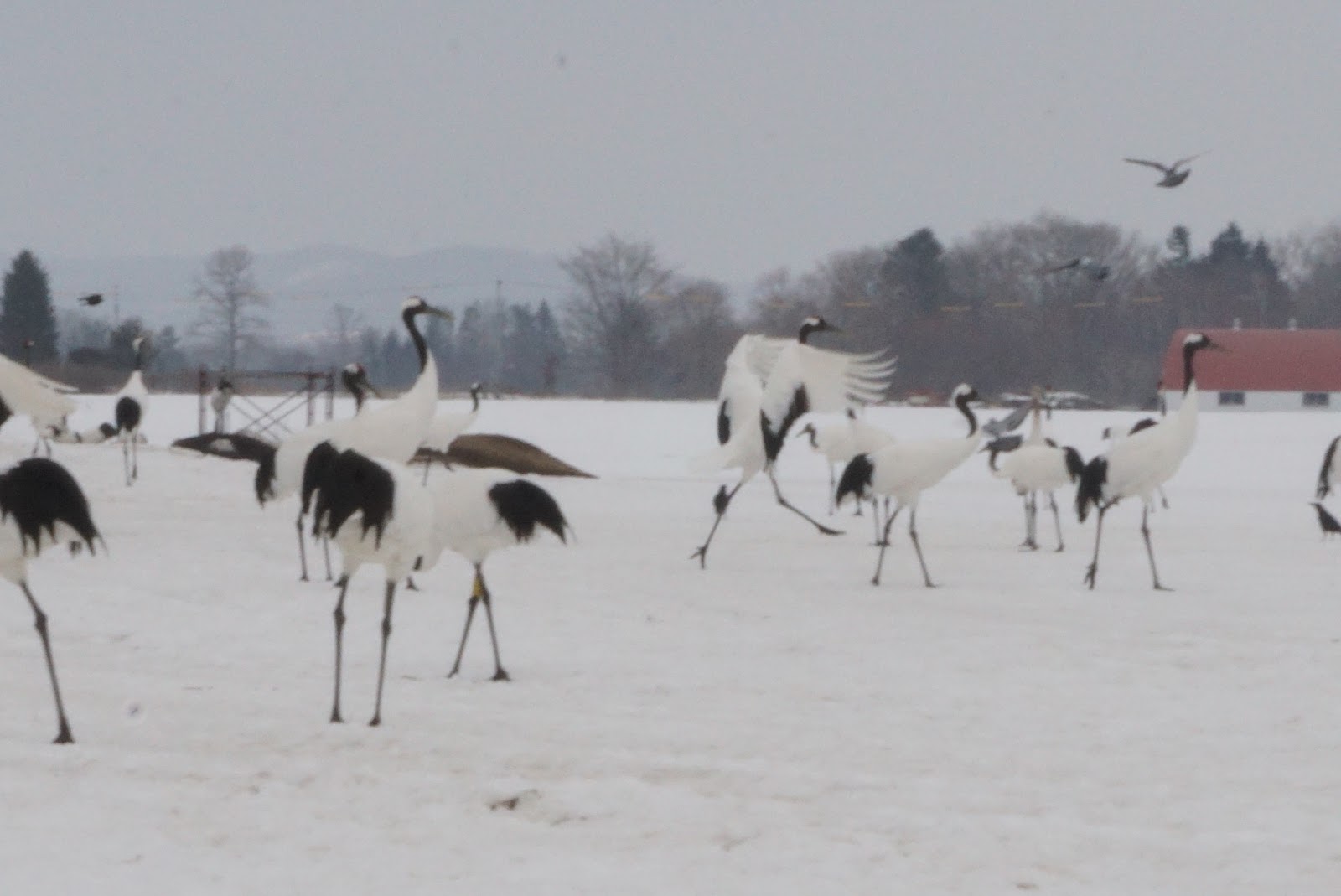
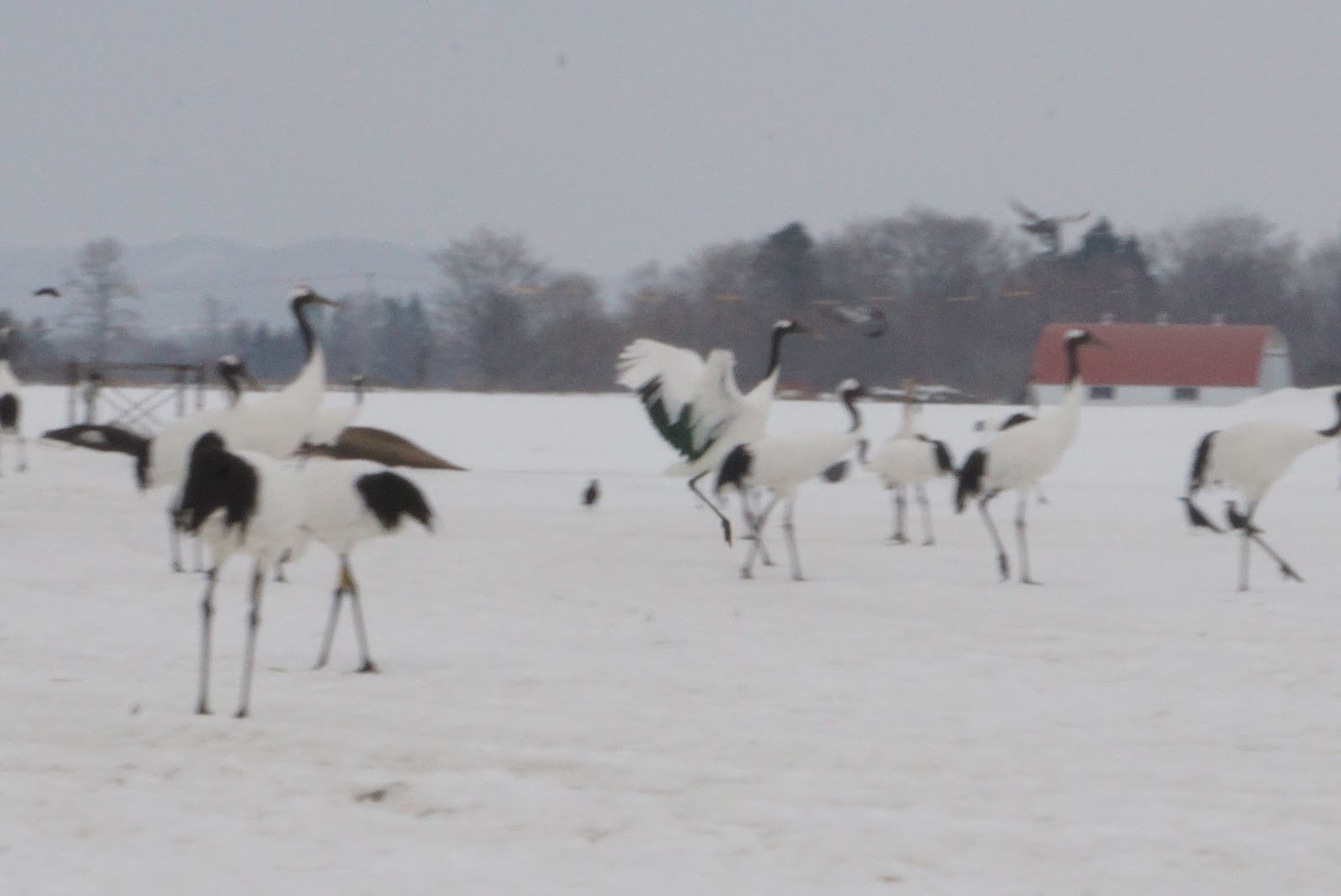
After breakfast, my friend and I made our way to Akan Bus Terminal to catch the bus that would bring us to the Akan International Crane Centre. This day trip is a self-guided tour where Akan Tourist Information Centre sells us tickets to the Crane Centre that includes bus transfer to the crane centre, entrance to the crane centre, a lunch in a restaurant nearby and entrance to an art museum. The Akan International Crane Centre is a large farm field where large flocks of Tancho Red-crowned Japanese cranes would come during winter months for mating. The Akan International Crane Centre is located in the mid-point between Akanko Onsen and Kushiro City. The main building is the first thing that greeted us at the Akan International Crane Centre. Instead of going through the exhibits inside the building, my friend and I headed straight the outdoor conservation area to see the cranes, hoping to see the crane dance, which male Tancho cranes display when mating with female cranes. As soon as we reached the outdoor aviaries, we spotted a number of the tall-slim long-legged elegant Tancho Cranes. The red spot on top of their heads seems to give a sense of royal flair to this crane. The Japanese regard Tancho Cranes as a bird of happiness and is believed to live for 1000 years. There were a lot of photographers at the outdoor aviaries, hoping to catch the cranes in action. The outdoor aviaries were designed to mimic a natural environment for the Tancho Cranes, against the backdrop of the nearby mountain ranges, the Tancho Cranes looked comfortable calling this place home. The Tancho Cranes does not seem to mind sharing their home with flocks of geese.

After a 45 mins bus ride from Akanko Onsen, we finally reached the Akan International Crane Centre
Signage in front of the Crane Centre
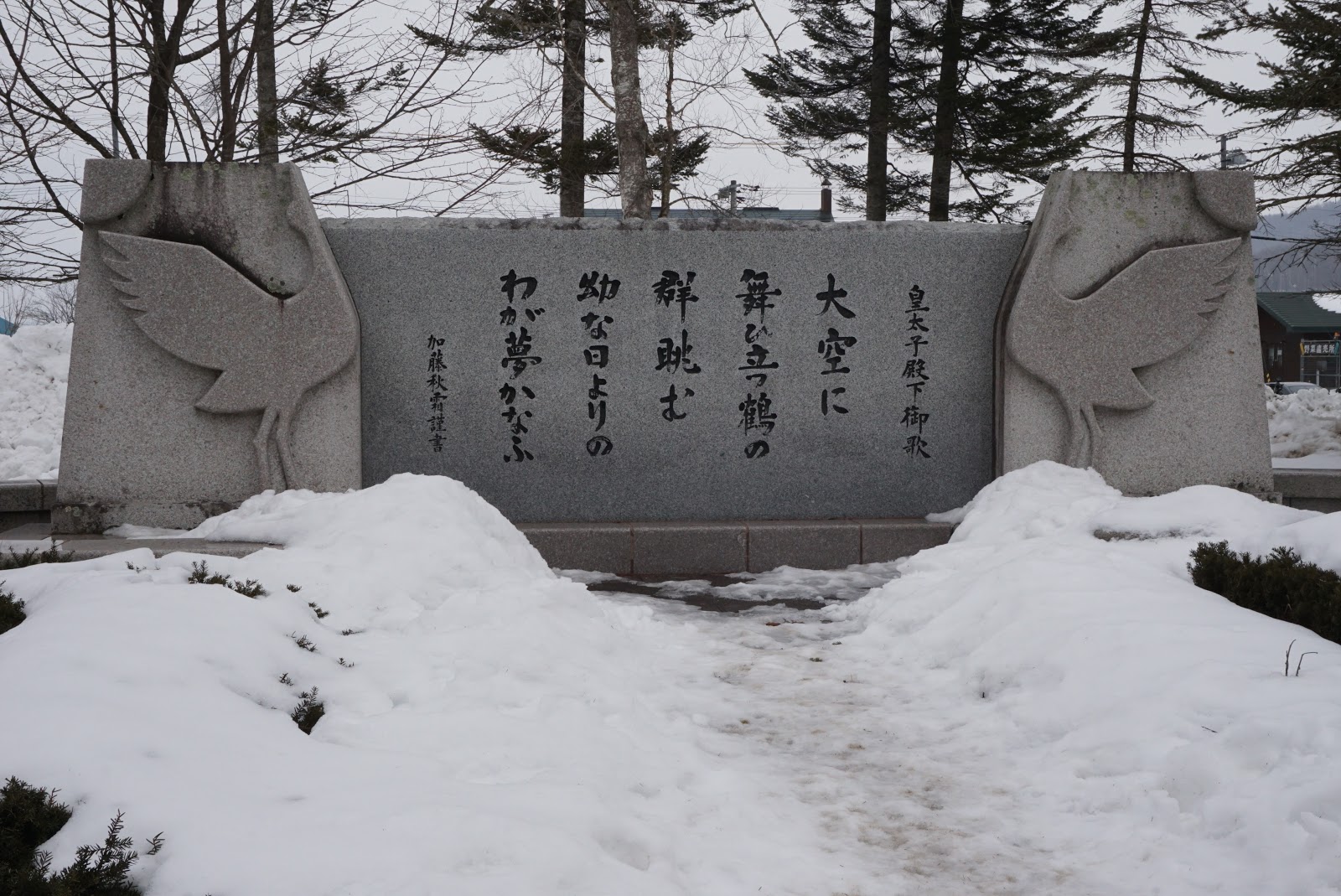
This poem was left behind by one of the royalties of Japan
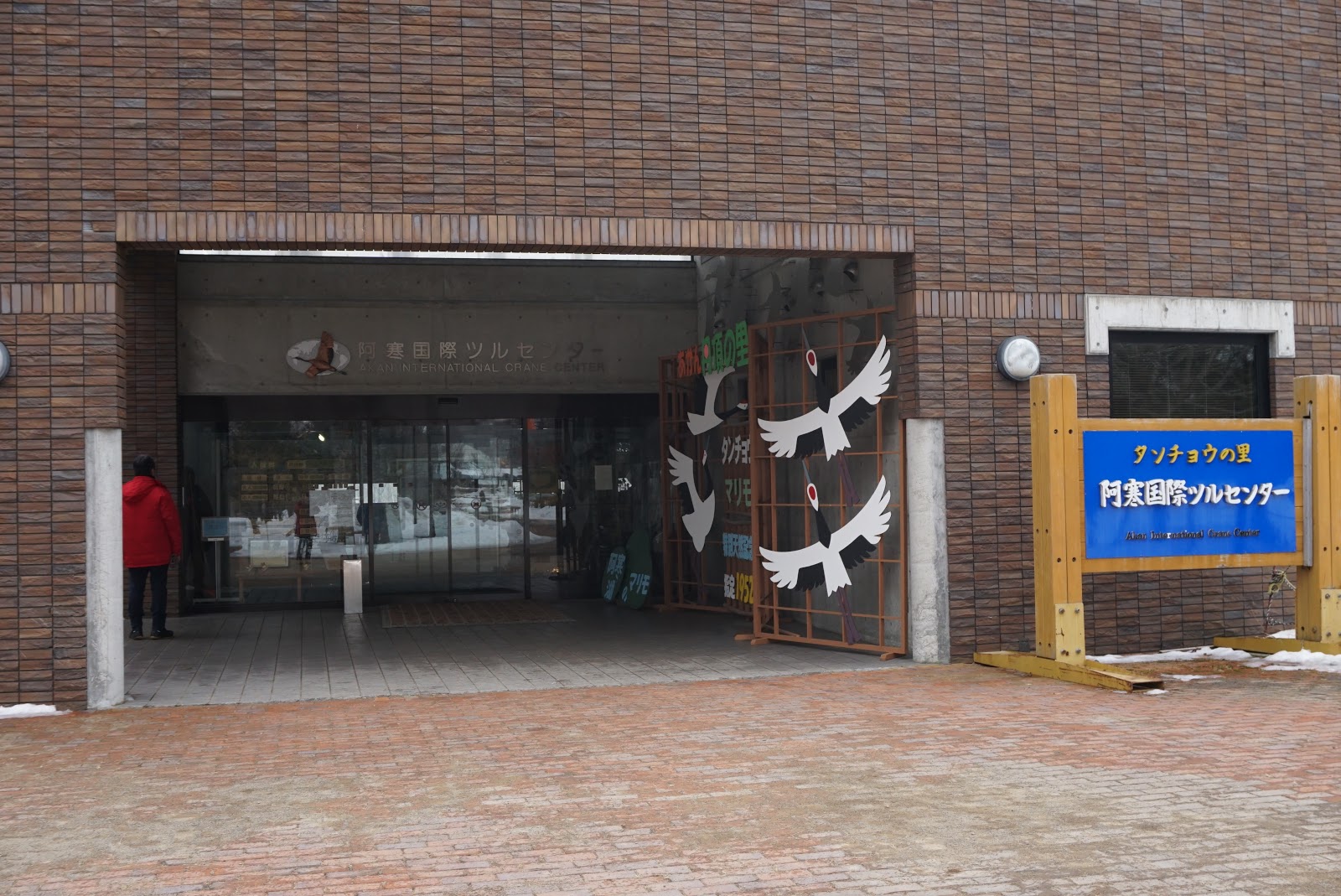
The main entrance to Akan International Crane Centre
Akan International Crane Centre. We can’t wait to see the Tancho Cranes
Tancho Cranes sharing the same place as geese
Me with the Tancho Cranes in the background. They seem well hidden with the snowy landscape
Tancho Cranes
These cranes are looking for food
My friend with Tancho Cranes in one of the outdoor aviaries
Most of the time we were there, these cranes were seen looking for food in the snow
Tancho Cranes
The red-crowned Tancho Cranes, a symbol of Japan
The elegant Tancho Cranes. This crane is also used as a symbol of Japan Airlines

There seem not much action in this aviary with the Tancho Cranes, most of the time they were burying their heads in the snow, looking for food. My friend and I headed for the next door larger aviary located in front of the 2 storey Tancho Observation Centre. More photographers gathered here seemingly waiting for something to happen. I managed to catch the Tanchos in action, as though it is trying to display the crane dance to one of the other cranes. Occasionally a few of these birds soar into the sky as though they were irritated by their neighbours. At around 1pm, a few hawks were spotted circling the sky above the aviary, waiting for the cranes to be fed fishes and swoop in to snatch the fishes with the cranes.

Tancho Crane in flight
Tancho Cranes in flight
One of the cranes doing the crane dance


After seeing some Tanchos in action, my friend and I left the Crane Centre to grab some lunch. As the next bus will be some 2 hours later, we headed for the Kushiro Shitsugen Museum. This museum displays the works and personal belongings of a well-known marshland painter. Although we are not art lovers nor are we museum-goers, we still could appreciate the artworks. Going through the paintings, I can’t help be wonder how the painter was able to come up with such a creation. With simple strokes of the brush and some spots of white paint against an orange or dark blue background, I was still able to tell that the white speck of paint is the Tancho Cranes. What impressed me most is the large 2-panel paintings, where the shades of colour spread consistently across both canvases as though they are one big painting. The museum isn’t too big, it took us 20 mins to finish the museum (I guess we would have spent more time in the art museum if my friend and I are art lovers). As there are 1.5 more hours to kill, we went back into the Akan International Crane Centre.

Grabbing lunch at the nearby restaurant across the road from Akan International Crane Centre
Visiting the Kushiro Shitsugen Museum
The snow landscape outside Kushiro Shitsugen Museum

Instead of going for the outdoor aviaries, my friend and I spent the rest of our time going through the exhibits in the main building. There is an exhibition hall that relates the life cycle and the anatomy of Tancho Cranes and their structure from young to adulthood. The main building also housed a laboratory where chicks can be observed through the one-way glass. However, at the time of our visit, we did not get to see these chicks. My friend and I headed back to the bus stop for the bus back to Akanko Onsen. Alighting the bus, we were thrilled to welcome the somewhat heavy snowfall.

Exhibits inside Akan International Crane Centre where we learnt more about the life cycle of the elegant Tancho Cranes
My friend studying the exhibit inside Akan International Crane Centre
Inside the main building of Akan International Crane Centre
Waiting for our bus to arrive to send us back to Akanko Onsen
Finally, the bus arrived
It was snowing heavily when we reached Akanko Onsen
Me with the snow in Akanko Onsen

Outdoor Onsen Under the Snow

After dinner, my friend and I head straight to the sister hotel next door to try out the outdoor onsen on the 1st floor, which was designated as the female spa last night. It is scheduled for male patrons tonight. After soaking in some of the indoor onsen baths, my friend and I headed out into the outdoor onsen baths. It was still snowing outside. Only the initial walk from the indoor to the bath was cold, one I entered the 40℃ onsen pool, it was very comfortable and relaxing and seem to take away the fatigue from the walks during the day. The outdoor bath was designed with like a natural bath with artificial stones underneath a tree. It is very refreshing soaking in an onsen in the snow. What I like about soaking onsen in the outdoors under the cold weather is it does not make me feel warm easily. We stayed in the onsen longer than we expected and moved to the onsens indoor before calling it and headed back to our room to pack up. We will be leaving for our next destination, Abashiri, early in the morning tomorrow.

My friend holding a Marimo Ball in the hotel
Me with the Marimo ball tank
The indoor onsen area on 1st floor at the sister hotel Akan Yuku no Sato Tsuruga (taken from the hotel’s website (http://www.tsuruga.com/en/) as we are not allowed to bring a camera into the onsen)
The outdoor onsen area on 1st floor at the sister hotel Akan Yuku no Sato Tsuruga (taken from the hotel’s website (http://www.tsuruga.com/en/) as we are not allowed to bring a camera into the onsen)

Hokkaido Day 3 (Lake Akan) (16 Feb 17) – Goodbye Tomamu, Hello Lake Akan

Goodbye Tomamu

We visited a different restaurant from yesterday. Walking along the covered walkway to and fro the restaurant, taking in the snowy scenery outside, made us don’t feel like leaving Hoshino Resorts Tomamu. Afterall the ski village has activities for everyone, skiers or non-skiers. The scenery at Unkai Terrace was absolutely stunning. We checked out of our hotel in Tomamu after breakfast, in time for the shuttle bus that will make the 1040am JR to Kushiro Station. All the shuttle buses bound for Tomamu JR Station are timed well in time for guests to board or alight from the trains that call into the station. The information on the JR Hokkaido website is very accurate and makes a great site for me when I was planning which train to take for us to catch the shuttle bus to the hotel we stayed in Lake Akan Onsen Town (Akanko Onsen) provided by the hotel.
The restaurant where we had our breakfast in Hoshino Resorts Tomamu
Walking along the covered walkway from the hotel to the restaurant
The snow scene outside the walkway just looks fabulous

Making our Way to Akanoko Onsen

The journey to Akanko Onsen took around 5 hours. We spent 3 hours on the JR from Tomamu Station to Kushiro Station. The 3-hour train ride zipped past quickly as I was looking out the window, enjoying the sights of the vast and mostly empty land covered in snow of Hokkaido, a very different scene from what I thought of Japan. These empty lands could be farms, but in winter they looked abandoned. Everything covered in the snow seems to look beautiful, no matter how wild the land looks. Soon we arrived at Kushiro Station. My friend and I begin to orientate ourselves and look for the bus station that the bus would pick us up. Some hotels in Akanoko Onsen such as the one we stayed in provides transfer from Kushiro Station directly to the hotel, we found this out when visiting the hotel website and made arrangements with them to via email after we booked the room. We also booked our transfer from the hotel to Abashiri with the hotel, which saves a considerable amount on transport as well as time as compared to using the JR. We planned to arrive more than 30 mins earlier than the scheduled pick up the timing to the hotel after all the Japanese are known for their punctuality. We rather are early than late so not to miss our bus. As we were walking outside Kushiro Station, it seems to signal the end of winter coming, there isn’t much snow in the streets and most are covered in thin ice. As we were being driven on the 2-hour bus ride across Kushiro City, the whole city seems dead as there aren’t many people anywhere else in the city. As the bus pulled further from Kushiro City, the snow scenery seem to return, reassuring us that winter will not be ending soon. Civilisation fades into farmland and subsequently to the natural landscape. The natural landscape soon turned into civilisation, we knew we have arrived at Akanko Onsen.
Waiting for JR at Tomamu Station
We had time to take a wefie before the train arrives
This is the train that will take us from Tomamu Station to Kushiro Station
Onboard the JR on our way to Kushiro Station
The vast lands of suburban Hokkaido
The snow just makes even the wilderness look charming
JR zipping past some snow landscape in Hokkaido
My friend choosing which snack to get in Kushiro Station
I chose the very tasty cream bun
Outside Kushiro Station. It seems that the snow has melted as though winter is ending soon
This is the bus that will take us to Akanko Onsen
On our way from Kushiro to Akanko Onsen
As we were being driven to Akanko Onsen, the snow thick snow assured us that winter will still be around for some time
On our way from Kushiro to Akanko Onsen
There is hardly any traffic along the way to Akanko Onsen
On our way from Kushiro to Akanko Onsen

Exploring Akanko Onsen

My friend and I checked into the room in the hotel, the view of Lake Akan from our room was amazing. From our room, we can see the frozen Lake Akan and the mountain beyond the lake. My friend and I headed out Akanko Onsen Town to settle the payments for our day trips tomorrow. The Akan Tourist Information Centre which we booked our day trips from was about 5 mins from the hotel we put up in. Akanko Onsen is a small town. Most of the hotels are built in front of Lake Akan and the shops are built one street opposite the hotels away from the lake. The shops in town mainly sell souvenirs to tourists and a couple of 24-hour convenient stores along the street. There is also a small park in town along the side where the shops are located. As we were strolling in the town, it felt that the town is built for tourists. The town is very quiet, we saw a few tourists strolling in town. There don’t seem to have a lot of locals residing in Akanko Onsen except for a few shopkeepers operating the shops. Since it was still too early for our dinner in the hotel, my friend and I headed for the nearby Ainu Kotan.

View of the frozen Lake Akan from our hotel room
Walking in the streets of Akanko Onsen
We came across a small park covered in snow on our way to Akan Tourist Information Centre
We were delighted to see a considerable amount of snow in Akanko Onsen, assuring us that winter is still around

Ainu Kotan is a small Ainu Village in Akanko Onsen, which is a small area hidden in one corner of the town. It has shops mainly selling souvenirs lined along the sides of the village. Some Ainu wood carvings are standing around 2 storeys tall sitting in the middle of the village. There is a small Ainu museum at the end of the street, which was closed at the time of our visit. There are some Ainu ice sculptures displayed in front of the museum. There are a couple of Ainu homes on the sides of the museum. The Ainu Village feels artificial, and not worth spending a lot of time on it.

The archway marked the entrance to Ainu Kotan
My friend in Ainu Kotan
One of the shops in Ainu Kotan selling souvenirs
The ice sculpture in the middle of Ainu Kotan
Another ice sculpture in front of the Ainu Museum in Ainu Kotan
These are residences of the Ainu tribe people
Me in an Ainu hut
A typical Ainu hut in Ainu Kotan
Ainu sculpture in Ainu Kotan

Onsen Experience in Akanko Onsen

For the rest of the night, we tried out the onsen in the hotel. The hotel’s onsen has 4 pools which are all indoor. The temperature in the hot spring waters in the hotel is set between 38℃ to 40℃, depending on the baths. We were a little disappointed that there isn’t any outdoor onsen in the hotel we were staying and the onsen in the hotel we stayed in is pretty normal. My friend and I decided to check out the onsen in the sister hotel next door. The onsen here is located on the 1st and 8th floor, alternately between male and female usage. Today the 8th-floor onsen is scheduled as a male onsen, while the one on 1st floor is for female patrons. We went to the rooftop outdoor onsen, braving the 2.5℃ temperature. The climate must be lower than 2.5℃ with the cold wind blowing from the frozen Lake Akan. We like soaking in the hot spring waters in the cold, feel very comfortable. It is a shame that we can’t see into the lake from the rooftop due to the darkness of the night. We headed back to our room after spending almost 1 hour in the onsen as it was late and we had to wake up early the next day for our morning walk on Lake Akan.

Onsen in Tsuruga Wings hotel (taken from the hotel website (http://www.tsurugawings.com/en/) as we were not allowed to bring a camera into the onsen)
The indoor onsen on at the sister hotel Akan Yuku no Sato Tsuruga 8th floor (taken from the hotel website (http://www.tsuruga.com/en/) as we were not allowed to bring a camera into the onsen)
Rooftop Onsen overlooking Lake Akan in the sister hotel Akan Yuku no Sato Tsuruga (taken from the hotel website (http://www.tsuruga.com/en/) as we were not allowed to bring a camera into the onsen)
We were fortunate to see a fireworks display on Lake Akan from the comfort of our room
The fireworks lasted for 15 mins on Lake Akan
Fireworks display on Lake Akan


Hokkaido Day 2 (Tomamu) (15 Feb 17) – Skiing For the Very First Time in Tomamu Ski Resorts and Cloud Walk Revisited

First Try at Skiing

My friend and I missed out on skiing last year when we visited Korea, partly we were apprehensive about skiing as we had zero experience in skiing but wanted to try the sport. When we planned for this trip to Hokkaido we were determined to ski, after all, we are staying in a ski resort. Instead of renting ski equipment and figure it out ourselves, we booked a beginner’s lesson with the resort. Booking the lesson can be done via Hoshino Resorts Tomamu’s website. We were pleasantly surprised when we found out that the lesson is conducted for just the both of us with one instructor. The experienced instructor, though spoke very little English, was very proficient and very patient with us being first-timers in Skiing. The very first thing that we were taught is to walk with our ski on. Our instructor then taught us to brake, which is essential when we ski down a gentle slope. We practised braking a few time down the gentle slope that was meant for beginners. An hour has passed and our instructor suggested to bring us up a slope on a chairlift. We were hesitant at the suggestion, but put our trust in the experienced instructor instead.

The snow-covered Hoshino Resorts Tomamu is especially charming
Map of the Ski Area in Hoshino Resorts Tomamu (Source: http://www.snowtomamu.jp/winter/en/)
My friend having a ski lesson with the instructor while I skive around taking pictures
Travelling up the snow escalator for our lesson on walking with ski on and braking
This is the area for beginners where we were taught the basics of skiing
Our very patient instructor teaching my friend on braking techniques
The enclosed area is designed for kids to learn to ski down a very gentle slope

We took a ride up the Nipo Chairlift up the Nipo slope, a relatively gentle slope designed for beginners. First time skiing down the beginner’s Nipo slope was thrilling, the instructor’s teachings of braking came in very handy as I was controlling the speed by braking most of the time during my first descend down the slope. Our instructor brought us up Nipo Slope a few more times to practice our skiing. I felt more confident and actually find skiing quite fun. I thought getting an instructor to teach us skiing was a great idea, this allowed us to feel the fun in skiing. If not for the instructor, we would not have tried skiing down the beginner’s slope. After a few more attempts skiing down the slope, our 2-hour ski lesson had come to an end. After bidding our instructor farewell, my friend and I decided to head up Unkai Terrace and try our luck at visiting the Cloud Walk again.

Taking a selfie on the Nipo Chairlift up to the top of Nipo Slope in Tomamu
Our instructor guiding my friend down Nipo Slope for the first time, while I slowly ski down the slope taking the opportunity to snap some pictures
My friend and our instructor on the chairlift on our way up Nipo Slope for our second attempt down the slope
Nipo Chairlift
The snow looks soft as though good to make a snow angel on from the chairlift
Me on the chairlift. This is the only way to show that I was learning to ski as well
Our instructor perfecting my friend’s braking technique while I ski behind them happily snapping pictures
View of the Nipo slope that I have skied pass
It started to snow when we skied down Nipo Slope with our instructor patiently correcting my friend’s skiing technique.


Unkai Terrace Revisited

Feeling disappointed that we did not manage to visit the Cloud Walk the yesterday, we wanted to try our luck at visiting the Cloud Walk again. As we ascended Terrace of Frost Tree on the gondola, it started to snow again. The snow was heavier than it was yesterday. The snowing weather made the winter snowscape extra charming and beautiful. It was freezing when we reached the Terrace of Frost Tree. My friend and I headed for the Cloud Walk. The snow felt softer than it was the day before when we walked on it, thanks to the fresh snow descending from the sky. We came across the sign that stopped us from continuing further to the Cloud Walk yesterday and decided to ignore it as we saw a group of visitors ignoring the sign as well. I am glad that we ignored the sign, we were soon rewarded with the stunning view that the Cloud Walk provides. The Cloud Walk is a semi-circular bridge that extends out of the edge of the mountain, giving us a spectacular view of the entire valley and the mountain ranges around it. From the bridge we were also able to see the entire Hoshino Resorts Tomamu, it felt small when we stand on the shoulders of the giant mountain. The view looked like it was lifted from a painting or the photo of a skilled photographer. Standing on the semi-circular bridge that extends into the sky, it felt extremely peaceful and tranquil. We had to make a u-turn at the end of the bridge as the path was blocked by thick snow. We traced our footsteps back from where we came from and arrived at the summit gondola station.

I just love the view of the mountains when travelling up Unkai Terrace on the gondola system
My friend in the gondola on our way up to the top of Mt Tomamu where Unkai Terrace is located
At the top of Mt Tomamu
Tenbou cafe sells beverages and snacks to visitors at the Terrace of Frost Tree up at the top of Mt Tomamu
View of the ski resort from Terrace of Frost Tree
We stopped for a wefie on our way to the Cloud Walk
There is a fireplace in front of Tenbou cafe where visitors can sit around
My friend on a snowmobile
The snow-covered trees on top of Mt Tomamu just look so beautiful
The snowing weather did not deter us from taking wefie while walking towards the Cloud Walk
Finally, we reached the Cloud Walk. This is part of the semi-circular bridge that extends out from the edge of the mountain
View of the valley below from the Cloud Walk bridge
The view from the Cloud Walk is spectacular especially when the low clouds are forming
Wefie on the Cloud Walk
Panoramic shot from the Cloud Walk
The view from Cloud Walk is so beautiful
It feels as though we are standing on the shoulders of the giant when we were on the Cloud Walk up the top of Mt Tomamu which is more than 1200m tall
More wefie on the Cloud Walk
One is assured to get a stunning view at the Cloud Walk
Me at the sign that marks the Cloud Walk

Attempt to Revisit Ice Village and Chapel on the Water

Descending from Mt Tomamu, we headed to the Ice Village. We wanted to see the village in the day time and play on the ice slide again as we thought it would be less crowded. As we were walking towards the ice archway of the Ice Village, we saw the entrance to the Chapel on the Water being opened. We decided to pop into the Chapel as the visit the Chapel was rather disappointing that the tranquillity in the Chapel was broken the night before. This time around, instead of heading into the Chapel, we walked on a path that along the parameter wall surrounding the Chapel. The view of the Chapel from the parameter wall was as beautiful as it is from inside the Chapel. The Cross that stood still braving the elements of the cold weather on the frozen pond outside the Chapel still looks tranquil from the elevated plane surrounding the Chapel. The view of the Chapel was indeed different and offered a different perspective of the Cross. We followed the path to exit the Chapel grounds and continued our way to the Ice Village. When we arrived at the Ice Village, the ice archway was shut, at this point we knew that the Ice Village was not open.

On our way to the Ice Village
The snow-covered forest on the path towards the Ice Village
The Cross that stood undeterred withstanding the elements of Mother Nature in the Chapel on the Water
The Chapel on the Water looks beautiful even when viewed from the outside
Chapel on the Water
We were walking along with the parameter of the Chapel on the Watermarked by the concrete walk
The snow seemed to make every picture we took beautiful
This is taken outside the walkway on our way back to our hotel
My friend building a snowman in Hoshino Resorts Tomamu
My friend posing with the snowman he built (can’t really see from this picture, but there is a small snowman there)

Riding the Snowmobile

Walking back to our hotel, we thought the day is still young and headed over to the GAO Outdoor Activity Centre to try driving a snowmobile. We opted for the 10 min option. Before driving the snowmobile, we were given simple lessons on driving the snowmobile. We were also instructed to follow the guide closely and not to overtake each other. Driving the snowmobile was easy, the left handle controls the brake, while the right handle controls the acceleration of the machine. The steering of the snowmobile was heavier than I expected. We were led by the guide to ride around an open area in front of our hotel. Riding up and down slopes as well as riding around the bends, it was fun riding the snowmobile. We were led to stop at a point where the guide took some pictures for us with the Tomamu Tower Hotel in the background. After taking some pictures, we headed to the activity centre that marked the end of our 10 min snowmobile ride.

Me at the GAO Outdoor Activity Centre
Getting ready for our maiden snowmobile ride
My friend on the snowmobile
We were driving the snowmobile
Me on the snowmobile
The guide led us to this place where he took a picture of us with  the hotel we were staying in the background

Mina-Mina Beach

The night is still young, my friend and I headed for the Mina-Mina beach. Mina-Mina beach is one of the largest indoor heated swimming pool in Japan.  There are scheduled artificial waves created every hour. The water was colder than we expected as we entered the pool, perhaps due to the sub-zero temperature outside. Around the pool, there are activities such as an indoor wall climbing facility and a jumping cord. There are also floats stowed at the side of the pool for visitors to the pool to use. We waited for the wave to occur. The wave lasted 15 mins and wasn’t much fun. As we felt bored with the pool. we headed for the adjacent outdoor bath – Kirin-no Yu. It is a pity that we were not able to bring our camera when in Mina-Mina Beach and the Kirin-no Yu. The outdoor bath is separated by gender with the men’s bath further in the swimming pool. After taking a shower, my friend and I headed for the outdoor pool. As we exited the heated area of the bath into the outdoor pool, a sudden cold chill ran through our body due to the sub-zero temperature outside. We quickly made our way into the hot pool, where we felt very comfortable almost immediately. It is very refreshing soaking in a 40℃ water in the -8℃ temperature. The cold temperature made the hot water don’t feel as it is. We were reluctant to move the moment we soaked into the water. Although the water in the bath was not spring water, it still feels very good soaking in it. As it was getting late and we were getting hungry we left Mina-Mina Beach after cleaning up. We headed back to our room after dinner to pack up as we will be leaving Tomamu for our next destination – Lake Akan Onsen the next day.


Hokkaido Day 1 (Tomamu) (14 Feb 17) – Hello Hokkaido, Hello Tomamu


Our 14-day journey took us around 1200km around Hokkaido

Arrival in Hokkaido

Our maiden Japan trip was planned to take us across from East to West of Hokkaido, taking mainly the public transport during winter. The whole journey took us around 1200km across the Northern State of Japan. We were greeted by land of white when we woke up from our overnight flight with a brief layover in Bangkok. Our plan was to visit the Doraemon Sky Park located in New Chitose Airport after we collected our luggage, however, the park only opens at 10am. My friend and I headed for the JR Station located on the domestic side of New Chitose Airport and got our tickets to our first destination in Hokkaido – Tomamu. I read that Tomamu Station does not have a ticketing counter, this was verified by the staff when we purchased our tickets to Tomamu, we took the opportunity and bought our tickets from Tomamu to Kushiro as well.

Snowy landscape of Hokkaido as we approached for landing
We were thrilled to see the snow-covered New Chitose Airport and can’t wait to get out to play with the snow

As we still have some time to spare before our scheduled train departs, my friend and I decided to get Bentos to be eaten during onboard the train. The shopping arcade in the airport looks more like a shopping mall than an airport. We whizzed through the maze of shops selling practically everything, from souvenirs to biscuits to Bentos. They even have a live seafood section here! We got our Bentos from a store manned by an elderly lady. Despite speaking very little English, that does not stop her from providing the excellent service that the Japanese are known for.

Ticketing at New Chitose JR Station
My friend and I at the New Chitose JR Station
Shops in New Chitose Airport selling all sorts of stuff
Seafood on sale in New Chitose Airport
More food in the shopping arcade in New Chitose Airport
Bentos!

JR Ride to Tomamu – Our First Stop in Hokkaido

The JR ride from New Chitose Airport to Tomamu Station takes around 2 hours with a change of train at Minami Chitose Station, just a train stop away from the Airport Station. We started to chow on the Bentos that we bought after the change in train. The Bentos are very fresh and delicious, a very good start for our journey in Hokkaido. The 2-hour train ride seems to pass quickly, most of the time I was looking out the window at the snowy landscape of the vast land in Hokkaido. There isn’t much build-up area where the train zipped through. Arriving at Tomamu Station, hordes of visitors to the resort started to crowd around an elderly gentleman, it is not hard to miss the porter whom would transport our luggage to the resort, at the same time guiding visitors to the free shuttle buses that would bring us to the resort. Shuttle buses to the resorts are timed according to the arrival and departure of JR trains that stopped by Tomamu Station, a very well planned and easy access to the resort. The bus ride took around 5 mins.

Our tickets to from New Chitose to Tomamu Station
The train that would take us to Tomamu
Inside the Green Car of the JR
On our way to Tomamu
My friend bought the pork bento. The pork was tender 
I opted for the salmon bento
Nearing Tomamu Station
We arrived at Tomamu Station after 2 hours from New Chitose Airport
Tomamu Station

As we arrived at the reception ahead of the rest of the visitors who were still looking for their luggage when we have collected ours, the queue at the check-in was relatively short (which began to form up fairly quickly after the rest of the visitors collected their luggage). Checking-in was a breeze and soon we found ourselves in the room that the hotel assigned. We were glad that we have gotten a high floor unit (32nd floor out of 35 floors), the view out of the room was stunning! We could see the ski slopes and the mountains forming the backdrop to the resort. Below the resort, there seem to be some skiing lessons going on.

Reception at the time we arrive
At the ski resort in Tomamu
View from our hotel room

Unkai Terrace and the Terrace of Frost Tree

After settling into our room, my friend and I wasted no time in heading out to the Unkai Terrace, which the room rate included the gondola tickets to the peak of Mt Tomamu. Complimentary shuttle buses are running to different parts of the resort at regular intervals, which we made use quite often during our stay in the resort. Before my trip to Hokkaido, I read that at the top of Unkai Terrace is where the Cloud Walk is situated, exclusive to Tomamu Resort, boasting great views to the mountains and the valley in the entire Mt Tomamu region. The ride on the gondola up Unkai Terrace took around 10 mins, it was snowing as we alighted the shuttle bus and made our way to the gondola station. As the gondola ascended to the peak of Mt Tomamu, we were treated to stunning views of the mountains that form the ski resort. Rows and rows of triangular trees form the forested area, with the snowy condition, the view is out of this world. And this is just the beginning of our ascend to Unkai Terrace. As the gondola climbs towards the summit station, the views of the valley became clearer. It is at this point that I realise how big the entire Tomamu Ski Resort is.

Base Station of the gondola up Mt Tomamu
Gondola base station
The beautiful winter scenery as we ascend Mt Tomamu in the gondola
The winter landscape around Tomamu Ski Resort was amazing

Exiting the summit gondola station immediately is the Terrace of Frost Tree. A small shop housed in a shipping container sells food and drinks to visitors was placed at the backdrop of the Terrace, where the mountain range that surrounds the ski resort was in full view. The ski resort seems to form the heart of the mountain ranges, the view is especially tranquil when the entire area is covered with snow. One can seem to find peace looking out from the Terrace of Frost Tree up in Unkai Terrace.

Terrace of Frost Tree in Unkai Terrace
View of the ski resort from Terrace of Frost Tree
Panoramic shot from Terrace of Frost Tree
Shop selling food and drinks at Terrace of Frost Tree

After snapping some pictures, my friend and I headed out to the Cloud Walk. We were treated to stunting snowy mountains views even walking on the snowy path towards the Cloud Walk. At one point, we came across a sign that reads “Stop for a while”. When we saw the Japanese Language on the sign, it seems to suggest that the Cloud Walk is closed. As it was snowing, we thought that the Cloud Walk was closed and decided to head back to the gondola summit station for our gondola back to the base station. We stopped by the Mina-Mina Beach, an indoor heated swimming pool within the resort grounds momentarily to see what’s inside before catching the next shuttle bus back to our room to rest.

Making our way to Cloud Walk
Even the view on the way to Cloud Walk is stunning 
Me on top of Mt Tomamu
View of the surroundings on our way to the Cloud Walk-in Unkai Terrace 
Snow snow everywhere
Descending back to the Unkai Terrace gondola base station
Sneak peek of Mina-Mina Beach

Visiting the Ice Village at Night

Within the resort grounds lies the Ice Village, which is only open during winter months. After dinner, we headed for the Ice Village. Instead of catching the shuttle bus, we made our way to the Ice Village by foot through the covered walkway that linked the different hotels within the resort. The walk to the Ice Village from our hotel took around 10 mins. The entrance to the Ice Village was marked by an archway made entirely out of ice. From the archway, a one-way path took us to cross a small wooden bridge and up a small slope. The village is nowhere in sight as we were walking in the snowy path up the slope. At the top of the slope, there it is. The ice village bathed in colourful lights is perched at the bottom of the slope. We were excited when we saw the ice village. As we were making our way down the slope, we came across an ice slide. It was not well marked and can be easily missed under the cloak of the night. We took the option of sliding down the ice slide instead of walking down the ice steps. The slipperiness of the slide as a result of the ice zoomed us down the slide fairly quickly. It was fun!

The ice archway marking the entrance to the Ice Village
Taking a wefie at the Ice Village signage in front of the ice archway
Walking through the snow-covered pathway. The Ice Village is still nowhere to be seen
Finally saw the Ice Village on top of the slope


The long ice slide that we took down to the village


My friend sliding down the ice slide after me

The Ice Village is essentially a place where all the buildings are made of ice. Even the furniture inside these ice huts is carved out of ice. These buildings housed shops. There is an ice hut sells cocktails, where visitors can carve a glass out of ice and the bartender would pour your choice drink into the glass that one carved. There is a shop that sells flowers, frozen in ice. And another that sells desserts. At the heart of the Ice Village is the Ice Chapel. It was closed for a private wedding ceremony at the time of our visit. Besides the Ice Chapel is a single room Ice Hotel. The hotel room has a bed that is carved out of ice and a dining table as well as a couch that is made of ice. Even the chandelier in the room is made of ice. There is another door that leads to the backyard of the hotel room. Here lie 2 deck chairs made of ice and a small side table for one to relax on. I wonder if anyone would even lie on these deck chairs as the climate is simply too cold to sit on these icy chairs out in the open.

Taking a wefie in the Ice Village


The Ice Village is made up of ice huts such as these, the external look the same, but each hut offers different things inside


This hut sells pastries encased in cabinets made of ice


These pastries look delicious


The interior of the single room Ice Hotel
All furniture and even the chandelier is made of ice
The sundeck chairs in the back yard of the ice hotel

As we headed back to the Ice Chapel, a staff member informed us that there will be a fireworks display starting in around 5 mins. Since it is 5 mins away, my friend and I waited for the fireworks. Soon a display of pyrotechnics lighting up the dark winter night sky from behind the Ice Chapel. Watching the fireworks rushing up the night sky, illuminating the Ice Chapel with a kaleidoscope of colours and patterns was magical. It felt like a scene in some Disney cartoon display real life in front of me. The fireworks display lasted for 15 mins. We left the Ice Village when the fireworks died down.

The Ice Chapel looks beautiful especially bathed in white and blue lights

As we were walking back, we saw a small pathway almost covered by trees. A few visitors headed into this pathway. Curious, we followed them. This pathway leads to a compound surrounded by a grey concrete wall. It is the Chapel on the Water, designed by a famous architect in Japan. The Chapel was made out of simple materials like stones, woods and glass. We followed the crowd inside the Chapel, which look more like a dungeon than a place of religion. Down a spiral staircase, a large floor to ceiling glass panel formed part of the wall. Outside the glass panel lies a large Cross sitting solemnly in the snow. In other seasons, this Cross would be sitting on a pond, however, during winter, the snow-covered pond blended with the surroundings. The solitude Cross came across as peaceful when watching it from inside the Chapel. Inside the Chapel, a sense of zen can be felt. The tranquillity was soon broken when a group of tourists from China came into the Chapel talking loudly. We were rather irritated and left the Chapel to return to our room to the rest of the night. We wanted to get sufficient rest for our ski lesson tomorrow.

View of the Cross from inside the Chapel on the Water (or snow in winter)